
Discord
I’ve been using a TeamSpeak server for nearly a decade and have found it an invaluable tool during that time. It has primarily provided a “home” for myself and my gaming colleagues. We meet up every Wednesday night and chew the proverbial fat while playing various MMOs. However, it has also provided a backup podcasting recording facility and on several occasions hosted impromptu business meetings. Costing $10.80 every quarter, for a ten-user server, TeamSpeak has been great value for money. The hosting company, TypeFrag, have provided good customer service and until recently there’s been no reason to change this business arrangement. Unfortunately, the server has been problematic over the last fortnight, with random disconnects and lengthy outages. Despite following the troubleshooting FAQ, the matter remains unresolved.
I’ve been using a TeamSpeak server for nearly a decade and have found it an invaluable tool during that time. It has primarily provided a “home” for myself and my gaming colleagues. We meet up every Wednesday night and chew the proverbial fat while playing various MMOs. However, it has also provided a backup podcasting recording facility and on several occasions hosted impromptu business meetings. Costing $10.80 every quarter, for a ten-user server, TeamSpeak has been great value for money. The hosting company, TypeFrag, have provided good customer service and until recently there’s been no reason to change this business arrangement. Unfortunately, the server has been problematic over the last fortnight, with random disconnects and lengthy outages. Despite following the troubleshooting FAQ, the matter remains unresolved.
Rather than waste further time trying to fix the issue, I decided to set up a Discord server. For those who may not know, Discord is a proprietary freeware VoIP application designed for gaming communities. Discord runs on Windows, macOS, Android, iOS, Linux, and in a web browser. As of May 2017, Discord has over 45 million users. Let it suffice to, if you are after a third-party chat server that supports not only voice but text as well, then Discord is the go to app. Configuring the server is very easy and inviting users and setting permissions is straight forward. Discord supports the embedding of hyperlinks, video, live streaming and has a wealth of other functionality. It therefore has appeal to more than just gamers. You can host a full online business conference if you see fit.
Although you can use Discord via your web browser, downloading and installing the desktop client offers full functionality. Even with a modest internet connection the audio quality in chat is very good. However, for me the biggest point of interest about Discord is its support for plugins. The client can be extensively customised both visually and in functionality. I made a cursory Google search regarding creating and managing an audio playlist and instantly found two plugins that supported this. It would appear that there is a busy community of programmer associated with Discord and that the quality control is quite high. Overall, there is much to praise and little to criticise with regard to Discord. Furthermore, it has the best price, in so far that its free.
And it is this final point that is the only thing that slightly alarms me. I’m not quite sure exactly how their business model works. There is no end user fee, at present, so I would guess that the company makes their money via licencing. Discord provides seamless integration with services such as Twitch TV, Steam, and Facebook. I would assume this is where revenue is raised. However, the fact that Discord is free does concern me a little and regular readers will be aware of my thoughts on becoming reliant on services with such a business model. Yet for many people, this is not an issue and the immediate practical solution that the service offers cannot be ignored. Therefore in the meantime, I shall start distributing invites to the all new Contains Moderate Peril Discord server, while bidding a fond farewell to TeamSpeak.













Gaming and Voice Chat
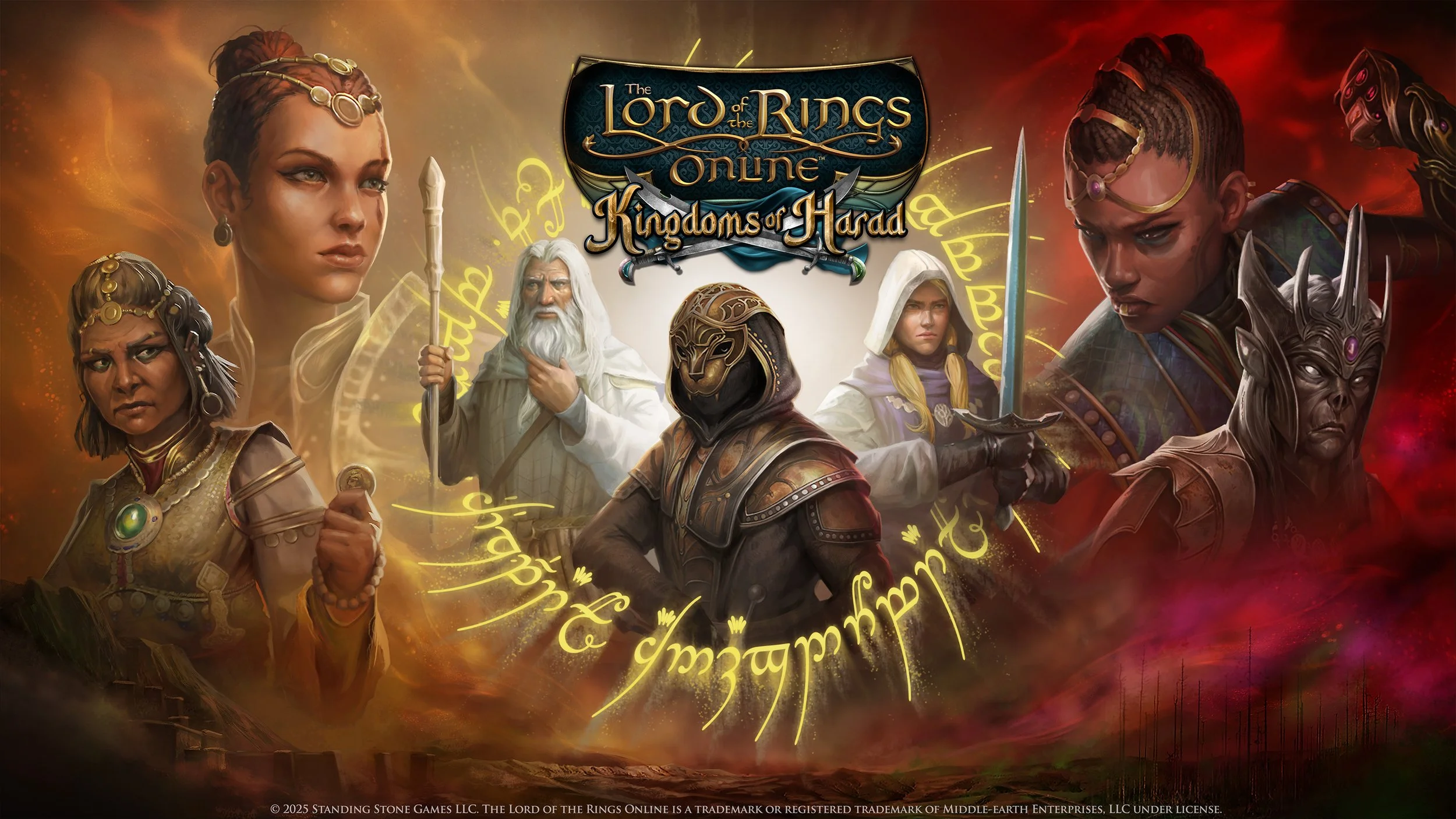
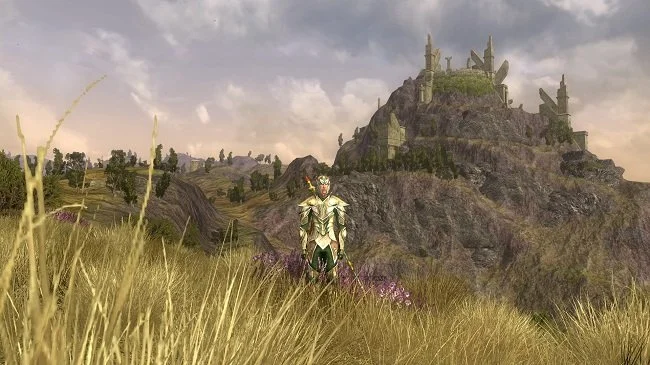
I was reading through the patch notes for the latest test build for LOTRO (Bullroarer Update 21.2 - Beta 1 Take 2) and was interested to find down at the bottom of the list, a reference to some changes that are coming to in-game voice chat. Namely, party member voice volume can be adjusted individually. Party volume control visibility can be toggled by clicking on the party voice chat icon for party members. Default Group Volume preference are to be added to the Voice section of Audio options. The volume slider can be used to set the default voice volume level of new group members. Its 75% volume by default. Well, huzzah with highly polished brass knobs on. I’m pleased that this is being done but isn’t it somewhat late? We could have done with these improvements a decade ago.
I was reading through the patch notes for the latest test build for LOTRO (Bullroarer Update 21.2 - Beta 1 Take 2) and was interested to find down at the bottom of the list, a reference to some changes that are coming to in-game voice chat. Namely, party member voice volume can be adjusted individually. Party volume control visibility can be toggled by clicking on the party voice chat icon for party members. Default Group Volume preference are to be added to the Voice section of Audio options. The volume slider can be used to set the default voice volume level of new group members. Its 75% volume by default. Well, huzzah with highly polished brass knobs on. I’m pleased that this is being done but isn’t it somewhat late? We could have done with these improvements a decade ago.
For years LOTRO players have had the benefit of an in-built voice chat service, rather than having to install and configure a third-party application. It was quite a far-reaching thing to do by then developers Turbine, when the game launched back in 2007. However, for years we’ve also had the endure the following issues. Players whose volume levels are simply too low. Players whose volume levels are simply too high. Microphones picking up and repeating voice traffic. Microphones picking up ambient background noise. Poorly configured microphones, producing "pop", distortion and feedback. For every good experience I’ve had with LOTRO voice chat, I also had a bad one. I’ve spent evenings either being deafened by my colleagues or struggling to understand them due to low volume or distortion.
So, I guess it’s good that these problems are being addressed but I must admit, it’s because of them that I’ve been running a TeamSpeak server for the last seven years. However, third party solutions come with their own set of issues. Some solutions such as TeamSpeak have to be paid for. It’s not a fortune but it does add to your ongoing gaming costs. Other services like Discord are free but that can be subject to change. I’ve always been reticent about becoming reliant on free online services as we have no consumer rights should they change business model or decide to discontinue. Which then returns me LOTRO’s built in voice chat service. Considering how crucial voice chat is to the game and the MMO genre, you’d have thought such a facility would have been more common place in other titles.
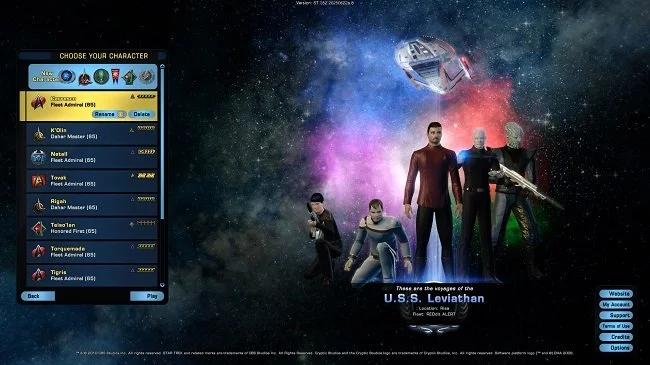
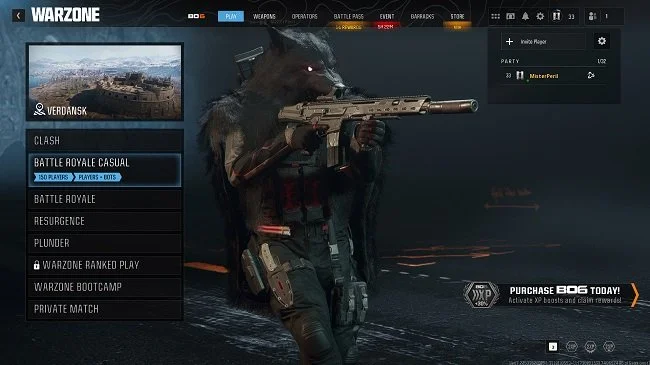
Star Trek Online is the only other MMO that I’m aware of that boasts in-game voice chat. Perhaps the increasingly solo friendly nature of subsequent MMOs has meant that voice chat is no longer considered important. Or perhaps the licensing of the technology added too much to development costs. However, where the significance of voice chat may have diminished in some genres, it has increased in others. Overwatch, Grand Theft Auto Online and PlayerUnkown’s Battlegrounds all include an in-game voice chat service. PUBG actually has a proximity based chat service as well as team support. It offers a rather interesting perspective to be able to hear your opponent. Then of course there is voice support built into software distribution clients such as Steam and origin. It would appear that third party retailers still deem voice chat to be of merit, even if some developers do not.
However, I do acknowledge the fact that not every user is comfortable speaking publicly and that for everyone who is happy to converse whilst playing a game, there others who are not. However, even if you don’t wish to participate in group chat, you can always mute your microphone and still benefit from being able to hear what’s going on. Sadly, it would be naïve to ignore the fact that voice chat can be a gateway into one of the lower circles of hell and that it can be abused. I have voice chat muted whenever I play Overwatch unless I’m among friends. Bearing that in mind, I guess another reason why some developers won’t include voice chat with their products is that they don’t want to be lumbered with the responsibility of having to police it. Not that Blizzard does much in this respect. Anyway, despite the disparity in up take, I believe the ongoing popularity of co-op based games (as opposed to MMOs) will ensure that in-game voice chat doesn’t vanish. Perhaps as the technology improves, it may evolve beyond just audio into video. There’s a scary thought.