
Register to Vote
A third of registered voters in the UK do not vote in either Local or General Elections. Out of an electorate of approximately 46,200,000 that is 15,700,000. Yet despite this substantial group not participating, it is seldom covered or discussed in the media. It is usually just written off as “voter apathy”, implying that those who did not cast their ballot are feckless, lazy or stupid. Not only is this patently untrue, not voting has major consequences. If this group of people were engaged and voted in the upcoming general election, then it would have a tangible impact upon the results. By not voting you are effectively giving the next UK government carte blanche to ignore your interests and pursue their own agenda. As Leonardo da Vinci famously said, "Nothing strengthens authority so much as silence".
A third of registered voters in the UK do not vote in either Local or General Elections. Out of an electorate of approximately 46,200,000 that is 15,700,000. Yet despite this substantial group not participating, it is seldom covered or discussed in the media. It is usually just written off as “voter apathy”, implying that those who did not cast their ballot are feckless, lazy or stupid. Not only is this patently untrue, not voting has major consequences. If this group of people were engaged and voted in the upcoming general election, then it would have a tangible impact upon the results. By not voting you are effectively giving the next UK government carte blanche to ignore your interests and pursue their own agenda. As Leonardo da Vinci famously said, "Nothing strengthens authority so much as silence".
I fully understand why people do not vote and are generally exhausted with the state of UK politics. Political discourse at present is devoid of any depth, substance or intellectual rigour. It is rife with spin and soundbites. False and spurious narratives are driven home by the tabloid press and the subtle complexities of domestic and foreign policy are distilled down to bogus binary choices. Furthermore, the major parties are all beyond their sell by dates and they know it. However, the archaic first past the post voting system favours them and not the electorate, so you’ll more than likely not see a change in electoral procedure for a while. Plus, we also have an ageing population that still cleave to outdated tribal allegiances which also skews matters further. Simply put, UK politics is a mess, especially if you wish to see change driven my intelligent discussion and an ethical consensus.
However, we are now facing a major crossroads in UK history, with Brexit. Whether you voted for it or not is now arbitrary. The realities of our countries exit from the EU needs to addressed calmly and by those who can genuinely obtain the best deal for the UK. Therefore, whatever government is in power after 8th June, needs to be scrutinised and held to account over every stage of Brexit. Therefore, it is extremely important that as many people turn out and vote on election day as possible. You can choose to vote for a specific party is you feel that they are best suited for the job, or vote tactically if you feel that will achieve a better outcome. If you feel that none of the candidates from the major parties suit your needs, then look to the smaller interest groups. If you find yourself in a serious moral quandary over who to vote for, then you can always spoil your ballot or write “none of the above”. The number of spoilt ballots is always noted and at the very least you have undertaken your duty as a UK citizen and turned up to vote. It’s not your fault that all the candidates are an utter shower.
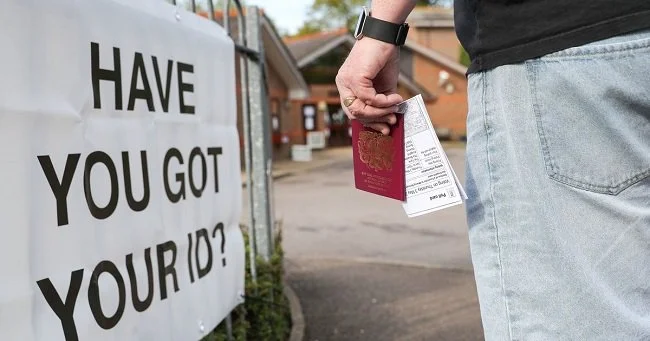
So, if you are not currently registered to vote in the UK, then I would urge you to do so now. You have until 11:59 PM on Monday 22nd May. You can either contact your local borough council, or register online via the government website. The process is straight forward and takes about five minutes. The only details you need provide are you name, full address (including postcode), date of birth and National Insurance number. You can choose to either go to the polling station on election day or vote by post if you prefer. If you choose not to vote then you are effectively throwing away the only leverage you have as a citizen. Politicians primarily care about remaining in office, thus have an interest in registered voters. It can also be cogently argued that if you don’t vote and subsequently do not like the policies that are implemented because they impact upon you adversely, then you brought it upon yourself. Don’t give the next government a blank. Register to vote and have your say, even if your say is just “sod off”.









The Decline of the British Front Garden
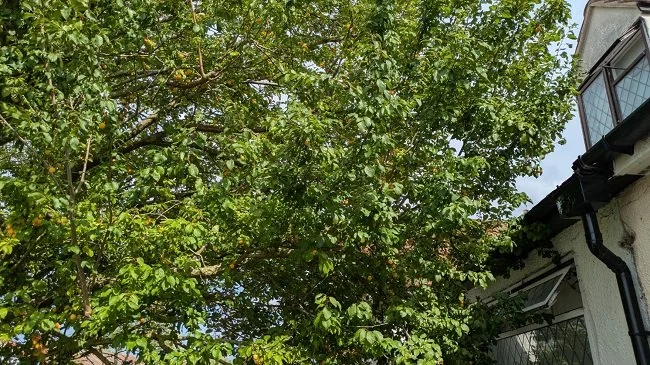
My parents still live in the house they bought when they got married in 1960. It’s three bedrooms, end of terrace house in a leafy suburb, in South East London. Built in the 1930 as family homes, the street is still predominantly populated by owner occupiers; mainly couples raising families. Yet there is one change that has occurred in my life time that is very noticeable. Over the last forty years the front gardens have all but vanished to be replaced with drives and other kinds of off road parking. Out of approximately a hundred homes in the street, at present only three still have a front garden in the traditional sense. My parent’s house is one of these but this is soon to change.
My parents still live in the house they bought when they got married in 1960. It’s three bedrooms, end of terrace house in a leafy suburb, in South East London. Built in the 1930 as family homes, the street is still predominantly populated by owner occupiers; mainly couples raising families. Yet there is one change that has occurred in my life time that is very noticeable. Over the last forty years the front gardens have all but vanished to be replaced with drives and other kinds of off road parking. Out of approximately a hundred homes in the street, at present only three still have a front garden in the traditional sense. My parent’s house is one of these but this is soon to change.
My Father gave up driving soon after he retired in the late nineties. Up until then he was always content to park his car in the garage that is at the rear of his property, at the end of the back garden. There is a connecting alley way that runs parallel to the road where he lives. However, over the years, many resident found that the pre-war garages were too small to adequately accommodate contemporary vehicles and many also wished to get rid of them antiquated building materials. Thus, over time, more and more households have elected to give up their front gardens and park directly outside their front door. It should be noted that in my parent’s borough, before you build your drive, you must first apply to the local council to have the kerb dropped in the street and the pavement outside your home replaced with asphalt.
Both my parents are now in their late eighties and disabled. My Father had two strokes last year and is dependent on twice daily visits by the district nurse. Health visitors, dieticians and physiotherapists regularly call, so after a family discussion it was decided to finally make the change and after fifty-seven years give up the front garden. Furthermore, to accommodate the dropped kerb, a tree on the grass verge will have to be removed. Technically, the road in which my parents live is an Avenue so it is allegedly supposed to be lined with trees. However, over the years many trees have gone as well as front gardens. Both these situations do not sit well with me. I appreciate the realities of modern life and the nature of change but the decline of the British front garden has wider effects, other than just encouraging nostalgia.
My parent's road circa 1983
Over the past decade, the number of front gardens in the UK with gravel or paving instead of grass has tripled, now making up a quarter of all houses, a survey for the Royal Horticultural Society shows. This change is a contributory factor to the increase in flash flooding seen in urban areas. Furthermore, the loss of vegetation and grass from our streets also impacts upon city temperatures. The artificial surfaces absorb and retain or reflect the heat, contributing to the Urban Heat Island Effect. There is also a tangible impact upon wildlife and wider biodiversity. Certain species can no longer find a viable habitat with so many gardens gone.
Then of course there is the social and community aspect of this matter to consider. During the seventies, my Mother spent many an hour maintaining the front garden, mainly for pleasure, as she’s always been a keen amateur gardener. However, she also ensured that the lawn and flower beds were in good order due to the prevailing social conventions of the time. I won’t arbitrarily write these cultural habits off as bad things. The street was a lot more pleasing to the eye due to residents Rose bushes and fruit trees. It wasn’t unusual for passers-by to stop and exchange pleasantries regarding a well moved lawn. All these incidental conversations and good will were beneficial for the local community. It brought people together and forged bonds between neighbours.
However, time and tide waits for no one and the proliferation of cars over the last forty years has forced change. There are currently more than 38 million licensed vehicles on the UK's roads. Fifty years ago, there were only 11 million. Estate agents will often cite that off-street parking is a selling point to potential buyers. In areas where parking is at a premium, it can add substantial value to a property. Plus, people need a storage area for their waste and recycling bins. This is especially true in our Borough as we have two wheelie bins and three recycling boxes to accommodate. Gardening has also been side-lined as leisure activity for many household now, due to increased working hours and alternative, less arduous pastimes. So, we simply have to endure the decline of the British front garden because, there doesn’t seem to be any practical means to bring them back. It’s a shame in many respects because I think the suburbs have lost more than just character as a result.










Crowdfunding Fatigue
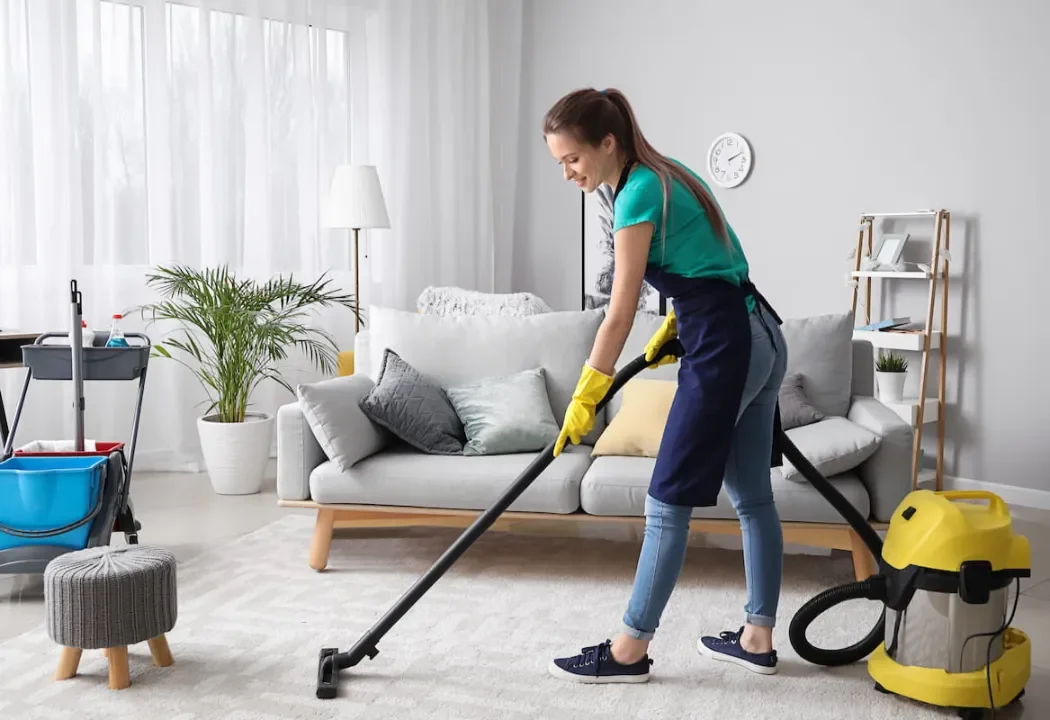
After approximately a decade, crowdfunding has become an established medium for raising finances. Particularly with regard to projects associated with the leisure industry or “geek culture”. Game developers seem to be especially fond of using this service as a means to raise capital for their projects. If you have a dream you wish to realise, the successful crowdfunding campaigns of Star Citizen or Star Trek: Axanar are a strong incentive to look to fans for financing. As a result, we regularly see articles on websites such as Massively OP for new games under development. At first it was novel, even exciting. Then it became ubiquitous. Now it’s just tedious. Consequently, I believe that “crowdfunding fatigue” is a genuine thing and that I certainly suffer from it.
After approximately a decade, crowdfunding has become an established medium for raising finances. Particularly with regard to projects associated with the leisure industry or “geek culture”. Game developers seem to be especially fond of using this service as a means to raise capital for their projects. If you have a dream you wish to realise, the successful crowdfunding campaigns of Star Citizen or Star Trek: Axanar are a strong incentive to look to fans for financing. As a result, we regularly see articles on websites such as Massively OP for new games under development. At first it was novel, even exciting. Then it became ubiquitous. Now it’s just tedious. Consequently, I believe that “crowdfunding fatigue” is a genuine thing and that I certainly suffer from it.
Like so many online practices, successfully crowdfunding has been distilled down to a base formula, just like TED Talks, You Tube videos and podcasts. There is a now a broadly established process that can be applied to any crowdfunding campaign. Although I can see the merit in sticking with what works, it also results in a great degree of homogeny. Thus, we are exposed to a nonstop barrage of hype, spin and hyperbole when it comes to crowdfunding. Furthermore, campaigns often focus only on the positive, resulting in sizeable information gaps. In the absence of facts people tend to fill in the blanks themselves, ending in unrealistic expectations.
However, there is another element to this situation, beyond that of marketing, disclosure and semantics. I believe that fandom often causes a form of “myopia”. In the past market forces and commercial checks and balances meant that products would never get off the drawing board. If the bank said no that was the end of the matter. It can be argued that a lot of good ideas have been ignored due to a lack of vision or risk aversion. Yet I’m also sure a lot of dumb ideas have been legitimately dismissed. Crowdfunding bypasses to a degree, the filters of business acumen and common sense and instead often relies on emotional appeal. Fans and aficionados have love and affection in spades but not necessarily economic sense as well. Hence “internet outrage” over crowdfunded projects that have not cut the mustard is common place.
Another contributory factor towards “crowdfunding fatigue” is it’s increasing use by corporate entities that have sufficient financial resources already to develop their product. Again, this is something that seems to happen more with gaming related projects. Why do development studios affiliated to big publishers need to look to fans for money? I find reasons such as “we’re trying to gauge support for the product” to be spurious and consider crowdfunding by such institutions to be nothing more than profiteering. Sadly, such practices are allowed to continue, mainly due to the aforementioned shortsightedness of fans. The desire to have the finished product seems to outweigh all other considerations.
Although I and others may well be weary of crowdfunding per se, I cannot totally dismiss it out of hand. I have contributed to several projects and benefited from the end results. I have backed several documentaries and film related projects in recent years, mainly because the funding has been for very specific goals. Usually the money required is for licensing costs or other legal services. As a result, I have not personally been disappointed by any of the projects I have donated to. I also think that specific term is very important. Contributing does not make you an investor, backer or stakeholder. You are simply a donor who may or may not be granted a reward for your support. You have no creative input or leverage. Until this concept is fully embraced, I’m sure we’ll still see a continual tide of failed projects that have overreached themselves and consequently more “crowdfunding fatigue”.
Christianity and the Easter TV Schedules
As a child growing up in the seventies, Sundays had a distinctly different feel to the other days of the week. The entire pace was more sedate and there was atmosphere of restraint. My parents would chide me for excessive noise. Activities such as reading or drawing where favoured over playing outside. The TV schedules reflected this as well. At the time, there were three terrestrial channels and only one of them was a commercial business. However, Sunday mornings would always have a televised service and there would often be a show offering some moral or ethical debate around midday. The early evening saw a similar broadcast of worship. Christianity was still an integral part of the television.
As a child growing up in the seventies, Sundays had a distinctly different feel to the other days of the week. The entire pace was more sedate and there was atmosphere of restraint. My parents would chide me for excessive noise. Activities such as reading or drawing where favoured over playing outside. The TV schedules reflected this as well. At the time, there were three terrestrial channels and only one of them was a commercial business. However, Sunday mornings would always have a televised service and there would often be a show offering some moral or ethical debate around midday. The early evening saw a similar broadcast of worship. Christianity was still an integral part of the television.
Unlike the US, the UK does not have (and never has had) a direct separation of Church and State. For centuries the Church has had a direct influence over the political agenda and has shaped the cultural landscape. During the seventies, nothing was open on a Sunday, as the trading laws were still subject to a strong Christian lobby. Obviously due to my age at the time, I didn't see or understand the integral role Christianity played within UK society. Yet it was always there, be it at school, on TV or in the newspapers. Any vox pop at the time would always have a member of the clergy contributing. The ubiquitous presence of Christianity was such that it became reflected in popular culture. Most sitcoms would include a vicar at some point. I have fond memories of The Reverend Timothy Farthing (Frank Williams) in Dad's Army.
Roll on forty years and much has changed. The Church of England is in decline and certainly the lobbying power of the Christian community has diminished. The UK has become a far more secular nation and Sundays feel pretty much like any other day of the week nowadays. As a result of this shift, religious content on terrestrial network TV has similarly been reduced. As it is currently Easter, I made a cursory check of the TV guide for faith based content and apart from a few broadcasts of church services, there is precious little on to celebrate Easter. Even the traditional Hollywood religious epics such as The King of Kings with Jeffrey Hunter or George Stevens’ The Greatest Story Ever Told, with its distinctly Caucasian depiction of the Holy Lands, are missing from the schedules.
Since the advent of digital satellite, cable services, VOD and You Tube, is that faith based programming has moved to these new platforms and has to compete with the sheer volume of alternative TV that is available. Something that many other TV genres has had to do. I will leave it to you to decide whether this is a good or a bad thing. However, I would like to make this point. One of the most important weekly shows for me as a child was Top of the Pops. It featured a selection of artists every Thursday, depending on what was doing well in the UK singles. Due to the lack of alternative shows, viewers would watch thirty minutes of a variety of different music. Not all of it would be to their taste but it exposed the public to a broad cross section of musical genres. Nowadays there are niche market channels that provide audience with just the music they want, thus insulating them from anything else. It is this very proliferation of choice that means that many people are simply no longer exposed to any religious content on TV.
I think that it’s beneficial for people to have a broad knowledge of multiple belief systems. There is a great deal of misinformation about the Christian faith and other faiths. The public as well as a lot of Christians themselves are not very well informed about the doctrines and fundamental underpinnings of Christianity. Perhaps at times such as Easter, rather than just showing traditional TV fodder such as church services or re-enactment of The Passion, perhaps it would be wiser to have more documentaries and current affairs programs that explore what it is to be a Christian in the in the twenty first century. What it can and cannot offer. In the meantime, Happy Easter to all, whether you enjoy it as a public holiday or whether it is the focal point of your religious calendar. As for me, I'm off to watch Martin Scorsese's The Last Temptation of Christ. A challenging and intelligent exploration of Christ's final hours. And don’t forget, chocolate eggs will be half price on Tuesday.
Walking for Pleasure
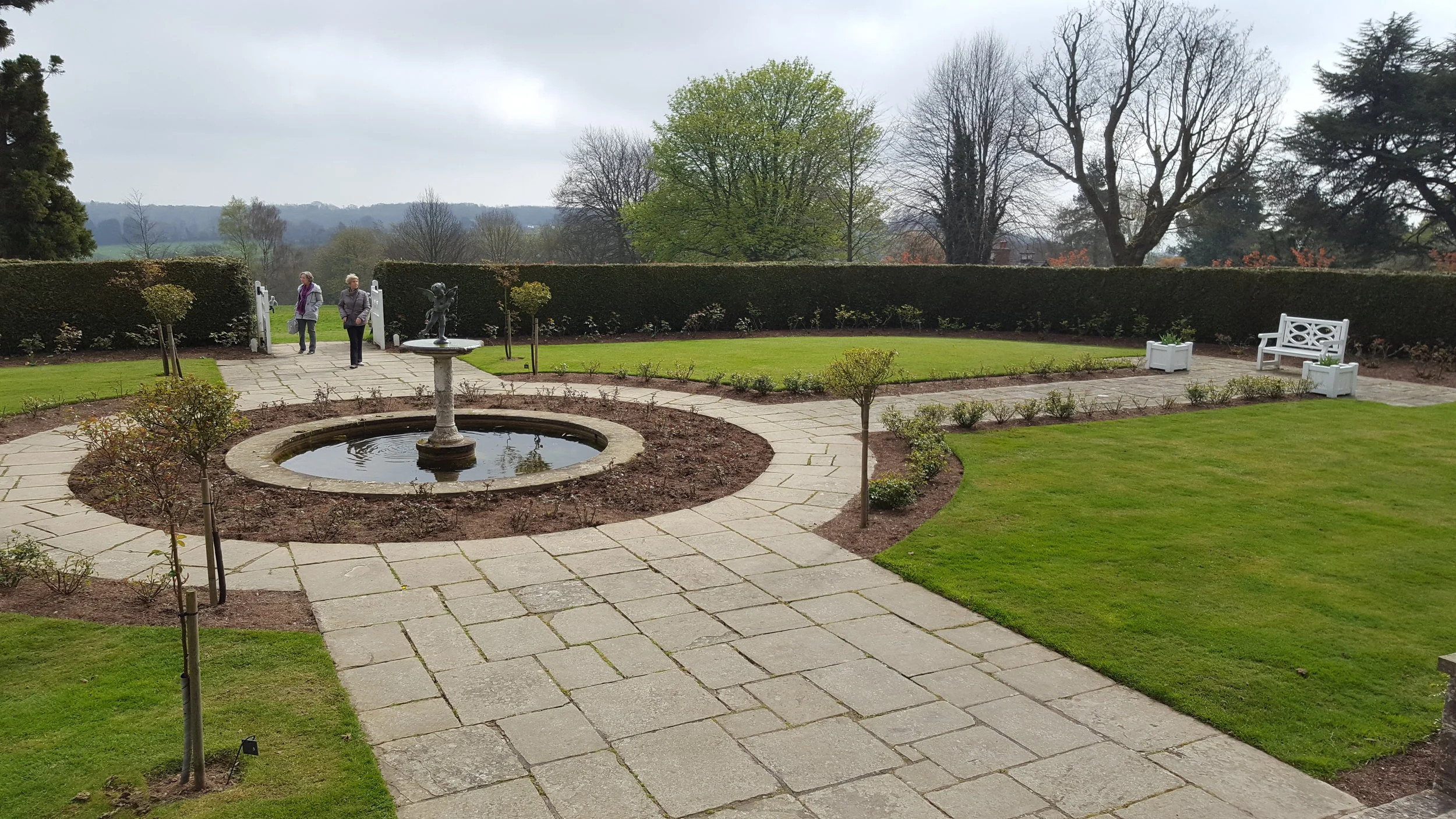
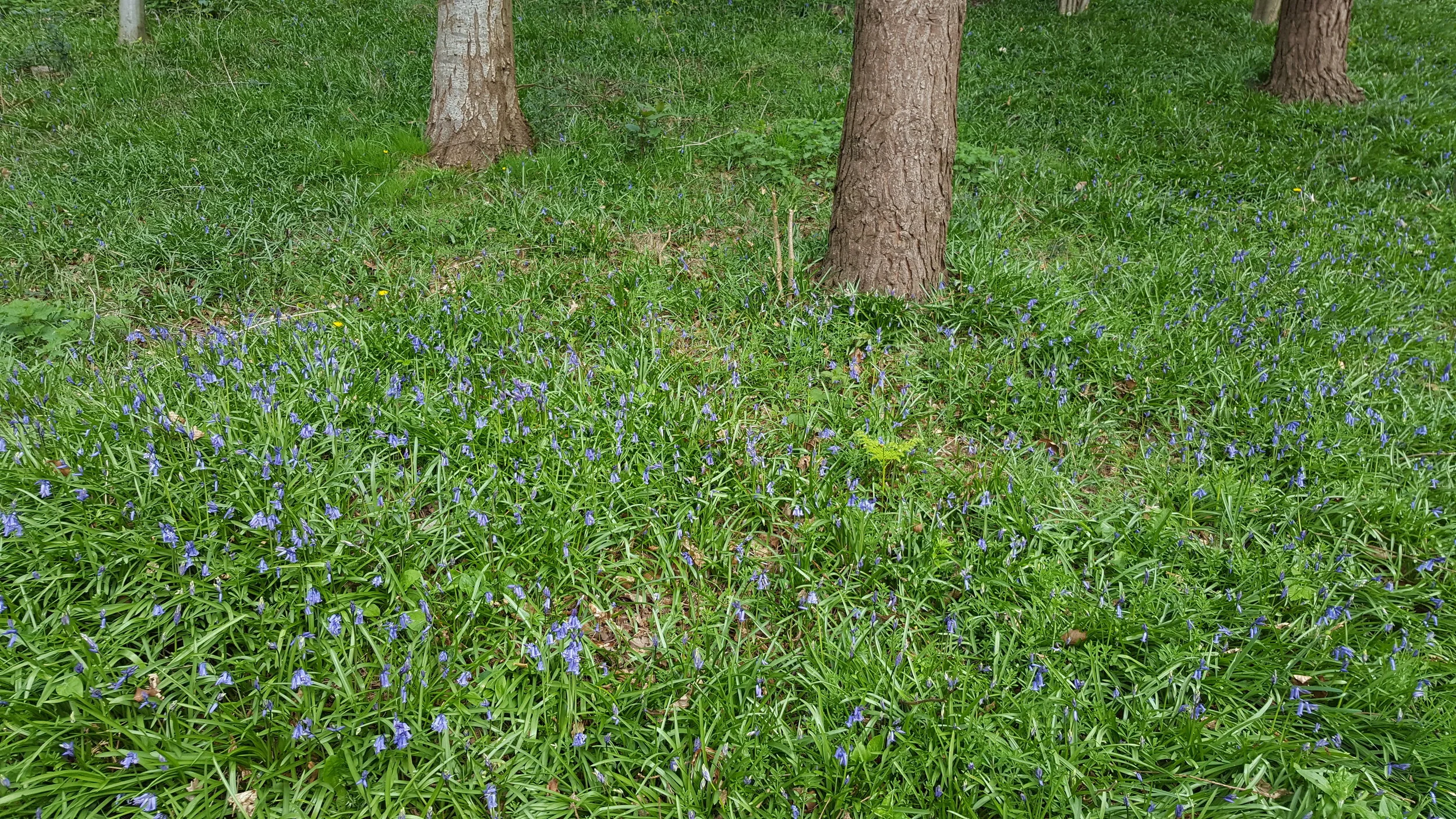
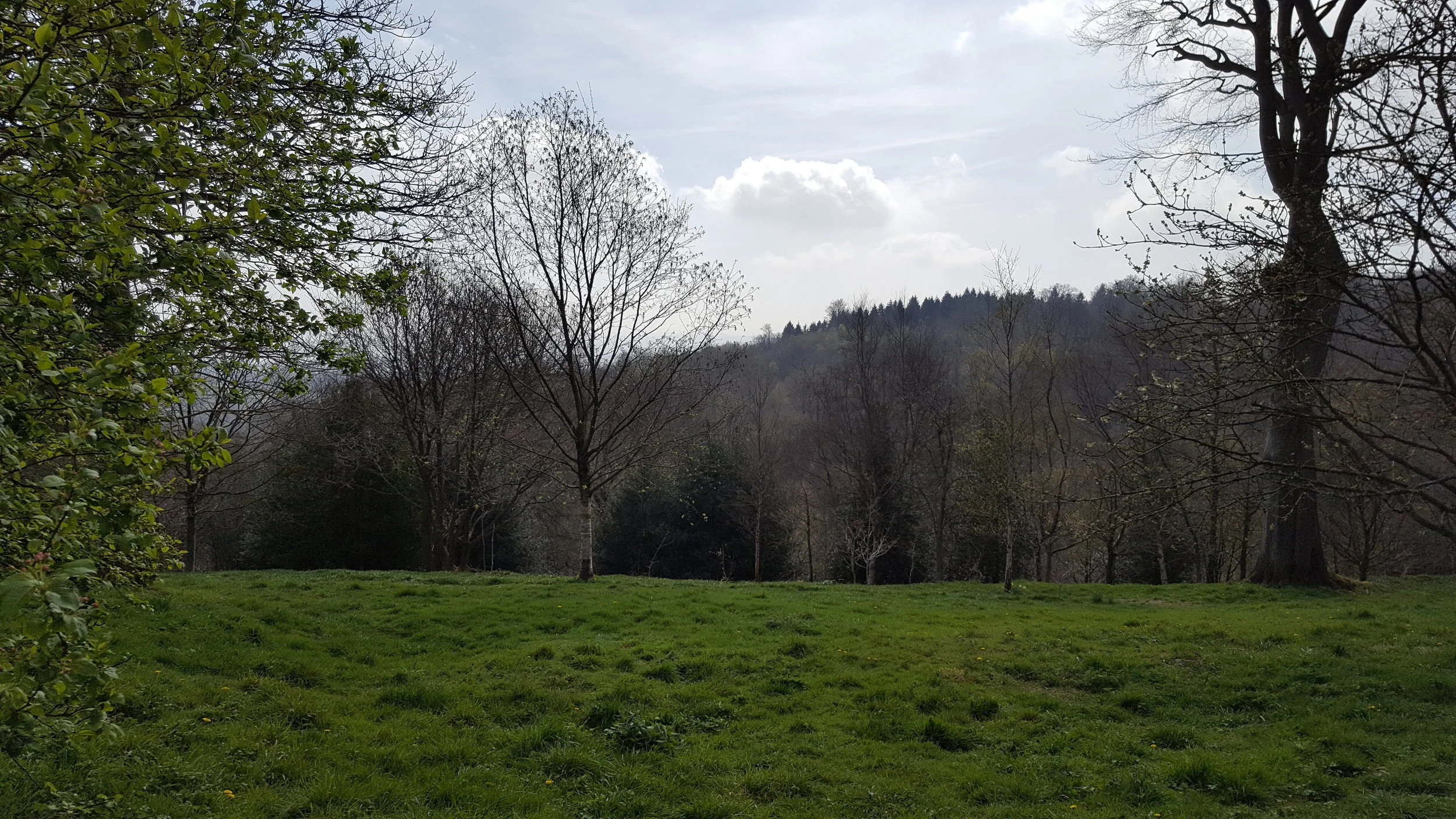
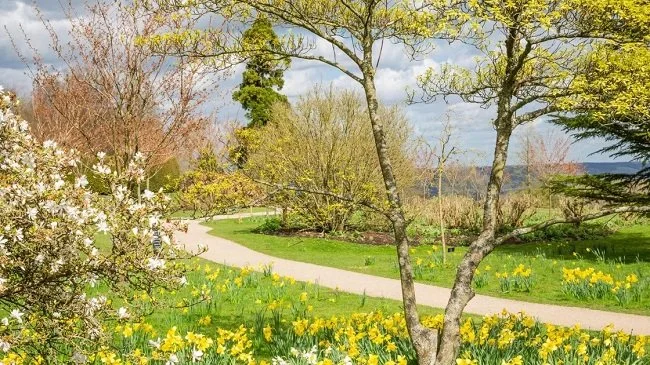
Today I visited Emmetts Garden in Sevenoaks. The Edwardian estate located at Ide Hill and is now owned by the National Trust for Places of Historic Interest or Natural Beauty. The garden, which covers an area of about six acres, is situated on a 600-foot sandstone ridge, overlooking the Weald. It is one of the highest points in Kent, offering an expansive view of the North Downs. The garden was laid out in the late 19th century and was influenced by William Robinson. It contains many exotic rare trees and shrubs from across the world. You can explore the rose and rock gardens, take in the views as well as enjoy flowers and shrubs in spring. In autumn visitors can enjoy the vibrant colours brought about by the changing of the season. The main attraction at this time of year are the Bluebells.
Today I visited Emmetts Garden in Sevenoaks. The Edwardian estate located at Ide Hill and is now owned by the National Trust for Places of Historic Interest or Natural Beauty. The garden, which covers an area of about six acres, is situated on a 600-foot sandstone ridge, overlooking the Weald. It is one of the highest points in Kent, offering an expansive view of the North Downs. The garden was laid out in the late 19th century and was influenced by William Robinson. It contains many exotic rare trees and shrubs from across the world. You can explore the rose and rock gardens, take in the views as well as enjoy flowers and shrubs in spring. In autumn visitors can enjoy the vibrant colours brought about by the changing of the season. The main attraction at this time of year are the Bluebells.
Both I and my significant other walk for pleasure as well as the obvious health benefits. We both have targets regarding our daily step counts and try our best to achieve them. The car is therefore often left at home and a lot of trivial journeys, such as those to the local shops are done by foot. As I am also my parent’s carers I find that the various visits to the pharmacy and doctors surgery offer a further opportunity to hit my daily walking quota. Furthermore, the layout of the Greater London suburbs means that walking is frequently an easy option without the have the hassle of having to find a parking space. The county where I live also has a wealth of parks and open spaces. Some are free, where others such as Emmetts Garden, have a modest entry fee.
Today’s visit not only afford us an opportunity to visit a beautiful garden, rich with exotic flowers and trees but it also allowed us to gently exercise in a beautiful environment. Many of the trails within the grounds are tranquil and free from excessive noise. As I’ve written recently, noise for me is one of the great maladies of this century and any chance to be free from it is welcomed. Today’s walk gave me and Karen some quality time to chat as well as reflect in silence upon our own thoughts as well as the inherent beauty of our surroundings. Walking in such an environment is a great way of relaxing and recharging your “batteries”. Modern urban life is extremely frantic and in many ways, has detached us from the natural world. Parks and places of natural beauty are a great way to reconnect.
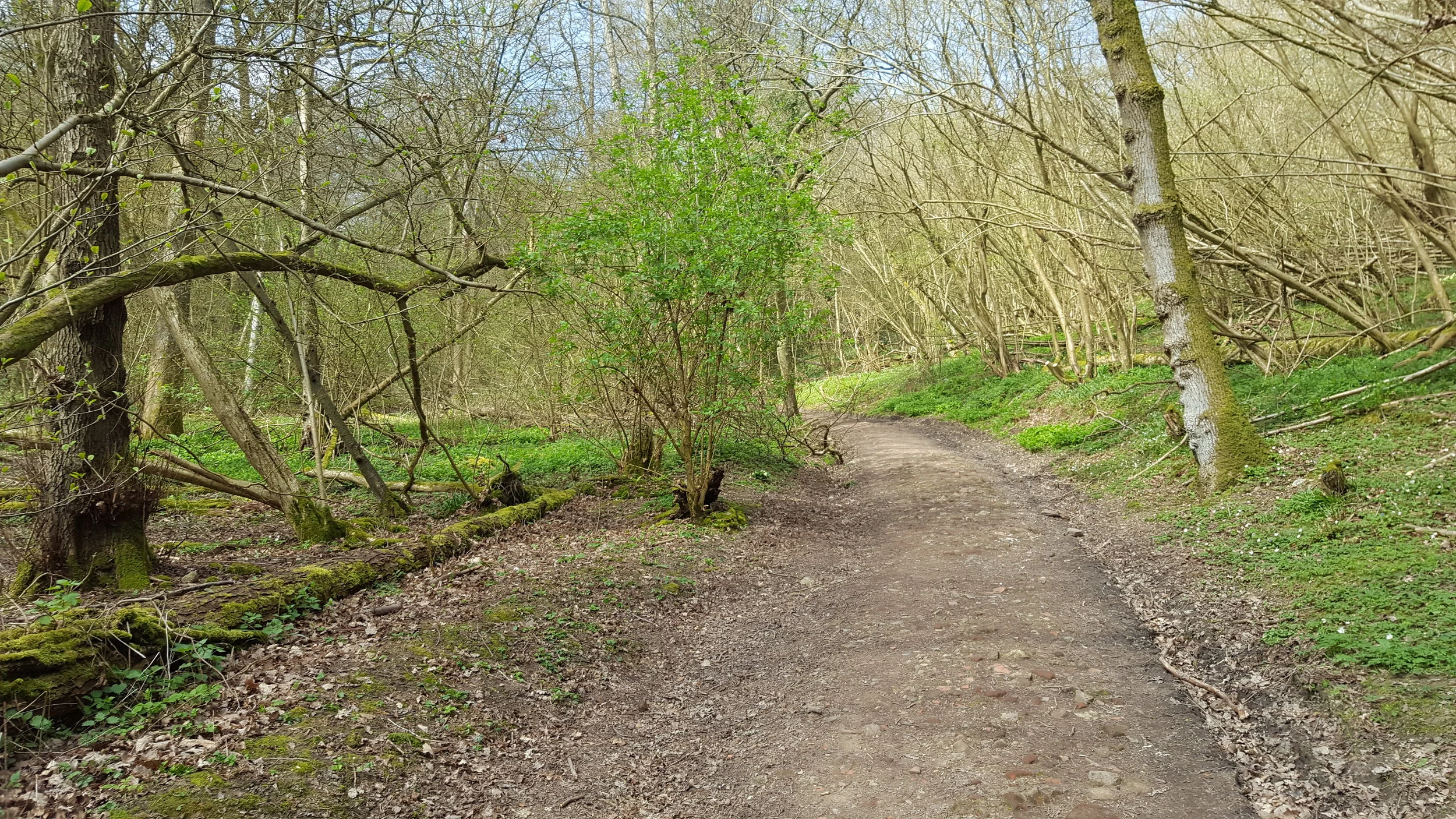
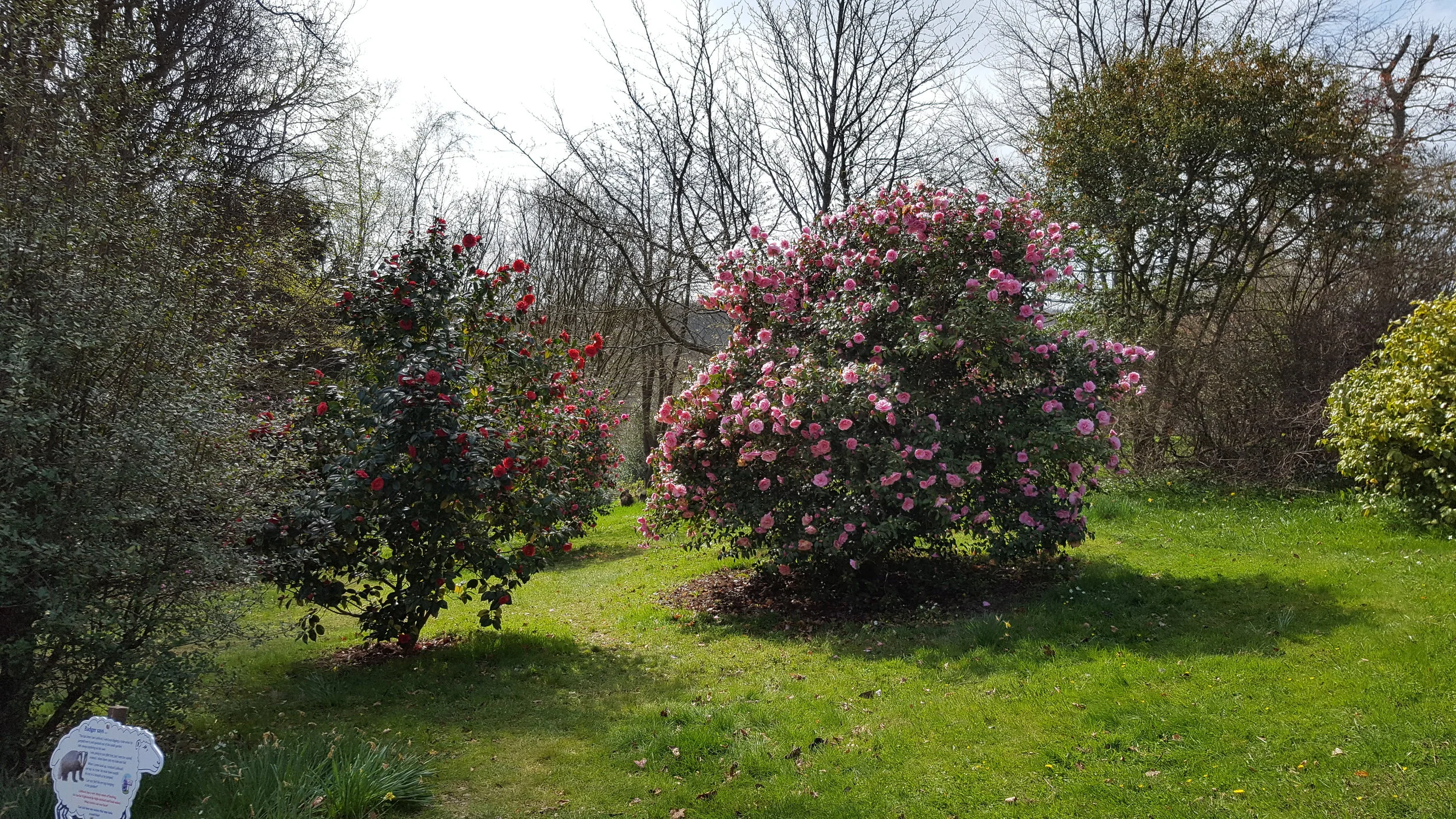
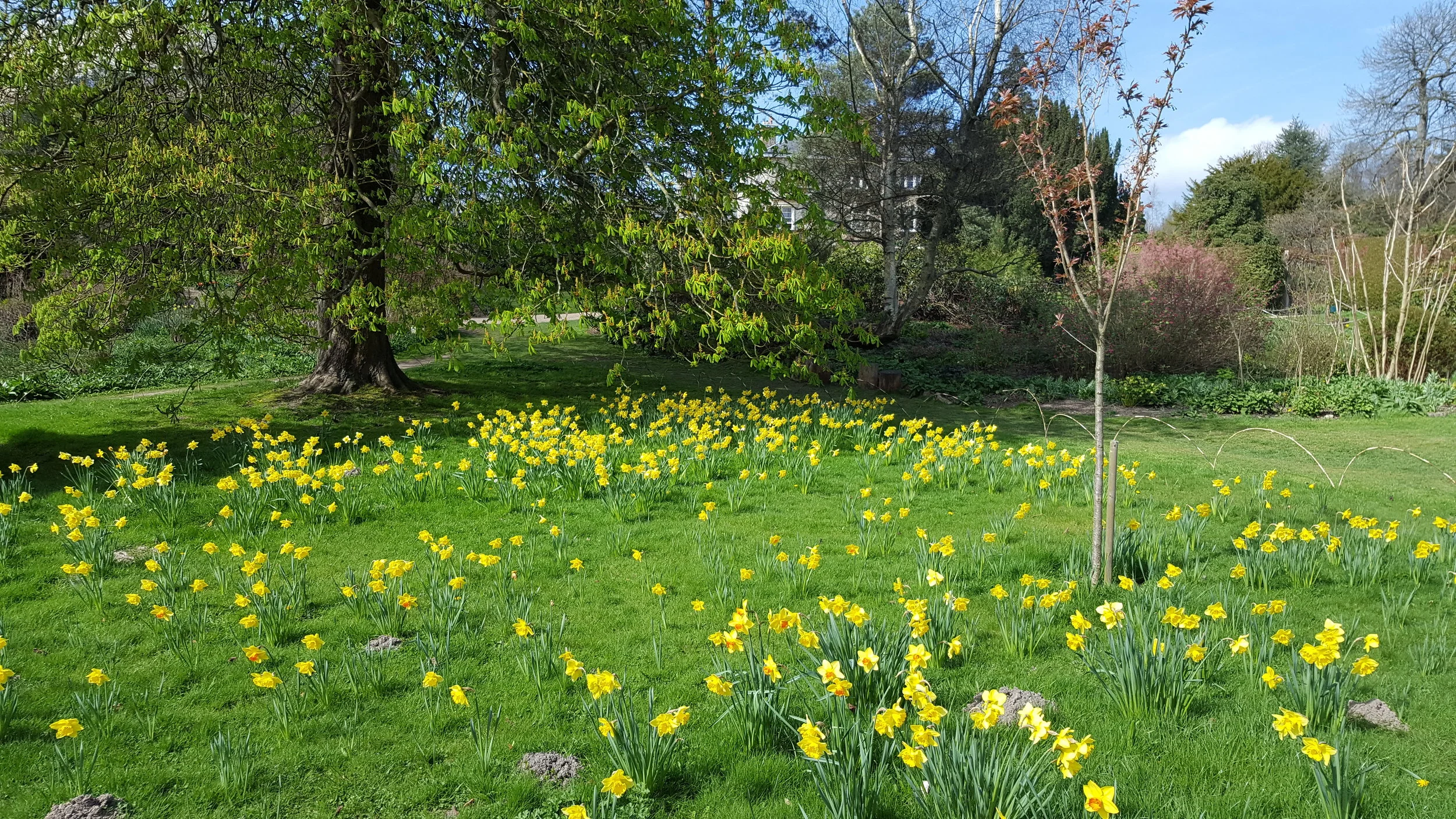
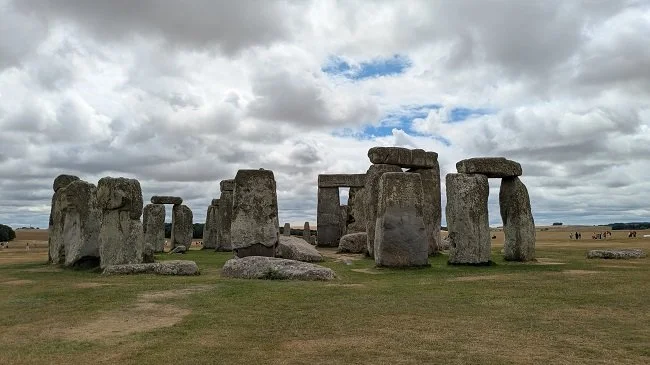
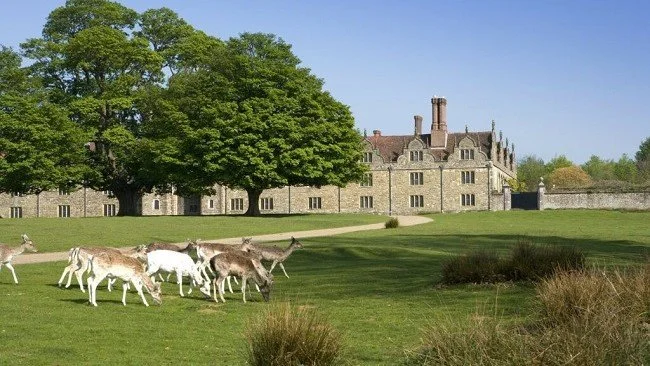
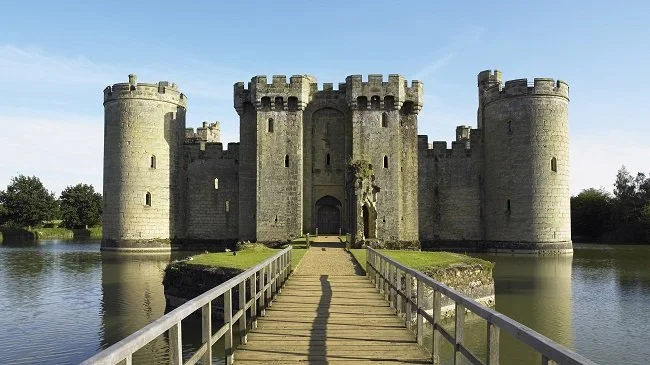
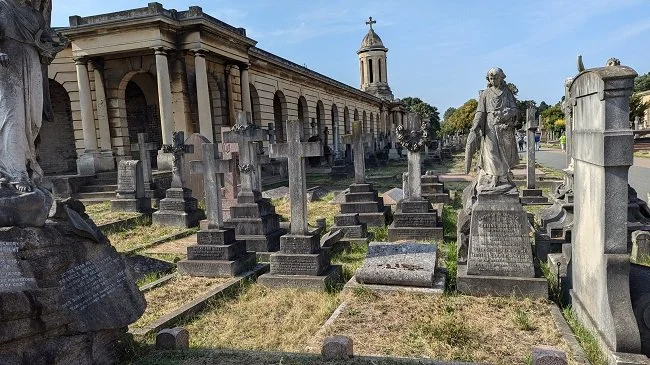
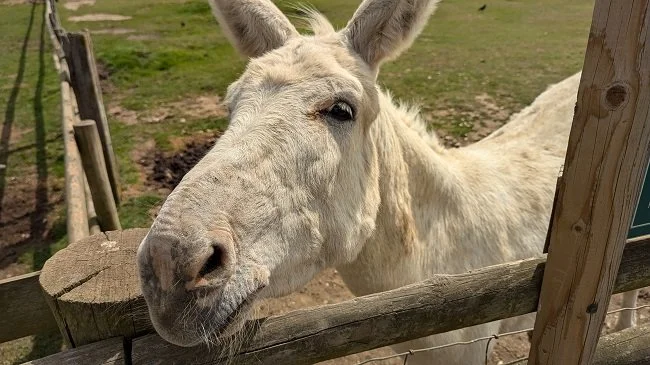
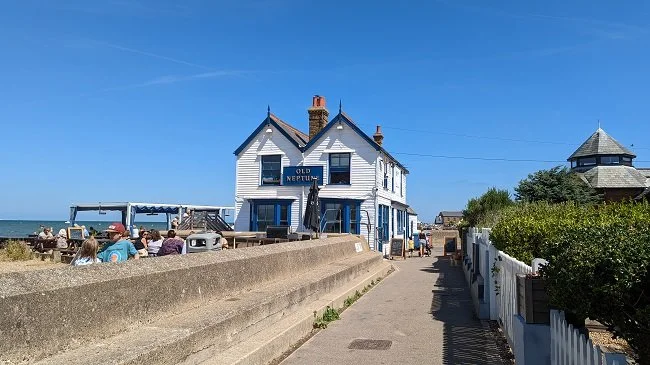
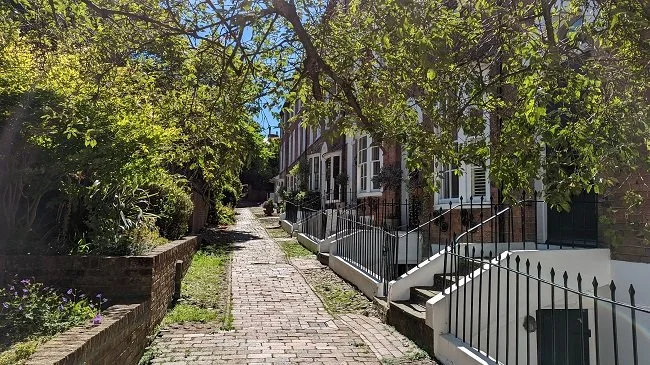
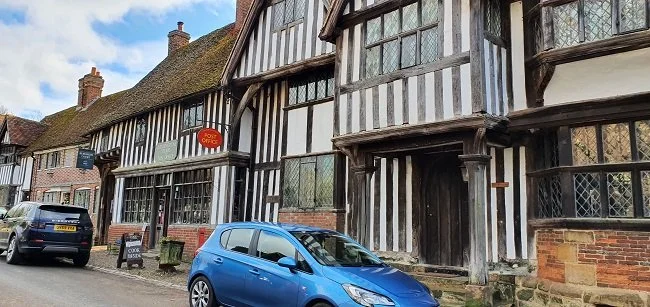
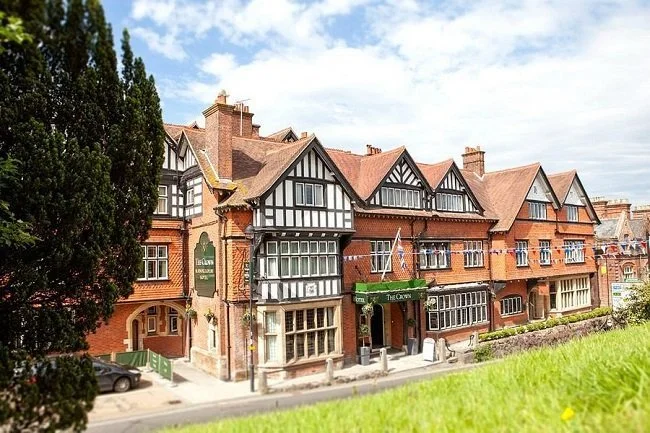
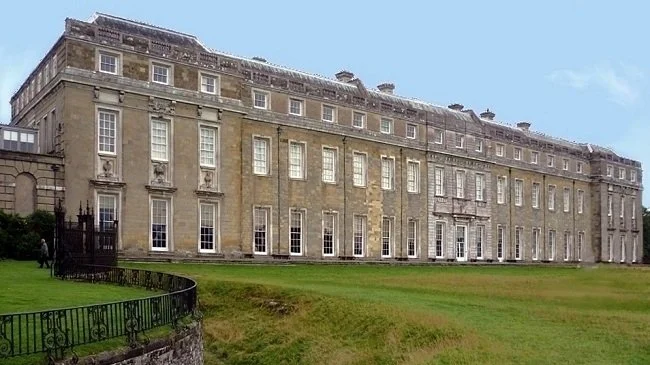
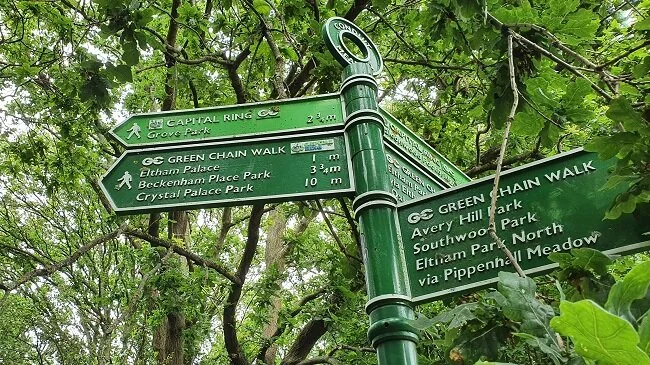
Walking is a form of exercise that has few barriers to entry. You just need to ensure that you have suitable foot wear for the environment you’re walking in and to be mindful of things like hydration if you’re out in the heat. It can be done solitary or with friends, in silence or while engaged in discussion. It doesn’t have to be “dead time” as I’ll often listen to the radio or podcasts while out walking. As a writer walking affords a chance to martial my thoughts and consider what I wish to explore through my blogging. Walking, unlike other forms of exercise such as the gym with its culture and poseurs, frees you from the tyranny of other people. Thus. I’m a great advocate. The following link to the NHS website, provides a succinct breakdown of the health benefits of walking and effectively how to start. Plus, here’s a gallery of photos from Emmetts Garden, highlighting why it’s a great day out a fine place to take a stroll.













Noise
As I’ve gotten older, one of the things I’ve become increasingly aware of and averse to is noise. Ambient background noise that is present in all our day-to-day lives. Perhaps it’s because I’m a child of the seventies and grew up in a time when there wasn’t a twenty-four-hour culture. People were often indoors by ten o’clock during the week and Sundays were a day of rest. There were less cars on the roads, no mobile phones or music on the go and society by and large, was still bound by the unspoken code of being considerate to your neighbours. Parties and social gatherings were occasional and those having them usually informed everyone affected in advance. Many shared spaces were quiet by mutual consent.
As I’ve gotten older, one of the things I’ve become increasingly aware of and averse to is noise. Ambient background noise that is present in all our day-to-day lives. Perhaps it’s because I’m a child of the seventies and grew up in a time when there wasn’t a twenty-four-hour culture. People were often indoors by ten o’clock during the week and Sundays were a day of rest. There were less cars on the roads, no mobile phones or music on the go and society by and large, was still bound by the unspoken code of being considerate to your neighbours. Parties and social gatherings were occasional and those having them usually informed everyone affected in advance. Many shared spaces were quiet by mutual consent.
Nowadays we live in a culture of noise. You cannot go shopping without being exposed to easy listening music or the instore radio station. Video screens blare out inanities while you queue to pay at the checkout. Even your car, train or bus hectors you with superfluous data while you travel. If you’re on foot you have to contend with the sheer volume of increased road traffic. Then of course there’s the people. The population in urban areas has increased significantly over the last thirty years and people are the biggest and most problematic source of noise. Even if you retreat to your home and turn on your TV, you’ll find the adverts louder than the programs that you watch. And unless you have robust noise insulation, the hubbub of the outside will slowly bleed through. There’s no respite from it all because of the twenty-four-hour society.
There’s also another layer to this change to the UK soundscape. Not only have noise levels changed but so has societies attitude towards it. Notions of privacy and consideration to others have slowly been eroded. The rise of the individual and “me, me, me” culture means we now have to endure other people’s phone calls on speaker. Listening to music via headphones is obviously a huge violation of a person civil liberties, thus we have to suffer the slings and arrows of someone listening to R&B on an iPhone. Libraries are no longer havens of tranquillity that they were and if you seek solitude while commuting you need to find a designated quiet carriage.
As a culture, it would appear that some have either lost or never learned the value of quiet time and tranquillity. One of the first lesson’s that I was taught as a child was that of being able to occupy myself. The value of silence and either focusing on an external matter or reflecting upon my own thoughts internally. All can be done quietly. Today, there seems to be a mindset of requiring continual external engagement and that being alone with one’s thought’s is something to be feared. It may possibly be because the absence of noise is utterly alien to many because they’ve never known such a world. I remember being on a school trip in Scotland in the early eighties and a friend commenting on the inherent quietness of the countryside. They found it to be unsettling and so they slept with the radio on.
The current culture of noise, also feeds the divide between introverts and extroverts. I sit somewhere between the two ends of this social spectrum but I do find exposure to incessant noise, especially that generated by people to be wearisome. Pubs, clubs and public spaces are often a sea of overwhelming white noise. Then there is the current societal affectation equating excitement with noise. Enthusiasm is measured by volume. Don’t believe me? Try watching ten minutes of The Jewellery Channel when there’s a sale on. It’s saps the strength from you continually being exposed to such behaviour. It’s like being trapped in The Goonies movie. The downside of such a culture is that it emotionally limits your options. If you become loud over trivia, where do you go when something truly significant happens?
The truly sad thing about noise, if you do consider it a social ill, is that your response to it is very much dictated by your personal circumstances. If you live in a neighbourhood that is noisy twenty-four-seven, then your only option is to move. Peace and quiet is a premium option and like everything in modern life, if you desire it then it will cost you. Thus, noise may be economically inescapable for some. I moved last summer and said goodbye to a very noisy environment. Where I currently live, there are times of tranquillity throughout the day. Yet because London keeps growing and expanding this luxury may vanish over time. I’ve never been a great one for holidays but I’m beginning to understand why people travel, simply to get away from it all. Seven days of near silence sounds like something to shout about to me, if you’ll excuse the pun.
Is the UK Voting System Broken?
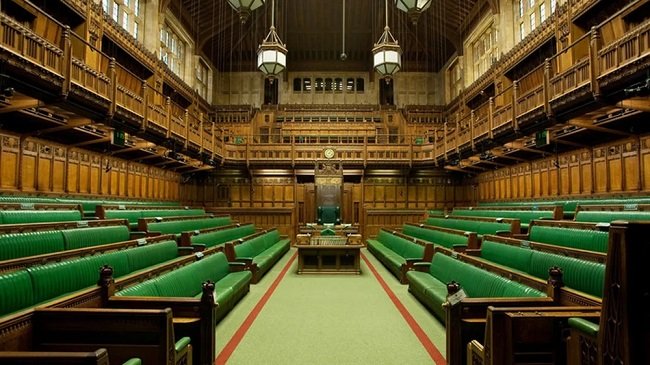
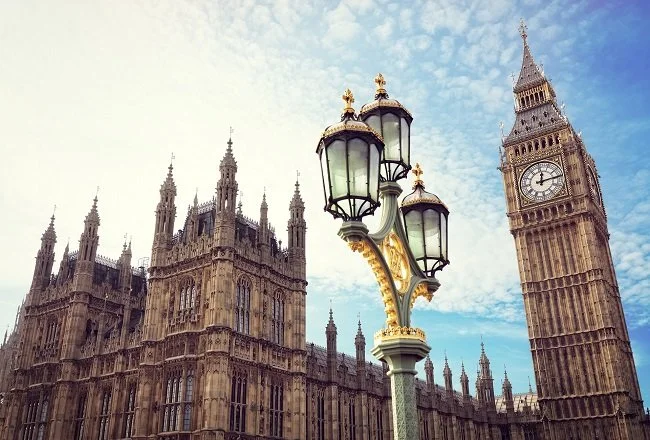
At present, there is talk in political circles of the prospect of an early General Election in the UK as a means of dealing with several looming political problems. If such a situation were to arise, then it has to contend with the fragmented state of the UK electorate as well as voter apathy and low turnouts. Perhaps the biggest issue is the mechanics of the election process itself. It has its roots in the past when there were two major parties. Things have changed in recent years with more political groups competing for parliamentary seats and the system now seems to be inequitable. So I thought it may be of interest to readers to offer a broad overview of the process. It differs quite considerably from other countries and as you'd expect with anything British, it has more than a few quirks and foibles. This is not in any way a discussion about party politics. I am simply writing about the actual mechanics of the UK First Past the Post system that determines who will form a government.
At present, there is talk in political circles of the prospect of an early General Election in the UK as a means of dealing with several looming political problems. If such a situation were to arise, then it has to contend with the fragmented state of the UK electorate as well as voter apathy and low turnouts. Perhaps the biggest issue is the mechanics of the election process itself. It has its roots in the past when there were two major parties. Things have changed in recent years with more political groups competing for parliamentary seats and the system now seems to be unequitable. So I thought it may be of interest to readers to offer a broad overview of the process. It differs quite considerably from other countries and as you'd expect with anything British, it has more than a few quirks and foibles. This is not in any way a discussion about party politics. I am simply writing about the actual mechanics of the UK First Past the Post system that determines who will form a government.
There are 650 parliamentary constituencies in the UK, each returning a Member of Parliament (MP). For a single political party to form a government they need to have at least 326 MPs duly elected. When UK voters go to the polls, they are not voting for the specific leader of a particular party IE they are not voting who will be the British Prime Minister. They are voting for a specific candidate, who will represent their constituency at Parliament. This choice is dependent upon which candidates are standing for which parties in each constituency.
The party that wins 326 parliamentary seats or more is then in a position to form a government. The leader of that party then becomes Prime Minister by default. It should be noted that the UK Prime Minister is not also the head of state. That role which is non-political is assumed by the current Monarch.
At present in the UK, votes in local, regional and national elections are written by hand on Ballot Papers and counted manually. Not only does this reduce potential fraud but it actually makes the counting process easier. It also affords voters a chance to deface or spoil their ballot paper if they see fit. Something you cannot do if you vote mechanically or electronically. Disallowed votes are counted as such and statistics are kept.
Now here’s the part I and many other UK voters find most frustrating. Out of the 650 constituencies in the UK, approximately 456 are considered to be safe seats IE the current incumbent has a sufficient majority of votes from the local electorate to be able to maintain their position. Only 194 Parliamentary seats are based in constituencies that are deemed marginal. There is no fixed definition of a marginal but it is usually defined as seats with majorities of 10% or less that require a swing of 5% for the incumbent party to lose. Safe seats tend to remain constant. Marginal seats play a key role in elections.
I live in the constituency of Old Bexley and Sidcup, in South East London. It is the embodiment of a white, middle class, residential borough and has been a safe seat for the Conservative Party for years. The electorate is about 65,000 in total. The turnout in the last election was about 69%. James Brokenshire the incumbent MP has a majority of over 15, 000 votes (he actually poled 24,500 votes).
No matter what my party politics and how I personally vote, Mr. Brokenshire is very likely to remain my MP by the simple fact he has an unassailable majority. He may lose some votes in protest but not enough to unseat him. The likelihood of 8,000 plus voters changing their political allegiances, in a constituency that is already socio-economically disposed towards the Conservative Party is highly unlikely. Similar arguments can be made regarding the static nature of all other so-called safe seats.
This raises one of the major failings of the current UK voting system and safes seats. If you live in such a constituency and vote against the current favoured incumbent, your vote effectively counts for nothing and has no impact on the UK political landscape. For years the UK has mainly been a two-party country and as a result the political system has evolved to reflect that. In 2010, the UK had a referendum on changing to the AV voting system that had elements of proportional representation. The change was rejected. Since then, several new parties have emerged and gained favour, while the two main parties have waned and lost some of their broad public support. We now live in a multi-party environment but lack a voting system to adequately reflect that.
Presently, the only voters that can tangibly make change in their constituencies are those that live in the 194 marginal seats. Because the incumbent's majority is often low in such situations and there are far more floating or tactical voters, ardent campaigning can yield results and make swings in either political direction. Effectively it is these constituencies and the voters that live in them that determine the UK General Election results. Because of such issues as population density, some of these marginal seats may have small electorates. In some cases, it's simply the floating voter within a few streets that can change things. It is both fascinating and a little concerning to consider that the next five years of government are effectively decided by a small percentage of the electorate.
The other issue that the UK faces in an election is the prospect of no party being an outright winner. The prospect of a coalition raises its head. Although coalitions have been effective in many other European nations, the UK is not culturally used to them. Where the younger generation seems to warm to the concept, those of an older age group with more entrenched party loyalties balk at the notion of "forced collaboration". However, I think this change in the UK's political landscape is here for good and if anything, there will be even more new parties in the next decade, especially if the Labour Party disintegrates. In the meantime, the only voters determining the outcome of the current election are those living in marginal seats. According to some political experts, this may be as few as 250, 0000 voters out of a total of 46,000,000 registered to vote.
To me is seems self-evident that the ageing First Past the Post system is not fit to serve a modern electorate and needs to be replaced by a fairer procedure. It is ironic that UK representatives standing as MEPs in the European Parliament are subject to a proportional representation voting system, as are the devolved parliament in Scotland and Wales. However, to expect a change to be implemented by the very party in government that directly benefits from the current status quo is naïve. In the meantime, we must continue to endure the flaws inherent in the process that is in place.
A War on Critics
Last year film director Alex Proyas famously threw his proverbial toys out of the pram, after his fantasy movie Gods of Egypt received universally poor reviews. He labelled critics “deranged idiots” and “diseased vultures” in a heated post on his Facebook page. He went on to accuse critics as slaves to the prevailing consensus. Proyas is not the only film maker to clash with critics. Uwe Boll famously had a similar antagonistic relationship with the press after being accused of being the world’s worst film maker. His solution to the problem was to challenge his detractors to meet him in the boxing ring. Some did so, not realising that Boll has a background in boxing. It did not go well for them.
Last year film director Alex Proyas famously threw his proverbial toys out of the pram, after his fantasy movie Gods of Egypt received universally poor reviews. He labelled critics “deranged idiots” and “diseased vultures” in a heated post on his Facebook page. He went on to accuse critics as slaves to the prevailing consensus. Proyas is not the only film maker to clash with critics. Uwe Boll famously had a similar antagonistic relationship with the press after being accused of being the world’s worst film maker. His solution to the problem was to challenge his detractors to meet him in the boxing ring. Some did so, not realising that Boll has a background in boxing. It did not go well for them.
These are just two examples of how contemporary individuals have chosen to deal with criticism. As the film industry is synonymous with egos and self-indulgence, at first glance these responses do not seem so unusual or odd. However, upon mature reflection I believe it is indicative of a broader corrosive mind-set that is growing in modern society. Consider the way that modern politics has become far more adversarial of late. In the UK, those who are opposed to Brexit or at the very least concerned about it implementation are branded “enemies of the people” or traitors in the tabloid press. In the US, the President himself has question the legitimacy of his countries own legal infrastructure, referring to the judiciary as “so called Judges”, in a pejorative fashion. It would seem that there is no interest in tackling criticism in an intelligent and measure fashion. The best way to counter it is to simply try and shut it down.
You Tube is fast becoming the most important platform for criticism and reviews of consumer products. The shift away from traditional print media and even long-form criticism on websites, means that high profile You Tube personalities and streamers can have a major impact upon sales and more importantly pre-sales of a games. This has proven challenging for the publishers who now have to “wine and dine” a broad cross section of independent individuals, rather than mainstream publishing businesses, if they want to gain any traction. We’ve already seen what happens when a PR company foolishly tries to control the flow of information and impede critics and reviewers from doing their job, as the Middle-earth: Shadow of Mordor debacle from 2014 demonstrated. Sadly, we now see what happens when negative reviews are published and do not meet with corporate approval. People simply sue or spuriously use the online tools designed for legitimate disputes, to try and control criticism.
Jim Sterling recently quashed the outstanding lawsuit that had blighted his You Tube channel for the last year. A judge dismissed the case with prejudice, effectively ending the bogus suit brought by video game developers Digital Homicide. Unfortunately, Mr Sterling appears to have become a magnet for such actions. He is currently involved in another dispute with small independent developer, Sti Cli Games, who have gone down the route of using a trademark dispute as a means to try and silence his criticism of his work. The company has even gone so far as including caveats in their products EULA, trying to prohibit any use of their content in videos without prior written consent. EULA cannot enforce such rules. They also seem to think that they can legally refuse refunds on a platform such as Steam, which they cannot.
If we look beyond gaming, you’ll find similar stories about hoteliers and small bed and breakfast owners trying to stop customers from leaving poor reviews on trip advisor and similar websites. One individual had the gall to make a further charge against a customer’s credit card for allegedly “defaming” their business. Furthermore, you’ll find stories in the newspapers about parents suing other parents because a child was not invited to another’s birthday party. The more you look the more absurd stories of this nature you’ll find. It would appear that the chronically thin skinned, the duplicitous and the downright dodgy are now happy to use any legal weapon in their arsenal to prevent criticism or more to the point exposure. This in itself raises a wealth of other issues about the state of our society. Are we as culture becoming less emotionally sophisticated, less confident in ourselves and generally too obsessed with others perceptions of ourselves? Or is this just a matter of Divas, crooks and scammers just acting in accord with their true nature?
While the social scientists ponder the reasons for such behaviour, I certainly think that those who do not approve of such behaviour need to do more than just condemn it. We need to actively challenge it. Therefore the artist who throws a hissy fit should be firmly countered and their rhetoric and hyperbole exposed for what is. The politicians more than ever, need to be robustly countered for any sort of misinformation, ab hominem argument or abuse of power that seeks to stifle debate. And those that choose to abuse the terms and conditions of social media platforms such as You Tube to prevent scrutiny of their own iniquities, needs to exposed and denounced for exactly what they are; namely calumniators and thieves. Furthermore the institutions that facilitate these abuses need to take greater responsibility. Apply leverage with both your wallet and your social media presence.
The internet is still a great medium with many positive aspects. It continues to give a voice to many who previously did not have one. It allows the public to express themselves which is their democratic right. However, freedom to speech is a two way street and if you wish to express an opinion in a public forum, you have to accept that fact that others have an equal right to dispute, criticise and refute your views. Attempting to by bypass this status quo is most overt repudiation of democracy I can think of. Furthermore, we need to ensure that those who embark upon such a route are shown that there are direct consequences for such a decision. We cannot allow this toxic mind set to become the “norm”. Because if we do this will go beyond being a war on critics, criticism and dissent. It will lead to a reality where the loudest and most obnoxious, who can afford the best legal counsel, simply win by default.
Where Have all the Bloggers Gone?
I’m a creature of habit. I don’t mean “if it’s Wednesday, it’s Pork Chops”, I’m referring to simple routines that help me organise my days. One example is my morning ritual. As soon as I wake, I get straight up, shower and dress. I then sit myself down at my computer with a mug of coffee and catch up with my emails, Twitter and Feedly. I also get a flash news briefing from Alexa. These things appraise me of what is going on in the world and often give me potential writing prompts. Feedly has been invaluable source of inspiration in the past. I subscribed to half a dozen professional gaming and movie news websites and a further thirty of so blogs, written by my peers.
I’m a creature of habit. I don’t mean “if it’s Wednesday, it’s Pork Chops”, I’m referring to simple routines that help me organise my days. One example is my morning ritual. As soon as I wake, I get straight up, shower and dress. I then sit myself down at my computer with a mug of coffee and catch up with my emails, Twitter and Feedly. I also get a flash news briefing from Alexa. These things appraise me of what is going on in the world and often give me potential writing prompts. Feedly has been invaluable source of inspiration in the past. I subscribed to half a dozen professional gaming and movie news websites and a further thirty of so blogs, written by my peers.
I wrote a post last year for the NBI about the importance of blogging. The sentiment still holds, more so than ever at present. The world is changing and not necessarily for the better. Therefore, it is important for people to build communities, exchange ideas and interact in a civilised capacity. Not only do we need to get along but to tolerate and coexist with those who hold differing views to our own. Sadly, this appears to be “asking the impossible” at present. The world is becoming binary, tribal and aggressively territorial. This is reflected in the blogging world. Opinions are not to be debated but shutdown. There is no rooms for dissent. “You’re either with us or against us” seems to be the prevailing attitude. Facts and intellectual rigour are seen as unfair barriers to having an equal say.
As a result of this cultural shift, I find that the blogging community that I am apart of has greatly diminished in the last eighteen months. The thirty or so blogs, written by my peers that I mentioned are now either updated irregularly or virtually abandoned. The podcasting network that I am a member of still endures but has no aspiration to grow or expand. Apathy, disinclination and a sense of even defeat seems all too common. I should know, all of these things blighted my writing agenda last year. Then of course let us not forget that we are all getting older and people simply change. Life makes many demand on are time and even fandom has to bow before the school run, redecorating the bathroom and getting that promotion. Plus, perceptions of the internet have changed. The Frontier Town community spirit has given way to corporate formalisation. Being connected to other people from all round the world is no longer a big deal. Familiarity does have indeed breed contempt, or at least indifference.
Another thing to consider is the personal nature of writing. It also requires a modicum of skill and effort. A well penned post about EVE Online or the iniquities of pre-order culture can take a surprising amount of time to draft and publish. Maintaining a regular writing schedule requires discipline. Coming up with engaging content needs thought and creativity. Constantly writing takes its toll on the author eventually. For some, it’s too much of a “big ask” to begin with. Hence, you’ll find many people relegate their writing aspirations to forum comments. It easier to be reactive than proactive. It’s a shame. I see some really good ideas among the comments of a site such as Massively OP. Material that would make a good blog post in its own right.
Aaaron from Don't Fight Ducks. An enjoyable LOTRO streamer.
Although I do feel that You Tube and Twitch do provide a useful service and have a role to play within the gaming community, they are still primarily entertainment mediums. Live streams are often about the social interaction between the streamer and their audience. It’s a more ephemeral experience to writing. You Tube let’s play videos are a double edge sword. The pace of the video dictates the dissemination of information. Often, I can read an explanation of a game’s mechanics far faster than the ten-minute video that shows me. Plus, not everyone is a good or engaging narrator. Improving your writing skills is possibly easier than fixing your video presentation skills. However, that is not to say that there isn’t an audio/visual equivalent of long-form writing, because there is. It’s just hard to find among the internet white noise. Overall, the democratisation of online broadcast mediums has fragmented the potential audience. Couple that with the current mindset and each niche seems to stay on its own turf.
I decided in the New Year to return to writing daily and one of my motivations was to try and encourage others. I endeavour to leave comments on blogs and retweet other people’s work. I’ve also persevered with streamers and You Tubers and I’ve found several that meet my expectations. Upon mature reflection, I don’t feel that the community that I enjoy so much, is totally in decline. It’s more of a case of natural ebb and flow. However, I still think that the blogging scene needs a shot in the arm. If the veterans can’t continue to carry the torch, then maybe it’s time to pass it on to others? Which raises the issue of events such as the Newbie Blogger Initiative. People have asked me whether they’ll be another this year. The answer is it’s depends on whether someone wants to run it, because it really is an event that needs a core group or an individual to drive it forward.
I have a lot of demands on my time. I’m a carer with two disabled parents. I write as much as I can and do not have the time to be in the driving seat of a community event such as the NBI. However, I am happy to strike the following bargain. If someone wants to seriously run the NBI this year in an organised fashion and with clear goals, I’ll resurrect the Gaming Blog Nexus. This was a website that indexed gaming blogs, aggregating content and driving traffic back to the source sites. In 2014 it had over one hundred contributors and was an invaluable means of finding new writers. It was and can be again a good community resource. So, it now remains to see whether anyone wishes to seize the day and get the ball rolling. Is there any interest in an NBI 2017? Would people welcome a return of the Gaming Blog Nexus? Or am I spitting in to the wind?
















The Importance of Internet Access
There are many factors that contribute to deciding where you live. Price and location are primary considerations. If you have a family then schools are a major factor. Then there are other issues such as council tax, local facilities and transportation. If you use any of the major property listing websites, then you’ll find data on all of these points. However in recent years an additional factor has been added to this list of requirements. Internet access now plays a role in deciding whether a property is right or not. Having a fast and stable connection not only improves our leisure time but also play a part in many peoples work life. Self-employment and working from home are becoming more common, as is a culture of working outside of traditional hours. For many, internet access is now as essential as any other utility service.
There are many factors that contribute to deciding where you live. Price and location are primary considerations. If you have a family then schools are a major factor. Then there are other issues such as council tax, local facilities and transportation. If you use any of the major property listing websites, then you’ll find data on all of these points. However in recent years an additional factor has been added to this list of requirements. Internet access now plays a role in deciding whether a property is right or not. Having a fast and stable connection not only improves our leisure time but also play a part in many peoples work life. Self-employment and working from home are becoming more common, as is a culture of working outside of traditional hours. For many, internet access is now as essential as any other utility service.
Sadly, the UK still remains a country where the digital divide is clearly apparent. High speed, fibre based internet access is still only economically viable to rollout in major business and urban areas. Thus it is still only available in the major cities. 4G coverage is also patchy in rural areas, so offers no real alternative service. You may find a few wireless options here and there throughout the country along with other innovative providers. However the digital aspirations of successive UK governments have failed continuously over the last fifteen years. Trite buzzwords such as “superfast broadband” are still bandied about by politicians with no real technical background. You only have to look at the finer points of the current Digital Economies Bill, as it passes through The House of Lords, to see that it woefully misses the mark with regard to serving the needs of consumers and business alike.
I live in South East London, in a proverbial “leafy suburb”. Residents of the borough are in the core demographics for Netflix, Amazon Prime and other leisure services. Self-employment and home businesses are common too. Therefore, the major telecommunications companies see fit to provide suitable home and business internet services. For example, British Telecom (of whom I am a customer) offers fibre internet services from the local telephone exchange to cabinets in the streets. Connections to the home are then bridged by use of telephone landlines, providing speeds of 50 or 75MB. Virgin Cable is currently being rollout in my area offering 200MB connections in direct competition. Most packages have an unlimited download option. Yet the contrast with the rest of the UK is stark. Large parts of the country still have to make do with ADSL 2+ services providing connections of between 2 and 8MB. Often those living in such areas have no alternative vendors to go to.
Until last year when I became a carer, I relied upon the internet for the provision of my work. I would log into a secure site to collect my technical writing assignments and once completed, return to upload them. Prior to then, I would often store backups of client’s data on my own home servers. I’ve been working from home in some way or another since 2002 and have therefore always had a need for a robust and fast connection. Since my early retirement, I still find that the bulk of the administrative duties I do for my disabled parents need to be carried out online. In fact, given the choice I prefer to do most things that way. I can make quick purchases for my parents such as medical supplies, directly from my phone. I can do my accounts and file my tax return from my desktop PC. Pretty much all the day to day household administration that we all face, can be done via the internet at our own convenience.
Sadly, many in the UK can’t consider such a move to online services, finding themselves on the wrong side of an ever-widening digital divide. Which raises the question as to whether internet access should be seen as more than a luxury and effectively a necessity? Certainly, business has embraced the concept of free wi-fi as a means to keeping customers in certain retail industries happy. Should society and possibly government go beyond this and ensure that internet access is guaranteed in specific circumstances? For example, I frequently visit a major hospital in Kent with my Father. Because of the geography of the area, a mobile phone signal and thus internet access is unavailable within the hospital grounds. If you wish to speak to family or order a taxi, you have to walk for about five minutes or more to be able to do so. However, you can purchase internet access as a patient or a visitor for a fee. I have found myself on several occasions at this location in the early hours of the morning and have thus been forced to pay to get online, to return home. Considering that people at hospitals are frequently under pressure or in distress, should internet access be gated in such a way?
In the UK family incomes within certain demographics have fallen in recent years. In light of the forthcoming economic changes the country faces, it is likely they will continue to do so. Combined with a skills shortage and a decrease in social mobility, we are seeing a clear distinction between the haves and the have nots. The digital divide clearly reflects this. If you find yourself living in specific post codes, unless you find a means to leave, you may well find yourself excluded from adequate internet access. With further services and resources going online, there is potential to further marginalise specific groups of society. Internet access is too important to be driven by just market forces. Is it not time for this matter to be dealt with in a more socially responsible way? Because I suspect that if it is not, it may come back to haunt us in a decade’s time.
Why is the Fantasy Genre So Popular?
I was watching an episode of The Trews recently during which Russell Brand mentioned that the most popular movies at the box office last year were mainly science fiction or fantasy. He had some thoughts on why this was so and then proceeded to talk about escapism, personal faith and spirituality. Now I didn’t necessarily agree with all his points and I don’t believe in his views on higher powers but I did concur with some of his ideas discussed. As a result of the subject being raised, I have pondered of late why the fantasy genre seems to dominate cinema (and television), literature and gaming. Is it simply a case of providing a narrative vehicle that is universally flexible and accommodating, or are their deeper psychological and sociological reasons.
I was watching an episode of The Trews recently during which Russell Brand mentioned that the most popular movies at the box office last year were mainly science fiction or fantasy. He had some thoughts on why this was so and then proceeded to talk about escapism, personal faith and spirituality. Now I didn’t necessarily agree with all his points and I don’t believe in his views on higher powers but I did concur with some of his ideas discussed. As a result of the subject being raised, I have pondered of late why the fantasy genre seems to dominate cinema (and television), literature and gaming. Is it simply a case of providing a narrative vehicle that is universally flexible and accommodating, or are their deeper psychological and sociological reasons.
First off, escapism is perhaps the most obvious factor to consider when exploring the fantasy genre. It provides narratives that you can immerse yourself in, with its universal themes and conventions. In an age when people work long hours within an increasingly complex world, the notion of escapism as a means of relaxation seems eminently practical. A few hours spent in an MMO or watching Trollhunters on Netflix allow us to forget the rigours of the day and the iniquities of our place of employment. Losing yourself in a good book can have great restorative powers. I can think of several occasions during difficult times in my life in which a solid fantasy novel has allowed me to rest and maintain my emotion stability.
Yet escapism is not always a good thing, particularly if the respite it provides then becomes a crutch or worse still, an escape from reality and the problems one faces. Alcohol, drugs and the like can offer escapism to a degree and if their use is tempered with moderation, then they can be beneficial. Sadly an excess of these is far from good. The same can be said about spending large amounts of your time in a game, if it is done to the detriment of other aspects of your life. I remember as a teenager, how I use to struggle to do all the things I wished and would find myself getting up incredibly early to watch movies I’d rented from Blockbusters, yet had failed to because I’d been out socialising instead. Such habits were naturally unsustainable.
Another interesting facet of the fantasy genre is that it provides a means to process difficult subjects, that we may well avoid or recoil from in real life. Couching complex social issues or problems in a fantasy setting and exploring them via proxies that may have skills and abilities beyond that of mere mortals, can make the bleak, the abhorrent or even the tragic more palatable. A Monster Calls which is currently on release in cinemas is effectively just a tale of a boy having to come to terms with imminent death of his Mother. A difficult subject to be sure, yet the visually expressive way the film explores the story, via the use of allegory, helps audiences connect to the central themes.
Fantasy also offers us the opportunity to envision aspirational worlds that are better than the one we currently inhabit; worlds where deprivation and suffering are no more and people can meet their full potential. I believe a certain Gene Roddenberry may have had some views on this. Fantasy can also provide a virtual environment in which different social, political and philosophical models can be tested and explored. Within gaming, the genre brings likeminded individuals together and helps form communities. Charitable events such as Child’s Play have their roots in such groups and can do a lot of good in the real world. Fantasy can be a means to unite people, especially those who may find themselves marginalised in real life. It can bring a sense of belonging to those who may not feel that way already.
However, it would be foolish to only focus on the positive aspects of fantasy. We should at least consider other reasons for its popularity. As mentioned earlier, we live in an increasingly complex world. The pace of change has accelerated in the last thirty years and many of the social conventions and institutions we look to for stability have proven unsure. Life for some at present is unequal, highly fluid and bleak. Fantasy offers a means not just of escape but to refute the failings of a world we cannot control. Then of course there is the concept of “bread and circuses”. Are certain establishments happy to see the wider population immerse themselves in non-existent worlds and stories, thus allowing the status quo to be perpetuated and abuses of power to go unchecked?
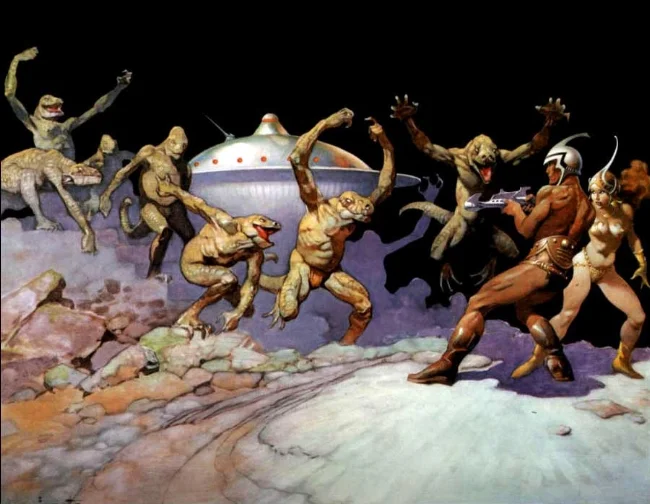
Not all popular fantasy tales offer positive visions or foster egalitarian principles. The writings of Robert E. Howard, H. P. Lovecraft and John Norman however entertaining are somewhat dated in social and political terms. Many RPGs and MMOs are still accommodating to those who wish to indulge in stereotypical power fantasies. Equality in terms of race, gender and sexual orientation are still sadly lacking. It can also be argued that the very communities that are allegedly so beneficial can become echo chambers and inwardly facing pockets of elitism. Fans of fantasy are not always associated with positive social interaction. Consider gamergate and the recent outrage against the Ghostbusters remake.
For me the most interesting theory regarding the popularity of fantasy in the twenty-first century is the idea that it is a surrogate for religion and a variation of personal faith. Traditional religion has certainly declined in the UK and parts of Europe, yet many still yearn for a sense of spiritual growth and fulfilment. Fantasy can provide a framework of similar ideas to Christianity, without the need to embrace more difficult theological concepts and requirements. Within gaming our avatars can at times be presented with opportunities to be virtuous, that we may not have in real life. We can have a positive impact upon our fan communities, help others and feel we are empowered and making a difference. Are these not fundamental tenets of faith and evangelising? The parallels between religion and fantasy are many and whatever your perspective the subject is intriguing.
Like most rhetorical questions of this kind, there isn’t a single definitive answer. For me fantasy provides a platform for films, games and literature to explore beyond the confines of the real world. Those who create within such parameters to be bold and visionary, unconstrained by the rules of physics. Yet fantasy as genre does have its weaknesses. Narrative conceits such as “Deus ex machina” and predestination paradoxes can be very lazy and such a cop out. However overall I think there is a link of some sorts between the popularity of fantasy and the current political climate in the western world. Epic tales are often about restoring that which is lost or righting a wrong. These are questions that we are searching to resolve in our lives at present, yet seem to be failing to achieve. Perhaps we look to fantasy for potential answers? Who can say? May be in the future we will look back upon these times with a clearer understanding.
Engaging With Others
If you create any sort of content, then at some point you must address the practical issue of engaging with your audience. Some folk get by without doing so, subsequently disabling comments on their You Tube channel or blog. My fellow podcaster Brian has happily managed without a Twitter account for years and has only just returned to that online community. However, I feel that two-way communication is broadly a good thing and I’ve advocated this in past and more recent posts. I’m currently trying to leave more comments on the various blogs that I read and retweet and reply more frequently on Twitter. So far this has been a positive experience. And then I went a stage further and entered in to an “exchange of views” on a well-known gaming news and discussion site. Let it suffice to say that it clearly brought in to focus the unpredictable nature of human interaction and the often-baffling behaviour of others online. Due to the obvious lack of visual, verbal and social cues, discerning others words can be difficult. Something that some no doubt deliberately play on.
If you create any sort of content, then at some point you must address the practical issue of engaging with your audience. Some folk get by without doing so, subsequently disabling comments on their You Tube channel or blog. My fellow podcaster Brian has happily managed without a Twitter account for years and has only just returned to that online community. However, I feel that two-way communication is broadly a good thing and I’ve advocated this in past and more recent posts. I’m currently trying to leave more comments on the various blogs that I read and retweet and reply more frequently on Twitter. So far this has been a positive experience. And then I went a stage further and entered in to an “exchange of views” on a well-known gaming news and discussion site. Let it suffice to say that it clearly brought in to focus the unpredictable nature of human interaction and the often-baffling behaviour of others online. Due to the obvious lack of visual, verbal and social cues, discerning others words can be difficult. Something that some no doubt deliberately play on.
I shall obliquely refer to the facts of the matter, as I don’t see the point in personalising this post. In a nutshell, I replied to a comment on a post, explaining my view and why I thought that way. It certainly wasn’t a binary opinion and I countenanced other potential outcomes. I tried to be a clear as possible and even handed. All opinions are biased, as that is their nature but I certainly tried to apply a degree of logic to my stance and the way I expressed it. Needless to say, someone else begged to differ and responded in kind. That is how comments work on such websites. So, after some consideration I decided to respond again, further clarifying my position. After all, the person(s) you are engaging with may have not have read your reply fully, could have misunderstood something or English may not be their first language.
Unfortunately, despite a second response, the discussion did not move on. It simply spawned a counter reply that made erroneous assertions and failed to recognise the point I was making. The author was either unable to understand my point or was wilfully ignoring it to perpetuate the discussion. There may well have been a deliberate attempt at sealioning or it could have all been a basic misunderstanding. Either way, it was clear that the most rudimentary rules of debate where not being adhered so I saw no further point in pursuing that discussion.
I’m sure the proceeding anecdote is far from unique and many of us have encountered such a scenario before. I won’t put this experience down to “trolling”, as that is far too much of a cop out and is a term that is used to often these days to overlook the social complexity of online discussions. There may be a myriad of reasons as to why things went the way they did. Some folk love to engage in lengthy forum and comment exchanges. Others like to play devil’s advocate as an intellectual exercise. Then of course you can consider such options as bias, “tribal associations” and the personal disposition of the individual you’re dealing with. We also live in a world that currently puts how we feel on an equal footing with facts and data. A contradiction of a personal view can sometimes be interpreted as a personal attack.
As you can see, engaging with others comes with a lot more to consider these days. Furthermore, you don’t get to pick and choose who you get to interact with in advance. You only really get a handle on the person(s) thoughts and may be personality, once the ball has started rolling, so to speak. Therein lies the rub and is the reason why a lot of people don’t bother to reach out and engage. Engagement can take time, effort and doesn’t necessarily take you down the path you expect. That can be a good thing or a potential chore. In the case in question the impasse I found myself confronted with came from a failure to grasp the point I was making, be it deliberately or not. I was expecting a logical pattern of events and they didn’t happen.
I have neither the time nor the inclination to be drawn in to pointless or self-indulgent or circular debates online. There is no obligation to do so and if someone wants to turn a discussion in to something more, then I’ll just shrug my shoulders and move on. It does however leave me pondering whether this sort of malady is on the increase or not. Are a percentage of all forms of human interactions doomed to failure due to some sort of unpredictable human factor? It also raises that old thorny issue of the echo chamber, although I feel that this is another term that is sued to often and applied incorrectly. Filtering is a necessary process. There is a difference between balance and suffering pointless contradiction. Also, why debate with those who have no interest in reconsidering their position. Again, there are many things to consider.
I am not especially concerned with that curious internet phenomenon of trying to present your “best self” online. I’m 49 and fully aware that I’m far from perfect. Although I don’t set out to deliberately upset someone, I won’t compromise my views or position to spare someone else’s feelings or try and paint a likeable picture of myself. If you want to judge my morals, ethics or lack of, then fine. Your potential disdain doesn’t really make much difference, does it? Overall, when participating in a forum or sharing a comment, I’m merely interested in an exchange of ideas, uncluttered by anything else than the basic facts. However, unless one has the benefit of interacting with others with a similar agenda and process there is always the risk that all engagement will be subject the caprices of human emotions and frankly it doesn’t help.
"Make a New Plan, Stan"
“If something's important, you'll make the time”. Montgomery Scott.
I enjoy writing. I find the process helps order my thoughts. Then there’s the pleasure of communicating with others and being part of a community. Therefore, writing is something that I wish to do regularly. Up until 2015 I use to post content on Contains Moderate Peril every day. However, I began to find it a bit of a chore (because I had followed this schedule for 5 years), so subsequently reduced my output. Then in 2016 I had to make further changes due to real life issues, so my writing became even more infrequent, as did my podcasting. However, in recent weeks I cannot help but reflect upon Scotty’s wise words. I do have some leisure time and a degree of flexibility in my weekly schedule. I suspect that although time has been a factor in my reduced content output, motivation has also played a part.
“If something's important, you'll make the time”. Montgomery Scott.
I enjoy writing. I find the process helps order my thoughts. Then there’s the pleasure of communicating with others and being part of a community. Therefore, writing is something that I wish to do regularly. Up until 2015 I use to post content on Contains Moderate Peril every day. However, I began to find it a bit of a chore (because I had followed this schedule for 5 years), so subsequently reduced my output. Then in 2016 I had to make further changes due to real life issues, so my writing became even more infrequent, as did my podcasting. However, in recent weeks I cannot help but reflect upon Scotty’s wise words. I do have some leisure time and a degree of flexibility in my weekly schedule. I suspect that although time has been a factor in my reduced content output, motivation has also played a part.
My blog posts, like many other writers, reflect what my current interests are. As I’ve mentioned before my relationship with gaming has changed in recent years. So, it’s been harder to write meaningfully about them of late. Despite having often extolled the virtues of writing for yourself, I do feel I have been reticent about varying the core content of Contains Moderate Peril to drastically. So, I’ve decided to take the plunge and simply write about whatever I want. Contains Moderate Peril is no longer to be a site just about gaming, movies and other aspects of popular culture. It’s effectively going to be a vehicle what’s in my head, what I’m currently interested in, enthused or outraged about. That may be Overwatch, Sam Pekinpah or my love of Cheese. Readers can either join me on the journey or take their leave.
Stop me if any of the following sounds familiar to you. Whenever you decided to implement a new project or plan, rather than just focus on the core idea, you find yourself bogged down in the periphery. For example, because I want to write more and take Contains Moderate Peril in a new direction, part of me wants to rebrand, change blog template and generally mess around with superficial stuff that really isn’t that important to the overall scheme. I spent some time last night pondering such things before realising that such an approach really was unnecessary. So, I’m just going to leave the site as it is. I made some tiny changes to backgrounds and such like but that’s it. The idea is for me to write and that’s what I intend to do. Not everything will be long form criticism or the like. Some posts may well be nothing more than streams of consciousness or immediate thoughts and reactions. However, if I modify my approach to my writing I feel I can do more.
I also spoke with Brian last night regarding the Burton& Scrooge Uncut Podcast. It’s getting put on “the shelf” to be returned to later. The show has become unfocused, irregular and ticks over mainly because our listeners very kindly indulge us. However, I have a specific podcast project that I really want to focus on in 2017, so I am going to sideline any possibly distractions. As to the new show, well I’ll talk about that when it’s ready. That way I hopefully won’t paint myself in to any corners. In the past, I’ve made the mistake of being to specific or changing my mind about something quite quickly, causing confusion among listeners and overall panic in the ranks. Oh, and I’m also quite prepared to gatecrash other people’s podcasts in 2017. I like being a guest. I may also reach out to those other podcasters who find themselves currently at a loose end. You know who you are.
Those who regularly visit here know that I do not set myself tortuous and unrealistic New Year Resolutions. I prefer to set credible goals that can be achieved. Therefore, I’m going to endeavour to keep abreast of more quality blogs this year and strive to comment, retweet and generally provide input and feedback to my fellow content creators. The reasons for this are simple. Such interactions foster a sense of community and I also want the bastards to help me promote my crap as well. Let’s be grown up about this. Life is effectively based upon the notion of quid pro quo. I do feel that the blogging community that I have been part of for five years, has changed a lot but that is to be expected. However, I think with some mutual encouragement we can raise our collective online profile. Mind you, I’m going to leave the Newbie Blogger Initiative to others in 2017.
So, there you have it. My new plan for 2017 as advised by Paul Simon. I sure a lot of you out there may well have similar schemes in development or have thought at least about making some changes. On a serious note, I don’t think it is an appropriate time to retreat into our own respective bubbles. We need to respond to what we see, hear and read. If you have an opinion, then damn well share it. If you want to call someone or something out, then do so. Don’t let others stop you from expressing yourself just because you don’t fit into their world view. We live in an age unparalleled for and sharing ideas. Don’t squander such a golden opportunity. Happy New Year.
Thoughts on the Current Political Climate
Both the US Presidential election and the recent UK Brexit referendum are subjects that can be dissected from numerous angles and perspectives. Pundits, journalists and academics alike will be debating these “shock results” for months to come. As for the proverbial man in the street, let it suffice to say that these electoral outcomes have come as far less of a surprise. The divide between electorate and political classes has been clearly highlighted in 2016. However, it should be noted that the overall sense of dissatisfaction with the status quo is a very broad church and that the public are motivated by a wide variety of ideas, concerns and motivations. Analysis of both these political outcomes is complex and should not simply be dismissed with broad brushstrokes.
Both the US Presidential election and the recent UK Brexit referendum are subjects that can be dissected from numerous angles and perspectives. Pundits, journalists and academics alike will be debating these “shock results” for months to come. As for the proverbial man in the street, let it suffice to say that these electoral outcomes have come as far less of a surprise. The divide between electorate and political classes has been clearly highlighted in 2016. However, it should be noted that the overall sense of dissatisfaction with the status quo is a very broad church and that the public are motivated by a wide variety of ideas, concerns and motivations. Analysis of both these political outcomes is complex and should not simply be dismissed with broad brushstrokes.
Sadly, therein lies the rub. Complex problems often require complex solutions. We live in an age where the public seems to have very little tolerance for “complex”, as well as experts and facts. As Otto von Bismark said “Politics is the art of the possible, the attainable — the art of the next best”. Compromise doesn’t strike me as something that will go down with a lot of the electorate. Therefore, it is not outside the realms of possibility that both the US and UK electorate will be disappointed by their respective governments within a year or so. When you consider the inherent diversity of individual expectations, it seems to be almost inevitable that Brexit and making America “great” again are projects doomed to overall failure.
Perhaps the most perplexing aspect of these emergent social, cultural and political divides is the question of how to address them. Debate, interaction and conciliation appear to be currently off the table. How can there be any meaningful engagement when the media is reviled, facts are denied and binary positions are adhered to. There is no clear majority position at present therefore neither side can credibly discount the other. There are levelled headed individuals on both sides of the divide who will still want to engage in dialogue and counter arguments but I am doubtful as to how much success they will have. I have always thought that society, irrespective of its diversity of views and opinions, was at least founded upon some commonly held ideals. Perhaps that is no longer the case and that the rise of the “consumer” and individual over traditional notions of “belonging” to a wider society, no longer prevail.
It has been argued that one of the driving forces behind the ongoing political turmoil currently being seen in Western countries, is an inherent opposition to the established order. The electorate have reached a point where they simply wish to see change, irrespective as to whether it’s driven by a clear plan or not; change for change sake as the adage says. Naturally this comes with a degree of risk both economically and socially. Furthermore, the benefits of change are dependent on which side of the divide you are and whether you stand to gain or lose. As previously mentioned at present there is no majority opinion so there is scope for a very large number of people to find themselves in the “losing” group if significant change is achieved. Thus, we arrive at another factor that has been associated with both Brexit and the Presidential election; namely “fear”.
Politics across the US and Europe is currently very ugly. It has also been in the past so it’s not necessarily a unique situation but it’s been a while since things were so acrimonious and tribal. Legitimate subjects of debate such as immigration, economics and equality have developed a peripheral taint and are not always discussed calmly and logically. Because anti-establishment feeling has gathered momentum and proven successful at the polls, it has validated some of the more controversial views held by some. It also raises the question as to whether so-called “extremist views” are the prerogative of a few. Perhaps large sections of society in the US and the UK are not advocates of equality and do hold less inclusive views. After all morality and ethics are abstract concepts and not naturally occurring. A cursory look at world history shows that established schools of thought wax and wane and that democratic principles are not inherently our default setting.
At present, we find ourselves in a situation where a lot of people are genuinely worried that they will have their rights taken away or be vilified in some way. They feel that they will be relegated to a position of second class citizen or worse. There is genuine scope for social unrest and violence in both the US and UK at present. However, exactly how you feel about this climate of fear and the prospect of civil disturbances is dependent upon your politics or possibly more importantly whether is directly impacts upon you and yours. The social economic make up of your neighbourhood is a major factor. You may live in a flashpoint or removed from it all. Furthermore, riots usually tend to be contained by the authorities and thus those protesting tend to do the most harm to themselves. May be some of those that have pushed for change have done so knowing that they won’t directly bear the immediate consequences. Yet there are some types of fallout that cannot be avoided. Inflation, unemployment and the value of the Dollar or Pound in your pocket must be endured by all. As ever it’s the poorest who will potentially be hurt the most, which is ironic as statistics show they are the greatest advocate of these emerging movements.
There’s another group of people that’s worth considering. A very curious group that seems to be growing. Those who have chosen for whatever reason to opt out of the entire political and voting process. There are 241 million people of voting age in the United States but only approximately 200 million of those registered to vote. In the latest US election, only 46.6% of the electorate turned out to cast their ballot. Comparable percentages of voter apathy are rife in the UK and Europe. Why exactly such numbers of people have chosen to do this is perplexing. Utter exasperation, indifference, mental incompetence or independent wealth may all be factors. However, if this group ever become politically engaged at some point they certainly have sufficient numbers to impact upon the system. Sooner or later the most jaded or apathetic voter will find a reason to “get involved”. Sadly, this usually only happens when something truly bad is imminent.
So, where exactly does the current political landscape leave us? Some may say up a certain creek without a suitable mean of locomotion. Other may say en route to the promised land. The most likely outcome is somewhere between the two of these two views. There is political uncertainty ahead and that will have social and economic consequences. However, history shows us that many things are cyclical and if a period of economic prosperity can be achieved then political unrest usually subsides as all parties benefit from an improved status quo. However economic stability does not just occur by itself and requires intervention by third parties. We also must countenance the fact that maybe we as a species are not destined for a future such as that envisioned by Gene Roddenberry. May be the reason that we don’t “just all get along” is because we can’t. Perhaps we are an evolutionary cul-de-sac doomed to live in “interesting times”. Let us hope that the latter of these two prospect is not a forgone conclusion.
Caring for the Elderly
The UK population grew by half a million last year to 65.1 million, according to figures from the Office for National Statistics. Of that number 10% are over 75 years old. At present there are 6.5 million carers in the UK, many of whom are coping with an aging parent(s). As healthcare in the UK improves overall life expectancy, the population is rapidly aging which means that every year over 2.1 million adults become carers (although almost as many people find that their caring responsibilities come to an end). This turnover means that most families in the UK face this issue at some time and 3 in 5 people will become carers during their lives.
The UK population grew by half a million last year to 65.1 million, according to figures from the Office for National Statistics. Of that number 10% are over 75 years old. At present there are 6.5 million carers in the UK, many of whom are coping with an aging parent(s). As healthcare in the UK improves overall life expectancy, the population is rapidly aging which means that every year over 2.1 million adults become carers (although almost as many people find that their caring responsibilities come to an end). This turnover means that most families in the UK face this issue at some time and 3 in 5 people will become carers during their lives.
This spring, due to my 85 year old Mother’s declining mobility, I became her carer. My Mother is now Registered Disabled and I’ve taken early retirement from work to attend to her needs. Being self-employed it made sense for me to adopt this role, rather than my sister who has worked full time for civil service for the last thirty years. Changing her working practises now would have a major impact upon her pension and future prosperity. So I now focus on my Mother’s care and visit daily. I get a respite on weekends as my Sister takes the lead. My finances are in order and I work occasionally to ensure my economic stability. I have also moved to be nearer to my parents.
At present my caring duties are mainly administrative and logistical. I do paperwork, arrange appointments and do household chores. Once a week I take my Mother out in her wheelchair so she can visit the shops and have her hair done. Effectively I have taken on many of the duties normally carried out by my Father who can no longer do them due to old age. Neither of my parents have a single overarching medical problem, just a plethora of minor ailments that collectively impair the quality of their lives. At present through me and my Sisters intervention, a status quo is maintained. However this is not something that will continue indefinitely. Sadly the long term prognosis is that my parent’s health will continue to decline.
Something I have learned of late is that caring is more than just providing the practical support that the old need. There are other factors to consider such as my parents emotional well being. Both are fiercely independent and are far from comfortable with being reliant on others. That terrible phrase about “being a burden” comes up from time to time. There is also a lot of frustration because being old and feeling old are not the same thing. Therefore I endeavour to help my parents with good grace. I try not to get frustrated when they fret over minor things as I realise that it is not I who is relinquishing control of day to day matters. As far as I’m concerned my parents took care of me as a child and have always been there for me throughout my adult life, so it is only right and proper that I now address their needs.
Carers such as myself are far from saints. We’re just regular people trying to get by. We grumble and gripe with regard to our lot from time to time. There are arguments with are loved ones on occasions simply due to the stress all are subject to. Luckily there is support out there from fellow carers, charities, local authorities and even central government. My advice to all concerned is to put your pride in your pocket and take any help you can find. If you in turn can assist someone else then do so. The slightest assistance is often invaluable. Healthcare services often only covers emergencies but at least in the UK the government is canny enough to realise it’s more cost effective to help carers while in the home, before there’s a need for a hospital.
This week my Father took a turn for the worse. In the space of seven days he’s gone from being out and about to bed ridden. Again he doesn’t have any new medical problems but his existing ones just seem to be getting worse. At nearly 87 there’s a chance that he may well recover but there is also scope for things to deteriorate. Everything that can be done is being done so it really just comes down to a waiting game. At present I see it as my duty to keep the home ticking over and maintain a sense of order and calm. I try to keep a positive disposition as fear can be contagious and counterproductive.
There are many carers who have to cope with far more than me. However sharing my story has helped me order my own thoughts and provides a degree of catharsis. Perhaps I can in some small way provide some sort of help or support to others who are experiencing a similar situation or just embarking upon this challenging journey. I don’t have many words of wisdom to offer. I think the most important thing you can do is to have a frank and candid discussion with those that you are caring for. It helps clear the air. I find having a routine is also invaluable. It allows me to cope with the daily tasks. Also consider your loved ones feelings and reassure them that you’re motivated by love. I want my parents around irrespective of their health because I enjoy their company so. I think it’s essential to keep a sense of humour and laugh together at the absurdity of the situation.
If you and your parents are still relatively young, I guess the notion of caring for them may seem years away. However time has a terrible habit of running away from you and the next thing you know twenty five years have rolled by. It is also a sad fact that illness and infirmity can strike at any age. So it never does any harm to be prepared to some degree. The current economic climate may not lend itself to saving or paying for an insurance policy but I would urge all too at least consider the possibility of becoming a carer at some point. Therefore make whatever provision you can. I suspect that the statistic of 3 in 5 people becoming carers at some point will only get larger in the years to come.
Data via Carers UK and the Office for National Statistics
The EU Referendum
On Thursday 23rd June the UK will vote on whether to remain a member of the EU or leave the community. It is possibly the biggest political, economic and social issue that I have voted on in my lifetime and both outcomes have the potential for both positive and negative effects upon the country and its future. As you would imagine with an issue of this magnitude, the pros and cons on both sides of the debate are complex. Immigration, security, trade, financial stability are some of the factors involved that shape people’s opinions. Then there are more nebulous concepts like sovereignty and nationalism that influence voter’s perspective. Whereas the logistical and administrative arguments are far more couched in facts and data, the more emotive issues are driven by tribal politics and feelings. I’m not a fan of either.
On Thursday 23rd June the UK will vote on whether to remain a member of the EU or leave the community. It is possibly the biggest political, economic and social issue that I have voted on in my lifetime and both outcomes have the potential for both positive and negative effects upon the country and its future. As you would imagine with an issue of this magnitude, the pros and cons on both sides of the debate are complex. Immigration, security, trade, financial stability are some of the factors involved that shape people’s opinions. Then there are more nebulous concepts like sovereignty and nationalism that influence voter’s perspective. Whereas the logistical and administrative arguments are far more couched in facts and data, the more emotive issues are driven more by tribal politics and feelings. I’m not a fan of either.
Over the next one hundred and twenty or so days both campaigns will vie for the public’s attention. Those who have already made up their minds which way they intend to vote are not really relevant in terms of the campaigning that will be conducted. It is those who have yet to make up their minds that will hold the balance. For such people (myself included) to make an informed choice, there is a requirement for clear and succinct data. I would like to be presented with comprehensive fact based arguments from both sides. I would also like to see measured and impartial discussions by the UK media. Sadly none of this is going to happen. The UK press, especially the newspapers are biased and both respective campaigns seem to be focusing on soundbites based upon fear. It seems that the referendum will be determined by lowest common denominator politics.
I’ve read the opinions of many ardent supporters from both sides of the debate and am very much bemused by the idealism and naivety exhibited. A common refrain is that of “unelected officials” and having to endure the governance by parties one didn’t vote for. But this is something that the majority of the electorate currently endure already from our own existing Parliamentary system. I also do not understand why some quarters are more trusting of our own politicians than those of the EU. A UK government free from such EU rules as the Human Rights Act and Working Time Directive could potentially act with impunity and to the detriment of many an employee. UK governments of all political persuasions have hardly acted with integrity or for the benefit of all over the last three decades. I would also add that he stay campaigns fixation on security and defence is also spurious. The UK whether in or out of the EU is still a major player in both NATO and the UN.
However what we have learned over recent months is not to put too much stock in opinion polls and market research. The Scottish Independence referendum appeared to be going in one direction at one point, as did predictions for a hung parliament in last May’s UK general election. The public is less free with information about their voting preferences these days and may well continue to play its cards close to its chest. This is hardly surprising as some of the more vocal members of the public seem to be far from tolerant of differing views. Look at any comment section of a news website covering the EU referendum and you’ll find hyperbole, invective and a general lack of respect. I see that Patriotism is now being trotted out as an argument from some quarters of the leave campaign. Need I quote Samuel Johnson?
At present not only do I find myself considering my own position on the referendum itself but also whether I will be able to personally endure any potentially negative consequences that may ensue, regardless which decision prevails. If there are economic problems at a later date, will my own personal circumstances be sufficient to insulate me from any financial fallout? It is worrying to have to think in such terms and only adds further to the entire negative ambience of this entire campaign. Perhaps for the sake of balance it would help to consider on some more light hearted questions that stem from this debate. If the UK leaves the EU does that mean we will no longer be able/have to participate in the Eurovision Song contest? Also does a successful Brexit mean that the UK Independence Party’s work is done and it will cease to operate? There’s precious little levity in contemporary UK politics, so let us enjoy a little now. I’m sure in three months’ time all vestige of humour will be gone from the EU referendum debate and fear and loathing will be the default response from most quarters.
To Blog or Not to Blog?
I’ve been ill recently. What started off as just an innocuous winter cold subsequently became a chest and eye infection. Despite being in relatively good health for a man of my age, this bout of illness really knocked me for six. The Doctor ordered bed rest and that’s exactly what I did. Frankly I didn’t feel at all disposed towards doing anything else, so as a result all blogging ceased and the podcast, which was already on hiatus, has been kicked further into the long grass. For a few fleeting minutes I felt some misplaced angst, regarding this lull in content creation but it was short lived. Frankly it felt good to not have to worry about daily posts or interesting topics to discuss.
I’ve been ill recently. What started off as just an innocuous winter cold subsequently became a chest and eye infection. Despite being in relatively good health for a man of my age, this bout of illness really knocked me for six. The Doctor ordered bed rest and that’s exactly what I did. Frankly I didn’t feel at all disposed towards doing anything else, so as a result all blogging ceased and the podcast, which was already on hiatus, has been kicked further into the long grass. For a few fleeting minutes I felt some misplaced angst, regarding this lull in content creation but it was short lived. Frankly it felt good to not have to worry about daily posts or interesting topics to discuss.
I have been feeling somewhat jaded with regard to blogging of late; especially when it comes to gaming. People are still writing about the games they play and reacting to the latest news but no one seems to be doing any in-depth think pieces anymore. They’ve either all be done or perhaps some bloggers just feel that there isn’t any point anymore. I look back through material I wrote five years ago and I no longer recognise the love and affection I use to lavish on the games I played back then. I also often find myself at odds with the community I’m allegedly part of. I see gamers behaving in an unedifying fashion or simply demonstrating a distinct lack of perspective and proportion.
Plus it shouldn’t be forgotten that writing a blog to some sort of standard or creating a weekly podcast is time consuming and “work” for want of another phrase. It can be very rewarding when the heavens align and you produce something that connects with your audience. On other occasions it is a proverbial millstone round your neck that you’d happily be rid of. Then there is the perennial issue of time and the fact that it’s a finite commodity. I think there’s something about hitting middle age that really provides you with an epiphany with regard to this precious resource.
However despite all the apathy and negativity, I still find blogging very useful for marshalling my thoughts and refining my views and opinions. Irrespective of whether people read my writing, I find the process of committing my ideas to text an incredibly beneficial tool. I also enjoy recording the Burton and Scrooge podcast. When it goes well Brian and I have a lot of fun. I am very fortunate to have such an amiable co-host. So it would seem that the good points about content creation currently trump the bad ones and therefore motivate me to push through this malaise of indifference.
So over the next few weeks I shall not only continue to inflict my views upon an unsuspecting internet but I’ll actually back fill posts from the previous two weeks. I don’t know why exactly but it seems to satisfy my notions of order and balance. Don’t be surprised if I stray in to non-game related subjects more often. I’ve become increasingly disposed towards just writing what comes in to my head these days and some of the stuff in their even surprises me. So it’s back to the grindstone I guess.
Not Liking Sport
Sport can be a universal icebreaker at social and work related gatherings. Having spent several years in the field of short term IT contracts, I’ve frequently found myself working with small groups of men (mainly), often from different parts of the UK or from around the world. One of the first subjects broached so people could get to know each other would usually be sport. “Did you see the (insert sporting event here)?” is a common place opening gambit. The next thing you know people are holding forth and a social dynamic is formed. This is a classic example of the sort of etiquette that helps society tick over. However there’s only one problem with this social tool. I don't care for sport. As a result I can be at a social disadvantage in certain scenarios.
Sport can be a universal icebreaker at social and work related gatherings. Having spent several years in the field of short term IT contracts, I’ve frequently found myself working with small groups of men (mainly), often from different parts of the UK or from around the world. One of the first subjects broached so people could get to know each other would usually be sport. “Did you see the (insert sporting event here)?” is a common place opening gambit. The next thing you know people are holding forth and a social dynamic is formed. This is a classic example of the sort of etiquette that helps society tick over. However there’s only one problem with this social tool. I don't care for sport. As a result I can be at a social disadvantage in certain scenarios.
Let me qualify my position. I have no specific hatred of sport or sporting endeavours. I totally "get" why other people do like them in all there various manifestations. I simply have no major interest in any of them and don't imbue them, their respective exponents or the wider culture with a lot of the virtues and merits that some people do. I recognise that sport can do a lot of good for both individuals and groups and that it can play a valid role within society. However I temper this outlook with the fact that sports are big business and that this will potentially bring a whole host of other not so beneficial issues to bear.
One of the questions I’ve pondered over the years is how have I arrived at being a non-sports person, when so many people do the opposite? Well I guess it has a lot to do with one’s personal upbringing. A love of sports usually starts in the home, which is something I’ve never had. As a child the TV was not on during Saturday afternoon, mainly because my Dad is an academic with no interest in sport. We never went to sporting events of supported any local teams or activities. Thus sports per se have always just been something that other people do and therefore never had a particular hold over me. With my own son I was scrupulously aware that a lack of exposure to sport may be a negative thing, so his Godfather filled the gap in this area, taking him to football matches and the like.
Other aspects of sporting culture have proven problematic for me over the years and have ensured that I have not altered my position. Many sports are vehicles for elitism, sexism, racism, and pretty much any other "ism" that's going. I am aware that not everyone involved with sport falls in to this category but it’s not just a fringe element either. I also struggle with the entire concept of vicariously living through others achievements and that terms such as “we” are frequently used when discussing a team’s achievements or failures. Fandom is also rife with armchair experts and folk wearing sports related clothing. Yet many are patently incapable of participating in the activities that they venerate. It should be noted that fandom is seldom based upon critical thinking and thus has its blind spots.
Despite my upbringing I was far from averse from participating in sporting activities at school. Quite the opposite was true and I use to try pretty much everything with an open mind. However my motivation was often very different to others. I participated in sporting activities for their own inherent fun and was not really interested in the prevailing culture of competitiveness. This changed when I was picked to be on the school football team (in the UK sense of the word) roundabout the age of eleven. Here is a condensed version of the incident.
PE Teacher: Why didn't you come to football practise on Saturday morning?
Me: I didn't want to miss Swap Shop (for non UK folk, insert some other popular Saturday morning TV show )
PE Teacher: It's not about what you want but what the school wants...
This resulted in the PE teacher taking the matter up with my Father, thinking he could prevail on his generational notions of obligation, team play and respecting authority. He didn’t count on my Dad being an intellectual snob who thought Physical Education was a shit Degree to have. As a result he got short thrift from my Father who pointed out what I did with my own time was my concern and none of his. I spent the next few years on this particular teacher’s shit list as a result. But then again PE teachers in the 1970s were notorious bastards.
Let me be very candid about one other thing that I believe is relevant to this discussion. It’s something that a lot of people won't admit to. I don't enjoy losing. Although I’m old enough now to hide it well in social situations it still really gets on my tits. Naturally this is a stumbling block in the competitive world of sports. I also don't care for some of the aspects of team dynamics that are associated with sport, such as the concept of team failure over individual failure. I remember as a child being castigated by another teacher because the team that I was on had lost a game. It annoyed me no end that we were blamed as a group when the fault lay with two very specific individuals. Sod team responsibilities and the bogus notion of “character building”, whatever the fuck that is. I deal in logic and intellectual processes to determine where the weak link in a chain is.
So here I am now at the age of Fortysomething and there is an entire aspect of UK culture that passes me by. Don't get me wrong I can happily watch any major sporting event on TV, understand it and even discuss it for the sake of courtesy. I just don't give a shit about it. However as I mentioned earlier, I recognise that sport is a major ice breaker and therefore an invaluable social tool. But if you aren't in to it, then there’s a lot of TV programming, social events and general culture that simply passes you by. It doesn't happen so much now, especially in the circles I currently move in, but if you don't like sports you are often met with suspicion from certain quarters. Some will even consider it to be an indicator of your sexuality or politics for some reason.
Venerating an individual or a team’s dedication to excellence is laudable in principle. Human beings are competitive and naturally sports feed in to that. Sports also foster collaboration which is another important life skill. Yet like so many other cultural institutions there comes a tipping point where the positive and beneficial aspects that accompany them can quickly become something far less edifying. Fandom can become partisan and lead to violence. Then there is the entire issue of being part of a group that is not perceived as being part of the accepted social norm. Not liking sports can put you in such a demographic. I have fortunately not suffered to any degree by not embracing this part of UK culture. However I could see it being a problem for others in certain situations. Difference can be a convenient tool of oppression.
So there you have a succinct breakdown of my relationship with sport, or non-relationship as it is in this case. It just remains for me to put one question to you, the reader. Where do you stand on this matter? Do you like me, not care for this part of day to day life? Does it cause you any issues? How do you deal with it? I’d be fascinated to know.
Alan Rickman (1946 - 2016)
I first became aware of the actor Alan Rickman during the early eighties while watching The Barchester Chronicles. He played the scheming curate Obadiah Slope who aspired to the office of Bishop, in this television adaptation of Anthony Trollopes novels. It was the sort of period costumed drama that the BBC excels at and a role the Rickman clearly relished. Six years later his performance as the German terrorist Hans Gruber in Die Hard gained him international acclaim and placed him squarely on Hollywood’s radar. He continued to appear in both mainstream blockbusters and smaller more cerebral independent productions over the years, yet maintained his credibility as a serious character actor, despite his fame and association with populist franchises.
I first became aware of the actor Alan Rickman during the early eighties while watching The Barchester Chronicles. He played the scheming curate Obadiah Slope who aspired to the office of Bishop, in this television adaptation of Anthony Trollopes novels. It was the sort of period costumed drama that the BBC excels at and a role the Rickman clearly relished. Six years later his performance as the German terrorist Hans Gruber in Die Hard gained him international acclaim and placed him squarely on Hollywood’s radar. He continued to appear in both mainstream blockbusters and smaller more cerebral independent productions over the years, yet maintained his credibility as a serious character actor, despite his fame and association with populist franchises.
Alan’s appeal was very much due to his versatility. He could perform classic theatre, light comedy and even action movies with ease. He knew exactly when to adopt a theatrical style (Robin Hood Prince of Thieves) and when to take a more understated approach (Sense and Sensibility). He was an actor with a broad dramatic range and a commanding voice, yet often did his finest work through the most subtle of expressions of his face. His presence in a film always piqued my interest and I would at time stray out of my personal cinematic comfort zone just to see a movie in which he appeared; his performance as Ronald Reagan in The Butler being one such example.
For a whole generation Alan Rickman will always be Professor Severus Snape, as this was the role that introduced them to his work. I will always enjoy is outstanding performance in Galaxy Quest, an underrated movie that is one of the finest satires I’ve seen about popular culture. He excels as aging Shakespearean actor Alexander Dane who has a love hate relationship with his alter ego Dr Lazarus. Rickman has by far the best lines in the film, which are acerbically delivered with consummate ease. Again much of the nuances of his performance are from his mannerism and deportment. It’s an excellent showcase for his acting talent. He will be sorely missed. “Happy Trails, Hans”.







David Bowie (1947 - 2016)
Last September I was sitting in the cinema enjoying The Martian when to my delight Starman featured as part of the movie soundtrack. At the time it raised a wry smile and a moment of contemplation as I reflected on how appropriate the song was, the relevance of the lyrics and how David Bowie has been ever present throughout my youth and adult life. As an artist Bowie has continuously explored new avenues, tested himself and remained relevant while his contemporaries are just content to tour and revisit their greatest hits. Therefore I was both shocked and saddened to wake up this morning and learn of his death. It took a while to compute, after all, he only released two new albums last week.
Last September I was sitting in the cinema enjoying The Martian when to my delight Starman featured as part of the movie soundtrack. At the time it raised a wry smile and a moment of contemplation as I reflected on how appropriate the song was, the relevance of the lyrics and how David Bowie has been ever present throughout my youth and adult life. As an artist Bowie has continuously explored new avenues, tested himself and remained relevant while his contemporaries are just content to tour and revisit their greatest hits. Therefore I was both shocked and saddened to wake up this morning and learn of his death. It took a while to compute, after all, he only released two new albums last week.
David Bowie was more than just an outstanding musician and performance artists. He was cultural touchstone who showed us that we can define ourselves if we choose to, in whatever way we see fit and that it’s possible to rise above cultural perceptions of gender and sexuality. After five decades of critical and commercial success he still managed to maintain a private life and enjoyed a reputation of being dignified, professional and gracious. Those who had the opportunity to see him perform have often said that it was unique and unlike anything that they’d previously experienced. His work is far from ephemeral and has an enduring quality to it. As an actor Bowie was subtle and understated. It’s a shame he didn’t explore the medium further.
In an age when exposure is confused with fame and internet traffic appears to trump talent, there are precious few artists left like David Bowie. This is a man whose death has effectively cleared the UK news agenda and even the Prime Minister feels compelled to comment. A man who sold an estimated 140 million records worldwide and who’s body of work is considered to be of the highest calibre. It is still somewhat difficult to come to terms with the passing of such a cultural icon. His larger than life musical personas and his enduring significance made many of us think he was in some way immortal. Sadly this was not the case. Yet he leaves behind an incredible legacy for those that come after and will remain forever a cultural beacon.