Capel Battery
The artillery battery at Capel-le-Ferne was built between 1941 and 1942, following the fall of France, on the orders of Winston Churchill. Located between Dover and Folkestone, the battery consisted of three 8-inch high-performance guns, provided by the Royal Navy. The battery was intended to provide anti-shipping defence in the English Channel. The site was manned by men of the 520 Coast Regiment Royal Artillery. Over the course of World War II, the battery expanded in size, eventually encompassing multiple Nissen huts, several roads and 19 military buildings. Anti aircraft defence was provided by two 40mm Bofors guns. Over the course of the war, the Capel Battery engaged enemy shipping on four separate occasions and also took part in fifteen practice shoots. In 1944, due to the decreased threat, the battery was placed in “care and maintenance”. The guns were removed in 1952 and the building demolished in the early 1980s
The artillery battery at Capel-le-Ferne was built between 1941 and 1942, following the fall of France, on the orders of Winston Churchill. Located between Dover and Folkestone, the battery consisted of three 8-inch high-performance guns, provided by the Royal Navy. The battery was intended to provide anti-shipping defence in the English Channel. The site was manned by men of the 520 Coast Regiment Royal Artillery. Over the course of World War II, the battery expanded in size, eventually encompassing multiple Nissen huts, several roads and 19 military buildings. Anti aircraft defence was provided by two 40mm Bofors guns. Over the course of the war, the Capel Battery engaged enemy shipping on four separate occasions and also took part in fifteen practice shoots. In 1944, due to the decreased threat, the battery was placed in “care and maintenance”. The guns were removed in 1952 and the building demolished in the early 1980s
Today, two thirds of the old Capel-le-Ferne battery site is now buried under the Battle of Britain Memorial, which was built in 1992. However, the remaining part of the battery (specifically No1 Gun) is now a museum, run by father and son team, John and Martin Button. Opened in 2023, the Capel Battery is dedicated to preserving and displaying the remains of the site and restoring previously existing facilities where it can. To date, the crew shelter, gun store and compressor house, along with the underground plotting room have been fully excavated. Two replica Nissen huts have also been built on their original locations. The site is also home to a 50mm Anti-Aircraft Bofors gun, an AFV434 REME armoured repair vehicle and other military equipment .
BL 8-inch MkVIII Naval Gun
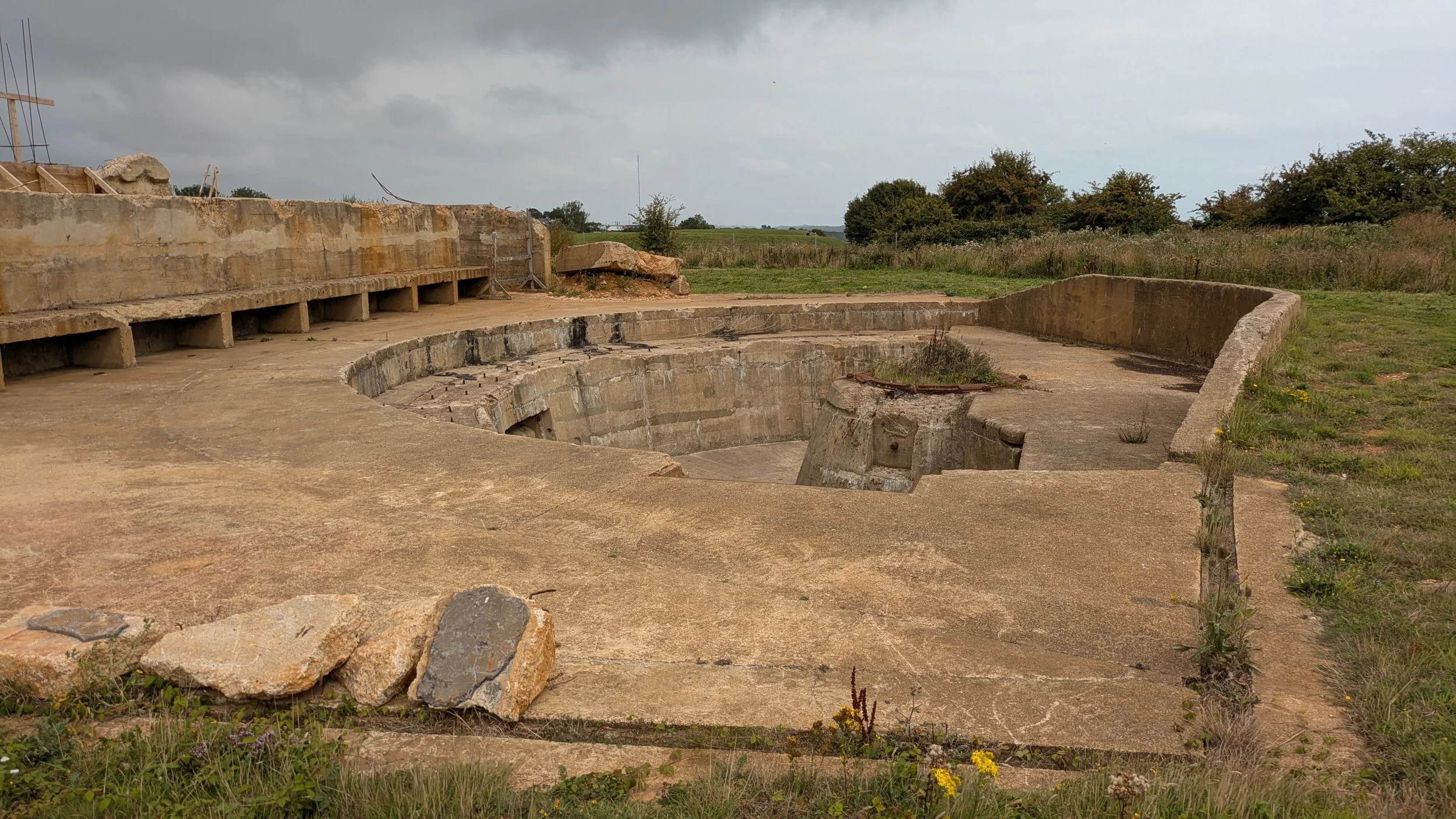
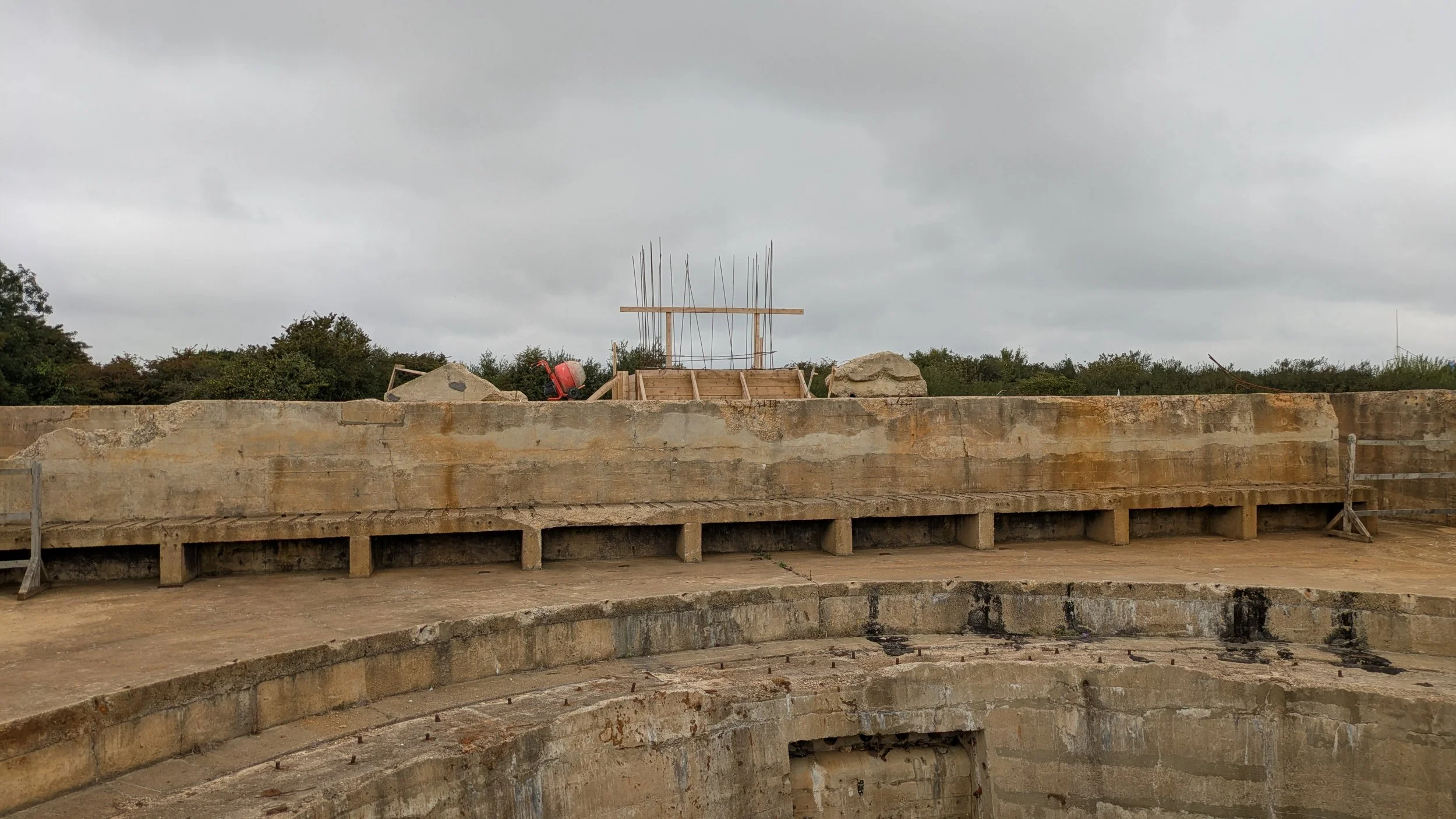
On Saturday 16th August, I was fortunate to have a tour of the Capel Battery. Myself and my colleagues were given leave to look around the site by Martin Button, who also made himself available to answer questions both about the battery’s history and his ongoing plans for development. The former placement for No1 Gun has been fully excavated exposing where the base ring traversing mechanism would have been located. Likewise the bunker behind has also been cleared of undergrowth. Restoration has begun on all the concrete infrastructure, although it is a slow and costly undertaking. However, despite being an ongoing project, the concrete infrastructure that remains is more than sufficient to convey the scale of the naval gun that was installed. The site is about 400 yards from the cliff edge and looks out over the Straits of Dover.
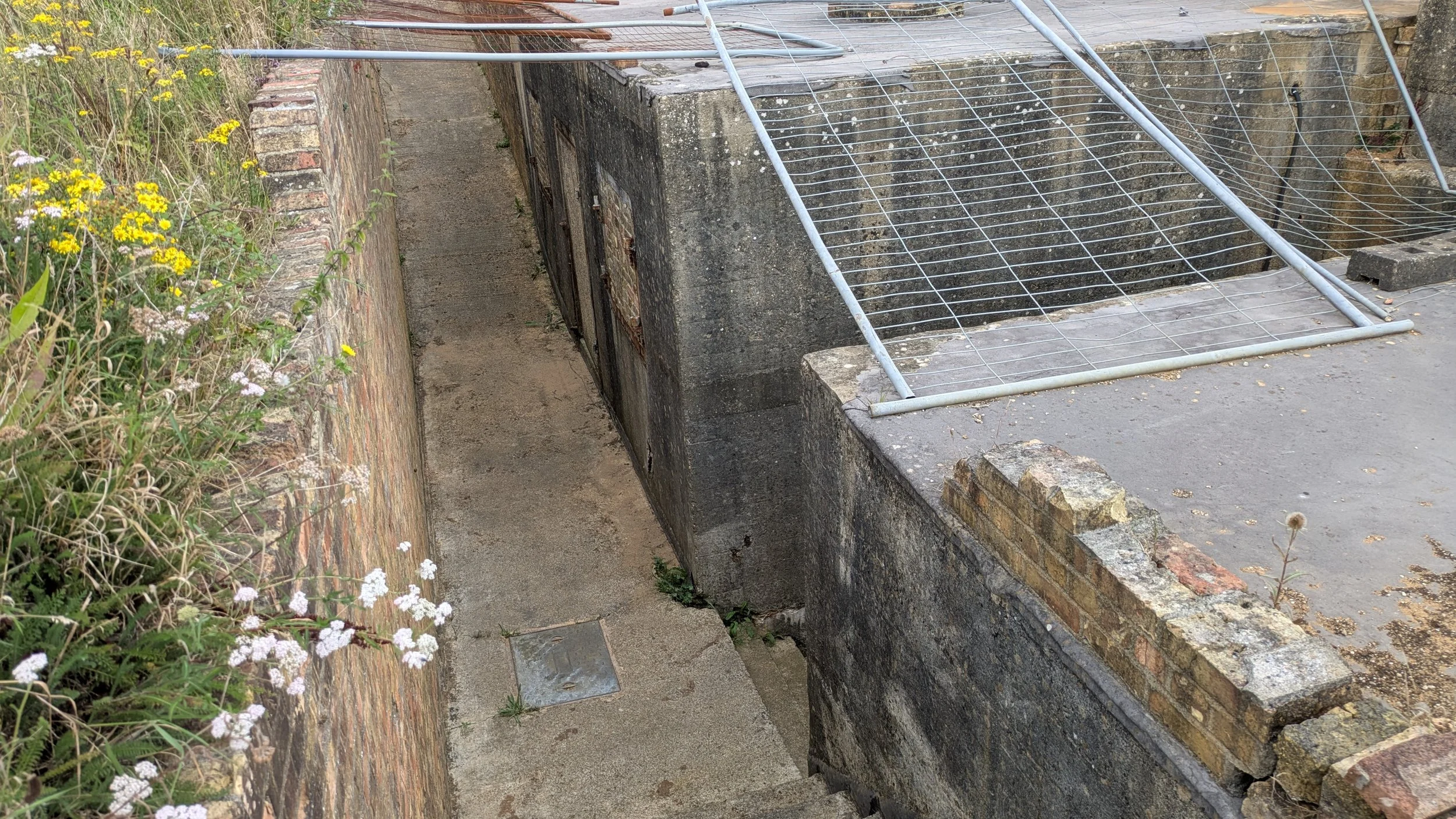
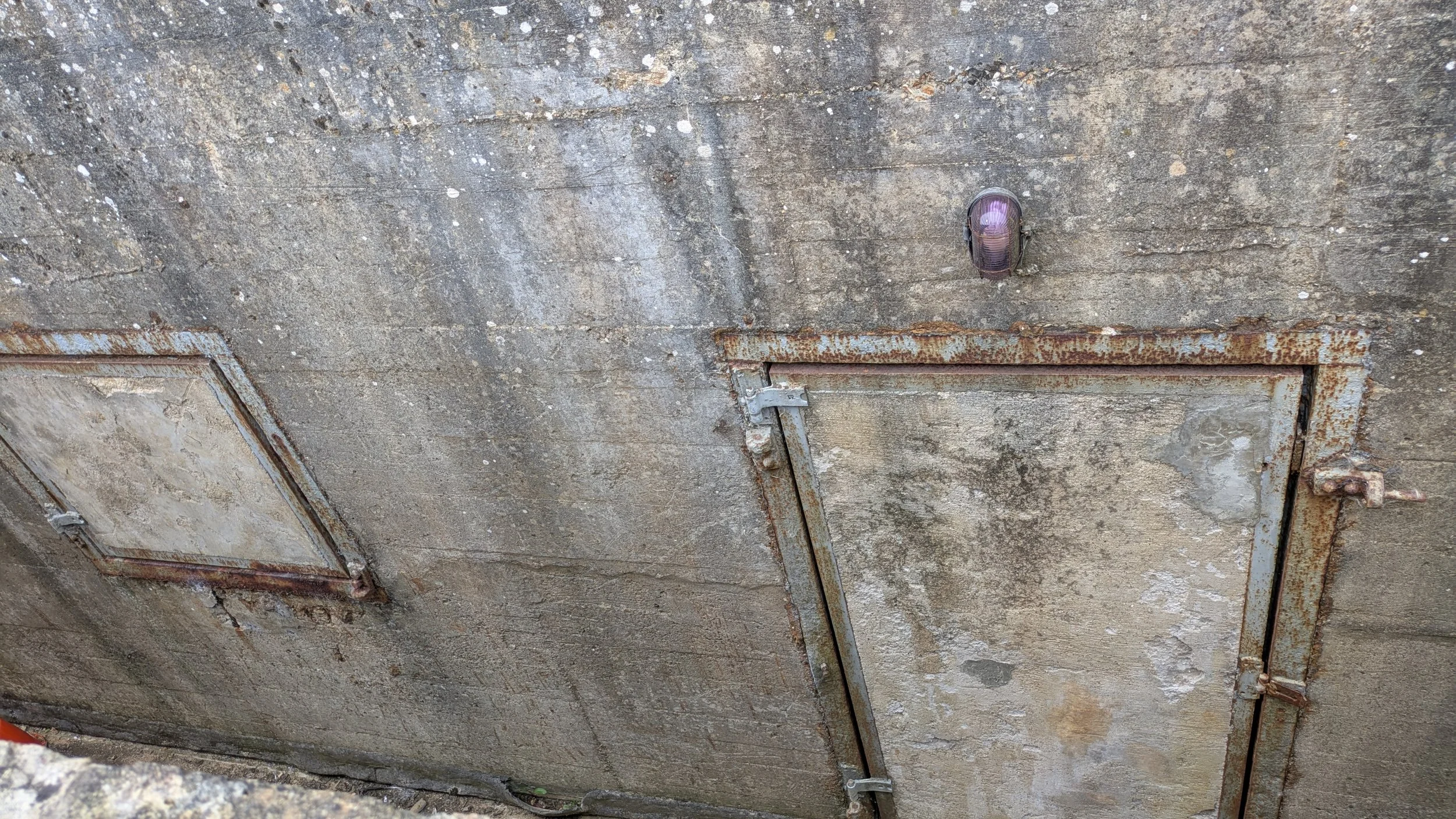
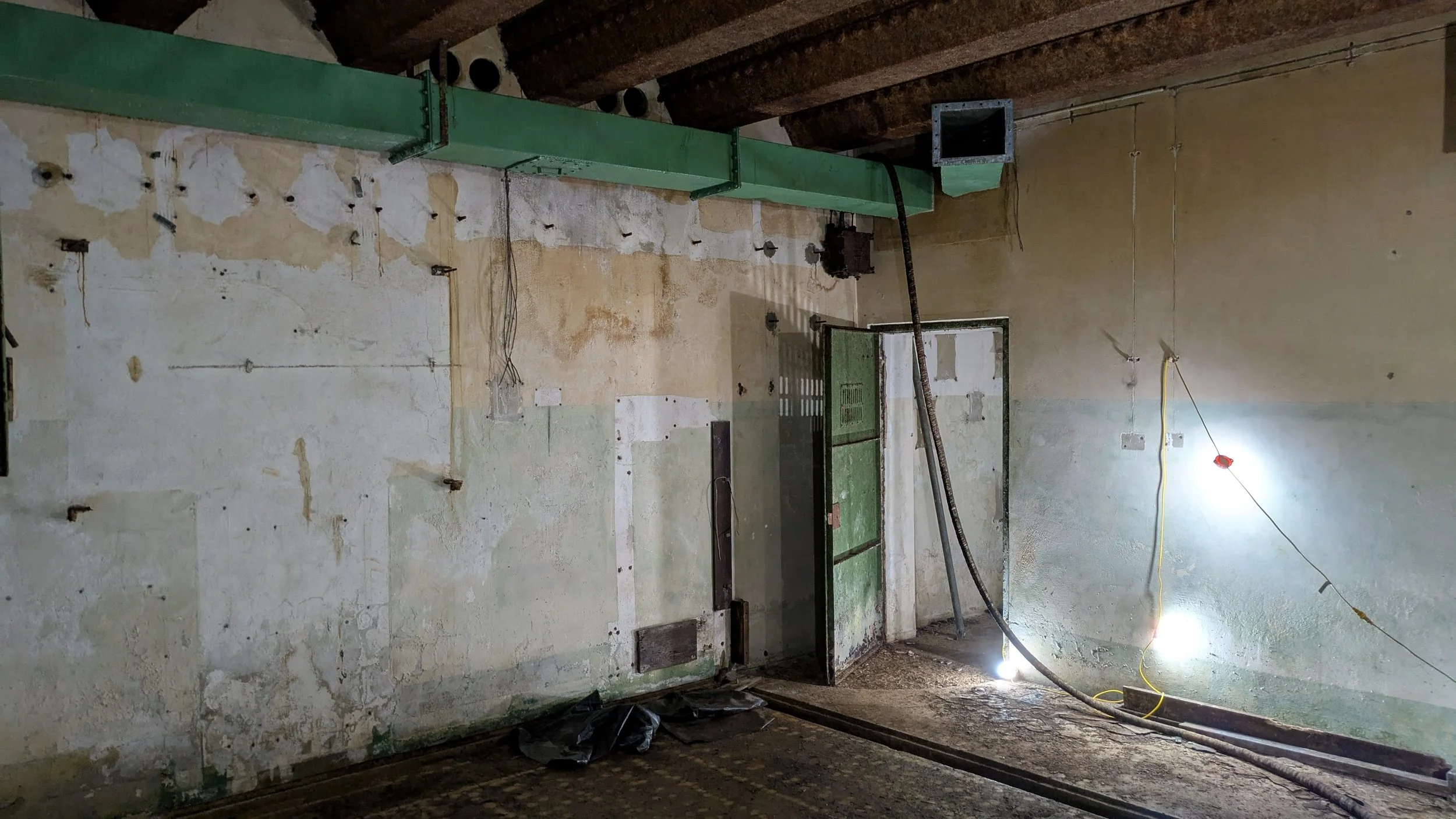
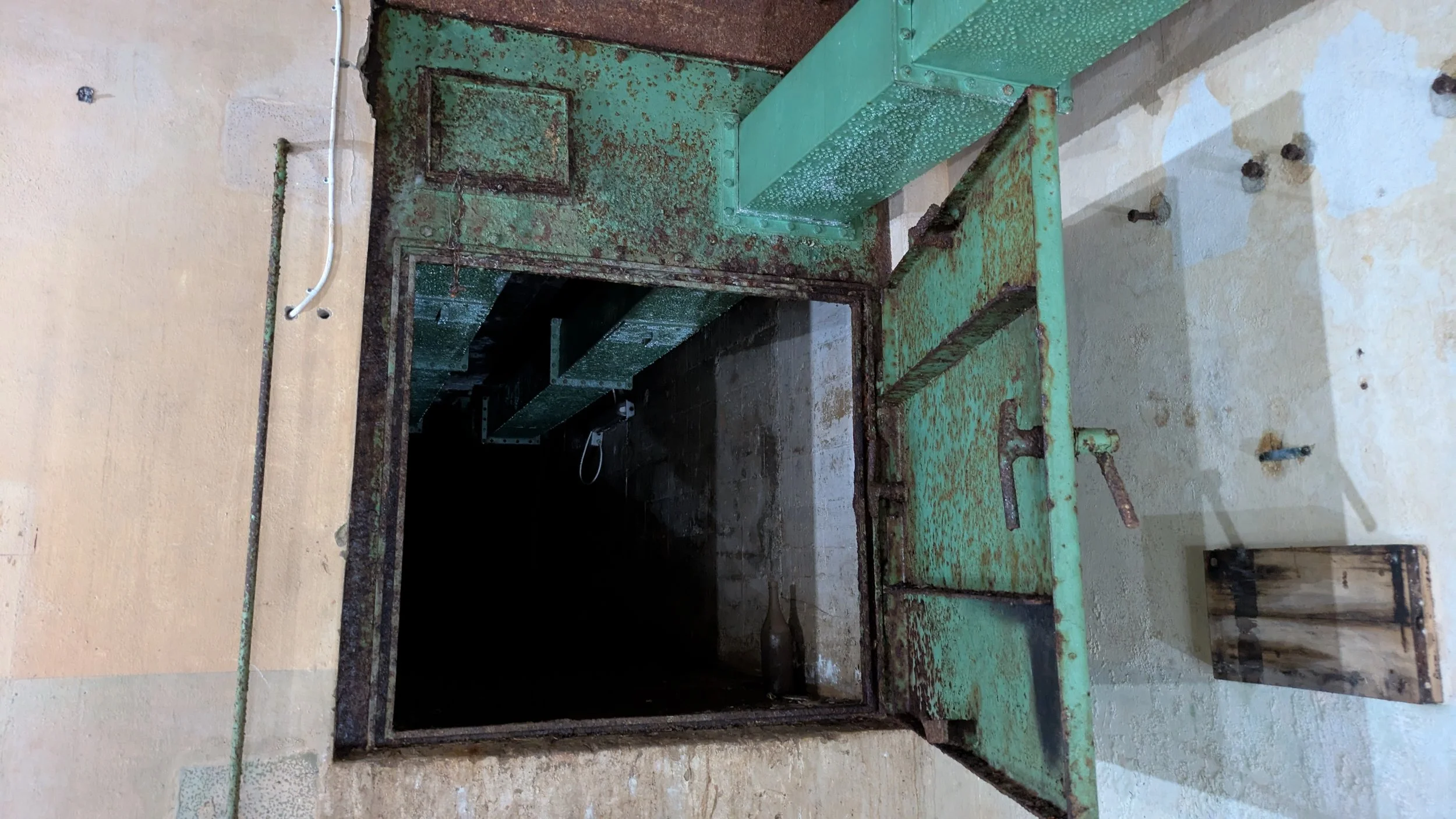
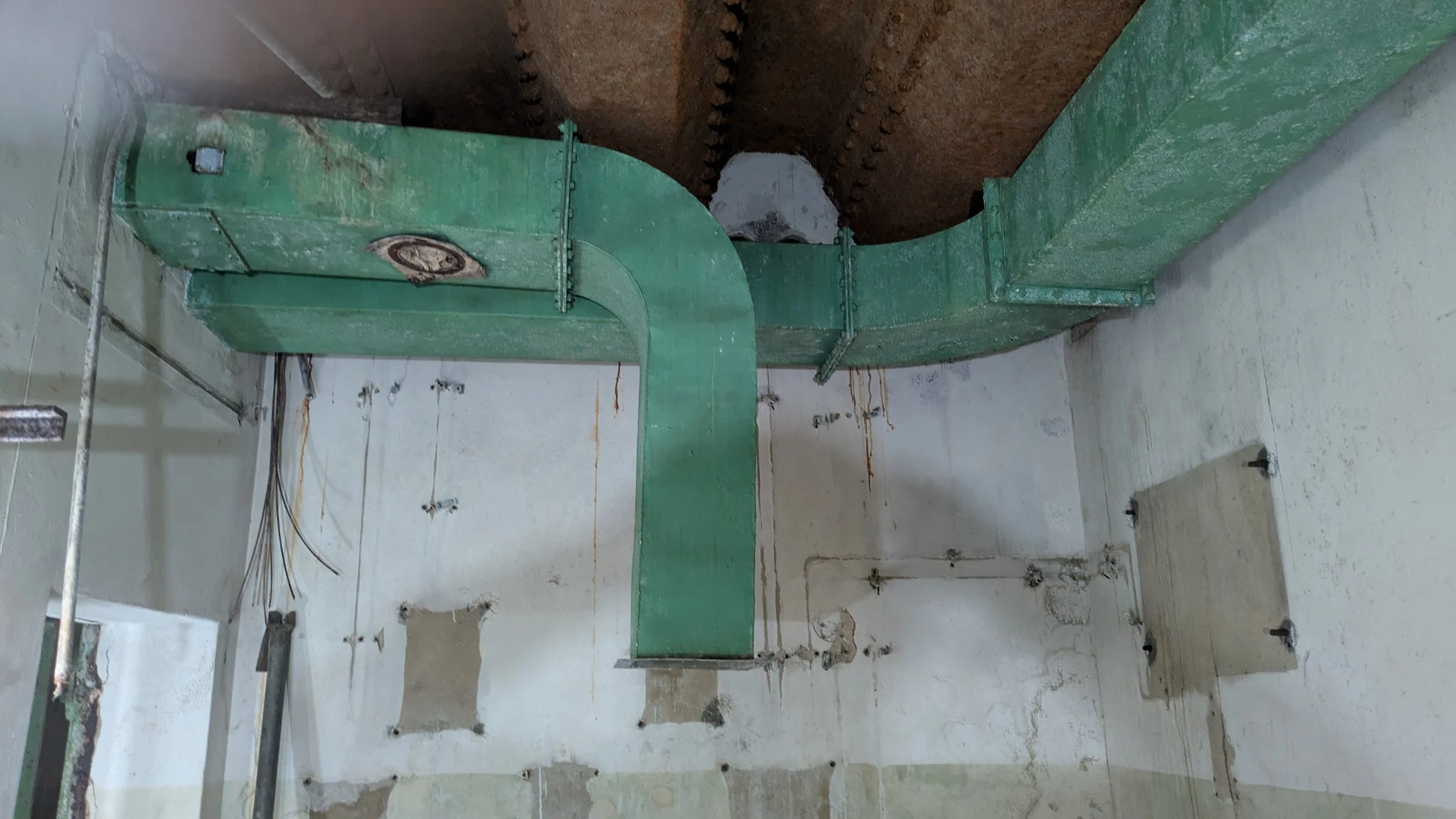
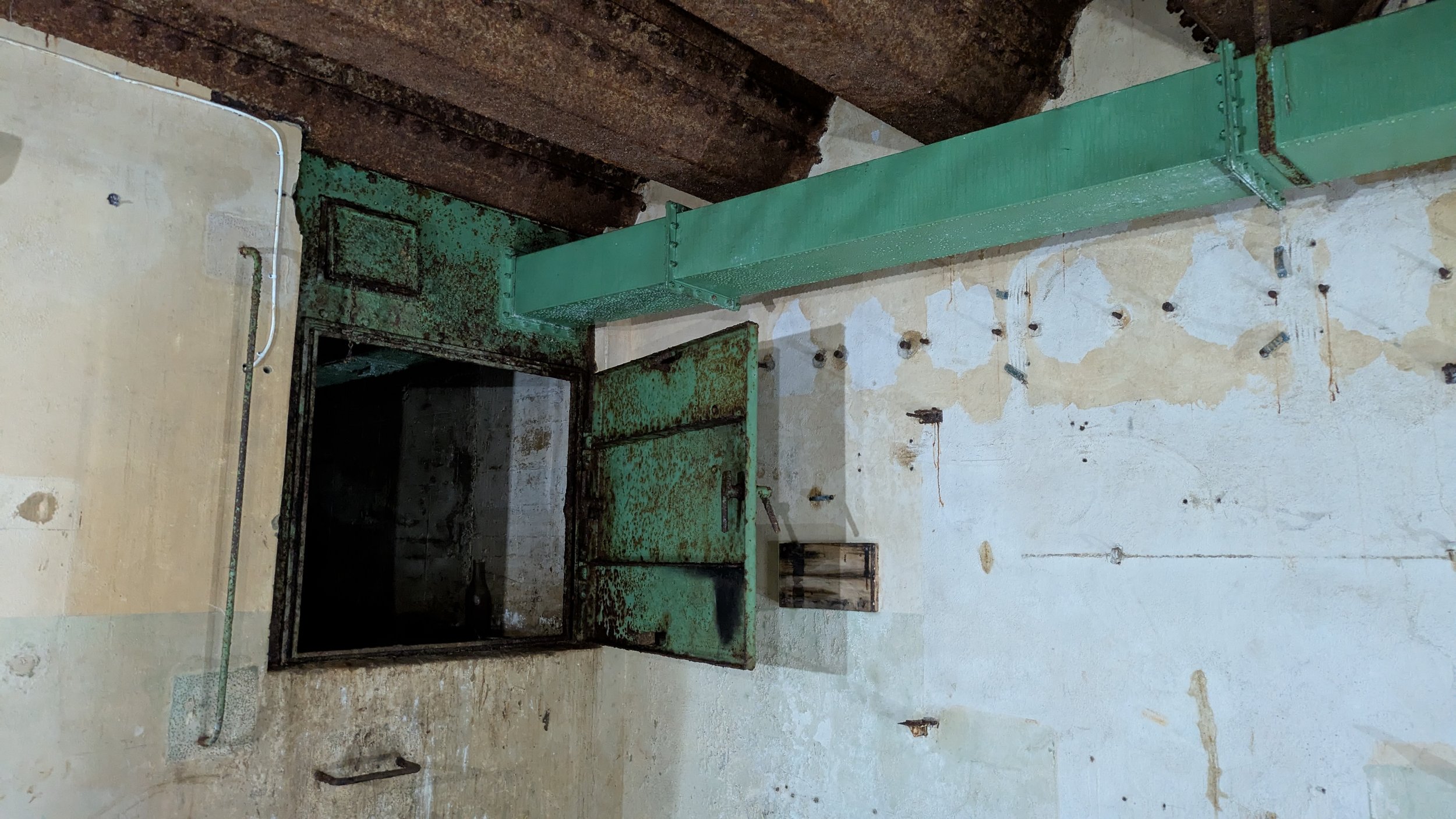
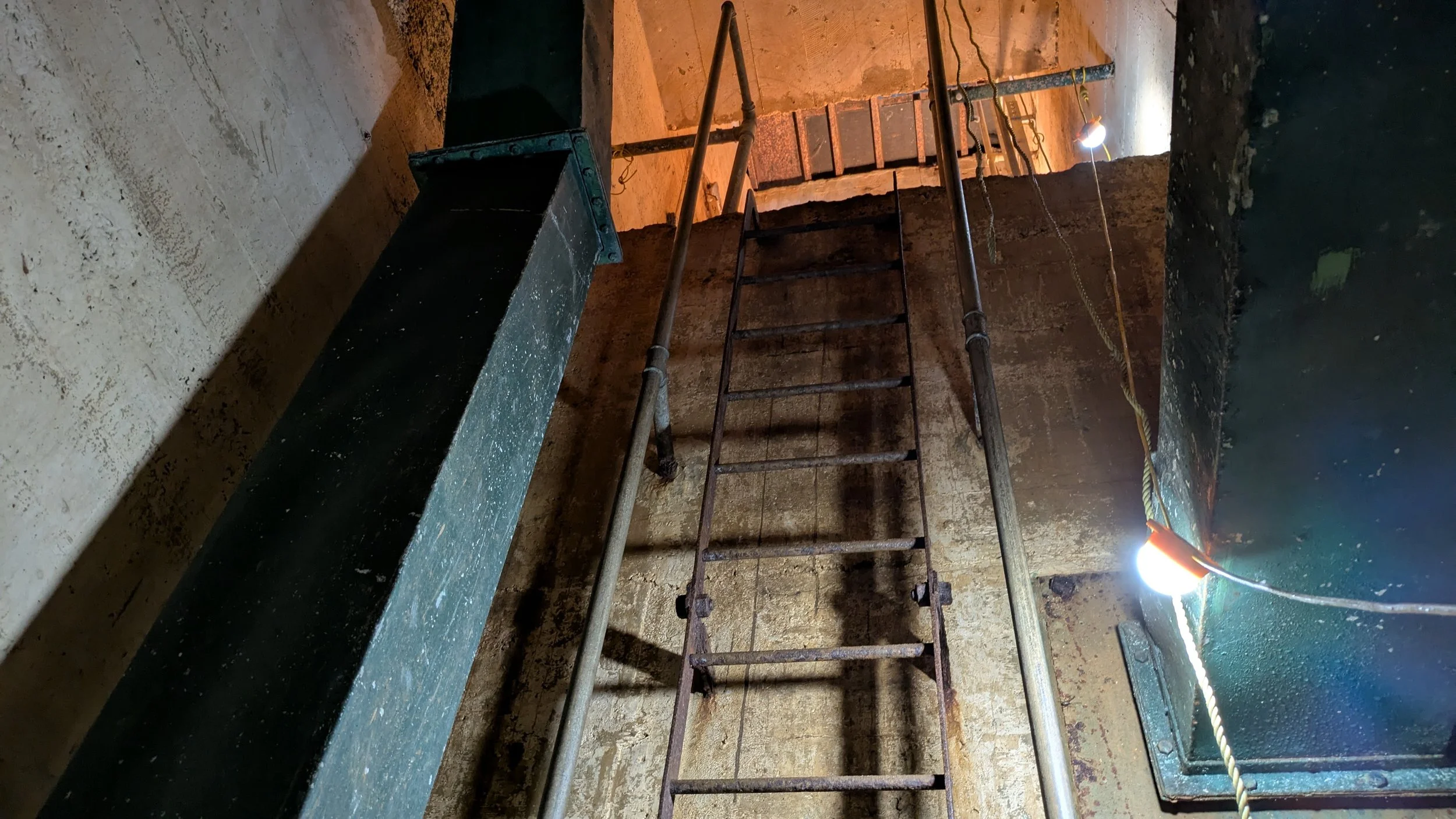
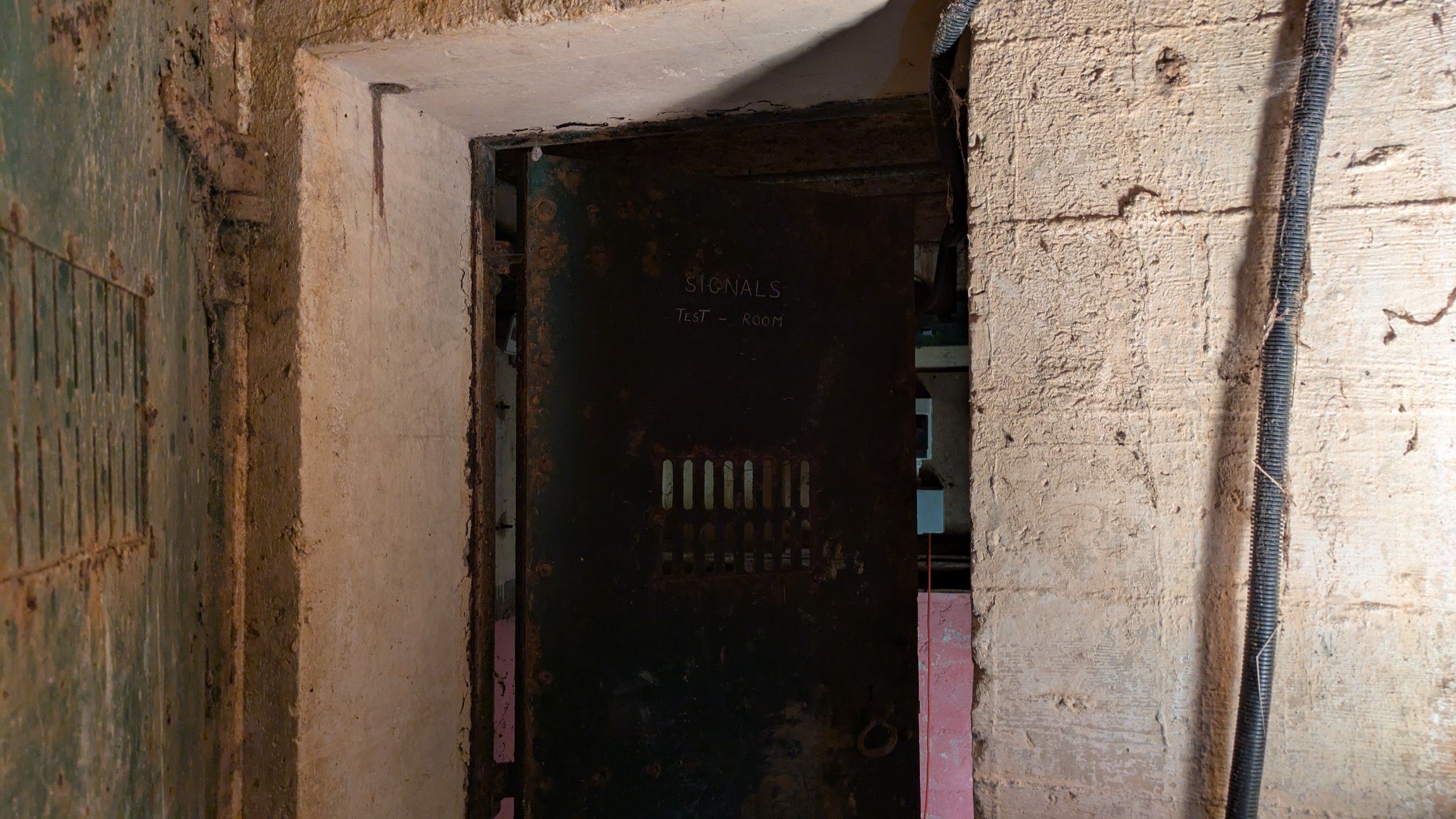
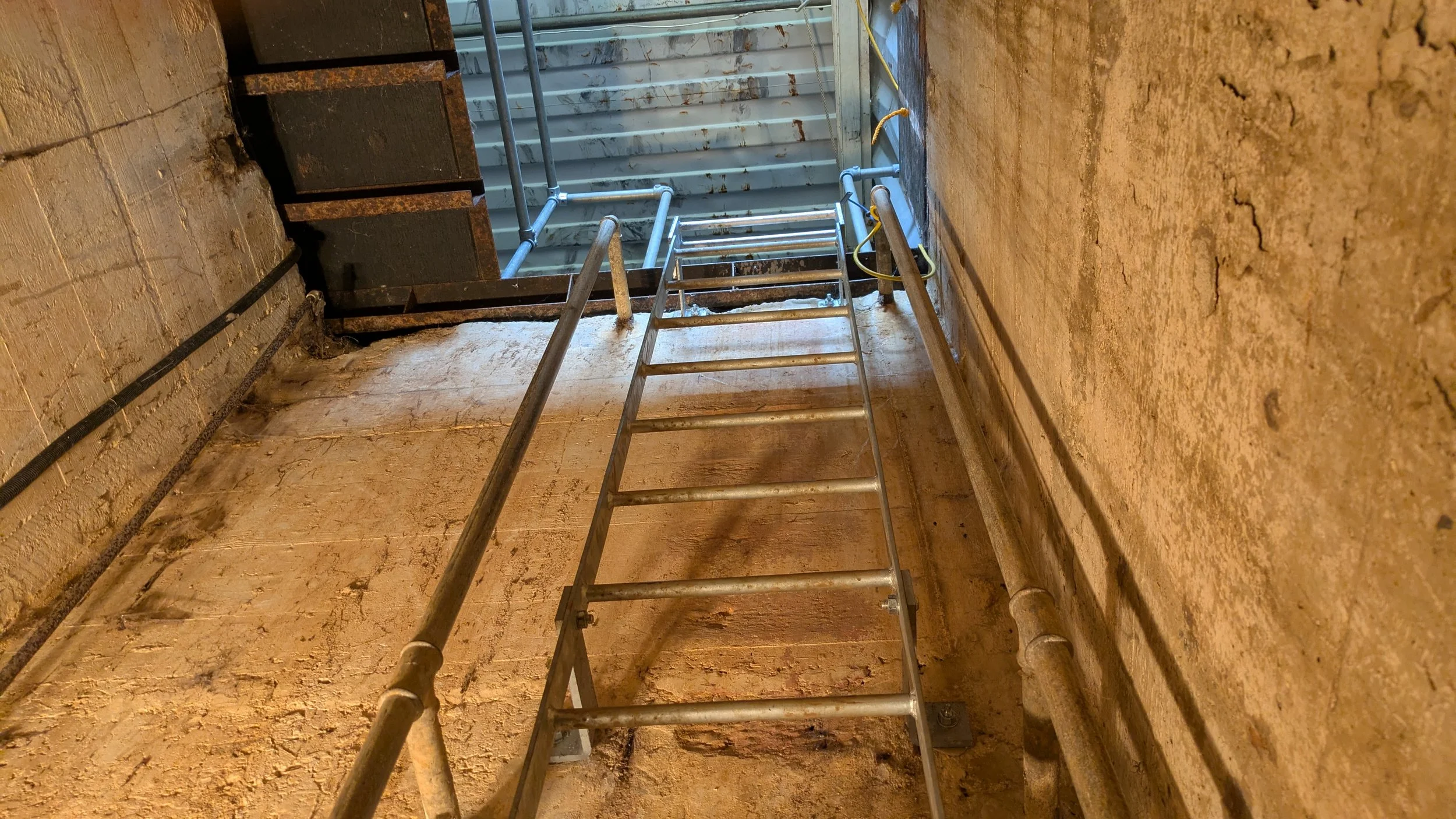
The foundations of many of the prior outbuildings have also been discovered including officers’ mess, guard room canteen, storage and sleeping quarters. Several underground facilities have also been located such as the Operations Room, the Medical Dressing Station along with the Battery Plotting Room. Not all of these are accessible due to underground collapse, or for practical health and safety reasons. Of all of these, the Battery Plotting Room remains the most intact, located 50 feet or more underground. It can be accessed via two vertical ladders and contains much of the trunking and ducting from the original period. It is a substantial structure designed for half a dozen men. It is from here that data was analysed to compute precise gun-laying instructions.
No 1 Gun placement excavation and restoration
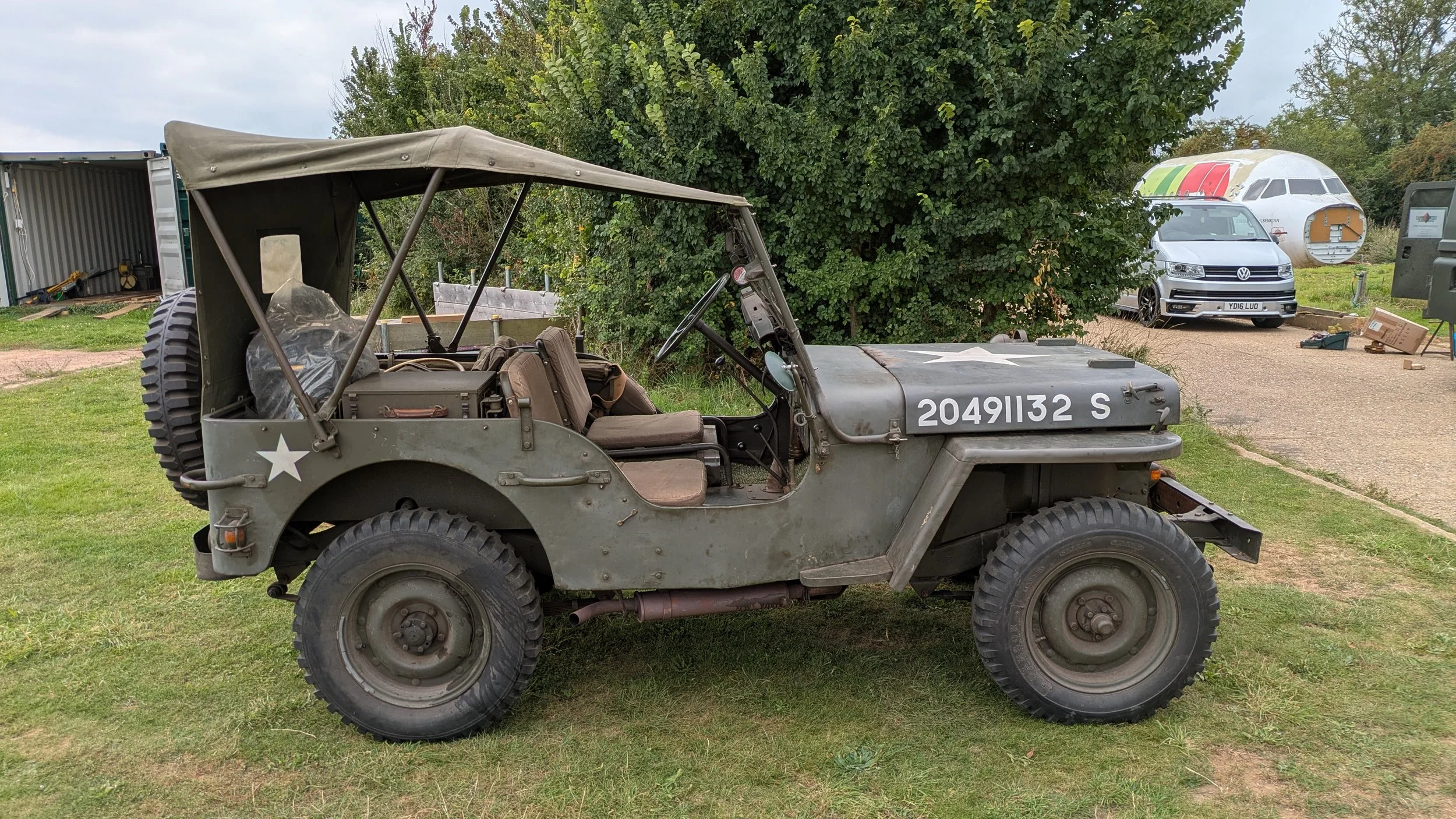
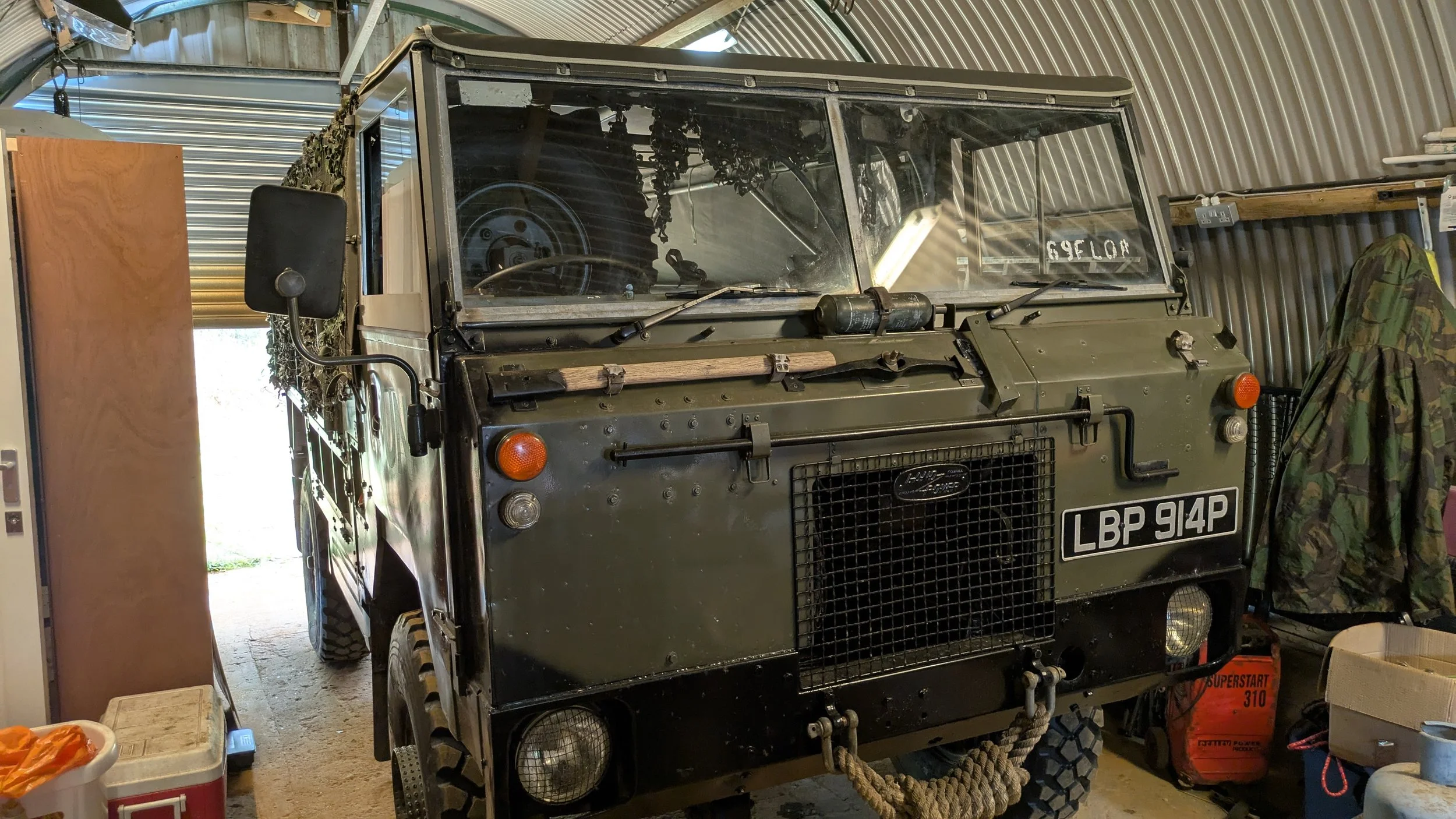
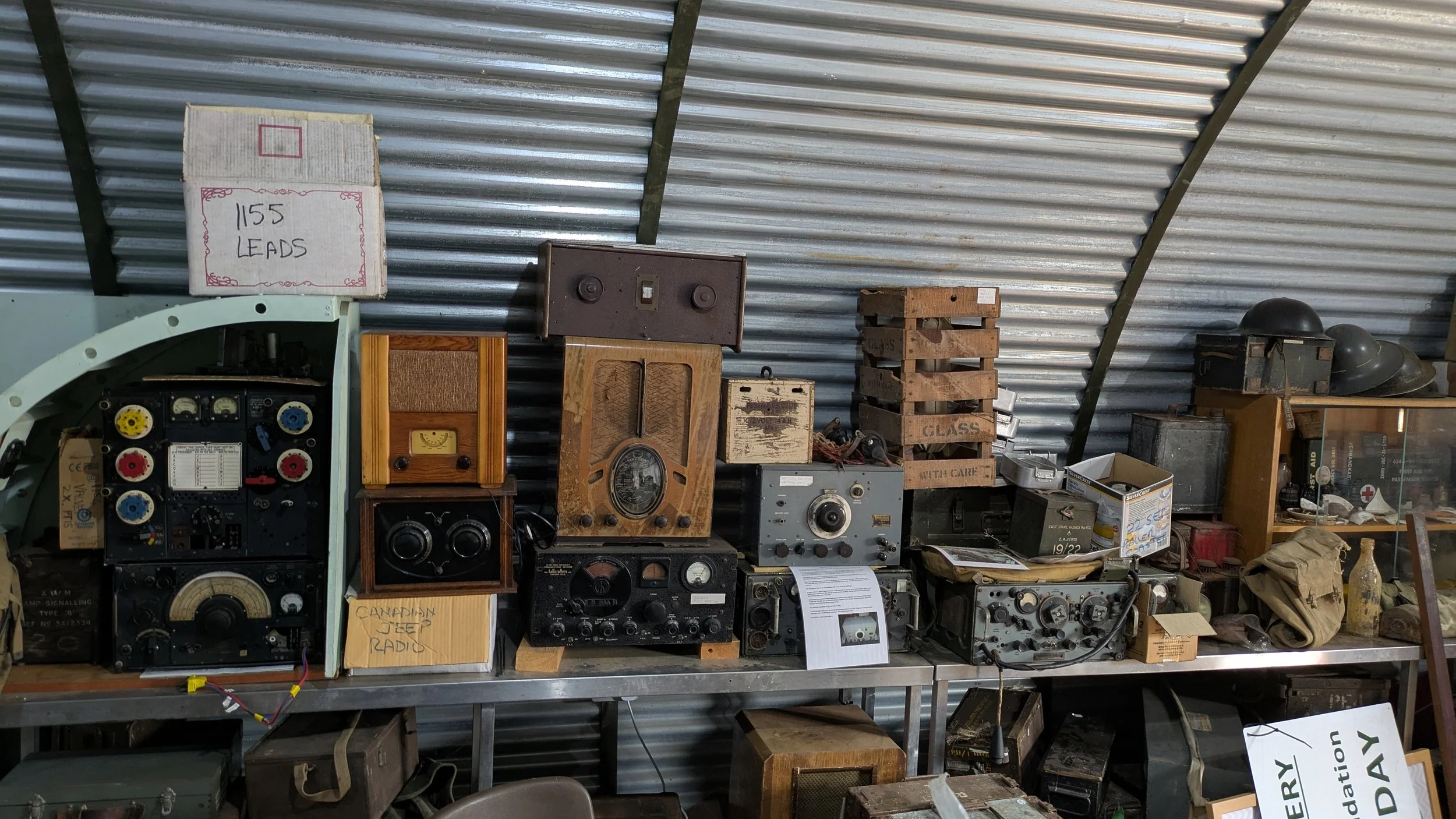
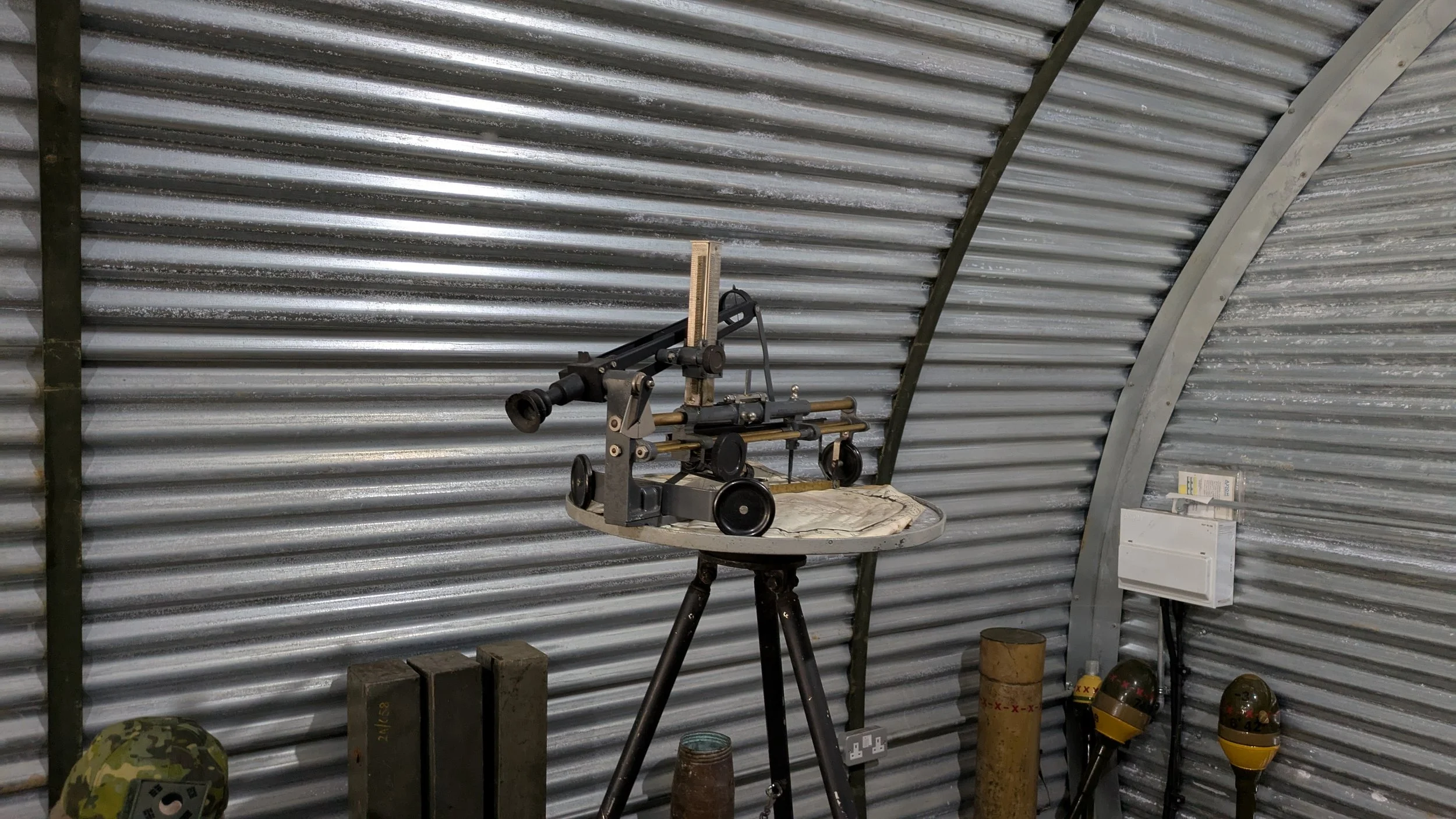
Another interesting aspect of the Capel Battery is the owner’s prodigious collection of World War II memorabilia. There is an original Willys MB Jeep and a Land Rover 101 Forward Control, along with radio equipment, an Observer Instrument and much more. All of which contribute to making this former military site an important historical resource. Unfortunately, Folkestone & Hythe District Council are currently in dispute with the Capel Battery’s owners over technicalities regarding the site’s museum status. Hence there is currently a concerted effort by both the owners and supporters of the site to raise the profile of the Capel Battery, thus increase the number of visitors and to raise further funding for excavation, preservation and restoration. I feel that the museum as it stands has a lot to offer and would like to see it reach its full potential. I therefore hope the owners are successful in their endeavours.



Kent Battle of Britain Museum
There are an estimated 2,500 museums in the UK. This number has grown significantly over time, more than tripling between 1960 and 2017. While it is laudable that so many of these institutions exist, they do not all receive equal interest or publicity. Some museums dominate in their respective fields and drown out others that have a similar theme. With this in mind, I was unaware of the Kent Battle of Britain Museum until a friend recently brought it to my attention. After yesterday’s visit my initial thoughts are what a treasure trove it is. According to the museum’s website it is the world’s largest Battle of Britain collection of memorabilia. This includes planes, uniforms, weapons and related artefacts from over 700 crashed aircraft. Furthermore, the museum tells the story of this battle without bias, choosing to highlight both the historical and the human aspects of the conflict. It is often very poignant.
There are an estimated 2,500 museums in the UK. This number has grown significantly over time, more than tripling between 1960 and 2017. While it is laudable that so many of these institutions exist, they do not all receive equal interest or publicity. Some museums dominate in their respective fields and drown out others that have a similar theme. With this in mind, I was unaware of the Kent Battle of Britain Museum until a friend recently brought it to my attention. After yesterday’s visit my initial thoughts are what a treasure trove it is. According to the museum’s website it is the world’s largest Battle of Britain collection of memorabilia. This includes planes, uniforms, weapons and related artefacts from over 700 crashed aircraft. Furthermore, the museum tells the story of this battle without bias, choosing to highlight both the historical and the human aspects of the conflict. It is often very poignant.
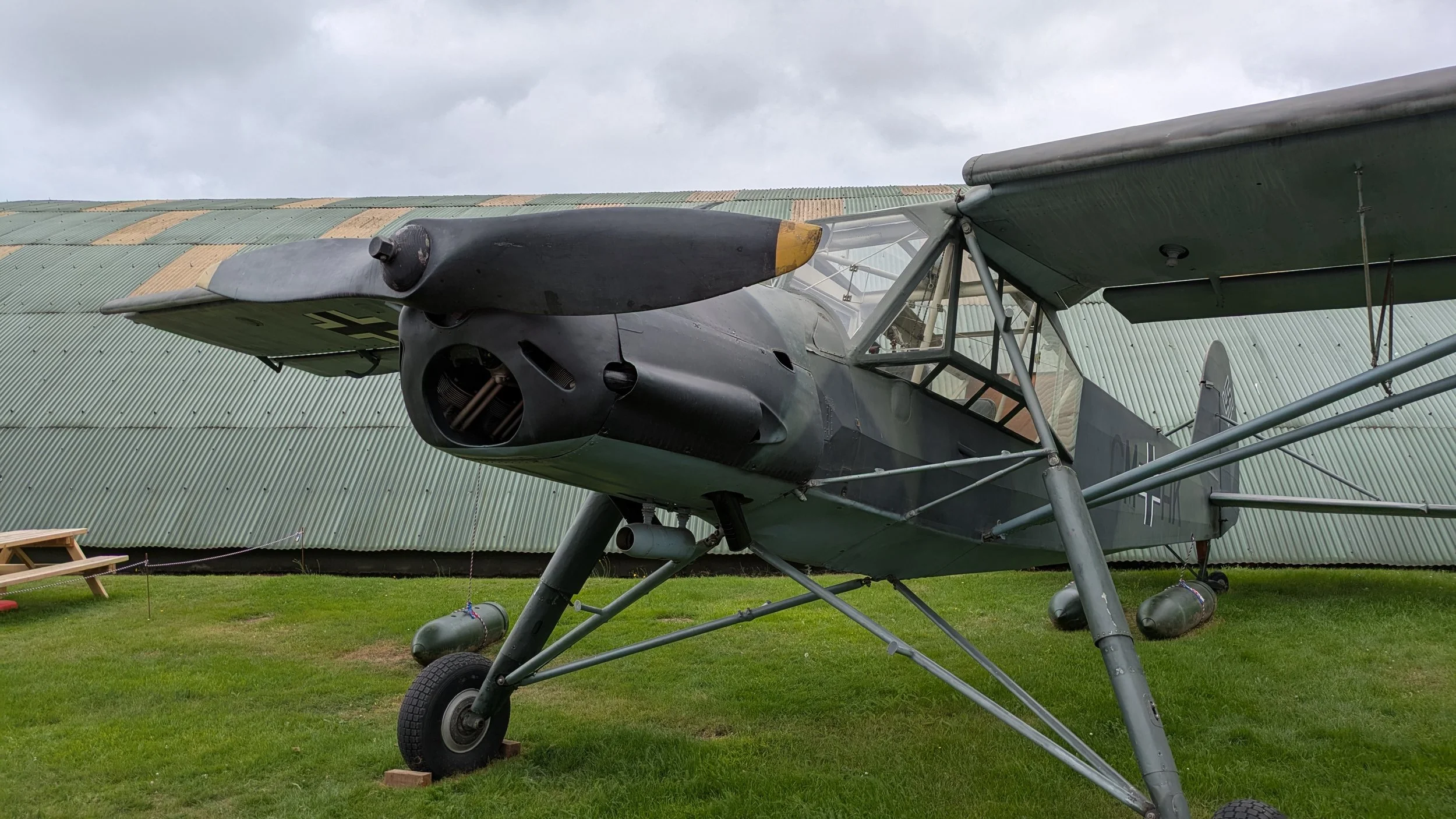
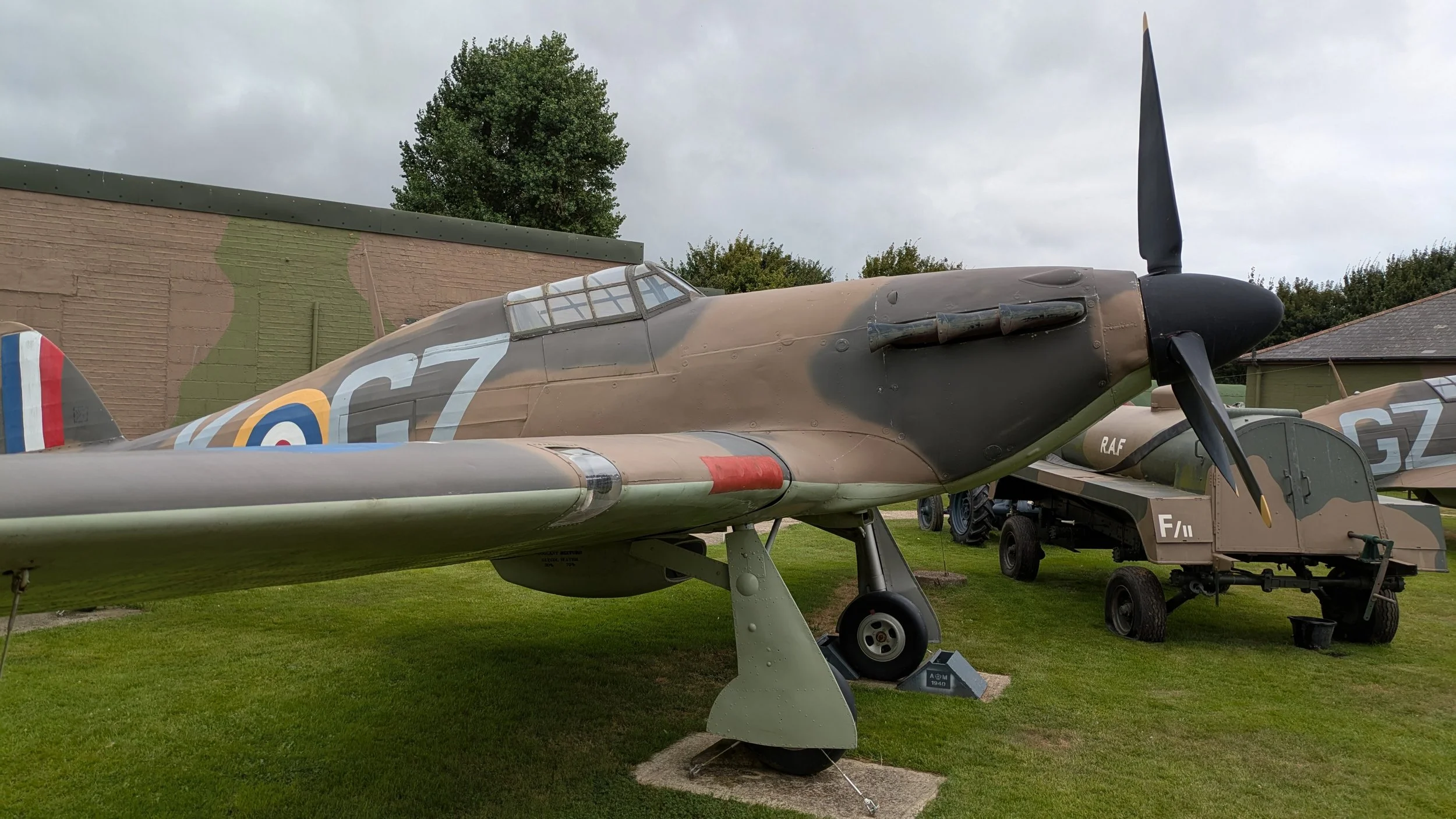
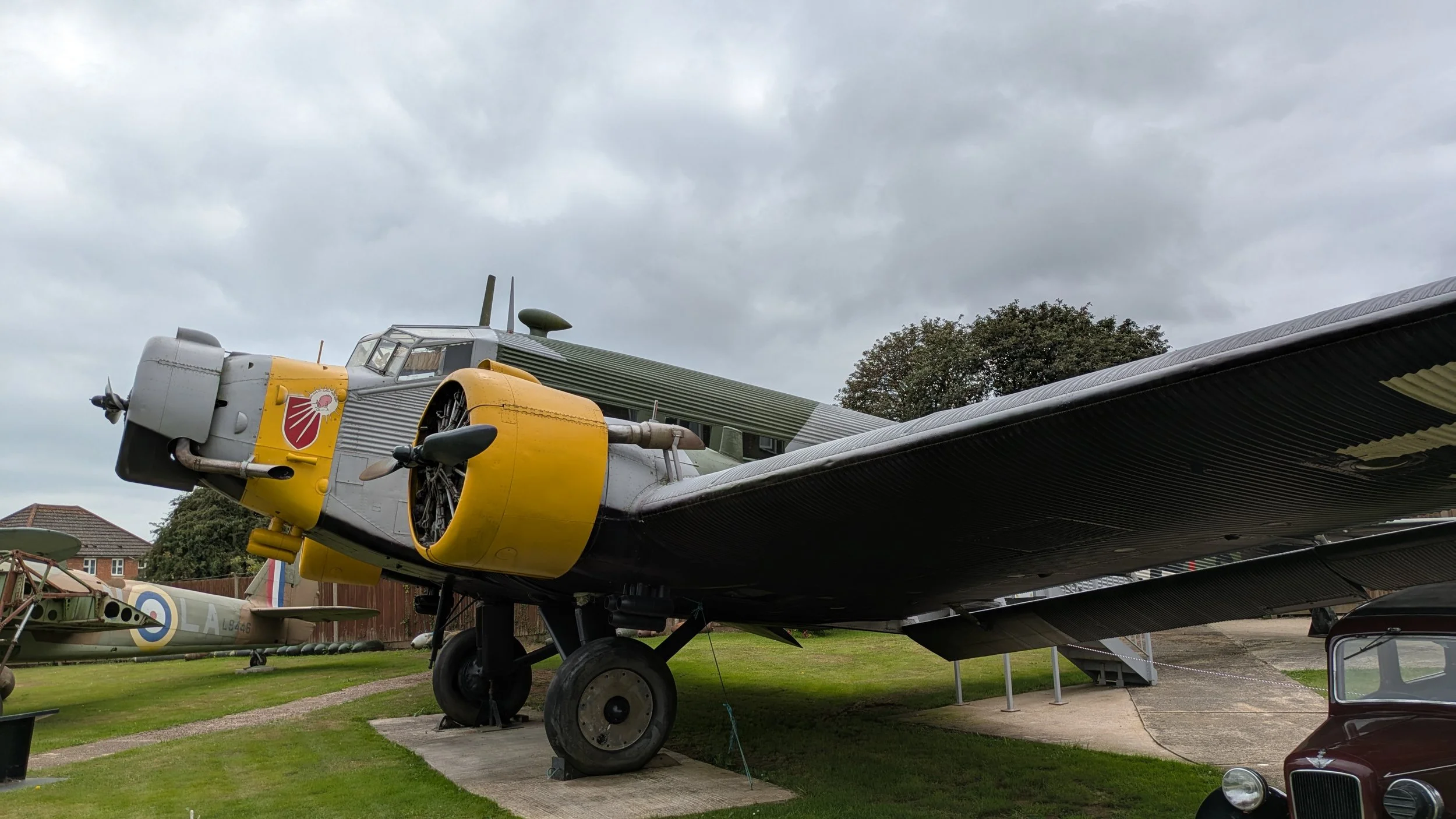
The museums’ collection is displayed via two hangers and the old operations building, as it is located on what remains of the former RAF Hawkinge site. Upon exiting the main entrance and ticket office, you step into a grass quadrangle with a collection of aircraft on display. These include a Heinkel He 111H-6, Junkers Ju 52/3M (CASA 352L), Bristol Blenheim Mk. IV (Bolingbroke), three Gate Guardian Hurricanes. There is also a replica of a long range Fieseler Fi.103 V-I Flying Bomb that was built for the film Operation Crossbow (1965), along with a V2 combustion chamber and rocket exhaust. Several of the aircraft are currently undergoing restoration using modern materials. At present, their current state of disassembly affords a fascinating view at the airframes and the overall construction.
The Stuart-Buttle hangar (dedicated to the memory of Squadron Leader Stuart-Buttle), contains full sized replicas of Hurricane and Spitfire aircraft. These were built for the 1969 film Battle of Britain, much of which was filmed at Hawkinge. There is also a Boulton Paul Defiant, interceptor aircraft with its rear facing turret. This seldom seen and rare aeroplane is painted in its daytime camouflage, prior to it being withdrawn and repurposed as a night fighter. The hangar is also home to both a de Havilland Tiger Moth and a North American Harvard. There are also multiple Rolls Royce Merlin engines along with period vehicles such as a Bedford MW truck, an Austin Tilly light van and a Beavertte armoured car.
The Lord Dowding Memorial Hangar and the Operations Block house a prodigious collection of artefacts. The centrepiece in the second hangar is a replica of a crashed replica Messerschmitt Bf 109E, again from the Battle of Britain film. There is also a collection of Daimler-Benz engines and numerous parts from downed planes. The most noticeable aspect of these is that each has a detailed history, identifying the plane and pilot and who they were shot down by. These details have a great impact. The Operations Block houses further artefacts from crashed and destroyed aircraft, along with items belonging to aircrew. Bent machine guns and crushed radial engines succinctly demonstrate the kinetic forces involved in an air crash. Again many of the items have very personal stories associated with them.
It is the intimate history associated with these collections that makes them so compelling. Although some have been donated by the families of such notables as Lord Dowding, Sir Keith Park, many others are from local families who had a close connection to the RAF. It highlights the fact that WWII was fought by everyday people, who did extraordinary things out of necessity. I don’t want to disparage other museums but there is a trend at present to curate to a minimalist standard. Focusing on key points such as statistics or known figures to present a tight and focused message. Yet the human aspect of WWII can be somewhat lost with this approach. Infographics can convey data but sometimes it is vital to give a name and show a photo of a man or woman, for context and empathy.
The sheer volume of content on display at Kent Battle of Britain Museum is another interesting point in itself. It brings home the scale of the Battle of Britain by showing so many relics and remnants. The number of crashed planes is not an abstraction but something that can plainly be seen and quantified. Both my parents grew up through WWII and it was in many ways a defining aspect of their lives. It was a subject that was regularly broached during my childhood in the seventies. Hence, for me, that era of conflict is easily conceptualised. However, younger generations do not have the benefit of such a direct connection. Hence WWII can be just as remote as the Napoleonic Wars or the Crusades. The personal stories and sheer volume of content available in Kent Battle of Britain Museum effectively bridges that gap.
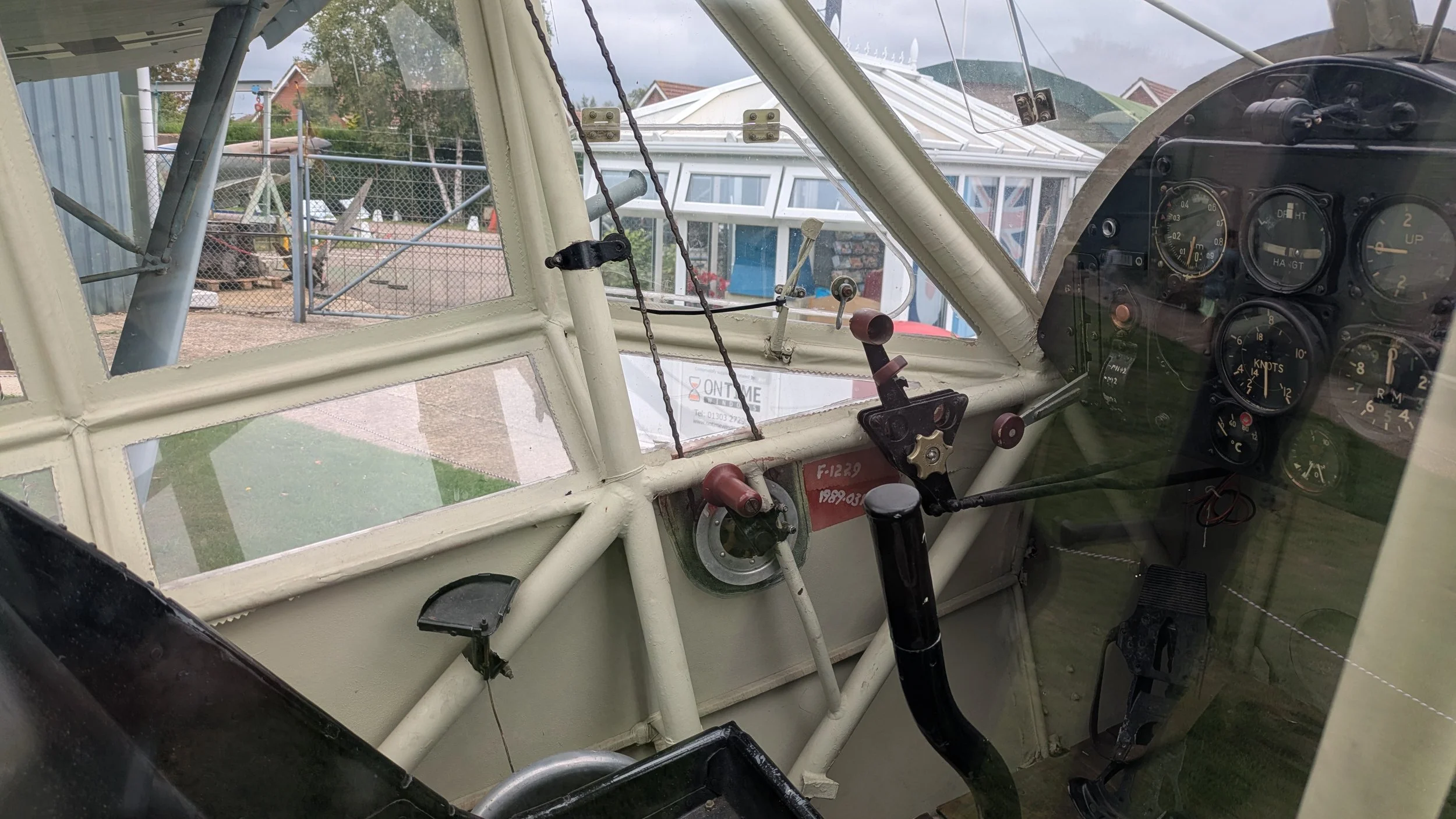
It is apparent after visiting Kent Battle of Britain Museum that it would benefit from more space so that visitors could get better access to the displays. No doubt I am preaching to the choir on this matter and those running this museum are abundantly aware of the situation. As it stands, the museum does much with the resources it has. There is far more to see beyond the items I have referenced. There is a fantastic set of bronze statues , The Spirit of the Few Memorial, along with a memorial to the “Czech cloverleaf”; four Czechoslovak pilots from No. 303 Squadron. There is also a very well presented armoury. However, due previous thefts and the very personal nature of some of the items on display, the museum at present has a no photography policy. I was very fortunate that museum Chairman Dave Brocklehurst MBE, allowed me to take pictures of the aircraft in the quadrangle under supervision, for which I am very grateful.
I was adhering to a very tight and specific itinerary yesterday and although I spent sufficient time to get the measure of Kent Battle of Britain Museum, I shall definitely be returning so I can immerse myself further in the various collections. There are several members of staff who are available to provide facts and background information to visitors that I’d like to talk to. I thoroughly recommend the museum both to those with a casual interest in the Battle of Britain as well as amateur historians and aficionados. It is important to support smaller and local museums as they often have just as much to offer as their larger and wealthier counterparts. That is especially true of Kent Battle of Britain Museum, which focuses upon a very specific and well known aspect of UK history and explores it in a very unique and thought provoking way.
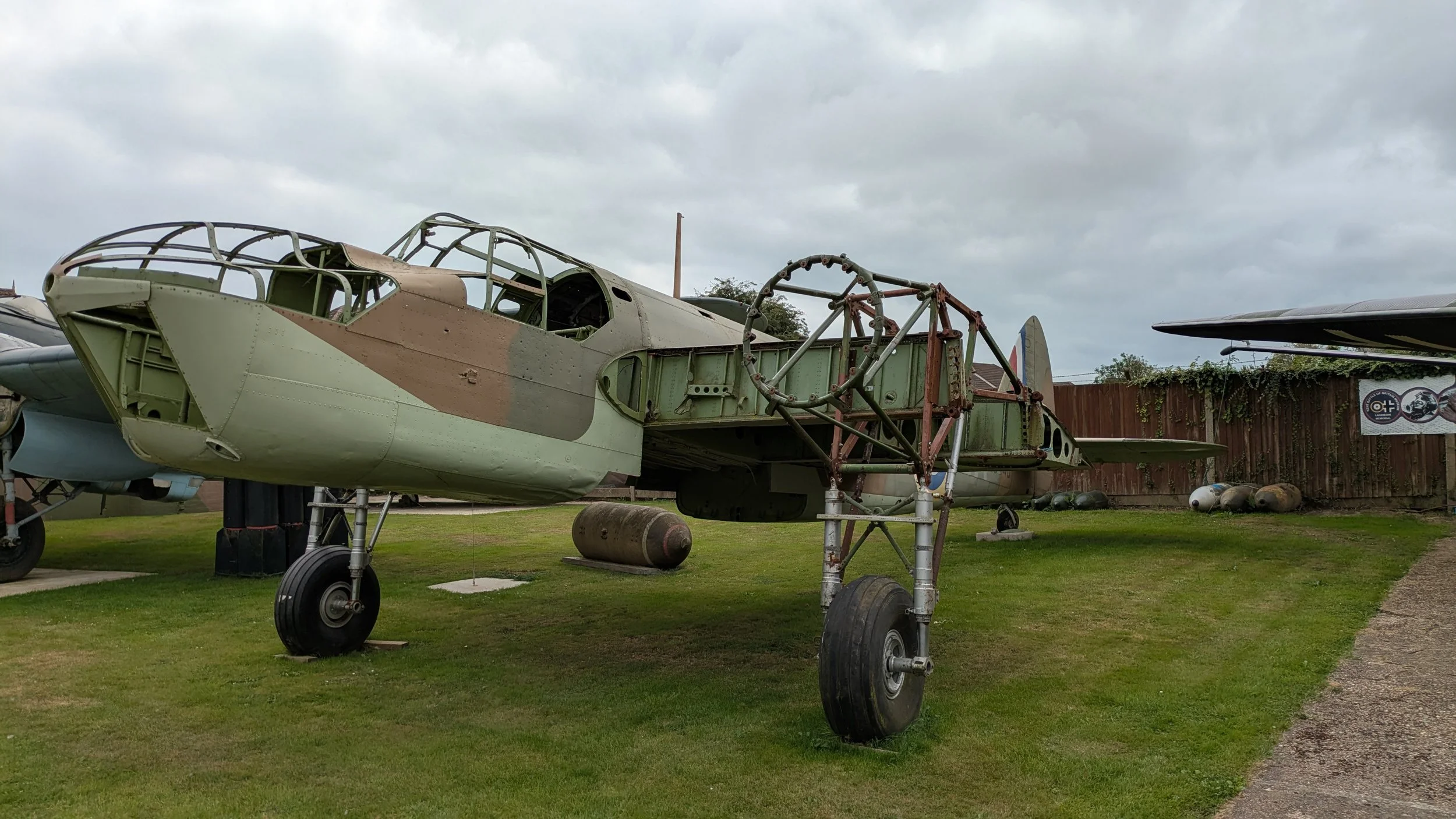
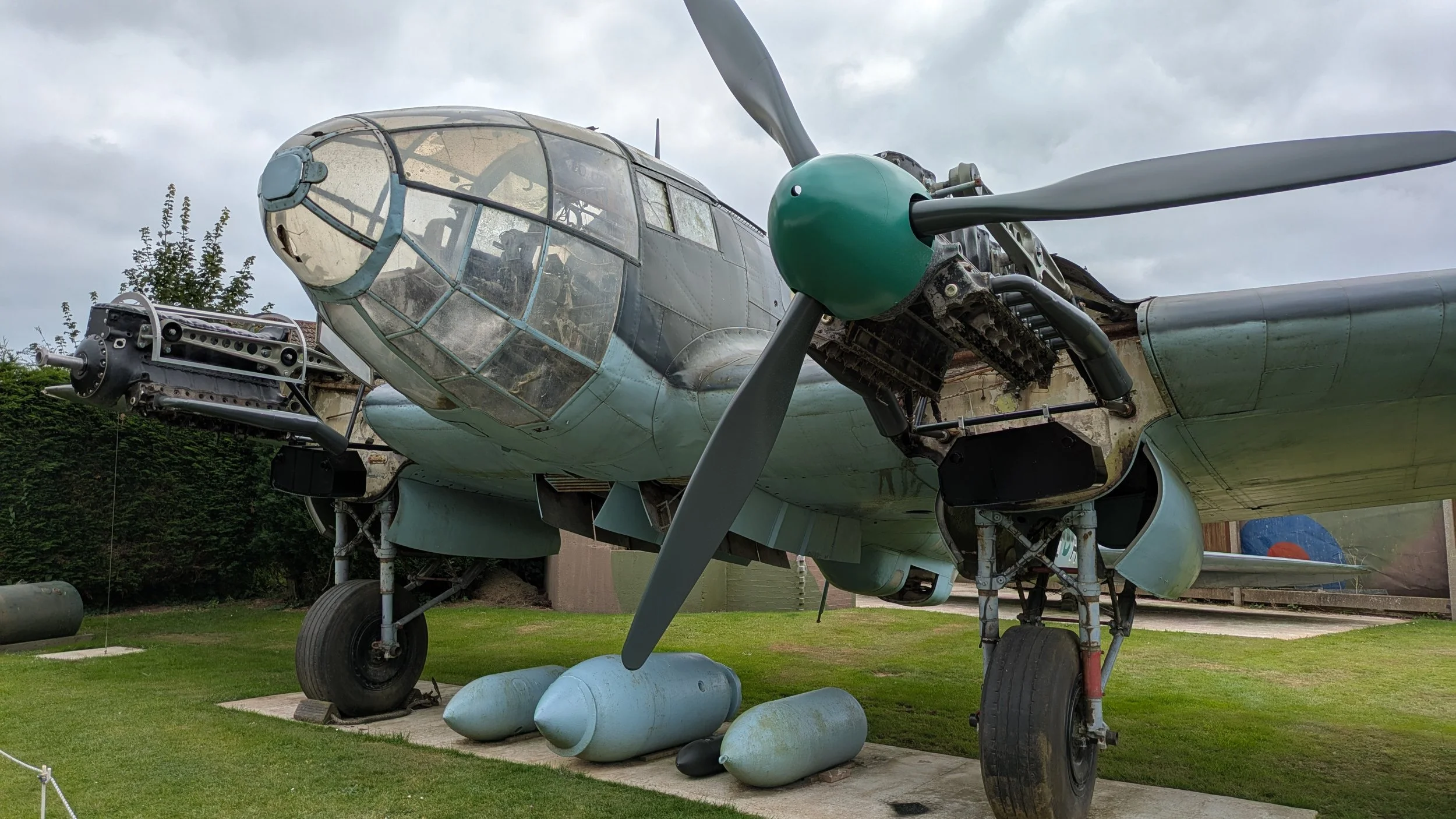
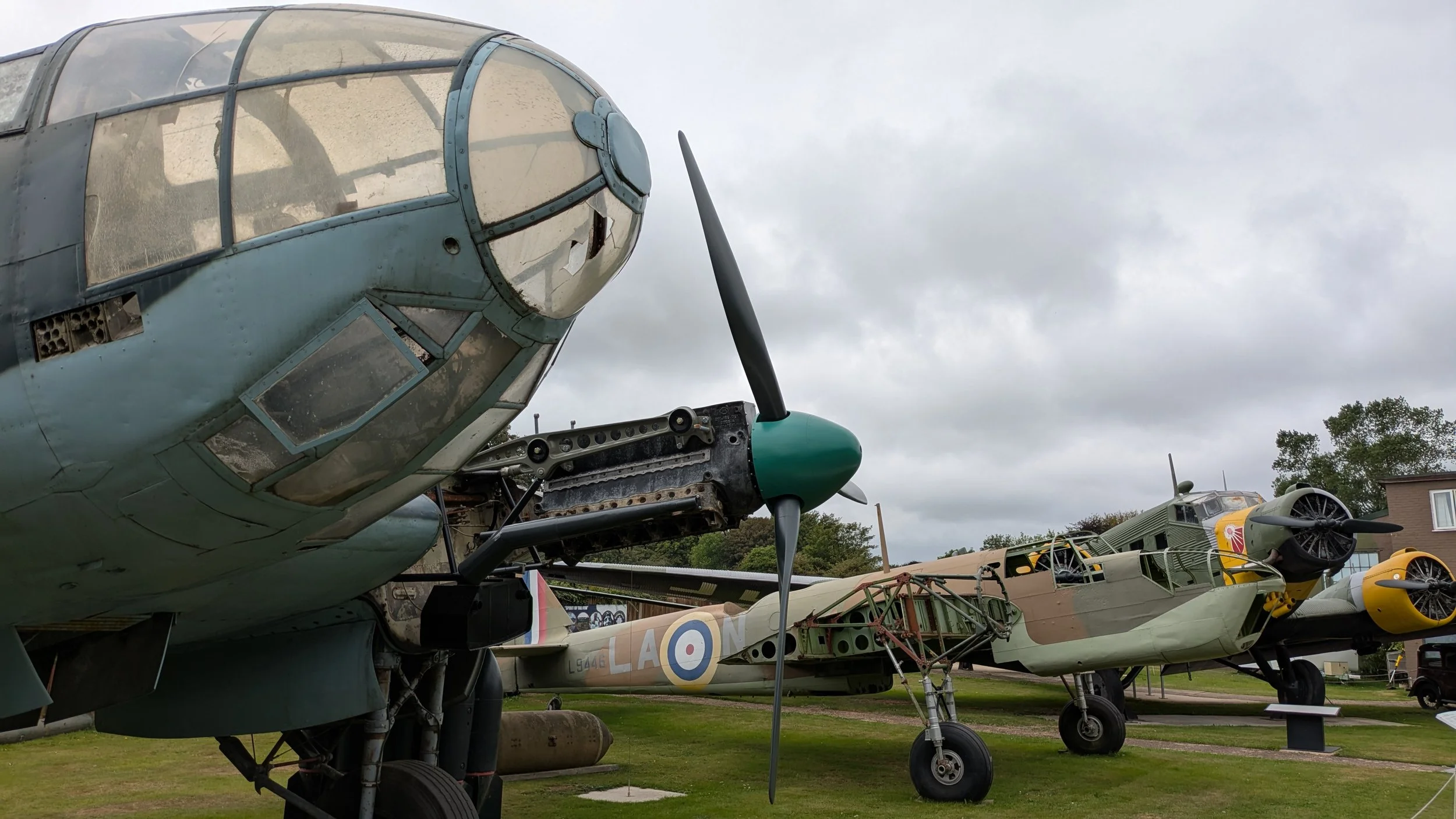

Brompton Cemetery
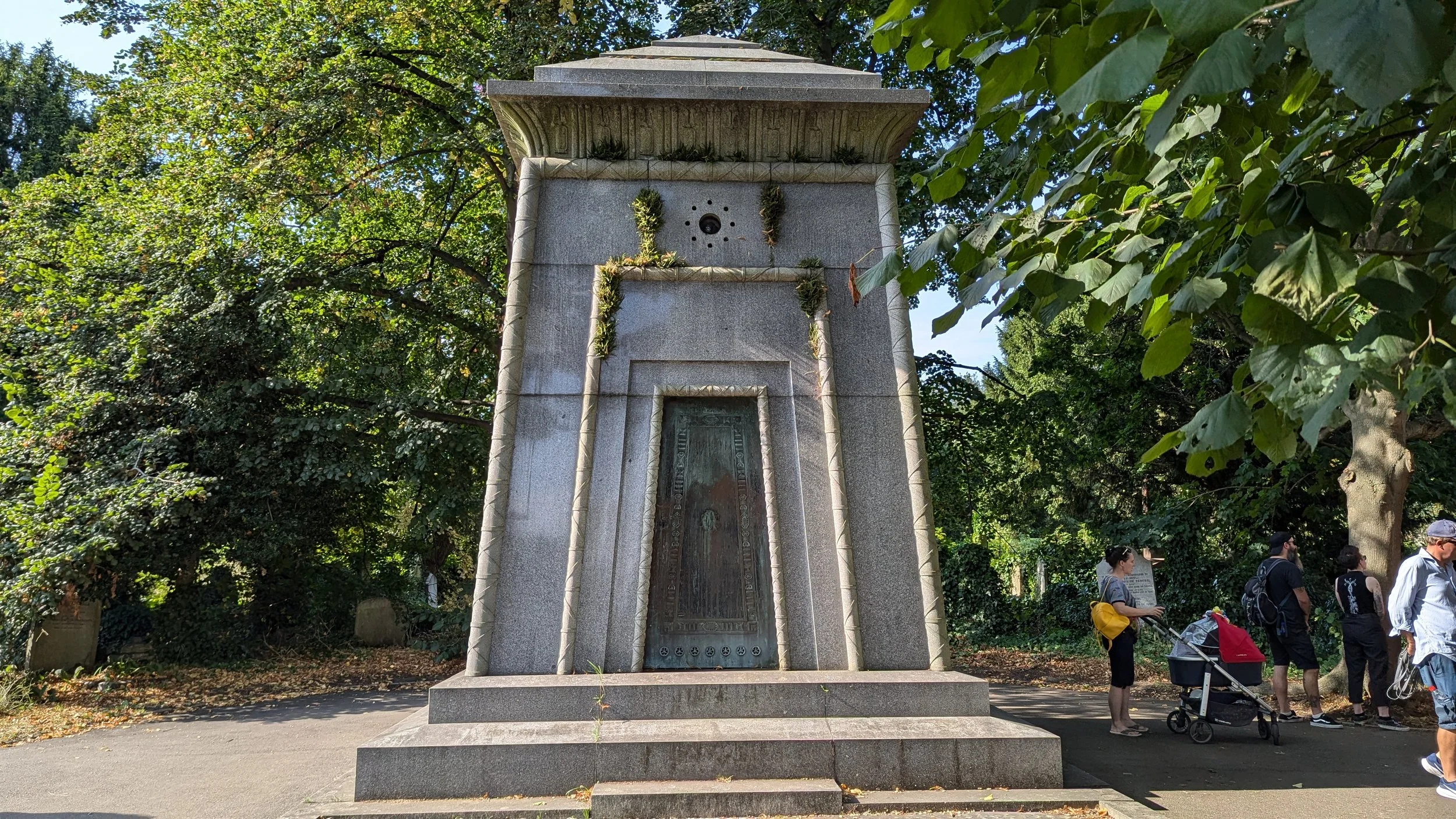
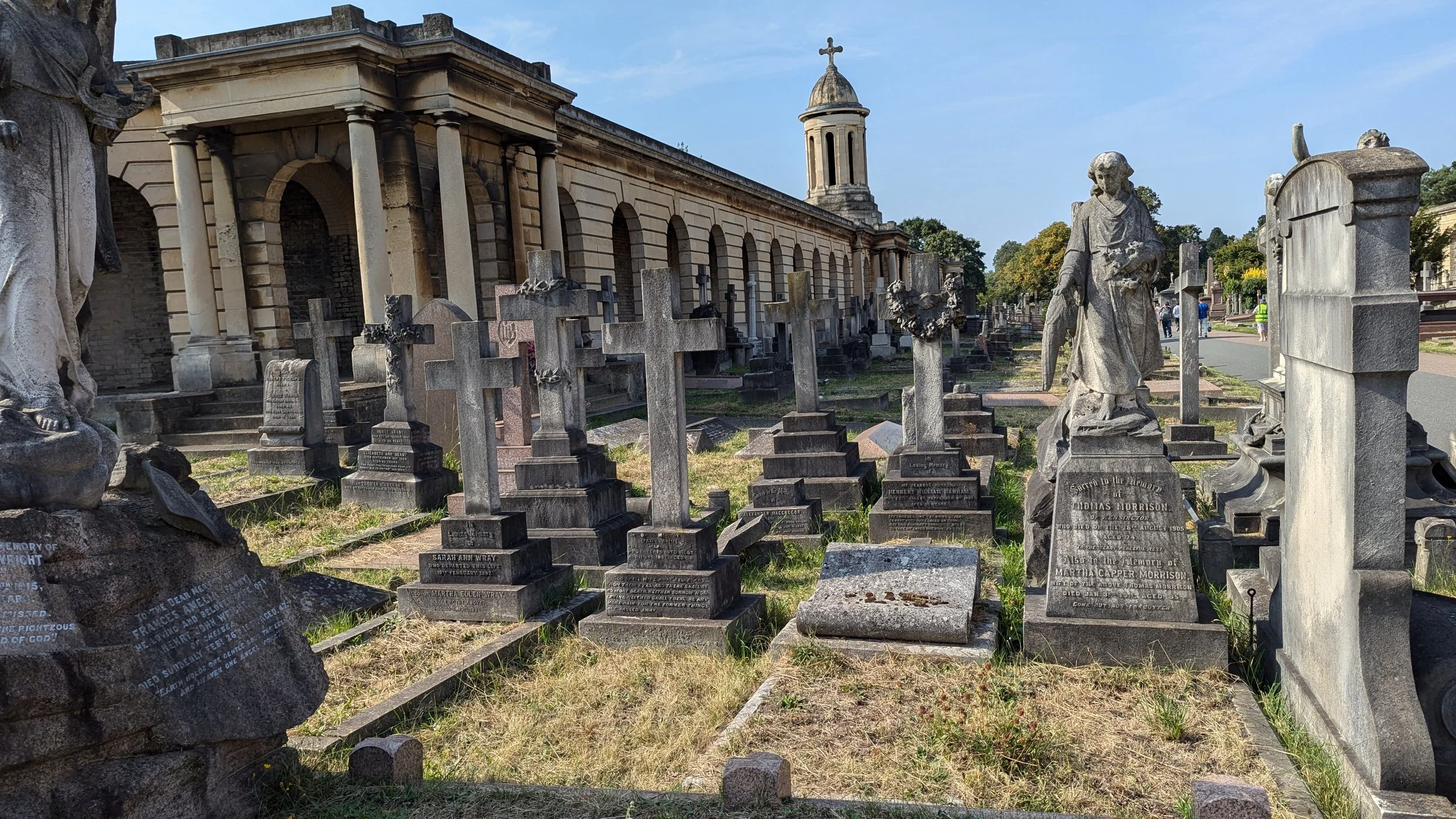
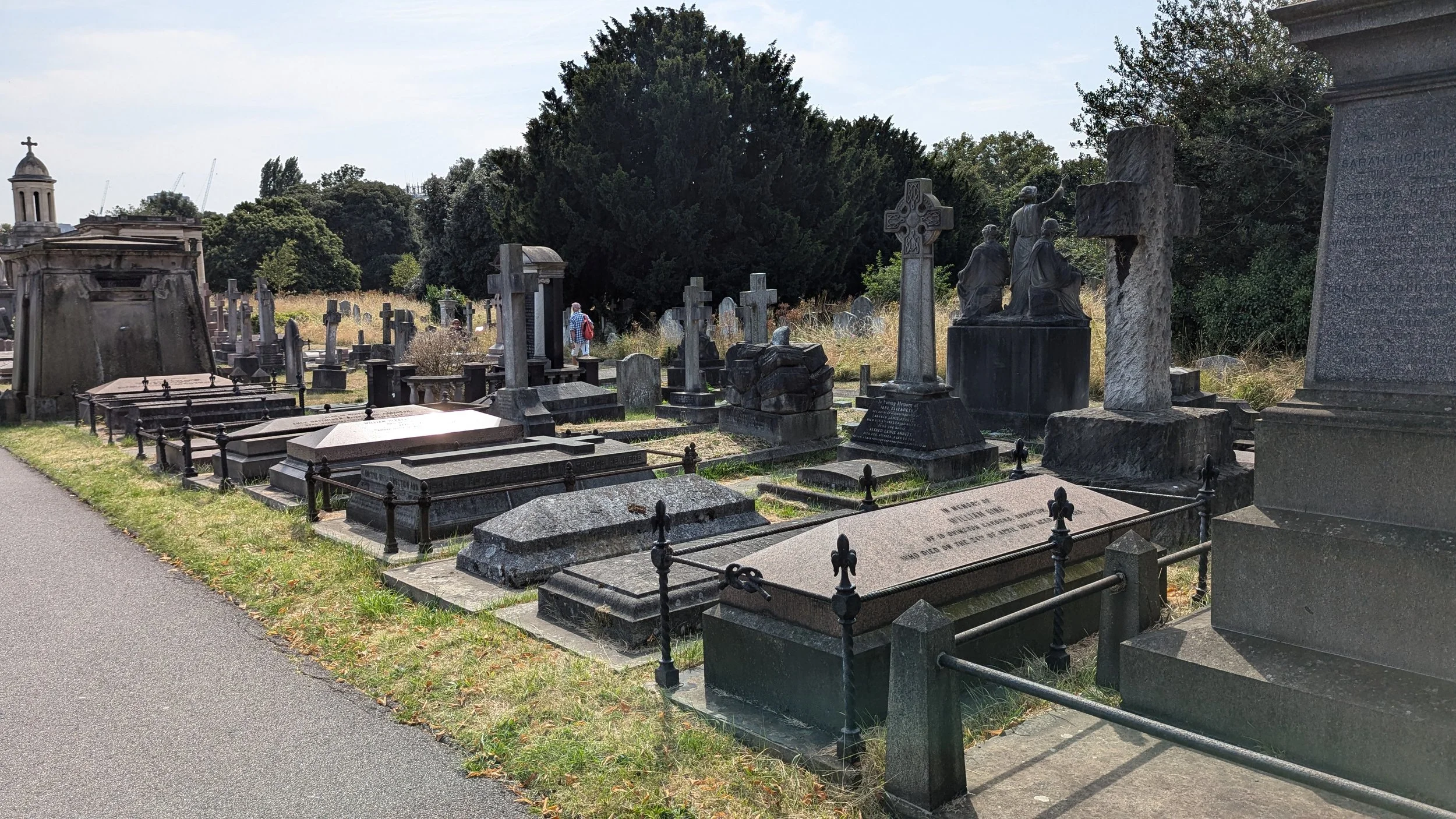
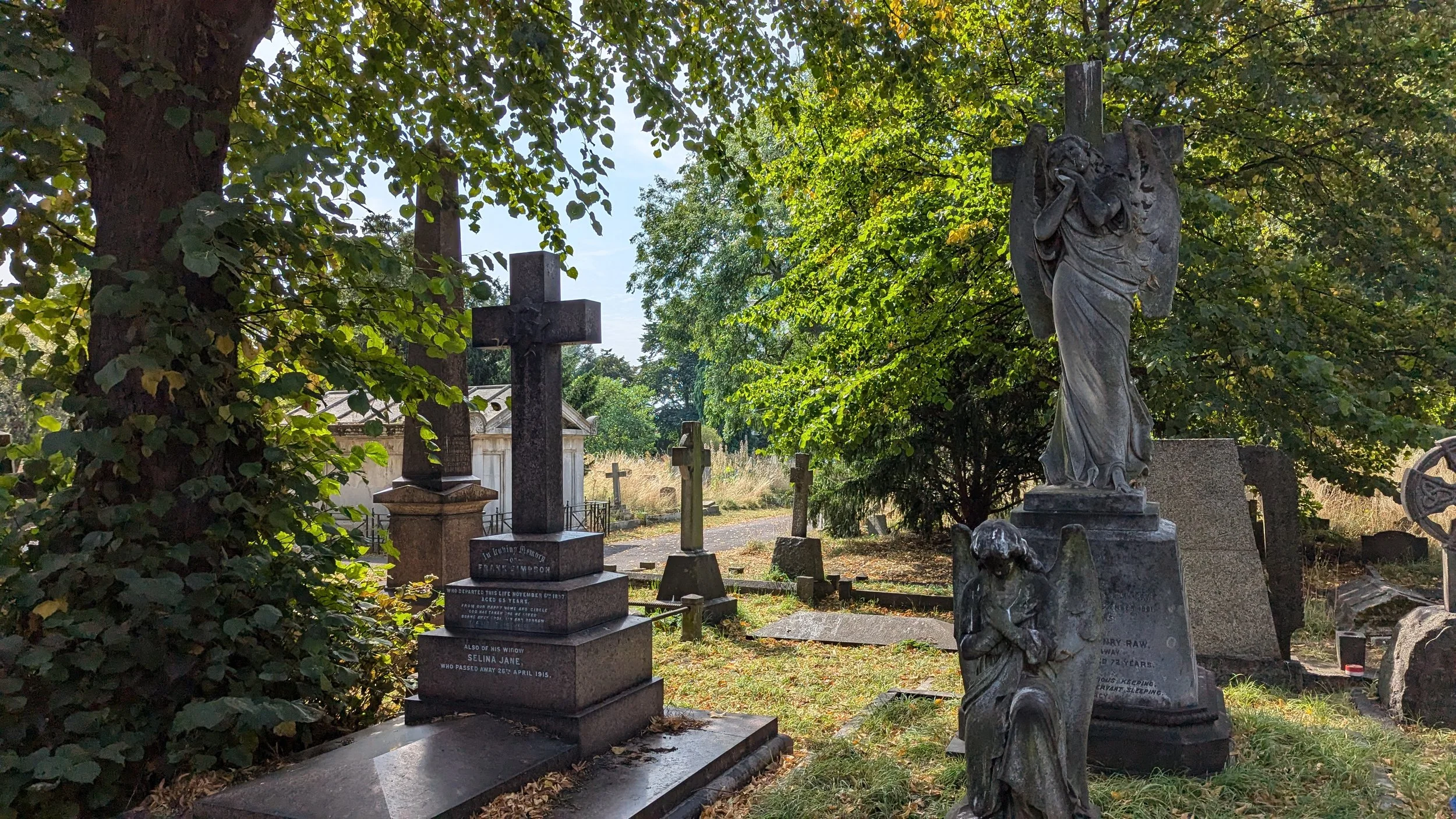
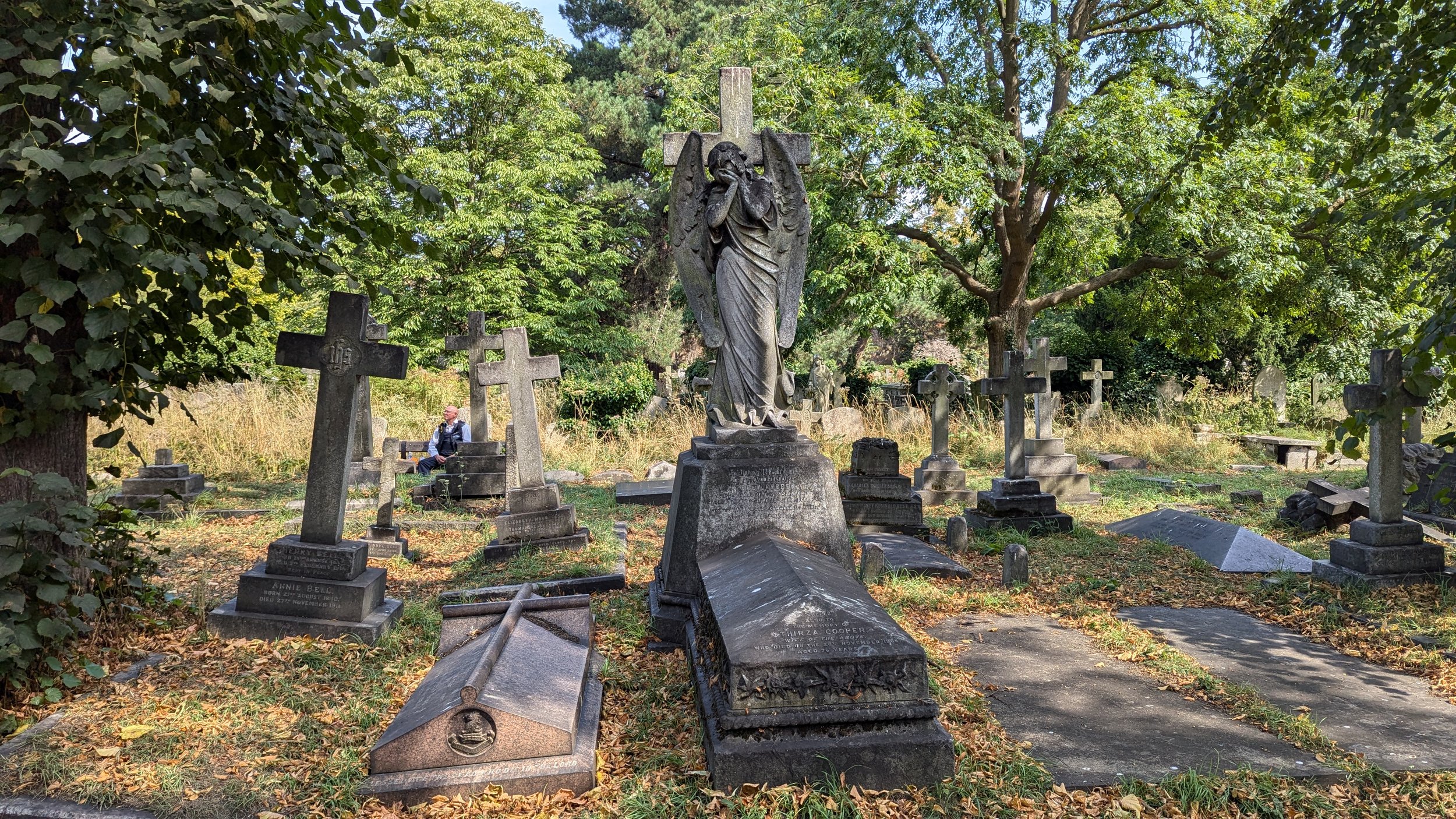
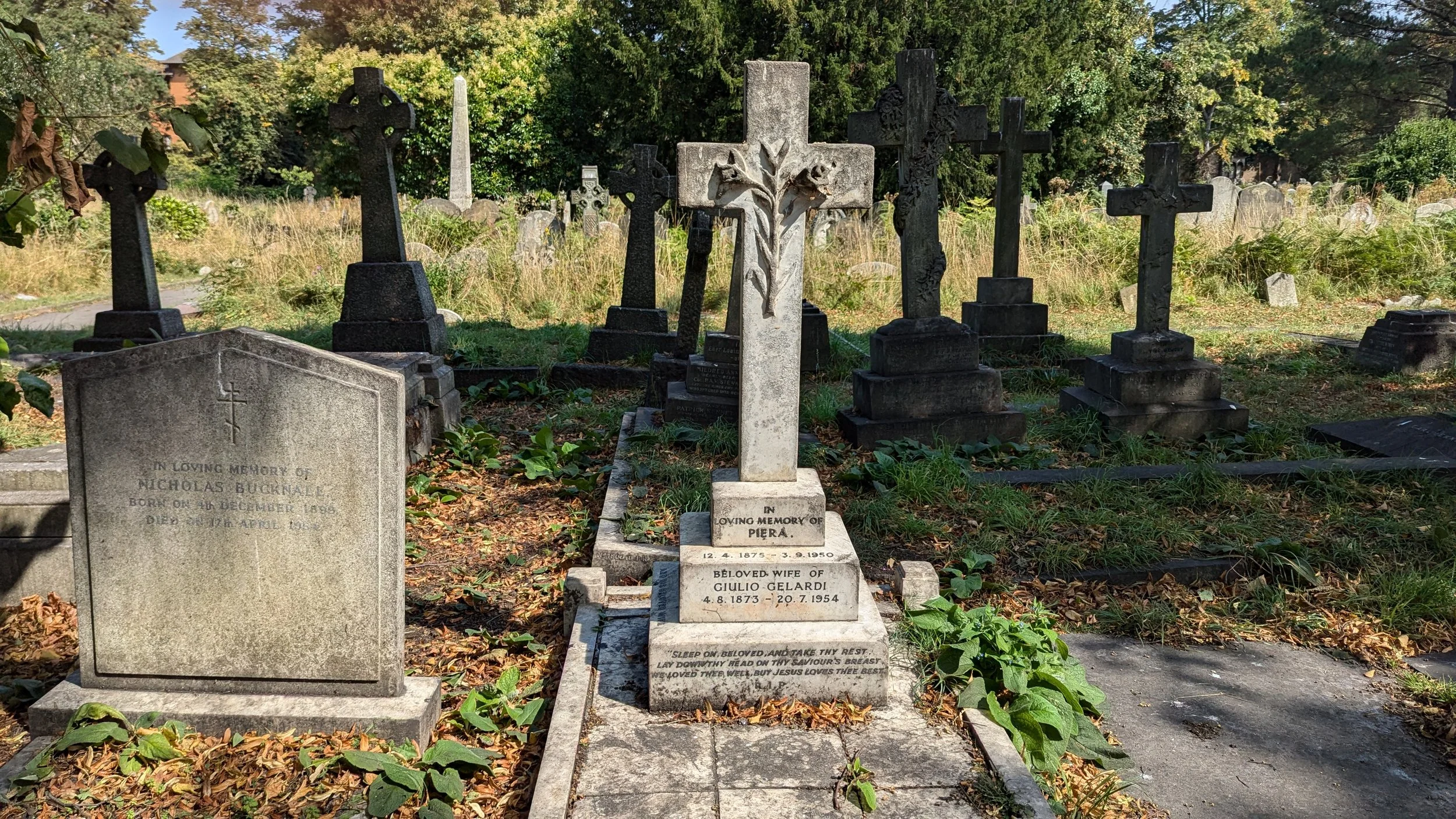
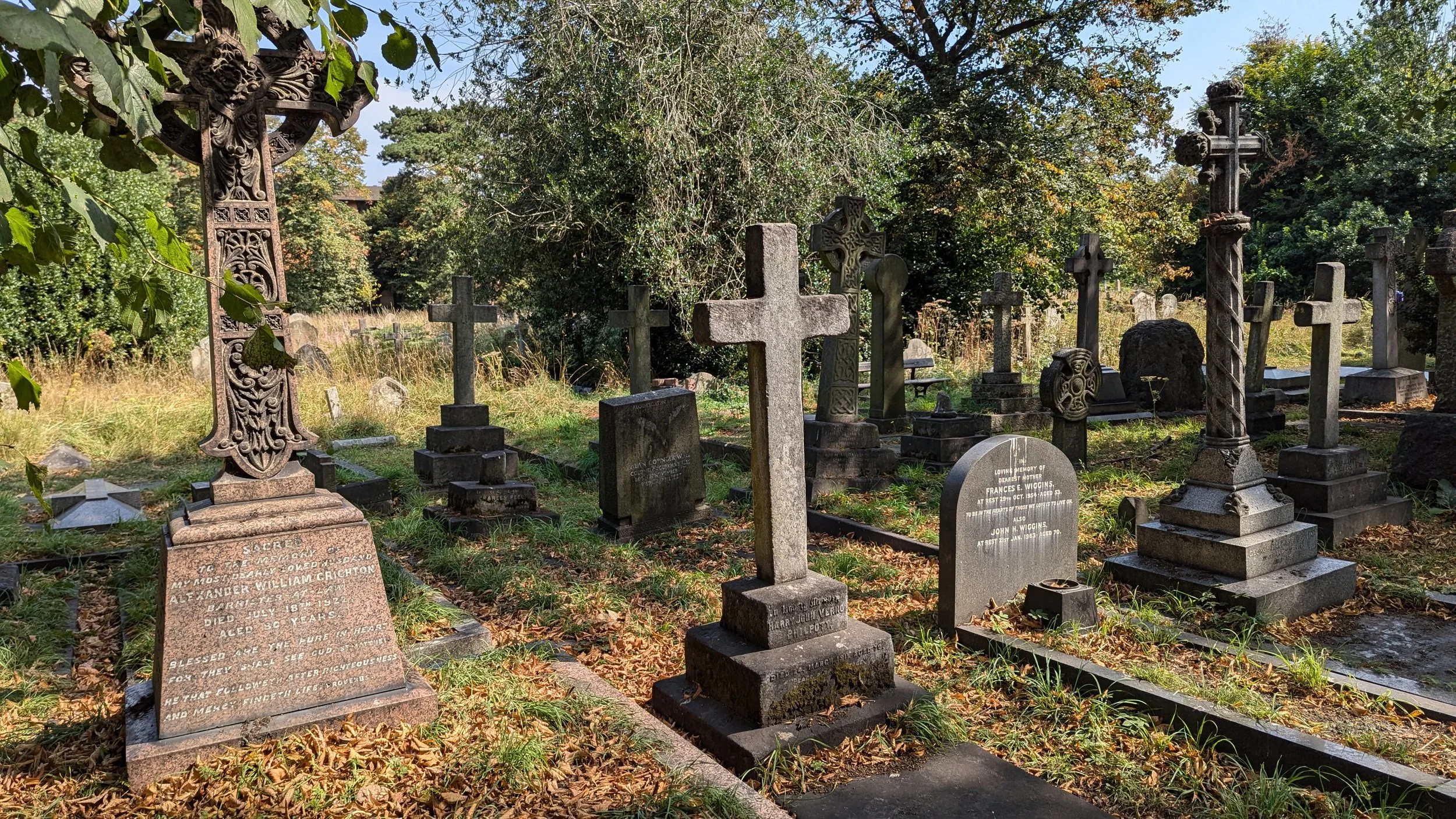
Today I went on an impromptu visit to Brompton Cemetery in West London. Established in 1837, the West of London and Westminster Cemetery (as it was originally known) is a private cemetery initially created as a business venture to capitalise upon the shortage of cemeteries within London. It also sought to cater to the prevailing culture of opulent Victorian funeral rites. However, after proving non profitable, the cemetery was bought by the UK government. It was subsequently incorporated into Crown Property and managed by The Royal Parks. It is one of Britain’s oldest and most distinguished garden cemeteries. There are currently 35,000 monuments, ranging from simple headstones to impressive mausolea. It is home to more than 205,000 resting places. The cemetery is also a haven for flora and fauna, providing a substantial semi rural environment amid urban central London.
Today I went on an impromptu visit to Brompton Cemetery in West London. Established in 1837, the West of London and Westminster Cemetery (as it was originally known) is a private cemetery initially created as a business venture to capitalise upon the shortage of cemeteries within London. It also sought to cater to the prevailing culture of opulent Victorian funeral rites. However, after proving non profitable, the cemetery was bought by the UK government. It was subsequently incorporated into Crown Property and managed by The Royal Parks. It is one of Britain’s oldest and most distinguished garden cemeteries. There are currently 35,000 monuments, ranging from simple headstones to impressive mausolea. It is home to more than 205,000 resting places. The cemetery is also a haven for flora and fauna, providing a substantial semi rural environment amid urban central London.
There are regular open day events and tours around Brompton Cemetery. These are often themed around such things as famous military personnel, noble interments and historical figures. We had hoped to visit the catacombs which are substantial but all the day’s tours were sold out. Fortunately, we were able to get tickets for a general, hour-long tour around the cemetery which features a selection of the most notable graves. These included the following:
Emmeline Pankhurst: Leading suffragette.
Joseph Bonomi the Younger: Sculptor, artist, Egyptologist and museum curator.
John Snow: Anaesthetist and epidemiologist.
Chief Long Wolf: Oglala Sioux and veteran of the Battle of Little Bighorn.
Hannah Courtoy: An enigmatic figure whose opulent Egyptian style tomb is surrounded in mystery.
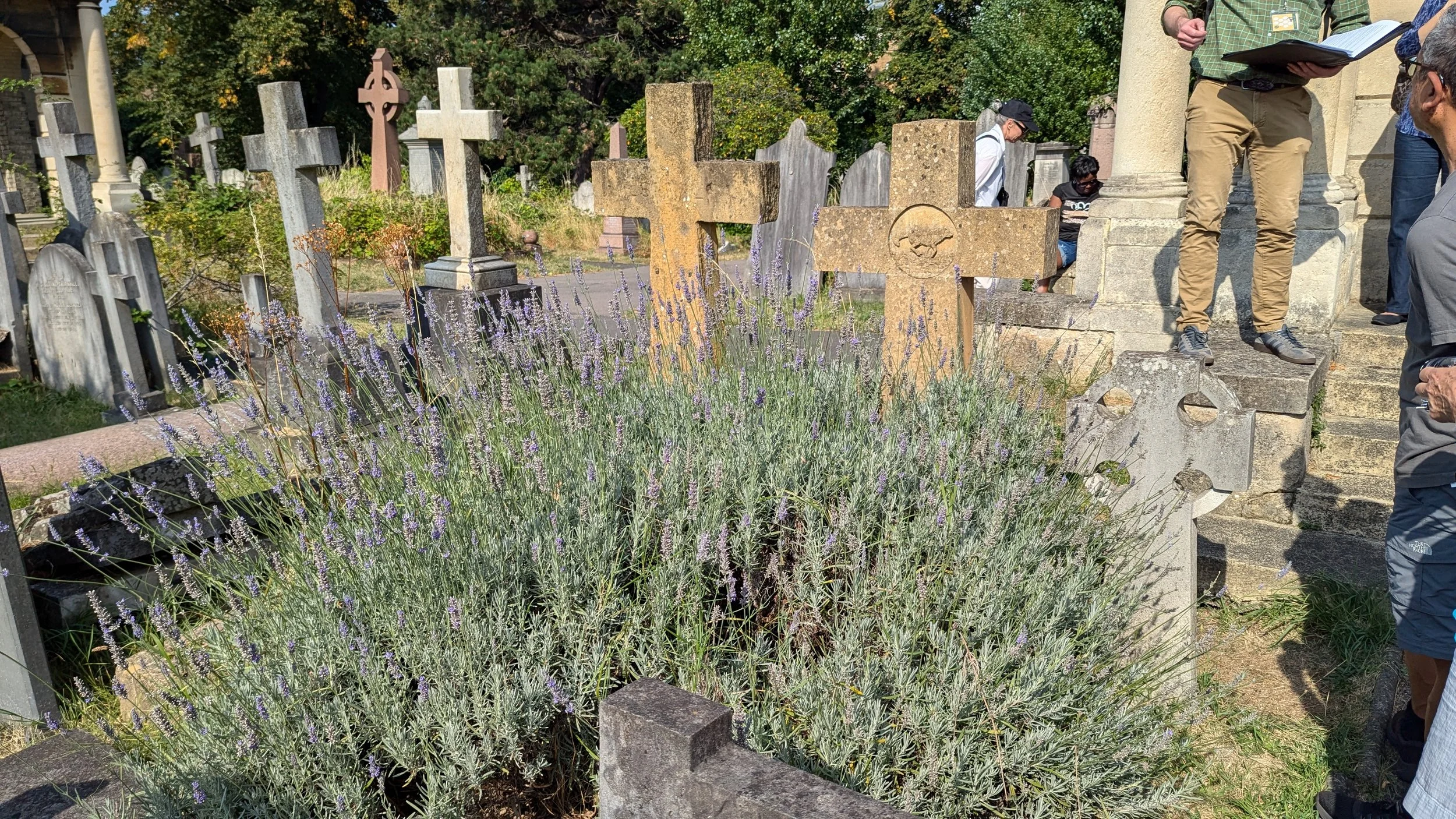
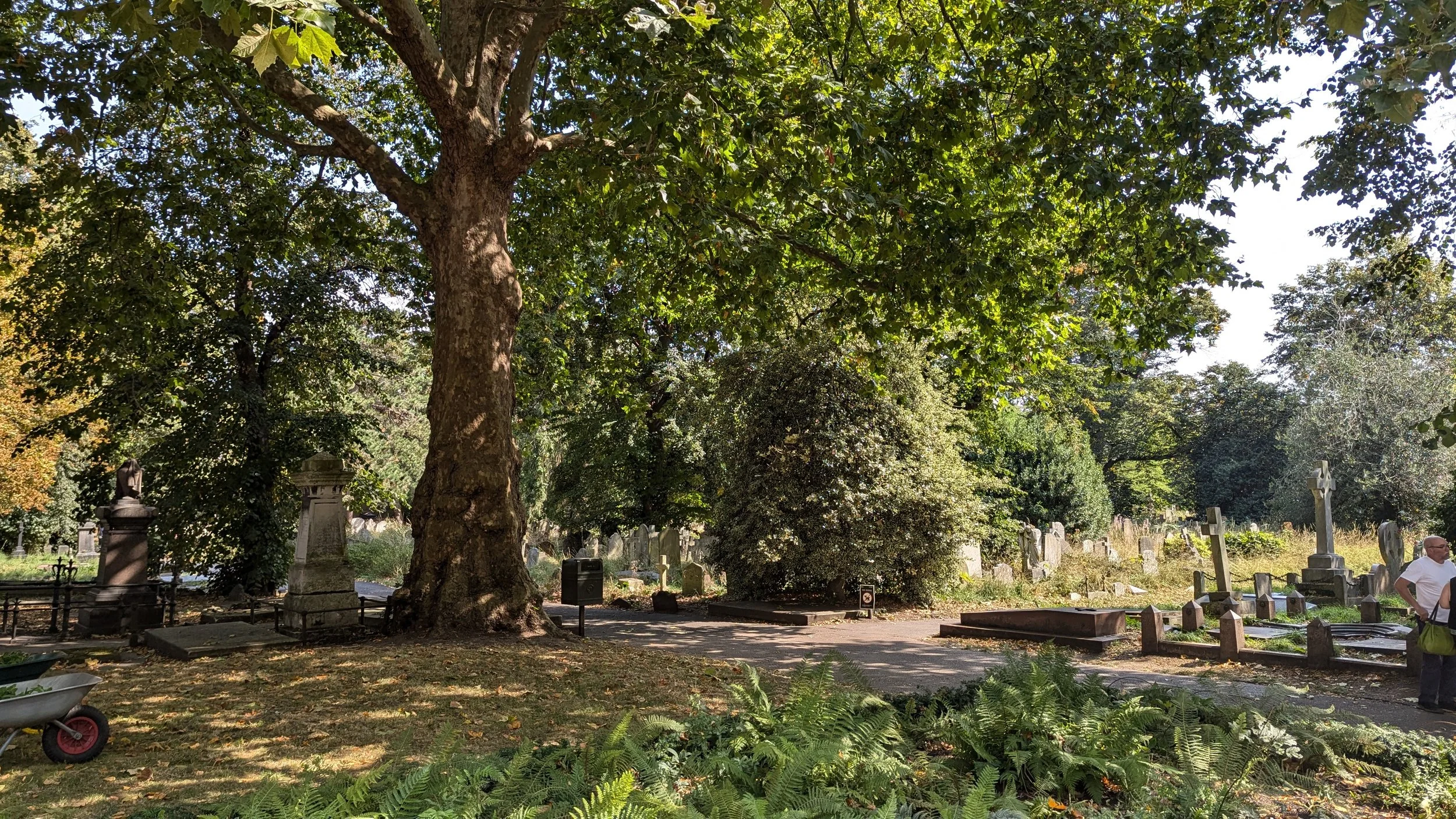
At first glance, it is somewhat incongruous to find such a decadent and substantive Victorian garden cemetery in the middle of central London, right next to Chelsea FC’s home grounds, Stamford Bridge. However, the cemetery is a relic from an age when death and funeral rites were far more complex and a significant aspect of the prevailing culture. Furthermore, expensive tombs were a form of conspicuous consumption and visiting cemeteries and admiring the architecture was considered morally uplifting and a broadening of one’s intellectual and cultural horizons. Nearly two hundred years later, Brompton cemetery now serves not only as a place of historical interest but also as a notable home for urban wildlife. As well as squirrels and crows, there are Kestrels and ring-necked parakeets. Throughout the year, there are such flowers as snow-drops, bluebells, wild lupin, foxgloves, broad-leaf pea, ferns and horsetail. This is a perfect environment for butterflies and other insects.
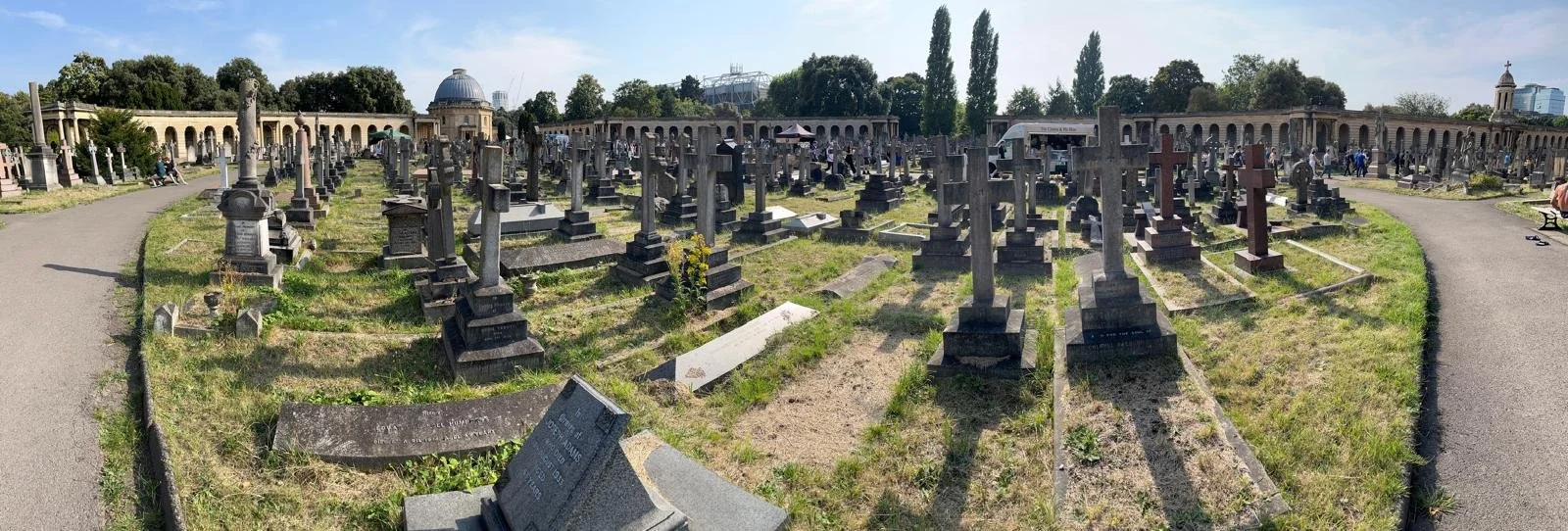
We started our tour at 3:00 PM on what was an unusually hot Sunday afternoon. It was 30 °C but fortunately there are quite a lot of trees to provide shade. The cemetery is laid out like a church with 4 central avenues forming a cross. Our guide took us round at a measured pace, spoke confidently and was happy to address any questions that arose. Sadly some of the graves are in a state of disrepair as the cemetery is not as well funded as it could be. The UK National Lottery has provided grants in the past for the upkeep of the grounds, particularly the chapel at the centre of the four avenues. Brompton Cemetery is a dog friendly environment with numerous taps and drinking bowls available. Overall, it was a most enjoyable afternoon out and I thoroughly recommend it, whether you’re just looking for a stroll or wish to immerse yourself in history and architecture.
Panoramic picture curtesy of Paul King.














Whitstable Museum and Gallery
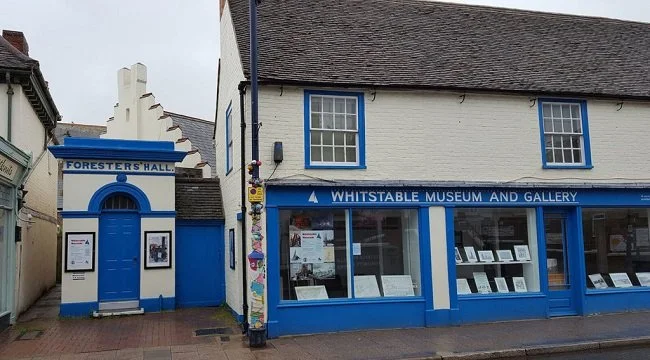
Today I had the pleasure of visiting the Whitstable Museum (or to give its full name Whitstable Community Museum and Gallery). This is a fine example of a local heritage centre that curates and displays artefacts and records that reflect the history and culture of the surrounding area. The museum located in Whitstable, Kent, is home to one of the world's oldest steam engines, as well as historical diving equipment that was developed locally. The history of the local oyster trade which has been an integral part of the community for centuries is also a key feature. Established in 1985, the museum was reopened in 2015 following a major refurbishment. There is also an art gallery featuring the paintings by local artists and artworks on loan from an international network of galleries.
Today I had the pleasure of visiting the Whitstable Museum (or to give its full name Whitstable Community Museum and Gallery). This is a fine example of a local heritage centre that curates and displays artefacts and records that reflect the history and culture of the surrounding area. The museum located in Whitstable, Kent, is home to one of the world's oldest steam engines, as well as historical diving equipment that was developed locally. The history of the local oyster trade which has been an integral part of the community for centuries is also a key feature. Established in 1985, the museum was reopened in 2015 following a major refurbishment. There is also an art gallery featuring the paintings by local artists and artworks on loan from an international network of galleries.
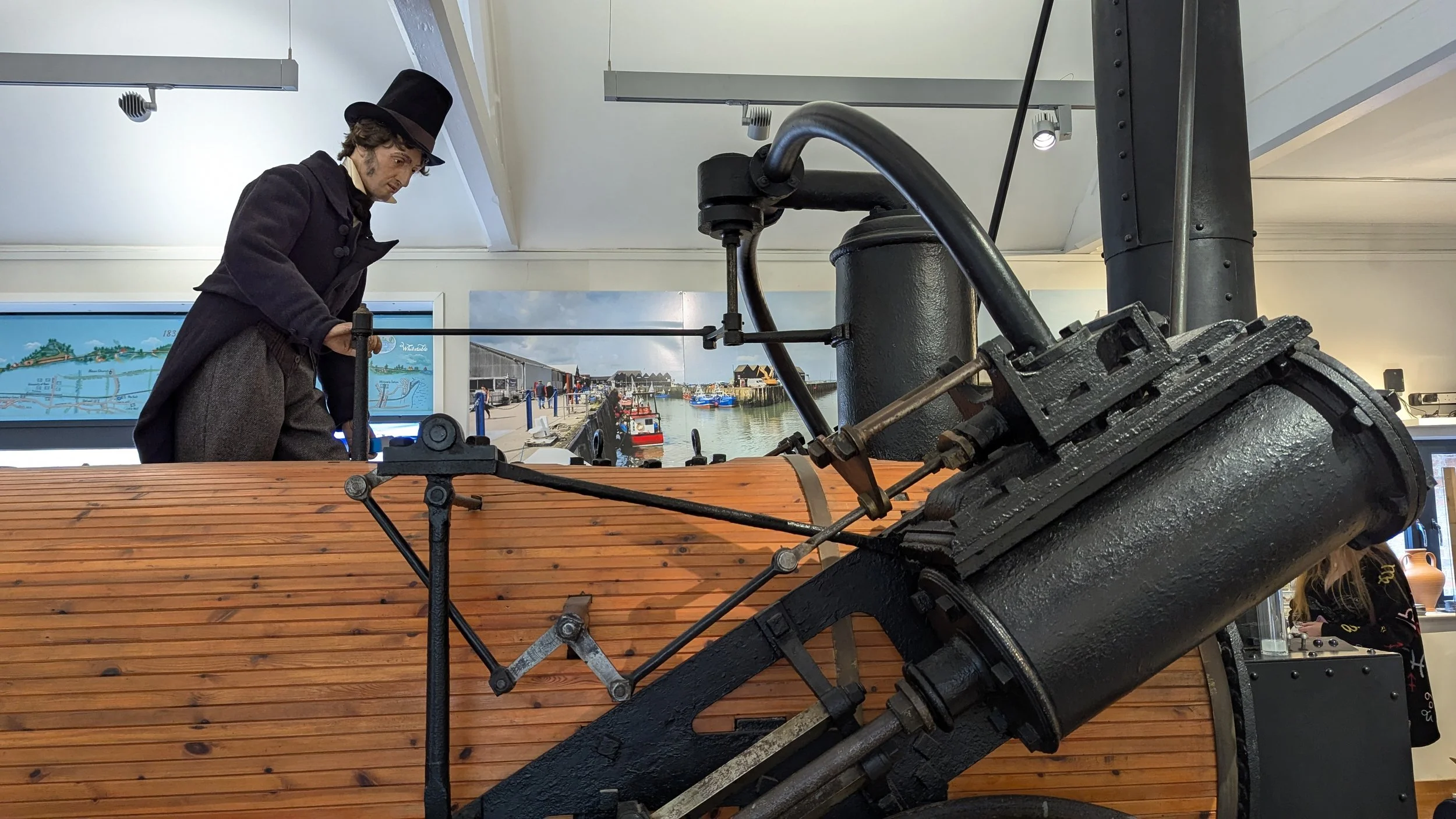
One of the things that impressed me about my visit, is the efficient use of space within the museum. There are collections about the natural world, the local oyster trade, early deep sea diving and marine salvage. There are further displays about shipwrecks and maritime archaeology. The museum is home to the unique 1830 steam locomotive Invicta, which operated on the Canterbury and Whitstable Railway. Alongside it is Whitstable's first horse-drawn fire pump, which required twenty-six volunteers to operate. The diving display includes standard diving dress incorporating the Siebe Gorman helmet. There are also relics from the East Indiaman Hindostan, which was wrecked at Margate in January 1803. There are also plenty of hands-on activities for children. They can hunt for shark’s teeth, dress up as a Victorian and complete a museum trail.
At present, the Whitstable Museum has a special exhibition celebrating the actor Peter Cushing. He lived locally with his wife Helen for 35 years until his death in 1994. Peter Cushing's six-decade career included appearances in Star Wars, more than 20 Hammer Horror films and two Doctor Who feature films. Among the previously unseen memorabilia are the carpet slippers that Cushing wore when playing character Grand Moff Tarkin (the boots supplied by the wardrobe department pinched his feet). There is also his bicycle which he used to ride around the town (inspiring the infamous song by The Jellybottys), a full-size Dalek and a life-size cast of his face used for prosthetic special effects for his part in Top Secret. An assortment of the actor's artwork is also on display including sketches and watercolours.
Like the rest of the Whitstable Museum, the Peter Cushing exhibition packs a great deal into a modest space and is a fitting tribute to not only a great actor but a unique gentleman. One is able to gain a degree of insight into the man, his love of acting and his wife, as well as his fondness for the local area. The exhibition certainly seems to be attracting fans from all over the world, judging by comments left in the visitors book. Overall, both this special exhibition along with the displays of local history, make the Whitstable Museum well worth a visit. The entrance fee is modest, considering how much the museum has to offer. It is important that communities have resources such as this available, to preserve the memory of the people and events that make up their heritage.
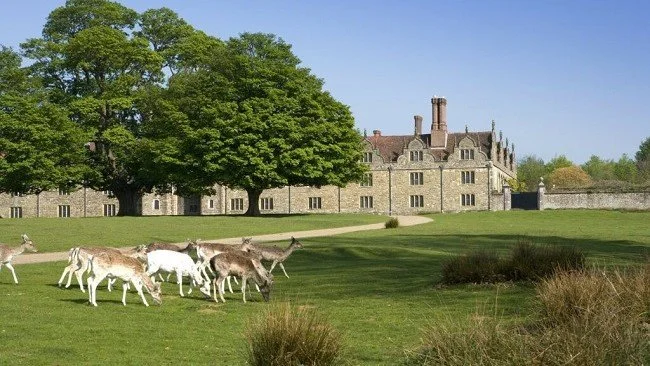
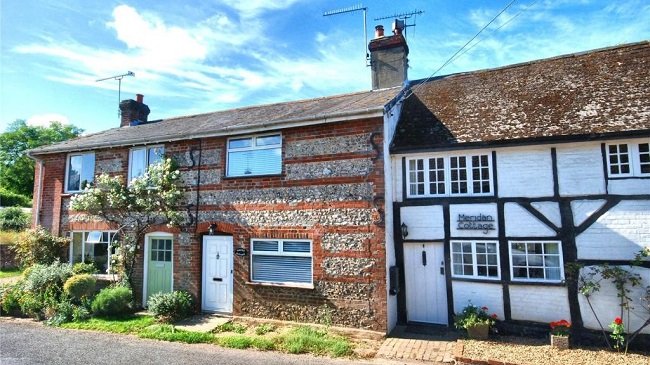
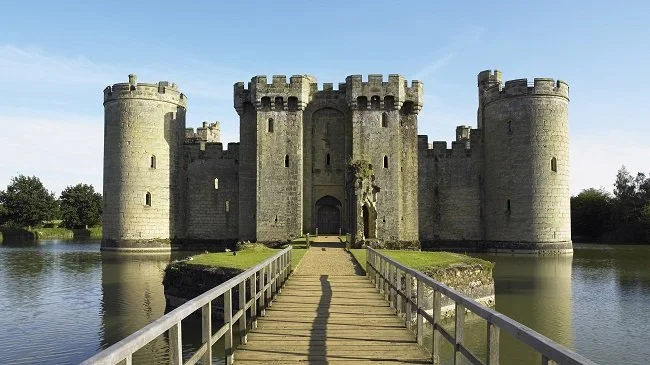
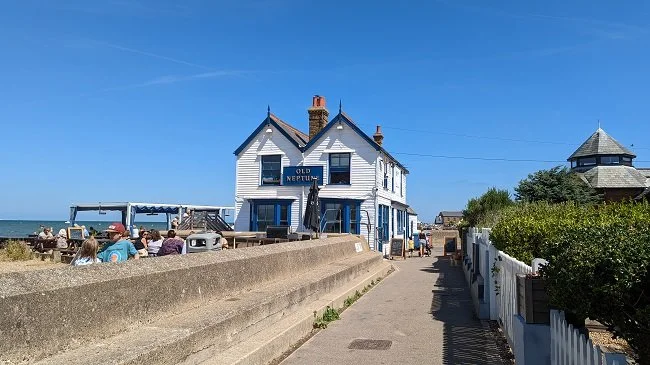
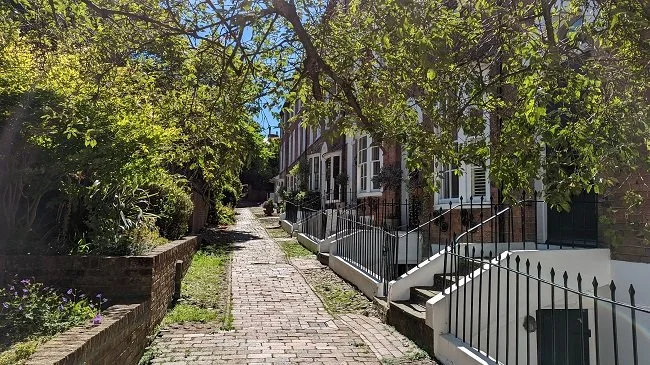
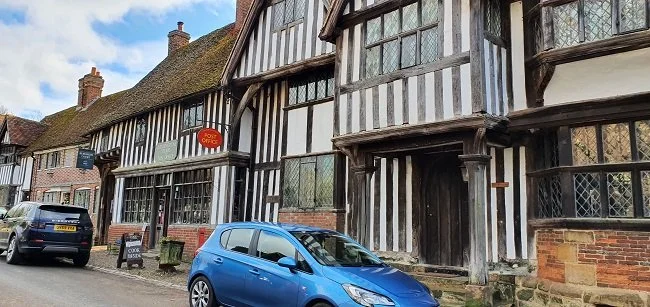
Here are some photos of the Whitstable Museum, Peter Cushing Exhibition and of the beach. Taken on Thursday 25th July 2024.


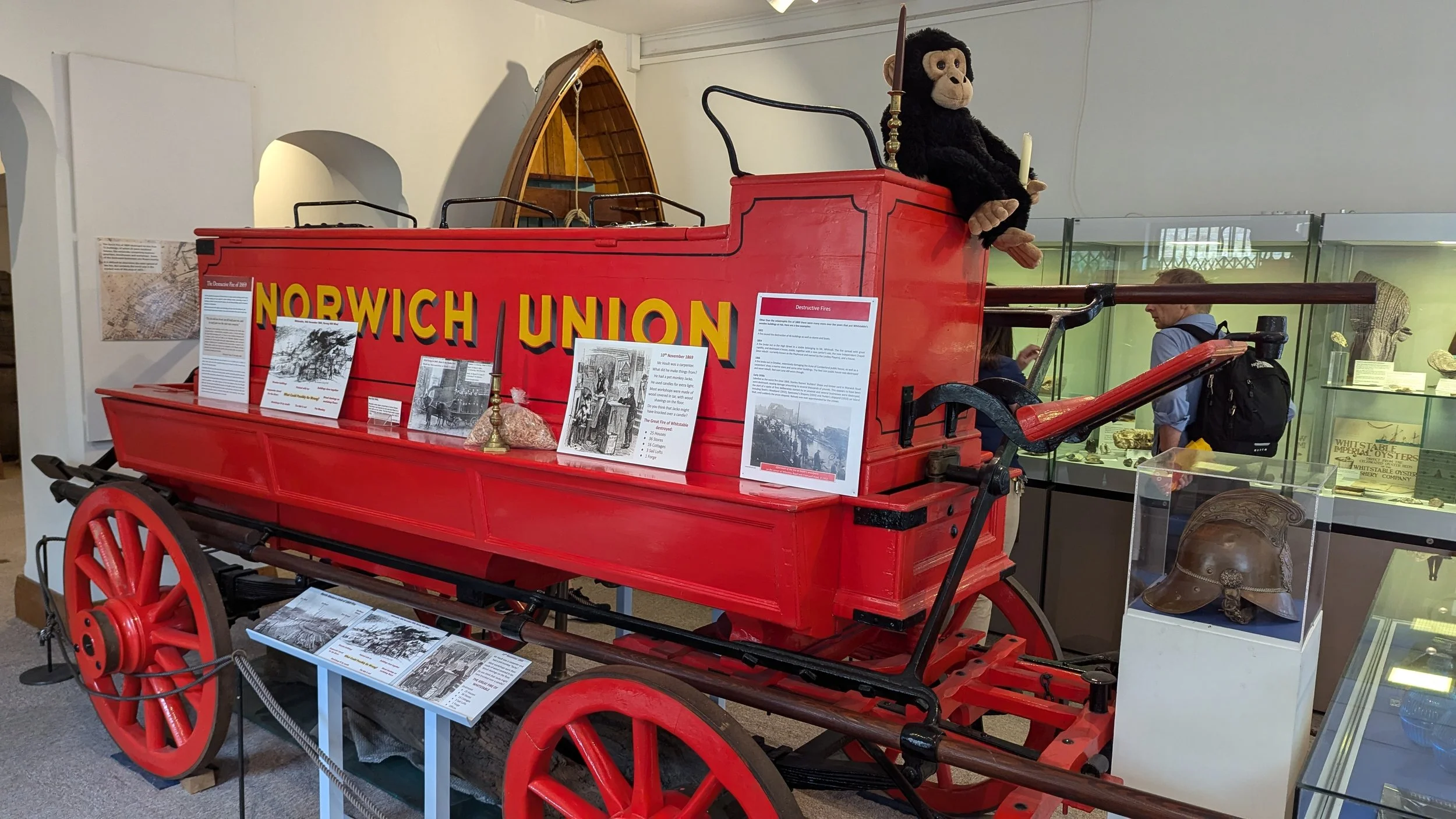
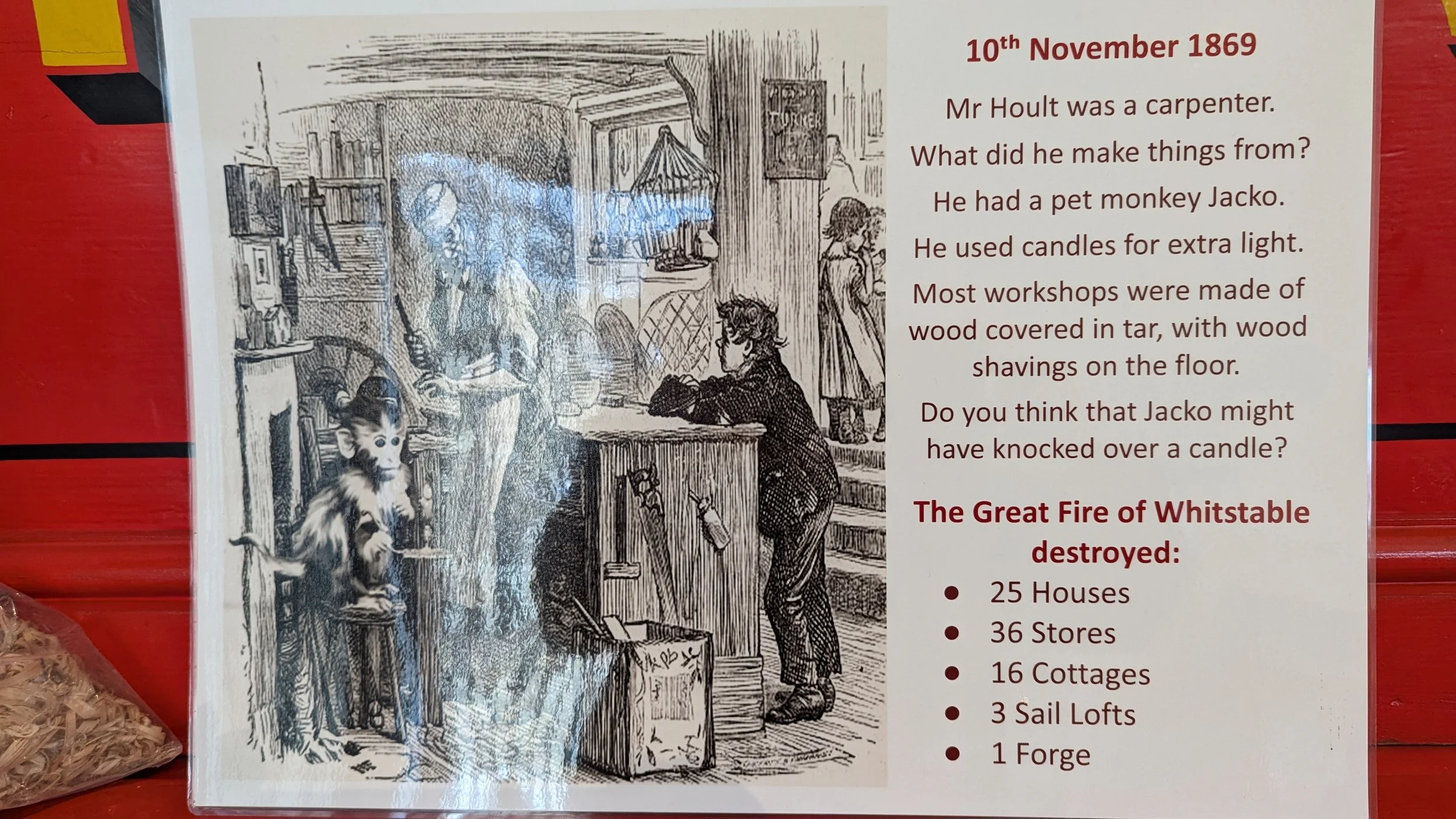
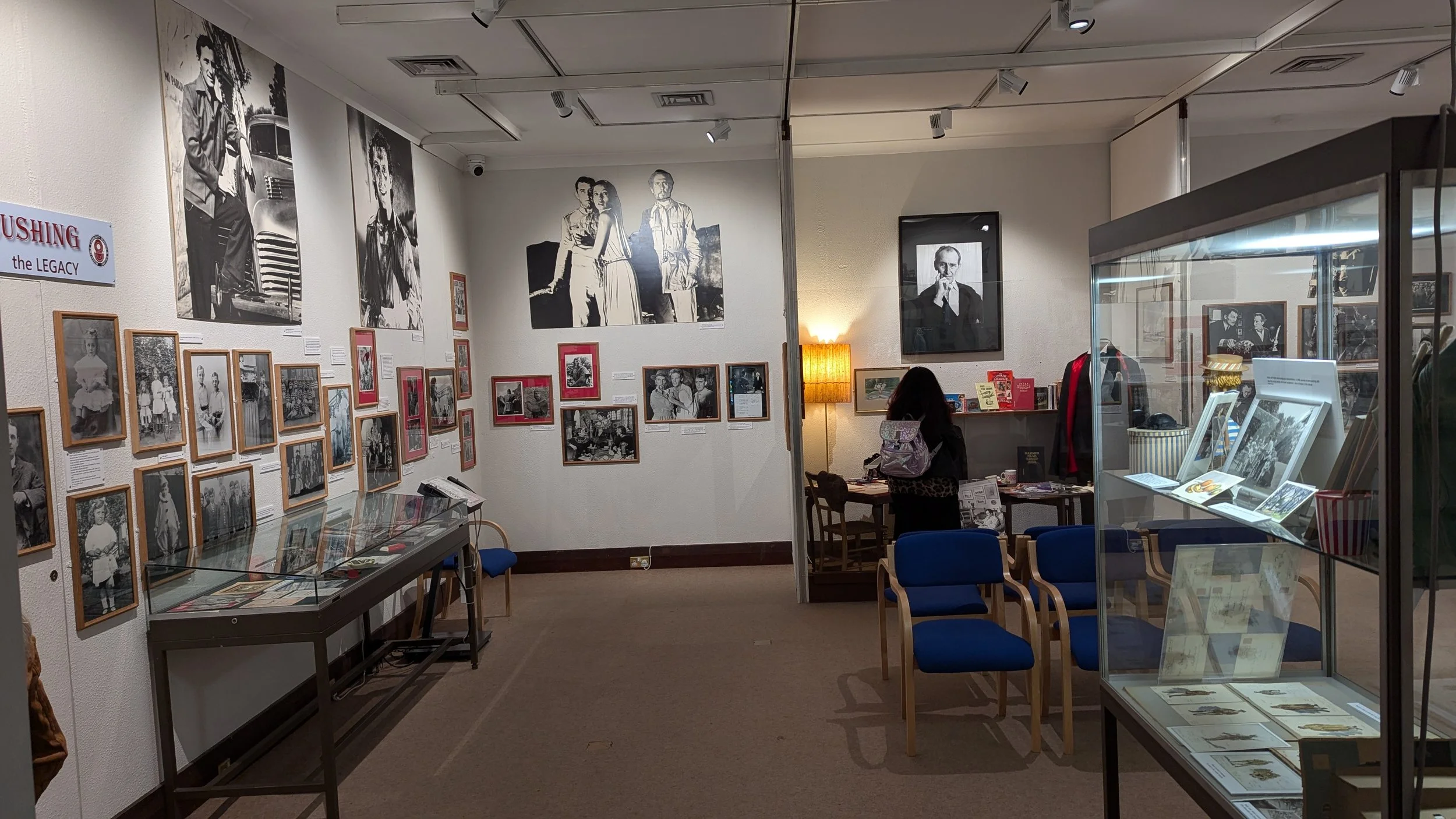
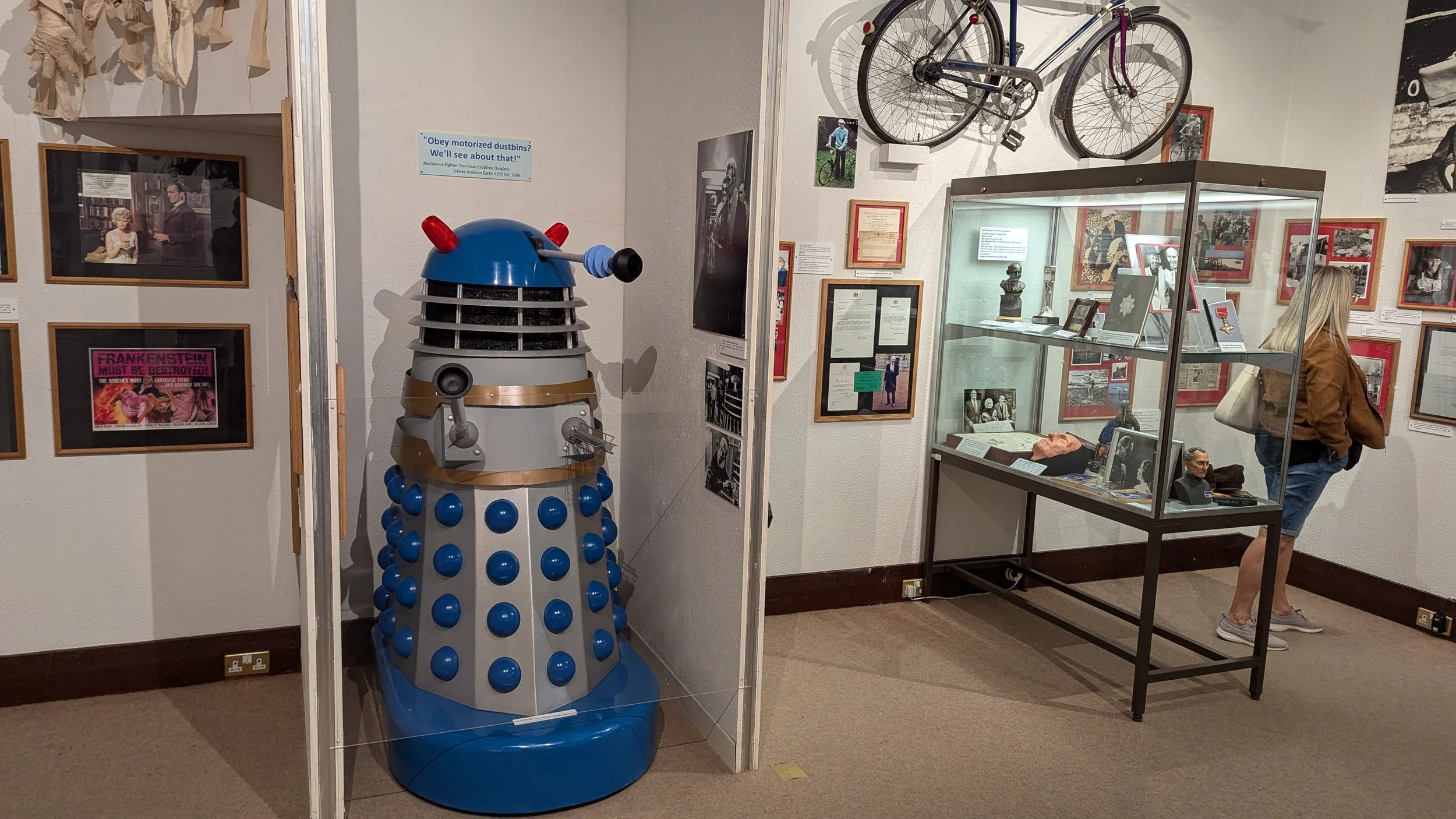
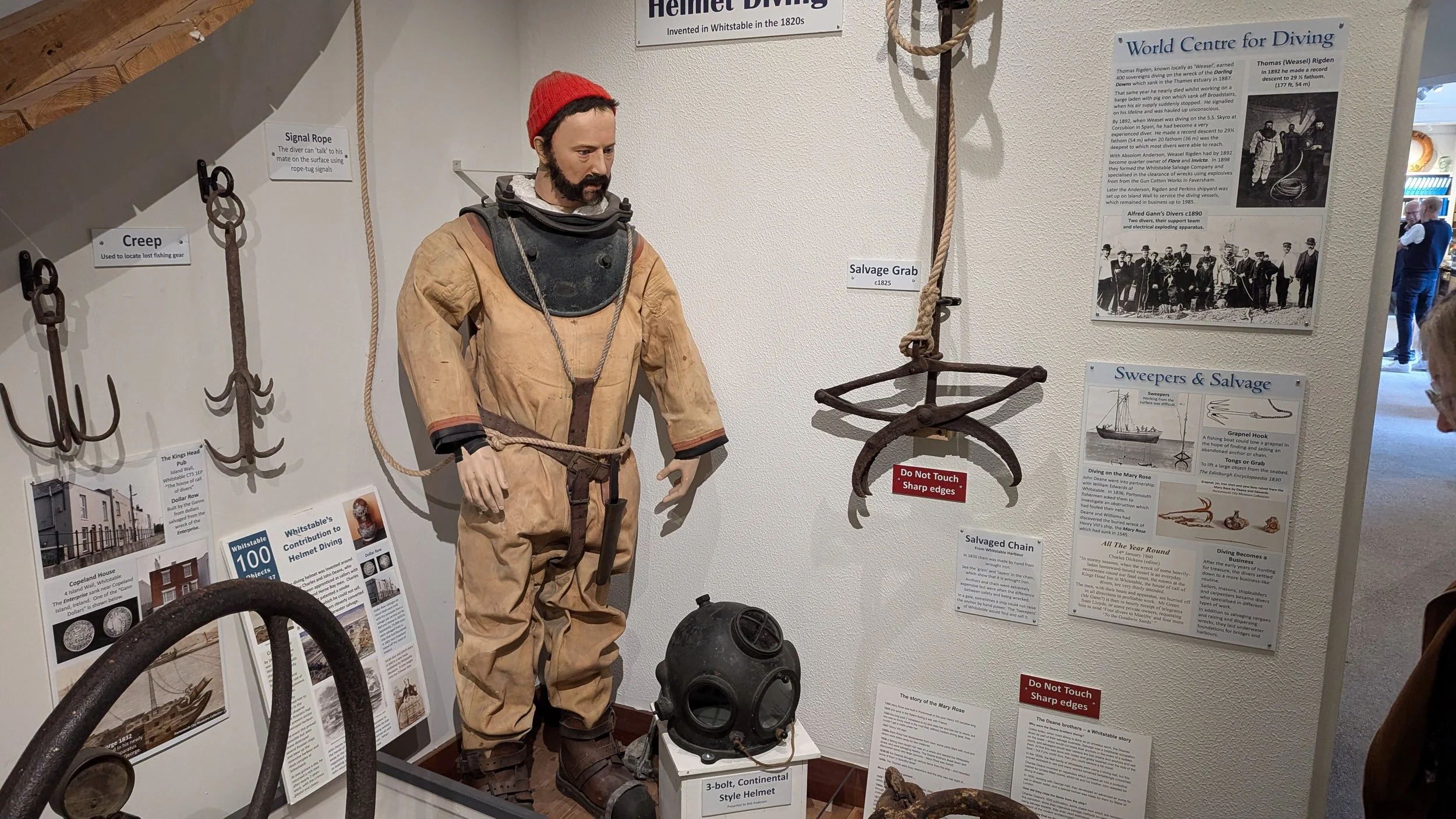
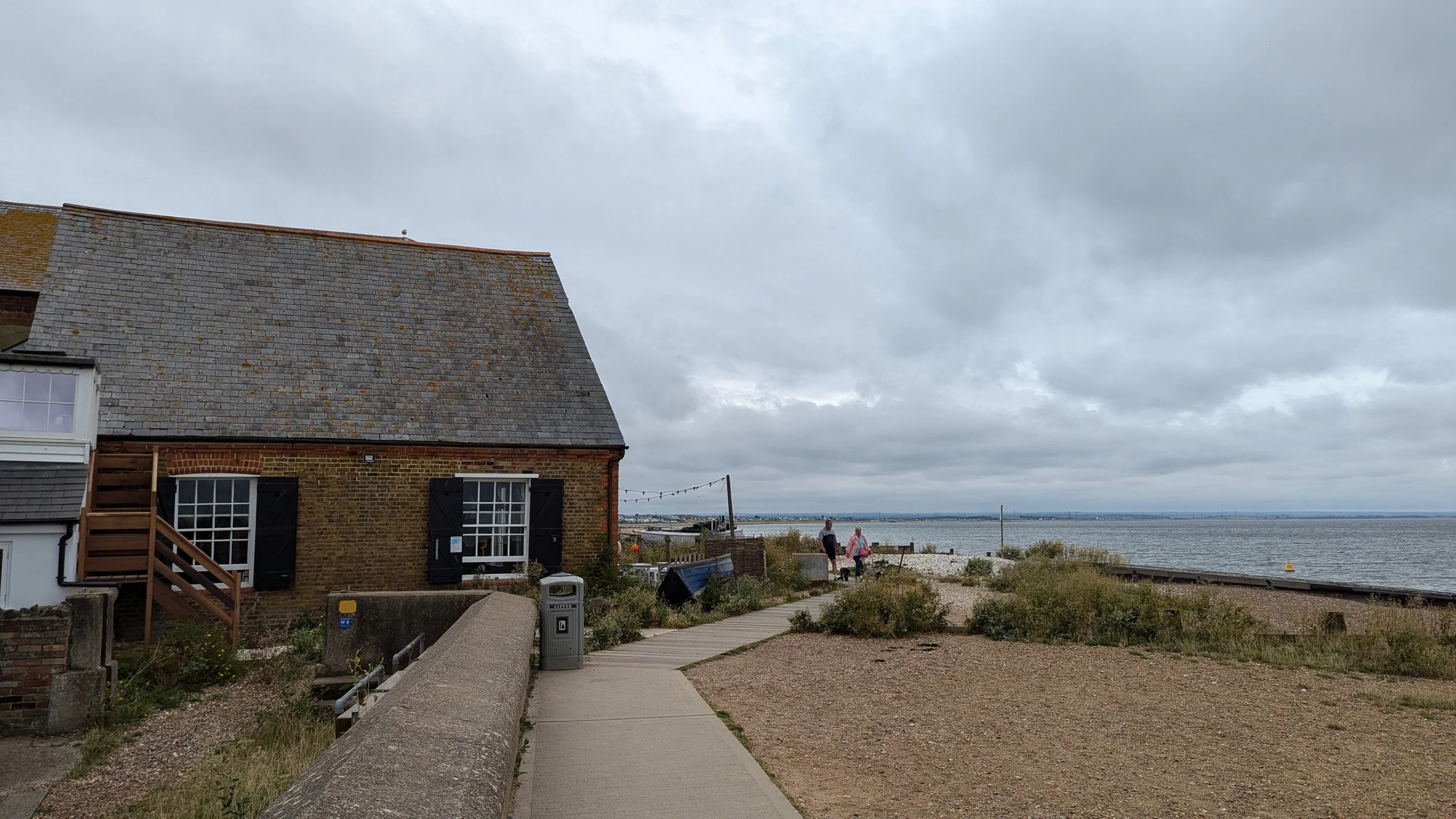
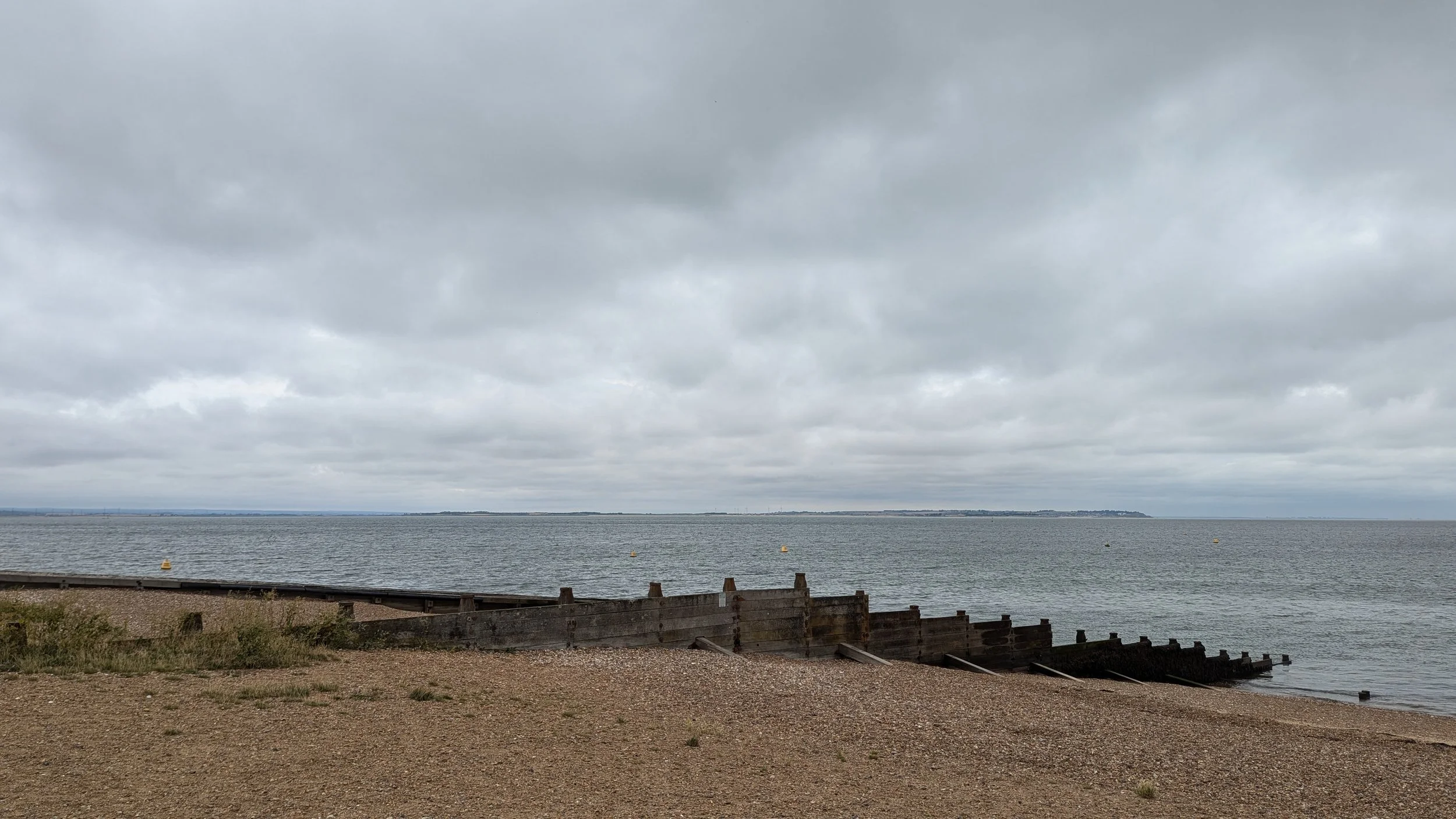
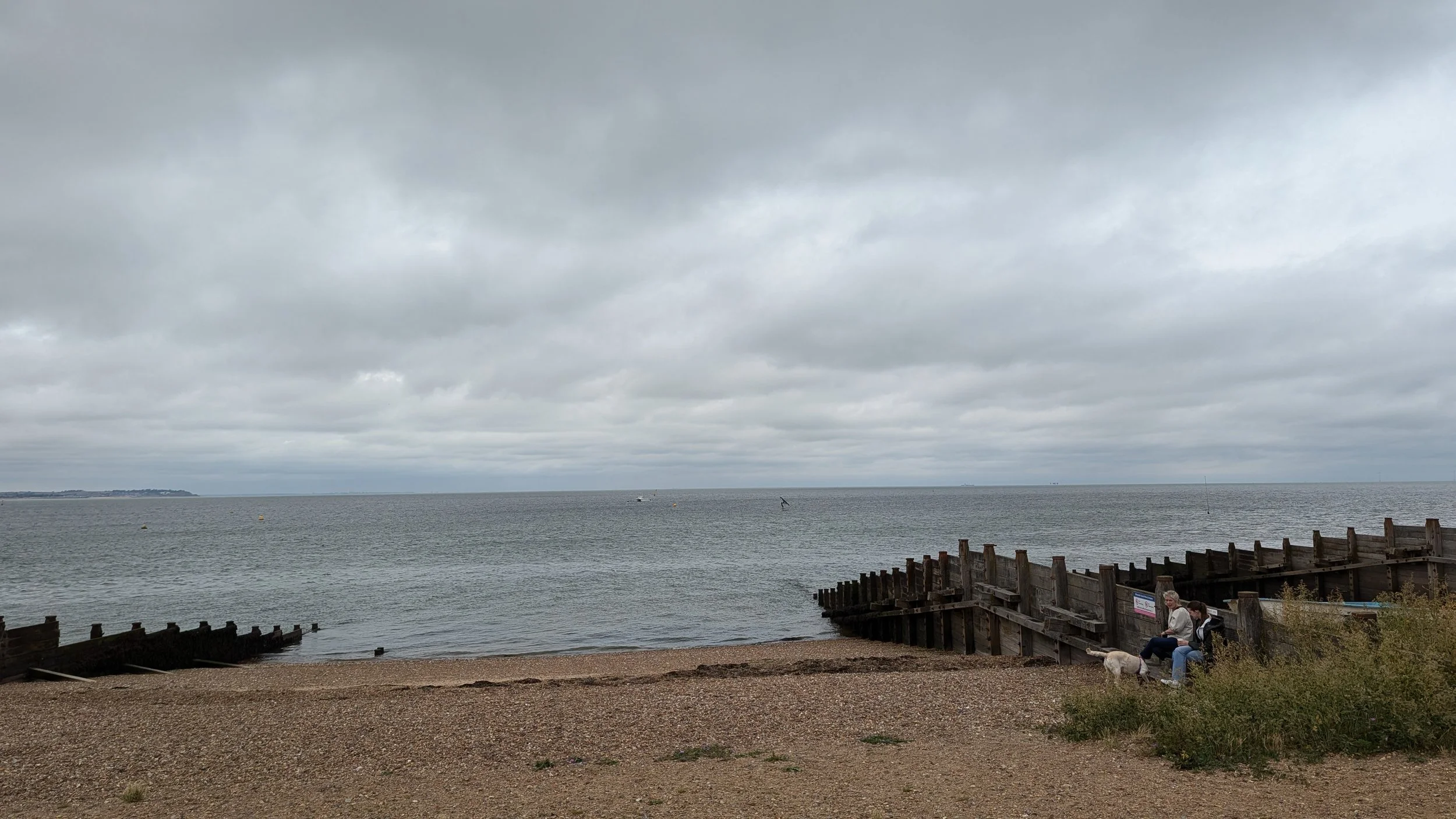
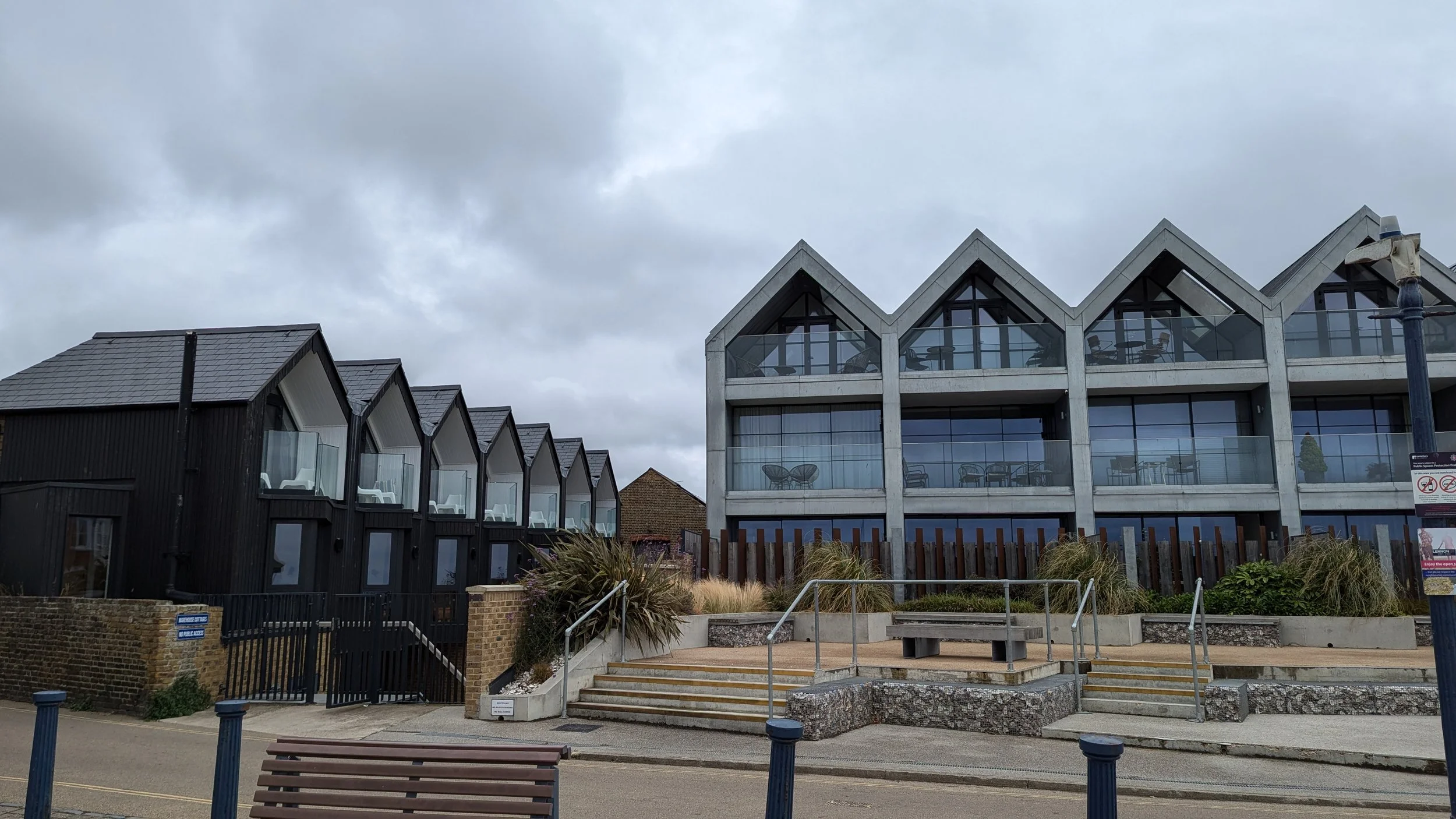
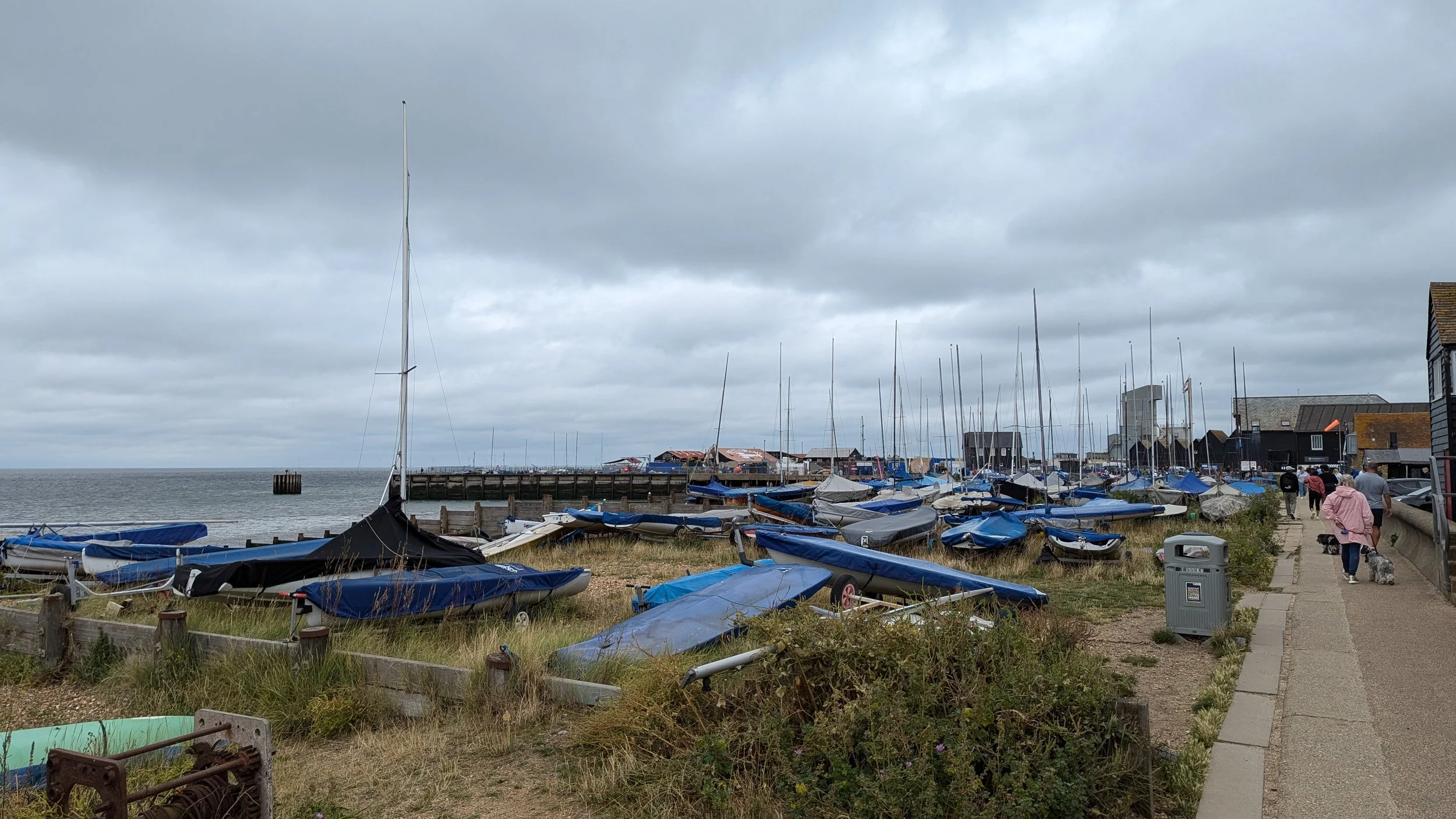
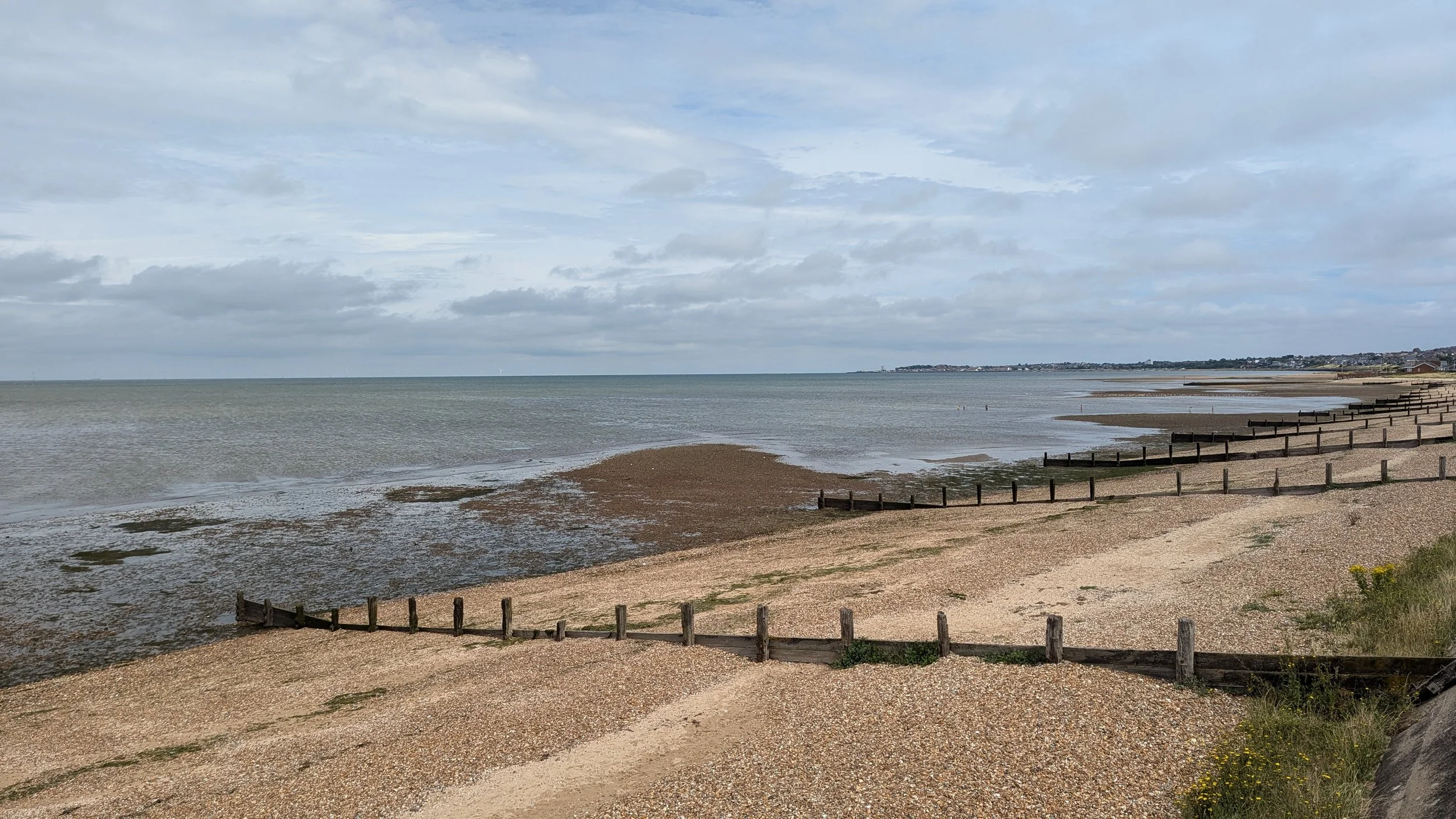
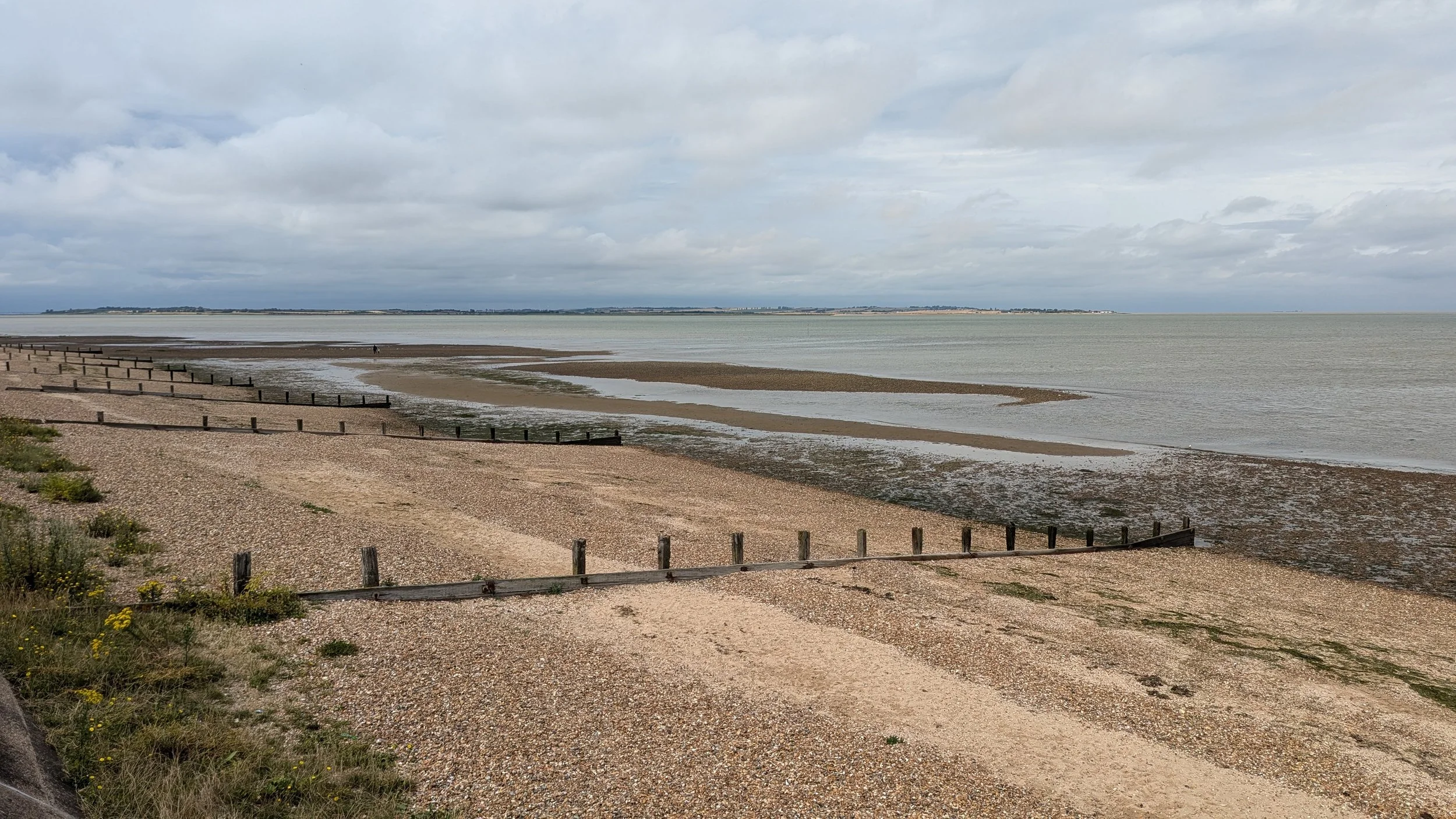
As an added bonus, here is the song “Peter Cushing Lives in Whitstable” by The Jellybottys, as referenced by comedian and Whitstable resident Alan Davis, on the TV quiz show QI.
Legendary Joust at Eltham Palace
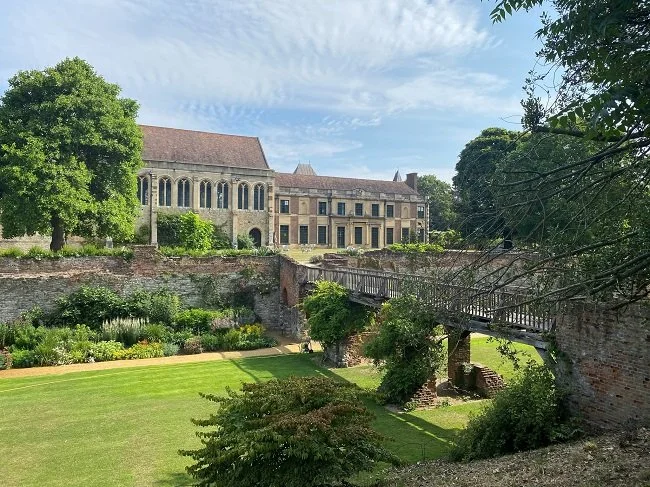
Eltham Palace, located in South East London, was the childhood home of King Henry VIII in 1499. It was later used as a royal nursery for the infant Princess Elizabeth, born on 7th September 1533. It sports sumptuous grounds and ornamental gardens and was famous for its game hunting during the Tudor and Elizabethan periods. In the 1930s’ the property was owned by the Courtauld family, who built a sumptuous Art Deco style mansion and redeveloped the grounds. Today the entire property is owned and managed by English Heritage who have extensively restored much of the estate. It is therefore very fitting that this illustrious venue annually plays host to the Legendary Medieval Joust, during the summer months. Two days of historical pageantry, re-enactments and events for the entire family to enjoy. I last attended in 2015, so it was a welcome pleasure to return again yesterday.
Eltham Palace, located in South East London, was the childhood home of King Henry VIII in 1499. It was later used as a royal nursery for the infant Princess Elizabeth, born on 7th September 1533. It sports sumptuous grounds and ornamental gardens and was famous for its game hunting during the Tudor and Elizabethan periods. In the 1930s’ the property was owned by the Courtauld family, who built a sumptuous Art Deco style mansion and redeveloped the grounds. Today the entire property is owned and managed by English Heritage who have extensively restored much of the estate. It is therefore very fitting that this illustrious venue annually plays host to the Legendary Medieval Joust, during the summer months. Two days of historical pageantry, re-enactments and events for the entire family to enjoy. I last attended in 2015, so it was a welcome pleasure to return again yesterday.
This weekend’s Medieval Joust was an excellent example of the important work that institutions like English Heritage and The National Trust carry out with regard to maintaining British history and culture. It was also one of the most entertaining days out I've had for a long time. The Legendary Medieval Joust features a broad mixture of events ranging from exhibitions of hand to hand combat and falconry, as well as two bouts of exhibition jousting. For those looking for more sedate activities, the musical group Archaedium provides traditional music, and there’s an historically appropriate arts and crafts fair, providing insights into spinning and embroidery. Visitors can purchase a range of traditional food and drink, as well as jewellery and other handicrafts.
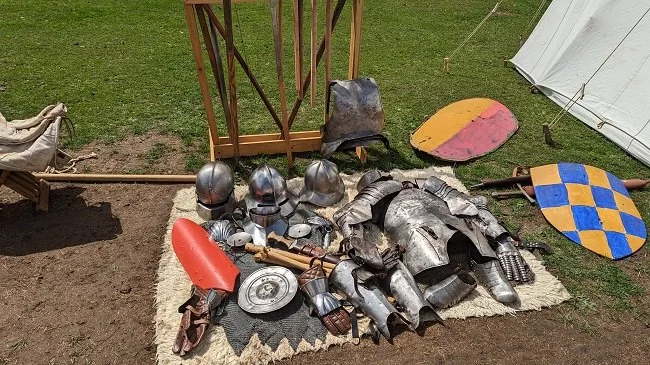
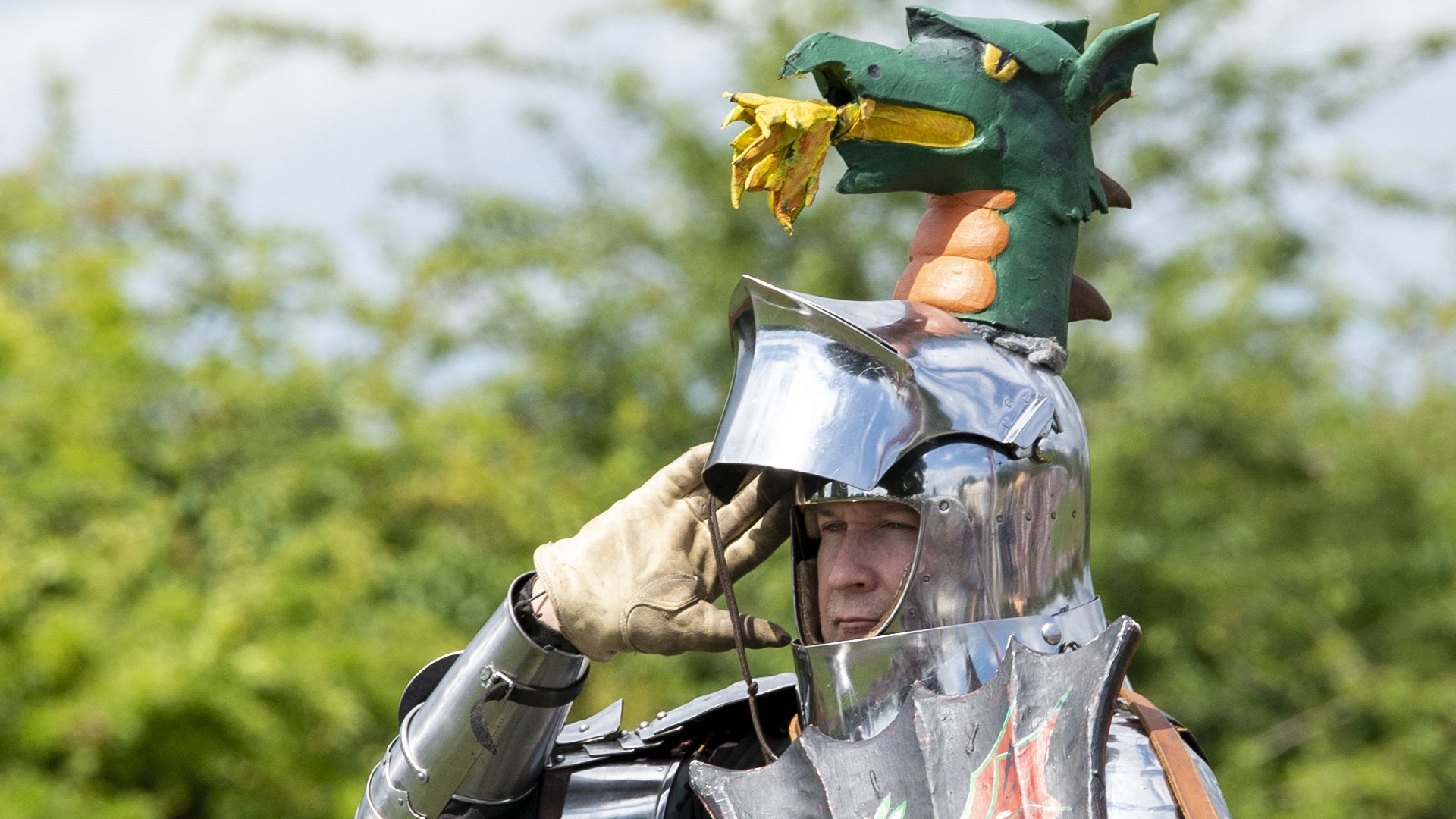
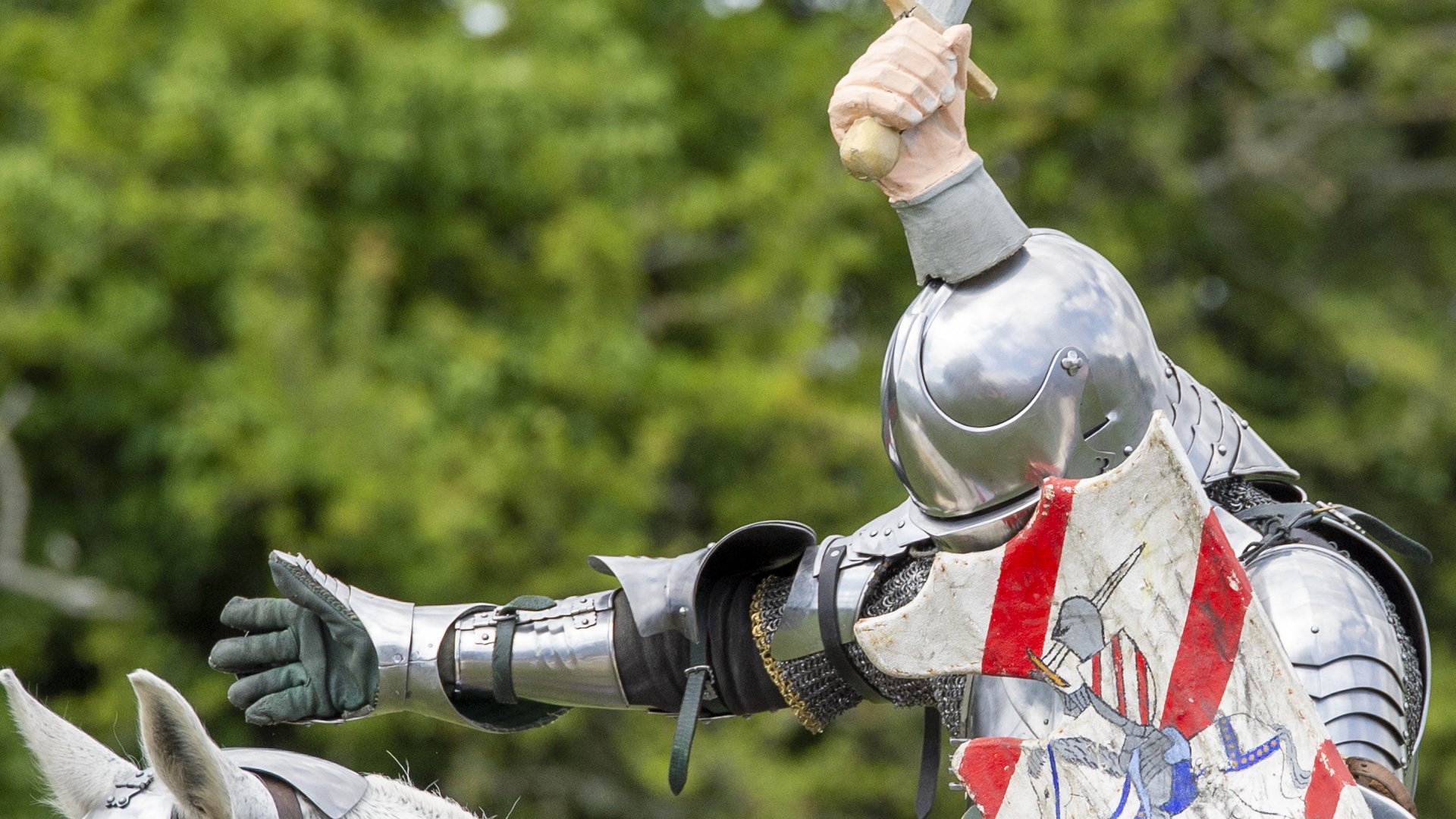
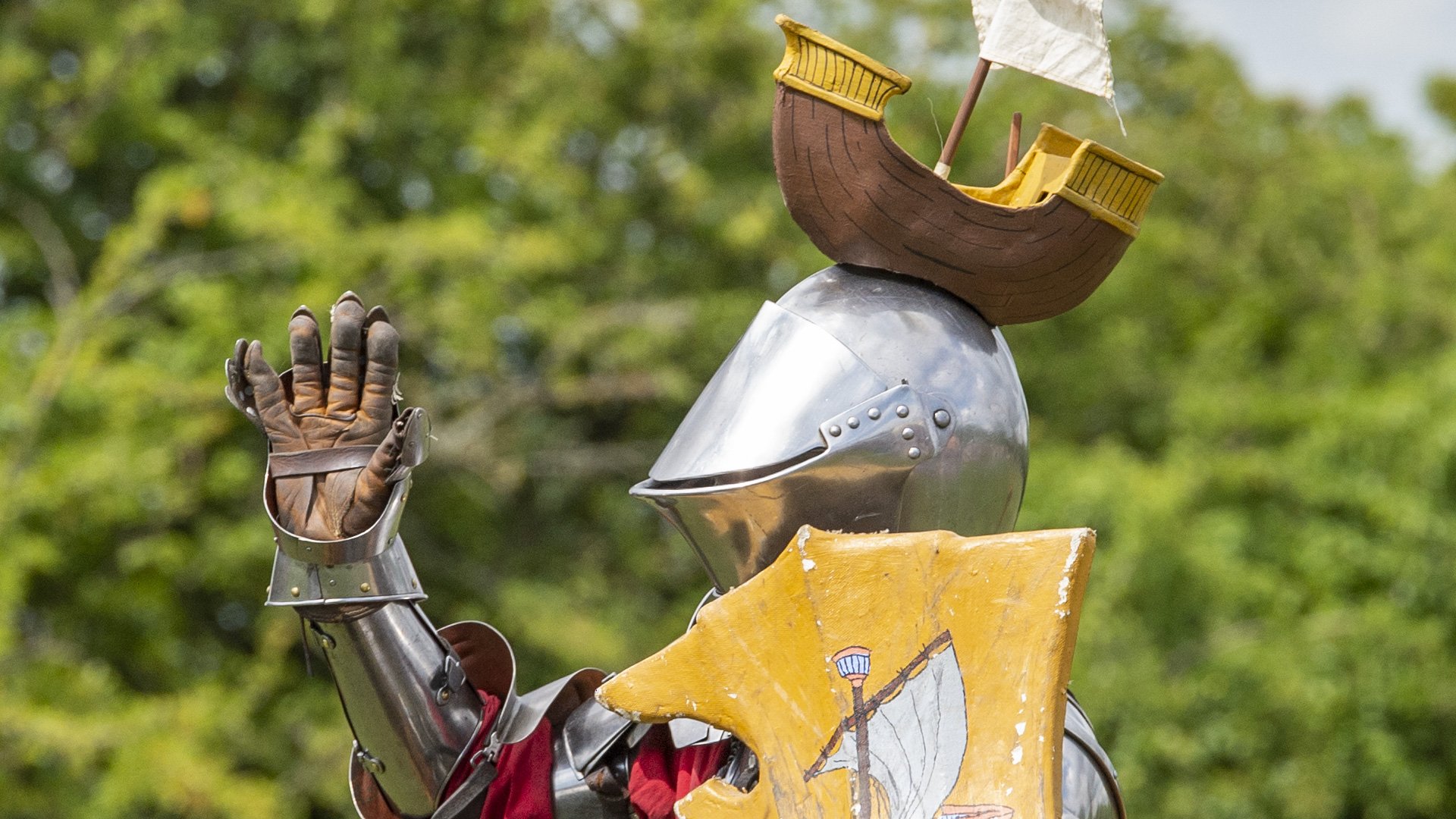
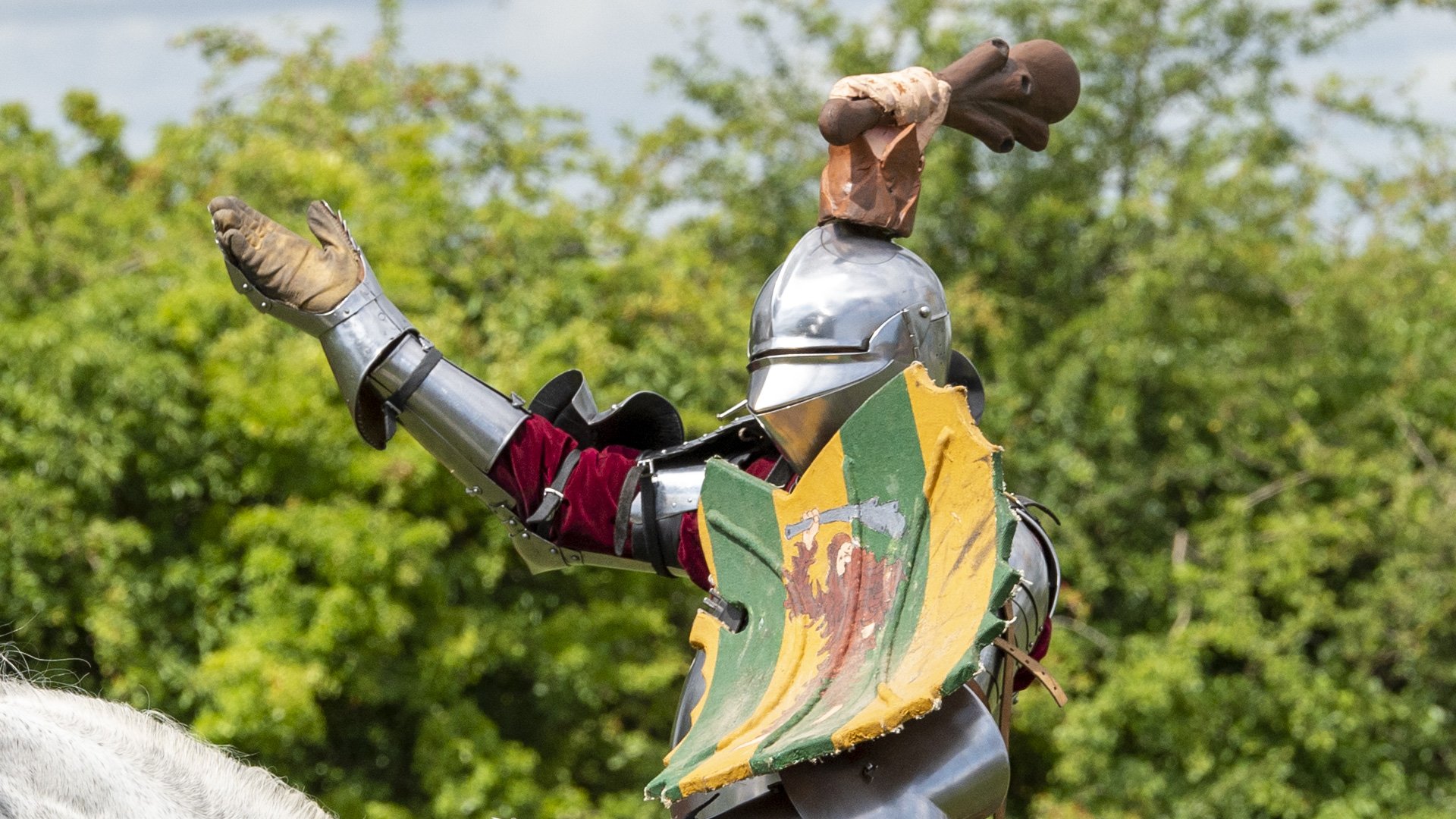
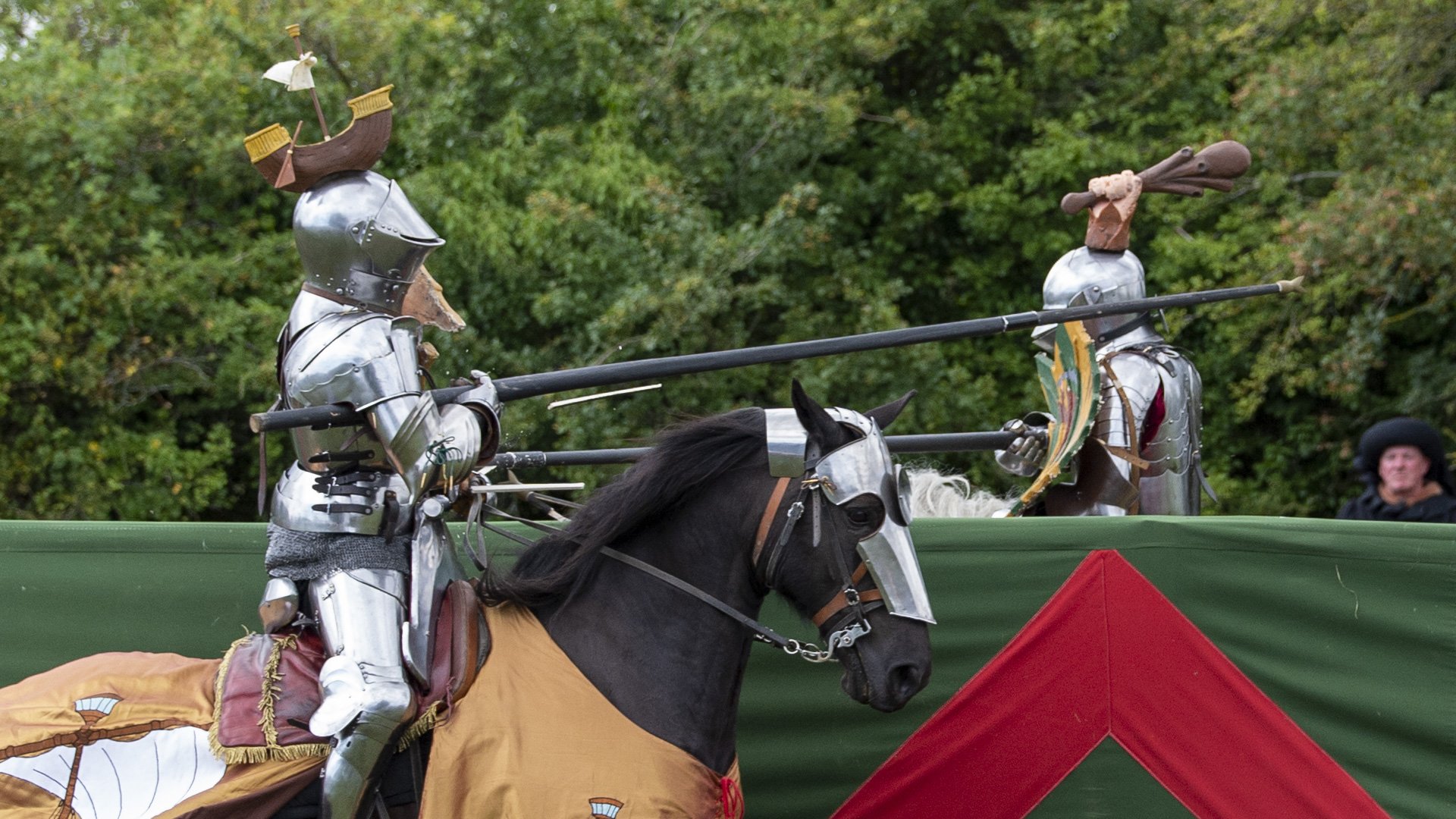
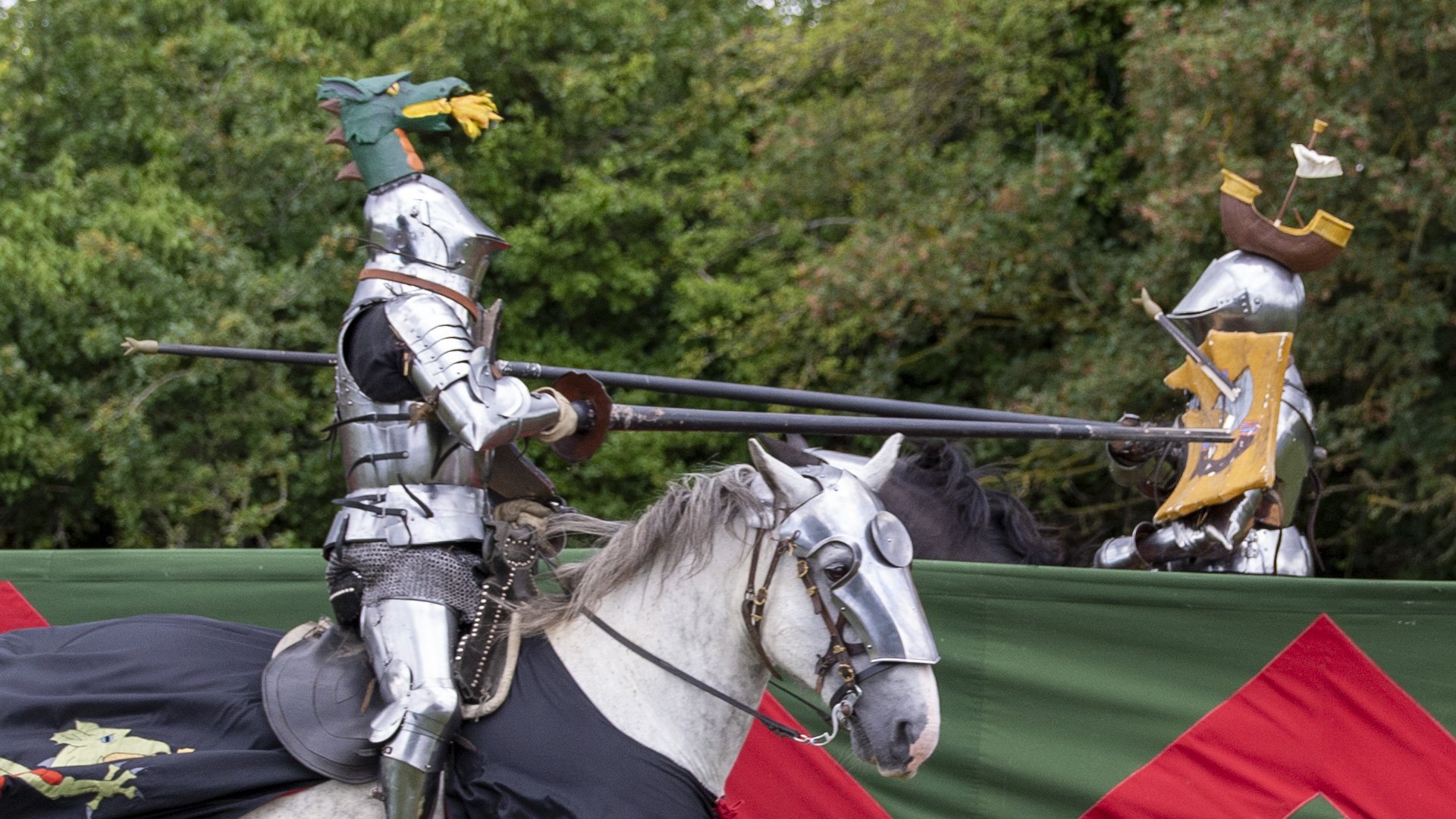
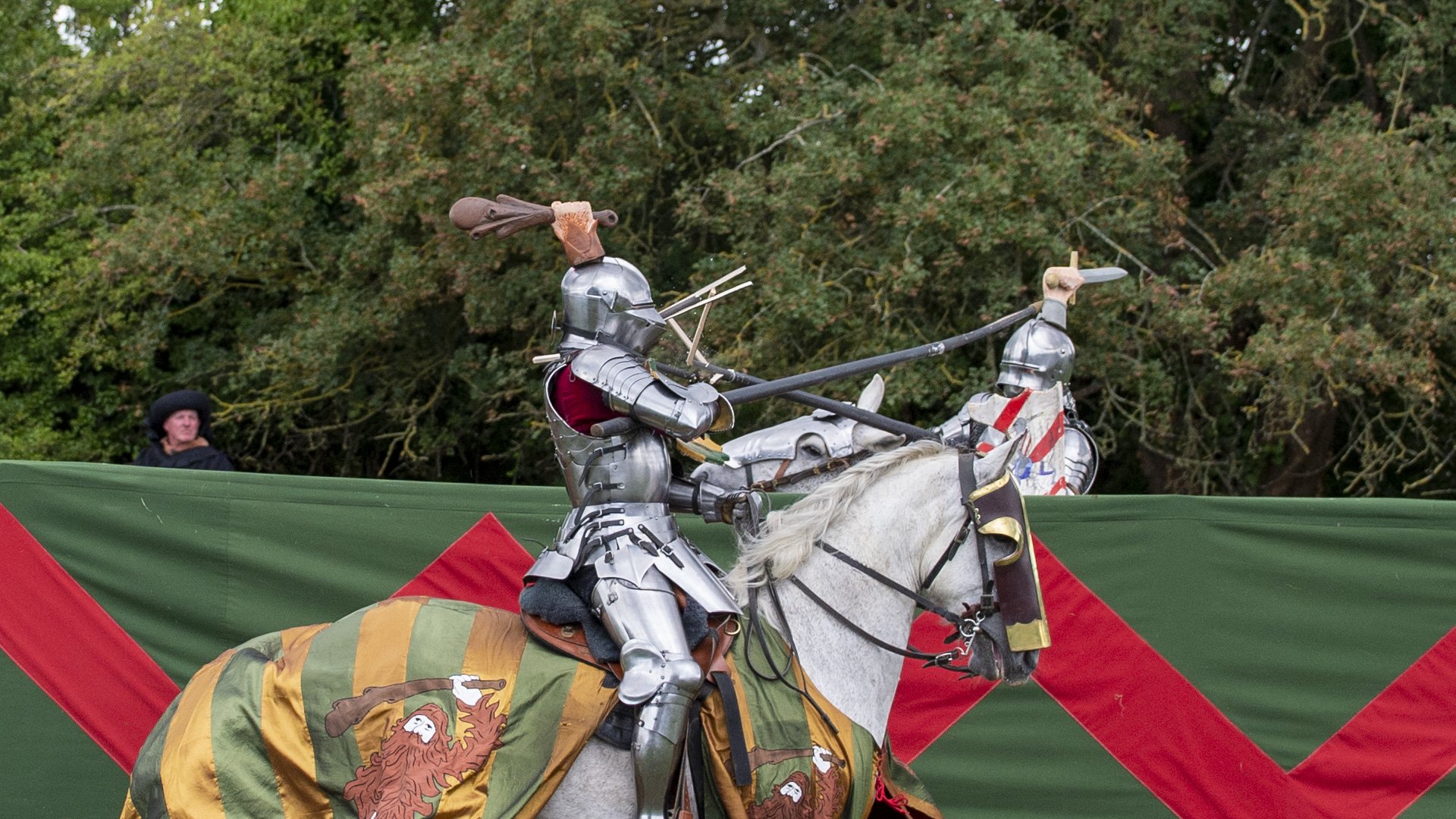
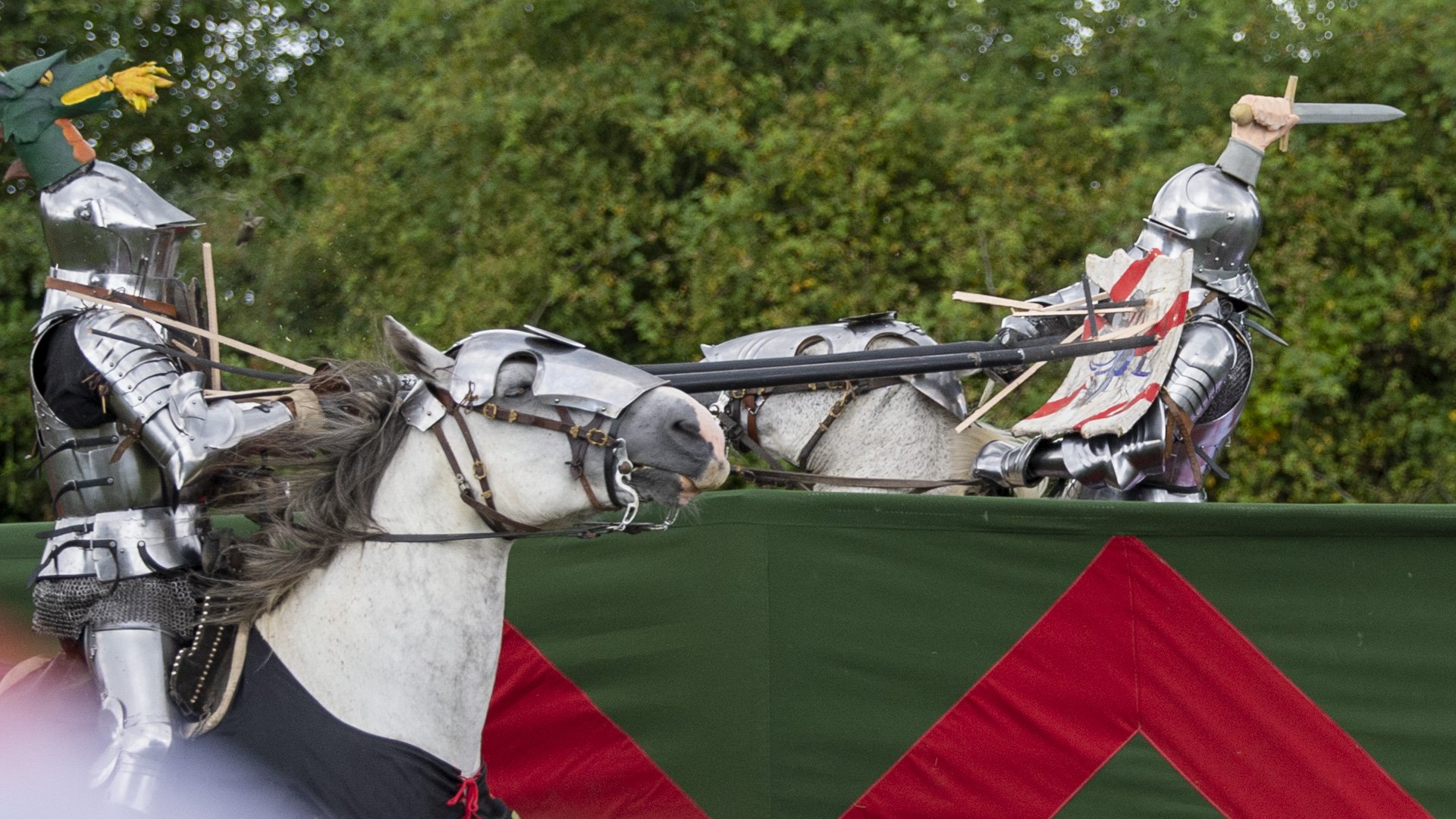
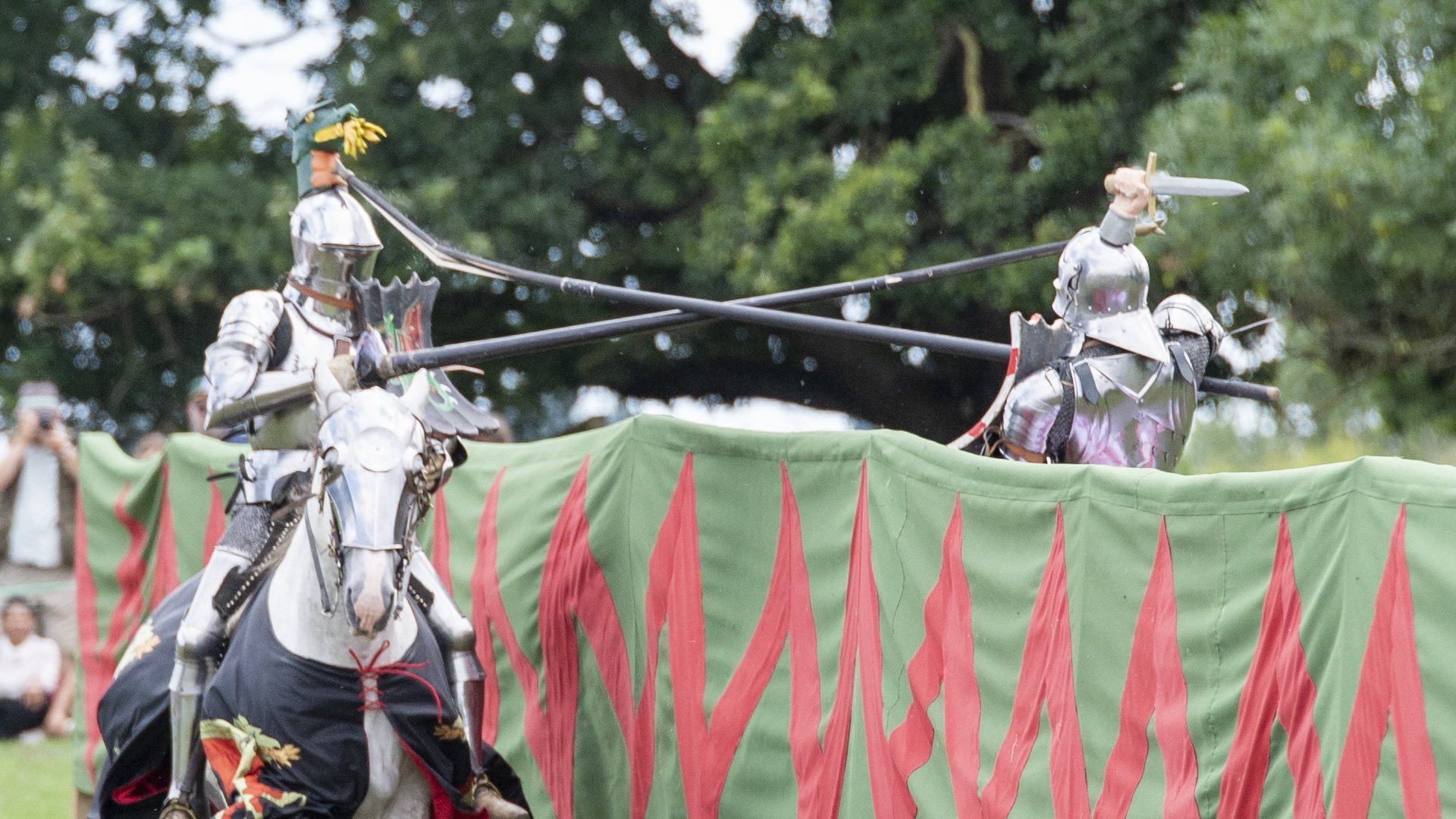
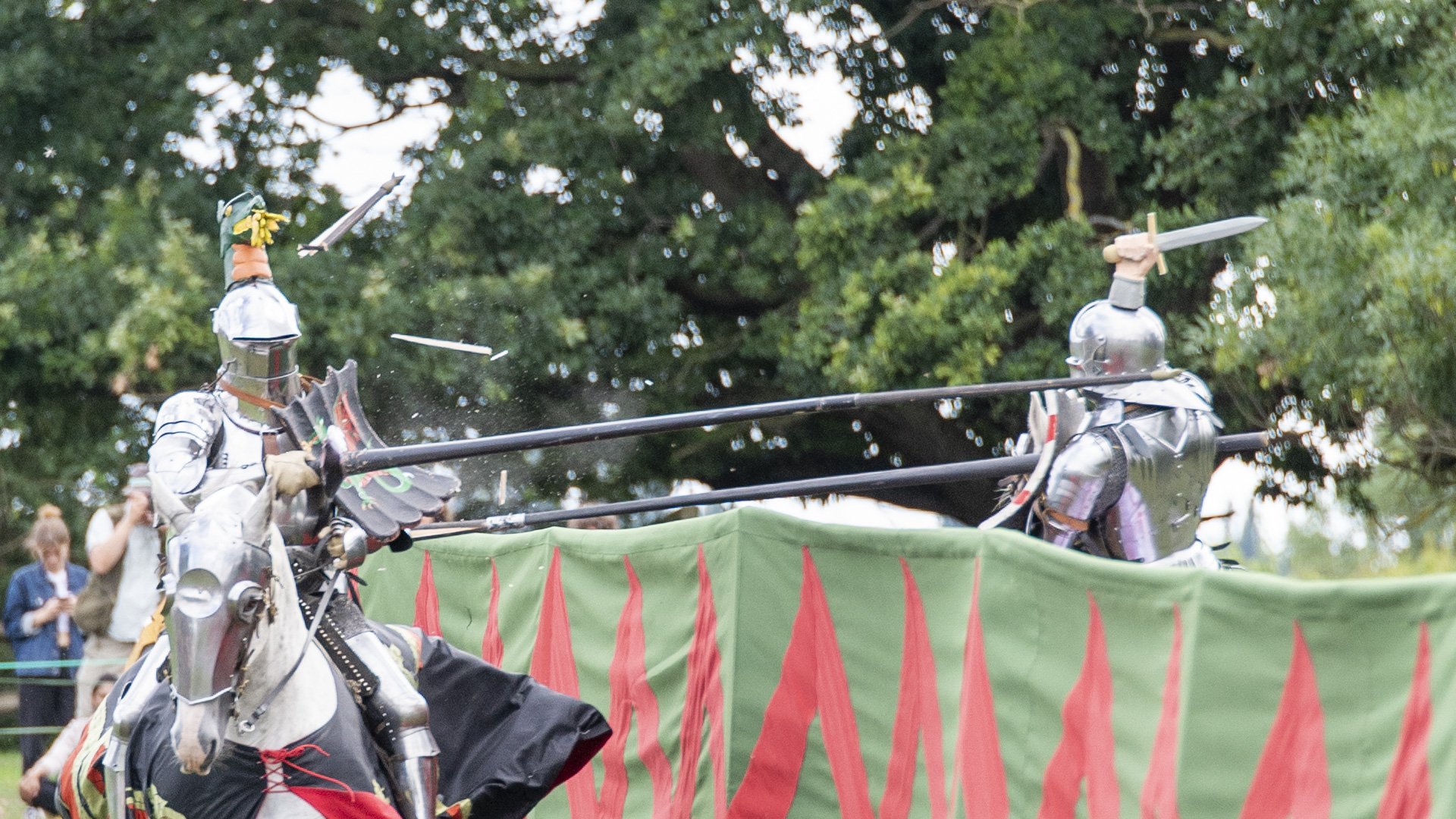
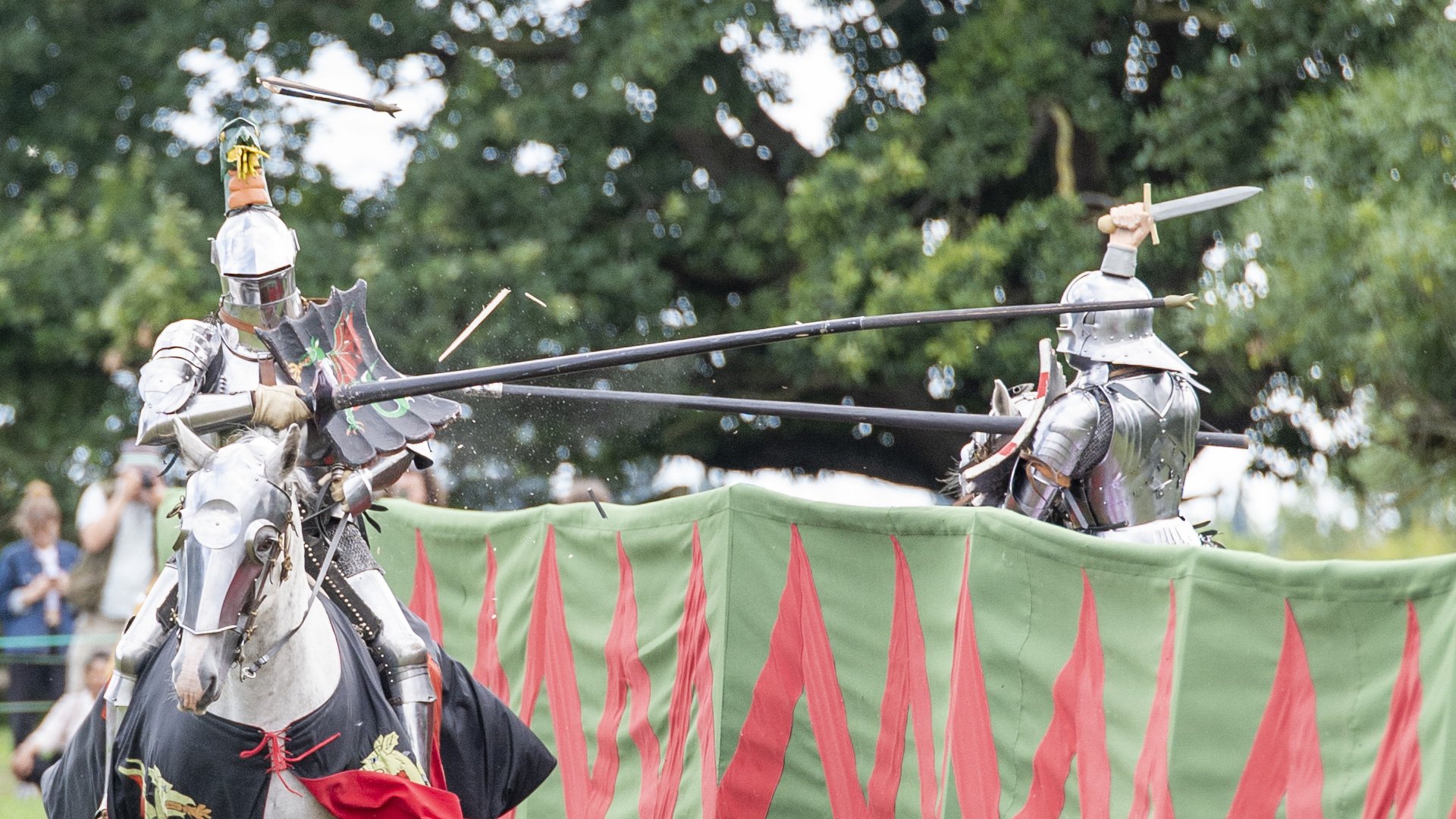
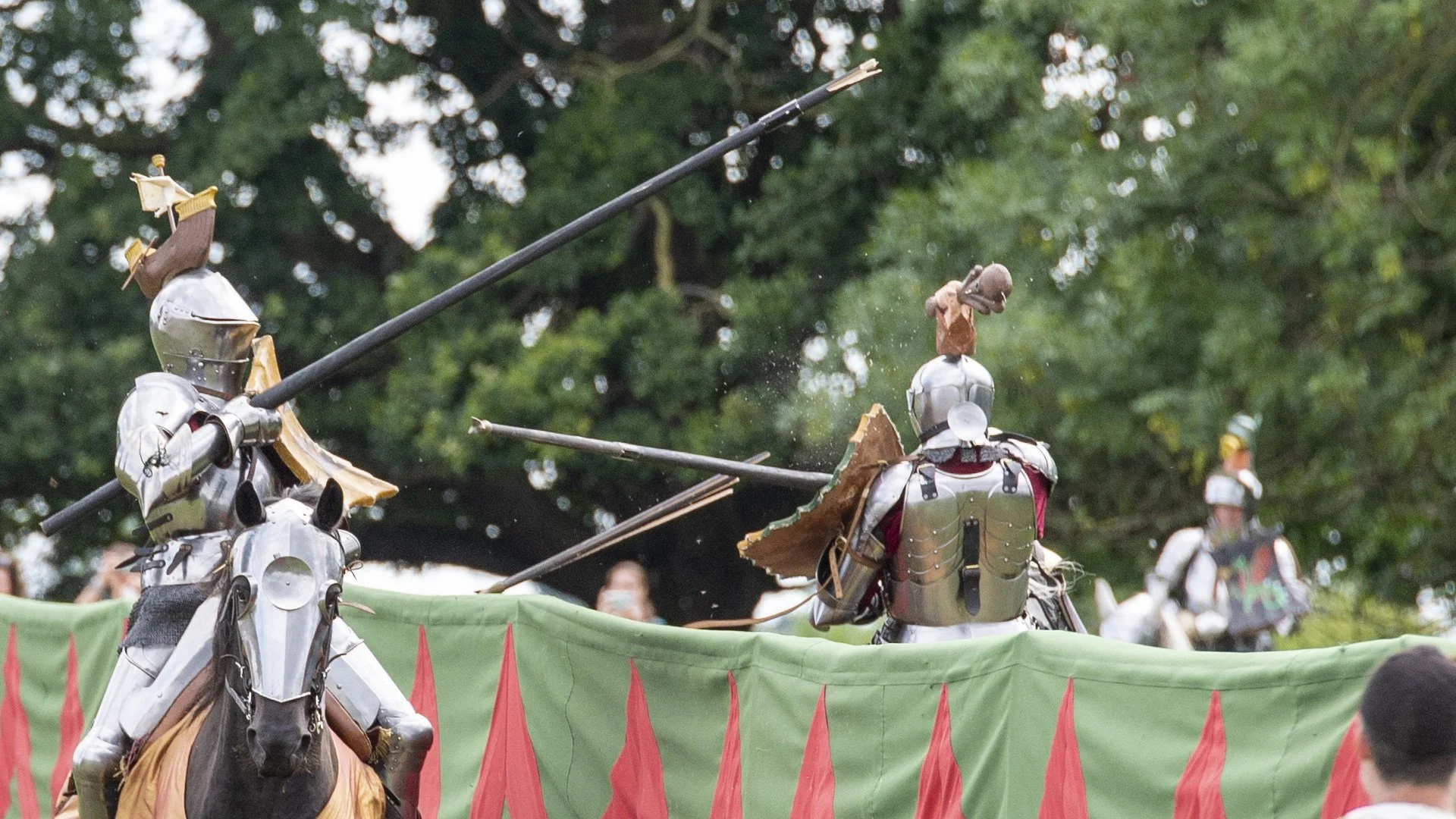
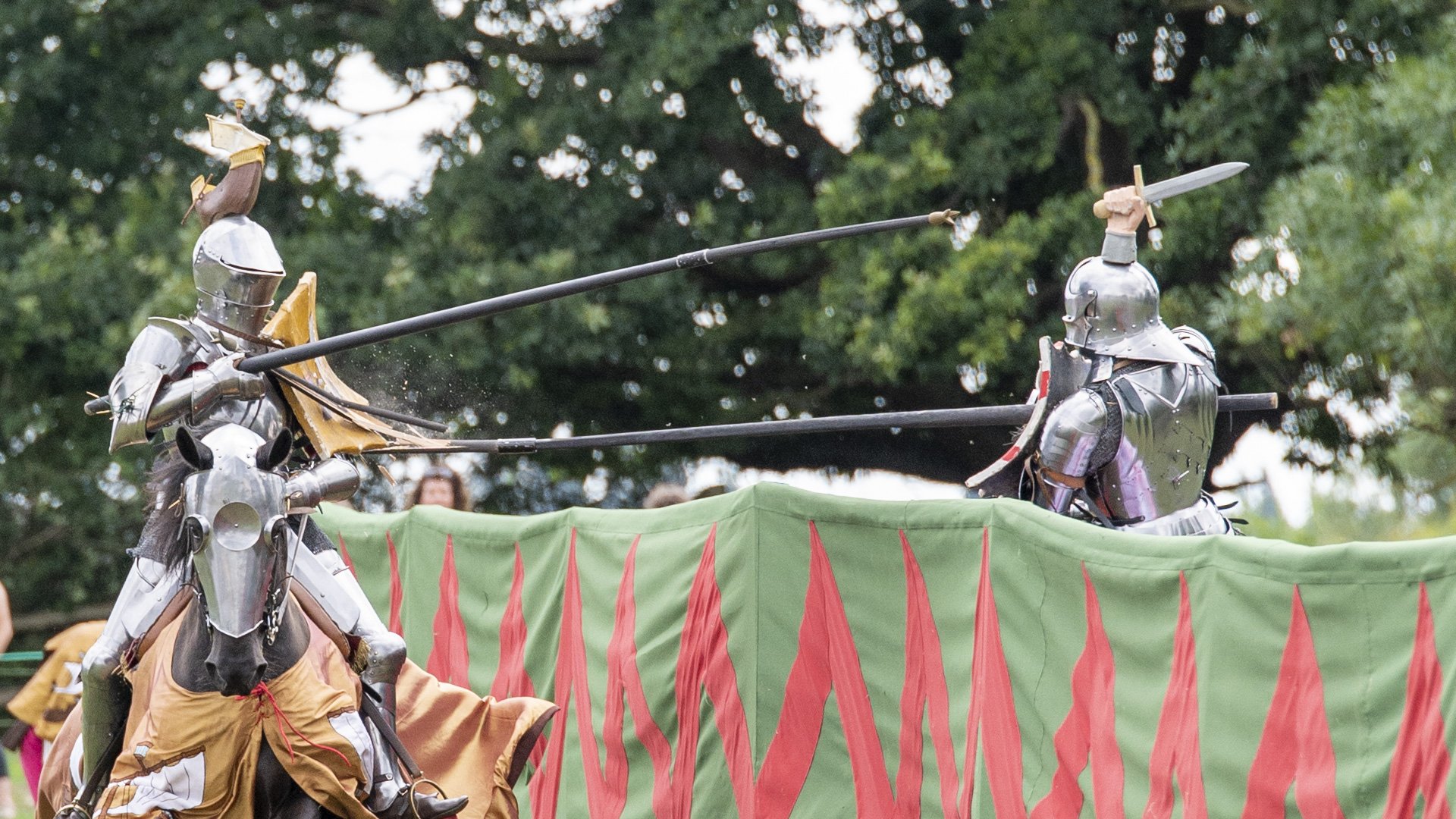
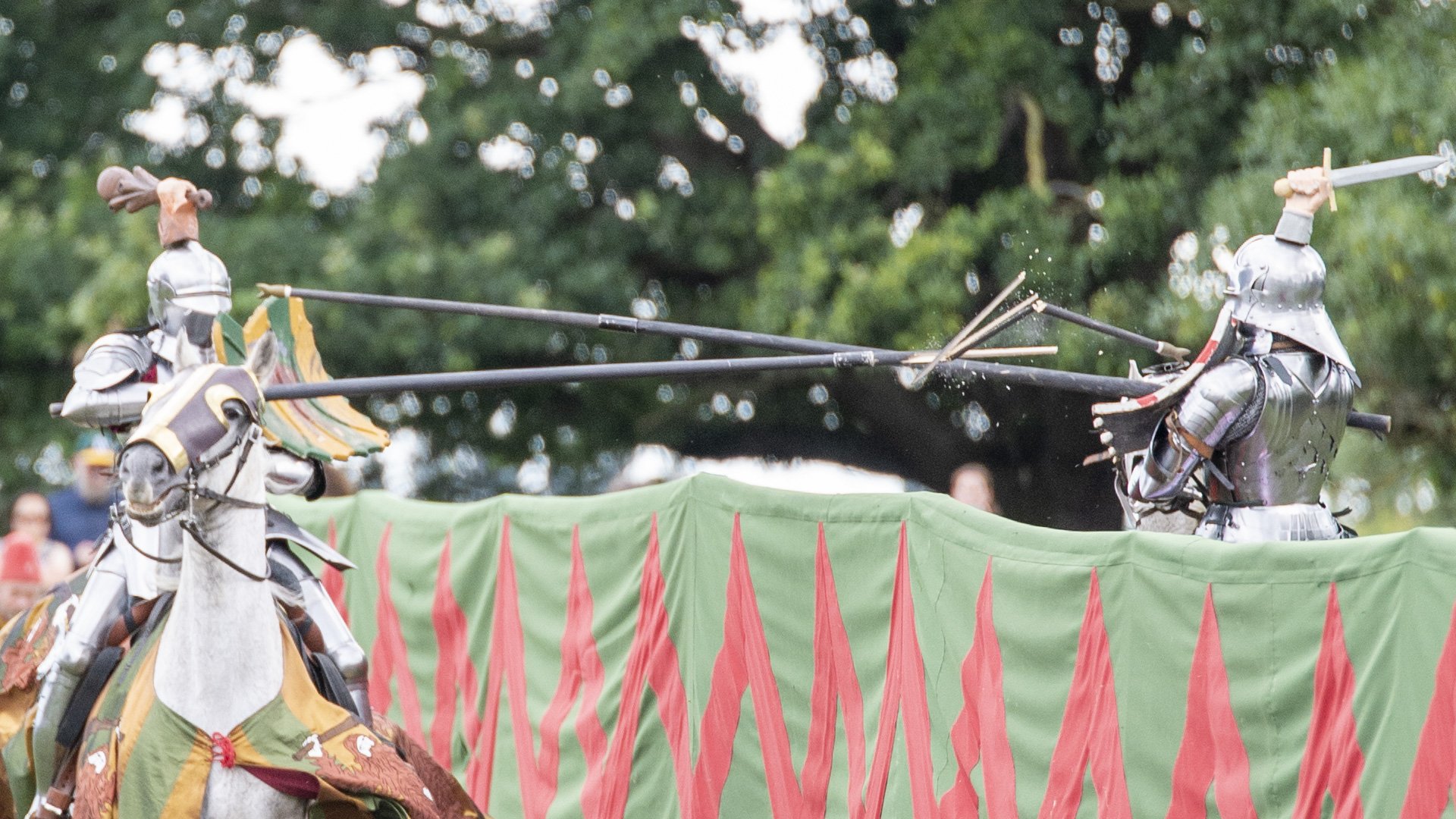
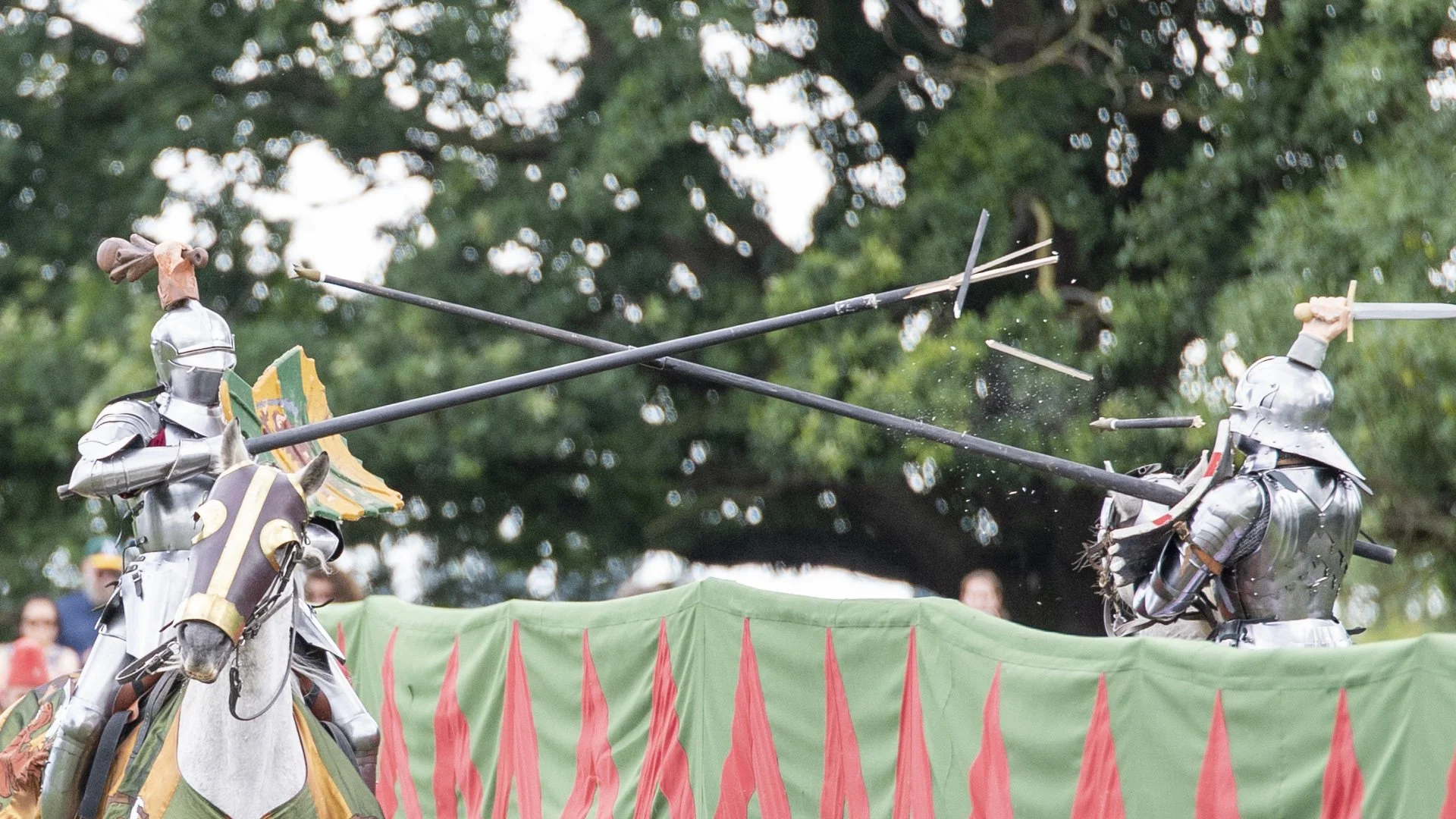
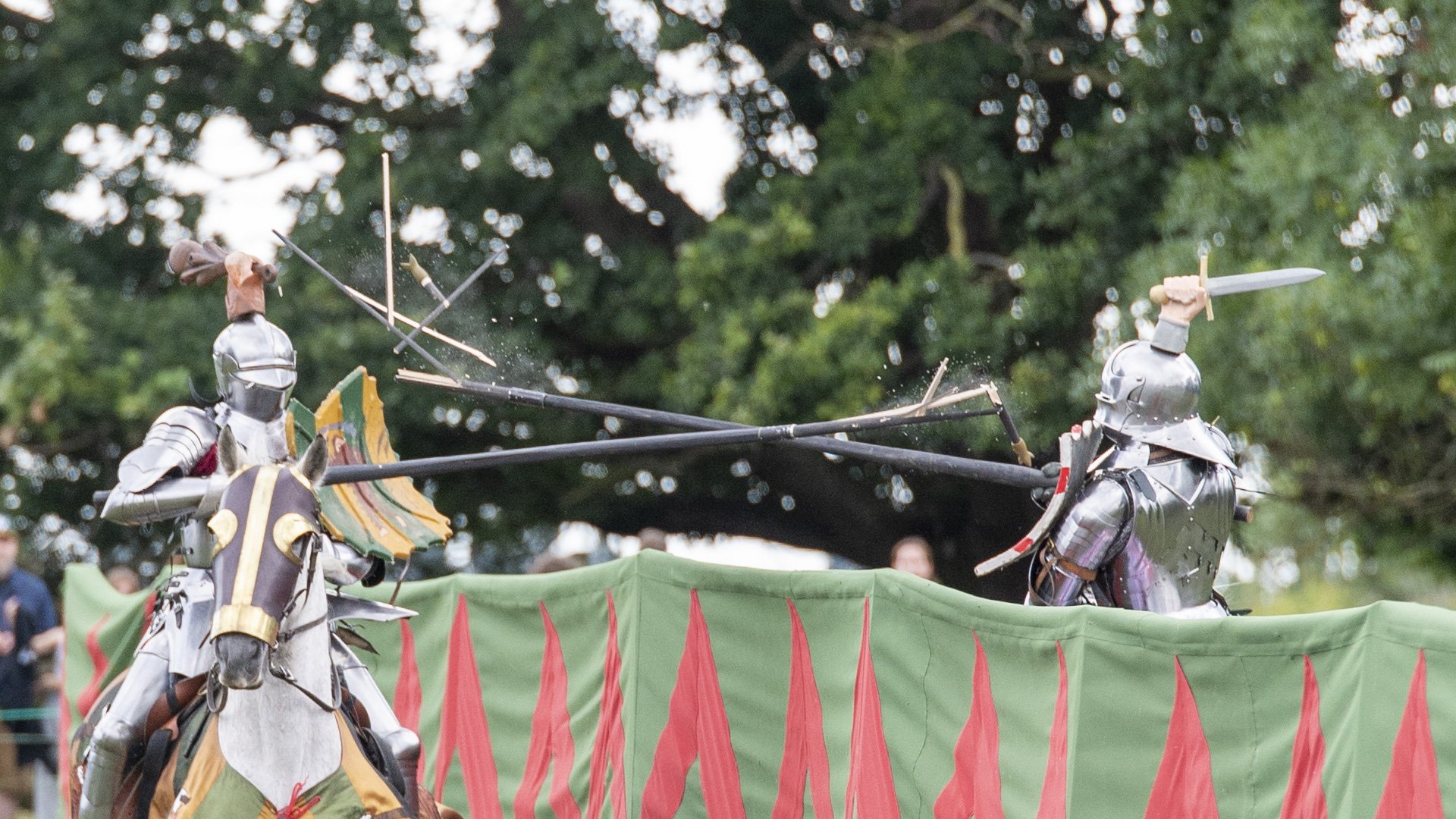
Before the first bout of jousting began, each knight held court outside their tent as they donned their armour. They spoke with great knowledge about their harness (A Middle English term, derived from Old French word “harneis”, meaning "military equipment") which weighed 70 lbs plus. They also showed great patience and good humour as they addressed a wealth of questions from the children, who hung on their every word. The joust itself followed the traditional rules and incorporated a lot of the associated pageantry. Being a display tournament the lances had non-lethal tips made from balsa as well as rounded pommels. However, it is still worth considering that each knight is riding a war-horse weighing over a ton, galloping at approximately 25 mph. That kinetic energy has to go somewhere.
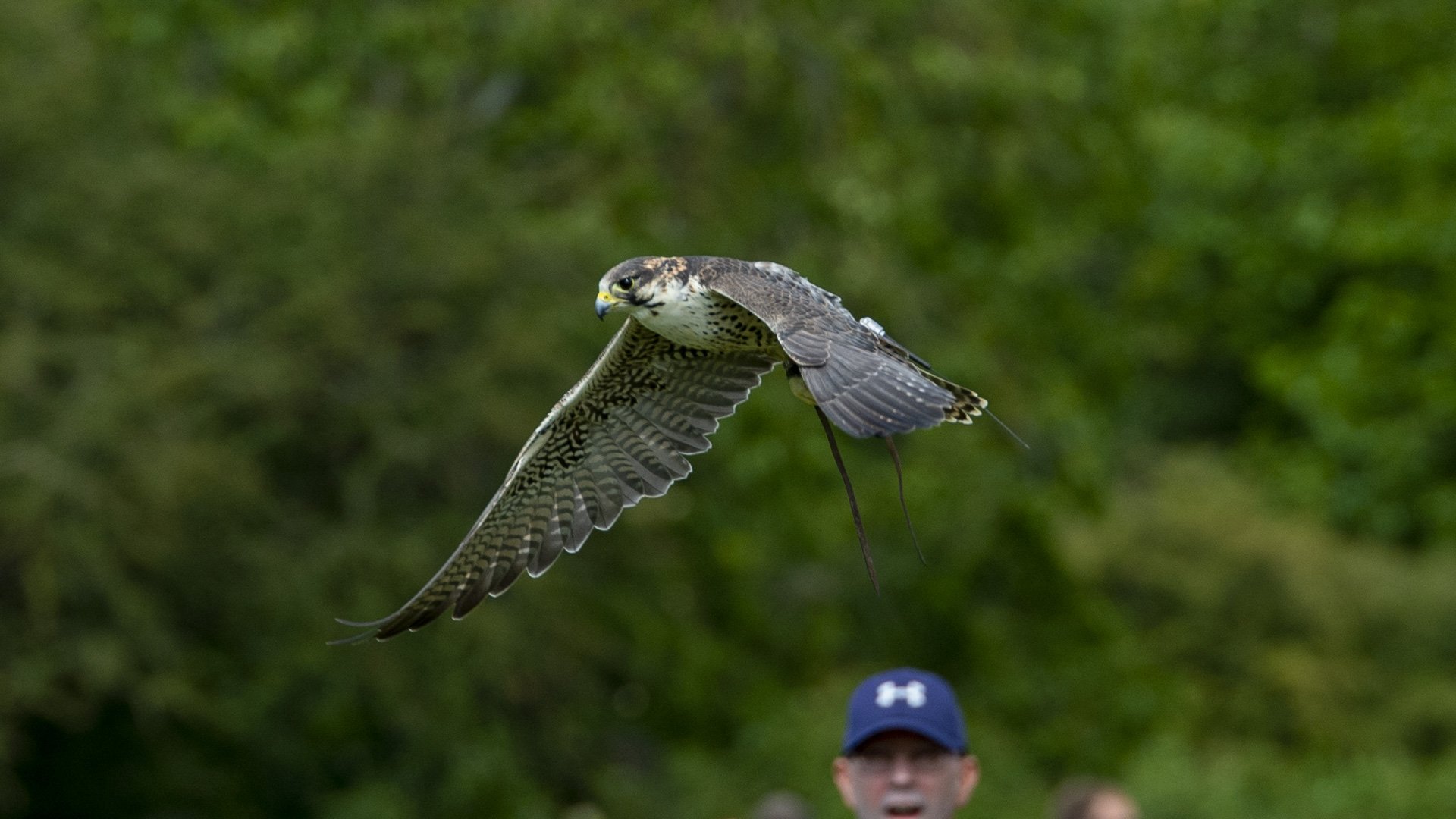
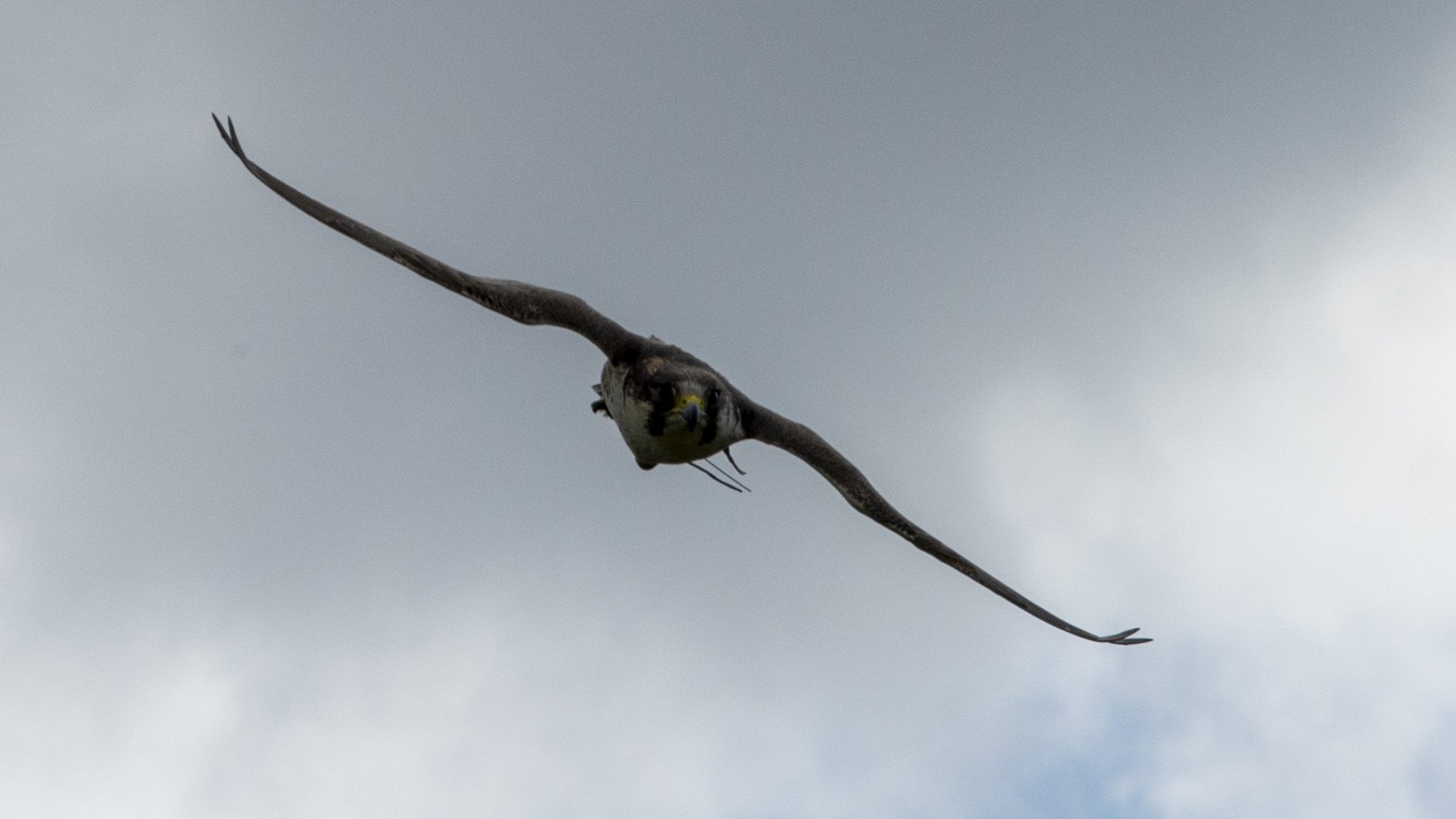
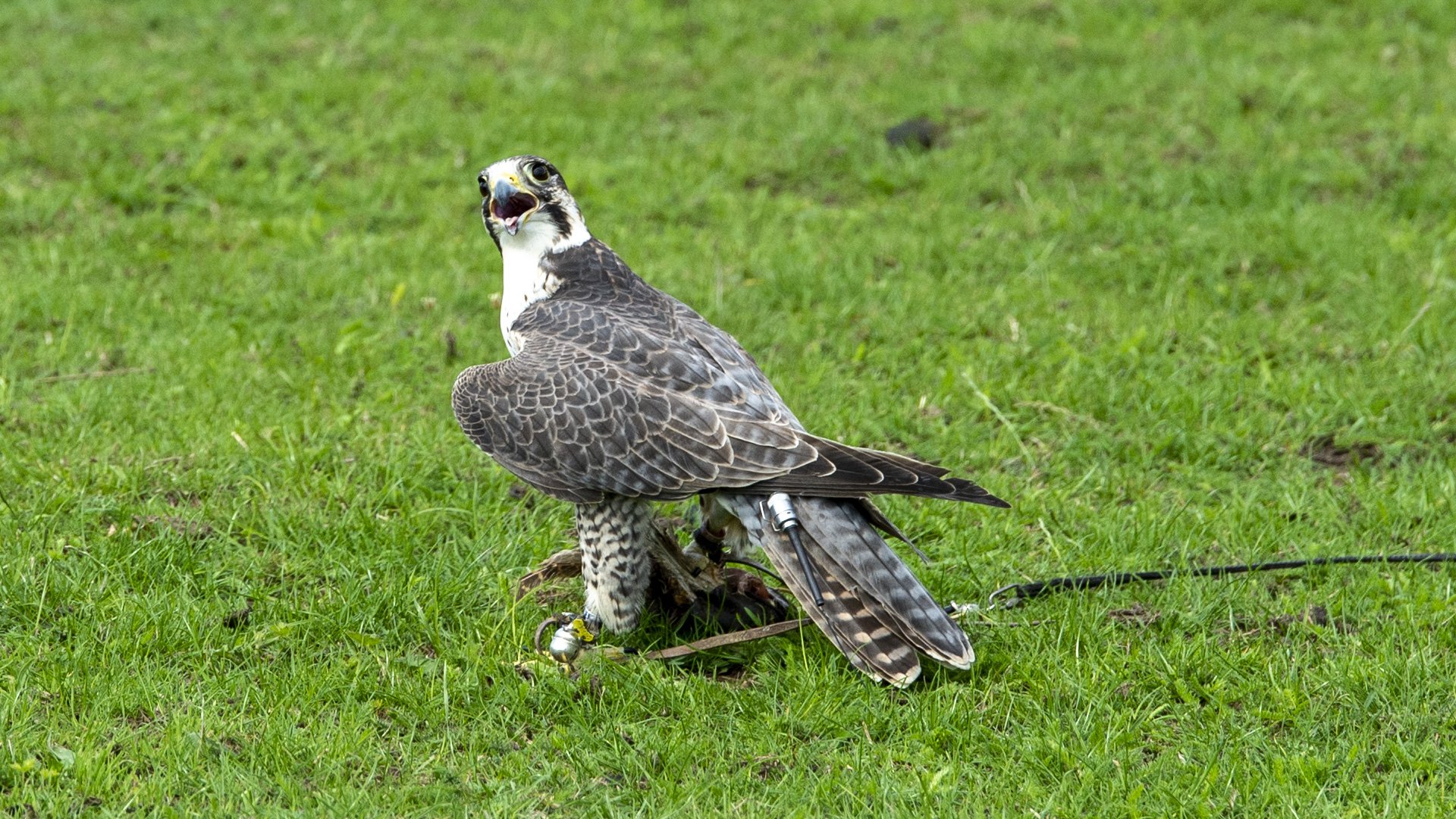
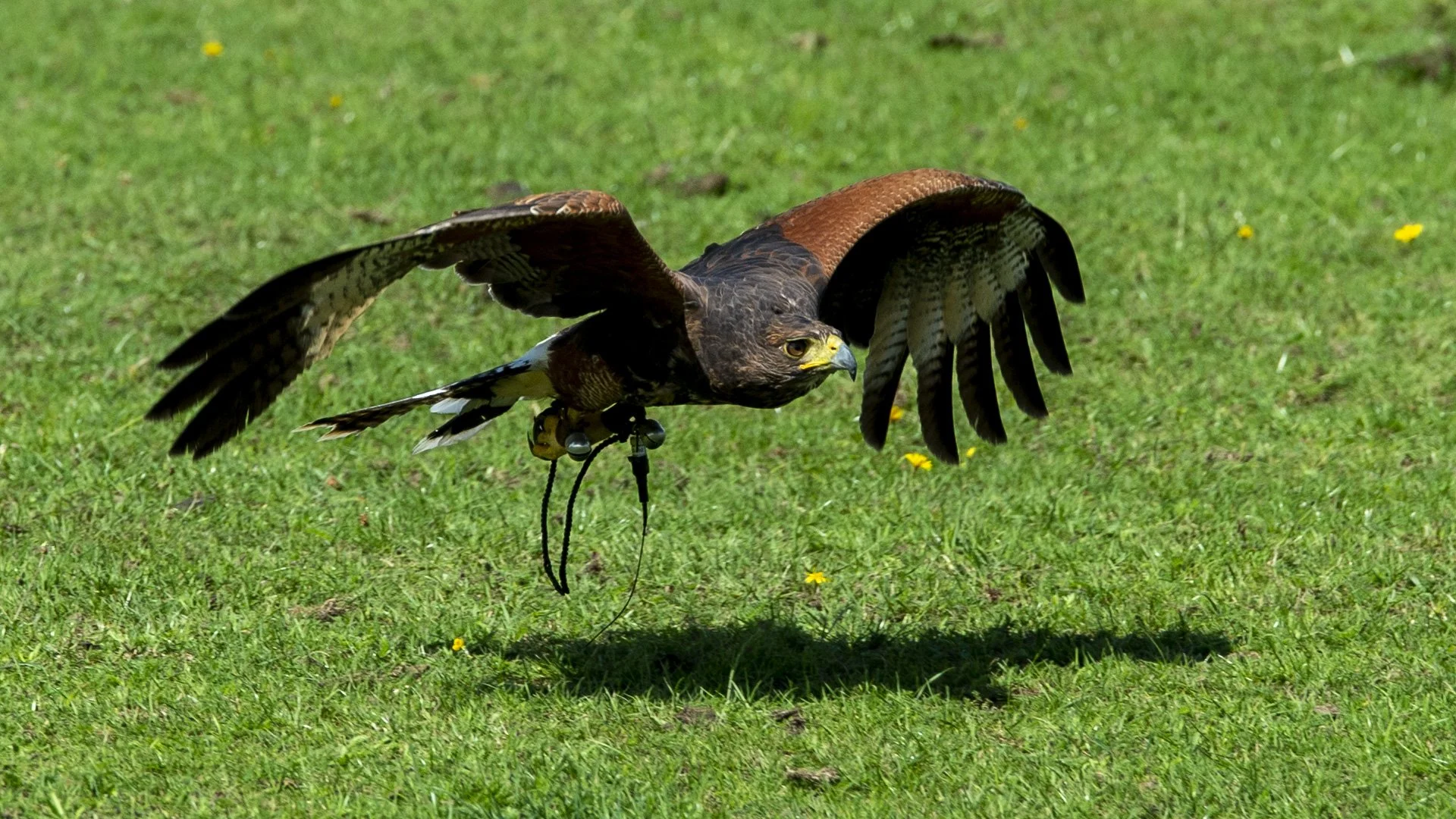
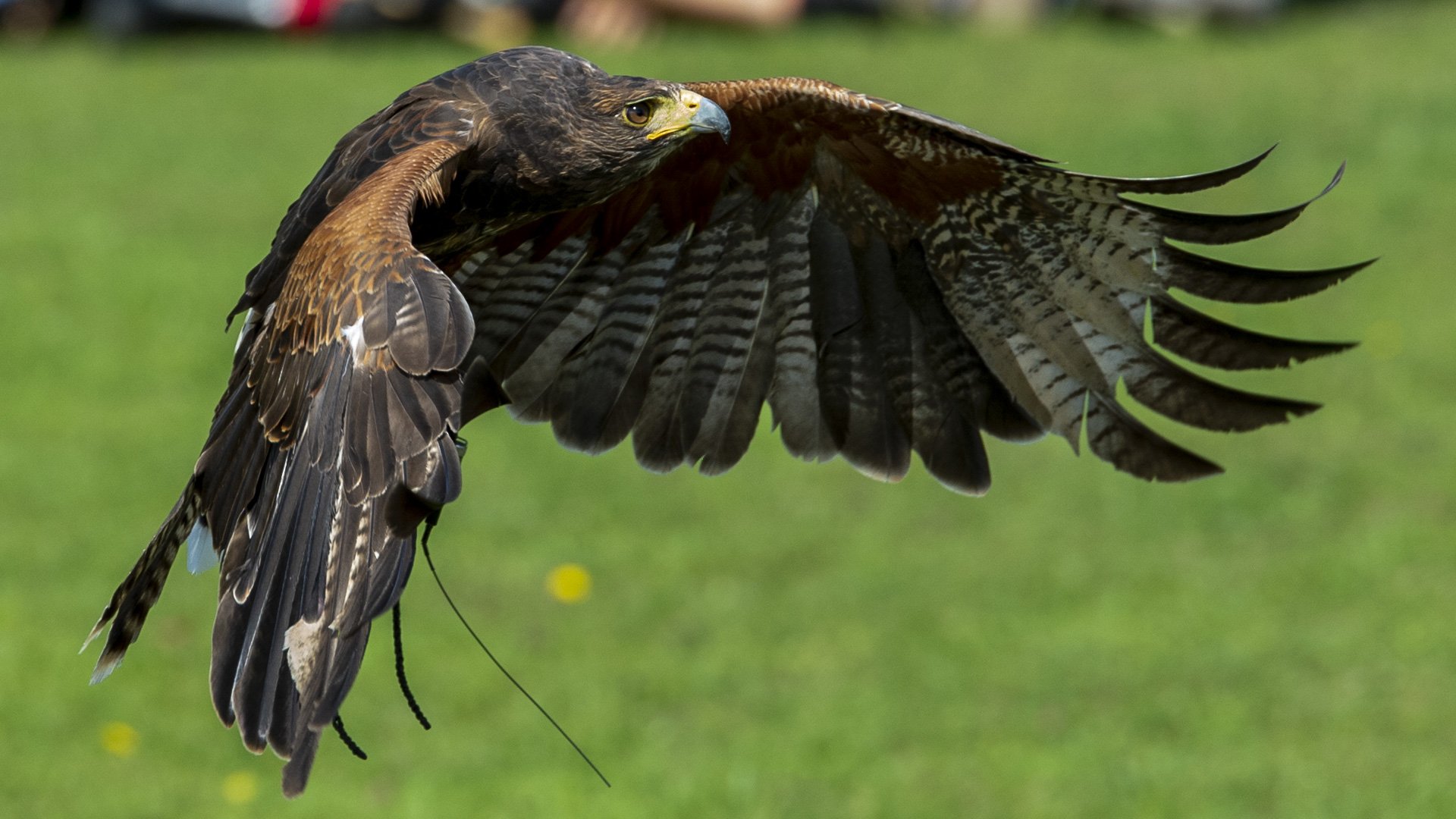
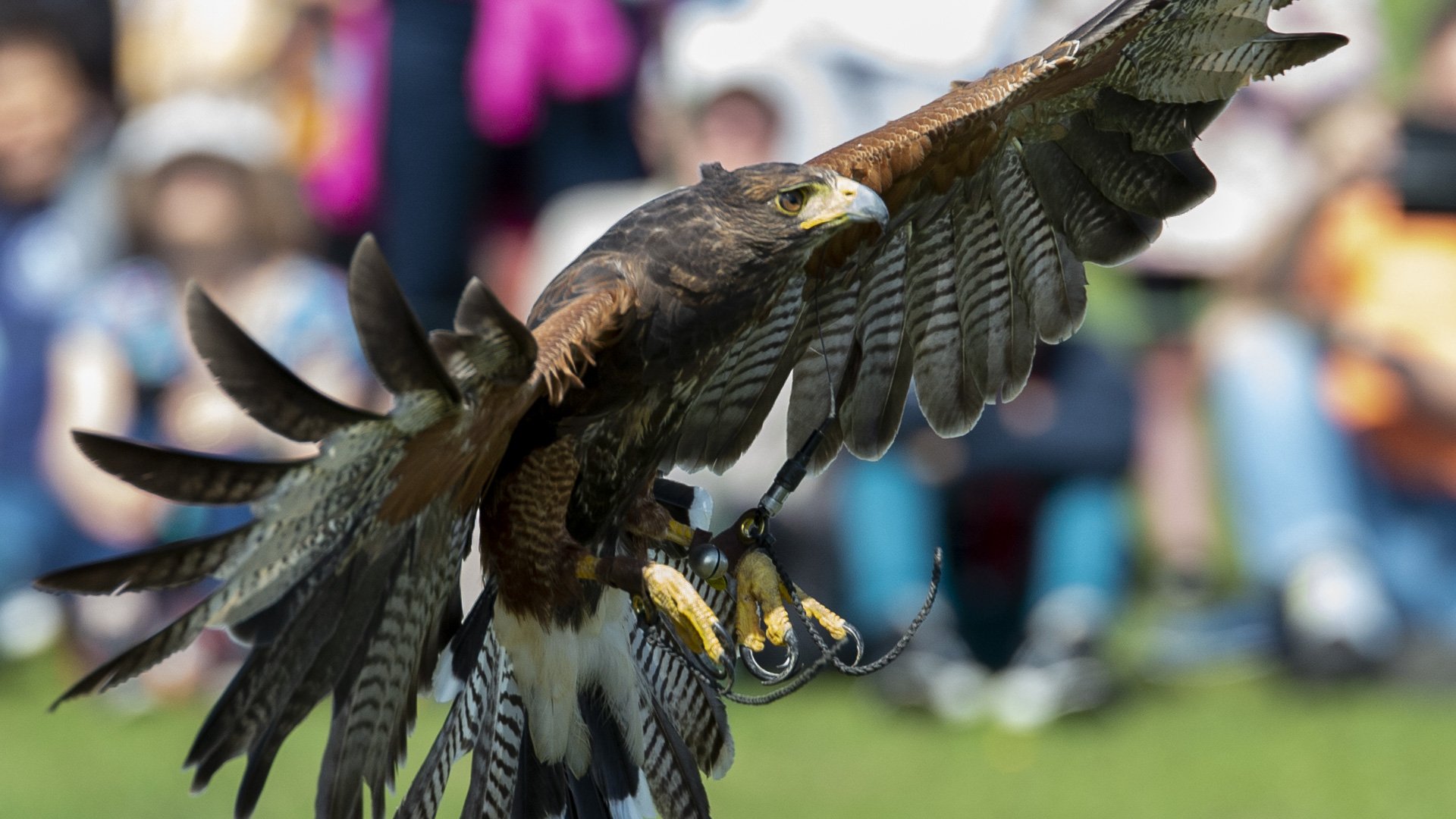
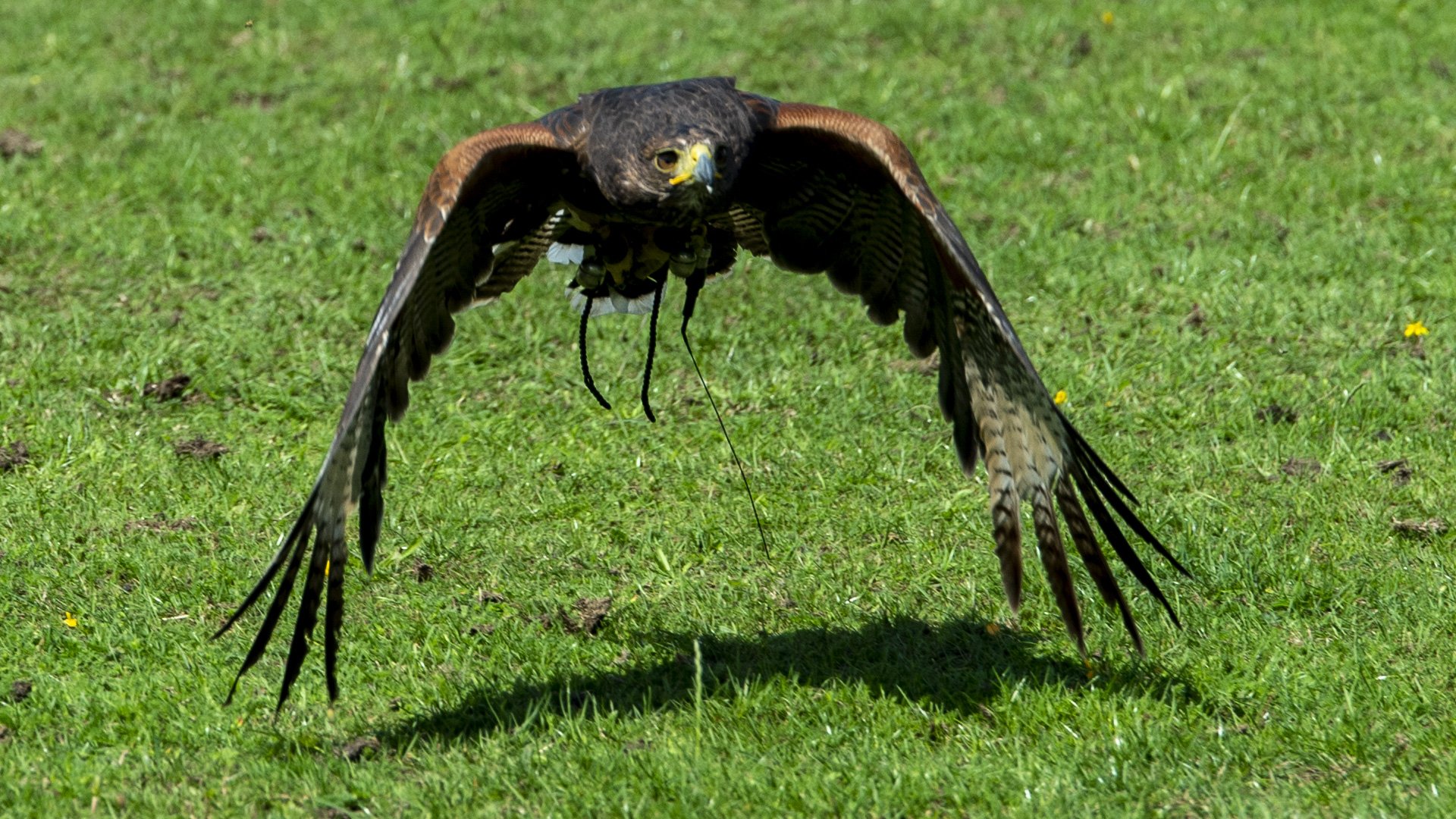
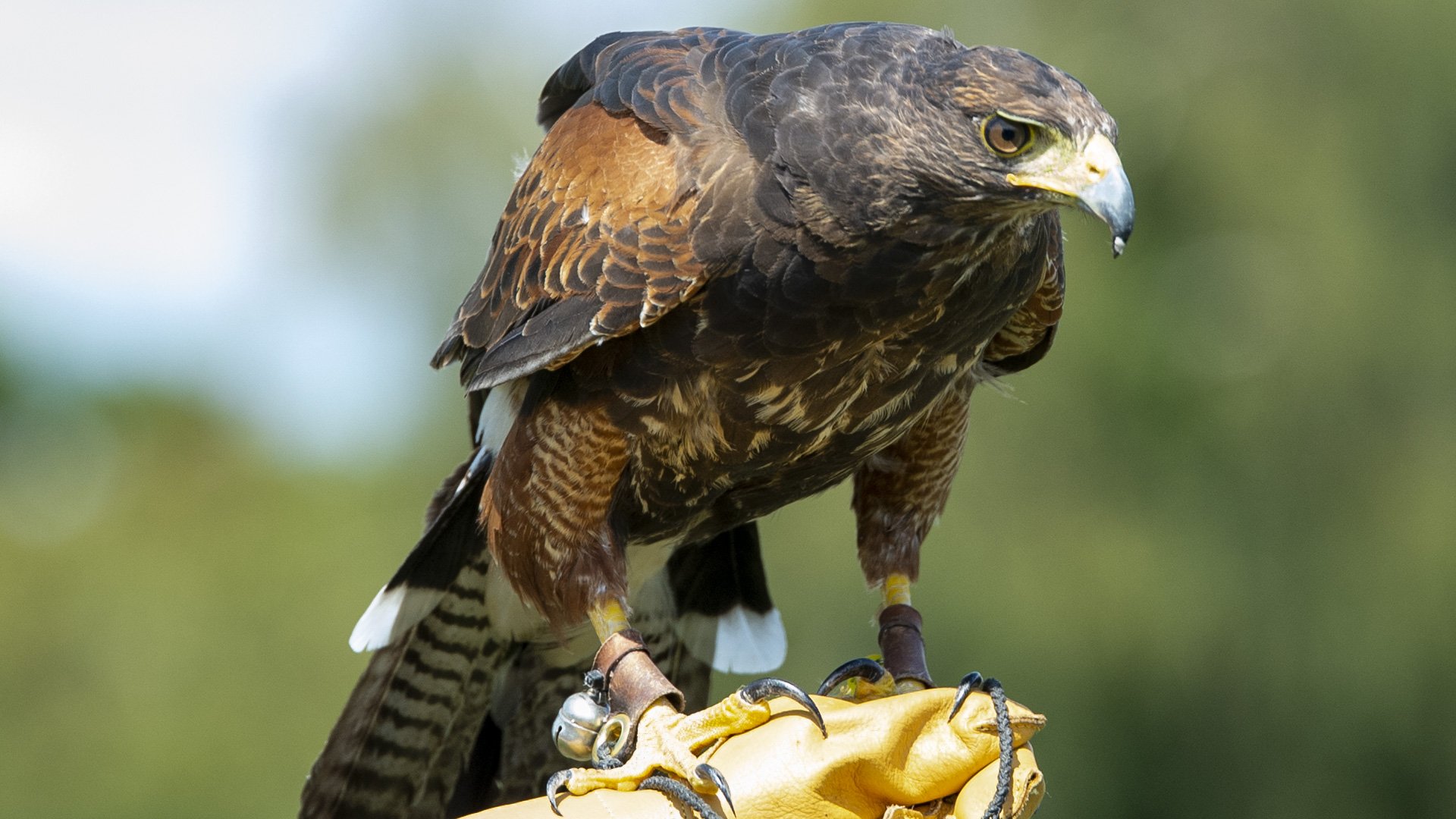
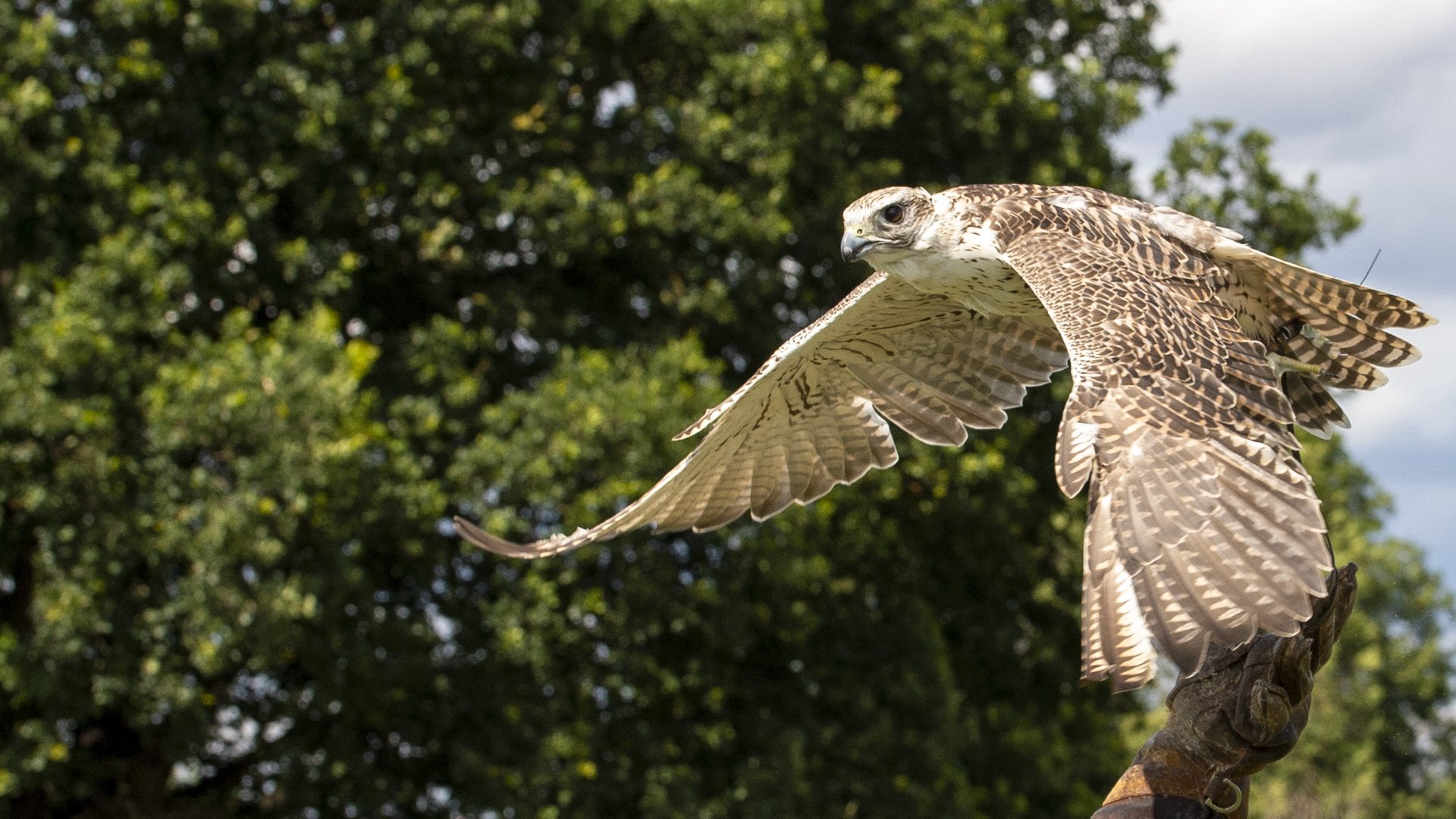
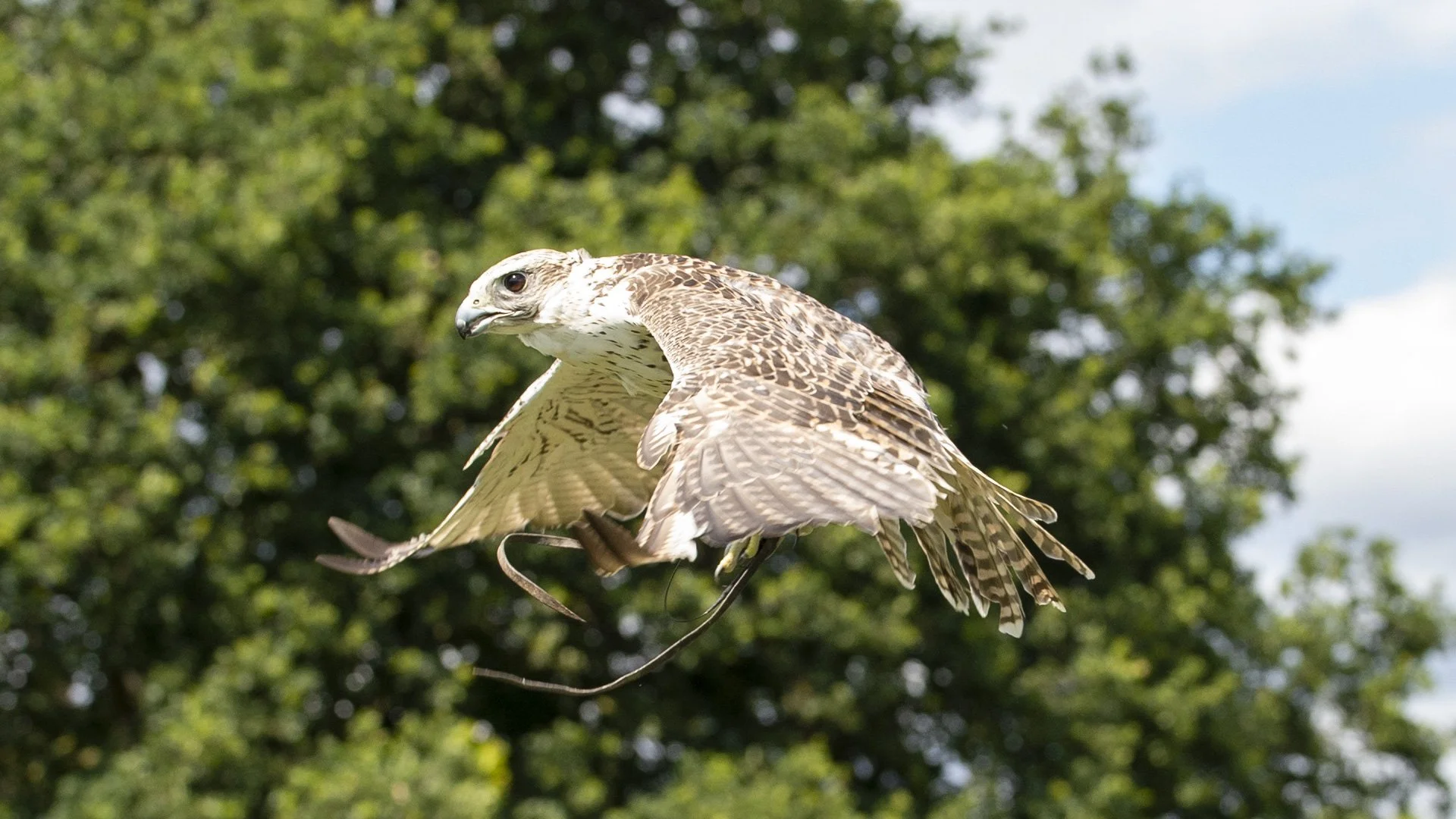
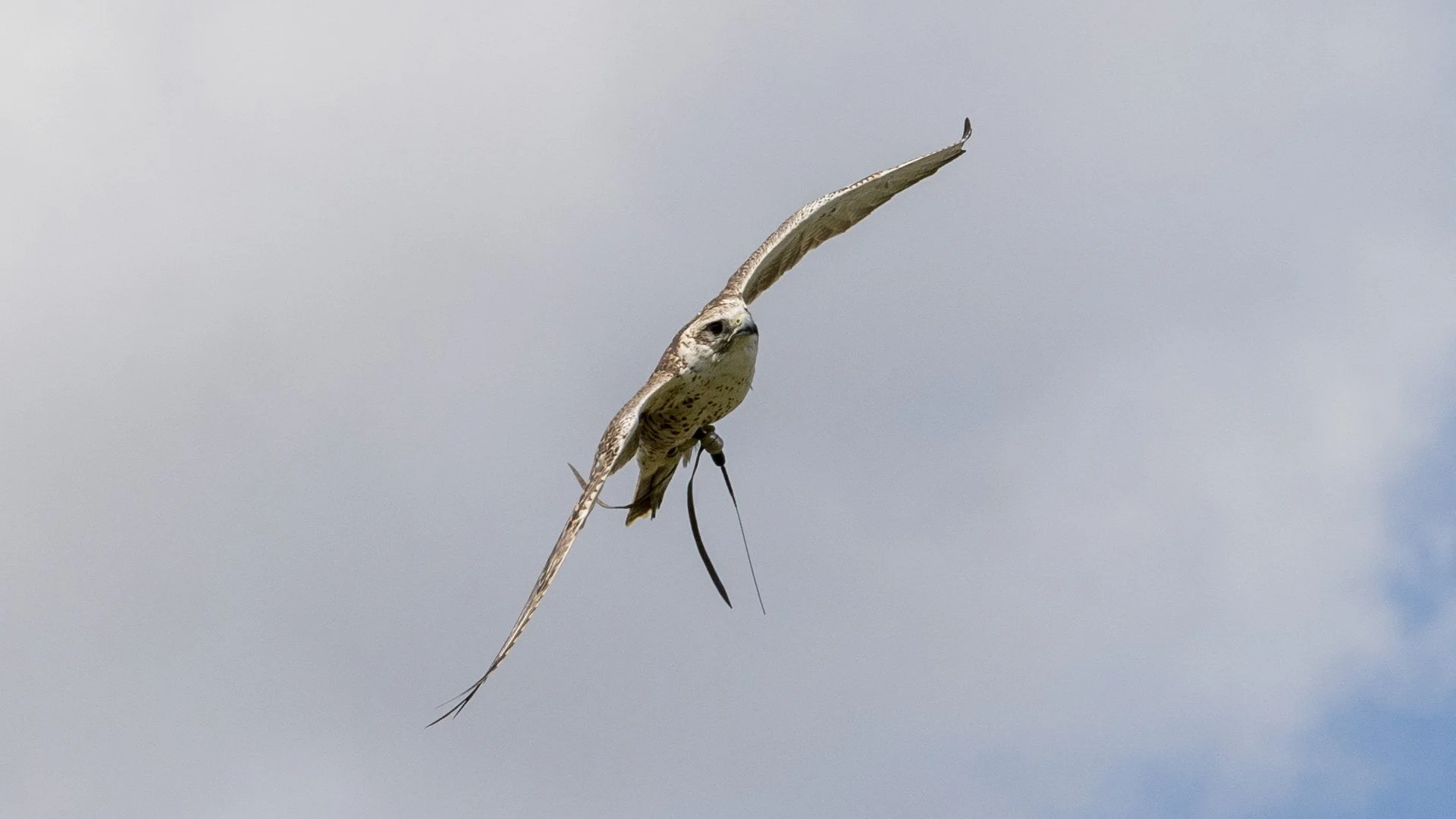
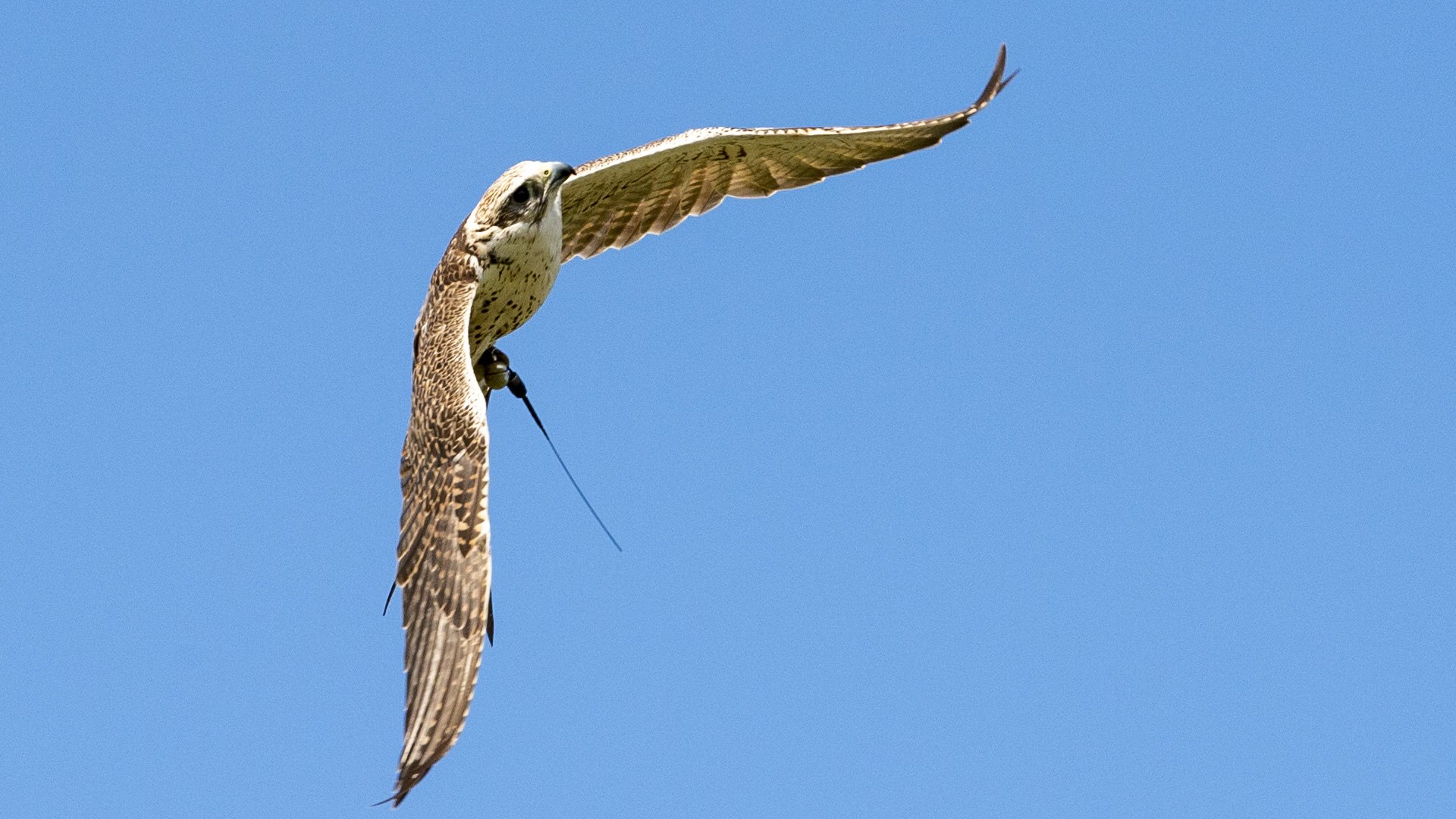
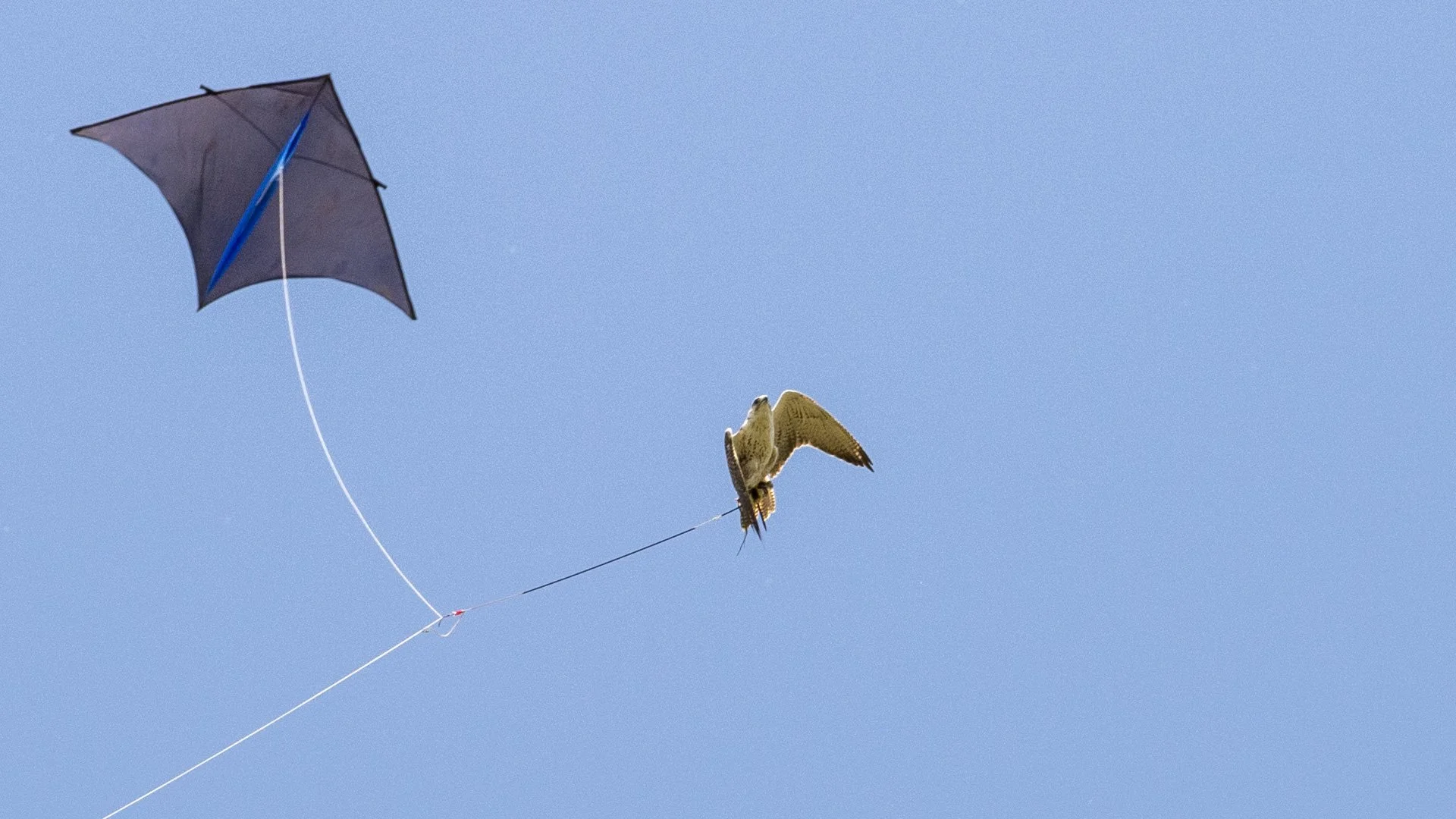
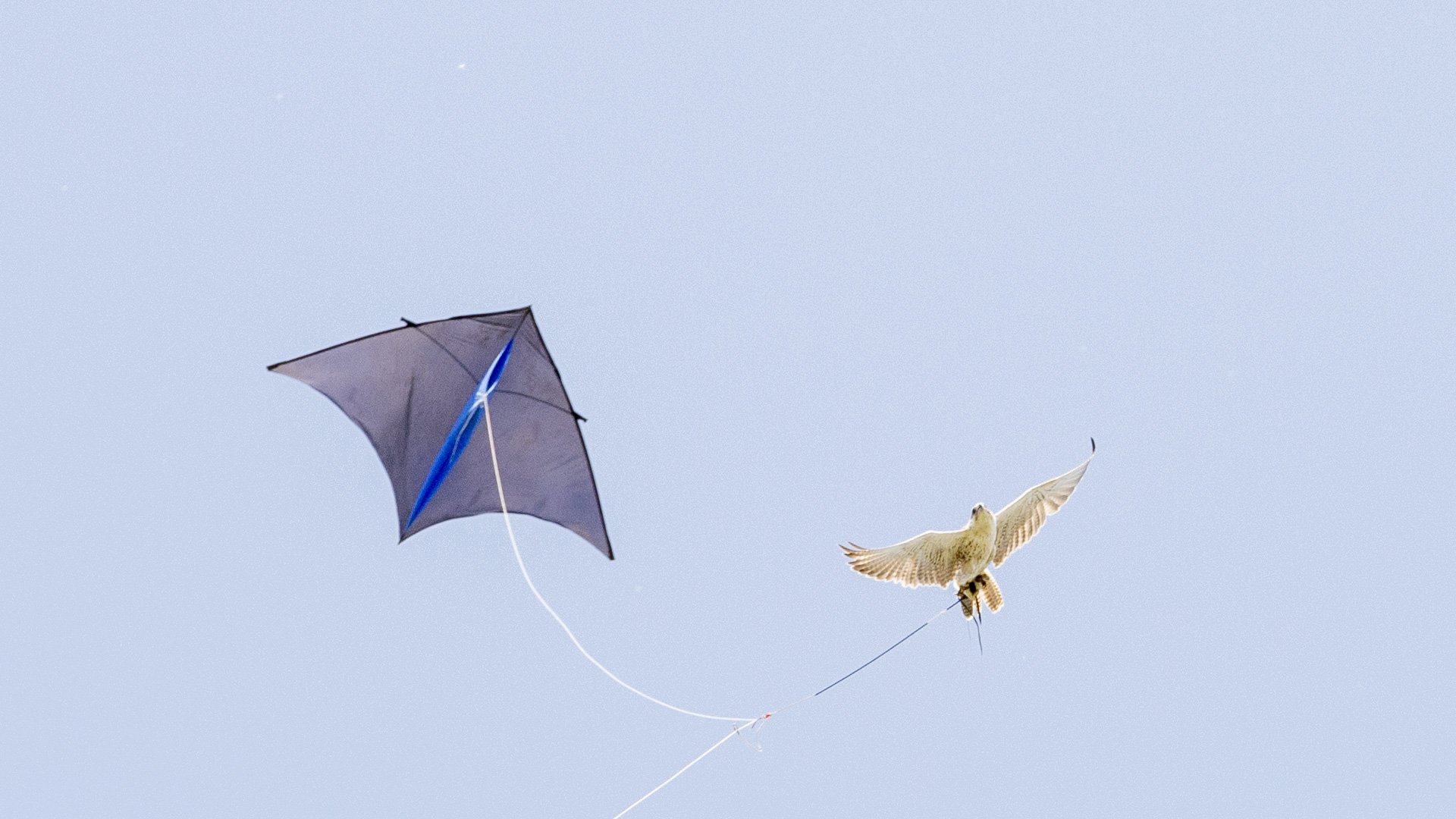
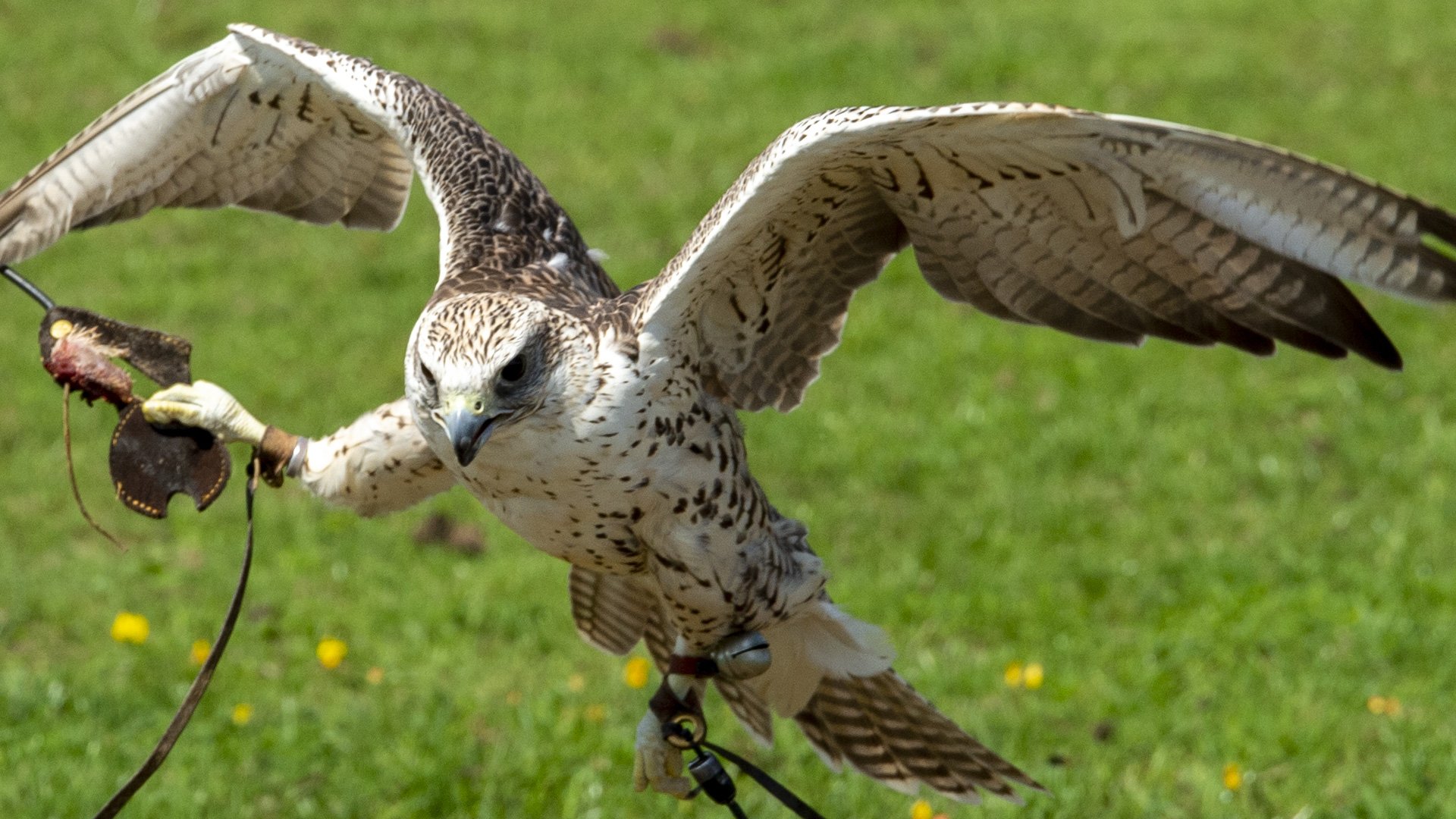
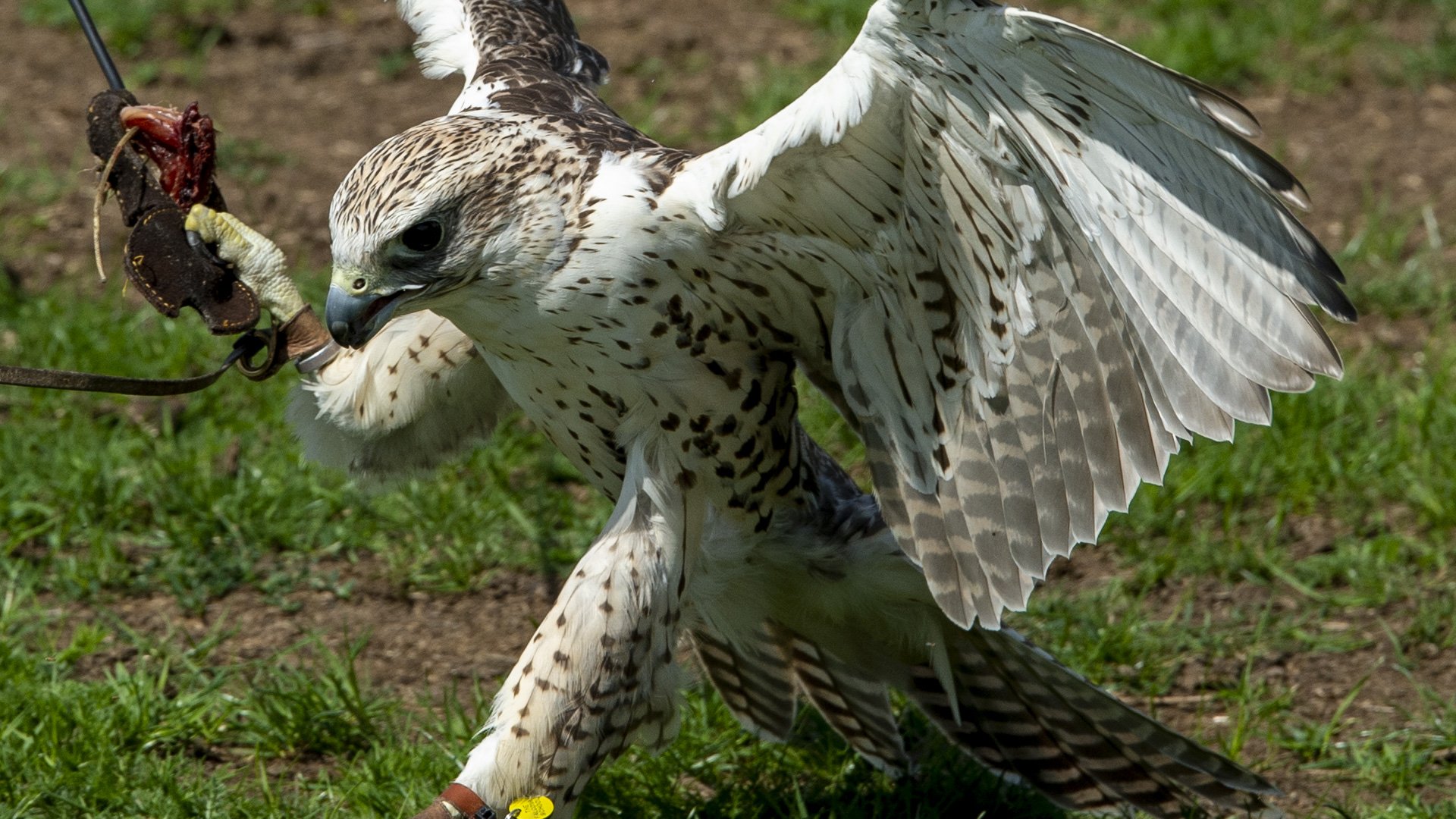
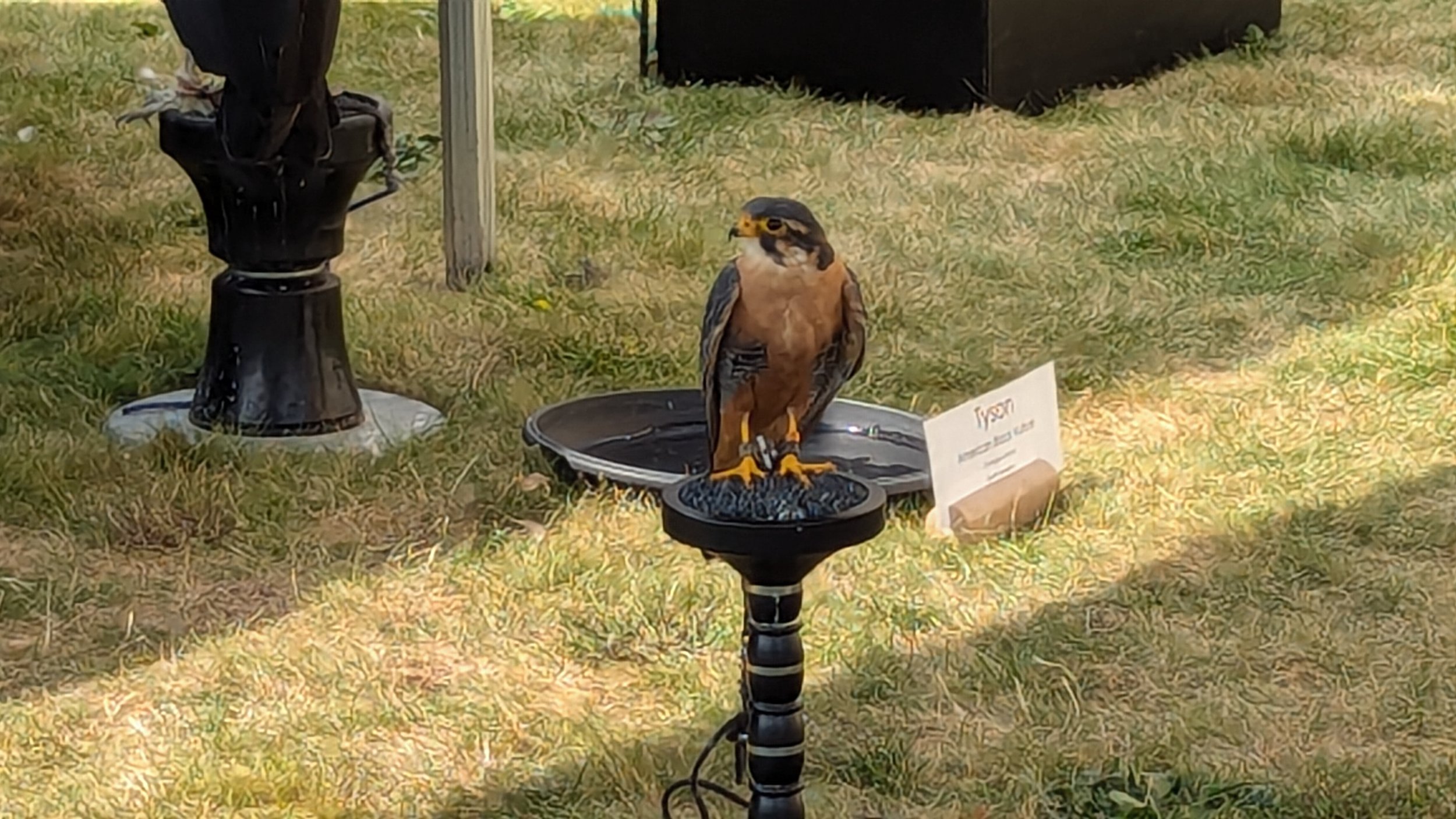
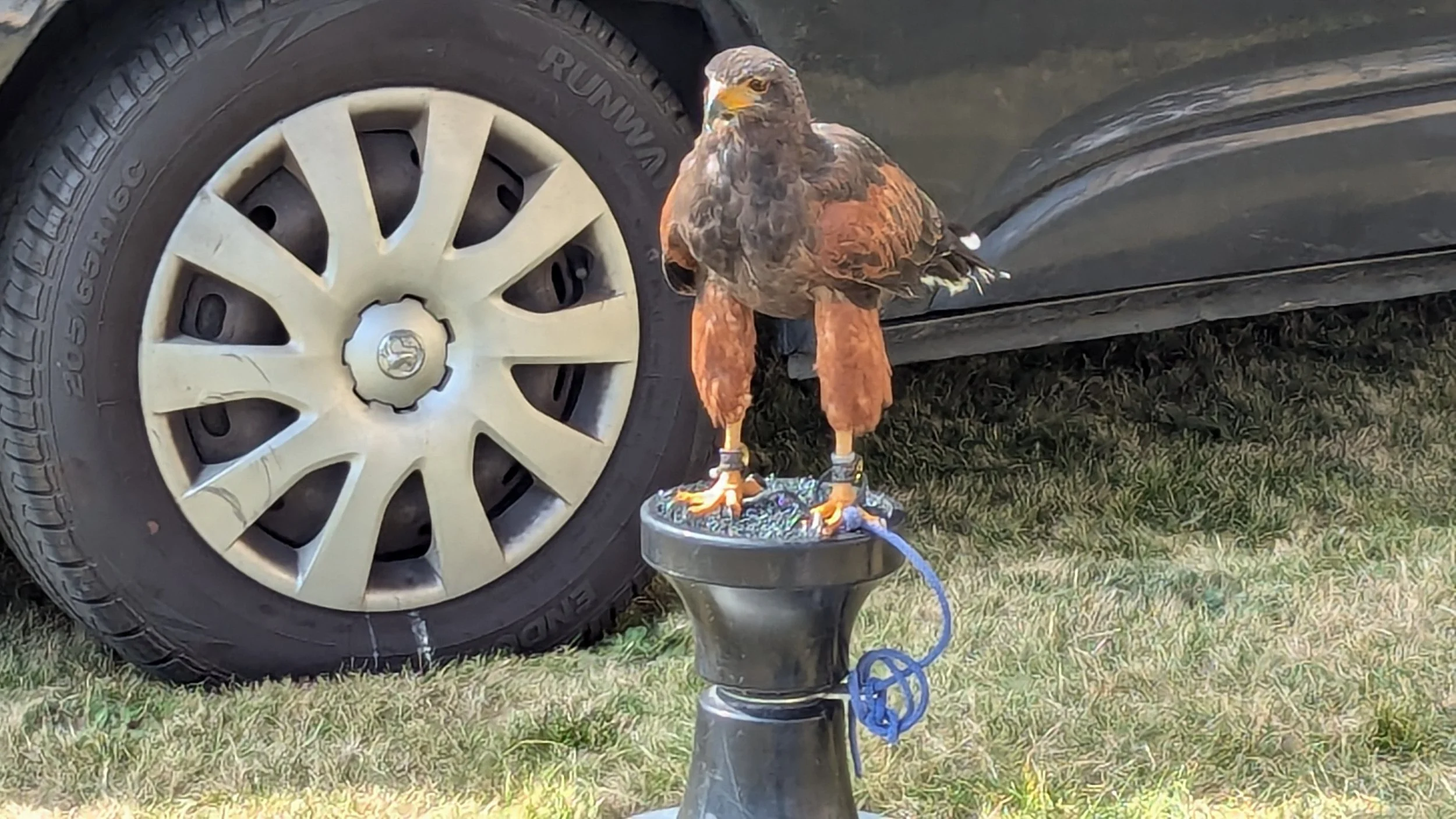
Later on in the day there was an excellent exhibition of martial techniques which demonstrated the realities of Mediaeval hand to hand combat. It is a world apart from the stylised approach that the film industry takes and paints a very bleak and brutal picture of how fights were conducted. This also provided an opportunity to see the complexity and respective art of the hand crafted armour and weapons. All of which have all been faithfully recreated from period texts. This was nicely contrasted by the rather elegant and civilised world of falconry. The commentary provided by the lead falconer was both engaging and informative. The birds of prey were captivating as they flew low above the audience. Like so many of the day's activities, there was an opportunity for audience participation. There was also an innovative demonstration involving falconry and a kite.
The Legendary Medieval Joust also offered some great family entertainment in the guise of Tom Fool the Jester. He staged two amusing shows during the course of the day which appealed to both old and young alike. Mixing wordplay and slapstick along with fire eating, he proved a hit with the crowd. Tom Fool also provided his invaluable cheerleading services to the joust, keeping the crowd vocally engaged with the proceedings. It is also worth noting how accessible all the historians, re-enactment groups and entertainers were. All seemed more than happy to answer questions, pose for photographs and provide hands-on demonstrations of their respective arts and crafts. It was also very reassuring to see such an event so well attended, especially by so many families.
Despite occasional bouts of rain, those attending the event remained good humoured and enthusiastic. Again I would like to reiterate how well organised and run this event is by English Heritage. The activities were evenly distributed throughout the course of the day and each one was located in part of the Palace grounds affording the public a clear view. The highlight of the day was the joust itself, which is an incredible feat of horsemanship and martial prowess. It was even more enjoyable as last year’s Legendary Medieval Joust was cancelled twice. First due to excessive heat last summer and then due to the death of the Queen in the autumn. Hopefully, the success of this year’s event at Eltham Palace means that it will continue next summer. It provides not only invaluable historical insight but great entertainment.
Pictures courtesy of Paul King.