How Not to Do Business Part 2: TopWare
I wrote last week about the surprise DLC for the seven-year-old RPG Two Worlds II and how I decided on a whim to buy it. Well yesterday was the official launch day for Call of the Tenebrae and yet, twenty-four hours later, I’m still not playing the game. So far, I have not received a Steam key for the game, despite the money being deducted from my PayPal account on the 5th of June. So naturally, I have made enquiries as to what is happening and have endeavoured to contact the publishers TopWare. Let it suffice to say that my attempts to resolve the matter have proved fruitless and I have discovered that TopWare are far from the embodiment of German efficiency.
I wrote last week about the surprise DLC for the seven-year-old RPG Two Worlds II and how I decided on a whim to buy it. Well yesterday was the official launch day for Call of the Tenebrae and yet, twenty-four hours later, I’m still not playing the game. So far, I have not received a Steam key for the game, despite the money being deducted from my PayPal account on the 5th of June. So naturally, I have made enquiries as to what is happening and have endeavoured to contact the publishers TopWare. Let it suffice to say that my attempts to resolve the matter have proved fruitless and I have discovered that TopWare are far from the embodiment of German efficiency.
I was initially surprised when I made my purchase last Monday week, that I didn’t receive a Steam key immediately. However not all games allow you to activate and pre-load content and as this is an older title I simply put it down to logistical reasons. However, as yesterday was the official launch for this DLC and I had not been informed of any delay, I went straight to my account at the TopWare store to see if a key had been added. Its absence was conspicuous. So, I decided to use the messaging facility linked to my order and sent a simple enquiry as to where my key was. The website curiously rendered my message into German and then back into English, so what I currently have in my chat timeline is not the exact message that I sent. As of writing this post, that message has not been responded to.
I next decided to see if I could find out anything further about the Call of the Tenebrae launch in case it had been postponed. TopWare delayed the release of Raven’s Cry several times at short notice, so they have form for such changes. After some checking, I soon discovered that TopWare were not exactly regular users of social media. They have three Twitter accounts (One US, One German and another specific to Two Worlds II) that have no launch day information. Previous tweets date back several weeks. There Facebook page is similarly devoid of anything other than press releases and woefully out of date. So, I opted to send an email via the default info email address. Again, thirty-six hours later I’ve had no response.
As I fast approach fifty, I tend not to get as irate as I did in my youth. That’s not to say that I’m not annoyed by this inconvenience but in the great scheme of things and especially within the context of my personal life at present, this isn’t such a big deal. So, I have decided to use this situation as a writing opportunity. I suspect that there will not be a quick resolution and I can see myself having to get PayPal to claw the cost of this game back from TopWare. In the meantime, it would appear the Call of the Tenebrae has launched on consoles and possibly on Steam. I have seen no feedback yet about the quality of the game itself but the inclusion of a cash store and microtransactions does seem to have caused a controversy. All I can add to the proceedings at present is that TopWare seem to be providing the gaming community with a text book example of how not to do business
Update:
I received an email from TopWare customer support on Sunday 18th June. It contained my serial key but there was no explanation or apology regarding the delay. I now have the game installed.


Caring for the Elderly: Part 2
In a previous post, written last summer, I mentioned my caring commitments and reflected upon the realities of being a carer. Since then my family’s circumstances have changed considerably and subsequently so have my own. In the UK, social care has become a major political issue and was a key area of debate for all parties in the recent election campaign. Although the UK has an aging population, then NHS broadly manages to deal with its needs. It is the social care that so often follows time spent in hospital, that causes a bottleneck. Too often, the local authorities struggle to find carers and have them in place when requested. This means that many patients are unable to be discharged and have to remain in hospital. Caring is a profession that seems to be greatly lauded and esteemed by politicians in principle but the reality is far different. Overall it is often a poorly paid job, with little or no employments rights or benefits.
In a previous post, written last summer, I mentioned my caring commitments and reflected upon the realities of being a carer. Since then my family’s circumstances have changed considerably and subsequently so have my own. In the UK, social care has become a major political issue and was a key area of debate for all parties in the recent election campaign. Although the UK has an aging population, then NHS broadly manages to deal with its needs. It is the social care that so often follows time spent in hospital, that causes a bottleneck. Too often, the local authorities struggle to find carers and have them in place when requested. This means that many patients are unable to be discharged and have to remain in hospital. Caring is a profession that seems to be greatly lauded and esteemed by politicians in principle but the reality is far different. Overall it is often a poorly paid job, with little or no employments rights or benefits.
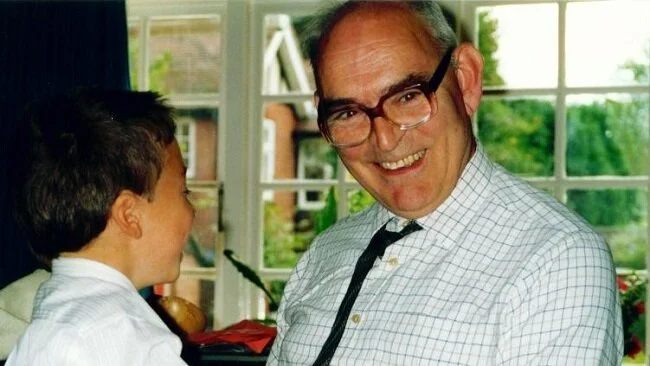
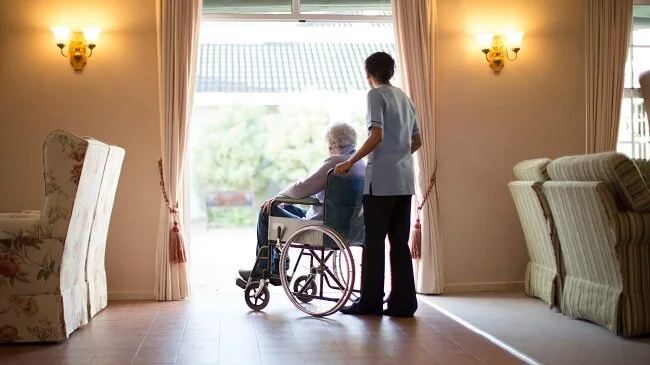
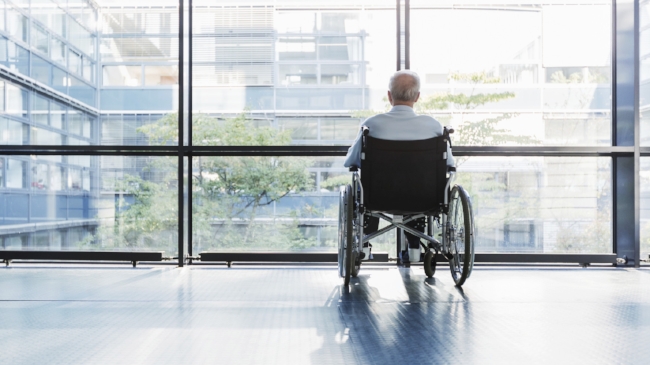
My Father had two strokes last summer. To cut a long story short in the space of five months he went from being an active 87-year-old, who would go out shopping twice day, to a housebound invalid. He is now permanently nil by mouth and fed by a PEG tube in his adomen. Although his speech has improved he is no longer the eloquent academic that he used to be. He can’t do basic arithmetic and finds reading extremely taxing. His physical therapy has been as successful as it can be under the circumstances but he moves about the house with difficulty. He's not allowed to travel outside the home without a carer. Nurses call twice a day to give him his medication and he is fed synthetic liquid food, overnight via a pump.
Naturally a change of this nature has a major impact upon a patient and their family. There are many more matters to deal with beyond the immediate physical symptoms. Both my parents are no longer directly in charge of their day-to-day life and have become dependent on others. This upsets them greatly, as they feel “useless”, “a nuisance” and “redundant”. Both my sister and I have changed are daily routines considerably and although are happy to care for our parents, find the situation stressful and very saddening. The complete role reversal between parents and children is difficult to adjust to. I now manage every aspect of my parents lives, from their finances and running the home, to hair dressers appointments and visits from the chiropodist.
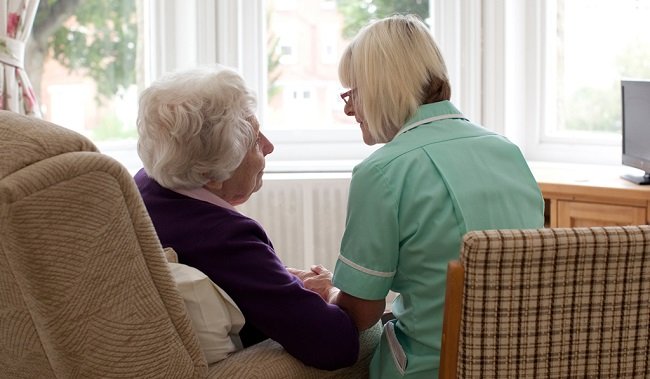
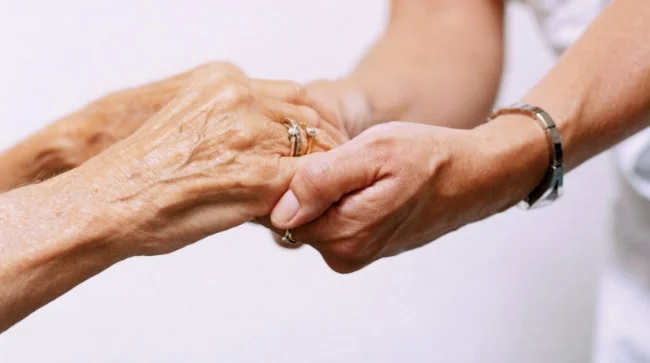
However, there are still many people who wish to help both the patient(s) and the carer. Every day, I encounter kind and compassionate people who do more than just their job. Practical help and the odd supportive words can come from the strangest of quarters. The receptionists at my local Doctors surgery are thorough and understanding. The local pharmacy staff have the patience of a saint and are so obliging. Shop staff will carry, fetch and hold open doors. Black cab drivers provide aid getting in and out of vehicles. The mobile library does more than lend audio books. They listen, chat and smile. As for the healthcare professionals, I simply cannot praise them enough. Their dedication is remarkable. For a somewhat jaded and cynical person such as I, these displays of genuine humanity are moving. And the reason why so many people are nice, often boils down to the fact that they’ve all experienced family illness. Everyone, sooner or later, needs the care of another.
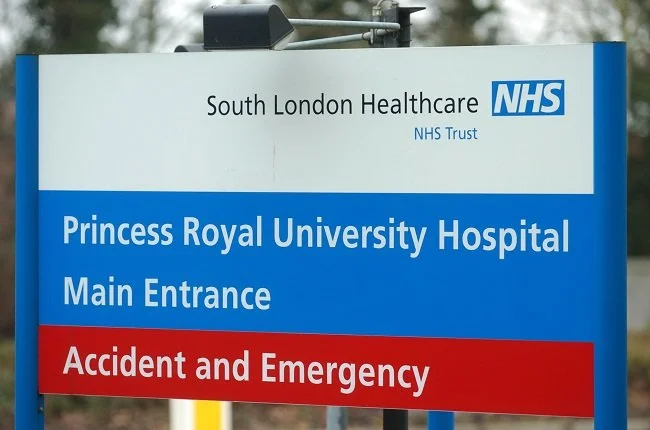
In the last few weeks, life has gotten a little bit more challenging for my family and me. My “significant other” found out that she needs a triple by-pass. She is having surgery next week. Today, after a follow up eye examination, the consultant found evidence that my Mother may have had a stroke a month ago. As a result, she was admitted to hospital tonight. Once again, I will be relying on numerous carers to look after my nearest and dearest. Without them, my sister and I would struggle to cope. So as a sign of gratitude, I’ve been considering what I can do to repay all these peoples kindness. The only tangible thing I can do is write about the situation and promote the concept of “paying it forward”. It’s such a simple idea but small acts of kindness can have incrdibly positive effects.
Caring in the UK needs to remain squarely in the political agenda. It also needs to be a non-partisan issue. I shall be looking to add my voice to several charities that lobby with regard to this issue, in the weeks to come. We also need to change the public perception of caring. It may not require certain academic skills but that’s no reason to arbitrarily pigeonhole it and relegate its financial merit to minimum wage status. Caring is more than the physical and logistical sum of its part. It’s not something that everyone can do, despite what the DWP and the Job Centre may think. It requires, empathy, common sense and dare I say it, love. Considering how all our life expectancies are increasing, surely, we should be making sure there are sufficient resources, both human and financial, to deal with our collective futures?
The hectic pace of modern life, along with cultural taboo of dwelling on the future, means we often do not consider or put sufficient plans in place for our old age. We neglect our health, our pensions and very much live in the moment. Yet there is so much we can do now to improve things later, if we simply grasp the nettle and address things. Losing weight, quitting smoking, getting adequate sleep all pay dividends. Addressing coughs, joint pains and eye or ear problems when they happen can forestall other more serious issues later. Then there’s the thorny issue of the way we treat each other. Giving someone a lift to the clinic, checking on an elderly neighbour, or just being civil to a stranger you meet, make a real difference. You never know when someone is at their personal breaking point. The smallest kindness may lift someone from the deepest of despair.
Caring for our sick, elderly and vulnerable is all of societies responsibility. Yet we do not live in a country that fully understands or embraces such a concept at present. As a result many people go on looking after their own quietly, with great resolve and dignity. I spoke to a lady at the hospital tonight, broadly of similar age group to myself. She was also waiting outside the disabled toilets to ensure that a parent was okay. We made some small talk and then she candidly admitted “it’s tough isn’t it”. I agreed with her that caring was. “My husband has recently had a stroke” she said, “and Daddy has dementia”. “You have a lot to contend with” I replied. “Yes. It makes it difficult for me to fit in my Chemotherapy”. She had recently been diagnosed with Leukemia.