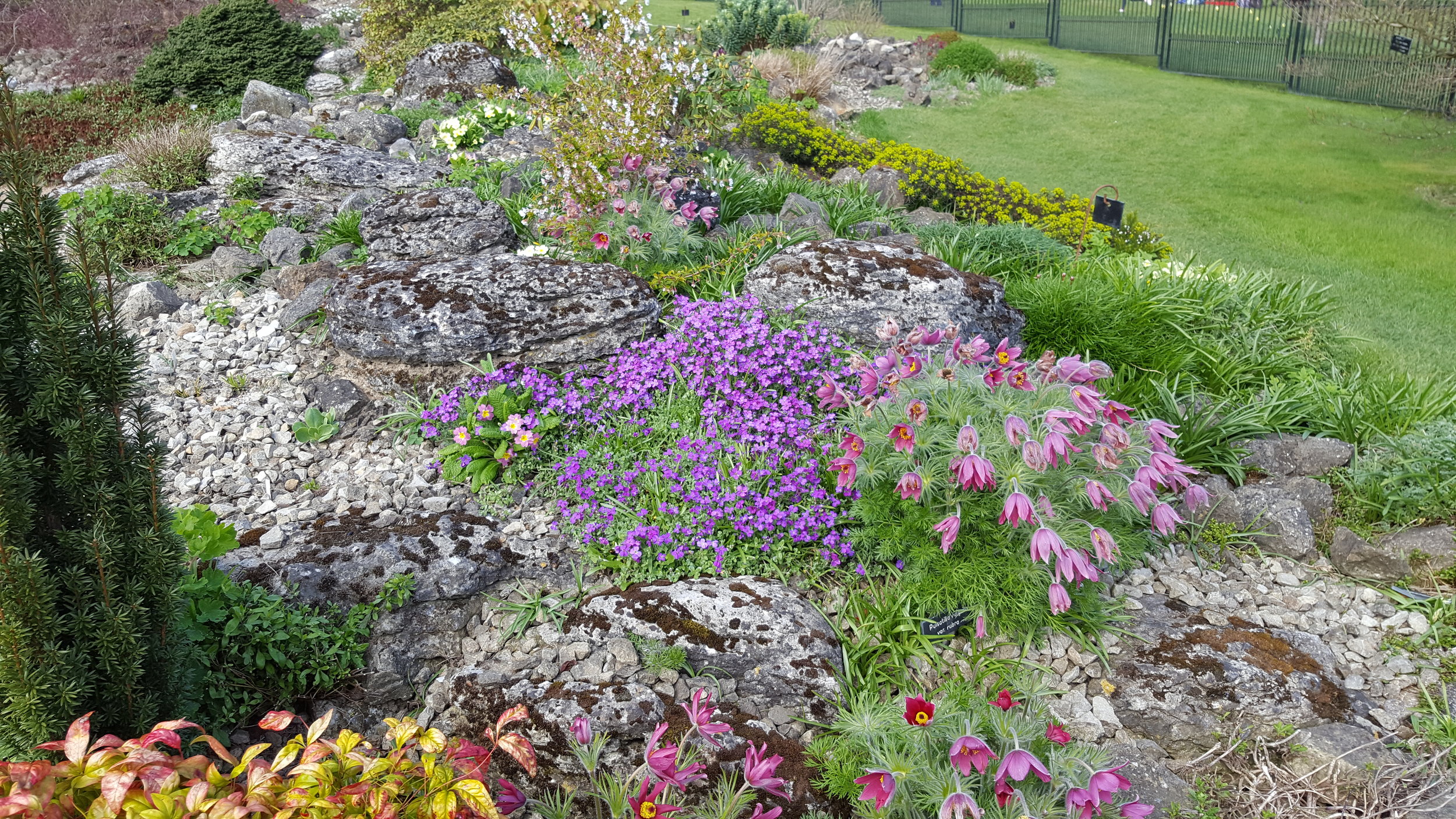
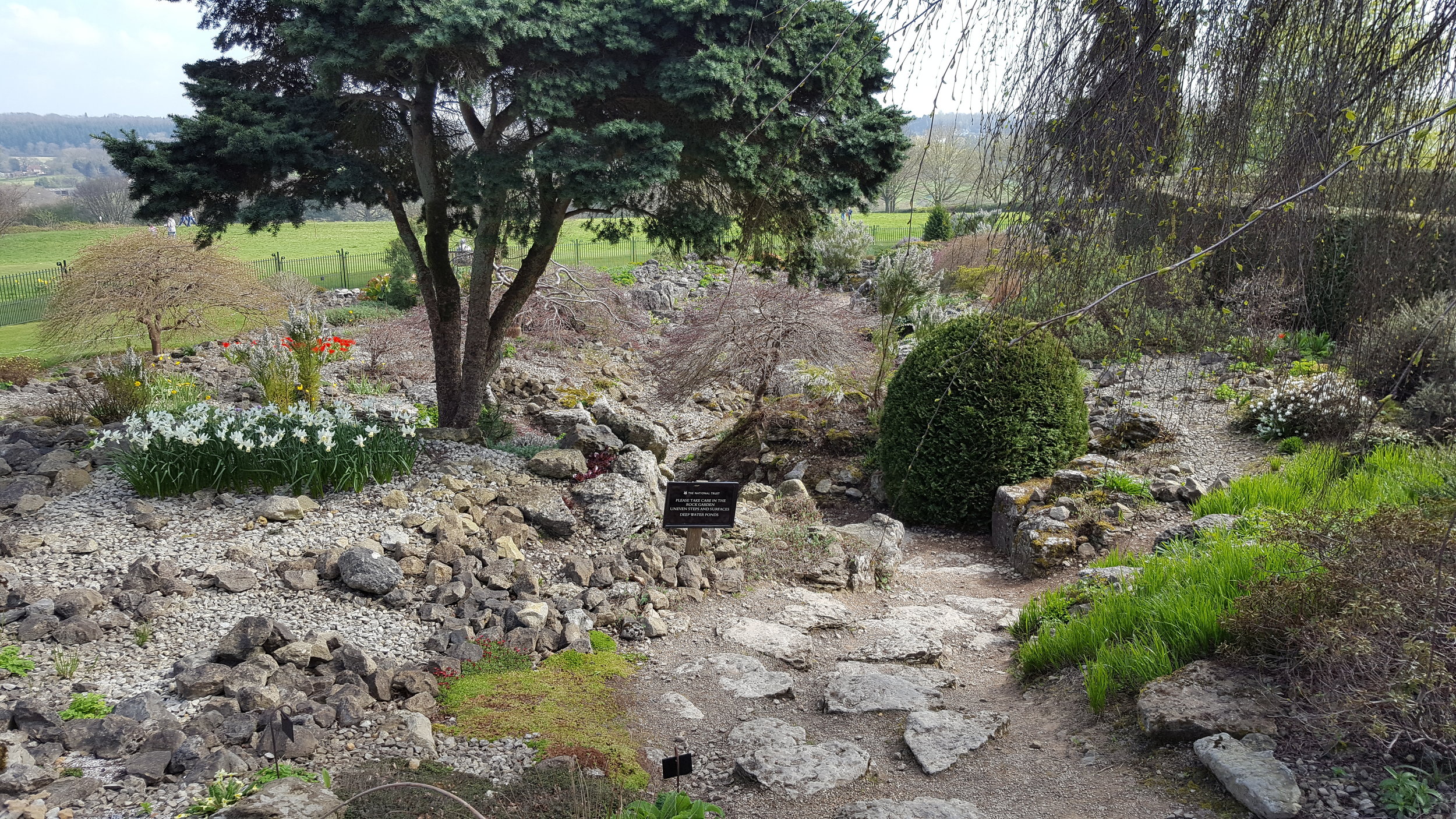
Petworth House and Park
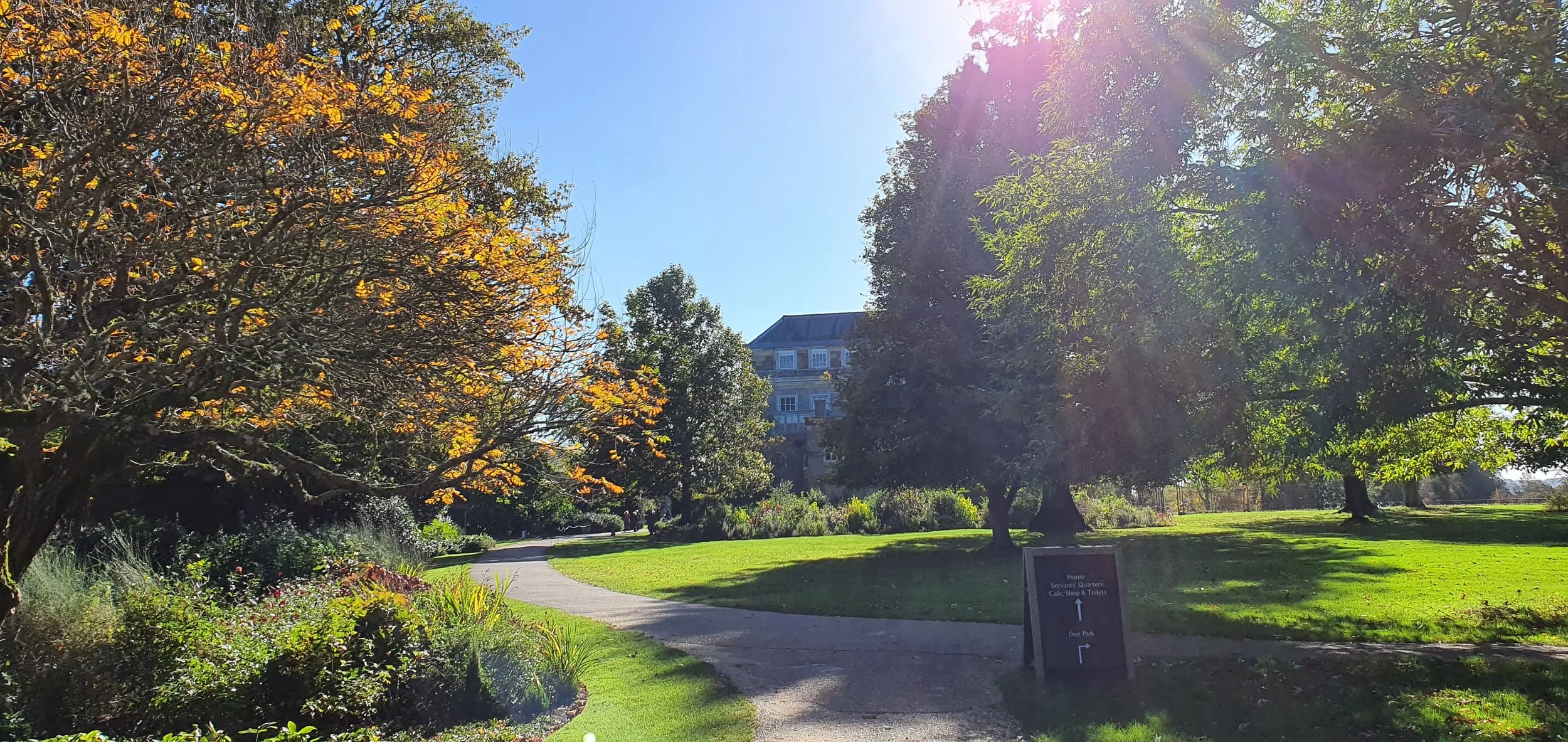
On Thursday 21st of October, Mrs P and I decided to use our recently acquired National Trust membership and visit one of the many sites within driving distance. After perusing the brochure in true old school fashion, we decided to visit Petworth House and Park in West Sussex. This was primarily due to the collection of paintings on display by such artists as Turner, Gainsborough, Reynolds and Van Dyk. However, as I am a “non-driver” I made an error while planning the route. It wasn’t a navigational issue, I simply didn’t consider the distance and hence the time required to get there and back. So we spent over five hours travelling in comparison to just eighty minutes at the Petworth House. We wished to spend another ninety minutes or so walking around the grounds and Deer Park but decided if we wanted to get home at a sensible time, it was best to leave straight after viewing the paintings. This error didn’t spoil the day but the lesson has been learned and it’s not a mistake I’ll make again.
On Thursday 21st of October, Mrs P and I decided to use our recently acquired National Trust membership and visit one of the many sites within driving distance. After perusing the brochure in true old school fashion, we decided to visit Petworth House and Park in West Sussex. This was primarily due to the collection of paintings on display by such artists as Turner, Gainsborough, Reynolds and Van Dyk. However, as I am a “non-driver” I made an error while planning the route. It wasn’t a navigational issue, I simply didn’t consider the distance and hence the time required to get there and back. So we spent over five hours travelling in comparison to just eighty minutes at the Petworth House. We wished to spend another ninety minutes or so walking around the grounds and Deer Park but decided if we wanted to get home at a sensible time, it was best to leave straight after viewing the paintings. This error didn’t spoil the day but the lesson has been learned and it’s not a mistake I’ll make again.
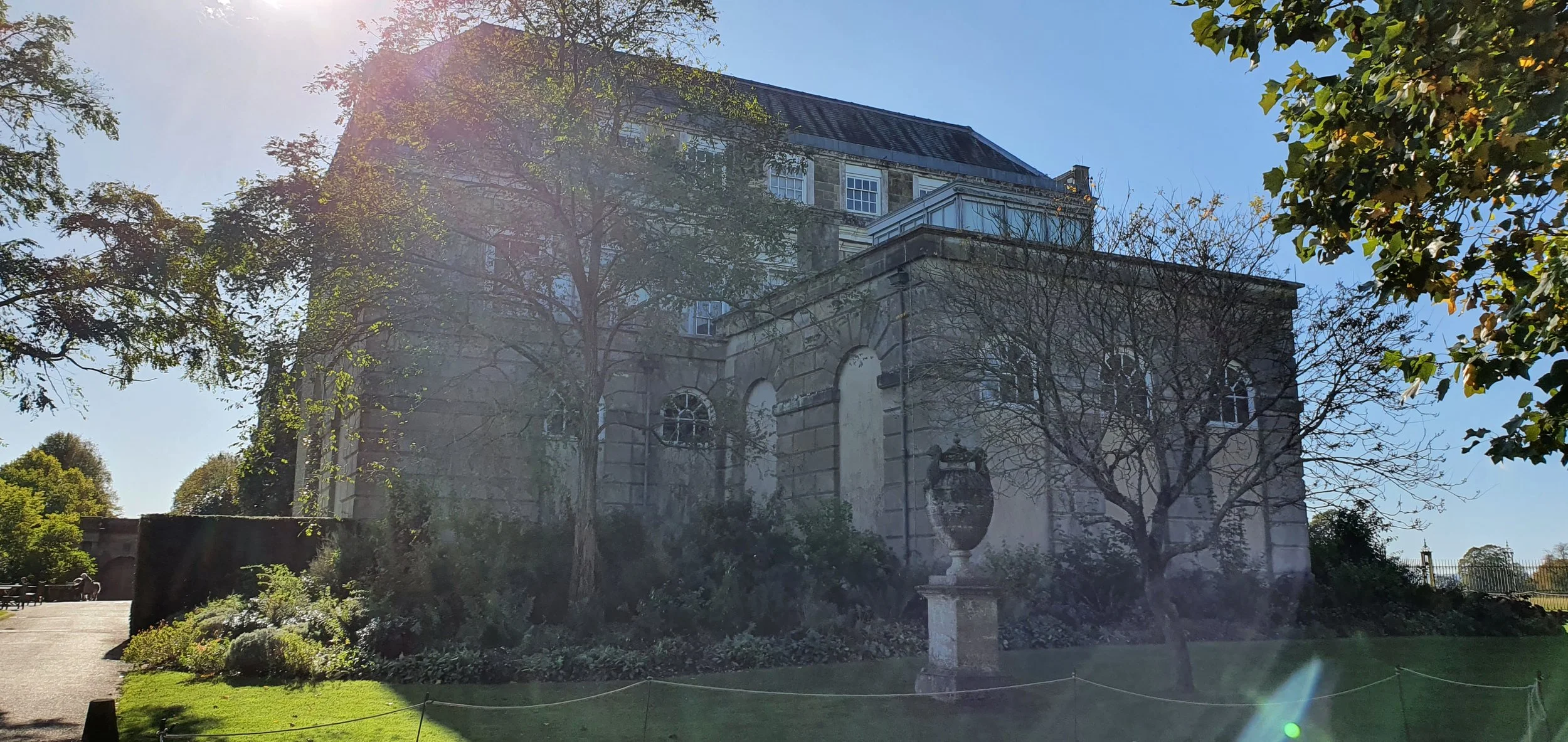
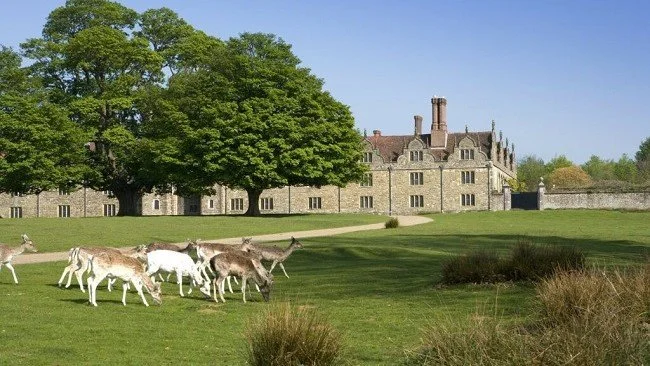
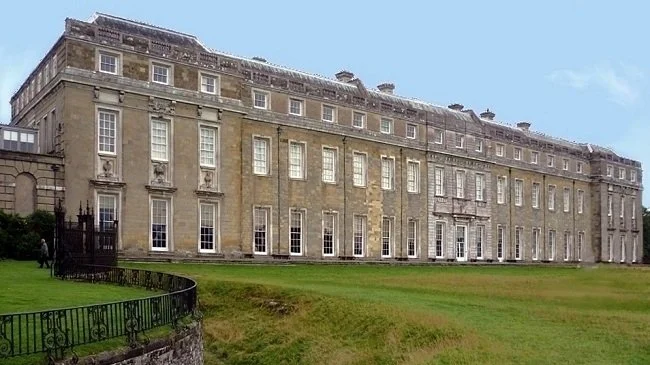
Petworth House is located in the parish of Petworth, West Sussex, in England. It is a late 17th-century Grade I listed country house and grounds. It was extensively rebuilt in 1688 by Charles Seymour, 6th Duke of Somerset and further altered in the 1870s by the architect Anthony Salvin. It contains intricate wood-carvings by Grinling Gibbons, the Anglo-Dutch sculptor and wood carver. For centuries the manor of Petworth was the southern home for the Percy family, Earls of Northumberland. Petworth is famous for its extensive art collection made by George Wyndham, 3rd Earl of Egremont (1751-1837), containing many works by his friend J. M. W. Turner. It also has an expansive deer park which was landscaped by Capability Brown. Petworth contains the largest herd of fallow deer in England. The house and deer park were handed over to the nation in 1947 by Edward Wyndham, 5th Baron Leconfield.
Petworth has a notable collection of paintings and sculptures, including 19 oil paintings by J. M. W. Turner, who was a regular visitor to Petworth. There are several portraits by Van Dyck, carvings by Grinling Gibbons and Ben Harms, classical and neoclassical sculptures by John Flaxman and John Edward Carew, as well as wall and ceiling paintings by Louis Laguerre. There is also a terrestrial globe by Emery Molyneux, believed to be the only one in the world in its original 1592 state. All of which are displayed in the various state rooms and galleries of the house which are themselves opulent and of note. Staff are available in each display area and are very knowledgeable, answering questions and providing short talks on specific displays at fixed hours throughout the day. Paintings and exhibits are displayed in such a fashion that you can get close to them and examine them in fine detail.
If you have a liking for painters of this period then Petworth House is a fine place to visit. If I were to raise one criticism it is the following which I hasten to add, is currently being addressed. Due to the age of all exhibits, external light is minimised to prevent further damage and deterioration. Hence, blinds and curtains are partially closed and most paintings are lit by incandescent bulbs, providing a warm yellow light that impacts upon your view. You need to find the right angle to be able to see all the detail and enjoy the art to its best advantage. The National Trust is replacing these older fittings with newer LED lights that produce far less heat and a whiter, less intrusive form of illumination. Also the time of year also impacts upon ambient light levels in the house. Therefore, potential visitors may wish to take these factors into consideration before planning their trip, so they can pick a time for optimal viewing conditions.







Burwash
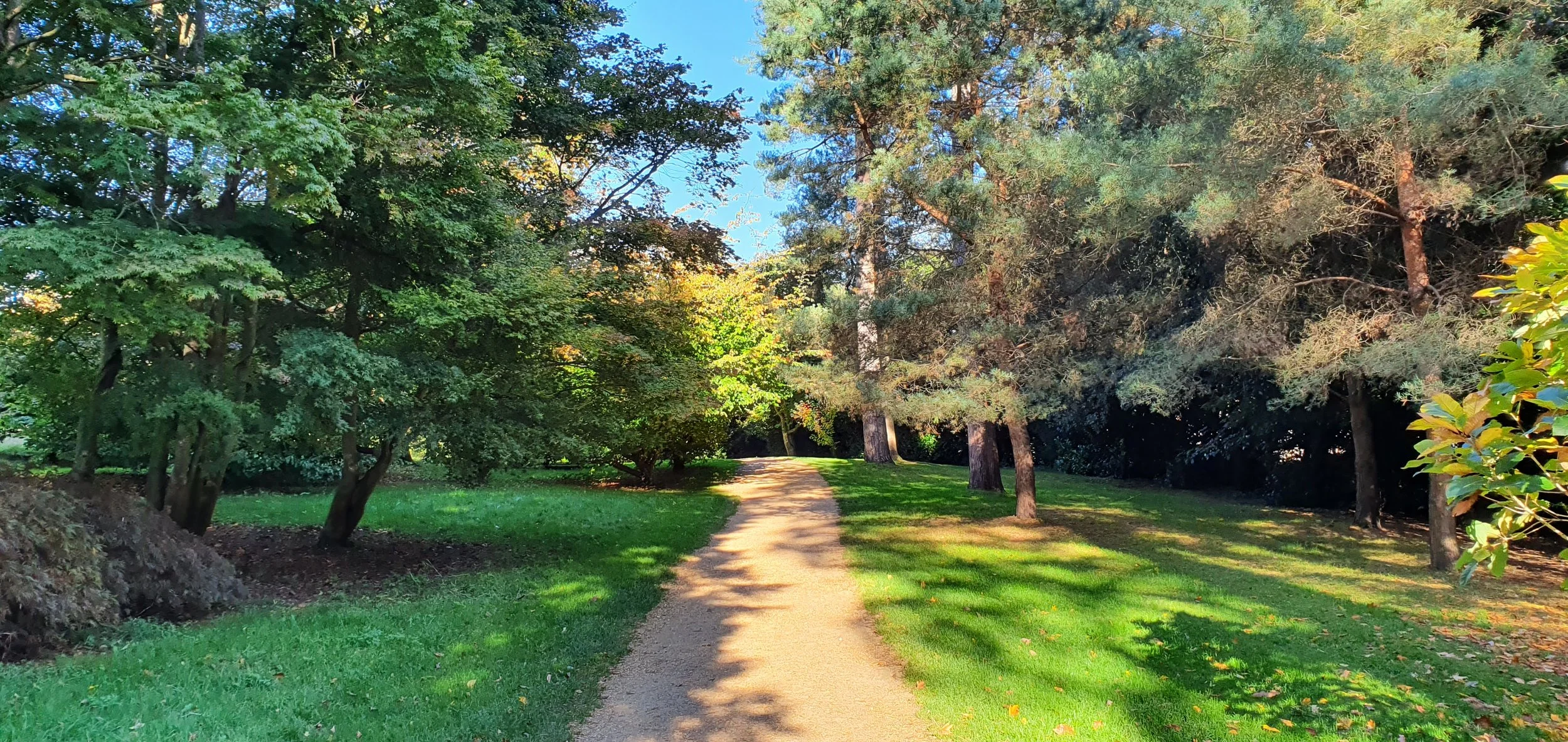
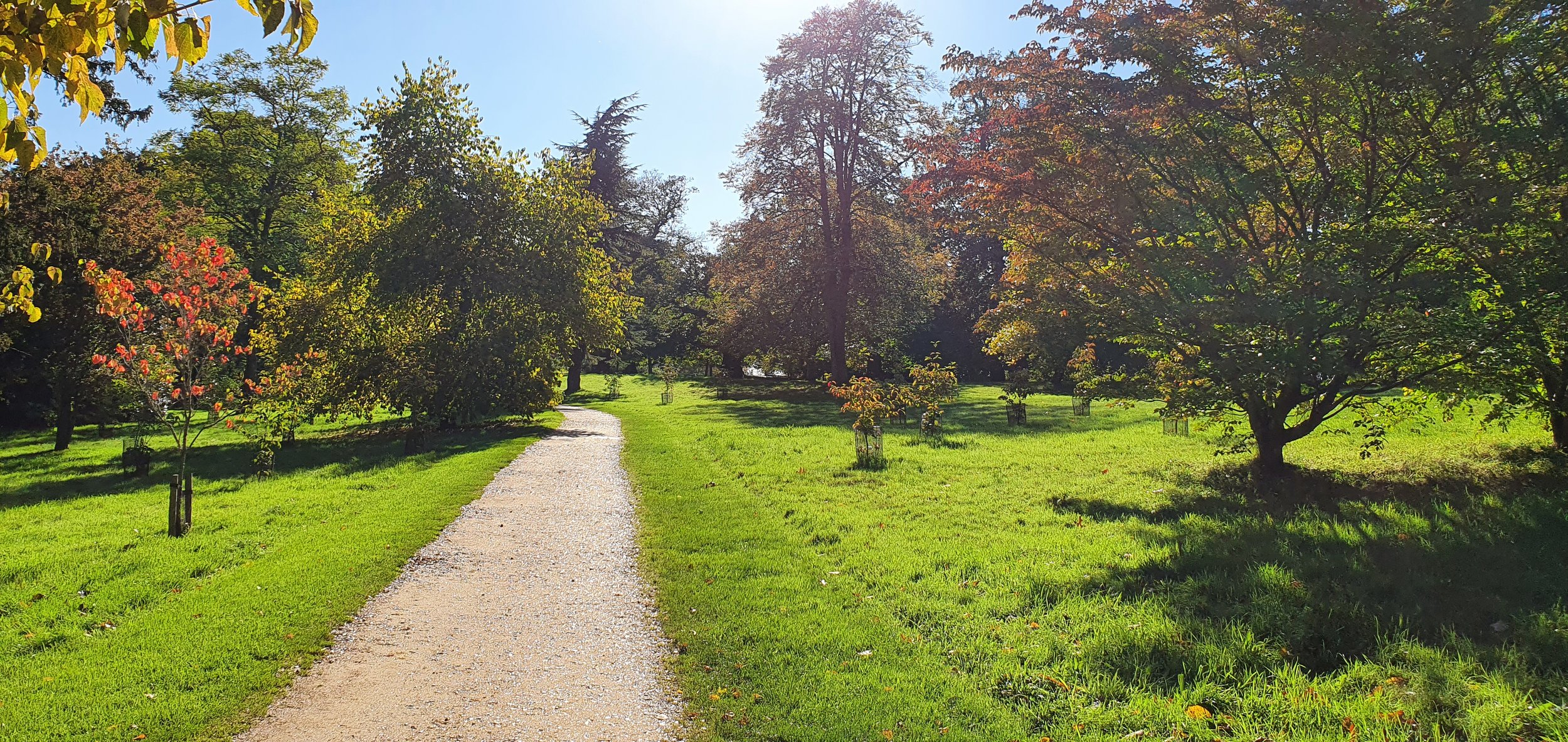
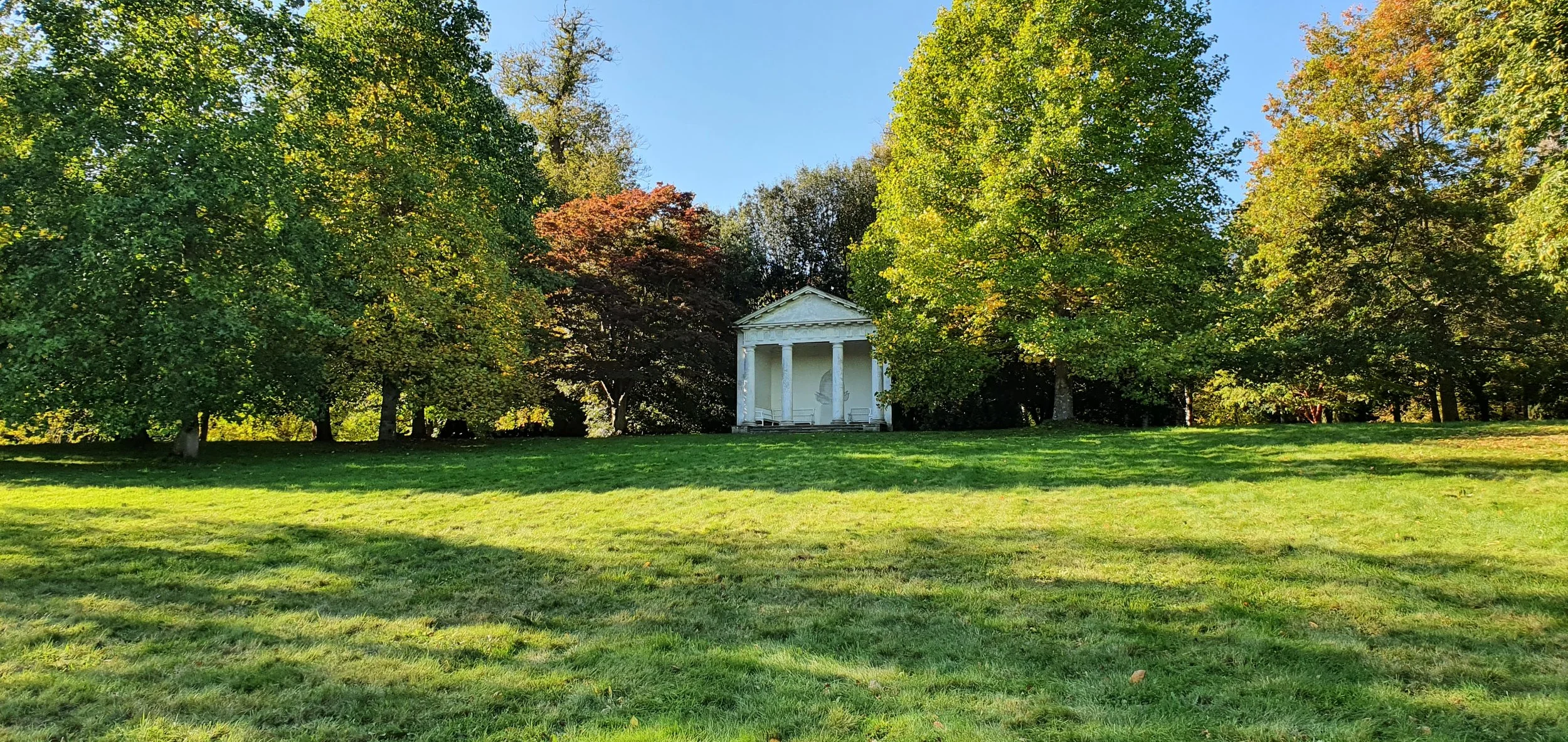
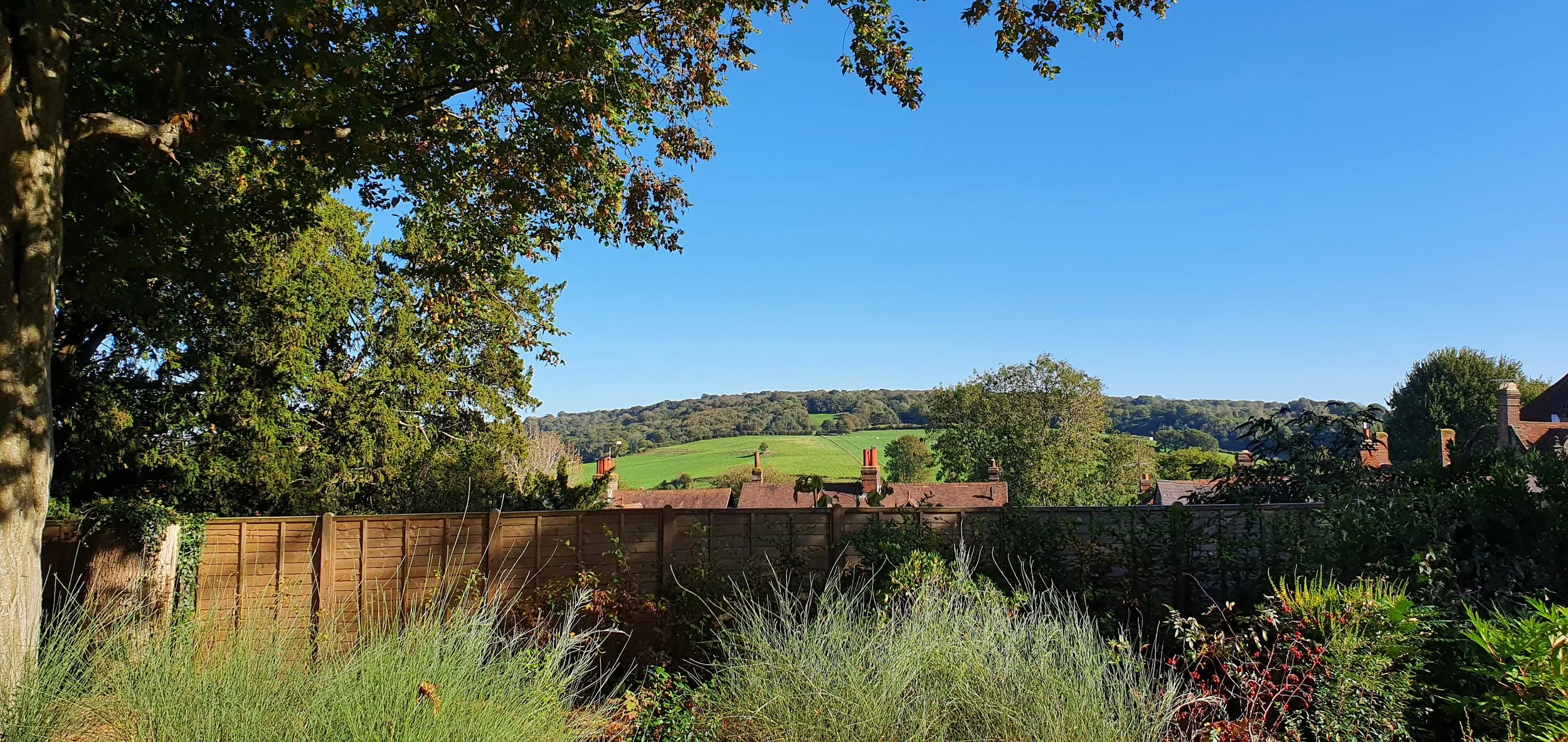
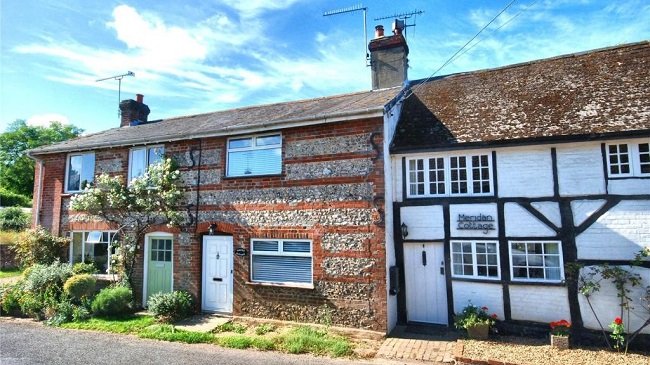
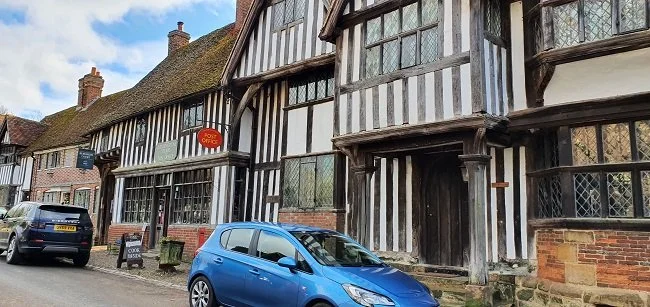
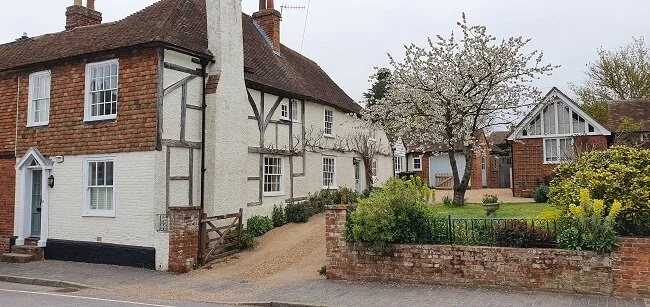
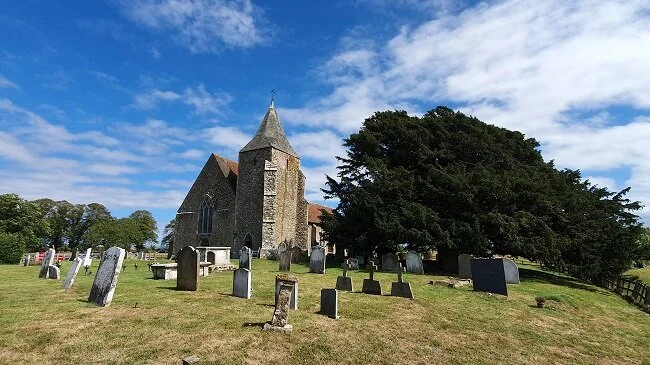
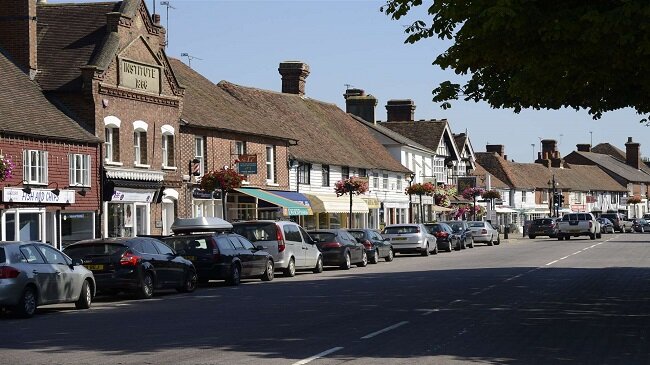
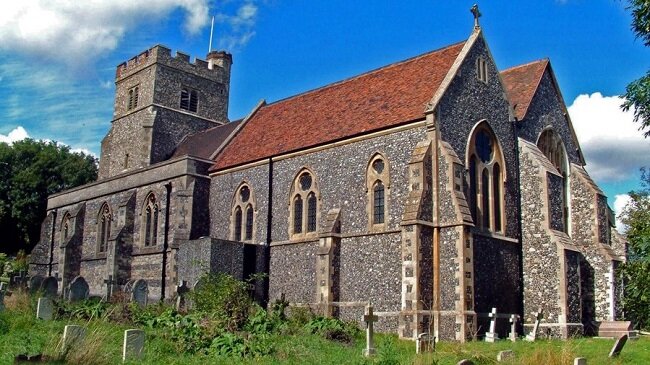
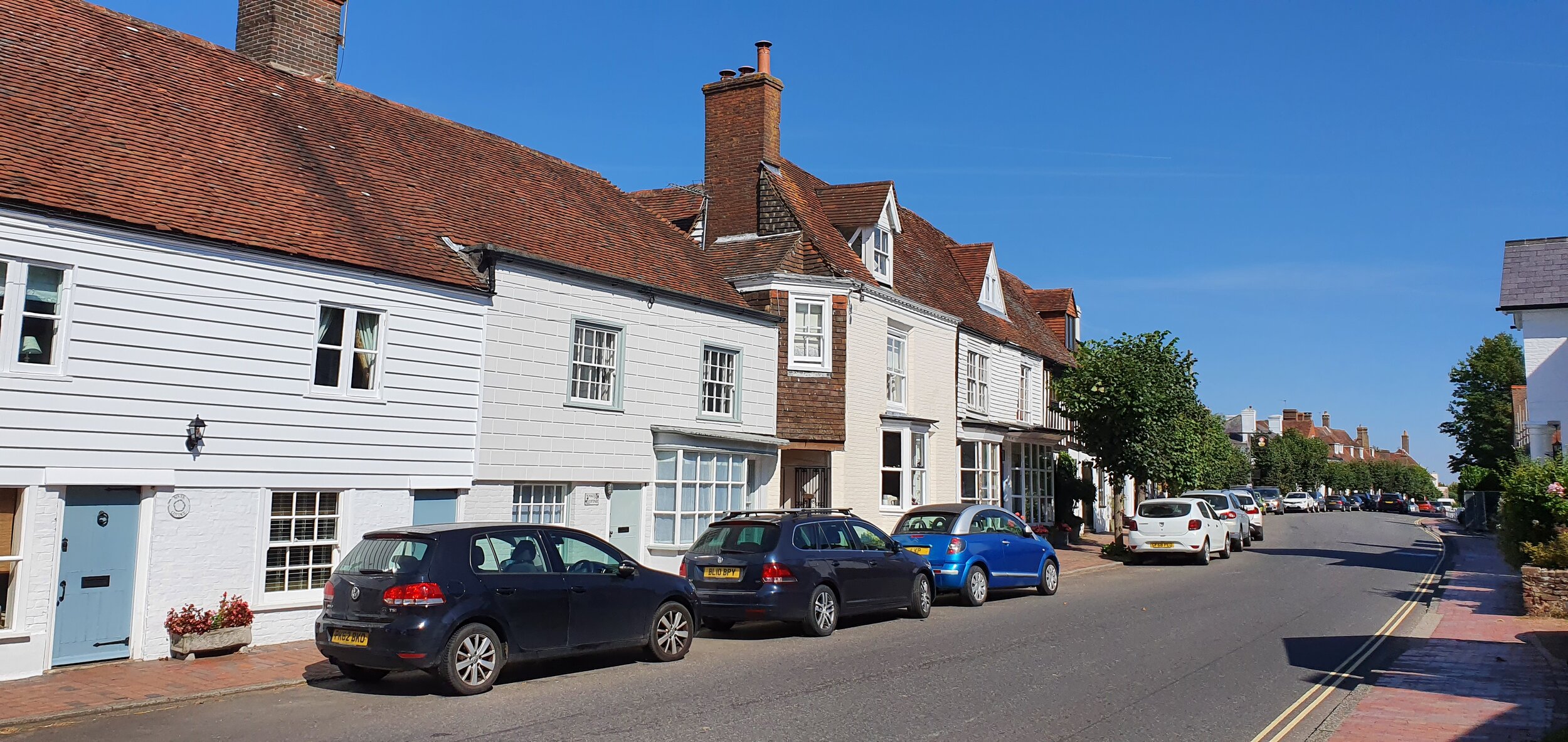
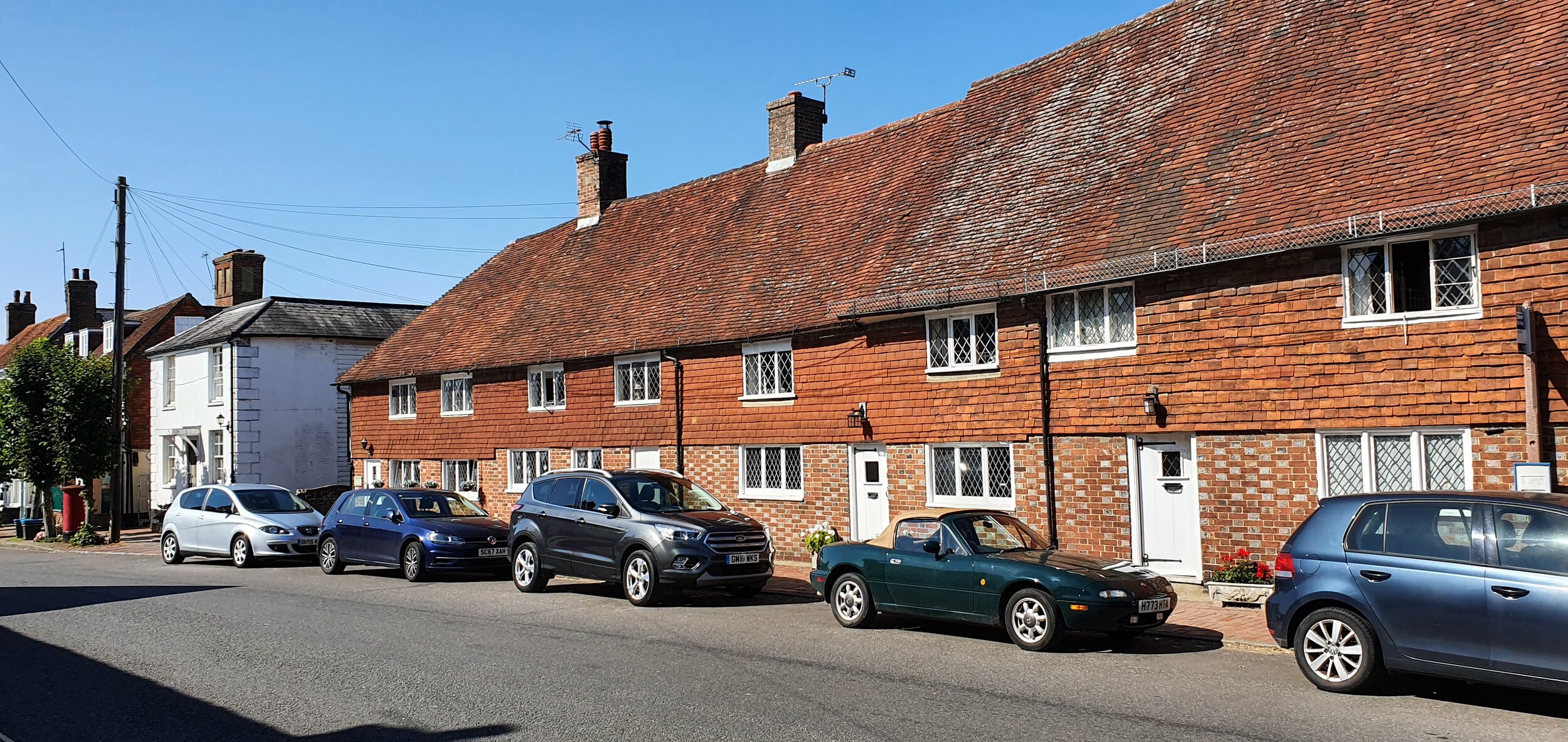
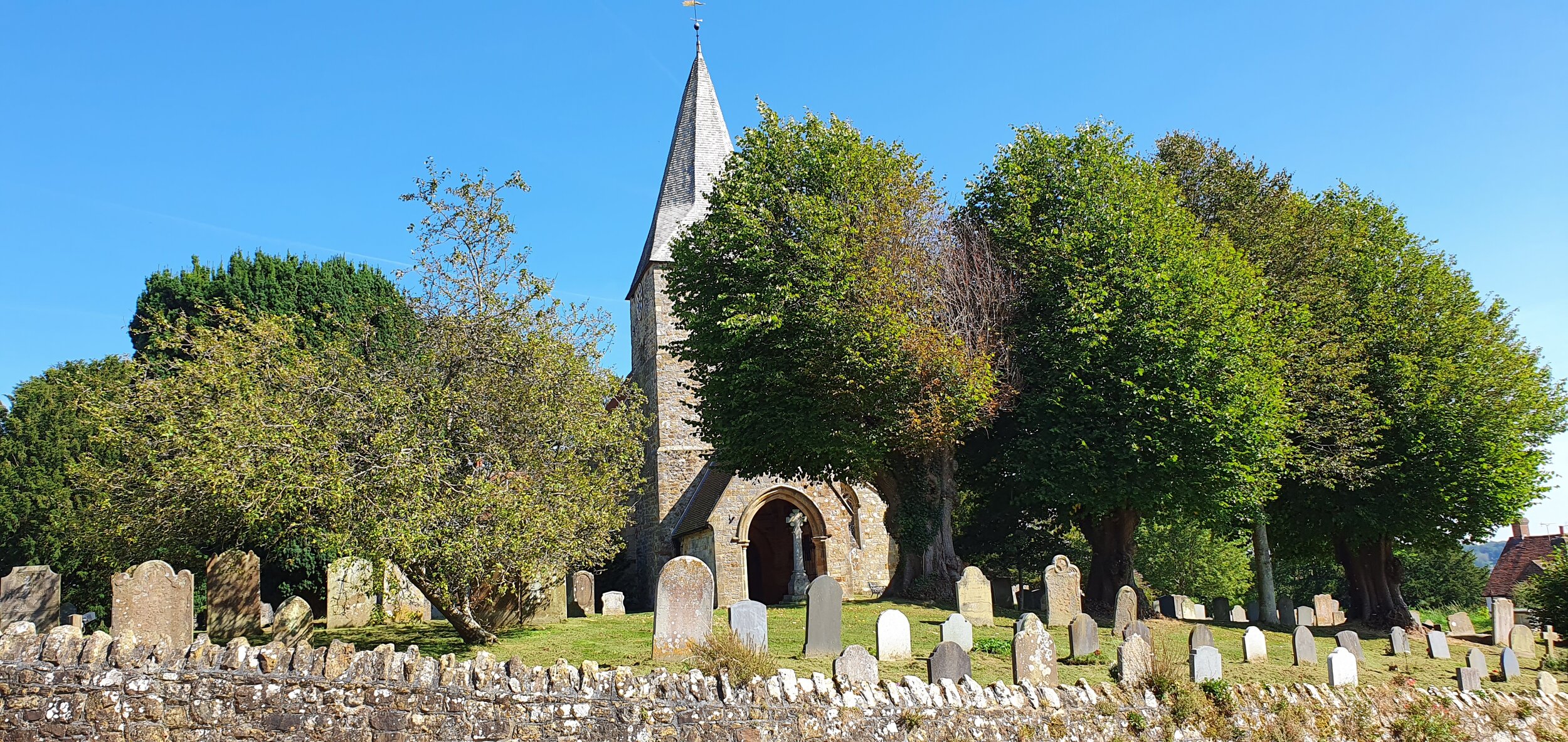
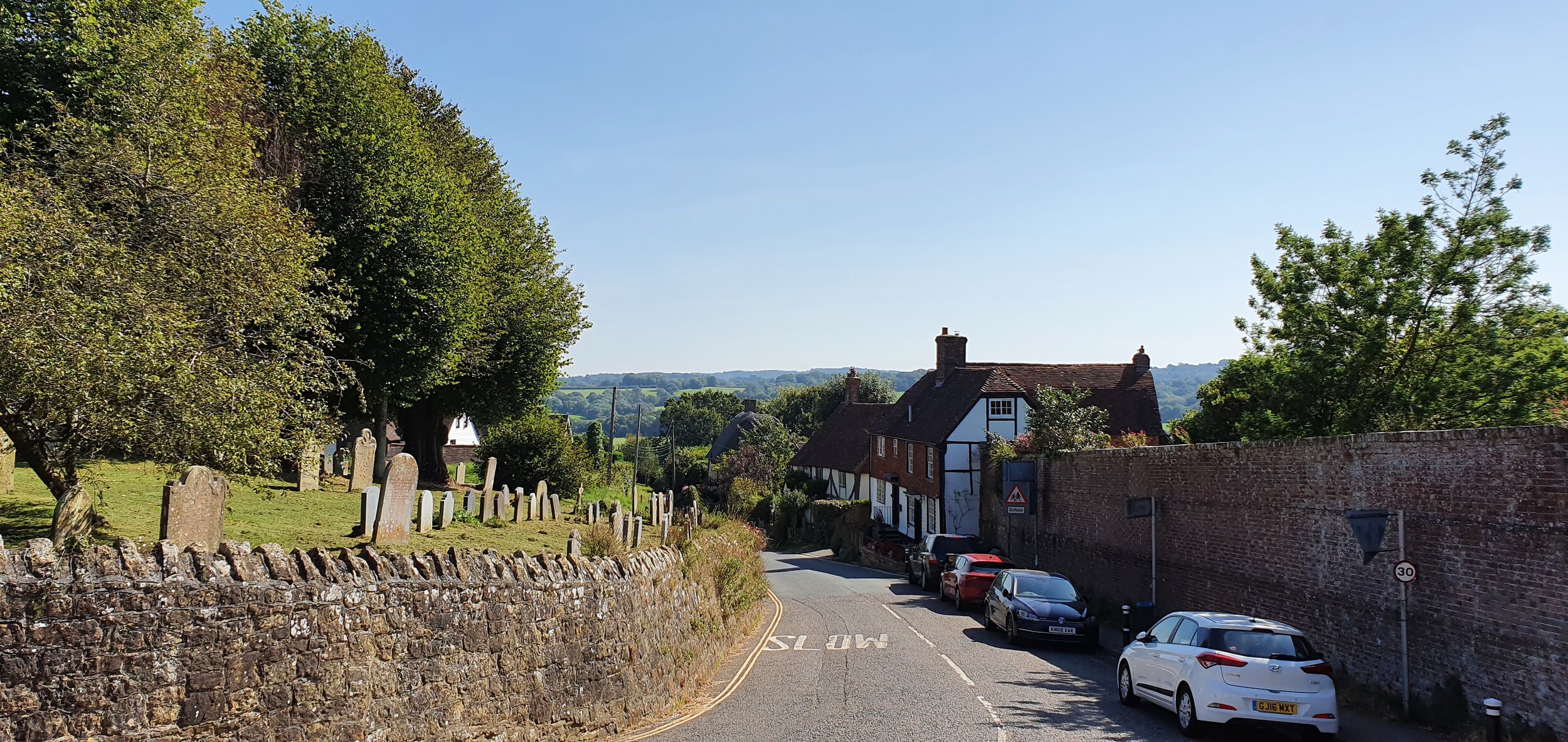
The last few days have been very warm here in the UK. Sadly, this pleasant weather isn’t going to last and in two weeks time it will officially be Autumn. So we decided to make the most of the sunshine and take a trip out to East Sussex. Today’s destination was the village of Burwash, situated in the High Weald of Sussex. This rural community grew in size during the 13th century after King Henry III granted permission for a weekly market. It became a hot spot for smugglers during the 18th and 19th centuries, with contraband coming up from Hastings via the River Dudwell, a tributary of the River Rother. Burwash High Street has been designated a Conservation area by Rother District Council. Many of the period buildings along the High Street have been given listed building status by English Heritage. St Bartholomew’s Church is also of note. Although extensively restored in 1856, the tower dates back to the Norman period.
The last few days have been very warm here in the UK. Sadly, this pleasant weather isn’t going to last and in two weeks time it will officially be Autumn. So we decided to make the most of the sunshine and take a trip out to East Sussex. Today’s destination was the village of Burwash, situated in the High Weald of Sussex. This rural community grew in size during the 13th century after King Henry III granted permission for a weekly market. It became a hot spot for smugglers during the 18th and 19th centuries, with contraband coming up from Hastings via the River Dudwell, a tributary of the River Rother. Burwash High Street has been designated a Conservation area by Rother District Council. Many of the period buildings along the High Street have been given listed building status by English Heritage. St Bartholomew’s Church is also of note. Although extensively restored in 1856, the tower dates back to the Norman period.
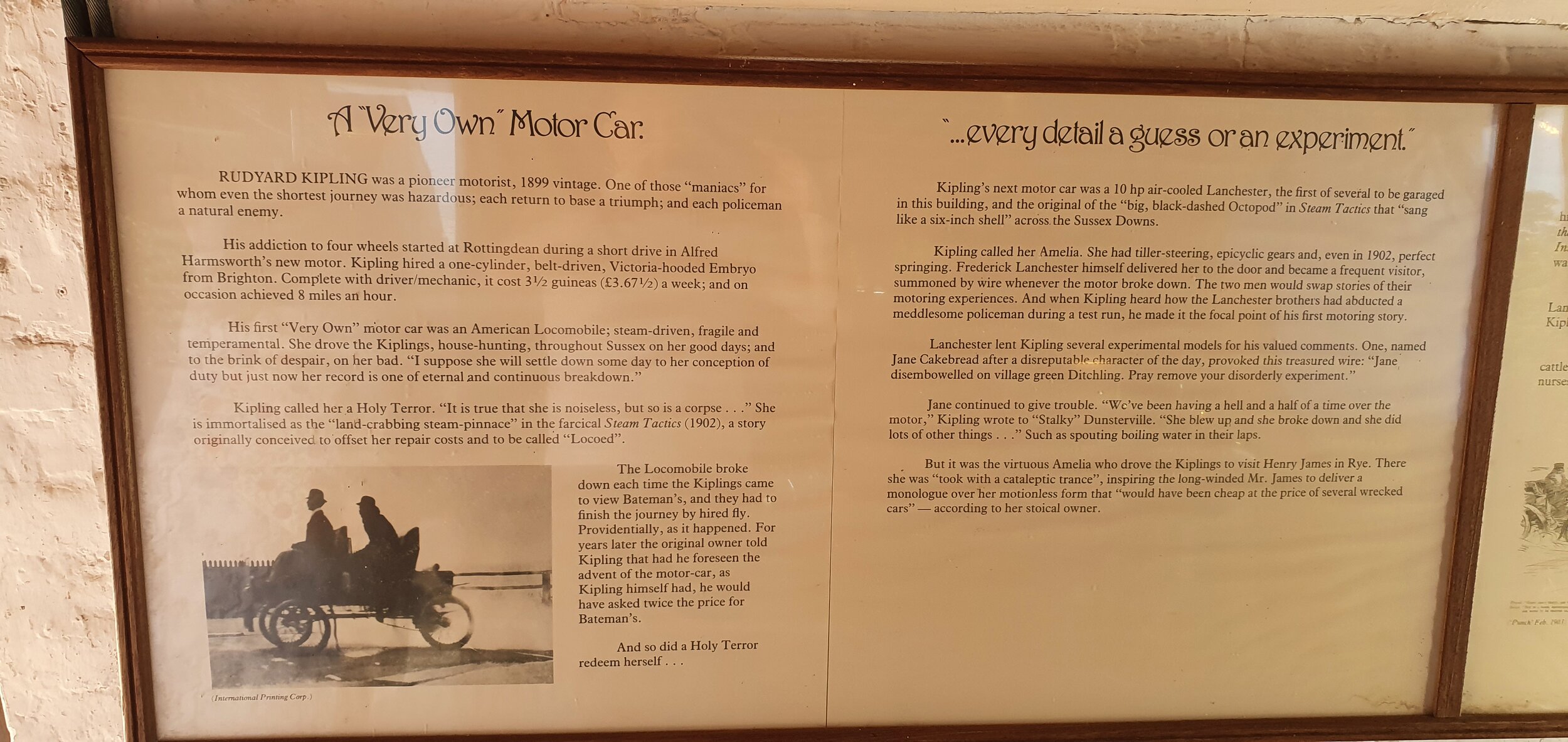
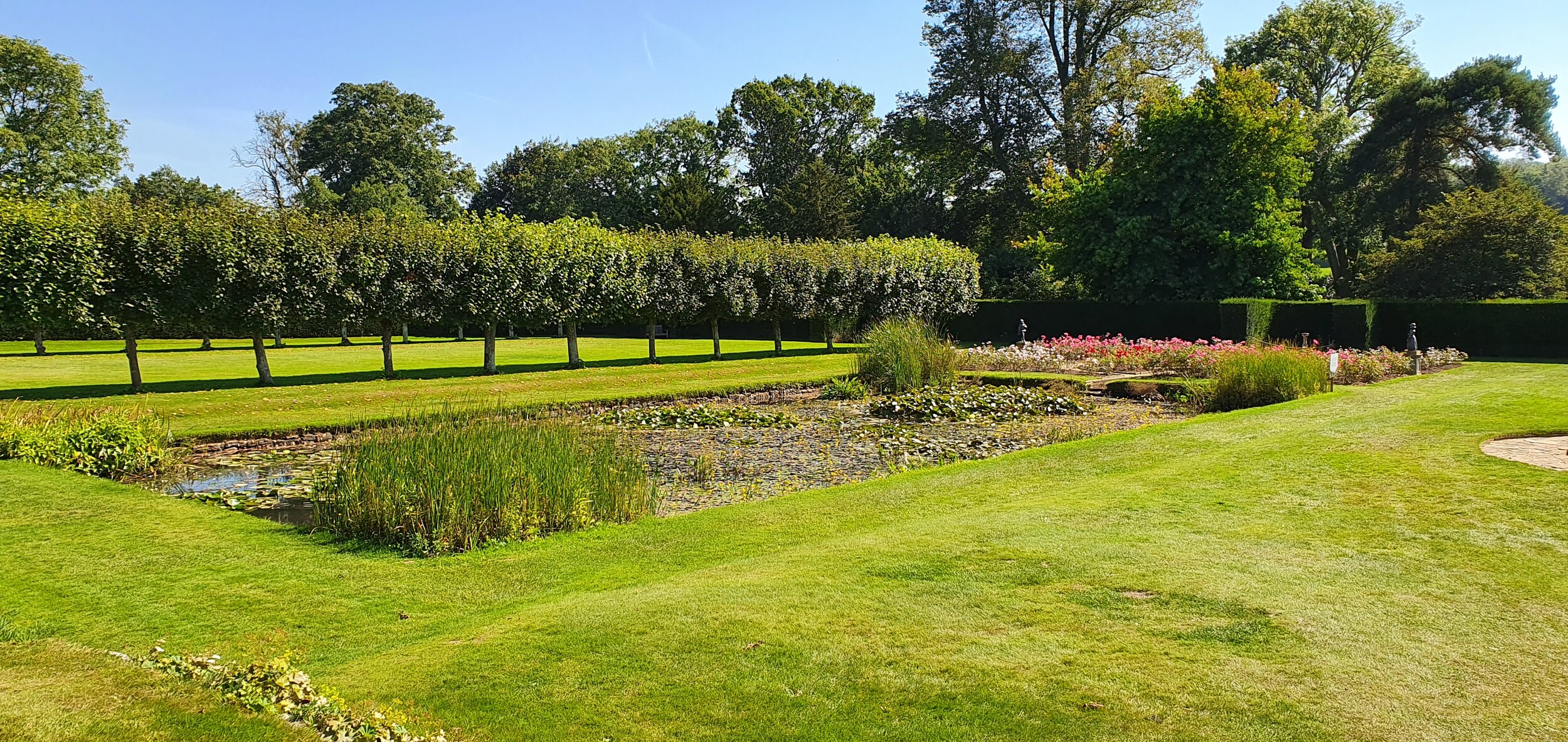
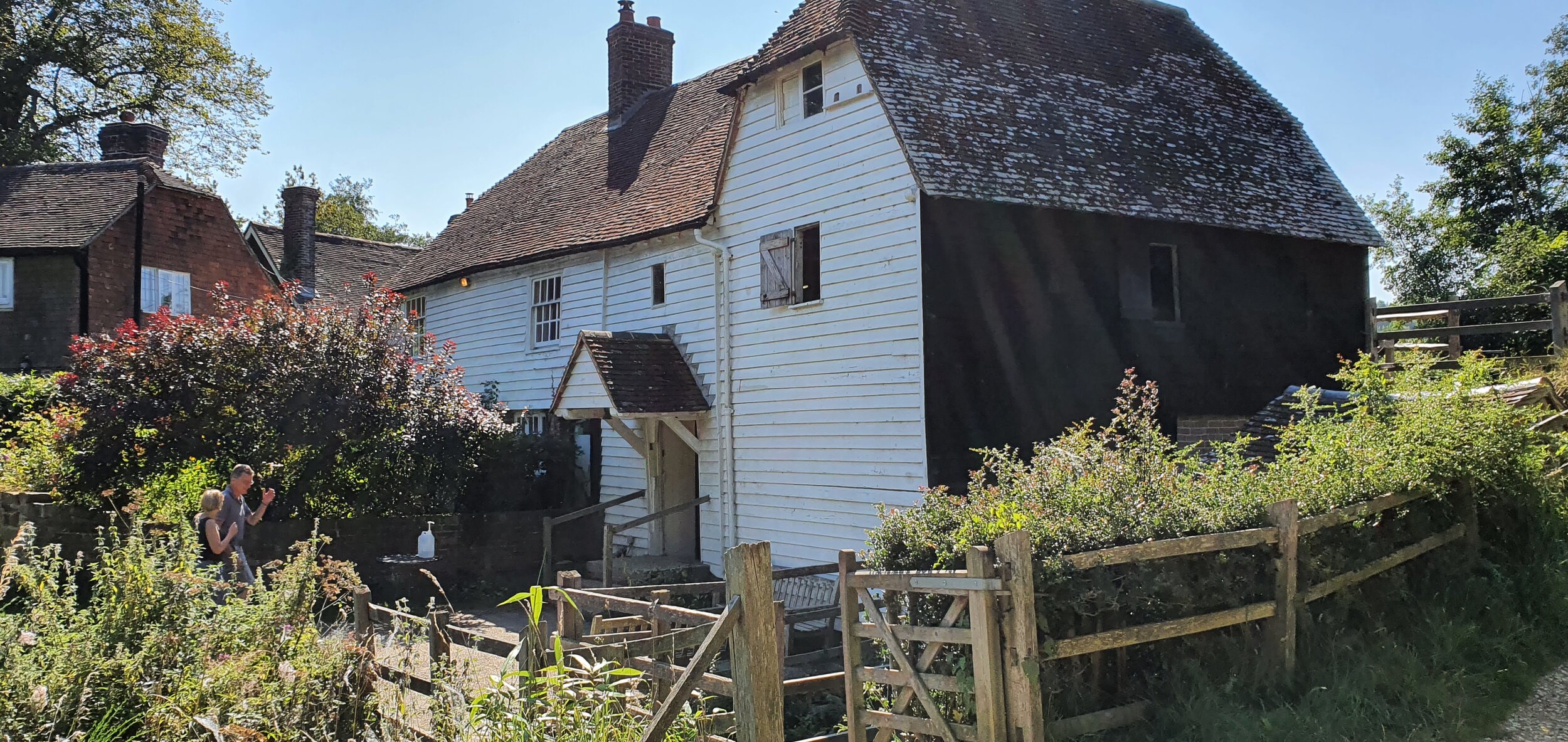
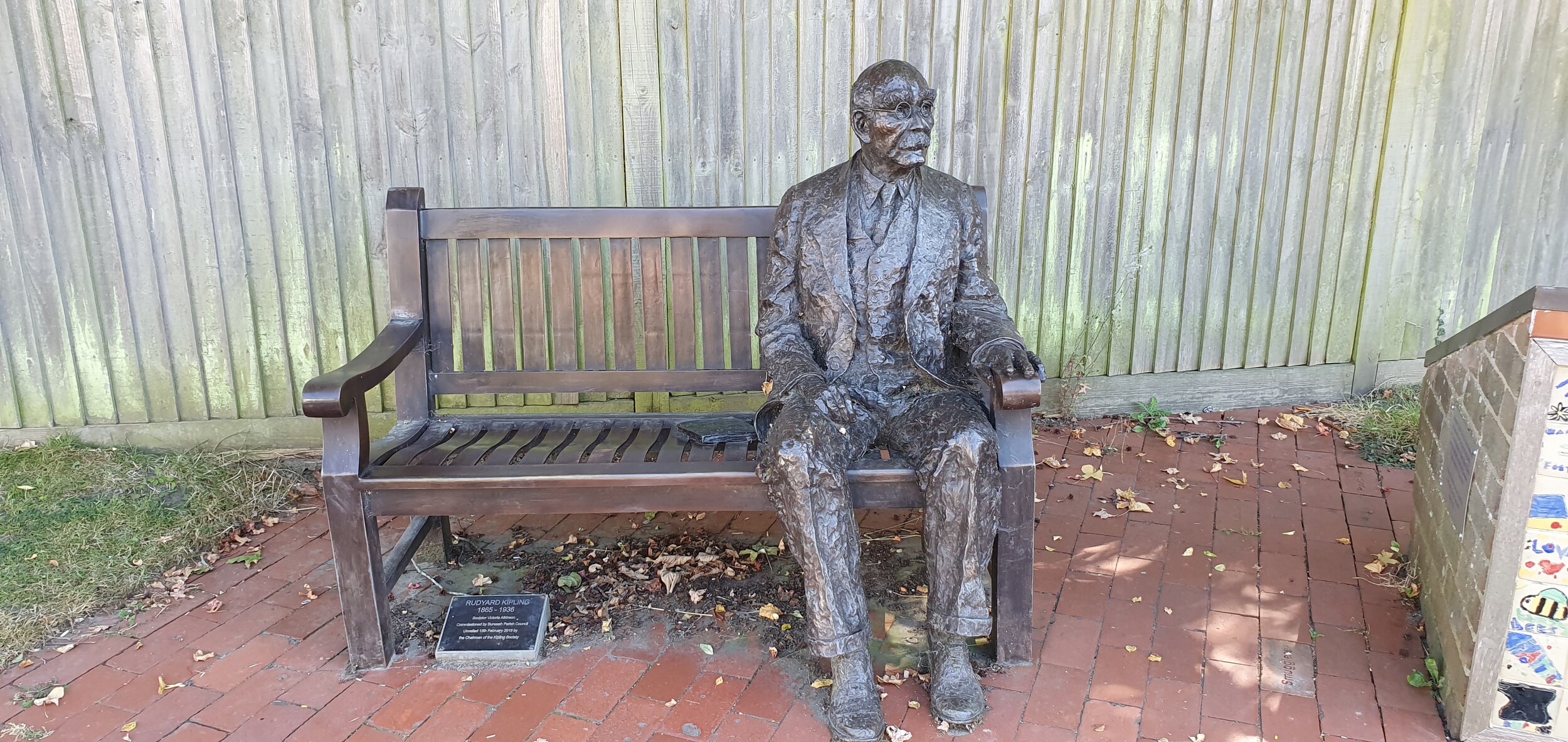
After perusing the village we travelled on to Bateman’s. Home of the English journalist, poet and novelist Rudyard Kipling. Built in 1634 this Jacobean Wealden mansion was in a state of disrepair by the turn of the twentieth century. Kipling bought it in 1903 along with its 33 acres of land. The house is built of sandstone to a double-pile plan and has two storeys with gables above. Kipling’s daughter bequeathed Bateman’s to the National Trust in 1939. The house is currently designated a Grade I listed building. The ornamental walled gardens and parts of Bateman’s are open to the public and Kipling's Rolls-Royce Phantom I is also on display. There is also a collection of paintings by Edward Poynter, Edward Burne-Jones and James Whistler. The estate features a water mill and turbine powered by the River Dudwell, which Kipling used for the provision of electricity to the house.
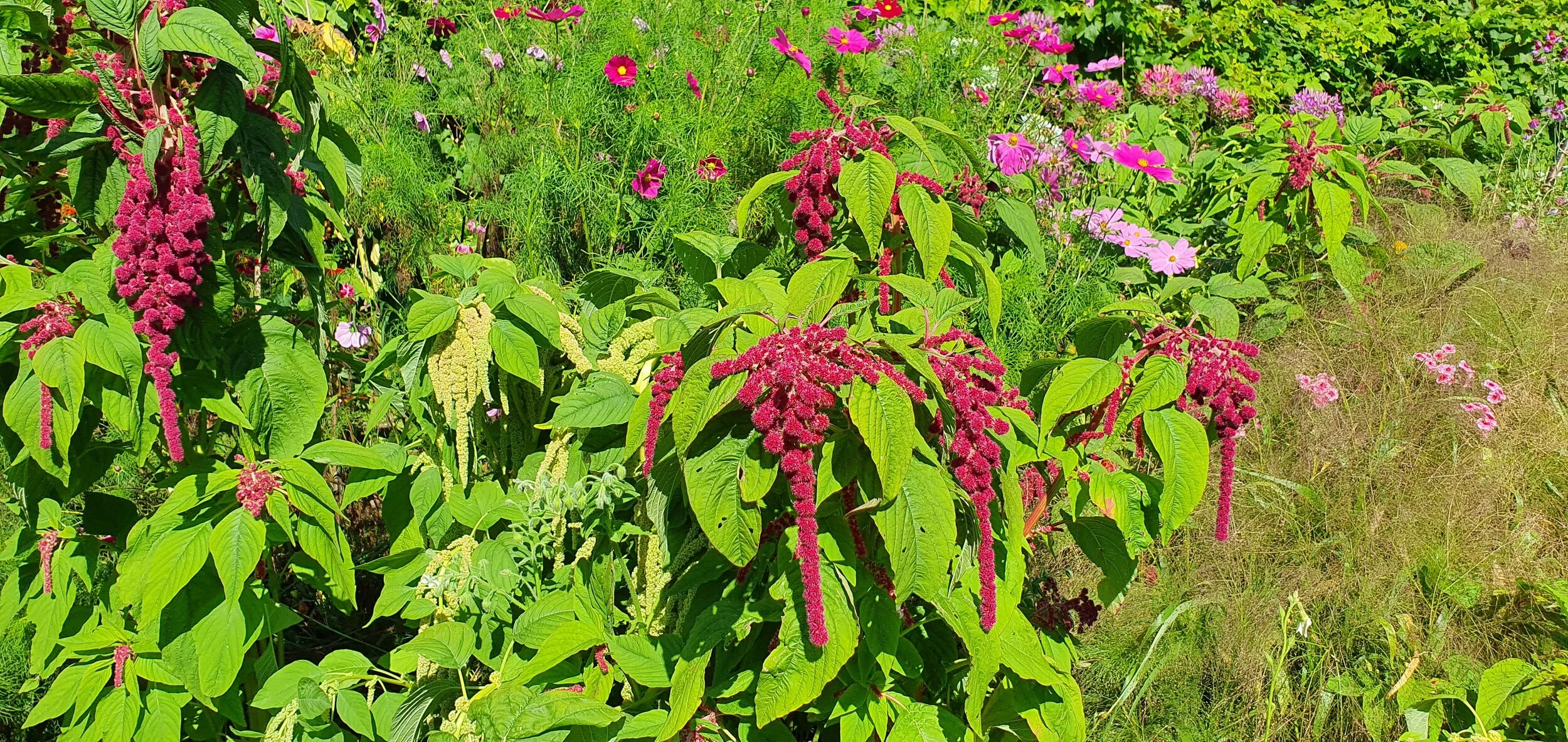
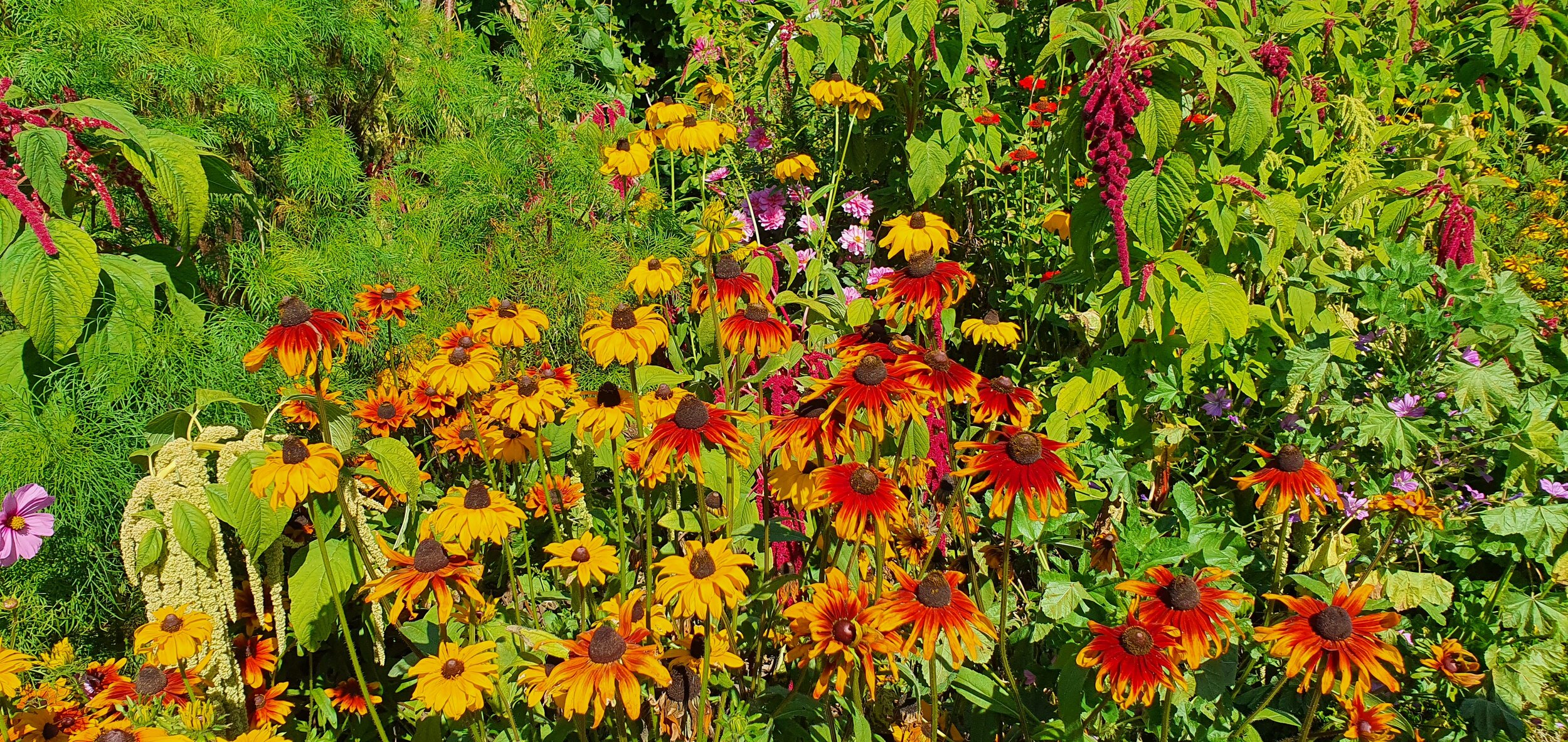
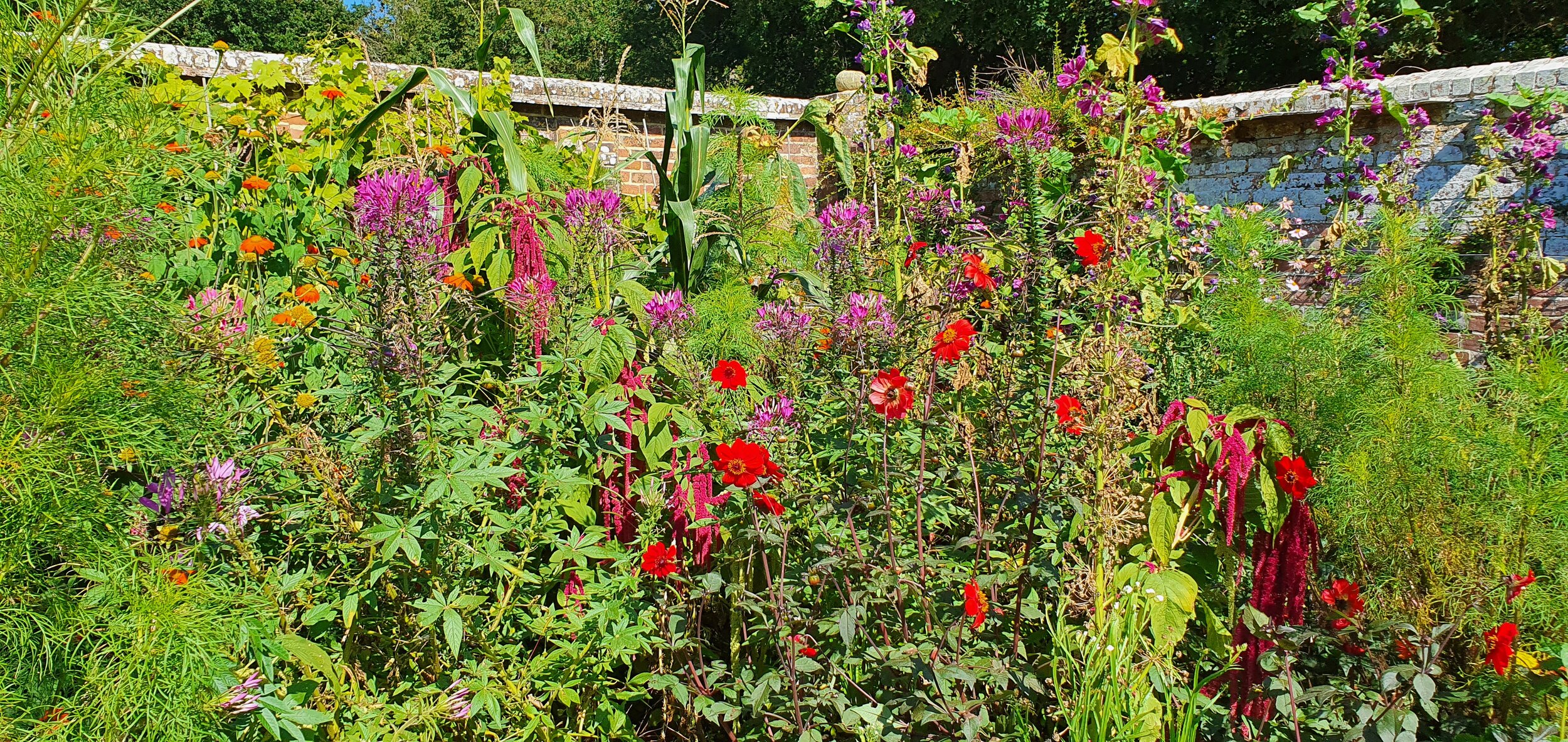
The entrance price for an adult to Bateman’s is £12. Parking for the day is £4. As the building is smaller than Chartwell and other larger houses in the charge of the National Trust, there are guides in all major rooms which accommodate about eight to ten people at a time. The guides are most informative and happy to answer questions. It takes approximately an hour to tour the house, which features many items that Kipling brought back from India and his various travels. The grounds of the estate are very well maintained and at present many of the plants are in bloom. There is a clear path around the grounds, so that visiting the various gardens and the water mill takes another hour. Hence Bateman’s is a very pleasing visit for half a day and best combined with exploring the nearby village of Burwash if you wish to fill the afternoon.
Today’s trip was very restful. The fine weather and beautiful gardens provided a very tranquil environment to relax in. As a lot of National Trust visitors are of a senior age group, social distancing and masks are still very much maintained. Batemen’s grounds are also dog friendly as long as your canine chum is kept on a lead. Upon our return home, I finally decided to join the National Trust, something I’ve been meaning to do for a while. Joint membership for two adults costs £120 for a year and can be paid as a single payment or at the rate of £10 a month. Membership provides free entry to over 500 sites, as well as free car parking at most National Trust car parks. As both I and Mrs P enjoy history as well as walking for pleasure, this is a really great deal. Furthermore, National Trust sites often have quality tea rooms and cafes. This means that not only can we get a fix of culture but access to the “finest wines known to humanity”. Or at the very least some nice tea cakes.
Lesnes Abbey Woods
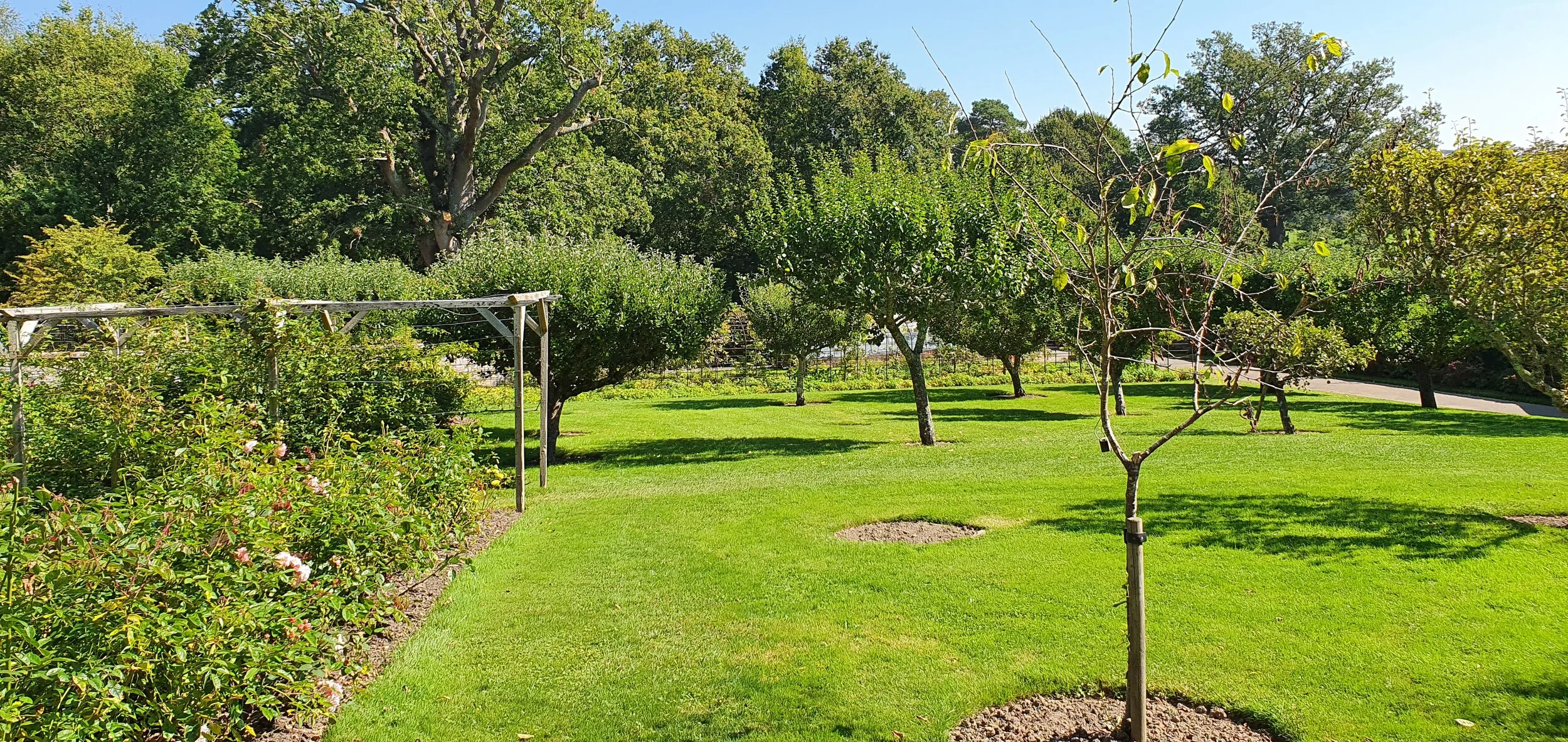
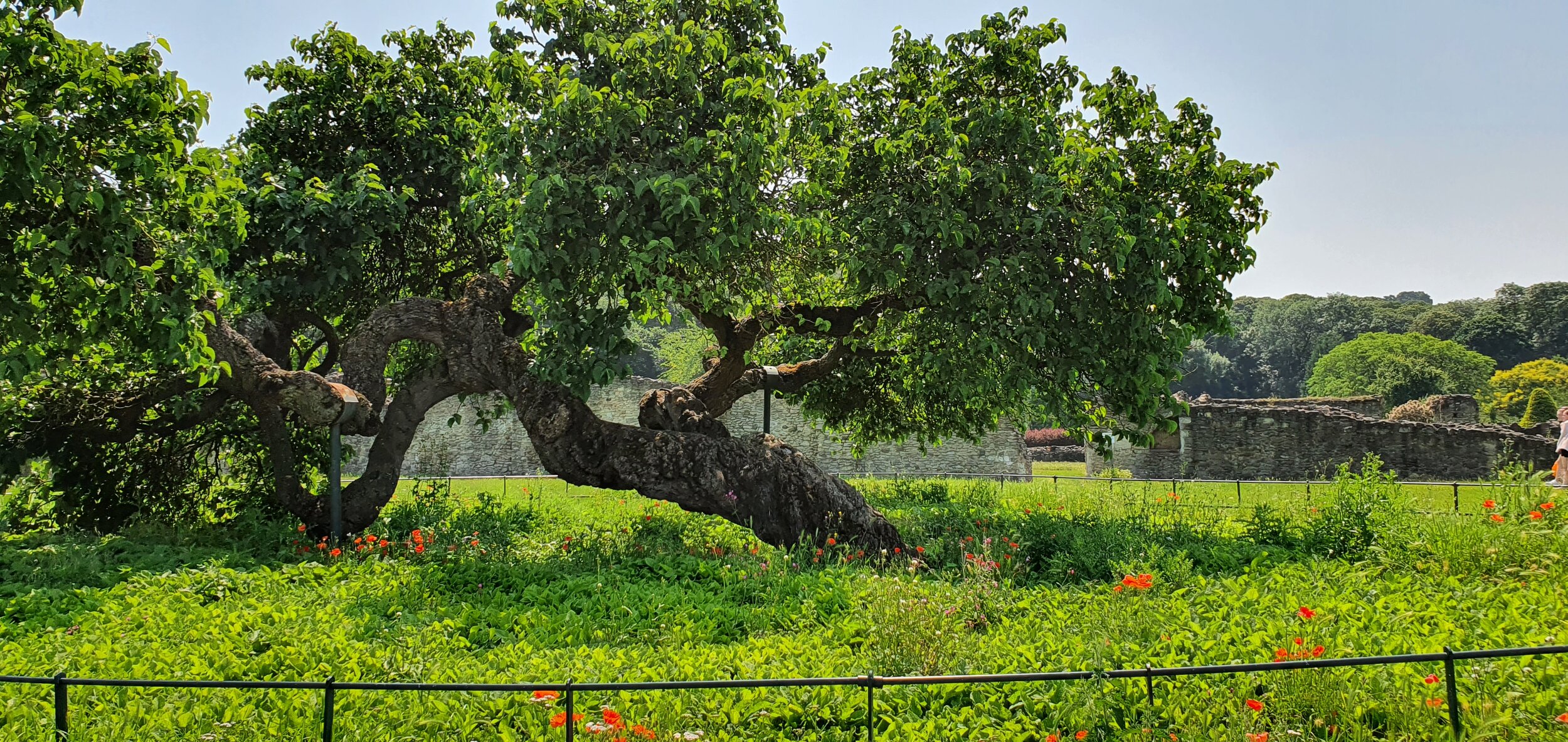
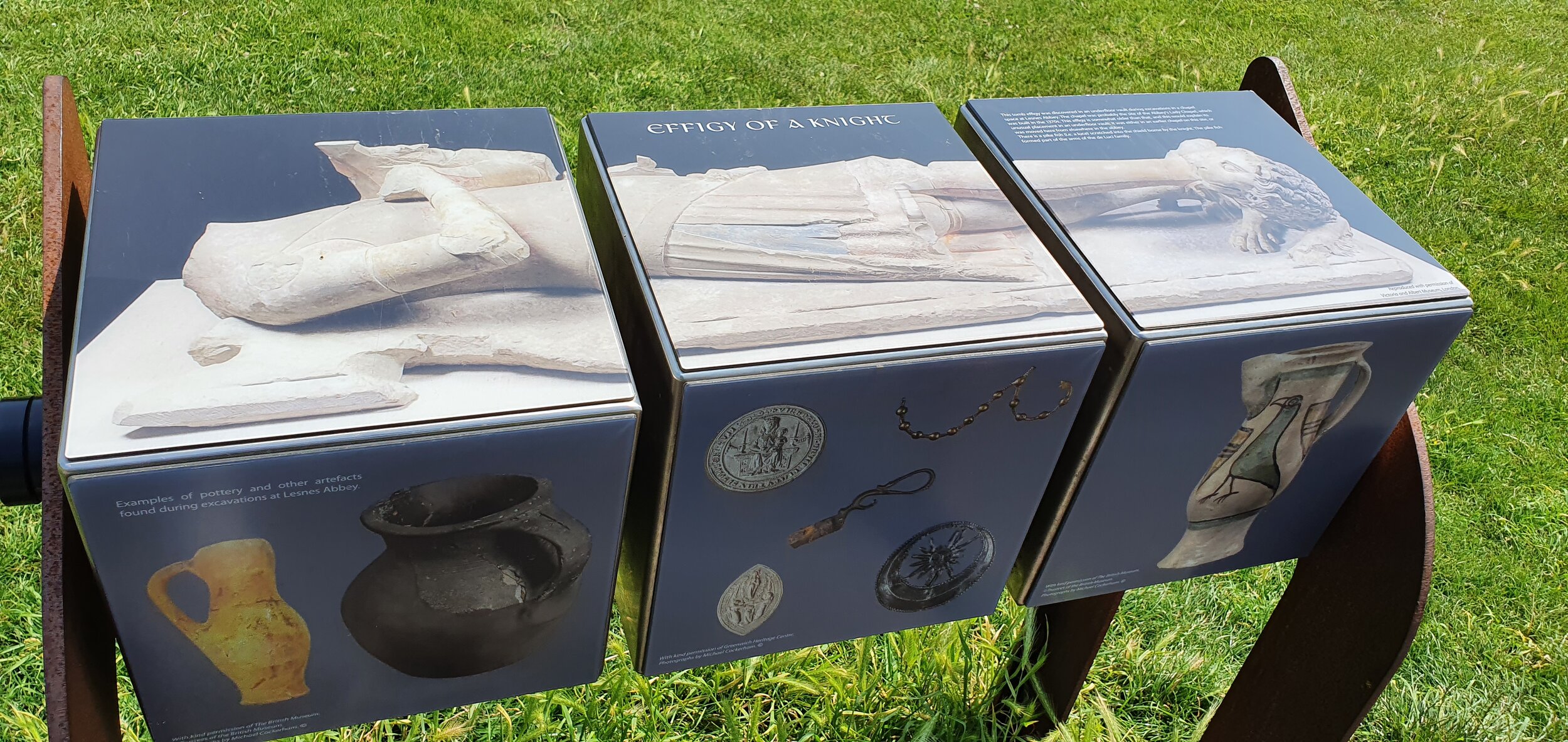
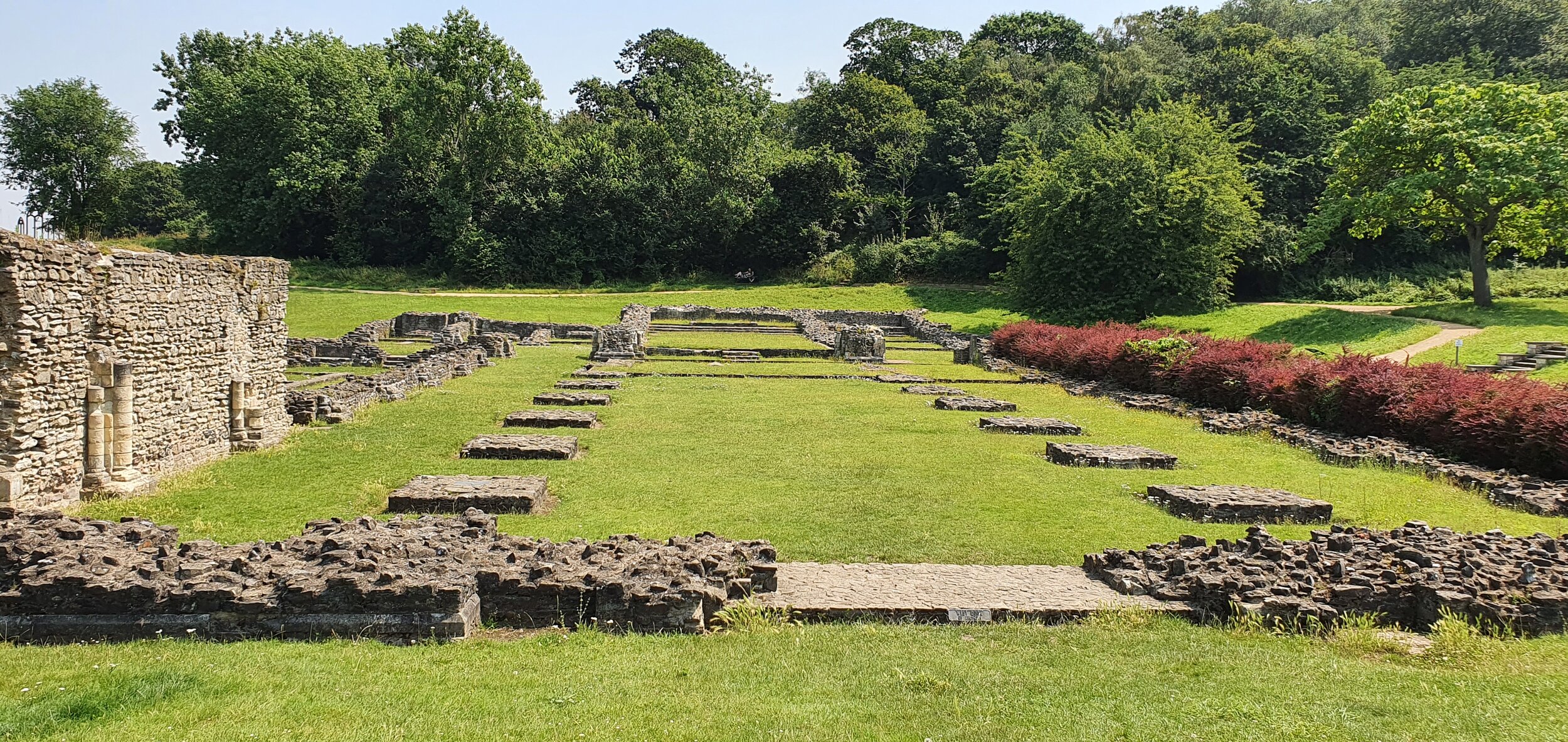
For the last week the UK has been enjoying some exceptionally warm weather with temperatures reaching 80 degrees Fahrenheit (27 degrees Celsius) and above, here in the South East. For our latest day trip Mrs P and I decided to go somewhere local to reduce driving time and allow us to make an early start. Both of us wanted to achieve our daily step count (10,000 steps which is approximately 5 miles) but be done by mid afternoon before the heat made such activities uncomfortable. So we decided to go to Lesnes Abbey Woods which has a well tended park, gardens and the remains of a 12th century Abbey. It also connects to the Green Chain Walk. We drove there as it is only about twenty minutes away by car. However, we subsequently discovered that a local bus stops right outside the main entrance, so will bear this in mind for future visits.
For the last week the UK has been enjoying some exceptionally warm weather with temperatures reaching 80 degrees Fahrenheit (27 degrees Celsius) and above, here in the South East. For our latest day trip Mrs P and I decided to go somewhere local to reduce driving time and allow us to make an early start. Both of us wanted to achieve our daily step count (10,000 steps which is approximately 5 miles) but be done by mid afternoon before the heat made such activities uncomfortable. So we decided to go to Lesnes Abbey Woods which has a well tended park, gardens and the remains of a 12th century Abbey. It also connects to the Green Chain Walk. We drove there as it is only about twenty minutes away by car. However, we subsequently discovered that a local bus stops right outside the main entrance, so will bear this in mind for future visits.
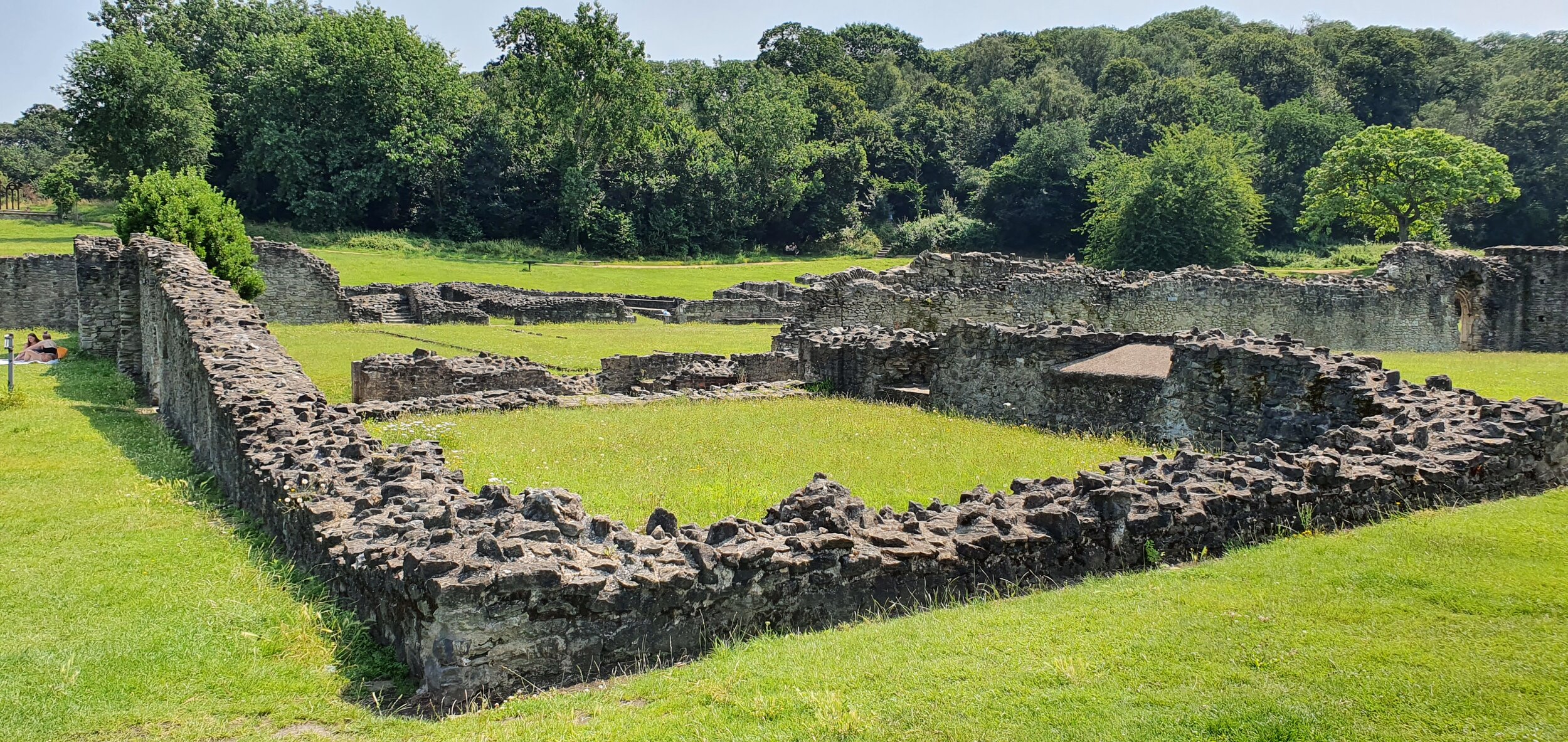
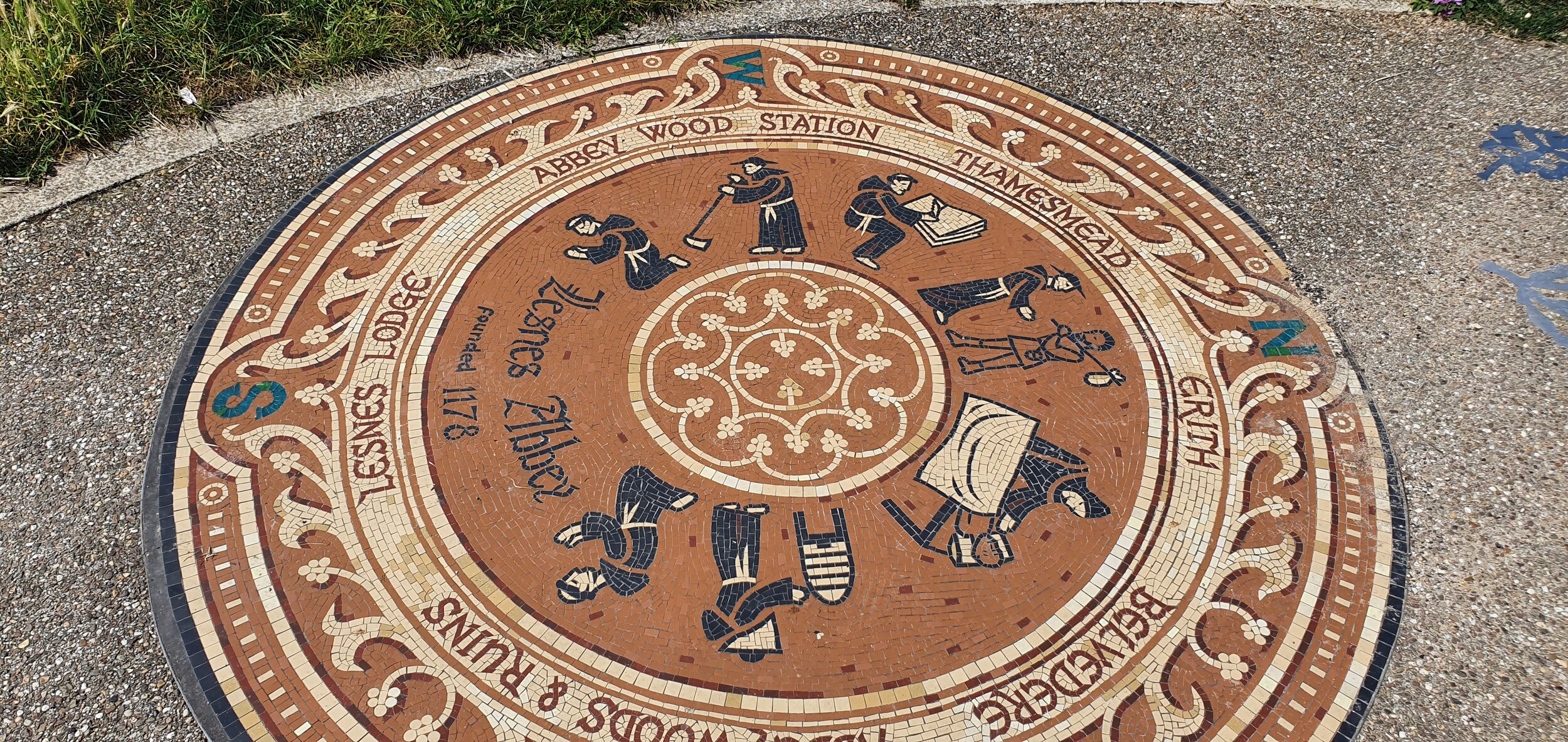
The Abbey of St Mary and St Thomas the Martyr at Lesnes, to use its original name, was founded in 1178 by Richard de Luci, Chief Justiciar of England. This may have been in penance for the murder of Thomas Becket, in which he was involved. It was one of the first monasteries to be closed after the Dissolution of the Monasteries in 1534 and the monastic buildings were all pulled down. Over time the site was a source of salvaged building materials for the local inhabitant. The estate became farmland before being purchased by London County Council in 1930. The land was then repurposed as a park and the stone outline of the Abbey and outlying buildings restored. In recent years the adjacent woodlands have been added to the park and maintained as part of the Green Chain Walk which runs throughout three London Boroughs.
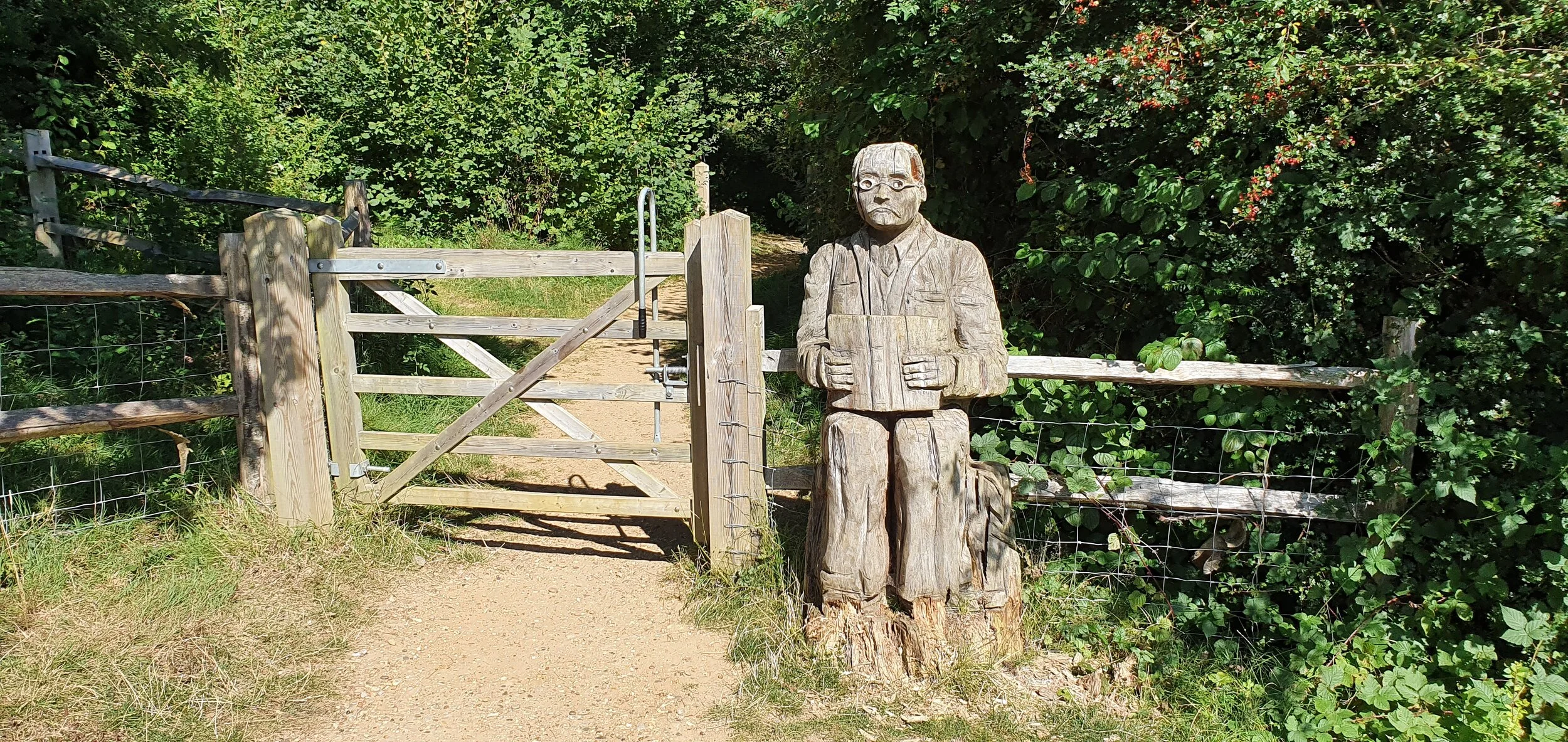
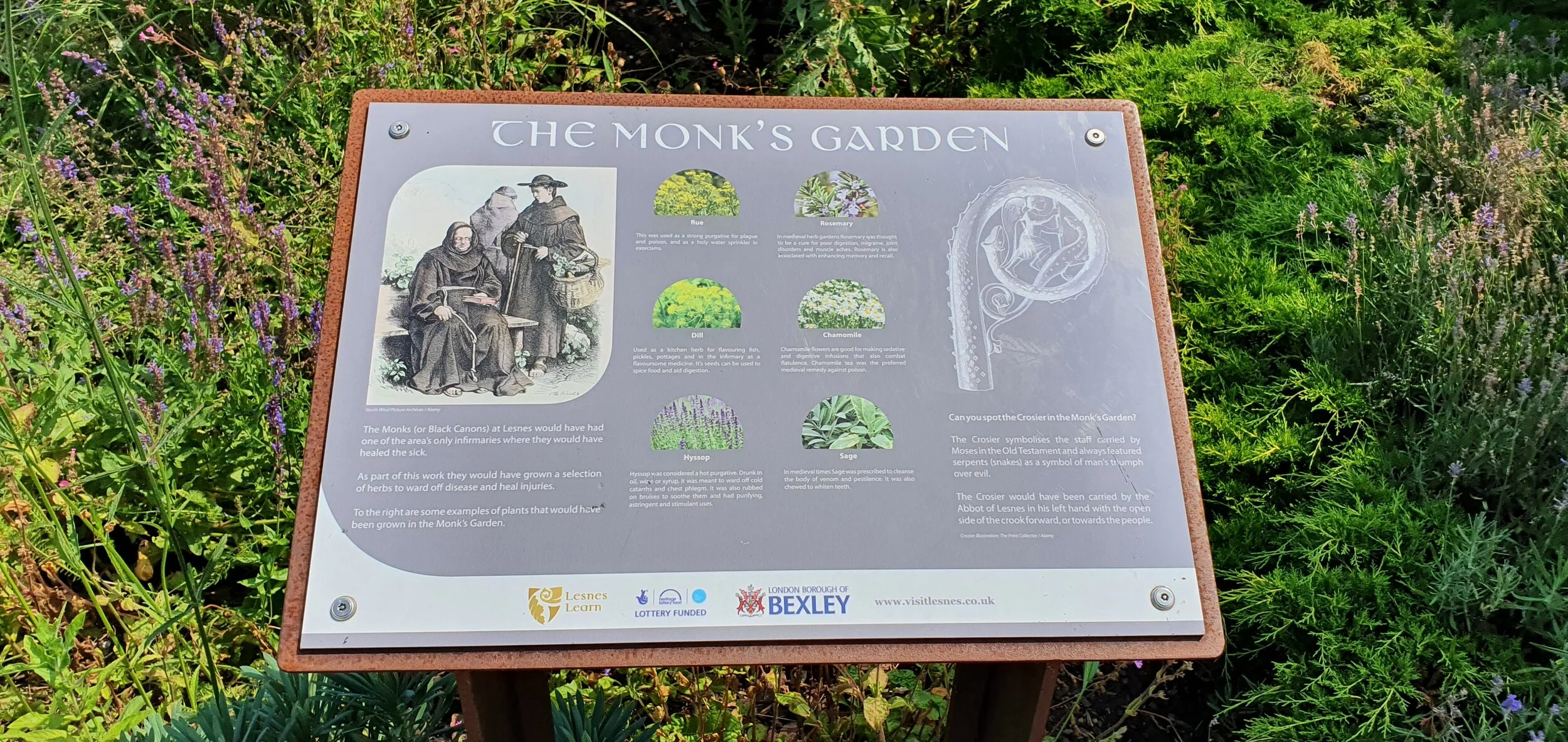
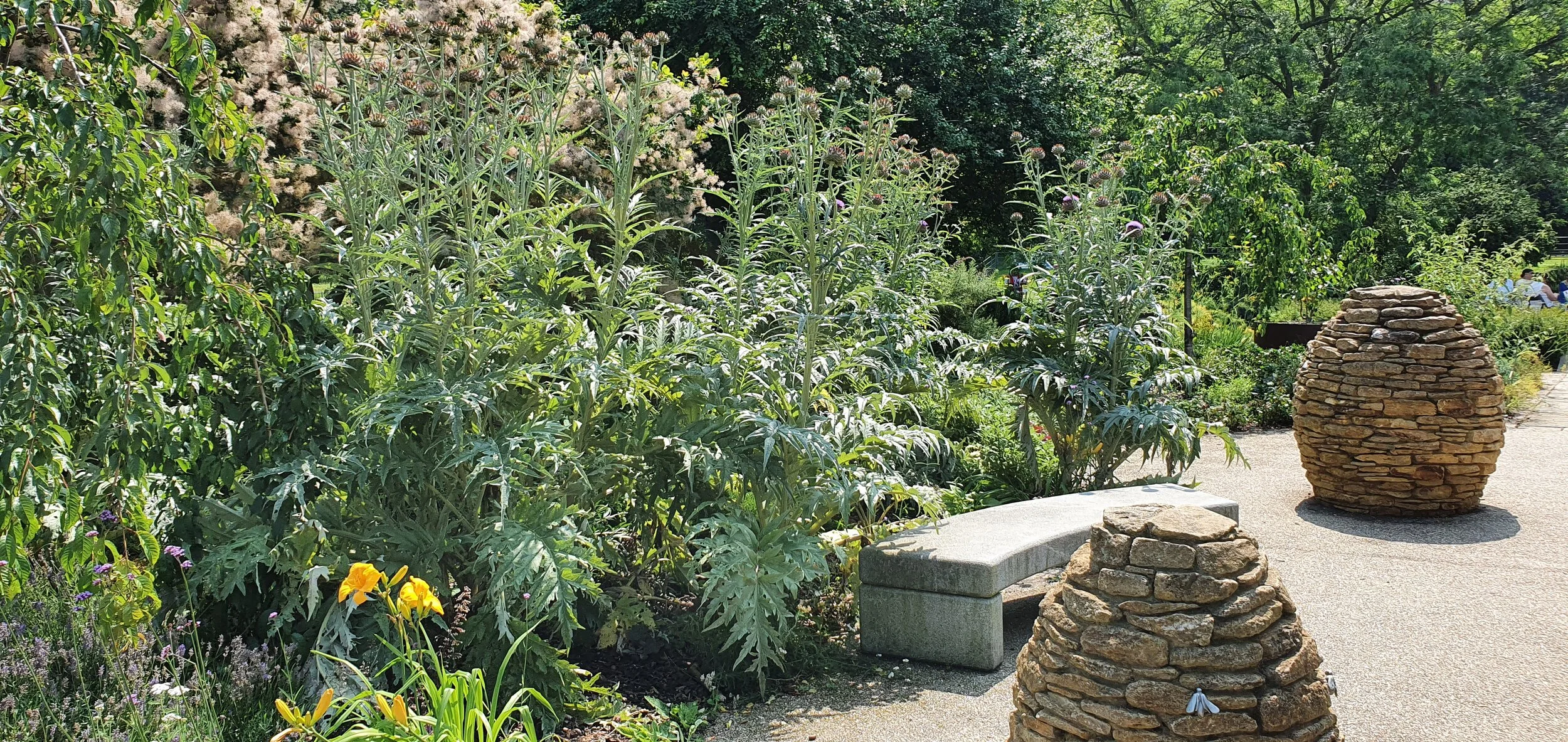
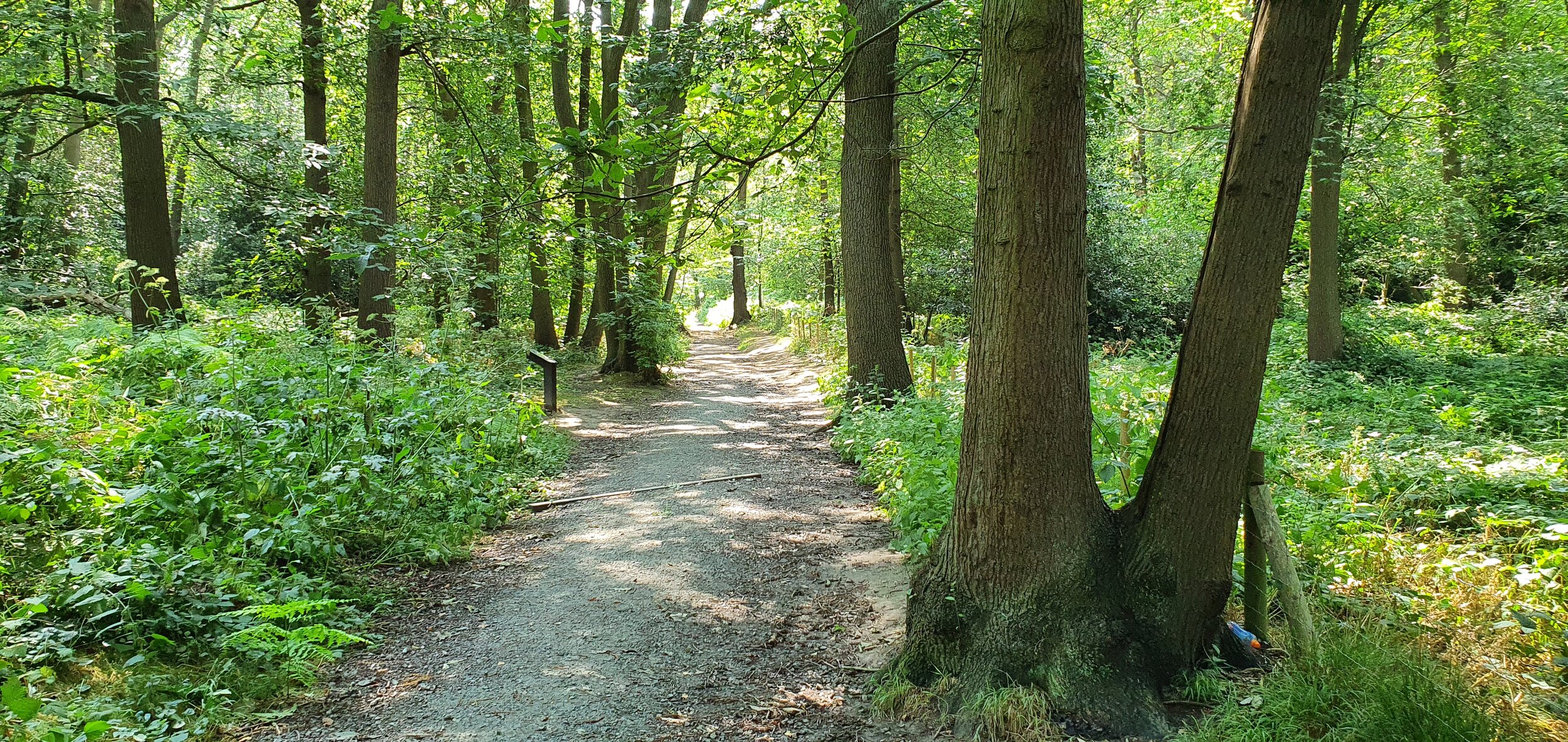
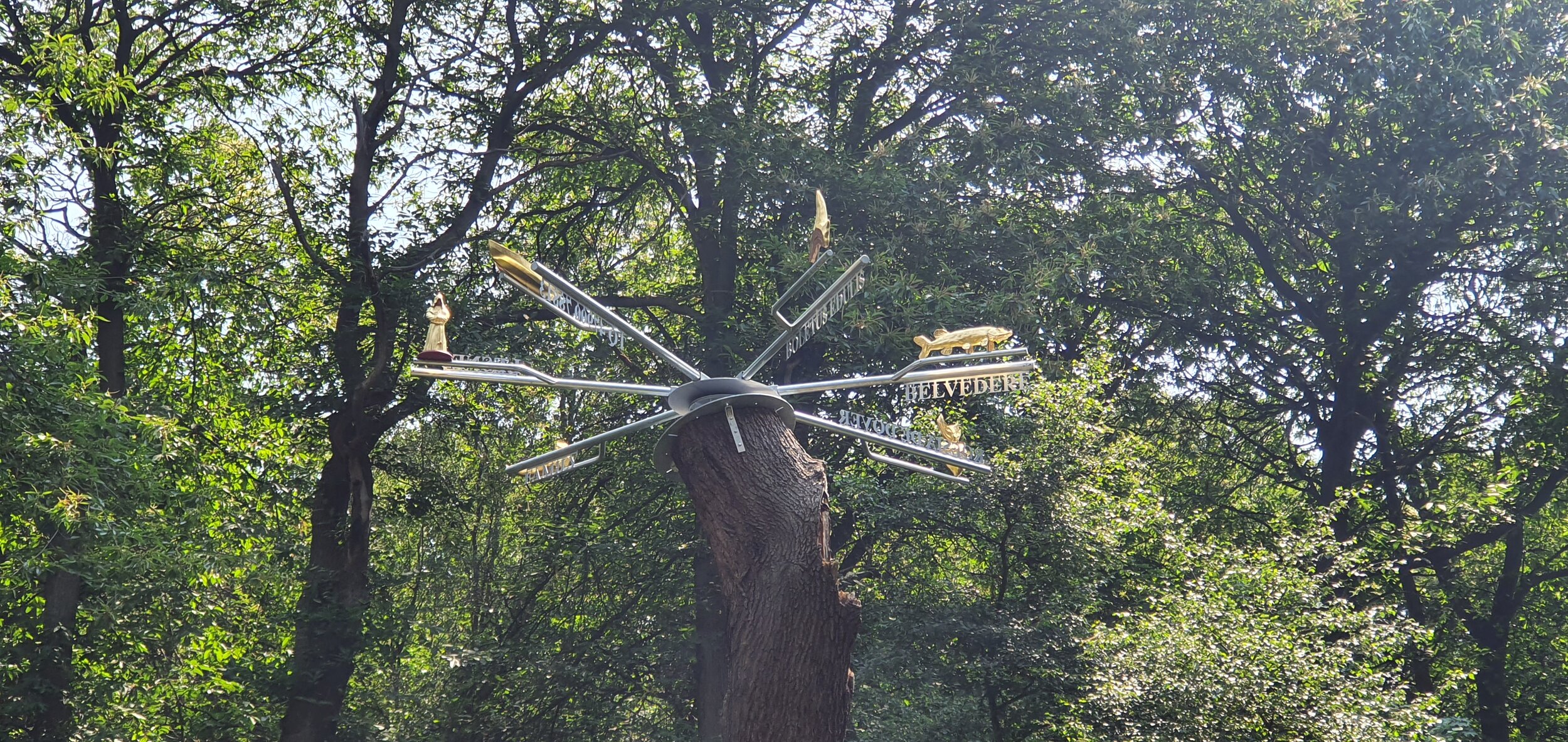
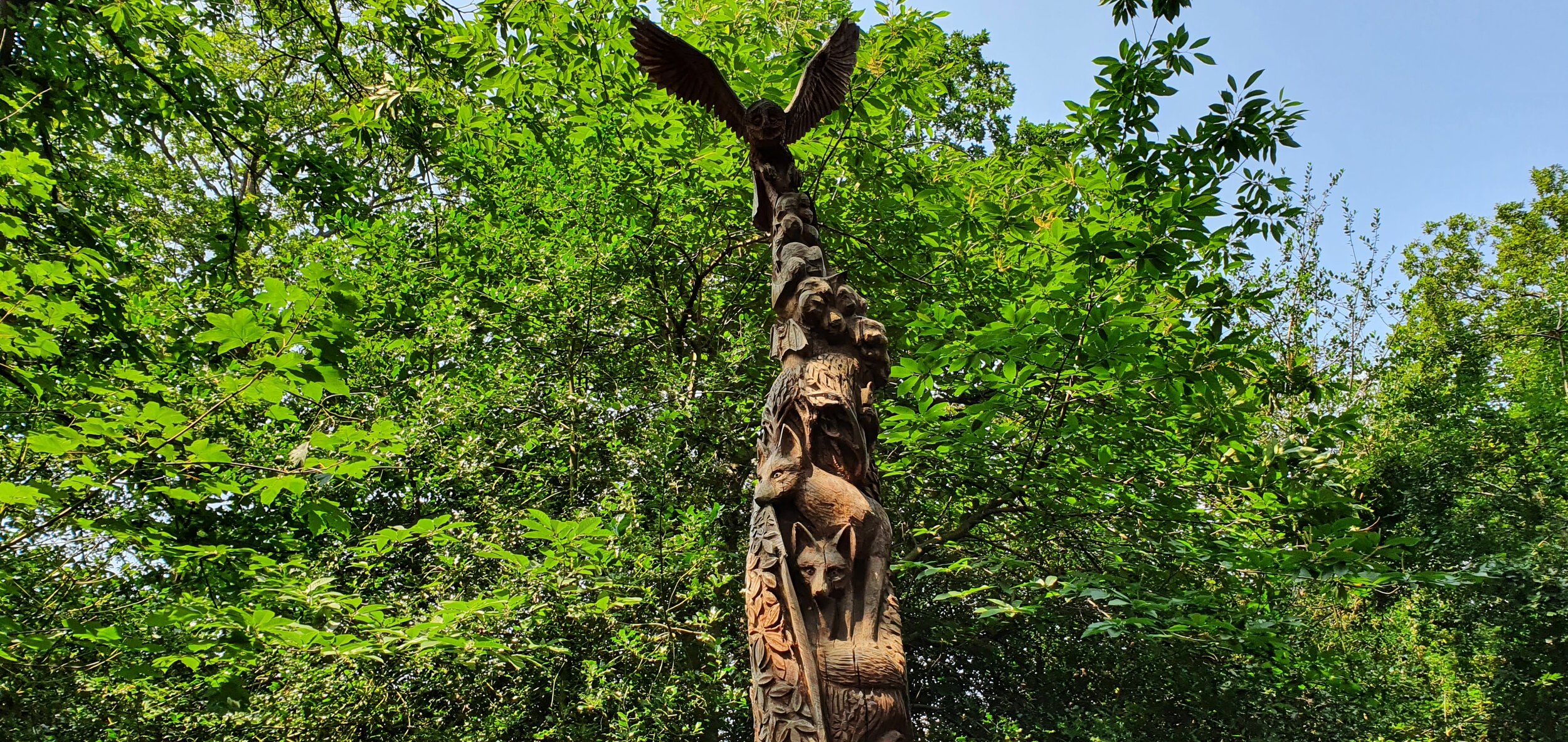
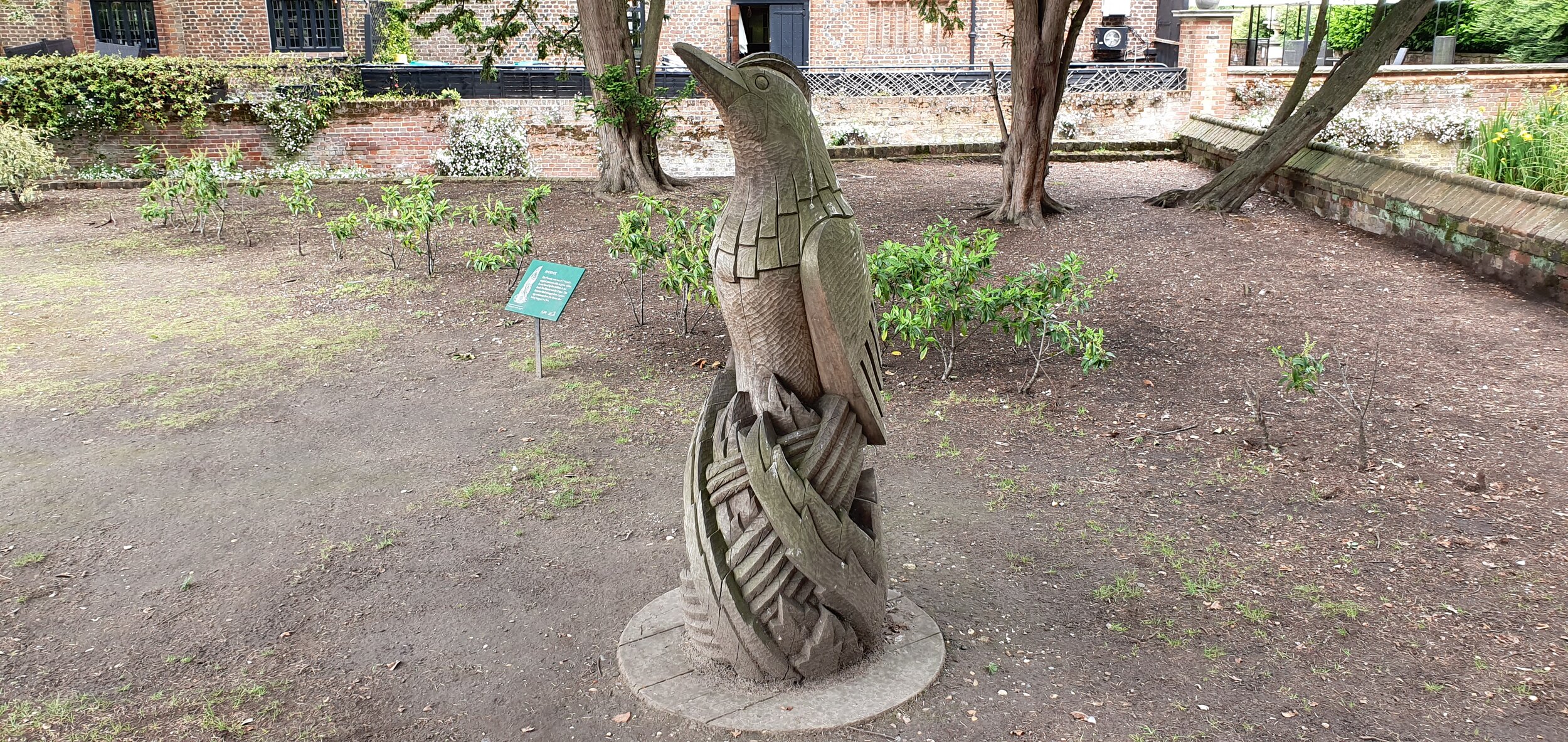
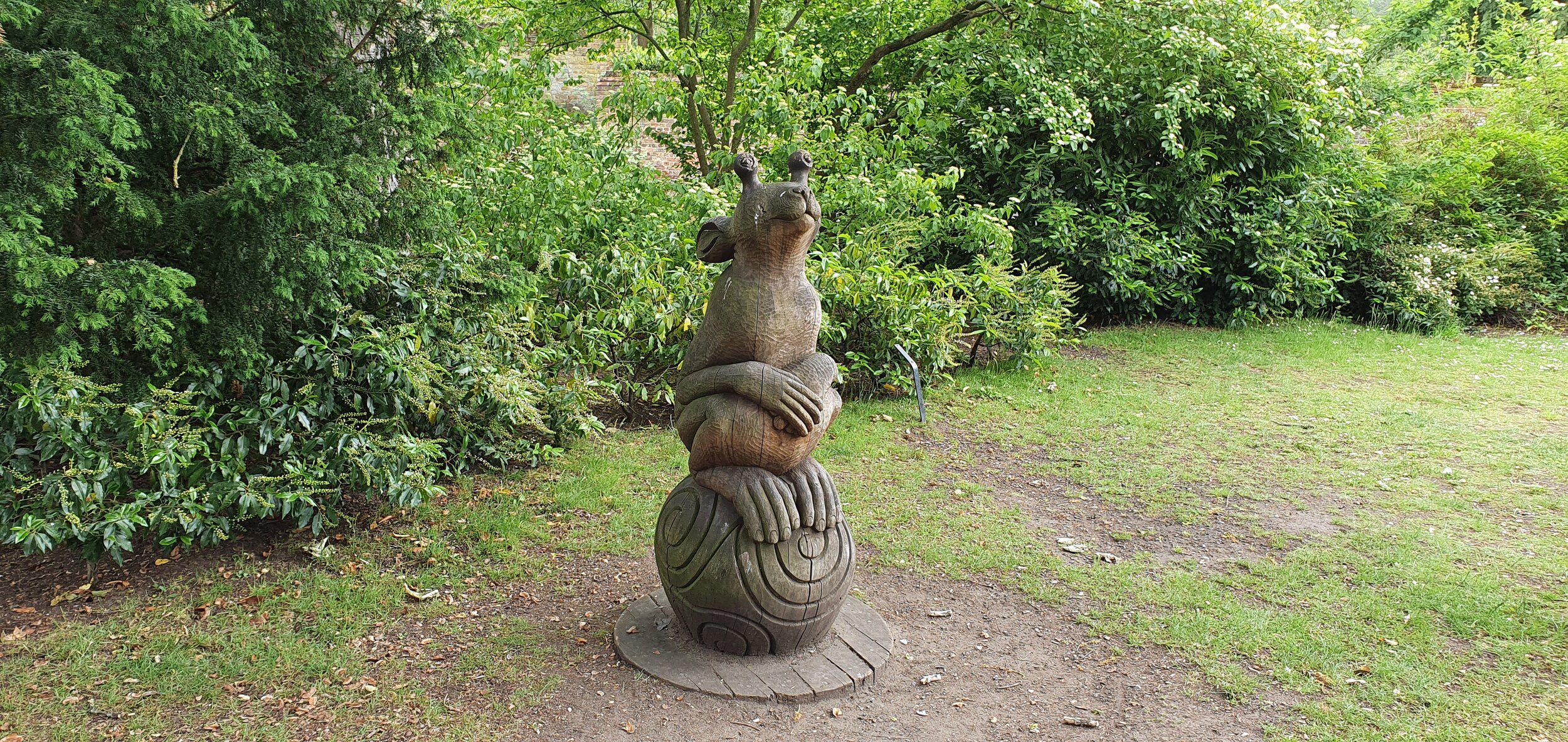
There are multiple entrances to the park in Abbey Road (not that one) and the surrounding streets. To the West there is a substantial children’s playground and outdoor gym that are well maintained and safe. The Abbey ruins are in the centre of the park, along with a walled ornamental garden. There is also a visitors centre with amenities and a function hall that is available for hire. This venue often hosts events and activities for schools. The garden is another popular site for events such as book readings and performance art. The grounds are superbly maintained and the paths are wide, making them very family and wheelchair friendly. For those who enjoy walking there are multiple trails around the grounds and surrounding woods, of varying length and difficulty. There are wooden sculptures to be found along these paths as well as a prehistoric Tumulus.
I was most surprised to find a park and series of walks of this quality right on my own doorstep. Mrs P and I enjoyed Lesnes Abbey Woods immensely and tried several of the more complex trails that traverse the woods. The ruins are also very interesting and are a somewhat incongruous sight amid the surrounding suburban sprawl. The park and woods look out south over Thamesmead where Kubrick filmed A Clockwork Orange and there are now wind turbines along the Thames estuary. If it hadn’t been for the heat, we’d have stayed longer but the woods were quite humid due to the recent heavy rainfall, despite offering shade from the sun. We will certainly return in the not too distant future and investigate the trails we didn’t complete.
Walking for Pleasure: Eltham and Well Hall
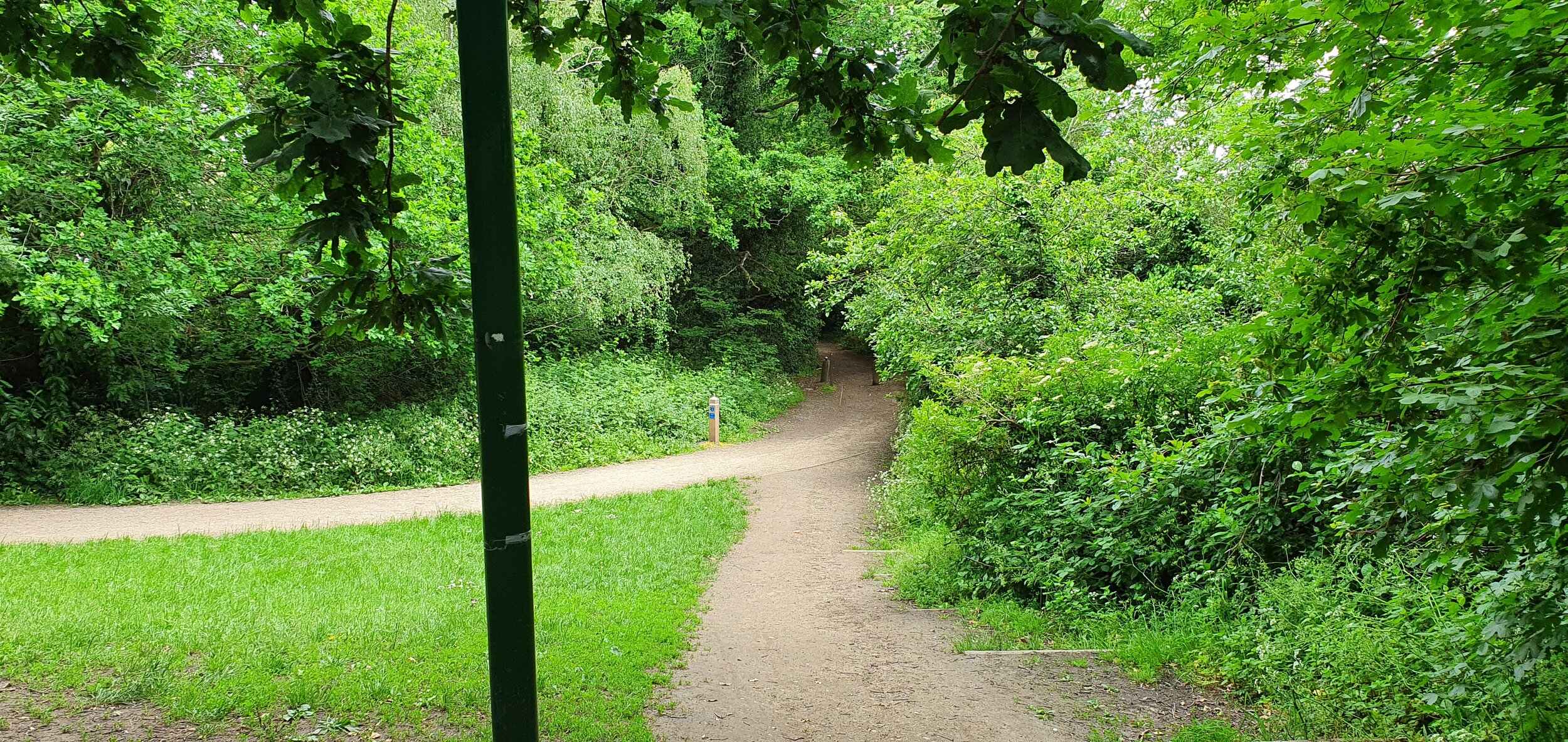
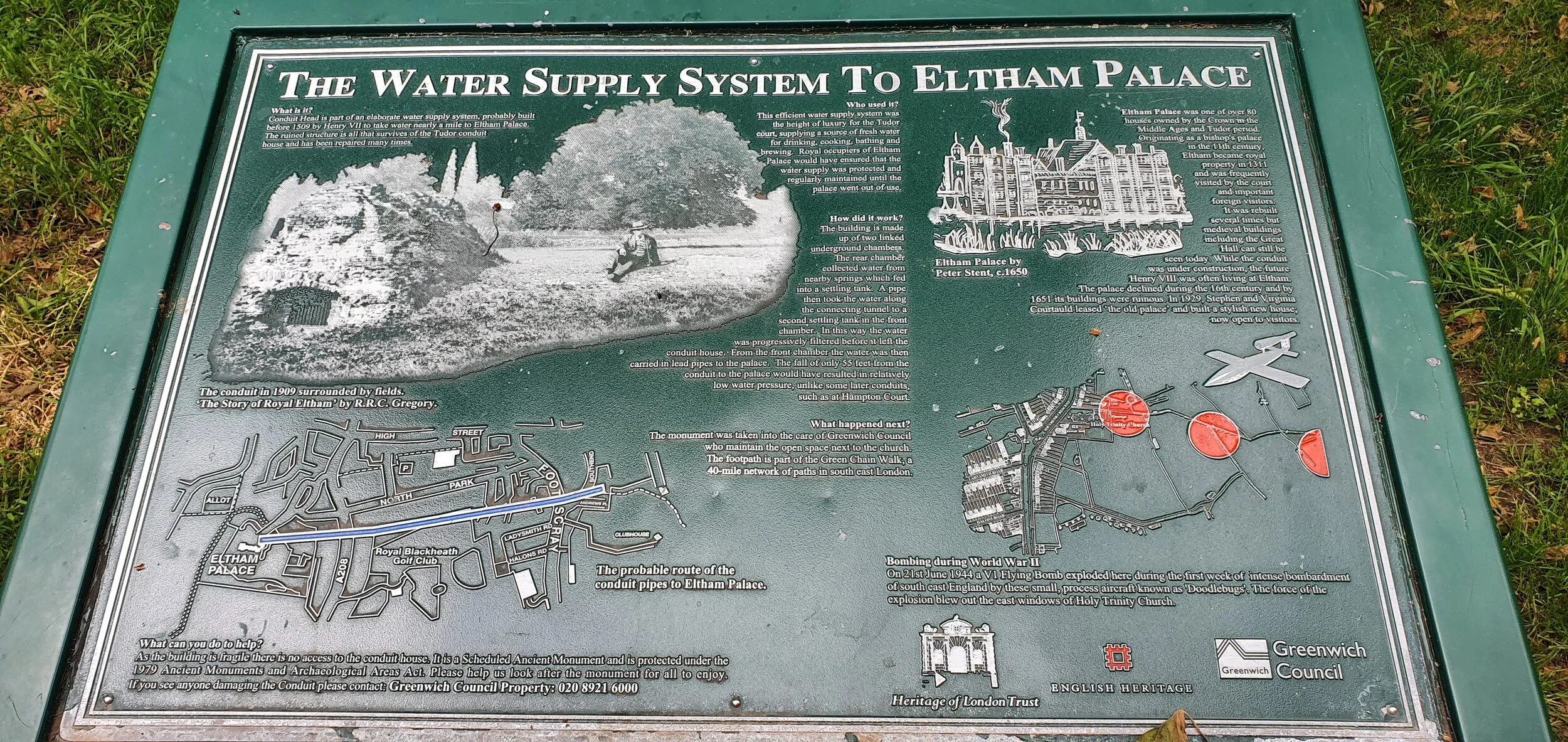
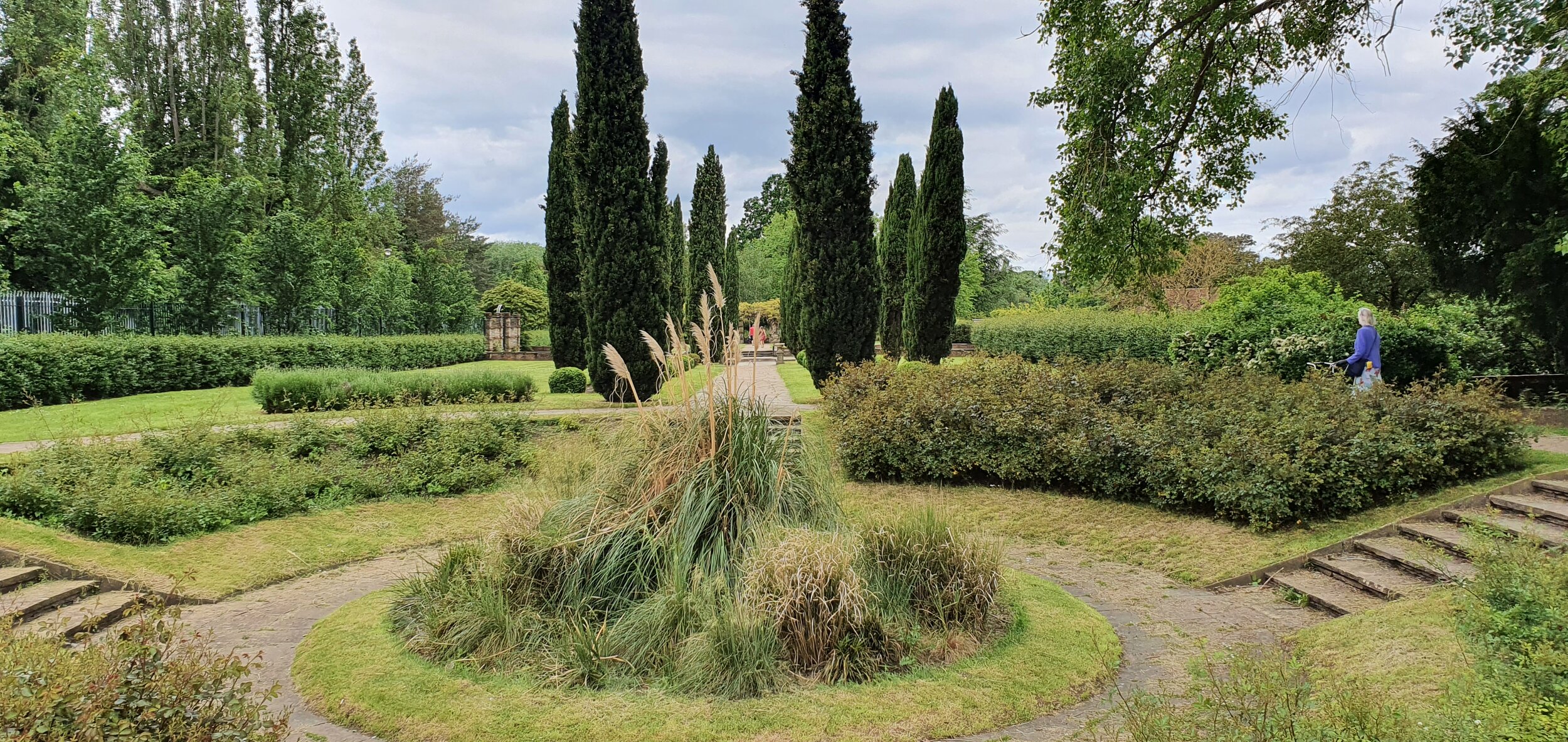
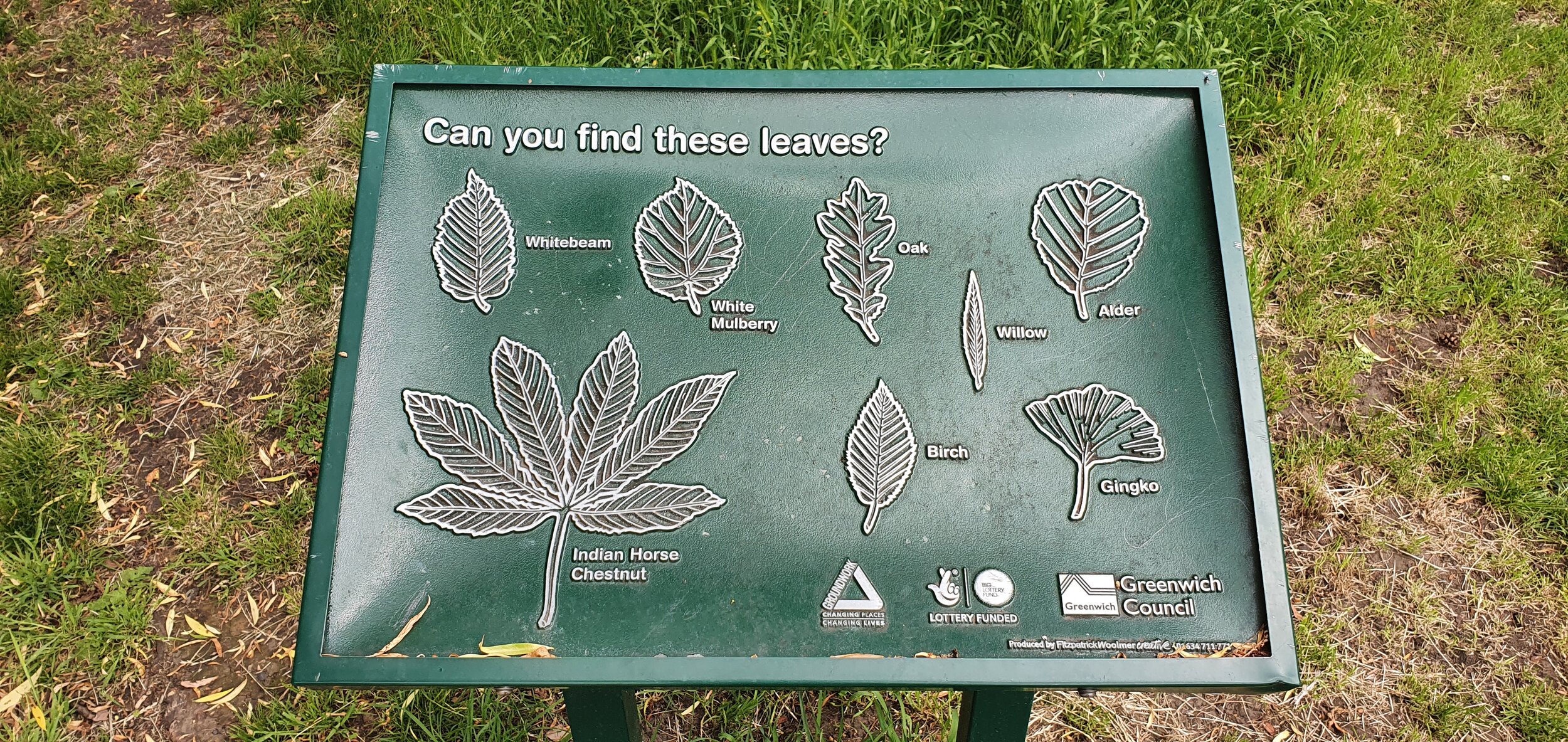
Today’s weather was perfect for walking with light clouds, a gentle breeze and temperatures around 23 Celsius (73 Fahrenheit). So Mrs P and I decided that we’d like to take a leisurely stroll somewhere local. Fortunately, we live in south east London and not far from the Green Chain Walk. This is a network of managed trails and pathways through various woodlands and parks that span four Boroughs. We decided to walk to Avery Hill Park and then follow the Green Chain Walk to Eltham. From there we then walked through the high street to Well Hall and visited the Pleasaunce. Our journey covered a distance of about 4.5 miles or so. We took our time and frequently stopped to enjoy the surroundings. Overall we walked for about 2 hours. We then decided to return home by bus, as the weather had become somewhat overcast.
Today’s weather was perfect for walking with light clouds, a gentle breeze and temperatures around 23 Celsius (73 Fahrenheit). So Mrs P and I decided that we’d like to take a leisurely stroll somewhere local. Fortunately, we live in south east London and not far from the Green Chain Walk. This is a network of managed trails and pathways through various woodlands and parks that span four Boroughs. We decided to walk to Avery Hill Park and then follow the Green Chain Walk to Eltham. From there we then walked through the high street to Well Hall and visited the Pleasaunce. Our journey covered a distance of about 4.5 miles or so. We took our time and frequently stopped to enjoy the surroundings. Overall we walked for about 2 hours. We then decided to return home by bus, as the weather had become somewhat overcast.
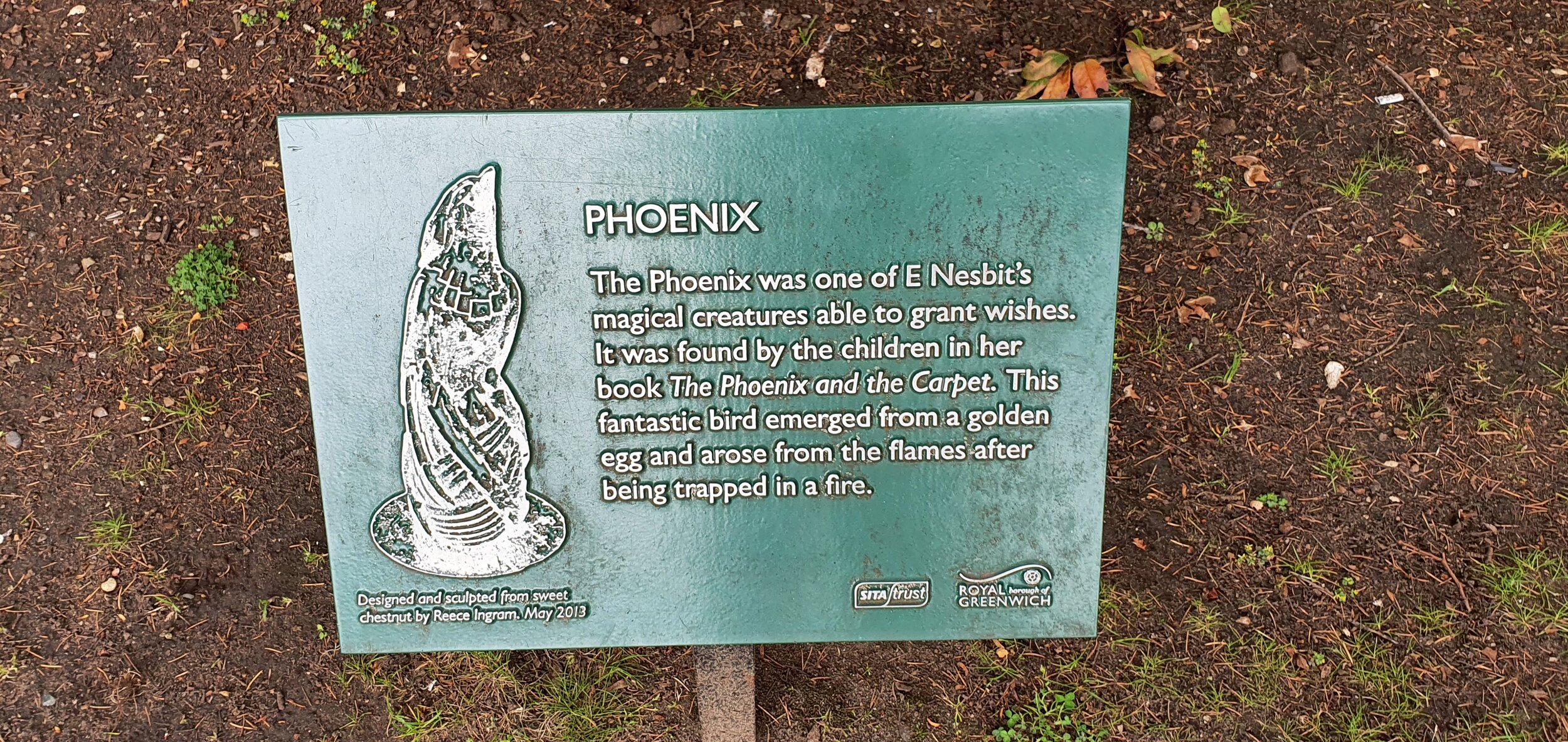
Eltham lies on a high plateau which gave it a strategic significance in Medieval times. Although it is difficult to see this topographical feature nowadays, as the area has been totally developed by the Greater London sprawl. Its importance throughout early English history is mainly due to it being close to the main route to the English Channel ports in Kent. Several Tudor monarchs intermittently resided at Eltham Palace and hence the area has a lot of associated history. The Well Hall Pleasaunce features several ornamental gardens, a bowling green and various water features. There is a Tudor Barn which dates back to the 16th century that is located towards the north part of the park. It is now a restaurant that caters for park users and is available to hire for private functions. The well maintained grounds are very peaceful despite being next to a main road.
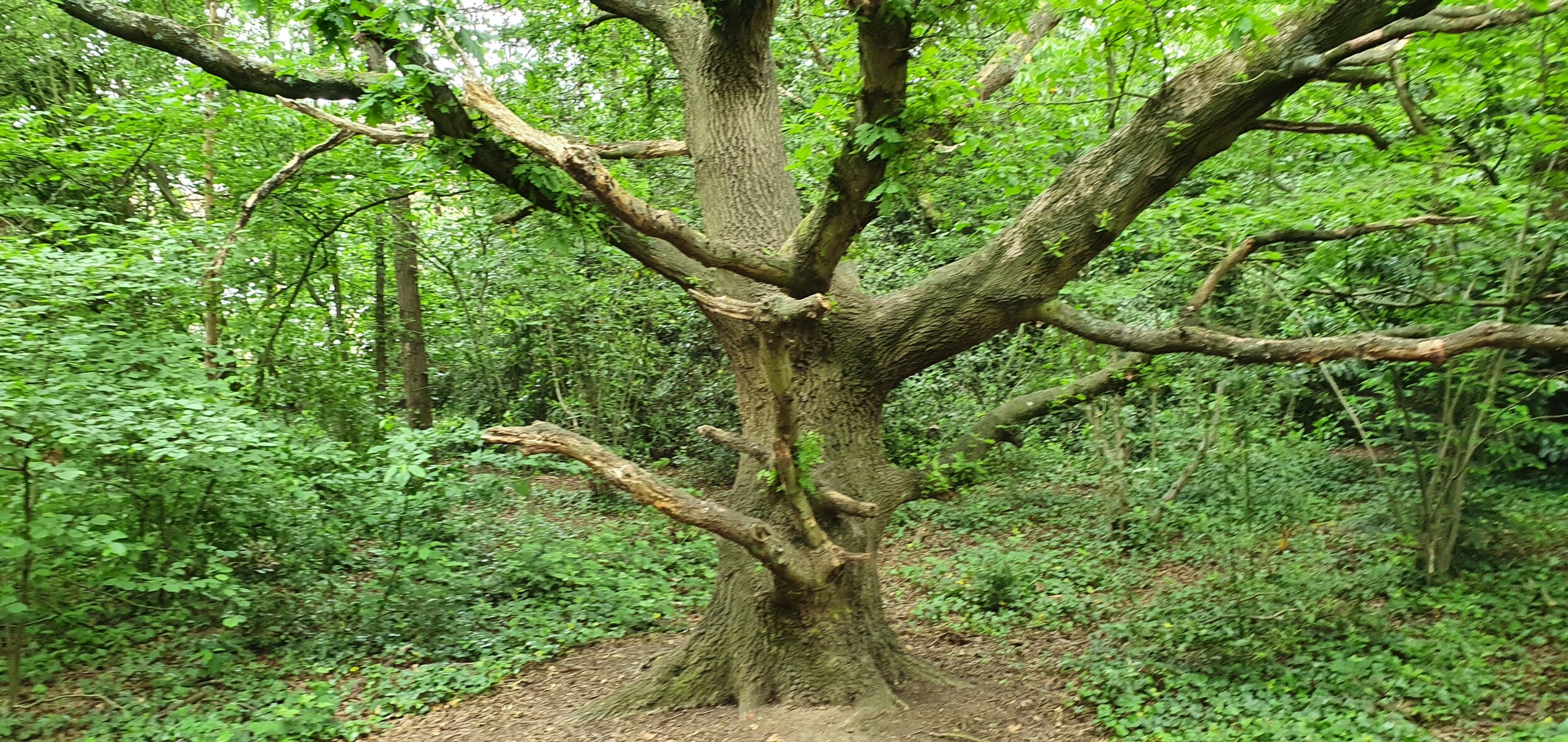
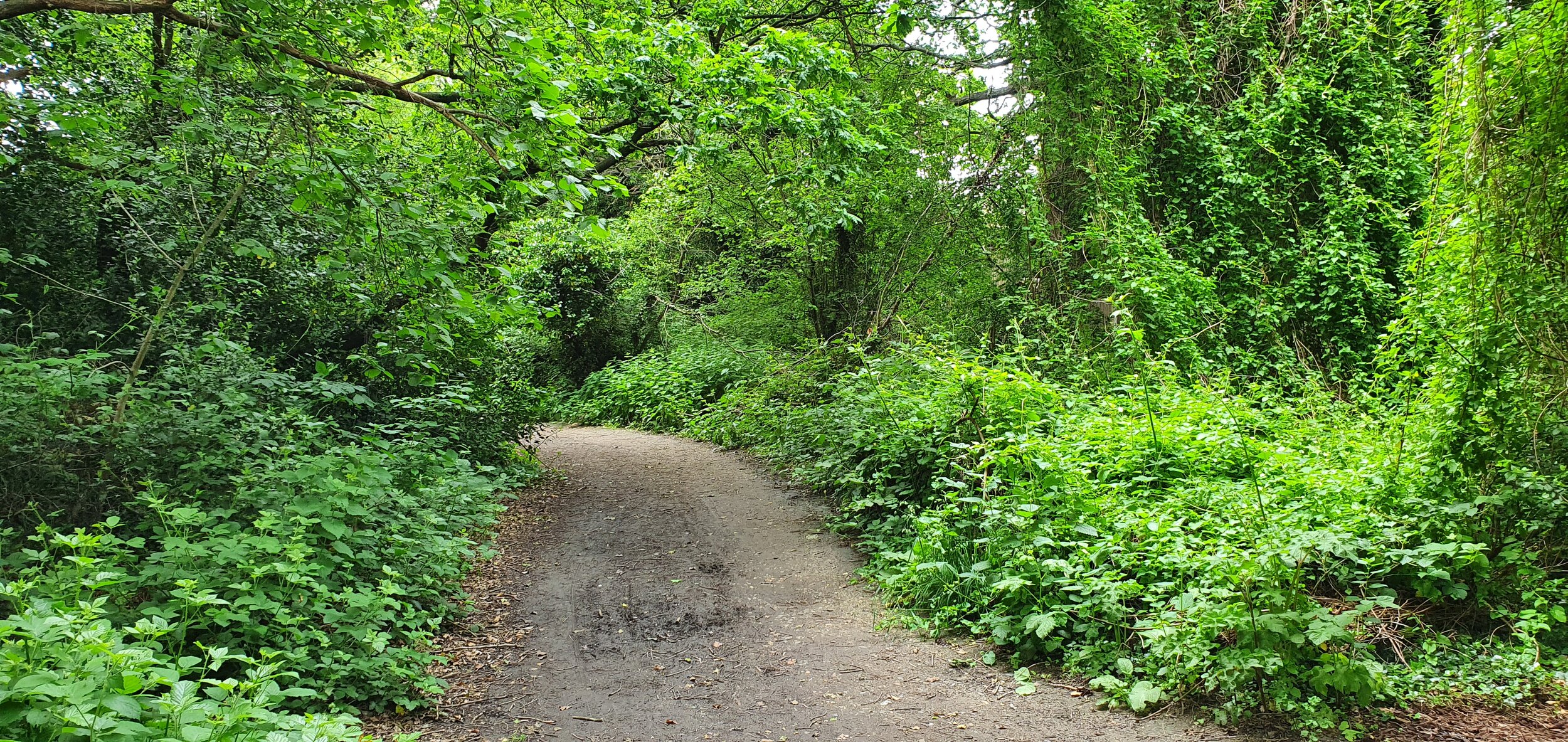
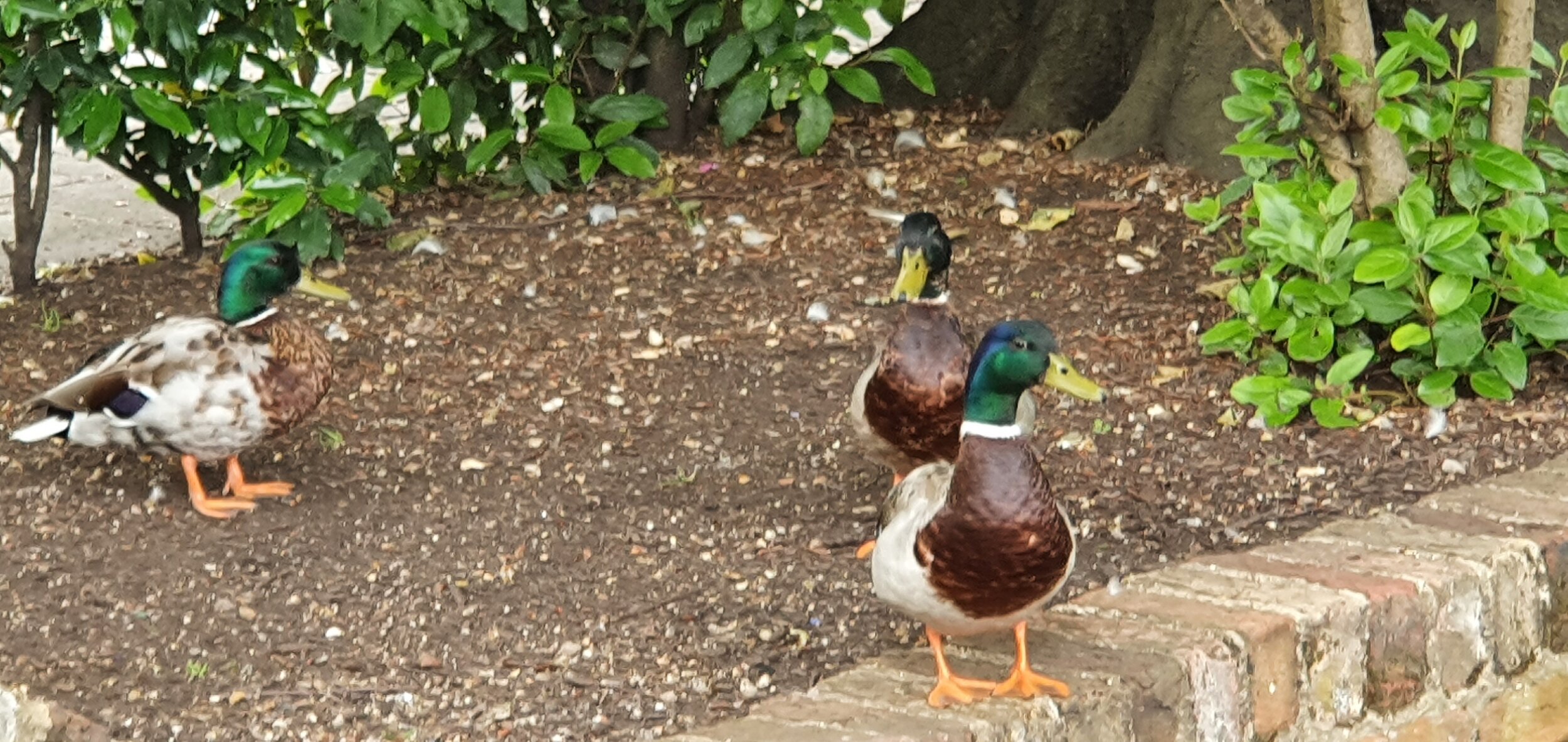
I enjoy walking for pleasure as it often affords an opportunity to escape from the hustle and bustle of urban living. Avery Hill Park was busy today, as the weather was fine and it offers a lot of facilities for family entertainment. However, once you leave the open spaces and follow the various paths, you find things a lot more tranquil. The surrounding trees do much to insulate you from the noise and the trails are mainly used by dog walkers and rambling enthusiasts. The environment is perfect for personal introspection and reflection. There is also plenty of wildlife to observe on the Green Chain walk, as the paths are maintained to have minimal impact upon the surrounding environment. If the current weather persists, we may well take a waterside walk in the next few days along the Thames at Erith. London is fortunate to have so many preserved “green spaces” such as these.


Wye and Chilham
It has been eight month since Mrs P and I have enjoyed a day trip, due to the various travel restrictions imposed by the pandemic. However, now that some of the rules in the UK have started to be relaxed, we decided to plan a modest excursion out into the Kent countryside. Although some pubs and restaurants are now open for business, albeit outside only, we decided not to make a reservation anywhere as the weather was still somewhat cold and there was the possibility of rain. So we packed our picnic rucksack with a range of comestibles that were suitable for consumption inside the car and headed out towards Ashford, along the M20. I’ve been reliably informed that once you reach a certain age, it is extremely important to include the details of the route you took in any travel related anecdote. Far be it for me to fly in the face of tradition.
It has been eight month since Mrs P and I have enjoyed a day trip, due to the various travel restrictions imposed by the pandemic. However, now that some of the rules in the UK have started to be relaxed, we decided to plan a modest excursion out into the Kent countryside. Although some pubs and restaurants are now open for business, albeit outside only, we decided not to make a reservation anywhere as the weather was still somewhat cold and there was the possibility of rain. So we packed our picnic rucksack with a range of comestibles that were suitable for consumption inside the car and headed out towards Ashford, along the M20. I’ve been reliably informed that once you reach a certain age, it is extremely important to include the details of the route you took in any travel related anecdote. Far be it for me to fly in the face of tradition.
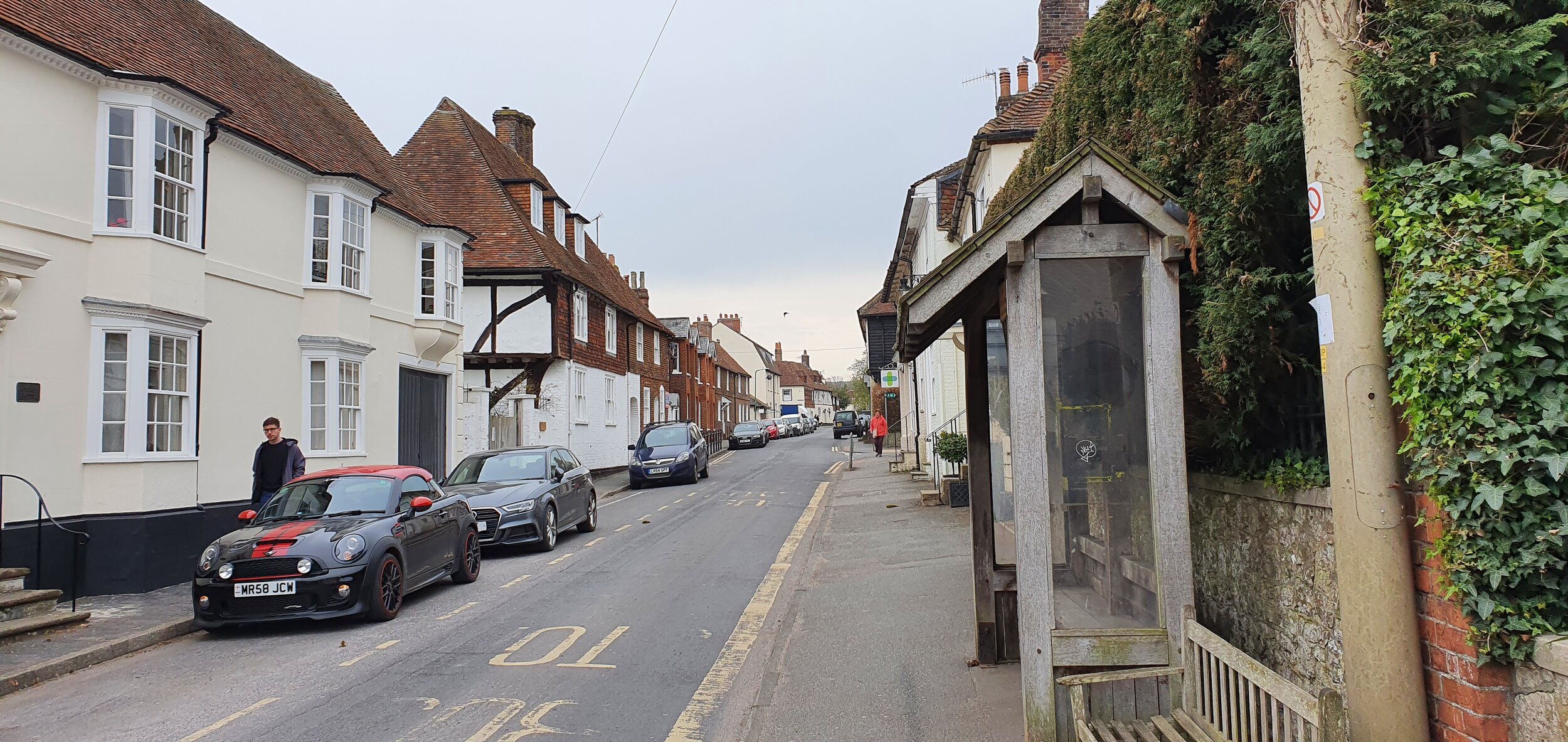
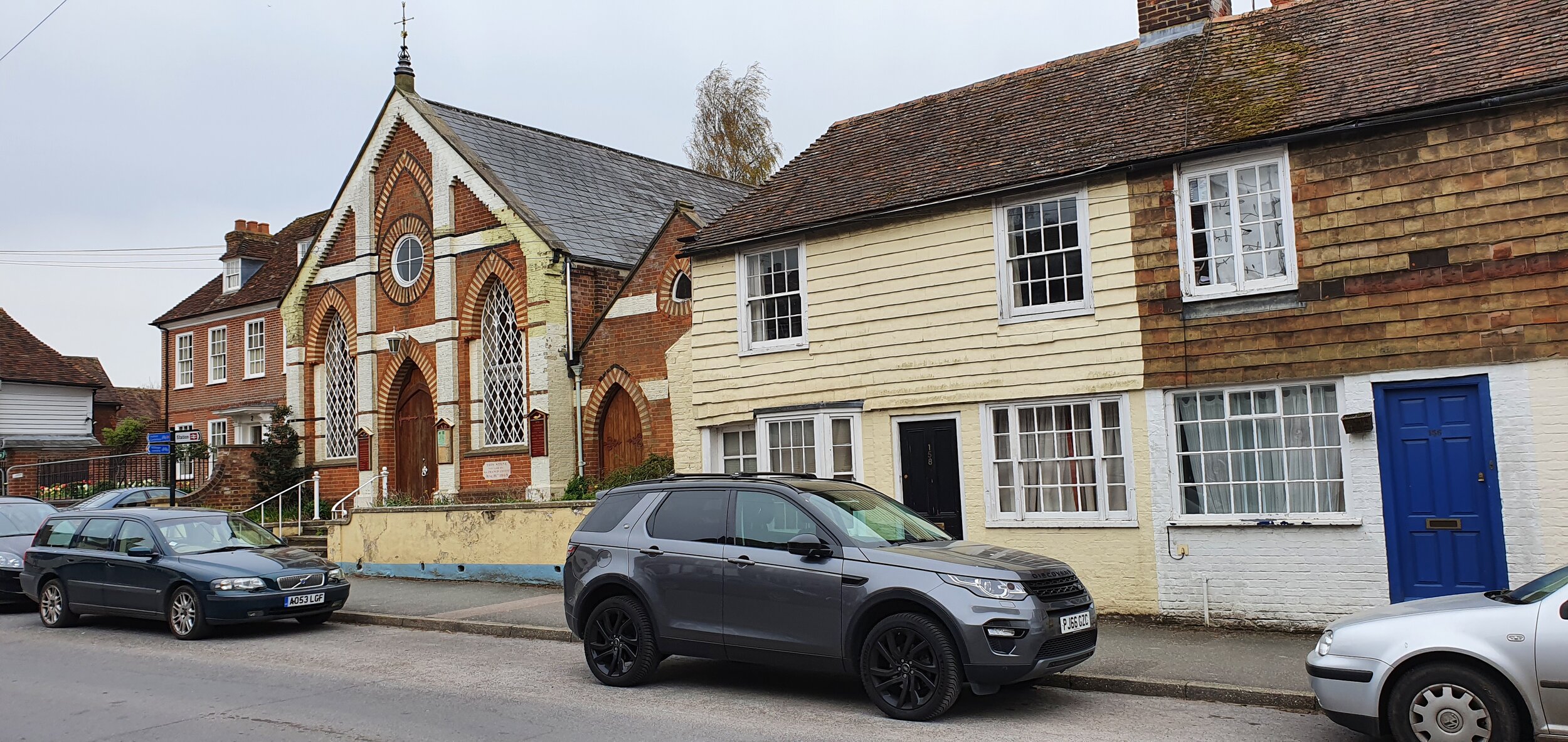
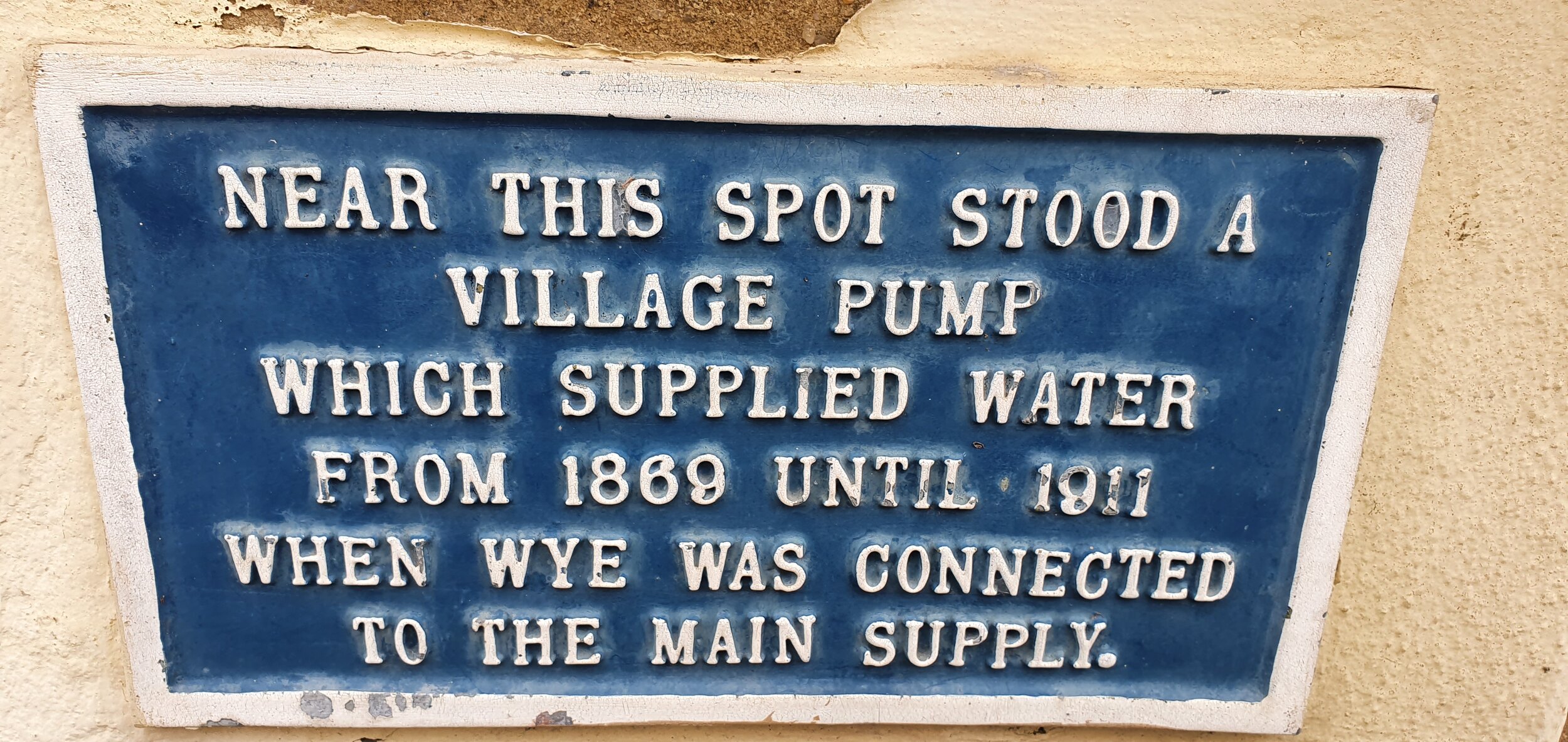
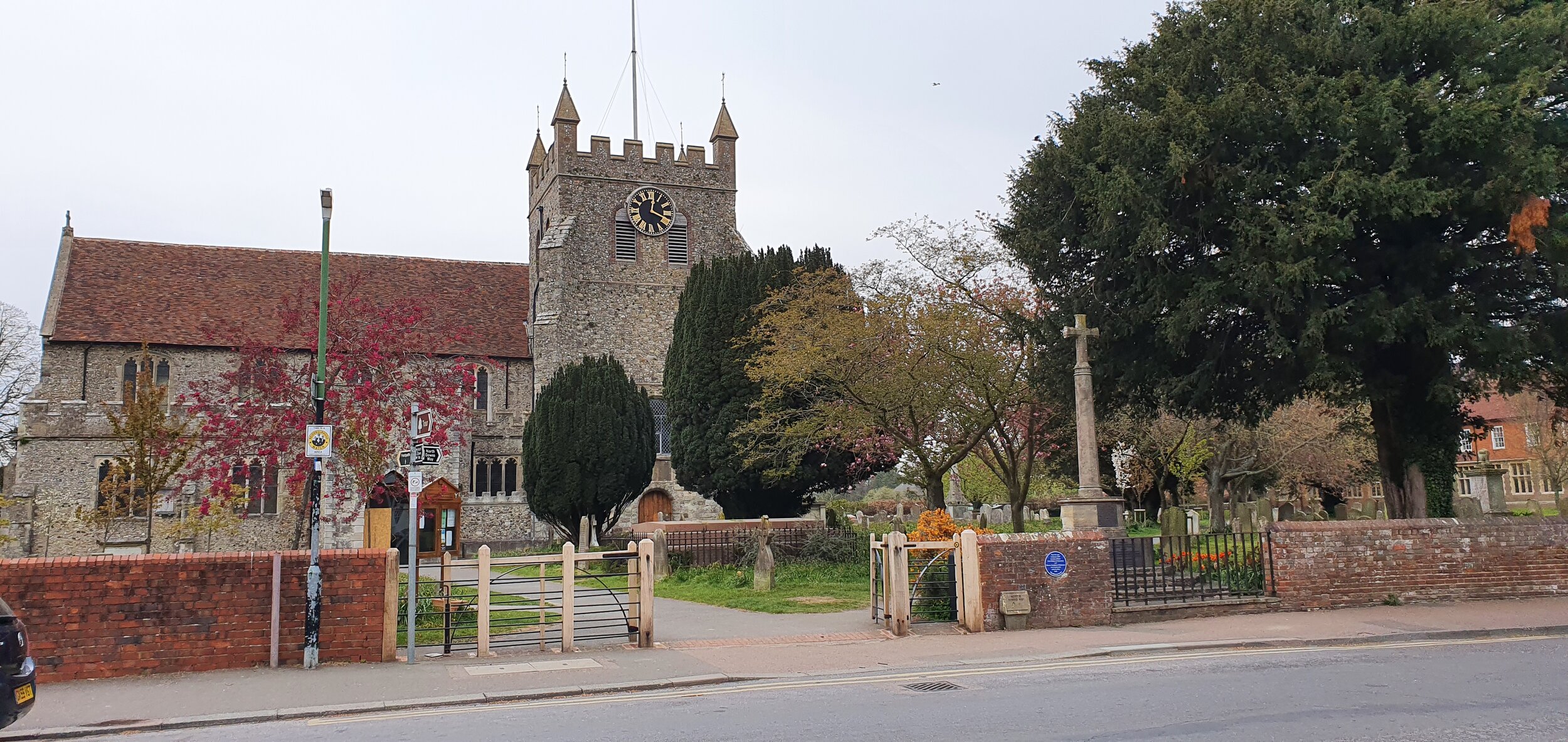
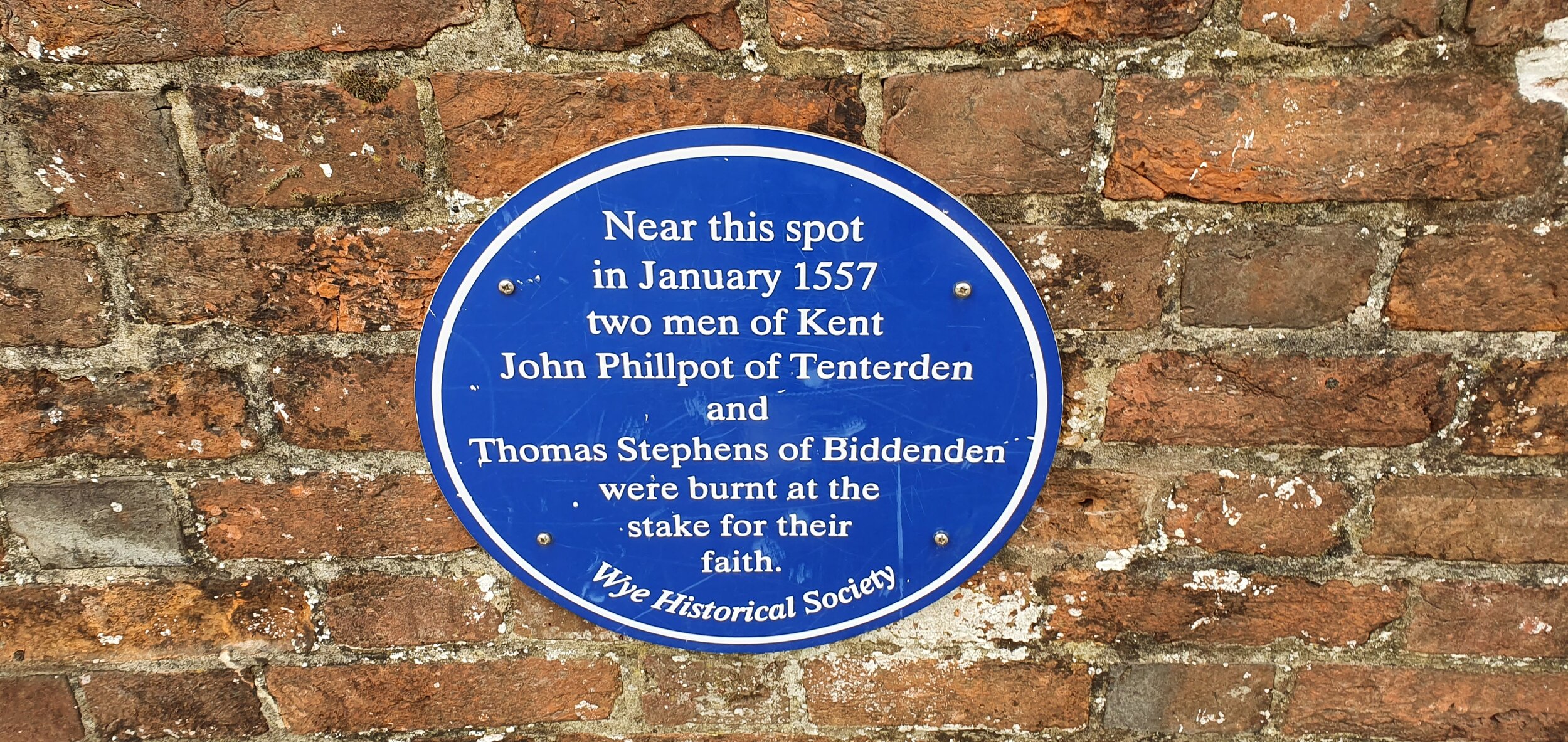
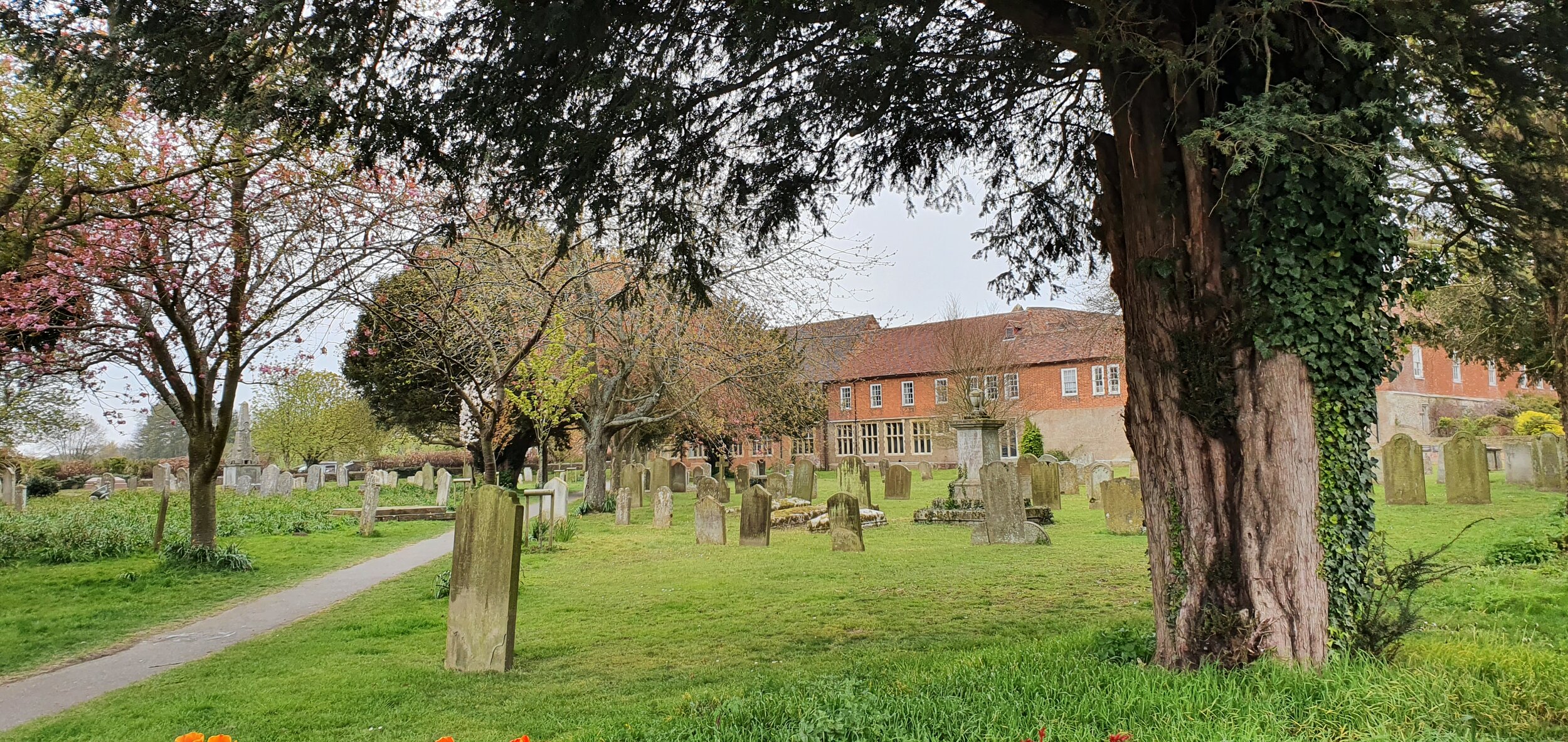
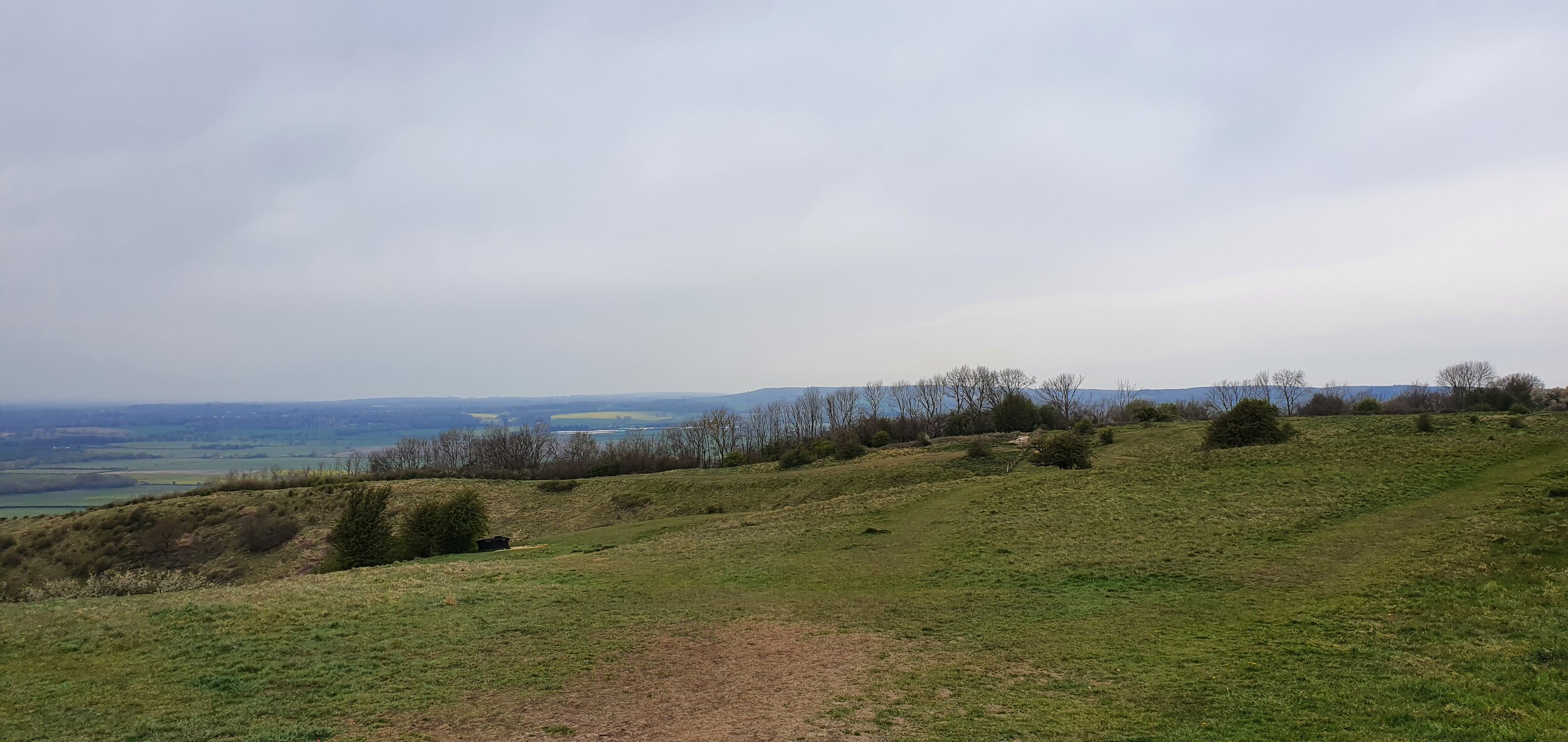
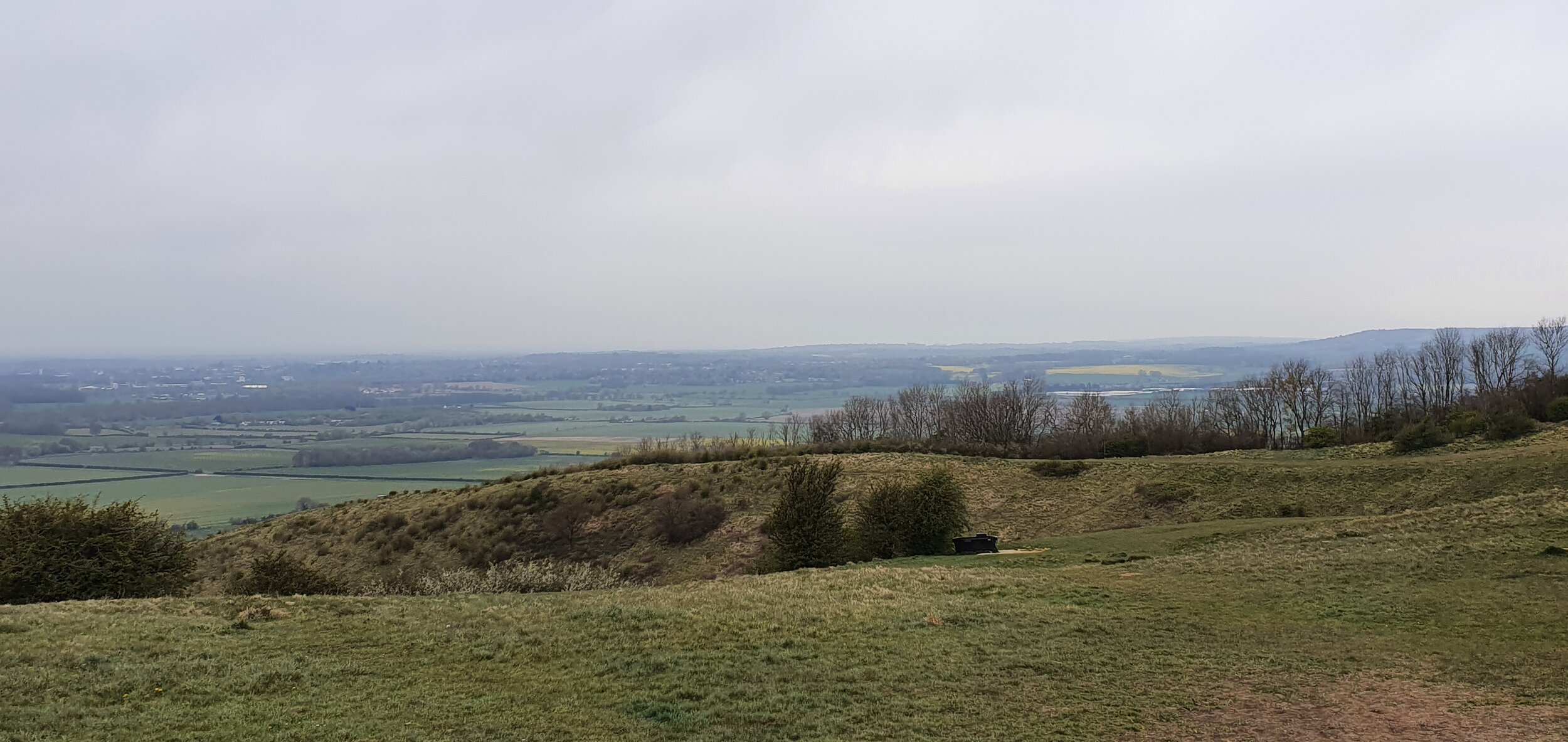
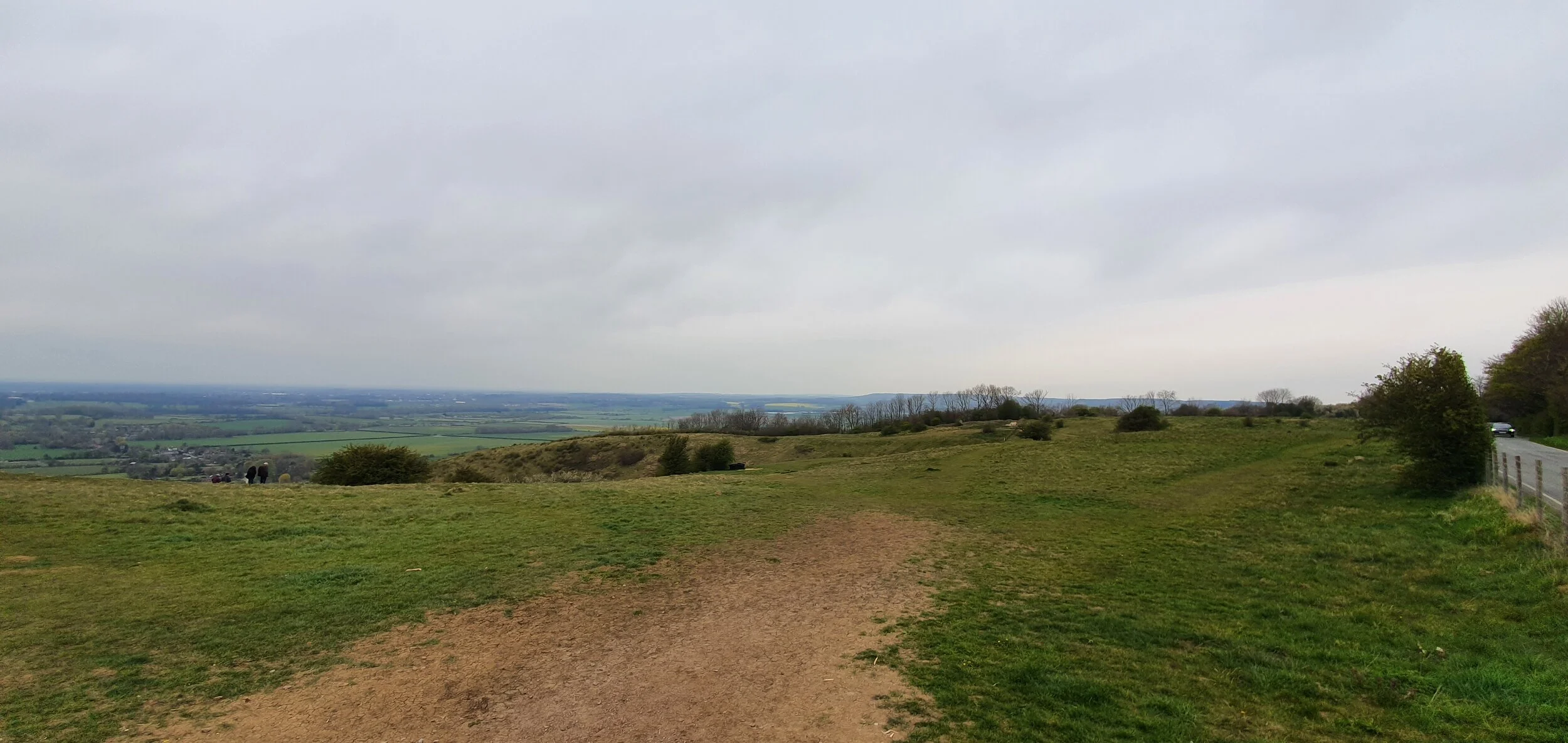
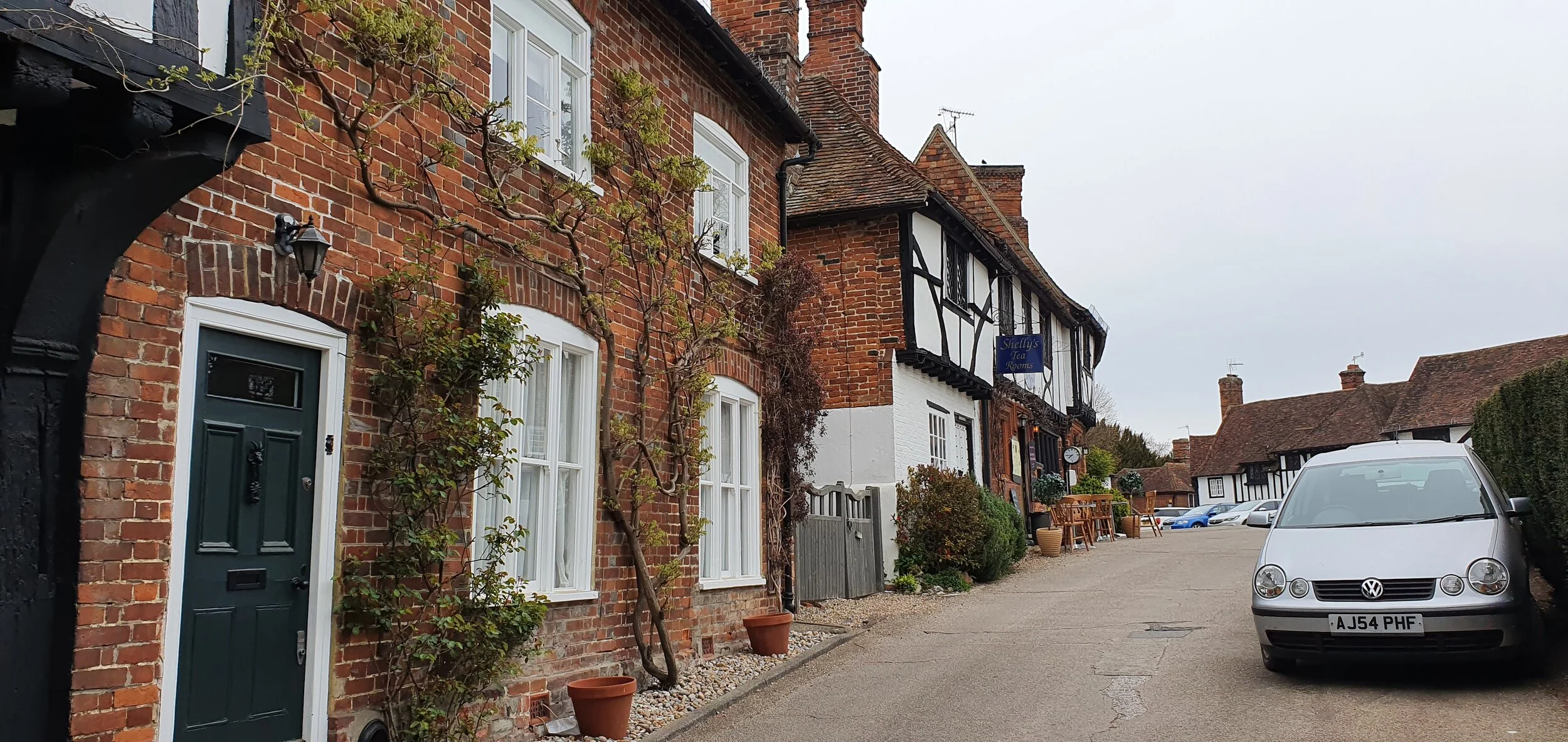
Our first stop was the village of Wye, which is 12 miles south of Canterbury and located in the Kent Downs. It is part of an area officially designated to be of outstanding natural beauty and is part of a wider nature reserve. The village's name derives from the Old English “Wēoh” meaning idol or shrine and it is thought that the area was a place of worship by the pre-Christian Angles. Wye became an important ancient trade and travel hub due to the ford across the River Great Stour connecting the paths along the North Downs. The Romans built a road between Canterbury and Hastings using the gap through the high chalk hills. By medieval times the community became a major market for regional commerce. Mrs P and I walked around the village, taking in the sights, then went to the visitor car park by the entrance of the North Downs walk. Due to the cold weather, we refrained from going too far along the path and had lunch in the car.
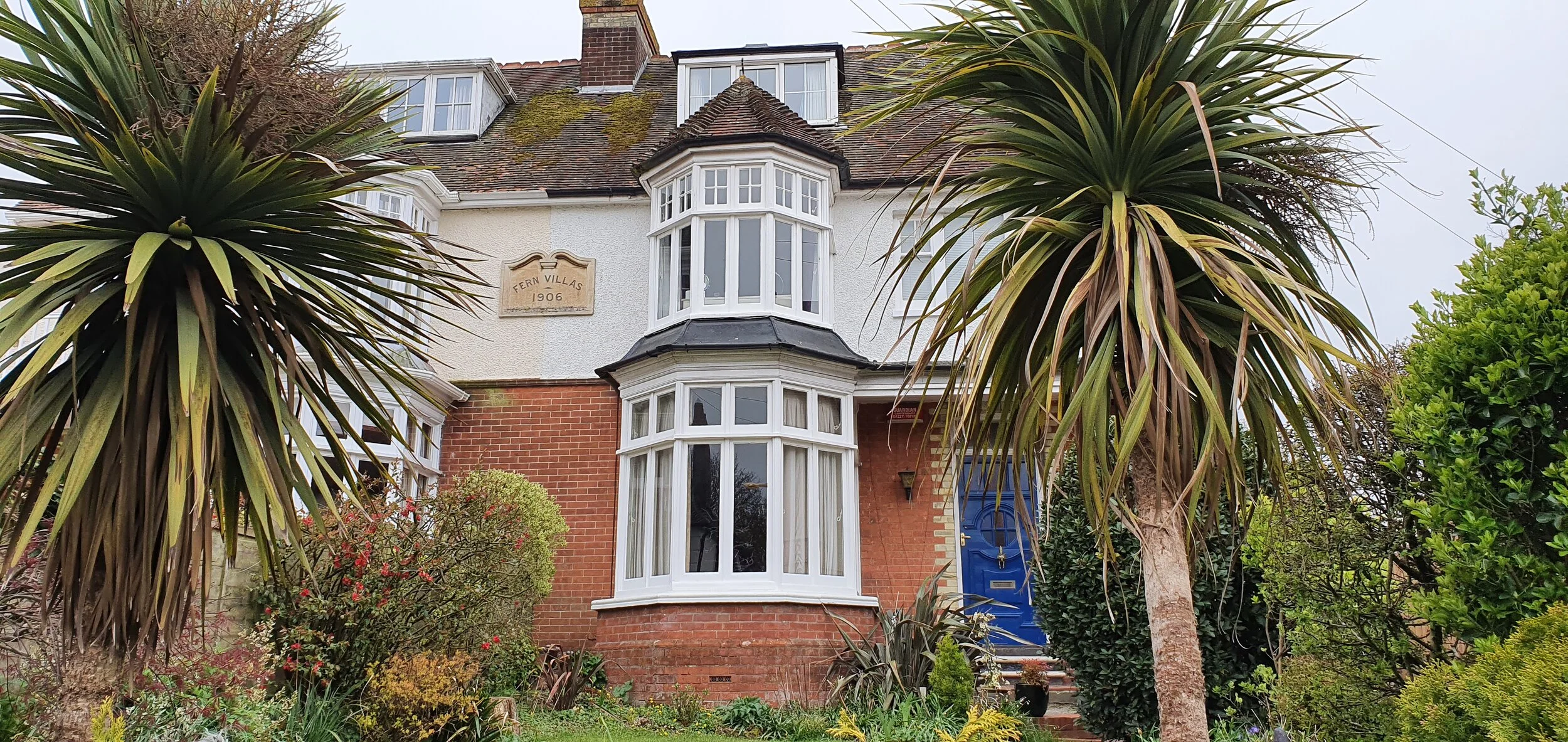
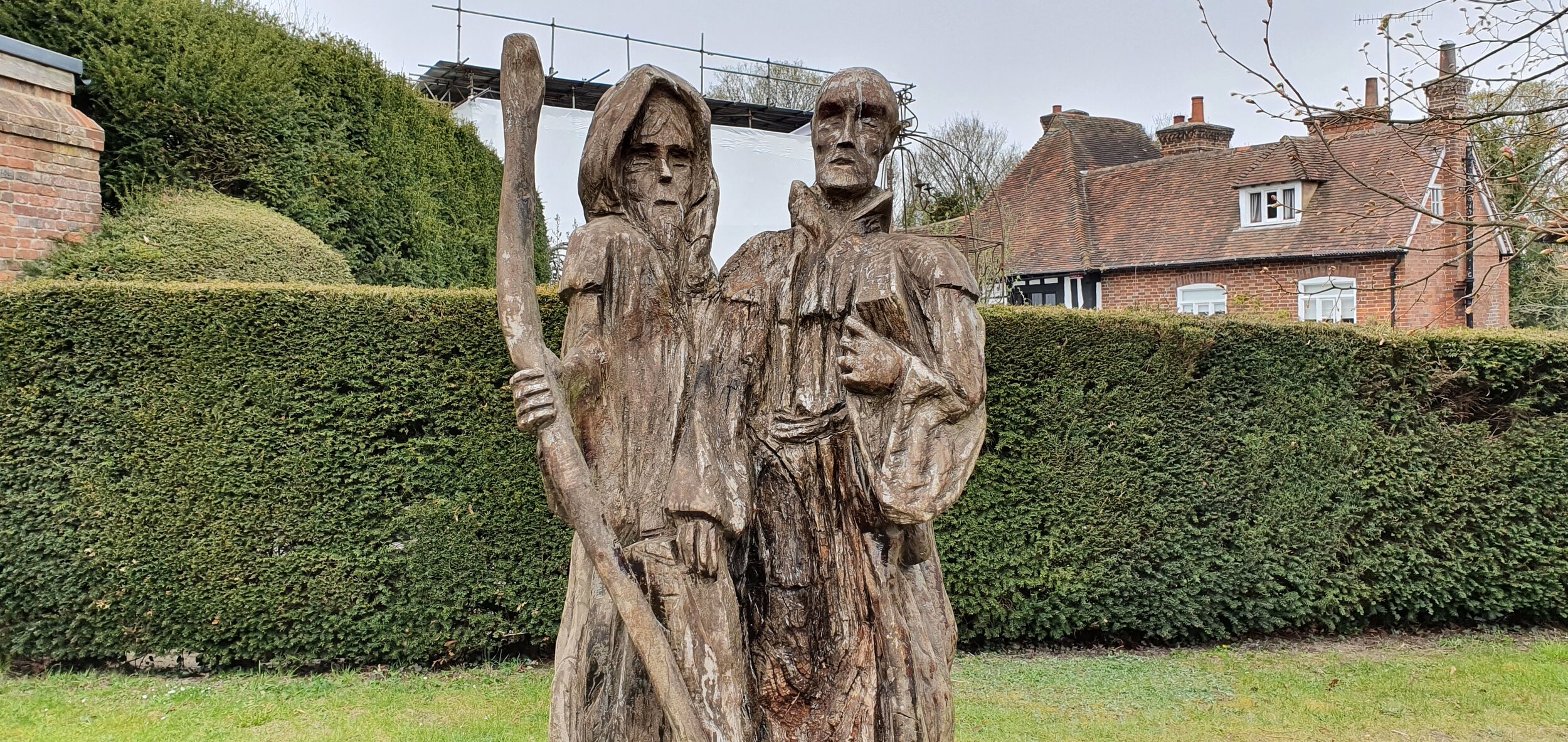
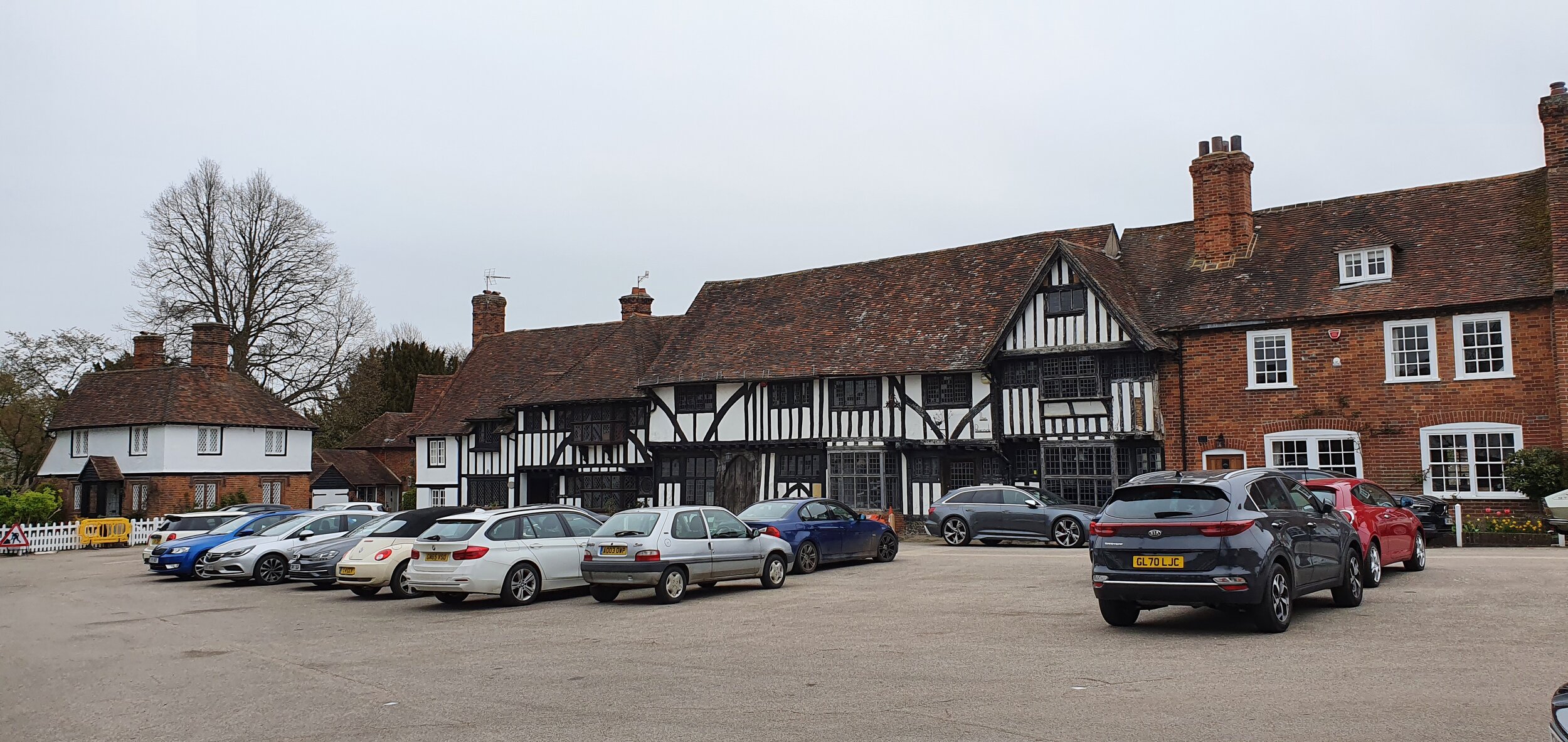
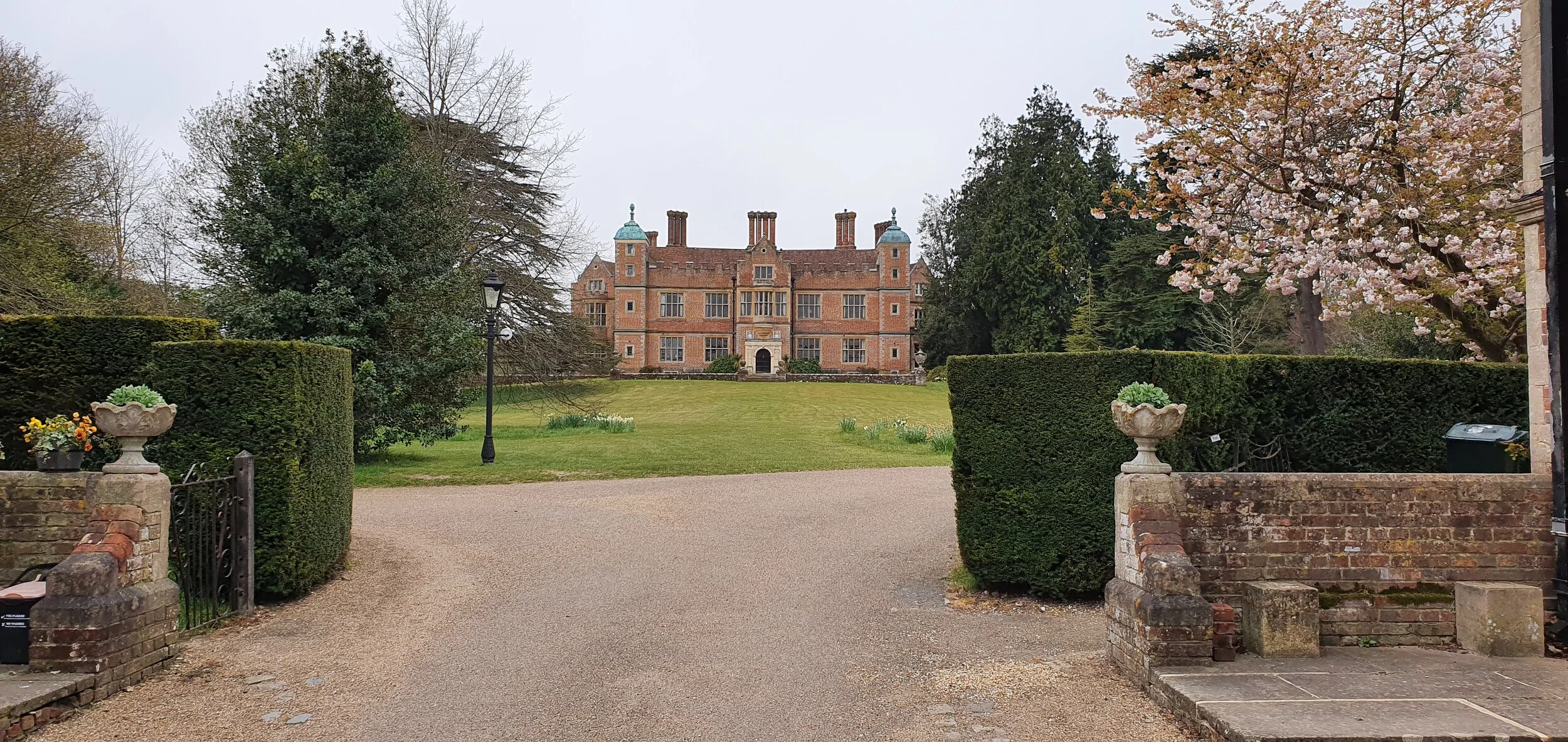
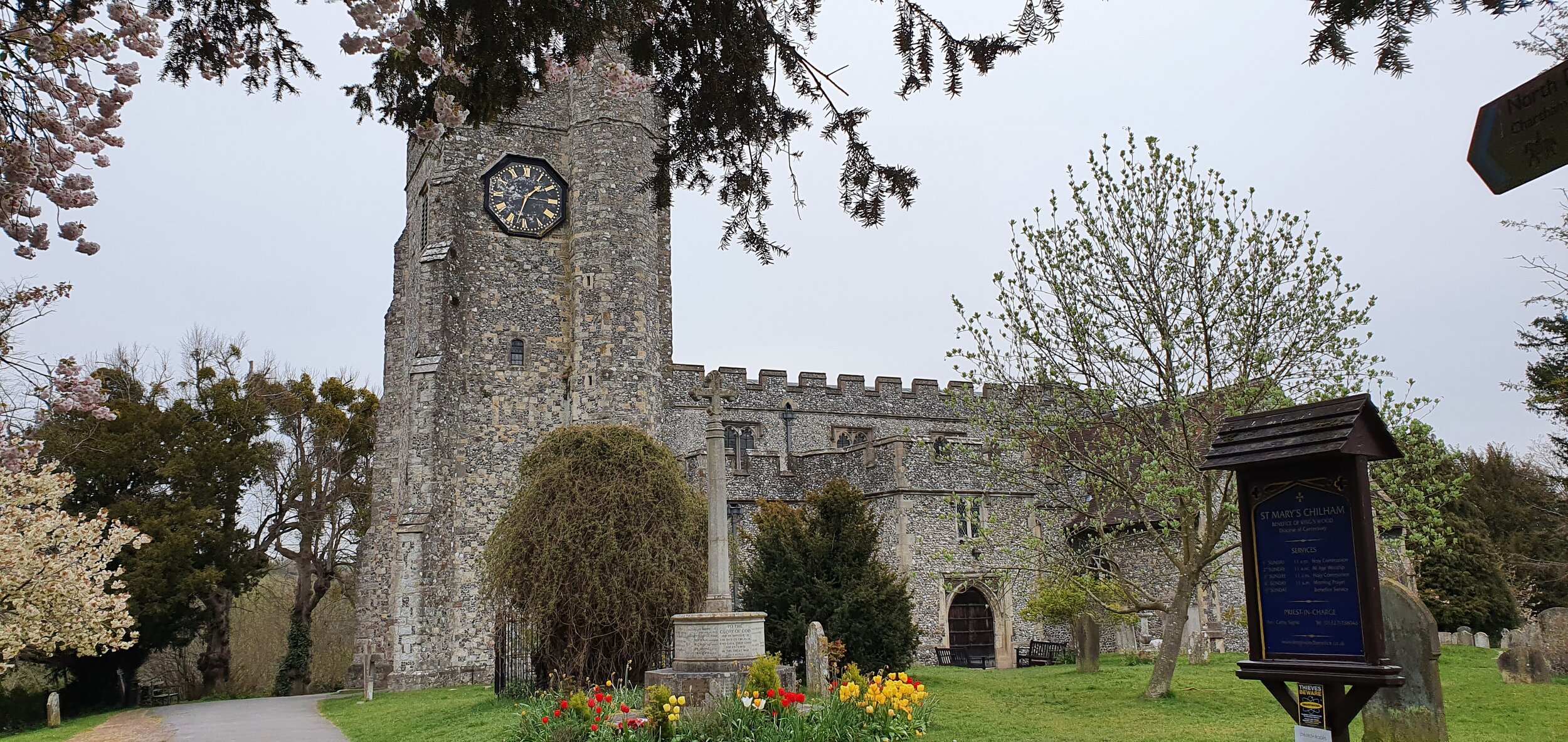
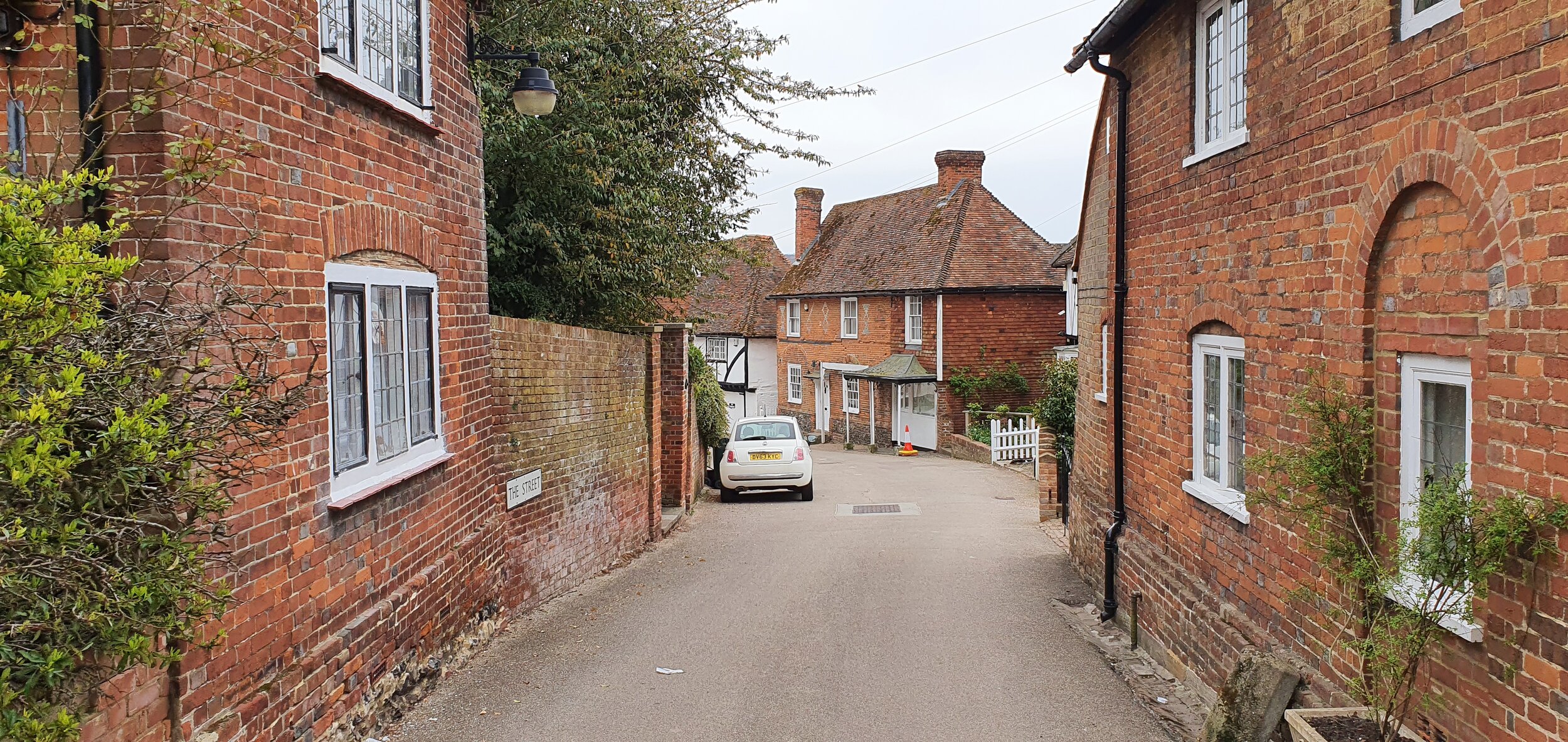
We then moved on to the village of Chilham a few miles further along the Great Stour River. Built on the summit of several hills there is a quaint market square featuring several period (and no doubt listed) buildings, dating back as far as 1742. At western side of the square stands Chilham Castle and to the east, the 15th-century parish church dedicated to St Mary. It is alleged that former Archbishop Thomas Becket was buried in the churchyard. The Pilgrims Way passes through Chilham on the way to Canterbury and there are still many historical references stemming from that religious tradition. At present several of the buildings in the village are undergoing renovation. However, the gardens of the castle are now open again on Tuesdays and Thursdays. Sadly, the weather took a turn for the worst after we visited Chilham, so we decided to return home.
Even this slightly curtailed excursion was a welcome break with our usual routine. Both villages were picturesque and very interesting. The church architecture was particularly impressive. Wye and Chilham further benefited from good facilities for tourists, such as free parking (a rare commodity) and public toilets. Both are steeped in history and are exceedingly well preserved and maintained by their respective communities. The North Downs walk is especially good, providing excellent views across the Kent countryside. However, it is a very hilly area and both villages we visited proved to be quite taxing walks, especially for Mrs P who has a heart condition. However, after being housebound for more than half a year, today’s excursion was a great day out and a pleasant change of scene. We’re already planning our next excursion in May.
Dymchurch, Old Romney and Hamstreet
As previously mentioned, the global pandemic and subsequent lockdown has put pay to our usual day trips and excursions. Mrs P and I had to wait six month before we could resume our travels. The last such journey was on June 9th when we visited Otford and Eynsford. However, at that point virtually nothing was open so we couldn’t visit any National Trust or English Heritage sites and there was nowhere where we could “stop for a spot of lunch”. However, two months later and many of the existing social restrictions have changed or been removed. As the weather was favourable today, we decided to take a journey out into Kent and visit some towns along the coast and nearby. The planned itinerary was to go to Dymchurch and Romney but as ever with travel arrangements, things can change. We ended up travelling to Old Romney and Hamstreet after Dymchurch.
As previously mentioned, the global pandemic and subsequent lockdown has put pay to our usual day trips and excursions. Mrs P and I had to wait six month before we could resume our travels. The last such journey was on June 9th when we visited Otford and Eynsford. However, at that point virtually nothing was open so we couldn’t visit any National Trust or English Heritage sites and there was nowhere where we could “stop for a spot of lunch”. However, two months later and many of the existing social restrictions have changed or been removed. As the weather was favourable today, we decided to take a journey out into Kent and visit some towns along the coast and nearby. The planned itinerary was to go to Dymchurch and Romney but as ever with travel arrangements, things can change. We ended up travelling to Old Romney and Hamstreet after Dymchurch.
It took about an hour to drive from the leafy suburb of Bexley to Dymchurch, a coastal town steeped in a history of smuggling and intrigue (Dr Syn is set in this area), known for its salt marshes and robust sea wall. The Romney, Hythe & Dymchurch railway is another major tourist attraction. I have memories of visiting this “quaint” coastal town as a child in the seventies. How times have changed. Let it suffice to say that the town centre is now devoid of any character and only offers the most basic tourist facilities; arcades, fairground rides, fast food etc. In recent years the sea wall has been reinforced and the sea facing side has extensive concrete ramparts. There are two beaches but they are heavily used and so the sea wall takes most of the overflow of tourists and daytrippers. If you wish to maintain any semblance of social distancing then Dymchurch is not the ideal environment. Parking is also problematic. The main car park in the town centre is extremely busy and poorly run. Payment is via RingGo (app or telephone) which doesn’t recognise its own site code.
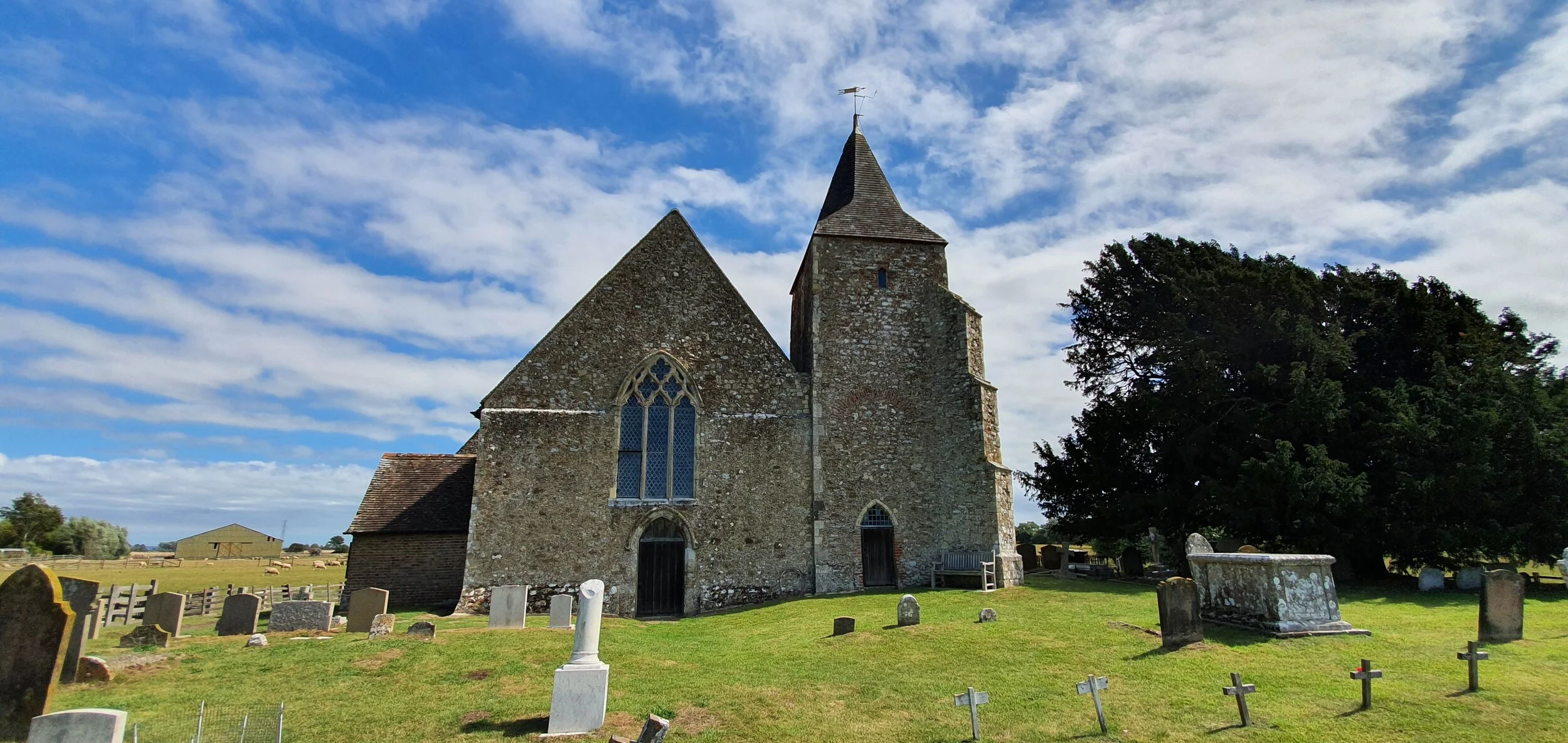
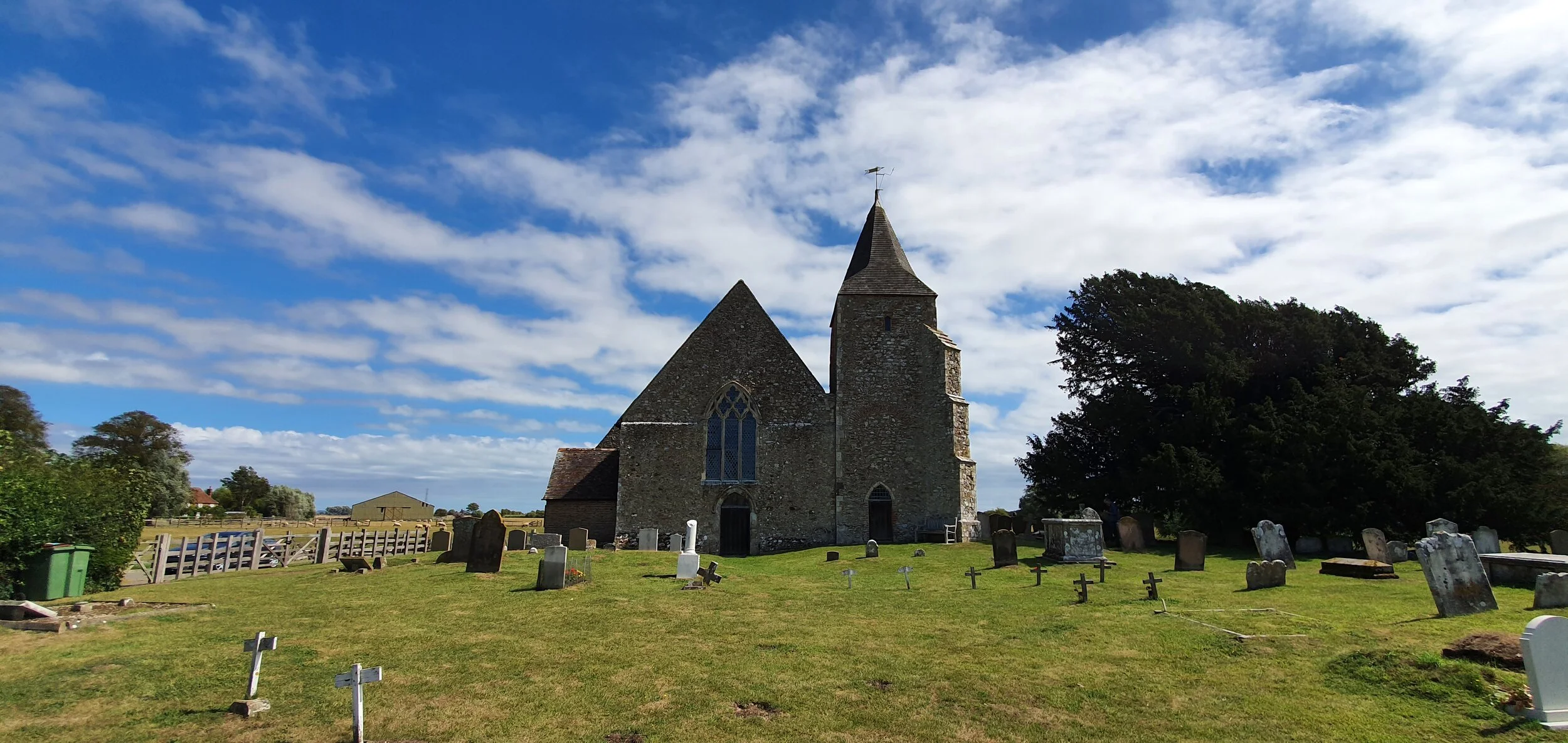
So after a brief reconnoitre, we moved on from Dymchurch and followed the main road (A259) through New Romney which is similarly, overly commercial and lacking in personality. However, the route took us through Old Romney which afforded us an opportunity to stop and visit St Clements Church. The original place of worship was built approximately in the 8th century. An artificial mound was constructed to protect the site from flooding, which is common in the marsh area. Circa the 12th century the Saxon structure was replaced by an early Norman church, which was without a main aisle and featured a square-ended chancel. It was further enlarged in the 13th century. The present building, which is mostly of 13th century construction, has a nave and chancel, as well as north and south chapels. There is a small tower, with south-east and south-west buttresses, in the south-west corner. The porch is in the northern part of the church. The graveyard is still actively used. The filmmaker Derek Jarman is buried there.
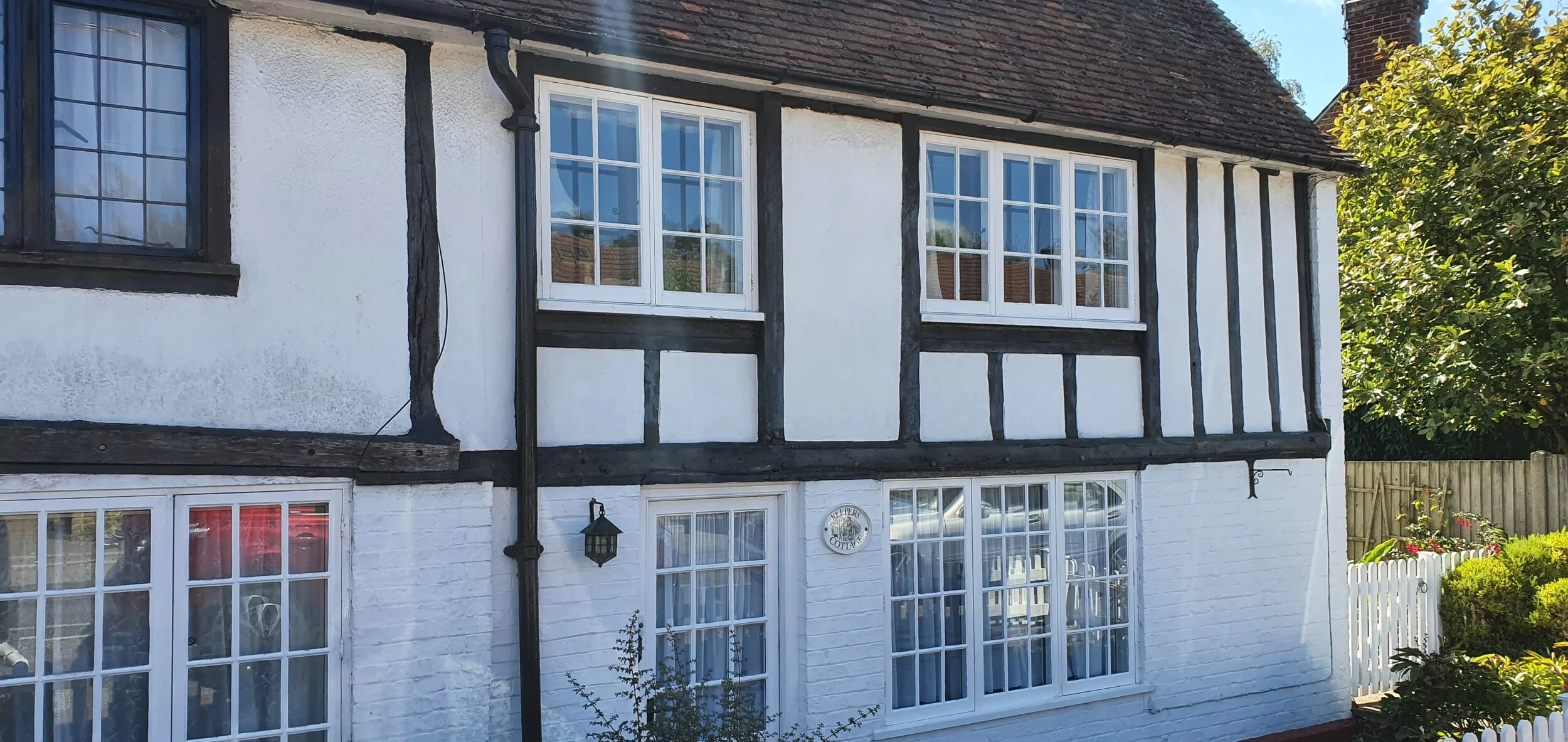
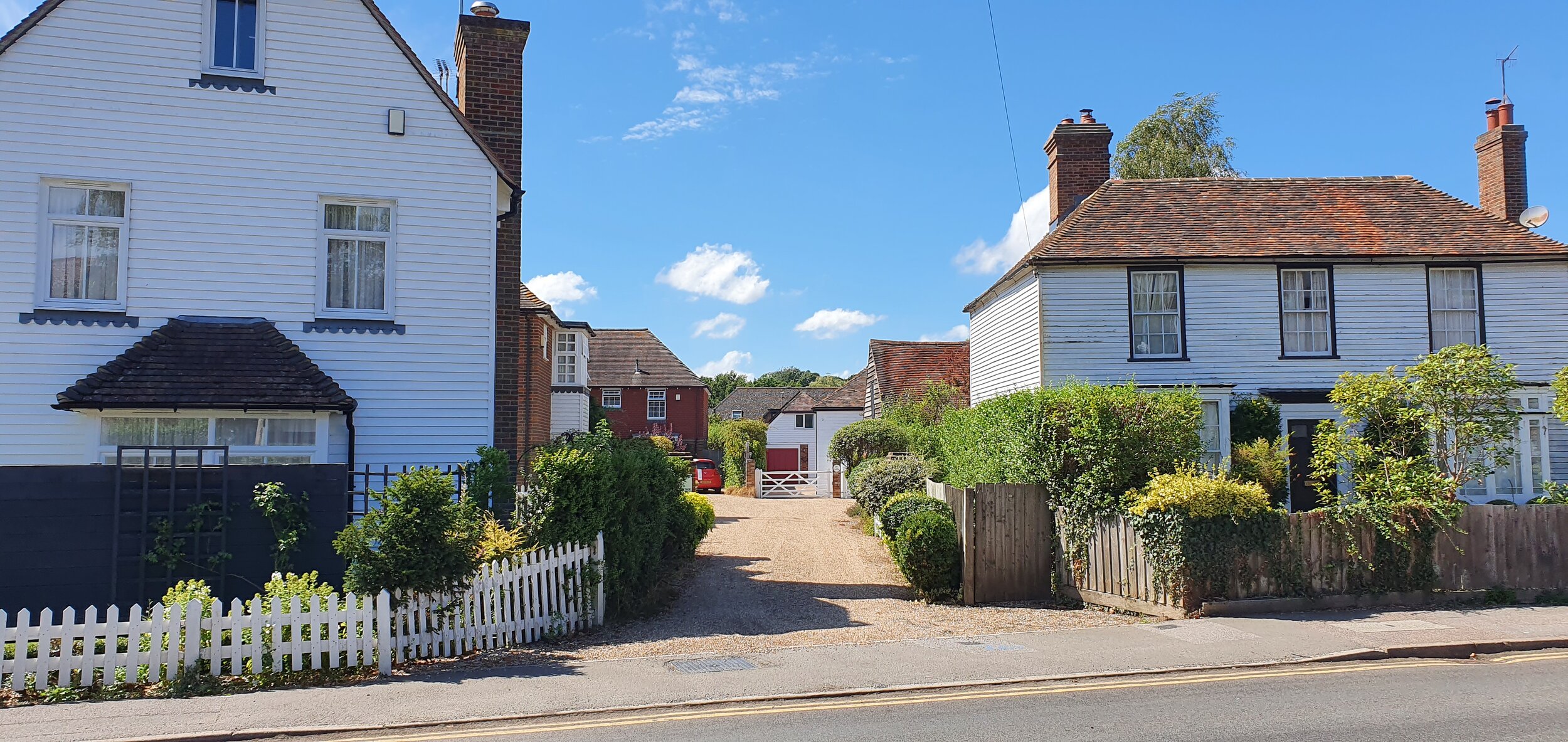
Our next stop was the village of Hamstreet. Parish records show that there was a small Saxon settlement in the area as far back as the 11th century. The hamlet known as Ham remained undeveloped until the coming of the railway in 1853. It subsequently expanded and saw a growth in houses and cottages in the traditional Kentish weatherboard style. Today many of the traditional buildings still remain although some have been repurposed. The old village school is now an Indian restaurant. Hamstreet as it is now known, has two public woodlands surrounding the area which are the last remaining remnants of the ancient forest that once entirely covered the Weald of Kent. It is picturesque and offers plenty of local history as well as being part of the The Saxon Shore Way walk. It is ideal for rural rambles and sedate historical tourism. Both Mrs P hope to return again soon as we have taken a liking to the place.

Headcorn, Biddenden and Tenterden
Today, Mrs P and I once again travelled into both Kent and East Sussex in the pursuit of leisure as well as research for a potential future move. As ever it was a very entertaining day and a pleasure to explore these outlying areas of South East England. I suspect that this will be our last such excursion in 2019, as the weather is now quite cold and wet. Also this time of year frequently comes with numerous other social obligations that monopolise our time. Yet despite the biting cold, the day remained dry but overcast. We managed to do some exploring on foot, although the temperature meant that we stayed as inside as much as we could. However, many of the places or interest are still open even this late in the year and the local shops are also of note. After visiting three locations we returned to the village of Sedlescombe where we had previously enjoyed a most pleasant lunch at the Queen’s Head pub. Second time around proved just as pleasant.
Today, Mrs P and I once again travelled into both Kent and East Sussex in the pursuit of leisure as well as research for a potential future move. As ever it was a very entertaining day and a pleasure to explore these outlying areas of South East England. I suspect that this will be our last such excursion in 2019, as the weather is now quite cold and wet. Also this time of year frequently comes with numerous other social obligations that monopolise our time. Yet despite the biting cold, the day remained dry but overcast. We managed to do some exploring on foot, although the temperature meant that we stayed as inside as much as we could. However, many of the places or interest are still open even this late in the year and the local shops are also of note. After visiting three locations we returned to the village of Sedlescombe where we had previously enjoyed a most pleasant lunch at the Queen’s Head pub. Second time around proved just as pleasant.
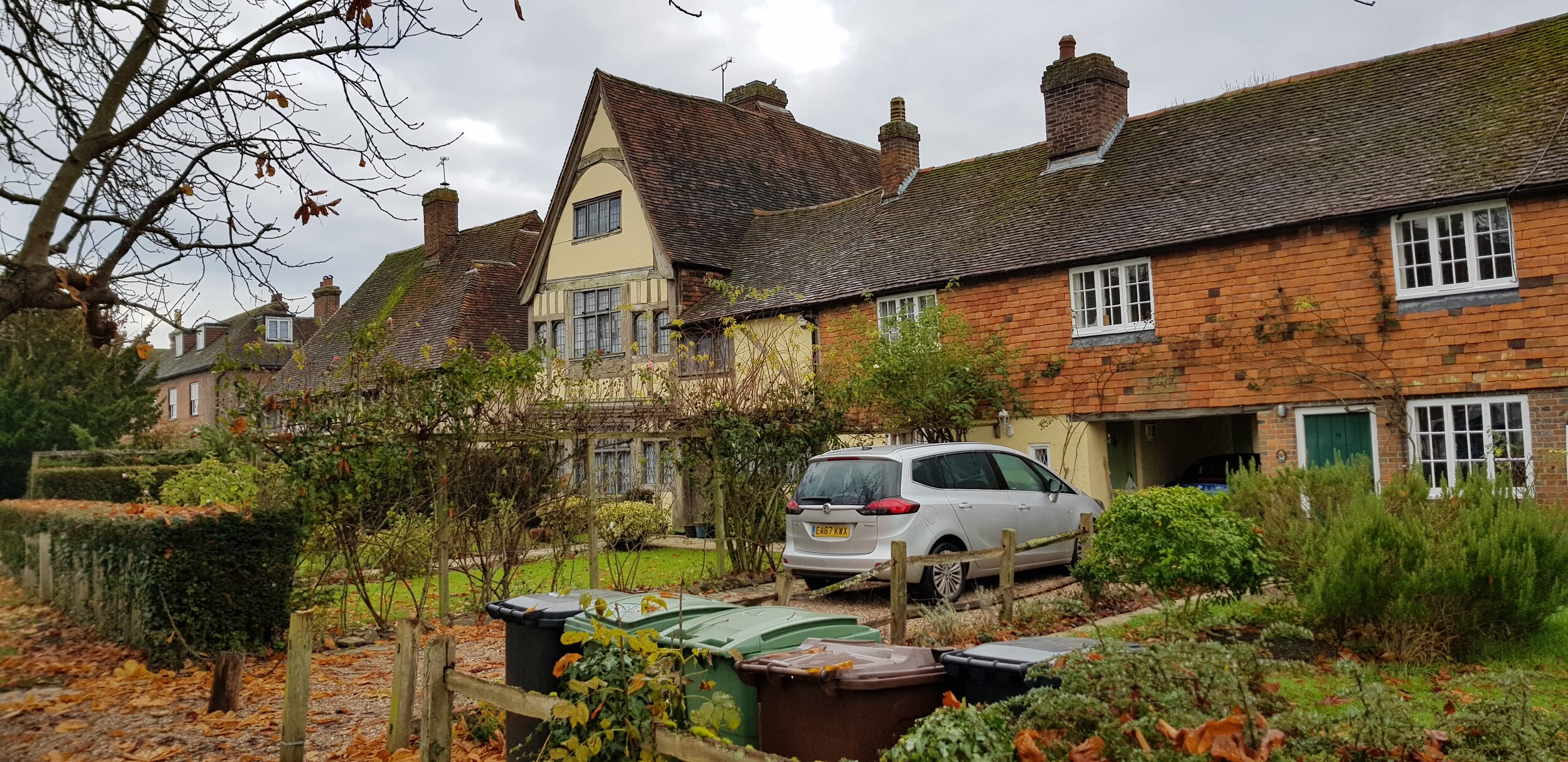
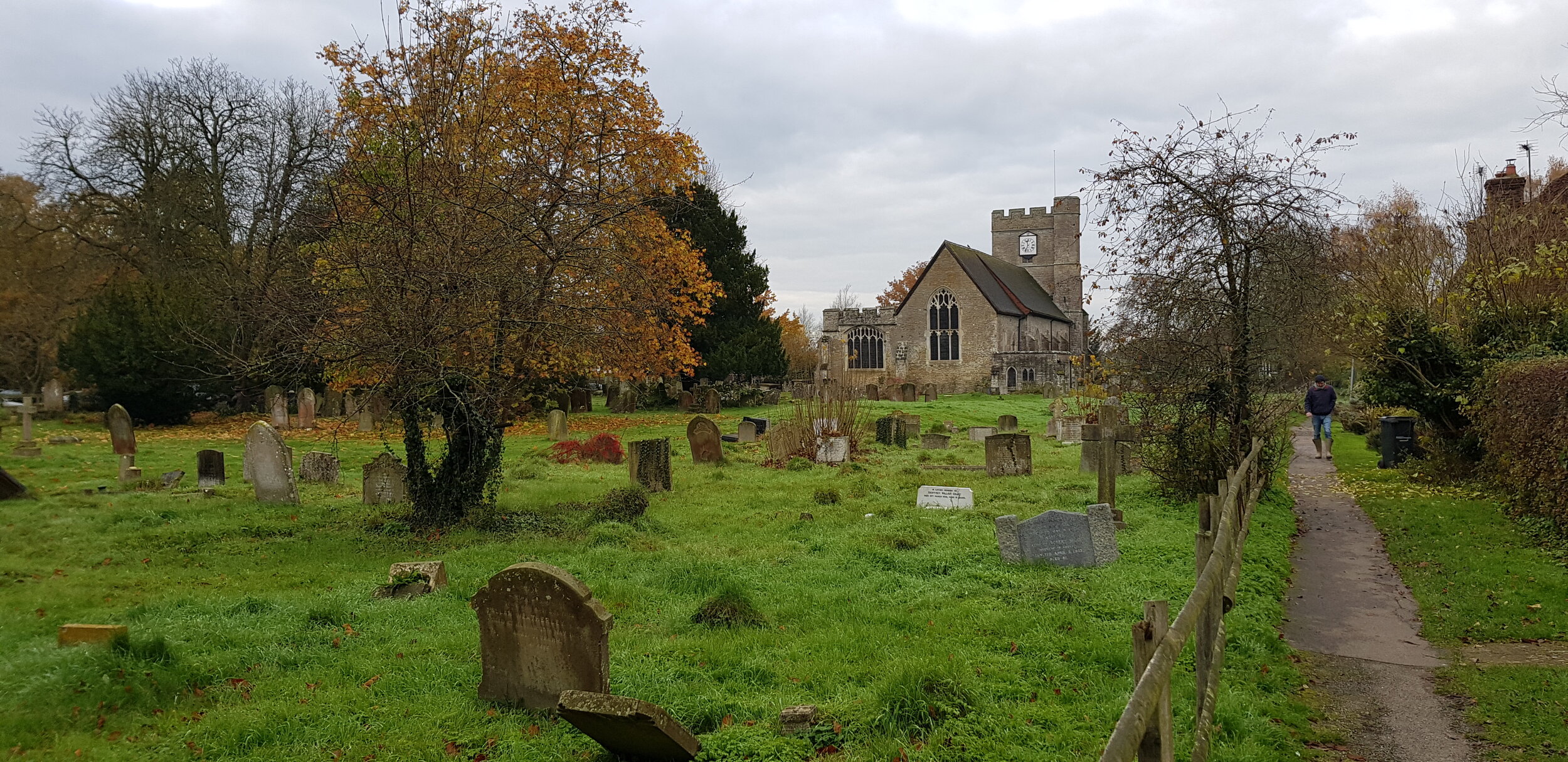
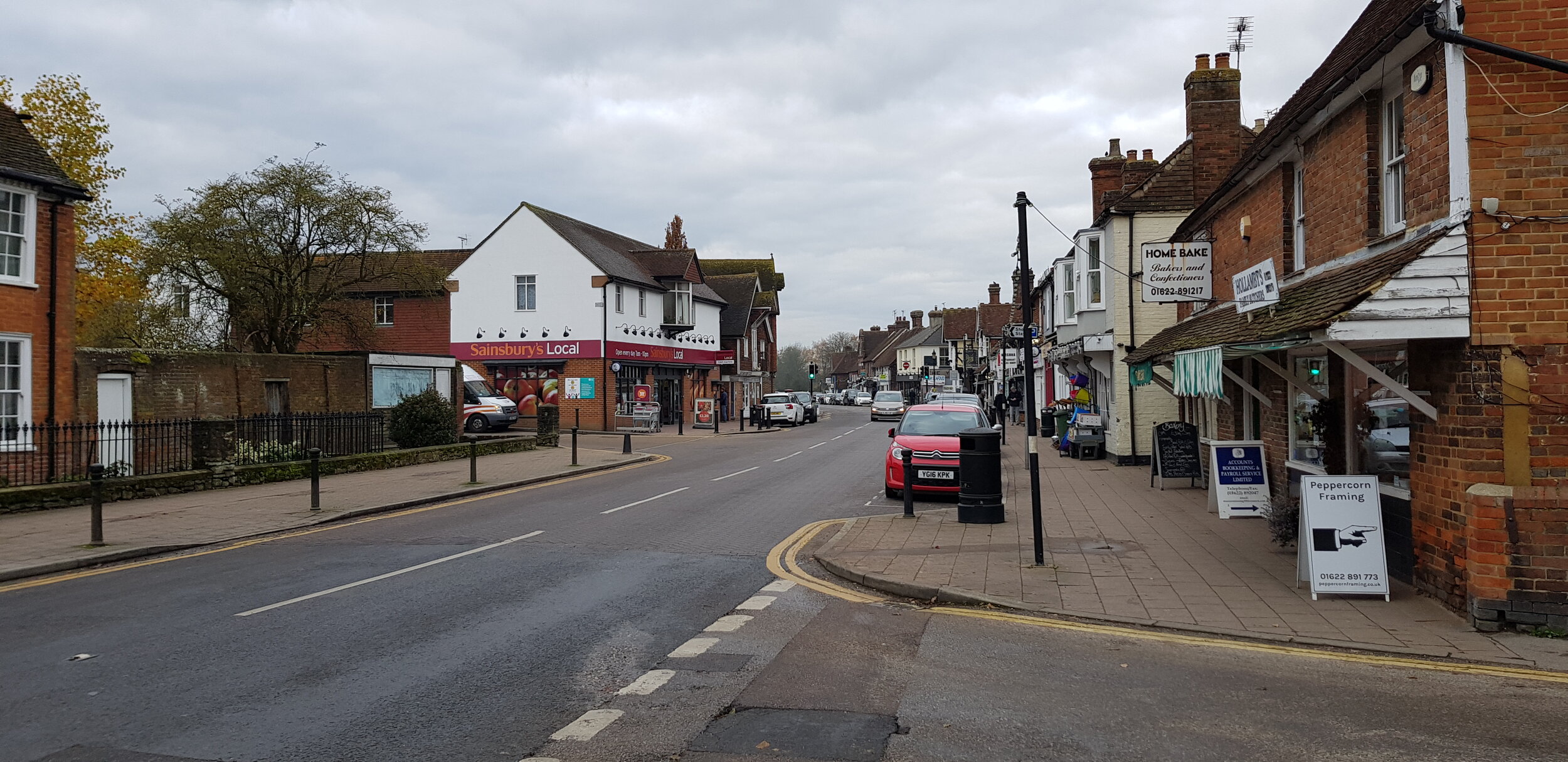
The first stop of the day was the village of Headcorn in the borough of Maidstone in Kent. The area has been settled since Neolithic times and there is evidence that the land was farmed in the Iron Age. There is an imposing parish church, dedicated to saints Peter and Paul. It was initially constructed in the 13th century and is mainly built from Bethersden marble. There is well maintained churchyard that contains a number of Grade II listed 18th-century table tombs. The High Street that runs through the majority of the village boasts a variety of local shops and terraces of medieval cottages. Then there are several examples of traditional 15th-century architecture such as Wealden hall house, the Cloth Hall and Shakespeare House. Like so many rural settlements the increase in traffic has become a major problem in recent years. There is currently a lobby for a relief road to alleviate the volume of cars and trucks that congest the village centre.
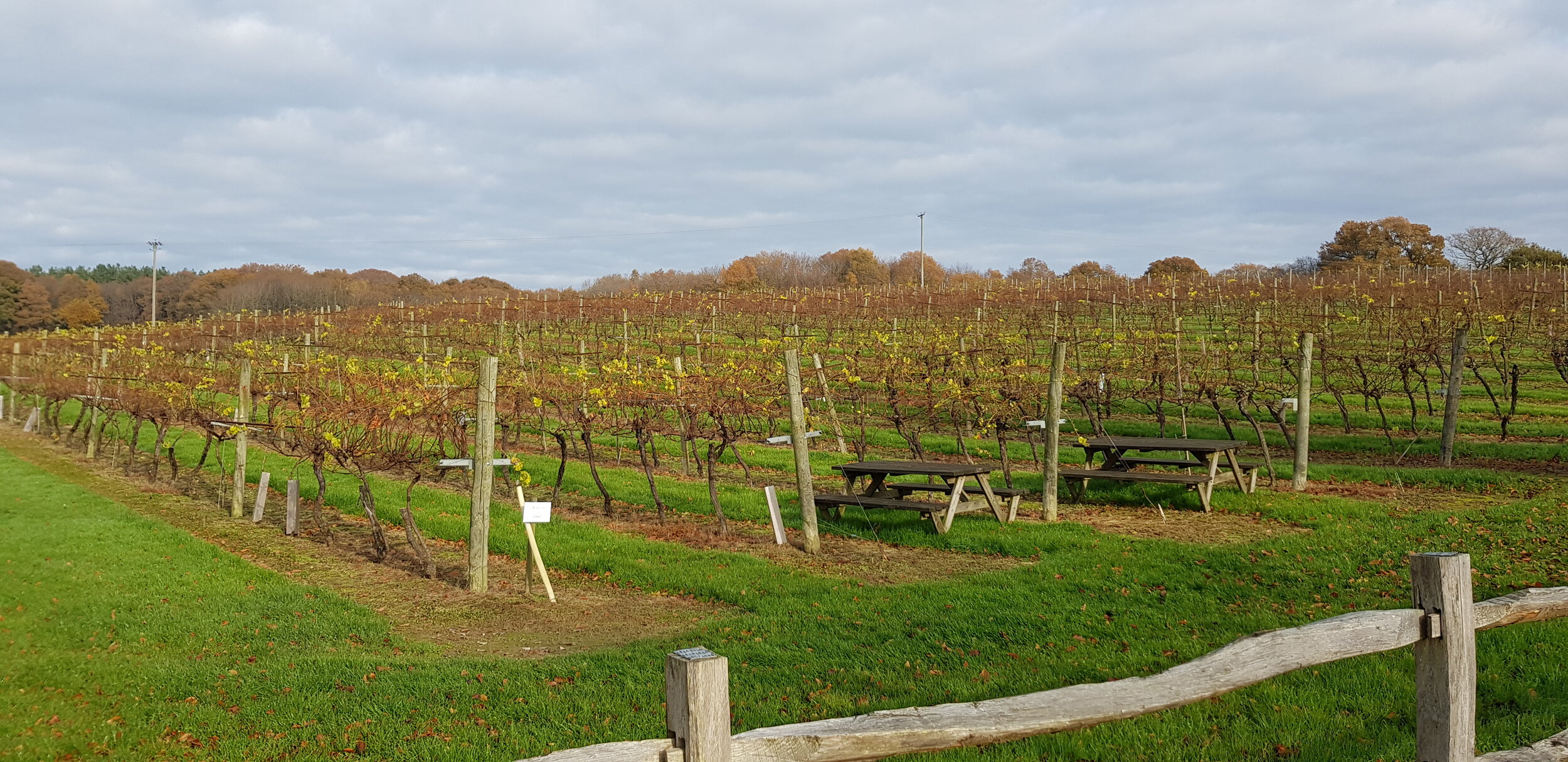
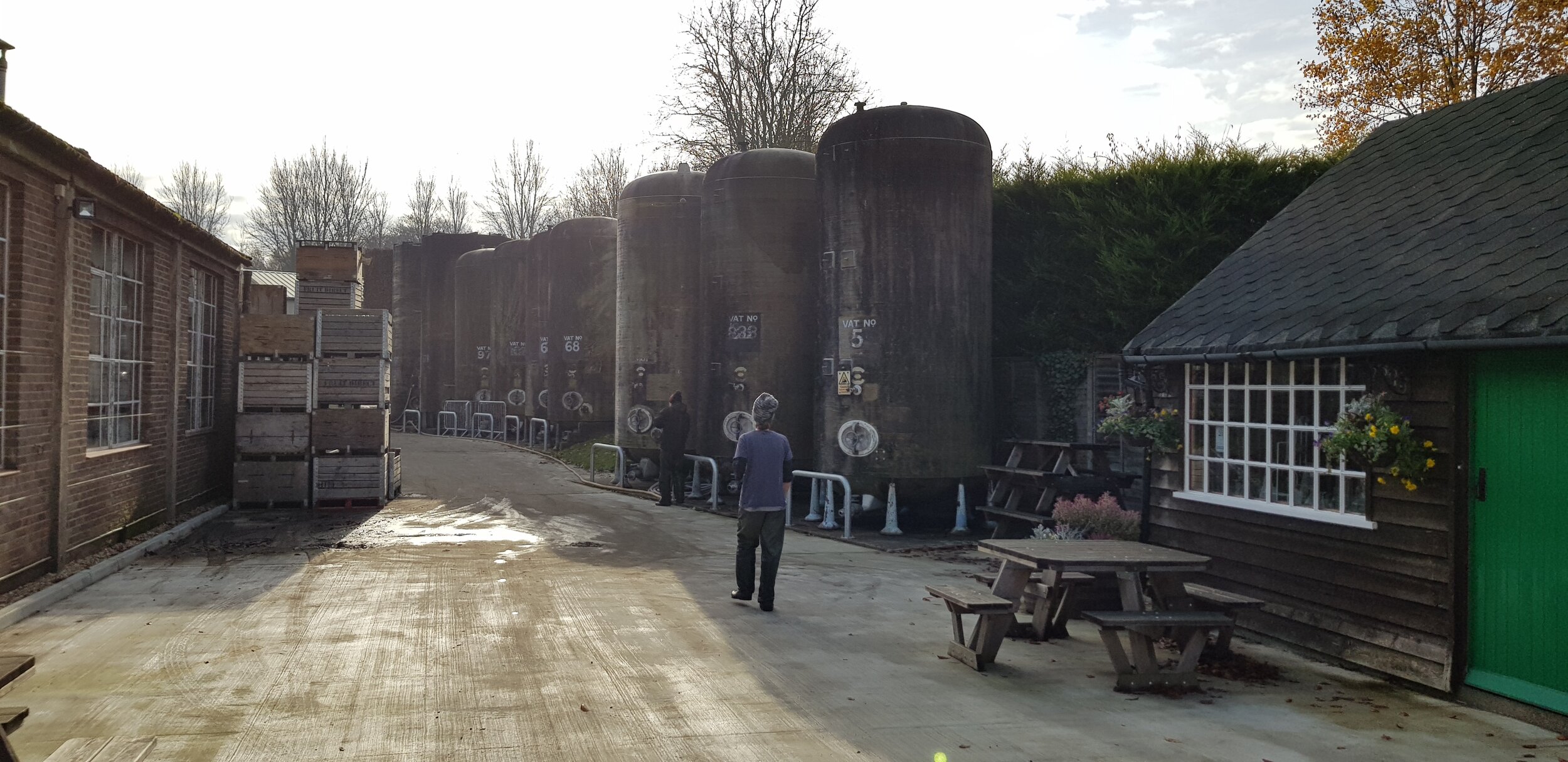
We then moved on to Biddenden, which is a large, mostly agricultural and wooded village in the borough of Ashford in Kent. In keeping with that tradition, this former Saxon settlement now has a vineyard among its various horticultural activities. Kent has a warmer climate compared to the rest of the UK and has earned the title of “the garden of England”. Hence it has a more diverse agricultural base compared to other regions. The weather combined with the limestone soils means that it can sustain vineyards. English wines are a growing market and Biddenden Vineyards have been at the forefront of that growth for the past 50 years. This family run business started off as a 40-acre apple orchard but in 1969 one third of an acre of vines were planted. This has grown over the decades to 23 acres on the south facing slopes the sheltered valley. 11 varieties of grape are now cultivated producing 80,000 bottles of wine a year. The vineyards has an excellent shop offering free tastings of all products. The Gribble Bridge Dornfelder is very good, as is the Gamay Noir.
Finally we ended our journey with a quick stop in Tenterden. The town is in a large conservation area, again in Ashford, on the edge of the remnant forest The Weald. The town's name is derived from the Old English Tenetwaradenn, meaning a “den” or swine-pasture for the men of Thanet. St Mildred’s church boast two towers dating from the 15th century and some fine stained glass. There are also seven very large and old Public Houses which exude period character. When we arrived the town was gearing up for the annual Tenterden Christmas Market, which falls on the last weekend of November. There are also several plaques, monuments and buildings dedicated to William Caxton, who is thought to be the first English person to work as a printer and introduce a printing press into England. Under different IE warmer circumstances, I would have liked to have spent longer in this picturesque town as it has a lot of history to share. Perhaps we can return in spring as part of our ongoing day trips.
Shorne
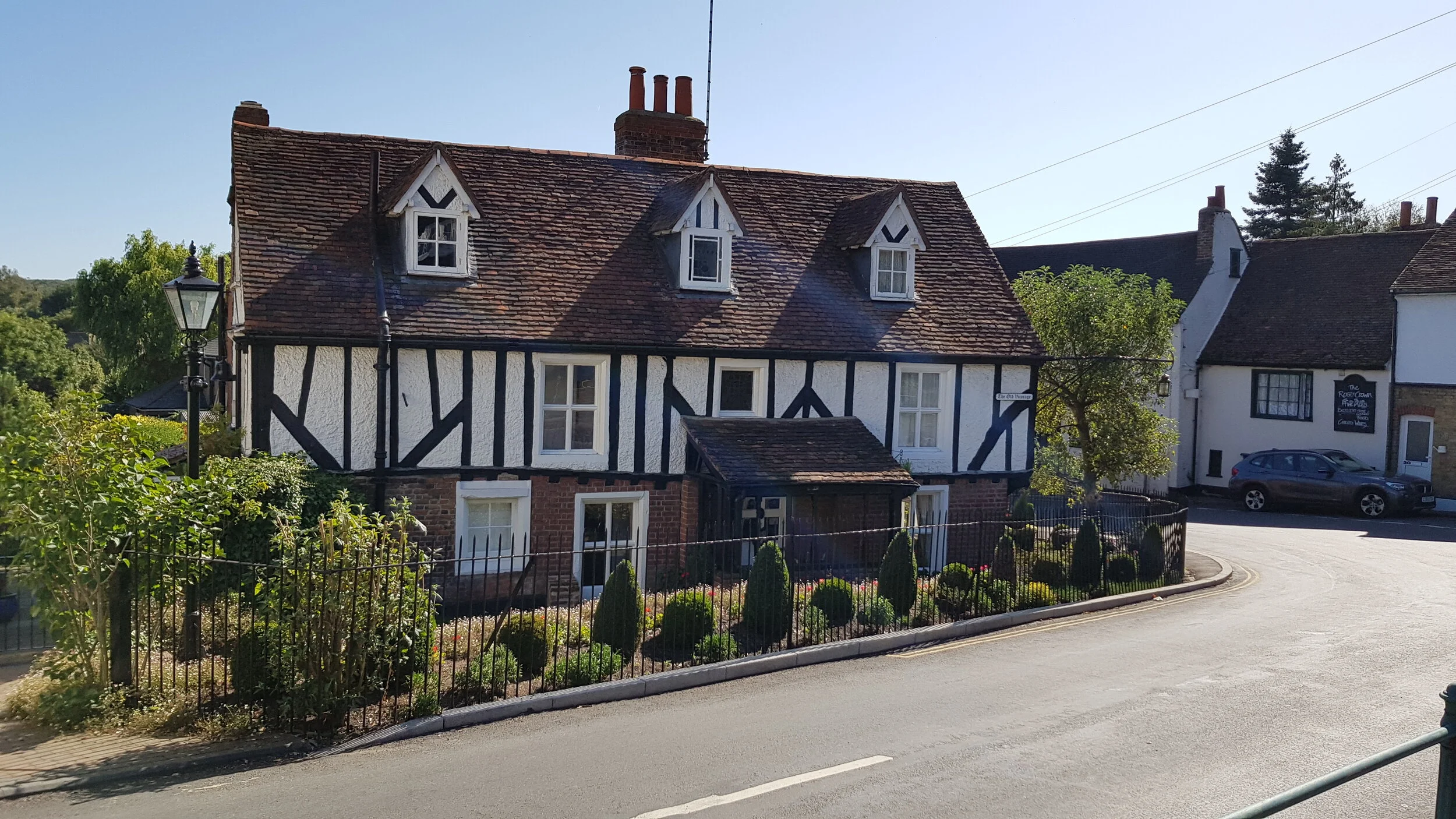
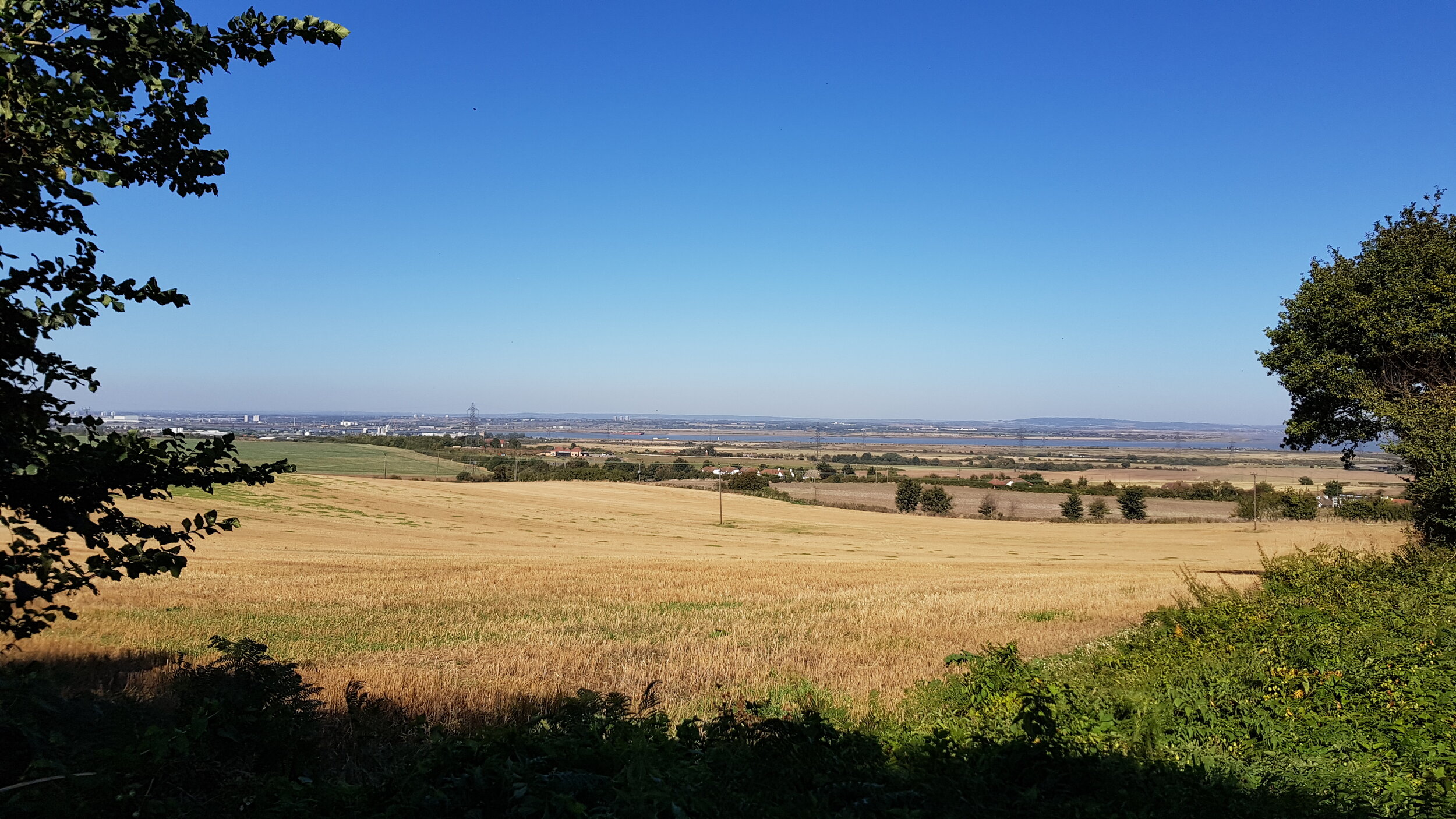
Due to the surprisingly good weather, Mrs P and I paid an impromptu visit to the village of Shorne in Kent yesterday. It’s a small community about 3 miles east of Gravesend. Where most of the new houses are located in a shallow valley, the old village is built upon higher ground and has a great view of the Thames Estuary, stretching from Gravesend to Southend-on-sea. Shorne Wood Country Park is also nearby. This area of woods was once part of the large Cobham Hall Estate. In 1987 it came into the ownership of Kent County Council and was redeveloped for public use. There are several places of interest in Shorne such as Mill Cottages, Mill House and the remains of Shorne Mill. There are also some ancient barrows dating from Neolithic period. However, we had come specifically to visit St Peter and St Paul Church and place flowers on a friend’s grave.
Due to the surprisingly good weather, Mrs P and I paid an impromptu visit to the village of Shorne in Kent yesterday. It’s a small community about 3 miles east of Gravesend. Where most of the new houses are located in a shallow valley, the old village is built upon higher ground and has a great view of the Thames Estuary, stretching from Gravesend to Southend-on-sea. Shorne Wood Country Park is also nearby. This area of woods was once part of the large Cobham Hall Estate. In 1987 it came into the ownership of Kent County Council and was redeveloped for public use. There are several places of interest in Shorne such as Mill Cottages, Mill House and the remains of Shorne Mill. There are also some ancient barrows dating from Neolithic period. However, we had come specifically to visit St Peter and St Paul Church and place flowers on a friend’s grave.
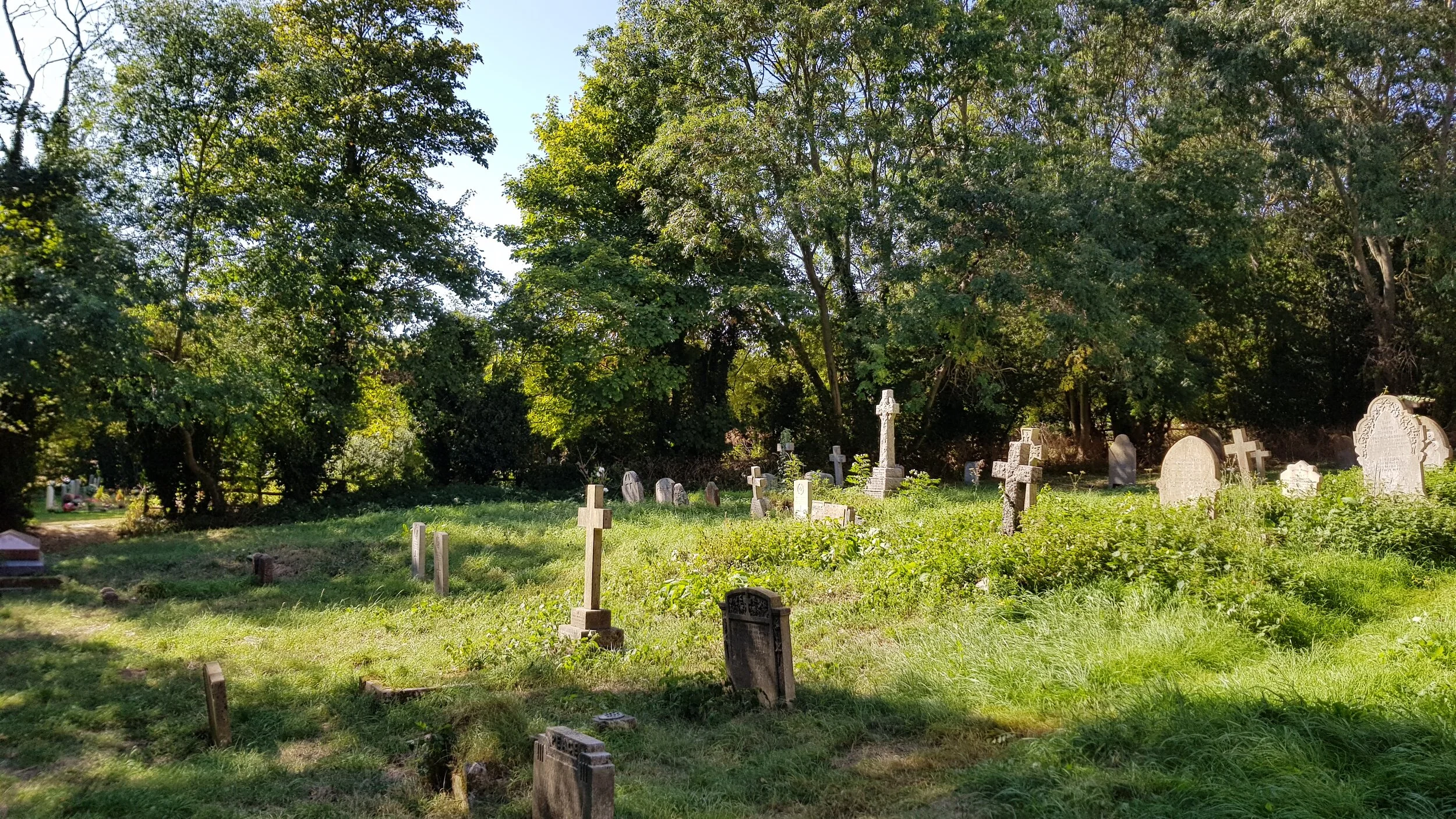
St Peter and St Paul Church dates back to Saxon era, although the site has been extended several times over the years. The north aisle was built around the end of the twelfth century. Randall Chapel on the south side of the chancel was added in the late thirteenth century. The south aisle to the nave and its arcade were built in the fifteenth century as were the tower and porch. The Church also boasts some fine stained glass circa eighteen hundred and an opulent font with seven carved panels. The churchyard is still open for burials and had a recent extension in 2000. The older parts have graves dating back three hundred years. The village war memorial stands just inside the main gate. At present the church is having the roof retiled and the exterior is partially obscured by scaffolding. However, all services are being maintained and the visitors are still welcome.
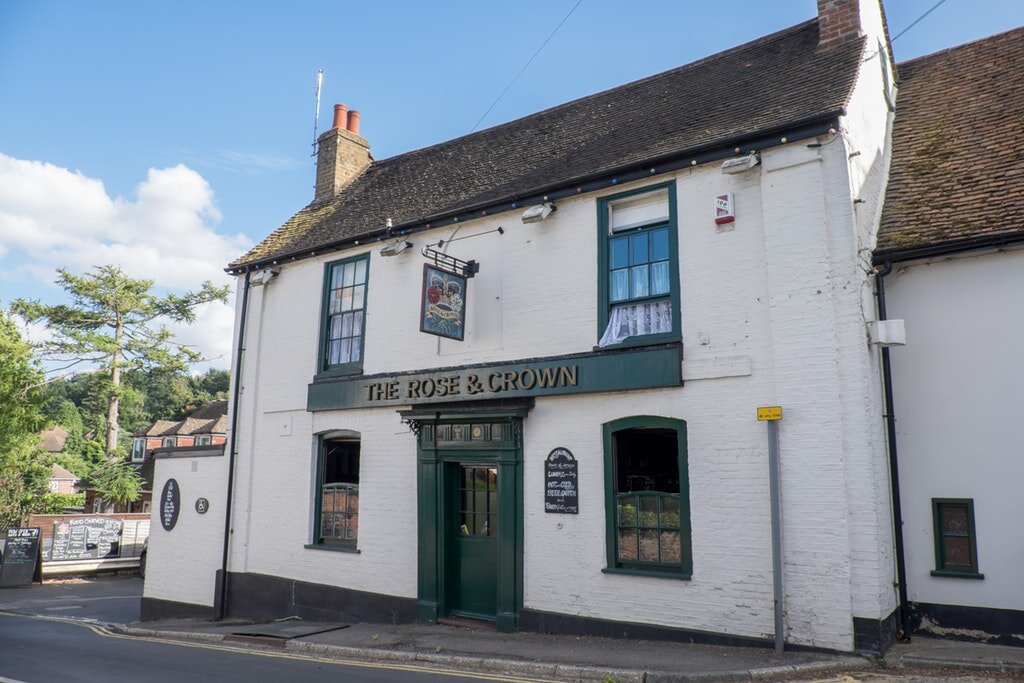
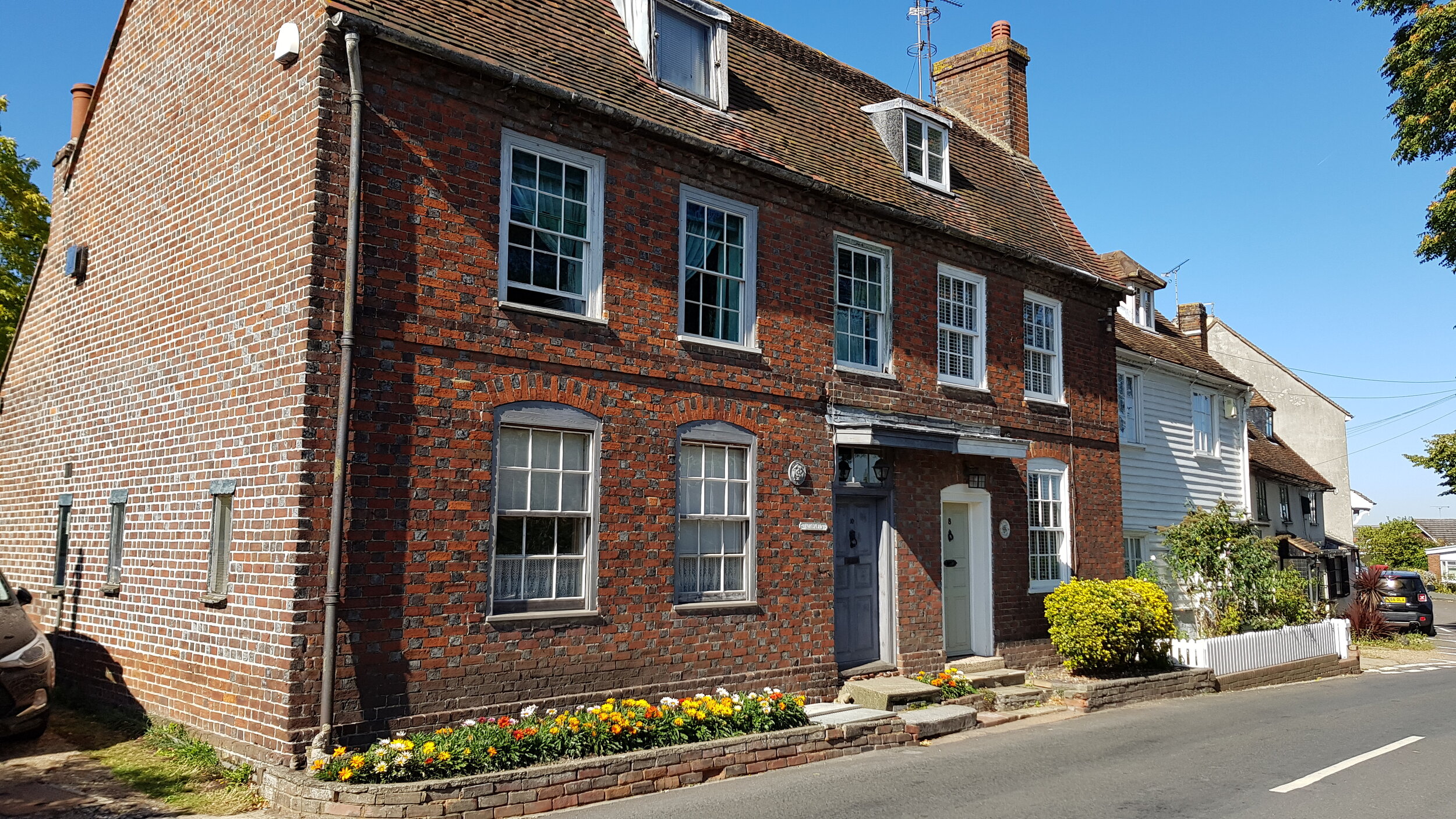
We spent a very pleasant morning in Shorne. After visiting the churchyard we took a leisurely stroll around the village, taking in the various sites. There are several timbered cottages of note and Crown Lane commands a great view over the fields leading down to the estuary. The roads are somewhat steep and there are a few places where the narrow roads are without any pavement, so it is wise to keep on the right, facing the oncoming traffic. After some sight seeing we visited the Rose and Crown; a friendly local pub which dates back to the reign of Henry VII. This is very much the epitome of a rural “public houses” with low timbered ceilings and sedate atmosphere. The perfect place to pause and reflect after a mornings walking. Overall, Shorne is well worth a visit, especially for those who are interested in church history and architecture as well as country walks.
More Walking for Pleasure
I’ve written previously about walking for pleasure and its respective health benefits. I’ve decided that I wish to do more than just walk locally and for mainly functional reasons. Walking to the shops is good exercise but somewhat lacking in places of interest and areas of natural beauty, unless your definition includes the local Indian Restaurant and betting shop. So in an attempt to expand the scope of my travels, I’ve downloaded a few bespoke walking apps to my phone that are relevant to the local area. The most notable is the BexleyWalks app. Bexley being the London Borough in which I live. Although I enjoyed these suggested walks, they have covered a lot of familiar territory. Yes, it has been interesting to follow the various routes and pause to read about the local area history. But many of the walks are based in an area I’ve lived in for four decades. I need to travel further afield to somewhere I don’t know so well.
I’ve written previously about walking for pleasure and its respective health benefits. I’ve decided that I wish to do more than just walk locally and for mainly functional reasons. Walking to the shops is good exercise but somewhat lacking in places of interest and areas of natural beauty, unless your definition includes the local Indian Restaurant and betting shop. So in an attempt to expand the scope of my travels, I’ve downloaded a few bespoke walking apps to my phone that are relevant to the local area. The most notable is the BexleyWalks app. Bexley being the London Borough in which I live. Although I enjoyed these suggested walks, they have covered a lot of familiar territory. Yes, it has been interesting to follow the various routes and pause to read about the local area history. But many of the walks are based in an area I’ve lived in for four decades. I need to travel further afield to somewhere I don’t know so well.
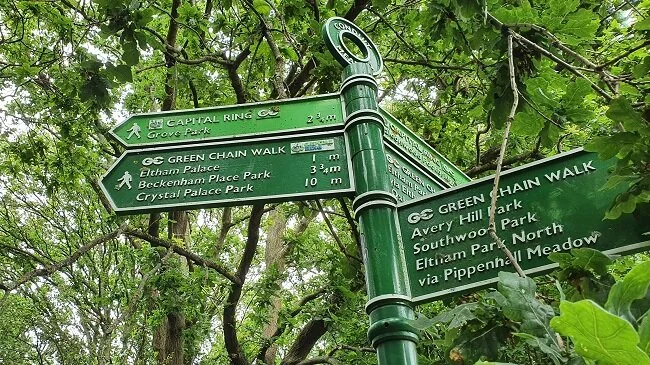
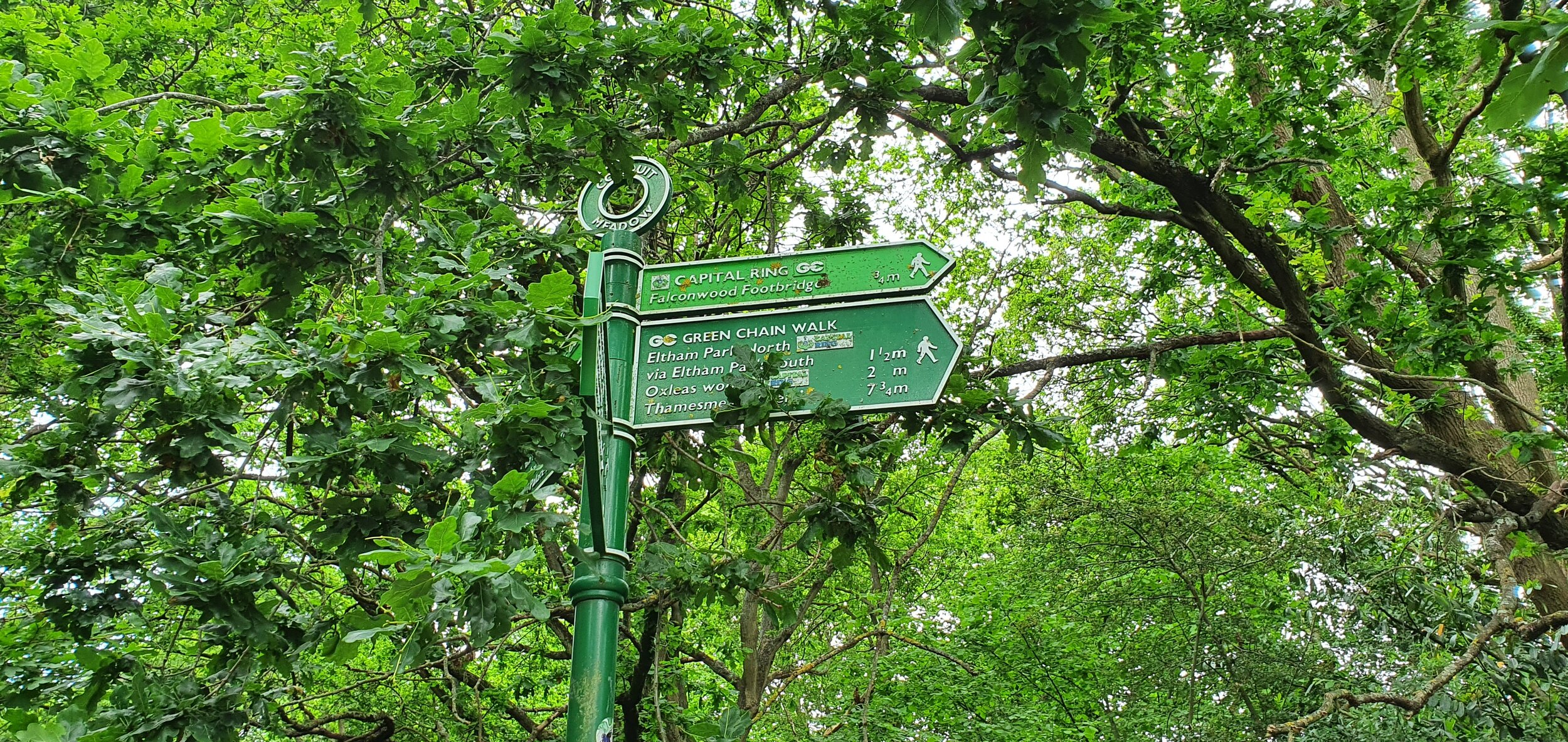
Luckily, South East London has the Green Chain Walk. This is a linked system of open spaces covering five London boroughs. Bexley, Bromley, Lewisham, Greenwich and Southwark. The Greater London Council (now the Greater London Authority) created this Green Chain of 300 open spaces to protect them from building activity in 1977. The various paths cover a mixture of urban and rural areas and offer a wealth of sites and places of interest. The 18th century Gothic folly of Severndroog Castle, the Art Deco glamour of Eltham Palace and birdwatching at Southmere, among the boats and fishermen. This also includes numerous parks such as Plumstead common and Oxleas Woods. The walk also includes the wildlife and replica dinosaurs of Crystal Palace Park, Horniman Museum and Gardens and the Thames Barrier. The entirety of the route is well signposted throughout. All signs show the 'G-C' logo and text "Green Chain Walk". There are also numerous apps that can be used to navigate this extensive network.
I’ve also started trawling though websites like meetup.com to see if I can find a local walking group. It would be nice to enjoy walking with a group of like-minded people and I often find that I stick with new projects more consistently when I commit to a third-party group. In the meantime, I’ve joined the Cool Dudes Walking Club, run by comedian and long-time walker Marek Larwood. Marek has documented his walks and day trip for a while on his You Tube channel. In between the quips and humour, I have found them very useful as well as entertaining. Recently he has created a separate channel for his walking activities and has shared several ambitious walks that he has undertaken. This includes a four-day journey around the Isle of Wight coast. Although it is not a walking club in the traditional sense (as of yet there have been no formal group walks organised), it does present an opportunity to interact with other walking enthusiasts on social media. And the perks of membership are outstanding. These include a “Cool Dudes Walking Club pencil, badge, membership card and terrible hand drawn map of Britain”.
Finally, as South East London appears to be enjoying the last vestige of summer, I went for a brief stroll through Old Farm Park. My home backs onto the Western end of this public space, although the Eastern end is still allegedly awaiting development after the council sold the land in 2016. With temperatures reaching a pleasant 67° Fahrenheit (19.44° Celsius), a short stroll round the park proved most enjoyable. Greater London has a lot of infrastructure and housing problems due to the ad hoc fashion it which it has grown during the post war years. However, one thing it doesn’t lack is green spaces. Yet in such times as these, who can say how much longer such precious public resources will remain protected? It’s a terrible cliché to invoke but it’s very much a case of use it or lose it. Whenever local authorities look to sell such land, they frequently try to bolster their position by claiming that the park in question isn’t being used. Therefore it’s essential that the public walk their dogs, hold activities and generally ensure that these local resources are utilised in a high-profile fashion. Which brings me nicely back to my initial point about walking.
Battle, Sedlescombe and Hawkhurst
Today Mrs P and I resumed our monthly excursions into rural Britain. Our last outing was at the end of March when we spent the day at Eastbourne. Since then our travelling schedule has been somewhat interrupted over the last three months due to various real-world issues. However, today was a very pleasant 31° Celsius (87.8° Fahrenheit) so as we had no outstanding commitments, we planned our route and left promptly at 9:30 AM. As I mentioned previously, the trips our primarily for sightseeing and enjoyment but we’re also keeping an eye on property prices and potential locations to move to. Being based in South East London (we have a Kent postcode) we are ideally placed to travel to multiple counties within a ninety-minute or two-hour drive.
Today Mrs P and I resumed our monthly excursions into rural Britain. Our last outing was at the end of March when we spent the day at Eastbourne. Since then our travelling schedule has been somewhat interrupted over the last three months due to various real-world issues. However, today was a very pleasant 31° Celsius (87.8° Fahrenheit) so as we had no outstanding commitments, we planned our route and left promptly at 9:30 AM. As I mentioned previously, the trips our primarily for sightseeing and enjoyment but we’re also keeping an eye on property prices and potential locations to move to. Being based in South East London (we have a Kent postcode) we are ideally placed to travel to multiple counties within a ninety-minute or two-hour drive.
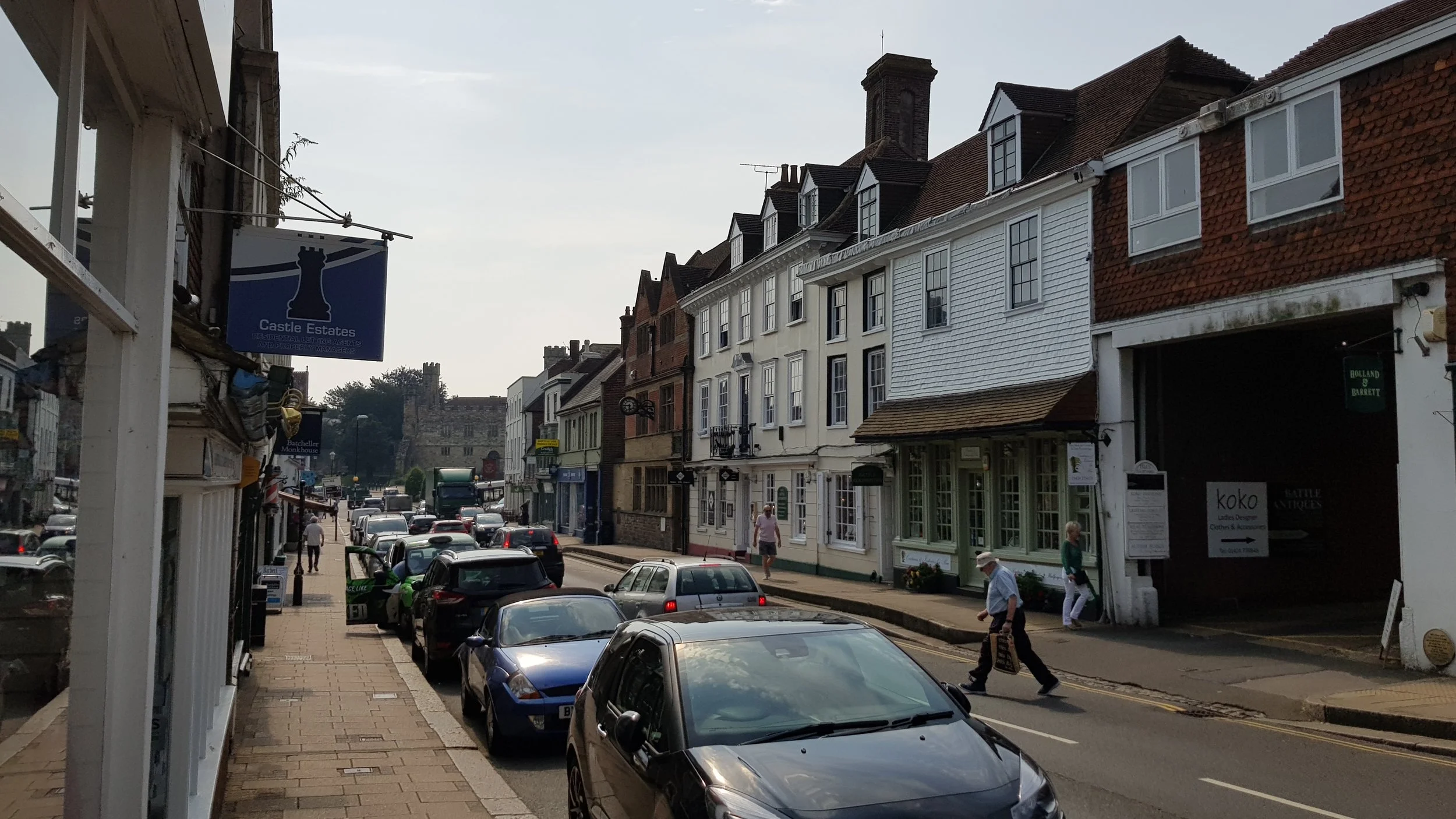
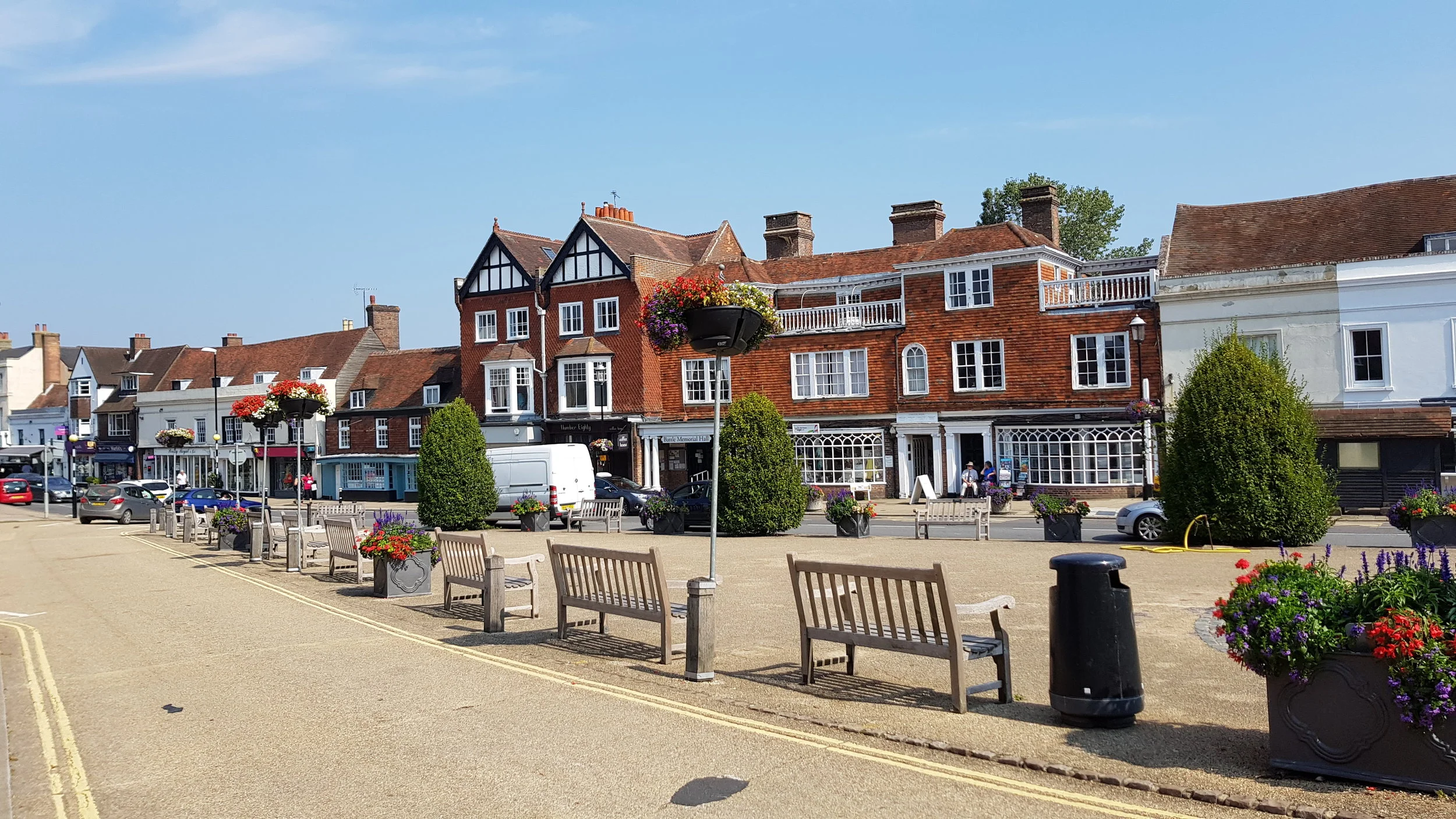
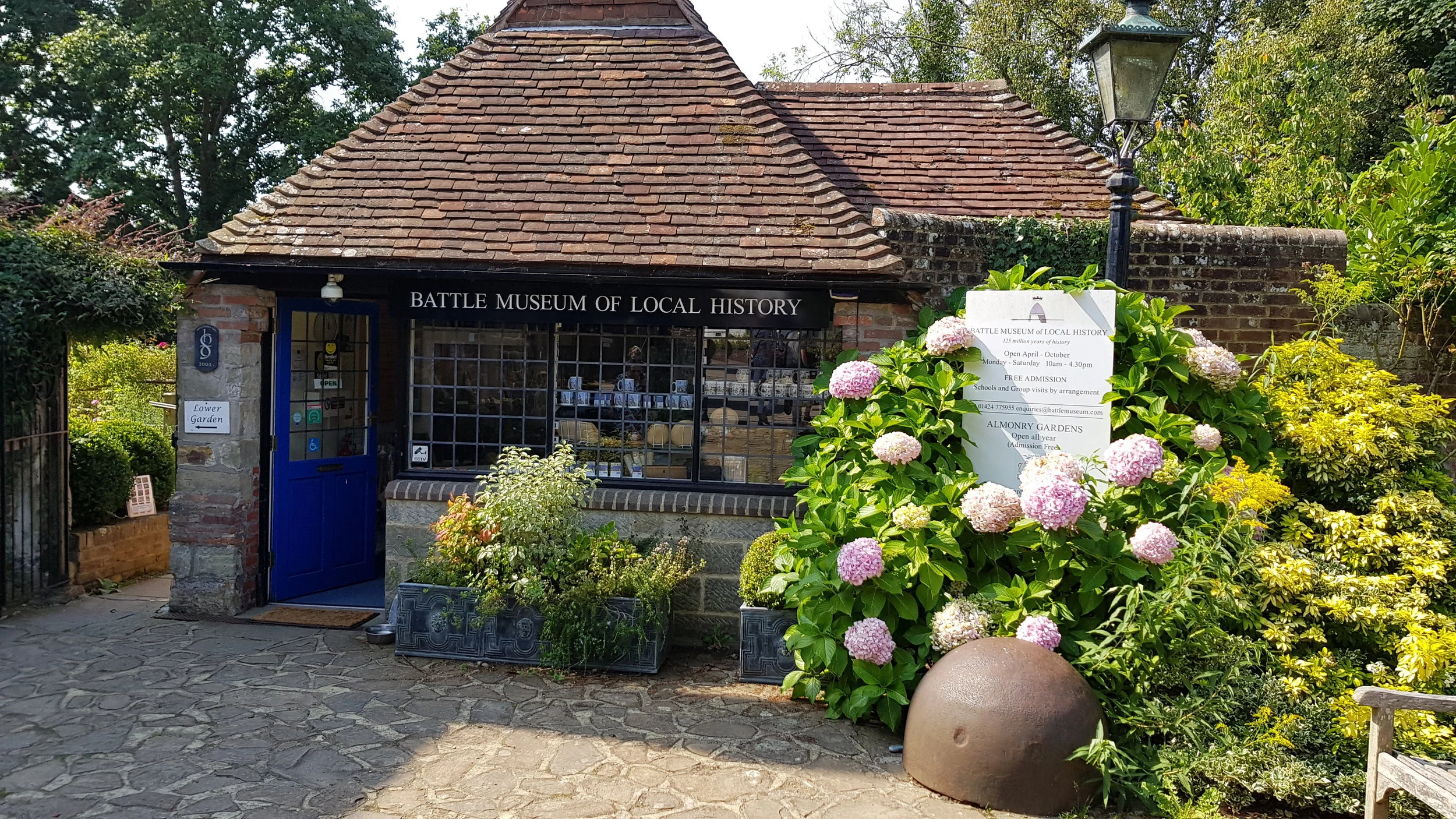
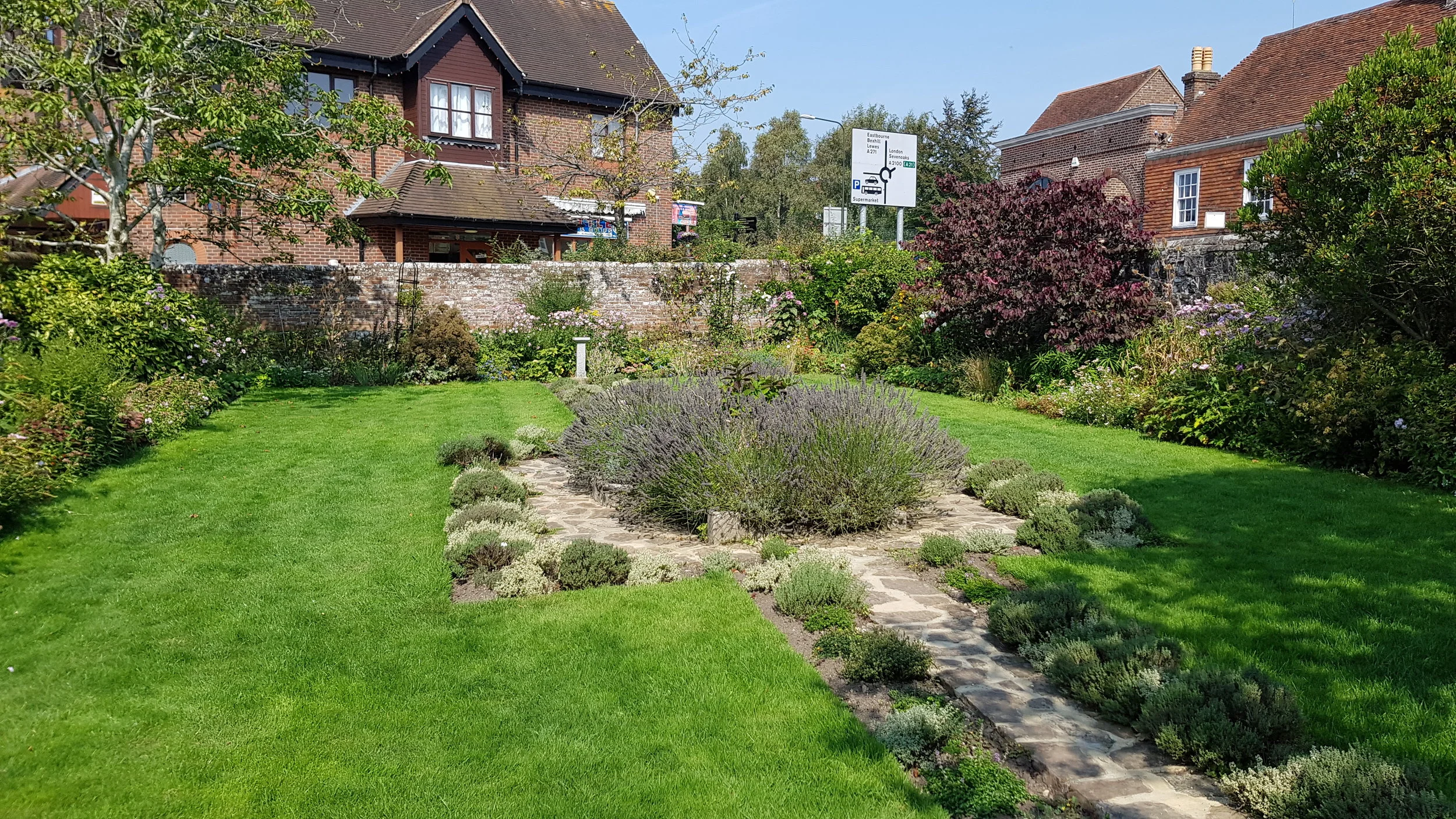
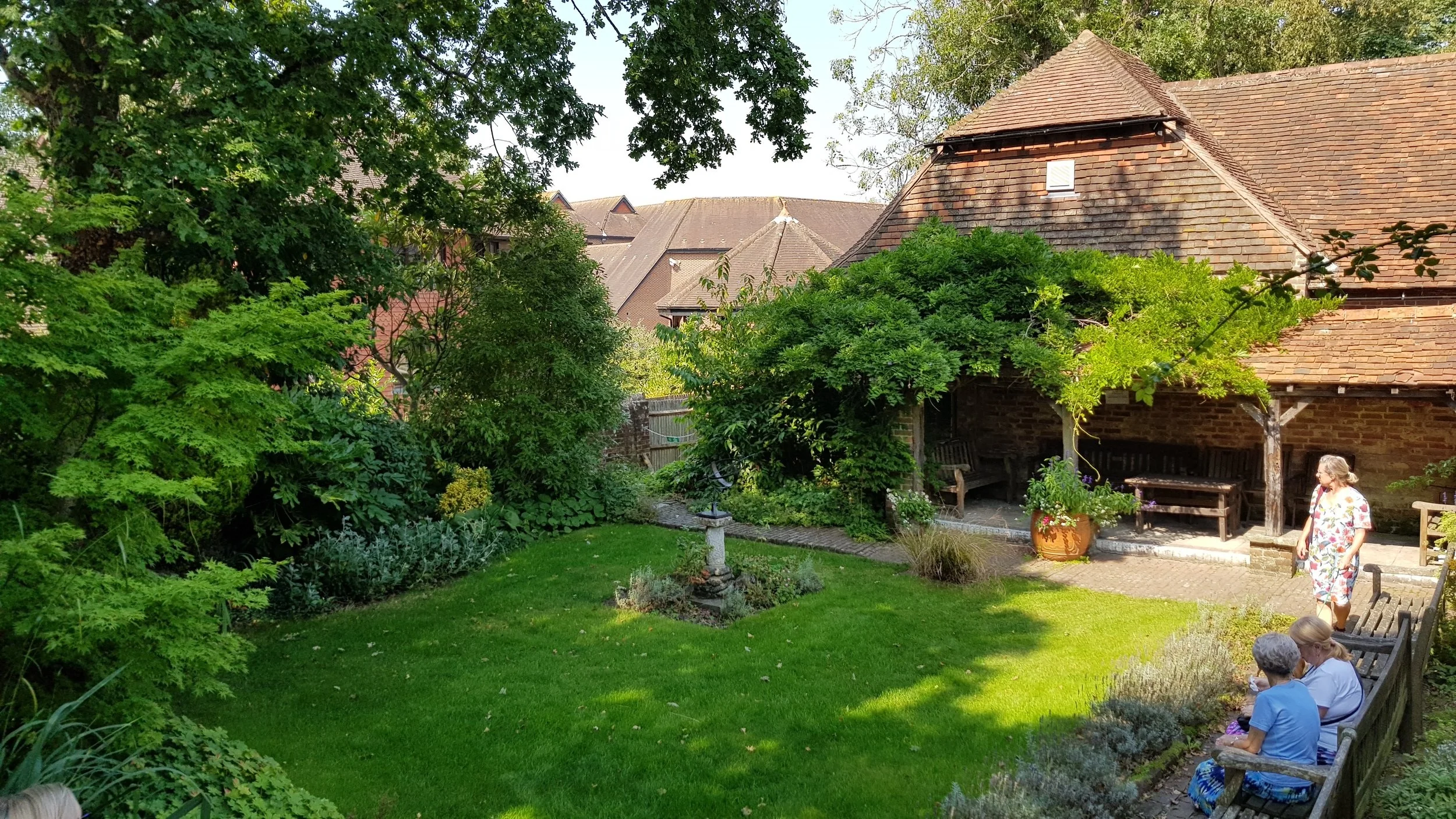
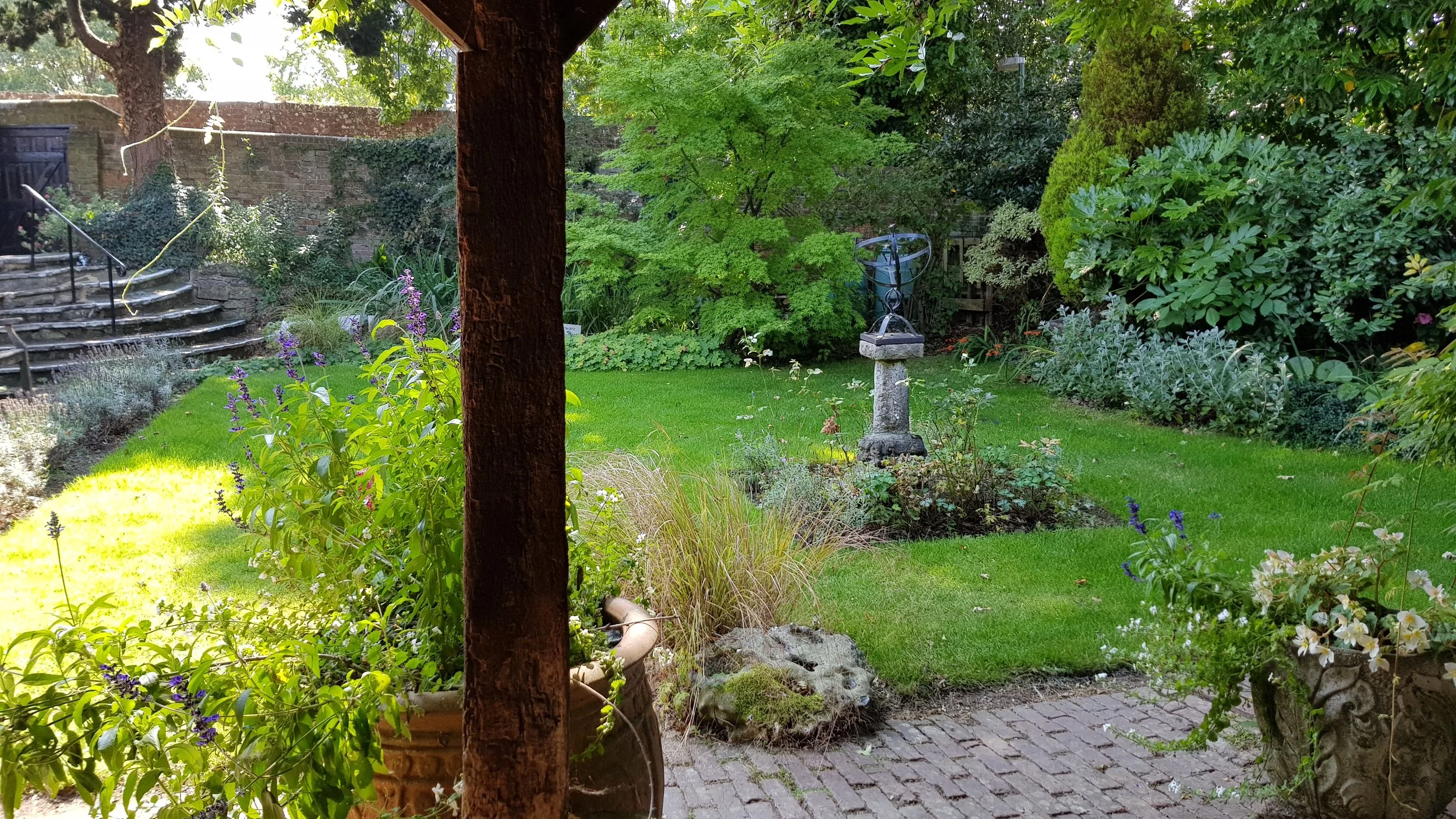
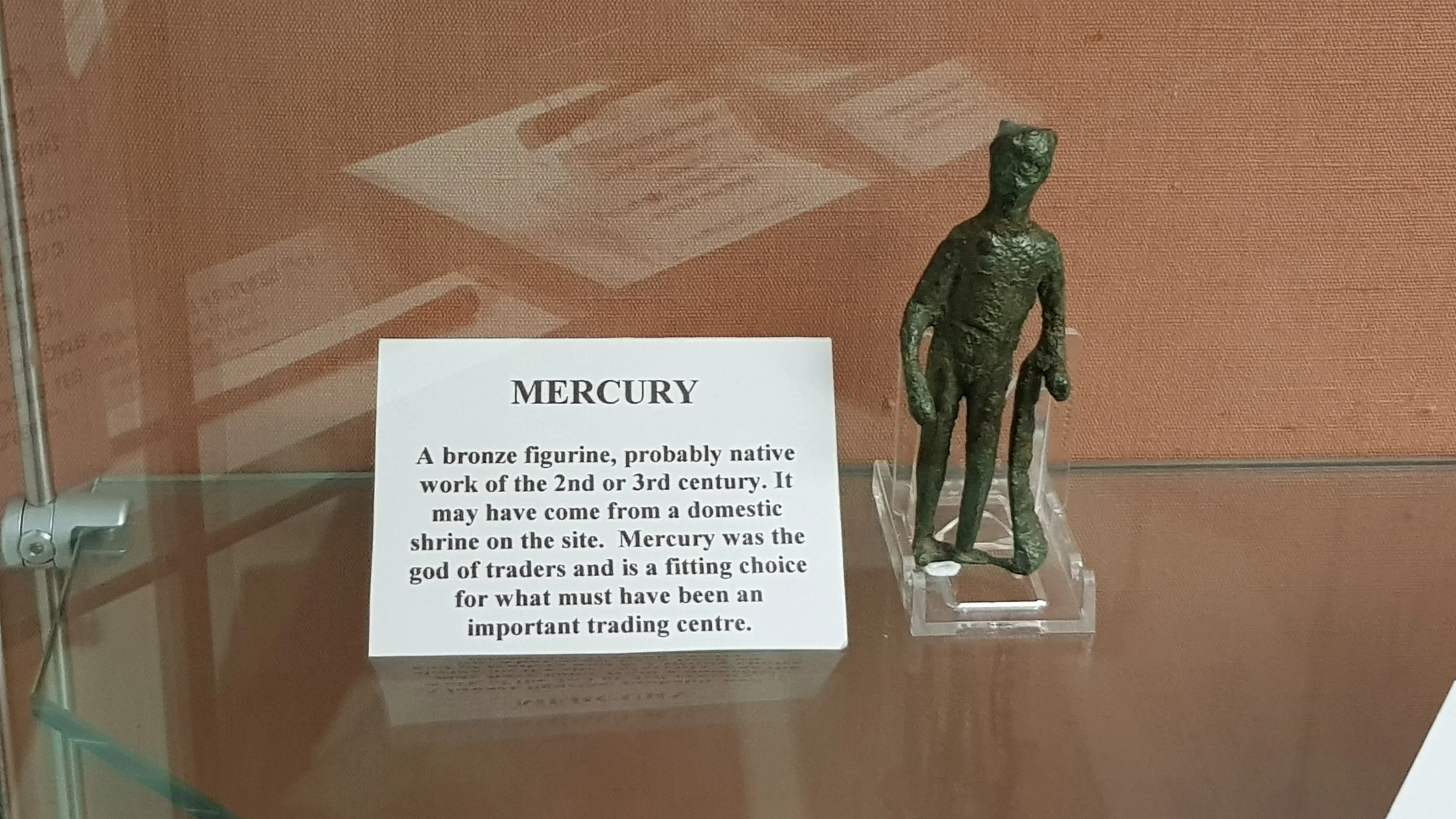
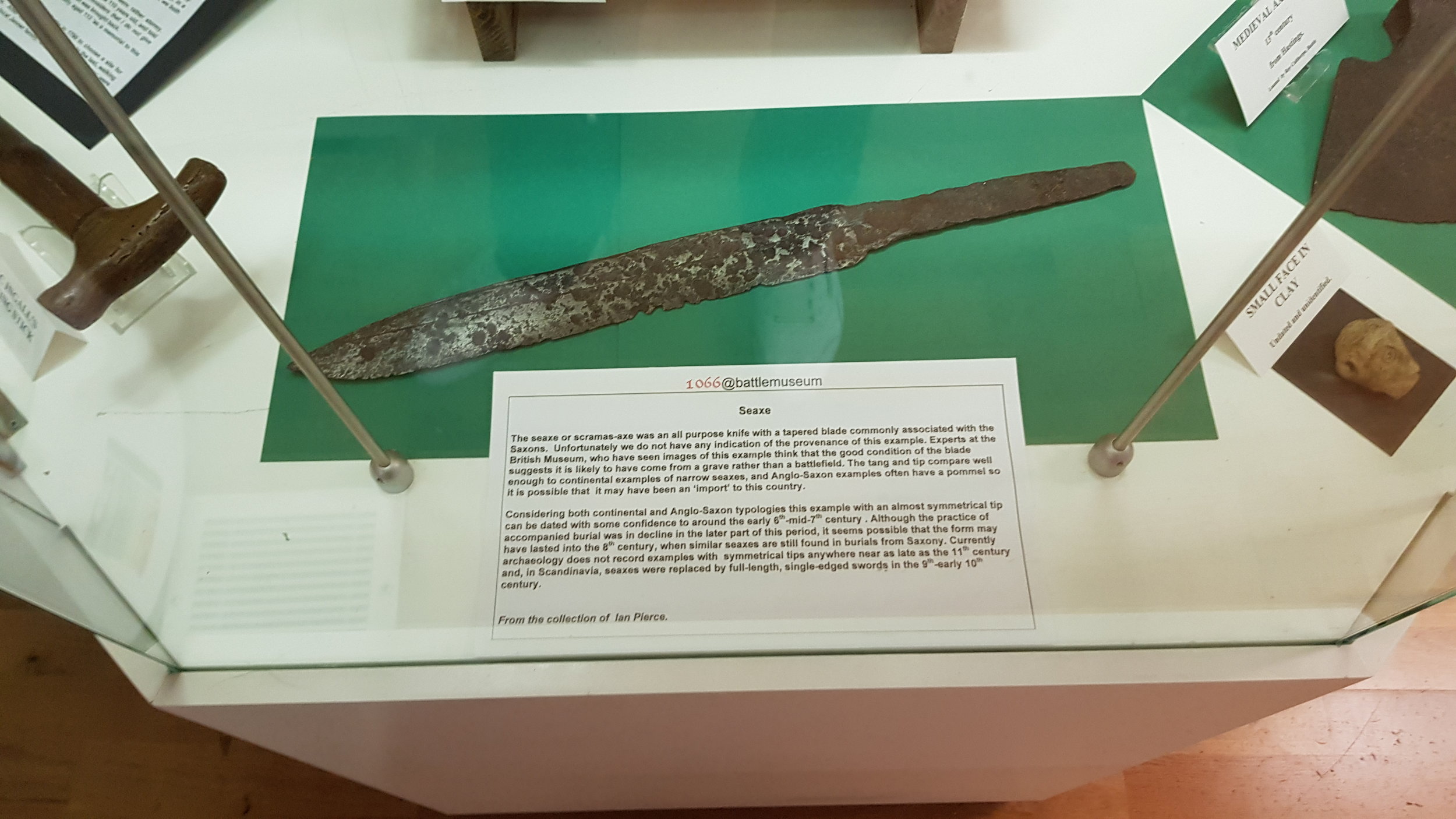
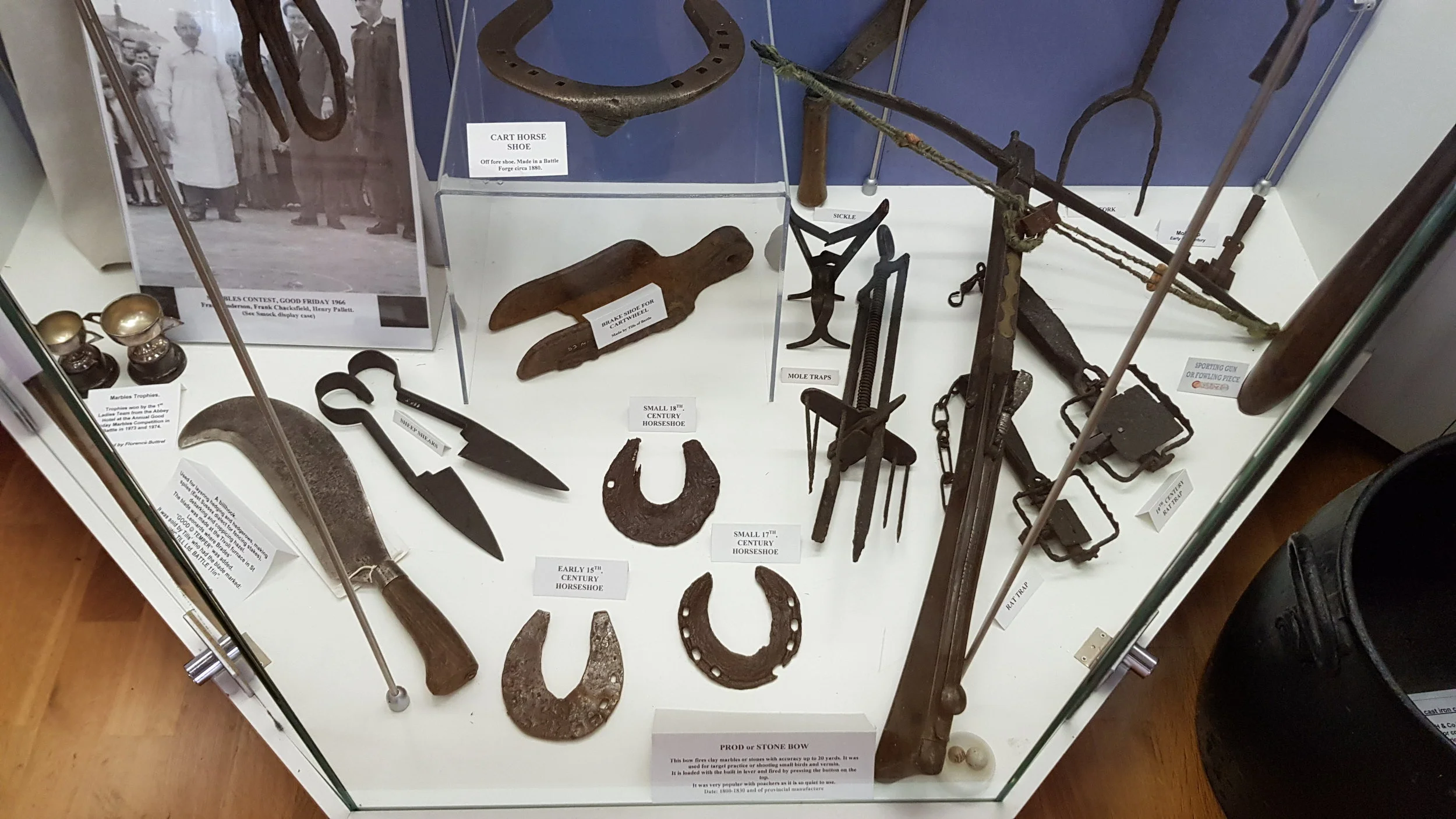
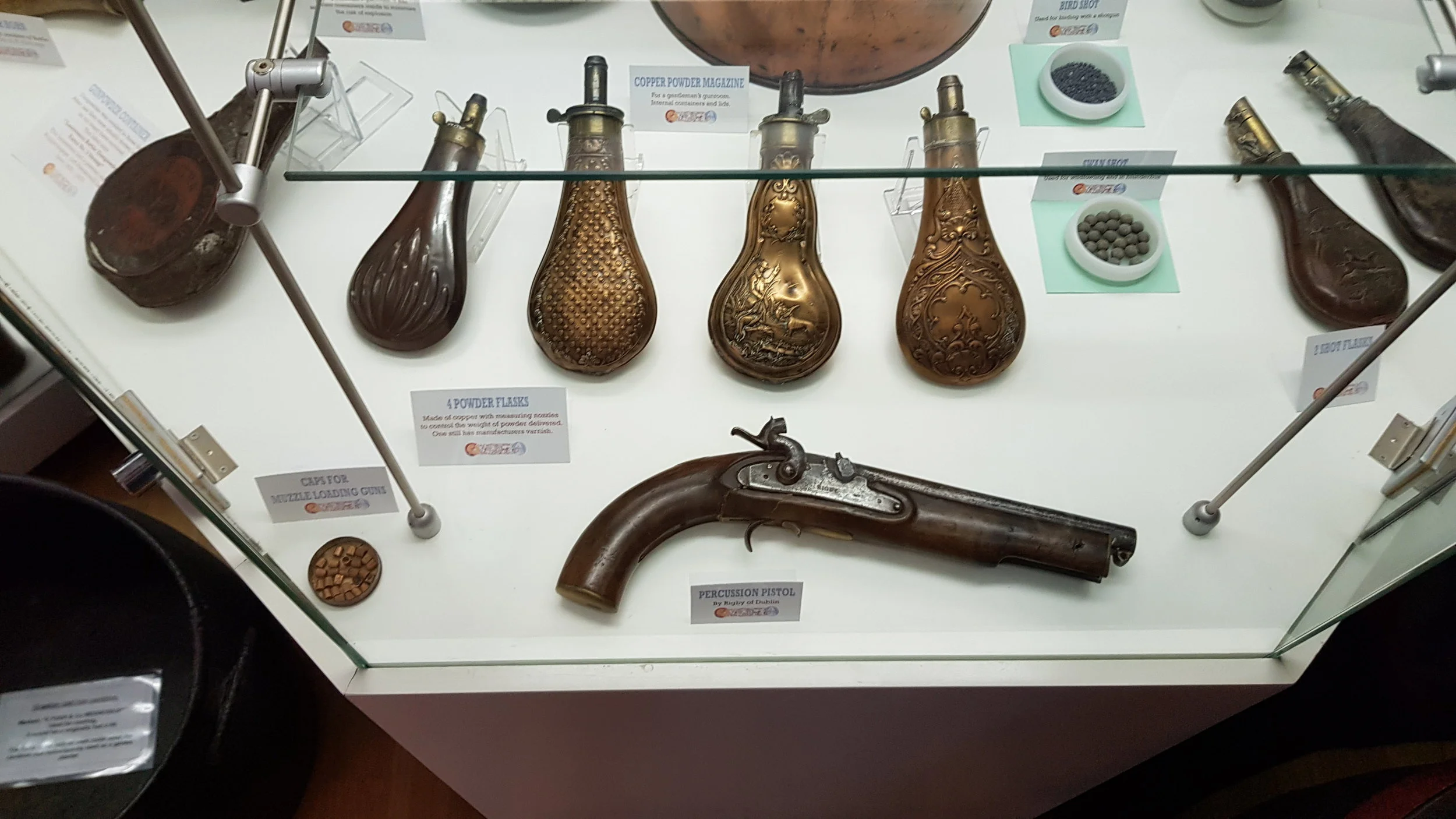
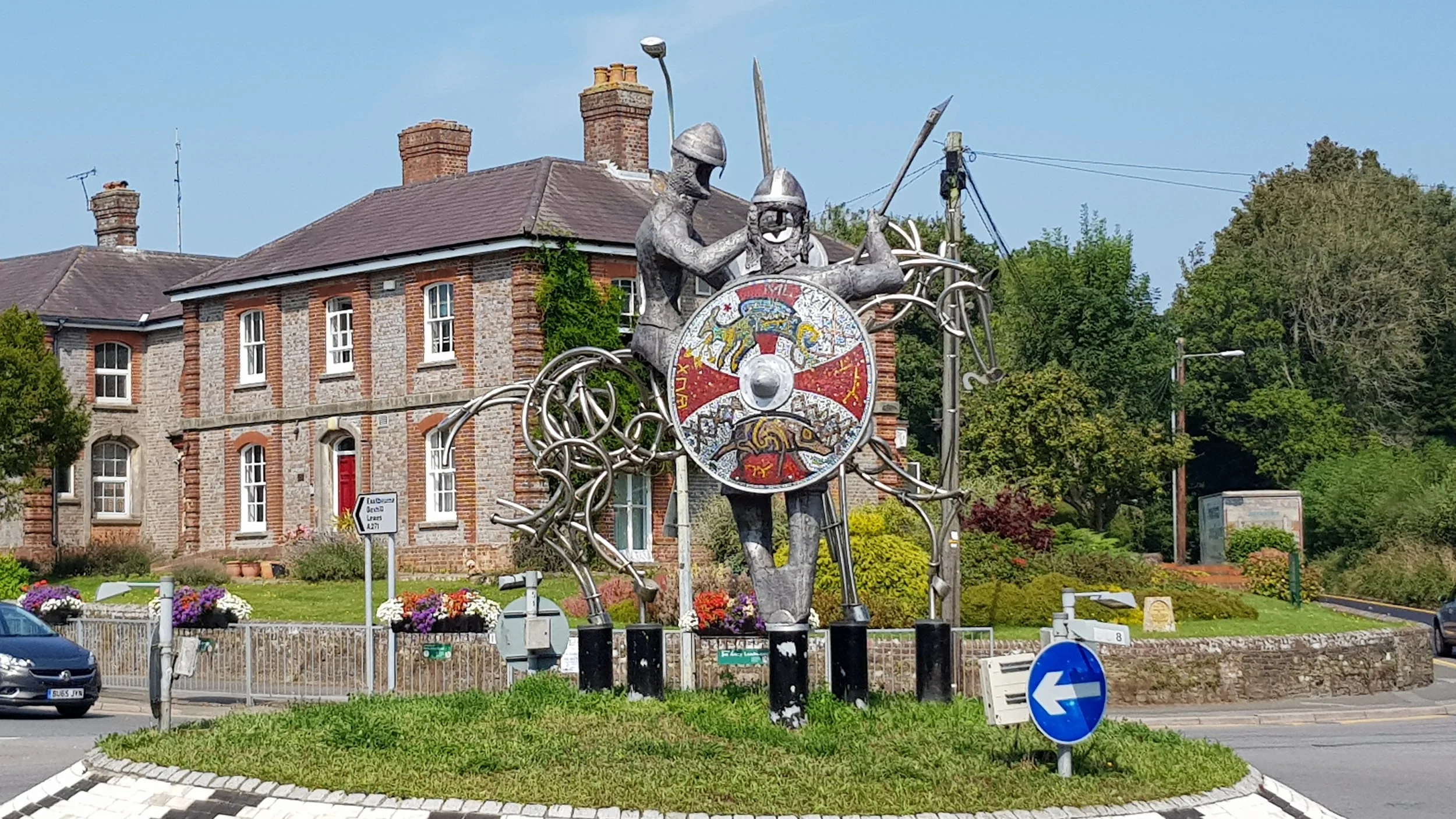
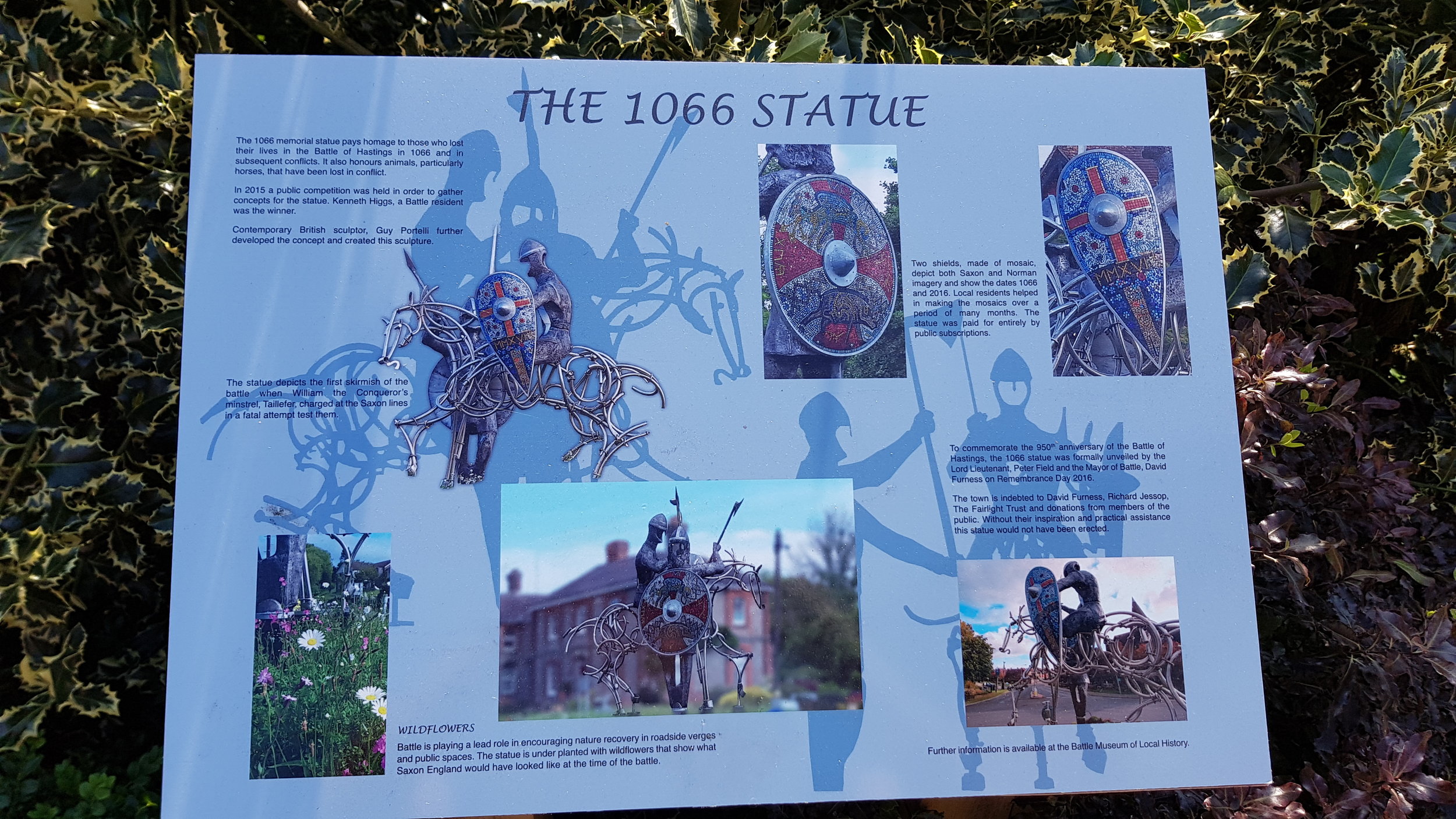
First stop today was the town of Battle in East Sussex. Battle is the site of the Battle of Hastings, where William, Duke of Normandy, defeated King Harold II to become William I in 1066. Due to its historical significance Battle has numerous buildings and sites of historical significance. There’s the Abbey and its opulent gate at the South End of the main street. Then there’s the High Altar which is allegedly built on the spot where Harold fell and the Walled Gardens. We visited these along with the Battle Museum of local history. Despite its modest size it has exhibits of Roman remains, the Battle of 1066 and details regarding the towns production of Gunpowder in the eighteenth century. Next door are the Almonry gardens which are immaculately kept. The walls and terrace provide a tranquil and secluded respite from the noise of the buy main road. Battle is very tourist friendly with numerous restaurants and tea rooms. Many of the buildings are “listed” and therefore have been preserved in their original style.
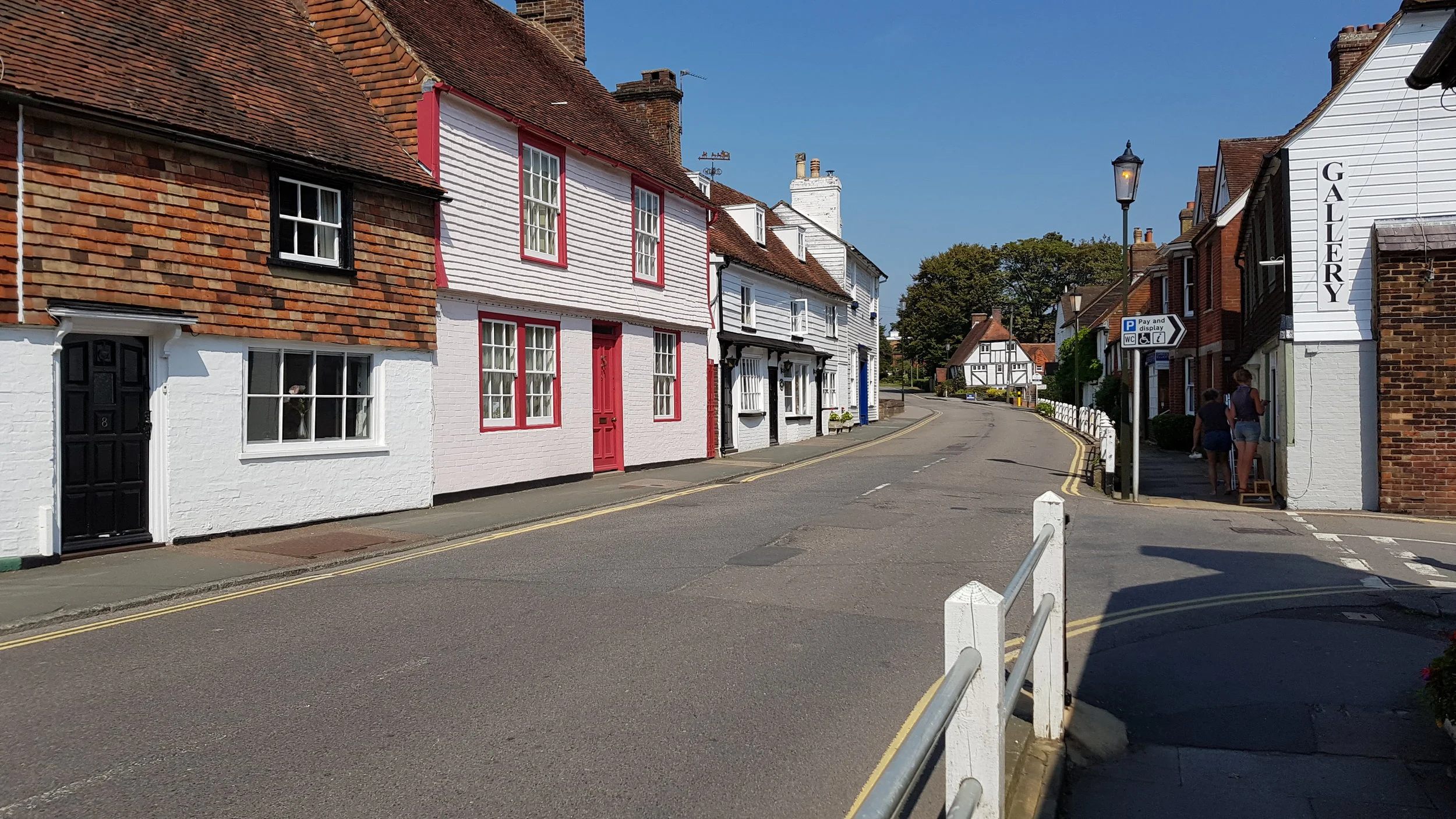
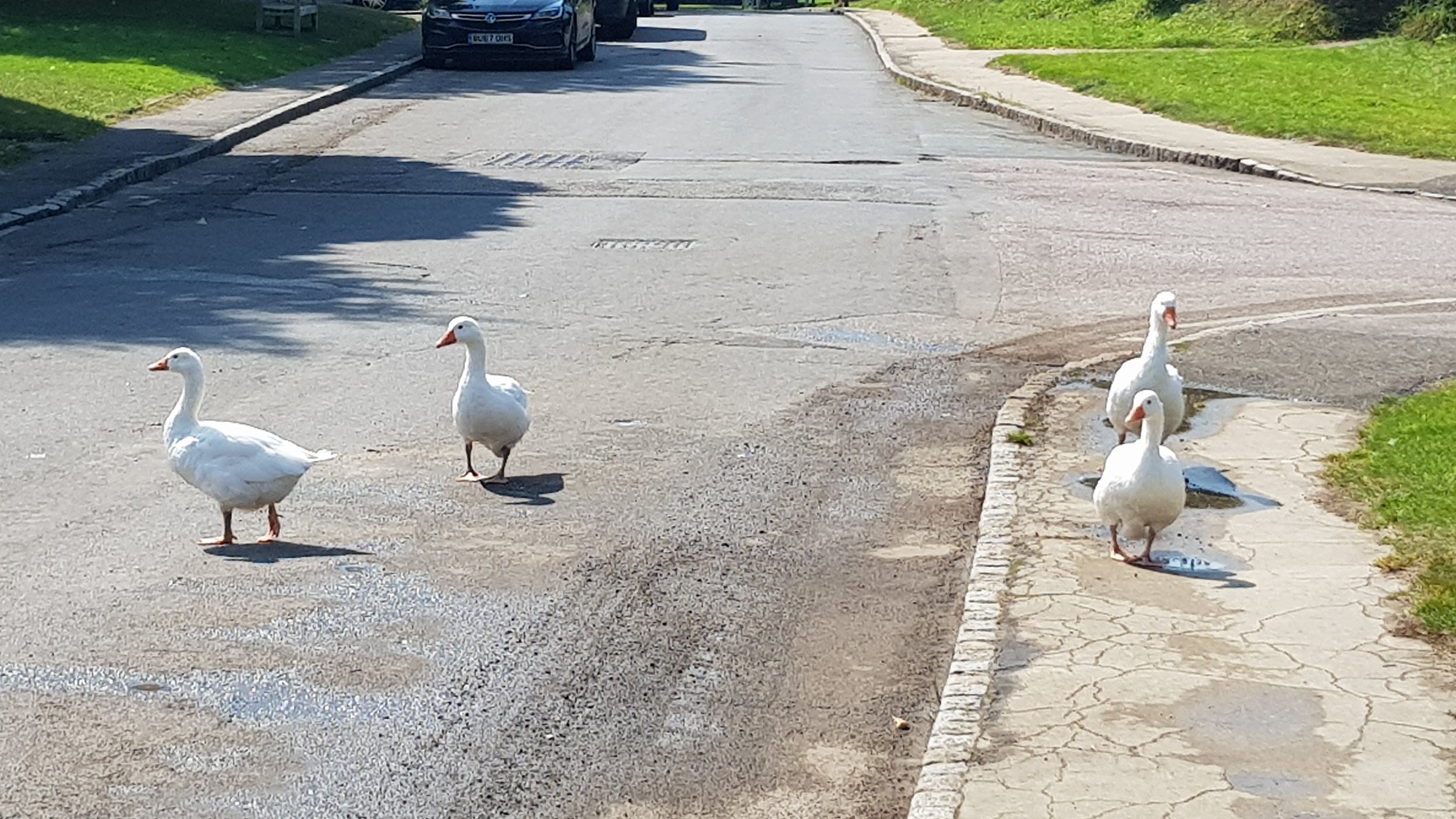
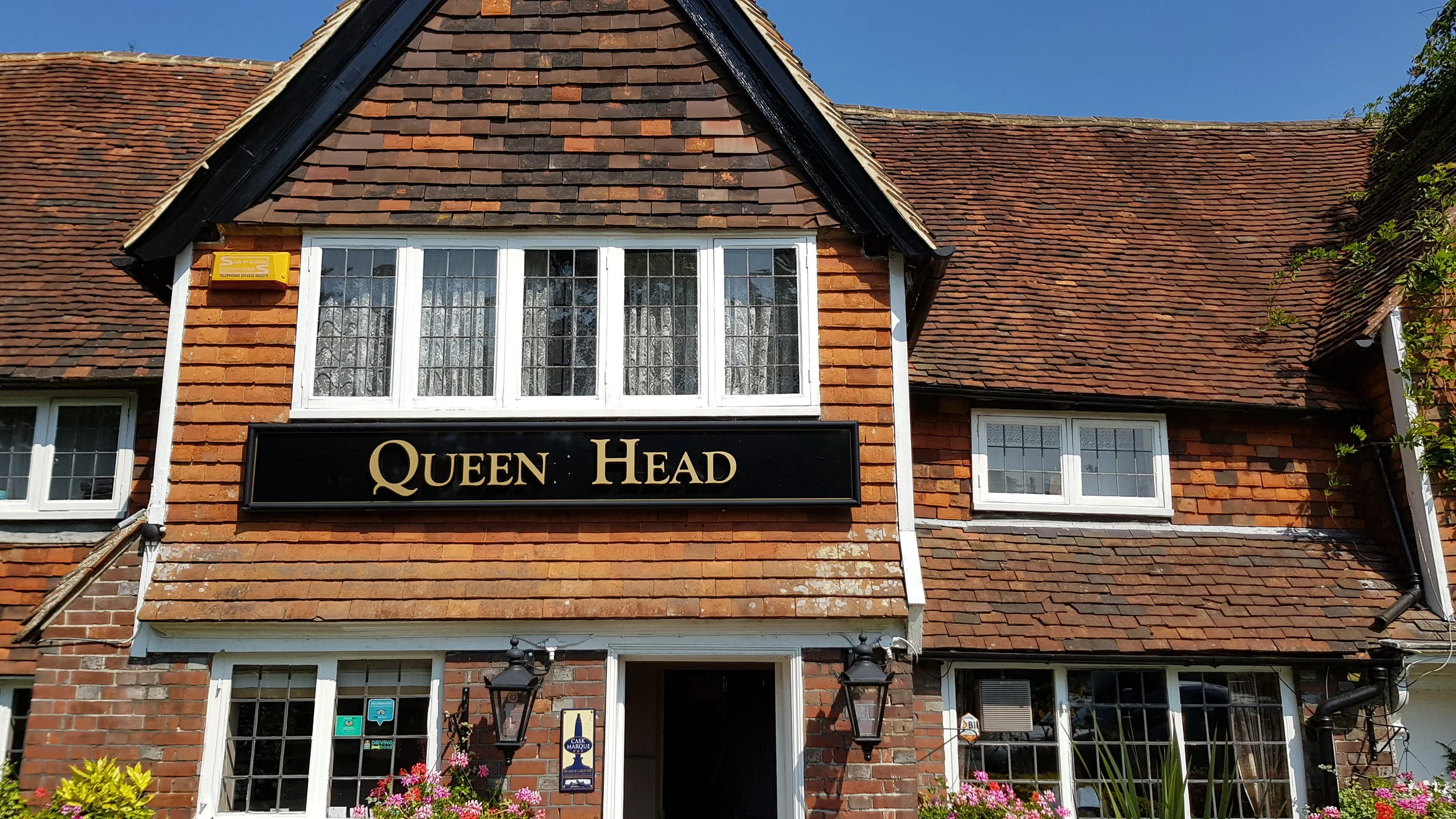
We then followed the road East to the village of Sedlescombe. This picturesque settlement mixes both the old and the new sporting modern bungalows along with traditional terrace cottages. Surrounding the central village green are a restaurant, a hotel and the Queen’s Head pub. As well as all the quaint houses there is a small Victorian pump house that is now preserved. Sedlescombe is both sedate and affluent. It is the epitome of rural seclusion for those seeking an escape from city life. However unlike Battle this is not a major tourist location. Beyond the local church at the North of the village there is not much else of historical note. The village is residential with a traditional veneer. The local geese appear to have free rein throughout the village with many residents leaving food and water out for them. We had lunch in the pub and the meal was outstanding. We only intended to stop for a quick drink but when we saw the quality of the food being served to other patrons, we decided to stay.
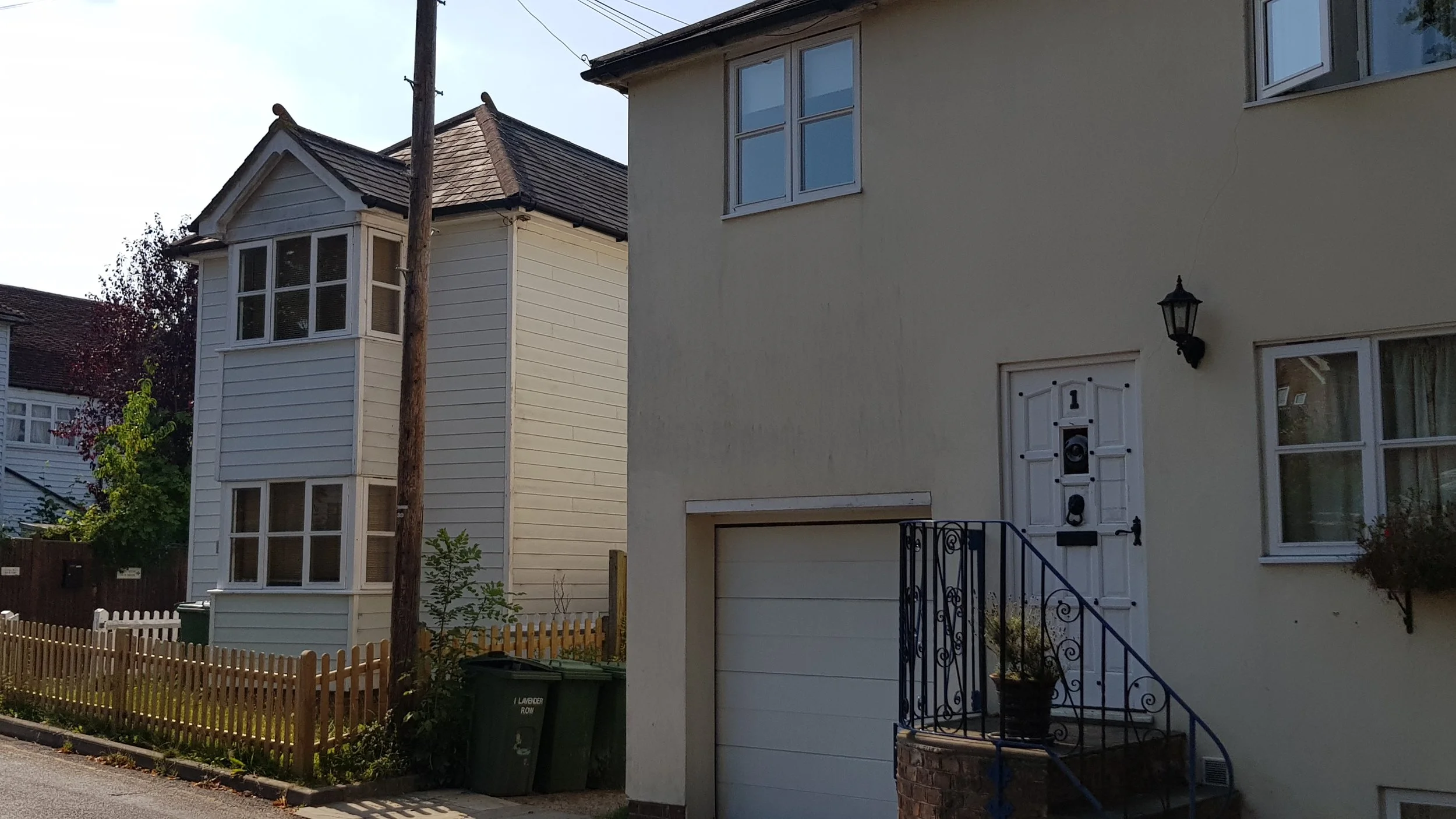
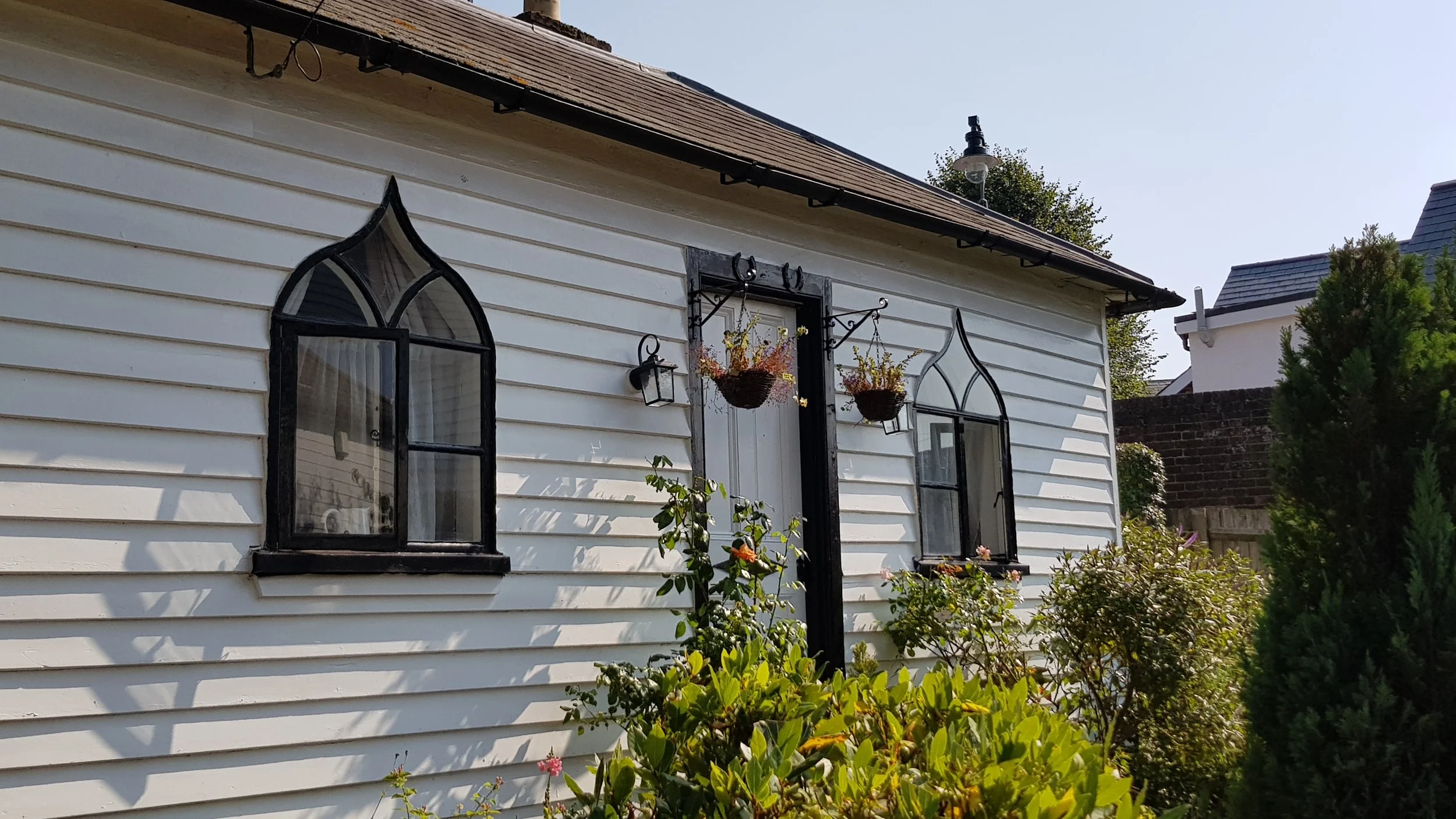
In the afternoon, we crossed over the county line into Kent and the village of Hawkhurst. This is yet another clearly wealthy area (there’s a Waitrose) which seems to again have a mixture of the old and new. The Moor, to the south, consists mainly of cottages clustered around a large triangular green, while Highgate, to the north, features a colonnade of independent shops, two country pubs, and hotels. Tourism is most definitely a factor here with Hawkhurst ideally positioned as the place to stay, for those who wish to travel the South East coast. The village itself falls within High Weald Area of Outstanding Natural Beauty. There are numerous copses and meadows with traditional cottages nestled between them. There are also several nineteenth century Almshouses that are currently being converted into luxury apartment. The village has charm and character. However a major A road runs though the middle and it is very busy and noisy. But the side roads offer a quiet retreat.
During our visit, we looked in numerous estate agent’s windows and made note of the property prices. Although they are not as high as those in Greater London, they still reflect the affluence of the local area. Also many of the properties are listed and therefore subject to a great deal of building control. It is wise to consider this before committing to purchasing. Overall this was a very pleasant day away from the hubbub and bustle of the London suburbs. The weather was wonderful and it was an ideal for some rural exploring. Out of all three locations Battle had the most immediate attractions and things to do, although I found the peace and quiet of Sedlescombe to be very rewarding. Hawkhurst in many ways encapsulates all the common preconceptions of a traditional English village. Something I think it is happy to play upon. It will be interesting to compare it to villages in Wales and Scotland when we visit next year.

Broadstairs and Eastbourne
At least once a month, Mrs P and I like to take a day trip and venture out away from suburban London, into the Southern counties of the UK. These excursions are mainly for leisure but they also serve as an opportunity to reconnoitre potential locations for a future move. As present we’re based in South East London, so a two-hour drive provides a wealth of interesting locations across Kent, East and West Sussex and Surrey. Travelling beyond these counties entails a longer drive and thus an overnight stay. Although we are not against such a thing, a simple day trip is more economical so is the more frequent choice. We like to visit English Heritage and National Trust sites, see local points of interest and natural beauty as well as try the local cuisine via local restaurants.
Grand Parade, Eastbourne
At least once a month, Mrs P and I like to take a day trip and venture out away from suburban London, into the Southern counties of the UK. These excursions are mainly for leisure but they also serve as an opportunity to reconnoitre potential locations for a future move. As present we’re based in South East London, so a two-hour drive provides a wealth of interesting locations across Kent, East and West Sussex and Surrey. Travelling beyond these counties entails a longer drive and thus an overnight stay. Although we are not against such a thing, a simple day trip is more economical so is the more frequent choice. We like to visit English Heritage and National Trust sites, see local points of interest and natural beauty as well as try the local cuisine via local restaurants.
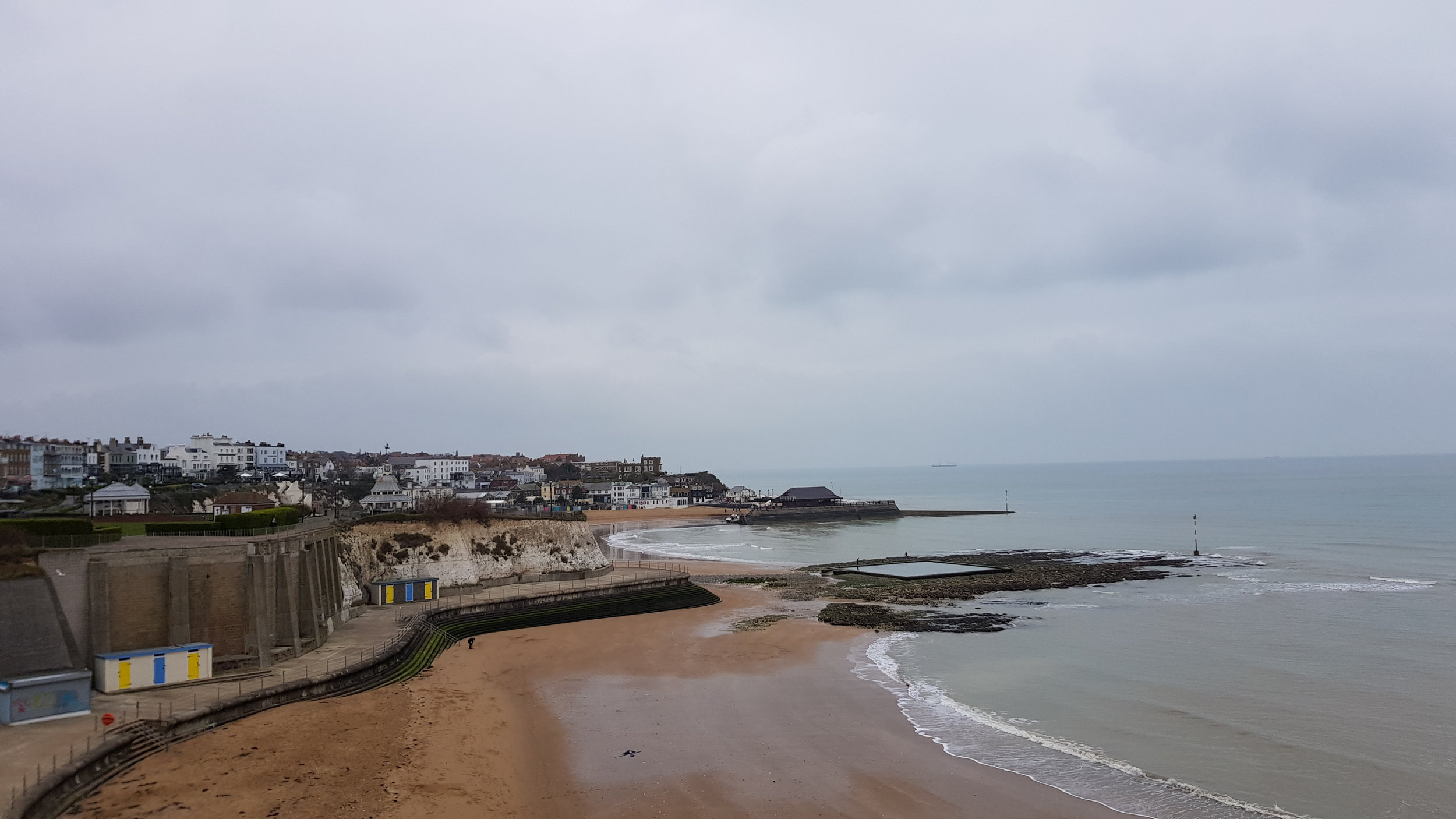
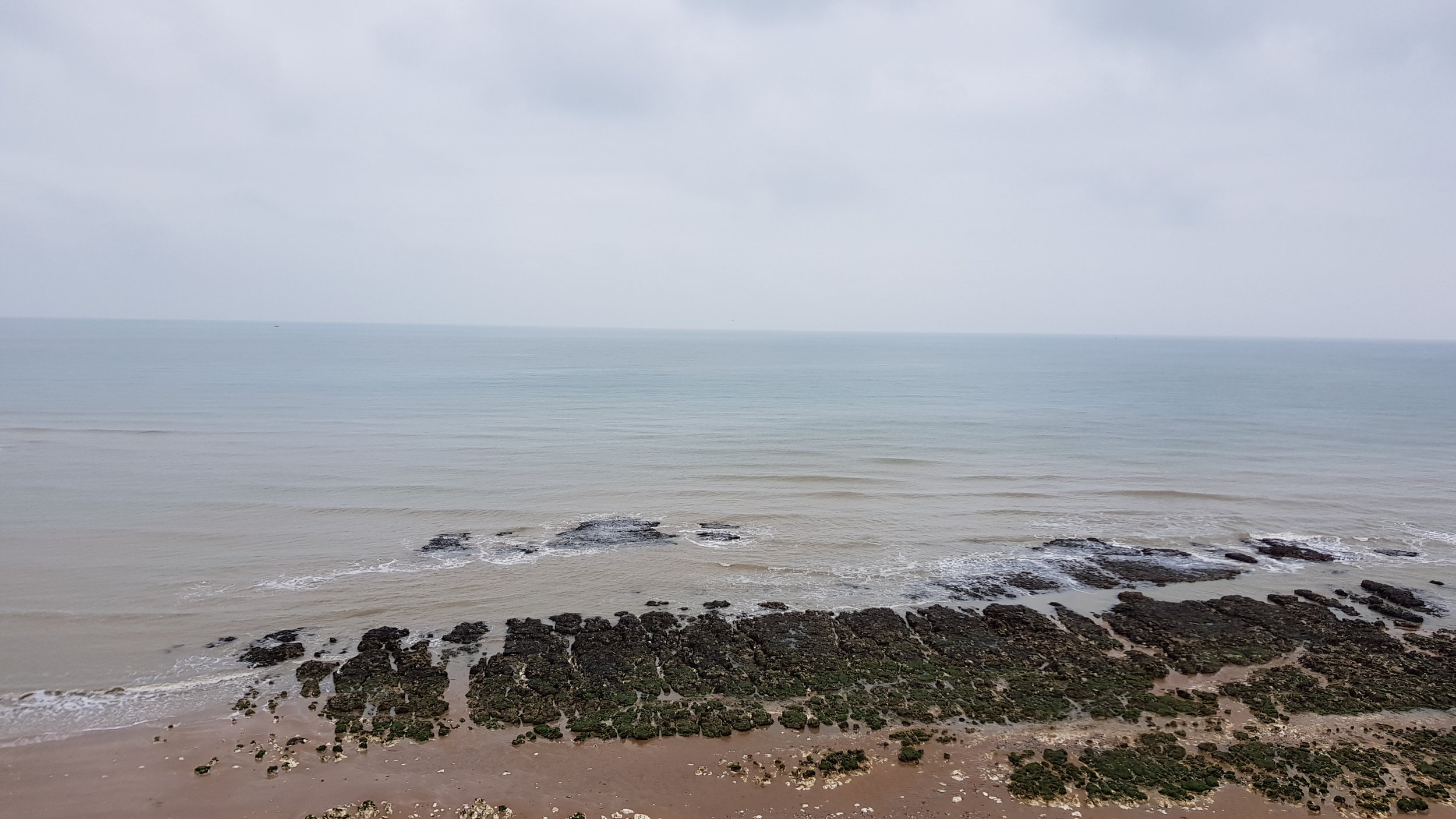
Early on in March we decided to visit Broadstairs, which is located on the Isle of Thanet in East Kent. It became a popular seaside resort in the 1850s with the development of the railways. The novelist Charles Dickens drew a great deal of inspiration from the town and its coast when writing David Copperfield. It boasts a lot of traditional architecture as well as an imposing beach front. Sadly the weather when we visited was both cold and wet and didn’t lend itself for much exploration on foot. We walked along the main promenade and took in the views before retreating to the Charles Dickens pub and having a splendid lunch of locally caught fish. We then drove along the coast to see the lighthouse at Joss Bay, and briefly view Kingsgate as well as Botany Bay.
Joss Bay Lighthouse, Broadstairs
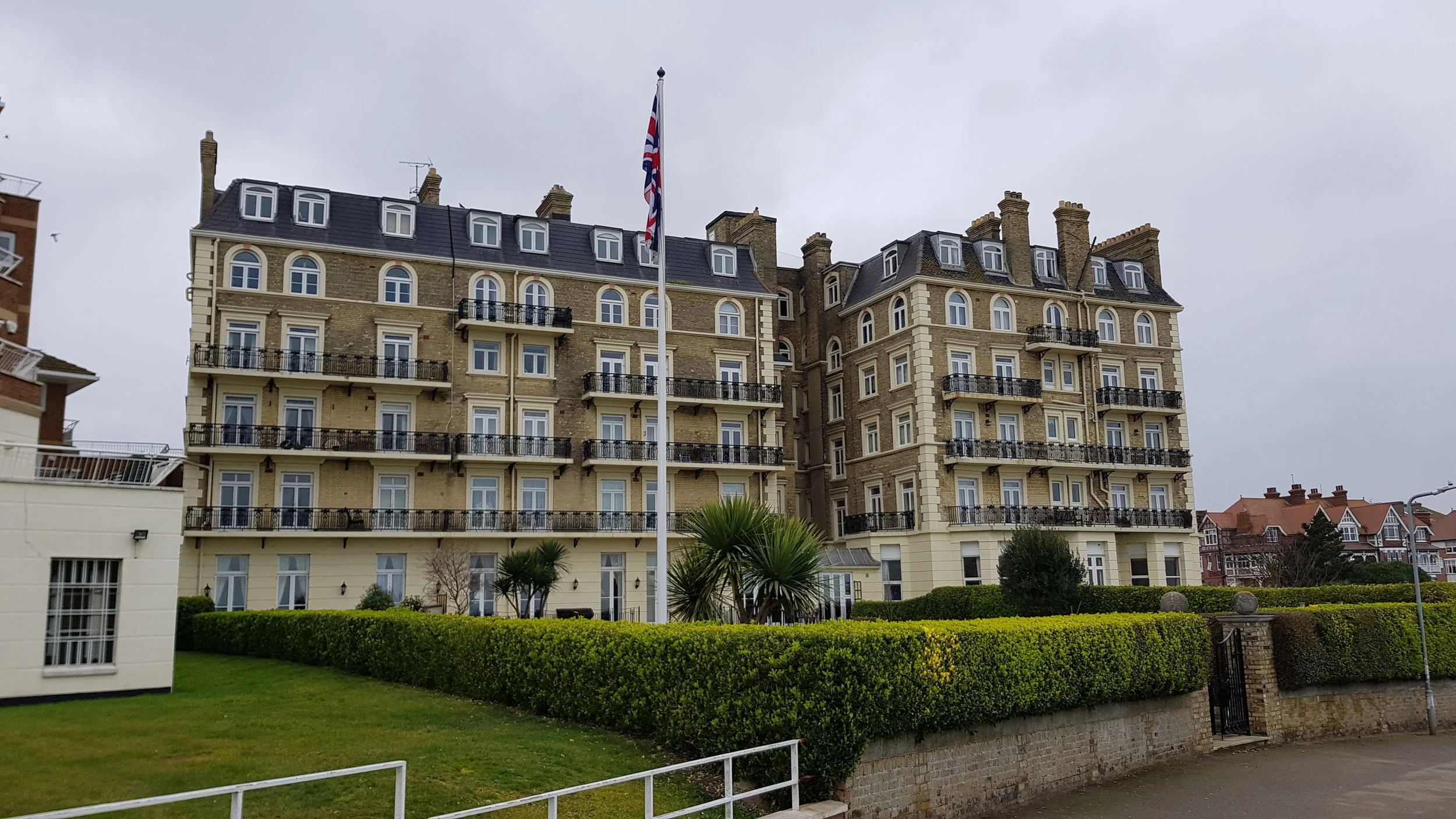
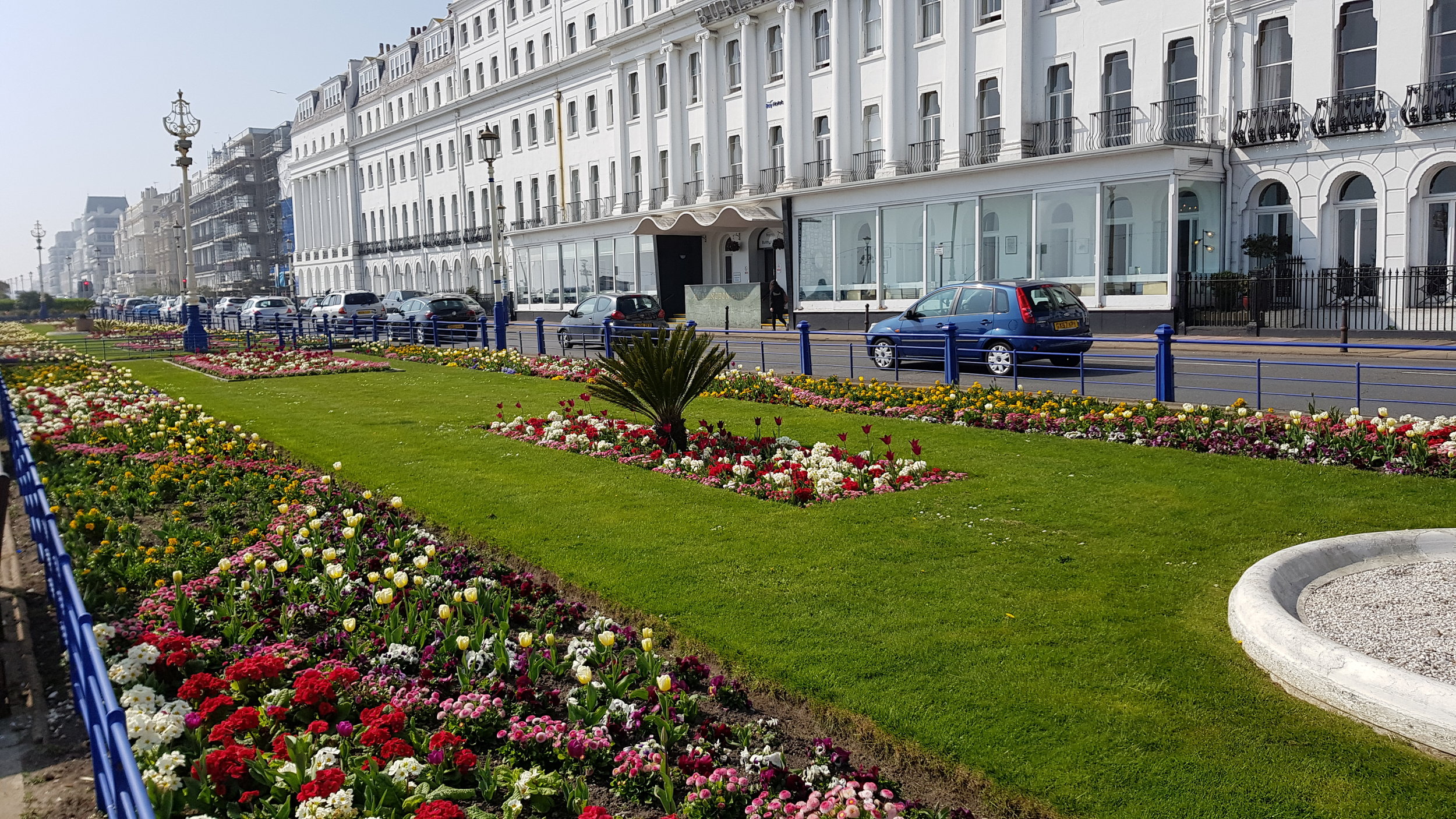
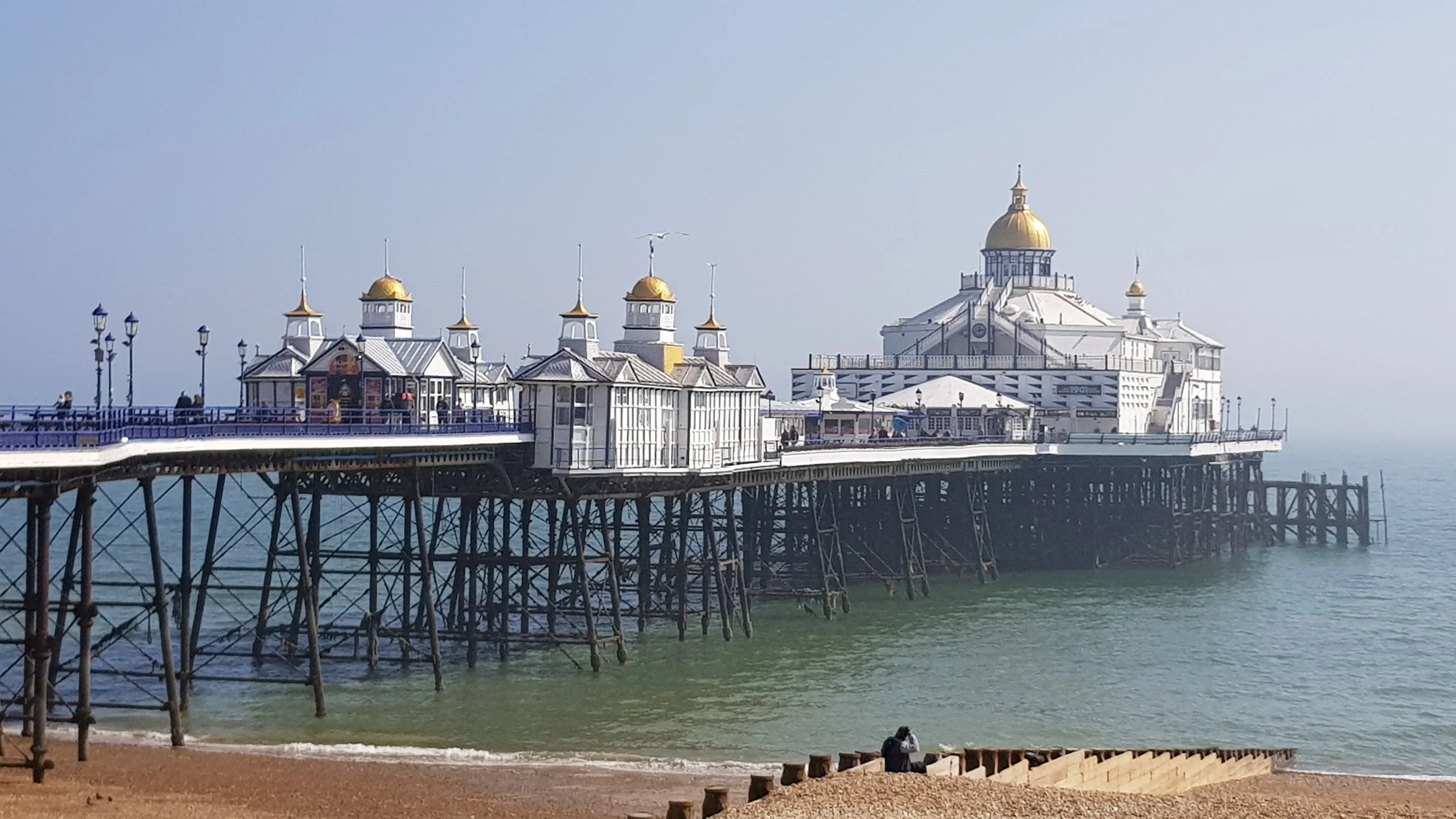
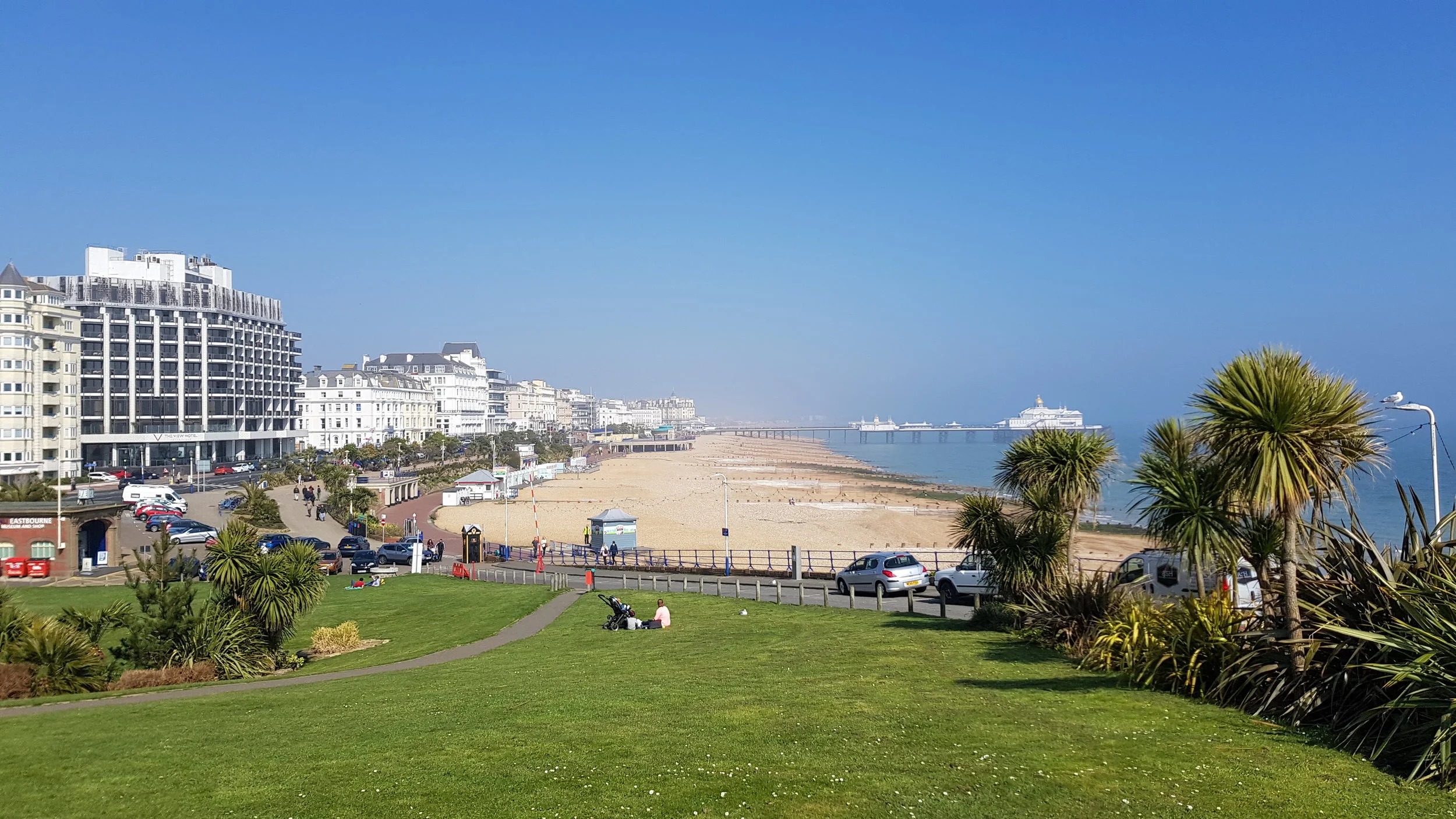
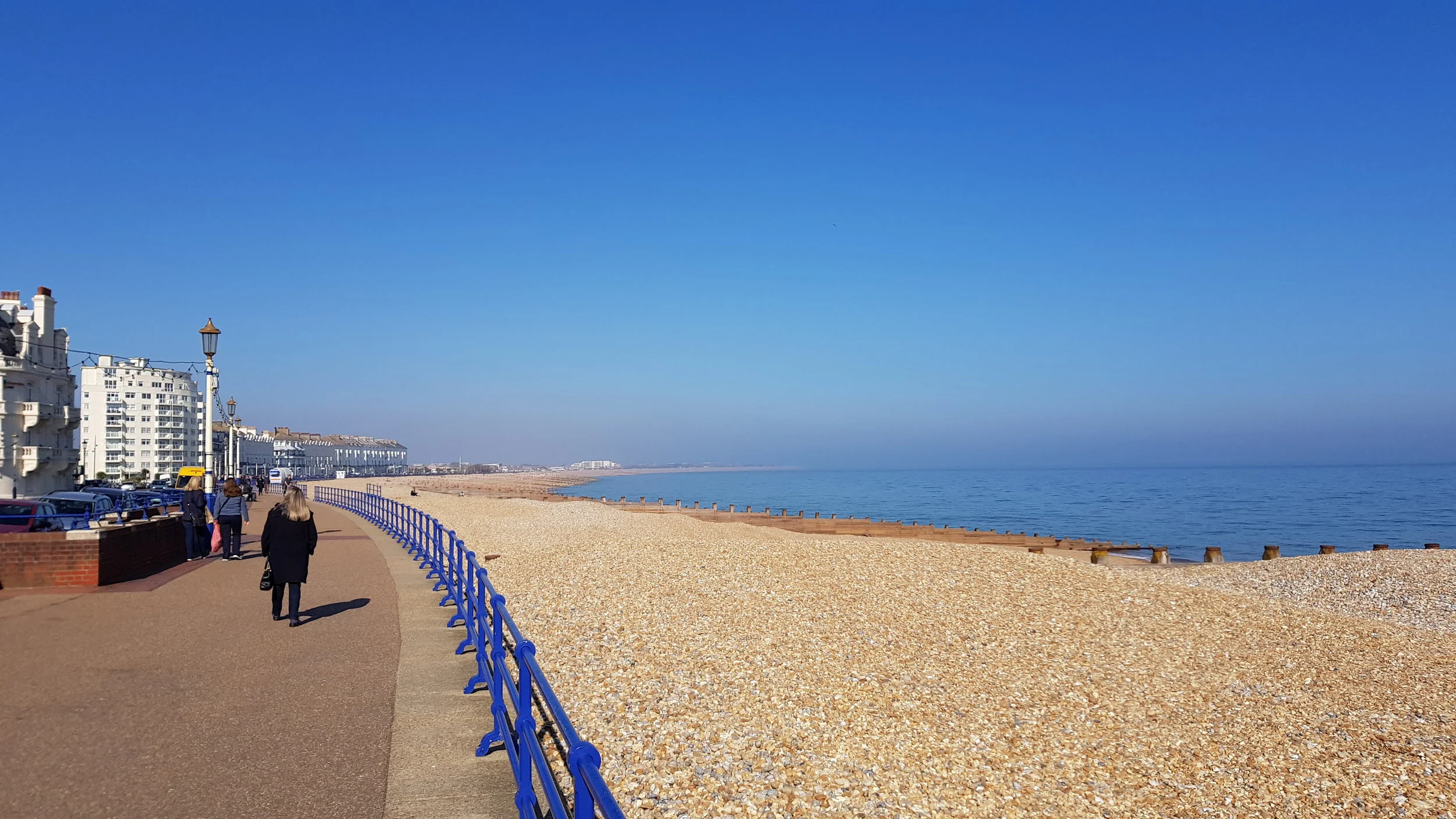
Fortunately todays travels were far more successful as we were favoured with unseasonable warm spring weather. Having managed to find convenient and reasonably priced parking, we walked along the Grand Parade which is dominated by imposing Victorian Hotels and the ornamental flower beds which are all currently in bloom. We took in both the pier and then rested outside the Wish Tower, a fortification looking out to sea, that dates from the Napoleonic war. The view from here down across the beach was impressive. Having by now built up an appetite, we dined at the Rostick Restaurant, in Terminus Road. This is a splendid family run Italian establishment, offering traditional cuisine from the Abruzzo region of Southern Italy. The food was excellent, reasonably priced and the service was outstanding.
Later in the afternoon we visited The Story of Eastbourne Museum which provides a succinct overview of the town’s history from Roman times, through to its military significance during the Napoleonic War and then on to the Victorian Age where it established itself as a holiday resort and was extensively developed by the Duke of Devonshire. Finally we looked in at the beach front Pavilion which currently hosts the Eastbourne Remembers exhibition. This is an engaging and clever exploration of the concept of memories; what place they play in our lives and society and how they can be of invaluable historical contribution. It was a thought provoking and interesting way to end the day. Although we only scratched the surface of the various places of interest that Eastbourne (and previously Broadstairs) had to offer, we felt it that it was a day well spent. We are therefore looking forward to next month’s day trip and are already looking for a suitable location.
Peppa Pig World
Having twin granddaughters who are three years old makes our family prime candidates for Peppa Pig World. So, we decided to go this year, rather than leave it to next summer, only to find that the twin’s tastes have changed. Today was a beautiful autumnal day with plenty of sunshine, making it ideal for adventures in a theme park. Peppa Pig World is actually just part of Paultons Park, which has a broad variety of rides and entertainment. However, the girls age restricts them from a lot of these, so we remained at Peppa Pig World which proved sufficient to keep children and adults busy. We ended up spending seven hours, perusing the park and went on most rides. Despite the lateness of the season, Peppa Pig World was still well attended and there was a large crowd throughout the day. However, the theme park is very well organised and run so there were no major problems.
Having twin granddaughters who are three years old makes our family prime candidates for Peppa Pig World. So, we decided to go this year, rather than leave it to next summer, only to find that the twin’s tastes have changed. Today was a beautiful autumnal day with plenty of sunshine, making it ideal for adventures in a theme park. Peppa Pig World is actually just part of Paultons Park, which has a broad variety of rides and entertainment. However, the girls age restricts them from a lot of these, so we remained at Peppa Pig World which proved sufficient to keep children and adults busy. We ended up spending seven hours, perusing the park and went on most rides. Despite the lateness of the season, Peppa Pig World was still well attended and there was a large crowd throughout the day. However, the theme park is very well organised and run so there were no major problems.
Like most outdoor events, if you arrive early then you get the best parking. We secured places near to the entrance. Parking is martialled by stewards who are polite and helpful. We had pre-booked our tickets and received a substantial discount. There were four adults in our party which cost £110 and the children being under 1 metre, got in free. Regular tickets bought at the gate cost £34.25 each. On arrival the granddaughters were given green wristbands that designated which rides were suitable, through a colour code system. It was then a short five-minute walk through parts of Paultons Park before we got to Peppa Pig World which is a separate enclave. The moment you cross over the threshold, you’re acutely aware of various jingles, incidental music and of course the theme tune from Peppa Pig. Most children seem unconcerned by this pervasiveness. Adults may require opiates.
Some rides are more popular than others, so my advice to any family planning on visiting is to determine which ones are most important and go there first. For the first couple of hours of the day the average queue time is about 10 to 15 minutes but eventually this goes up to about 30 minutes by sheer weight of numbers. The rides are all fairly straight forward, sedate and very child friendly. They are mainly permutations of riding around in a themed vehicle or conveyance, through a semi interactive environment. The water-based rides such as Grandpa Pig’s Boat Trip and Grampy Rabbit’s Sailing Club are especially enjoyable, offering a more dynamic mode of transport. Peppa Pig’s Balloon Ride is also quite exciting, offering great views of the park and immediate area. Personally, I thought the most complex and involving ride was the Windy Castle. It lasted the longest, mainly to accommodate getting passengers on and off their respective “clouds.
As well as rides there are other attractions. There is a “meet and greet” with Peppa and George along with an accompanying stage show. As you can imagine, this is very popular, so if you arrive late, you’ll find yourself at the back of a large crowd, struggling to see. There are numerous photo opportunity such as Peppa Pig’s House and various animatronic displays. There also a soft play area that is very well provided for. As part of the wider attractions of Paultons Park, there is a penguin enclosure, which is directly adjacent to Peppa Pig World. The is a talk at feeding time, twice daily that is most informative. Like any theme park, there are numerous gift shops, eateries and kiosks, all designed to separate adults from their hard-earned cash. Sadly, the prices here are somewhat high and so feeding your family may prove expensive. We also noticed that the regular exits were closed, and we had to vacate the park via the gift shop, which was a little pervasive.
Overall, Peppa Pig World is a good day out for those with appropriately aged children. As we stayed from 10:00 AM to 5:00 PM, I felt is was value for money. We certainly didn’t run out of things to do and the queue times were not too excessive. The staff were very friendly, helpful and above all, good at their jobs. The logistical facilities, such toilets, information and “lost children” collection centres where all top notch and it would seem that the park can deal with any issues quickly. Unless you live relatively locally, I would advise potential guests to come down a day early and stay in one of the numerous hotels in the area. Hampshire has a good tourist industry and there’s accommodation available to suit all budgets. Certainly, our granddaughter had a great day out, but as I mentioned earlier, many theme parks are governed by a specific age window. I suspect that our visit was exactly at the “right time” and Disneyland Paris will more than likely be the next destination.
UK Tourism
The United Kingdom is the world's 8th biggest tourist destination. According to the national tourism agency, 2017 was a record year for the UK, with 39.9 million visits by tourists. This number is set to pass over 40 million this year according to VisitBritain, which is predicting tourists will spend a record £27 billion over the coming 12 months. U.S. remains the most-valuable inbound market, although the number of travellers originating from Europe is larger than those travelling from North America. Furthermore, in recent years there has also been a substantial increase in Chinese tourists visiting the UK. Popular destinations include London, Bath, Edinburgh and Cambridge. The country's principal tourist destination is still the capital, with the Tower of London being one of the most visited attraction in the country. The post Brexit fall in the pound against the euro and the dollar is helping drive visits.
The United Kingdom is the world's 8th biggest tourist destination. According to the national tourism agency, 2017 was a record year for the UK, with 39.9 million visits by tourists. This number is set to pass over 40 million this year according to VisitBritain, which is predicting tourists will spend a record £27 billion over the coming 12 months. U.S. remains the most-valuable inbound market, although the number of travellers originating from Europe is larger than those travelling from North America. Furthermore, in recent years there has also been a substantial increase in Chinese tourists visiting the UK. Popular destinations include London, Bath, Edinburgh and Cambridge. The country's principal tourist destination is still the capital, with the Tower of London being one of the most visited attraction in the country. The post Brexit fall in the pound against the euro and the dollar is helping drive visits.
It’s ironic that despite only living forty-minutes away from central London and having worked there for over a decade, I have seen very little of the capitals major tourist attractions. In the past I’ve had little time for sightseeing but now I find myself in a situation where such day trips are more convenient and desirable. So today, I and my significant other decided to visit the biggest tourist hotspot in the UK; the Tower of London. As we’re both ex-civil servants we still have Health and Social Security Recreational Association (HASSRA) membership. Like many organisations of this kind, they offer a wealth of discounts, concessions and vouchers. Hence, we obtained two free tickets. Irrespective of the weather, time of year and the hefty £21.50 entrance fee, the Tower of London remains a big attraction and I was surprised by the number of tourist present. However, it does offer a lot of value as there are numerous exhibits, along with themed activities.
About two thirds of the Tower’s grounds are available to the public. The remainder of the Castle is still occupied and used for various civic functions. Various military regiments alternate between guarding the tower grounds and there are several on duty throughout the day. Yesterday there were soldiers from the Irish Guards on site and although they are great tourist attraction, they’re not present just for show. They are armed and should be treated with suitable deference. The White Tower is also home to the Royal Armouries, which is a fine collection of weapons and body harness. Then there’s the Fusilier Museum and The Bloody Tower with is its exhibition of prisoners and torture. But the main attraction is the Crown Jewels. This extensive collection drawn from various Monarchs is compelling and certainly attracts the biggest crowds. The Tower also regularly hosts themed events and activities such as Falconry, historical re-enactments and military displays.
Due to the sheer number of international tourists that visit the Tower daily, all displays, and signage are multilingual. I initially thought that the curators were being a little over generous with their use of space and could possibly have fitted in more exhibits. I now see that the generous walkways and roomy galleries are designed that way to accommodate the flow of visitors. There are also a lot of audio visual displays that rely upon animation and infomercials to convey various historical facts. Again, this is done to address the needs of tourists that are not be fluent in English. Overall, the Tower of London successfully manages to curate and display artefacts of historical importance in a broad and accessible fashion. It is a very family friendly day out, although some of the exhibits are somewhat ghoulish. However, that goes with the historical pedigree of the castle.
We very much enjoyed are day out today and have decided to plan a lot more day trips in 2018. The fact that we can get discounted or free entry to so many places is a major benefit. Our excursion was also very illuminating by showing first hand, the significance of tourism to the UK economy. The sheer number of people visiting the capital today gained context in light of our personal experience. The current political and economic uncertainties certainly do not seem to be discouraging visitors at present. In the meantime, we are already considering going to Hampton Court, Chartwell and the Joust Tournament at Eltham Palace later on in the year. If there is to be a tourist boom this year then I see no reason why we shouldn’t contribute towards it.
Walking for Pleasure
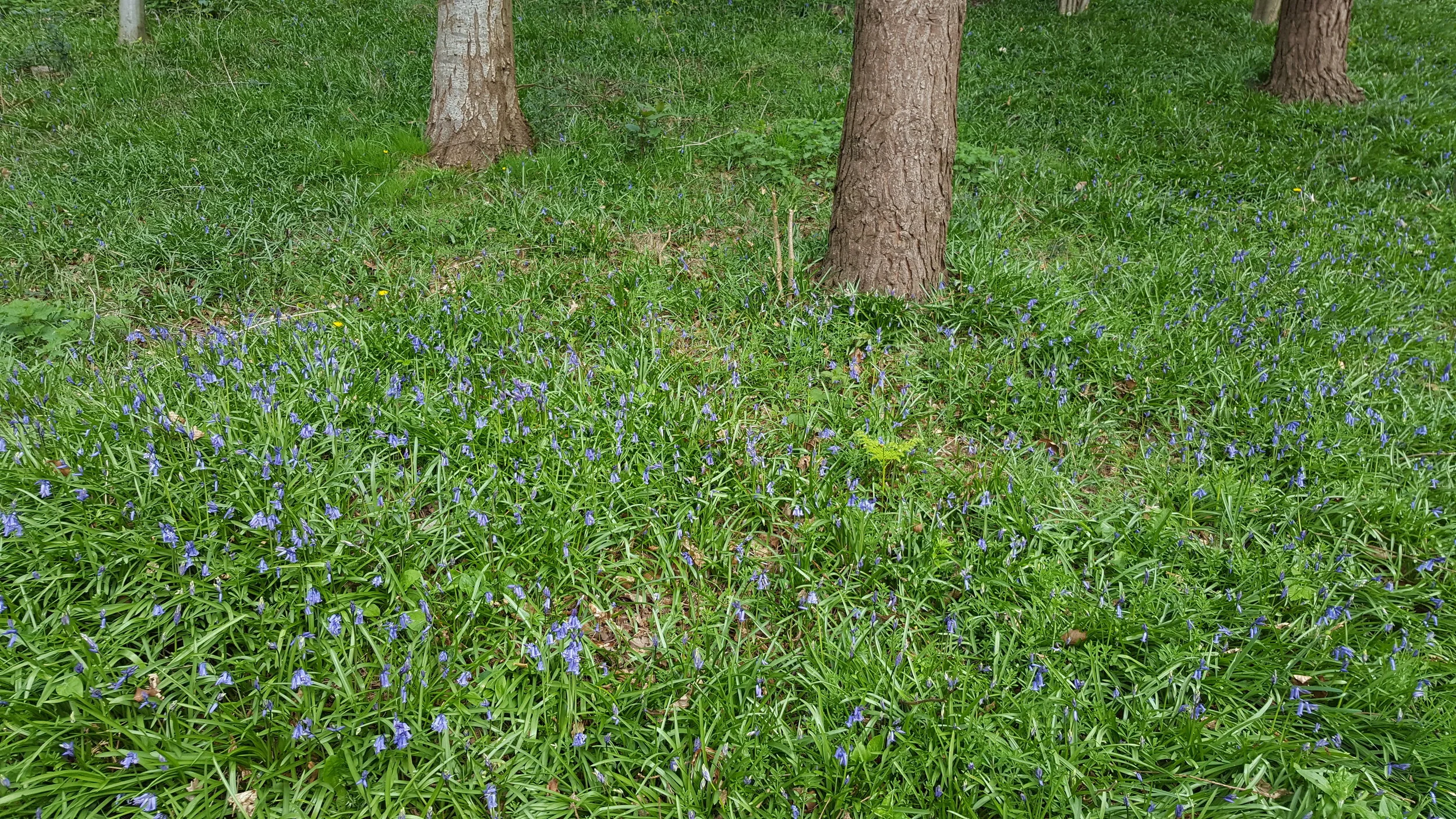
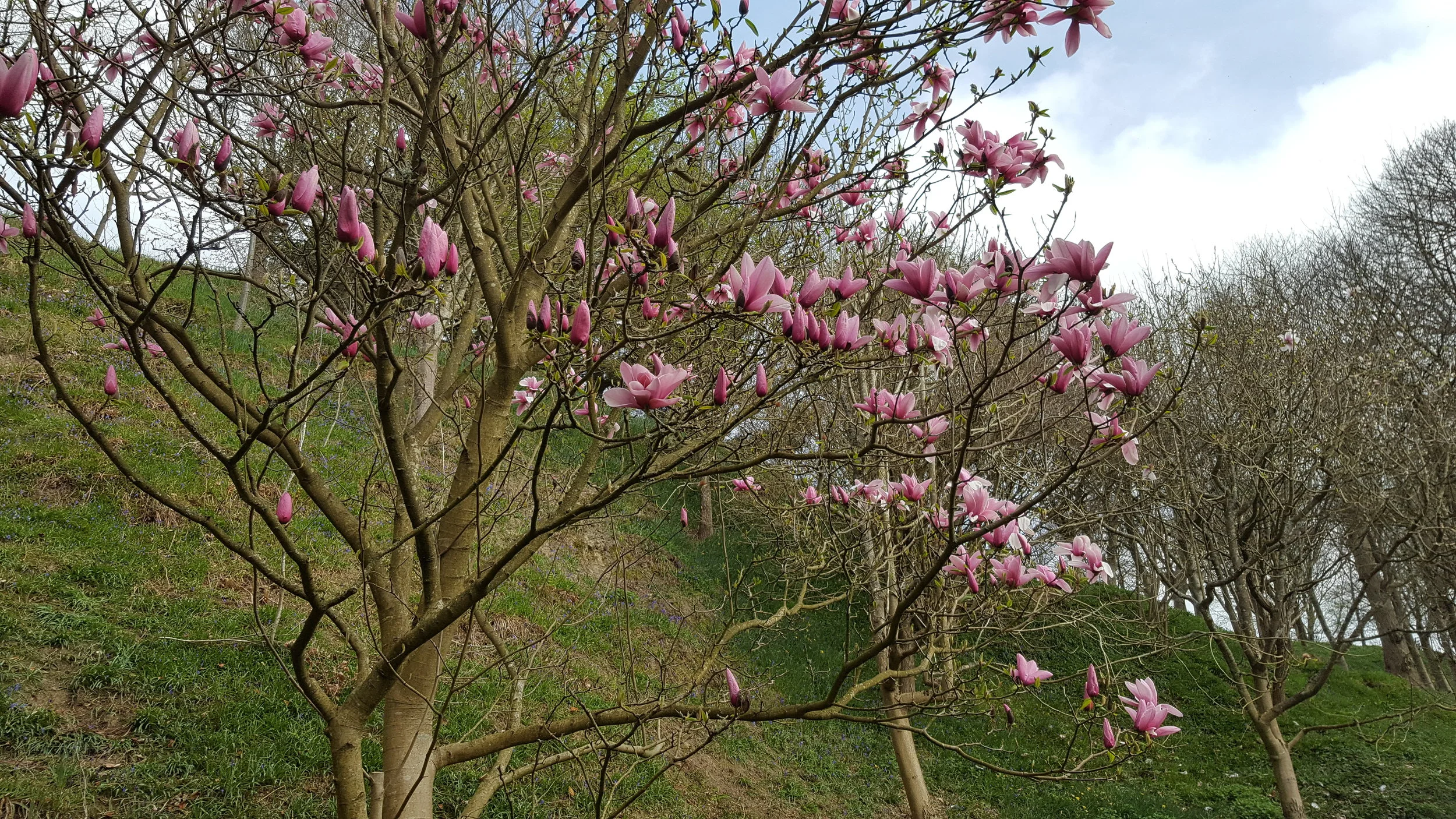
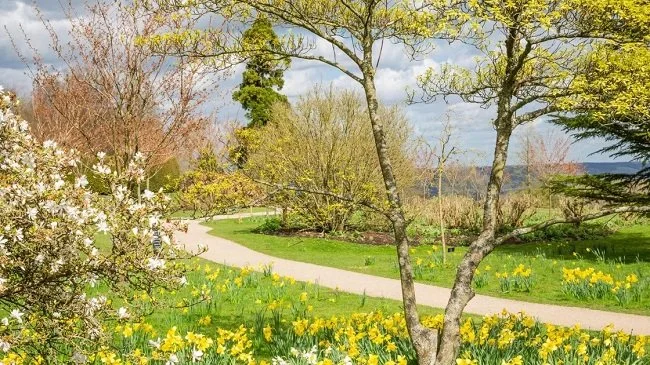
Today I visited Emmetts Garden in Sevenoaks. The Edwardian estate located at Ide Hill and is now owned by the National Trust for Places of Historic Interest or Natural Beauty. The garden, which covers an area of about six acres, is situated on a 600-foot sandstone ridge, overlooking the Weald. It is one of the highest points in Kent, offering an expansive view of the North Downs. The garden was laid out in the late 19th century and was influenced by William Robinson. It contains many exotic rare trees and shrubs from across the world. You can explore the rose and rock gardens, take in the views as well as enjoy flowers and shrubs in spring. In autumn visitors can enjoy the vibrant colours brought about by the changing of the season. The main attraction at this time of year are the Bluebells.
Today I visited Emmetts Garden in Sevenoaks. The Edwardian estate located at Ide Hill and is now owned by the National Trust for Places of Historic Interest or Natural Beauty. The garden, which covers an area of about six acres, is situated on a 600-foot sandstone ridge, overlooking the Weald. It is one of the highest points in Kent, offering an expansive view of the North Downs. The garden was laid out in the late 19th century and was influenced by William Robinson. It contains many exotic rare trees and shrubs from across the world. You can explore the rose and rock gardens, take in the views as well as enjoy flowers and shrubs in spring. In autumn visitors can enjoy the vibrant colours brought about by the changing of the season. The main attraction at this time of year are the Bluebells.
Both I and my significant other walk for pleasure as well as the obvious health benefits. We both have targets regarding our daily step counts and try our best to achieve them. The car is therefore often left at home and a lot of trivial journeys, such as those to the local shops are done by foot. As I am also my parent’s carers I find that the various visits to the pharmacy and doctors surgery offer a further opportunity to hit my daily walking quota. Furthermore, the layout of the Greater London suburbs means that walking is frequently an easy option without the have the hassle of having to find a parking space. The county where I live also has a wealth of parks and open spaces. Some are free, where others such as Emmetts Garden, have a modest entry fee.
Today’s visit not only afford us an opportunity to visit a beautiful garden, rich with exotic flowers and trees but it also allowed us to gently exercise in a beautiful environment. Many of the trails within the grounds are tranquil and free from excessive noise. As I’ve written recently, noise for me is one of the great maladies of this century and any chance to be free from it is welcomed. Today’s walk gave me and Karen some quality time to chat as well as reflect in silence upon our own thoughts as well as the inherent beauty of our surroundings. Walking in such an environment is a great way of relaxing and recharging your “batteries”. Modern urban life is extremely frantic and in many ways, has detached us from the natural world. Parks and places of natural beauty are a great way to reconnect.
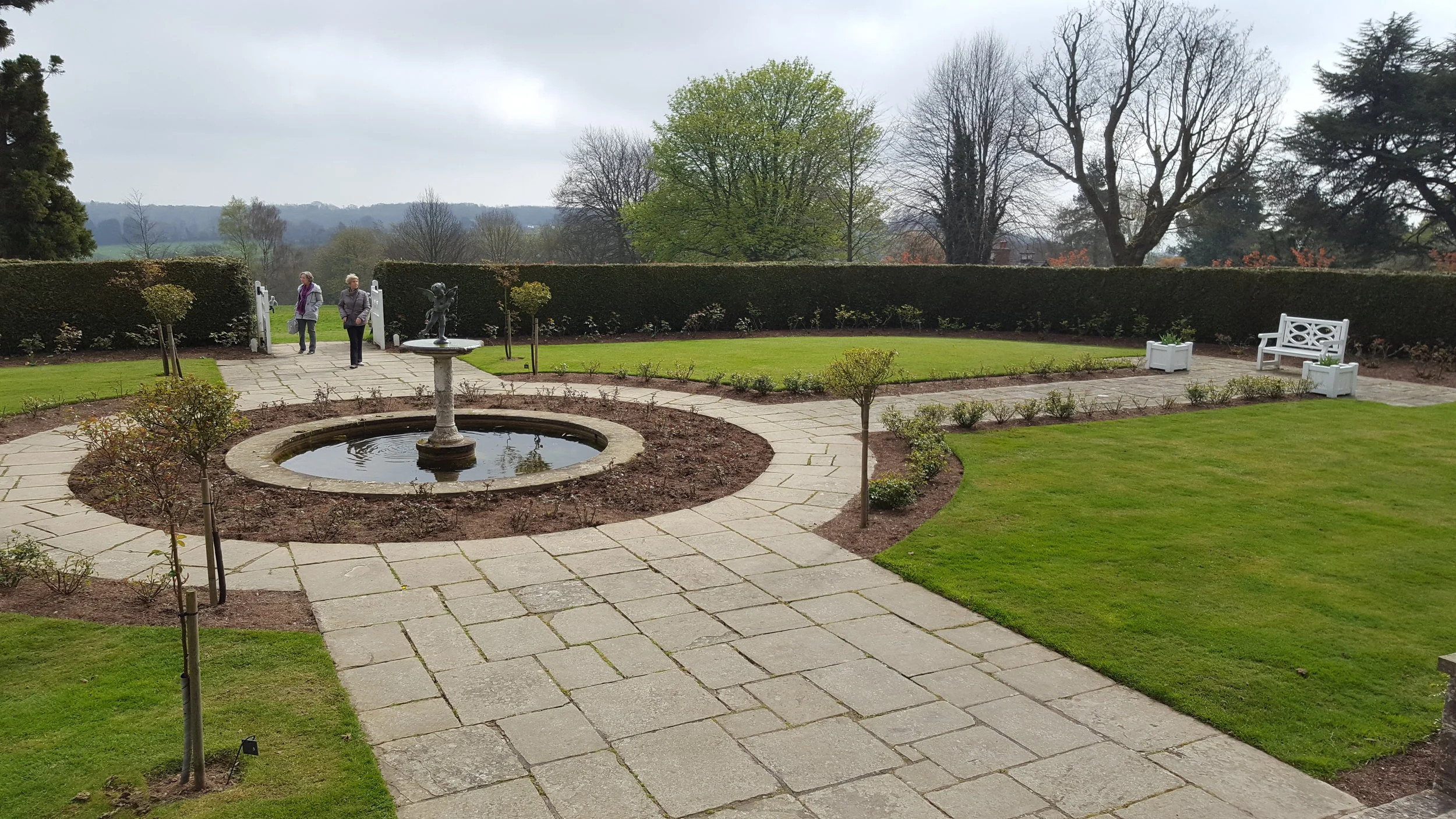
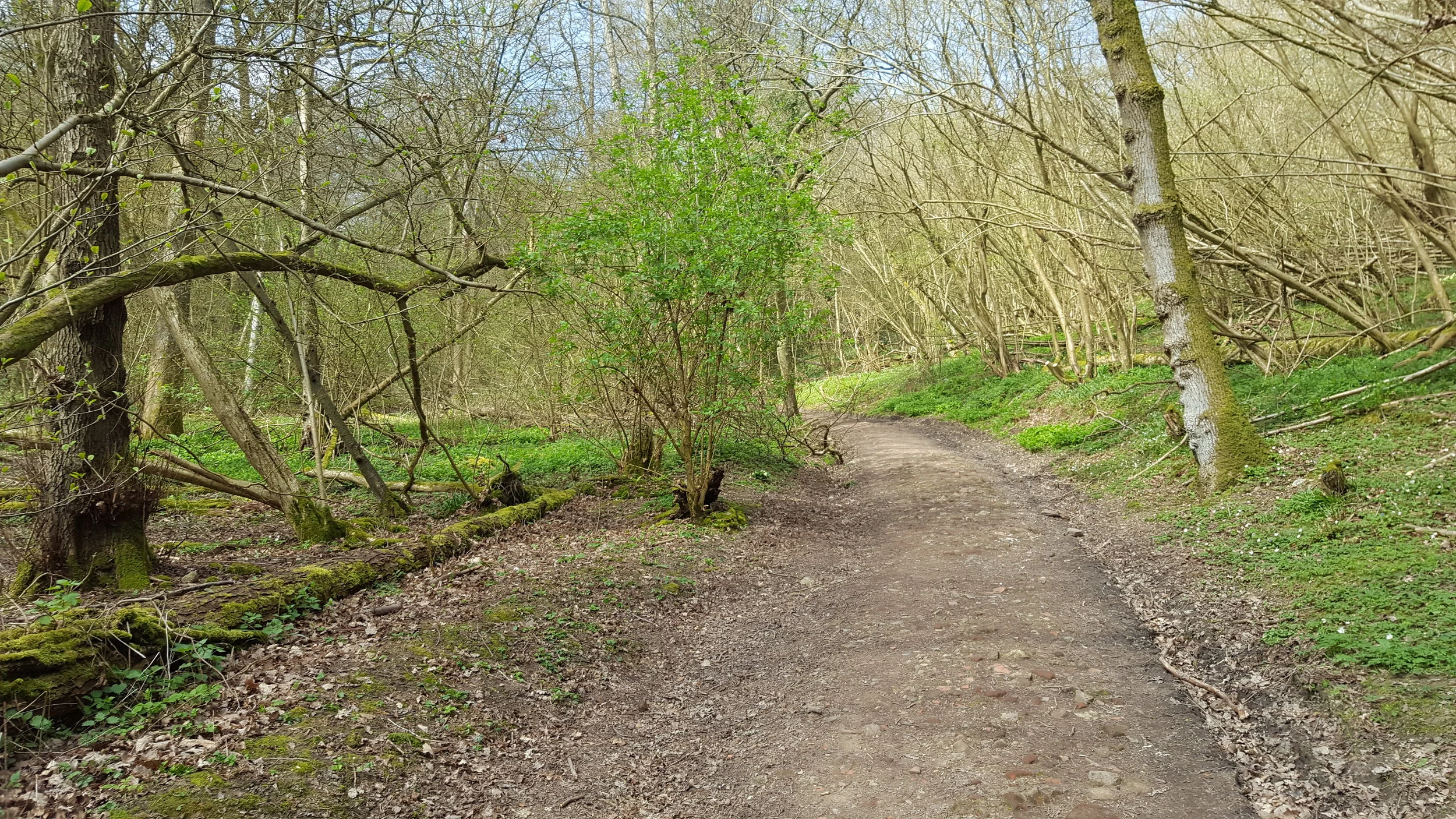
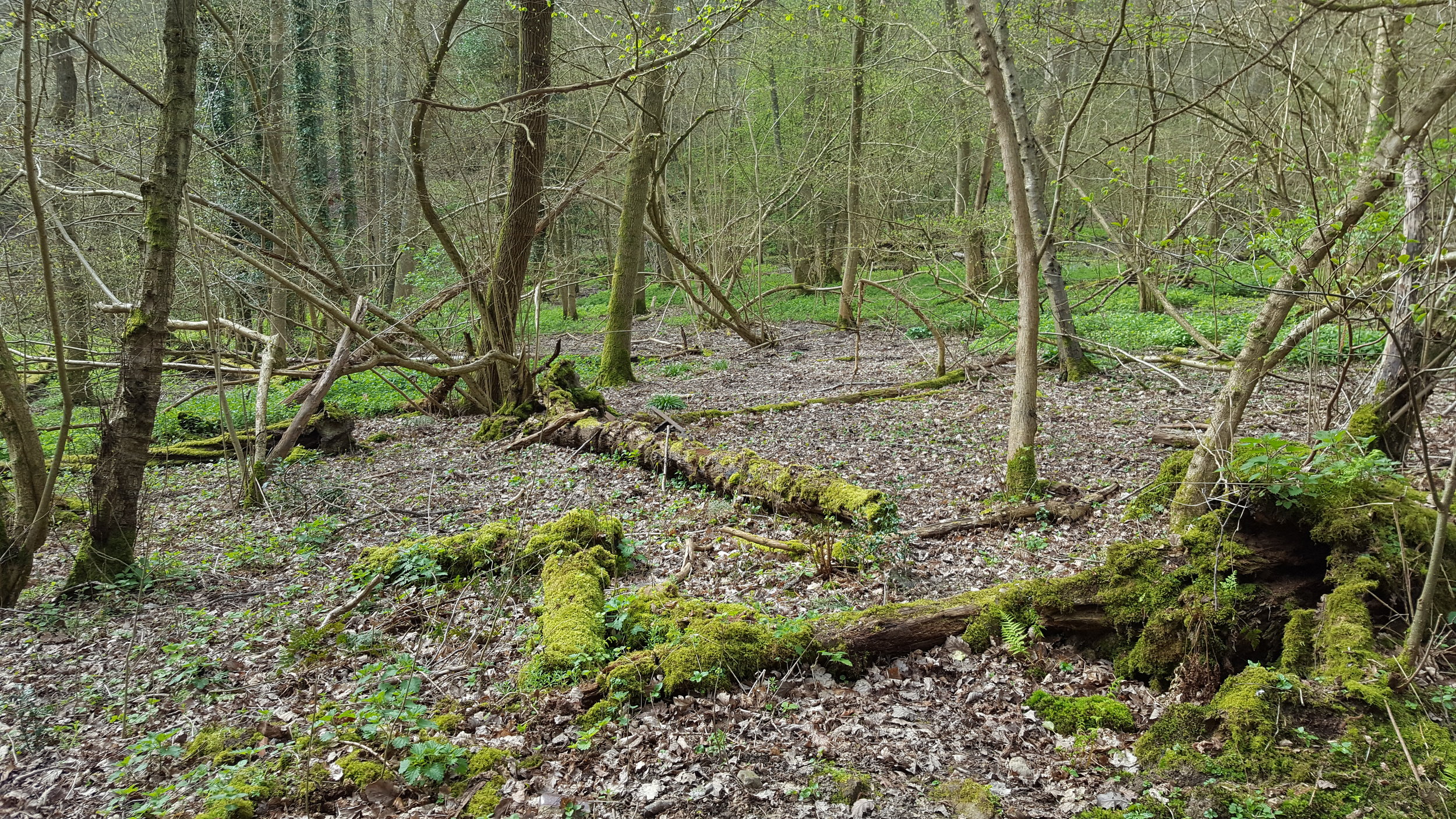
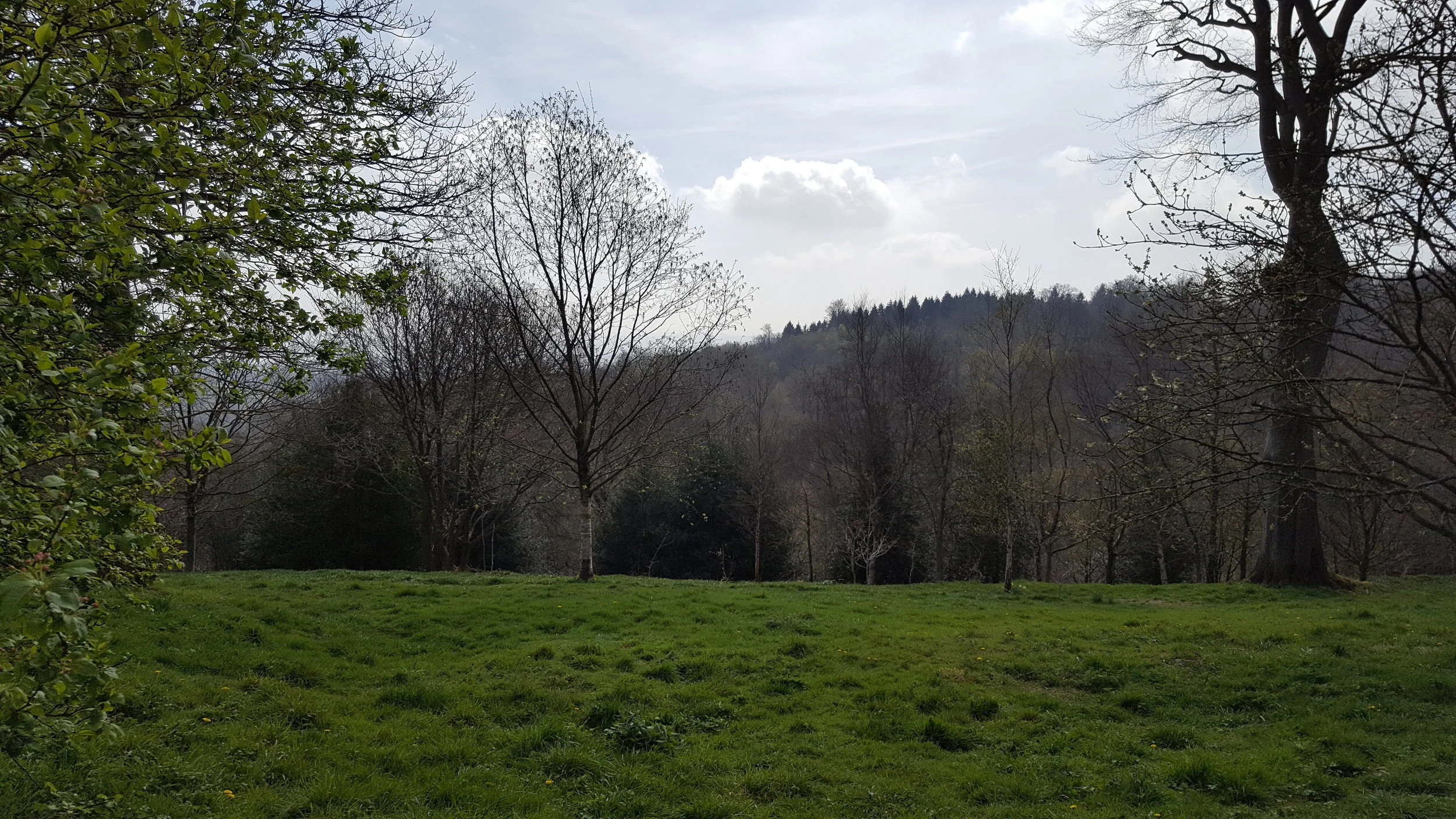
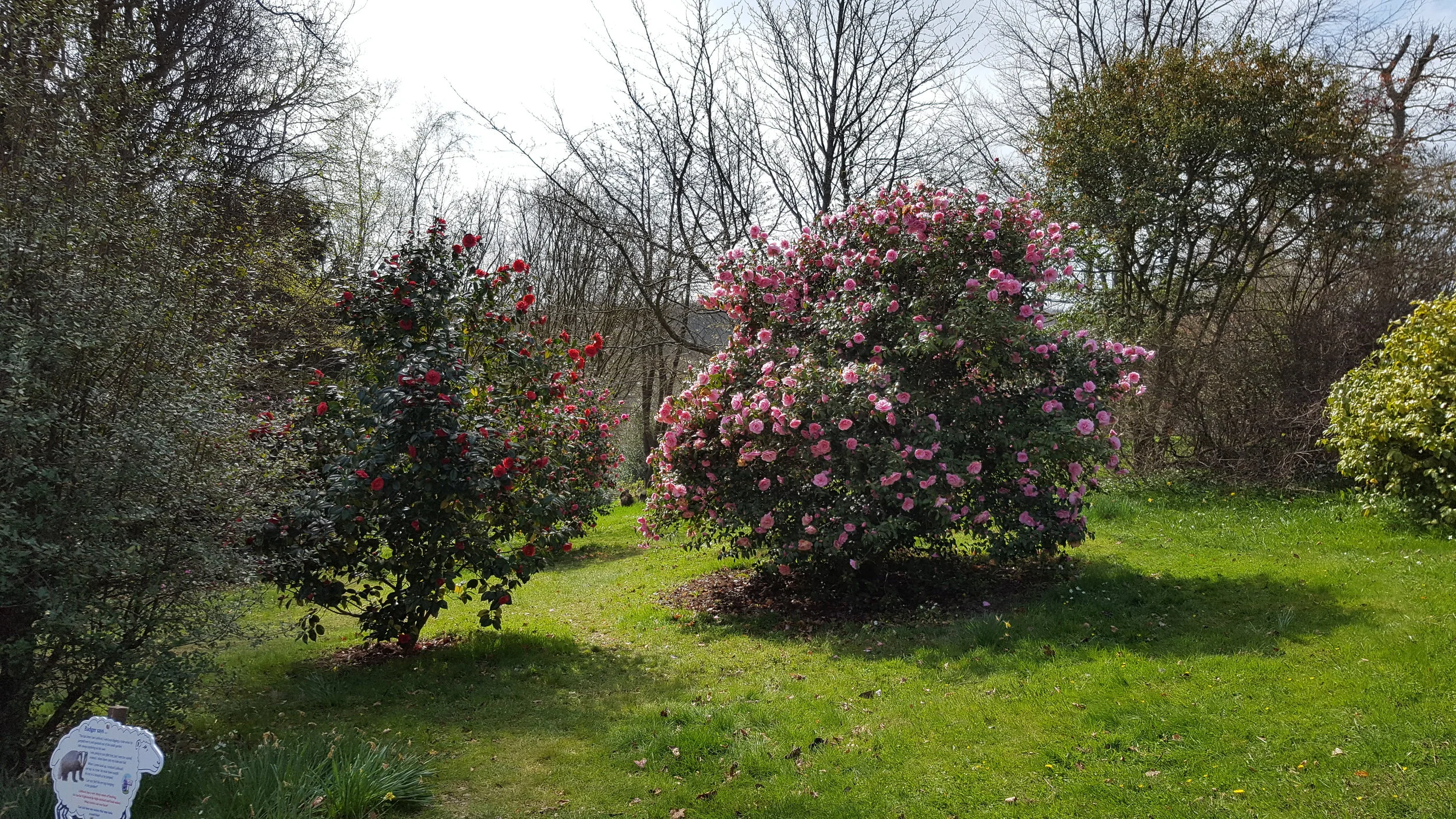
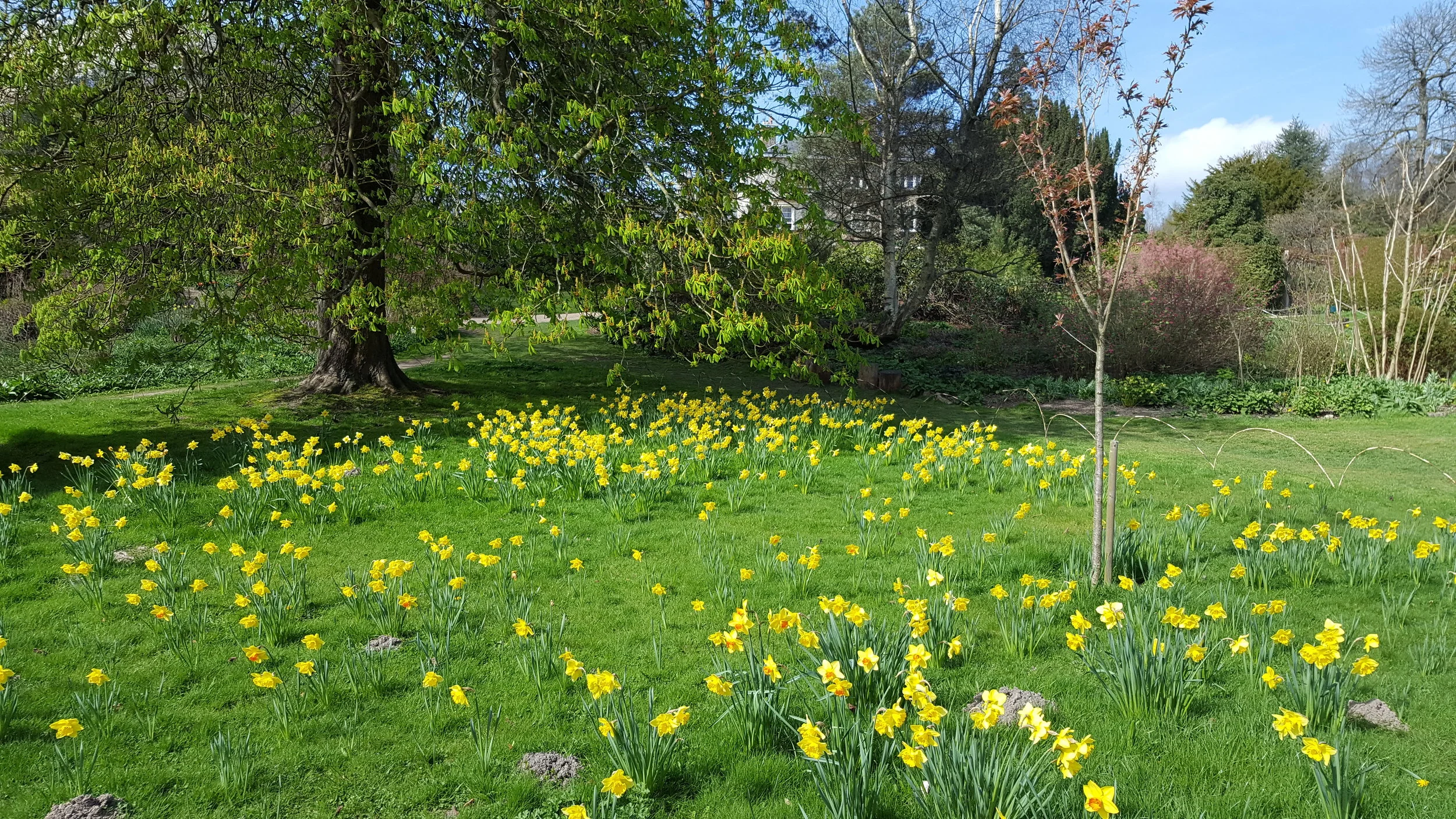
Walking is a form of exercise that has few barriers to entry. You just need to ensure that you have suitable foot wear for the environment you’re walking in and to be mindful of things like hydration if you’re out in the heat. It can be done solitary or with friends, in silence or while engaged in discussion. It doesn’t have to be “dead time” as I’ll often listen to the radio or podcasts while out walking. As a writer walking affords a chance to martial my thoughts and consider what I wish to explore through my blogging. Walking, unlike other forms of exercise such as the gym with its culture and poseurs, frees you from the tyranny of other people. Thus. I’m a great advocate. The following link to the NHS website, provides a succinct breakdown of the health benefits of walking and effectively how to start. Plus, here’s a gallery of photos from Emmetts Garden, highlighting why it’s a great day out a fine place to take a stroll.