
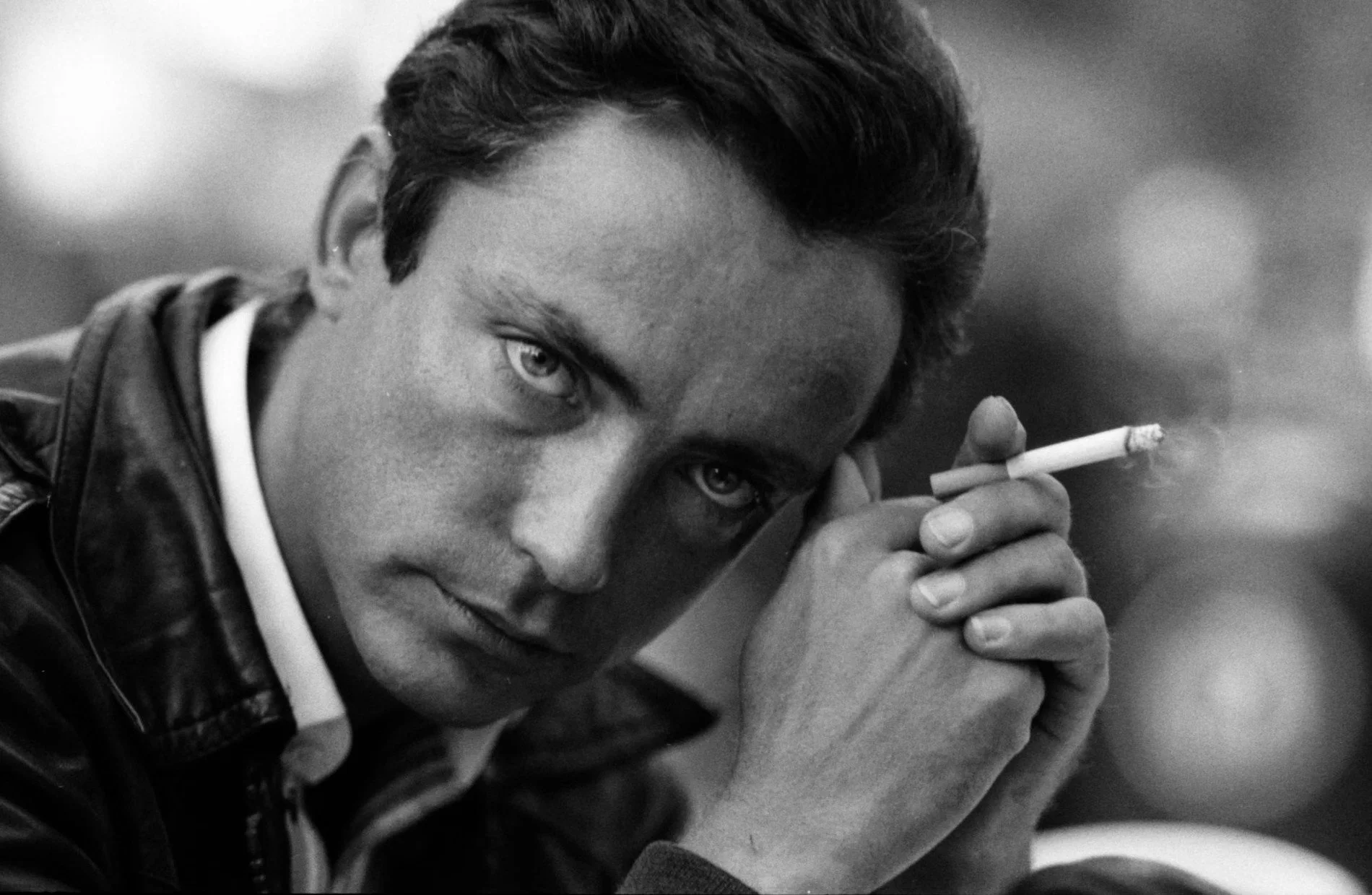
Udo Kier (1944 - 2025)
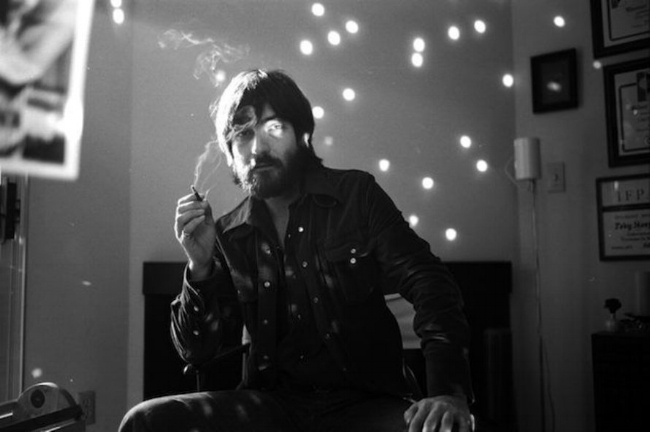
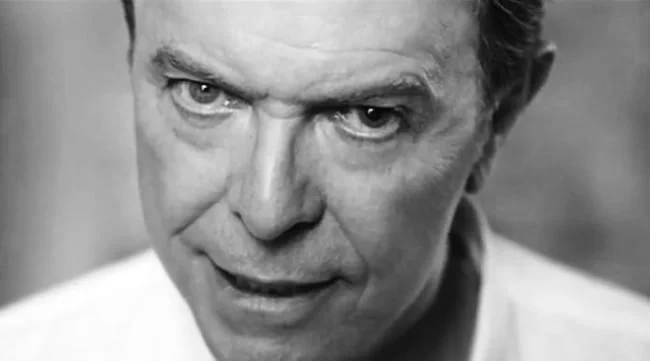
German actor Udo Kier died on the 23rd November at the age of 81. Kier was far from a high profile star but his saturnine good looks and piercing eyes meant that he stood out. As an actor he was enigmatic, brooding and at times sinister which brought him to the attention of several notable European and American directors, such as Werner Herzog, Lars von Trier and Gus Van Sant. His early acting roles in the late sixties gained little attention and it was not until 1973 when he starred in Andy Warhol’s Flesh For Frankenstein, directed by Paul Morrissey that the right people started to take note. What followed was a career that spanned over 220 films, initially in arthouse productions but over time in horror and cult movies, until eventually he started to be cast in mainstream productions. Yet whatever role he appeared in he was always notable.
German actor Udo Kier died on the 23rd November at the age of 81. Kier was far from a high profile star but his saturnine good looks and piercing eyes meant that he stood out. As an actor he was enigmatic, brooding and at times sinister which brought him to the attention of several notable European and American directors, such as Werner Herzog, Lars von Trier and Gus Van Sant. His early acting roles in the late sixties gained little attention and it was not until 1973 when he starred in Andy Warhol’s Flesh For Frankenstein, directed by Paul Morrissey that the right people started to take note. What followed was a career that spanned over 220 films, initially in arthouse productions but over time in horror and cult movies, until eventually he started to be cast in mainstream productions. Yet whatever role he appeared in he was always notable.
I became familiar with Udo Kier’s work mainly through horror films. He had a brief role in Dario Argento’s Suspiria (1977). He stood out in Blade (1998) playing a pure blood vampire elder who meets a dramatic end. In 2007 Kier worked with Rob Zombie in Grindhouse, appearing in the faux movie trailer “Werewolf Women Of The SS” and later in the remake of Halloween. He could effortlessly move from one genre to the other. Hence he appeared notably in Gus Van Sant in My Own Private Idaho (1991) and multiple productions for Lars von Trier, including Europa (1991), Dogville (2003) and Melancholia (2011). His dramatic range was extensive hence he appeared in comedy, complex social dramas and dark thrillers. His role in S. Craig Zahler’s Brawl In Cell Block 99 (2017) is singularly disturbing and is a standout aspect of an already intense film.
Udo Kier was a prolific actor across multiple mediums. Outside of film, he was a voice actor in the video games industry and also in many animated television productions. He featured in Command & Conquer: Red Alert 2 as a Transylvanian psychic called Yuri and was working up until his death with Hideo Kojima on the forthcoming game OD. Kier also voiced numerous roles in both Justice League and Batman animated television shows including the Music Master and Herbert Ziegler. Not to be confined to just one artistic medium, Udo Kier appeared in Madonna's controversial book “Sex” in 1992. He subsequently featured in the music videos for Madonna’s songs “Erotica” and “Deeper and Deeper”. Kier also appeared in the music videos for Korn’s “Make Me Bad” as well as Eve and Gwen Stefani’s “Let Me Blow Ya Mind”.
Kier was an openly gay man yet he would often play characters of all sexuality. In 2021 he appeared in Swan Song and gave what many fans and critics alike consider the best performance of his career. The film tells the tale of a retired celebrity hairdresser, who leaves his nursing home and takes a literal and figurative journey to style a deceased former client's hair for her funeral. It is a story of self reflection and the changes in gay culture. Kier’s performance is compelling, moving and genuine. Fans have cogently argued that he always brought those qualities to all of his performances but Swan Song finally gave him a role that was a lot closer to home and also finally put him on the radar of mainstream critics. At a time when filmmaking is becoming increasingly bland, along with its leading actors, the loss of Udo Kier is keenly felt. Being mercurial and striking are far from common qualities.

Robert Redford (1936 - 2025)
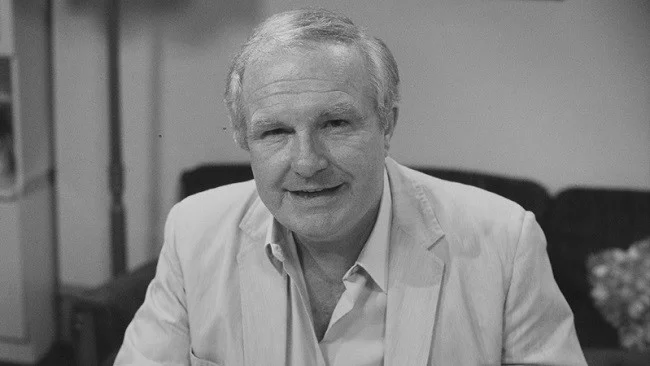
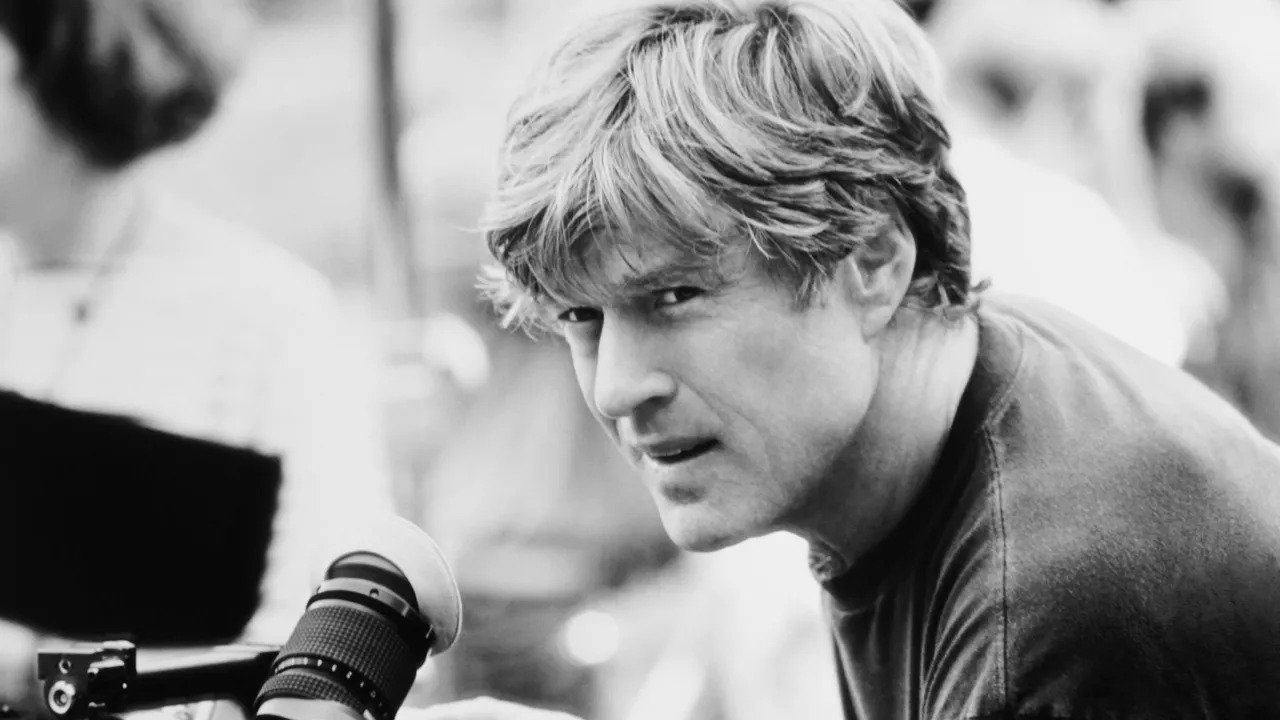
It’s been five years since I last wrote about the passing of someone whose work I admired. Not because there’s been a shortage of such people dying. Sadly, it happens all too often. I stopped because I was experiencing my own grief over the loss of my parents in 2020 and 2022. So I wrote about other things instead and got out of the habit of “RIP” posts. Yet the recent death of Robert Redford has compelled me to write something, because he was so many things. An old school star from an important era of US filmmaking. He was also a much better actor than some think, as well as a talented director who didn’t just use his fame to make vanity projects. His passing was somewhat of a shock because I had seen him recently make a cameo in the TV show Dark Winds, of which he was an executive producer. It was his last onscreen appearance.
It’s been five years since I last wrote about the passing of someone whose work I admired. Not because there’s been a shortage of such people dying. Sadly, it happens all too often. I stopped because I was experiencing my own grief over the loss of my parents in 2020 and 2022. So I wrote about other things instead and got out of the habit of “RIP” posts. Yet the recent death of Robert Redford has compelled me to write something, because he was so many things. An old school star from an important era of US filmmaking. He was also a much better actor than some think, as well as a talented director who didn’t just use his fame to make vanity projects. His passing was somewhat of a shock because I had seen him recently make a cameo in the TV show Dark Winds, of which he was an executive producer. It was his last onscreen appearance.
Robert Redford came to my attention, during the seventies when I was growing up. It was a time of newspaper adverts for the latest film releases, something that I frequently perused having gained a liking for film and the promise of seventies film poster art. I remember seeing promotional material for Three Days of the Condor (1975) and being enthralled by it. I also recollect radio adverts, which were big at the time and hearing snatches of dialogue and suppressed gunfire. I finally saw the film eight years later and it lived up to my expectations. Redford’s character was resourceful and far from indestructible, in this well crafted thriller. His charm and charisma were self-evident but he had other qualities that helped him rise above his matinee idol persona that he was trying to break free from at the time.
Slowly, I caught up with many of his most iconic roles such as Butch Cassidy and the Sundance Kid (1969), The Sting (1973), and All the President’s Men (1976). It was clear that Robert Redford was growing as an actor and his choice of roles became increasingly more complex and nuanced throughout the eighties and nineties. He also tried his hand behind the camera, with his directorial debut Ordinary People (1980). The story of the implosion of a wealthy family from Illinois, following the accidental death of one of their two sons and the attempted suicide of the other, was deftly handled with Redford garnering praise for his emotional intelligence. About this time, he also established a yearly independent film festival which was eventually renamed the Sundance Film Festival. Success outside of acting led to him establishing two production companies, Wildwood Enterprises, Inc. and Sundance Films and financing such titles as A River Runs Through It (1992) and The Motor Cycle Diaries (2004).
Another surprising aspect of Robert Redford was his activism with regard to environmental issues and Native American rights. At a time when much of Hollywood was awash with stars revelling in their own iniquities, seeing someone of that ilk with a modicum of principle and concern for things outside of themselves was refreshing. Furthermore, as filmmaking and its associated culture evolved over time (and seldom for the better), it was reassuring to see someone from a prior golden age, still acting, making films and being relevant. Which is why so many of us just assumed he’d go on forever. As previously mentioned, his latest endeavour was bringing a new adaptation of the Leaphorn & Chee novel series by Tony Hillerman to television, with the gritty and authentic drama Dark Winds. And then he was gone.
A few years ago, I worked my way through all the episodes of The Twilight Zone television series. I was pleasantly surprised to see Robert Redford in an early role, in a story titled Nothing in the Dark,. He was young, handsome and certainly had a cinematic quality about him. He got far on his sex appeal at the start of his career yet was fortunate to have other talents at his disposal as he matured. When age changed him, as it does to us all, he still had that easy going charm, tempered with worldly experience. It’s what made his final cinematic role in The Old Man & the Gun (2014) so enjoyable. It is often considered cliched to state that the passing of someone of this nature is the end of an era but in Robert Redford’s case, it really is. There are no modern equivalents.
Sean Connery (1930 - 2020)
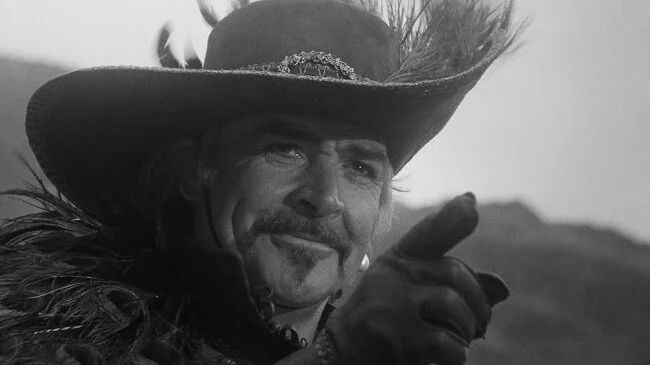
Growing up in the seventies, by the time I became aware of Sean Connery as an actor he had already transcended the role of James Bond and become an international “superstar”. Roger Moore was my generation’s 007 but I was constantly reminded by the “older people” that he “couldn’t hold a candle to Sean Connery”. For many the Scottish actor defined this iconic role and so before I even became familiar with the man and his work, I was aware that there was some kind of mystique surrounding him. Around the time I was eight, I was finally introduced to his inimitable acting style with his performances as Mulai Ahmed er Raisuni in The Wind and the Lion (1975). It was a larger than life performance of a larger than life character; the sort of role that came to define Sean Connery in his later years. On paper it was utterly preposterous. A Scottish man playing an Arab potentate. But it worked and left a marked impression upon me.
Growing up in the seventies, by the time I became aware of Sean Connery as an actor he had already transcended the role of James Bond and become an international “superstar”. Roger Moore was my generation’s 007 but I was constantly reminded by the “older people” that he “couldn’t hold a candle to Sean Connery”. For many the Scottish actor defined this iconic role and so before I even became familiar with the man and his work, I was aware that there was some kind of mystique surrounding him. Around the time I was eight, I was finally introduced to his inimitable acting style with his performances as Mulai Ahmed er Raisuni in The Wind and the Lion (1975). It was a larger than life performance of a larger than life character; the sort of role that came to define Sean Connery in his later years. On paper it was utterly preposterous. A Scottish man playing an Arab potentate. But it worked and left a marked impression upon me.
As I grew older, I finally caught up with Sean Connery’s tenure as James Bond and the films were notably different to those that followed in his wake. The first two Bond instalments were quite brutal and 007 was not quite the caricature he later became. I also understood why Connery tried so hard to break away from that character and the stifling trappings of the success it brought. Yet many of the experimental roles he decided to take during the seventies, which were the polar opposite from Bond, did not find an audience or box office success. By the eighties he appeared to finally embrace the bravura roles that he was constantly offered and carved a new niche for himself, endearing him to a new generation of fans. Again the casting of Sean Connery was often incongruous. Look no further than Juan Sánchez-Villalobos Ramírez in the Highlander. But on other occasions, characters such as Henry Jones in Indiana Jones and the Last Crusade were spot on and pure Hollywood gold.
Sean Connery remains a curious paradox. In many ways he was a textbook example of a Hollywood star whose sheer charm and charisma could carry him through roles that were somewhat implausible. Consider for a moment his Oscar winning performance in The Untouchables (1987) where he played an Irish Cop with a distinct Scottish accent. Yet he could provide nuance when required or more to the point when it suited him. His acting chops are clear in films such as The Man Who Would Be King (1975), The Offence (1973) and The Hill (1965). But more often than not, filmmakers just wanted Sean Connery “the star” in their movies and so that is what he gave them. He liked big speeches and monologues; scenes in which his character would philosophise or reflect upon life. Often John Milius, a writer and director he’d worked with before, would “fix” scripts to provide such dialogue for him.
However, in 2003, old age and a growing frustration with a film industry that was run by “idiots” prompted Connery to retire. He turned down the role of Gandalf in Peter Jackson’s The Lord of the Rings trilogy and a second opportunity to play Henry Jones again. In many ways this was a wise decision.Not only were quality roles declining but the media is seldom kind to ageing celebrities. For many, seeing “James Bond” grow old would have been unbearable. Even now it is quite difficult to reconcile the reality of his death with his show business persona. However, he leaves behind a broad body of work filled with numerous, eminently watchable films. The Hunt for Red October showcases Connery the Hollywood star. Marnie or Robin and Marian highlight a different side to the actor. Personally I’ve always had a soft spot for his performance as Agamemnon in Time Bandits and as Marshal O'Niel in Outland.
Ennio Morricone (1928 - 2020)
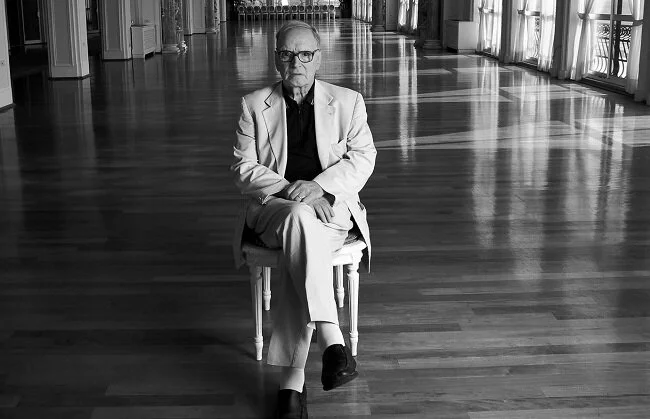
Treasure of the Four Crowns (1983) is a somewhat confused and shoddy action movie that attempts to ride on the coattails of both Raiders of the Lost Ark and the 3-D revival of the time. It lurches between set pieces where anything and everything is thrown at the camera, to moments of unpleasantness and then into slapstick comedy. Yet there is one aspect of this unremarkable film that remains with the viewer after they’ve endured its 97 minute running time. The opulent and charismatic orchestral score by Ennio Morricone. Because "Maestro" Morricone always brought his immense talent to bear on a film regardless of its quality or provenance. Hence there are just as many genre movies and exploitation films with exceptional Morricone soundtracks as there are cinematic masterpieces and art house classics. As writer and director Edgar Wright said “he could make an average movie into a must see, a good movie into art, and a great movie into legend”.
Treasure of the Four Crowns (1983) is a somewhat confused and shoddy action movie that attempts to ride on the coattails of both Raiders of the Lost Ark and the 3-D revival of the time. It lurches between set pieces where anything and everything is thrown at the camera, to moments of unpleasantness and then into slapstick comedy. Yet there is one aspect of this unremarkable film that remains with the viewer after they’ve endured its 97 minute running time. The opulent and charismatic orchestral score by Ennio Morricone. Because "Maestro" Morricone always brought his immense talent to bear on a film regardless of its quality or provenance. Hence there are just as many genre movies and exploitation films with exceptional Morricone soundtracks as there are cinematic masterpieces and art house classics. As writer and director Edgar Wright said “he could make an average movie into a must see, a good movie into art, and a great movie into legend”.
Ennio Morricone was a prodigious composer, who eschewed Hollywood despite his success. He preferred to compose at his palazzo in Rome, working at a desk as opposed to a piano. He wrote in pencil on score paper, creating all orchestra parts from what he could hear in his mind. He would frequently compose after reading a just a script, viewing rushes or a rough cut of a film. Due to his musical diversity and at times experimental approach, he was much sought after by similarly creative film makers. His musical range was exceptional featuring an array of techniques; tarantellas, psychedelic vocalisations, sumptuous love themes along with minimalist beats to underscore tension. He was not afraid to be quirky or to use that most dangerous musical device silence. He composed for TV, cinema, wrote concert pieces, and orchestrated music for singers including Joan Baez, Paul Anka and Anna Maria Quaini, the Italian pop star known as Mina. Whatever he did both he and his music always left an impression.
Given his extensive body of work across multiple genres, it is difficult to collate a short list of material that adequately summarises Ennio Morricone’s musical capabilities. His mainstream renown stems from his work with director Sergio Leone and “The Dollar” trilogy which has quite rightly become an integral part of cinematic pop culture. However his collaborations with the “Master of the Giallo”, Dario Argento, are equally noteworthy. The Bird With The Crystal Plumage (1970) features pop inflected vocal harmonies, avant improvisation and salacious lounge music. The Mission (1986), features a plot device in which a Jesuit Priest uses his Oboe to fill the cultural divide between the Catholic Church and the idigenous people of Paraguay. This is sublimely realised by Morricone in his iconic piece “Gabriel’s Oboe”. Director John Carpenter 1982 sci-fi horror The Thing benefits greatly from Morricone’s minimalist synth driven score. And the sleazy 1972 thriller What Have You Done to Solange? becomes more than the sum of its parts due to melancholic and melodic Morricone score.
Here is a short and personal selection of music cues and tracks by Ennio Morricone that I enjoy. He leaves behind an exemplary legacy and body of work as well as having influenced several generations of musicians and composers. A friend of mine who is also a “man of the cloth” and a commensurate fan, once told me that he feels that “there are brief glimpses of the divine” in Morricone’s work and that on occasions “it reflects the majesty of creation”. Although I’m not especially religious myself, I feel that there is truth in these words. Ennio Morricone’s music, especially his more sumptuous scores for the likes of Roland Joffé, Giuseppe Tornatore and Brian De Palma, contain an inherent beauty. And that beauty is pure and timeless. Addio Maestro.
Ray Harryhausen
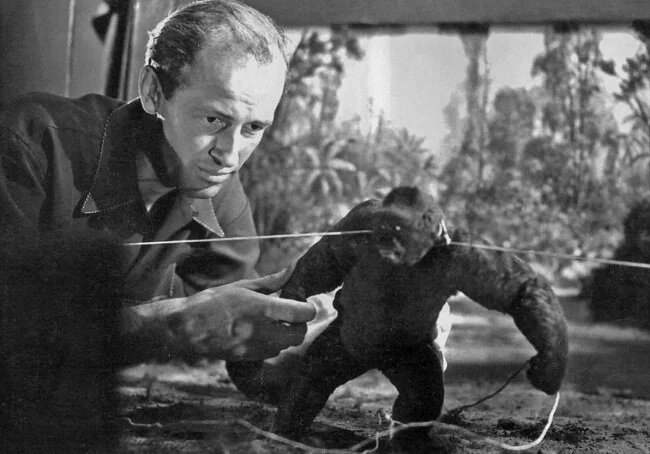
Today Ray Harryhausen would have been 100. Sadly he died on 7th of May 2013. He is one of a handful of creative artists who due to his skill, passion and good nature, influenced generations of fans and had a significant impact on filmmaking worldwide. In 2010 I had the pleasure of attending Ray’s 90th Birthday celebrations held at the British Film Institute. Hosted by charismatic director John Landis, all manner of celebrities, actors and filmmakers queued to heap praise on this quiet and retiring gentleman. It was a wonderful evening and a fitting way to honour a man who was not only a pioneer in the visual effects industry but a great source of inspiration for so many. His work was so influential that it has shaped many aspects of contemporary fantasy cinema. For six decades Ray Harryhausen made unique movies where he breathed life into monsters and mythical creatures. Through the medium of stop motion animation he endowed all of his creations with a unique character. He quite simply made dreams real. And that unique gift had a colossal impact
Today Ray Harryhausen would have been 100. Sadly he died on 7th of May 2013. He is one of a handful of creative artists who due to his skill, passion and good nature, influenced generations of fans and had a significant impact on filmmaking worldwide. In 2010 I had the pleasure of attending Ray’s 90th Birthday celebrations held at the British Film Institute. Hosted by charismatic director John Landis, all manner of celebrities, actors and filmmakers queued to heap praise on this quiet and retiring gentleman. It was a wonderful evening and a fitting way to honour a man who was not only a pioneer in the visual effects industry but a great source of inspiration for so many. His work was so influential that it has shaped many aspects of contemporary fantasy cinema. For six decades Ray Harryhausen made unique movies where he breathed life into monsters and mythical creatures. Through the medium of stop motion animation he endowed all of his creations with a unique character. He quite simply made dreams real. And that unique gift had a colossal impact
As a child growing up in the seventies, audiences had a subtly different relationship with blockbuster movies and special effects than they do today. They were not as ubiquitous or cynical as contemporary films and hence had an immense impact upon young and impressive minds. Jason and the Argonauts, The First men in the Moon and One Million Years B.C. had a profound influence upon me and subsequently shaped my future tastes, not only in terms of film but also in TV and literature. I studied Classical Civilisation at school in part due to my curiosity in ancient Greece that Ray had inspired. His work also sparked for me an interest in the technicalities of filmmaking. Something I still revel in today. I don’t just like to watch a film, I enjoy learning about the entire production and the creative choices made by all involved. Cinema is after all a collaborative process. My love of his work is also one of the reasons I blog about films today and through writing I often encounter others who were equally inspired by his unassuming genius.
One of the things that came across a decade ago when I saw this softly spoken man, was how passionate and genuine he was, even at the age of 90. He was more disposed to talk about others than his own work. Something his good friend Ray Bradbury pointed out in a video message. Ten years on, although Ray’s talent is no longer with us, his work and the art of stop motion animation still lives on through his foundation, I'd like to say thank you Ray for the hours of wonder and joy you gave to us all. Not only for the visual delights you entranced us with but for the honest storytelling with its gentle morality that under pinned it all. By giving us Medusa, Talos, Ymir (and even Bubo) you also gave us Rick Baker, Peter Jackson, Tim Burton, Peter Lord, Phil Tippett and so many others. You were an innovator and a true artist. Those who collaborated with you, such as Bernad Herrmann and Miklós Rózsa, knew this. Your profound influence will continue to inspire future generations and your work will always find news fans because it is timeless. True art always is.
"Rest in Peace"
From time to time, when an actor, film maker or creative artists dies, I will write a brief post about my appreciation of their work. Nothing hyperbolic, stating how they’ve been a major influence in my life. Just a few simple thoughts about how I and society perceived them and what I enjoy about their careers. If I was more of a sports fan or strongly affiliated to a specific political ideology, I suppose I’d cover more sports men and women, politicians and public figures. But I write about what I like, so naturally those in the film and television industry feature more. I don’t consider my personal musings to be anything more than just that. Western society is still very uncomfortable with the subject of death, plus the partisan nature of the internet can also lead to odd reactions when people express grief or remorse over “celebrities”. Comments like “you didn’t know them” or accusations of virtue signalling often accompany genuine expressions of sympathy and sadness. But I retain a somewhat old fashioned and possibly even quaint notion that if someone’s work has brought me pleasure and enjoyment, it seems only logical and polite to acknowledge that.
From time to time, when an actor, film maker or creative artists dies, I will write a brief post about my appreciation of their work. Nothing hyperbolic, stating how they’ve been a major influence in my life. Just a few simple thoughts about how I and society perceived them and what I enjoy about their careers. If I was more of a sports fan or strongly affiliated to a specific political ideology, I suppose I’d cover more sports men and women, politicians and public figures. But I write about what I like, so naturally those in the film and television industry feature more. I don’t consider my personal musings to be anything more than just that. Western society is still very uncomfortable with the subject of death, plus the partisan nature of the internet can also lead to odd reactions when people express grief or remorse over “celebrities”. Comments like “you didn’t know them” or accusations of virtue signalling often accompany genuine expressions of sympathy and sadness. But I retain a somewhat old fashioned and possibly even quaint notion that if someone’s work has brought me pleasure and enjoyment, it seems only logical and polite to acknowledge that.
I’ve been somewhat busy of late and subsequently have missed during the month of July the immediate opportunity to write about several actors passing (don’t really like that phrase but its socially acceptable, so we’ll go with it). Hence, I decided to create a regular “column” to coin an old print media term, so I can ensure that I don’t miss covering anyone I want to in the future. It won’t be anything very different to the individual tributes I’ve written previously. It will just sometimes cover several people for reasons of editorial convenience. In this post I’d like to quickly reference the death of three actors and present a few thoughts on their respective body of work.
Freddie Jones (12th September 1927 – 9th July 2019): Freddie Jones was a stalwart of British Television during my youth in the seventies. He was versatile and could easily slip into a broad spectrum of roles from The Emperor Claudius in the BBC Drama The Caesars to Sir George Uproar in the children’s comedy, The Ghosts of Motley Hall. As I got older, I became aware of his wider work in film and was both shocked and impressed with his powerful performance as circus ringmaster Bytes in The Elephant Man. Jones unlike some actors with a more traditional and formal background, was not averse to appearing in genre movies. During the eighties he provided notable support in Dune, Firestarter and Firefox. If you’ve read any other novels by Craig Thomas, Jones was perfect for the spymaster Kenneth Aubrey. But for me, my fondest memories are of Freddie Jones playing the seer Ynyr in Krull. He excelled in these sorts of roles where he played venerable and slightly irascible characters, who would share their wisdom and steer events. His ability to project his voice, robustly deliver his lines and then pause and display inner reflection where hallmarks of his acting skills.
David Hedison (20th May 1927 – 18th July 2019): Roundabout the age of 11, If I got home from school on time and didn’t dawdle, I’d be in time to watch reruns of Voyage to the Bottom of the Sea. It was the sort of show that the younger me found engaging. Submarines, undersea monsters, action and peril. David Hedison played Captain Lee Crane co-starring with Richard Basehart. Despite not doing as much TV and cinema after the show was cancelled, Hedison often appeared in the things that I watched. North Seas Hijack, The Naked Face and the questionable Meggido: The Omega Code 2. The common link was Roger Moore whom he worked with on Live and Let Die. David Hedison had the distinction of playing CIA operative Felix Leiter on two occasions. On the second he fell foul of a shark in License to Kill. His body was left on a couch with a note stating, “he disagreed with something that ate him”. Although he enjoyed the role, he didn’t feel it did much for his career. "Felix is a fairly one-dimensional character, you never get into any depth. It was running around, bang bang, getting wet, screaming and yelling, and all kinds of fun, but not serious acting". Hedison also played the scientist André Delambre in the original version of The Fly.
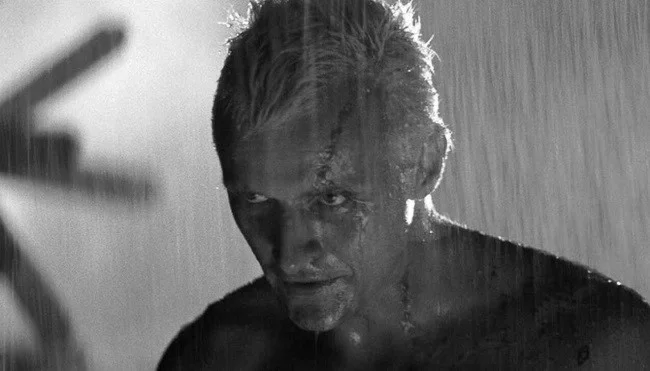
Rutger Hauer (23rd January 1944 - 19th July 2019): I think the great Guillermo del Toro summed up the best exactly what made the late Rutger Hauer so special. Describing him as "an intense, deep, genuine and magnetic actor that brought truth, power and beauty to his films". Naturally the role of Roy Batty in Blade Runner tends to be what most people instantly recall when thinking of the actor and to a degree, this iconic performance does tend to eclipse his other work. But let us not overlook his charismatic and worrying performance as John Ryder in The Hitcher. Hauer excelled in these niche and quirky roles. He brought an inherent charm and air of menace when playing characters on the edge. Naturally a lot of his earlier work in Dutch cinema is not as well known to mainstream audience but collaborations with Paul Verhoeven established him as a serious and versatile actor. His international film and television work reflected this status but his US film output was often more action orientated. Yet as an actor Hauer seemed to be happy with both perceptions of him and would commit entirely to whatever material he chose. And he certainly chose some eclectic material. Recently he appeared in the low-key British sitcom Porters, where he played a quirky, philosophical hospital orderly. If I had to choose a standout performance from his body of work, although I’d be tempted to go with his dry and amusing role in Blind Fury, I feel that he demonstrated his acting chops whole heartedly in the TV miniseries, Escape from Sobibor. Despite the constraints of television at the time, this was a difficult subject and Hauer delivers with conviction. Oh and he had the coolest kiss-off line in Wanted: Dead or Alive, when he dispatched Gene Simmons.
Peter Mayhew (1944 - 2019)
Peter Mayhew was working as an Orderly in the radiology department of King's College Hospital, London in 1976 when he was “discovered” by George Lucas. Lucas was looking to find someone suitably tall to play the Wookie Chewbacca in Star Wars. Legend has it that Mayhew simply stood up from his seat to great Lucas and immediately clinched the part. The rest they say is history. Peter Mayhew went on to play the role in another five movies, and despite not gaining the immediate fame of regular actors, became a firm favourite among fans at conventions. He was also held in very high regard by his professional acting peers. As for the role of Chewbacca, he made it his own and approached the character seriously and with genuine love. Despite a lack of conventional dialogue, Mayhew imbued Chewbacca with a personality and a distinctive sense of style. No mean achievement for a man who never intended for any of this to happen.
Stuart Freeborn and Peter Mayhew
Peter Mayhew was working as an Orderly in the radiology department of King's College Hospital, London in 1976 when he was “discovered” by George Lucas. Lucas was looking to find someone suitably tall to play the Wookie Chewbacca in Star Wars. Legend has it that Mayhew simply stood up from his seat to great Lucas and immediately clinched the part. The rest they say is history. Peter Mayhew went on to play the role in another five movies, and despite not gaining the immediate fame of regular actors, became a firm favourite among fans at conventions. He was also held in very high regard by his professional acting peers. As for the role of Chewbacca, he made it his own and approached the character seriously and with genuine love. Despite a lack of conventional dialogue, Mayhew imbued Chewbacca with a personality and a distinctive sense of style. No mean achievement for a man who never intended for any of this to happen.
There’s something inherently appealing about the character of Chewbacca; the loyal and imposing companion of Han Solo. There are elements of older classical archetypes in the role which is why the Wookie has proven so appealing to fans. Who hasn’t at some point in their life wished for an imposing, resolute companion, who sticks with you through the good times and the bad? Someone who tolerates your shortcomings and will give you a kick up the backside when you stray, yet still remains ever true. Chewbacca was all those things and judging from the tributes that have appeared in the last 24 hours, so was Peter Mayhew himself. He was always well received on the convention circuit and spoke passionately about his role and relevance of his character. He was also in recent years, very supportive of passing the baton onto the younger generation. Actor Joonas Suotamo has stated that Mayhew acted like a “one-of-a-kind gentleman” and whose “tutelage and kindness” made taking over the iconic role much easier.
Not many professional actors would be keen to take a major role in a film that not only hid their face but subsequently replaced their dialogue with growls and roars. However, that was not a problem for Peter Mayhew. He would happily deliver his lines in his own dulcet tones for others to respond to, irrespective that he knew they’d later be removed. Such behind the scenes footage is both incongruous and humorous to watch. Yet it also shows Peter’s dedication to the role and ethos that if a jobs worth doing, it’s worth doing properly. The picture above is far from canonical and is simply a photoshopped creation intended to raise a wry smile. Yet it also represents the timeless appeal of characters such as Chewbacca and again reinforces the trope of the faithful companion, friend and confidant. As for Peter Mayhew, it is pleasant to know that despite being subsumed into one of the biggest franchises ever, far from letting the experience spoil his life, he managed to achieve the complete opposite. He saw fame and his characters’ cult status as a positive thing and an opportunity to do good.
Shane Rimmer (1929 - 2019)
The actor Shane Rimmer died yesterday at the age of 89. Born in Toronto, Canada, on 28th May 1929, Rimmer moved to London in the late 1950s to pursue his acting career. Over the next five decades, he appeared in numerous TV shows such as Doctor Who and The Saint, and in films including Dr Strangelove, Gandhi, Rollerball and Out of Africa. He starred in James Bond film The Spy Who Loved Me and had smaller roles in Star Wars, Superman and Batman movies. If during the seventies and eighties, a British production needed someone to play an American character, he was a one of a handful of "go to" actors who would take the part. Rimmer and fellow US actor Ed Bishop (whose paths regularly crossed) jokingly referred to themselves a "Rent-a-Yanks” as a result of this.
The actor Shane Rimmer died yesterday at the age of 89. Born in Toronto, Canada, on 28th May 1929, Rimmer moved to London in the late 1950s to pursue his acting career. Over the next five decades, he appeared in numerous TV shows such as Doctor Who and The Saint, and in films including Dr Strangelove, Gandhi, Rollerball and Out of Africa. He starred in James Bond film The Spy Who Loved Me and had smaller roles in Star Wars, Superman and Batman movies. If during the seventies and eighties, a British production needed someone to play an American character, he was a one of a handful of "go to" actors who would take the part. Rimmer and fellow US actor Ed Bishop (whose paths regularly crossed) jokingly referred to themselves a "Rent-a-Yanks” as a result of this.
Yet despite having a rich and varied filmography, for many Shane Rimmer will be best remembered as the voice of Scott Tracy in Thunderbirds. The 50-minute screenplays afforded much more time for character development than in previous Gerry Anderson Supermarionation productions. Scott Tracy the second oldest of the five brothers and was one of the most accessible and likeable characters in the show. Rimmer’s voice work did much to imbue Scott Tracey with a sense of fairness, determination and common sense. After Thunderbirds Rimmer continued working with the Anderson on shows such as Joe 90 and Captain Scarlet and the Mysterons and the live action TV series UFO. He also got to satirise the hard-boiled private detective genre when he provided the voice for Dick Spanner. A role he undertook with relish.
As well as acting, Rimmer diversified and wrote several screenplays and stories for TV shows. Furthermore, in his later years he wrote both his autobiography From Thunderbirds to Pterodactyls and dabbled in fiction. Due to his appearances in numerous cult movies and blockbuster genre films, he was a familiar face on the convention circuit. He was a firm favourite among fans and remained active in the fan community right up until recently. He always maintained a pragmatic outlook on all his work and had a wealth of anecdotes to share. He was especially proud of his work on several Bond movies. "The Spy Who Loved Me was a good one all around. It was Roger Moore’s favourite of all the ones he did. You just get a kind of intuitive thing about a movie. It worked very well”.
Larry Cohen (1936 - 2019)
Larry Cohen, the writer and director of such cult films as Black Caesar, It’s Alive and Q: The Winged Serpent, has died aged 77. Cohen was a key figure in the genre movie community during the seventies and eighties, as well as writing scripts and storylines for mainstream TV shows such as The Fugitive and Columbo. He was a rare beast, in so far as he became one of a few writers who became known to wider audiences and fans, and gathered a cult following over time. Guillermo del Toro hailed him as “a true iconoclast and independent” and Edgar Wright wrote thanked him “For so many fun high-concept genre romps with ideas bigger than the budgets, for so many truly inspiring cult movies”.
Larry Cohen, the writer and director of such cult films as Black Caesar, It’s Alive and Q: The Winged Serpent, has died aged 77. Cohen was a key figure in the genre movie community during the seventies and eighties, as well as writing scripts and storylines for mainstream TV shows such as The Fugitive and Columbo. He was a rare beast, in so far as he became one of a few writers who became known to wider audiences and fans, and gathered a cult following over time. Guillermo del Toro hailed him as “a true iconoclast and independent” and Edgar Wright wrote thanked him “For so many fun high-concept genre romps with ideas bigger than the budgets, for so many truly inspiring cult movies”.
Cohen was a pragmatist and a consummate “working” writer. He initially wrote for television and created several popular shows such science fiction series The Invaders. When he moved to independent film making, he saw no shame in embracing exploitation cinema or drive-in movies. Just because a film was pitched at a niche market didn’t mean it had to be poorly written or constructed. His contributions to the blaxploitation genre produced some interesting results such as home-invasion comedy Bone (1972) starring Yaphet Kotto, and the Fred Williamson mobster epic Black Caesar (1973), a remake of the Edward G Robinson classic Little Caesar. He would move to other genres over the course of his career, with such films as the odd supernatural police thriller God Told Me To (1976) and the historical drama The Private Files of J. Edgar Hoover (1977).
Cohen had a definite knack for enticing known box office names into his low-budget projects. His 1974 mutant baby horror movie It’s Alive, featured a score by the great Bernard Herrmann and early special make up effects by Rick Baker. Over the years his work would see him working with such names as José Ferrer, James Earl Jones and David Carradine. He formed a special bond with the character actor Micahel Moriarty who featured in four of his features films. He also directed the legendary Bette Davis’ in Wicked Stepmother (1989) which was to be her final screen role. Often working within the confines of tight budgets, he was a film maker that knew how to get the most bang for his bucks. And if the production values limited his work, he would always bolster them by multi-layered narratives along with a healthy does of satire and social commentary.
The reason why the work of Larry Cohen stands out and certainly resonates with fans is the fact that he didn’t consider certain types of movies or genres beneath him. His body of work proves that you can make a monster movie that is more than just a monster movie. Social commentary, political criticism and generally just making a point is something he believed could be done with any screenplay if the writer is sufficiently adept. Although well known, Cohen did not enjoy the fame of other writers such as Dalton Trumbo or William Goldman. However he saw this as a benefit. He told The New Yorker in 2004 “I just keep turning scripts out”. “Some people, they stop. Even people who’ve had huge successes for years find themselves unemployed, going to film festivals and being told how great they are — but nobody’s giving them a job. It’s better to be me, who never got all that. I’m still working.”
Burt Reynolds (1936 - 2018)
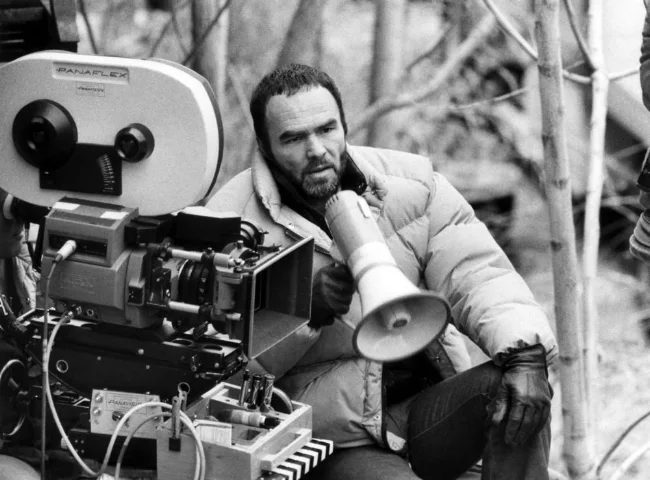
Burt Reynolds saw his greatest box office success during the seventies and early eighties, with movies such as Smokey and the Bandit and The Cannonball Run. I was aware of both these movies at the time of their release but was more enamoured with the sci-fi boom that followed in the wake of Star Wars, so was somewhat indifferent to them at the time. However, the release of Sharky’s Machine in 1981 put Burt Reynolds squarely on my radar. As a teenager I was already catching up with a lot of the major action movies from the previous decade such as Clint Eastwood’s Dirty Harry and its sequels. Sharky’s Machine was an extremely gritty, hard edged cop drama, directed and starring Burt Reynolds and it was a notable change of role for him. It left a marked impression upon me at the time, not only due to it’s strong action scenes, but because of Reynolds compelling and nuanced performance. For me, it remains his best movie, showcasing his dramatic range and directing skills.
Burt Reynolds saw his greatest box office success during the seventies and early eighties, with movies such as Smokey and the Bandit and The Cannonball Run. I was aware of both these movies at the time of their release but was more enamoured with the sci-fi boom that followed in the wake of Star Wars, so was somewhat indifferent to them at the time. However, the release of Sharky’s Machine in 1981 put Burt Reynolds squarely on my radar. As a teenager I was already catching up with a lot of the major action movies from the previous decade such as Clint Eastwood’s Dirty Harry and its sequels. Sharky’s Machine was an extremely gritty, hard edged cop drama, directed and starring Burt Reynolds and it was a notable change of role for him. It left a marked impression upon me at the time, not only due to it’s strong action scenes, but because of Reynolds compelling and nuanced performance. For me, it remains his best movie, showcasing his dramatic range and directing skills.
Sadly, it was not to be replicated in his future work. After years of playing light comedies and caper movies, Reynolds struggled to catch up with the lucrative action genre. He appeared in a string of cop movies that were very old school compared to the likes of 48 Hrs and Lethal Weapon. Stick (1985) and Heat (1986) and Rent-a-Cop (1987) never really gained any significant traction at the box office or with younger audiences. In an attempt to adapt to the sort of action vehicle that usually starred the likes of Norris or Schwarzenegger, Reynolds starred in the 1987 action thriller Malone. Although extremely derivative, it was lifted above the average by his strong performance as a troubled government operative running from his past. Malone certainly has a more than passing similarity to the great Alan Ladd movie Shane (1953). Yet a decade later, after slowly slipping from the Hollywood A list, Reynolds re-invented himself and made a significant return in the movie Boogie Nights (1997).
Reynolds cinematic persona was very much shaped by the era in which he saw the most success. The roguish, good ‘ole boy, with a heart of gold was both a boon and a bane for him, along with the traditional “man’s man” label that he was saddled with. It certainly contributed to his type-casting and impeded his transition into broader roles later in his career. Despite being one of the biggest box office stars of the seventies and eighties, his six-decade career had its share of misfires and wrong decisions. Not only did he pass on James Bond, he also turned down Die Hard. Yet, despite never fully finding the critical acclaim that he deserved, Reynold’s remained one of Hollywood’s most loved and congenial old school stars. His talent and versatility as an actor are present in his body of work for those that care to look a little closer. He was a true cultural icon and one of the last Hollywood stars in the traditional sense.
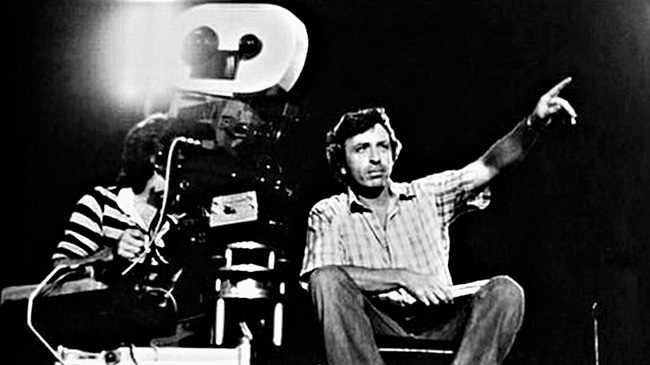
Tobe Hooper (1943 - 2017)
I was seven years old when The Texas Chainsaw Massacre was released in the UK. I used to regularly look at the movie listings in the Evening Standard each Thursday and ruminate upon the lurid posters for the latest releases. My young imagination would frequently run riot at what I saw, fuelled further by the inference of the tag lines. And the UK poster for The Texas Chainsaw Massacre left me utterly terrified. The horrors I conjured up in my mind. It is only in recent years that I learnt that the film was deemed too controversial by the head of the British Board of Film Censorship as it was known back then. Chief film examiner Stephen Murphy felt the films focus on “abnormal psychology” made it unsuitable for even an X certificate. Thus, the movie was denied a rating which amounted to a de facto ban. However, due to a legal loophole, the BBFC decision could be vetoed by local authorities and the Greater London Council granted the movie a rating and so the film was shown in London.
I was seven years old when The Texas Chainsaw Massacre was released in the UK. I used to regularly look at the movie listings in the Evening Standard each Thursday and ruminate upon the lurid posters for the latest releases. My young imagination would frequently run riot at what I saw, fuelled further by the inference of the tag lines. And the UK poster for The Texas Chainsaw Massacre left me utterly terrified. The horrors I conjured up in my mind. It is only in recent years that I learnt that the film was deemed too controversial by the head of the British Board of Film Censorship as it was known back then. Chief film examiner Stephen Murphy felt the films focus on “abnormal psychology” made it unsuitable for even an X certificate. Thus, the movie was denied a rating which amounted to a de facto ban. However, due to a legal loophole, the BBFC decision could be vetoed by local authorities and the Greater London Council granted the movie a rating and so the film was shown in London.
To this day The Texas Chainsaw Massacre remains a terrifying cinematic ordeal to watch. There is a tangible air of disquiet which develops into unbearable tension that is cloying and suffocating. The squalor of the old Hardesty family homestead is vivid and final act of the movie where Marilyn Burns is terrorised by Leatherface and his siblings is utterly gruelling. Her relentless screaming is extremely disconcerting and when the film finally ends the viewer is left drained and bewildered after its relentless ninety minute assault on one’s senses. It is paradoxical that something so intense as The Texas Chainsaw Massacre could be written and directed from someone as softly spoken and thoughtful as Tobe Hooper.
Hooper had a talent for creating tension, depicting dysfunctional families and capturing credible human foibles. It’s all there to see in such movies as Funhouse, Poltergeist and the TV miniseries Salem’s Lot. The latter remains a milestone in Stephen King adaptations and the scene where Danny Glick comes to Mark Petrie's window and asks to be let in, still bothers me to this day. And even the movies he made that failed at the box office, still remain curiously interesting. Lifeforce had an incredibly troubled production, yet remains a gloriously engaging mess, filled with insane dialogue and ghoulish bursts of horror. Such was the talent of Tobe Hooper. Even on a bad day his creative talent eclipsed that of many of his peers. Up and coming film makers should take note and ensure they are familiar with his legacy because he altered the genre forever.
George A. Romero (1940 - 2017)
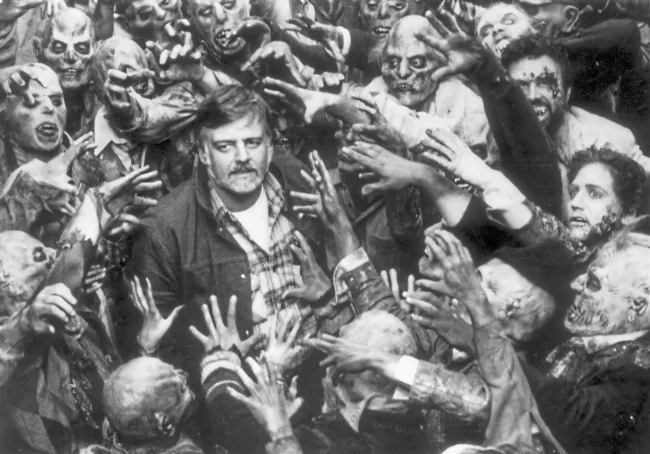
Writer and director George A. Romero will forever be synonymous with the zombie genre and horror movies per se, as his work in this field was pioneering and outstanding. Yet, because of the success of his seminal film, Night of the Living Dead, he also brought a great deal of attention to independent film making and the way film making was financed. He was an intelligent and thoughtful film maker who used the medium of genre movies to explore a variety of socio-political themes. His characters were often flawed but credible and he had a knack for finding humanity in the bleakest of dramatic situations. If Romero had explored such ideas in mainstream cinema he would have garnered far more praise and potentially have won critical acclaim from the cinematic establishment.
Writer and director George A. Romero will forever be synonymous with the zombie genre and horror movies per se, as his work in this field was pioneering and outstanding. Yet, because of the success of his seminal film, Night of the Living Dead, he also brought a great deal of attention to independent film making and the way film making was financed. He was an intelligent and thoughtful film maker who used the medium of genre movies to explore a variety of socio-political themes. His characters were often flawed but credible and he had a knack for finding humanity in the bleakest of dramatic situations. If Romero had explored such ideas in mainstream cinema he would have garnered far more praise and potentially have won critical acclaim from the cinematic establishment.
I had the pleasure of seeing George A. Romero interviewed at the British Film Institute several times over the last two decades. He was a quietly spoken, thoughtful man who was very cinematically literate. He was also very gracious towards his fans, who were often utterly besotted with him and his work. Yet, he took time to answer their questions in a comprehensive and positive way. It also became very clear that he was far removed from the “auteur director” moniker that he’d been saddled with. He spoke very generously about the talent he’d had the pleasure of working with over the years and he certainly lacked the ego we so often see from certain creative quarters. I think this contributed to the clarity and honesty of his film making.
In many ways Dawn of the Dead remains George A. Romero’s magnum opus. It is as pertinent today as a social and political commentary as it was in 1978 upon its release. As a personal preference, I would recommend The Extended Mall Hours Cut of the film which is a fan edit that combines all material seen in the Director’s Cut and Argento Cut of the film. It is as close an approximation of Romero’s original rough cut of the movie as you can find. This version delves in to the human element of the narrative further and really does add a somewhat different tone to the film’s final act. Seldom does mainstream cinema get this thoughtful and as introspective, let alone genre cinema. But that was George A. Romero’s gift. Free from studio interferences and financial imperatives, he could focus on credible and honest film making. He will be missed.
Roger Moore (1927 – 2017)
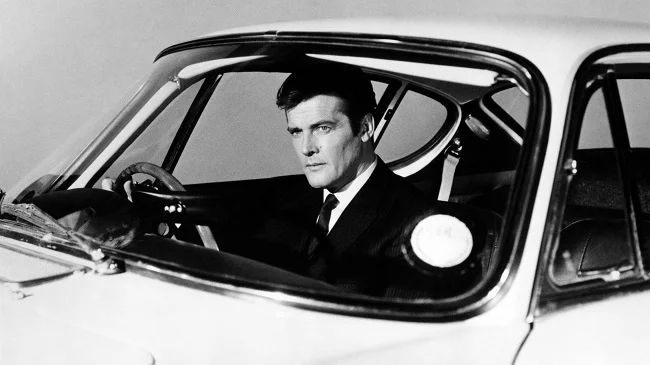
Being a child of the seventies, Roger Moore was the James Bond that I grew up with. I was acutely aware of my parent’s generations antipathy towards him, as well as the endless and possibly unjust comparisons with Sean Connery. However, the younger fans embraced him so over the course of seven movies, Moore’s Bond broke all previous box office records. Furthermore, as each successive film in the franchise got bigger and became more of a caricature of itself, Moore tempered this with his self-deprecating humour and quips. His trademark cocksure performances and easy going charm was exactly what UK audiences needed. At a time when the country was losing its way in the world, both politically and economically, Roger Moore still effortlessly maintained the image of the suave, cool and droll English gentleman.
Being a child of the seventies, Roger Moore was the James Bond that I grew up with. I was acutely aware of my parent’s generations antipathy towards him, as well as the endless and possibly unjust comparisons with Sean Connery. However, the younger fans embraced him so over the course of seven movies, Moore’s Bond broke all previous box office records. Furthermore, as each successive film in the franchise got bigger and became more of a caricature of itself, Moore tempered this with his self-deprecating humour and quips. His trademark cocksure performances and easy going charm was exactly what UK audiences needed. At a time when the country was losing its way in the world, both politically and economically, Roger Moore still effortlessly maintained the image of the suave, cool and droll English gentleman.
Beyond the role of Bond, Roger Moore often found himself playing similar composite characters in big budget action dramas. Rather than complaining about such type casting he embraced it and always delivered what audiences expected. Movies such as Shout at the Devil, The Wild Geese and The Sea Wolves all have classic Moore performances. Yet in giving the public what they wanted, Moore was subsequently accused of lacking dramatic range. Moore even went so far as to exploit this misconception, as part of his signature self-effacing humour. “My acting range has always been something between the two extremes of raises left eyebrow and raises right eyebrow” as he famously said. Yet Moore definitely did have hidden depths and could deliver more than expected. In The Man Who Haunted Himself (1970) he gave possibly his best performance. North Sea Hijack AKA ffolkes (1980) also saw him play the opposite of Bond. He even showed a flair for comedy, satirising himself and 007 in The Cannonball Run (1981).
Outside of the world of cinema, Moore was a great raconteur and the embodiment of the English gentleman he so often played. He was introduced to the good work of UNICEF through his friendship with Audrey Hepburn and over the course of two decades lent his fame and lobbying power to numerous good causes, raising millions for charity. He was also a good and loyal friend to those that he knew and worked with. When stuntman Martin Grace and long-time double for Roger Moore was seriously injured while filming Octopussy, the actor regularly visited him in Hospital over the course of his recovery, despite still being tied up with ongoing post production for the film. Then of course, there are the anecdotes from fans that reiterate how accessible and considerate Moore was. One has understandably gone viral in the last twenty-four hours and has now reached the mainstream press. Quite rightly so. It is a lovely reminiscence as well as a fitting tribute to an iconic actor and tireless humanitarian. Thank you Roger Moore. For “keeping the British end up”.
Alan Rickman (1946 - 2016)
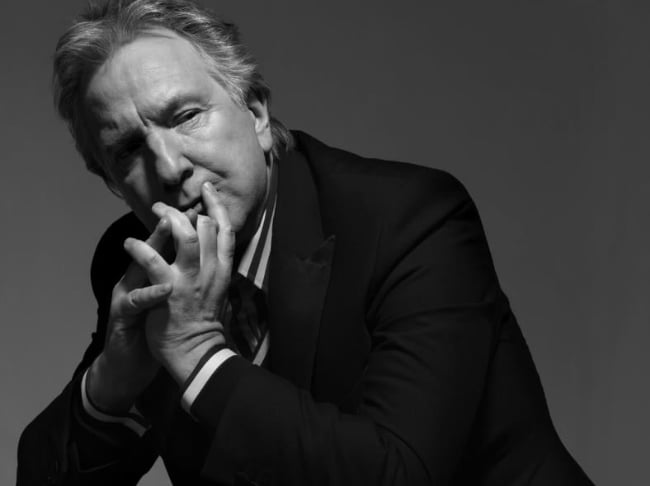
I first became aware of the actor Alan Rickman during the early eighties while watching The Barchester Chronicles. He played the scheming curate Obadiah Slope who aspired to the office of Bishop, in this television adaptation of Anthony Trollopes novels. It was the sort of period costumed drama that the BBC excels at and a role the Rickman clearly relished. Six years later his performance as the German terrorist Hans Gruber in Die Hard gained him international acclaim and placed him squarely on Hollywood’s radar. He continued to appear in both mainstream blockbusters and smaller more cerebral independent productions over the years, yet maintained his credibility as a serious character actor, despite his fame and association with populist franchises.
I first became aware of the actor Alan Rickman during the early eighties while watching The Barchester Chronicles. He played the scheming curate Obadiah Slope who aspired to the office of Bishop, in this television adaptation of Anthony Trollopes novels. It was the sort of period costumed drama that the BBC excels at and a role the Rickman clearly relished. Six years later his performance as the German terrorist Hans Gruber in Die Hard gained him international acclaim and placed him squarely on Hollywood’s radar. He continued to appear in both mainstream blockbusters and smaller more cerebral independent productions over the years, yet maintained his credibility as a serious character actor, despite his fame and association with populist franchises.
Alan’s appeal was very much due to his versatility. He could perform classic theatre, light comedy and even action movies with ease. He knew exactly when to adopt a theatrical style (Robin Hood Prince of Thieves) and when to take a more understated approach (Sense and Sensibility). He was an actor with a broad dramatic range and a commanding voice, yet often did his finest work through the most subtle of expressions of his face. His presence in a film always piqued my interest and I would at time stray out of my personal cinematic comfort zone just to see a movie in which he appeared; his performance as Ronald Reagan in The Butler being one such example.
For a whole generation Alan Rickman will always be Professor Severus Snape, as this was the role that introduced them to his work. I will always enjoy is outstanding performance in Galaxy Quest, an underrated movie that is one of the finest satires I’ve seen about popular culture. He excels as aging Shakespearean actor Alexander Dane who has a love hate relationship with his alter ego Dr Lazarus. Rickman has by far the best lines in the film, which are acerbically delivered with consummate ease. Again much of the nuances of his performance are from his mannerism and deportment. It’s an excellent showcase for his acting talent. He will be sorely missed. “Happy Trails, Hans”.
David Bowie (1947 - 2016)
Last September I was sitting in the cinema enjoying The Martian when to my delight Starman featured as part of the movie soundtrack. At the time it raised a wry smile and a moment of contemplation as I reflected on how appropriate the song was, the relevance of the lyrics and how David Bowie has been ever present throughout my youth and adult life. As an artist Bowie has continuously explored new avenues, tested himself and remained relevant while his contemporaries are just content to tour and revisit their greatest hits. Therefore I was both shocked and saddened to wake up this morning and learn of his death. It took a while to compute, after all, he only released two new albums last week.
Last September I was sitting in the cinema enjoying The Martian when to my delight Starman featured as part of the movie soundtrack. At the time it raised a wry smile and a moment of contemplation as I reflected on how appropriate the song was, the relevance of the lyrics and how David Bowie has been ever present throughout my youth and adult life. As an artist Bowie has continuously explored new avenues, tested himself and remained relevant while his contemporaries are just content to tour and revisit their greatest hits. Therefore I was both shocked and saddened to wake up this morning and learn of his death. It took a while to compute, after all, he only released two new albums last week.
David Bowie was more than just an outstanding musician and performance artists. He was cultural touchstone who showed us that we can define ourselves if we choose to, in whatever way we see fit and that it’s possible to rise above cultural perceptions of gender and sexuality. After five decades of critical and commercial success he still managed to maintain a private life and enjoyed a reputation of being dignified, professional and gracious. Those who had the opportunity to see him perform have often said that it was unique and unlike anything that they’d previously experienced. His work is far from ephemeral and has an enduring quality to it. As an actor Bowie was subtle and understated. It’s a shame he didn’t explore the medium further.
In an age when exposure is confused with fame and internet traffic appears to trump talent, there are precious few artists left like David Bowie. This is a man whose death has effectively cleared the UK news agenda and even the Prime Minister feels compelled to comment. A man who sold an estimated 140 million records worldwide and who’s body of work is considered to be of the highest calibre. It is still somewhat difficult to come to terms with the passing of such a cultural icon. His larger than life musical personas and his enduring significance made many of us think he was in some way immortal. Sadly this was not the case. Yet he leaves behind an incredible legacy for those that come after and will remain forever a cultural beacon.