MMO Tropes: The Current Meta
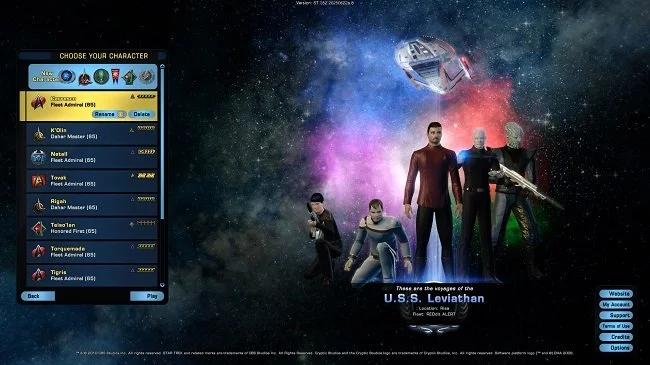
I recently read a post on Massively Overpowered about skills rotation in the MMORPG genre. I found the subsequent discussion in the comments fascinating. Mainly because I have never used a fixed rotation of skills in any of the MMORPGs that I play. I understand the reasoning behind such things and why some players want to optimise their combat performance. Using one’s skills in a specific order to maximise damage and manage their subsequent cooldown has a logical appeal. In Star Trek Online, some players go so far as to create keybinds for their rotations and assign it to a specific hotkey, which is then continuously pressed throughout combat. However, rotations are a blunt tool that lack flexibility, often being geared towards dealing with a single target or using an area of effect skill against a larger group. They may not be the optimal approach to combat when things do not go to plan.
Skill rotations are just a part of a wider culture of optimisation and automation, not only in the MMO genre but in gaming per se. A lot of gamers seek to determine what is the best gear or overall build within a game and spend a lot of time min-maxing until they arrive at a consensus. Although these waters can be muddied by such things as play style, in a lot of games that are based around the acquisition and upgrading of gear, there usually tends to be specific items or combinations of them that yield the best results. Hence we see a prevailing game meta emerge. Meta being “most effective tactic available” although the term also covers loadouts and builds. A clear example of this is in Call of Duty: Warzone, where the “Holy Grail” of builds is a weapon with a high rate of fire and damage, with little recoil. Despite launching three weeks ago, a clear meta is emerging in Battlefield 6.
From a logical perspective, knowing which build or gear is the optimal is beneficial. However, the obvious downside to prevailing gaming metas is that they can limit player choice. Any item of strategy that is sub-optimal is redundant. Hence metas potentially remove fun and stifle creativity. It can also affect role-playing elements. Standardising aspects of a game can lead to a repetitive experience where players feel obliged to follow the meta to stay competitive. It also negates large swathes of gear and items, even classes, as they are deemed sub-par and therefore a poor choice. In multiplayer games, those who have not pursued the prevailing meta may find themselves excluded from group content as they may not be able to perform their respective role as efficiently. Additionally, the relentless pursuit of efficiency and overall optimisation can lead to a community of “tryhards” and “sweats”.
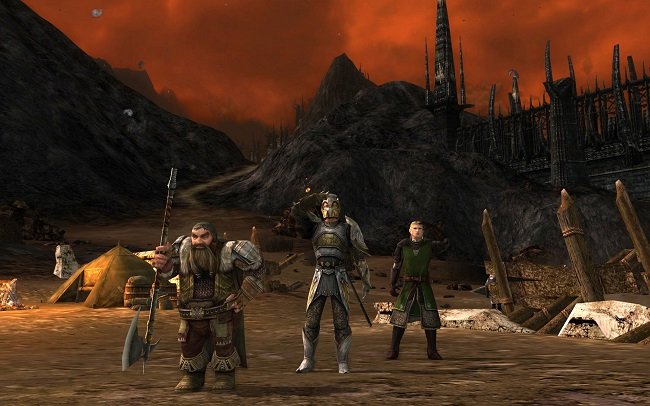
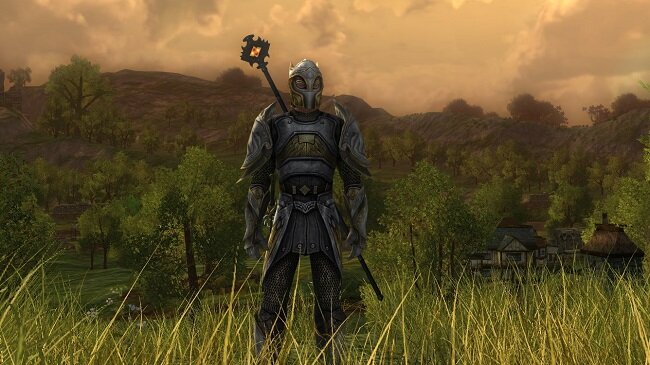
If all of these criticisms are correct then why do gaming metas prevail? One reason is the inherent complexity of modern video games, especially the MMORPG genre. There are a lot of systems to learn as well as game mechanics. Not all of these are immediately understandable and many have a basis in mathematics thus not universally appealing. When starting a new game, many gamers do not want to get bogged down in excessive tutorials and explanations. They simply want to learn as they play. If the complexities of a game are unappealing and you have neither the time or inclination to learn, then it is quicker and easier just to follow a meta build recommendation. I have been playing The Lord of the Rings Online for 17 years and I still only have the broadest understanding of the game’s statistical system. I know that Will is important for the Lore-master class but not exactly why.
Prevailing game metas also pose a problem for developers, as they strive to seek balance within their games. This requires continuous monitoring of data to inform adjustments. However, altering the meta through balance changes can anger players who have invested time and resources into the previous meta strategies, potentially leading to community issues. Developers need to regularly “shake up” the existing meta with new content or balance changes to keep the game fresh and prevent player burnout, which is crucial for long-term player retention in live-service games such as MMOs. Yet players always find ways to optimize the “fun out of a game” (as some players see it) faster than developers can anticipate. Sometimes, a meta related problem stems from a fundamental flaw in a core game mechanic, which might require a complex rework rather than simple numerical tweaks.
Emerging game metas seems to be a “chicken and the egg” problem and not just for the MMO and other multiplayer subgenres. Unless there are some fundamental changes to the standard mechanics used in most games, they will always emerge. Introducing “dynamic” mechanics is one approach, where systems can change due to external factors. The so-called Rock, Paper, Scissor approach where for every strategy or class advantage there is a hcounter-strategy, preventing any single approach from being universally dominant. This ensures the “best” strategy is situational and dependent on what the opponent is doing. However, this may be a little too close to “random”, which is seldom appealing. Then there’s the issue of skill. That however, is an entire blog post in itself. In the meantime, it is apparent that for the present prevailing metas will endure in games and we just have to live with them.