MMO Tropes: Shipwrecked
I have played more than “a few” MMORPGs over the years. It’s an enjoyable (and accessible) genre of video games. But like any other type of game, MMOs have a fairly standard formula based on a handful of game mechanics. There is levelling, gaining experience and the acquisition of skills and points. Gear such as armour, jewellery and weapons come and go as you progress through the game. Then there’s crafting, trading and gaining “gold”. Another key aspect is the social dynamic. Often there’s content specifically designed for groups to complete. But this homogeneity also extends beyond the systems that underpin the games. The MMO genre is rife with its own set of tropes; recurring themes and motifs that have become established and ubiquitous. All of which are ideal material for a hastily produced, lazily conceived, recurring blog post.
I have played more than “a few” MMORPGs over the years. It’s an enjoyable (and accessible) genre of video games. But like any other type of game, MMOs have a fairly standard formula based on a handful of game mechanics. There is levelling, gaining experience and the acquisition of skills and points. Gear such as armour, jewellery and weapons come and go as you progress through the game. Then there’s crafting, trading and gaining “gold”. Another key aspect is the social dynamic. Often there’s content specifically designed for groups to complete. But this homogeneity also extends beyond the systems that underpin the games. The MMO genre is rife with its own set of tropes; recurring themes and motifs that have become established and ubiquitous. All of which are ideal material for a hastily produced, lazily conceived, recurring blog post.
So where to begin? Ah yes,let us start with a commonly used trope that conveniently affords game developers with a means to orientate new players. Because it should never be assumed that a player is by default familiar with the basics of the game that they are playing. Hence many MMOs need a simple plot device at the start of a game that can justify or accommodate the need to explain everything. And one of the most common of these is the “shipwreck” trope. It covers all bases from a narrative perspective and is convenient. The new player finds themselves washed up on the beach, which is often a starter area and then has to go through some basic tasks that orientate them. These include movement via WASD keys, obtaining a weapon and combat, gaining XP, using consumables and interacting with NPCs. At first glance it’s a perfectly good idea and it achieves what it sets out to do. But if you encounter it too often it gets old very quickly.
I first ran into this particular MMO trope when I played Age of Conan, circa 2009. The game had (and unless it has changed still does) a character creation process that starts on a ship in which you are a galley slave. As expected the ship sinks in a storm and your character is subsequently washed up on a beach on the island of Tortage. Cue the game tutorial. Then in 2013 when I played the Beta Test of Neverwinter, I encountered this trope for a second time. This time foul beasties destroy the ship you’re on and you wash up on the shore to again start a tutorial. If you play The Elder Scrolls Online, this plot device is used at the start of the Ebonheart Pact storyline. There is currently an ongoing Beta Test for another MMO (due to an NDA I cannot mention by name) that begins with yet another shipwreck and integrates it into the tutorial. This trope is also commonplace outside of the MMO genre and can be found in other games such as Monster Hunter: World and Risen and The Legend of Zelda: Link's Awakening.
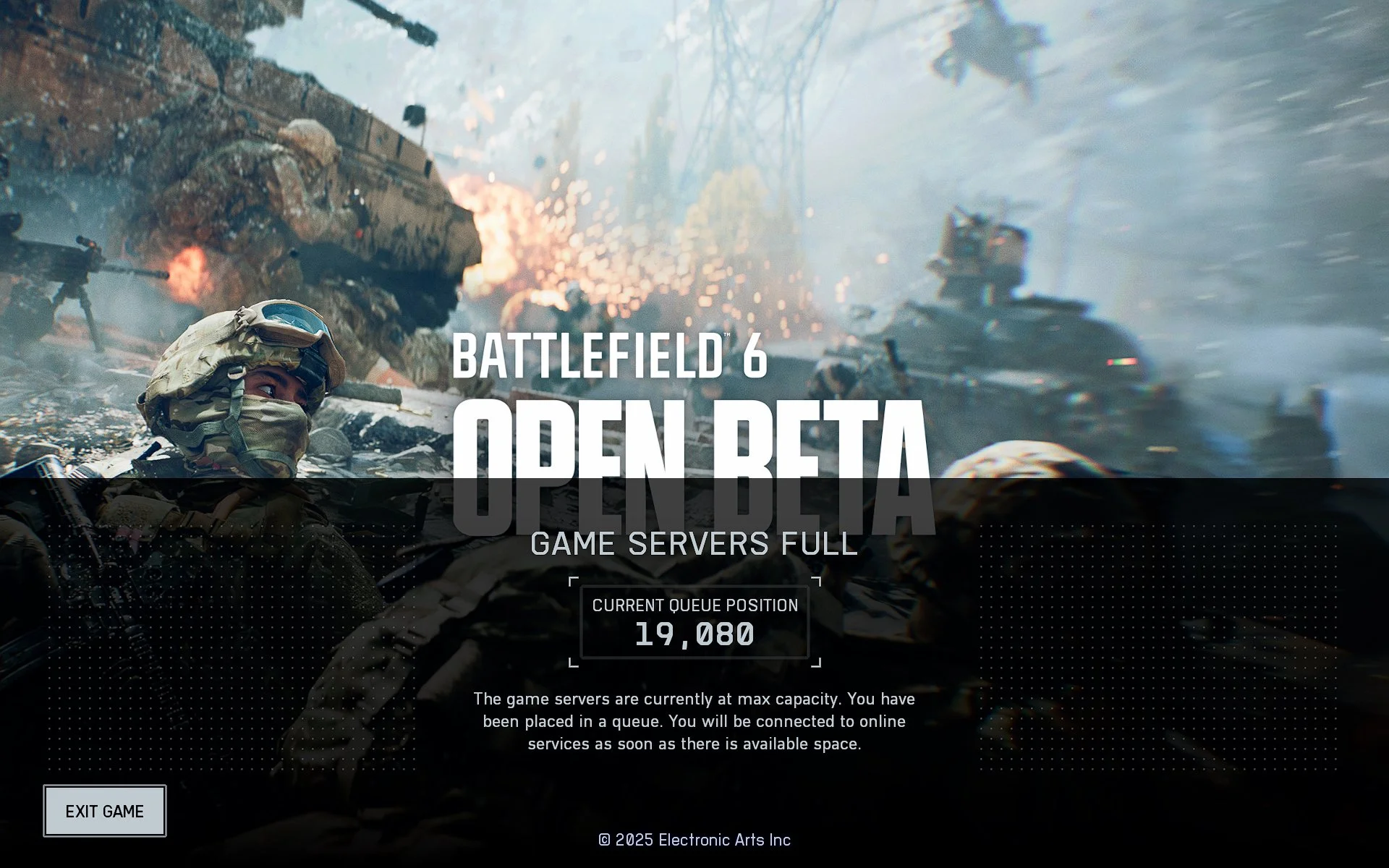
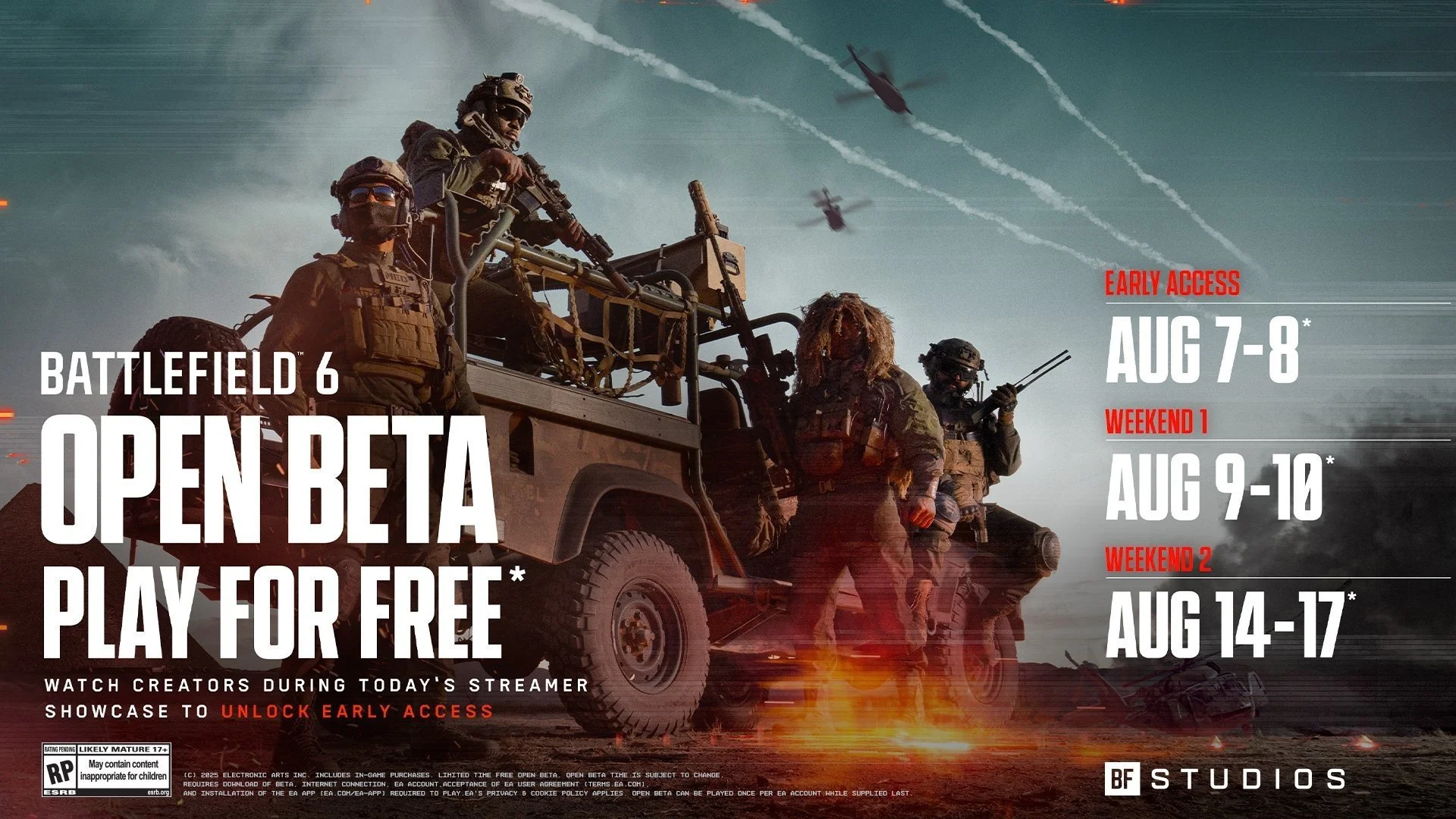
Some old adages are themselves cliches but I still consider that there is some truth in “familiarity breeds contempt”. While playing this new MMO that cannot be named (go on, guess, it’s hardly difficult) I was somewhat disappointed when this trope was trotted out, as it further reinforced my opinion that this particular title doesn’t offer anything new. However, it is important to remember new players and that this title may well attract a lot of people who haven’t played an MMO before. Considering the marketing clout of the company that owns the developers, this game when released on August 25th, may well gain some initial traction. Bearing that in mind, the “shipwrecked” trope that I find hackneyed may well be an innovative and useful plot device to those who have not experienced it before.



MMOs I No Longer Play
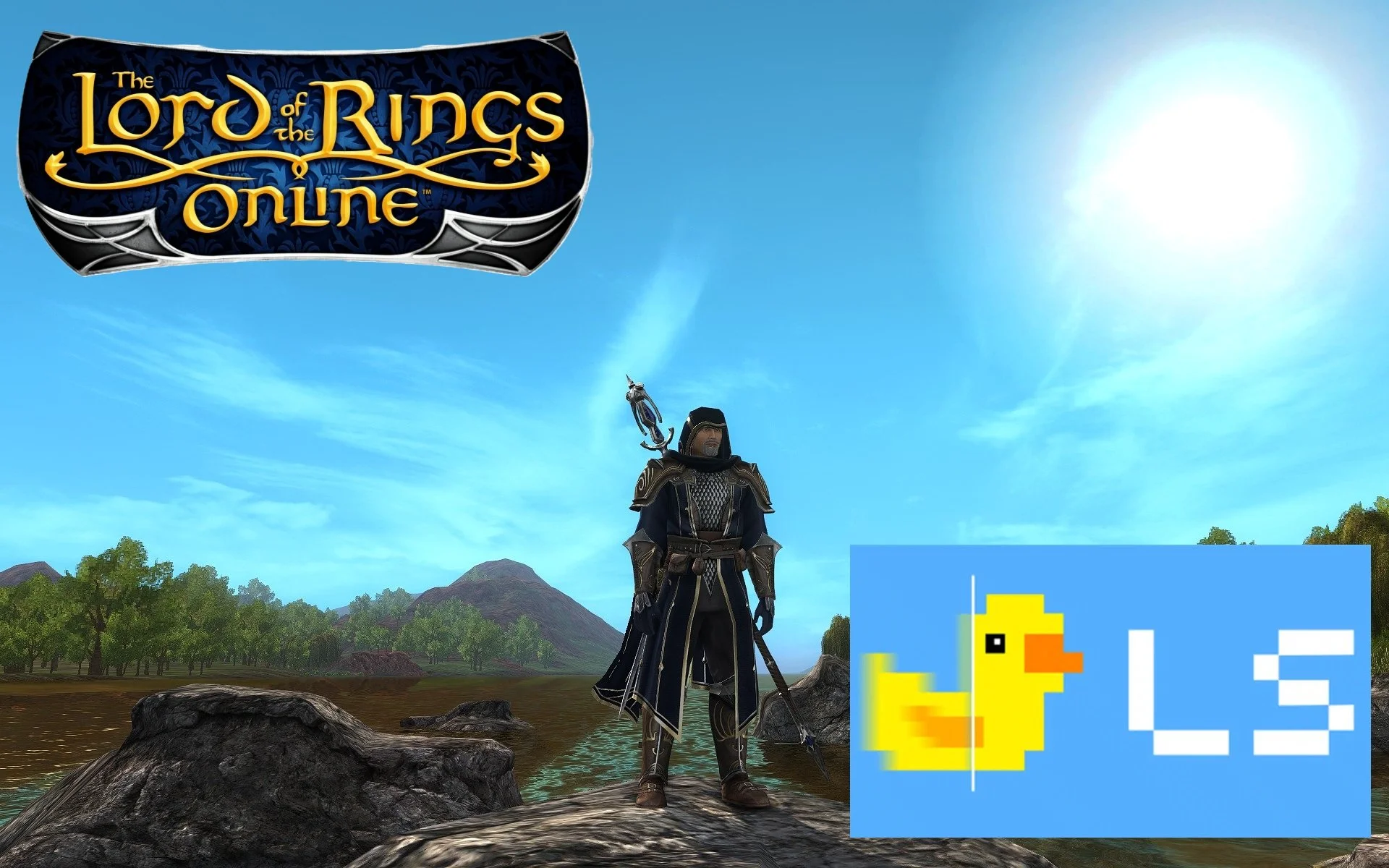
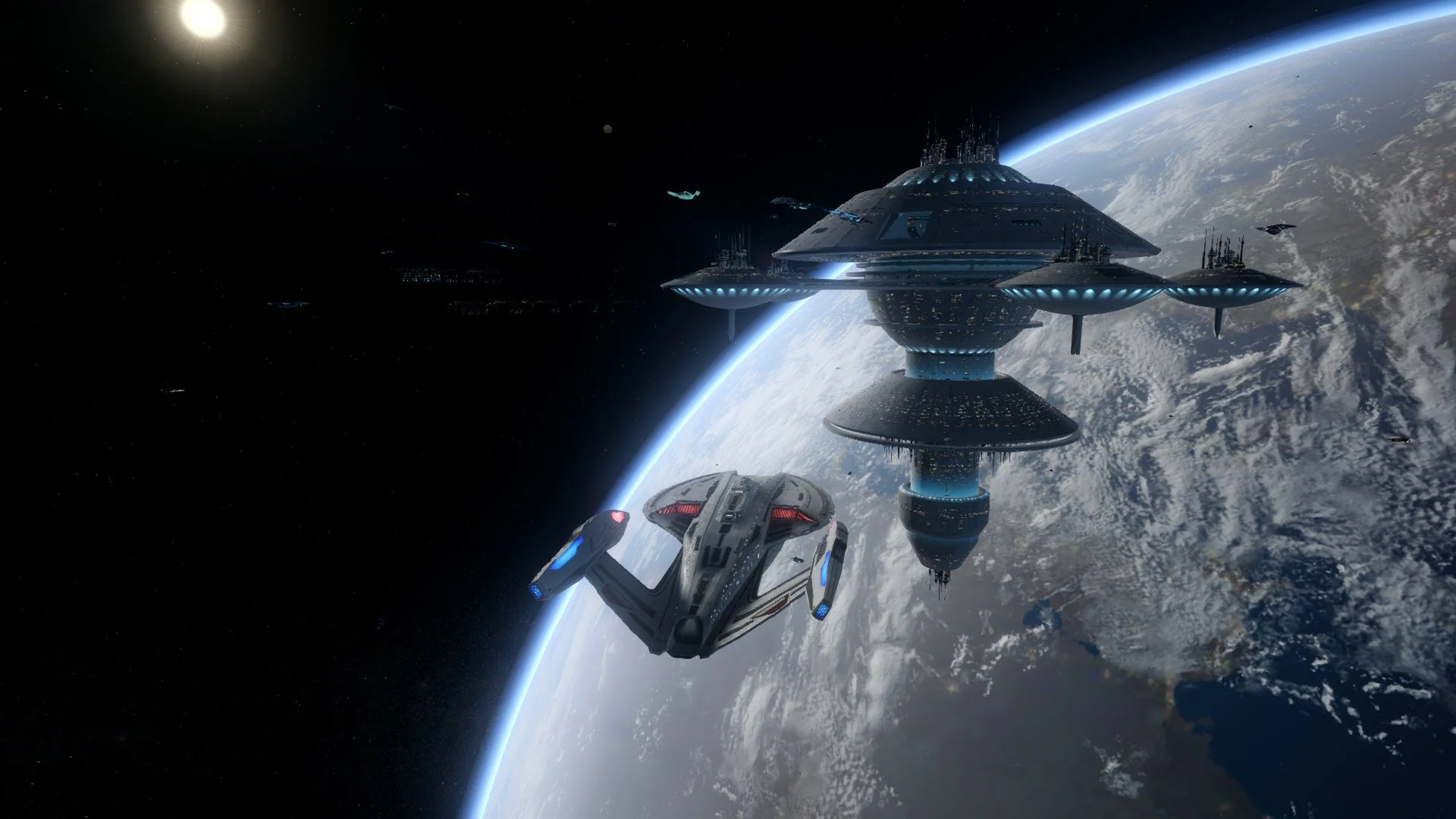
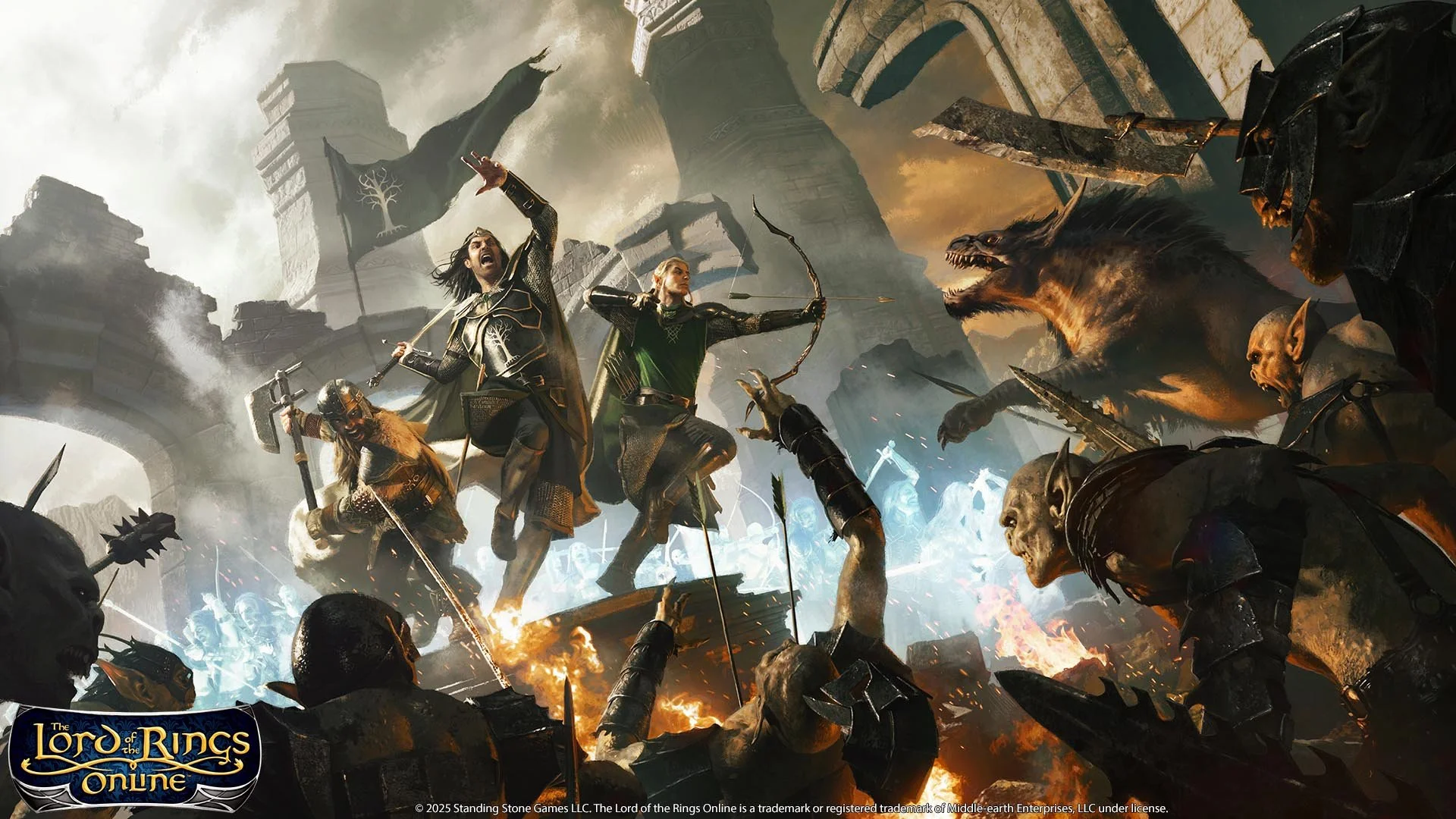
I started playing MMORPGs over a decade ago, at a point when the genre was growing. It seemed at one point that every developer wanted to produce the game that usurped World of Warcrafts crown. I therefore ended up trying many of these massively multiplayer online games yet ended up sticking with few. All too often many of these titles were too generic or had an inherent flaw or flaws that killed my enjoyment. Sometimes it was just a case that the game just didn’t chime with me. Naturally over time, I have revisited some of these MMOs and a few have become a mainstay of my gaming activities. The Lord of the Rings Online, Star Trek Online and The Elder Scrolls online are three such examples. Yet there are numerous other games from this genre that I have not returned to or if I have, I still found them to be problematic, so they have not become part of my leisure activities.
I started playing MMORPGs over a decade ago, at a point when the genre was growing. It seemed at one point that every developer wanted to produce the game that usurped World of Warcrafts crown. I therefore ended up trying many of these massively multiplayer online games yet ended up sticking with few. All too often many of these titles were too generic or had an inherent flaw or flaws that killed my enjoyment. Sometimes it was just a case that the game just didn’t chime with me. Naturally over time, I have revisited some of these MMOs and a few have become a mainstay of my gaming activities. The Lord of the Rings Online, Star Trek Online and The Elder Scrolls online are three such examples. Yet there are numerous other games from this genre that I have not returned to or if I have, I still found them to be problematic, so they have not become part of my leisure activities.
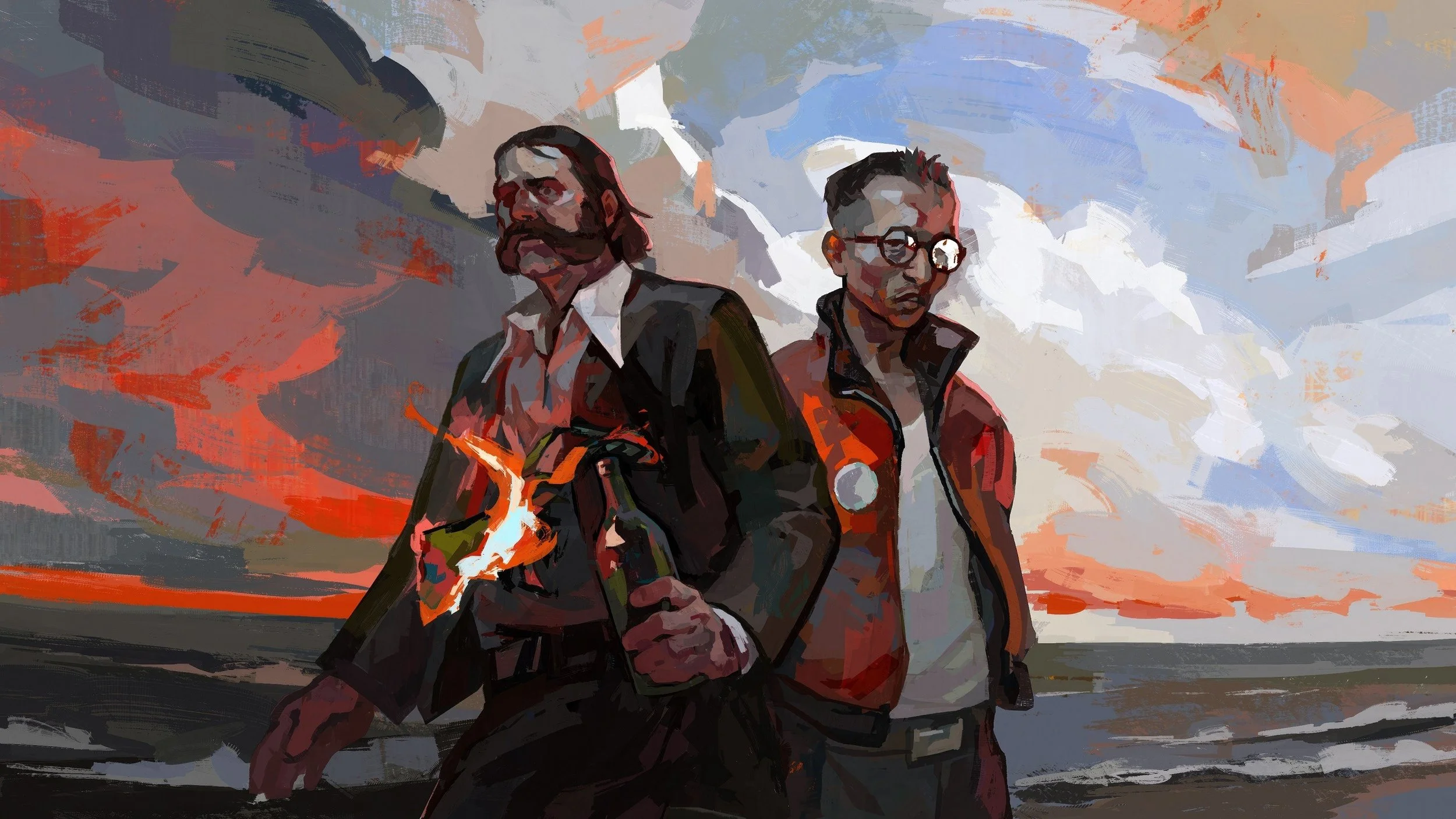
Age of Conan: Hyborian Adventures (or Unchained as it is now suffixed) was one of the first MMOs I tried after LOTRO. Broadly I enjoyed the game although I found combat to be somewhat cumbersome. I liked the aesthetic of the game and the atmosphere, but like so many other players, was extremely disappointed when I discovered that the voice acting, and extensive cut scenes only applied to the starter zone of Tortage. And because it was a time when there was plenty of competition available, I can remember just abandoning the game and moving on to another title. Oddly enough that was STO but that game had a bad launch and was incomplete in spring 2010. It took several years for it to find its feet. Therefore I didn’t stay there for too long either.
Rift was my next MMO port of call and although I wasn’t especially inspired by the game’s lore and story, there was a broad spectrum of possibilities when it came to class builds. By now the novelty of traditional social gaming, participating in organised guilds and devoting large amounts of time was beginning to wear a little thin. The dynamic events that Rift introduced where you could simply join a zerg and participate in a localised event, was a welcome change. Yet Rift fell between two stools. Although it did new and innovative things it still struggled with skills bloat and was saddled with too many traditional MMO mechanics. So I moved on again, just in time for Star Wars: The Old Republic in December 2011. Out of all the MMOs that I’ve played over the years, this was the one that seemed to have the most expectations associated with it.
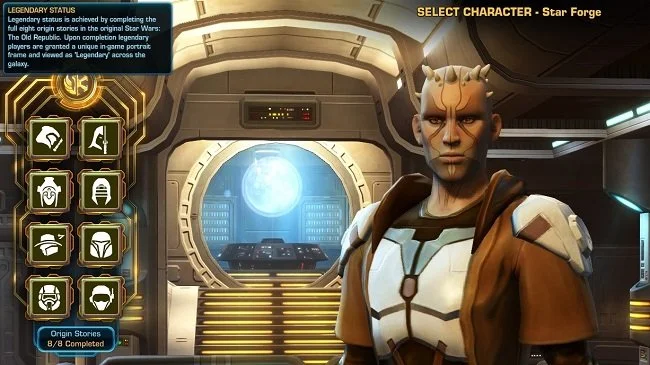
I like so many other gamers, really wanted to like SWTOR. So I gave it possibly more of a chance than it deserved. I liked many aspects of the game; the gunslinger smuggler class that I chose, the companion system and oddly enough the ship that wasn’t quite a house. The narrative was extremely good, and I liked the way gear could be upgraded. But there were quite a lot of negative points as well. The combat was slow and there was an excess of skills, many of which could simply be ignored. Plus, although it was Star Wars, it wasn’t the period of history that so many players wanted access to. Perhaps the biggest issue was that once you had burned through all the PVE content, there was little to do at level cap. Hence there was a mass exodus of players leading to the game having to go free-to-play just to survive. A lot has been done with the game since then and I did return a couple of times but although the narrative was still strong the game is just too old school for my liking.
And so in 2012, I dabbled with The Secret World in the hope that Funcom would honour their promises to do something different with the genre. And broadly that’s what they did. The story was adult and uncompromising. There was a lot of dialogue, which I enjoyed, and the game made you think. The skill wheel system did indeed lend itself to a far more nuanced approach to fine tuning your character. But the combat was slow, repetitious and far from fun and if you wanted to spend your skill points elsewhere, they were not transferrable. Hence you had to repeat content. Needless to say I parted company with The Secret World and moved on to possibly the last big MMO release Guild Wars 2. I could easily write an entire blog post about what I liked about this MMO. But for the sake of brevity, I shall say the flexibility of the classes, the horizontal progression, the fluid combat and the fact that there was always something to do. Out of all the titles I played, this is possibly the most frictionless, although I say this only of the base game. Things changed too much for me with the first expansion Heart of Thorns. But for the first year of two Guild Wars 2 was the most casual friendly MMO I played. You could return after a while and jump straight back in and pick up where you left off.
It’s odd how business demands will sometimes take you in the opposite direction of where you intend to go. The first expansion for Guild Wars 2 essentially put into the game all the systems and ideas that were conspicuously absent from it at launch. I could no longer easily freelance and join zergs to accomplish what I wanted. And as I was never a big fan of the lore, I had nothing to hold me when things changed. In fact lore appears to be a major selling point for me in the MMO genre. ESO is odd in so much as unlike LOTRO and STO, I was not familiar with the lore and history of the franchise, prior to playing. But because I consider the writing to be of a high standard, I do actually consult the games Wiki to gain a greater understanding of things. And ESO has established for me that action combat, a sensible amount of skills and systems is how a modern MMO should be. It will be interesting to see what changes another decade brings to the genre and what, if anything, I’ll still be playing.