Taking Photos
A couple of times a year, Mrs P asks me to copy onto her laptop, all the pictures that I’ve taken over recent months, as well as those that have been shared with us via WhatsApp. She then diligently whittles them down into a manageable amount which we then print off and put in our photo album. Yes we’re of the generation that still likes to print off hard copies of photos and from time to time look at them nostalgically. We have several albums with photographs in chronological order and numerous frames placed around the house, filled with pictures of family. The bulk of the photos are 4x6 inches (10x15 cm). We use an online photo printing service for the majority of our pictures and visit a local store with a self-service photographic department to print off specific pictures for bespoke frames. The original photos, now neatly organised, are backed up and archived.
A couple of times a year, Mrs P asks me to copy onto her laptop, all the pictures that I’ve taken over recent months, as well as those that have been shared with us via WhatsApp. She then diligently whittles them down into a manageable amount which we then print off and put in our photo album. Yes we’re of the generation that still likes to print off hard copies of photos and from time to time look at them nostalgically. We have several albums with photographs in chronological order and numerous frames placed around the house, filled with pictures of family. The bulk of the photos are 4x6 inches (10x15 cm). We use an online photo printing service for the majority of our pictures and visit a local store with a self-service photographic department to print off specific pictures for bespoke frames. The original photos, now neatly organised, are backed up and archived.
I find the entire culture around “taking photos” fascinating. My father was a keen amateur photographer in the fifties, during his bachelor years. As well as recording his social activities, he also took photos for a practical reason. He was a mechanical engineer and would photograph his design plans as well as his finished work as part of his portfolio. Once married, he copiously photographed family life. In later life he diligently scanned all these pictures to preserve them. I similarly took up photography as a child, although due to changes in technology, I didn’t have to learn the technical side of things. Instead I benefitted from the convenience of the Kodak Pocket Instamatic camera and having your photographs developed at the local supermarket or pharmacy.
Over the years I have catalogued family life and our son growing up via photos. Then at some point I just stop taking such photos. I suppose it stems from children becoming teenagers and no longer wanting to be in family pictures. Curiously, the only photos that I take these days are my and Mrs P’s various travels and holidays. We seldom feature in any of these and it has become a standing joke in our family that if Mrs P appears in any photo, she is always walking out of frame, back toward the camera. Furthermore, due to the fact that it is usually me taking all the photos, I am also conspicuously absent from most “holiday snaps”. As for the pictures of the various places that we’ve visited, these mainly end up in the blog posts I write about them or on social media. In fact the more I think of it, that’s where the bulk of them go these days.
Considering that the camera that I take for granted on my phone is a singularly sophisticated piece of technology, its primary purpose on a day-to-day basis is taking pictures that aid me in various tasks. I had some technical issues with my wireless printer the other day, so I quickly took a picture of the default admin password that was on the back, along with the model and serial number. The phone is connected to my PC, so the pictures are accessible immediately on my monitors. I was then able to resolve the issue with the minimum of hassle. I often use the camera on my phone for chores like this. I’ll take a quick photo of train timetables or booking details. When out shopping, if I see a product that interests me, I’ll take a quick picture and research it later. Photographing packaging is also a great way of ensuring that you buy more of the same.
Photography remains a skill that some people still take the time to learn. By mastering the principles that underpin it, a good photographer will be able to create interesting compositions. Modern technology allows the less gifted to stand on the shoulders of such giants and take acceptable photos with the camera doing most of the heavy lifting. The ability to take multiple photographs quickly and easily also helps, due to the law of averages. Hence I have thousands of digital pictures of my life over the years, with me oddly absent from most. They are precious to me but irrelevant to pretty much everyone else. I wonder what will happen to them once I’m gone? Removed from their context they become random and inconsequential. As you can see, photographs still seem to provoke philosophical musing. Perhaps that’s why as a culture we still take pictures and document our lives. It brings a degree of validation and comfort.

















Photography and the Camp Snap
Like most children in the seventies, I was introduced to photography through the medium of “holiday snaps”. I was given a basic camera that used 110 film cartridges as a birthday present and quickly grew to love the uncomplicated nature of the device. You just looked through the basic viewfinder and pressed the shutter button. It really didn’t require much more thought than that. Once you had used your film, you had the additional fun of sending it off to be developed and either collecting your photos a few days later, or having them sent via the post. Like most hobbies, my interest led to further research and I quickly became aware that photography was a far more complex and formal undertaking. One that was expensive and riddled with snobbery. And so just like my youthful flirtation with painting, the technicalities and accepted protocols associated with photography ultimately killed my interest.
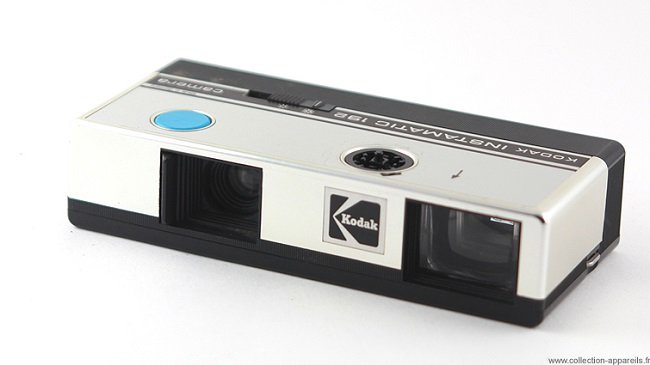
Kodak Pocket Instamatic camera
Like most children in the seventies, I was introduced to photography through the medium of “holiday snaps”. I was given a basic camera that used 110 film cartridges as a birthday present and quickly grew to love the uncomplicated nature of the device. You just looked through the basic viewfinder and pressed the shutter button. It really didn’t require much more thought than that. Once you had used your film, you had the additional fun of sending it off to be developed and either collecting your photos a few days later, or having them sent via the post. Like most hobbies, my interest led to further research and I quickly became aware that photography was a far more complex and formal undertaking. One that was expensive and riddled with snobbery. And so just like my youthful flirtation with painting, the technicalities and accepted protocols associated with photography ultimately killed my interest.
Thirty years later, photography for the masses got a reset with the advent of the digital camera and their incorporation into the mobile/cell phone. It certainly has been liberating with regard to making photography more accessible to the masses. Its immediate nature means that pictures can be shared easily and reproduced physically quickly and cheaply. Yet, as ever with technological advancements, when one set of problems are solved, others are created. Having a high resolution screen means that prior to taking a photo, you have the option of obsessing over composing the image. Then once taken, you can edit the picture with a myriad of tools. You can remove elements from photos on the fly and even add people to an event they didn’t even attend. Hence, many images posted online are not an authentic reflection of what they apparently depict.
Camp Snap digital camera
Which brings me neatly onto the Camp Snap digital camera. A simple point and shoot device which has no complex settings and most importantly a screen. The philosophy behind the Camp Snap is very straightforward as the following quote from the company website makes clear. “Camp Snap cameras are designed to help you stay present in the moment and fully engage with their surroundings, without being distracted by screen time. Our innovative camera technology provides a fun and interactive way for you to capture your memories, while encouraging a focus on socialising and exploring the great outdoors. At Camp Snap, we are committed to creating products that inspire adventure, foster creativity, and encourage you to unplug and experience the world around them”.
I recently bought a Camp Snap camera and have found the lack of a screen very liberating. It fits easily in a pocket and has accompanied me on several day trips to places of interest. If something interests me I just look through the viewfinder and snap away. The results have been interesting. Although I like formality and structure, I do find that it can be an impediment at times. More complex cameras require a lot more thought and experience to be used effectively. It is this high benchmark that is a potential barrier to entry and can discourage people from photography per se. The Camp Snap bypasses much of this and puts you and not the technology in charge. Yes, the cameras respective specifications are somewhat limited (Vintage Film Style quality vibrant colour digital or printable photos. 8MP F/1.8 f=4.8mm (35mm equiv.) 1/3.2" sensor) but that was exactly the case in my youth when using Kodak Pocket Instamatic cameras.
Furthermore, I recently discovered an online photography club, based around Camp Snap. The Crap Camera Club created by actor, writer and comedian Marek Larwood, is a forum for uncomplicated and spontaneous photography with an aim of having fun, sharing your photos and building a like minded community. They have an active Facebook group where you can share photos and take part in bi-monthly themed challenges. It’s a friendly place and a lot of fun. The complete opposite of many of the more formal photographic based communities you find online. For legal reasons it is important to stress that it is the club that is crap and not the camera in any way, shape or form. It should also be noted the Crap Camera Club has a superb theme tune. More clubs need theme tunes.
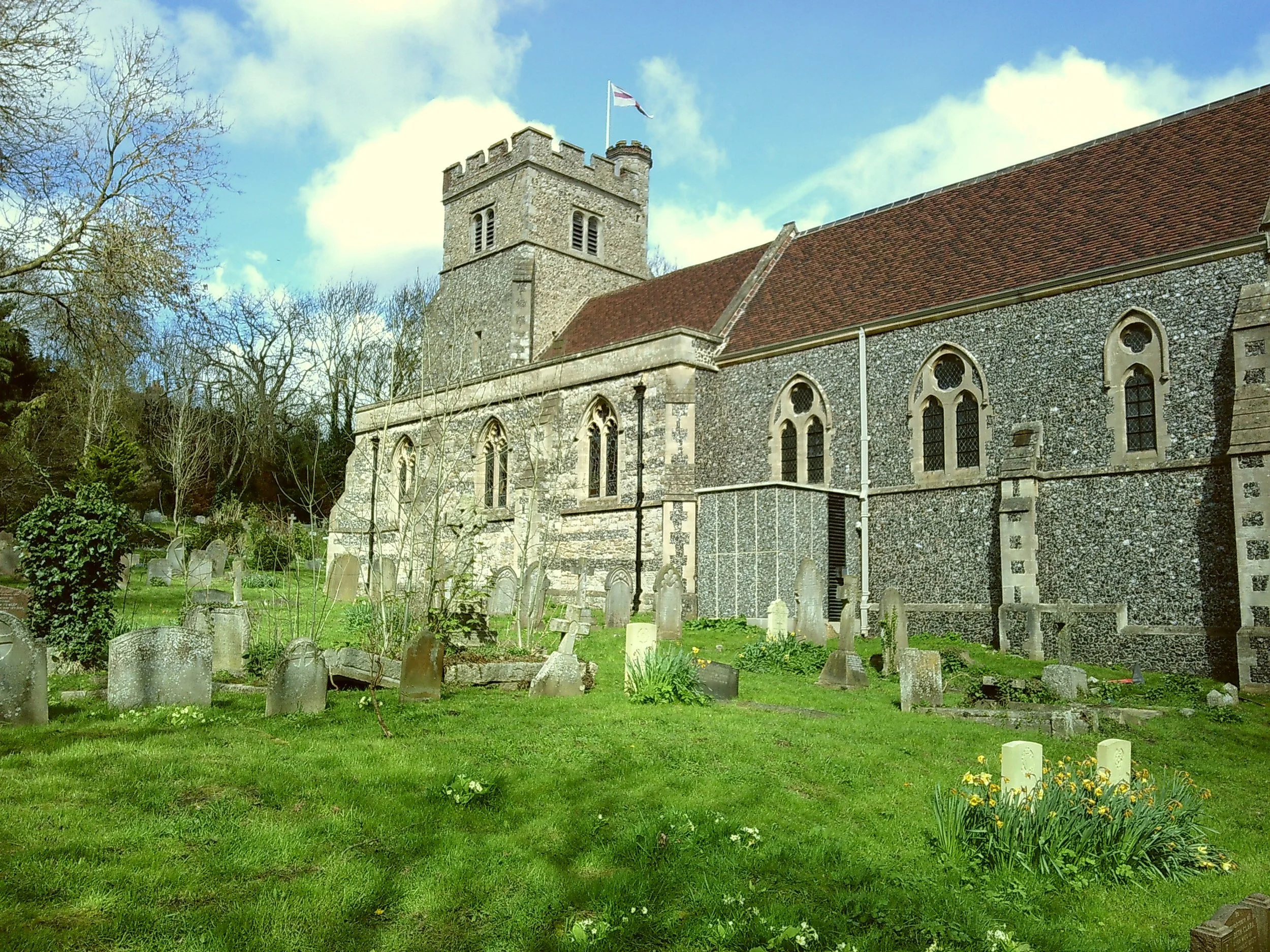
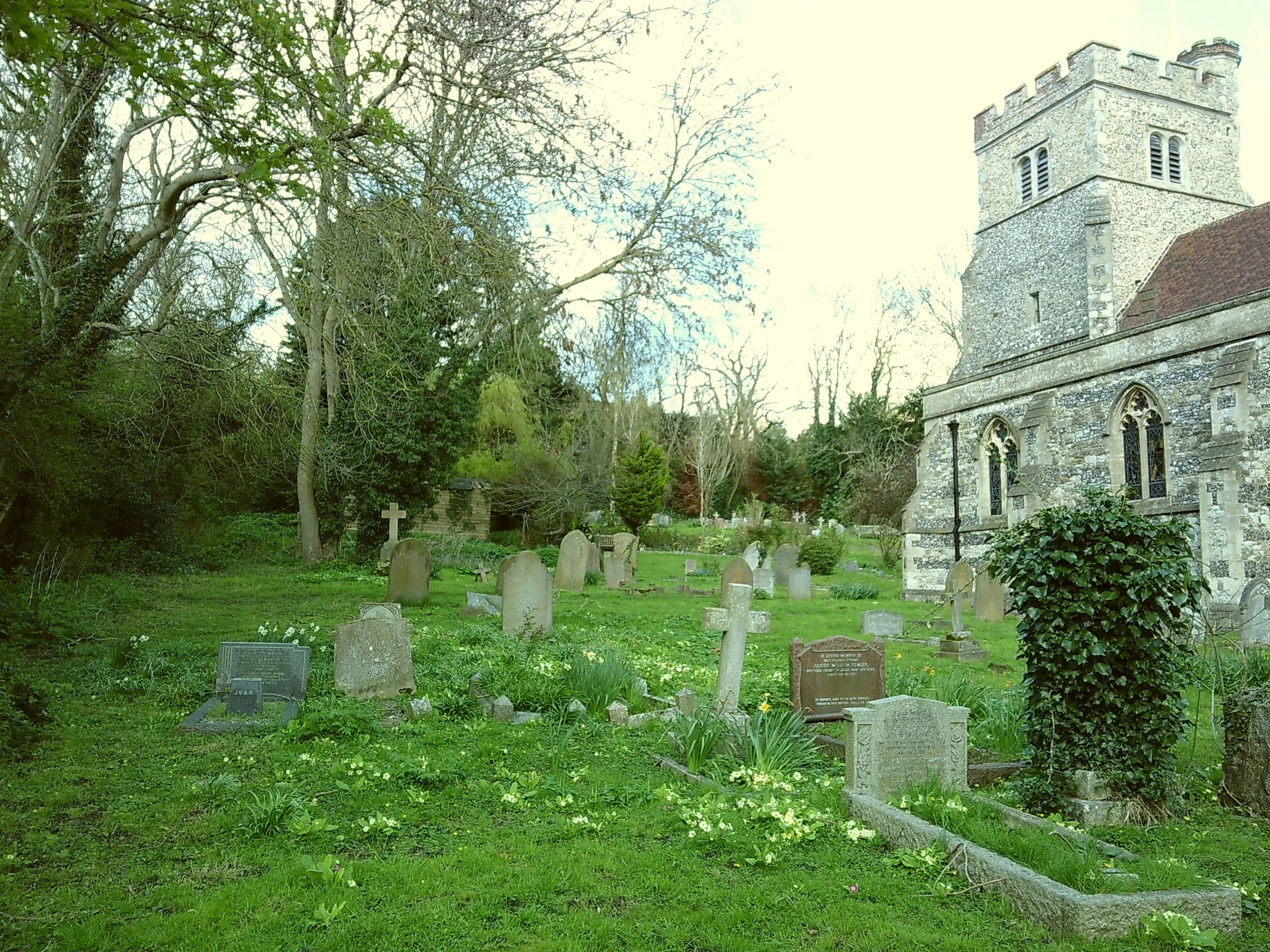
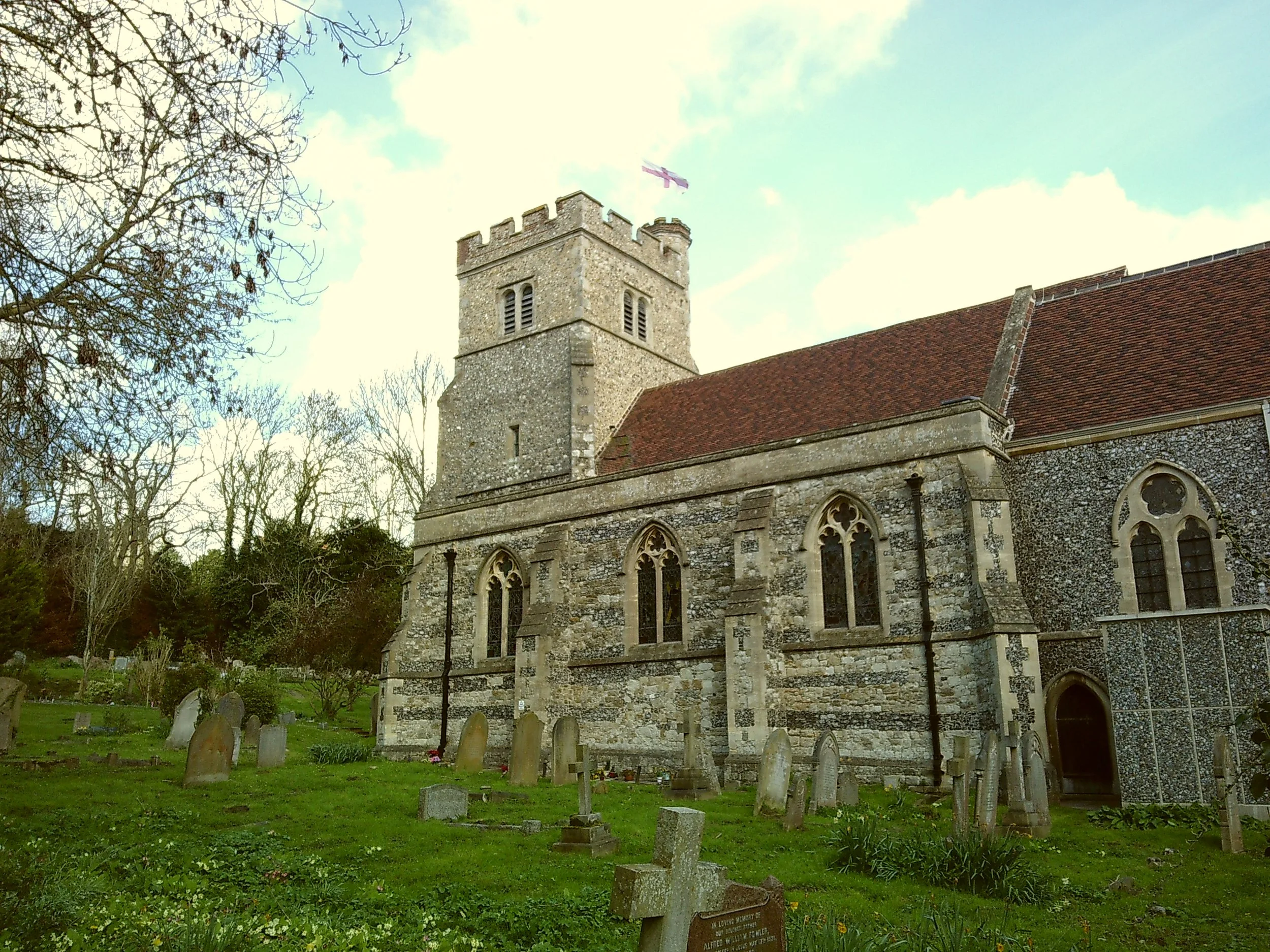
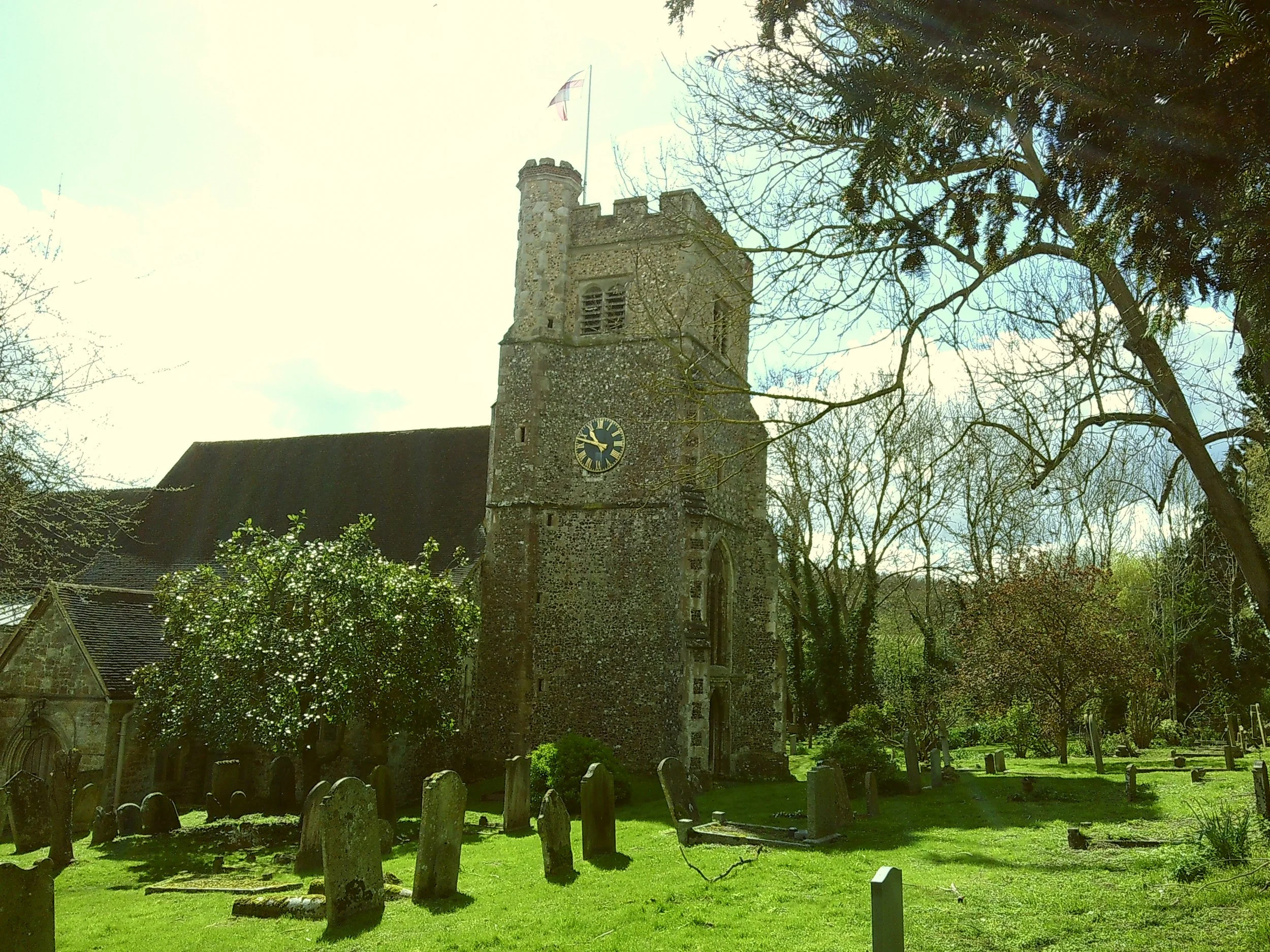
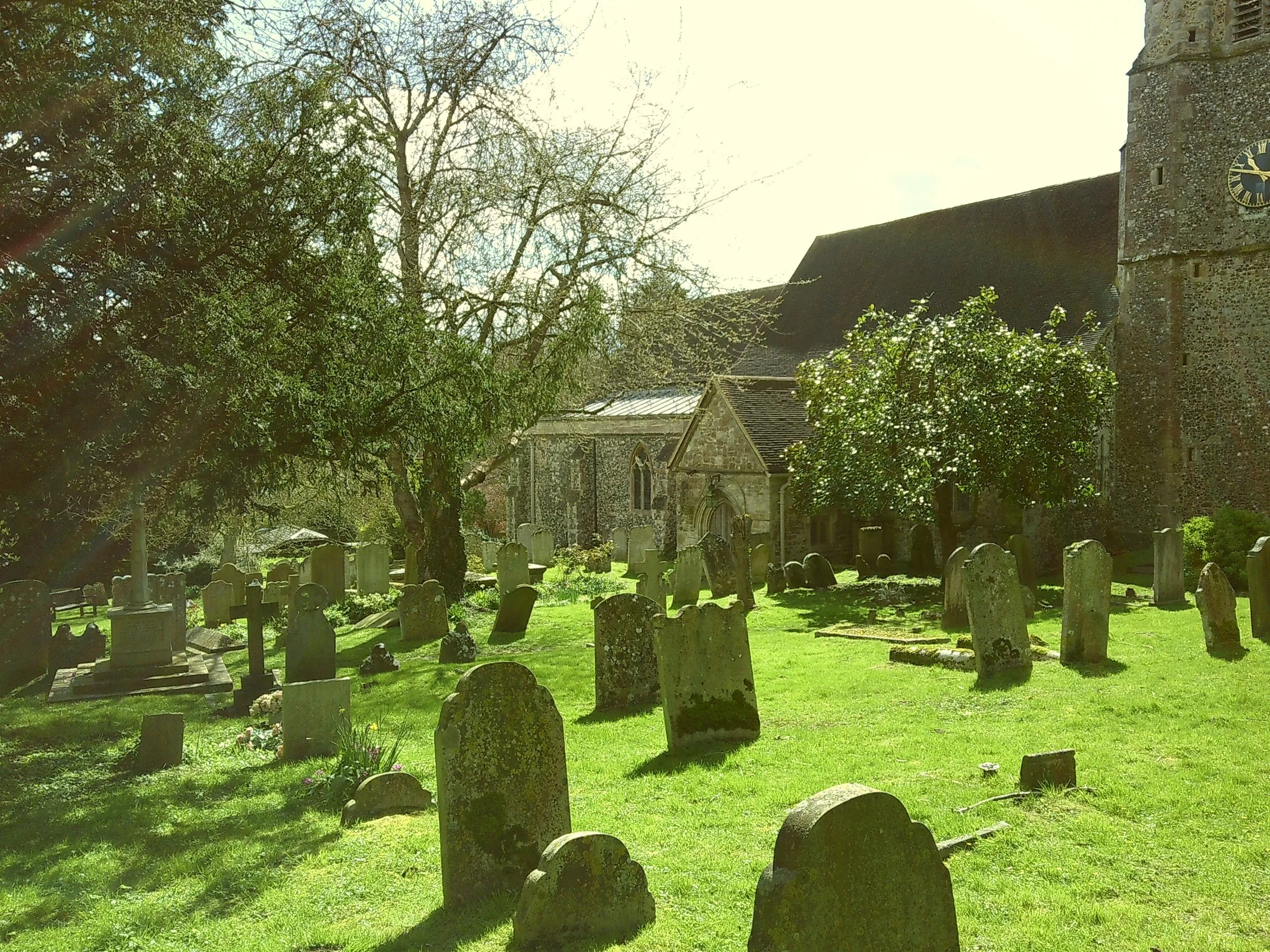
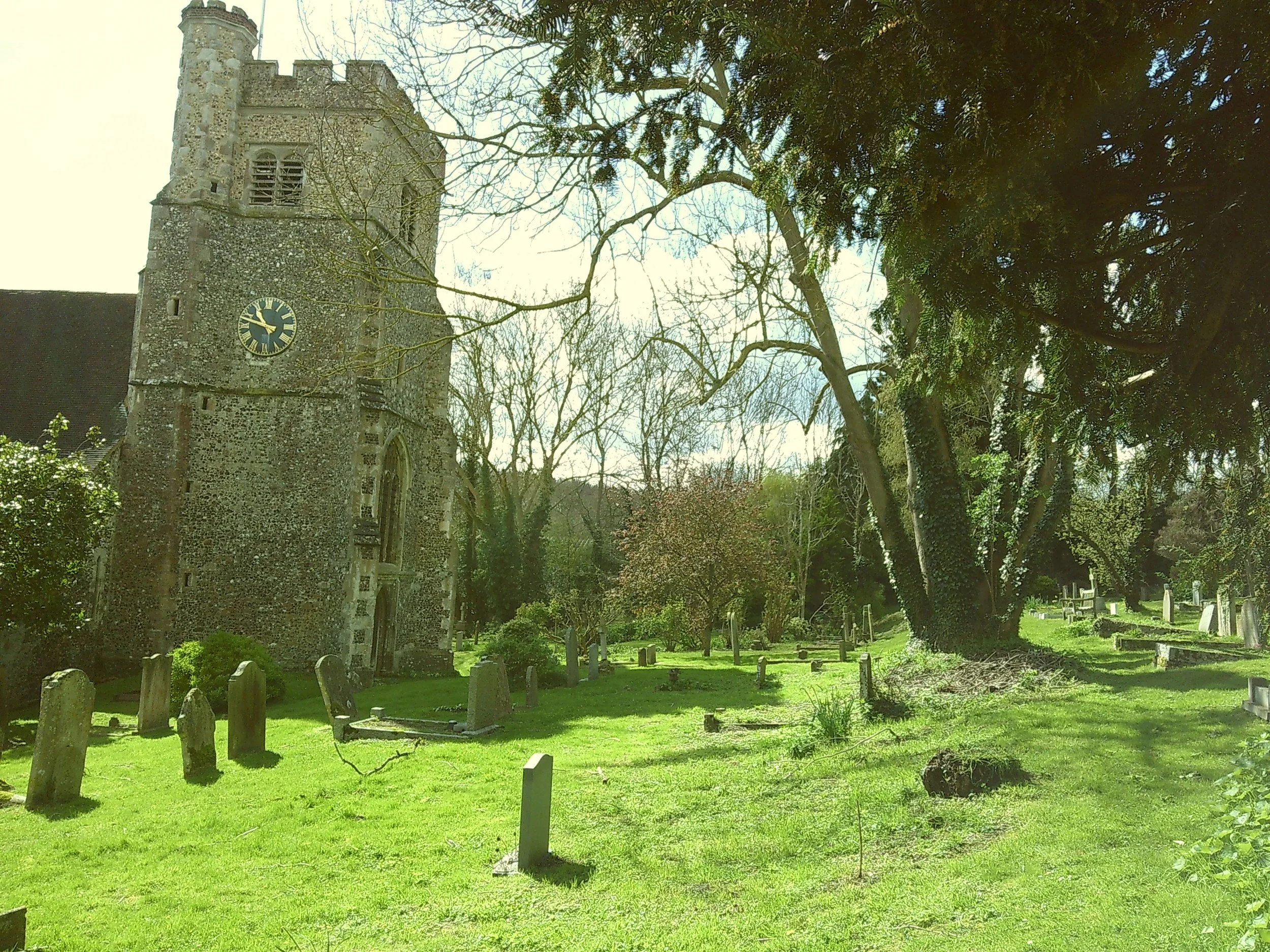
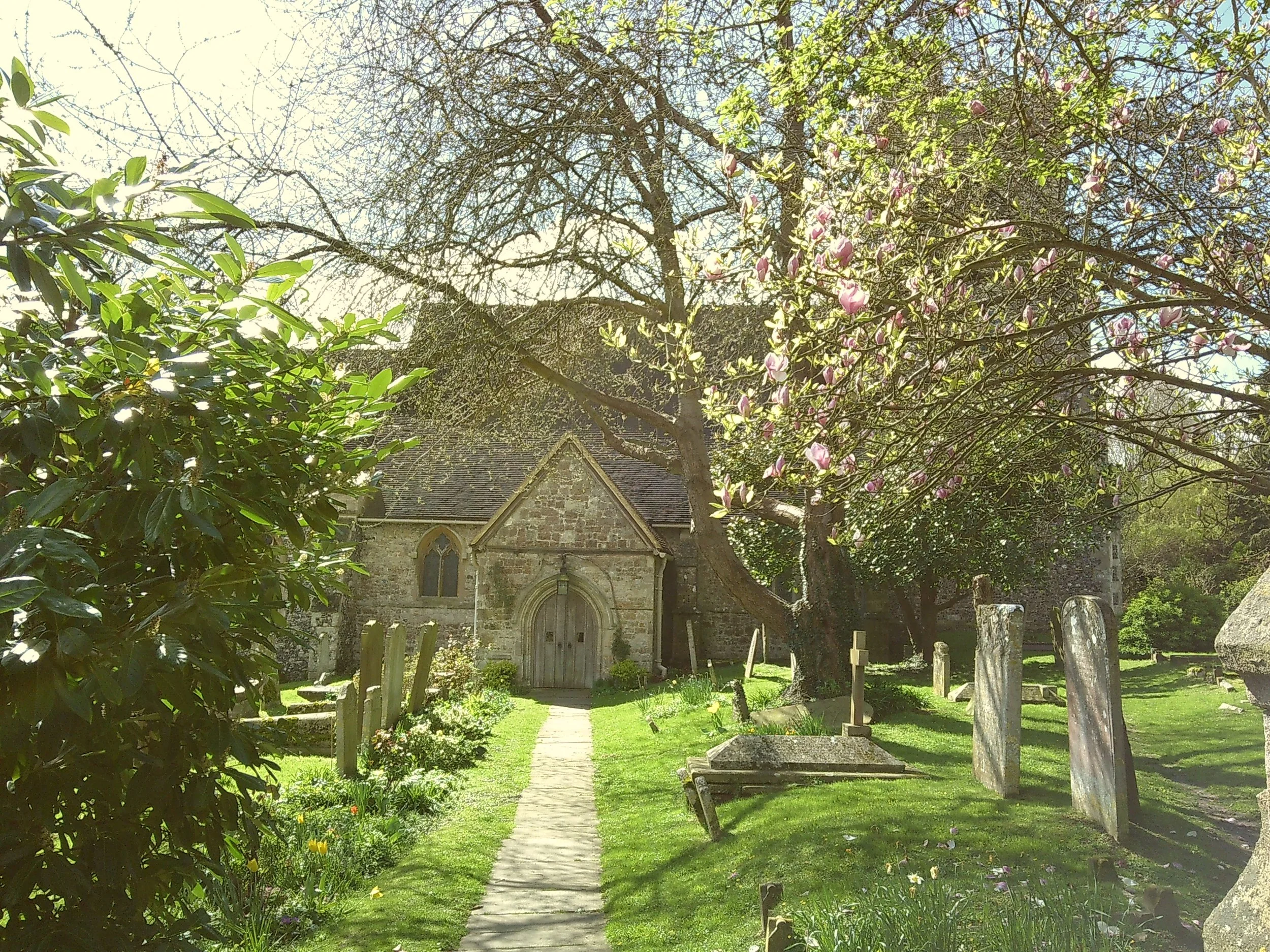
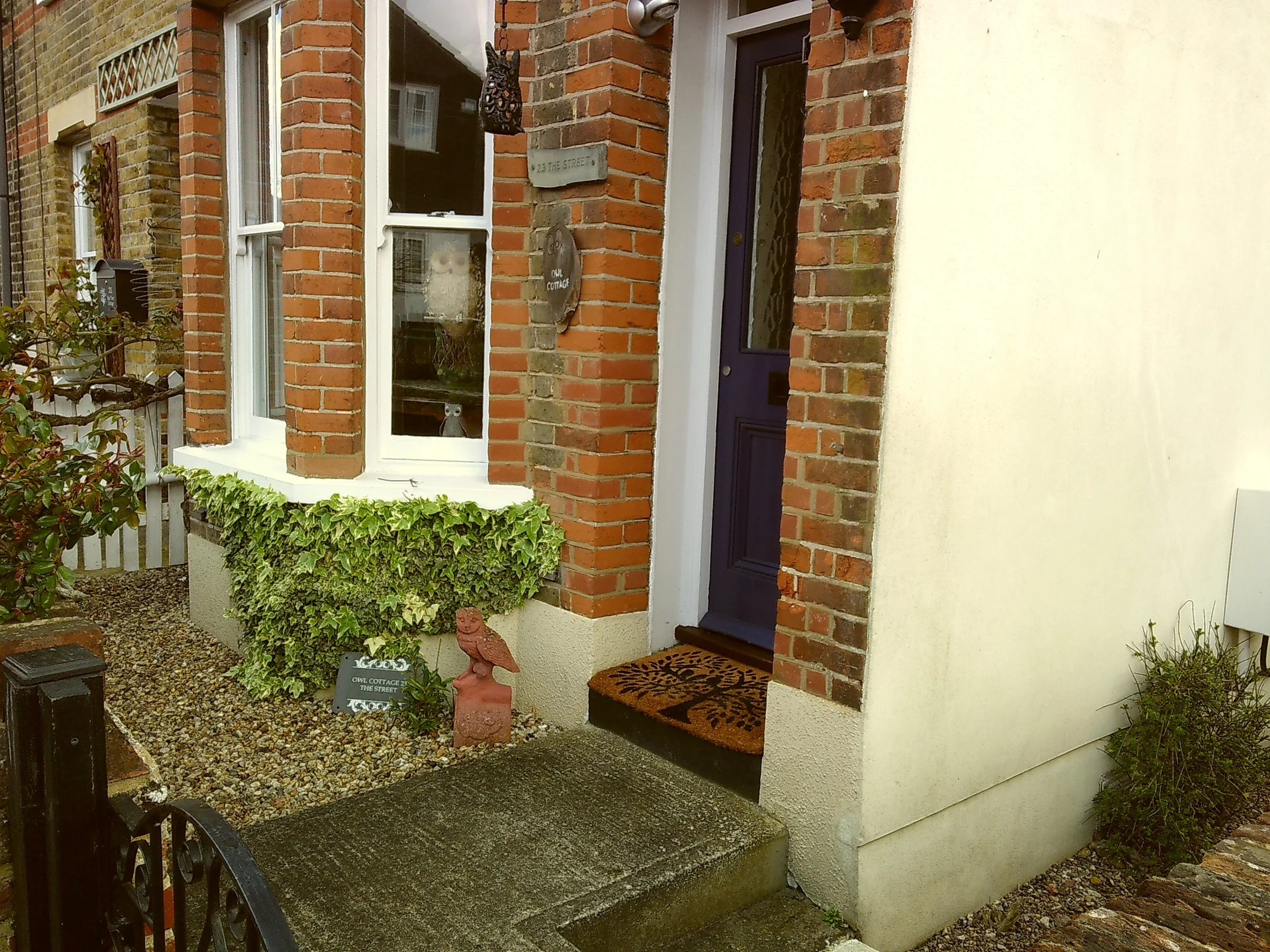
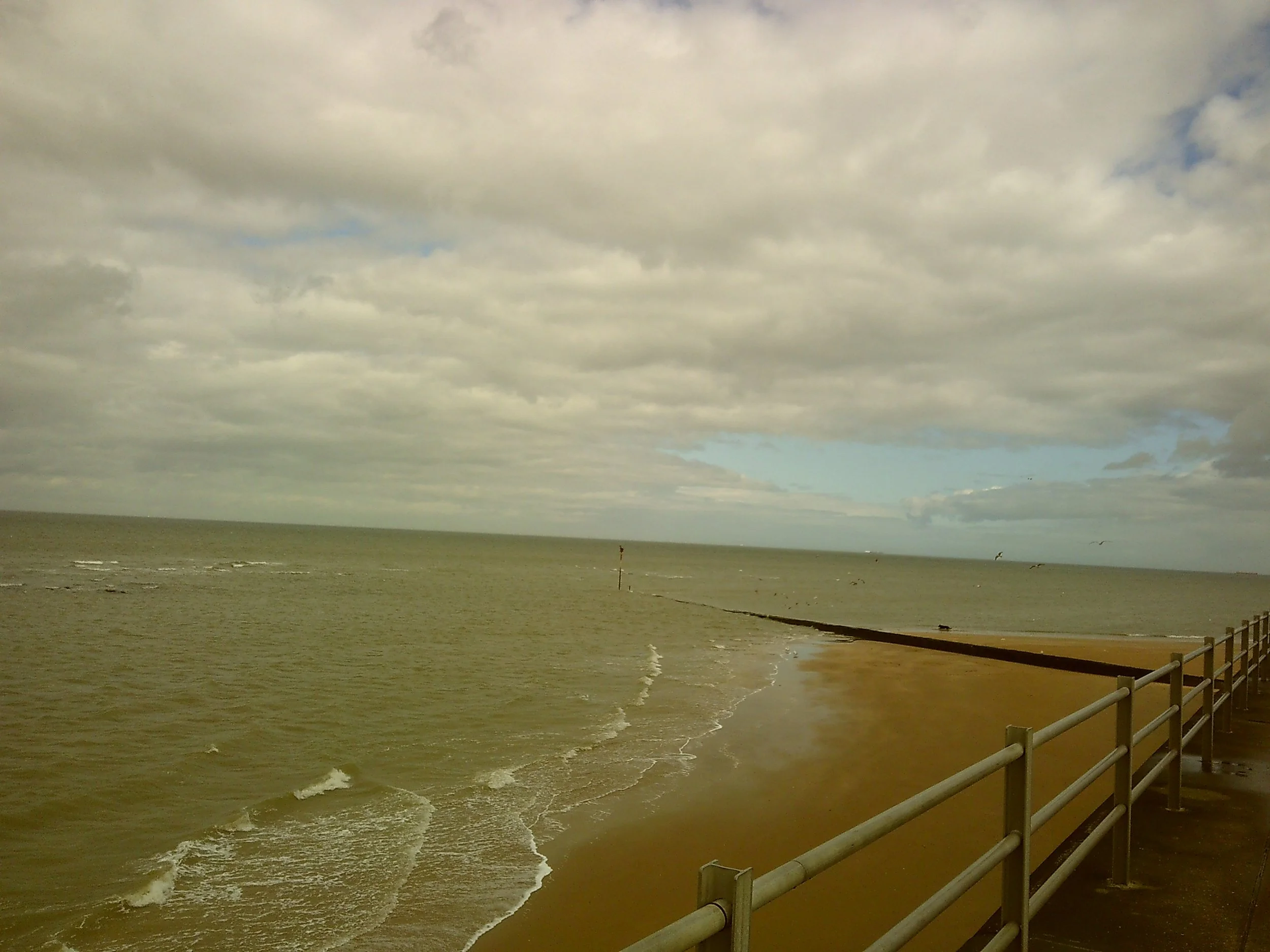
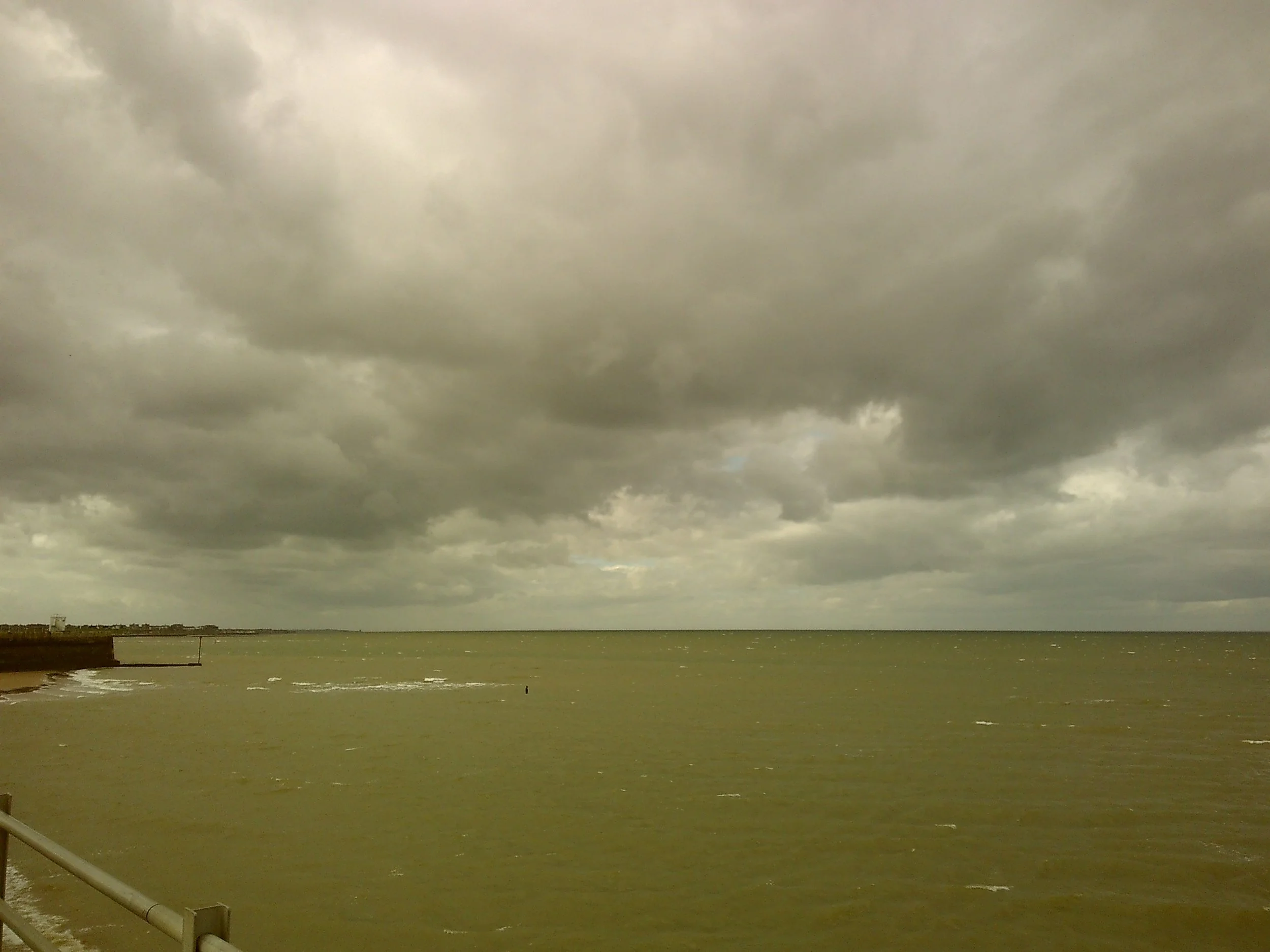
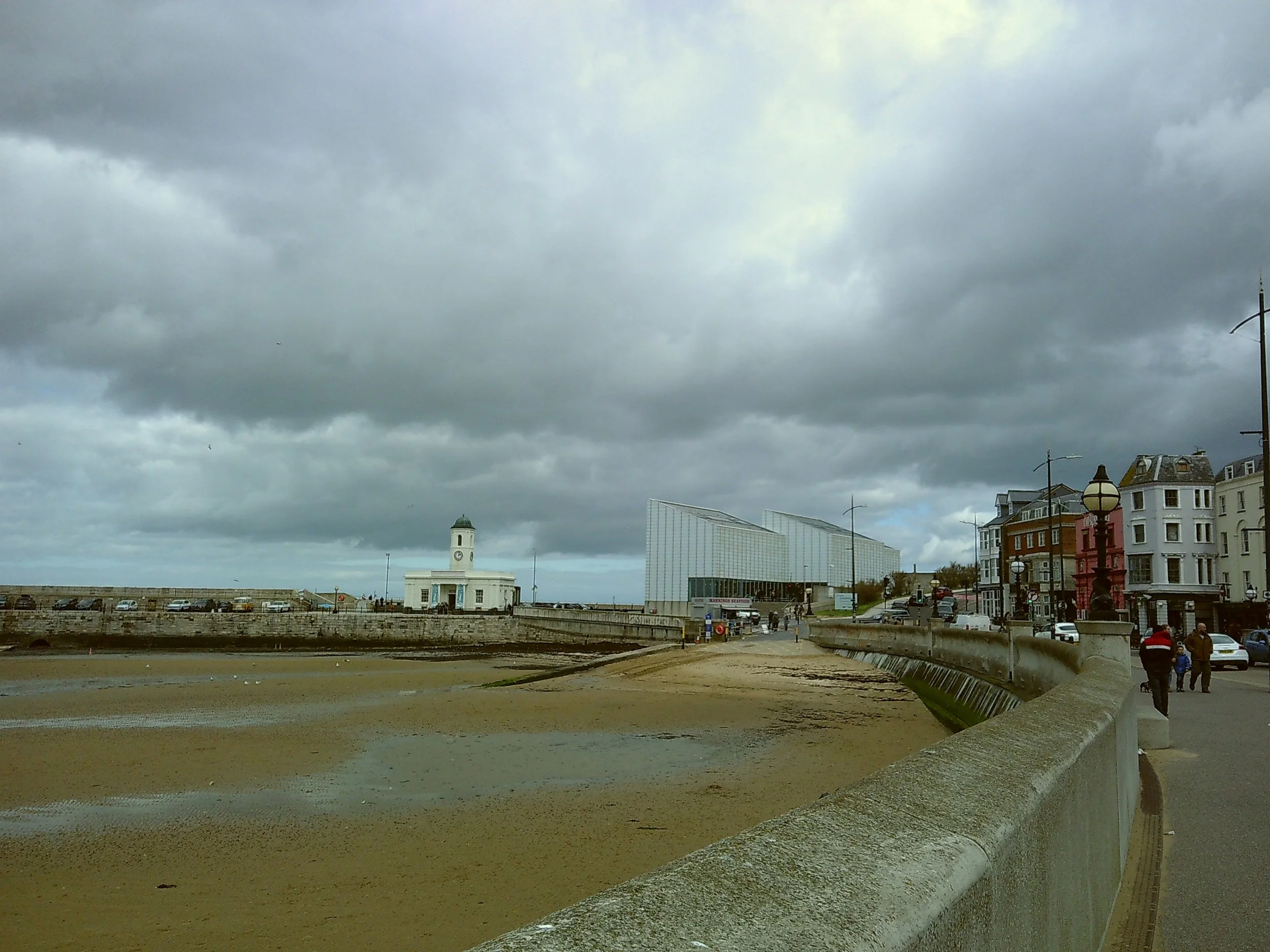
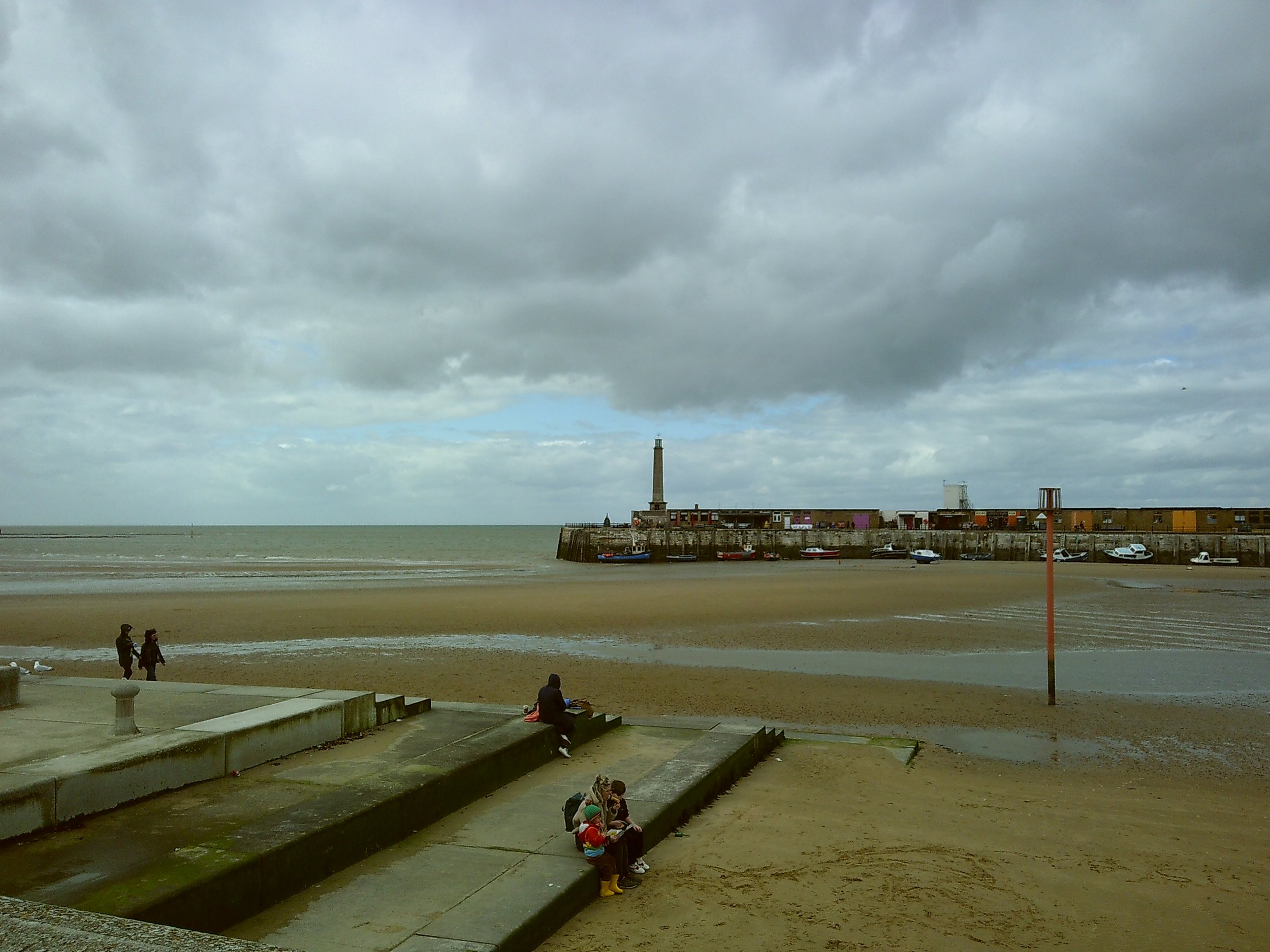
Hobbies do not have to become Iron Man challenges but modern pop culture seems to have a nasty habit of turning things that are intended to be fun, into ponderous chores. The Camp Snap flies in the face of this. I recently took a trip out to the village of Shorne in Kent and took a few pictures of St Peter’s and Paul’s Church and the surrounding grounds, as well as the Turner Gallery in Margate. I found it easy to take a few pictures on the fly. If I saw something I found visually interesting, rather than over analyse things, I just looked through the viewfinder and took the shot. Being a digital camera, you don’t have to worry about taking multiple pictures, affording those new to photography a fighting chance of getting at least one good shot. I was happy with the results which I have posted in the gallery below. The Camp Snap will not be for everyone but I think it fills a gap in the market, offering both young and old alike, a means to recapture the casual freedom of “holiday snaps” and hassle free photography.