
TV in the UK Part 2
If you don’t want to pay for streaming services, or premium digital satellite and cable content, then your choice in the UK is somewhat limited. You can receive all “free to air channels”, IE the ones that have advertising, via the digital terrestrial platform Freeview. Most UK televisions have Freeview access built in. Alternatively, the same selection of channels are available via the digital satellite platform Freesat. You can also buy either Freeview or Freesat digital video recorders and require only a rooftop aerial or satellite dish respectively to access these platforms. Most DVRs come with additional IPTV functionality built in along with the most popular streaming apps, so additional subscription services can be added if the viewer so desires. Freeview and Freesat carry a mixture of high definition and standard definition channels. Internet based services offer 4K content.
Freeview and Freesat provide digital terrestrial TV access in the UK
If you don’t want to pay for streaming services, or premium digital satellite and cable content, then your choice in the UK is somewhat limited. You can receive all “free to air channels”, IE the ones that have advertising, via the digital terrestrial platform Freeview. Most UK televisions have Freeview access built in. Alternatively, the same selection of channels are available via the digital satellite platform Freesat. You can also buy either Freeview or Freesat digital video recorders and require only a rooftop aerial or satellite dish respectively to access these platforms. Most DVRs come with additional IPTV functionality built in along with the most popular streaming apps, so additional subscription services can be added if the viewer so desires. Freeview and Freesat carry a mixture of high definition and standard definition channels. Internet based services offer 4K content.
Until recently, our household has used Freeview, along with some additional IPTV channels and streaming apps for our television requirements. However, it has not been especially good value for money. The DVR that is supplied by our broadband provider, performs poorly and the extra channels we pay for are only in standard definition. So we have chosen not to renew our contract. We have moved over to Freesat, which broadly offers the same channels as Freeview, although more are in HD. Beyond the initial hardware costs, Freesat incurs no further charges. I recently changed my cell phone contract and received a year’s subscription to Netflix. As a regular Amazon Prime customer, we also have access to Prime Video. For the present these services are to be our main source of television content. We regularly avail ourselves on free trials, discount codes and other promotional opportunities so we can access other platforms. Thus we do not face “TV poverty”.
Freesat 4K Recordable TV Box
I spent some time researching what TV services are available in the UK, prior to changing from Freeview to Freesat. What I learned was quite discouraging. Television has changed its business model, just like the music industry and those changes are not beneficial to the customer. The dominance of streaming services has led to a decline in DVR production. Streaming services run on a subscription model, whereas digital terrestrial and satellite services rely on a hybrid of advertising and paid for content. TV is now a compartmentalised industry and although there is still a substantial audience in the UK, it is spread over a wider variety of platforms. Hence advertising reaches a smaller audience. DVRs further compound the problems, allowing viewers to bypass adverts. Thus there are less new DVRs coming to market, because user control of content is not good for business.
There is also a broader decline in physical media sales, again because streaming services appear to negate the need for it. Sadly, the reality is about removing customer choice and placing control in the hands of the vendor. Disney is reducing the availability of a lot of its classic content on physical media to drive customers to its streaming service. However, a lot of material from Disney’s back catalogue remains absent from its streaming service and a lot of content is being altered to make it compliant with what Disney consider to be “modern sensibilities”. Looking at streaming services from a wider perspective, a lot of content is licensed from third parties, to supplement original material. This means that content can come and go quickly once licensing arrangements expire. At one point, Netflix in the UK had access to all respective Star Trek shows. An arrangement that ended once Paramount Plus launched.
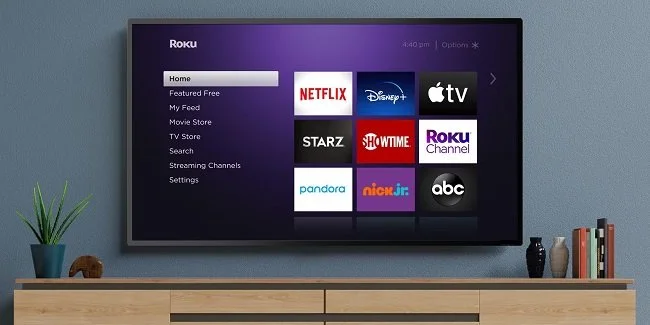
Apps available on Freesat
We are now living in an age where the entertainment industry (along with others) have decided that ownership or at least paying once to access material is not an adequate business model. Streaming, be it audio or video content, addresses this offering a service where the customer pays continuously for continuing access but has no direct control beyond that. Choice is very much dependent upon what the streaming platforms currently have licensed and there is always scope for material to be removed from access when licensing arrangements change or end. Due to a finite customer base being divided among an ever increasing group of vendors, subscription services are proving an “inadequate” revenue stream. Hence we are now seeing advertising being introduced on lower tiers of subscription. If the customer objects they can pay to remove it.
Due to the cost of producing content for streaming services, many platforms are now opting to release material in a weekly schedule to maximise audience retention and return on investment. Hence, we are currently experiencing a return to “appointment television”, although for a much more compartmentalised audience. Shows such as Reacher and Severance are released weekly and immediately become the focus of intense online debate on subreddits and the like. For those who think this is in some way a return to the viewing habits of the seventies, it comes with a substantial loss of agency. Adverts are forced upon viewers, where they could in the past be bypassed via a VCR. Furthermore, if you wish to avoid spoilers then you have to eschew all social media until you have watched the program in question. Once again it would seem that “choice” and “progress” are not as beneficial as they first appear.










TV in the UK Part 1
When I started writing this post it was intended to be about changing from one UK TV provider to another. However, I became concerned that there was a need to provide some sort of historical context, because I wasn’t sure whether all readers would be familiar with how television is provided here. The next thing I know, I’ve written a potted history of public and commercial broadcasting in the UK and the resulting post has become somewhat lengthy. So I have decided to split the text into two halves. The first being a summary of how the provision of television has changed in the UK over the course of the last fifty plus years. The second focuses more upon changes to the TV industry’s business model, consumer habits and the present status quo.
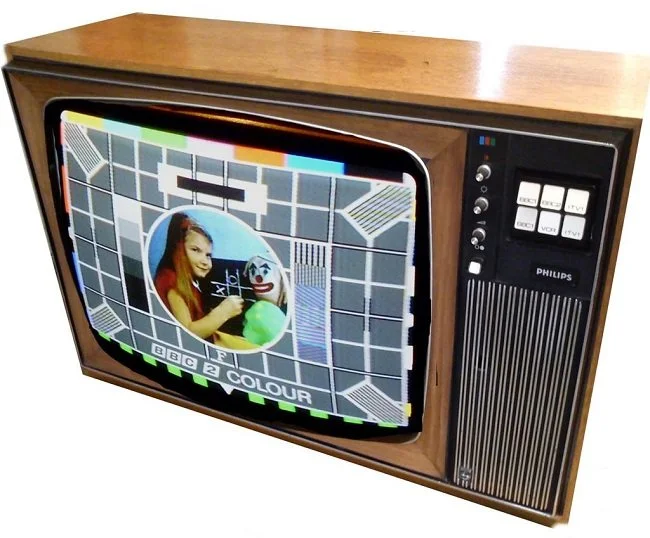
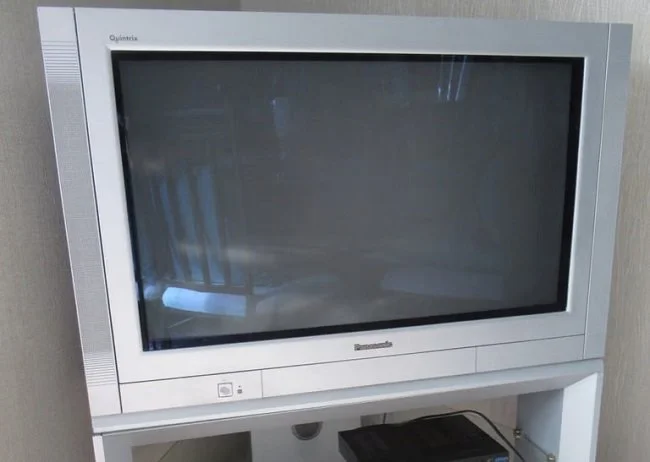
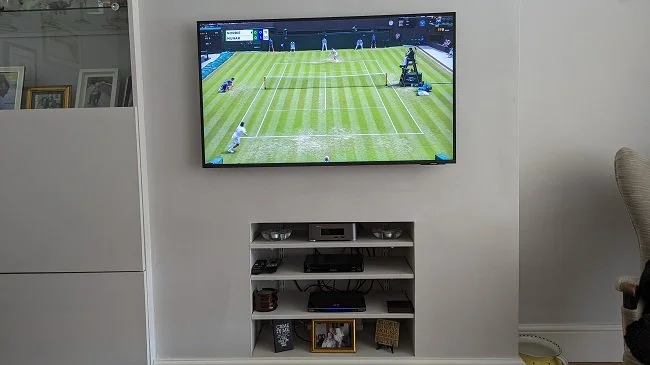
Philips CRT TV circa 1980
When I started writing this post it was intended to be about changing from one UK TV provider to another. However, I became concerned that there was a need to provide some sort of historical context, because I wasn’t sure whether all readers would be familiar with how television is provided here. The next thing I know, I’ve written a potted history of public and commercial broadcasting in the UK and the resulting post has become somewhat lengthy. So I have decided to split the text into two halves. The first being a summary of how the provision of television has changed in the UK over the course of the last fifty plus years. The second focuses more upon changes to the TV industry’s business model, consumer habits and the present status quo.
In the seventies and eighties, television in the UK was a singularly uncomplicated affair. You would buy a TV, connect it to a rooftop or indoor aerial/antenna and set the channel buttons to the four analogue stations that were broadcasting at the time. You then watched your favourite programmes at the time that they were broadcast and discussed them the following day at either school or work. Hence the viewing figures for popular shows were large with popular soap operas such as East Enders and sitcoms like Only Fools and Horses regularly achieving audiences of over 20,000,000. Over a third of the population at the time. Although video cassette recorders became ubiquitous during the eighties, the culture of “appointment TV” (IE watching stuff when it was shown), persisted. Analogue terrestrial television, introduced in the UK in 1936, remained the predominant source of TV in homes until 2012.
UK analogue aerial and satellite dish circa the mid-eighties
During the eighties, changes in TV regulation saw the emergence of analogue satellite and cable services. However, cable was not readily available in rural and most suburban areas due to the logistics of installing the infrastructure. Similarly, satellite TV required a dish which added to the set up costs for new customers. Plus due to the prevailing UK class culture of the time, there was a great deal of snobbery regarding “unsightly dishes” and commercial television programming that was perceived as “low rent”. However, in the early 2000s (noughties), the UK was getting ready to decommission analogue terrestrial TV broadcasting and replace it with a digital terrestrial service. Hence a lot of new commercial television services began to appear as the public became more comfortable with the business model of paying a subscription for quality programmes, rather than free TV paid by advertising.
The noughties were a time of major change for UK television. Many new commercial services, such as OnDigital (digital terrestrial) and NTL (digital cable) came to market and ultimately failed. However, other industry changes proved successful, such as the transition from 4:3 to 16:9 aspect ratio and from standard definition to high definition. Tests are currently underway for ultra high definition digital terrestrial broadcasts and 4K streaming content is becoming more widespread. There was a period of a few decades, when Sky was king and digital satellite TV was the dominant premium service in the UK with a fifth of the population as customers. The provision of major sporting events and franchises, especially premier league football, was a major factor in Sky’s success. However, over time other services have begun to compete and steadily eroded
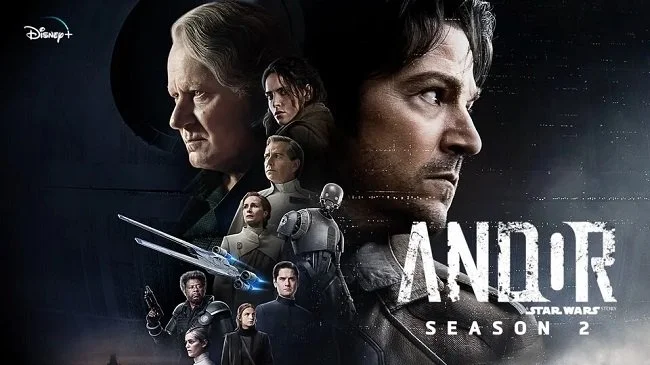
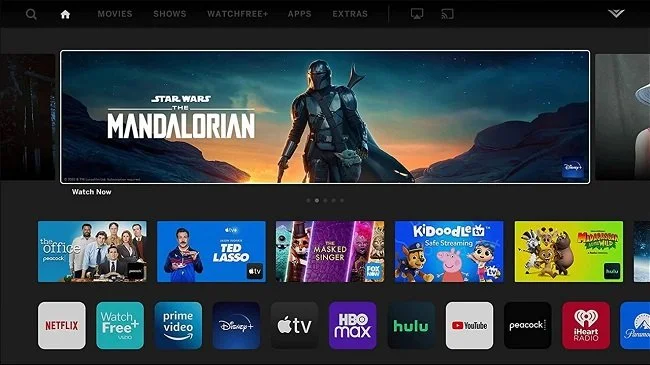
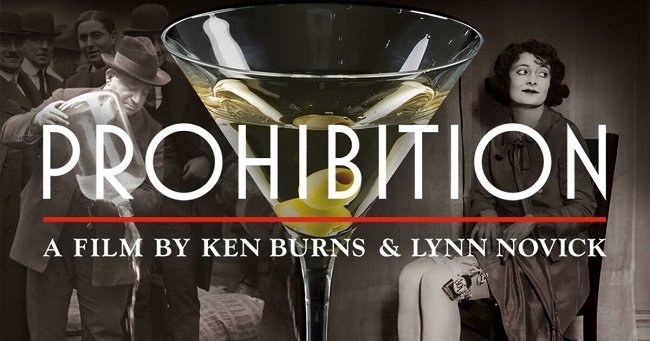
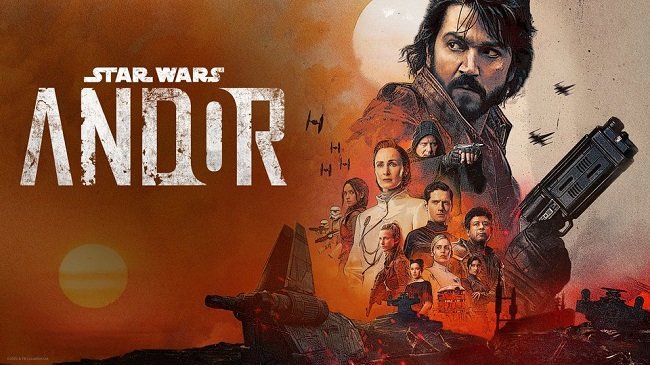
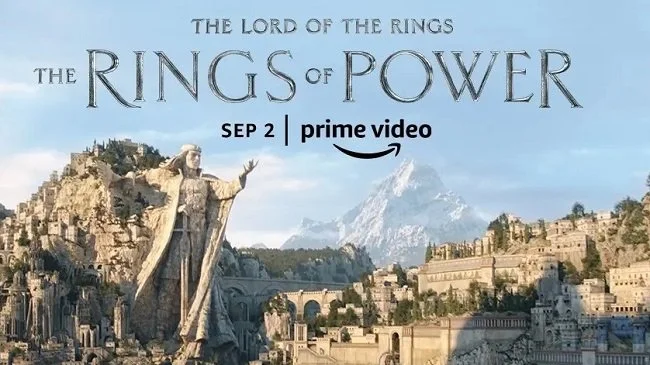
A selection of UK streaming services
In 2025, we find ourselves in a TV market dominated by streaming services. Major streaming providers have the budgets to produce high quality shows and the remaining UK broadcasters dependent on advertising revenue, struggle to compete. The main problem with streaming services, is that if you want to keep abreast of all the most popular shows then you have to subscribe to 4 or 5 services. Sport in the UK is still mainly carried on digital satellite (and now streaming) via Sky, so if you want access to that as well you’re going to have to subscribe to their services as well. The monthly cost of all of these is somewhere north of £75, which is no small beer and a reason why so many people share logon credentials for streaming services. Subsequently, there is now a societal divide regarding TV access. “TV poverty” has emerged as a term describing those excluded from premium content due to its cost.