Thoughts on Andor
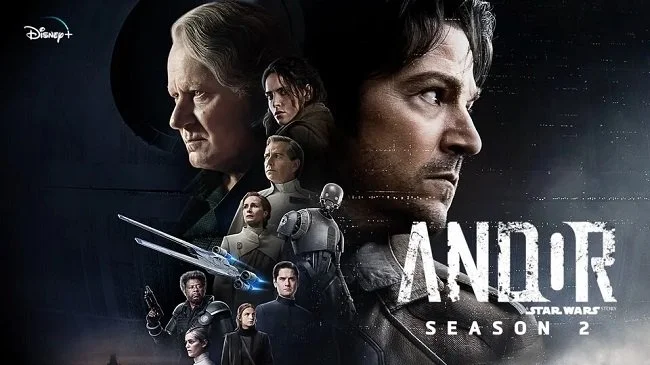
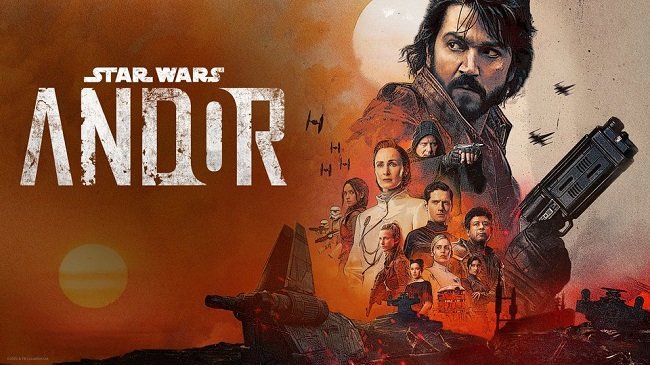
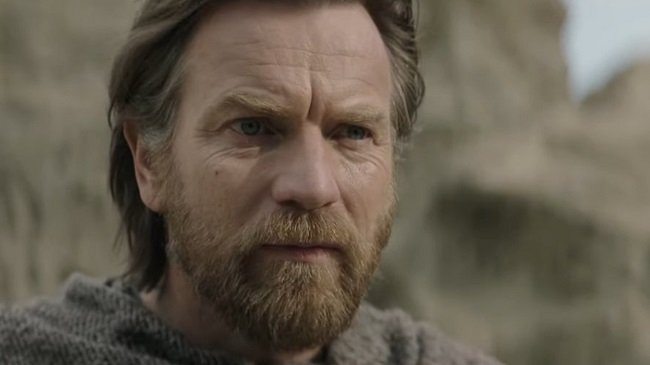
Season 2 of Andor has received praise from both critics and fans alike. It finally seems to have put to bed the common argument that Star Wars as a franchise has traditionally been light on narrative depth, character development and the exploration of the themes that its main story is predicated upon. Andor shows the realities of opposing authoritarian regimes and exists within shades of grey, rather than purille, binary positions. Many have drawn parallels with the current state of geopolitics, especially that of the United States. I certainly found the second season of Andor to be engaging and thought provoking. I also enjoyed the performances of many of the British actors who by default are cast in all the major Empire roles. I thought Anton Lesser was especially noteworthy as a senior officer in the Imperial Security Bureau.
Season 2 of Andor has received praise from both critics and fans alike. It finally seems to have put to bed the common argument that Star Wars as a franchise has traditionally been light on narrative depth, character development and the exploration of the themes that its main story is predicated upon. Andor shows the realities of opposing authoritarian regimes and exists within shades of grey, rather than purille, binary positions. Many have drawn parallels with the current state of geopolitics, especially that of the United States. I certainly found the second season of Andor to be engaging and thought provoking. I also enjoyed the performances of many of the British actors who by default are cast in all the major Empire roles. I thought Anton Lesser was especially noteworthy as a senior officer in the Imperial Security Bureau.
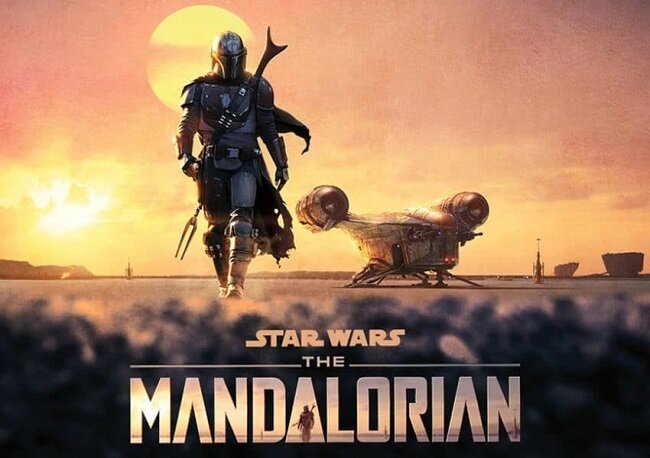
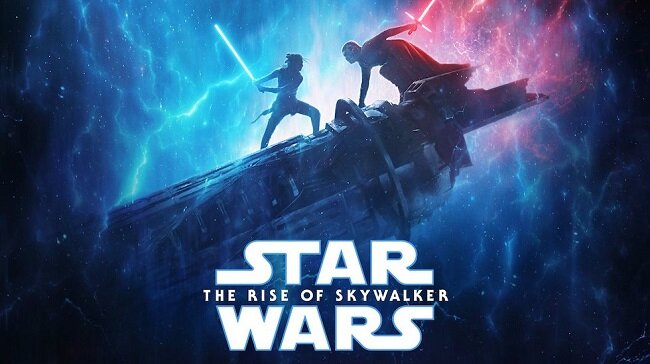
Setting aside for a moment the praise for Andor, I do think there is a rather interesting fact that has contributed to the show’s mainstream and critical success. For this iteration of Star Wars to be embraced by a wider and possibly more cerebral audience, it appears to have shed many of the science fantasy tropes that have been integral to the franchise’s appeal for decades. Namely, the Jedi Knights, the Sith and the force. Andor leans into the technological aesthetic that is synonymous with Star Wars but ignores the quasi religious presence of the Jedi and the Sith. Their theological battles are conspicuously absent. What you are left with is a clever parable about an authoritarian regime, and the resistance against it. Although very entertaining Andor is far more akin to the BBC show Secret Army from 1977, than being just more Star Wars. There are also shades of John le Carré.
George Lucas dealt in clear archetypes and the medium of high adventure when he conceived and originally wrote Star Wars. I don’t believe he ever intended the source material to be anything more than “modern legends”. A vehicle for traditional morality tales. I do not doubt that he drew upon contemporary sociopolitical events for inspiration but I in no way think that Star Wars was intended to be a indepth exploration of them. Which is why Andor is such a different beast. It is a good show but it is effectively using the aesthetic and lore of Star Wars to pitch to an alternative audience and in a very different way. Just as Christopher Nolan’s Batman films took a stylised property with a broad spectrum of prior interpretations and crashed it headlong into “reality”. Andor is very much Star Wars evolved. However, will that ongoing process eventually be to the detriment of the original content?








The Lord of the Rings: The Rings of Power Season 2
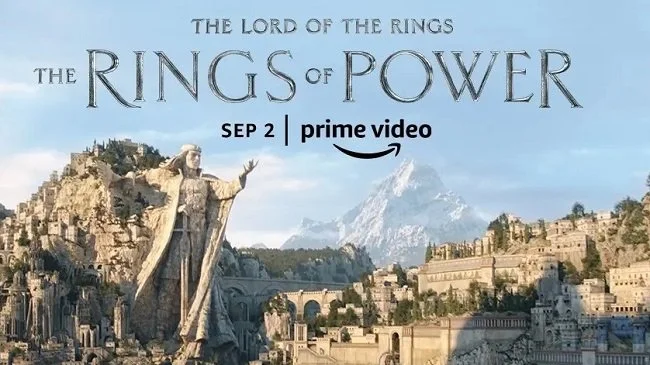
Two years ago, The Lord of the Rings: The Rings of Power premiered on Amazon Prime to mixed reviews and a tedious and predictable internet brouhaha. I have no interest in that debacle as I consider it spurious, to say the least. Representation is a commercial imperative for any big budget television production. As for any deviation from the established canon, that’s due to the show being an “adaptation” of Tolkien’s work. At no point were viewers promised a literal interpretation of the source text. Therefore I am only interested in legitimate critiques of the show based upon its production, writing and acting. As far as I’m concerned, the first season was broadly entertaining and had outstanding production values. Overall I enjoyed The Lord of the Rings: The Rings of Power as an exciting and inventive take on Tolkien’s legendarium. Hence, I have been looking forward to the second season, which began today.
Two years ago, The Lord of the Rings: The Rings of Power premiered on Amazon Prime to mixed reviews and a tedious and predictable internet brouhaha. I have no interest in that debacle as I consider it spurious, to say the least. Representation is a commercial imperative for any big budget television production. As for any deviation from the established canon, that’s due to the show being an “adaptation” of Tolkien’s work. At no point were viewers promised a literal interpretation of the source text. Therefore I am only interested in legitimate critiques of the show based upon its production, writing and acting. As far as I’m concerned, the first season was broadly entertaining and had outstanding production values. Overall I enjoyed The Lord of the Rings: The Rings of Power as an exciting and inventive take on Tolkien’s legendarium. Hence, I have been looking forward to the second season, which began today.
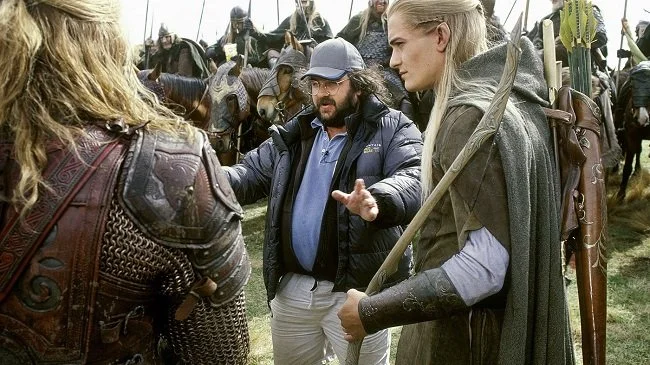
As I have only watched the first three episodes of Season 2, this is not a review. It is simply some initial thoughts. My opinion may change when I have seen all eight episodes. So far, relocation of the production from New Zealand to the UK does not appear to have had a detrimental impact on the show’s aesthetics or high quality. Weta FX and Industrial Light and Magic still continue to produce the lionshare of visual effects. Long term Tolkien illustrator John Howe, remains the main conceptual artist and although there has been changes in staff relating to costume and production design, there still appears to be a sense of visual continuity between this show and Peter Jackson’s feature films. Bear McCreary has also been retained to provide the score and has again provided some outstanding new themes. I was pleasantly surprised to see cast member Benjamin Walker singing “Golden Leaves” in Sindarin. Song is such an integral part of Tolkien’s work.
Narratively, Season 2 quickly resumes where the previous ended. Here are a few of the ongoing plot points. In an extended flashback we see why the transition of power from Morgoth to Sauron did not go well. We also get to see Sauron in an earlier physical guise played by Jack Lowden. The “meteor man” has reached Rhûn with Nori the Harfoot and it would appear that they are being tracked by the minions of a “Dark Wizard”. The unnamed sorcerer refers to the “meteor man” as an Istar, a Quenya term for “wise”. The Wizards of the Third Age were known as the Istari; “wise ones”. In Khazad-dûm, seismic activity caused by the eruption of Mount Doom leads to the collapse of many of the city’s light wells, disrupting the Dwarves’ means of food production. In Eregion, Sauron takes the guise of Annatar, Lord of Gifts and tricks Celebrimbor into making further rings of power.
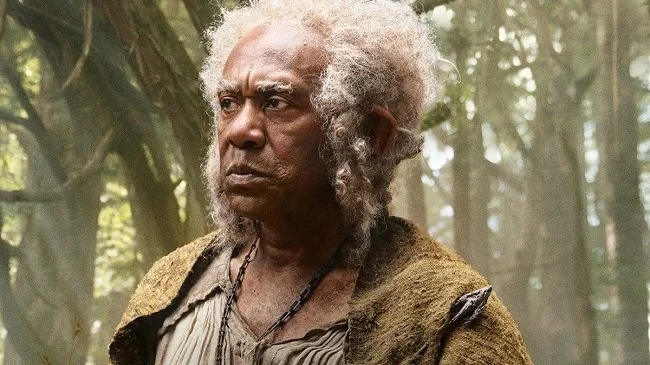
So far it seems that show runners, J. D. Payne and Patrick McKay, are working more within the parameters of Tolkien’s legendarium than previously. This may be due to the story moving forward into more closely defined “history”. The addition of further canonical characters such as Narvi (Kevin Eldon) and Círdan (Ben Foster) certainly makes the proceedings feel more “Tolkienesque”. Adar, the Dark Elf chieftain of the Orcs, is played by a different actor to season one but due to the prosthetic makeup, it doesn’t make any significant difference. I am extremely curious to see Rory Kinnear as Tom Bombadil and I saw via the IMDb that Jim Broadbent is providing a voice for what may be an Ent. I find the presence of so many established UK actors reassuring. Also the fact that the show uses Hammer’s old studios at Bray, in Berkshire.
Season 2 of The Lord of the Rings: The Rings of Power has gotten off to a good start. With five more episodes to go, it can still cover a lot of ground. At present it is the non canonical material that holds my interest the most. The introduction of a “Dark Wizard” in Rhûn is not an implausible plot element. The Blue Wizards travelled to that region and were ultimately lost. Saruman himself dwelt there at one point. And then there is the Dark Elf Adar, allegedly one of the first to be corrupted by Morgoth. In another bold choice, there is a brief appearance in episode three of a female Orc holding an Orc baby. Rather than being perturbed by the creative choices of the showrunners, I find them a source of fascination. If I want pure Tolkien, then there are the source texts and audio productions to enjoy. The Lord of the Rings: The Rings of Power is ultimately just one of many interpretations of Middle-earth. I suspect in the years to come there will be more. Not all will be to everyone’s tastes. However, if they introduce people to the original texts then that is no bad thing.