COVID-19 Pandemic 2021 Part 8
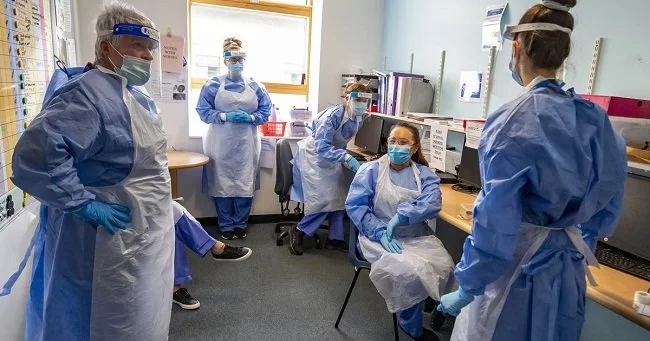
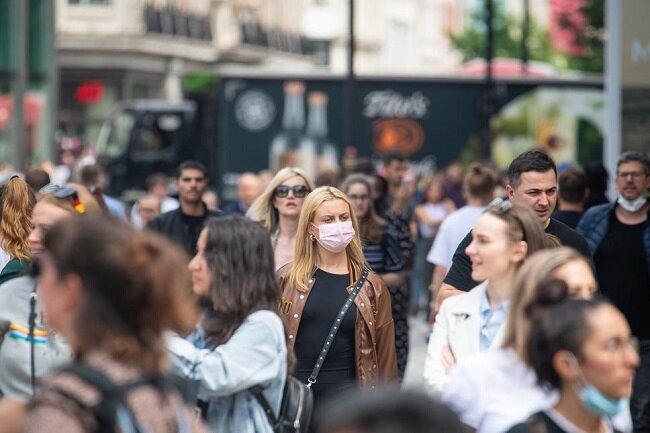
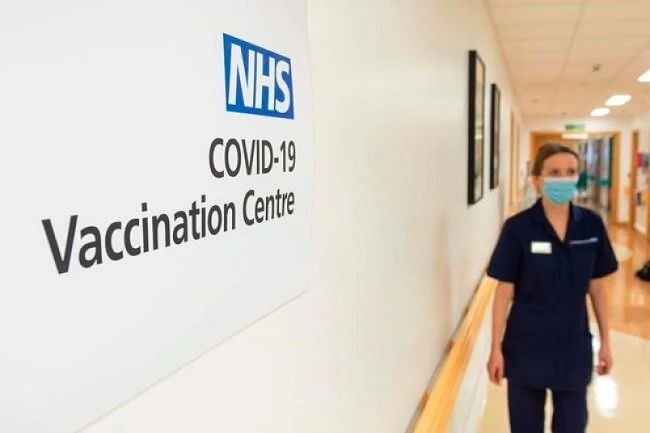
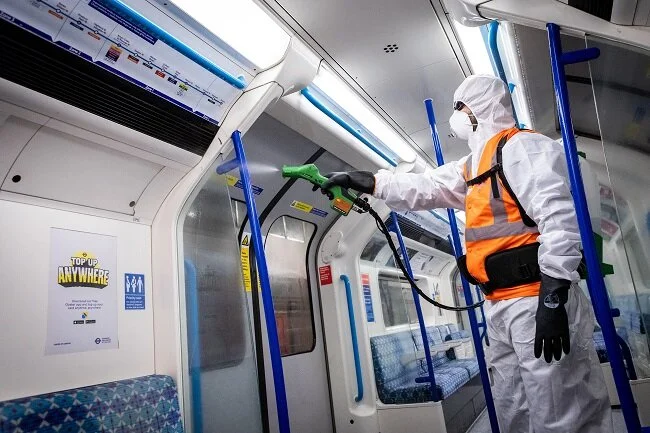
It is now ten months since The World Health organization declared a global pandemic. The UK is now enduring its third lockdown. The only difference this time is that we are now facing several new strains of COVID-19 and the public is divided over the restrictions. The Government has consistently failed over the last year to take any meaningful action and the country effectively finds itself back at square one. To date, the UK has no functional test and trace system in place, nor are the country’s borders fully controlled in an effective manner. Flights from certain countries are banned but connecting flights can circumnavigate this problem. Only now are passengers tested for COVID-19 on arrival. PPE and glass vials are in short supply. Post Brexit “administrative issues” now threaten to delay stocks of the Pfizer-BioNTech COVID-19 Vaccine. The National Health Service is struggling to cope. All these issues are further exacerbated by a partisan press and a population that appears to be at war with itself.
It is now ten months since The World Health organization declared a global pandemic. The UK is now enduring its third lockdown. The only difference this time is that we are now facing several new strains of COVID-19 and the public is divided over the restrictions. The Government has consistently failed over the last year to take any meaningful action and the country effectively finds itself back at square one. To date, the UK has no functional test and trace system in place, nor are the country’s borders fully controlled in an effective manner. Flights from certain countries are banned but connecting flights can circumnavigate this problem. Only now are passengers tested for COVID-19 on arrival. PPE and glass vials are in short supply. Post Brexit “administrative issues” now threaten to delay stocks of the Pfizer-BioNTech COVID-19 Vaccine. The National Health Service is struggling to cope. All these issues are further exacerbated by a partisan press and a population that appears to be at war with itself.
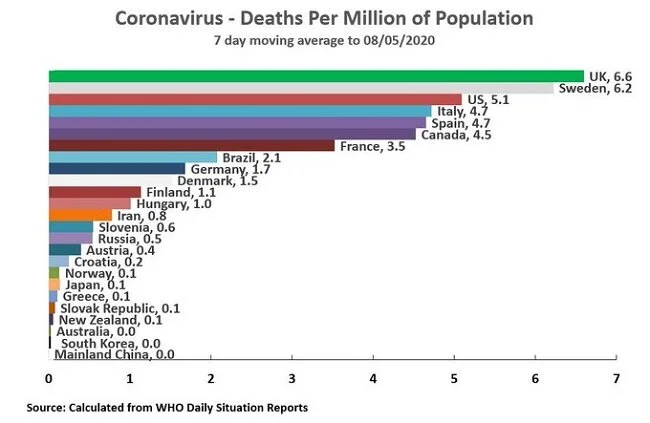
Now it is a common refrain from certain quarters not to “politicise” the response to the ongoing crisis. However, such a claim is risible and staggeringly crass. The UK Government is currently led by a strong Conservative Party majority. Furthermore they have been in power continuously since 2010 and have therefore shaped the political landscape of the country during that time. Hence not only are they directly responsible for their immediate response to the pandemic, which has clearly been driven by their political ideology but they are also responsible for the national services and infrastructure that are currently failing to cope. It would appear that a decade of cuts, politically driven underfunding and semi-privatization has left many institutions woefully under equipped to deal with the current situation. Let us not delude ourselves. Government policy and the Prime Minister himself are directly responsible for where the UK finds itself at present. A country with the third highest COVID-19 death rate in the world (weekly average deaths per million).
Sadly, how we got to this point is far from a mystery and is the inevitable consequence of decades of political, educational and sociological decline. If this pandemic had struck during the seventies or eighties, I believe it would have been handled better by both the governments and the population of the time. Politicians, public institutions and a sense of society were all more robust back then. However, hindsight does not really alter where we are now. The important issue is what happens next. Vaccinating the nation is the top priority although it doesn’t immediately resolve the problem of COVID-19. Even if everyone in the country could be vaccinated by tomorrow, it would take a while for infection rates to fall. However, rolling out the vaccine is proving problematic at present and the Government has made a controversial decision regarding the time period between doses. Pfizer, the manufacturer of one brand, recommends 21 days between doses. The UK Government has elected to change this to 12 weeks to ensure more people initially receive the vaccine. Again, we find UK policy at odds with other countries.
The question on everyone’s lips is obviously, what happens next? Well for the immediate future, I suspect just more of the same. I do believe that the UK population will eventually be fully vaccinated, although I think that may not be until the end of the year. There will be a percentage of the population that will choose not to do so and therefore there will still be regional, localised COVID-19 outbreaks. I suspect that the virus will become something we have to live with, like seasonal flu. Beyond controlling pandemic, the UK is facing a worsening economic recession. Unemployment is rising and will continue to do so. Inflation is now becoming an increasing worry. And then there is the ongoing fallout of leaving the EU. At some point the cost of the pandemic has to be addressed so there is the threat of increased taxation and a return to austerity. If the postponed Council and Mayoral elections are held this year (and it remains to be seen if they are), then I suspect there may be a strong protest vote. For those hoping that 2021 will be an improvement on the previous year, it may be wise to revise your expectations.






Caring for the Elderly: Part 8
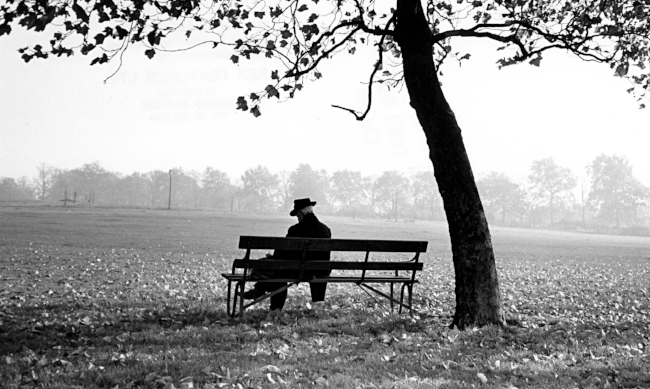
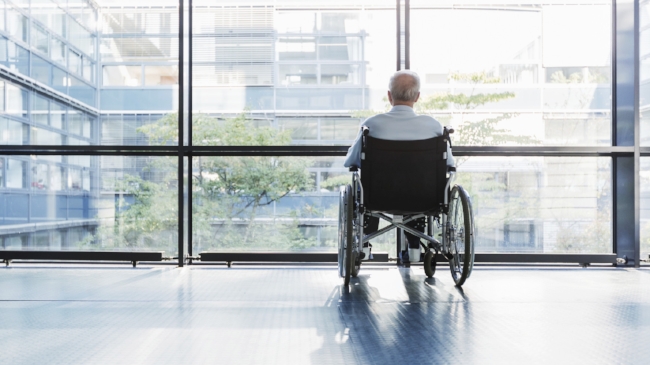
I started writing this series of blog posts when I first became a carer back in 2016. The idea has always been to use my personal experiences as a point of reference for others. That is the main reason for this latest update. The things that are currently happening to me and my nearest and dearest may happen to you and yours. Over the last three years a lot has changed in my family’s collective life. Both my parents have gone from living relatively independently and managing their own affairs, to becoming disabled with long term degenerative medical conditions. Both are now housebound and require assistance with basic tasks such as washing and dressing, due to reduce mobility and frailty. My Father has been nil by mouth for three years and requires district nurse visits twice a day to deal with his medicine and catheter. My Sister has altered her working hours so she has more time available in the morning before she goes to work. I have given up work to become a fulltime carer. Between us the days is covered. The latest major change has been applying for power of attorney, which I wrote about in my previous post.
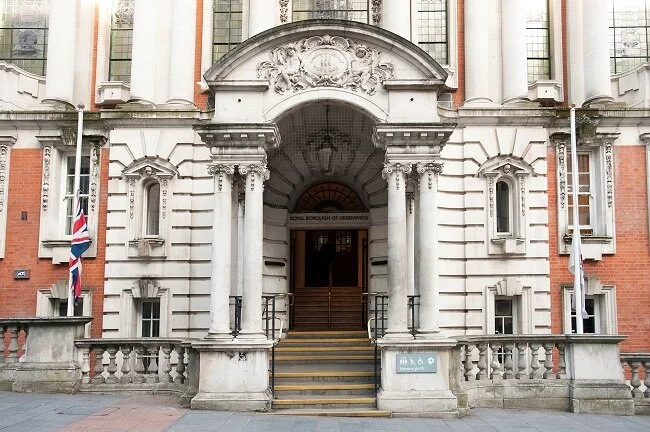
Queen Elizabeth Hospital. Woolwich
I started writing this series of blog posts when I first became a carer back in 2016. The idea has always been to use my personal experiences as a point of reference for others. That is the main reason for this latest update. The things that are currently happening to me and my nearest and dearest may happen to you and yours. Over the last three years a lot has changed in my family’s collective life. Both my parents have gone from living relatively independently and managing their own affairs, to becoming disabled with long term degenerative medical conditions. Both are now housebound and require assistance with basic tasks such as washing and dressing, due to reduce mobility and frailty. My Father has been nil by mouth for three years and requires district nurse visits twice a day to deal with his medicine and catheter. My Sister has altered her working hours so she has more time available in the morning before she goes to work. I have given up work to become a fulltime carer. Between us the days is covered. The latest major change has been applying for power of attorney, which I wrote about in my previous post.
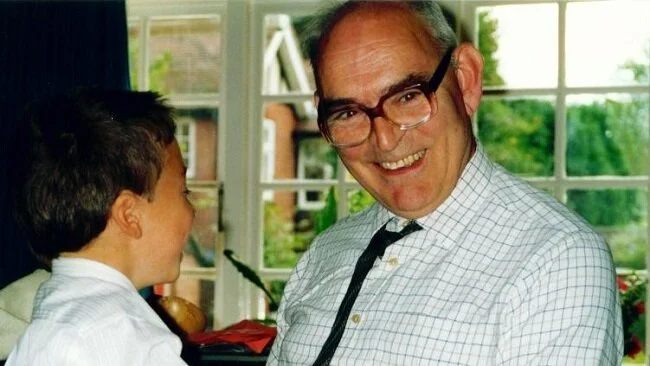
My Mother will be 89 in October and my Father 90 in July. Medically speaking, neither of them has anything exceptional wrong with them. Both are afflicted with common ailments associated with old age. Heart issues, loss of hearing and eyesight as well as ever decreasing mobility. Both have had at least two strokes. Take anyone of their health problems out of context and they may well sound unremarkable, even trivial. But collectively they are difficult to manage. And physical issues are only half the picture. Old age, illness and a loss of control bring a wealth of mental and emotional pressures. My Mother is exceedingly skittish and finds the continual coming and going of carers, nurses and social services very upsetting. My Father, who has always been a very academic man is no longer able to pursue his passions. He can no longer read, write or use a computer. His mind is sound but his ability to do anything is greatly diminished. My Sister and I manage many things but if there is an area that gets somewhat sidelined it’s social interaction. We’re always doing things and my parents do not see enough new faces.
Caring of this kind is a difficult task because the most you can ever hope for as a carer is to maintain the status quo for as long as you can. Friends and colleagues are very kind and supportive, but comments such as “I hope (insert parent’s name) get’s better” are ultimately pointless because neither of them ever will. Their respective health will continue to decline over time and with each additional infection or bout in hospital. As a result of this things have reached a point now where it is proving extremely difficult to manage both my parents care simultaneously. A back injury has made my Mother even less mobile than normal. For the last five weeks she has been unable to get out of her bed and chair unassisted. Her regular trips to the toilet have meant that someone (mainly me) has to be present in the house at all times. My Father contracted yet another urinary tract infection (the third this year) at the same time and became prone to falling. This and the accompanying bowel incontinence proved very problematic. The infection ended with a hospital admission, two weeks ago.
Wilmington Manor Nursing Home. Dartford
Due to the pressures on the NHS, the hospital was keen to discharge him as soon as possible. However, my Sister and I simply could not deal with his return as although he was clear of the UTI, he was unable to get up and walk and was still suffering from diarrhoea. Having two immoveable adults in the house, who are both probe to falling when assisted was deemed too much of a risk. So to cut a long story short I contacted social services and “negotiated” some emergency respite care. Respite care is designed to relieve the pressure on carers temporarily relocating the person requiring care to a residential home or facility of that kind. However, although it is an invaluable service, it is not a simple as it immediately seems. Usually, a person does not go from hospital directly into respite care. However, my Father was awarded two weeks last July. However, he got sick 12 days into his previous stay and was hospitalised. Hence, we still had a balance of 6 days outstanding. Thus with a little “persuasion” the new stay was arranged. However, respite care only provides access to a home and nursing staff. Neither social services nor the nursing home take total ownership of the matter. Therefore, I had to pack a week’s supply of clothes, ensuring that they were all labelled. I also had to provide a week’s supply of meds, my Father’s liquid feed, the pump and the “giving sets” as well as a few personal items such as glasses and wash kit. This then had to be shipped to the home which in this instance wasn’t as local as I had hoped. I do not drive. Furthermore, it will fall to me to come to the home on his last day and pack all these items up and return them to his home, ensuring nothing has been lost.
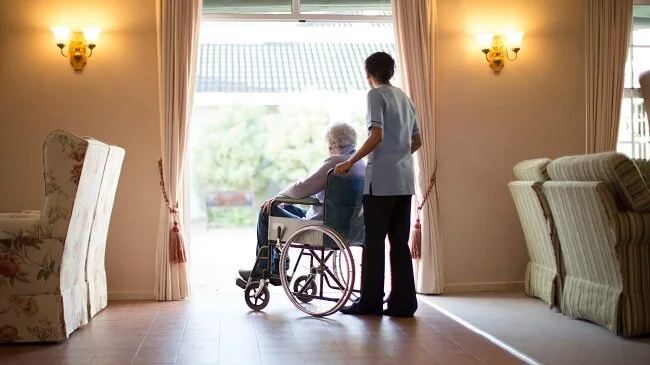
So far, my Father has been away from home for two weeks. He is scheduled to return on May 29th. We as a family are hoping that during that time, he has regained a degree of his previous mobility because if not, then we are facing the same problem we had earlier. IE having to manage two immobile ageing adults. I suspect that if not now, by the end of the year we’ll have to consider the fact that we cannot meet his care needs at home any longer. For his own personal safety he will require the 24-hour attention provided by a nursing home. Naturally, this is a not a decision that is made lightly and comes with a wealth of other issues to consider. Although I want my Father’s care needs to be met, I also have to consider those of my Mother and wellbeing of myself and my sister. It is difficult to make such life changing choices without feeling guilty, that we’re letting him down or that we’re being judged by the various groups and organisations we deal with. Each family that faces such dilemmas must do so in their own unique way. Once the emotional and social concerns have been addressed then it’s time to consider the practicalities of such a choice, such as the financial implications. Nursing homes are expensive.
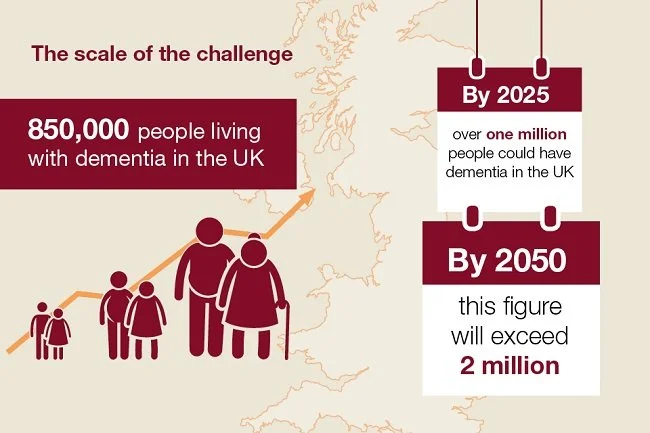
The UK has an ageing population and we are now entering an era where modern healthcare means that life expectancy may reach 100 years plus. However, the politics and social attitudes surrounding many of the associated issues of increasing old age have not significantly altered. Both my parents are old, frail and demonstrably unhappy. They endure because society feels obliged to help them but has no clear plan as to what to do next. It’s sad to think that the one factor that may eventually force a societal debate on this matter is more than likely to be the economics of the situation. When the cost becomes untenable on the public purse, then perhaps broader options, strategies and ideas will be considered. In the meantime, my family will endeavour to carry on within the confines of their own home. Yet health factors may well change this. Then there are other longer-term factors to consider. I am 51 and may well have to return to some state of employment in the near future or potentially suffer financially in my own old age. Again it doesn’t feel right to put money over other factors but I cannot risk putting my trust in the welfare state. The way UK politics are progressing there may not be one in a decade or so and there may also be considerable economic turmoil in a post Brexit world. For now my family will strive to hold the line.









Thoughts on Blogging Part 8
I wasn’t expecting to write another entry in the Thoughts on Blogging series so soon, but something came up that grabbed my attention and got me thinking. A simple question that’s often asked about blogging and one that has many layers to it, as well as numerous answers. A new blogger who recently joined the Blaugust discord server asked for help “getting traffic to their blog”. An enquiry that gave me (and possibly others) pause for thought. Because we all to a degree want to attract traffic to our blogs. But I also think bloggers are too coy about this this subject. We’ll say things like “I write for myself” or “it’s not about the numbers” and although I agree with these points, building an audience is important. Let’s be honest, it can be somewhat disheartening after writing a lengthy post about a subject close to you heart, for it to fall flat and not attract any traffic. As discussed before, often it is the casual blog posts written in a hurry, that can be the most popular and the articles you’re most proud of can go unnoticed. So let us be honest. I think most bloggers want to grow an audience and enjoy the sense of accomplishment that it provides.
I wasn’t expecting to write another entry in the Thoughts on Blogging series so soon, but something came up that grabbed my attention and got me thinking. A simple question that’s often asked about blogging and one that has many layers to it, as well as numerous answers. A new blogger who recently joined the Blaugust discord server asked for help “getting traffic to their blog”. An enquiry that gave me (and possibly others) pause for thought. Because we all to a degree want to attract traffic to our blogs. But I also think bloggers are too coy about this this subject. We’ll say things like “I write for myself” or “it’s not about the numbers” and although I agree with these points, building an audience is important. Let’s be honest, it can be somewhat disheartening after writing a lengthy post about a subject close to you heart, for it to fall flat and not attract any traffic. As discussed before, often it is the casual blog posts written in a hurry, that can be the most popular and the articles you’re most proud of can go unnoticed. So let us be honest. I think most bloggers want to grow an audience and enjoy the sense of accomplishment that it provides.
So let us consider for a moment, the question of attracting traffic to your blog. First of all, what is your motivation. It’s an important question because it determines how and what you write, the kind of audience you pursue and the niche you are going to try and fill. If you are writing for pleasure, because of a sense of fandom and to contribute to a community then you’re mainly looking to connect with a specific group and be of service to them. This makes finding your audience very specific. You produce content that is relevant to the community you are part of and promote it via the platforms that community uses. If you are writing for financial gain or to achieve some sort of “internet fame”, then your content is governed far more by pursuing what is popular, affiliating yourself to the latest trends and getting “noticed”. You therefore may seek to court controversy and become involved in high profile disputes. What you wish to achieve very much determines your path. It is not unlike the differing roles of the tabloid press and broadsheet newspapers.
If therefore, you are pursuing the former of these two options and say for example wish to establish yourself of part of The Elder Scrolls Online community, then the best approach would be to produce content regularly. Ensure that your material is engaging, interesting and relevant. Maintain a schedule and stick to it. Google likes sites that do this and you will fair better in search rankings as a result. Your readers like consistency as well. Promote your work via social media, forums and other platforms. Interact with your audience, answer comments and provide your own views on the work of your peers. Riffing off other bloggers posts is always a good way of raising your profile. Discuss, debate and participate. Know when to argue a point and when not to waste your time. Do your research if your posts require factual accuracy and always link to your sources. Then do all the above continuously for several years (possibly nearer a decade) and you may gain some traction and build an audience.
And now let us consider the alternative. Regularly create content but couch it in hyperbole and click bait style of headlines. Be controversial, outspoken and outrageous. Attack those with opposing views and always make clear what you don’t like and won’t tolerate. After all, it’s a lot easier to be critical than constructive. Utilise all the rhetorical tricks of the trade; ad hominem and strawman arguments, gaslighting and “whataboutery”. Jump on any passing bandwagon regardless of whether you believe in it or not. Similarly have an opinion on anything and everything. Shit post, hangout in all the wrong places (specific subreddits, 4chan and 8chan) and always ensure that if there’s a divisive situation, you’re associated with it. Don’t deal in facts but in feelings. Ignore such concepts as the burden of proof, feel free to contradict yourself, switch sides and generally not be burdened by constricting concepts such as integrity. Make people angry then point them in the direction of the alleged “cause”. If you follow this plan, you’ll get noticed and you may gain an audience. But there’s a price to pay. You’ll have painted yourself into a corner and will forever be associated with your “persona”. Plus a lot of people will think you’re an asshole.
Obviously, I have presented two ways of building an audience and would like to make it clear that there are naturally alternatives and variations on both discussed routes. I must admit I do find it surprising that people still think that there’s a quick and easy way to “success”, be it with blogging or any of the other ways of sharing content. Live streaming, producing You Tube videos, creating podcasts and blogging have all gone through a lot of transitions over the years and I suspect the days of any of them being a quick way to get rich and famous have possibly gone. The only constant I can really think of about “audiences” is that they can be both loyal and fickle. Core readers will stick around because ultimately, they have a sense of rapport with the author. Yet if you write less often then people will naturally go elsewhere. There’s been a notable dip in this site’s traffic in the last fortnight because I haven’t been writing. As to the newbie blogger who posted the original question, I hope you find the path that right for you. I’d be interested to learn what their thoughts are on traffic if they’re still blogging in a year’s time.

















Strictly Come Dancing 2017: Part 8
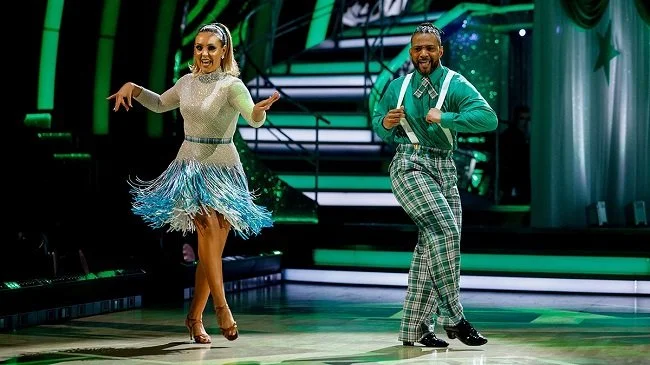
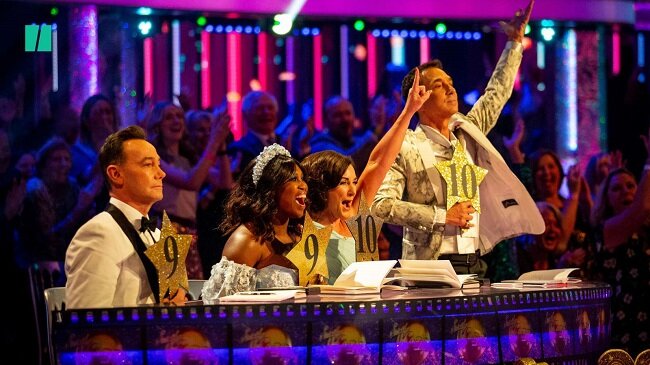
In recent week’s Joe McFadden has been widely tipped to win Strictly Come Dancing 2017, having crept up the leader board with a series technically polished and spirited performances. Labelled by head judge Shirley Ballas as a “dark horse” he has quickly become a thoroughbred in the eyes of most bookies’ to become this evenings favourite to win. Joes has proven not only to be a consistently good performer but a popular one too, as he was the only one of tonight’s finalist never to have been in the bottom two. He has in many ways been a classic example of the celebrity that embarks upon the “Strictly journey” and this evening, all the hard work paid off as he lifted the glitterball trophy for this years show. Let us not forget that this is also Katya Jones night as well. She has choreographed some incredible artistic and intelligent routines this season and has clearly understood what works best for her partner.
In recent week’s Joe McFadden has been widely tipped to win Strictly Come Dancing 2017, having crept up the leader board with a series technically polished and spirited performances. Labelled by head judge Shirley Ballas as a “dark horse” he has quickly become a thoroughbred in the eyes of most bookies’ to become this evenings favourite to win. Joes has proven not only to be a consistently good performer but a popular one too, as he was the only one of tonight’s finalist never to have been in the bottom two. He has in many ways been a classic example of the celebrity that embarks upon the “Strictly journey” and this evening, all the hard work paid off as he lifted the glitterball trophy for this years show. Let us not forget that this is also Katya Jones night as well. She has choreographed some incredible artistic and intelligent routines this season and has clearly understood what works best for her partner.
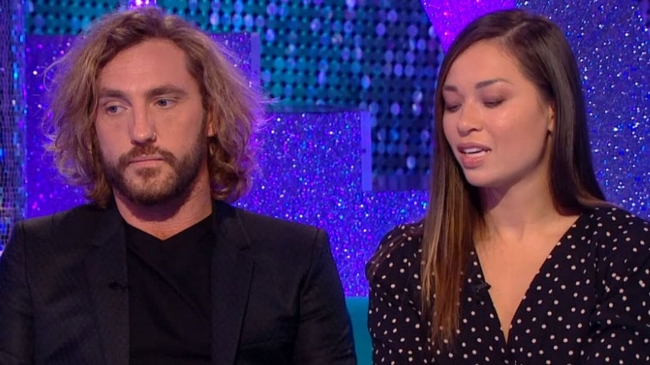
All that remains now is for the tabloid press to pick over the bones of the last 13 weeks in tomorrow’s newspapers. I’m sure they’ll still manage to dredge up some alleged sexual improprieties or imply that certain contestants where sabotaged. I’m sure they’ll be claims of bias, vote tampering and racism, as per usual. It’s a shame that every year when this show arrives to entertain a somewhat drained and fatigued British public, quarters of the UK press blight it with their “journalistic” race to the bottom and need to sell newspapers. But berating a parasite for being parasitical is foolhardy. Let us therefore put aside this unseemly facet of Strictly culture and focus on the wealth of good cheers that can be found online regarding the show. Like myself, there are countless of thousands of fans who have been thoroughly entertained this year.
Which leads me neatly to my final points. It is not a cliché but a fact to say that each year, the standard of celebrity dancing improves significantly on Strictly. 2017 has once again raised the bar even higher and it does make you stop and pause when considering where we go from here? Will we ever see a season where the standard of contestant is considerably lower and exactly how would the public react to such a situation. Also, will the producers and showrunners tweak with the format again, as they have this year? The four-pair finale worked well but would get a little clumsier if expanded any further. And it would be remiss of me not to mention Head Judge Shirley Ballas. I have enjoyed her measured, fair and supportive input this year and hope she does return in 2018. She compliments the existing team perfectly and has dispelled the memories of Len Goodman and his pickling proclivities. So as this year’s Strictly Come Dancing ends, it just remains for me to say “rest” and “shake it all out”. Or if you prefer “keep dancing”.