A Year in TV
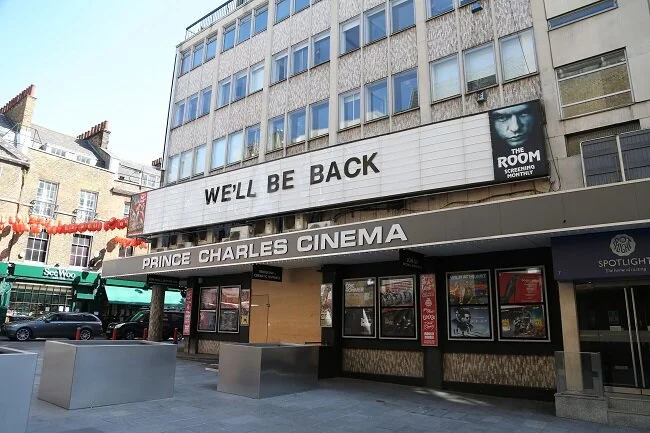
Let it suffice to say that due to current “circumstances”, Mrs P and I have watched a lot more TV this year. However, rather than just reiterate what we’ve viewed, which is already covered in my recurring blog post The Idiot Box, I thought I’d take the time to reflect upon some wider issues. TV has become a major source not only of entertainment but psychological support during this year’s social restrictions. The closure of cinemas for the majority of the past twelve months has meant that TV has had little or no competition. Furthermore, many of the films that may well have drawn audiences away, have come to the smaller screens a lot quicker. Never has so much TV been voraciously consumed. There’s also been a degree of nostalgia as viewers have watched popular shows at broadly similar times, reviving that sense of a shared experience that was so common in the seventies and eighties. However, the pandemic has also caused a slow down in TV production. Will the shortage of new content that many have predicted finally manifest itself next year?
Let it suffice to say that due to current “circumstances”, Mrs P and I have watched a lot more TV this year. However, rather than just reiterate what we’ve viewed, which is already covered in my recurring blog post The Idiot Box, I thought I’d take the time to reflect upon some wider issues. TV has become a major source not only of entertainment but psychological support during this year’s social restrictions. The closure of cinemas for the majority of the past twelve months has meant that TV has had little or no competition. Furthermore, many of the films that may well have drawn audiences away, have come to the smaller screens a lot quicker. Never has so much TV been voraciously consumed. There’s also been a degree of nostalgia as viewers have watched popular shows at broadly similar times, reviving that sense of a shared experience that was so common in the seventies and eighties. However, the pandemic has also caused a slow down in TV production. Will the shortage of new content that many have predicted finally manifest itself next year?
Naturally, I am not the only blogger to have regularly written about their revised viewing habits this year. Wilhelm Arcturus has also been doing so and recently he posted a very interesting summary of his experiences and posed some very interesting talking points. His thoughts have inspired reciprocal blog posts by Bhagpuss and MagiWasTaken, both of whom have given their own perspective on the issues that he has raised. So I’ve decided to follow suit, as I think that we are seeing a gradual sea change in the way we consume TV content. I’ve written in the past about so-called TV Poverty and the notion that unless you pay for content, your choice will ultimately be limited. Can traditional broadcast television maintain its audience and more importantly, advertising revenue, indefinitely? I think not. The cosy and somewhat quaint notion of the nuclear family, gathered around the TV, enjoying a shared experience is fast becoming obsolete.
Here are the bullet points that Wilhelm collated in his original post. I shall address them accordingly:
“No commercials is pretty nice”. Yes, I agree. I hate commercials, on screen graphics, promotional banners about what is on next, continuity announcers talking over program credits and basically anything that intrudes on a TV show. All of which are absent from premium streaming TV services. However, commercial channels often have on demand players and these sadly still have advert breaks etc.
“I still won’t buy pay-per-view”. I will only pay to see something if there is a pressing need to do so for review purposes and if it cannot be sourced elsewhere. For example, I took out a free trial to Shudder so I could see the Zoom based horror film Host. I subscribed to BritBox so I could evaluate the new series of the puppet based satirical comedy show, Spitting Image. But I seldom pay to watch a new release film. I have more to say on this subject in my thoughts on the next point.
“There are too damn many streaming services”. Yes there are. New ones seem to be appearing every day. Furthermore, you cannot subscribe to all of them. I have a budget for such leisure activities and it can only sustain so many streaming services. At present I subscribe to Netflix, Amazon Prime and BritBox. However, I indulge in that phenomenon that is “subscription sharing”. Most services allow you to access content from several devices, so myself and other family members “share” login credentials. Hence I can access Disney + and Now TV. In the past when Contains Moderate Peril was a bigger concern I got myself on the press list for a few marketing and distribution companies. This allowed me to see films and other content for review purposes. Let it suffice to say I still have access to some of these industry channels.
“Finding things is hard”: Never a truer word spoken. You can waste hours of your life, slowly trawling through various categories or pitifully typing via the TV remote control, the name of a show or film that the streaming service in question doesn’t have. I find the easiest thing to do before watching is to search what content is available and where, via a web browser on a phone or PC. I then add the program I desire to my “wish list”, so it’s waiting for me when I watch the TV in the lounge. I see that Amazon’s Alexa has an add-on device you can attach to the TV, that can search through all your subscribed services but from what I’ve seen, it’s not especially reliable
“I am torn on weekly versus all at once content”. I’m not. I’ve never liked waiting so having an entire season available as soon as it’s launched is fine with me. I also find that binge watching greatly helps me keep up with a show’s plot, especially if it’s complex. Again, being able to watch a season in its entirety makes reviewing it a lot easier. Waiting for weekly content is consequently a nuisance. I’m currently waiting for all episodes of Season 3 of Star Trek: Discovery to become available so I can binge watch it. The weekly wait for The Mandalorian was frustrating, although I can understand why Disney made such a decision.
“We have been biased towards shows versus movies”. Mainstream cinema has become somewhat bland and safe. Especially the major studio output. TV on the other hand is becoming experimental and diverse, although that’s not always the case. For example, if a fantasy based TV show is successful, then the following year you’ll find a wealth of others. However, the scope and quality of TV shows on streaming platforms has become broader. From an actors point of view, a feature film may offer you a two hour window to develop a character. A TV show can offer ten or more. Plus cinemas are often havens for assholes who are hell bent on doing absolutely anything other than sit quietly and apply themselves to a film. At least at home you can control this problem. And if you can’t, then those assholes spoiling your viewing are your own family.
“I could cut the cord were it not for sports”. Although we have cable services in the UK, satellite was the first to corner the subscription market. And hence this is where a lot of the sport “is at”. The BBC struggles to secure broadcast rights for major sporting fixtures due to the bidding wars that have come along with the advent of third party broadcasters with much bigger content budgets. Either way, it’s irrelevant to me as “I don’t do sport”. Our household said goodbye to satellite TV circa 2006.
“It really sucks when the internet goes down”. British Telecommunications is my ISP and I live 15 minutes walk from the local exchange/data centre. I pay for a “fibre to the cabinet” internet connection, with the bridging connection being over copper phone lines. The cabinet is at the end of my road. Thus I have a robust connection. I’ve endured one internet outage that lasted under 3 hours, over the last 5 years. I can’t vouch for other countries but in the UK, if you live in one of the major cities, then the internet connections tend to be pretty stable as they have to serve the needs of numerous domestic and business customers. Out in the rural areas it is another story altogether.
“It does not replace the theater experience”. Viewing at home does not replace cinema viewing. I enjoy going to film festivals and the National Film Theatre where audiences are civilised. I don’t miss my local multiplex where often the films are shown out of focus, in the wrong aspect ratio or with the lights still left on. And some audiences just cannot behave. Why go to see a visual, narrative driven medium if you’re going to talk through it or fuck about on your phone (or in my Dad’s case during WW II, someone was sitting in the audience plucking a chicken). In the New Year, we’re buying a 43 inch 4K HDR TV and a new media player that can handle the same format. This may not be comparable to the cinema experience but it’s not far off.
“I still cannot watch exactly what I want on demand”. Despite the wealth of material that is available on streaming services, there’s always something that falls between the cracks and is conspicuously absent. BBC iPlayer has some great, classic documentary series such as Civilisation and Life on Earth. However, Jacob Bronowski’s The Ascent of Man is not available. And it is exactly this which is the Achilles Heel of all streaming services. Content is licensed and therefore comes and goes, which is infuriating. However, there are ways to “address this”. An essential pro-tip is to sign up to a quality VPN service. For example, Netflix has a lot of regional variations. Changing regions enables you to potentially access material you otherwise wouldn’t be able to. And for everything else that you may require that the streaming services cannot provide, all I can say is “seek and the internet will provide”.
So what of 2021? Well, if there is a shortage of new content to watch, I’ll catch up with older material I may have missed such as shows like Justified or I’ll re-watch some classics like The Prisoner. Digital terrestrial network TV produces little to enthral me these days. The BBC tries its best to maintain standards but quality has given way to populist entertainment. And for every robust and well written drama such as Endeavour, the commercial stations in the UK produce twice as many reality shows. But the arguments for public broadcasting are not popular at present and if we give way to untrammelled “market forces”, certain content will decline rapidly. However, I’ll cross that bridge as and when we as a nation come to it. In the meantime, I will use the various means I’ve described above to ensure I have access to suitable material in the year ahead.

















A Year in Movies
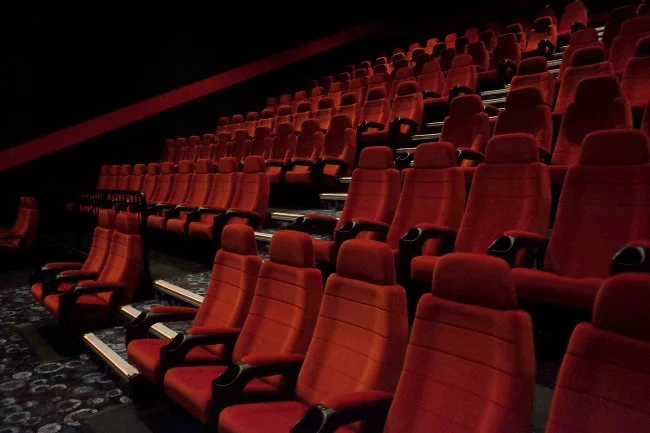
In 2019, I went to the cinema just once to see Star Wars: The Rise of Skywalker. I didn’t write a summary of the films I’d seen throughout that year, as I felt that mainstream releases had become far too formulaic and dull. 2020 has done little to change my perspective. The global pandemic has meant that Cinemas have spent most of the time closed and therefore many of this year’s major film releases have ended up on video on demand services. A few titles remain indefinitely postponed, such as the latest Bond movie No Time to Die, while Sony Pictures wait to see if “normality” resumes. But a film that is sitting on the shelf is not a film making money. Hence, Warner Bros. have announced that all their major releases for 2021 will be across multiple platforms simultaneously, thus ensuring a broader flow of revenue. This has not pleased director’s such as Christopher Nolan who argue passionately regarding the merits of cinema. But I doubt Mr. Nolan has ever had to endure an out of focus screening in the wrong aspect ratio at Cineworld, Rochester, where audiences talk and mess with their phones continuously.
In 2019, I went to the cinema just once to see Star Wars: The Rise of Skywalker. I didn’t write a summary of the films I’d seen throughout that year, as I felt that mainstream releases had become far too formulaic and dull. 2020 has done little to change my perspective. The global pandemic has meant that Cinemas have spent most of the time closed and therefore many of this year’s major film releases have ended up on video on demand services. A few titles remain indefinitely postponed, such as the latest Bond movie No Time to Die, while Sony Pictures wait to see if “normality” resumes. But a film that is sitting on the shelf is not a film making money. Hence, Warner Bros. have announced that all their major releases for 2021 will be across multiple platforms simultaneously, thus ensuring a broader flow of revenue. This has not pleased director’s such as Christopher Nolan who argue passionately regarding the merits of cinema. But I doubt Mr. Nolan has ever had to endure an out of focus screening in the wrong aspect ratio at Cineworld, Rochester, where audiences talk and mess with their phones continuously.
I am passionate about film and cinema. I recognise that seeing a film with the right audience can certainly add to the overall experience. But I only encounter that sort of environment when I go to The National Film Theatre in London or attend a film festival at some niche, arthouse cinema. Viewing at home has the advantage of being in control of both the environment and audience. It is also a lot more cost effective. Audiences are often more forgiving of an average film, when viewed from the comfort of their own home. Their overall opinion may well be different if they’d have to travel to the cinema and pay a higher price in a potentially less pleasant setting. When it was announced that Mulan was to be shown on Disney + for $30, there were initially complaints from some quarters. But once the public considered the cost of taking an average sized family to the cinema to see this movie, then the value of this price became clear. I believe the quick acceptance and uptake of this alternate means of releasing films is highly significant. Perhaps the film industry is finally experiencing a sea-change in its business model. In the same way the music industry did two decades ago.
Shatter AKA Call Him Mr. Shatter (1975)
The closure of the cinemas has not been an impediment to watching quality films. I am constantly amazed by how even the most niche market and obscure titles now get remastered and a Blu-ray or even UHD release. Hence in 2020, I found myself watching films such as Hannibal Brooks, Shatter and The Light at the Edge of the World; all in high definition and a far cry from the pan and scan VHS copies that I originally saw. What times we live in. A quick perusal of forthcoming releases for 2021 show that this trend is increasing. However, rather than focus on the old, I suppose this post should cover some new content. So begin with I like to mention two films that fell wide of the mark but are interesting as they were early examples of big cinema releases going straight to a major streaming service.
Scoob is an origin story for the perennial Scooby-Doo franchise and was obviously intended to launch a new series of movies. The film is inconsistent and alternates between capturing the spirit of the original sixties TV series and veering into modern CGI self indulgence. It’s undemanding fare for children although hard work for adults. However, it proved a success on VOD and certainly pleased Warner Bros with its performance. The World War II naval drama Greyhound was another early release to streaming TV, this time being bought by Apple TV. I think that if this film had been released theatrically in any other year, it would have been a box office failure. Although a tight and technically accurate recreation of naval tactics against submarines, the story has very little character development and Tom Hanks is left with little to do. However, home viewing as opposed to a trip to the cinema, somewhat cushioned the blow of this disappointment.
Host (2020)
However, some films positively benefited by not having to compete with major studio releases at the cinema. His House found a home on Netflix after debuting at several film festivals at the start of the year. This standout horror film covers a lot of ground, offering not only an atmospheric supernatural tale but also an intelligent analysis of UK immigration policy and those fleeing war torn countries. The horror genre has always been a valuable source of social commentary and His House offers both shocks and a chance for reflection upon one of the most divisive subjects of current time. The global pandemic, despite closing cinemas, has also fuelled the creation of home grown horror. Host, a supernatural drama filmed via Zoom, is a prime example of necessity being the mother of invention. Clever, timely and genuinely scary, this is a standout low budget production and a breath of fresh air for the genre.
Despite there now being several vaccines available, I don’t see daily life returning to normal anytime soon. Here in the UK it looks like the New Year will see another period of strict lockdown as we ride out the second wave of COVID-19. As and when cinemas reopen, it will take a long time before I feel sufficiently confident to return to them. Let us not forget that classic scene in Outbreak where the virus is spread via a cinemas air conditioning. And regardless of whether film director’s like it or not, I think we are even closer to same day release across multiple platforms becoming the standard business practise for new films. Finally viewers will be able to see new movies in a fashion that suits their personal preferences. In the meantime, my viewing “to do” list continues to grow bigger and bigger, although it is now predominantly filled with older material rather than just the new. Let us see what 2021 brings.
A Year in Technology
In my lifetime technology has always been promoted as something that improves our lives, especially at a domestic level. The VCR in the eighties is a prime example of this. It liberated us from having to watch TV at a specific time and place. Then there the personal computer, which brought into our own homes tools, that until that point, had been exclusive to the office. And for all the ill that it brings, the internet has certainly made the world demonstrably smaller. It’s revolutionised shopping and has improved the administration of services. So overall, I still feel that technology is a force for good. However there have been changes. In recent years technology on a domestic level has ceased to be quite as transformative and become more of a disposable commodity. Tech is now a fashion accessory, with a distinct lifecycle and upgrade treadmill. It is fast becoming just another form of superfluous crap to fill your home with.
In my lifetime technology has always been promoted as something that improves our lives, especially at a domestic level. The VCR in the eighties is a prime example of this. It liberated us from having to watch TV at a specific time and place. Then there the personal computer, which brought into our own homes tools, that until that point, had been exclusive to the office. And for all the ill that it brings, the internet has certainly made the world demonstrably smaller. It’s revolutionised shopping and has improved the administration of services. So overall, I still feel that technology is a force for good. However there have been changes. In recent years technology on a domestic level has ceased to be quite as transformative and become more of a disposable commodity. Tech is now a fashion accessory, with a distinct lifecycle and upgrade treadmill. It is fast becoming just another form of superfluous crap to fill your home with.
Take for example the Amazon Echo. Despite the myriad of functionality it offers and which I constantly extol, if you look at my Alexa app on my phone you’ll see I basically use the device as a fancy timer and alarm clock. Do I subscribe to Amazon Music? Yes. Do I use the Echo to play stuff? No. Because it’s bloody inconsistent. I’ll request a tune such as Hangin’ Around by The Stranglers and the standard studio version will be played. I’ll ask again the following day and a live version will be trotted out instead. Requesting more specific permutations just compounds the confusion and leads to a third version being played. Personally I prefer the live recording from the album Live (X-Cert) but that’s not the point. This service should not be inconsistent but more specific. But I digress. My point is I don’t use this device for half of the tasks it’s intended for because it hasn’t quite become the computer in Star Trek yet.
“Hello computer”
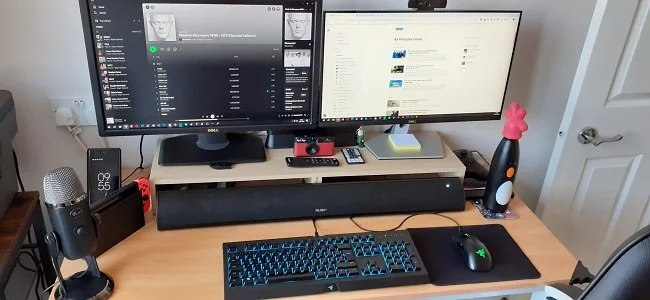
Despite having more disposable income this year to potentially spend on fun and larks, to invoke Dickensian parlance, I have broadly avoided buying anything shiny and unnecessary. Instead I’ve just bought what I need. I replaced my keyboard, mouse, headset as they were worn out and I upgraded the SSD and HDD in my PC because I needed more storage space. My XBox controller broke and I tried to fix it but that wasn’t successful, so I got a generic replacement, rather than a Microsoft branded replacement. The only new tech I bought were my and Mrs P’s smart bands and a webcam for Zoom calls, despite Amazon regularly tempting me with numerous promotions. Over the last twelve months I’ve declined to buy an Nintendo Switch, a drone, an Android TV box, a VR headset and many other superfluous items that won’t enrich my life or provide any spiritual enlightenment. Boring old me was content to stick with my Samsung Galaxy S10 5G and my Fire HD 10 tablet.
However, there is one future technological purchase that is currently being expedited due to real world factors. The TV in our lounge is coming to the end of its lifespan and we’ve been planning to replace it for quite a while. It is likely that we will be upgrading to a 43 inch 4K smart TV. As of the 1st of January 2021 the UK will no longer be subject to the EU transition period and instead will be trading on the terms set within the recent Brexit deal. Simply put most consumer electronics are imported in this country or assembled from parts that are sourced elsewhere. Therefore, it is not unreasonable to speculate upon potential delays of new stock entering the country and prices to rise. It seems sensible to purchase a new TV now so it can be sourced from stock currently held within the UK.
For me personally, 2020 has not proven to be a technological nirvana. However, it has certainly played an important part in the UK lockdown. Working from home, remote networks, video conferencing, cloud storage and the like have all meant that businesses and essential services have continued ticking over. Internet access has finally proven that it is as essential as any other home utility service such as water, gas and electricity. Many UK ISPs have now stress tested their infrastructure and found that they can successfully sustain a high user capacity. I’m sure these services will prove equally as important in 2021. But for me, the PC remains the focal point of both my leisure and working endeavours and it’s ever evolving capacity to undertake new tasks is both fascinating and practical. It is the most important technological item in my home and I suspect it will remain so next year and beyond.
A Year in Blogging
Despite the tumultuous events of the last twelve months and the accompanying emotional fallout that has followed in their wake, I’ve managed to keep writing throughout 2020. My output has been somewhat inconsistent this year and I’ve noticed some changes in what I write about. This is inevitable as one’s tastes and focus changes naturally change over time. I’m finding it tougher to write enthusiastically about the video games industry per se, as it has hardly covered itself in glory this year. However, I still enjoy writing film reviews although I haven’t set foot inside a cinema for over a year. I suspect that this will remain the case for much of 2021. My writing has broadened in its scope and I find myself writing social commentary about various aspects of life, rather than just posting articles about my hobbies. Sharing my thoughts on the pandemic itself and “caring for the elderly” has proven very cathartic. But as I’ve stated many times before, writing is one of the ways in which I make sense of the world around me.
Despite the tumultuous events of the last twelve months and the accompanying emotional fallout that has followed in their wake, I’ve managed to keep writing throughout 2020. My output has been somewhat inconsistent this year and I’ve noticed some changes in what I write about. This is inevitable as one’s tastes and focus changes naturally change over time. I’m finding it tougher to write enthusiastically about the video games industry per se, as it has hardly covered itself in glory this year. However, I still enjoy writing film reviews although I haven’t set foot inside a cinema for over a year. I suspect that this will remain the case for much of 2021. My writing has broadened in its scope and I find myself writing social commentary about various aspects of life, rather than just posting articles about my hobbies. Sharing my thoughts on the pandemic itself and “caring for the elderly” has proven very cathartic. But as I’ve stated many times before, writing is one of the ways in which I make sense of the world around me.
There were two writing events that I participated in this year, along with a wealth of other bloggers, live streamers and content creators. Blapril and Blaugust were both designed to encourage writing and other forms of online material as well as promote the work of all involved. Both events were well received, especially in light of the various national lockdowns, which afford all participants more leisure time than usual. The sense of community that these endeavours create, really does help sustain peoples engagement. I certainly produced more material during Blapril and Blaugust and this was mainly due to my interaction with others and the mutual enthusiasm that was generated. Sadly, the death of my father after a period of illness monopolised a lot of my time in late summer and the start of autumn and somewhat sapped my positivity. However, I found adopting a schedule of writing every alternate day, to be beneficial.
2020 confirmed something I’ve suspected for a while. That I get my best writing done in the early morning. For me that usually means between 7:00 AM and 11:00 AM. I also find that maintaining a routine really helps. So I get up early, have a shower and make myself a drink and then sit in front of my PC from about 7:30 AM and start writing my thoughts. If I’m lacking ideas, then I check Feedly to see what others are writing about or whether any interesting talking points have emerged. Of course, life doesn’t always allow me to do this. Sometimes I’ll still be typing away after 22:00 out of necessity but I don’t consider that an optimal writing situation. Also, real life conspired against me and I was unable to record any podcasts this year. However, I’m not prepared to let this go so it is something that remains on my to do list for 2021. I may try and gatecrash someone else’s show as a preliminary plan.
It’s been four years since I migrated Contains Moderate Peril over to Squarespace. In many ways this was a complete reset for the website as I couldn’t import all my old posts. So I recycled a lot of the movie reviews as well as long form essays and started from scratch with my gaming commentary. Overall I feel this was a wise decision. I never have to worry about server capacity which was an issue with previous hosting plans. Web traffic continues to grow yearly and having a back catalogue of content is beginning to pay off. There have been several spikes in traffic recently. Talking Pictures TV, a retro UK TV station, shows a lot of “classic films”, many of which I have already written about. Viewers searching Google subsequently find my reviews. It’s the little things like this, along with the robust sense of community that still prevails, that helps keep me writing. My only plan with regard to next year, is to continue doing so.
Blogger Recognition Award 2020
I woke up this morning to discover I’ve been tagged for an “award”. However, my dreams of donning a tuxedo, taking to a podium and emotionally thanking my loved ones were quickly dispelled when I realised this was one of those internet “tag and promote” exercises. Not that there’s anything wrong with such undertakings. These sorts of exercises serve a purpose and can be used to amplify the writings of new bloggers. It’s just that there’s no gold plated statuette involved. Never mind. This “award” also presents an opportunity to share some advice, which hopefully will be of use to many of those who are new to blogging and have recently signed up for Blapril. So without further ado, let us begin. First off, let’s recap what’s involved regarding the Blogger Recognition Award 2020.
I woke up this morning to discover I’ve been tagged for an “award”. However, my dreams of donning a tuxedo, taking to a podium and emotionally thanking my loved ones were quickly dispelled when I realised this was one of those internet “tag and promote” exercises. Not that there’s anything wrong with such undertakings. These sorts of exercises serve a purpose and can be used to amplify the writings of new bloggers. It’s just that there’s no gold plated statuette involved. Never mind. This “award” also presents an opportunity to share some advice, which hopefully will be of use to many of those who are new to blogging and have recently signed up for Blapril. So without further ado, let us begin. First off, let’s recap what’s involved regarding the Blogger Recognition Award 2020.
The Rules:
Thank the wonderful person who nominated you and leave a link back to their blogs.
Explain your blog’s origin story or its history.
Hand out two or more pieces of advice for new bloggers.
Nominate other bloggers and hook us up with links to their blogs.
Thanks For all the Fish:
So, to begin I would like to thank Naithin over at Time to Loot for the nomination. Naithin is a thoughtful and measured blogger who crafts engaging and intelligent posts. He writes in a cordial and informal way but there are often clear signs that everything written has been considered carefully. It’s the polar opposite to much of the “hot takes” and knee jerk, click bait that’s endemic among gaming blogs. If you haven’t added his RSS feed to your reading list, then you really should.
Origins:
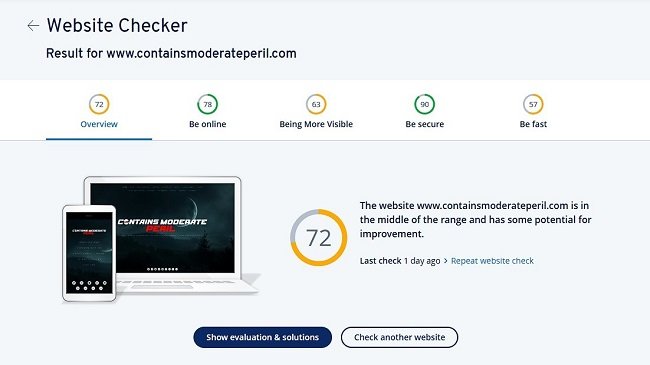
As for the origins of Contains Moderate Peril, it is a story I covered in the past and there’s even a breakdown of the name in the “about” section of the website. However, for convenience here is a short breakdown of my “history”. I started blogging regularly in 2007. I had a movie blog and a gaming blog that focused on The Lord of the Rings Online. After a while the gaming blog expanded into covering other titles and eventually it made sense to combine all writing into a single website that covered “movies, gaming and popular culture”. As for the name, in the UK movies are rated by the BBFC (British Board of Film Classification) which is similar to the MPAA in the US. The BBFC often provides a small summary in conjunction with a rating that is then used in all subsequent advertising. The idea is to give consumers an overview of a film’s themes and content. The guidance for the 2005 movie King Kong was “contains frightening elements, moderate violence and frequent peril”. I then distilled this further down to the current name. It’s a snappy and memorable title for a blog but manually typing the URL is a pain in the butt.
Advice:
Just write. It takes discipline and determination to do it regularly. But the more you write the better you’ll get. Don’t focus on others and what they’re doing. Never make the mistake of comparing apples with oranges. Just concentrate on your output and what’s good for you.
Give credit to those whose posts you riff off, link to your sources if writing a think piece and be mindful that we are all to some extent, standing on the shoulders of giants. You are not the “King of the Internet”. We are all just “Net Citizens”. Oh and respond to comments. If someone’s taken the time to leave a remark about your work, then it is incumbent upon us to respond. And yes, I’m still terrible at this.
Finally and in many ways this may be the most important piece of advice. The internet never forgets. Reflect upon this. Think long and hard before you hit publish. We all get angry with the untrammelled stupidity of other people at times. But if you’re going to be critical then do it factually and do not make it spiteful or vindictive. Once you’ve crossed the line and said something inflammatory or just plain rude, you can’t truly ever delete it and carry on like it never happened. Posts and tweets are archived and cached. Plus readers can cut and paste as well as screen capture anything they see fit. An ill conceived comment can potentially return at any time and bite you on the ass.
Nominees:
I cordially invite the following bloggers, as they all have interesting sites and are not backwards about coming forwards, as the expression goes. However, if they’re too busy to take onboard this additional request, then no worries. It’s not my job to hassle other writers.
Izlain Me vs Myself and I
Telwyn Gaming SF
Welsh Troll WelshTroll