
Cyberpunk 2077: Too Much Information
In 1979 I started learning French, as it was a standard part of the UK school curriculum then. For the first year or two, I remember learning the rules of French grammar and keeping pace with what was being taught. And then in the third year, something odd happened. I was asked a question one day and my mind was blank. This wasn’t a case of forgetting something that one can recall when prompted. No. This was due to an informational void. I found myself at a point where I was suddenly and totally out of my depth. Somehow in the months prior, I had reached a point where I had stopped comprehending and absorbing what was being taught. And I had now strayed beyond and was no longer equipped to deal with the situation. For those wondering where I am going with this analogy, allow me to clarify. I found myself in a similar situation with the role playing game, Cyberpunk 2077, within hours (not years) of starting it.
In 1979 I started learning French, as it was a standard part of the UK school curriculum then. For the first year or two, I remember learning the rules of French grammar and keeping pace with what was being taught. And then in the third year, something odd happened. I was asked a question one day and my mind was blank. This wasn’t a case of forgetting something that one can recall when prompted. No. This was due to an informational void. I found myself at a point where I was suddenly and totally out of my depth. Somehow in the months prior, I had reached a point where I had stopped comprehending and absorbing what was being taught. And I had now strayed beyond and was no longer equipped to deal with the situation. For those wondering where I am going with this analogy, allow me to clarify. I found myself in a similar situation with the role playing game, Cyberpunk 2077, within hours (not years) of starting it.
When the first teaser trailer for Cyberpunk 2077 was released back in 2013 I was nominally interested. However, after playing The Witcher 3: Wild Hunt, I became more enthusiastic about the game and the developer’s CD Projekt Red. If it had a similar narrative depth as their successful fantasy based RPG, then it could well be a further genre defining title. Sadly, as soon as it became apparent that the game was going to be in first person perspective, my initial excitement waned. I can tolerate this mechanic in the FPS genre, often where the story is not that important. But in a genre such as the RPG, I think it is essential that you see your avatar from a third person perspective. Especially so when there are dense stories and it is important for the player to have an emotional connection with their avatar. To cut a long story short, over the length of Cyberpunk 2077 long development cycle, I slowly lost interest in the game and was not planning to buy it at launch. And then someone surprised me by “gifting” me a copy as an early birthday present. So I decided to dive right in and play with minimal knowledge regarding the state of the final release.
Now one of the reasons I like the RPG genre is because they usually offer complex stories. A good one is like an interactive novel. Therefore, when I fire up a game such as Cyberpunk 2077 and start playing, I have the subtitles on for all dialogue and I take my time when choosing branching narrative responses. I like to weigh up each reply and consider its ramifications. Just as I do in real life. So I was surprised and far from impressed by some of the timed response sequences that force the player to make a hasty decision on some dialogue choices within a few seconds. This annoys me because my analytical mind will continuously reflect upon whether I have hamstrung myself at some future point in the game. Something that detracts from my ongoing enjoyment of the game in what we call the “moment”.
Another aspect of the game that I struggled with is the collecting and reading of story related data. There are portable drives which are broadly the equivalent of books and scrolls in other fantasy based RPGs. They contain information on characters, institutions and the world the game is set in. I initially started reading each one when collected but I soon put pay to that. As this is a new IP there is a lot to learn and I simply couldn’t assimilate all of this lore in such a manner. Plus on top of all this, there are numerous text messages continuously coming to your in-game phone, plus further messages and data on the computer in your apartment. Naturally not all of it is mission critical but some of it is illuminating in providing backstory to the game world. As such I feel obliged to read it all, otherwise why am I playing an RPG in the first place? If I just want to shoot stuff I can play any FPS.
Naturally, a major part of Cyberpunk 2077 is hacking. One specific type, breach protocol, involves “jacking in” to a terminal and then trying to select a specific sequence of numbers in a short period of time. You are not expected to complete all sequences (there are usually 3) to win, and successfully breach the system you’re hacking. However, the game does an utterly appalling job at explaining a system that is far from clear cut. When I was first confronted with this mechanic it was 2:30 AM and I simply could not comprehend what I was being told to do. It was immensely frustrating. And the game has several other foibles that are equally as frustrating. For example I wanted to get to a particular part of Night City to see if the shops offered more stylish clothing. I set a waypoint on the map and attempted to drive there. But when I crossed into certain areas my screen played a glitch animation and I found myself facing the opposite direction. It seems you cannot just traverse the world as you see fit and some areas don’t open until you reach a certain point in the main story.
Essentially, I have blundered my way through 10 hours of Cyberpunk 2077 and completed 2% of content according to the GOG Galaxy launcher. I have enjoyed aspects of the game but I feel I may have missed some optimal outcomes with my decisions and actions. I don’t feel empowered, enthused or challenged by this. I simply want to trash my existing character and start again. Until I started writing this post, I was slowly sinking because there was “too much information”, as Gordon Sumner sang. However, I have now decided to simply approach the game in a far less methodical fashion. I may even limit the length of my play sessions so I do not find myself going down too many rabbit holes. Often I find myself sounding like a stuck record, repeating the same old observations ad infinitum. Again we have a game that has a poor tutorial and doesn’t adequately inform the player about essential mechanics. Cyberpunk 2077 has also been a timely reminder about the perils of being an early adopter. I suspect the game of the year edition will be far more polished and streamlined. In the meantime I shall continue to play like a child on a bike with training wheels.
Update: I decided to delete my current alt and progress so I could start all over again. I’m also using a Xbox controller for the driving sequences and a keyboard and mouse for the remainder of the game.



Too Much Information
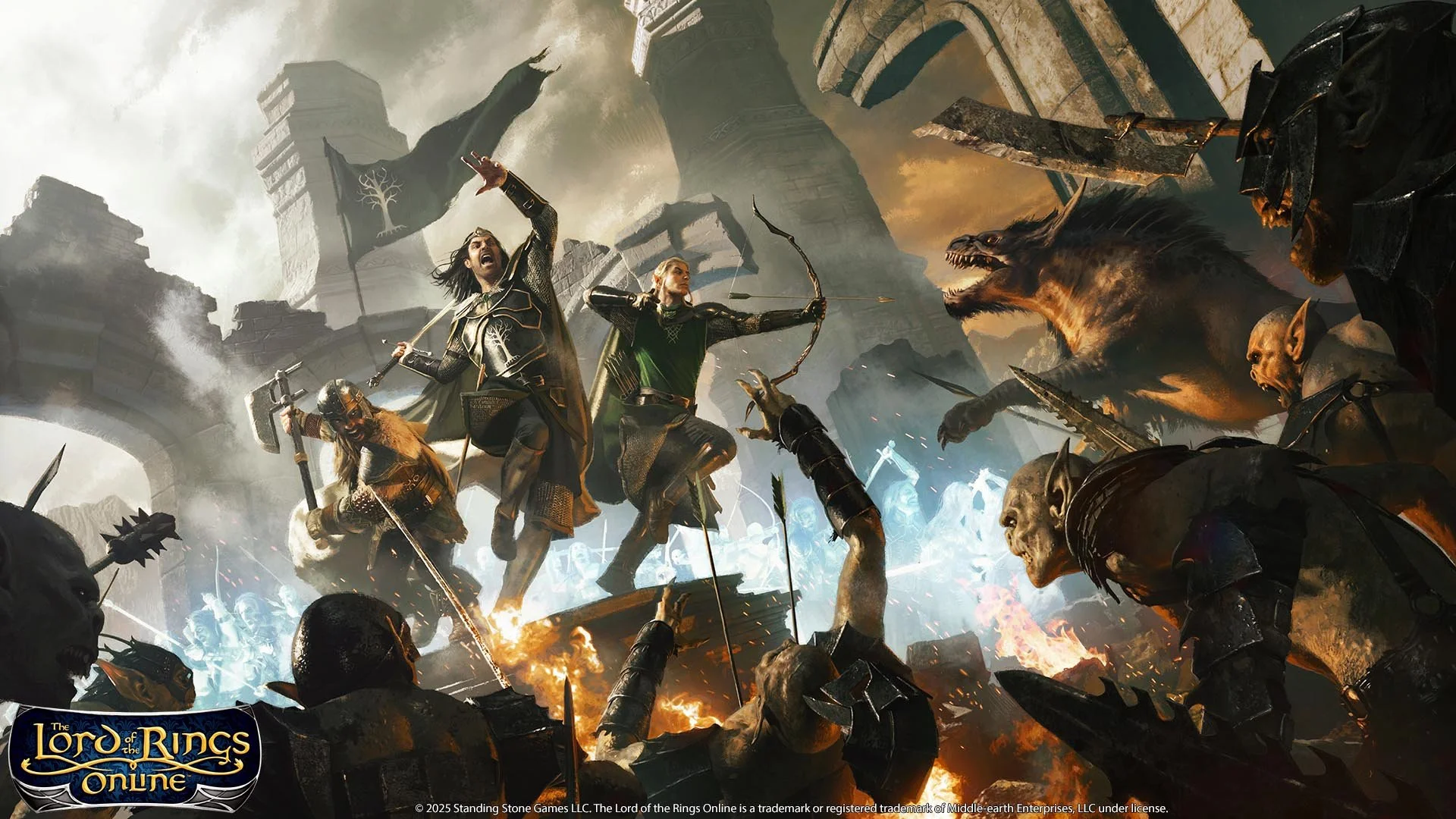
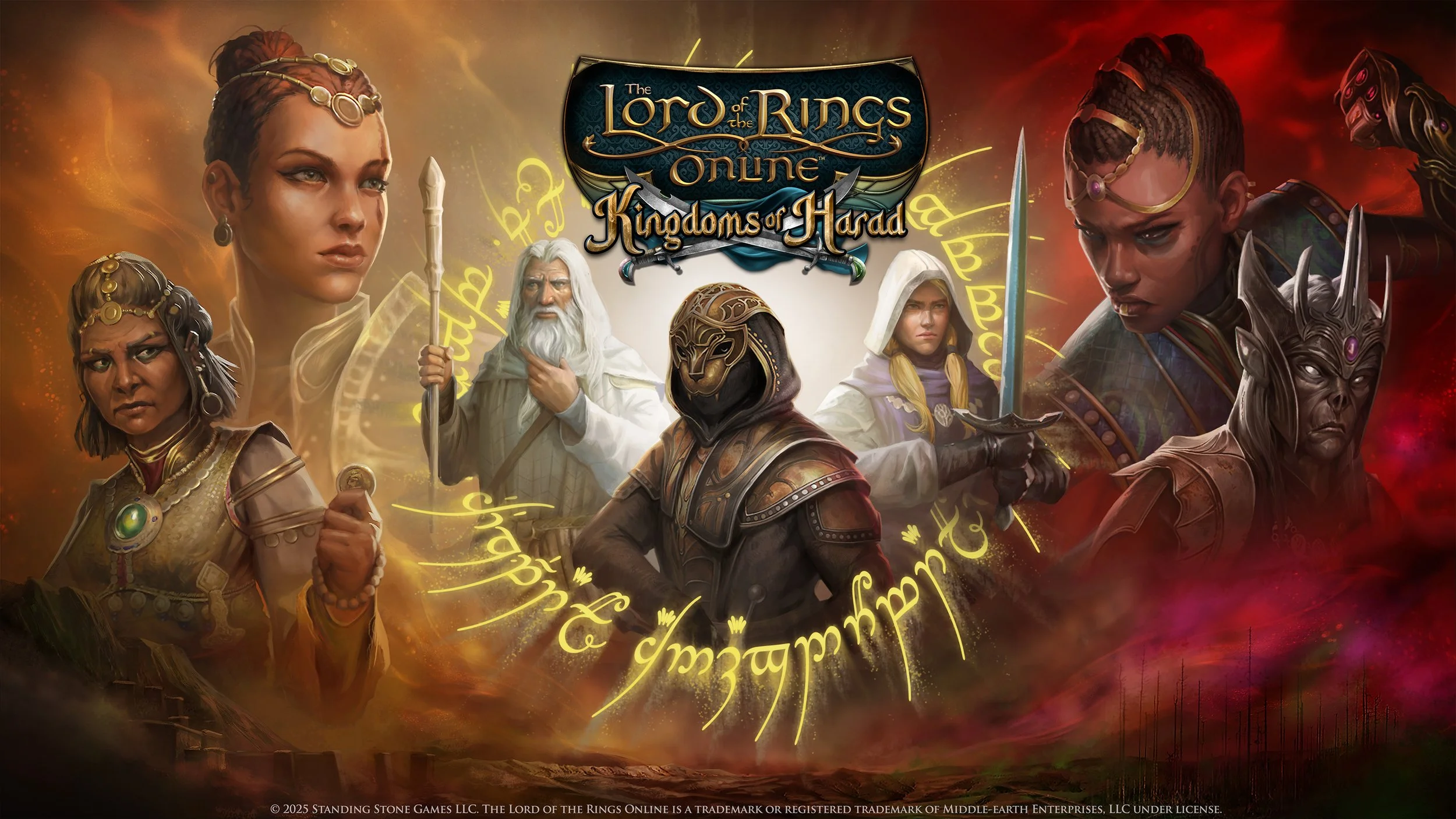
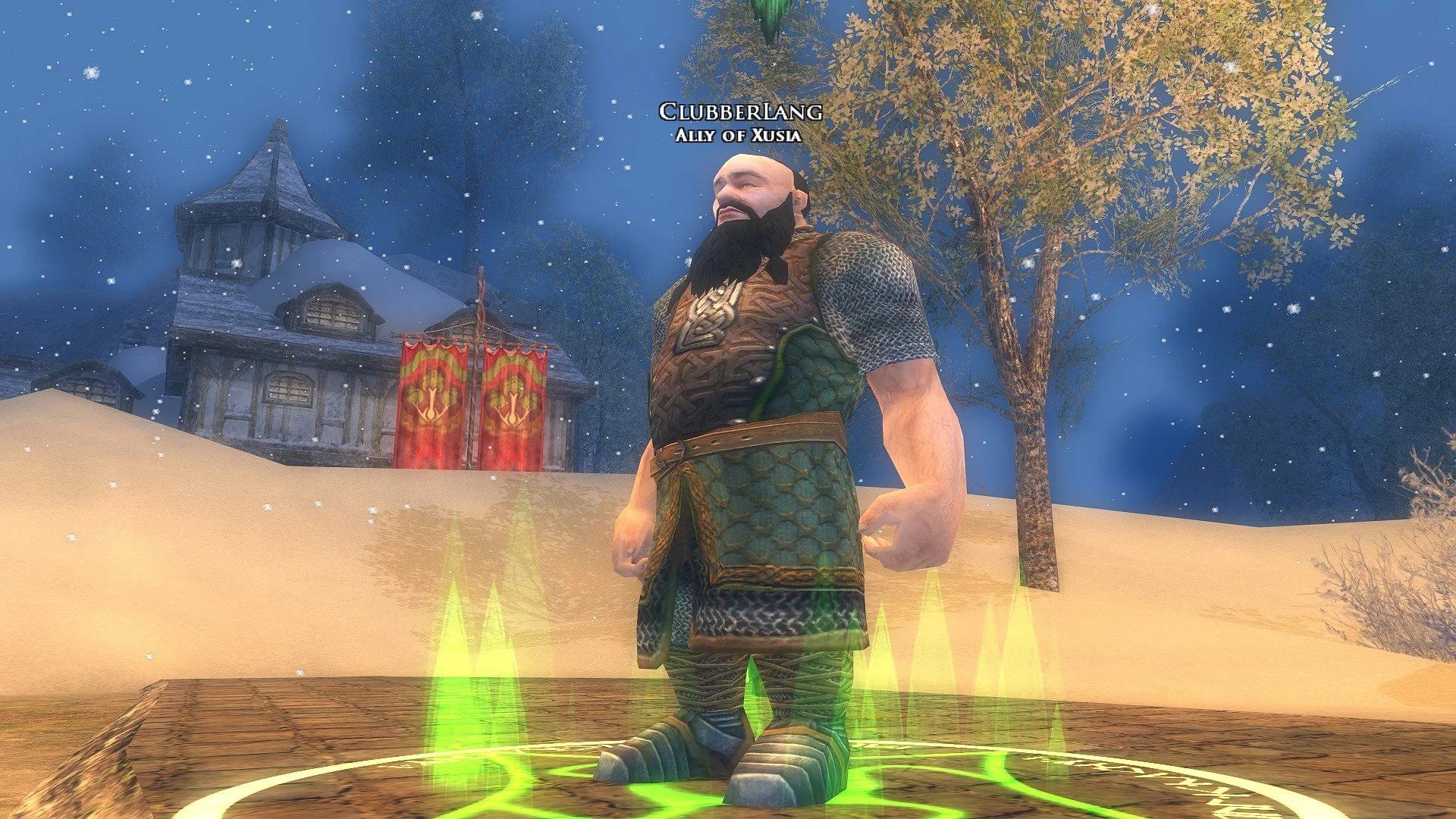
While playing LOTRO recently, I helped random new player who was confused about virtue traits. I explained to them as well as I could, but the incident was a clear reminder of the complexity of the MMO genre and the perennial problem of how the can game developers effectively convey instructions to the player. If you are a long-term gamer and have tried numerous titles across multiple genres, you will often find common mechanics and systems. Hence when playing a new game, you can sometimes figure out the controls as you go. For example, WASD for movement, M for the map etc. But this is not always guaranteed. Because developers have to consider new players who may have no prior gaming experience, when designing their GUI and tutorials. So there’s scope for instructions that seem contradictory and unintuitive to veteran gamers. Porting titles to the PC that were primarily developed for consoles can also cause confusion. Simply put, teaching a player the basics of a game is a big challenge. Providing succinct information on more complex issues is even harder. Many gamer developers are still extremely bad at imparting knowledge and making viable tutorials. Here are some examples I’ve encountered.
While playing LOTRO recently, I helped random new player who was confused about virtue traits. I explained to them as well as I could, but the incident was a clear reminder of the complexity of the MMO genre and the perennial problem of how the can game developers effectively convey instructions to the player. If you are a long-term gamer and have tried numerous titles across multiple genres, you will often find common mechanics and systems. Hence when playing a new game, you can sometimes figure out the controls as you go. For example, WASD for movement, M for the map etc. But this is not always guaranteed. Because developers have to consider new players who may have no prior gaming experience, when designing their GUI and tutorials. So there’s scope for instructions that seem contradictory and unintuitive to veteran gamers. Porting titles to the PC that were primarily developed for consoles can also cause confusion. Simply put, teaching a player the basics of a game is a big challenge. Providing succinct information on more complex issues is even harder. Many gamer developers are still extremely bad at imparting knowledge and making viable tutorials. Here are some examples I’ve encountered.
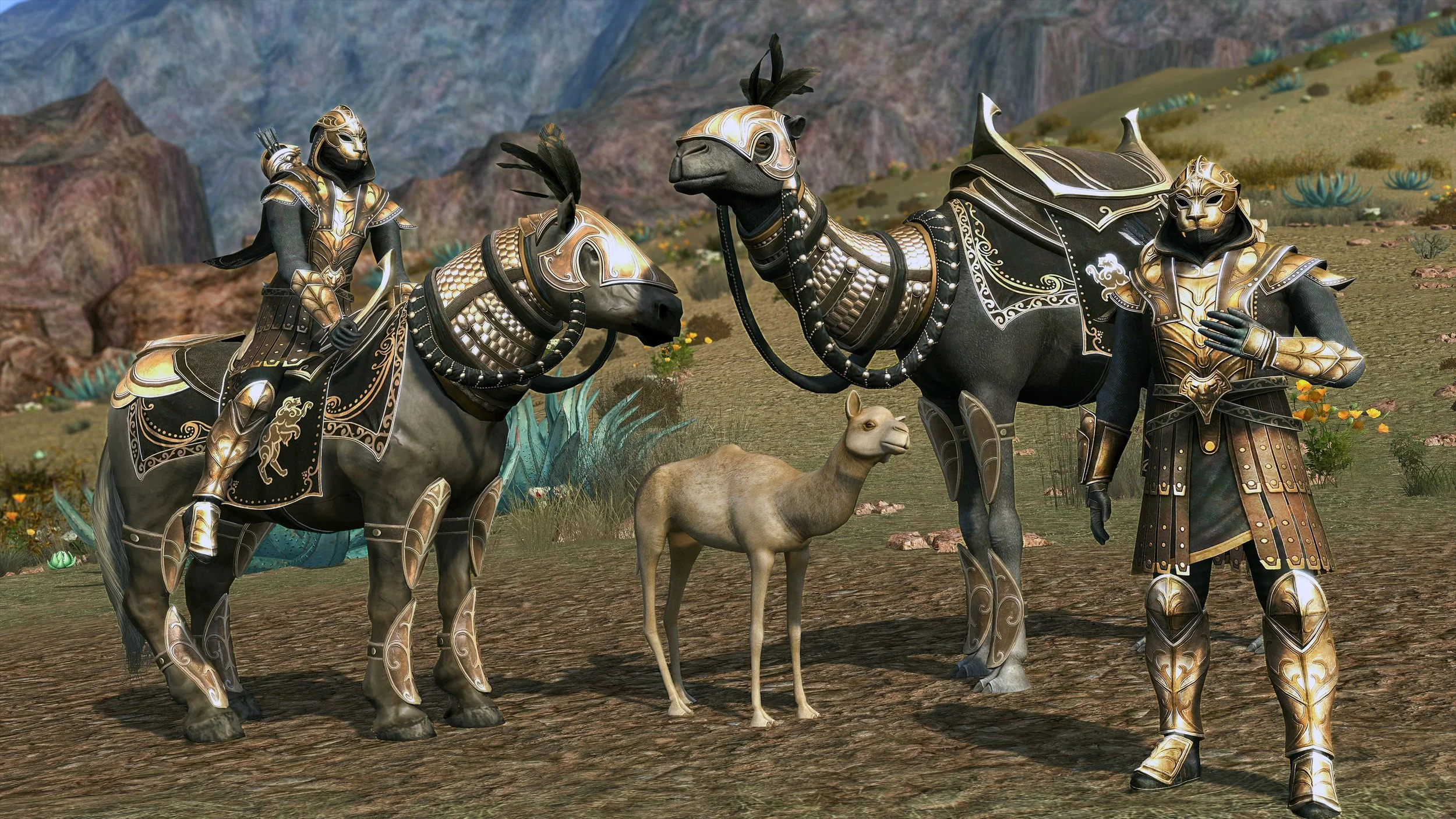
Firstly, let us consider LOTRO, an established MMO that has some very good selling points along with some not so edifying ones. Legendary Items, weapons you acquire from level 50 onwards, were somewhat confusing when introduced into the game in 2008. Over the past decade the constant revisions, tinkering and attempted rationalisation of the system has left this entire aspect of the game bloated, time consuming and frankly bloody annoying. Last night I identified that I had sufficient relics and shards to manufacture a specific level appropriate gem for my Hunter. It was a moderate upgrade to the existing gem already in place. Let it suffice to say I spent the next half hour auto combining relics up to a certain point in the process and then constantly consulting the in-game menu to find the correct components required to complete crafting my desired item. It took concentration and patience. Furthermore, it seemed disproportionately complex for the reward that was offered. I know of many players who simply bypass this entire process and choose to use under specified weapons rather than indulging in this tedious enterprise.
Secondly, when playing The Elder Scrolls Online, I’ve encountered another variation of this problem. In this case it isn't a matter of being confused by learning new mechanics, but rather being overwhelmed by the wealth of choice. ESO purposefully doesn't funnel players from quest hub to quest hubs. Although it is not a true sandbox game, it is far more flexible in how the player proceeds through content. As you are travelling through a region dynamic content may appear or you may find yourself embroiled in other players activities. All of a sudden you can find yourself with multiple options. If you do not show some degree of self-discipline you will find yourself running around like a headless chicken. Also exploring such cities as Elden Root can be truly daunting, due to its vast size and rich detail. On occasions, I have been unable “to see the woods for the trees” and have had to ask a fellow player to literally guide me to a vendor, despite it being clearly marked on the map. Some folks are strong advocates of this style of "freedom" of content, but I now begin to understand why others may feel adrift without any imposed structure upon the gameplay.
Finally, while playing through the tutorial of Assassin’s Creed: Odyssey I had an identical experience to that when I started playing For Honor. Both games provide a lesson in basic combat moves. Initially, these are straightforward, and it is not hard to combine them effectively. However, the next stage combines attacks with parries and blocks. A successful parry then triggers a riposte which usually does significantly more damage. However, I feel that there’s insufficient time provided in both of these two tutorials to master the techniques being taught. Often there is dialogue playing over the audio and visual cues. Having to concentrate on multiple streams of data can be confusing, resulting in either failure and the player simply relying on basic moves already learnt to complete the task. Because these tutorials are linked to cinematics you cannot simply replay the specific aspects that you’ve missed. You can either quit and restart the entire process, or simply muddle through and come out the other end none the wiser. The other alternative is to tab out of the game itself and seek advice and guidance online. Yet I have always felt that if a game can’t be bothered to “school” you adequately and you have to defer to third parties, it is a failure of the developers. Shouldn’t their product be the first port of call for any information regarding its usage?
Some games thrive on complexity, while others are notoriously simple. Either way both game styles have a requirement to impart information to the player, be it via tutorials, on screen text boxes or voiceovers. This has to be done in an intuitive and user-friendly fashion or it will all end in tears. It is all too easy to sink under the volume of rules, skills and lore that you have to learn, especially with MMOs. There is simply too much information to assimilate at once and the flow and management of data needs to be skilfully handled. I appreciate that one’s tolerance to this situation is subjective and hinges on what sort of player you may be. I by my own admission am lazy and therefore do not warm to excessive learning curve, in what I see as a leisure activity. Other players find joy ploughing through spreadsheets and online wikis. Either way that information needs to be digestible and that is not always something that game developers succeed at. MMOs are an interesting microcosm of human interaction. Surely the clear and precise communication of instructions is equally as important to the genre as collaborative gameplay and engaging content? Can you have one without the other?