
Further Iniquities of the Video Games Industry
If you are naïve enough to think that the video games industry is an equal partnership between those a pursuing an artistic vision and their benevolent financial benefactors, then todays news that Activision Blizzard is laying off approximately 800 staff despite a enjoying a “record year”, must have comes as a surprise. For the rest of us who are fully conversant with the iniquities of the business, this sad news has an air of tedious inevitability to it. If you want a coherent distillation of the unsustainability of the triple A games industry, then Jim Sterling’s latest episode of The Jimquisition pretty much nails it. Simply put the current levels of revenue growth seen of late by a lot of the major publishers cannot be maintained and will eventually end in a hard crash, further job losses and a migration of venture capitalists looking to make a killing somewhere else. For those who work in games development it means job insecurity, stress and financial worries. For gamers it could lead to popular titles being shutdown because they don’t make “sufficient” revenue.
If you are naïve enough to think that the video games industry is an equal partnership between those a pursuing an artistic vision and their benevolent financial benefactors, then todays news that Activision Blizzard is laying off approximately 800 staff despite a enjoying a “record year”, must have comes as a surprise. For the rest of us who are fully conversant with the iniquities of the business, this sad news has an air of tedious inevitability to it. If you want a coherent distillation of the unsustainability of the triple A games industry, then Jim Sterling’s latest episode of The Jimquisition pretty much nails it. Simply put the current levels of revenue growth seen of late by a lot of the major publishers cannot be maintained and will eventually end in a hard crash, further job losses and a migration of venture capitalists looking to make a killing somewhere else. For those who work in games development it means job insecurity, stress and financial worries. For gamers it could lead to popular titles being shutdown because they don’t make “sufficient” revenue.
This problem is hardly unique to the video games industry, and you’ll find many other big corporations acting in a similar fashion. But the due to the social nature of gaming, many of the associated businesses find themselves confronting their demons in a far more public arena. As a result, today’s news seems to be appearing on even the most casual gamers radar. My Twitter timeline has been full of it this evening and there’s a lot of sympathy and “finger wagging” going on. This is essentially a good thing, as it means people care and recognise that behind the headlines there’s a very real human element to it all. 800 individuals are now directly affected by this and are having to actively seek new employment. Hopefully all concerned will secure new positions and do so with minimum inconvenience, but even such a positive outcome only addresses the symptoms and not the root cause of the problem.
Few businesses are ethical by default. Hoping that the “bad ones” will change their ways is a fool’s hope. Hectoring them from the wings is also a failing strategy as it simply becomes a PR battle. We sadly live in an age of spin doctors and “alternative facts” so being right is no guarantee of winning. The only real solution to this problem is a political one. Workers in the industry need to unionise, lobby for regulatory legislation and employer rights. All of which are an anathema to many workers (screams of “oh no, that’s socialism”), because such concepts have been maligned by decades of increasingly strident partisan politics. Sadly, modern governments are far too deferential towards corporate lobbying, so you cannot rely on them to universally embrace employee protection. So if people really want change then they must robustly campaign for it through collective bargaining, engaging with their political representatives and building up a head of steam. They must also promote such activities positively in the media to gain public support and win the moral high ground. The alternative is to simply complain about corporate greed, while piously hoping that you don’t get trampled underfoot by the likes of Activision Blizzard.



Variations on a Theme or More of the Same?
While recently playing Assassin’s Creed: Odyssey I was struck by the similarities between some of the game’s mechanics and those found in Ghost Recon: Wildlands which I played extensively last spring. Using your eagle companion to spot enemies and tag them on the map in the former is virtually identical to launching a drone and scouting the terrain in the latter. However, as both games are Ubisoft titles this is hardly a revelation. Yet the more I’ve played ACO, it has become very clear that many of their top titles share a great deal of common systems and mechanics. This makes sound business sense especially when you’re a company that releases multiple titles each year. Why rebuild a system when you can simply re-use an existing one? Yet even after recognising the practical benefits of such an approach to games development, I couldn’t help but feel that if you play a great deal of Ubisoft games, there must come a point when they all begin to feel a little too familiar. Even more so when you’re playing different iterations of the same franchise.
While recently playing Assassin’s Creed: Odyssey I was struck by the similarities between some of the game’s mechanics and those found in Ghost Recon: Wildlands which I played extensively last spring. Using your eagle companion to spot enemies and tag them on the map in the former is virtually identical to launching a drone and scouting the terrain in the latter. However, as both games are Ubisoft titles this is hardly a revelation. Yet the more I’ve played ACO, it has become very clear that many of their top titles share a great deal of common systems and mechanics. This makes sound business sense especially when you’re a company that releases multiple titles each year. Why rebuild a system when you can simply re-use an existing one? Yet even after recognising the practical benefits of such an approach to games development, I couldn’t help but feel that if you play a great deal of Ubisoft games, there must come a point when they all begin to feel a little too familiar. Even more so when you’re playing different iterations of the same franchise.
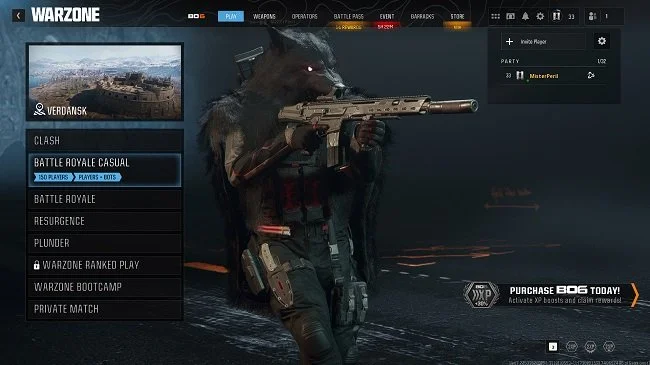
Ubisoft have a broad range of titles in their current catalogue, representing a range of genres. From time to time, they do add new franchises that offer something different. For Honor released in 2016 and the forthcoming Skull & Bones are two such examples. But overall “open world” games seems to be an integral part of their business model and remains so because such titles sell. The mainstream triple A video game industry is dominated by established franchises and sequels. It is also prone to trying to replicate successful tried and tested products, irrespective of whether the market really needs or can accommodate “more of the same”. Hence for years, the MMO genre was subject to numerous new titles that sought to duplicate the success of World of Warcraft. The industry also spent time and money attempting to clone League of Legends. And now we find ourselves flooded with Battle Royale style games. Yet many of these titles will fail because history appears to indicate that one title tends to become the dominant for each genre. Let us not forget the fate of H1Z1, Infinite Crisis and WildStar.
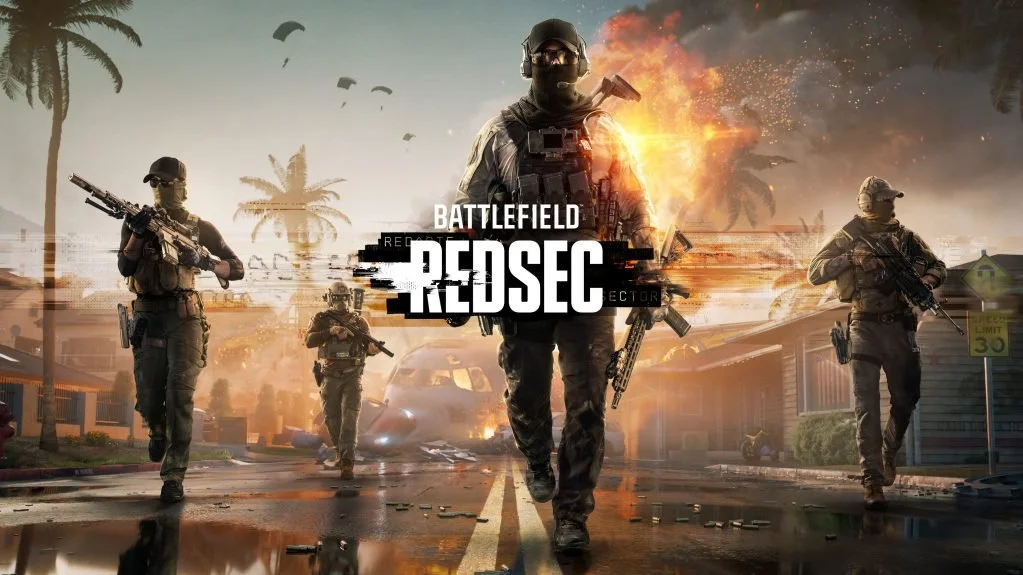
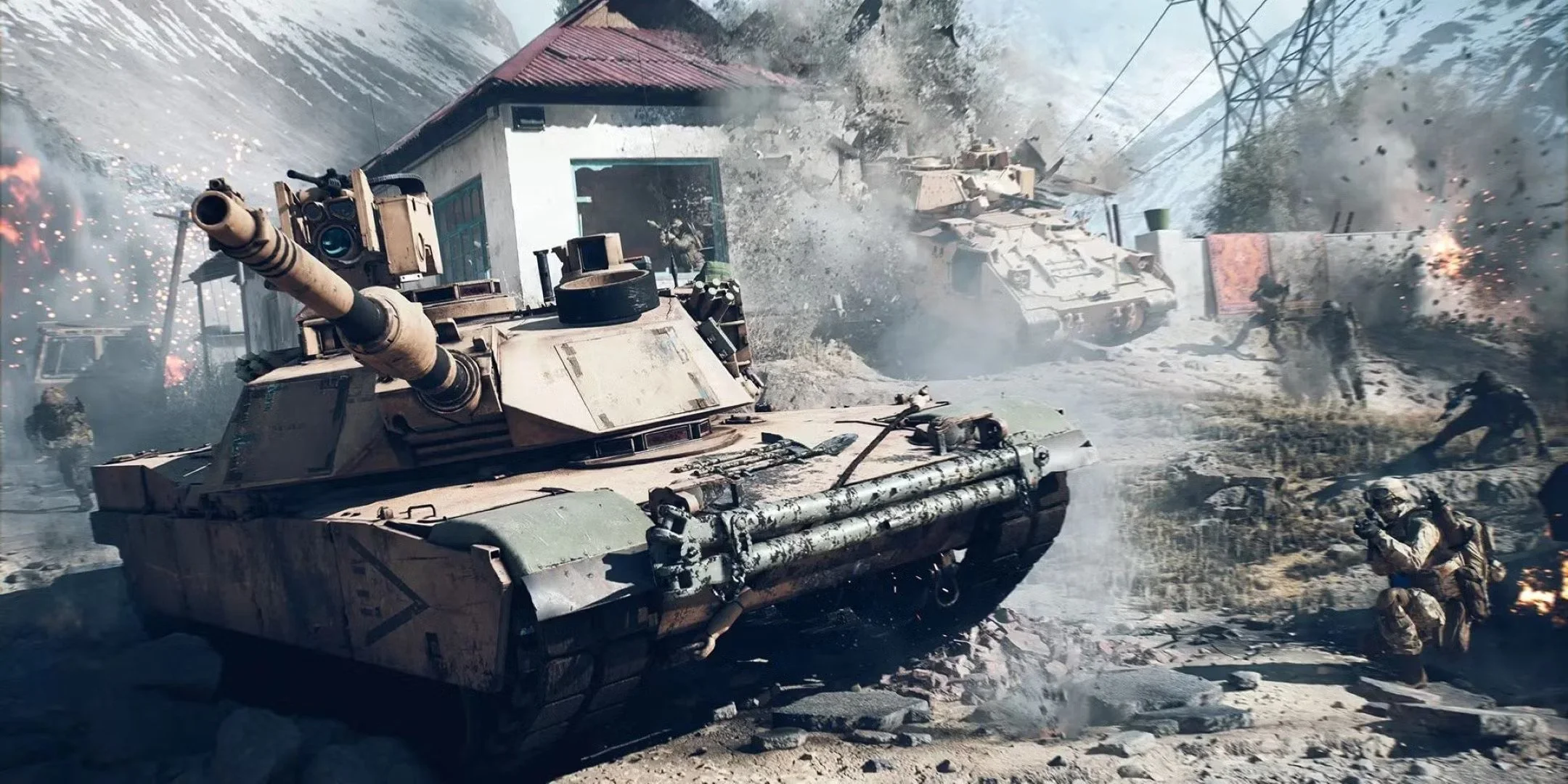
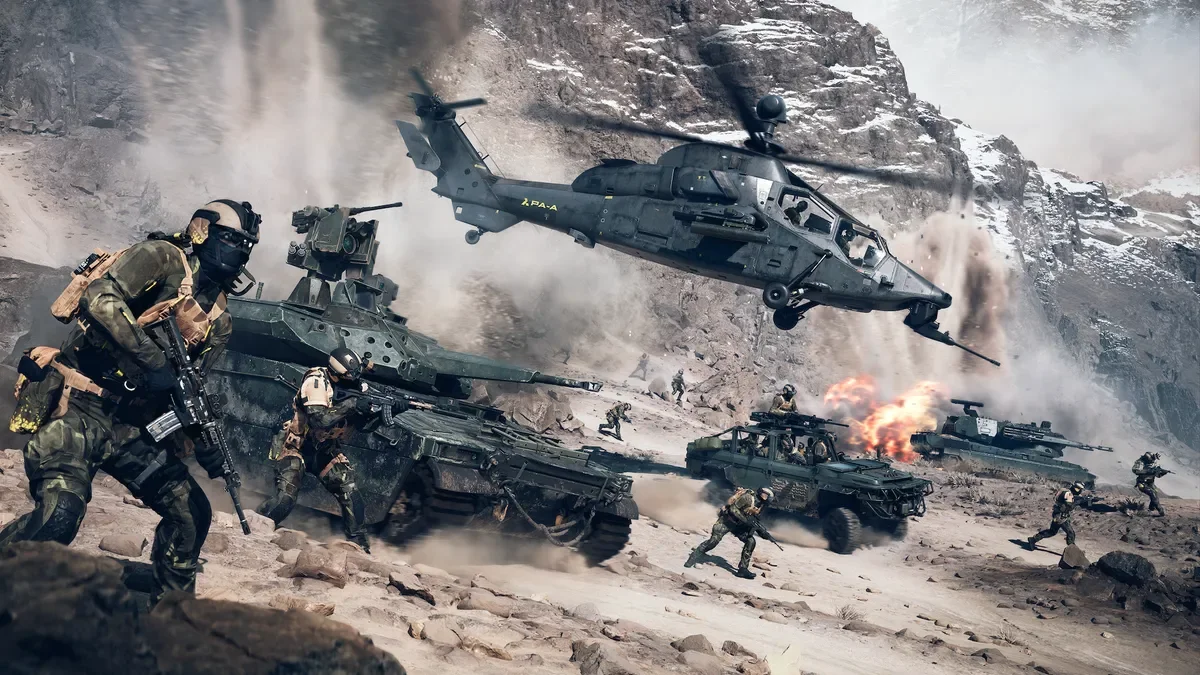
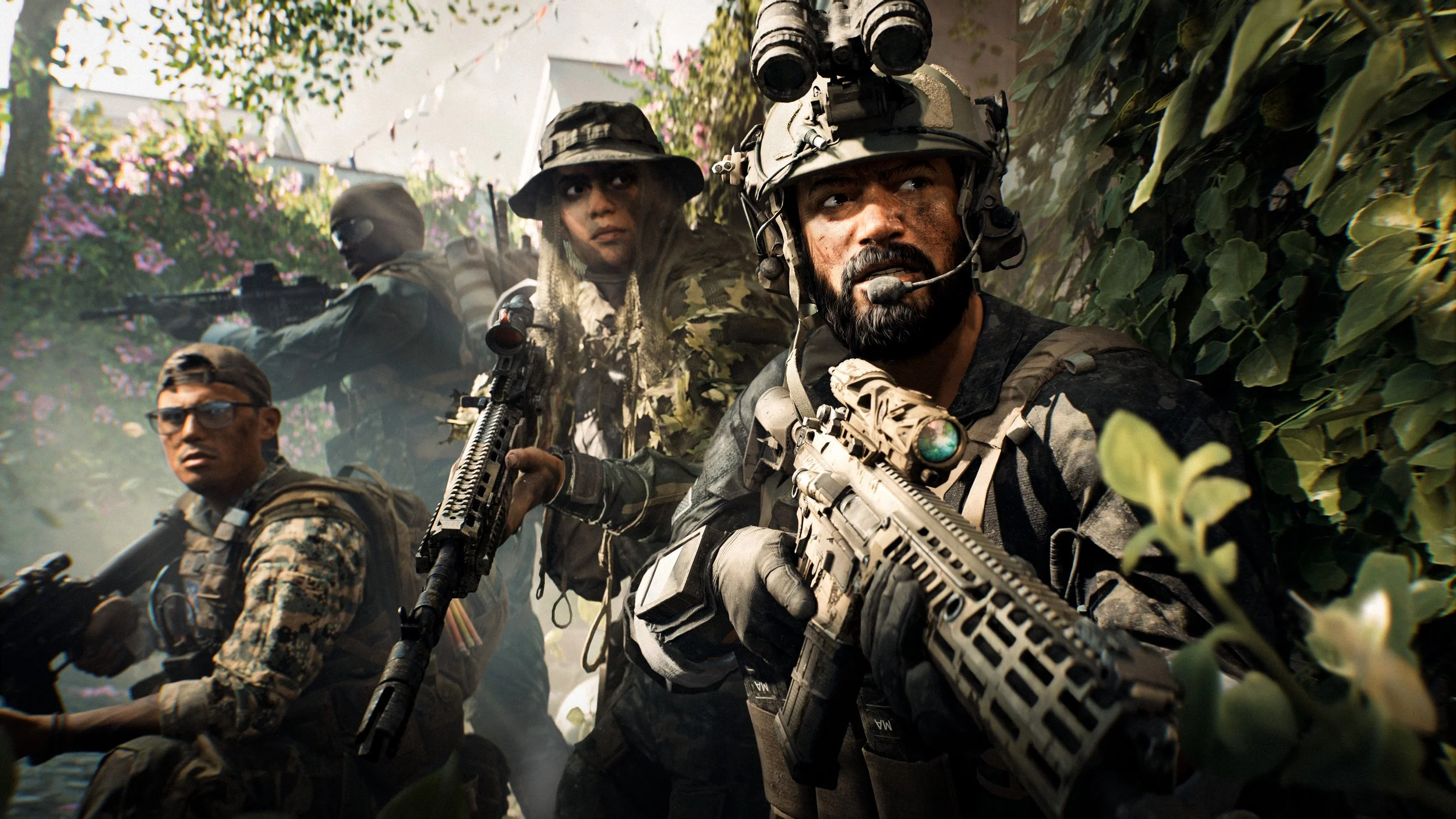
There is an odd paradox at work here. People like more of the same. For example, the entire fast food industry is predicated upon the idea of standardisation. You can buy the same meal anywhere and allegedly enjoy the same experience each time. The same principle seems to prevail with video games (and mainstream movies). For example, the Battlefield franchise refines and polishes facets of the FPS genre with each iteration of the game. So far, the public seems happy to continuously buy them. However, fans will question why they can’t have something new, despite the cognitive dissonance of continuously consuming new versions of existing products. Another point to consider is the fact that we don’t collectively reach our limits at the same time. I have purchased the last two Sniper Elite games from Rebellion. The last version was an improvement over the third, as the game’s system were fine-tuned, and the product was more honed. Yet I don’t think a fifth instalment will really add anything radical or new to the stealth/sniping genre. The only real difference would be the setting and narrative wrapping. So, I may pass on the next sequel (if there is one), yet other gamers may do the opposite.
Thus, triple A publishers all too often seem to stick to safe bets and innovation becomes a risky bed fellow. I’m not saying that there aren’t any new and creative games out there, as that is not the case. It’s just that it tends to come from smaller studios in the independent sector, rather than from the big dogs of the industry. Plus, there is no guarantee that innovation will come to the genre of games that you like and enjoy. Furthermore, all of this is going on against a background of increasing acrimony between the game developers and gamers. The gaming community does not often agree on what it is that they want, other than “good games”. Although a noble aspiration, is it also a somewhat nebulous definition. So, within this context, although I did buy several new games last year, none of them were outstanding. All were distinctly average. Fun diversions but nothing more. Sometimes good is enough. I’ve even written about the merits of the term adequate. But sometimes, adequate, good and just okay are not sufficient. Furthermore, I’ve not seen anything planned for 2019 that really piques my interest. I wonder if the video game industry is heading for a market re-balance, the same way people are predicting that Hollywood is eventually going to fall flat on its face when the public finally falls out of love with superhero movies. I guess we’ll have to wait and see.