
Pick Up Groups
Out of all my recent gaming, Sniper Elite 4 has proved the most entertaining. The engaging mechanics and stealthy gameplay have held my attention and kept me engaged. So far, I spent over seventy-two hours playing through the campaign and DLC. After watching several You Tube videos I was tempted to try the co-operative mode, something that I don’t always do in these sorts of games. Overwatch allows two players to work together as sniper and spotter respectively, to complete objectives within a custom map. It requires communication and co-ordination. It should also be noted that multiplayer in Sniper Elite 4, is dependent on peer-to-peer connection rather than dedicated servers, with the players hosting the games themselves.
Out of all my recent gaming, Sniper Elite 4 has proved the most entertaining. The engaging mechanics and stealthy gameplay have held my attention and kept me engaged. So far, I spent over seventy-two hours playing through the campaign and DLC. After watching several You Tube videos I was tempted to try the co-operative mode, something that I don’t always do in these sorts of games. Overwatch allows two players to work together as sniper and spotter respectively, to complete objectives within a custom map. It requires communication and co-ordination. It should also be noted that multiplayer in Sniper Elite 4, is dependent on peer-to-peer connection rather than dedicated servers, with the players hosting the games themselves.
So far, I’ve found that my enjoyment of co-op mode has been significantly less than that of the campaign due to the human factor. None of my Steam friends own Sniper Elite 4, so I’ve have been dependent on the grouping service built in to the game. You either host a game yourself and wait to be assigned a partner or join an existing game. Therein lies the proverbial rub. Pick up group mechanics have no scope for quality control. So far, I’ve grouped with players who have refused to communicate, have no concept of teamwork and who quit when things don’t go their way. Furthermore, if they’re hosting the game then you find yourself kicked back to the lobby with nothing to show for your work. It’s an old story. One that will be very familiar to anyone who has ever played an MMORPG and used the instance finder tool.
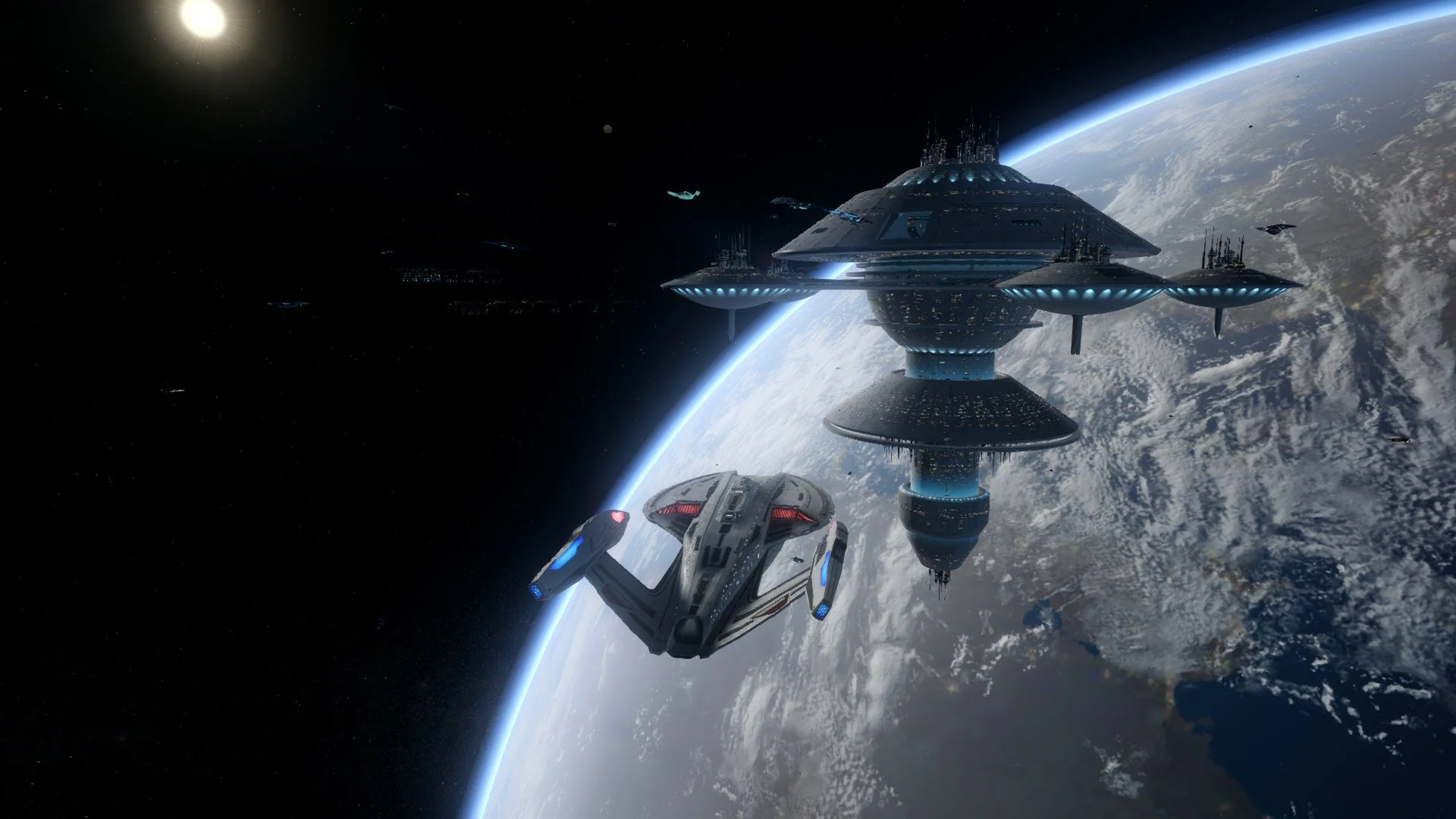
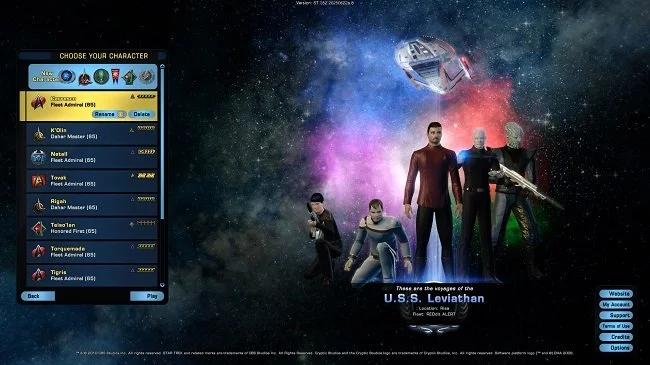
Pick up groups can often bring out the worst in human nature. You are randomly grouped with complete strangers who are anonymous and are driven by their own need for gain. Manners, decorum and social etiquette are purely optional as the system has no means to impose them. Thus, we encounter players that do not know how to play the instance they have joined, or those who are happy to just go AFK and wait for the end reward. Abuse and unpleasantness are common place in chat and if the group undertaking is unsuccessful, then blame is often thrown about. Even if your PUG manages to avoid these problems, they are often extremely soulless experiences. The auto grouping in Guild Wars 2 and the PVE queues in Star Trek Online simply facilitate tasks and require minimal or even zero social interaction.
Now some players will argue that the frictionless grouping that PUGs provide with no need to communicate directly, is a boon rather than a bane. I will concede that this really is a matter of personal preference. However, mechanics that allow you to abandon a game that you are hosting at the expense of others, or quit a group thus leaving the rest of the players in the lurch, are problematic. For Honor had a major problem with the this. If you or your team are losing then there is no imperative to stick around. There is often no penalty or sanction for abandoning an ongoing game that you may be hosting and no recompense for the other players. This is something I also regularly encounter in Overwatch, which seems to have more than its fair share of petulant and bellicose players.
Justin Olivetti referenced the group finding tool in LOTRO recently and discussed how compared to other MMOs, it was an underused facility. Group content seems to more driven by Kinships in that game so players tend to look directly to their colleagues and friends to run group content. Using the instance finder will seldom provide you with a group. STO has a similar problem. Featured group content or that which provides tangible rewards attracts players. However, older and less popular content doesn’t fair so well therefore you can spend hours looking for a group. I also think there is a particular type of troll in that game that delights in joining group queues and then waiting to the last moment to decline the launch invitation, thus consigning the remaining players back to the lobby again.
Sadly, many of the flawed mechanics we encounter in online games exist because they are the most practical way to address a logistical issue. Player hosted games negates the need for dedicated servers and their associated cost. Group finding tools do exactly that, yet offer no further options. The burden to police the group’s activities falls to the players themselves and there’s precious little they can do if things go pear shaped. But what are the alternatives? If grouping with other players is problematic, then bots are really the only immediate alternative. This is an option in games such as Overwatch, For Honor and some of the Call of Duty franchise. However, it is not necessarily an ideal solution as bots do not provide a comparable experience to human interaction. Their use also doesn’t address the root cause of this problem, namely human behaviour.
Like many things in life, the lowest common denominator disproportionately shapes the experience for the majority. Returning to Sniper Elite 4, although I did have some poor co-operative games due to bad grouping, I also had some thoroughly enjoyable interactions. It’s just a shame that PUGs are such a lottery. Ultimately, it is down to the developers of games to maintain community standards. What is the point of having strict terms and conditions if you have no intention of enforcing them? Furthermore, if I cannot enjoy aspects of a game due to others, I am effectively being excluded from experiencing the entire product. Considering the cost of premium titles these days, why should I pay the full price for a game I can only partially play?



Games We Cannot Play
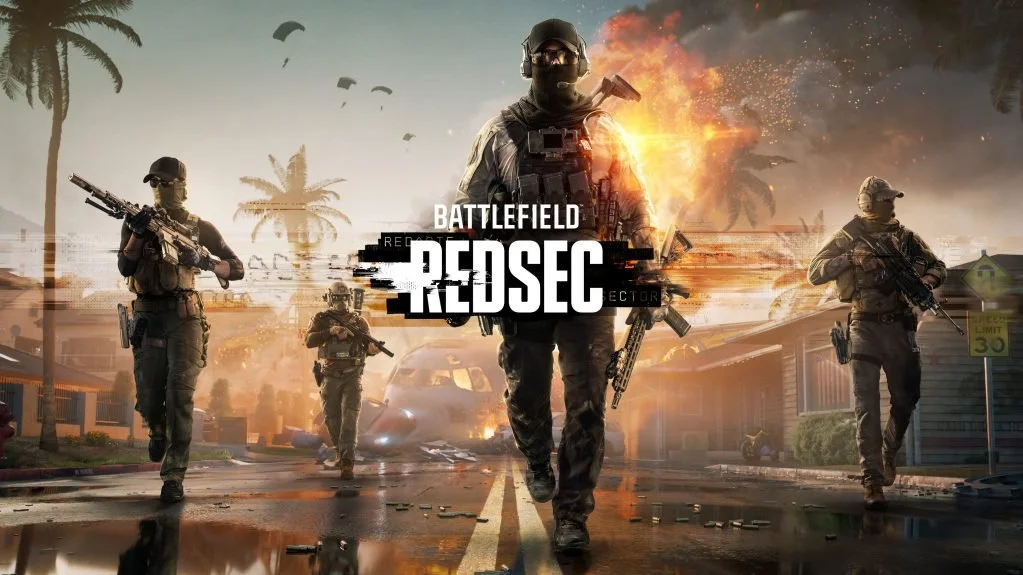
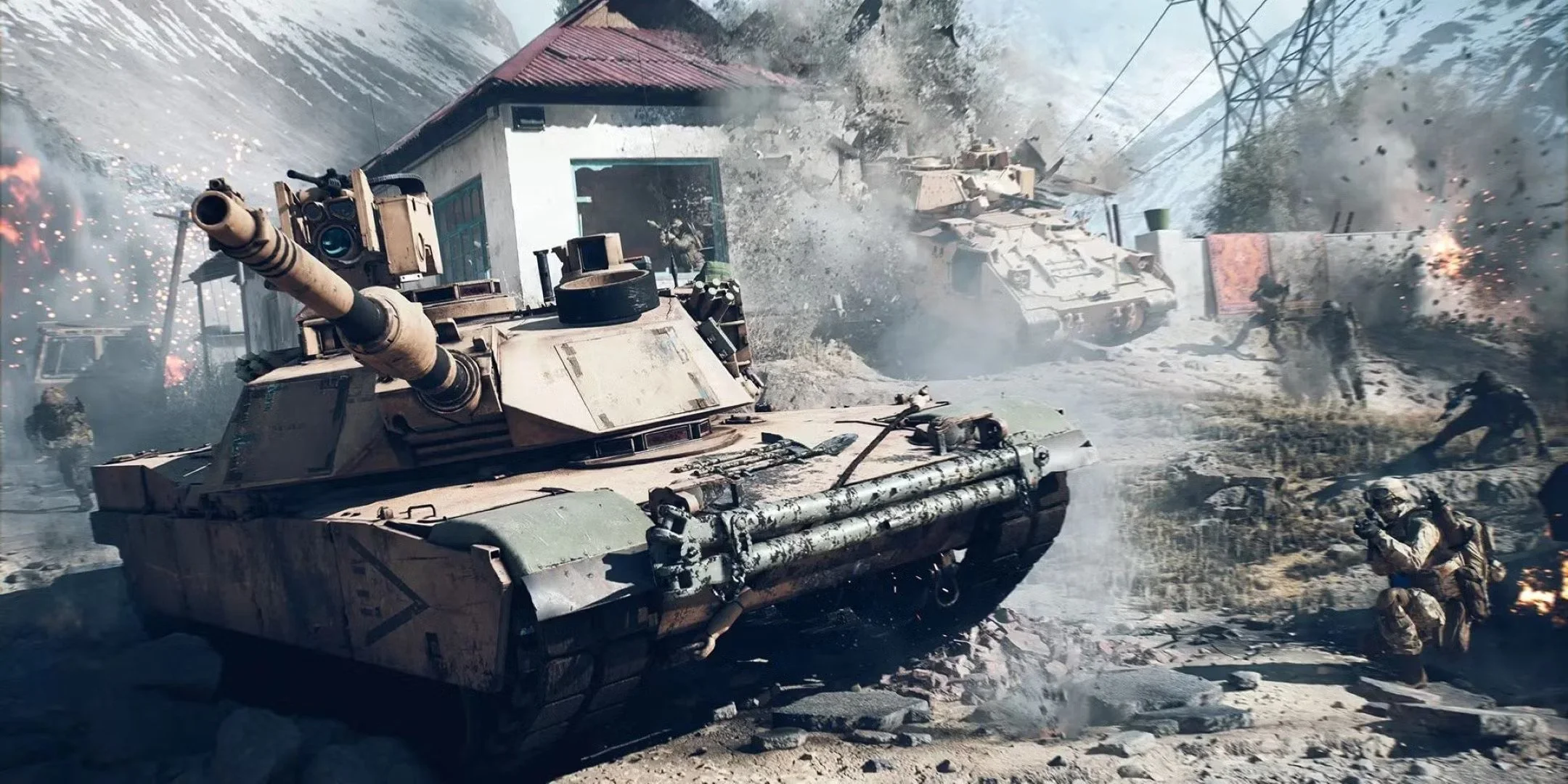
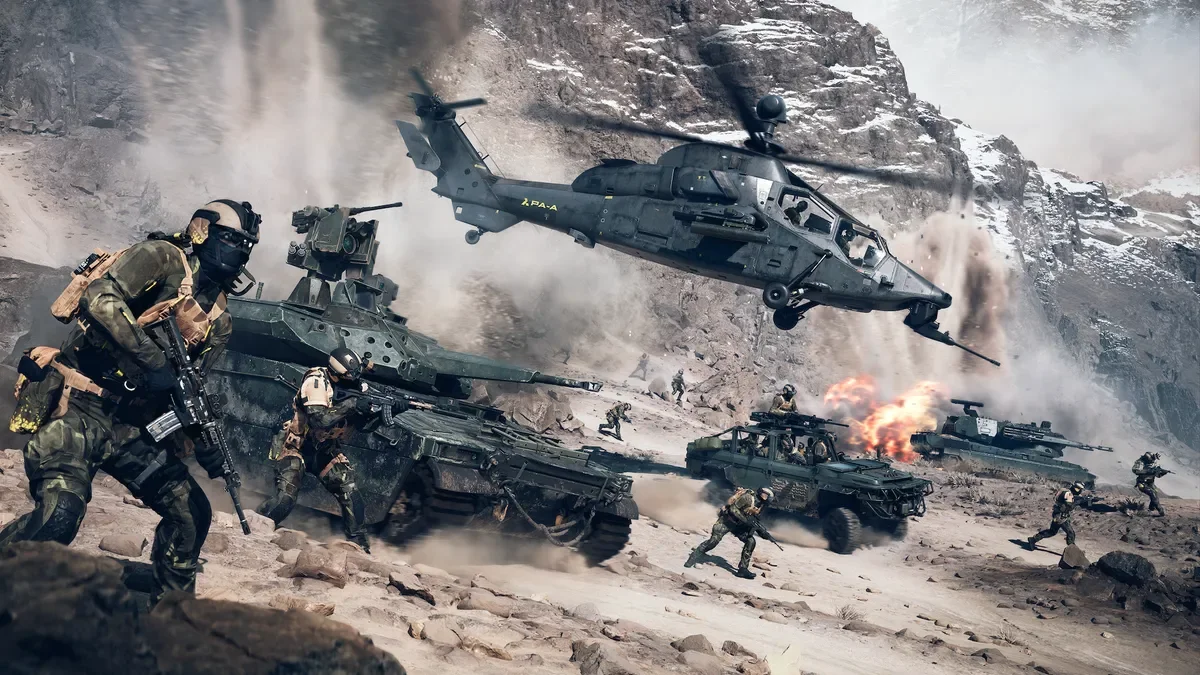
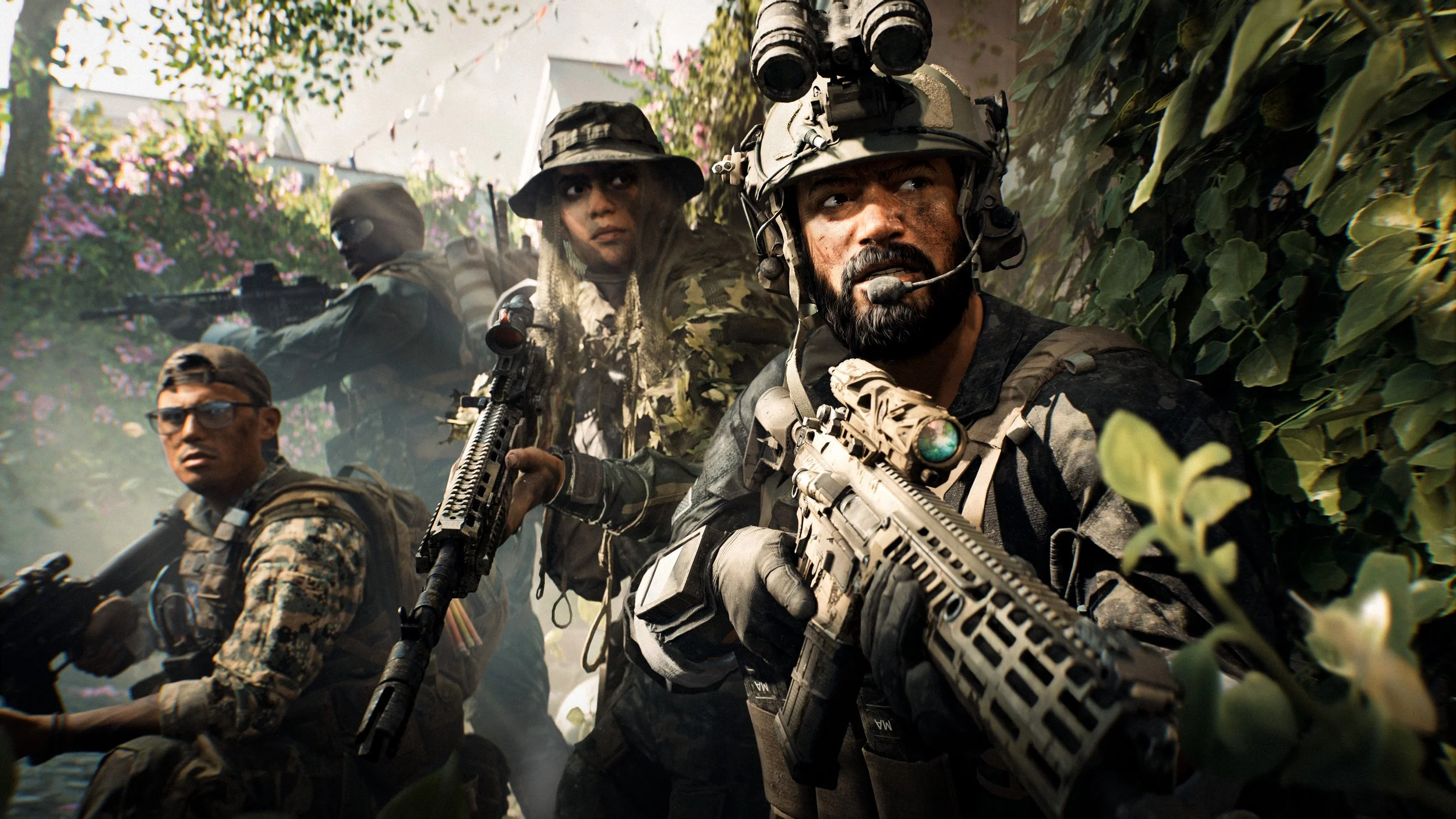
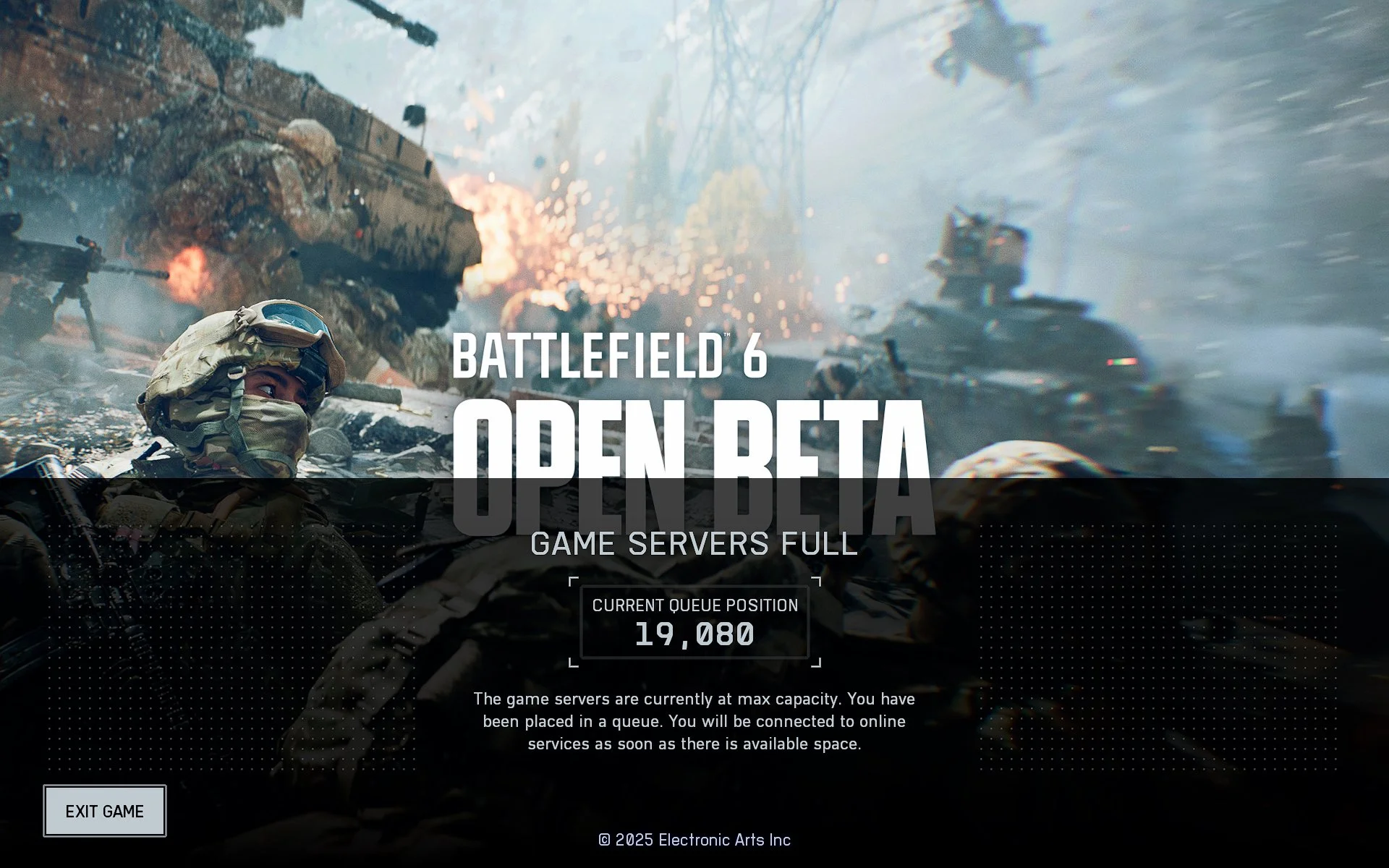
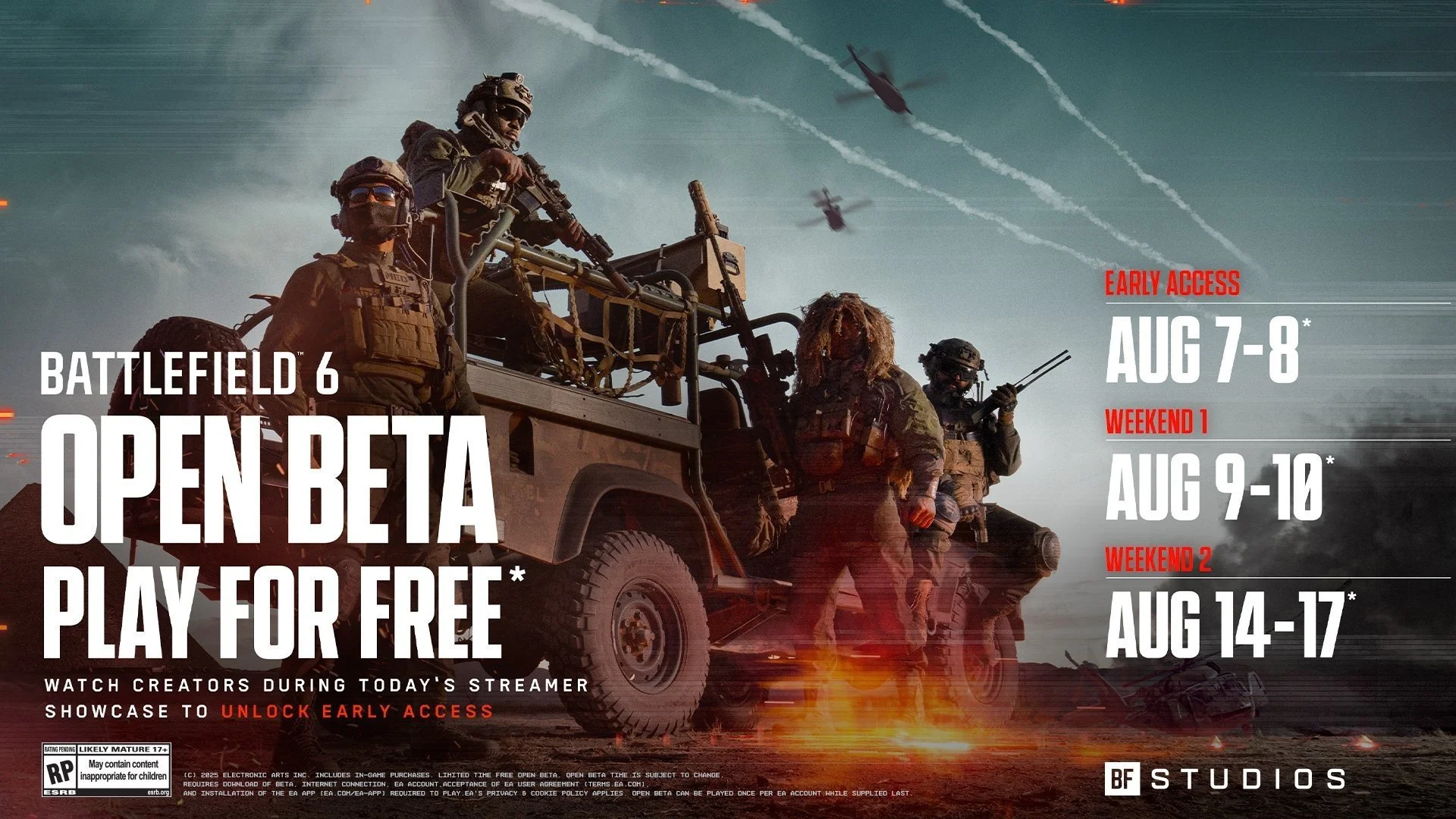
I have written in the past about how certain games can be very appealing conceptually but the reality is quite different. Often the fundamental disappointment doesn't lie with the game itself but with our inability to play them. For me the Battlefield franchise is a prime example of this and more recently For Honor. The trailers for these games are frenetic, focusing on action and spectacle. The associated marketing certainly sells the idea of “awesome action”. Sadly, my personal experience of Battlefield has usually been running across an inordinately large map, only to arrive at the hot spot to get one-shotted. As for the planes, helicopters and vehicles; I can't fly them or drive them effectively so team mates tend to abandon me. I can only describe my experience in For Honor as being a flesh piñata for other players. The fun experience depicted in the advertising was as elusive as a good, odd numbered Star Trek movie.
I have written in the past about how certain games can be very appealing conceptually but the reality is quite different. Often the fundamental disappointment doesn't lie with the game itself but with our inability to play them. For me the Battlefield franchise is a prime example of this and more recently For Honor. The trailers for these games are frenetic, focusing on action and spectacle. The associated marketing certainly sells the idea of “awesome action”. Sadly, my personal experience of Battlefield has usually been running across an inordinately large map, only to arrive at the hot spot to get one-shotted. As for the planes, helicopters and vehicles; I can't fly them or drive them effectively so team mates tend to abandon me. I can only describe my experience in For Honor as being a flesh piñata for other players. The fun experience depicted in the advertising was as elusive as a good, odd numbered Star Trek movie.
This is one of the reasons I gave up on EVE Online after a fortnight free trial. I simply could not progress in the game through a lack of skill and a chronic tolerance and patience deficit. With other game genres such as first person shooters or massive online battle arenas, I broadly have the same lack of success. Often with titles such as Overwatch and Guardians of Middle-earth it boils down to twitch gaming. Sadly, this is the prerogative of youth. For someone my age, by the time I’ve adjusted my Pince-nez, taken a sip of Madeira and pondered on the matter in hand, I find that I’ve been defeated. And don’t even get me started on flight simulators. What could possibly be cooler than flying a classic warplane or an iconic commercial airliner? Yet the complexity of such titles is beyond me. Nope, with the best will in the world, these sorts of games are not for me. As Harry Callahan said in Magnum Force, "A man's got to know his limitations".
I think most gamers of sound mind eventually arrive at a similar conclusion. Through trial and error, we establish what we can and cannot play. There are a few alleged renaissance men and women that claim otherwise, although most of these are delusional. As for those who genuinely can succeed with all game genres, well they deserve nothing more than a slap for making the rest of us look bad. Yet despite this reality, as humans we like to occasionally take leave of our senses and buy a game that’s sale that we have no hope in hell of succeeding at. I did this several years ago when I bought Ace Combat Assault Horizon Enhanced Edition for the PC. In my defense one of the first reviews that I skimmed through described it as "Call of Duty takes to the skies". At the time my first play through was a dismal failure and I didn’t reach the end. This weekend, I dusted off Ace Combat Assault Horizon Enhanced Edition for round two.
In many respects the CoD analogy is quite accurate. The game has a scaled back control system for the various planes and helicopters and is designed to be used with a game controller. The central campaign storyline is like Modern Warfare in so far as it has a generic World War III narrative filled with caricatures. There's then co-op and multiplayer online missions to be played in various permutations. The thing is, even with the game difficulty dropped to the lowest setting, I still found controlling the planes exceptionally taxing. At one point, I felt I may gain better results if I put a bag over my head and trusted to luck. It took hours before I realised that the on-screen messages that I was berating for blocking my view, were giving me hints. Upon taking the advice there was a significant improvement. However, I still found myself struggling with such things as orientation and situational awareness. For a second time, I have abandoned Ace Combat Assault Horizon Enhanced Edition only half completed.
It's an odd thing, coming to terms with the fact that there are some games that just aren't for you. We quickly learn while growing up that we can't be good at everything in life. Music, art, academia or sport are not for everyone. By and large we get over these things. Well, most of us do. Furthermore, we adapt. If you can't hold a tune, it’s no big deal. If you find yourself in a situation that requires you to sing, just mime. Half your church congregation does this regularly. Not especially good at sports? No worries; you can still enjoy them on TV and your lack of ability certainly is no impediment to being an armchair expert. But the notion that you can't be good at a game is troubling to some. I wonder exactly how many titles fill the average gamer's library that remain uncompleted, abandoned and forgotten; due to the realisation that they were crap at playing them? I’d hazard a guess it’s far more common place than you think.
For Honor: Multiplayer Problems
Most multiplayer games use peer-to-peer networking as a cheap and easy way to connect players. Running dedicated servers and writing the accompanying connection code is costlier and requires a greater degree of developer involvement with a game, post launch. If you play Overwatch or any of the Call of Duty franchise, then you’ve experience multiplay via this technology. It’s cost and convenience are offset against its technical weaknesses. The player that hosts a game has a potential speed advantage and if they quit the game will pause while a new host is found among those still playing. Then there are exploits and cheats that can be used by unscrupulous players such as lag switches and DDoS attacks. Thus, P2P networking is far from an ideal alternative to dedicated third party hosts.
Most multiplayer games use peer-to-peer networking as a cheap and easy way to connect players. Running dedicated servers and writing the accompanying connection code is costlier and requires a greater degree of developer involvement with a game, post launch. If you play Overwatch or any of the Call of Duty franchise, then you’ve experience multiplay via this technology. It’s cost and convenience are offset against its technical weaknesses. The player that hosts a game has a potential speed advantage and if they quit the game will pause while a new host is found among those still playing. Then there are exploits and cheats that can be used by unscrupulous players such as lag switches and DDoS attacks. Thus, P2P networking is far from an ideal alternative to dedicated third party hosts.
During its beta test, it became very apparent that For Honor had issues regarding its use of P2P networking. Developers Ubisoft opted for a variation of this technology in which all players are connected simultaneously to each other when playing competitively. Unfortunately, this does not bypass all the issues associated with a dedicated host. The weak link in this multiplayer chain still remains the player with the poorest connection and it has a tangible impact upon game play. Furthermore, the sheer volume of people playing For Honor from various parts of the globe means that matches are regularly blighted by lag and subsequently players quitting mid-game. I have experienced this frequently and it often impacts on the outcome of multiplayer or ends will all parties leaving.
At present, there is no major penalty for “rage quitting” a multiplayer game in For Honor, beyond the loss of the rewards that you would’ve received if you had stayed the course. Thus, it is something that some players will do the moment something doesn’t go their way. For example, if you die early in a group game, then you have to wait out the round, which is far from ideal. Quitting resolves this. Furthermore, if you are a more competitive player who is concerned about your bragging rights or statistics, then abandoning a game is a convenient way to keep you’re your record unblemished. Combine this option to quit, with more specific exploits and you find yourself playing in a community were a substantial percentage of the multiplayer games you play end questionably. This is not exactly good publicity for a game that has been developed to set up a new franchise and become a mainstay of competitive gaming.
For Honor has a nuanced combat system that is based around timing, anticipation and skill. Button mashing is not really an option when playing online against other people. It seems risible that Ubisoft would release a game that is patently skills based with such a flawed networking system in place. Now it is fair to say that not every online game is problematic. The majority of games that I’ve played online since I bought For Honor have been perfectly adequate. However, problem matches are sufficiently common place to be noticeable. Even a casual player such as myself has encountered them and recognises that for the meantime they are a reality. It remains to be seen whether Ubisoft will do anything about this issue, if there is anything that can be done. I cannot see them implementing any major changes in this release of the game. May be there’ll be some revisions made to multiplayer in the sequel. Assuming that the player base sticks around long enough to warrant one.
For Honor
Every now and then, I’ll see a trailer for a game and think to myself, “man, that looks cool. I want that”. The curious thing is, the ones that enthuse me the most are those that I know I’ll be utterly crap at. For Honor definitely falls into that category but I just liked the idea of running around hitting things with a huge sword so much I ended up buying the Gold Edition today. Luckily, I got a very good deal on a key, so if this game is beyond my skills set or fails to meet expectations I won’t be too disappointed. The last time I “come a cropper” with an impetuous purchase of this nature was with Watch Dogs, back in 2014. Spookily enough that was a Ubisoft game, same as For Honor.
Every now and then, I’ll see a trailer for a game and think to myself, “man, that looks cool. I want that”. The curious thing is, the ones that enthuse me the most are those that I know I’ll be utterly crap at. For Honor definitely falls into that category but I just liked the idea of running around hitting things with a huge sword so much I ended up buying the Gold Edition today. Luckily, I got a very good deal on a key, so if this game is beyond my skills set or fails to meet expectations I won’t be too disappointed. The last time I “come a cropper” with an impetuous purchase of this nature was with Watch Dogs, back in 2014. Spookily enough that was a Ubisoft game, same as For Honor.
For Honor is a curious hybrid game that doesn’t exactly fit in to any specific genre 100%. It is essentially a fighting game but there are MOBA elements, as well as systems and mechanics from both MMOs and RPS. It’s combat system is multi-layered. At first while working your way through the tutorial, the tri-directional blocks as well as the light and heavy attacks seem quite straightforward. However, as you progress these moves are complimented by charges, and throws plus special finisher moves. Combine all these with a target lock system and a high degree of situational awareness and you have a complex system with a wide variety of permutations.
As soon as you enter multiplayer mode, the reality of For Honor hits you and hits you hard. Combat is not over quickly, often coming down to a battle of wits and patients. You’ll frequently find yourself just facing off against an opponent, waiting for a tell. Fights are not just a forgone conclusion after trading a few blows. You can wear your enemy down to one third of their health, only to see them out manoeuvre you and then get you on the ropes. Victory can be stolen by both big and small mistakes. Then you’ll get organised players who fight collaboratively. Giving chase to someone whose fleeing may well lead you in to a trap. Then of course there are players who roam the battlefield craftily, watching and waiting to stab you in the back as you fight another.
Yet despite the inevitable frustration and steep learning curve there is still much satisfaction to be gained from multiplayer mode. Running away is a perfectly valid option and as the Irish novelist, playwright, poet and physician Oliver Goldsmith noted, “He who fights and runs away, may live to fight another day”. If you are not burdened by romantic notions of fighting honourably or a fair fight, then there is much fun to be had taking a predatory approach to combat. Lurking in choke points and shortcuts, slipstreaming more successful players or patrolling the battlements and throwing unsuspecting players off ladders as they climb, can be immensely satisfying.
Aesthetically, For Honor is very pleasing. Character models are suitably detailed and the combat animations feel suitably weighty. Stamina is an important factor in game play so you can’t simply mash keys hoping to get lucky. There is a broad variety of classes with some being harder to master than others. So far, I have stuck with the default Warden as it seems to be a good all-rounder. There is an air of credibility to the way he wields his broadsword. It would appear that the balance issues that some players complained about during the beta has been addressed. The matchmaking has not been unfair to me so far, although the peer to peer connection system obviously favours the host.
Dominion mode, is the easiest way to acquaint yourself with For Honor with its objective-based team play. Its design affords you a look at the games various complexities and helps you hone your skills. You soon learn that the game requires individual acts of heroism as well as coordinated action. Then there’s Duel, Brawl, and Elimination modes, all of which offer a spectrum of playstyles. And for those who like both challenge and “glory”, there’s a hardcore duelling mode without respawns. Furthermore, it should be remembered that although these differing modes all offer a variety of gameplay, the reality of each session is often quite different. There are equal chances for cooperation or chaos, especially in the four versus four deathmatch mode. Play this and you’ll soon be humming Yakety sax.
For Honor also sports a campaign mode. Like those associated with the FPS genre, people are often quick to write these off. Yet it so far has been quite engaging. The voice acting is solid and the cutscenes handsomely produced. The central story featuring a war between the three main factions in a nonspecific setting is somewhat abstract but if you can look beyond it, then the story will provide you with an alternative way of learning your class and perfecting your skills. And for those players like myself, who are not so good at twitch gaming and managing multiple systems simultaneously, there is always a player versus AI option. You can make this as testing or as easy as you like, thus ensuring that you can still know the pleasure of wantonly dismembering your enemies.
Like many contemporary games, there is still much to criticise on the business management side of things. DLC, cash stores, multiple buying options are all present in For Honor. Many potential players may well balk at the overall price of the game and season pass, preferring to purchase six month on when a deal can be secured. In my estimation, the long-term longevity of For Honor hinges on future map updates, as with CoD and other shooters. Ubisoft obviously feel this original IP may be able to sustain franchise and if you think about it, there is scope to broaden the remit of the game. Collaborative gameplay and complimentary classes may be one way to go. In the meantime, For Honor certainly satisfies your “hitting things with a big sword” itch. It’s a superior and nuanced fighting game whose uncomplex and unreconstructed raison d'être is its greatest virtue.