Playing Starfield Part 6: Outposts
I struggle with certain types of game mechanics in RPGs and MMOs. Especially those involving crafting, building or any other form of gated, time based, resource dependent creation. Outposts in Starfield is a textbook example of this. I love the notion of having a fancy base on some remote planet, with all the necessary facilities for my starship and crew. I also like, in principle, the idea of being able to customise it so that it looks exactly how I want it. However, the reality is always very different. Building an outpost in Starfield is slow and the UI that you have to use is ponderous. You have to sink a great deal of time and effort into building one and ultimately, beyond the cosmetic, your completed outpost offers very few benefits. Which raises the question as to why I’ve spent so much time recently, watching YouTube videos about constructing outposts?
I struggle with certain types of game mechanics in RPGs and MMOs. Especially those involving crafting, building or any other form of gated, time based, resource dependent creation. Outposts in Starfield is a textbook example of this. I love the notion of having a fancy base on some remote planet, with all the necessary facilities for my starship and crew. I also like, in principle, the idea of being able to customise it so that it looks exactly how I want it. However, the reality is always very different. Building an outpost in Starfield is slow and the UI that you have to use is ponderous. You have to sink a great deal of time and effort into building one and ultimately, beyond the cosmetic, your completed outpost offers very few benefits. Which raises the question as to why I’ve spent so much time recently, watching YouTube videos about constructing outposts?
Setting aside my own feelings on the matter, having watched a lot of content about outposts in Starfield, I think they offer different things to different players. Some are happy with the cosmetic and collectible elements that they bring to the game. Creating a home then spending time decorating it has always been a major source of entertainment in both the RPG and MMORPG genres. But outposts offer a technical conundrum as well, which potentially attracts a different type of player. There is a logistical element to creating an outpost. There are some planets that yield better resources or that have superior day and night cycles. If you pick the right one, you can potentially start producing the resources that you need to build a robust outpost, without spending a lot of in-game credits. Essentially, if you’re the sort of player that enjoys crunching numbers then creating and managing an outpost can be “spreadsheet heaven”.
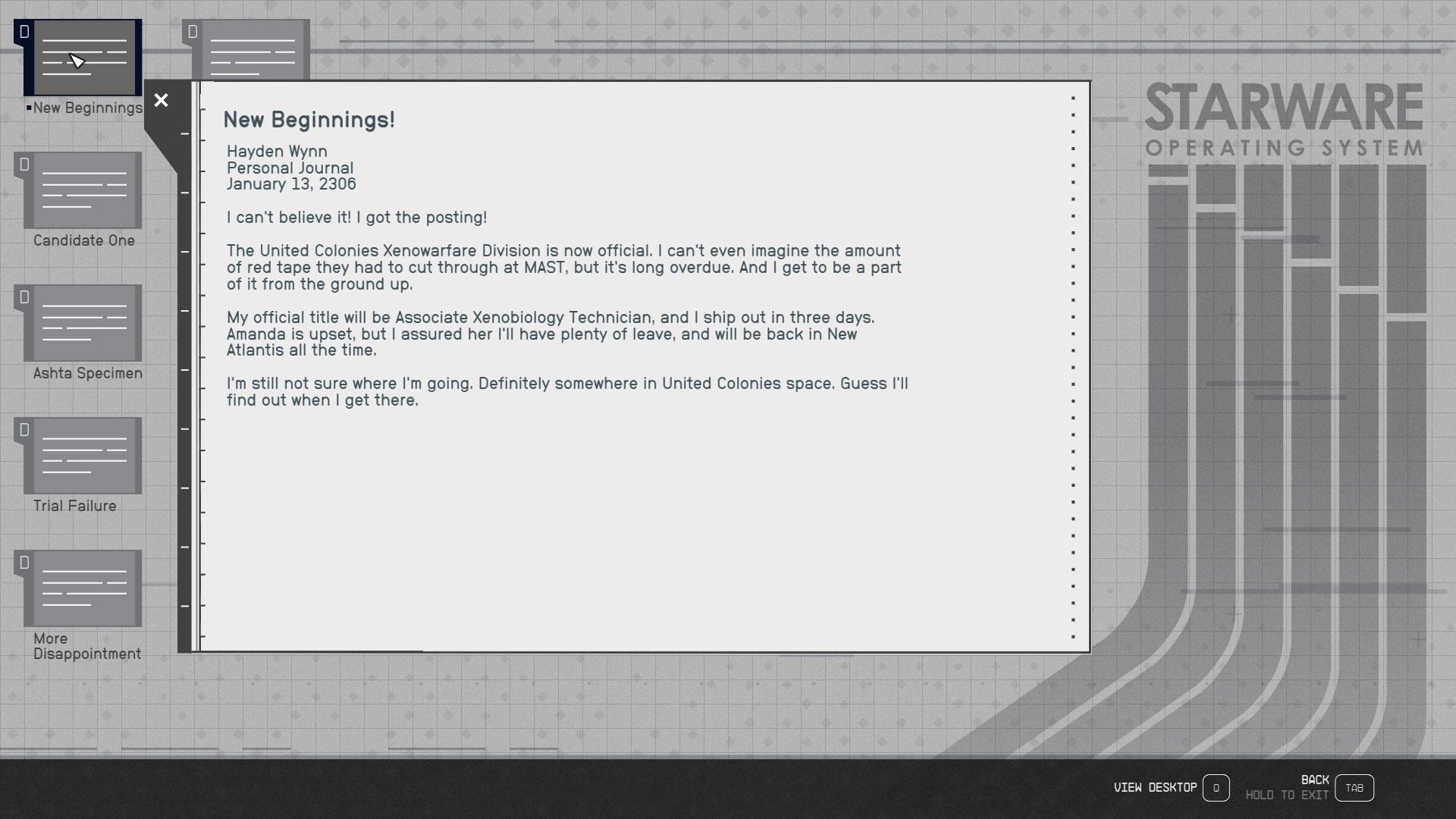
Despite my ambivalence towards the mechanics of creating an outpost, I did spend an evening building one. I followed a specific YouTube video and the instructions therein. The outpost is on the moon Bessell III-B in the Bessell system. Specifically, because there is an area on the moon surface that has access to Aluminum, Iron, Nickel and Cobalt. Their extraction is further optimised by the day and night cycle of the moon, where one hour of moon time equates to nearly sixty hours of universal time. Hence if you sleep, upon waking the extraction process has produced a substantial amount of each ore. This generates XP and the ore can be traded for credits. Furthermore, if you install an industrial workbench, you have all the raw materials you need for making most common construction components, such as adaptive frames. Again this process will generate further XP. So, in this instance, building an outpost has multiple benefits including helping you level up your character.
Having built my outpost in Starfield and assigned my companions Lin and Heller there to maintain it, I don’t think I’ll be returning that often, apart from collecting the various extracted resources. I’m curious to see if there are any random attacks or whether the game provides any incentives to go back there. At present I am making credits quite easily and resources can be purchased for reasonable prices. Hence for a player such as myself, outposts don’t really offer anything beyond the immediate fun of building them. As I’ve mentioned in a previous post, I think the most enjoyable creative aspect of the game is building your own starship. Not only is it a fun process, it has a technical aspect that engages players that like number crunching. It also offers a tangible benefit upon completion. Overall, outposts don’t seem to offer as much. However, that is a subjective statement and I’m sure other players may feel differently.




Playing Starfield Part 5: Companions
I like the concept of companions in video games. They can offer tactical support in combat, be assigned research or crafting jobs and often provide beneficial buffs and such like. There’s also the option for “romance” if you wish. More importantly, companions can sometimes offer unique quest lines. Extra content is always welcome. Starfield, being a Bethesda game, offers all of these with its companion system. However, as ever there is also a downside. Companions can get in the way during combat or wander off and cause aggro when it is not required. They will also judge your decisions which can be problematic, and they sometimes never stop talking. Sometimes, it can be useful to have a companion with you. But on other occasions it’s a pain in the ass. Hence, your style of gameplay should dictate how you use them.
I like the concept of companions in video games. They can offer tactical support in combat, be assigned research or crafting jobs and often provide beneficial buffs and such like. There’s also the option for “romance” if you wish. More importantly, companions can sometimes offer unique quest lines. Extra content is always welcome. Starfield, being a Bethesda game, offers all of these with its companion system. However, as ever there is also a downside. Companions can get in the way during combat or wander off and cause aggro when it is not required. They will also judge your decisions which can be problematic, and they sometimes never stop talking. Sometimes, it can be useful to have a companion with you. But on other occasions it’s a pain in the ass. Hence, your style of gameplay should dictate how you use them.
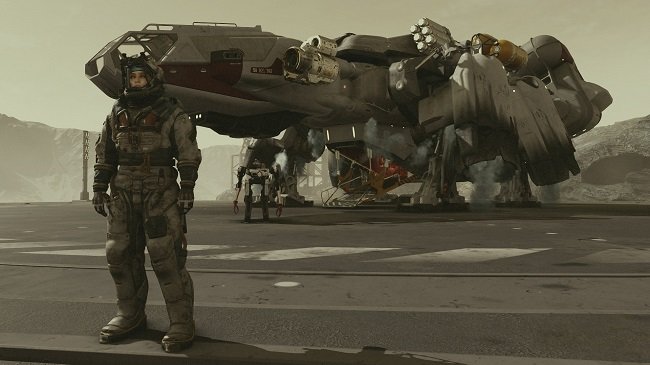
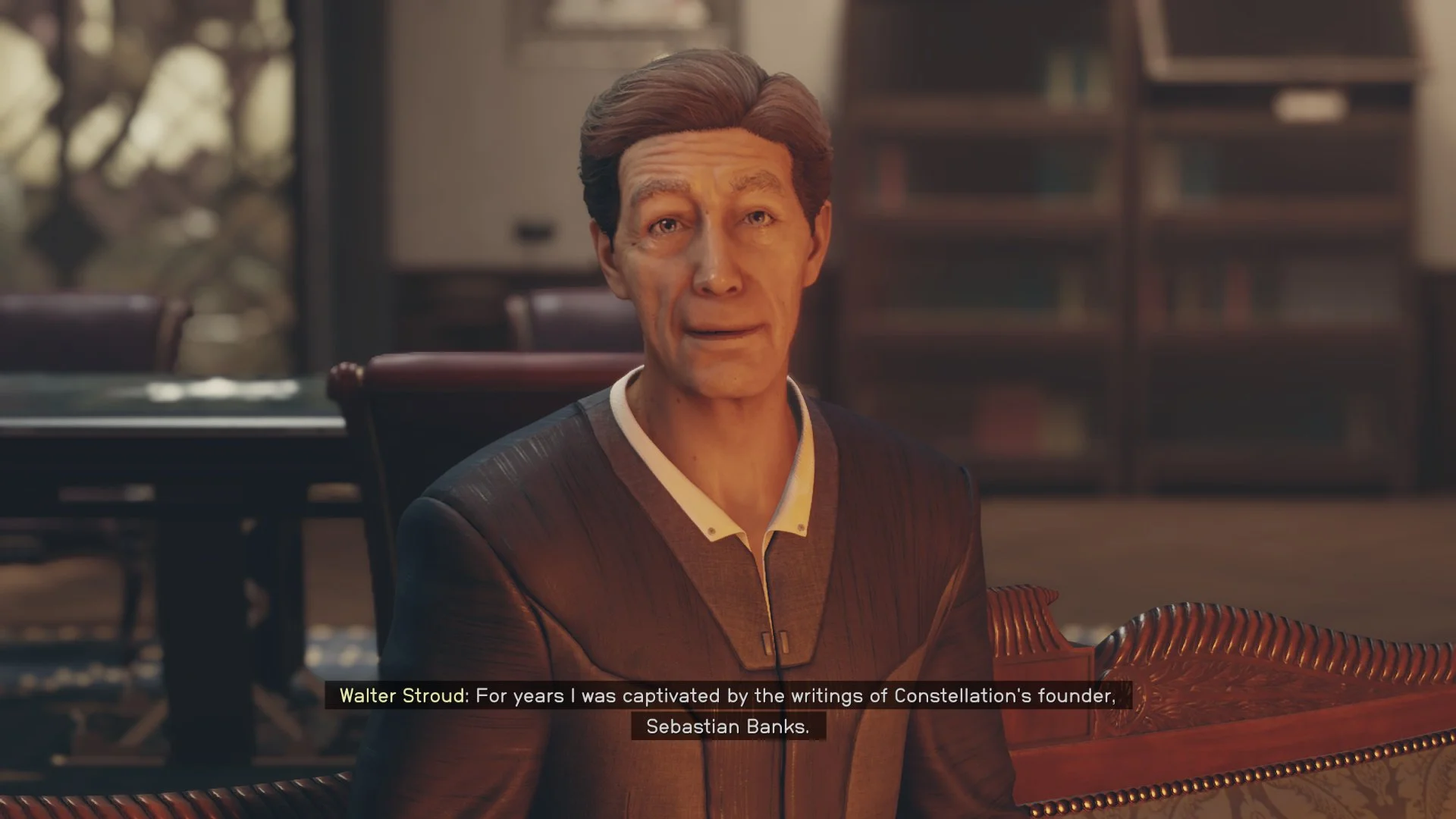
There are three categories of companions in Starfield. Constellation companions, unique companions, and recruitable companions. Constellation companions sustain more detailed conversations, can be “romanced” and have side missions associated with them. They can approve or disapprove of your actions and will abandon you if you become too wayward. Unique companions include Lin and Heller from the introductory mission in Starfield. They can be recruited but are less significant compared to your fellow Constellation members. There are others to be found in the various bars and clubs on all the major settlements. You may sometimes encounter them as part of a side mission. They will have names to distinguish them from generic citizens. Moara Otero is a good example, who you may meet while playing through the main story. The lowest tier of recruitable companions are usually identified by having a functional name such as “Laser Weapons Specialist”. Unique companions can be assigned to your ship or outpost and their skills provide buffs.
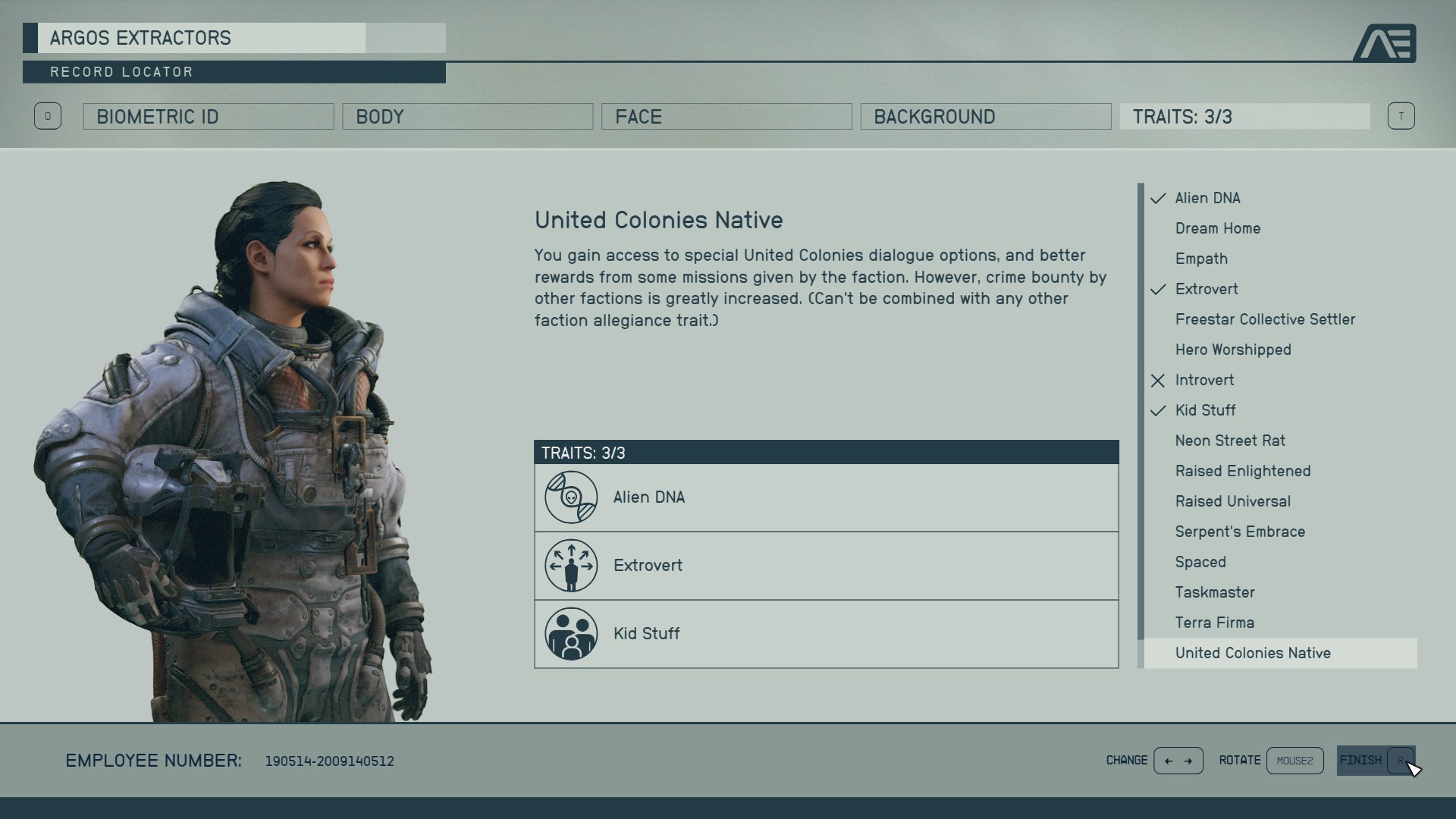
Only the four Constellation companions can accompany you on missions. Sadly, there is no ability to give them tactical instructions. The most you can do is ask them to wait where they are and you need to ensure that if you do, that there are no enemy NPCs or alien lifeforms about as they will go “walkabout” if the fancy takes them. However, you can upgrade your companions’ weapons and spacesuits, simply by giving them superior gear to carry. They will by default use items with the best stats. So far from my in-game experience, companions cannot die. They are temporarily incapacitated and will cease to participate in combat. After a while they recover and resume normal activities. Namely, getting in the way and smothering you in overlapping dialogue. Players who prefer solo gameplay can choose to travel without companions. There’s a trait that you can choose initially, that buffs you for this, as a means of compensation for your choice.
Playing Starfield Part 4: Upgrading Your Ship
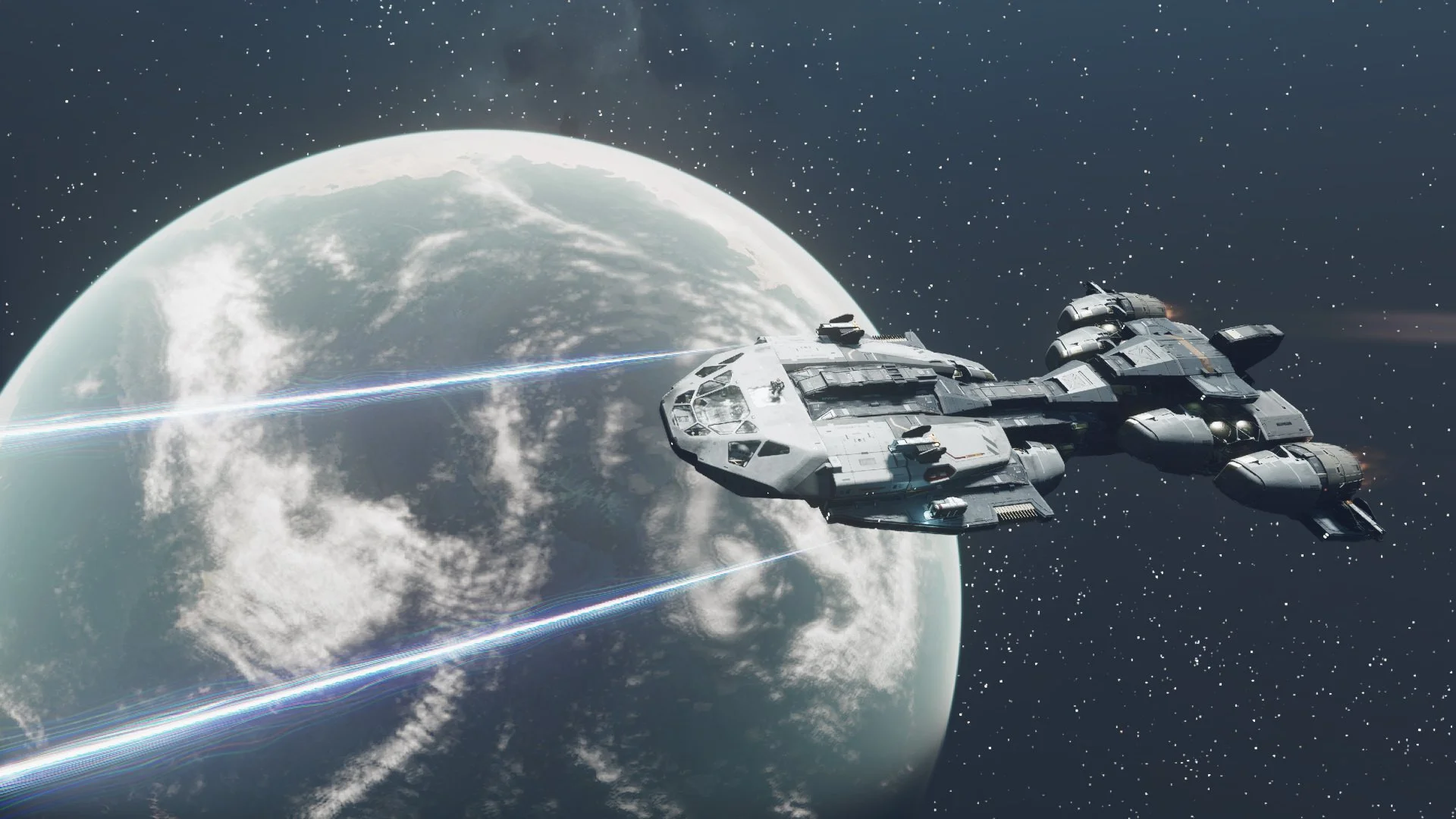
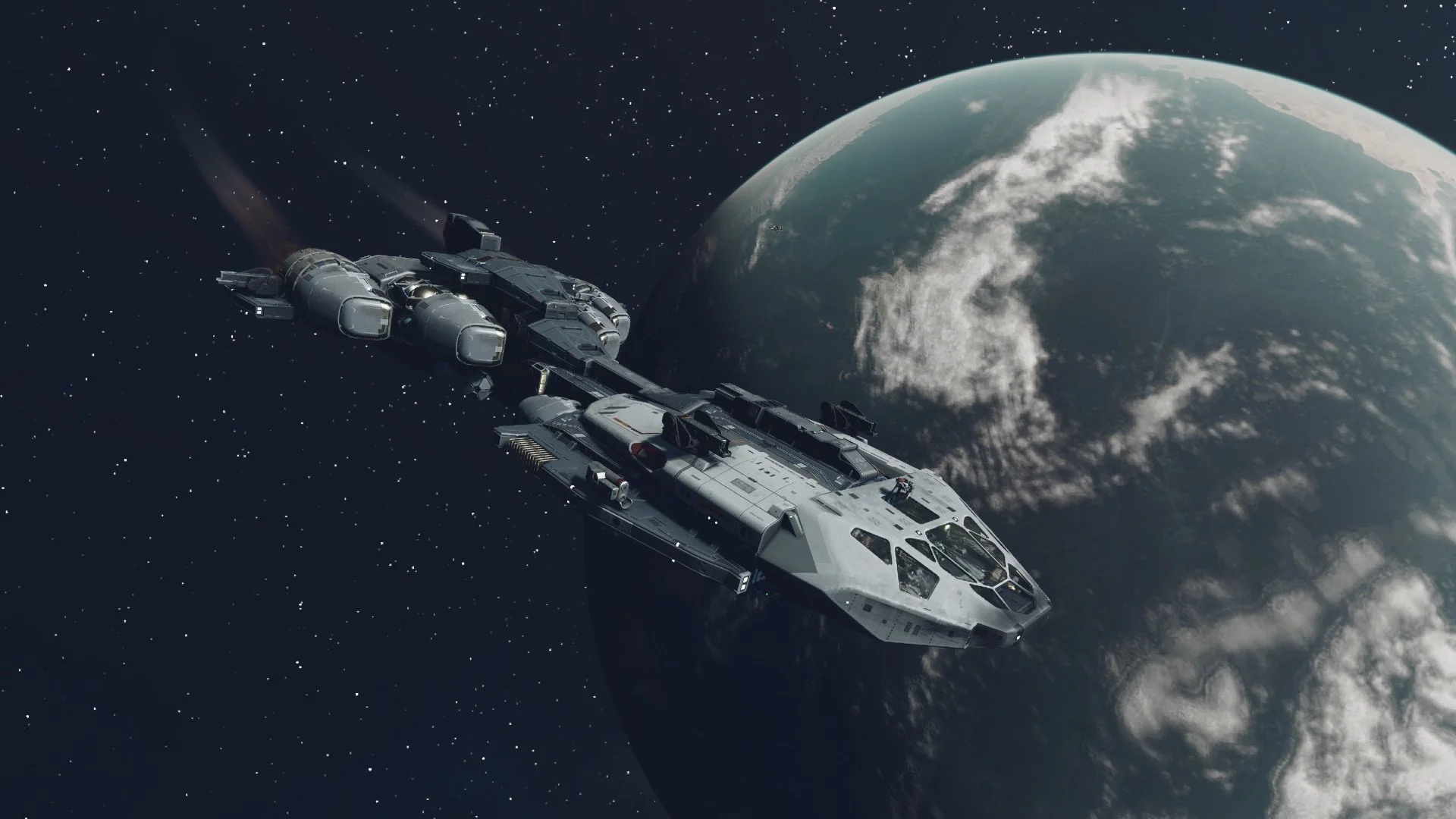
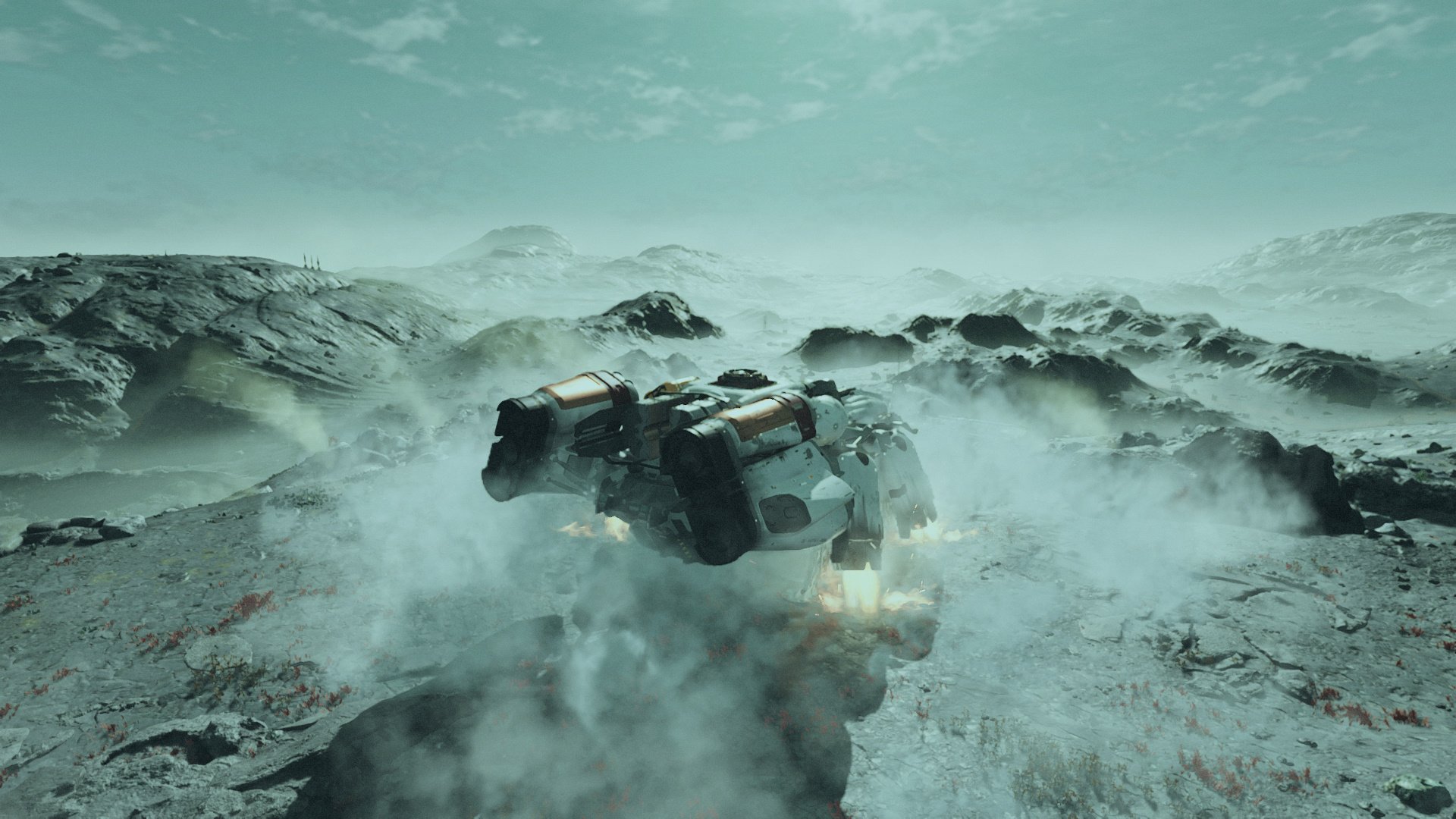
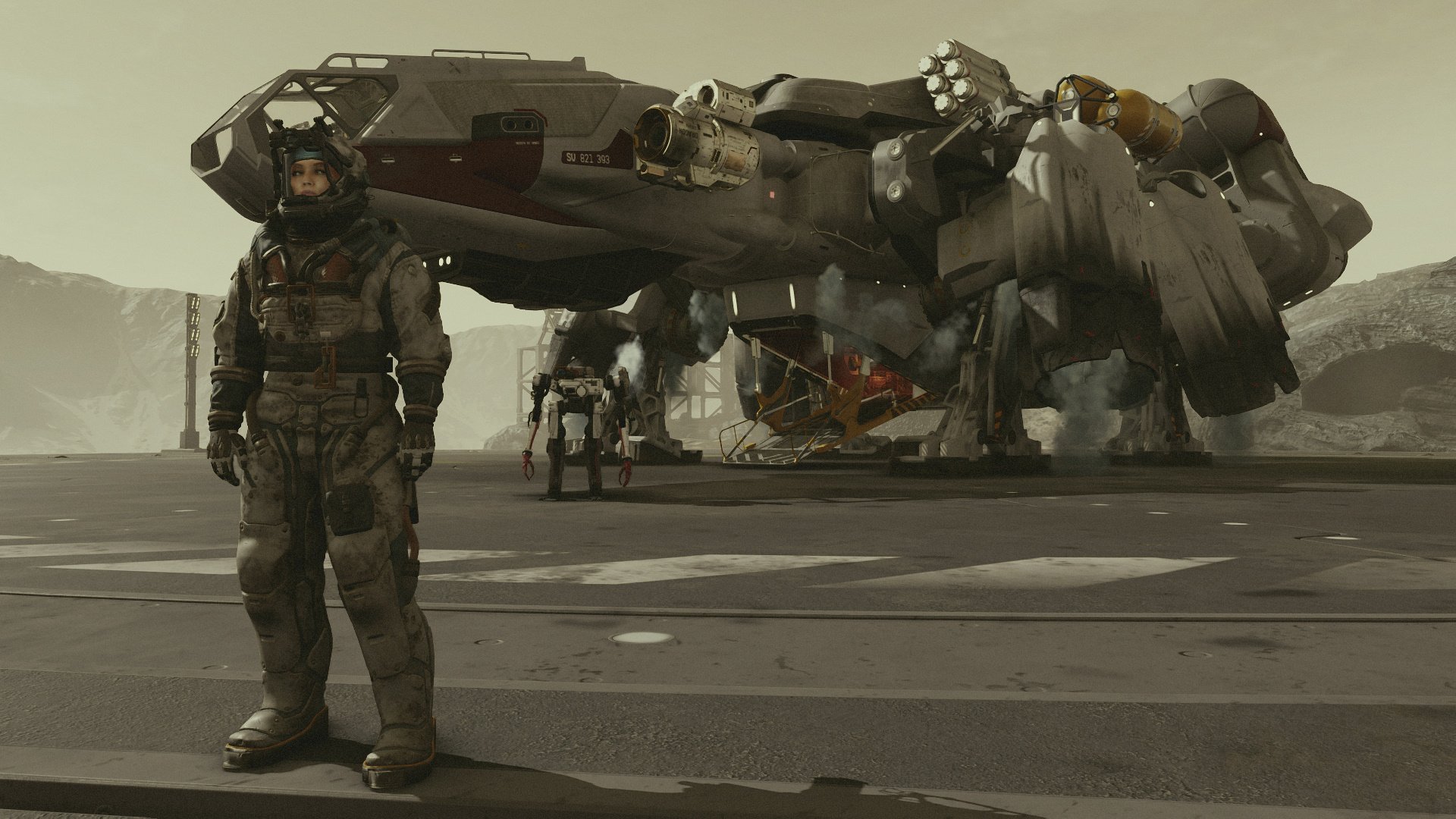
These posts are all written after playing a lengthy session of Starfield. Often some of the points raised are clarified later. So, it would be remiss of me not to revise a comment I made previously about scanning when surveying a planet. It turns out that there is a surveying skill that you can invest points into that improve the efficiency of the process. Let it suffice to say that it does make things easier. Now that’s out of the way, I want to focus upon the necessity to replace your ship as soon as possible in Starfield. The Frontier, which is the first vessel you’re given access to in the game, has a lot of character but it doesn’t have much else. It is lacking in damage output and is therefore a bit of a liability in space combat, even after you’ve unlocked targeting in the skills tree. I therefore made it a priority to replace it as soon as possible.
These posts are all written after playing a lengthy session of Starfield. Often some of the points raised are clarified later. So, it would be remiss of me not to revise a comment I made previously about scanning when surveying a planet. It turns out that there is a surveying skill that you can invest points into that improve the efficiency of the process. Let it suffice to say that it does make things easier. Now that’s out of the way, I want to focus upon the necessity to replace your ship as soon as possible in Starfield. The Frontier, which is the first vessel you’re given access to in the game, has a lot of character but it doesn’t have much else. It is lacking in damage output and is therefore a bit of a liability in space combat, even after you’ve unlocked targeting in the skills tree. I therefore made it a priority to replace it as soon as possible.
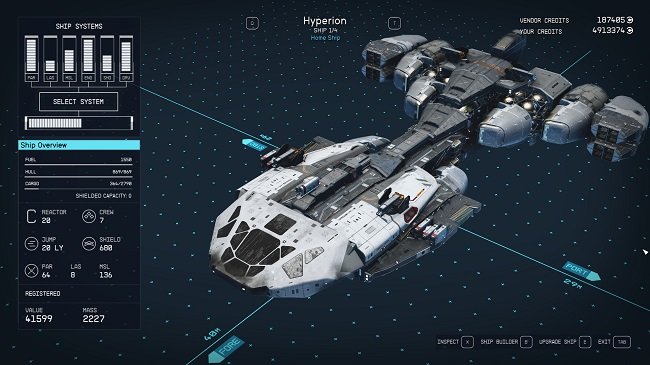
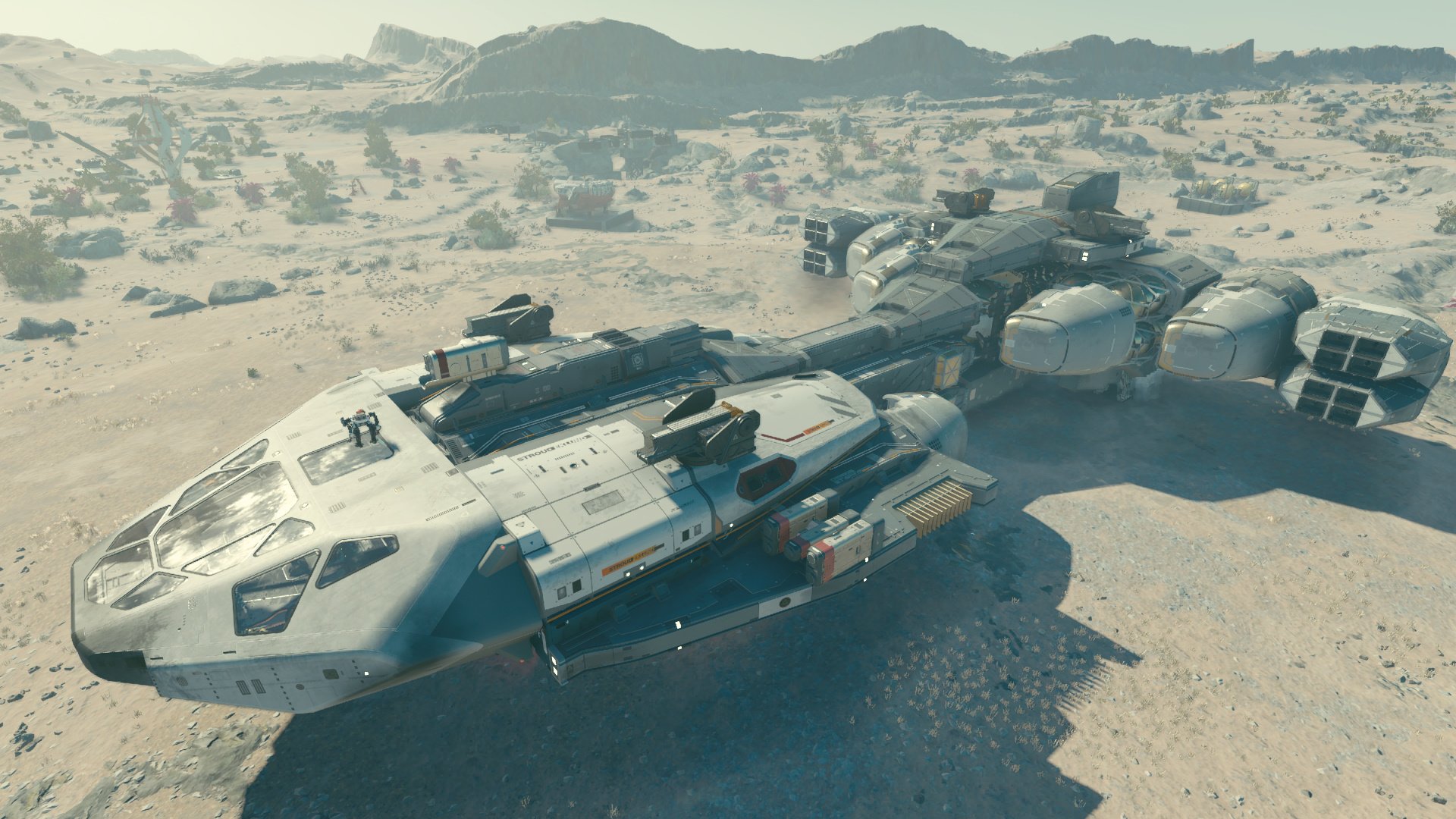
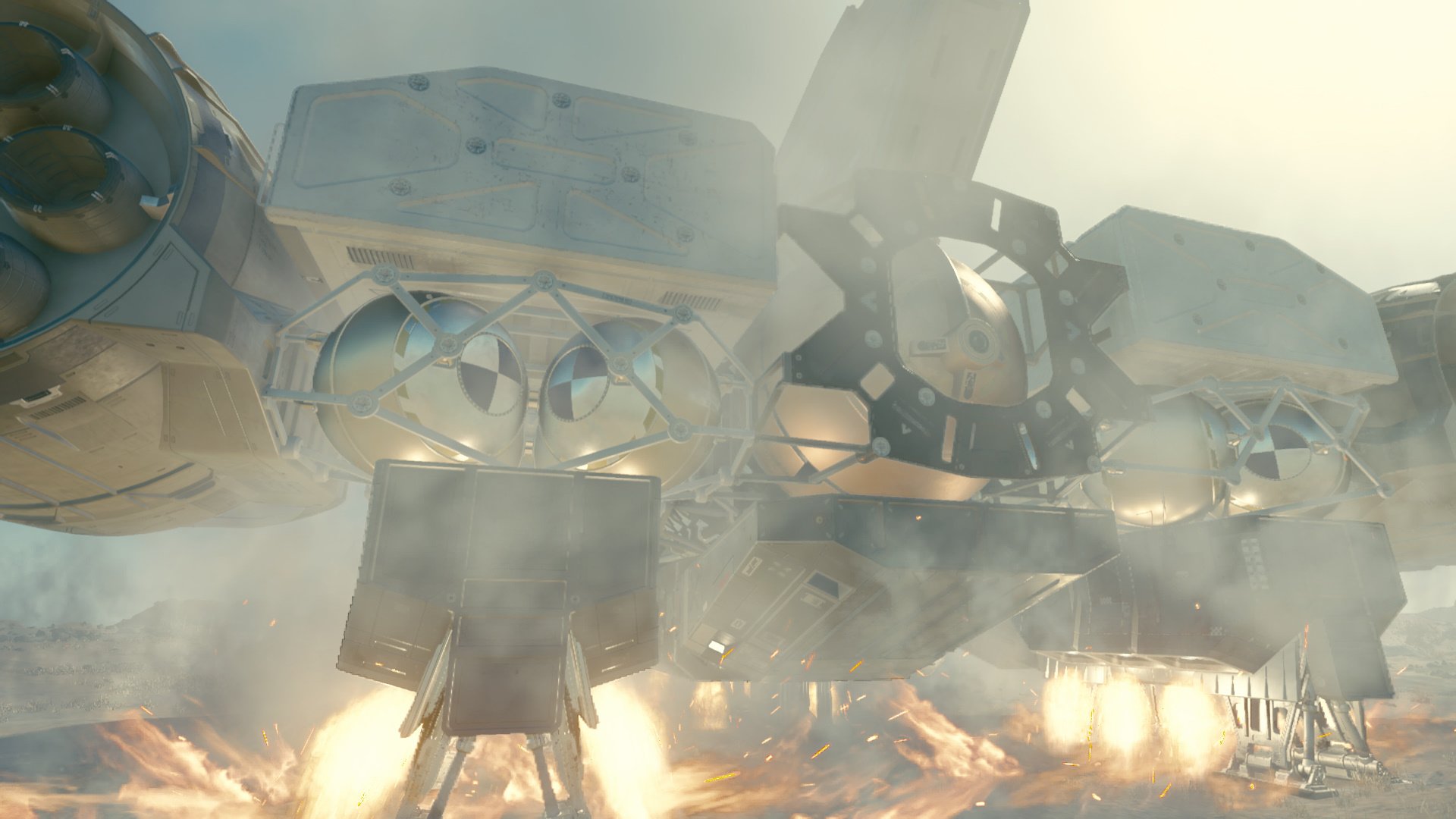
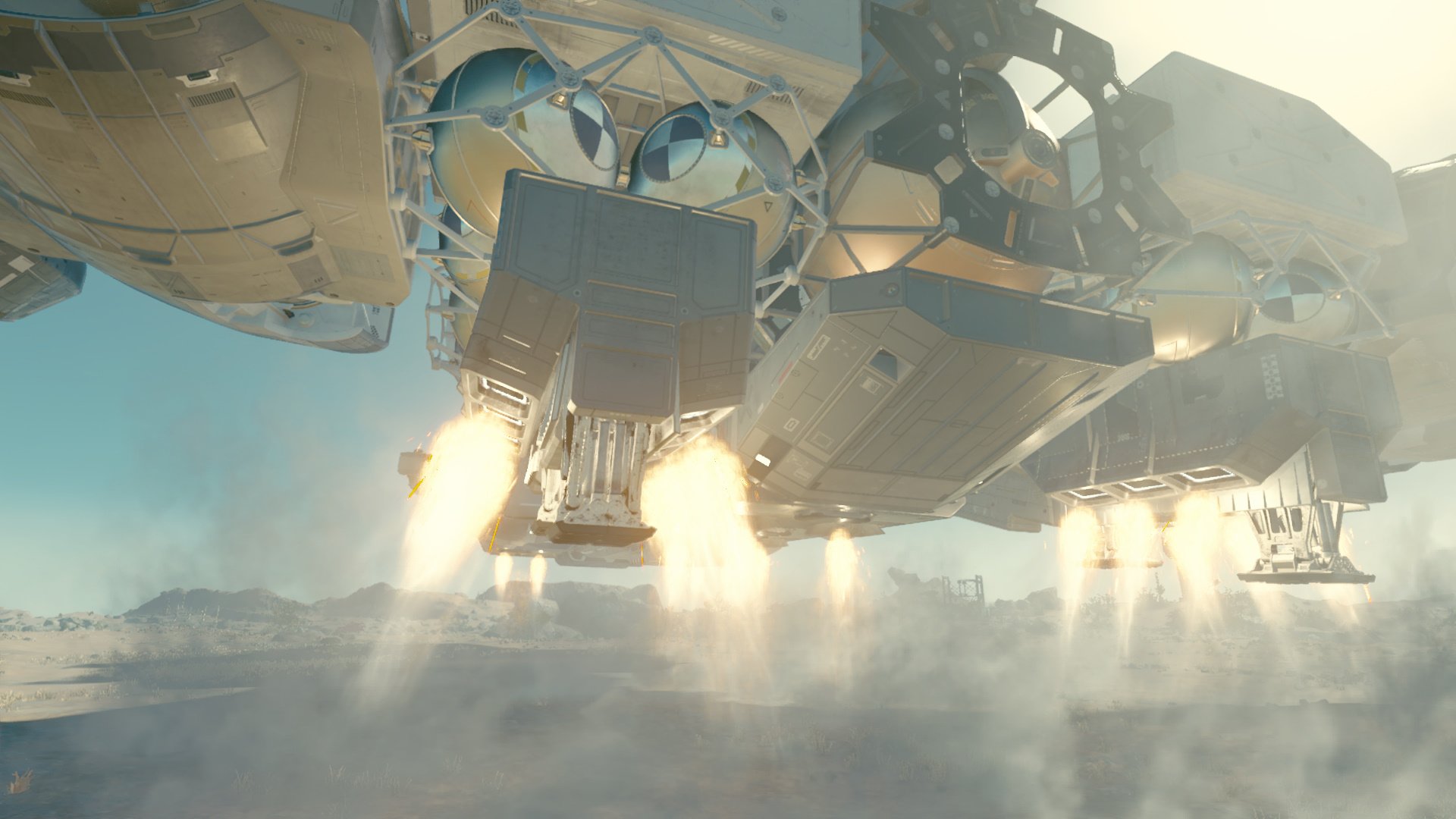
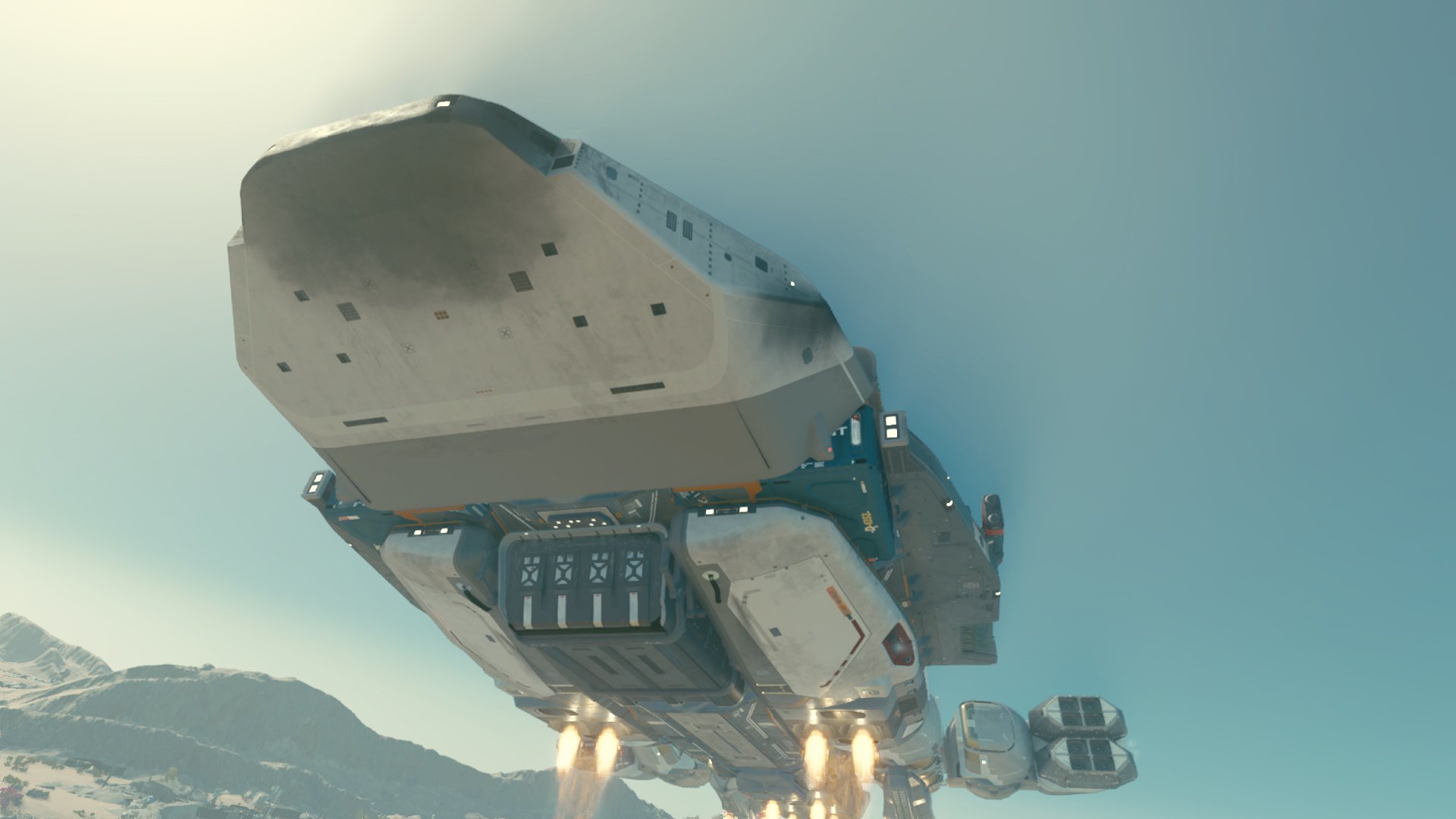
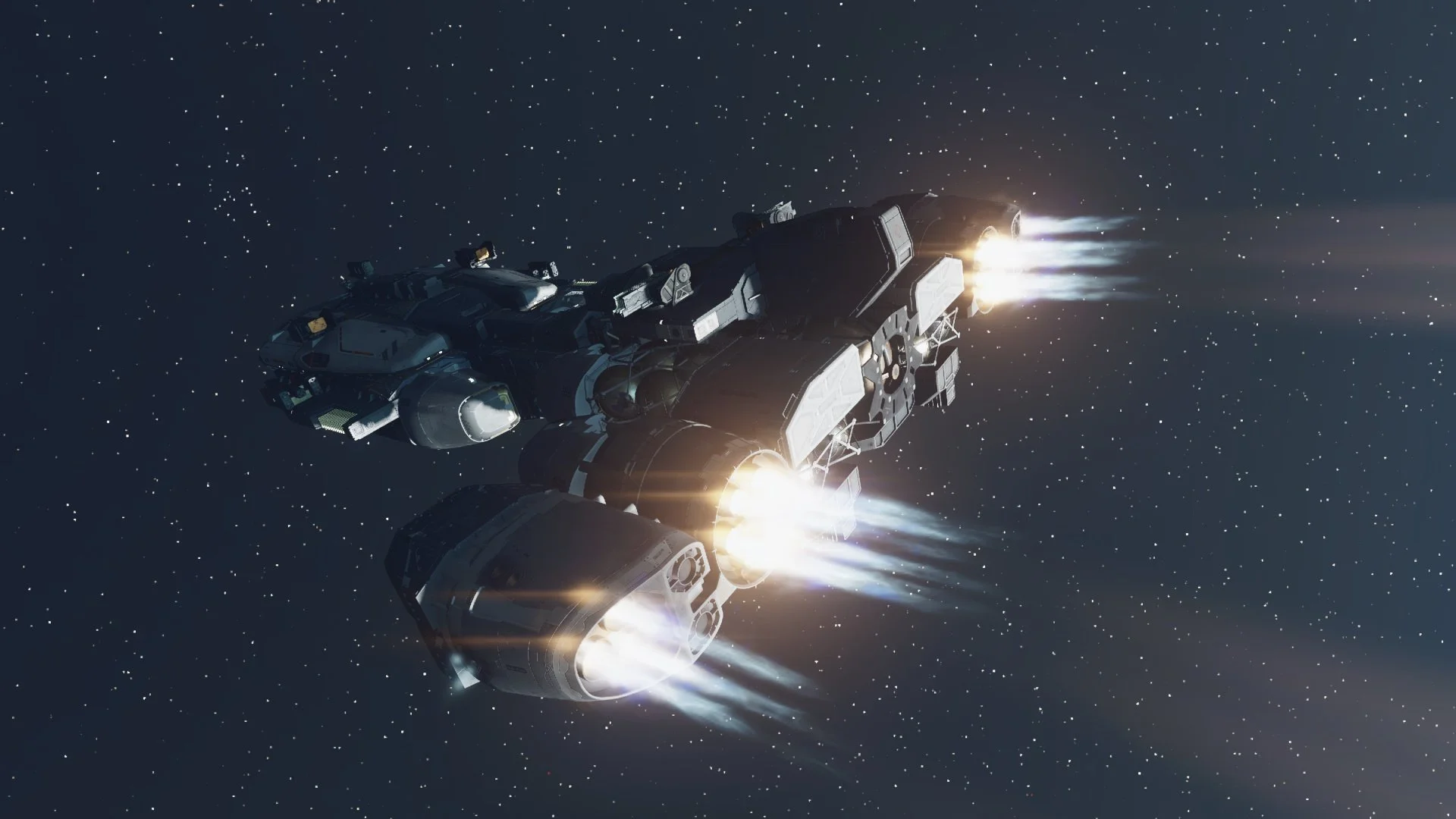
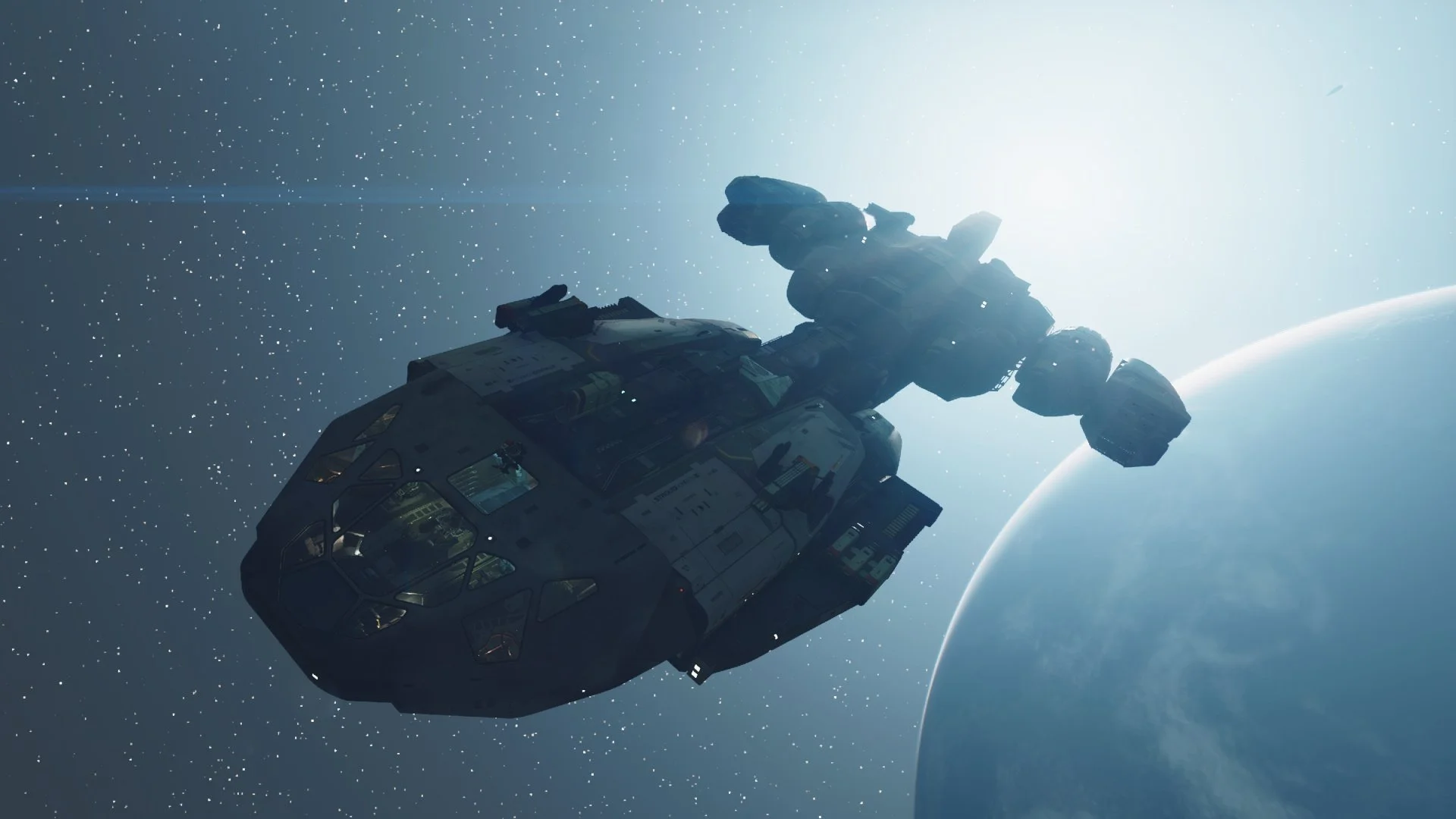
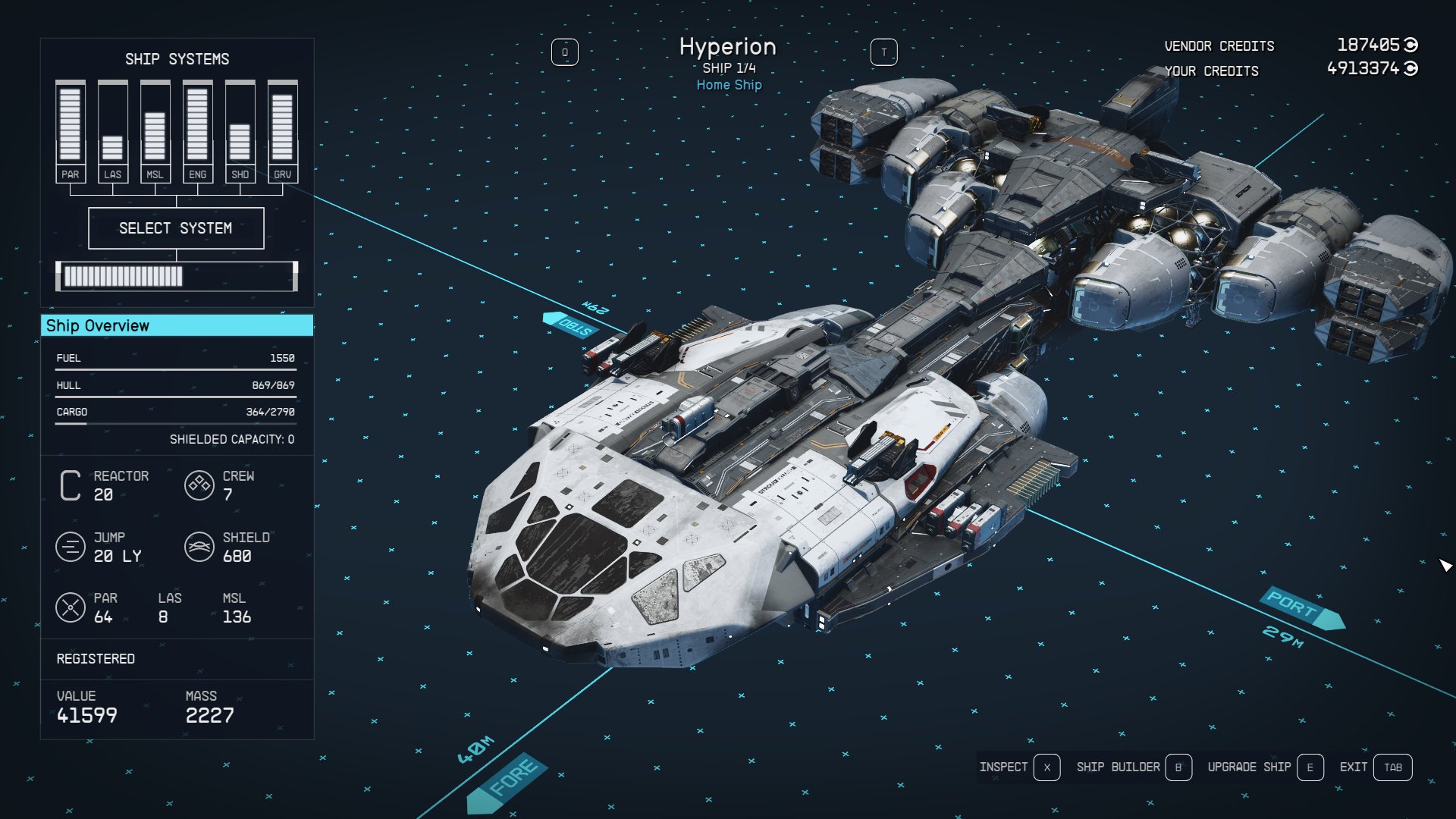
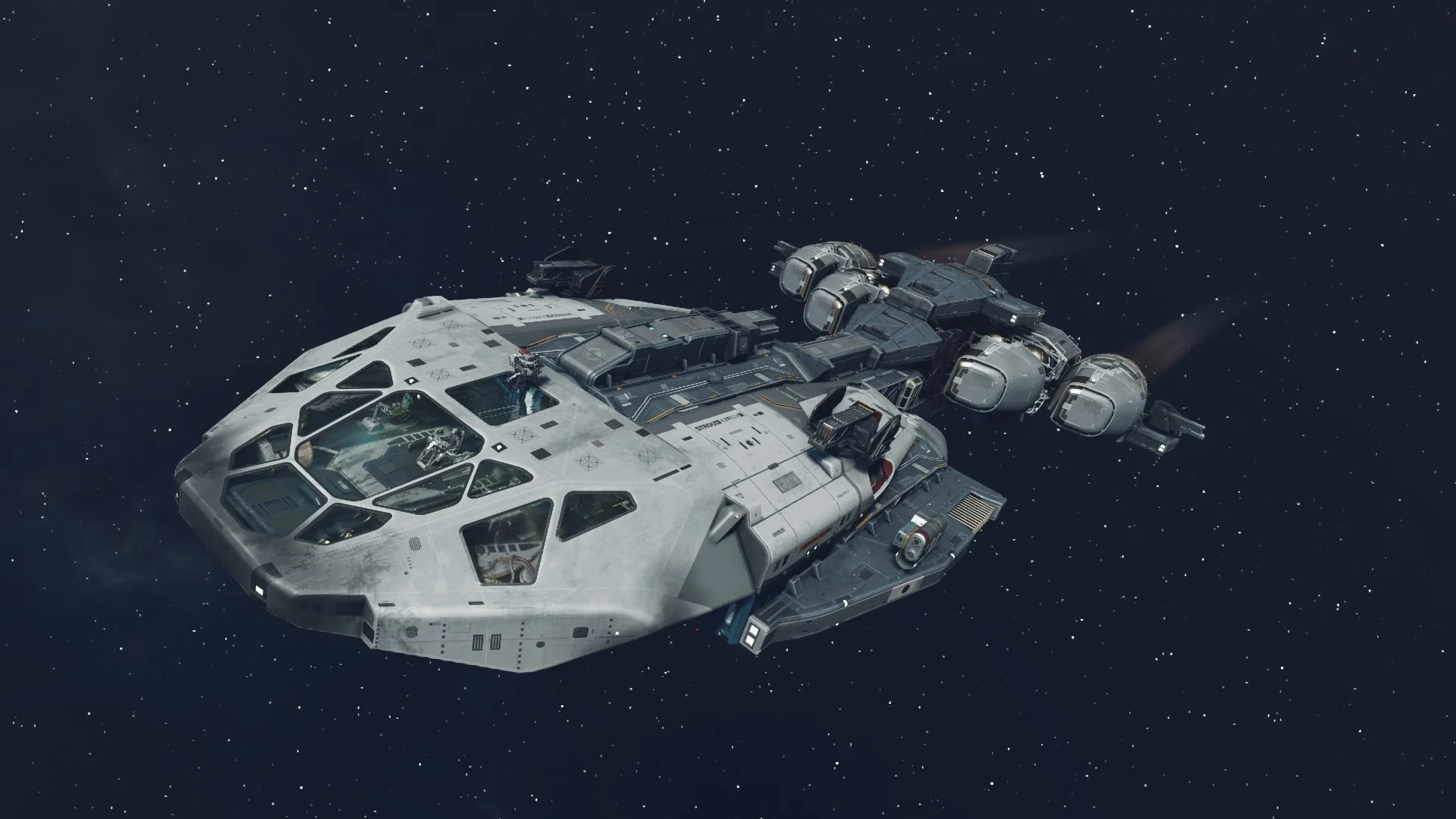
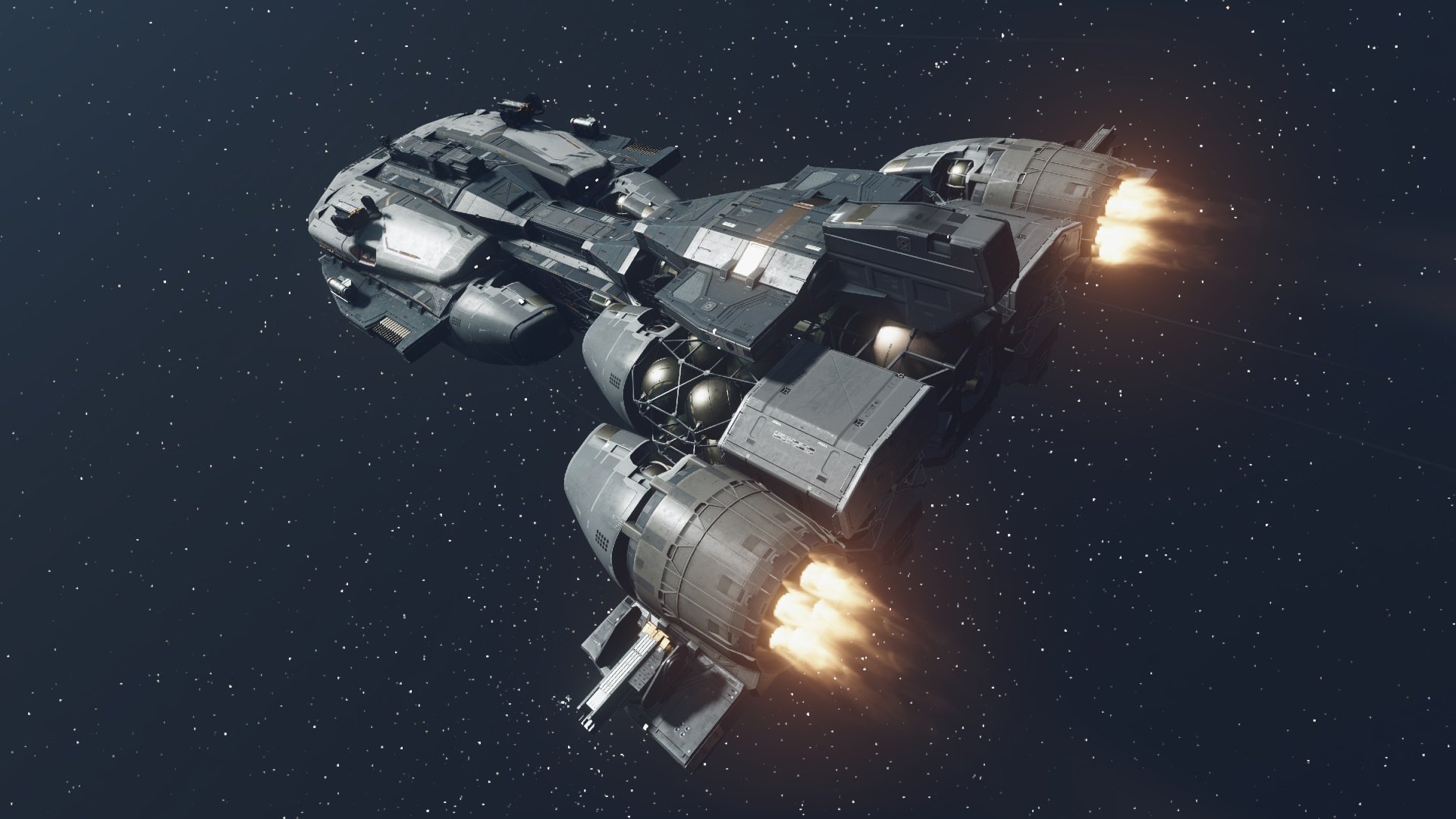
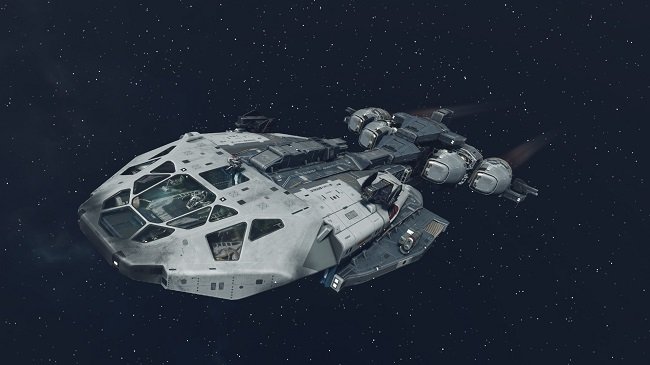
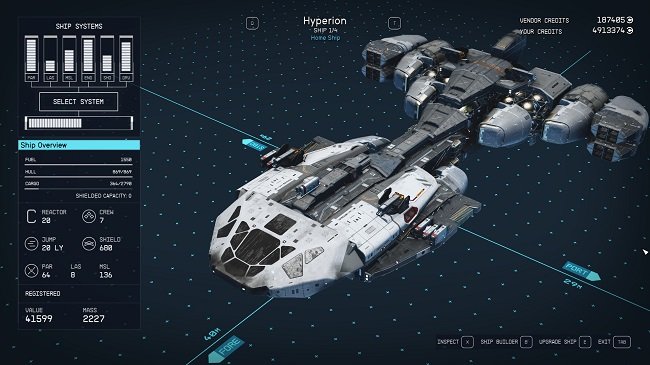
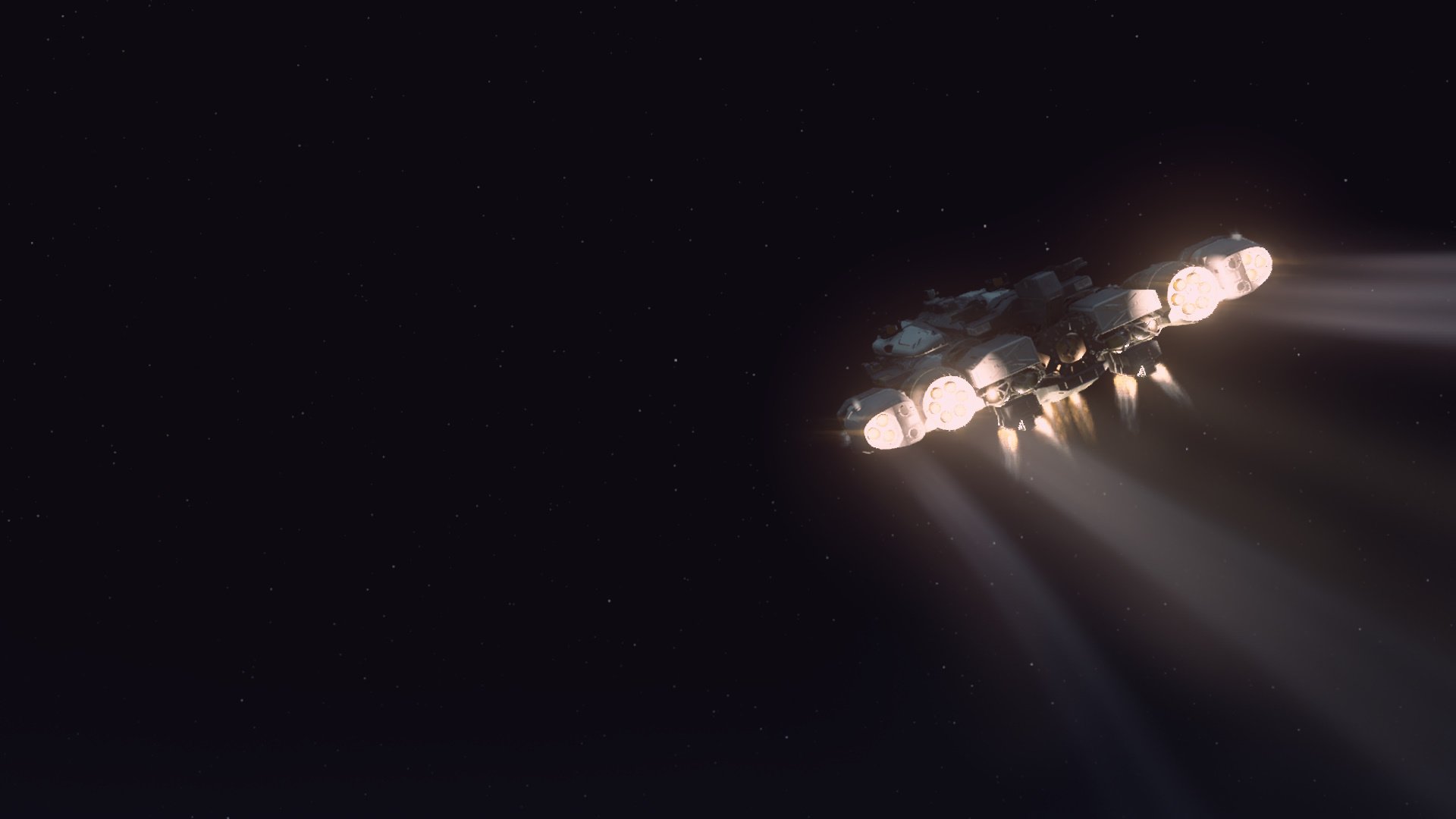
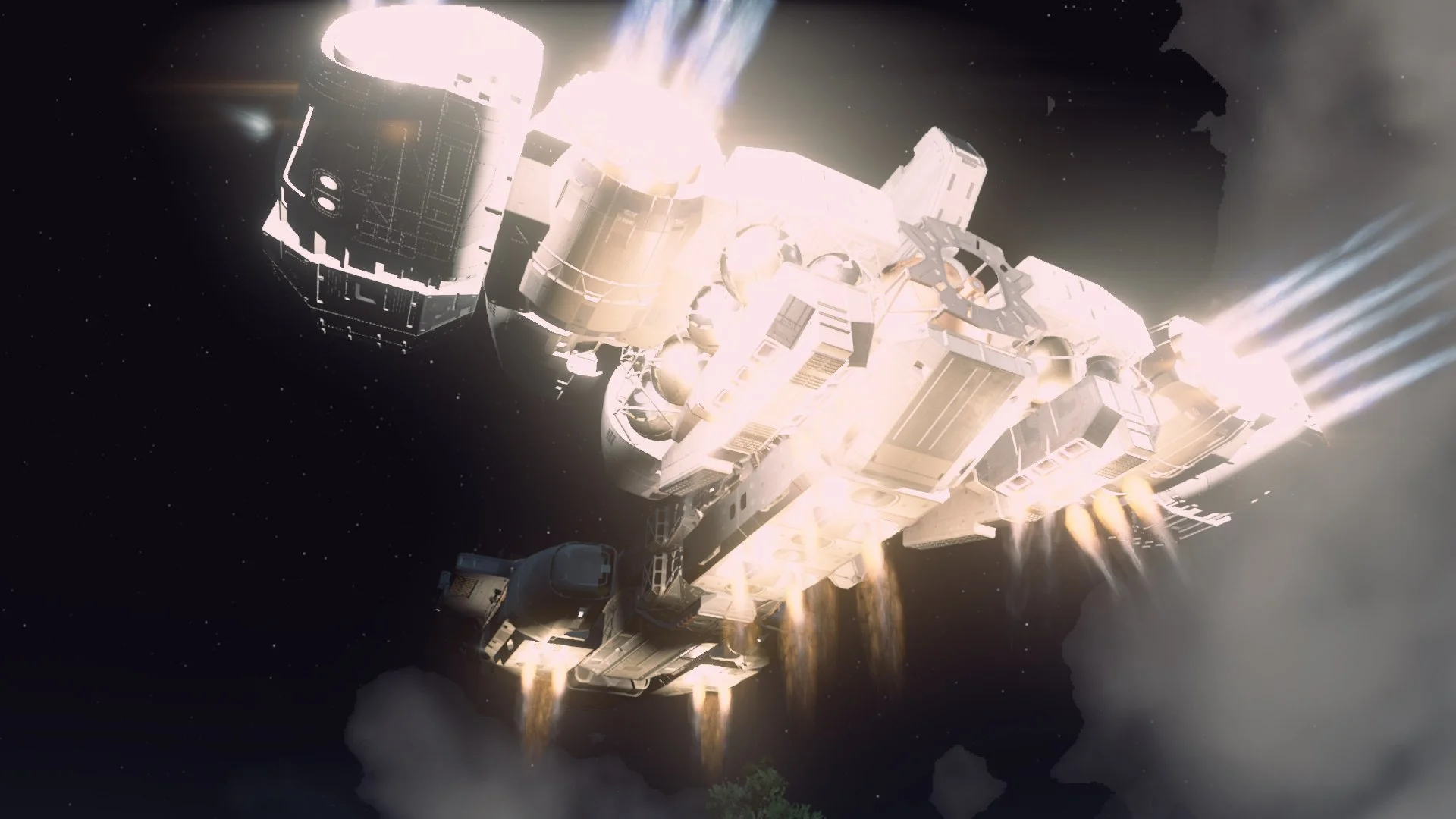
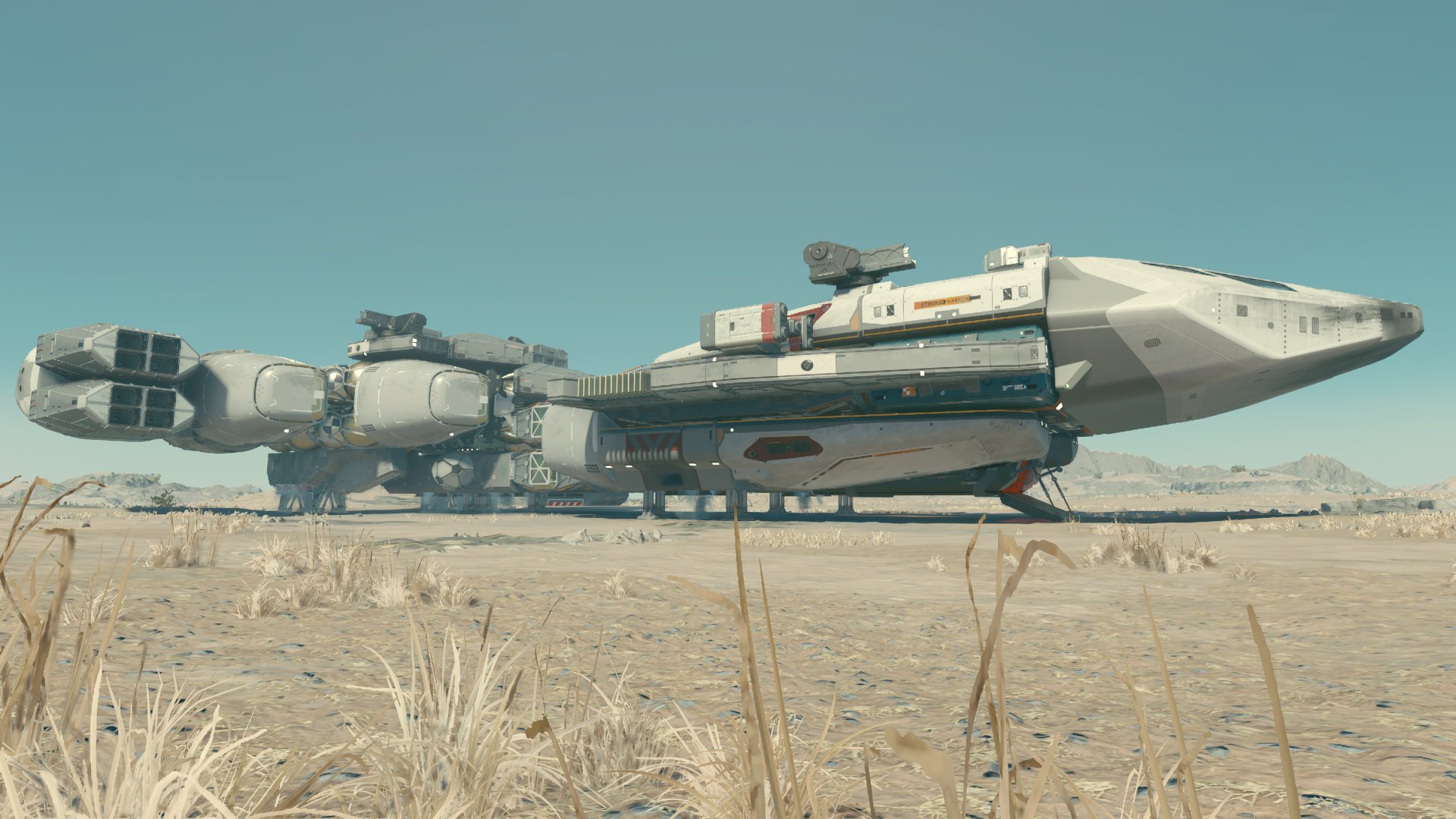
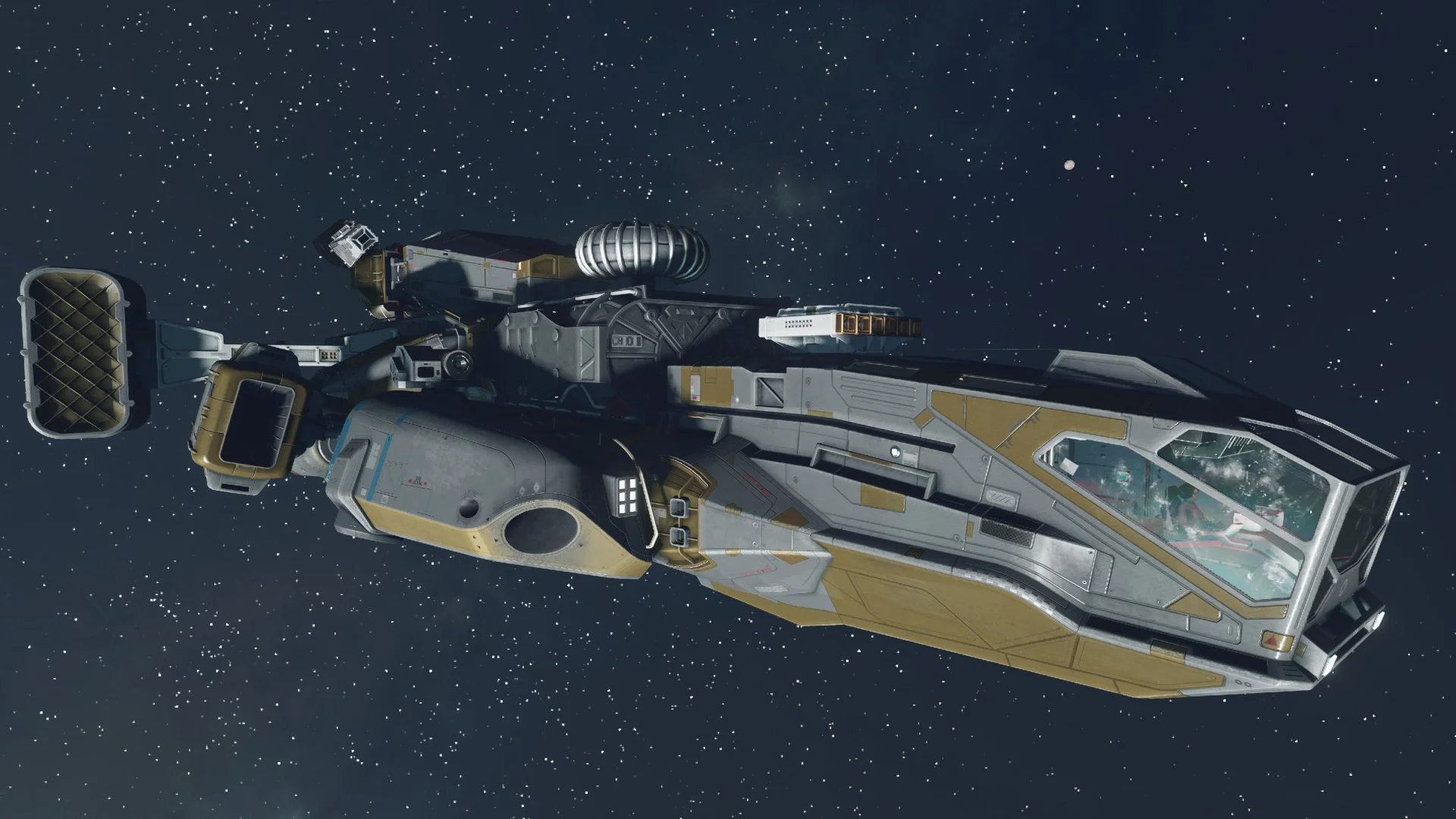
There are three ship categories in Starfield. A, B and C. A is the default, B the intermediate class and C being the largest and most powerful vessels with the biggest cargo capacity. The categories are accessed via the piloting skill, and it requires 4 skill points to fully unlock. Upgrading your existing ship is the quick and easy way to improve your weapons, shields and engines. Highlighting any potential upgrade clearly shows if it offers any statistical improvements over your current item. Building is a more involved process where you can customise your ship in far more detail. However, each ship category has specific parameters, so you cannot add items indefinitely. Sometimes adding equipment means you have to relocate other items. You also have to consider how adding to your vessel affects overall power management. However, it is worth the time and effort as all the ships in the game have a very functional and industrial aesthetic. Like the Eagle transporters in Space: 1999 and the USCSS Nostromo from Alien.
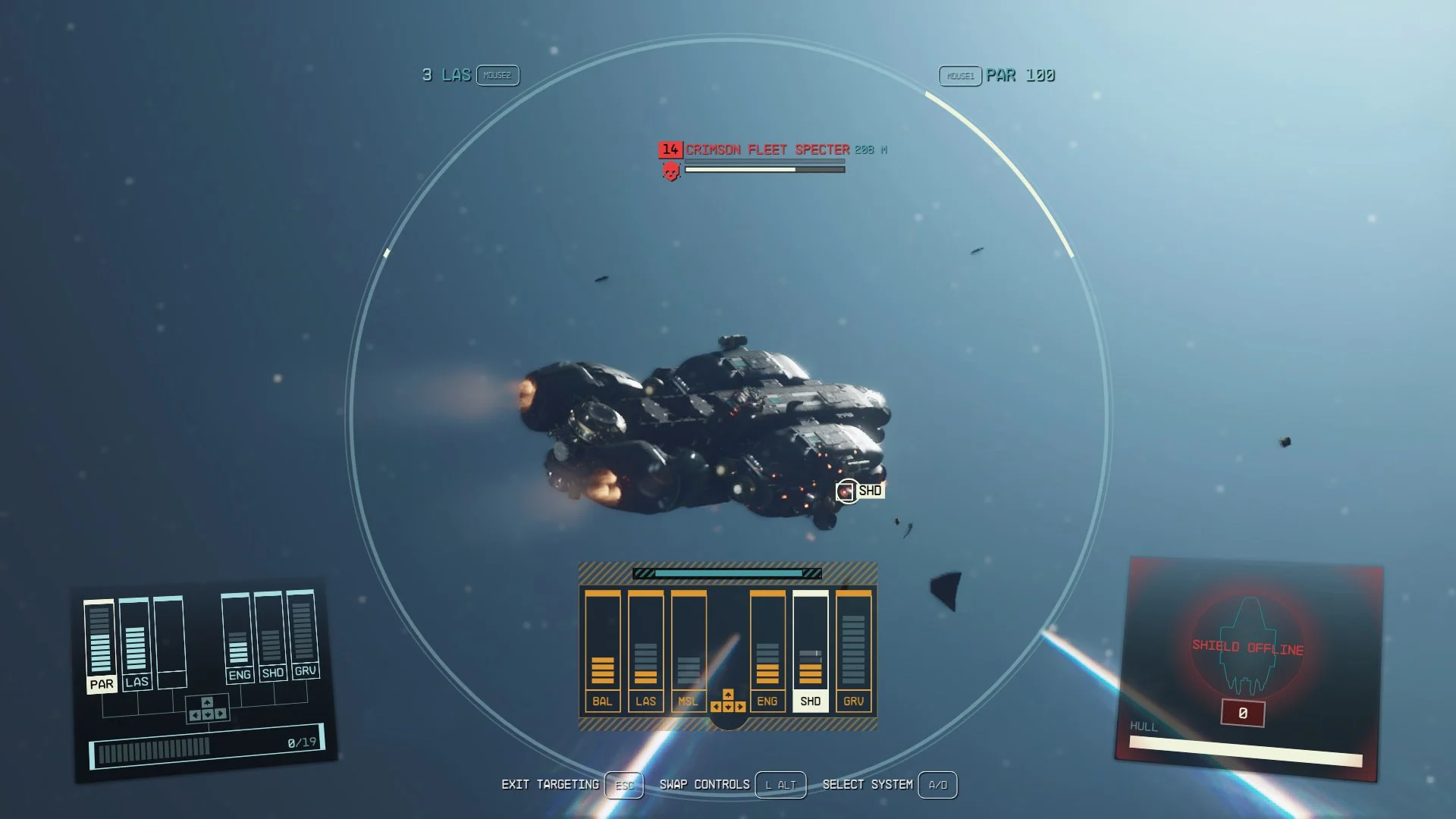
I’m sure it comes as no surprise that tinkering with your ship or buying a new one comes at a significant cost of credits. So if you are low on in-game funds, you can always play some specific missions that reward the player with a free new ship. Alternatively, you can steal them. So far, during planetary exploration, I have encountered three Crimson Fleet vessels that have landed for nefarious reasons. I subsequently boarded them, made my way to the cockpit, and killed the captain as well as the crew. I then claimed the ships. This is a good way to make money, but you must register a ship before selling it, so there’s a fee to be paid in advance that reduces your overall profit. However, it does not negate the value of this source of credits. Plus stealing “bad guy” ships does not upset the authorities. Another point to remember is that you can rename any of your ships. Go to the ship builder menu and you’ll find the rename option within the flight check window.
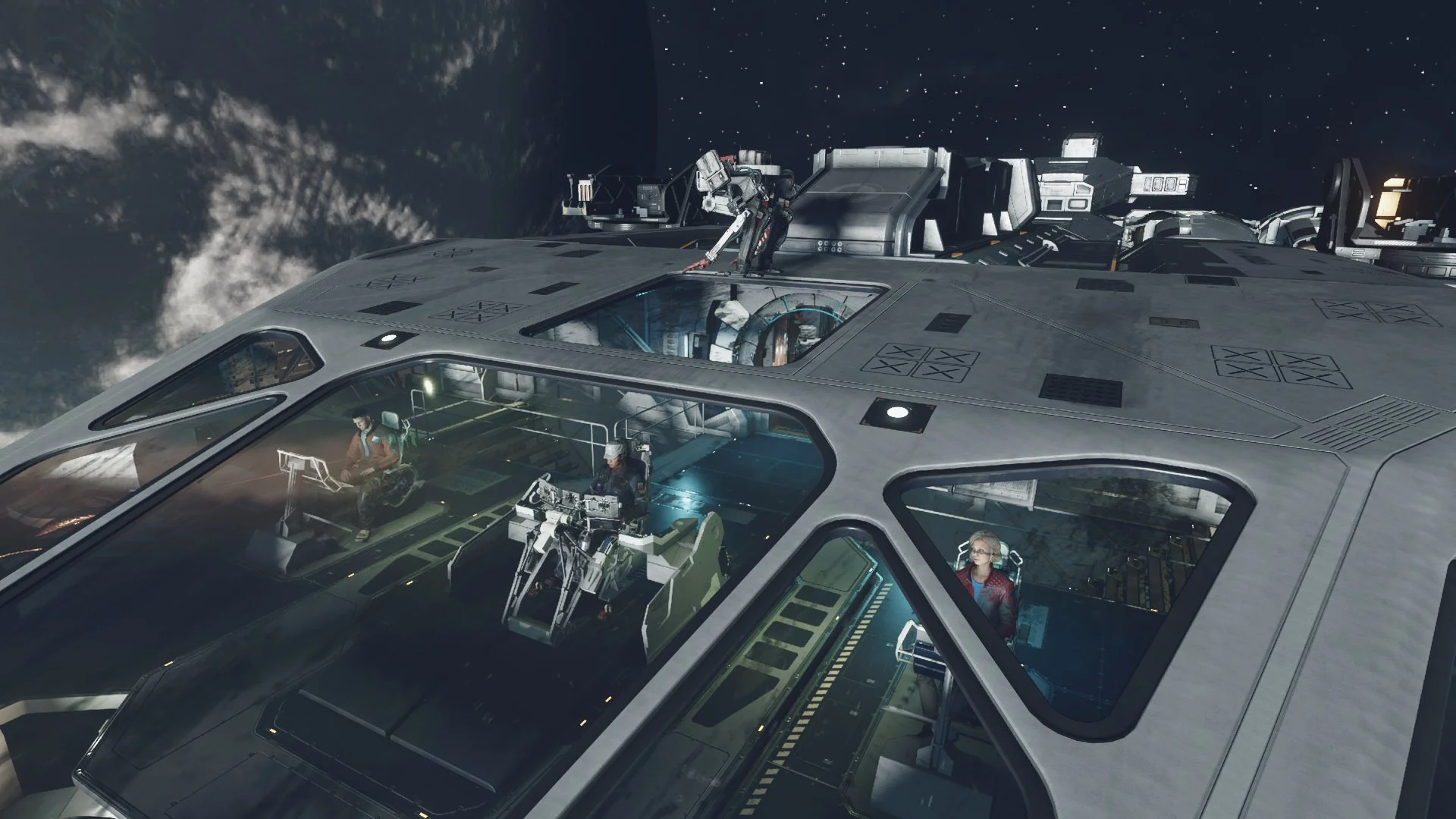
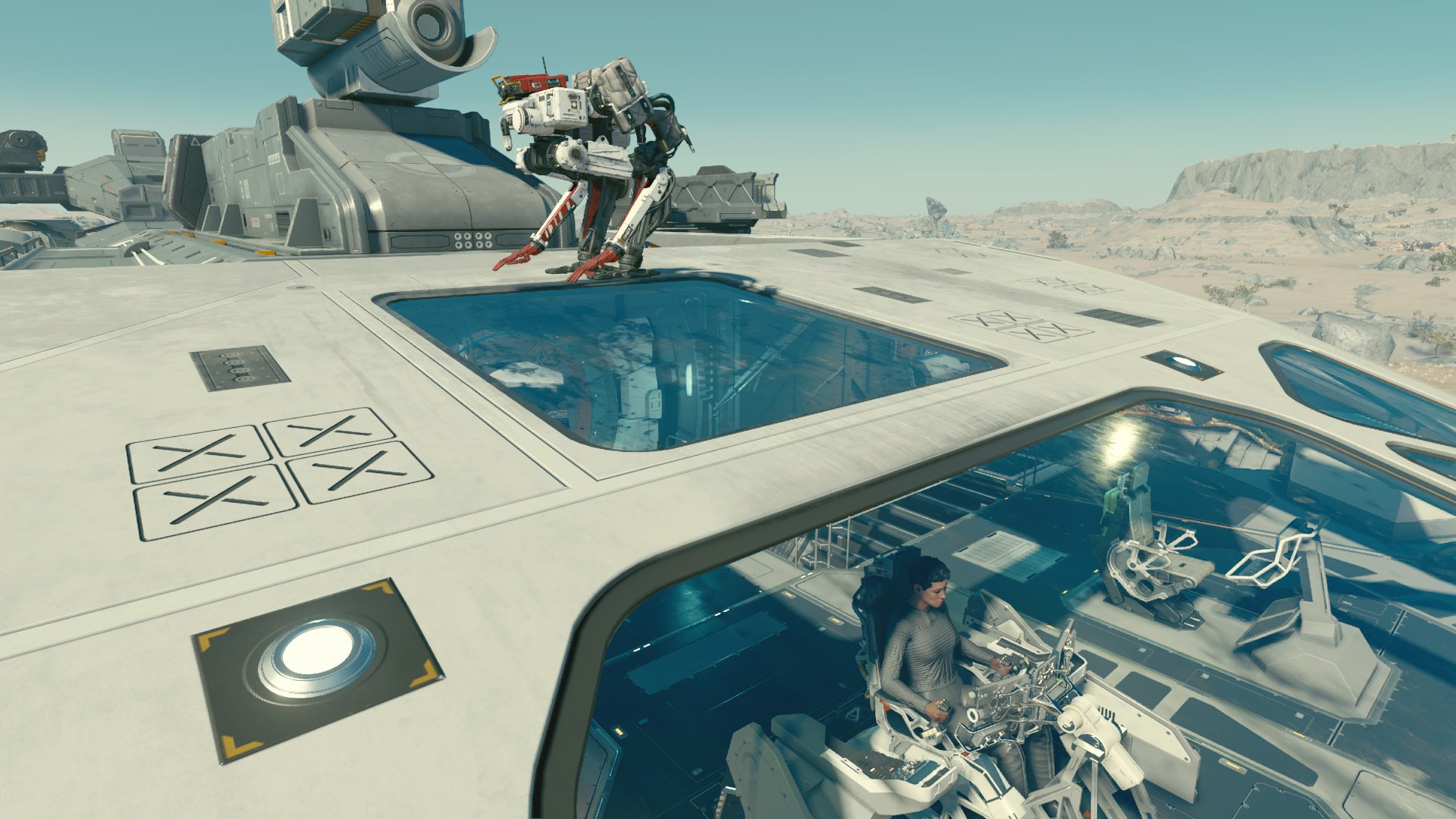
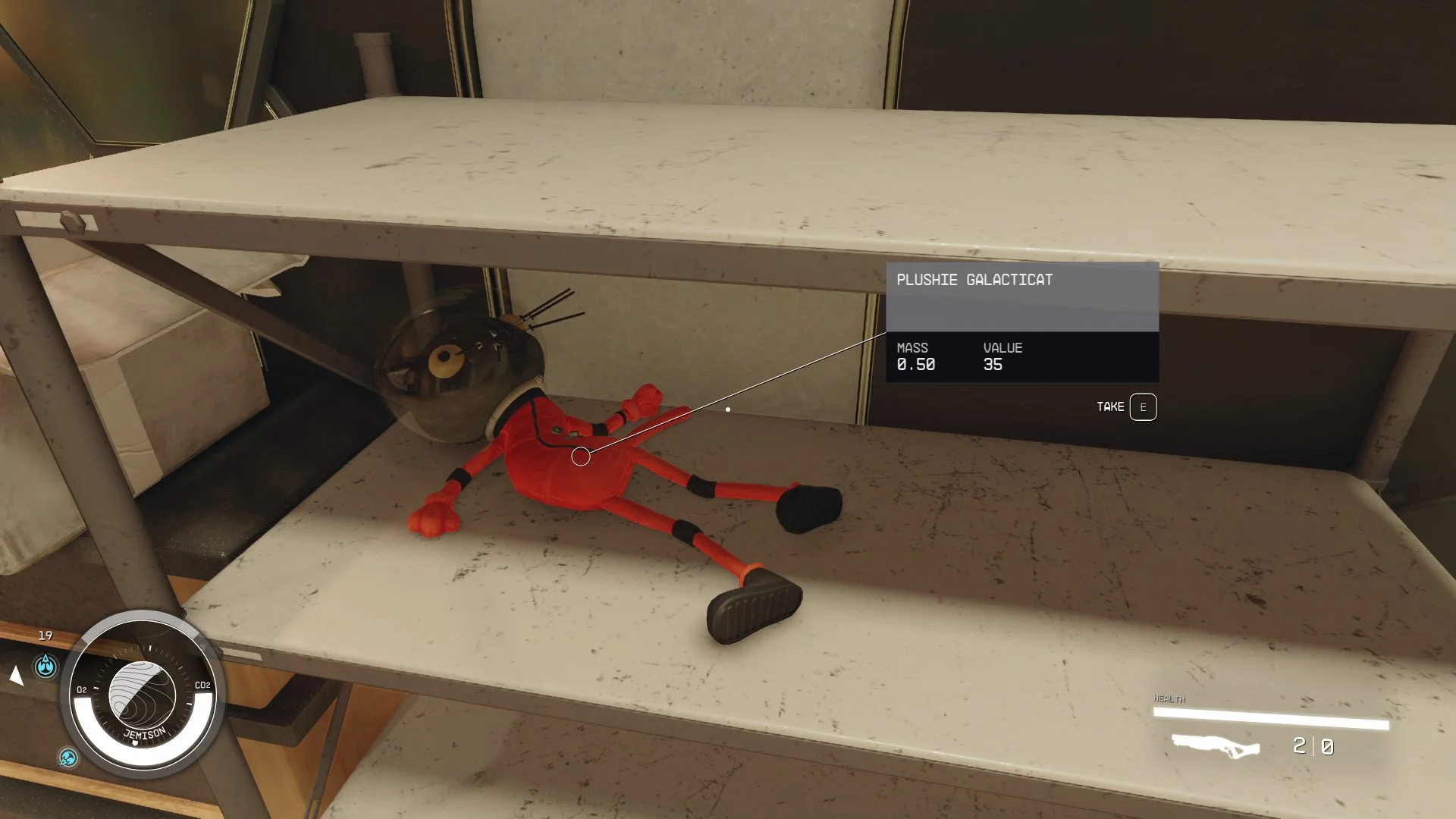
Don’t forget to assign crew members to your ship as each has skills that will buff specific systems. You can use your existing companions for this or go to a bar and recruit the local “scum and villainy”. These non-companion crew members must be paid. Remember, the bigger the ship the bigger the crew. My current ship requires seven and for some reason, when the ship is travelling, Vasco resides outside on the hull. As for the ship itself, it acts like a house, in so far as offering storage and research facilities. You can also decorate the interior by placing items on desks, shelves etc. However, this is a Bethesda game so it’s just as fiddly as in Skyrim. Personally, I advise decluttering your ship or else the crew and you will be forever knocking items on the floor. Finally, don’t forget to have a “look-see” around any new vessel. I found some weapons cases that came with it and they contained some fairly good gear.
Playing Starfield Part 3: Play Randomly or Follow a Guide?
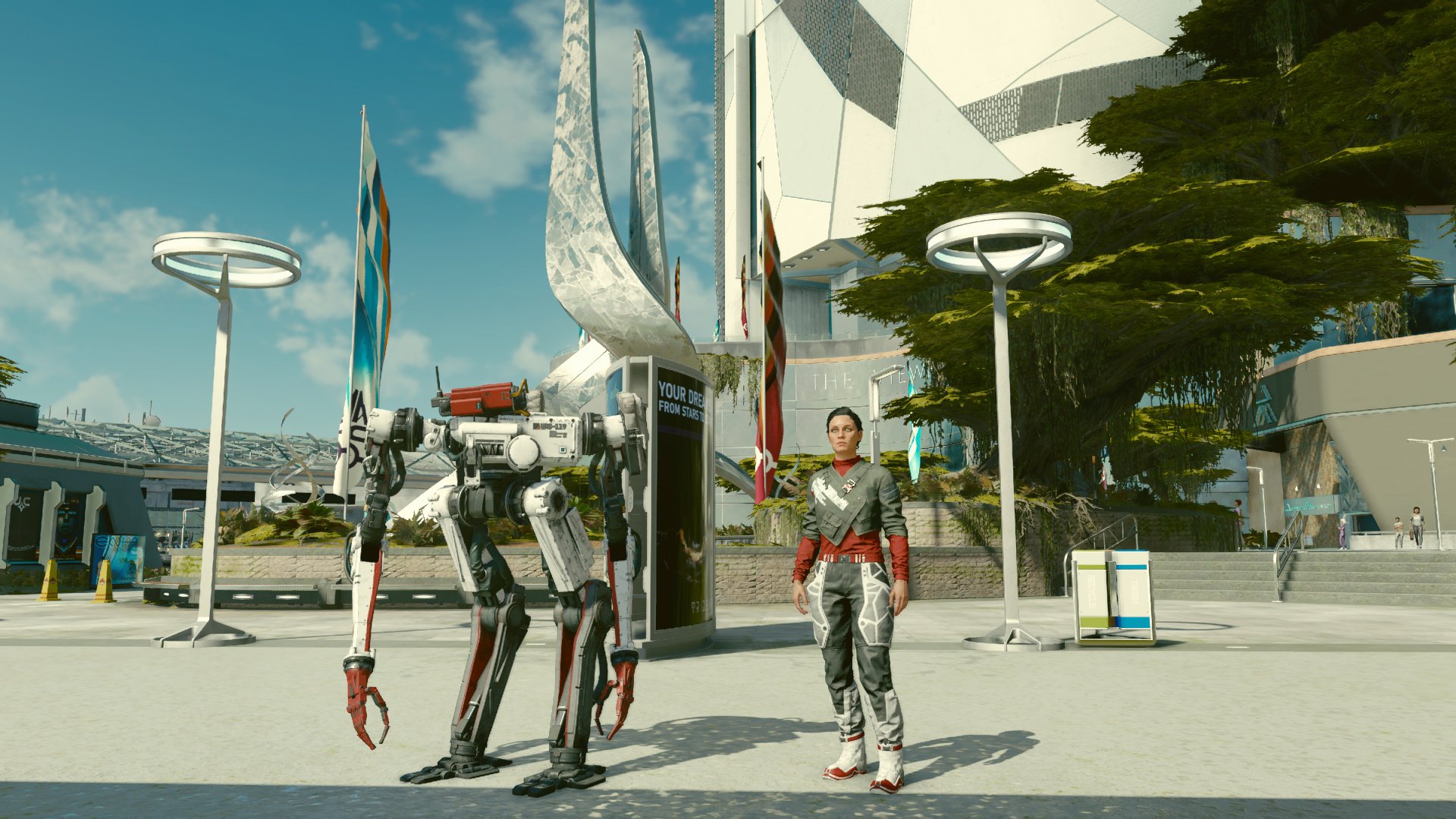
It is quite easy to get overwhelmed by the sheer quantity of things to do in Starfield. You can be walking through the plaza in New Atlantis, pass a pair of NPCs talking about something and the next thing you know you have a new mission to complete. As with most video games, there is a hierarchy of importance when it comes to the various tasks you are asked to undertake. Players may feel obliged to focus upon the main story during their initial first six hours or so. Such a strategy usually provides players with an overview of the game’s mechanics as well as providing some essential items such as gear. But it can feel a little smothering to have content continuously added to your mission journal. Especially if you’re the sort of player that likes to impose structure upon your gaming and likes to undertake tasks in an orderly and methodical fashion.
It is quite easy to get overwhelmed by the sheer quantity of things to do in Starfield. You can be walking through the plaza in New Atlantis, pass a pair of NPCs talking about something and the next thing you know you have a new mission to complete. As with most video games, there is a hierarchy of importance when it comes to the various tasks you are asked to undertake. Players may feel obliged to focus upon the main story during their initial first six hours or so. Such a strategy usually provides players with an overview of the game’s mechanics as well as providing some essential items such as gear. But it can feel a little smothering to have content continuously added to your mission journal. Especially if you’re the sort of player that likes to impose structure upon your gaming and likes to undertake tasks in an orderly and methodical fashion.
This can lead to a minor dilemma. If you play through Starfield randomly, going where you want and dealing with missions as and when you encounter them, you may unintentionally miss content that yields beneficial results. Especially at lower levels. For example, after an early encounter with pirates, there’s a good chance that you’ll end up with a datapad with a message titled “secret outpost!” in your inventory. Let it suffice to say, reading it starts a mission that is well worth pursuing early on in the game. Doing so when you’ve sixty or seventy hours in may not yield such good results. And it is this sense of not knowing, “am I making bad decisions” and “am I playing this wrong” that can lead to a kind of gaming paralysis for some players. Especially if you later feel that you’ve inadvertently “gimped” yourself.
The alternative to this situation (if it is something that personally affects you) is to watch videos and use Google for information. Already there is a wealth of Starfield gaming guides available which opine about the best traits, weapons and ships, as well as a which order to complete the various missions. However, it can be argued that once you opt to go down this road the game may lose some of its mystery, as its overall experience is rendered structural by the player. Yet, some are happy with this trade off compared to the worry of making a suboptimal choice and FOMO. I have watched a few YouTube videos from creators I trust and have picked up a few useful tips, without any major spoilers. And I proactively researched how and when I could get a new ship, as the Frontier is woefully underpowered. However, this again raises the point that I am managing my experience of the game.
At the time of writing this post, I have played Starfield for 20 hours. I have resolved all performance issues and am happy with the current graphics settings. The story and side missions are well written and the voice acting is very good. I have mastered the basics of the game and can now shoot and navigate ground combat competently. Space combat has improved immensely after putting a skills point into Targeting Control Systems and replacing my starter ship with something more robust. Here are a few more bullet points of things to consider about Starfield.
The lack of a viable ground map is very inconvenient. Trying to find vendors without any guidance is a nuisance.
There is little or no detail regarding the weapon select wheel. I only realised there was one when I saw it on a YouTube video. This is essential to be able to hot swap weapons on the fly.
Inventory management is slow and complex. You can store items on your character, or with a companion or in your ship’s hold. You have to manually trawl through all of these entries to use or trade. It is an inefficient process.
Do not make the mistake of looting too much and becoming overburdened while exploring a planet. You cannot use swift travel back to your ship when overburdened and it makes the journey back long and tedious.
Surveying a planet is an arduous chore. It would be greatly improved if your scanner could detect more from a distance, so you didn’t have to run around trying to find a few elusive flora and fauna to get 100% completion. Some sort of vehicle would improve this process.

Playing Starfield Part 2: Installation and Early Access
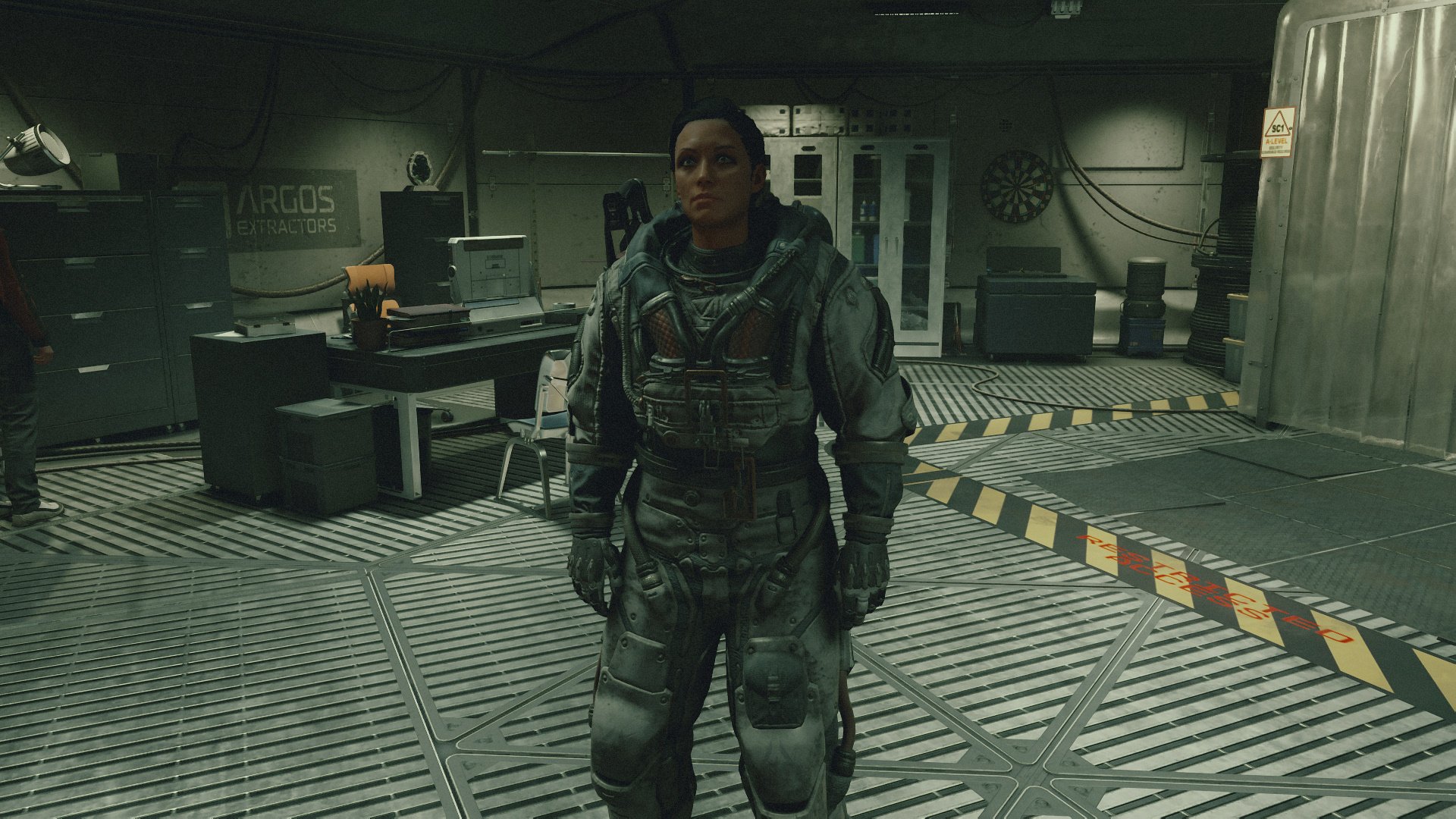
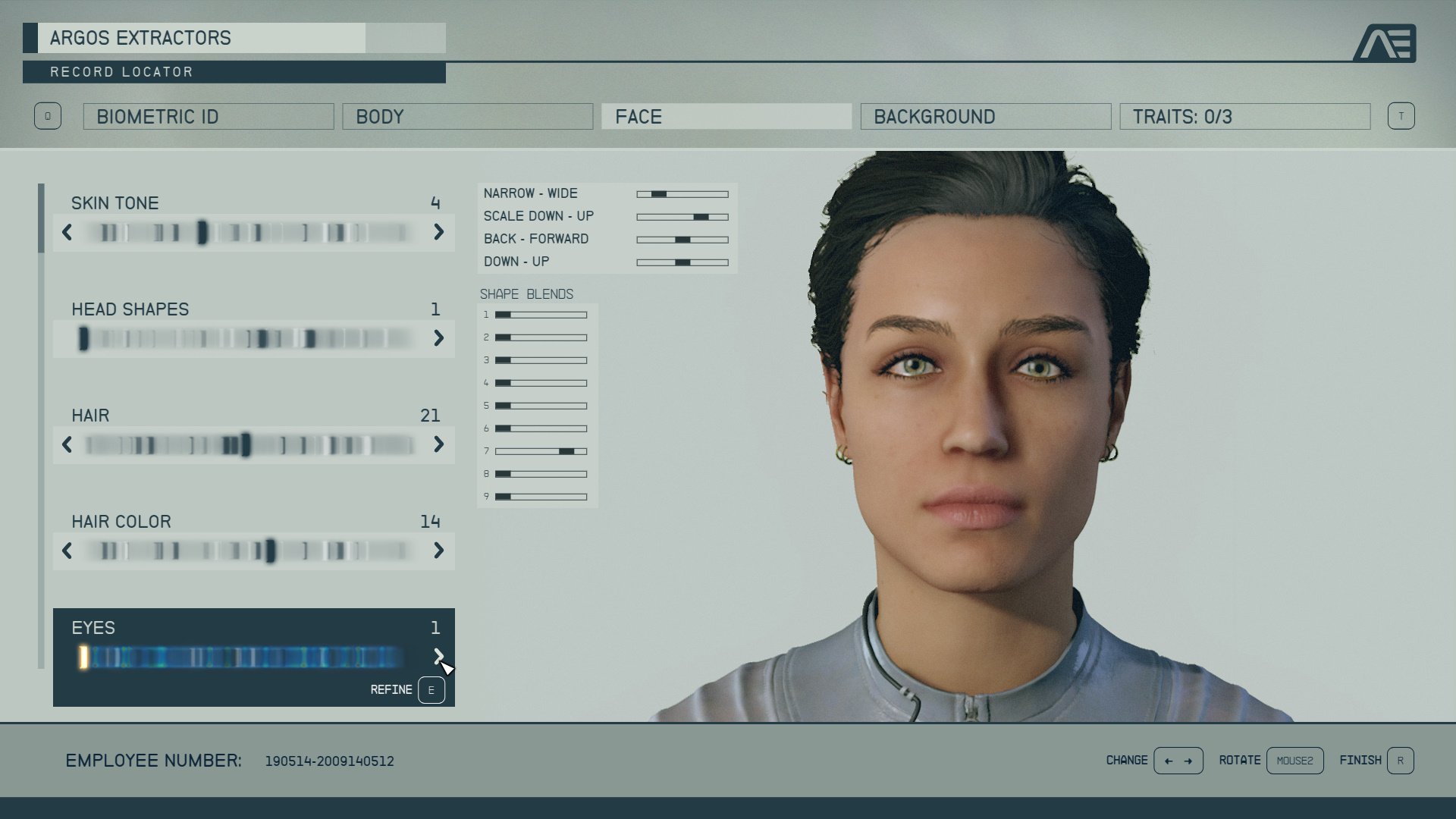
I pre-installed Starfield, via Steam, on Wednesday 30th August. Early access started in the UK at 1:00 AM today. However, I didn’t get around to playing until about 10:00 AM this morning. It took about an hour or so to unpack the pre-installed game. It currently occupies a little over 116GB of space. As I wasn’t sure how well my PC would handle Starfield, I decided to use my second monitor to play the game at a resolution of 1920x1080 (16:9). I have an Nvidia GTX 1660 Super GPU. Initially, I turned all the graphics to “high” and set the game to render at full resolution. Initially the game seemed to run well. I got through the initial story which takes place in a mine. I also got to the character customisation, which in true Bethesda style takes place after the story has progressed for a while. However, the moment I entered space in my ship, the game started running poorly. The graphics stuttered and the audio desynced.
I pre-installed Starfield, via Steam, on Wednesday 30th August. Early access started in the UK at 1:00 AM today. However, I didn’t get around to playing until about 10:00 AM this morning. It took about an hour or so to unpack the pre-installed game. It currently occupies a little over 116GB of space. As I wasn’t sure how well my PC would handle Starfield, I decided to use my second monitor to play the game at a resolution of 1920x1080 (16:9). I have an Nvidia GTX 1660 Super GPU. Initially, I turned all the graphics to “high” and set the game to render at full resolution. Initially the game seemed to run well. I got through the initial story which takes place in a mine. I also got to the character customisation, which in true Bethesda style takes place after the story has progressed for a while. However, the moment I entered space in my ship, the game started running poorly. The graphics stuttered and the audio desynced.
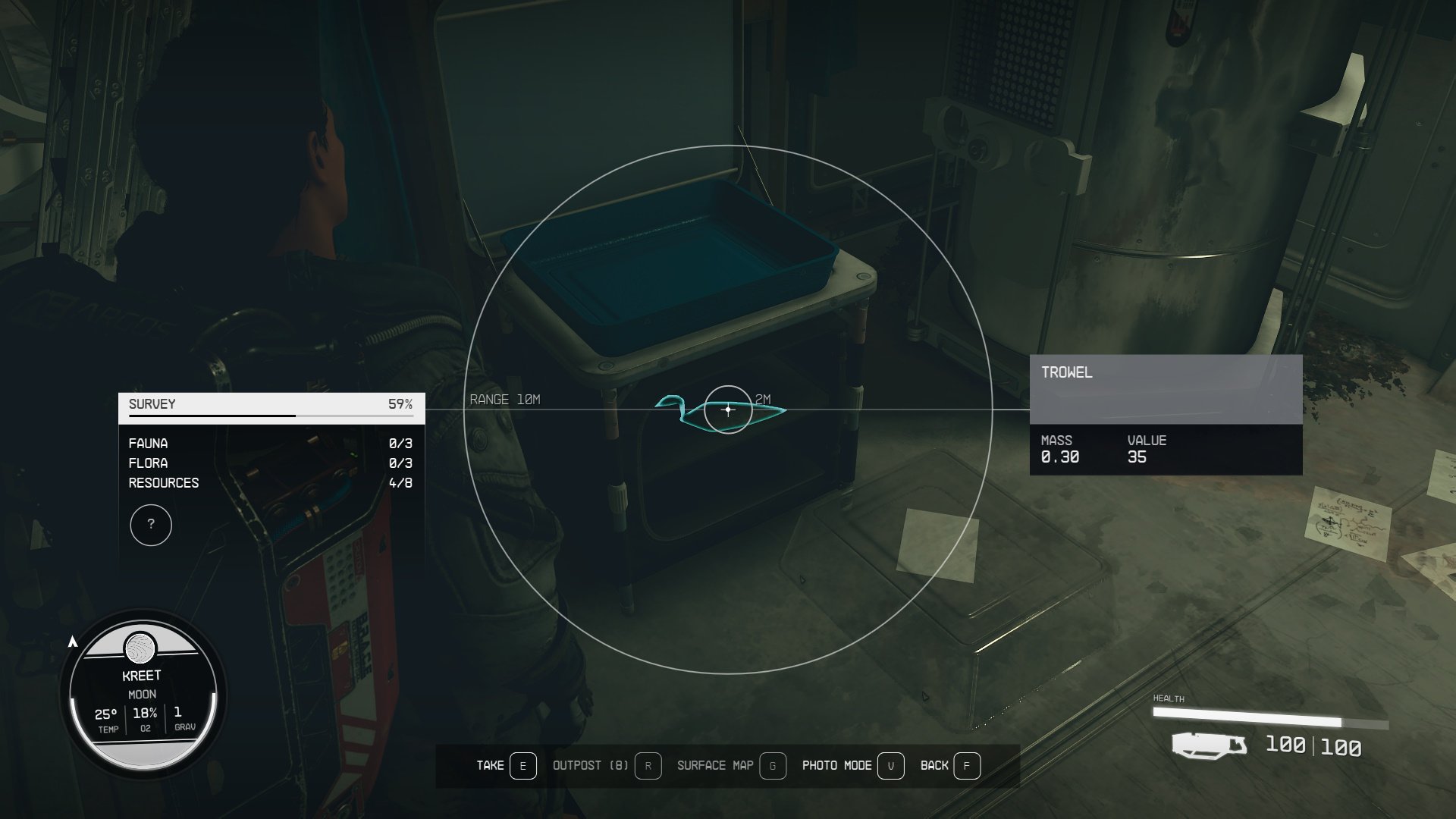
I made a few tweaks, dropping some settings but as I played through the first mission on the planet Kreet, I found that random lag spikes were making the game unplayable. They often occurred during combat. So I soldiered on until I had completed the main mission and then I elected to leave and move on to the primary quest hub of New Atlantis. I then immediately saved the game and spent some time looking for solutions online. After reading several posts regarding the game’s performance, I adjusted my graphics settings accordingly. It would appear that unless you have a top of the range GPU, then most systems should use the render resolution facility. I set it to 75% and then dropped a few further settings to medium. I also migrated the game installation from the 4TB hard drive I have for games, onto the 1TB SSD I use for the PC operating system. These changes improved performance significantly.
Having addressed the performance issues, I then continued the game and progressed through the story as far as joining the Constellation group. I then stopped for a break and to collate my thoughts. I shall now present my initial thoughts on the gameplay, mechanics and the central story as bullet points, for reasons of brevity. I may well revise some of these thoughts and opinions as I progress and become more familiar with the things.
First and foremost, the game lacks a coherent tutorial. A few basic skills are imparted via the game’s opening but if you are distracted, then you will miss the information.
I therefore had to continuously tab out of the game and search online for instructions and clarification of how to do basic things. This is not acceptable.
Space combat and operating your ship are introduced quite quickly. Again, if you miss any on screen information you have to “improvise” and assume that things work in a similar fashion to space combat in other games. Fortunately, they do.
Being a Bethesda game, there is a wealth of lootable items, littering the game’s initial zone. Most of it is irrelevant and inconsequential. However, some items appear important so there is a risk of hoarding material that later turns out to be of no value.
Combat feels about right but requires sensible use of cover and accurate fire. Check the range of your weapon of choice, to ensure it is appropriate to the situation.
Learn to use your scanner correctly. Some flora and fauna need to be scanned multiple times to register as “collected”. This is how it is supposed to work.
Look for means to make money as soon as possible. Weapons sell well. Ensure you loot fallen foes.
Take time to learn the new locking picking system. It requires a degree of thought.
Overall, I have enjoyed Starfield so far. It is epic in scope but not necessarily as revolutionary in its gameplay. You cannot for example fly your ship from the surface of a planet, through the atmosphere and out into space. Getting from space to the surface of a planet involves cutscenes. Also, once the initial sense of awe has worn off, you will find that Starfield has many of the tropes and foibles associated with Bethesda games. Dialogue trees are quite rich and varied and so far I haven’t encountered a scripted response I don’t like. I don’t feel that I’ve been forced into a “stupid” response. I suspect that the main appeal of Starfield will lie in the characters and story. It will be interesting to see whether my opinions change after another day of playing and exploring. I am still a little annoyed at the lack of information the game provides but sadly that seems to be the industry standard these days.
Playing Starfield Part 1: The Purchase
I have already written about the hype associated with the forthcoming RPG Starfield and my thoughts on that particular issue have not changed. However, regardless of the iniquities of the marketing industry and the unrealistic expectations of some gamers, Starfield is a significant release from an established developer with a proven track record. Hence there is a great deal of interest in this game due to the scope of its content and breadth of vision. Plus many of Bethesda’s competitors will be watching the launch on September 6th very closely, especially those with similar products in development. Whatever your perspective on the game, there’s going to be a lot of interest in it, so I’ve decided to document my experiences with Starfield.
I have already written about the hype associated with the forthcoming RPG Starfield and my thoughts on that particular issue have not changed. However, regardless of the iniquities of the marketing industry and the unrealistic expectations of some gamers, Starfield is a significant release from an established developer with a proven track record. Hence there is a great deal of interest in this game due to the scope of its content and breadth of vision. Plus many of Bethesda’s competitors will be watching the launch on September 6th very closely, especially those with similar products in development. Whatever your perspective on the game, there’s going to be a lot of interest in it, so I’ve decided to document my experiences with Starfield.
Let’s start at the very beginning, which according to Julie Andrews, is a very good place to start. Yesterday I received an email from an online vendor with a significant discount coupon for Starfield. I have used this company before and they are legitimate. However, it is always wise to be sceptical of these sorts of deals and some key sellers, as there are some iffy websites out there. This vendor was not only offering a good discount but also allowed me to apply another code based upon prior purchases. I therefore bought the Digital Premium Edition of Starfield (PC) for £67 and received the key within minutes. For comparison the same edition costs £100 for Windows and £85 on Steam. The Digital Premium Edition contains the base game, “Shattered Space” story expansion, some cosmetic items and 5 days early access. The Standard Edition retails at £70 for Windows and £60 on Steam.
Having activated the aforementioned key and secured a copy of Starfield, I then checked to see when I could install the game in preparation for the early access that begins on 1st September for Digital Premium Edition owners. If you have bought this edition via the Xbox store you can start preloading the game now. PC owners who have purchased via Windows or Steam can download the game on August 30th. Steam has indicated that the installation requires 120GB of space and is best hosted on an SSD. I shall endeavour to download the game over night, ready for early access on September 1st. I have already adjusted my expectations accordingly, having participated in the launch of many games in the past. I shall document how well these things go (or not as the case may be) in my next post.
Hype and Starfield
Hype.
Noun: Extravagant or intensive publicity or promotion.” His first album hit the stores amid a storm of hype”.
Verb: Promote or publicise (a product or idea) intensively, often exaggerating its benefits.
“An industry quick to hype its products”,
Until recently I have gone out of my way to avoid any promotional material regarding Starfield, the forthcoming RPG from Bethesda Game Studios. However, as the September 6th release date is approaching, I finally decided to watch the following YouTube video in order to make a measured judgement about exactly what the game has to offer. Let it suffice to say that if you take the video at face value, then Starfield is potentially a revolutionary video game. However, upon mature reflection and sober consideration, I have chosen not to take the claims made in the video as gospel. As far as I’m concerned this is not regular marketing, as it goes beyond the scope of briefing potential buyers about the product. Instead I would define the videos as pure and unabashed hype, as specified in the two definitions at the start of this post. And hype is a very problematic phenomenon.
Hype.
Noun: Extravagant or intensive publicity or promotion.” His first album hit the stores amid a storm of hype”.
Verb: Promote or publicise (a product or idea) intensively, often exaggerating its benefits. “An industry quick to hype its products”,
Until recently I have gone out of my way to avoid any promotional material regarding Starfield, the forthcoming RPG from Bethesda Game Studios. However, as the September 6th release date is approaching, I finally decided to watch the following YouTube video in order to make a measured judgement about exactly what the game has to offer. Let it suffice to say that if you take the video at face value, then Starfield is potentially a revolutionary video game. However, upon mature reflection and sober consideration, I have chosen not to take the claims made in the video as gospel. As far as I’m concerned this is not regular marketing, as it goes beyond the scope of briefing potential buyers about the product. Instead I would define the videos as pure and unabashed hype, as specified in the two definitions at the start of this post. And hype is a very problematic phenomenon.
Marketing video games has always been dependent upon effectively generating and harnessing fan expectation. The game that doesn’t elicit any player excitement has a pretty steep hill to climb. However, most games can be marketed by a mixture of in-game footage and invoking the aspirational qualities the advertising company seeks to imbue it with. Sadly in recent years there has been an increasing propensity to over promise and under deliver. Bogus claims are made about the scope of a game, in respect of what it does and doesn’t include. Sometimes, bespoke demos are released that are of a different quality to the final product. Hence the past decade has seen a litany of underwhelming, incomplete and at times plain broken video games. Some haven’t even been released beyond alpha testing, despite languishing in development for years. Therefore it is not surprising that many gamers feel that Starfield will follow suit.
But the blame for the current culture of excessive marketing hype cannot be laid solely at the door of advertising agencies. Gamers themselves are also culpable in this symbiotic process. After numerous examples of games that promised the earth and delivered little and the resulting fallout, you would think that a canny customer base would be more sceptical and unwilling to buy into any new false narrative. Yet as The Amazing Randi found out, debunking a bogus claim does not necessarily result in a consumer epiphany. Despite the debacle of No Man’s Sky and Cyberpunk 2077, many gamers will temporarily cease to function as reasoning adults and will work themselves up into a frenzy of hysterical expectation, like a child on Christmas Eve. It is a staggeringly unedifying spectacle and incredibly self defeating.
When writing about such a subject and a cycle of events that is broadly acknowledged to be counterproductive to all concerned, it is customary to end on a positive note. Usually this takes the form of an expectation of change for the better. There is a hope that one day, all parties will learn from their experience and adjust their behaviour accordingly. However, I do not think we are at that point yet or that it is going to happen any time soon. There is a strong chance that Starfield is not going to live up to the hype. Bethesda Game Studios may well end up with egg on its face yet again, as it did with Fallout 76 and the infamous “canvas bag” debacle. If that is the case, it will be virtually impossible to feel any sympathy for those gamers who decry the potential lacklustre nature of the game, having embraced the hype. In such a situation the phrase “a plague upon both your houses” comes to mind. As does “rinse and repeat”.