Yet More Games We Cannot Play
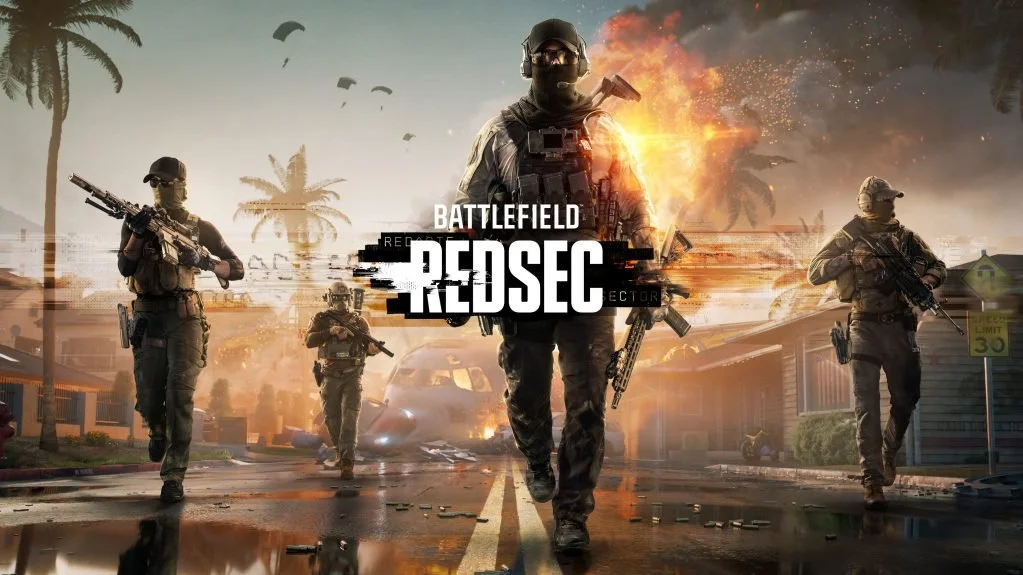
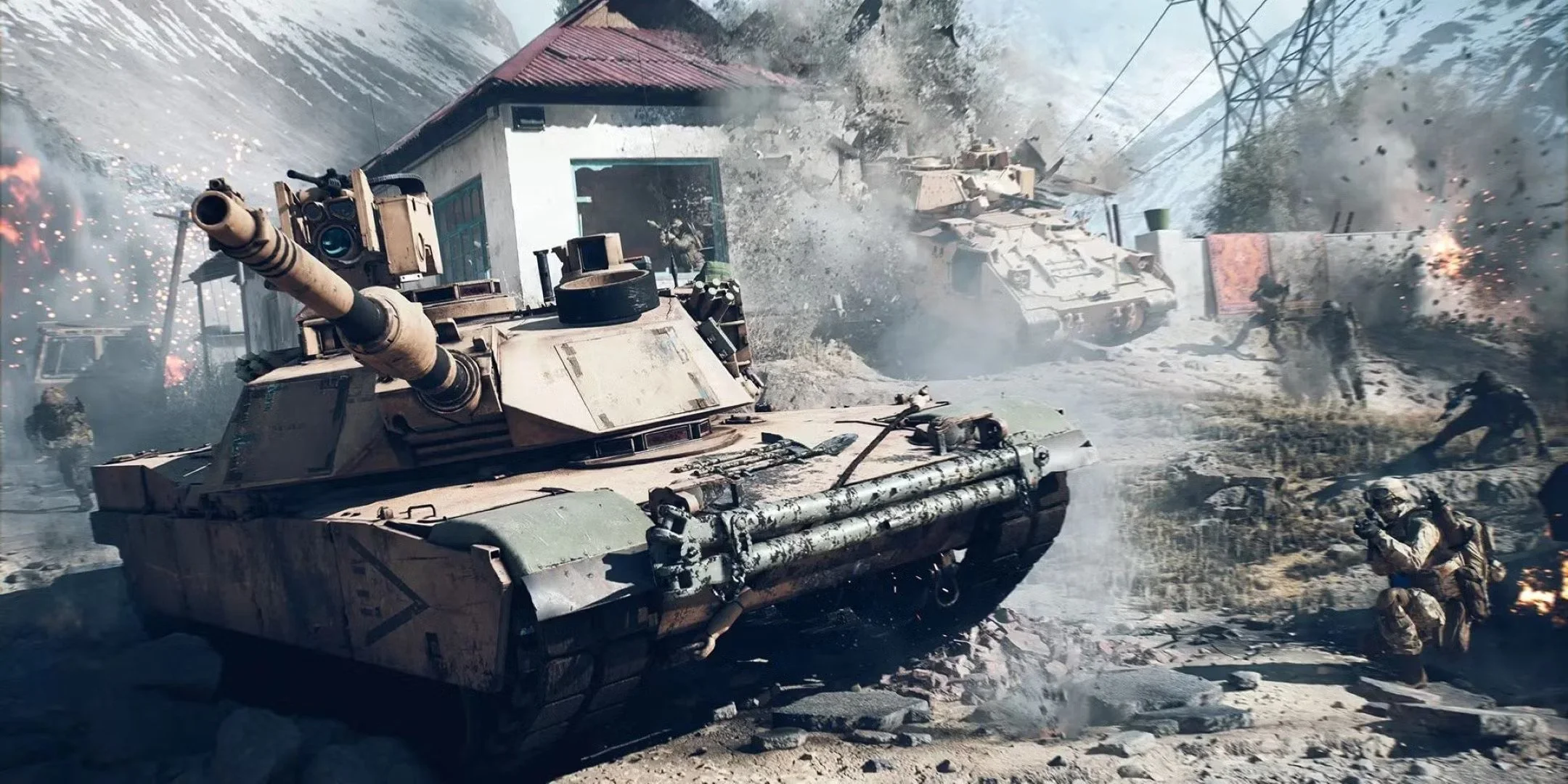
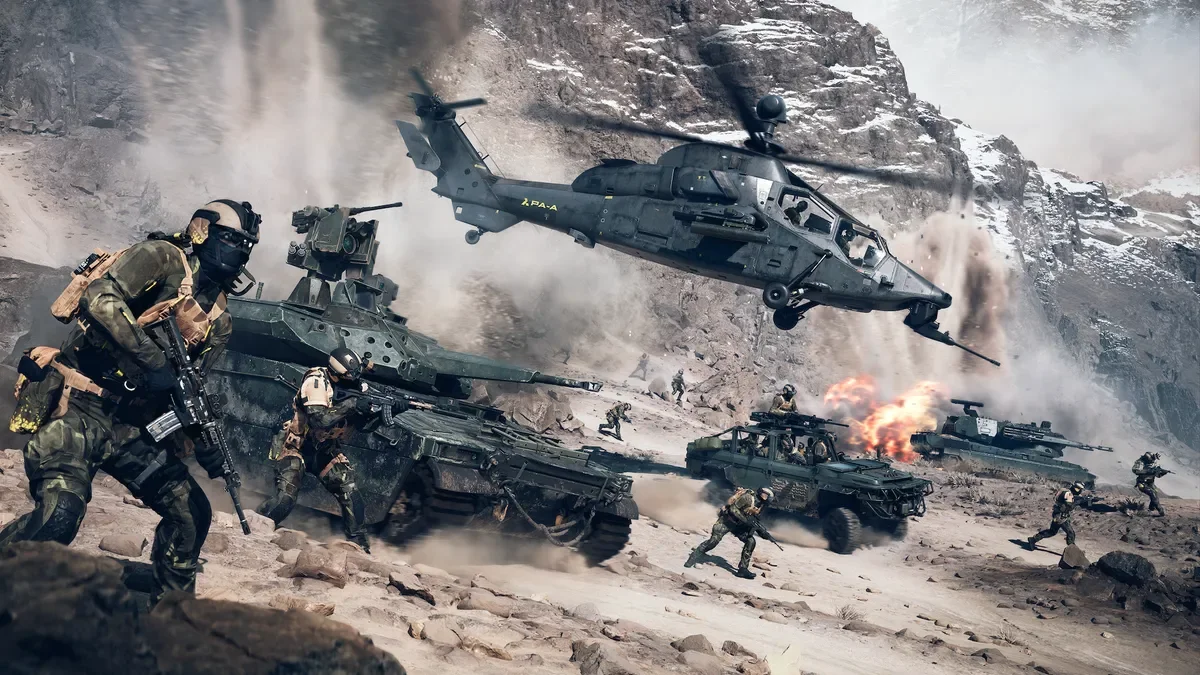
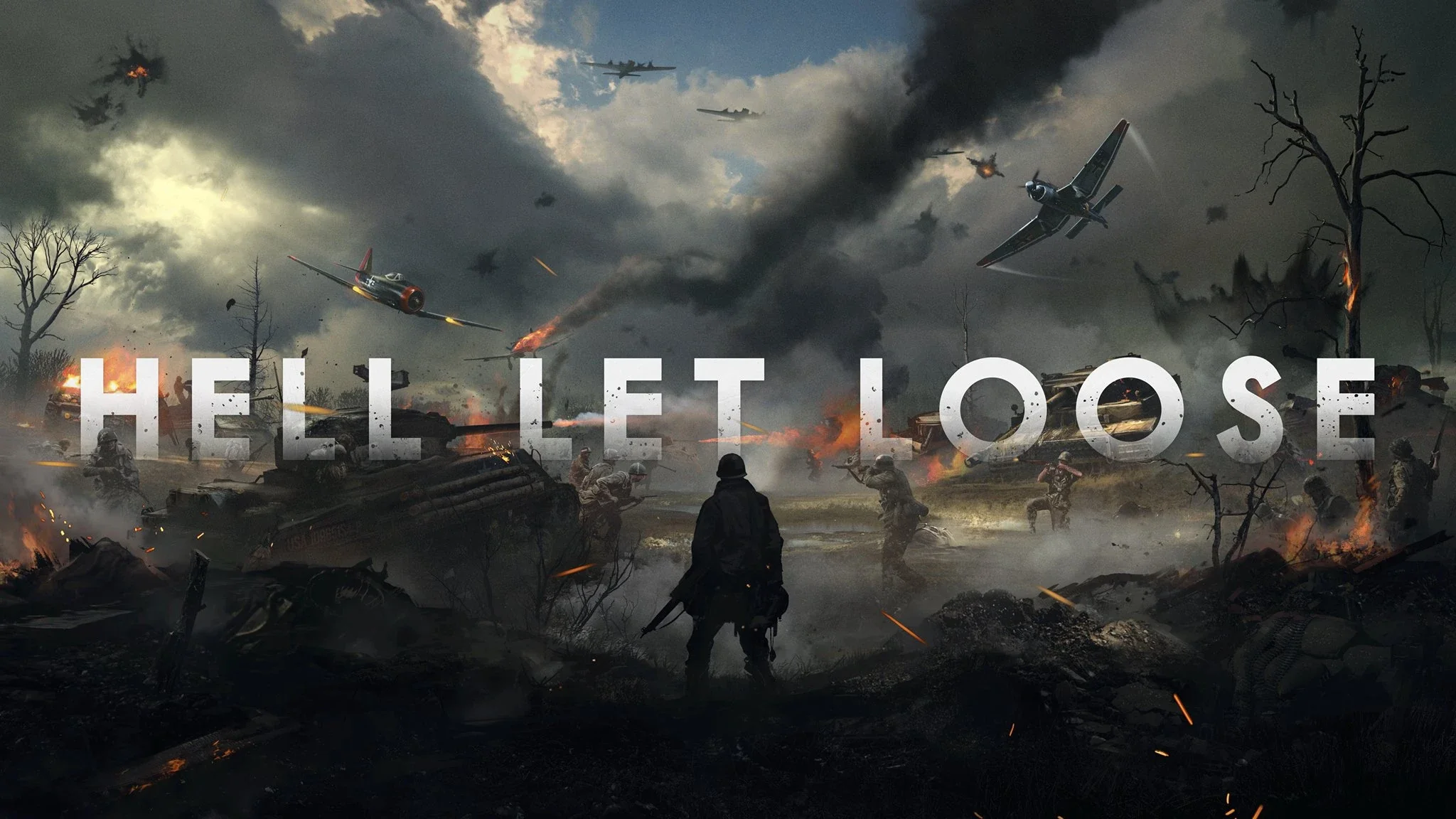
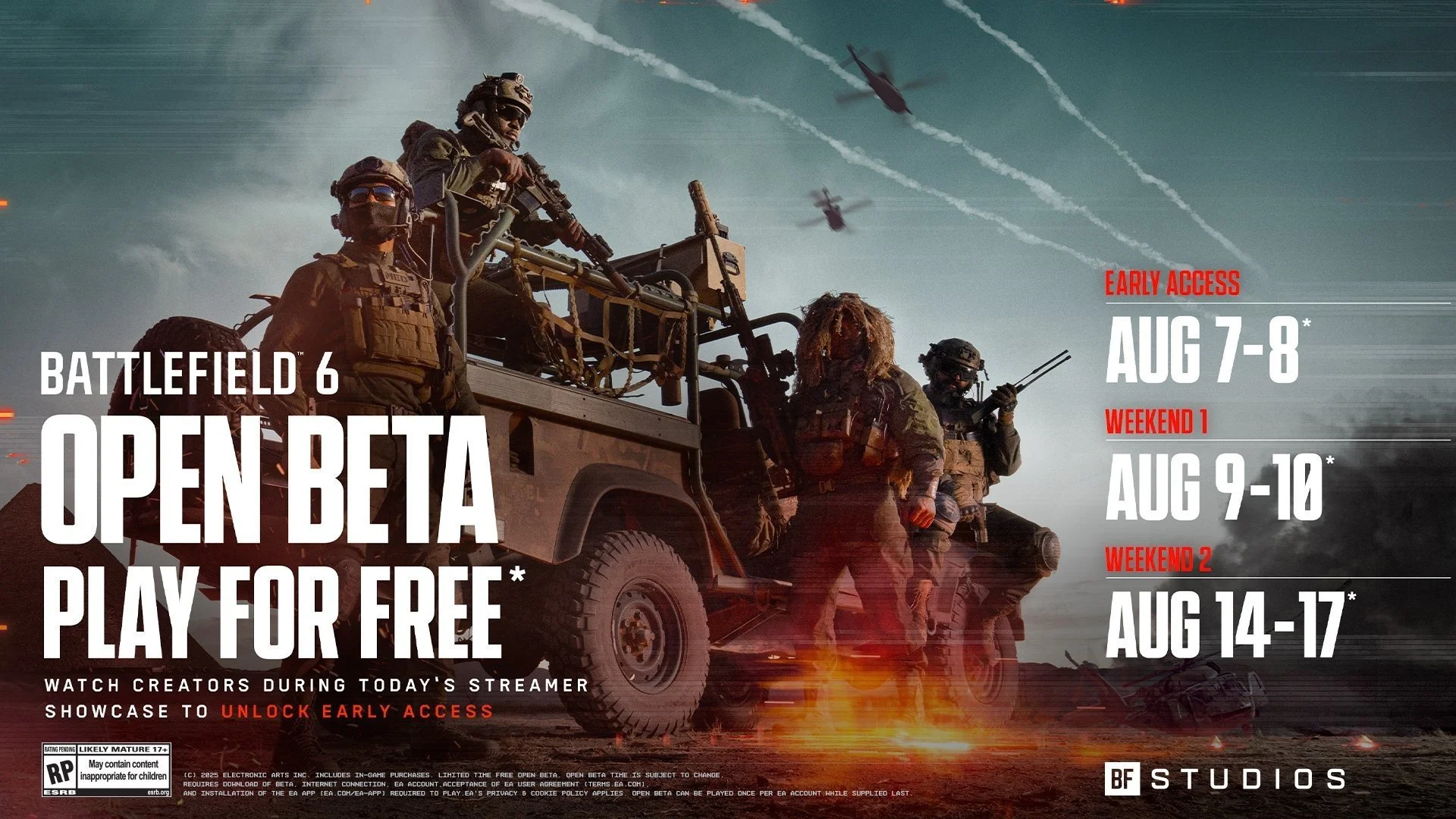
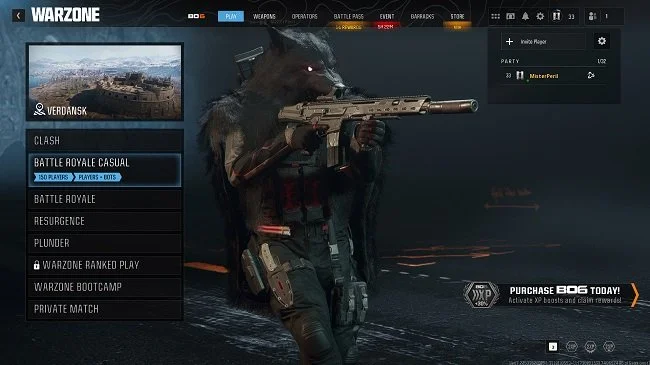
Despite being over 5 years old, there still seems to be an active community playing Battlefield V. Having recently watched some multiplayer videos on YouTube, I decided to buy the game and have a go. Mainly because I had a hankering to fly a BF-109. Mercifully, this enterprise only cost me £5 because as you’ve probably guessed by the title of this post, things didn't go well. Although not as complex as a flight simulator, the controls for flying a plane in Battlefield V are involved. The main obstacle for me is turning the plane, which requires using both thumbsticks on the Xbox controller that I use. I tend to oversteer and lose control of the plane. I’m sure the problem can be overcome with practice but therein lies the rub. It would take a great deal of time and patience. Weeks, maybe months. I’m not going to invest in such an undertaking for something that is just a transient amusement.
Despite being over 5 years old, there still seems to be an active community playing Battlefield V. Having recently watched some multiplayer videos on YouTube, I decided to buy the game and have a go. Mainly because I had a hankering to fly a BF-109. Mercifully, this enterprise only cost me £5 because as you’ve probably guessed by the title of this post, things didn't go well. Although not as complex as a flight simulator, the controls for flying a plane in Battlefield V are involved. The main obstacle for me is turning the plane, which requires using both thumbsticks on the Xbox controller that I use. I tend to oversteer and lose control of the plane. I’m sure the problem can be overcome with practice but therein lies the rub. It would take a great deal of time and patience. Weeks, maybe months. I’m not going to invest in such an undertaking for something that is just a transient amusement.
This is a shame because flying around, blowing shit up in a BF-109 looks a lot of fun and really cool but the reality of gaming is that we can’t be good at everything and some titles are simply beyond our reach to master or more often than not, simply require effort beyond that we’re prepared to make. Sometimes a game can elude us because of one or two simple mechanics. Things that can fundamentally alter the overall game experience for some players, tipping the balance from challenging but rewarding to a massive pain in the ass. One of the reasons I didn’t buy the latest iteration of Call of Duty was because of the omni-movement system. For me it added an excessive layer of complexity and was something else that benefitted gamers with more nimble fingers and faster reactions. The Skill Based Match Making was also a pain, with inconsistent grouping and player manipulation.
However, a problematic mechanic doesn’t necessarily exclude you from a game forever. For example I really enjoyed the second and third instalments of The Witcher franchise but simply couldn’t cope with the combat system in the first game. It seemed to me to be staggeringly unintuitive and quickly became a source of annoyance. I ended up watching someone else play through the game on YouTube, so I could see the story completed, rather than do it myself. However, the game is currently getting remade and it would appear that the combat systems in the remake will be brought in line with that of the later iterations of The Witcher. If this is the case, then the game will finally be accessible to me, which would be nice. Yet I am old enough and wise enough to realise that the list of games I cannot play will continue to grow over time. Mainly due to me.

The Idiot Box
Thoughts on TV shows and my current viewing habits.
The last instalment of Idiot Box was back in September 2019. Despite the Christmas holidays and being very busy in general, I have managed to watch some good TV shows over the last five month. As ever, there has been plenty of quality material to choose from and I still have an ever growing “watchlist” for all the content I cannot currently accommodate. It is interesting to note that most of the shows I watch are via streaming services. Out of the various titles I discuss in this post, only one was viewed via digital terrestrial network television. Furthermore, we started watching an hour after the broadcast commenced, so that we could bypass the commercial breaks. Watching anything in this fashion is my least favourite means of viewing television and because it happens so infrequently, it is quite jarring when it occurs.
Thoughts on TV shows and my current viewing habits.
The last instalment of Idiot Box was back in September 2019. Despite the Christmas holidays and being very busy in general, I have managed to watch some good TV shows over the last five month. As ever, there has been plenty of quality material to choose from and I still have an ever growing “watchlist” for all the content I cannot currently accommodate. It is interesting to note that most of the shows I watch are via streaming services. Out of the various titles I discuss in this post, only one was viewed via digital terrestrial network television. Furthermore, we started watching an hour after the broadcast commenced, so that we could bypass the commercial breaks. Watching anything in this fashion is my least favourite means of viewing television and because it happens so infrequently, it is quite jarring when it occurs.
The Crown: The third season of this prestigious Netflix show covers historical events from 1964 to 1977 and the role the UK Monarchy had to play in them. These begin with Harold Wilson's election as prime minister and ending with the Queens Silver Jubilee. The Aberfan disaster was a standout episode and explored how the precedence of Royal visits in such situations, was established. There was a greater focus on Prince Charles and family interferences in both his investiture as Prince of Wales and his personal relationship with Camila Shand. The change of cast to more mature actors was seamless and the standard of writing remained high and insightful. I find myself oddly invested in this show mainly because it covers a period of time during which I was growing up. Many of the historical events that are depicted, I was aware of as a child but had little interest or understanding of their significance. To see them in a wider context now is most illuminating.
The Witcher: My initial point of contact with this franchise was via their video game adaptations. However as television is an entirely different medium, I adjusted my expectations accordingly. Broadly I enjoyed the first season of The Witcher, although I was initially confused by its non-linear timeline. The character development was more in depth than I was expecting and rather than being given swathes of exposition about the “Continent” and its history and customs, the viewer was simply exposed to elements of these as the story unfolded. There was a lot of sexual content in the show but it is entirely relevant to the proceedings. Witchcraft is often entwined with human sexuality and free from the restrictive dogma of traditional religions. By the last episode I was left with my interests piqued and clearly wanting more. And as for casting Henry Cavill, it worked out fine as far as I’m concerned.
COBRA: This UK set drama proved to be far better than the sum of its parts. The initial premise set out in the first episode appeared to frame the narrative as a disaster story with borderline science fiction elements (the calamity afflicting the UK in the story being a solar storm). However, it quickly changed into a political thriller about civil unrest brought about by power outages. It touched upon many “hot topics” such as migrant detentions, anti-establishment sentiments and the economic and social divide between London and other parts of the UK. It was odd and vaguely compelling to see Robert Carlyle as a Conservative Prime Minister and David Haig was excellent as duplicitous and scheming Home Secretary. There were also some rather good low key CGI visual effects that worked very well. As I said, it was all unexpectedly entertaining.
Star Trek Picard: Star Trek has always reflected the world in which we live. During the sixties TOS channeled many optimistic, inclusive and progressive narratives which were still prevalent in the post Kennedy years. TNG was broadcast while such events as the fall of The Berlin Wall took place. Thus the show often explored concepts of reunification and forging uneasy truces. For me, what I like about STP is not only the central character, who is still multifaceted and engaging but the bold storyline in which the Federation has lost it ways due to an excess of “politics”. It is a world weary show, where social contracts have failed and the future has lost its utopian status. It isn’t to everyone's taste and it is clear that a lot of people just wanted more TNG in an identical idiom. However, that is not what Patrick Stewart wanted to do, so that is not what they got. I like it and am interested to see where it goes and whether any optimism will manifest itself.
Endeavour: The latest season of Endeavour sees the arrival of the seventies and a serial murderer prowling the towpath of the local canal. Is this one brutal muder to many for DI Fred Thursday? The cumulative effect of investigating violent crime seems to be taking its toll and also causing division between Thursday and Morse. Season seven covers a lot of ground in just three episodes and strays into rather bleak and unhappy territory, especially for Chief Inspector Bright. As ever, it is smart with lots of pop culture references and superb performances. I suspect that next year’s season will be the last of this period police drama.
Unforgotten: Because Endeavour came and went so quickly, Mrs P and I decided to revisit the first series of Unforgotten. We subsequently watched all available seasons and eagerly await the series four which is currently being filmed. What make’s this show so different from others is that the actual solving of the crime is only half of the narrative. The other 50% of the story is the “emotional splash damage” and “fallout” caused by investigating these cold cases. The level of technical accuracy in depicting real policing is outstanding and the acting is always top drawer. The central characters of Detectives Cassie Stuart and Sunil "Sunny" Khan (played by Nichola Walker and Sanjeev Bhaskar) are both credible and likeable. Over 18 episodes we get an insight into their very normal personal lives and an understanding of the emotional stress that solving historical cases causes to all involved. Often the subjects explored are incredibly sad and disturbing but the writing is so measured and intelligent that events never spills into melodrama, nor denigrate the difficult subjects.
As an addendum to this post, we abandoned a couple of shows that we were watching previously. We stopped watching Instinct as it really didn’t have anything new to say. I suspect that is why it was cancelled by the network. We also stopped viewing Evil, mainly because of time constraints. We may return to it later on in the year. I decided not to proceed with season 2 of Project Blue Book. Despite a good cast and fine production values, the show just seemed to be retreading familiar ground and not offering anything different within the confines of the “alien conspiracy” sub genre. Time is always precious therefore I strongly advocate dispensing with shows you’re not enjoying.





Your First Mistake Was Having Expectations
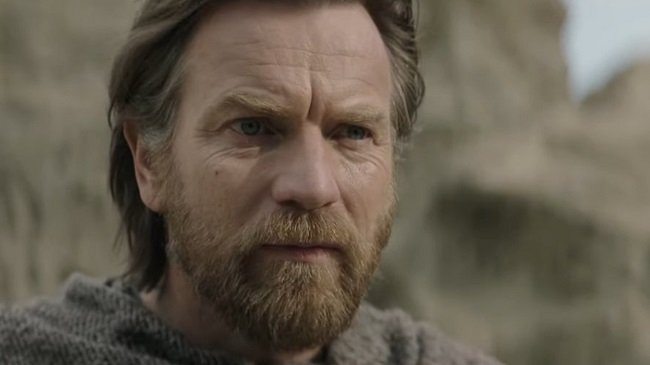
Two stories have broken today regarding a pair of established and much-loved pop culture franchises. The first is the news that actor Henry Cavill has been cast as Geralt of Rivia, in the forthcoming Witcher TV show currently in production by Netflix. The second is regarding how newly established games developers Athlon Games are currently working on a new F2P Middle-earth based MMO. Considering there is no further details on either of these two points beyond what has already been stated, one could be tempted to say rhetorically “nothing to see here, move along”. However, this is the age of social media, so let it suffice to say that both these announcements have caused a degree of consternation in certain quarters. Namely fans of those already established iterations of The Witcher and The Lord of the Rings.
Two stories have broken today regarding a pair of established and much-loved pop culture franchises. The first is the news that actor Henry Cavill has been cast as Geralt of Rivia, in the forthcoming Witcher TV show currently in production by Netflix. The second is regarding how newly established games developers Athlon Games are currently working on a new F2P Middle-earth based MMO. Considering there is no further details on either of these two points beyond what has already been stated, one could be tempted to say rhetorically “nothing to see here, move along”. However, this is the age of social media, so let it suffice to say that both these announcements have caused a degree of consternation in certain quarters. Namely fans of those already established iterations of The Witcher and The Lord of the Rings.
As I get older and therefore less sentimental and less invested in fandom per se, I do find the sort of complaints, criticism and sundry “brouhaha” that has accompanied both of these developments, somewhat irrelevant. All are based on a misplaced assumption that existing fans needs are the primary force driving both projects. But they are not. Yes, I agree that the look, feel and voice of Geralt of Rivia where honed to perfection in CD Projekt Red’s video games. This will naturally determine a lot of people’s conception of the character, the same way that a handful of artists such as John Howe and Alan Lee have shaped the popular opinion of what Tolkien’s characters should look like. Another example that is age dependent, is who you consider to be the best incarnation of James Bond. But artistic interpretation as a concept tends to “pooh-pooh” such dogmatic ideas as “the definitive version”.
From what I’ve gleaned from the information that’s available about Netflix’s The Witcher TV show, it is not intended to be merely a fan service to those that enjoyed the three video games. It is a broader adaptation of the original source material by by Polish writer Andrzej Sapkowski, intended to reach as wide an audience as possible. Fantasy as a genre is very popular and marketable at present. Thus, casting a known quantity such as Henry Cavill, who has experience of genre productions along with matinee idol good looks is hardly surprising. The objections of a minority of “core fans” is frankly just standard operational collateral damage when adapting such a franchise. Frankly, when you consider the current trend for remakes, reboots, altering race, gender and generally repurposing any franchise or brand if it is deemed profitable to do so, complaining about the casting of Henry Cavill is somewhat redundant.
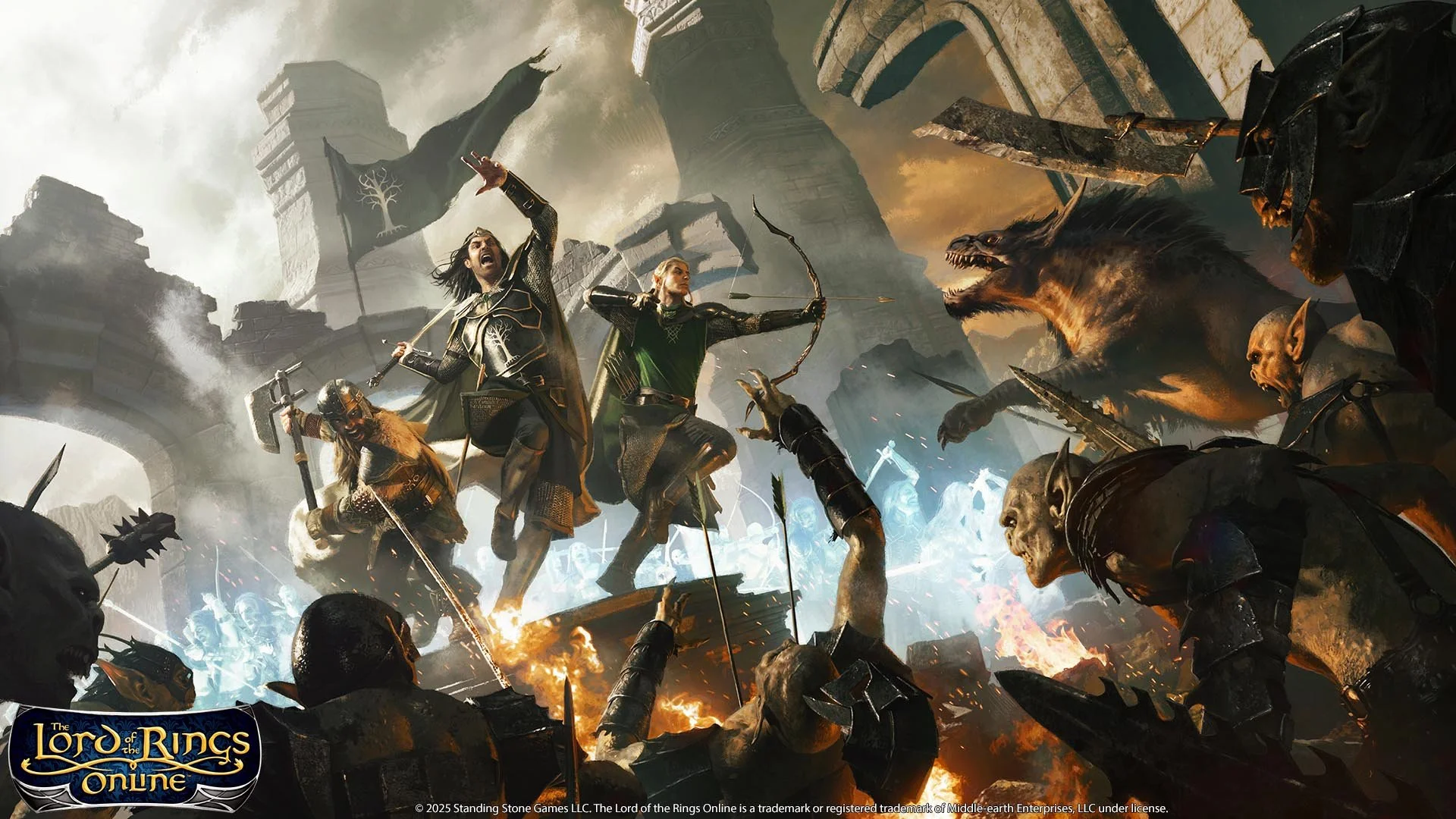
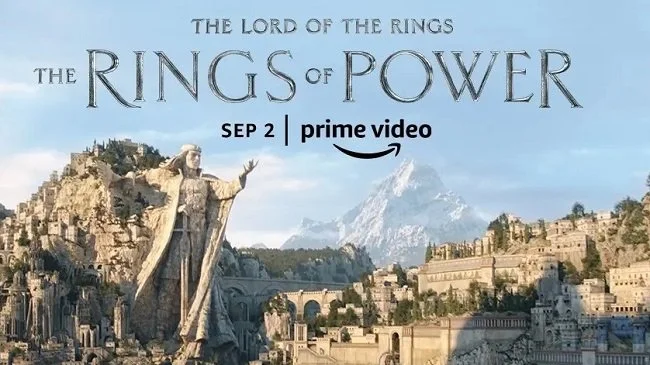
As for there being a new Tolkien based MMORPG that is set at some point in The Lord of the Rings timeline, I really don’t see it being a major issue for the existing ten-year-old LOTRO. It’s hardly uncommon for multiple licensed products to share a specific market place at the same time. Look at Neverwinter and DDO for example. Furthermore, it is highly likely that both games will be very different from each other and therefore not in direct competition. I recently wrote about the possibility of a LOTRO 2.0 and how those players “joined at the hip” with the existing iteration of the game are not necessarily disposed towards migrating to a new and more modern game. A new title with contemporary bells and whistles would seek a new audience who favour such mechanics. I see it very much as an “apples and orange” situation. Plus, the point has already been raised as to whether the new Middle-earth based MMO is going to be linked in someway to the TV show that is currently under development for Amazon Prime.
Both of these examples reflect once again the inherent myopia that seems to accompany contemporary fandom. They represent a failure to see both of these franchises for what they are; products. And as such they can be augmented by the rights holder in whatever way they see fit. That doesn’t mean that fans can’t have an opinion. They are of course free to like or not like something. But considering the nature of the global market that all products must compete in these days, the uniquely subjective needs of fans only makes up a small percentage of potential customers. Therefore, these bespoke “requirements” are far from paramount. If you want a more specific example, then consider how the Marvel Cinematic Universe has “adapted” the source material to make it accessible to a wider audience. Lore has been altered and known box-office names have been cast to ensure a wide reach. Yes, some fans have disliked what they’ve seen, but in business terms Disney have struck gold. In a world where hype, following trends and number crunching dictates policy, it’s hardly surprising that the Henry Cavill has been cast as Geralt of Rivia and that a new Middle-earth based MMO is going to embrace the current foibles of the F2P business model. To those bemused by all this, your first mistake was having expectations.