
The First World War (2003)
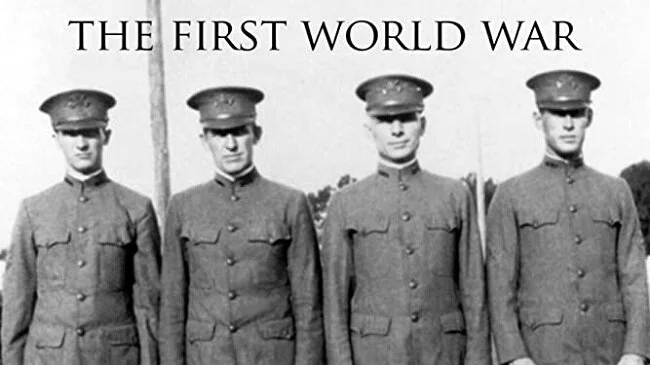
Over the years I have seen many documentaries about World War II. Although I do not claim in any way to be an expert, I believe I have a good grasp on the causes and the course of that six year conflict. However, it recently struck me that I could not say the same about World War I. In my youth I watched a repeat showing of the BBC documentary series The Great War (1964) but I remember very little of its prodigious 26 episodes. The one thing that stood out were the interviews with veterans. So I was very pleased when perusing BritBox over the weekend to find the 2003 documentary The First World War, based upon the book of the same name by Professor Hew Strachan. This ten part analysis takes a global view of the conflict, rather than excessively focusing upon the Western Front and also debunks a lot of the apocryphal ideas and notions that have persisted over the years. I found it so compelling that I binged watched the entire thing over two evenings.
Over the years I have seen many documentaries about World War II. Although I do not claim in any way to be an expert, I believe I have a good grasp on the causes and the course of that six year conflict. However, it recently struck me that I could not say the same about World War I. In my youth I watched a repeat showing of the BBC documentary series The Great War (1964) but I remember very little of its prodigious 26 episodes. The one thing that stood out were the interviews with veterans. So I was very pleased when perusing BritBox over the weekend to find the 2003 documentary The First World War, based upon the book of the same name by Professor Hew Strachan. This ten part analysis takes a global view of the conflict, rather than excessively focusing upon the Western Front and also debunks a lot of the apocryphal ideas and notions that have persisted over the years. I found it so compelling that I binged watched the entire thing over two evenings.
Rather than just overwhelm the viewer with an endless chronology of events, The First World War tackles a specific facet of the conflict in each episode. For example Jihad deals with events from the perspective of The Turkish Ottoman Empire and Blockade focuses upon U-Boat activities, the Battle of Jutland and other naval aspects of the war. It is a very manageable approach allowing for subjects to be explored without swamping the viewer. There is plenty of archive footage highlighting the points being made and the narrative is further supplemented by extracts from letters, journals and government records. The narration by Jonathan Lewis is measured, especially when discussing the staggering death and casualty figures. The documentary does not pull any punches when dealing with atrocities or the inherent carnage involved with war on such a scale. The stark black and white photographs and newsreel footage are often very shocking.
What I found most illuminating is the way The First World War eschews the binary approach that many previous documentaries have taken. It frequently shows the complexity and nuance surrounding so many aspects of the war. The intricate alliances between the various superpowers of the time are far from simple and the ethnic tensions within the Austro-Hungarian Empire are very involved. Key players such as Archduke Franz Ferdinand of Austria are revealed to be quite different from previous perceptions. The relationship between the United States and the British Empire is also shown to be far from cordial with the US benefitting immensely from loans and commerce with both England and Germany. Perhaps the most revealing arguments are those regarding military strategy. The cliché of Lions led by Donkeys is not shattered but is certainly tempered by the end of the series. Failures were at times due to incompetence but often many other factors conspired to derail events.
Yet despite the global perspective and geopolitical analysis, The First World War maintains a very personal and human perspective throughout its 8 hour plus running time. A letter to a family member or an anecdote about playing cards continuously reminds us that the mind boggling numbers of dead and wounded were all real people with family and lives waiting for them back home. The show also stresses how this war set in motion events that would return to haunt the world in less than twenty years hence. Yet it also genuinely tries to highlight some of the benefits that did occur after the armistice of 1918. The European Empires began to give way to nation states and democratic self governance. With a subject as big as World War I there are still some gaps in the history. I would have liked to have learned more about the role of Greece and the perspective of such countries as Canada, Australia and India. But overall The First World War is a very comprehensive and thoughtful exploration of events and is certainly a superb starting point for those seeking an intelligent overview on the subject.

Red Tails (2015)
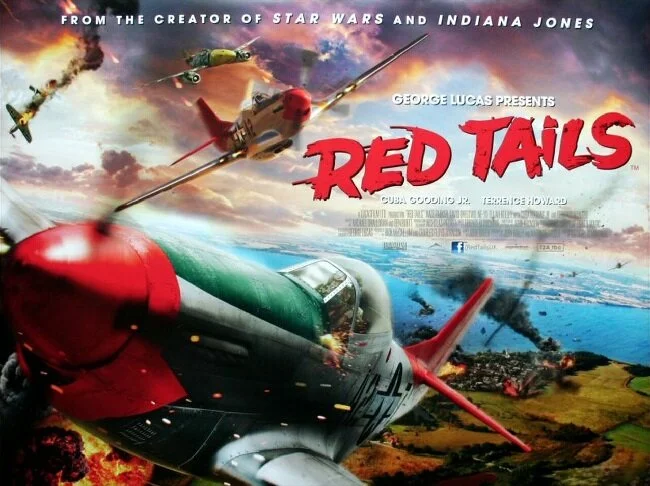
In 1944, the USAAF faces increased losses of Allied bombers conducting operations over Europe. The 332d Fighter Group (The Tuskegee Airmen), consisting of young African-American fighter pilots, are confined to ground attack missions in Italy and hampered with ageing, poorly maintained Curtiss P-40 Warhawk aircraft. After the Tuskegee Airmen distinguish themselves in support of the Allied landings at Anzio, Col. A.J. Bullard (Terence Howard) is surprised when the USAAF Bomber Command asks him if his men will escort the Boeing B-17 Flying Fortress bombers on their day time raids. Casualties have become unacceptably high. Bullard accepts on the condition his unit be supplied with the new North American P-51 Mustang. The tails of the new aircraft are painted bright red and become the unofficial name of the outfit. Bullard orders his pilots to remain with the bombers that they’re escorting and their first escort mission proves a success without the loss of a single bomber. Slowly, entrenched racist attitudes within the USAAF begin to change.
In 1944, the USAAF faces increased losses of Allied bombers conducting operations over Europe. The 332d Fighter Group (The Tuskegee Airmen), consisting of young African-American fighter pilots, are confined to ground attack missions in Italy and hampered with ageing, poorly maintained Curtiss P-40 Warhawk aircraft. After the Tuskegee Airmen distinguish themselves in support of the Allied landings at Anzio, Col. A.J. Bullard (Terence Howard) is surprised when the USAAF Bomber Command asks him if his men will escort the Boeing B-17 Flying Fortress bombers on their day time raids. Casualties have become unacceptably high. Bullard accepts on the condition his unit be supplied with the new North American P-51 Mustang. The tails of the new aircraft are painted bright red and become the unofficial name of the outfit. Bullard orders his pilots to remain with the bombers that they’re escorting and their first escort mission proves a success without the loss of a single bomber. Slowly, entrenched racist attitudes within the USAAF begin to change.
George Lucas is not known for his subtlety as a director, focusing more on visual flair than finely honed character development. Mercifully Red Tails does not do any sort of disservice to the memory of The Tuskegee Airmen. However, it doesn’t do them a great justice either. There are many aspects of the production that are outstanding, such as the ensemble cast featuring Nate Parker, David Oyelowo and Tristan Wilds and striking visual effects. But the weak link in the chain yet again is the screenplay by John Ridley and Aaron McGruder. It is laboured and pitched at a rather simplistic level. Subjects such as institutionalised bigotry, fascism and personal sacrifice need to be dignified with a bit more intelligence when depicted on screen. They are too important and complex issues to be portrayed in such an arbitrary fashion and sadly that is exactly how Red Tails plays out.
As a piece of populist entertainment, Red Tails works sufficiently. With the full weight of Industrial Light and Magic behind the visual effects, there is plenty of spectacle and the traditional story arc follows a distinctly tried and tested formula. The characters are engaging but this is predominantly due to the personalities of the respective actors. There is very little depth to the screenplay and the cast are mainly tasked with providing archetypes. The film will certainly play well to audiences who may not be so familiar with this aspect of World War II. The mixture of action and fast paced story should suit a youth demographic. But for the more sophisticated viewer, Red Tails will seem a bit light in content and lacking anything to make it distinctive. Portraying the Germans as “bad” because they are “Germans”, does not wash and seems a hangover from war films of the fifties. Furthermore the film seems to imply that after the success of The Tuskegee Airmen that the systemic problems of a segregated Air Force are effectively remedied. This sadly was not the case.
All films regardless of genre, require the suspension of disbelief by the audience to varying degrees and Red Tails is no different. Unfortunately George Lucas requires the audience not only to do this but to actively leave their common sense as home. You don’t have to be a military plane enthusiast to quibble over obvious technical inaccuracies or liberal bending of the laws of physics. One expects this to a degree in mainstream filmmaking but there are limitations. In this respect Red Tails does cross over the line. Ultimately, this could have been a superior film as opposed to just adequate, if a more seasoned director had been at the helm, armed with a more robust screenplay. One has to wonder exactly how much influence executive producer George Lucas had over various aspects of this production as Red Tails does exhibit the usual in-balance of content associated with his work.


The Sea Wolves (1980)
I have always had a soft spot for the action movies that Euan Lloyd produced in the late seventies and early eighties. The Wild Geese (1978), The Sea Wolves (1980), Who Dares Wins (1982) and Wild Geese II (1985). They were quite gritty and all had a strong cast of British character actors. Sadly some of them strayed into political issues with their stories and often got out of their depths. The Wild Geese ham-fistedly explores the political landscape of post colonial Africa and Who Dares Wins clumsily deals with terrorism and the concept of unilateral nuclear disarmament. Yet despite the somewhat school boy approach to geopolitics, the action scenes are well crafted (often by legendary Bond stunt arranger Bob Simmons) and the cast more than make up for any narrative failings. All four films also have charismatic soundtracks by Roy Budd. However The Sea Wolves differs from the other three movies in so far that it is set during World War II and is loosely based on real events.
I have always had a soft spot for the action movies that Euan Lloyd produced in the late seventies and early eighties. The Wild Geese (1978), The Sea Wolves (1980), Who Dares Wins (1982) and Wild Geese II (1985). They were quite gritty and all had a strong cast of British character actors. Sadly some of them strayed into political issues with their stories and often got out of their depths. The Wild Geese ham-fistedly explores the political landscape of post colonial Africa and Who Dares Wins clumsily deals with terrorism and the concept of unilateral nuclear disarmament. Yet despite the somewhat school boy approach to geopolitics, the action scenes are well crafted (often by legendary Bond stunt arranger Bob Simmons) and the cast more than make up for any narrative failings. All four films also have charismatic soundtracks by Roy Budd. However The Sea Wolves differs from the other three movies in so far that it is set during World War II and is loosely based on real events.
During World War II, many British merchant ships are being sunk by German U-boats. British intelligence, based in India, believe that the information is being passed to the U-boats by a radio transmitter hidden on board one of three German merchant ships interned in the neutral Portuguese colony of Goa. Lieutenant-Colonel Pugh (Gregory Peck) of the Special Operations Executive (SOE) is tasked with finding the German spy passing the shipping information and destroying the radio transmitter onboard the interned ships. Accompanied by fellow operative Captain Gavin Stewart (Roger Moore), the pair travel to Goa to attempt to capture a high level German spy known as Trompeta (Wolf Kahler). After he dies during a struggle, Pugh decides to make a daring raid on the interned ships in Goa harbour. Due to Portugal's neutrality SOE cannot use British troops. So Pugh asks Colonel W.H. Grice (David Niven), the commanding officer of a Territorial unit of British expatriates called the Calcutta Light Horse, if they would carry out the mission covertly. They all volunteer as they are all ex-service men and keen to 'do their bit'.
The Sea Wolves is a very traditional high adventure movie directed by veteran filmmaker Andrew V. McLaglen. The film’s strength lies with its strong cast featuring the likes of Trevor Howard, Patrick Macnee and Patrick Allen. The script is functional and has occasional moments of droll dialogue, usually based around the age of the various old soldiers complaining about their aches and pains. The locations are interesting and the production design does a good job of recreating the period. Furthermore, the miniature effects by Kit West and Nick Allder are top drawer and the action scenes are credible, well edited and entertaining. The Sea Wolves eschews the cliched cinematic conceit of the German cast speaking English, instead opting for authentic dialogue and subtitles. Yet despite many positive elements, the film drags during the turgid romance between Captain Stewart and divorcee (and German spy) Agnes Cromwell (Barbara Kellerman).
Roger Moore was 52 when he was cast in The Sea Wolves and he was clearly losing his boyish good looks. Yet the film industry still insisted upon casting him as a romantic lead. He continued with Bond well after his best before date and frankly it showed. In this instance his torrid affair is very much written in the idiom of the times and it is as dull as ditch water. The plot grinds to a halt during these scenes. Furthermore critics at the time made a big deal out of Gregory Peck’s English accent but I’ve heard far worse over the years and don’t consider it to be a deal breaker. It should be remembered that to finance such a British production Euan Lloyd needed a known star that would clearly appeal to the US market. Peck was such an actor and works well in the role. He certainly shines in his scene with David Niven who he worked with previously on The Guns of Navarone.
Film’s about World War II proved a mainstay of the UK and US box office for over 30 years. However interest waned eventually as a new generation of cinema viewers, who were born in the post war years, became the principal audience. Films that have revisited this historical period since then have tended to take a more revisionist approach to the subject matter. The Sea Wolves is one of the last old school, “for King and country” style of action movie. Perhaps that is why it didn’t fare as well at the box office as other Euan Lloyd productions. He personally blamed this on the demise of co-financier Lorimar Pictures and their poor marketing. I think that audiences simply wanted something more contemporary, as proved by Who Dares Wins. Viewed with a modern perspective The Sea Wolves does seem somewhat dated in its tone. However, it can still prove entertaining and certainly offers an unusual story, set away from the European theatre of war.
Fury (2014)
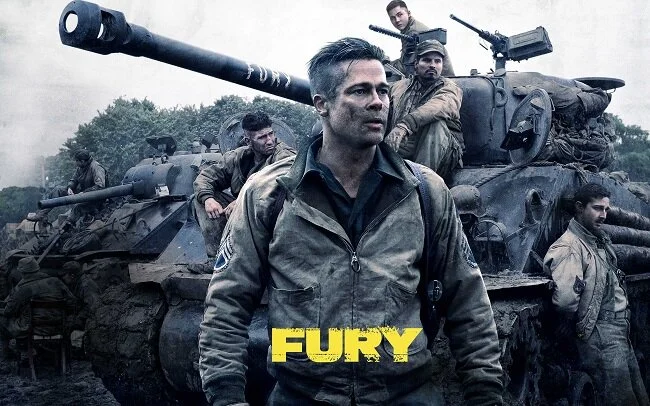
One of the things that immediately strikes you when watching Fury is its credibility and realism. The film reeks of authenticity. Every aspect of the production has been meticulously researched, from uniform and equipment, to ordnance and tactics. The M4A3E8 Sherman tank was not only the workhorse of the US Army but also a home for its five man crew. Director David Ayer makes this idea the foundation of his movie and then proceeds to explore those two perennial themes, the horrors of war and the loss of innocence. The film focuses on the experiences of the crew consisting of Don "Wardaddy" Collier (Brad Pitt), gunner Boyd "Bible" Swan (Shia LeBeouf), loader Grady "Coon-Ass" Travis (Jon Bernthal), and driver Trini "Gordo" Garcia (Michael Peña). They’re a tight knit family, relying on each other to stay alive and keep their mental stability.
One of the things that immediately strikes you when watching Fury is its credibility and realism. The film reeks of authenticity. Every aspect of the production has been meticulously researched, from uniform and equipment, to ordnance and tactics. The M4A3E8 Sherman tank was not only the workhorse of the US Army but also a home for its five man crew. Director David Ayer makes this idea the foundation of his movie and then proceeds to explore those two perennial themes, the horrors of war and the loss of innocence. The film focuses on the experiences of the crew consisting of Don "Wardaddy" Collier (Brad Pitt), gunner Boyd "Bible" Swan (Shia LeBeouf), loader Grady "Coon-Ass" Travis (Jon Bernthal), and driver Trini "Gordo" Garcia (Michael Peña). They’re a tight knit family, relying on each other to stay alive and keep their mental stability.
In many respects Fury tells a very traditional story, as a new crew member Norman Ellison (Logan Lerman) joins the team and the movie is told from his perspective. What makes the proceedings different is the setting (with its tangible sense of claustrophobia) and the reluctance by the director to place the protagonists on a pedestal. These soldiers have a job to do and they deal with it by stripping away the moral ambiguity and psychological ramifications associated with warfare. They undertake their duties in a clinical and functional manner out of necessity and it's not pretty. In some respects Fury has many similarities with Sam Peckinpah’s Cross of Iron (1977) and Samuel Fuller’s The Big Red One (1980). It certainly doesn't have the rose tinted, moral perspective of Spielberg's Saving Private Ryan (1998) which was undermined by its bookend scenes.
With a movie such as this where the plot hinges on the tight knit social dynamics of the tank crew, you need a strong cast and Fury has this in spades. All actors put in strong performances, especially Shia LeBeouf who plays a lay preacher struggling to reconcile his faith with the carnage around him. Director Ayer also cranks up the tension outside of the battle scenes. After capturing a German town the tank crew enters a house to find two terrified women who naturally expect the worst. In a desperate attempt for normality and for a brief respite from the war, Sergeant Collier tries to impose some order on their lives by having a meal around a dinner table. Sadly, it does not go well and highlights the mental strain that all are under.
There are two stand out battle scenes in Fury that really leave their mark on the viewer. One involves a formation of four Sherman tanks taking on a German Tiger I, which was a technically superior vehicle. The tactics are credible and realistic, as is the depiction of the damage armour piercing ordnance can do. Then there is the climactic battle in which the crew of Fury expend all the ammunition they have in an attempt to fend off a column of three hundred Waffen-SS infantry. Both these scenes are compelling and tense. We see the realities of being on the receiving end of a .50 calibre Browning or a shell loaded with white phosphorus. However, director David Ayer finds the right balance with these scenes of violence and injury and does not teeter into excess.
The ending of Fury may not come as any surprise and it makes perfect sense within the context of the story. Anything else would harm the credibility of the movie and possibly be disrespectful to those who did serve under such conditions. There is a nod to traditional war movie symbolism as the film starts and ends with a white horse. As World War II recedes further into the past and the public’s connection to it becomes less and less each year, it is important that the subject is still explored by cinema. Fury offers a fresh perspective on the conventional trope that "war is hell". It is a theme that remains relevant and still provides quality film makers with a rich vein of material to mine. It is technically accurate and certainly flies in the face of standard Hollywood depictions of military engagements.

Conspiracy (2001)
Conspiracy is a 2001 co-production between the BBC and HBO, that dramatises the events of the Wannsee Conference of 1942. Based upon secret minutes of the meeting, the drama explores the businesslike manner in which the German State decided and implemented the "Final Solution of the Jewish Question" during World War II. Set in a confiscated lakeside villa in the Berlin borough of Wannsee, the plot unfolds around a conference table. The screenplay by Loring Mandel is free from theatrics and hyperbole. Instead it focuses upon a chilling meeting in which genocide is calmly debated in the same way as armament quotas or economic growth. Frank Pierson’s direction is straightforward and uncomplicated allowing the viewer to dwell on the manner and tone of the proceedings. Conspiracy features an ensemble cast, including Kenneth Branagh as Reinhard Heydrich, Stanley Tucci as Adolf Eichmann, Colin Firth as Dr Wilhelm Stuckart and an early appearance by Tom Hiddleston.
Conspiracy is a 2001 co-production between the BBC and HBO, that dramatises the events of the Wannsee Conference of 1942. Based upon secret minutes of the meeting, the drama explores the businesslike manner in which the German State decided and implemented the "Final Solution of the Jewish Question" during World War II. Set in a confiscated lakeside villa in the Berlin borough of Wannsee, the plot unfolds around a conference table. The screenplay by Loring Mandel is free from theatrics and hyperbole. Instead it focuses upon a chilling meeting in which genocide is calmly debated in the same way as armament quotas or economic growth. Frank Pierson’s direction is straightforward and uncomplicated allowing the viewer to dwell on the manner and tone of the proceedings. Conspiracy features an ensemble cast, including Kenneth Branagh as Reinhard Heydrich, Stanley Tucci as Adolf Eichmann, Colin Firth as Dr Wilhelm Stuckart and an early appearance by Tom Hiddleston.
Conspiracy achieves much, considering the scope and implications of the subject matter. It manages to juggle a dozen characters, all of whom are from distinct and diverse backgrounds with clear agendas of their own. Soldiers, government officials and civil servants all seem to view the “final solution” as an administrative, logistical and legal problem. Dr Rudolph Lange (Barnaby Kay) states how execution by shooting is bad for troops' morale. It is an incongruous comment that focuses on psychological welfare of those conducting mass murder. Yet the screenplay successfully provides insight into this broad group’s motivations. Heydrich is shown to be a consummate manipulator as he cajoles and coerces all present into towing the official party line. It soon becomes clear that the decision to commit genocide had already been taken and that this meeting was not designed to agree it but to officially implement it and bind all present to the undertaking by collective involvement.
Conspiracy is a difficult film to watch, in that the magnitude of what is being discussed verges upon the incomprehensible. Performances are universally strong and compelling. There are several key incidents that occur that indicate the inevitability of the proposed “final solution”. Those looking to legitimise the proceedings legally are forced to abandon such a position. One bureaucrat even considers the implementation of this policy as being beneficial to his career. But perhaps the most chilling of all of these is the way in which Heydrich makes all present complicit with the decision, binding them by guilt. And then once the task is complete, all attendees calmly depart back to their regular jobs and posts. Heydrich comments about moving into the villa in which the conference has been held, once the war is over. Conspiracy ends with a summary of what happened to those attending the Wannsee Conference. Many were acquitted by Allied military tribunals after the war and lived the remainder of their lives in West Germany.
Greyhound (2020)
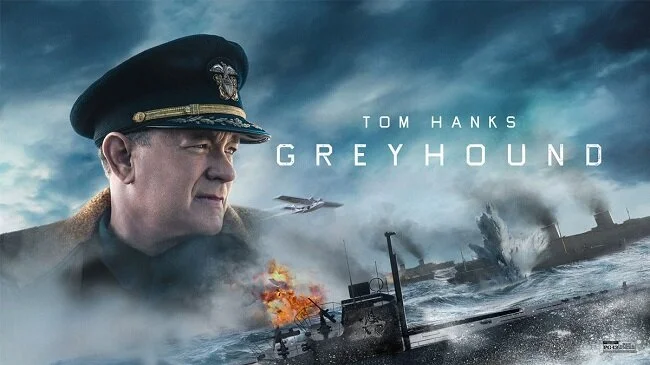
Greyhound is a curious film in that it flies in the face of one’s expectations. When I (and possibly others) see an advertisement or trailer for a World War II movie starring Tom Hanks, I naturally assume that the lead actor has been hired for his prodigious acting talent and that he’ll be providing an in depth character study. I was expecting Greyhound to be the story of an untested US Naval Commander enduring an ordeal by fire on his first escort mission. And that is to a degree what director Aaron Schneider provides but instead of the narrative arc focusing on Ernest Krause’s emotional struggles with his duties, we instead get a docudrama focusing on the technicalities of naval warfare. The latter approach is certainly engaging and at times tense and exciting but this decision narrows the appeal of the film. I personally would have preferred the former.
Greyhound is a curious film in that it flies in the face of one’s expectations. When I (and possibly others) see an advertisement or trailer for a World War II movie starring Tom Hanks, I naturally assume that the lead actor has been hired for his prodigious acting talent and that he’ll be providing an in depth character study. I was expecting Greyhound to be the story of an untested US Naval Commander enduring an ordeal by fire on his first escort mission. And that is to a degree what director Aaron Schneider provides but instead of the narrative arc focusing on Ernest Krause’s emotional struggles with his duties, we instead get a docudrama focusing on the technicalities of naval warfare. The latter approach is certainly engaging and at times tense and exciting but this decision narrows the appeal of the film. I personally would have preferred the former.
Based on the 1955 novel The Good Shepherd by C. S. Forester and adapted for the screen by Tom Hanks himself, Greyhound is the story of Commander Ernest Krause during his first war-time assignment. The USS Keeling, codenamed Greyhound, is the lead ship in a multi-national escort group defending a merchant ship convoy. As the allied vessels enter the aptly named "Black Pit"; the Mid-Atlantic gap where they are out of range of air support, a five day game of cat and mouse begins with a German U-boat Wolfpack. Will Commander Krause’s “by the book” approach be sufficient in countering the German threat? Can an unproven Commander deal with the pressure of naval warfare during the Battle of the Atlantic, only months after the U.S. officially entered World War II?
Several critics have raised the question as to whether Greyhound went through a major re-edit just prior to its release. As I have not read about anything to this effect I must conclude that this is not the case. Therefore it must be assumed that the brevity of this film and its focus on naval procedure and tactics was intended. As Tom Hanks is an actor often associated with in-depth character studies, many people (myself included) expected a movie which not only explored the Battle of the Atlantic but also dealt with the burden of command. The film gives us hints regarding Commander Krause. We see his fiancée give him a Christmas gift of monogram slippers. There are several scenes where he prays, implying that faith is a key facet of his personality. There is also a recurring joke in which he misses all the meals his steward prepares for him. All of these could have been expanded into broader vignettes and indeed I was hoping they were. However, they remain as simple asides.
From a technical perspective, Greyhound is both compelling and accurate. The naval tactics depicted are factually correct and well realised. The visual effects by DNEG (formerly Double Negative) are of a high standard. The ocean is a difficult medium to represent digitally but the action sequences focus upon technique rather than spectacle, so they offer a higher degree of realism than those in similar movies such as U-571. However, therein lies the main criticism of Greyhound. It is very much a facts driven WWII naval docudrama, as opposed to a character study about the men taking part. We see several members of the ship’s crew but beyond their duties we know little about them. I suspect there was more of a human element in C. S. Forester book. As it stands, Greyhound is a good film with niche market appeal. An extra 30 minutes of expanded character development may have turned a good film into a great one.
Midway (2019)
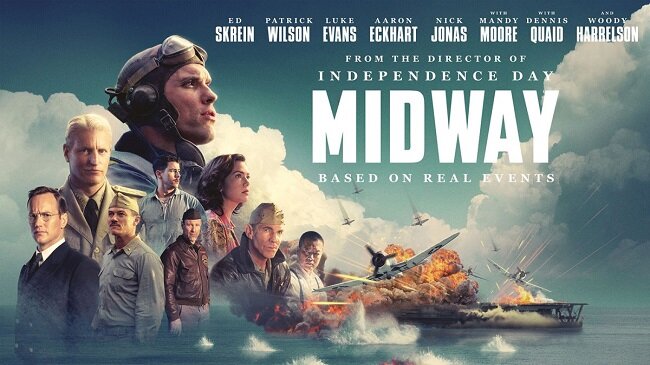
Big budget, historically driven movies that set out to recount key events of World War II are a rarity these days. If you ignore the bombastic inanities of Michael Bay’s Pearl Harbor (2001), then you have to go back to the late seventies to films such as A Bridge Too Far to find a suitable example. This is why Roland Emmerich’s Midway came as a genuine surprise. When I saw a trailer for the film last October, I was flummoxed that such a production had been made. My initial concerns were that it would focus on spectacle rather than historical fact and trivialise events of great military and historical importance. After having watched Midway, I am pleased to report that this is a surprising throwback in many ways. The film covers the events of the Japanese attack on Pearl Harbor, the subsequent Doolittle Raids on Tokyo by the US and the Battle of Midway, both succinctly and accurately. Furthermore, much of the cast play real veterans who participated in these events. Overall this is an entertaining and informative movie that feels like a relic from fifty years ago. However, its docudrama aspirations also make for somewhat generic character development.
Big budget, historically driven movies that set out to recount key events of World War II are a rarity these days. If you ignore the bombastic inanities of Michael Bay’s Pearl Harbor (2001), then you have to go back to the late seventies to films such as A Bridge Too Far to find a suitable example. This is why Roland Emmerich’s Midway came as a genuine surprise. When I saw a trailer for the film last October, I was flummoxed that such a production had been made. My initial concerns were that it would focus on spectacle rather than historical fact and trivialise events of great military and historical importance. After having watched Midway, I am pleased to report that this is a surprising throwback in many ways. The film covers the events of the Japanese attack on Pearl Harbor, the subsequent Doolittle Raids on Tokyo by the US and the Battle of Midway, both succinctly and accurately. Furthermore, much of the cast play real veterans who participated in these events. Overall this is an entertaining and informative movie that feels like a relic from fifty years ago. However, its docudrama aspirations also make for somewhat generic character development.
Midway faces the dilemma that historical movies of this kind often encounter. How to balance the exposition of factual events along with a plethora of real life characters and weave both elements into a narrative arc. All too often characters have little scope for development and end up being simple archetypes. Ed Skrein as Lieutenant Richard Dick Best, typifies this. He tries to bring a sense of urgency to the proceedings as he journeys from strong headed risk taker to a seasoned officer, responsible for the men in his command. Sadly the screenplay presents this in a very formulaic way. Patrick Wilson has perhaps the greatest dramatic scope as Lieutenant Commander Edwin T. Layton, who is driven to ensure that Naval Intelligence gets things right at Midway after the disaster at Pearl Harbor. Overall, the strong cast of character actors does not get in the way of the proceedings but you do feel that you’d like to know more about them all, other than just a basic text book summary.
It is obvious that a great deal of research has gone into the visual effects in Midway. Broadly, the depiction of both Naval and air battles ring true. But at times there is an element of digital “showboating” when the onscreen action slips into spectacle, possibly at the expense of technical accuracy. Dive bombing is by its very nature a high risk undertaking but is there really a need to embellish the drama with last minute escapes from explosive fireballs and planes skimming the wave as they desperately attempt to climb? CGI also lacks the sense of mass and physical presence that filming with real ships and aircraft offers. But as such relic of World War II are in short supply, one cannot be too critical of the films production design. Midway tries to present the scale of the loss of life on both sides without getting bogged down in too much graphic violence. Broadly in works well within the confines of the PG-13 rating.
Unlike older war movies, Midway is not driven by a gung-ho imperative and does not arbitrarily paint the Japanese as two dimensional caricatures. There are brief nods to Japanese geo-political expansion at the beginning of the film and Japanese Naval tactics and motivations are shown to balance those of the US. Midway does go on to show the consequences of the Doolittle Raid and how the Chinese Nationalists faced reprisals for helping American pilots. There is no mention of Japanese-American internment. Overall, if you are interested in military dramas or are looking for an action driven war movie, then Midway can provide both. The character development and screenplay are somewhat basic but they successfully underpin the action sequences and move the story from A to B. Despite the very modern approach to direction, editing and aesthetics, there is a retro quality to the film. It is interesting to see a modern production whose primary remit is to educate, rather than just to provide disposable entertainment.
Overlord (2018)
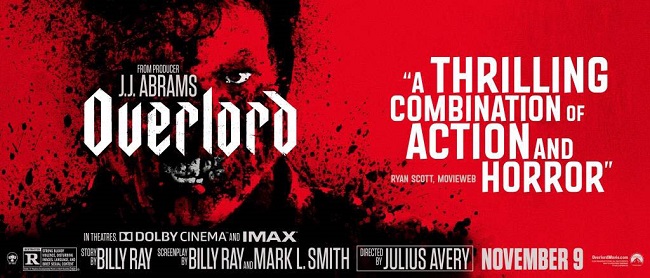
For the first ten minutes or so, World War II action horror movie Overlord ticks a lot of boxes. The film has a surprisingly high budget ($38,000,000) for a niche genre product and as a result has a handsome production design. The cinematography by Laurie Rose and Fabian Wagner is striking, capturing the beauty of the French countryside as well as framing the various unpleasantness in a suitably Teutonic fashion. The visual effects both digital and practical are also of a high calibre, further adding to the authentic atmosphere. Yet despite all these positive points, Overlord is a somewhat slow and underwhelming affair, running fifteen to twenty minutes too long. Like so many modern movies, the focus of the production is on spectacle, rather than on character and script. Hence Overlords fails to meet its potential and makes for a somewhat frustrating viewing experience due to it squandering such a good opportunity.
For the first ten minutes or so, World War II action horror movie Overlord ticks a lot of boxes. The film has a surprisingly high budget ($38,000,000) for a niche genre product and as a result has a handsome production design. The cinematography by Laurie Rose and Fabian Wagner is striking, capturing the beauty of the French countryside as well as framing the various unpleasantness in a suitably Teutonic fashion. The visual effects both digital and practical are also of a high calibre, further adding to the authentic atmosphere. Yet despite all these positive points, Overlord is a somewhat slow and underwhelming affair, running fifteen to twenty minutes too long. Like so many modern movies, the focus of the production is on spectacle, rather than on character and script. Hence Overlords fails to meet its potential and makes for a somewhat frustrating viewing experience due to it squandering such a good opportunity.
On the eve of D-Day, a squad of crack paratroopers (are there any other type?) are tasked with destroying a German radio tower in an old church in France. Their plane is shot down before they can reach their target, leaving only four survivors; Corporal Ford (Wyatt Russell) and soldiers Boyce (Jovan Adepo), Tibbet (John Migaro), and Chase (Iain De Caestecker). A local villager, Chloe (Mathilde Ollivier), offers them shelter in her house where she looks after her younger brother and sick aunt. The unit subsequently learns how many of locals have been taken away to the laboratory under the church by SS Hauptsturmführer Wafner (Pilou Asbæk). What are the nature of the experiments that are conducted there by Dr. Schmidt (Erich Redman)? It soon becomes clear that the Third Reich is seeking to create a Übermensch, using a strange tar that is found under the foundations of the old church. Can Corporal Ford and his men foil this sinister (and extremely formulaic) plan and destroy the radio transmitter before the allied invasion commences?
Overlord is written by Billy Ray who has penned successful screenplays for The Hunger Games and Captain Phillips. During the movie’s production, genre writer Mark L. Smith was brought in to “polish” the existing script. Smith had previously garnered attention with his work on The Revenant. Sadly, despite their efforts the film’s dialogue, story and pacing are distinctly off. Now as this is a genre movie that expects us to embrace the concept of mutant Nazi’s, I’m not going to be too picky about some of the film’s historical inaccuracies. This is not meant to be an authentic historical recreation but an entertaining horror movie, so let’s not get bogged down in issues such as racial segregation that are conspicuously absent from the plot. No Overlords main failing is that not much happens for the first half of the movie. We’re simply presented with characters, a setting and a hint of sinister events. All of which could be established far quicker.
The two main antagonists are sadly two dimensional. For example, how do the writers establish that SS Hauptsturmführer Wafner is “evil”? By having him attempt to rape the only female character within five minutes of him being introduced into the narrative. As for our Mengele-esque Doctor Schmidt, he wanders around with a blood-stained apron and barks orders to verify his “baddy” credentials. It really is extremely lazy writing and a waste of a good cast. Everyone involved seems to be a cut above the standard journeyman genre actors that usually populate such movies. If the writers had taken some of the slack out of the initial story set up, they could have used the screen time to flesh out the various characters back stories. Especially the Nazis. Introducing racial tensions or focusing on the fact that one of the soldiers is a Jew could also have provided some further depth and interest in the proceedings.
There are some good action set pieces in Overlord but most of them are just regular combat sequences. The mutants have surprisingly little to do and appear on screen far too infrequently to be taken to heart as a tangible threat. The science, ideology and human suffering behind these ongoing experiments is never really explored. We briefly see a few “subjects” that have out lived their usefulness, put to the torch but as we don’t know who they were, the drama of the scene is diminished. When the horror elements finally do kick in, they are suitably grim and turned up to eleven. The cast do their best to engage with the story and are surprisingly polished given the paucity of the material. The quality of the production, along with dogged determination of certain cast members to deliver a “performance” irrespective of the scripts failing, is just enough to get things over the finishing line. Although not a complete dog’s dinner, you can’t help but feel that there is a part of the jigsaw missing from Overlord, and if that piece was found and added, you’d be left with a far superior movie.









The Trivialisation of World War II?
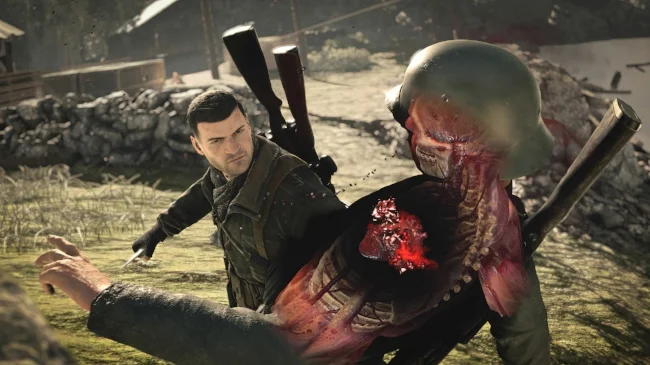
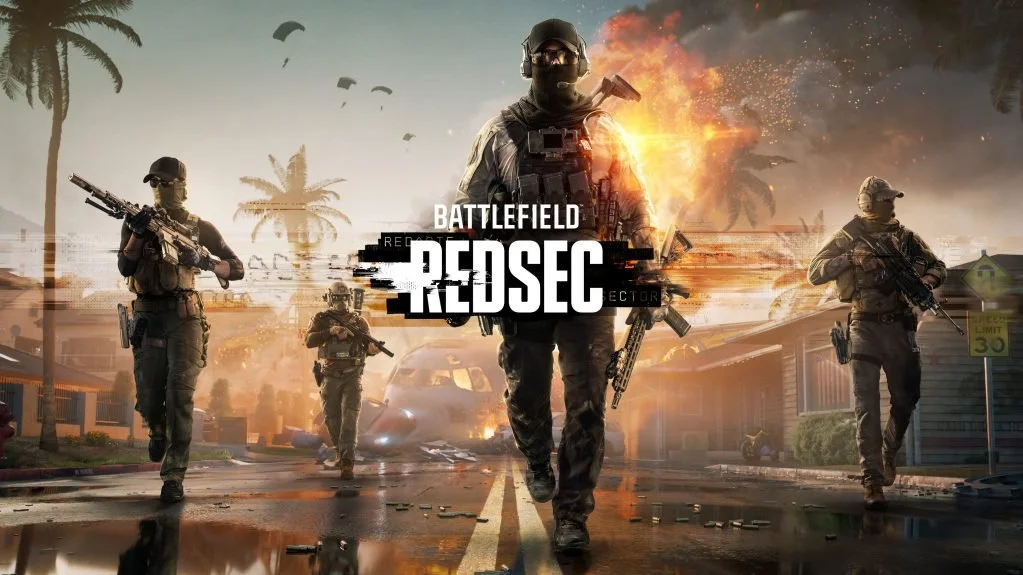
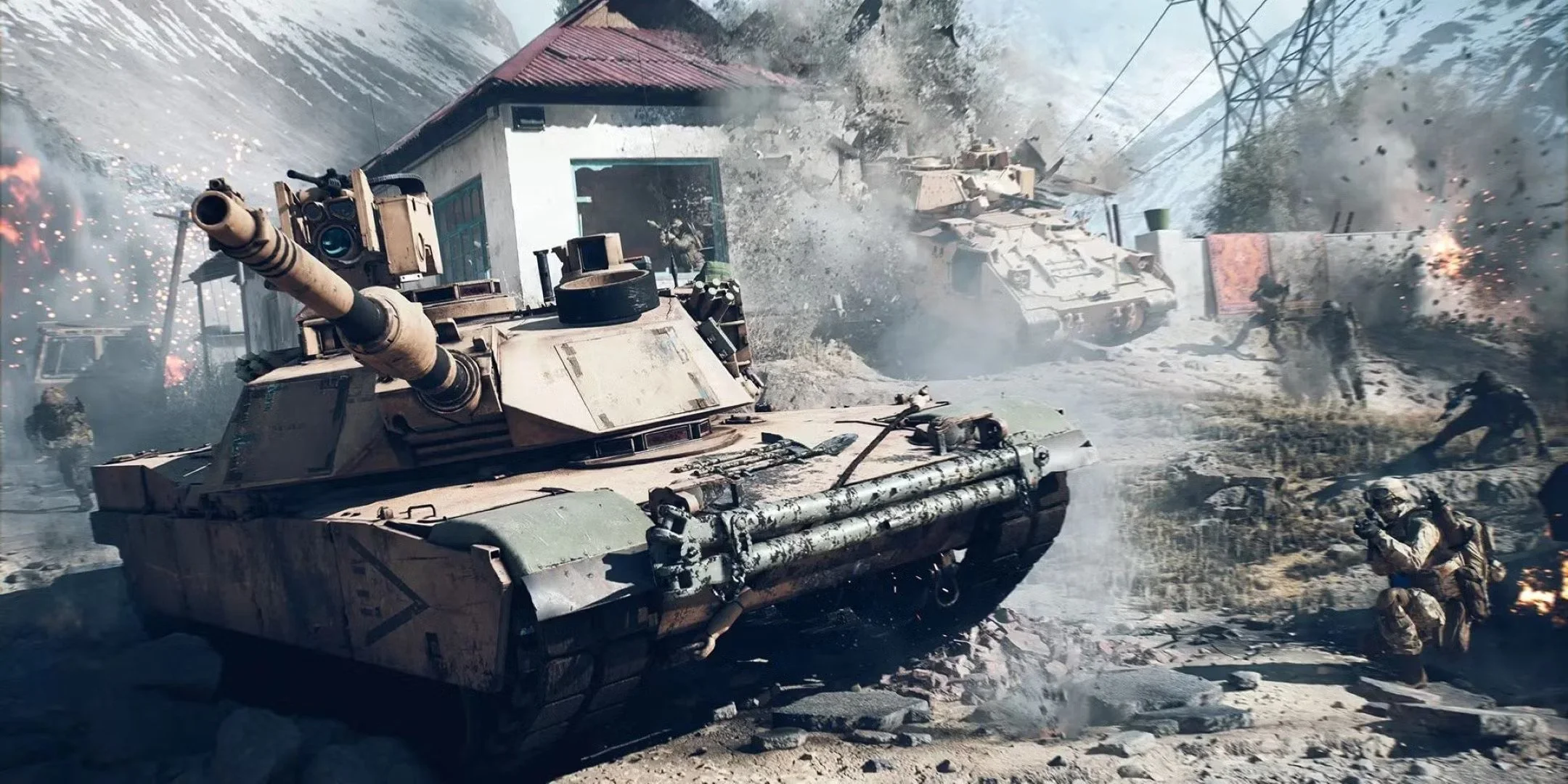
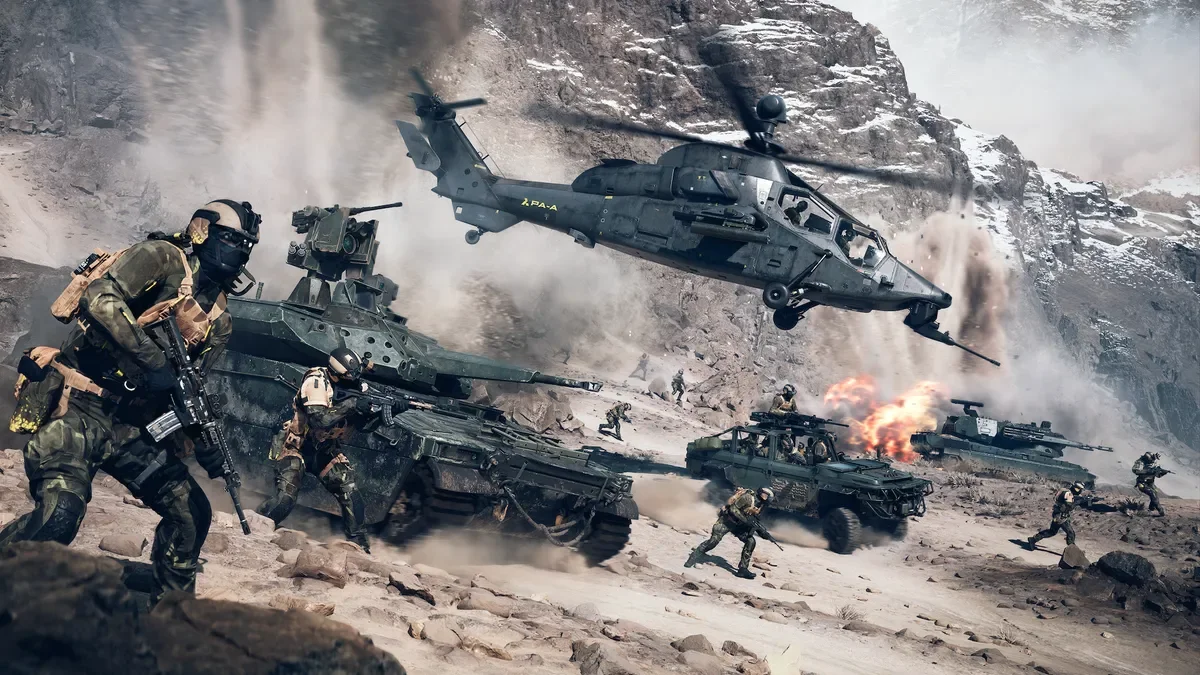
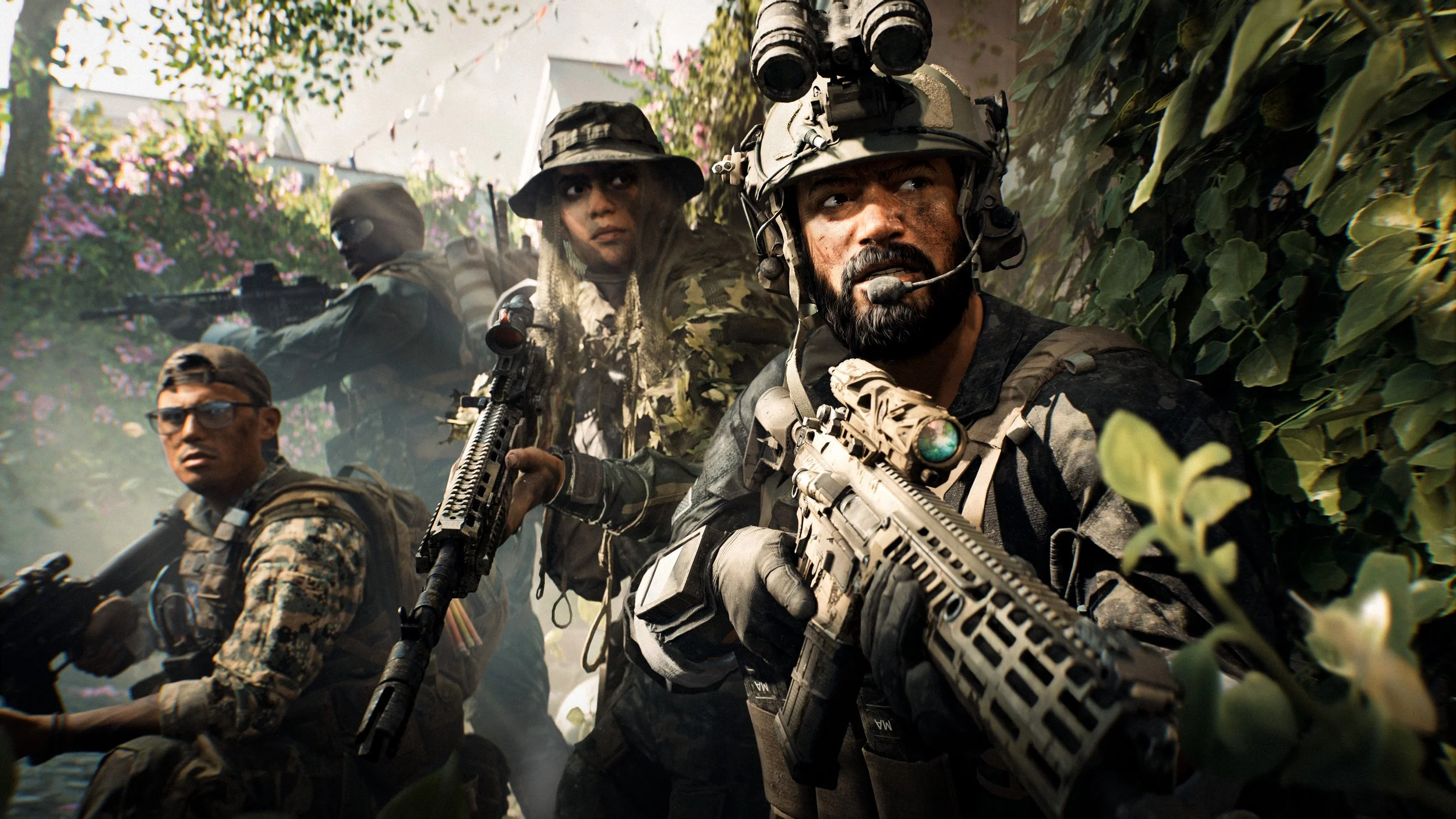
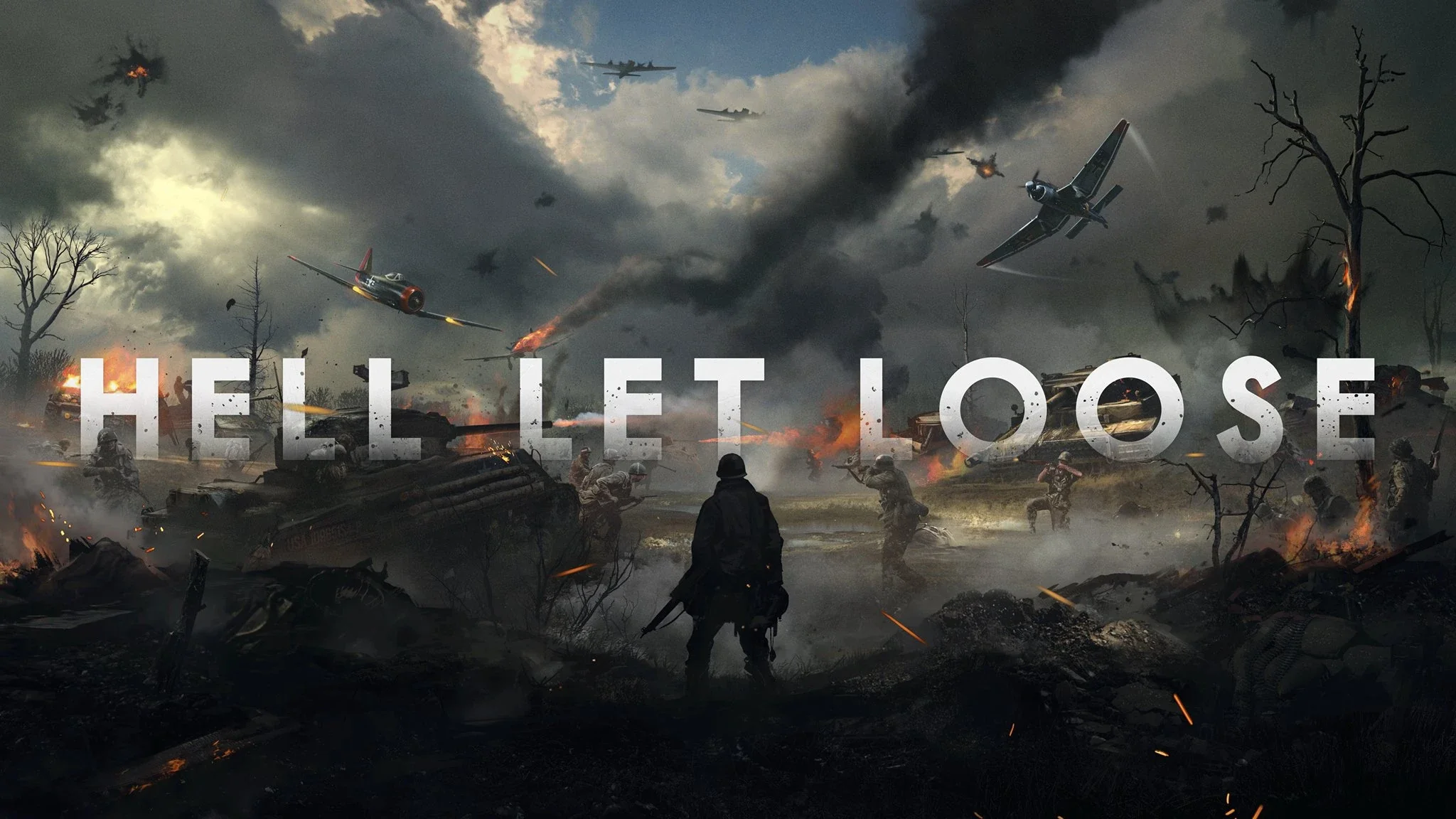
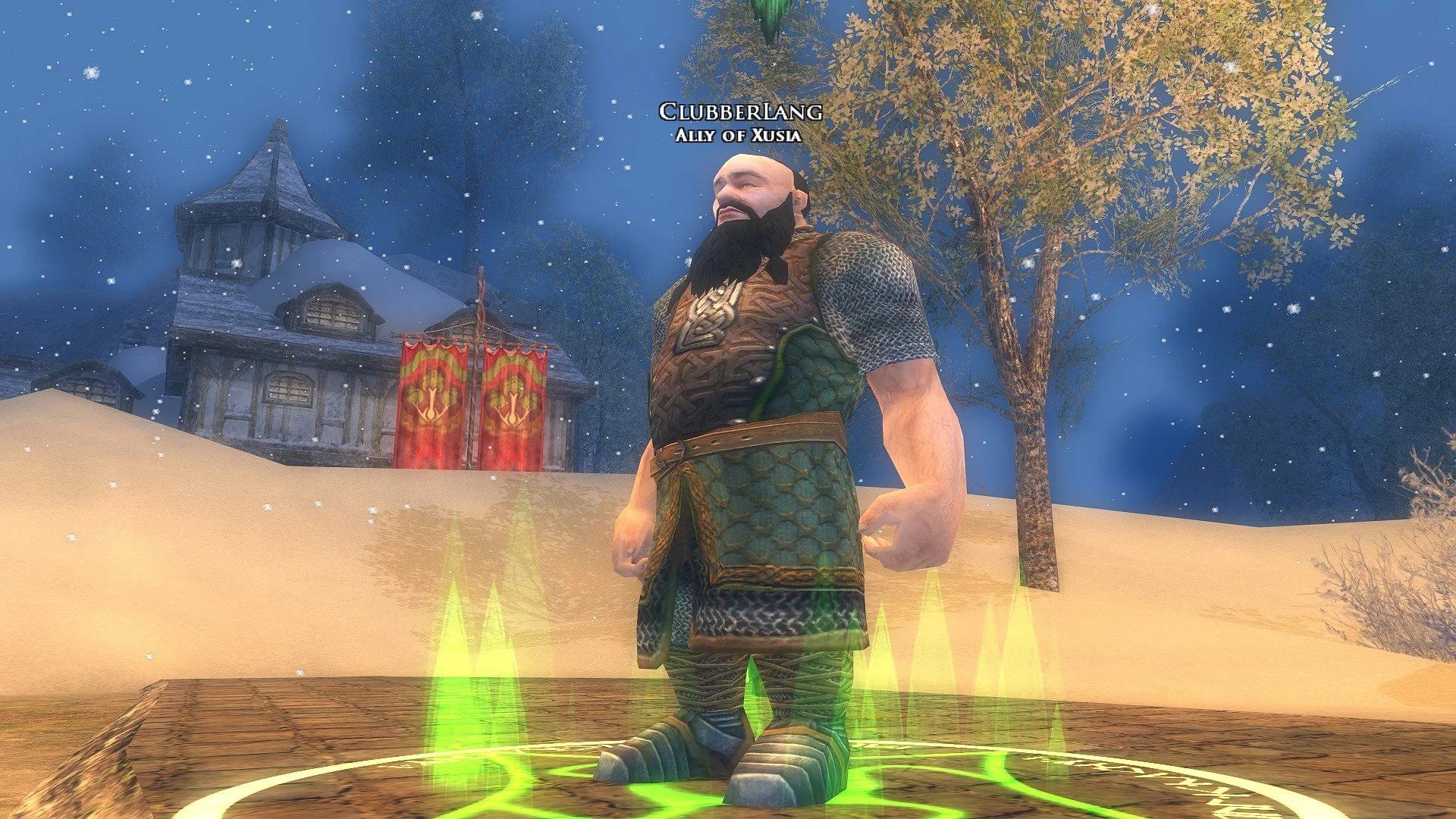
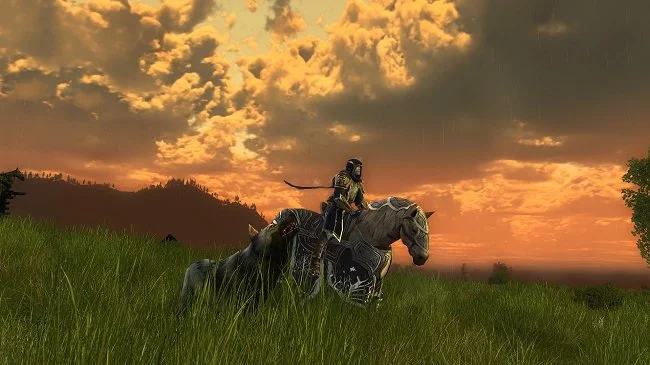
I have enjoyed Sniper Elite 4 and all of the sundry DLC immensely since its release in Spring. The game presents an interesting alternative to the traditional shooter with its stealth based level design. The latest instalment, Obliteration (the third part of an ongoing story), is set in an empty Bavarian town and has an intricate map with an authentic period feel. It offers opportunities for both long range sniping and close quarters stealth kills. Overall, I have found that the franchise provides engaging and complex gameplay, as well as satisfying the players baser need for blood and violence. However, playing this and other similar titles got me thinking. It would appear that World War II, one of the defining periods of the last century that still has ramifications today, is in certain quarters now simply a setting, a plot device or a Hitchcockian MacGuffin. Is the broader subtext of this major event now irrelevant to a generation of players because they have no immediate connection to this period in history? If that is the case, exactly when does it become acceptable for something of this magnitude, to be trivialised in this manner (if that is indeed the case).
I have enjoyed Sniper Elite 4 and all of the sundry DLC immensely since its release in Spring. The game presents an interesting alternative to the traditional shooter with its stealth based level design. The latest instalment, Obliteration (the third part of an ongoing story), is set in an empty Bavarian town and has an intricate map with an authentic period feel. It offers opportunities for both long range sniping and close quarters stealth kills. Overall, I have found that the franchise provides engaging and complex gameplay, as well as satisfying the players baser need for blood and violence. However, playing this and other similar titles got me thinking. It would appear that World War II, one of the defining periods of the last century that still has ramifications today, is in certain quarters now simply a setting, a plot device or a Hitchcockian MacGuffin. Is the broader subtext of this major event now irrelevant to a generation of players because they have no immediate connection to this period in history? If that is the case, exactly when does it become acceptable for something of this magnitude, to be trivialised in this manner (if that is indeed the case).
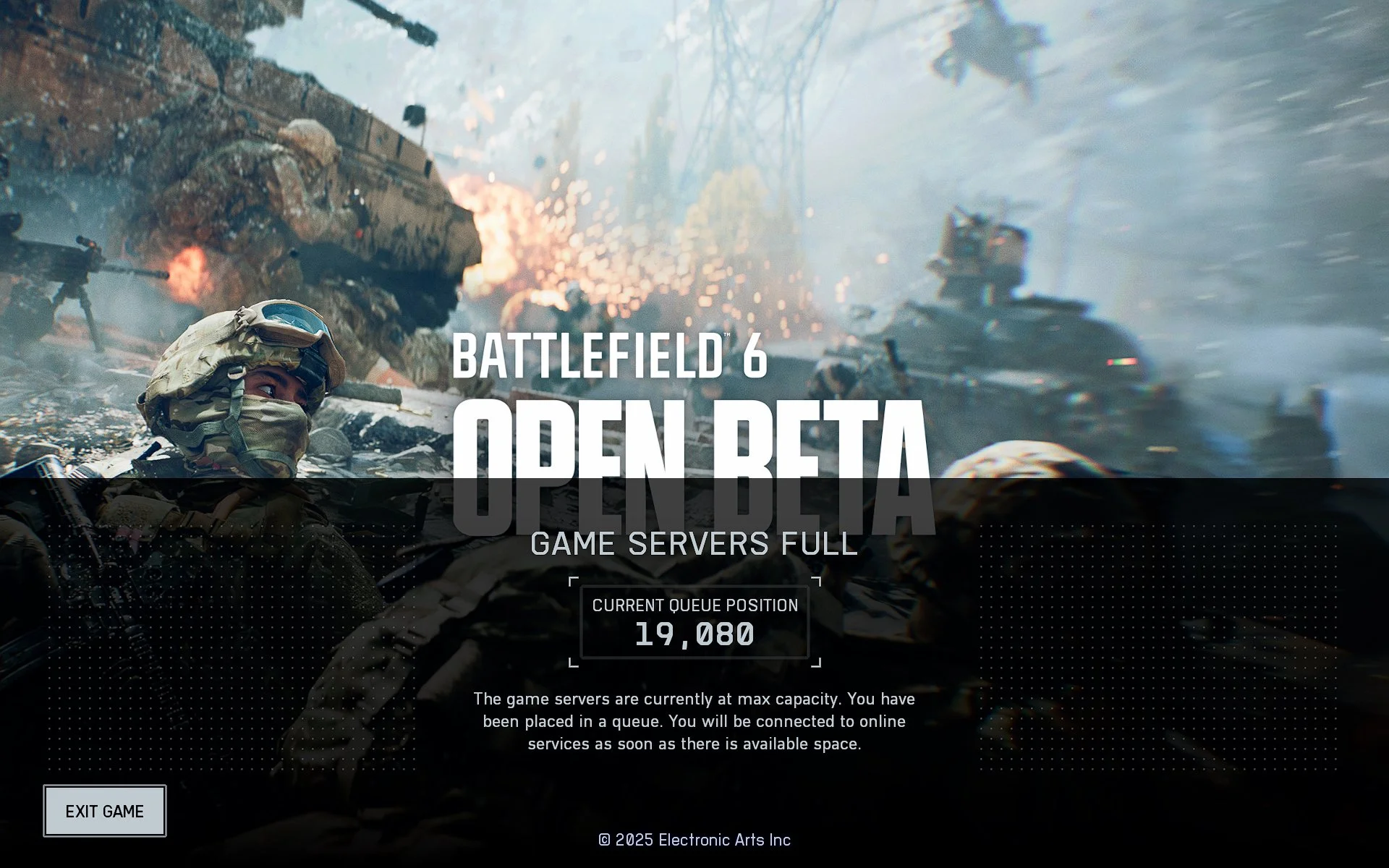
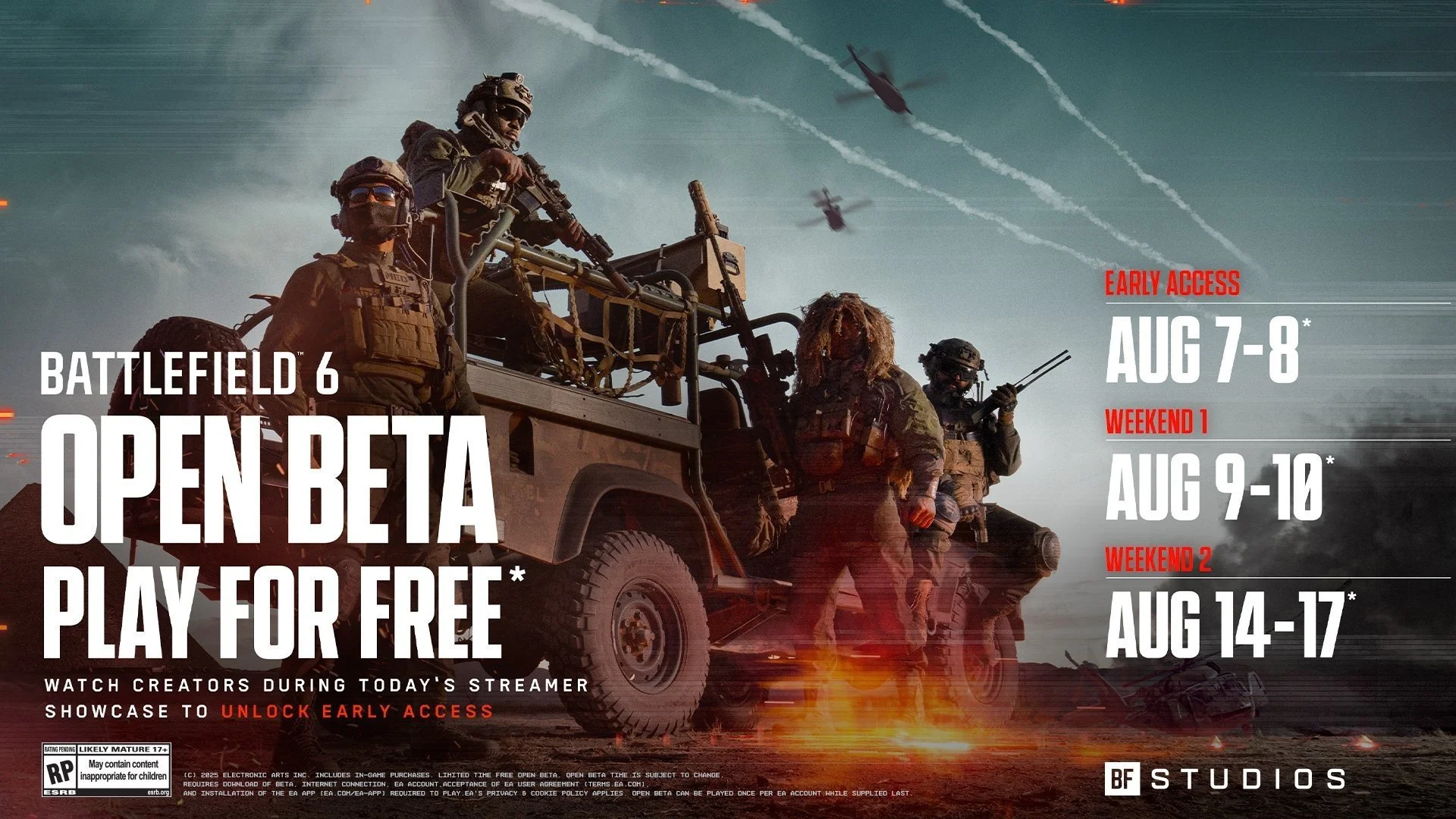
If memory serves, in early 2010 EA ran into some PR problems during the run up to the launch of Medal of Honor, when it was revealed that in the multiplayer mode players could play as the Taliban. Needless to say, this decision was robustly challenged by sections of the “popular” press, politicians and many bodies representing servicemen and their families. Eventually, EA capitulated and changed the multiplayer game so that the enemy was known as the Opposing Force or OP4 in military jargon. If we dispense with the tabloid hyperbole and faux moral outrage from blustering politicians, it would appear that the main objection to this situation was that there are still many servicemen and women as well as their families that have suffered directly or indirectly at the hands of the Taliban. It is the current and ongoing human connection to the associated events in Afghanistan that were problematic and thus causes potential public outrage.
So, it would seem that time and an emotional link to the matter in hand, decides whether a historical event is either a bonafide setting for a game or nothing more than tasteless exploitation. Because when you apply these criteria to World War II then we find that many people, especially those under twenty-five, have no living relatives that served or grew up during that era. Hence the passage of time renders these profoundly important events into abstract, textbook history. Effectively it becomes something to be read about, but with no immediate bearing on one’s current existence, although obviously the complete opposite is true. This sense of disconnection with the past is further compounded by socio-political and economic change. Culturally speaking contemporary London, as seen through the eyes of a twentysomething, is a world apart from what my Father’s generation experienced, seventy plus years earlier.
Both my Grandfathers served during World War II. One was an Army Surgeon and the other served in the Eighth Army. My Father was born in 1929 and lived in South London during the Blitz. For him and his peers, World War II was a defining point in his life. He still uses to this day the phrase “before the War” as a means to reference the societal difference between then and now. I grew up in the seventies knowing many men and women who had served. There was a Theology teacher at one of my schools who had spent several years in a Japanese P.O.W camp. One of our neighbours when I was growing up, was a veteran and a member of The Burma Star Association. I would conservatively estimate that for at least four decades after the end of World War II, British society was still tangibly experiencing its fallout in some shape or form.
Yet, time and tide wait for no man. Call of Duty will be releasing their latest instalment of their game in November this year and the franchise is returning to its roots with a World War II setting. Due to the immense popularity of this FPS, a substantial percentage of players who are young, will be introduced to a historical setting that they are not overly familiar with. What will they make of the Normandy landings, the scale of the loss of life and the fundamental causes for World War II itself? Will they simply see the Germans as “baddies” by cultural default? Has the inherent evil of Nazi policies and of Hitler himself any immediate significance, or are they now nothing more than clichéd exemplars of stereotypical notions of evil. Have the passage of time and popular culture simply neutered them of their potency?
As I stated at the start of this post, this article stems from a train of thought and still remains a point to ponder, rather than a working theory. Such a subject needs to be explored by greater thinkers than I and no doubt have been. Already I’m pondering counterpoints to my own assertion. For example, I grew up at a time when a substantial number of comics still had stories set in World War II. Precious few were of any note. Where these also contributing to the trivialisation process I have suggested? What about the films and TV dramas that filled theatres and broadcasting schedules during the post war decades? Are comedies such as 'Allo 'Allo! or Hogan's Heroes artistically justified or potentially just as offensive and exploitative as games such as Sniper Elite (assuming you see them in such terms)?
As someone who tries to avoid the binary or a tendency towards knee-jerk responses, these are all difficult questions to answer. Especially at a time when rationality has been usurped by the cult of virtue signalling and an addiction to “finding offense”. I would like to think that common sense may prevail but even that seems to be a term that we cannot agree upon these days. As for the trivialisation of World War II and potentially many other important events and causes, I think that it will remain a hotly debated topic. If you’re looking for games publishers to act and think responsibly then I’m sure the majority will disappoint you. Morality seldom deters and as we have seen, change is usually only embraced if there is risk to the bottom line. As for myself, I have sufficient gumption not to allow the depiction of World War II in video games to impact upon my real-world perspective of those historical events themselves. Yet I still have a nagging feeling from time to time that something about these titles is somehow “troubling”.







Five Came Back (2017)
Five Came Back is a fascinating documentary about five remarkable Hollywood film directors who put themselves in harm’s way to film World War II for the US War Department. William Wyler, Frank Capra, George Stevens, John Ford and John Huston were in many ways a diverse bunch, yet the all represented a different facet of “America”. Certainly, all were idealists who felt it was their duty to use their talents to create accessible propaganda for the US public and more importantly, the 12 million men who were drafted. Despite the factual accuracy of this three-part documentary, there is an inherent romance to the tale and the way these Hollywood mavericks took on first American Isolationism, then the Third Reich and US military politics.
Five Came Back is a fascinating documentary about five remarkable Hollywood film directors who put themselves in harm’s way to film World War II for the US War Department. William Wyler, Frank Capra, George Stevens, John Ford and John Huston were in many ways a diverse bunch, yet the all represented a different facet of “America”. Certainly, all were idealists who felt it was their duty to use their talents to create accessible propaganda for the US public and more importantly, the 12 million men who were drafted. Despite the factual accuracy of this three-part documentary, there is an inherent romance to the tale and the way these Hollywood mavericks took on first American Isolationism, then the Third Reich and US military politics.
Narrated by Meryl Streep and based upon the Mark Harris Five Came Back: A Story of Hollywood and the Second World War, this Netflix documentary cleverly intercuts the story of these five legendary film makers, with soundbites from contemporary Hollywood luminaries, Steven Spielberg, Paul Greengrass, Guillermo del Toro, Francis Ford Coppola and Laurence Kasdan. It is here that the show excels itself, as these modern film makers clearly have a great deal of love and reverence for their predecessors and how they advanced the craft of film making. Greengrass, who comes from a documentary film making background is especially observant and analytical of John Ford’s urgent style. His genuine use of shaking footage, sprocket jumps and loss of focus has now become a mainstay of film makers trying to capture the authenticity he experienced.
Five Came Back these focuses on how these directors changed the public perception of the war in the US. There personal heritage played heavily on their motivation and creative output. Ford was a traditional American conservative, where Wyler and Capra were both immigrants, yet they all clearly saw the threat of Fascism and wished to contribute to the war effort. It was the fact that they were all old school film directors that gave them their specific edge. They were natural leaders, autocratic and skilled in marshalling logistics and people. George Stevens made films for the US Army Signal Corps and William Wyler made documentaries for the US Air Force. Frank Capra, was tasked with creating the documentary series Why We Fight to boost US troop morale. His master stroke was to take Leni Riefenstahl’s Nazi propaganda film Triumph of the Will and to lampoon and satirise it, making it look foolish and puerile.
Five Came Back explores the nature of propaganda and how cinema and newsreels played a key role during World War II. Over half of the US population went to the movie theatre every week and so the medium became the logical means to convey information and boost morale. Wyler, Ford, Capra, Stevens and Huston all experienced war via some of the most ferocious campaigns. North Africa, the landings in Southern Italy, D-Day and the Battle of Midway. They produced films that still pack an emotional punch today and each came home changed men. Curiously enough it can be argued that their personal experiences fuelled their finest work. Consider Shane (1953), It’s a Wonderful Life (1946), The Searchers (1956), The Best Years of Our Lives (1946) and The Treasure of the Sierra Madre (1948).








Play Dirty (1969)
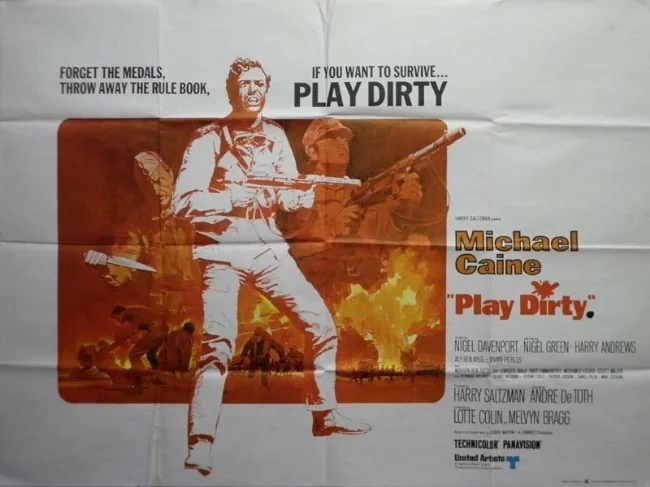
Gritty, grim and fatalistic are just a few of the ways I would describe Play Dirty. Made at a time when cinema was becoming more realistic and cynical, it eschews the traditional depiction of World War II heroism and paints a singularly unglamorous picture. Due to some minor plot similarities, it is frequently compared to The Dirty Dozen but they are far from identical movies. Robert Aldrich’s film despite having an offbeat plot and a cast of quality characters actors still followed a traditional action based formula and had a relatively upbeat ending. Play Dirty is content to pursue its dour storyline to its inevitable conclusion.
Gritty, grim and fatalistic are just a few of the ways I would describe Play Dirty. Made at a time when cinema was becoming more realistic and cynical, it eschews the traditional depiction of World War II heroism and paints a singularly unglamorous picture. Due to some minor plot similarities, it is frequently compared to The Dirty Dozen but they are far from identical movies. Robert Aldrich’s film despite having an offbeat plot and a cast of quality characters actors still followed a traditional action based formula and had a relatively upbeat ending. Play Dirty is content to pursue its dour storyline to its inevitable conclusion.
Michael Caine plays Captain Douglas of the Royal engineers, who is press-ganged from his cushy position with Anglo-Iranian Oil, into a shady squad of mercenaries who freelance for the British Military. The group is mainly made up of criminals and disgraced soldiers and over seen by Colonel Masters (Nigel Green). Due to Douglas’ lack of field experience he is heavily dependent on Captain Leech (Nigel Davenport), whose only real concern is the £2000 bonus he will be paid if he brings Douglas back alive. Disguised as Italian soldiers the group cross the desert to strike at a fuel dump, hundreds of miles behind enemy lines.
The dialogue in Play Dirty is minimal and succinct. The squad comprising of a Greek narcotics smuggler, a Tunisian terrorist, a convicted rapist, a Turkish smuggler and two homosexual Senussi tribesmen have precious little to say but this does not impede the viewer from understanding the dynamics of the group. The wry looks, sardonic smiles and derisive laughter are more than enough to demonstrate what each man is. The main tension lies between Douglas and Leech, with the former clinging to outmoded notions of gallantry and etiquette. The latter frequently undermines his superior and is sceptical of his abilities. However both become dependent on each other. Douglas uses his engineering savvy to winch their vehicles up a steep incline. Leech saves Douglas when his British dog tags blow their cover.
Veteran director Andre De Toth, who took over when René Clément left the project, does a fine job in driving the movie forward. There is a well implemented battle scene which shows a convoy of trucks and accompanying Jeeps being efficiently dispensed with by entrenched German troops. It plays out wordlessly as the main protagonists look on. The director doesn't balk either at showing the ragtag group of criminals for what they are as they loot all corpses, enemy and allies alike. The arrival of a German nurse also leads to an attempted rape. It all proves to be very challenging for Captain Douglas who still feels bound by the notion that war has rules.
Perhaps the biggest plot element that makes Play Dirty such a product of its time is its ending. The late sixties and early seventies saw a great deal of change in film making and many sacred cows were put to the sword. Play Dirty avoids schoolboy patriotism and opts for something far more bleak. The military goals of the mission prove to be fluid and the chain of command eventually deem the rogue group to be a liability. Betrayal eventually comes from unexpected quarters and hammers home the point that war frequently has little or no honour. Overall the British military of the time are shown to be governed by petty politics and class prejudice. It’s not necessarily a palatable conclusion but it most certainly is credible.
The World at War (1973)
The seventies were a Golden Age for cerebral documentaries with such outstanding examples as The Ascent of Man, Cosmos and Life on Earth. Such shows were content driven, relying heavily upon the quality of the script along with the charisma and gravitas of the presenter. Jacob Bronowski, Carl Sagan and David Attenborough were exemplars of this. Jeremy Isaac’s The World at War is another archetype of quality documentary film making from this decade.
The seventies were a Golden Age for cerebral documentaries with such outstanding examples as The Ascent of Man, Cosmos and Life on Earth. Such shows were content driven, relying heavily upon the quality of the script along with the charisma and gravitas of the presenter. Jacob Bronowski, Carl Sagan and David Attenborough were exemplars of this. Jeremy Isaac’s The World at War is another archetype of quality documentary film making from this decade.
The World at War was first broadcast in the UK on Wednesday 26th October in 1973 on the ITV network. This was the year of the oil crisis, one of many miners' strike and Ted Heath's three-day week. World War II still loomed large in the nation’s collection psyche and influenced global politics. Forty Two years on, The World at War it is still being watched all over the world via DVDs, VoD and TV repeats. It can be cogently argued that the documentary still remains an powerful account of World War II. There are some areas that possibly may revision due to the emergence of de-classified information but as a whole this is still an in-depth, scholarly and accessible historical analysis.
Isaacs always was motivated by wanting to tell the story of World War II from a truly global perspective. At the time UK film makers and scholars still tended to follow a very UK-centric narrative adhering to Churchill’s "finest hour" mindset. Noble Frankland the director of the Imperial War Museum and the series historical adviser encouraged Isaacs to not only adopt this approach but emphasise the role of the Red Army and explore to a greater degree the significance of the war against Japan.
One of the most powerful features of the series was the use of in-depth conversations with ordinary people, often those who were directly involved in the event being explored. The first hand experiences of the average soldier at Anzio or the perspective of the civilians that endured the Blitz remains compelling viewing. The World at War also contains an unprecedented wealth of interviews with the politicians and military leaders of the time. Admiral Dönitz, Anthony Eden, Mark Clark and "Bomber" Harris are among those who shared their often contradictory views on the way key event unfolded. Perhaps the most significant contributor was Hitler's secretary Traudl Junge who paints a very human picture of the Führer's final days.
Two elements worthy of note are the series score by composer Carl Davis and narration by Laurence Olivier. Both underpin the archive newsreel footage and add gravitas to the overall narrative. The script although focusing upon the global scope of World War II, maintains a very human perspective with passages from letters, journals and popular songs from the time. Olivier’s understated delivery often affords the viewer opportunity to contemplate the magnitude of events. Davis’ score adds focus to each episode and never strays into melodrama.
Although the factual rigour of The World at War remains robust there are areas where the narrative requires updating and theatres of war that need a broader exploration. Since the shows original broadcast the facts regarding the breaking of the enigma code at Bletchley Park have come to light. As a result the episode "Wolfpack" about the battle of the Atlantic is now somewhat passé. Both China and India’s experiences during the war are conspicuous by their absence; likewise Yugoslavia’s war time ordeal is only alluded to.
The World at War was a significant undertaking for a major television network at the time and keenly reflected the production and audience standards of the decade. It is highly unlikely that a documentary series of this calibre could be produced today. Not only are there no longer any surviving interviewees with first-hand experience of the events in question, there may no longer be an appetite from the general public for such an in-depth analysis of a period of history we are becoming increasingly removed from.