
Standardise and Monetise: The Decline of Online Content
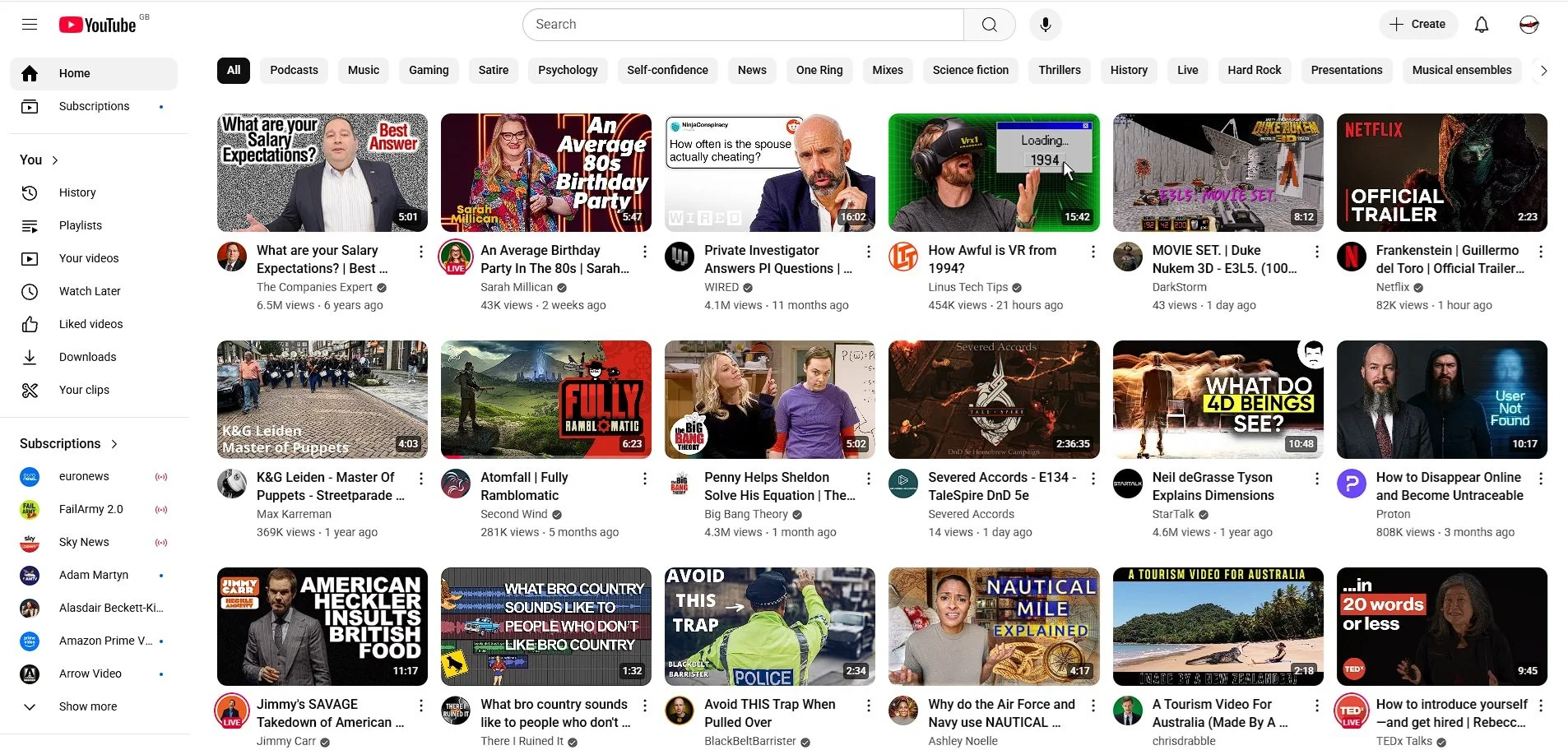
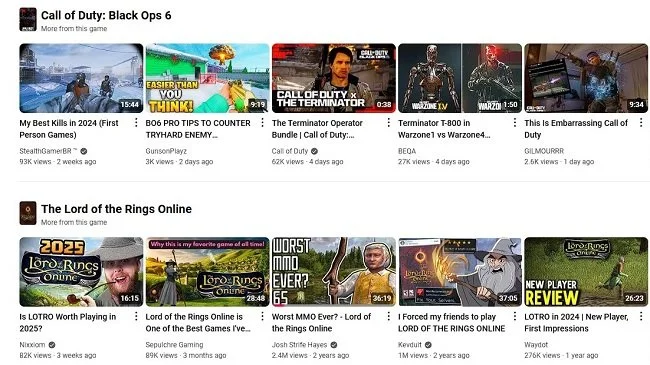
I use a browser extension called Control Panel for YouTube, which allows me to determine who many videos are displayed on my YouTube homepage and to filter the content that is shown. At present it is configured to display rows of six. Something that I have noticed of late, is the amount of videos with hyperbolic titles and thumbnail images created by AI. Both of which are design choices made to increase engagement. Clickbait titles are contrived to meet current SEO optimisation criteria and as such feature more and more in search results. The fact that they frequently have no relation to the subject I am researching, seems to be neither here nor there. The same issues arise with regard to AI generated images, which again frequently have no bearing on the matter. The fact that more and more content creators do this, infers that it works and is now an essential part of the process you must follow to be seen and featured in search results.
I use a browser extension called Control Panel for YouTube, which allows me to determine who many videos are displayed on my YouTube homepage and to filter the content that is shown. At present it is configured to display rows of six. Something that I have noticed of late, is the amount of videos with hyperbolic titles and thumbnail images created by AI. Both of which are design choices made to increase engagement. Clickbait titles are contrived to meet current SEO optimisation criteria and as such feature more and more in search results. The fact that they frequently have no relation to the subject I am researching, seems to be neither here nor there. The same issues arise with regard to AI generated images, which again frequently have no bearing on the matter. The fact that more and more content creators do this, infers that it works and is now an essential part of the process you must follow to be seen and featured in search results.
What worries me is not so much the inherent hyperbole, both written and with regard to images, but the fact that YouTube content is driven by a standardised process. A prevailing meta is often creatively stifling, generic and tedious. We have seen this time and time again online. TED Talks being a prime example. When these lectures first began to gain an audience in 2006/7, the talks had a degree of individuality about them. Over time people began to notice what worked and what didn’t work within the format and so began establishing a process. Eventually this evolved into a sort of unofficial formula that became commonly adopted. This resulted in a noticeably generic style that eventually became an impediment to the way a presentation was received by audiences.
Today, the prevailing philosophy that shapes how people approach, make and present their online content seems to be “standardise and monetise”. That is not to say that there isn’t any good quality content online as there certainly is. What it means is when you search for a video, podcast or blog post related to a specific subject, it is harder to discern what meets your criteria. The algorithms return results that have met SEO standards but not necessarily the users intellectual, or presentation requirements. To put it candidly, you may type a very nuanced search request in a search engine pertaining to something niche and specific, such as Etruscan pottery. The search engine then returns a list of links allegedly relevant to that inquiry. However upon inspection you may find that links to relevant sites, such as Museums in Etruria and other historical resources, are surrounded by irrelevant results, such as local pottery suppliers and tourism in Italy.
I believe this problem goes beyond the iniquities of SEO. You only have to look at the everchanging terms and conditions for YouTube. The company seeks to monetise content but only in a manner that meets the sociopolitical foibles of its advertisers, financiers and political associates. Any material that does not meet this ever shifting set of rules or offends in some manner is effectively disenfranchised by the algorithmic gods. It won’t be seen or returned in search results. Anyone trying to produce video content within such an ecosystem has a stark choice to make. Produce videos in accordance with their own personal principles and risk being demonetised and buried. Or attempt to self-censor one’s content to satisfy YouTube’s standards. The latter results in risible bogus phrases such as “unalived” and “graped”. The notion of trying to sanitise a global platform as YouTube so that the only content that prevails is “marketable”, is ludicrous and possibly immoral.
Upon reflection, YouTube’s policy should not come as a surprise. Similar market forces have been at work in the film and music industries over the last 35 years. There was a time when a film could be made on the merits of its story alone and its subsequent rating was a secondary consideration. Nowadays, mainstream films are frequently made to achieve a specific rating and thus be accessible to a broad audience. Filmmakers of note with a history of success at the box office struggle to find financing for their new projects, if they are deemed to lack mainstream appeal or reference subjects that are at odds with the politics of the prevailing establishment. It is for the same reason that politics and expressing views on social matters have all but vanished from mainstream, popular music. Both industries are now driven by proven formulas and market requirements. This is to their artistic detriment.
Finally it is pertinent to mention blogs with respect to this conversation. Despite rumours to the contrary, they still exist and constitute a major part of online content. Blogs are still a medium for fandom but I do not think that it is considered the first choice of platform. Long form writing takes time, effort and thought. As does reading such content. Videos are immediate and potentially require less application from the viewer. Video content can also be tailor made in a specific idiom and then targeted at particular audiences. Hot takes, controversies, militant fandom, gatekeeping, nostalgia and numerous other “perspectives” can quickly find an audience and gain their creator notoriety. Blogging seems at times quaint compared to such a bellicose alternative. It is also often pilloried for not monetising by default, as if fandom for fandom’s sake is a naive or a fiscally crass decision.
Despite all this, there is still good material to be found online. There are engaging and intelligent blogs, podcasts and YouTube channels. Good quality cinema still exists as does innovative music. The problem is that it is much harder to find among all the bland, homogeneous and spurious material, due to a fundamentally dishonest search methodology. The market may well have won according to some but in doing so it has led to a universal race to the bottom. It is not just a question of inferior content being spoon-fed to the credulous. The internet is partly responsible for creating an audience that cannot consume any other form of material. This is the price we pay for clickbait, dumbed down content, diminished concentration spans, educational decline and an inability to think critically. This is the reality of “standardise and monetise”.






















Experimenting With YouTube Part 2
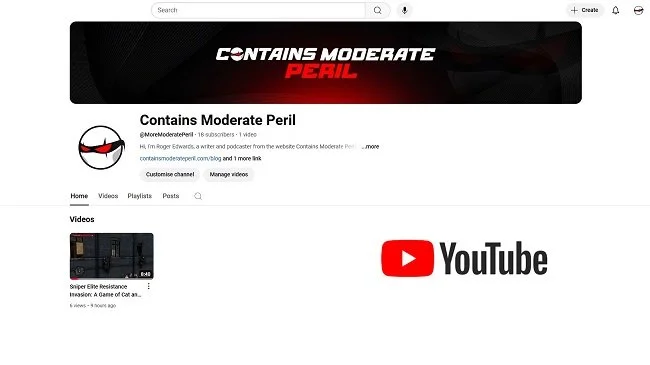
I spent most of this morning and afternoon editing video content I captured while playing Sniper Elite Resistance. I assembled 26 minutes of highlights and then recorded a narration. After adding appropriate branding for Contains Moderate Peril, I then uploaded the finished video to YouTube. Sadly, the picture quality was problematic, often becoming pixelated and blocky when there was rapid movement. The volume of my narration was also too low, so I decided to delete the video from my channel. I was somewhat disappointed by this outcome and initially thought that the day had been a waste of time. However, as I write this post, it becomes very clear that this is just part of the learning curve. I have given some thought to the problem and I believe I have determined why this video was not up to the standard of the previous one. Ultimately, this is an invaluable lesson.
I spent most of this morning and afternoon editing video content I captured while playing Sniper Elite Resistance. I assembled 26 minutes of highlights and then recorded a narration. After adding appropriate branding for Contains Moderate Peril, I then uploaded the finished video to YouTube. Sadly, the picture quality was problematic, often becoming pixelated and blocky when there was rapid movement. The volume of my narration was also too low, so I decided to delete the video from my channel. I was somewhat disappointed by this outcome and initially thought that the day had been a waste of time. However, as I write this post, it becomes very clear that this is just part of the learning curve. I have given some thought to the problem and I believe I have determined why this video was not up to the standard of the previous one. Ultimately, this is an invaluable lesson.
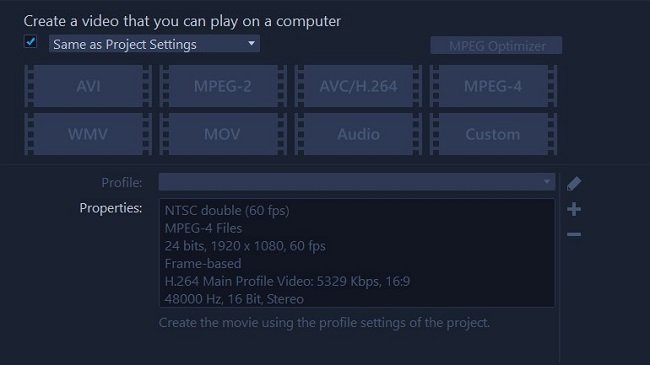
In my last post on this subject, I mentioned how I was having problems with audio desync when editing video captured by OBS Studio. This was due to the video material having a variable frame rate. Hence I moved over to XSplit Broadcaster because users on Reddit stated it produced video with a continuous bit rate. Sadly, this change appears to have cured one problem and caused another. The raw video footage captured by XSplit Broadcaster plays fine when editing and there are no audio issues. However, when I encoded the final edit, the results were poor quality. I used exactly the same encoding settings as I did last time, which produced a viable video that I successfully uploaded to YouTube. That was not the case this time. The only element of my production process that changed was the video capture software. I shall therefore switch back to OBS Studio.
There is no guarantee that this is the correct solution to the problem. There are many variables involved in this process and the problem may lie elsewhere. However, swapping back to OBS Studio is a logical step. The software has been updated since I last used it and if the issue with variable frame rates returns, I can always use third party software to resolve the issue and re-encode any video to a constant frame rate of 60 FPS. In the meantime, this project remains a work in progress, so I have come to terms with the possibility that further technical issues may occur along the way. I shall do some further research online, to see if anyone has had a similar problem. Then I’ll record some more game highlights, repeat my production process and see if the video quality improves. I’ll share my results in the next post in this series, as that’s what it now appears to be.


Experimenting With YouTube Part 1
I recently wrote a post about how I wanted to have a go at producing some gaming videos for YouTube. “How hard can it be?” I asked rhetorically, knowing that there would probably be a lot more to the process than meets the eye. Two weeks on and I can report back that there is indeed a learning curve but it is not insurmountable. I managed to figure out how to record a video game, edit it and then add a narration as well as a simple animated logo. Furthermore, I succeeded in doing this without spending a lot of money. I bought some video editing software and a year’s subscription to XSplit Broadcaster but got a really good deal on both. In total I paid £41, which is very reasonable. Hence yesterday, I posted my first video on the officially relaunched Contains Moderate Peril YouTube channel.
I recently wrote a post about how I wanted to have a go at producing some gaming videos for YouTube. “How hard can it be?” I asked rhetorically, knowing that there would probably be a lot more to the process than meets the eye. Two weeks on and I can report back that there is indeed a learning curve but it is not insurmountable. I managed to figure out how to record a video game, edit it and then add a narration as well as a simple animated logo. Furthermore, I succeeded in doing this without spending a lot of money. I bought some video editing software and a year’s subscription to XSplit Broadcaster but got a really good deal on both. In total I paid £41, which is very reasonable. Hence yesterday, I posted my first video on the officially relaunched Contains Moderate Peril YouTube channel.
Like a lot of people, I captured my video game material using OBS Studio. This was easy to configure as there are plenty of YouTube videos on this subject. Deciding what software to use for editing was a little trickier. I didn’t want to use a beast such as DaVinci Resolve as it smacks of using a sledgehammer to crack a walnut. Eventually I read a comparison review over at TechRadar and Corel VideoStudio 2023 seemed to fit the scope of my project. It has proved easy to learn and is well supported. All went well to begin with. I edited an 18 minute video down to 8. However, when I started adding more material, I noticed that the sound started getting out of sync, leading to a crash course in the iniquities of video content recorded with a variable frame rate. Remuxing offered a solution but added an extra layer of work. So I switched from OBS Studio, to Bandicam (which stuttered) to XSplit Broadcaster.
The thing about making videos for YouTube, is that it’s only half of the work. Uploading the finished MP4 file and having to input all the metadata required for posting, is a complex task. There is an element of “voodoo” associated with choosing a title and a thumbnail image, along with selecting the right keywords and writing a description that will potentially intrigue viewers. If you’re looking to monetise your YouTube channel (which mercifully, I am not) then there is a lot of pressure to get this process right. Like writing online, I can see how easy it is to start obsessing about numbers and traffic. However, YouTube is already an oversubscribed space so it is best to put thoughts of “global domination” out of your mind. I have and I am just pleased that I managed to produce something.
I guess the question remains, am I going to post YouTube videos regularly? Not exactly. I am going to try to do a few more and see if I can learn how to refine my presentation and make the production process more efficient. If that can be done I don’t see why I can’t publish something once a month? But in true blogger style, I reserve the right to get bored and lose interest, or to have unforeseen complexities in my life which prevent me from doing anything online. It has been fun learning something new. I like to challenge myself and think it important to keep the brain ticking over, especially as you get older. This project has also been a timely reminder of how hard some YouTube content creators work. Especially those who clearly do it as a means of income. It is far more labour intensive than blogging.
Watching Other People Play Video Games
The notion of live streaming or recording video game playthroughs is now a clearly established part of popular culture. It is something you can do while sitting on your sofa, watching TV in your lounge. A decade ago, people were far more sceptical about it and would scratch their head and ask “why would you want to watch someone else play a game”? Yet here we are in 2025 and 15% of YouTube content is about video games. Furthermore 20 out of the top 100 content creators are producing video game related material. As of last year, YouTube videos about games were generating 6 billion monthly views, on average. Where there are views, there’s advertising. Hence there’s the potential to make a lot of money, which only encourages further growth.
The notion of live streaming or recording video game playthroughs is now a clearly established part of popular culture. It is something you can do while sitting on your sofa, watching TV in your lounge. A decade ago, people were far more sceptical about it and would scratch their head and ask “why would you want to watch someone else play a game”? Yet here we are in 2025 and 15% of YouTube content is about video games. Furthermore 20 out of the top 100 content creators are producing video game related material. As of last year, YouTube videos about games were generating 6 billion monthly views, on average. Where there are views, there’s advertising. Hence there’s the potential to make a lot of money, which only encourages further growth.
I won’t waste too much time extolling the virtues of Twitch TV and YouTube from a gamers perspective. They provide free marketing and promotion of video games along with a wealth of useful tips and hints. In many ways, videos can be far better than in-game tutorials. Content creators can also create communities. If I am considering buying a new game, I will always go online to watch some gameplay footage prior to purchase, to see if the game suits my personal tastes. Hence, in principle all of these examples are useful things. The content creators do all the immediate work and provide a service that is easy to consume and essentially free. However, if you examine this “cottage industry” a little more closely, then you’ll find that there are plenty of potential flaws and pitfalls.
Dr Disrespect is a well known internet twat
Content creators are not held to any professional standards or subject to any code of ethics. Hence, things may not always be as they appear and expressed views may be driven by other agendas, rather than being purely personal opinion. Furthermore, the bar for uploading material to YouTube is pretty low. It is technically not that difficult to do and as a result the standard of content varies greatly. The ability to press record and talk is no guarantee of quality. I suppose the politest thing that can be said is that there is a lot of “white noise” out there. The democratisation of video production has many positive virtues. People can make niche market content and connect with others all over the world to build communities. However, there is virtually no quality control and the free market approach leads to a race to the bottom.
Like many other people, I have watched YouTube videos and thought to myself “well if they can do that, so can I”. Sometimes I think with a degree of hubris, that I could do better. So I have decided to carry out a few test recordings of video game footage and see if I can edit together some content suitable to upload to my abandoned YouTube channel. So I have purchased some video editing software and will spend the next few weeks seeing what I can come up with. I have no aspirations beyond this at present. I’m more interested in the process of making videos, rather than growing a YouTube channel. The latter seems like a lot of hard work as you try to identify a target audience and then produce regular content to appeal to that demographic. It is an already saturated market that is very competitive. Plus YouTube places a lot of restrictions upon content that seeks monetisation.
















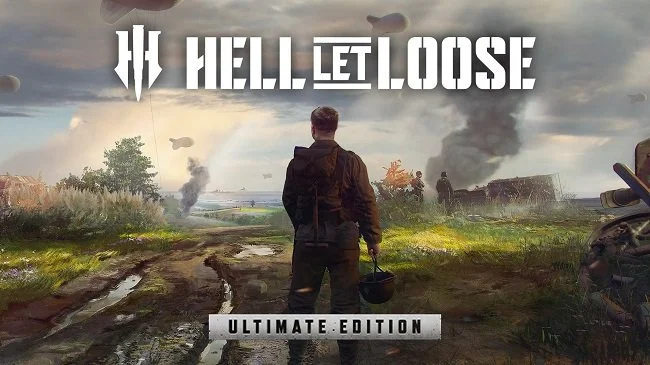
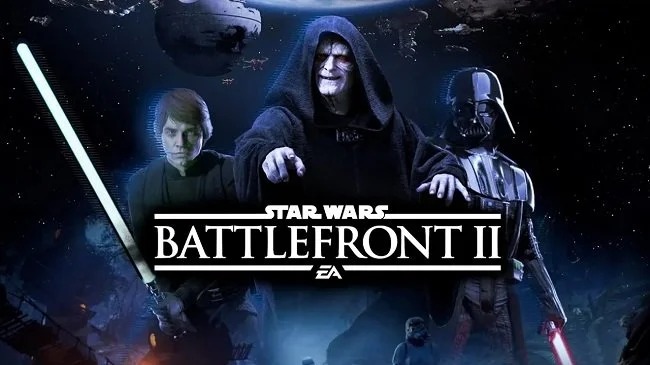
Ad Blockers
I am not going to discuss the history of internet advertising, or the moral or ethical concerns that go hand in hand with it. There is a basic argument that people who make content want to get paid and I suspect that most people appreciate this, at least in principle. However, there is a counter argument regarding the way advertising is managed. For example, how many adverts is acceptable during the course of say a live stream of a YouTube video. Also there is a discussion to be had about what kind of adverts are shown and whether they need to be integrated into the content in a more equitable manner. However, that is not what this post is about. I am going to start from the logical and honest position that many of us use ad blockers. We do so because we find advertising crass and invasive. I guess there is a degree of cognitive dissonance regarding their use, versus the ethics of the matter but humans are like that. We are contradictory by nature.
I am not going to discuss the history of internet advertising, or the moral or ethical concerns that go hand in hand with it. There is a basic argument that people who make content want to get paid and I suspect that most people appreciate this, at least in principle. However, there is a counter argument regarding the way advertising is managed. For example, how many adverts is acceptable during the course of say a live stream of a YouTube video. Also there is a discussion to be had about what kind of adverts are shown and whether they need to be integrated into the content in a more equitable manner. However, that is not what this post is about. I am going to start from the logical and honest position that many of us use ad blockers. We do so because we find advertising crass and invasive. I guess there is a degree of cognitive dissonance regarding their use, versus the ethics of the matter but humans are like that. We are contradictory by nature.
I have four different web browsers installed on my PC. I mainly use Chrome and Firefox for everyday use and they both have ad blockers installed. Specifically AdBlocker Ultimate. I use this particular extension because I found that others had an adverse effect upon Google Drives functionality, which I use a lot. I whitelist a few websites that I know need the revenue but overall, I am not concerned about the impact that ad blockers have on corporate giants. In fact I would say to anyone smitten with a fit of conscience regarding them, try using a popular website without some sort of means to stop the advertising, pop ups and auto playing videos and other intrusive content. You’ll soon change your mind. As far as I’m concerned the worst offender is YouTube. Not because of the variety of interruptions they throw at you but because of the sheer quantity of adverts they shoe horn into a video. It is frankly egregious and makes the viewing experience shit.
As of Friday 27th September YouTube obviously rolled out an upgrade to their infrastructure. One that negated a lot of existing ad blockers. I, like many others, immediately looked around for a temporary alternative until the developers of AdBlocker Ultimate can put out a patch to circumnavigate YouTube’s shenanigans. I have managed to find an extension called Adblock but it doesn’t appear to actually block advertising, so much as hide it. You still have to endure 10 to 15 seconds or so of a black screen before the video that you actually want to watch begins to play. Fortunately I have SmartTube installed on the media player in our lounge. This is an advanced player for Android TVs and TV boxes which is free and open source. You can play content from different public sources including YouTube, sans adverts, naturally. It would appear that the latest changes made by YouTube have not affected this app at present.
Ultimately, there are long term issues that need to be resolved with regard to the financing of platforms such as Twitch TV and YouTube, as well as more traditional websites. A lot of smaller content creators prefer donation and optional subscription services such as Patreon. However, the public cannot be expected to pay for everything. Hence the point of advertising in the first place. It is a question of implementing a policy that is measured as opposed to just greedy. Sadly, advertising is at most just tolerated. Many people, including myself, find advertising pervasive, trite and frankly insulting. Often the way it is clumsily integrated into content ruins it. Despite paying for both Netflix and Amazon Prime, both companies have seen fit to add advertising to their basic tariffs. Subsequently, I won’t watch content on these platforms any longer and will instead watch “copies” sourced elsewhere. In the meantime, this tit-for-tat battle between big business and ad blockers, drags on. A tiresome diversion from the real problem.


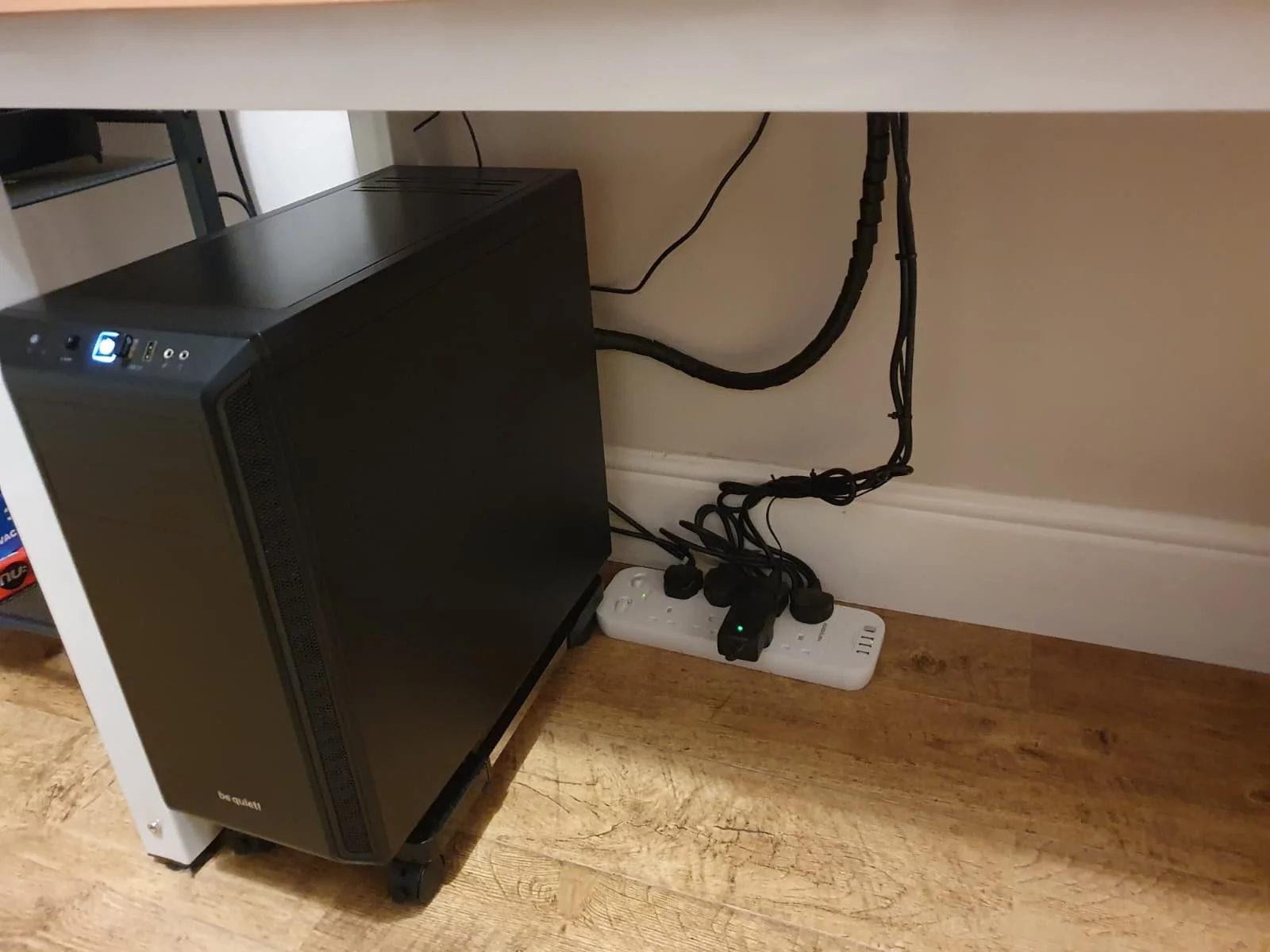
















Linus Tech Tips: What Did You Expect?
Another week, another internet “drama”. I don’t actively seek this shit out. It just bleeds through into my social media timeline with tedious regularity. This latest debacle is regarding the popular (by which I mean over 15 million subscribers) technology product review YouTube channel, Linus Tech Tips. There have been claims of factual inaccuracies in recent reviews and a focus in getting content produced quickly at the expense of quality. Then a former employee made allegations of a toxic work environment and sexual harassment. As a result there has been a great deal of “online outrage” from those who assumed up until now that Linus Tech Tips was a bastion of integrity. Then there was the formal reply video from Linus Tech Tips about the allegations, which made matters worse by joking about the situation and running ads. As a result the YouTube channel has suspended video production for a week. You can read more details on this situation on the Forbes website.
Another week, another internet “drama”. I don’t actively seek this shit out. It just bleeds through into my social media timeline with tedious regularity. This latest debacle is regarding the popular (by which I mean over 15 million subscribers) technology product review YouTube channel, Linus Tech Tips. There have been claims of factual inaccuracies in recent reviews and a focus in getting content produced quickly at the expense of quality. Then a former employee made allegations of a toxic work environment and sexual harassment. As a result there has been a great deal of “online outrage” from those who assumed up until now that Linus Tech Tips was a bastion of integrity. Then there was the formal reply video from Linus Tech Tips about the allegations, which made matters worse by joking about the situation and running ads. As a result the YouTube channel has suspended video production for a week. You can read more details on this situation on the Forbes website.
The allegations made against Linus Tech Tips are serious. I therefore hope that due process is followed and if the claims are substantiated, then appropriate action is taken. Setting these specific matters aside, I would like to discuss the wider and more commonplace phenomenon of businesses (especially those in traditional and new media industries) going rogue. If you are in anyway shocked by the revelations about Linus Tech Tips my question to you is “what the fuck did you expect”? And if your reply is “honesty, integrity and professionalism” then please excuse the howls of derision from the galleries. YouTube is a commercial enterprise that is “self regulating”. It has precious few external checks and balances brought to bear against it, compared to mainstream media. Why do so many people still equate the immediate and informal nature of YouTube with somehow being a sign of trust and even friendship?
Once again we find ourselves at the “something, something, capitalism bad” part of the post. You may well roll your eyes at this old cliche but when will people fucking learn? The internet is no longer the utopian frontier, free from the grasp of corporate interests that it aspired to be decades ago. Just like the real world, small businesses have been squeezed out and monopolies have been established. Any successful YouTube channel that is dependent upon ad revenue to survive has a clear hierarchy of needs. One where the viewer is not necessarily the priority and ethics are an obstacle. Capitalism has been around long enough that it has been established that if you expect big business to do the right thing, it won’t. Business doesn’t like rules or being told “no”. Which is why we have regulations in most industries. The internet seems to have escaped these for the present.
When you have an environment where there is no fear of sanction, you’ll continuously get debacles like the one facing Linus Tech Tips. So instead of naively throwing up your hands in horror when such stories break, why not lobby for change instead? Because change is needed. As a society we’re becoming too dependent on information, tools and resources that are controlled by corporate entities that are broadly outside the sphere of governmental control and regulation. Look at how Twitter/X has changed for the worse in the last twelve months. So once again I reiterate, YouTube is not your friend. Neither are the big players who have successful channels. Game developers and publishers aren’t in their line of work for the betterment of humanity and your wellbeing. We really need to stop seeing the internet as something different from other industries and being surprised when the metaphorical bear defecates in its own habitat.


















Supporting Content Creators
I was perusing the various YouTube channels that I subscribe to recently, enjoying a broad range of high quality content, when I suddenly realised that the majority of them had some sort of optional monetisation scheme associated with them. By realised I mean that it suddenly clicked with me that so many people are trying to raise funds to pay for their production costs. It’s certainly something I can identify with. I’ve been running a blog since 2007 and even that can be a money pit. There’s domain registrations, hosting costs, design work etc. It was even more expensive when I was producing a podcast. That incurred further hosting expenses and then there was the hardware to buy. So I fully appreciate the situation that many YouTubers find themselves in. They spend their own precious time and money creating quality material that many consume assuming that it is all just “free”.
I was perusing the various YouTube channels that I subscribe to recently, enjoying a broad range of high quality content, when I suddenly realised that the majority of them had some sort of optional monetisation scheme associated with them. By realised I mean that it suddenly clicked with me that so many people are trying to raise funds to pay for their production costs. It’s certainly something I can identify with. I’ve been running a blog since 2007 and even that can be a money pit. There’s domain registrations, hosting costs, design work etc. It was even more expensive when I was producing a podcast. That incurred further hosting expenses and then there was the hardware to buy. So I fully appreciate the situation that many YouTubers find themselves in. They spend their own precious time and money creating quality material that many consume assuming that it is all just “free”.
The democratisation of journalism and video production that the internet has brought over the last 25 years has not been without negative consequence. Trying to get paid for any sort of creative gig is an uphill struggle these day. There’s always someone who’ll undercut you, making it very much a buyers market. If you’re unsure about this point, just go look on Fiverr. And of course there’s that tedious mantra of offering “exposure”, which is still trotted out as a bullshit excuse for not paying you for you’re hard work. The gig economy is not all that it’s cracked up to be. So-called “free content” has damaged the notion that good quality videos, podcasts and longform essays have an inherent value. Furthermore, livestreaming and it’s interactive community elements is often seen as appealing to some viewers, as they get their egos stroked as the make a donation. The bottom line is if you produce content on a regular basis, getting any sort of financial return is a challenge.
I am not a wealthy man by any definition. I gave up self employment in 2016 to become a carer to my parents. I have sufficient funds to get by but I have to live within a monthly budget. However, I recently decided that I should try and be more supportive of those who are producing so much of the material that I regularly enjoy. After crunching some numbers I concluded I could afford to subscribe to two YouTube creators. I really wish I could afford more. I would love to be able to be an online philanthropist. However, my personal financial reality means that its just two. I then spent the next 24 hours pondering who to pick. Again, I felt I was short-changing those who weren’t chosen. I currently subscribe to 76 YouTube channels. But eventually I made a decision based upon the following simple metric. Whose videos do I look forward to the most?
As I am a consummate film fan, I am always on the look for interesting film criticism and analysis. There are lots of YouTube channels that provide this, especially when it comes to genre and cult material. But it can be a bit of an echo chamber at times and hard to find a source offering a different perspective. However, Dark Corners Reviews has successfully managed to fill that gap, offering droll reviews of various low budget genre movies as well as incredibly detailed retrospectives of classic actors and film makers. The former are entertaining due to presenter Robin Bailes’ dry sense of humour. The latter are extremely satisfying for the serious film aficionado. Robin is a free lance writer and very knowledgeable on the subjects he discuses. Material of this quality puts some of the extras I’ve seen on officially sanctioned DVDs to shame. Hence I signed up on Patreon to the Acolyte tier, affording me early access to content and additional videos.
In the last few years, I have started taking walking for pleasure more seriously. At present I do a lot of urban walking or I use the Green Chain Walk; a linked system of open spaces covering five London boroughs. My long term goal is to tackle some of the more iconic walks around the UK. But it is a pastime that requires some thought and planning. Hence I found Marek Larwood’s Cool Dudes Walking Club. Marek regularly publishes videos documenting his experiences, which are both informative and incredibly restful. His blog has a very useful gear guide and his entire approach to walking is very accessible and down to earth. Too many enthusiast videos on YouTube seem to fetishize the paraphernalia around their chosen hobby or use it as a means of posturing. Marek’s seems to find the right balance between preparation, equipment and having fun. So again, I subscribed via YouTube, choosing the Super Cool Dude tier.
It seem woefully inadequate to only support two content creators but I would argue that two is better than none. As someone who creates content myself, as well as consuming large swathes of material made by others, I understand the need to see beyond the myth of free content. I benefit on a daily basis through the hard work of others. So hence the two subscriptions. Financially, it works out as the equivalent of subscribing to one or two online games, or a couple of pints of beer a month. So if you, like me, enjoy a lot of online content and look forward to new material each week, please consider supporting some of those folk who work hard to produce it. Nothing is free. Making a contribution is always appreciated and at the very least helps content creators to meet their production costs. Please do what you can. You’ll feel better for it.