

Gangster Squad (2013)
When I first saw the promotional trailer for Gangster Squad back in 2012, prior to its release, I wasn't especially impressed. I simply thought the film was another attempt to re-invent the gangster genre for a generation who were not especially familiar with it. I wasn't exactly overwhelmed with director Ruben Fleischer's resume either. I didn't particularly like Zombieland and haven't seen 30 Minutes Or Less. Then came the tragic mass shootings in Aurora, Colorado which led to the movie being delayed so that the original ending, which featured a shoot-out in a movie theatre, could be replaced. Hence when I finally watched this film recently, I wasn't expecting a movie up to the standards of say Once Upon A Time In America or Miller’s Crossing and it would seem that I was right do so. Gangster Squad is not especially noteworthy in any respect.
When I first saw the promotional trailer for Gangster Squad back in 2012, prior to its release, I wasn't especially impressed. I simply thought the film was another attempt to re-invent the gangster genre for a generation who were not especially familiar with it. I wasn't exactly overwhelmed with director Ruben Fleischer's resume either. I didn't particularly like Zombieland and haven't seen 30 Minutes Or Less. Then came the tragic mass shootings in Aurora, Colorado which led to the movie being delayed so that the original ending, which featured a shoot-out in a movie theatre, could be replaced. Hence when I finally watched this film recently, I wasn't expecting a movie up to the standards of say Once Upon A Time In America or Miller’s Crossing and it would seem that I was right do so. Gangster Squad is not especially noteworthy in any respect.
Set in 1949 Los Angeles, sadistic gangster Mickey Cohen (Sean Penn) expands his operations with the intention of controlling all criminal activity in the city. He has bribed sufficient officials and police, that no one is willing to cross him or testify against him. Everyone except Sergeant John O'Mara (Josh Brolin), a former World War II soldier, who wants to raise a family in a peaceful Los Angeles. Police Chief William Parker (Nick Nolte) decides to form a special unit to tackle Mickey Cohen, putting O'Mara in charge. O'Mara asks fellow cop and war veteran Jerry Wooters (Ryan Gosling) to join him. He initially refuses but reconsiders after he witnesses the murder of a young boy by Cohen's people. Despite initial setbacks, such as a casino raid thwarted by corrupt Burbank cops, the squad successfully starts to shut down key parts of Cohen’s operations, leading to violent reprisals.

Gangster Squad has a beautiful production design and a great amount of period detail lavished upon it. Unfortunately no such attention has been lavished upon the plot with Will Beall's screenplay playing like an over simplified version of The Untouchables. The movie attempts to bolster the ailing narrative with numerous action set pieces but these violent punctuation points lack any impact and are simply present out of necessity. The plot has none of the usual subtexts about poverty, honour among thieves, political or religious oppression that you usually find in this genre. Instead it’s all somewhat perfunctory. Gangster Squad suffers from all the usual problems of contemporary action films and thrillers. It looks great but rings hollow. The sort of film that you struggle to remember any specific detail a year later.
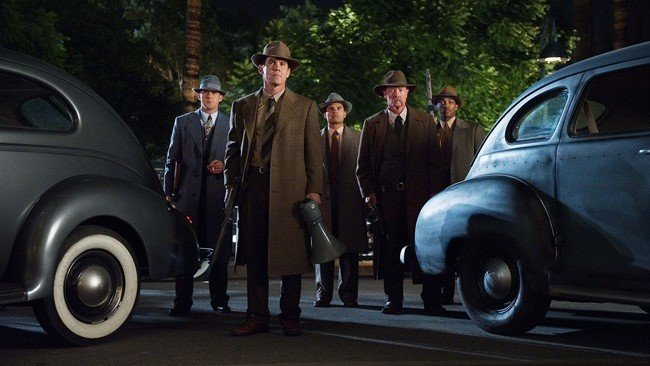
Sean Penn’s excessive performance as crime boss Cohen is trying and Emma Stone is miscast as a femme-fatale. The remainder of the cast, both old and young, struggle to bring any conviction to the uninspired dialogue. It is a criminal waste of such talents as Josh Brolin, Giovanni Ribisi and Nick Nolte. The movie’s hastily reshot conclusion is perfunctory, offering the spectacle of violence and precious little else. I was not overly concerned about the resulting plot holes arising from the rewrite, as I had precious little interest in the story or characters by this point. The overall impression I was left with after watching Gangster Squad, was that the entire production was a missed opportunity. It seems that everyone concerned with the film had obviously watched all the classics from the genre, but had sadly learned nothing from them.


















The Pronunciation Police
This post is courtesy of a Blaugust: Festival of Blogging writing prompt. Specifically, “write about something that’s pretty insignificant overall that you have a very strong feeling about”. Effectively a low stake hot take, to coin a phrase. Twenty years ago I could have provided dozens of examples. People who eat with their mouth open, the decline of public toilets and what is the point of male body hair?
However, old age has calmed my tumultuous soul and I no longer allow an excess of trivia to get under my skin. That being said, there are a few things that continue to set my teeth on edge. The immediate problem I’m presented with as far as this blog post goes, is choosing one to write about that won’t get me sectioned, defenestrated or sent to Coventry.
“It's spelt Raymond Luxury-Yacht, but it's pronounced Throatwobbler Mangrove.”
This post is courtesy of a Blaugust: Festival of Blogging writing prompt. Specifically, “write about something that’s pretty insignificant overall that you have a very strong feeling about”. Effectively a low stake hot take, to coin a phrase. Twenty years ago I could have provided dozens of examples. People who eat with their mouth open, the decline of public toilets and what is the point of male body hair?
However, old age has calmed my tumultuous soul and I no longer allow an excess of trivia to get under my skin. That being said, there are a few things that continue to set my teeth on edge. The immediate problem I’m presented with as far as this blog post goes, is choosing one to write about that won’t get me sectioned, defenestrated or sent to Coventry.
So I have chosen a particular subject from the world of fandom. Because the good thing about fandom is that it’s mature, tolerant and nuanced as well as a broad and welcoming church. My low stake hot take is about the works of Professor J.R.R. Tolkien. A master of literary world building and the inventor of multiple languages specific to that world. The creation of Sindarin, Quenya and Khuzdul are incredible achievements and a gift to fans, who relish such depths of lore.
However, as with any language there are a set of rules that govern their use. As these are not living languages currently in use, it can be argued that they have not evolved and are therefore static. Hence there are clear, unequivocal and definitive ways to pronounce words. Therefore, any variations or deviations from these are wrong.
The Lord of the Rings and especially The Silmarillion are filled with characters and places with complex names. However because most are derived from the three aforementioned languages, there are clear rules as to how to pronounce them. Furthermore, there are guides on this very subject within the appendix of both books. Hence, if a reader is struggling with names, all they have to do is take a few brief moments to consult these guides. There are also numerous websites that also have collated this same information and can similarly render assistance.
Therefore, upon mature consideration and sober reflection, unless you are the Elephant man or a habitual helium breather, there is absolutely no fucking excuse for getting this shit wrong is there? For god’s sake, Tolkien went to all that bother to create a tangible and credible living world and you can’t even be bothered to take the time to pronounce the source text that you profess to love, correctly. What the fuck is wrong with you?
Michel Delving in The Shire
People who play the MMORPG, The Lord of the Rings Online, are by far the worst offenders. How many fucking times do you have to be told it’s not “Michael Delving” or “Mitchell Delving”. The correct pronunciation of Michel Delving is Mickel Delving. And once again, in Sindarin “c” is pronounced like a “k”. Therefore you say Celeborn as Kellerborn. Oh and let’s not forget Sauron, you know, the bad guy from The Lord of the Rings. The “au” in his name makes an “ow” sound. So when pronounced properly Sauron is Sowron.
Then there are some words and phrases that are traditional English, often of Celtic origin, that further bamboozle Tolkien fans. For example there is a village called Combe, northeast of Bree. Despite its spelling, the correct pronunciation is Coomb and not Comb as in the thing you use to part your hair. It is an archaic word for a small, deep valley. Is it really too much to ask that people reading Tolkien’s work have a degree in both history and ancient languages? I am so fed up with listening to people calling it Comb or as one imbecile did, combi. Haven’t you people learned yet that English is seldom spoken as it is spelt? We are consistently inconsistent.
Sadly this ongoing pronunciation problem is unlikely to get any better. Since the release of Peter Jackson’s film trilogy, there has been a huge increase in Tolkien fandom. Many of whom are American. Sadly, through a cruel caprice of fate, all of them are afflicted with a chronic speech impediment. Therefore, any US YouTube channel offering linguistic advice, be it pertaining to Tolkien’s work or not, is inherently wrong.
My advice to anyone struggling with all this, is to listen to the BBC radio adaptation of The Lord of the Rings, where you can hear the clipped and precise tones of numerous Great British character actors and their correct pronunciation of the source text. For those disposed to quibble about this, Christopher Tolkien himself was a language consultant on the production. So there.
N.B. This is a humorous post, not to be taken seriously or personally. Although you can if you want.

Kent Battle of Britain Museum
There are an estimated 2,500 museums in the UK. This number has grown significantly over time, more than tripling between 1960 and 2017. While it is laudable that so many of these institutions exist, they do not all receive equal interest or publicity. Some museums dominate in their respective fields and drown out others that have a similar theme. With this in mind, I was unaware of the Kent Battle of Britain Museum until a friend recently brought it to my attention. After yesterday’s visit my initial thoughts are what a treasure trove it is. According to the museum’s website it is the world’s largest Battle of Britain collection of memorabilia. This includes planes, uniforms, weapons and related artefacts from over 700 crashed aircraft. Furthermore, the museum tells the story of this battle without bias, choosing to highlight both the historical and the human aspects of the conflict. It is often very poignant.
There are an estimated 2,500 museums in the UK. This number has grown significantly over time, more than tripling between 1960 and 2017. While it is laudable that so many of these institutions exist, they do not all receive equal interest or publicity. Some museums dominate in their respective fields and drown out others that have a similar theme. With this in mind, I was unaware of the Kent Battle of Britain Museum until a friend recently brought it to my attention. After yesterday’s visit my initial thoughts are what a treasure trove it is. According to the museum’s website it is the world’s largest Battle of Britain collection of memorabilia. This includes planes, uniforms, weapons and related artefacts from over 700 crashed aircraft. Furthermore, the museum tells the story of this battle without bias, choosing to highlight both the historical and the human aspects of the conflict. It is often very poignant.
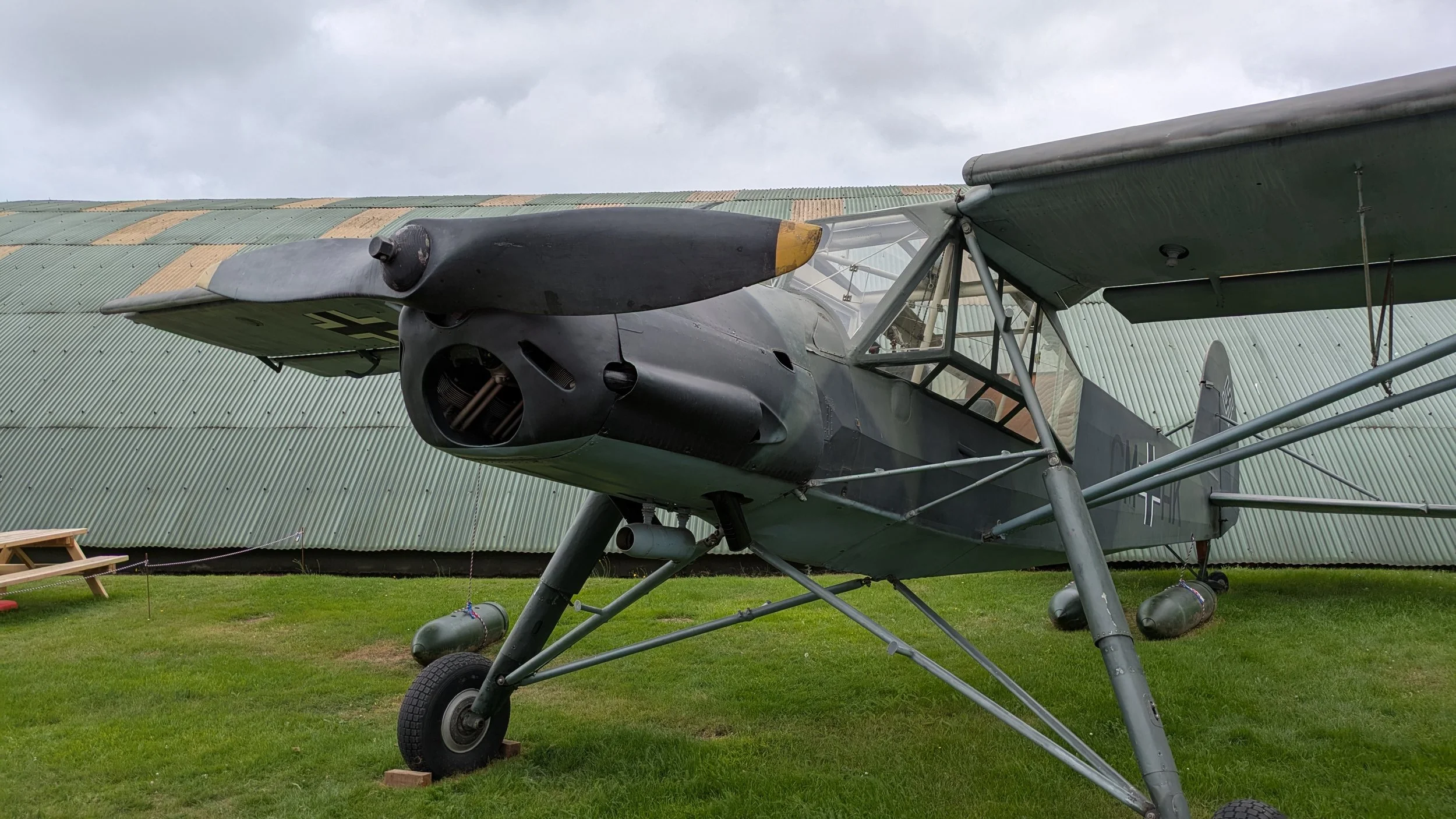
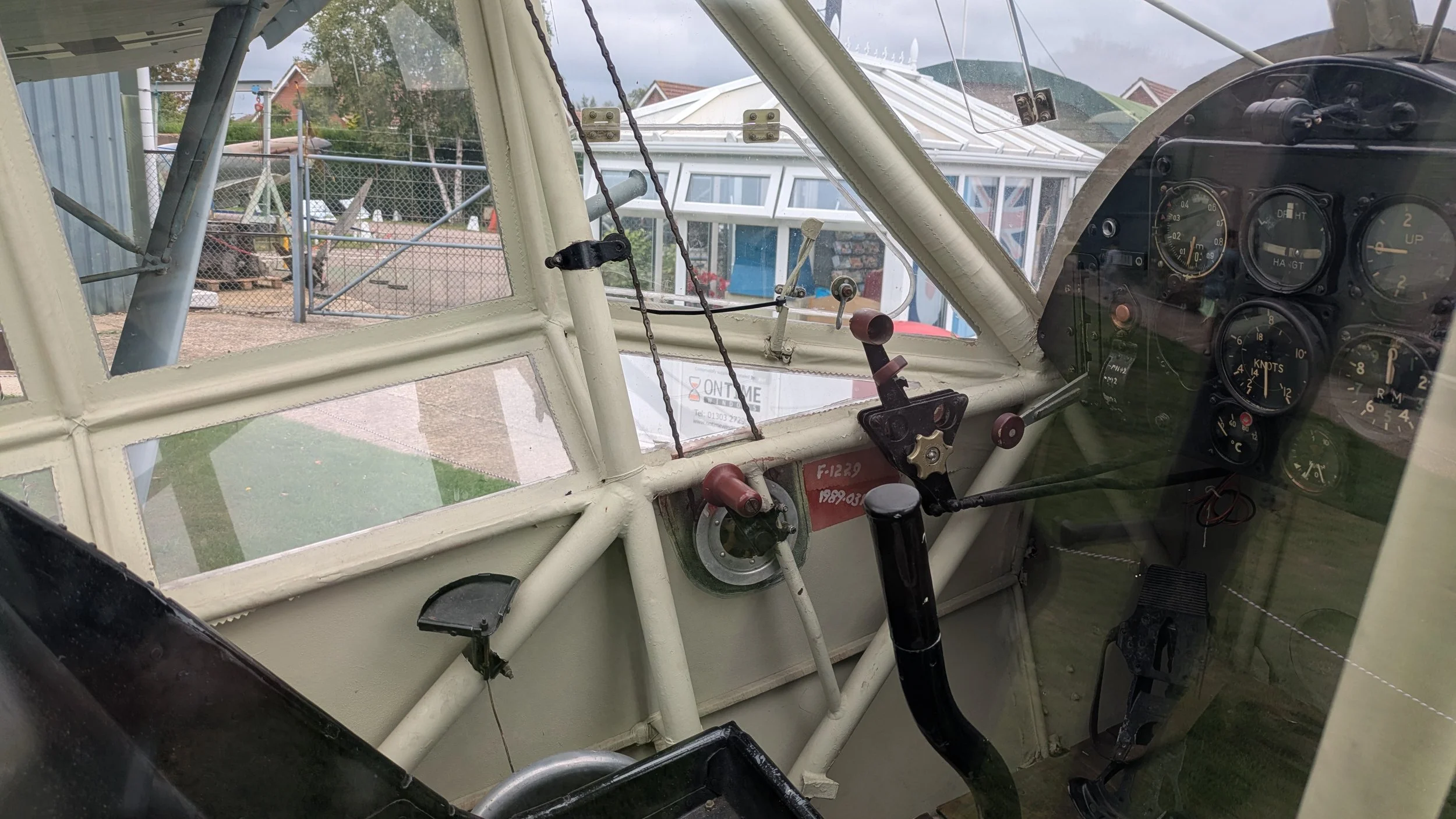
The museums’ collection is displayed via two hangers and the old operations building, as it is located on what remains of the former RAF Hawkinge site. Upon exiting the main entrance and ticket office, you step into a grass quadrangle with a collection of aircraft on display. These include a Heinkel He 111H-6, Junkers Ju 52/3M (CASA 352L), Bristol Blenheim Mk. IV (Bolingbroke), three Gate Guardian Hurricanes. There is also a replica of a long range Fieseler Fi.103 V-I Flying Bomb that was built for the film Operation Crossbow (1965), along with a V2 combustion chamber and rocket exhaust. Several of the aircraft are currently undergoing restoration using modern materials. At present, their current state of disassembly affords a fascinating view at the airframes and the overall construction.
The Stuart-Buttle hangar (dedicated to the memory of Squadron Leader Stuart-Buttle), contains full sized replicas of Hurricane and Spitfire aircraft. These were built for the 1969 film Battle of Britain, much of which was filmed at Hawkinge. There is also a Boulton Paul Defiant, interceptor aircraft with its rear facing turret. This seldom seen and rare aeroplane is painted in its daytime camouflage, prior to it being withdrawn and repurposed as a night fighter. The hangar is also home to both a de Havilland Tiger Moth and a North American Harvard. There are also multiple Rolls Royce Merlin engines along with period vehicles such as a Bedford MW truck, an Austin Tilly light van and a Beavertte armoured car.
The Lord Dowding Memorial Hangar and the Operations Block house a prodigious collection of artefacts. The centrepiece in the second hangar is a replica of a crashed replica Messerschmitt Bf 109E, again from the Battle of Britain film. There is also a collection of Daimler-Benz engines and numerous parts from downed planes. The most noticeable aspect of these is that each has a detailed history, identifying the plane and pilot and who they were shot down by. These details have a great impact. The Operations Block houses further artefacts from crashed and destroyed aircraft, along with items belonging to aircrew. Bent machine guns and crushed radial engines succinctly demonstrate the kinetic forces involved in an air crash. Again many of the items have very personal stories associated with them.
It is the intimate history associated with these collections that makes them so compelling. Although some have been donated by the families of such notables as Lord Dowding, Sir Keith Park, many others are from local families who had a close connection to the RAF. It highlights the fact that WWII was fought by everyday people, who did extraordinary things out of necessity. I don’t want to disparage other museums but there is a trend at present to curate to a minimalist standard. Focusing on key points such as statistics or known figures to present a tight and focused message. Yet the human aspect of WWII can be somewhat lost with this approach. Infographics can convey data but sometimes it is vital to give a name and show a photo of a man or woman, for context and empathy.
The sheer volume of content on display at Kent Battle of Britain Museum is another interesting point in itself. It brings home the scale of the Battle of Britain by showing so many relics and remnants. The number of crashed planes is not an abstraction but something that can plainly be seen and quantified. Both my parents grew up through WWII and it was in many ways a defining aspect of their lives. It was a subject that was regularly broached during my childhood in the seventies. Hence, for me, that era of conflict is easily conceptualised. However, younger generations do not have the benefit of such a direct connection. Hence WWII can be just as remote as the Napoleonic Wars or the Crusades. The personal stories and sheer volume of content available in Kent Battle of Britain Museum effectively bridges that gap.
It is apparent after visiting Kent Battle of Britain Museum that it would benefit from more space so that visitors could get better access to the displays. No doubt I am preaching to the choir on this matter and those running this museum are abundantly aware of the situation. As it stands, the museum does much with the resources it has. There is far more to see beyond the items I have referenced. There is a fantastic set of bronze statues , The Spirit of the Few Memorial, along with a memorial to the “Czech cloverleaf”; four Czechoslovak pilots from No. 303 Squadron. There is also a very well presented armoury. However, due previous thefts and the very personal nature of some of the items on display, the museum at present has a no photography policy. I was very fortunate that museum Chairman Dave Brocklehurst MBE, allowed me to take pictures of the aircraft in the quadrangle under supervision, for which I am very grateful.
I was adhering to a very tight and specific itinerary yesterday and although I spent sufficient time to get the measure of Kent Battle of Britain Museum, I shall definitely be returning so I can immerse myself further in the various collections. There are several members of staff who are available to provide facts and background information to visitors that I’d like to talk to. I thoroughly recommend the museum both to those with a casual interest in the Battle of Britain as well as amateur historians and aficionados. It is important to support smaller and local museums as they often have just as much to offer as their larger and wealthier counterparts. That is especially true of Kent Battle of Britain Museum, which focuses upon a very specific and well known aspect of UK history and explores it in a very unique and thought provoking way.









18 Years of Blogging
Today is my blogging anniversary. I have been writing online consistently for 18 years. My earliest blogs no longer exist, although they can be found via the Internet Archive Wayback Machine. My first blog was a Lord of the Rings Online fansite called Misadventures in LOTRO. After a while this morphed into a wider gaming website; Misadventures in Gaming. However, I soon discovered that I wanted to write about more than just video games, so I decided to start from scratch and created Contains Moderate Peril in February 2010. This blog endured and has been my main online presence ever since. It has moved several times for various reasons. For a while I had a sponsor, as well as a reasonably sized audience and had dreams of making money from my writing and podcast. But it wasn’t to be and now I just write primarily for my own peace of mind and amusement.
Today is my blogging anniversary. I have been writing online consistently for 18 years. My earliest blogs no longer exist, although they can be found via the Internet Archive Wayback Machine. My first blog was a Lord of the Rings Online fansite called Misadventures in LOTRO. After a while this morphed into a wider gaming website; Misadventures in Gaming. However, I soon discovered that I wanted to write about more than just video games, so I decided to start from scratch and created Contains Moderate Peril in February 2010. This blog endured and has been my main online presence ever since. It has moved several times for various reasons. For a while I had a sponsor, as well as a reasonably sized audience and had dreams of making money from my writing and podcast. But it wasn’t to be and now I just write primarily for my own peace of mind and amusement.
One of the most rewarding things about writing online and doing so fairly regularly is the fact that over time you build up a body of work. This iteration of Contains Moderate Peril has approximately 2000 posts. Some of them aren’t too shabby. I certainly think that writing consistently for 18 years has improved the standard of my writing and helped me develop my own style. Writing has a multitude of benefits which is why I continue to do so. There’s the community aspect of blogging and the sharing of ideas and interests. Then there is writing to order your thoughts and to try and make sense of the world. I find this extremely therapeutic. It takes a degree of confidence to stick your head above the parapet and express an opinion online. As a result, writing has played an important role in my life and been beneficial to my mental wellbeing.
Blogging has also led to numerous online friendships that I value greatly. I take the annual Blaugust: Festival of Blogging seriously because it can be a beneficial experience to new and returning bloggers. Modern life is fast paced and there are so many things competing for our attention. Writing online has given way to video and audio content. Social media, an even briefer medium, has diminished the popularity of the written word even further. However, you’ll find no nuance in a meme or tik tok. Hence they are blunt tools. The written word can express the complexities and range of human emotions far more effectively. They can also speak truth to power. Which is why I think it’s important that people keep writing and expressing themselves in this way. With that in mind, I shall continue blogging and maintaining my corner of the internet. Will that be for another 18 years? We’ll see.




















Car Parks
I am a non-driver. If you wish to know the specifics of how this situation came about, feel free to read the post I wrote about it back in early 2018. To be succinct, I don’t drive, I’ve never learned how and have never owned a car. I don’t feel that I’ve missed out. In fact I feel quite the opposite. I think I’ve dodged a major hassle and expense in life. Mrs P, my significant other, is the designated driver of our household. She owns a car, insures it and maintains it. She also mainly pays for the petrol, whereas I pick up the tab for other things such as lunch or hotels when we travel. All I have to do is make like Iggy Pop if we go anywhere. The most I am ever called upon to do is navigate using Google maps and Android Auto. Fortunately, Mrs P enjoys driving. Always has done. Hence I look upon this situation as an extremely fortunate and equitable arrangement.
I am a non-driver. If you wish to know the specifics of how this situation came about, feel free to read the post I wrote about it back in early 2018. To be succinct, I don’t drive, I’ve never learned how and have never owned a car. I don’t feel that I’ve missed out. In fact I feel quite the opposite. I think I’ve dodged a major hassle and expense in life. Mrs P, my significant other, is the designated driver of our household. She owns a car, insures it and maintains it. She also mainly pays for the petrol, whereas I pick up the tab for other things such as lunch or hotels when we travel. All I have to do is make like Iggy Pop if we go anywhere. The most I am ever called upon to do is navigate using Google maps and Android Auto. Fortunately, Mrs P enjoys driving. Always has done. Hence I look upon this situation as an extremely fortunate and equitable arrangement.
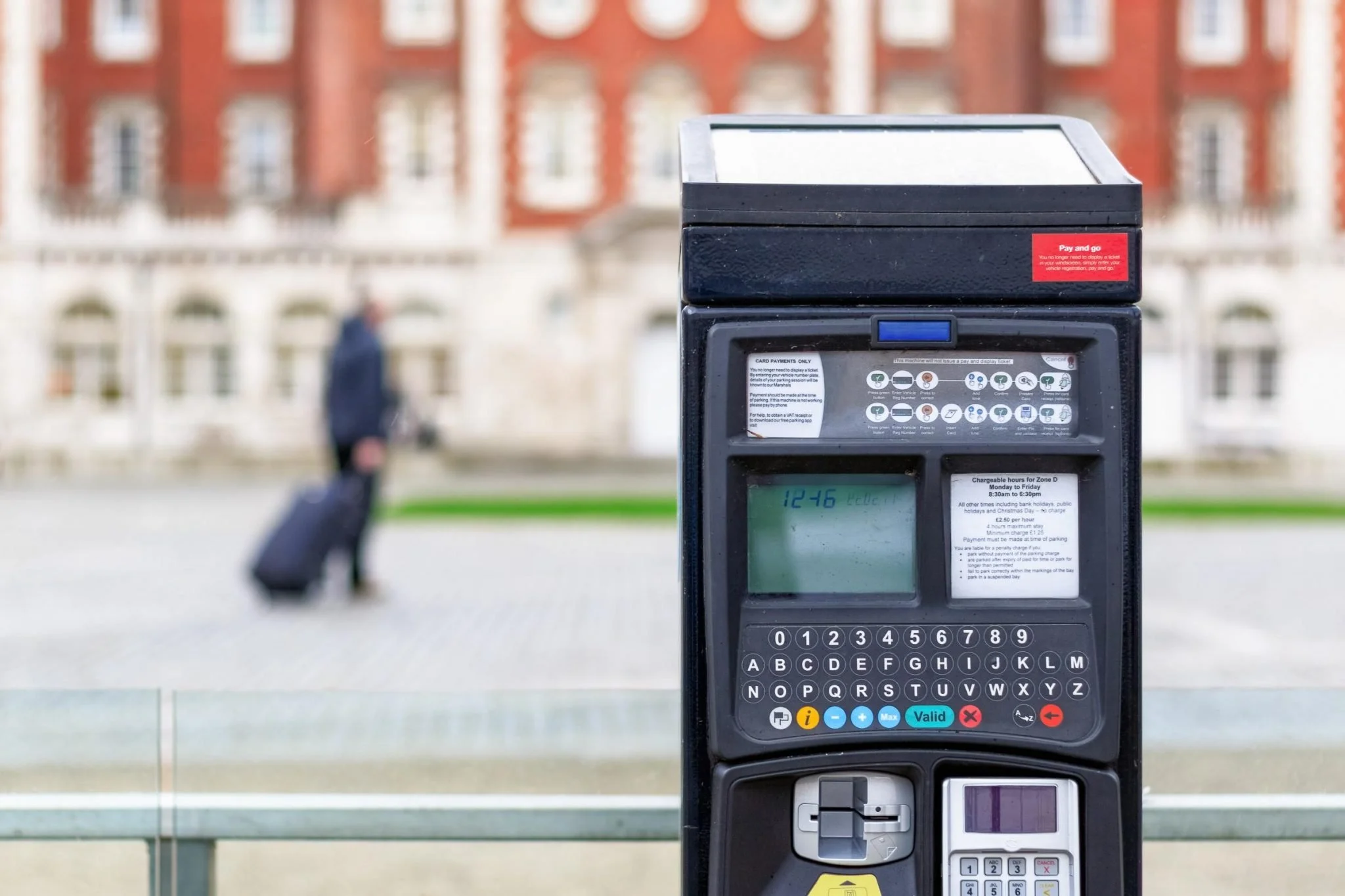
However, a few years ago something came along to alter this balanced situation. Namely, the increase in use of parking apps. For a long time, we just kept a stash of coins in the car for parking meters etc. This broadly worked but from time to time, we would be in a car park and the ticket machine would be on the fritz. Often these would be because the machines were solar powered and the panels on top were covered in several inches of pigeon and seagull guano. This would always fill us with trepidation, as we’d have to take copious photos via our phones so we could appeal the penalty charge we’d inevitably be slapped with. So I installed the first and possibly the biggest parking app in the UK on my phone. Ringo. It was hardly rocket science to set up an account and a method of payment. The app usually identifies which car park you’re using and the payments are taken promptly.
Roll on several years and now it is just part of the routine that I pay for the parking. I also have two other parking apps on my phone. “C'est la vie”. Overall, these apps are quite useful. Not only do they make paying for parking easy, they also are a great way of finding out if a car park is full prior to arriving. However, we have had a few issues such as having no internet access which obviously renders the apps useless. This always happens when the traditional ticket machine is also broken. Oh fate, you capricious bastard. Overall these apps are useful but they ultimately only address the symptoms of the UK’s infrastructure problems. Car ownership is increasing, while investments in roads and parking are declining. Finding a space is therefore going to become increasingly difficult in time and although I don’t drive, that is still going to be a problem for me and everyone else.



















Battlefield 6 Open Beta Part 3
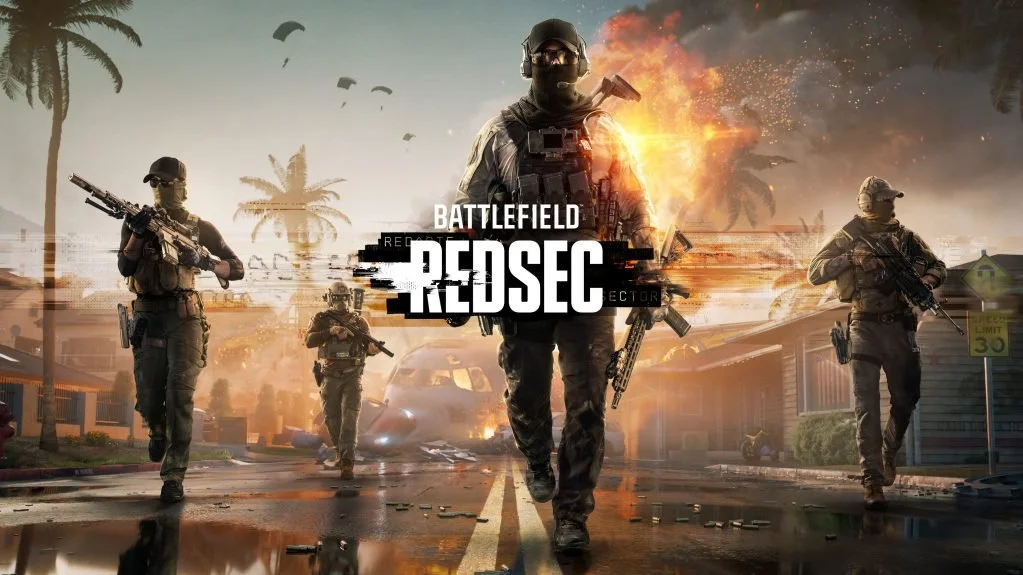
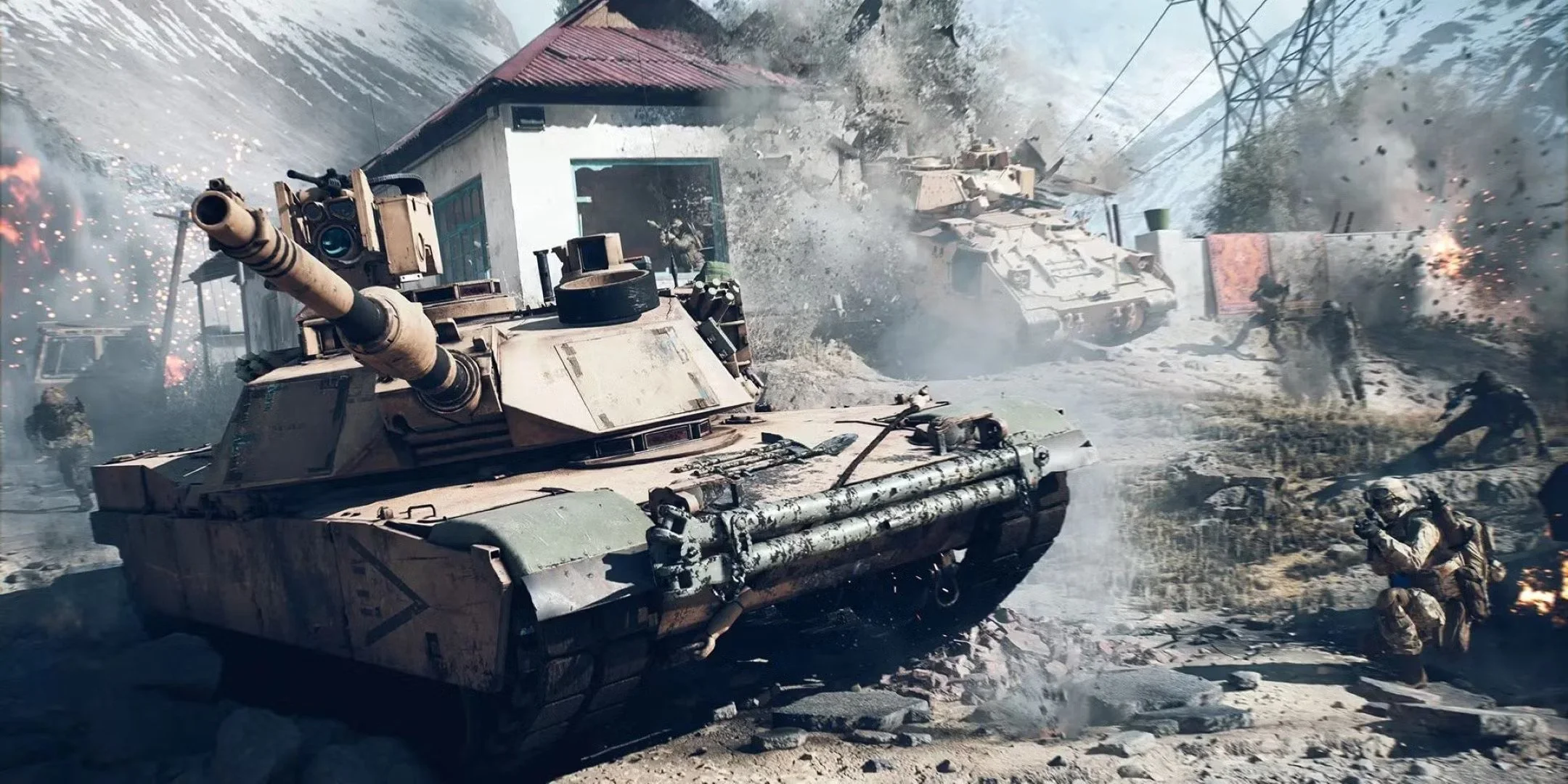
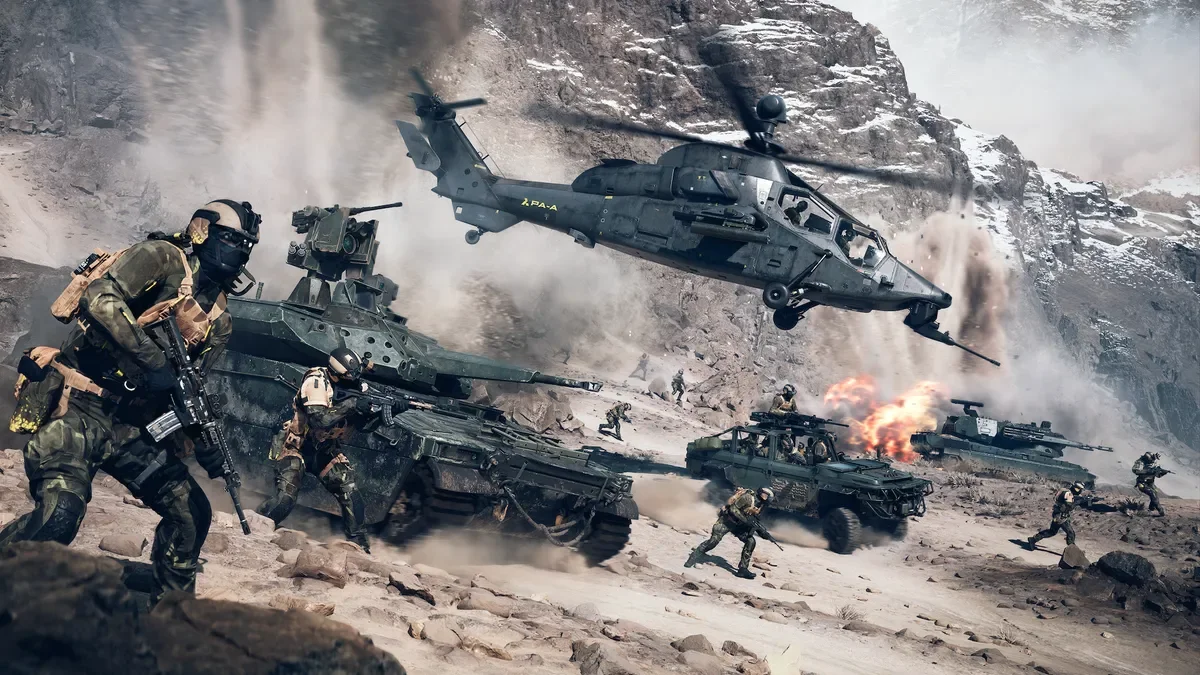
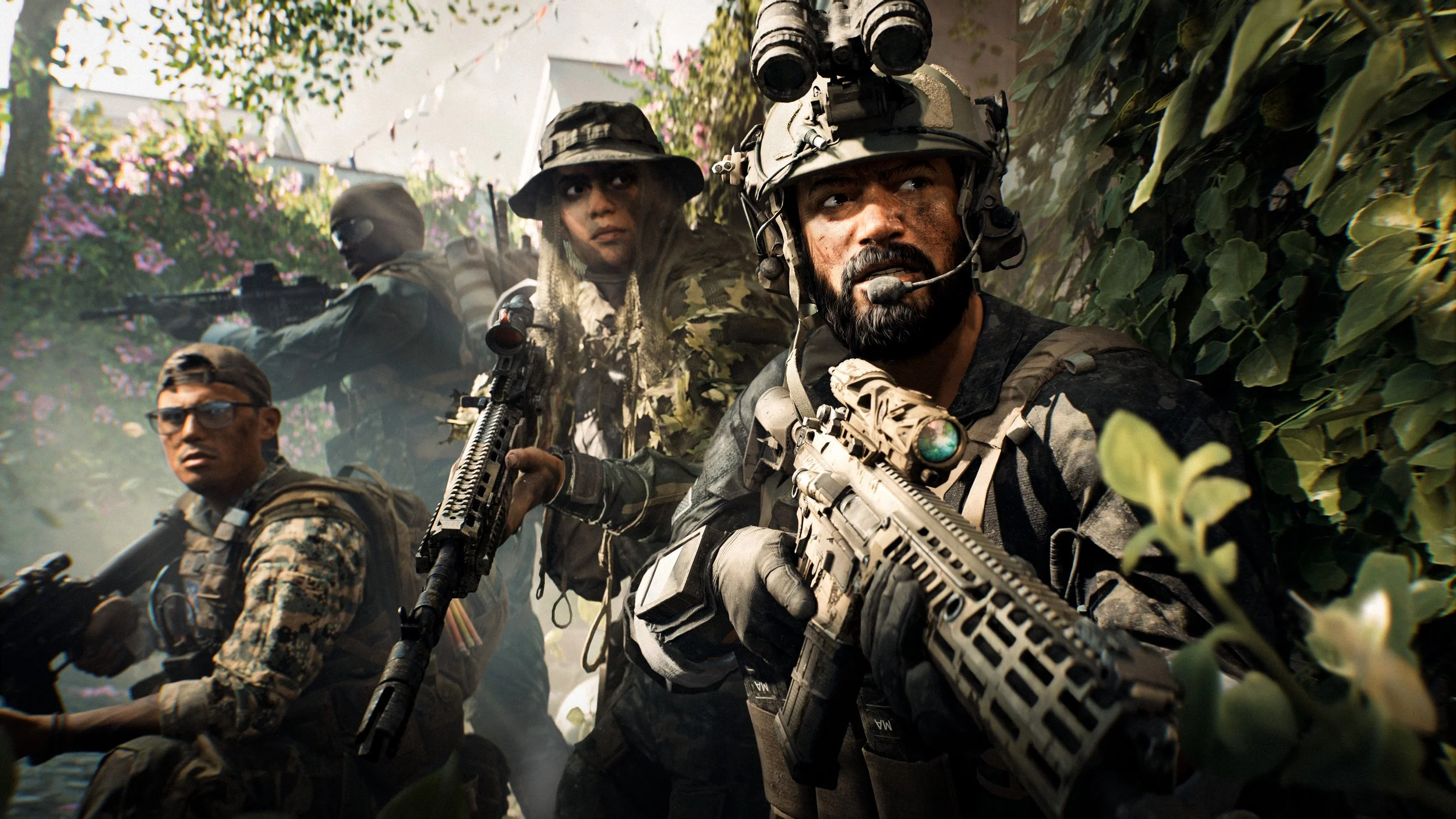
The second Battlefield 6 Open Beta test started earlier today. A 7.6GB download added additional maps, new game modes and also resolved some technical issues. I was able to select my second monitor to display the game this time round and also made some basic performance related tweaks. The colour grading is still an issue for me and I struggle at times to correctly identify players and objects at distance due to the muted palette. Minor gripes aside, the game still performs well and all the game modes have something to offer. King of the Hill and some of the other close quarters maps are a little too intense for my skill level but I still had fun with projectiles and explosives. I still prefer the Conquest mode with its bigger maps and greater variety of gameplay options.
The second Battlefield 6 Open Beta test started earlier today. A 7.6GB download added additional maps, new game modes and also resolved some technical issues. I was able to select my second monitor to display the game this time round and also made some basic performance related tweaks. The colour grading is still an issue for me and I struggle at times to correctly identify players and objects at distance due to the muted palette. Minor gripes aside, the game still performs well and all the game modes have something to offer. King of the Hill and some of the other close quarters maps are a little too intense for my skill level but I still had fun with projectiles and explosives. I still prefer the Conquest mode with its bigger maps and greater variety of gameplay options.
For me, the key to enjoying any of the Battlefield games is to find yourself something useful to do. Something that is within your skillset so you don’t get frustrated. I am not especially good at a straight forward infantry role. My aim is too poor. So I tend to favour the Engineer class. I can ride in vehicles and then fix them when they’re damaged. I can also use RPG and Surface-to-air Missiles to destroy enemy armour and aircraft. All of which are beneficial to the team. I became quite competent today using the Sidewinder Missile. My technique was to position myself towards the rear of the map and wait for aircraft doing strafing runs. I would aim and achieve weapons lock, then stop aiming. The enemy aircraft would then use its countermeasures which have a cooldown. I would then immediately aim again and fire, once I had a weapons lock. It proved quite a successful procedure.
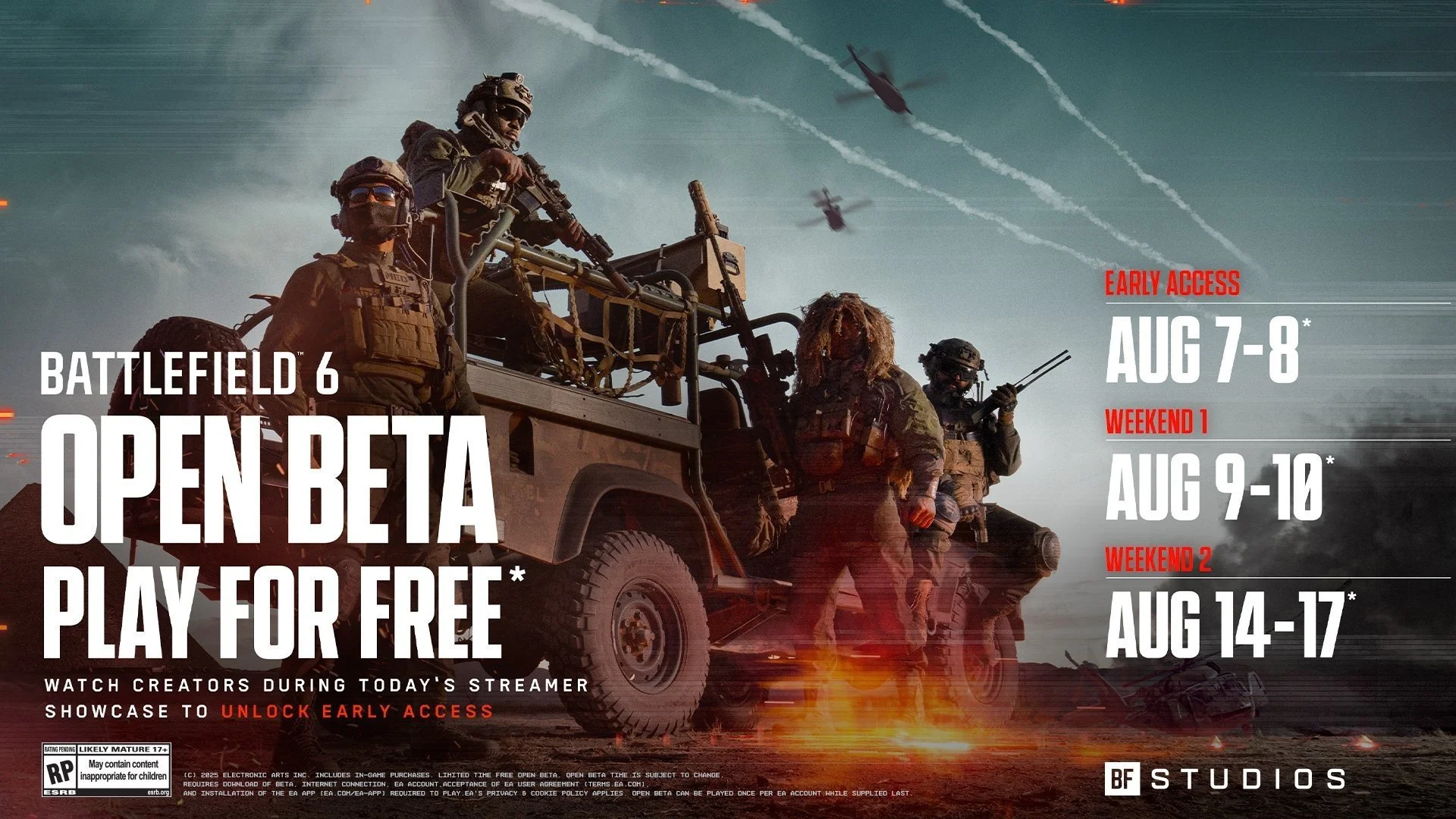
This current beta is available till 17th August. It should be noted that this is still not a complete build of the game. Team Deathmatch and Escalation Modes are not currently included. The tactical ladders and sledgehammer are also conspicuously absent for the time being. Yet there is sufficient to play and try, to be able to get a handle on Battlefield 6. Overall I think the developers have retained enough of the old school elements and added just the right amount of new mechanics. The game certainly has a “wow” factor. The question is will it retain it. There still isn’t a server browser but there is a gameplay filter in the latest build that allows you to select the modes you prefer. So far, I have not had to wait too long to access content I enjoy playing the most. I have also not encountered any server queues.
Finally, there is one aspect of Battlefield 6 that is perennial. Each game you play is only as good as the people participating in it. So far, during both beta tests, I have had some excellent games where your squad sticks together, works towards objectives as well as spot, heal, resupply and repair. These games were rewarding and enjoyable. Then there have been others where everyone does their own thing. Thus you have dozens of snipers dug in, vehicles being driven away the moment they spawn, without waiting for a full crew and irrespective of whether the player can use them effectively. I did find things to do in these games but they were demonstrably weaker. It’s the one aspect of this genre that developers can’t fully fix. It’s why many players would happily play against bots instead. That’s a post for another day. In the meantime, Battlefield 6 is proving to be one to watch.






"42"
I am getting old. I shall be 58 in December. Now, as soon as you say something like that these days, some folk will get uncomfortable and say things like “age is relative” or “you’re as old as you feel”. Well I don’t measure my age in geological terms, so it’s not relative and I’m not feeling anyone especially young at the moment, so both schools or thoughts can sod off. I am getting old by the yardstick we measure human life by, namely years. I have specific, age related health issues and I just don’t feel as energised as I did a decade ago. There are minor signs, such as deciding to go to bed earlier and taking longer to get dressed after taking a shower. I’m not at death’s door but I am slowing up physically. It would also appear that my reactions are also slowing down as I tend to get massacred in any FPS I play these days. So far, my mental faculties seem to be holding up. However, that is the one thing I worry about the most. The potential loss of cognitive abilities scares the shit out of me.
I am getting old. I shall be 58 in December. Now, as soon as you say something like that these days, some folk will get uncomfortable and say things like “age is relative” or “you’re as old as you feel”. Well I don’t measure my age in geological terms, so it’s not relative and I’m not feeling anyone especially young at the moment, so both schools or thoughts can sod off. I am getting old by the yardstick we measure human life by, namely years. I have specific, age related health issues and I just don’t feel as energised as I did a decade ago. There are minor signs, such as deciding to go to bed earlier and taking longer to get dressed after taking a shower. I’m not at death’s door but I am slowing up physically. It would also appear that my reactions are also slowing down as I tend to get massacred in any FPS I play these days. So far, my mental faculties seem to be holding up. However, that is the one thing I worry about the most. The potential loss of cognitive abilities scares the shit out of me.
As you get older, you tend to become more philosophical. Possibly because you have less immediate demands upon you, so you have more time to think and reflect upon “life, the universe and everything”. These musings are vastly different from those you had with your friends, as a teenager. Those late night discussions were often ill informed, naive and tempered by substance abuse. The sort of personal reflections I indulge in now are couched in hard experiences and not all of them are good. I also have a lifetime association with organised religion, both tangential and direct, to draw upon. Another factor is that I’ve read prodigiously over the course of my life, across a range of disciplines. Hence, I reached a point in my life where it is assumed by my peers that I should know something by now. I’ve even had a younger acquaintance ask me if I’m any closer to figuring it all out.
Well it is my considered opinion that all questions about the so-called meaning of life are pretty much pointless. Why, you ask? Because there basically isn’t one. Human life on this planet is just an accidental by product of other natural processes. There isn’t a plan. There’s nothing next, it doesn’t get better and your time here is broadly irrelevant and futile. Not futile enough for me to top myself. There are still plenty of pointless distractions to pursue or indulge in the meantime. But overall, what you see is what you get in life. Through a caprice of birth you either get lucky and have decades of hedonistic pleasure, or you work hard for not much and experience intermittent moments of joy, or you have an utterly terrible life filled with pain, suffering and misery. Life is inherently unfair and human beings continuously act against their own best interests. If you pick up a history book you’ll see that we make the same mistakes, again and again. Like Electronic Arts.
So what do you do in light of this revelation? Well it’s up to us to impose our own meaning and purpose upon our lives. Also, accept the fact that some things are nothing more than the sum of their parts. One of the questions that has always gotten on my Tatty Bojangles is this “science can explain the how and why but not the meaning”. Well Colin, because it’s always some p’tak called Colin who trots this drivel out, have you ever considered that there’s no requirement for everything to have a meaning? But I digress, if you’re finding it hard, coming up with ideas for the purpose of life, consider this one. “Try to be nice to people, avoid eating fat, read a good book every now and then, get some walking in, and try to live together in peace and harmony with people of all creeds and nations”. If that’s too complex, how about this one? “Everyone you meet is fighting a battle you know nothing about. Be kind. Always”. Even to Colin, I guess.

The Great Blaugust Comment Debate
This year’s Blaugust: Festival of Blogging has already raised a very interesting debate. An old one that habitually comes up when discussing blogs. Namely, whether a blog should or should not have “comments” enabled. However this time round there is a different slant on things. Rather than the usual binary choice of having comments enabled or disabled on your site, this time round there is a third option available. Leaving comments via email or a third party service such as Mastodon. Both of these additional options keep comments conspicuously at arms length from your website. Furthermore, the email option makes the comments private, instead of in the public domain. All of which puts a subtly different spin on conventional notions of blog comments and makes this ongoing discussion all the more interesting.
This year’s Blaugust: Festival of Blogging has already raised a very interesting debate. An old one that habitually comes up when discussing blogs. Namely, whether a blog should or should not have “comments” enabled. However this time round there is a different slant on things. Rather than the usual binary choice of having comments enabled or disabled on your site, this time round there is a third option available. Leaving comments via email or a third party service such as Mastodon. Both of these additional options keep comments conspicuously at arms length from your website. Furthermore, the email option makes the comments private, instead of in the public domain. All of which puts a subtly different spin on conventional notions of blog comments and makes this ongoing discussion all the more interesting.
Let’s see if I can marshall my thoughts on this matter into some semblance of coherency. First off, what is blogging? Google defines it as “the act of creating and publishing content on the internet, typically in the form of articles or posts, on a website or platform known as a blog”. Straightaway, that definition does not state that comments are in any way a mandatory part of blogging. However, posting an article online places it in a public and shared space. The internet is not a void. Quite the contrary. Hence, you may not have or want comments on your blog but by publishing a post that is open to all, you’ve stuck your head above the parapet. Thus you may attract comments, by hook or by crook. Other bloggers can link to your post and write their own reply. Similarly they can reach you via social media if you have allowed it. It is also worth noting that private email comments can be made public.
So there is an inherent social aspect to blogging, whether the blogger expressly desires it or not. If you’re truly blogging just for yourself, there is the option to make your blog private. However, few bloggers do this because most do have a desire on some level for their writing to be read. Therefore it is my opinion that this tangential move to have comments via email or say Mastodon, is a way for the blogger to have greater agency over the process. Because allowing comments on your blog can have negative consequences. There is scope for spam, abusive comments or for your writing to be derided. Not everyone copes with such things well. Plus, all of this can happen in a very public way. That in itself can be a negative factor for some bloggers. I believe that an element of this shift to having comments conducted offsite and possibly privately, stems from a desire to conduct such activities from a safe space.
I like feedback, constructive criticism and exchanging ideas. So I am happy to have comments on Contains Moderate Peril. I apply my own notions of etiquette and manners to comments that have been left and I have no qualms in deleting those that are insulting and unconstructive. I tend not to lay awake at night ruminating on negative feedback left by a few individuals. However, I appreciate that not everyone is wired the same way as me and some folk find these potential aspects of reader comments troubling. Hence, everyone makes a choice that they are comfortable with. If this newer approach works for the blogger in question then so be it. It has also been brought to my attention that comments have never been a cultural expectation with blogs on some subjects. Perhaps my social expectations regarding comments, comes from my gaming background.
I have always felt that my writing is to a degree, a prelude to a discussion. When writing a post, I sometimes won’t cover all available talking points, thus leaving scope for these to be explored in the comments. But again, not everyone holds such a view. I do feel that being confronted with opposite views to your own and then responding to them can be a useful experience. I’d even argue that deleting abusive comments can also teach a valuable lesson. However, the toxic nature of the internet means that some people may not want to countenance such things. Keeping bullshit at arms length is wise, especially if you write in a field that attracts hostility. Being constantly abused is exhausting. However, digging a virtual moat and pulling up the drawbridge has its own consequences.
The fact that I’ve managed to write as much as I have on this subject shows the scope of the discussion surrounding it. Your approach to blog comments is ultimately entirely up to you and you should make your choice accordingly. If you have a static site and integrating comments requires incurring a further cost, then that in itself is a good reason not to have them, if you’re working within a budget. The most important factor is to be content with your decision. I shall make one final point regarding blog comments. Not having them on your blog doesn’t stop people commenting on your writing. They will just discuss your material elsewhere, which is something you have far less say in. The reality is that if you blog publicly, then you cannot truly avoid criticism. Perhaps that should be the first lesson of blogging.

Writing Every day
There is currently an interesting discussion on the Blaugust: Festival of Blogging Discord Server about writing every day. It can be quite a polarising subject but the one thing that everyone agrees on is the fact that it is hard to do. A daily schedule requires multiple factors to come together to be sustainable. It is also fair to say that if you go about it unprepared, it will be a very hard learning curve. Ultimately it may not work out and then there is the risk of a bad experience negatively impacting upon your wider writing plans. Hence it is not something I would recommend to new bloggers or those who aren’t keen on a baptism of fire. Some writers like to test their metal and jumping feet first, into daily blogging may be the sort of challenge they seek. For everyone else I would urge them to plan a strategy and consider the following point if you wish to try it.
There is currently an interesting discussion on the Blaugust: Festival of Blogging Discord Server about writing every day. It can be quite a polarising subject but the one thing that everyone agrees on is the fact that it is hard to do. A daily schedule requires multiple factors to come together to be sustainable. It is also fair to say that if you go about it unprepared, it will be a very hard learning curve. Ultimately it may not work out and then there is the risk of a bad experience negatively impacting upon your wider writing plans. Hence it is not something I would recommend to new bloggers or those who aren’t keen on a baptism of fire. Some writers like to test their metal and jumping feet first, into daily blogging may be the sort of challenge they seek. For everyone else I would urge them to plan a strategy and consider the following point if you wish to try it.
Prepare posts and keep a list of writing prompts.
Remember, not every post has to be perfect.
Try to establish an appropriate time and place to write.
Write first, edit later.
Be experimental with your content.
Be prepared to fail and to learn from your mistakes.
Mental and physical health issues are legitimate impediments to daily blogging.
Finally, if you wish to write everyday then you have to be disciplined. More often than not, the biggest impediment to writing daily is the will to do so. We all have days where we don’t feel especially motivated or inspired to write and it becomes quite a struggle. There are also days when we simply can’t be bothered. Occasions when it is a clear choice between sitting down and writing, or having a tasty sandwich and watching cat videos (other distractions are available). This is not a Kobayashi Maru test. It simply needs discipline, focus and determination. If something is important, you find the time for it, to quote Hikaru Sulu. Ultimately if you really want to blog everyday then you will. You just have to put in the work.
Writing everyday isn’t for everybody. For many bloggers it isn’t even necessary. Yet for some reason, in certain quarters of the blogosphere, it is held up as some sort of test of character or gold standard. Such notions are bogus. Find what works for you and do that. If that means posting once a week, once a month or when you feel like it then that’s fine. If you have the time and the energy to write everyday then do so. Both approaches have their own benefits. Writing everyday is not an impossible dream. It is more of a logistical and psychological balancing act. But it is an undertaking that is far from mandatory. Consider it an optional extra or an additional goal. If you’re already maintaining a blog then that is a more important success.


Thinking Out Loud
I was quite surprised by an unusually high number of participants in this year’s Blaugust: Festival of Blogging. The current count is 165. I am pleased by this because I worry about the decline in written skills that appears to be happening in western society. Yet here we have 165 individuals all writing in their own unique way. It is quite reassuring. My RSS feed currently has over 200 blogs that are still regularly updated, many of which are prior Blaugust participants. I try my best to keep up to date with posts and to leave comments, if they’re supported. A bit of blogging solidarity can go a long way and it’s important to encourage all forms of writing and keep the community strong.
Thinking Out Loud is a regular feature where I share a few of thoughts and ideas that have recently occurred to me. Some of these could potentially evolve into standalone, longform blog posts, but that is not the point of this endeavour. Thinking Out Loud is a means to “throw out some ideas” for consideration and reflection. I simply take a virtual pen to paper to document some of my thoughts for your review. Hopefully it may encourage some debate and discussion. As always, I encourage you to leave a comment and welcome any insights you may wish to share.
Blaugust: Festival of Blogging
I was quite surprised by an unusually high number of participants in this year’s Blaugust: Festival of Blogging. The current count is 165. I am pleased by this because I worry about the decline in written skills that appears to be happening in western society. Yet here we have 165 individuals all writing in their own unique way. It is quite reassuring. My RSS feed currently has over 200 blogs that are still regularly updated, many of which are prior Blaugust participants. I try my best to keep up to date with posts and to leave comments, if they’re supported. A bit of blogging solidarity can go a long way and it’s important to encourage all forms of writing and keep the community strong.
Entertaining Children
This topic could well be a blog post on its own and I may well develop it into something more substantial at a later date. For now, I just wanted to state that today I took a tablet with me when we visited our local Italian restaurant. It was specifically to entertain my 4 year old grandson. In the past, this would be an anathema to me. A line in the sand not to be crossed. However, in recent months I have accepted the reality of the situation. All of my grandchildren have been raised in a very different world to the one that I was. Hence to put it candidly, they struggle to stay occupied and focused with a lot of the mundanity of day-to-day life. They crave stimulation continuously. So today I ensured that there were episodes of Hey Duggee, Bluey and Star Wars: Young Jedi Adventures available and kept young Oscar amused and out of mischief.
The Decline of Drinking Culture
I was raised during the seventies and enjoyed my teenage years in the early eighties. Much of the social culture of those decades was based around drinking and pubs. I have a healthy relationship with alcohol and still find a trip to a good pub a pleasant pastime. It’s a place to socialise or to sit alone and escape from the trials of life, briefly. However, I am aware there is a generational divide when it comes to alcohol consumption. Young people drink less or not at all and so the default social activity of “going down the pub” is not necessarily the convenient catchall that it used to be. Going for coffee is an adequate alternative and has the added bonus of cake being available. However, I draw the line at bubble tea. Someone suggested meeting at such an outlet recently and it was met with confusion and raw panic among the older folk present. Times change and I try to move with them. But I can’t see Sham 69 recording a song about going down the bubble tea shop.
Captain Sensible
Best known as a co-founder of the punk band The Damned, Raymond Burns, aka Captain Sensible, is a one of the more beguiling individuals to emerge from the punk era. Apparently he didn’t actively seek a separate career from that of the band but success with a series of incongruous singles, coupled with his somewhat comedic persona and extended periods of inactivity by The Damned, made it inevitable. His first two albums were well received and remain interesting. However, after a while the media attention waned and the Captain faded from mainstream pop culture. Not that it mattered to the Captain. He just continued doing his own thing as well as collaborating with The Damned. I recently reconnected with his work via Spotify and was pleased that he has a substantial back catalogue. I find it heartening that such an artist can still exist in an industry filled with corporate bullshit.
Parties Are Shit
The sort of parties that you get invited to change over the course of your life, mainly due to your age. Yet despite being diverse, parties all have the same function. Namely to gather a group of people in a specific location with the goal of socialising and having fun. It is a simple and straightforward concept. It is also bollocks. I can remember numerous memorable parties from my youth but that isn’t the same as fun. I can also recollect a lot of awkward small talk and teenage angst. Also fights, substance abuse and trauma inducing embarrassing situations. The best party is always the one you don’t attend and you hear later how great it was from everyone else. As a man in his fifties the prospect of a party now means having dinner with a couple called Geoffrey and Jennifer and several of their friends, who you don’t know that well or especially like (they’re usually a friend of your significant other). The very epitome of middle class bullshit.







Battlefield 6 Open Beta Part 2
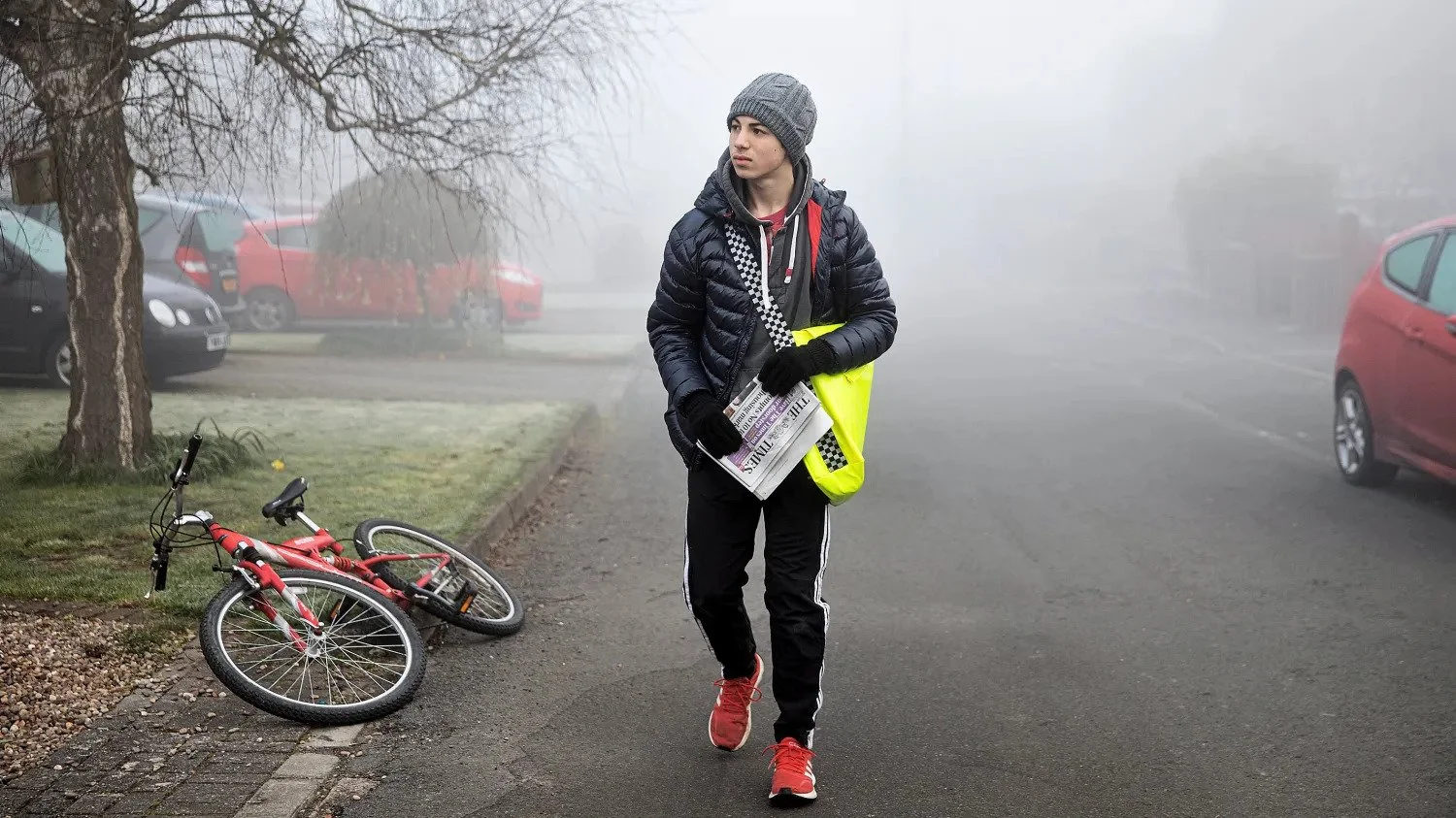
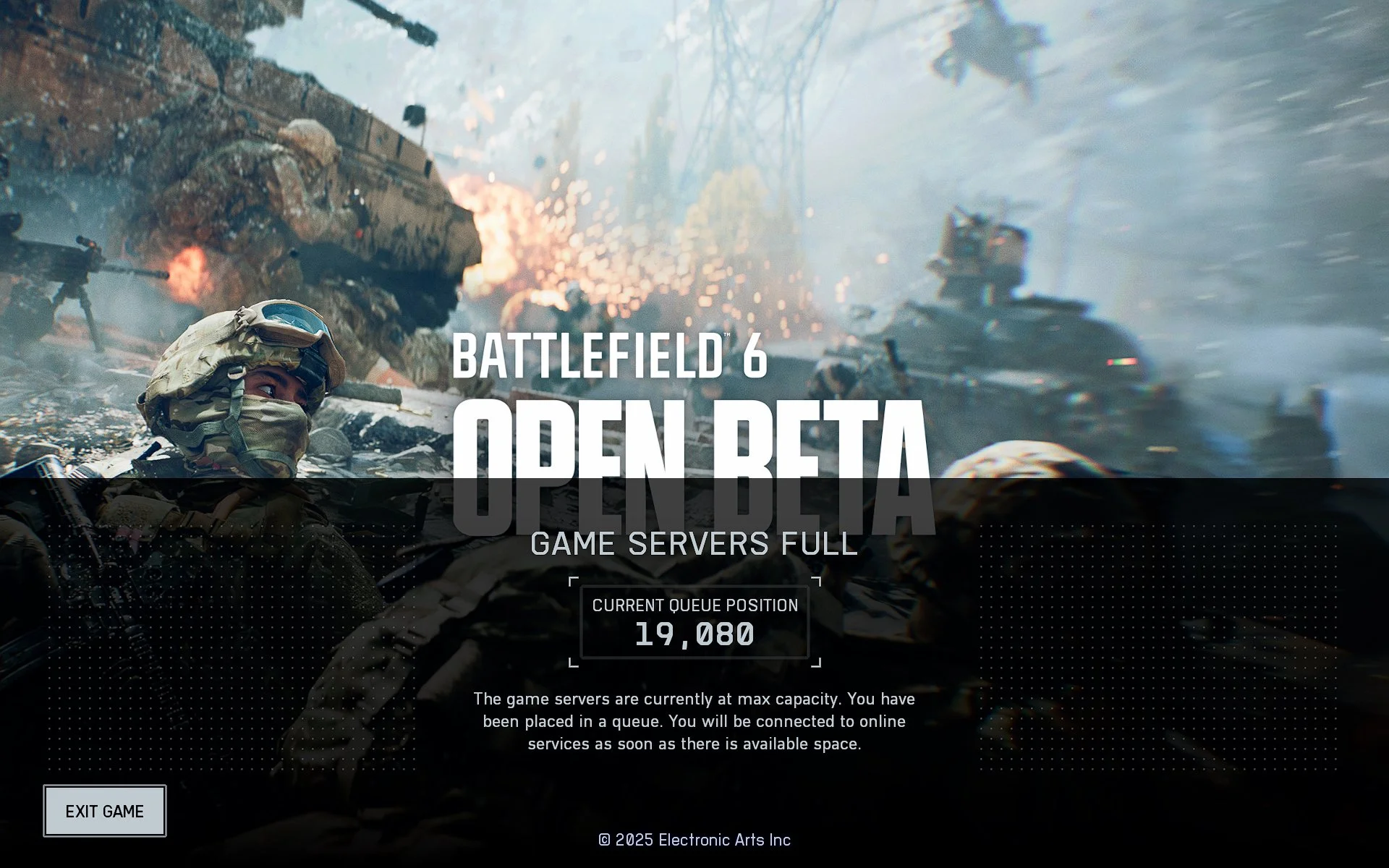
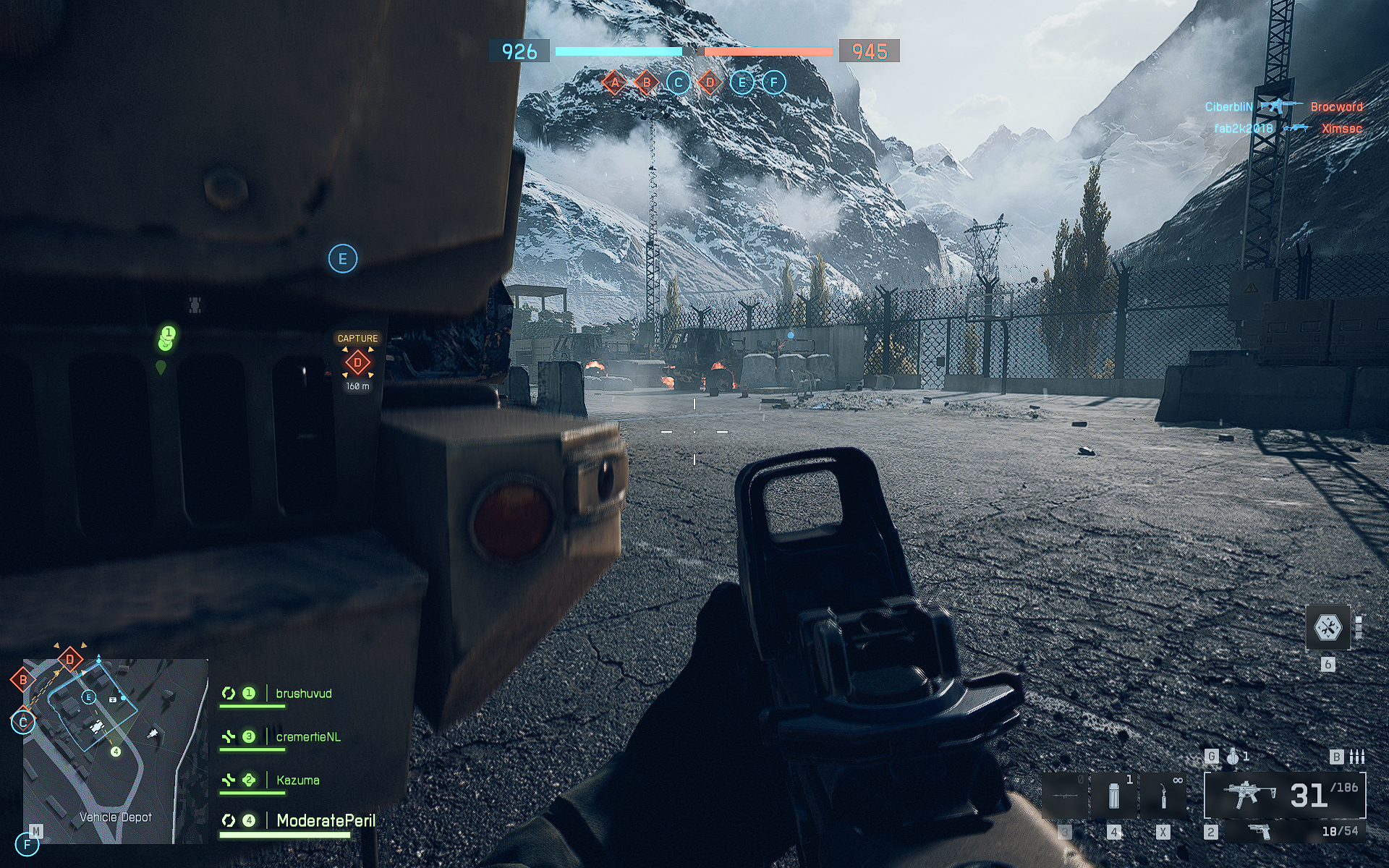
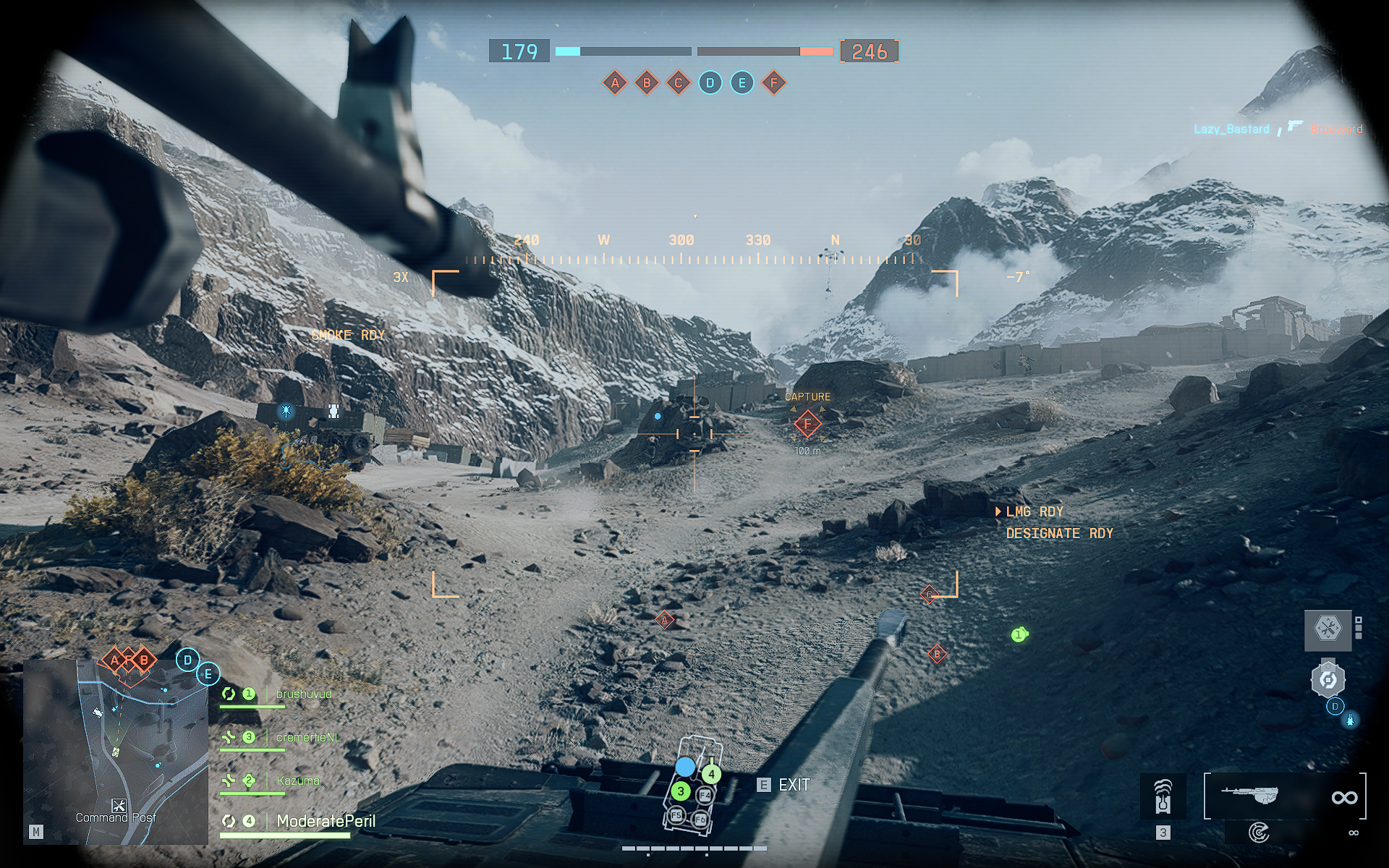
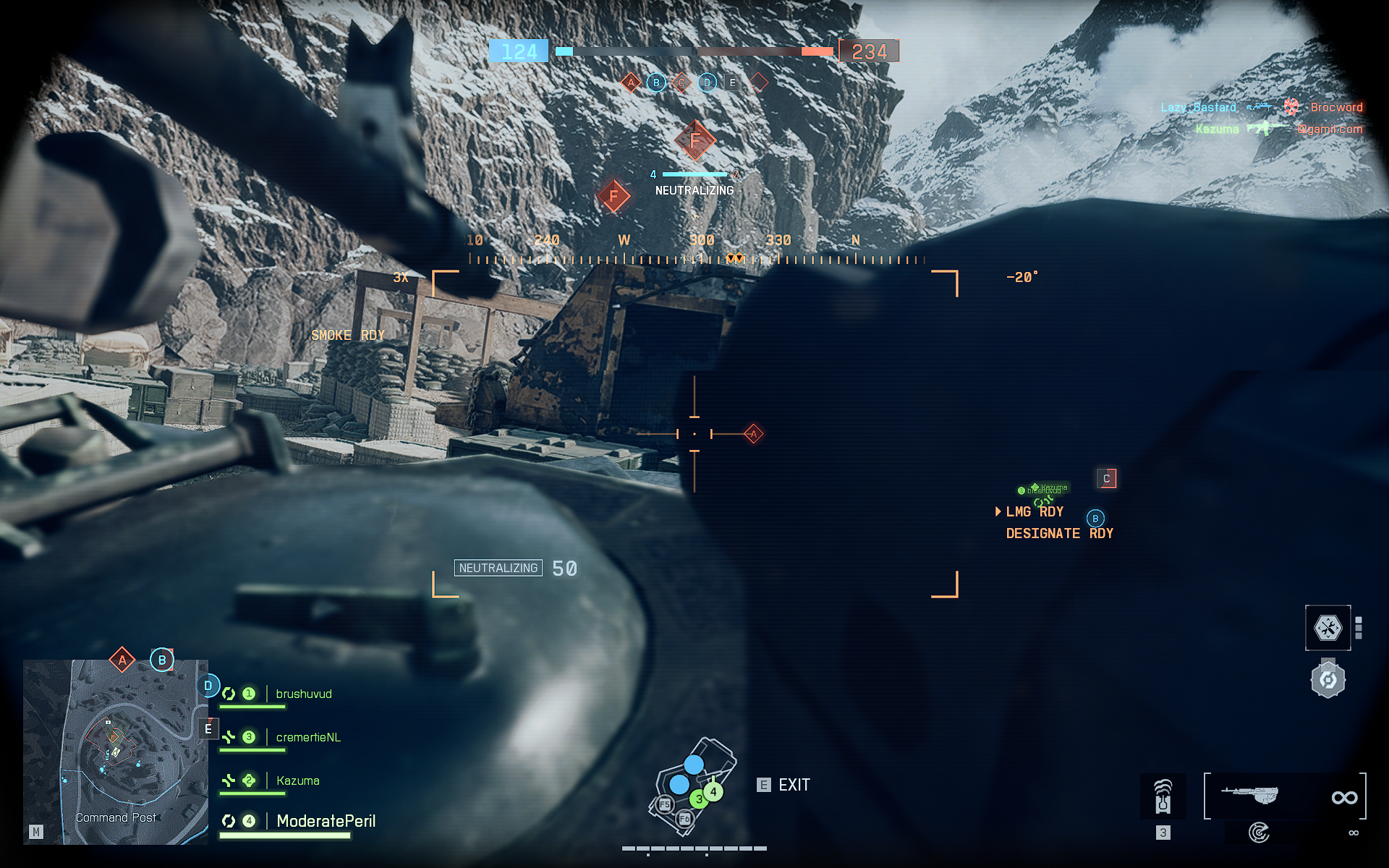
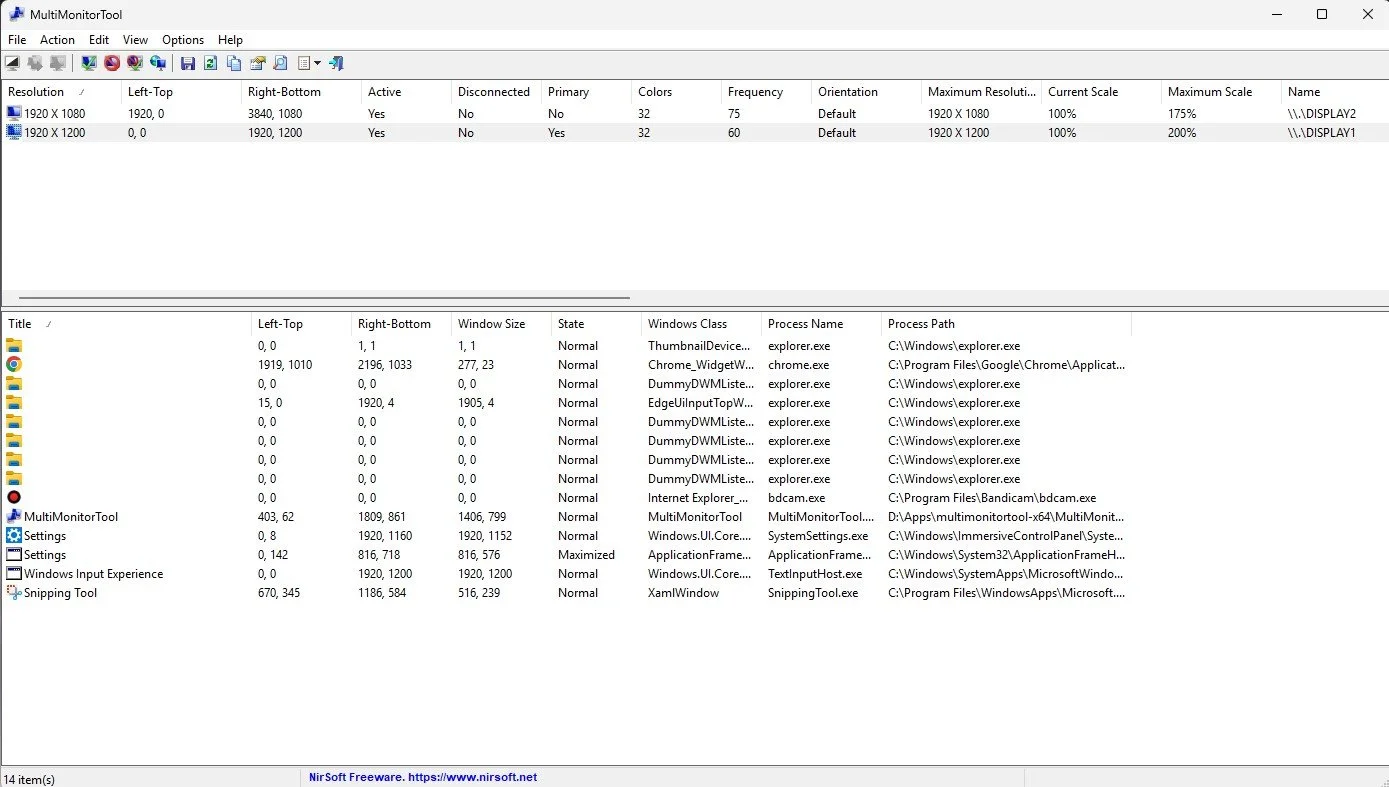
I spent several hours today trying Battlefield 6 during its first Open Beta weekend. Trying being an apt word as I experienced some technical difficulties during that time. There were server queues as there often are during test periods, which took 5-10 minutes to clear. I also found that when a multiplayer game ended the client would often freeze, requiring me to use the task manager to shutdown the .exe file . As I then had to restart the entire game it meant having to rejoin the server queue again. Furthermore, despite various methods, I could not get Battlefield 6 to display on my second monitor. Although there is a clear option within the graphics settings, I could not get the game to output to my Dell S2421H monitor. If I used the Windows + Shift + → key combination, the game would briefly appear on the second monitor then instantly snap back to the first. I also could not take any screen captures or use OBS to capture video. I believe this is down to the game’s anticheat software.
I spent several hours today trying Battlefield 6 during its first Open Beta weekend. Trying being an apt word as I experienced some technical difficulties during that time. There were server queues as there often are during test periods, which took 5-10 minutes to clear. I also found that when a multiplayer game ended the client would often freeze, requiring me to use the task manager to shutdown the .exe file . As I then had to restart the entire game it meant having to rejoin the server queue again. Furthermore, despite various methods, I could not get Battlefield 6 to display on my second monitor. Although there is a clear option within the graphics settings, I could not get the game to output to my Dell S2421H monitor. If I used the Windows + Shift + → key combination, the game would briefly appear on the second monitor then instantly snap back to the first. I also could not take any screen captures or use OBS to capture video. I believe this is down to the game’s anticheat software.
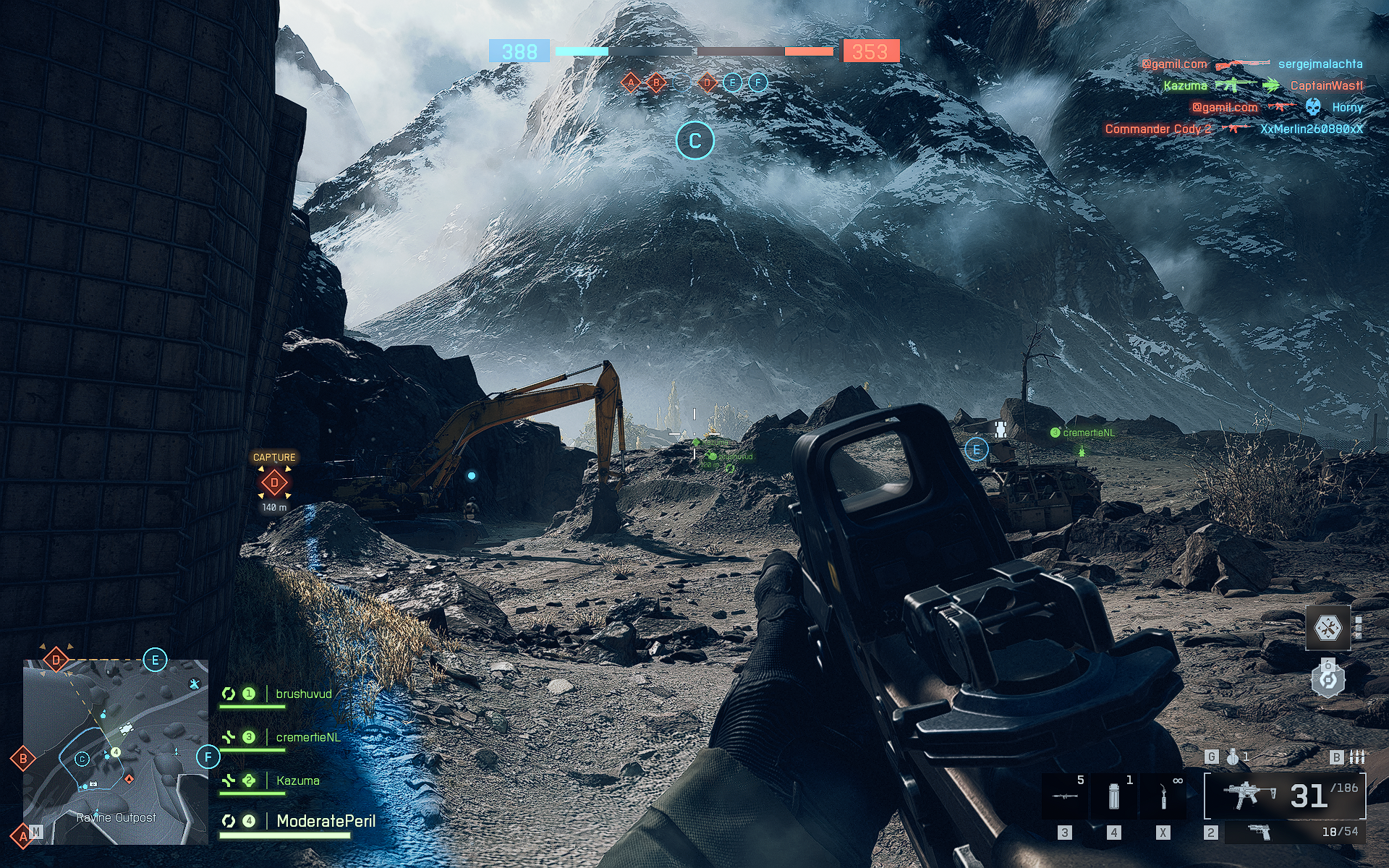
I wanted the game to run Battlefield 6 on my second monitor as it is FHD and so any recordings or screen captures would be in the standard 16:9 ratio. However, I had to use my main monitor which is a Dell U2412M which has a slightly larger 1920x1200 resolution which is an aspect ratio of 16:10. A minor problem when it comes to uploading to YouTube. However, my current GPU, an AMD Radeon RX 6650XT, seemed to handle the game’s graphics adequately and I certainly didn’t encounter any visual issues during my gameplay. As with previous versions of the game, Battlefield 6, continues to use a colour scheme that features muted, desaturated tones, with a focus on browns, greens, and greys. This aesthetic is done to enhance realism and immersion, as these colours are commonly found in military camouflage and environments. However I do find it rather drab and at times a visual impediment when it comes to identifying distant objects.
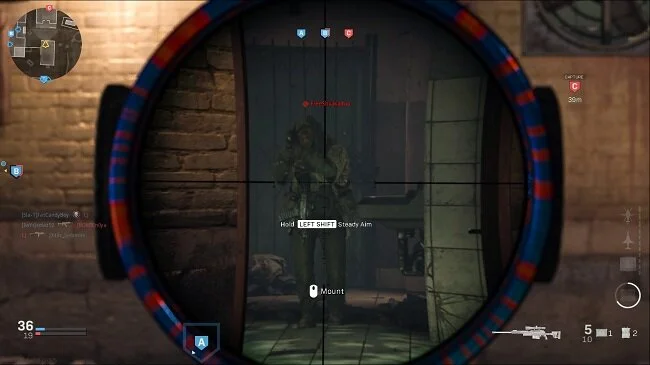
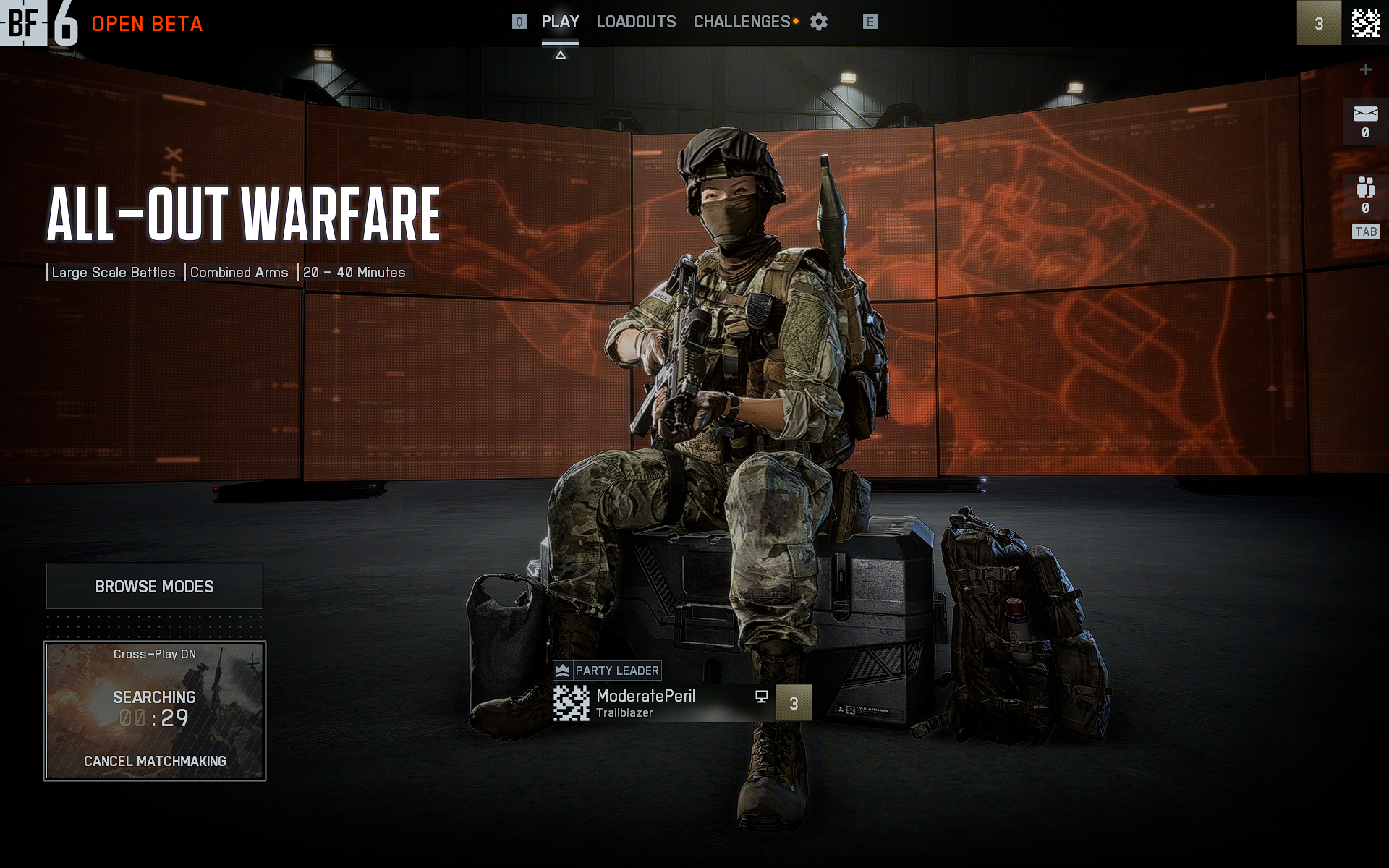
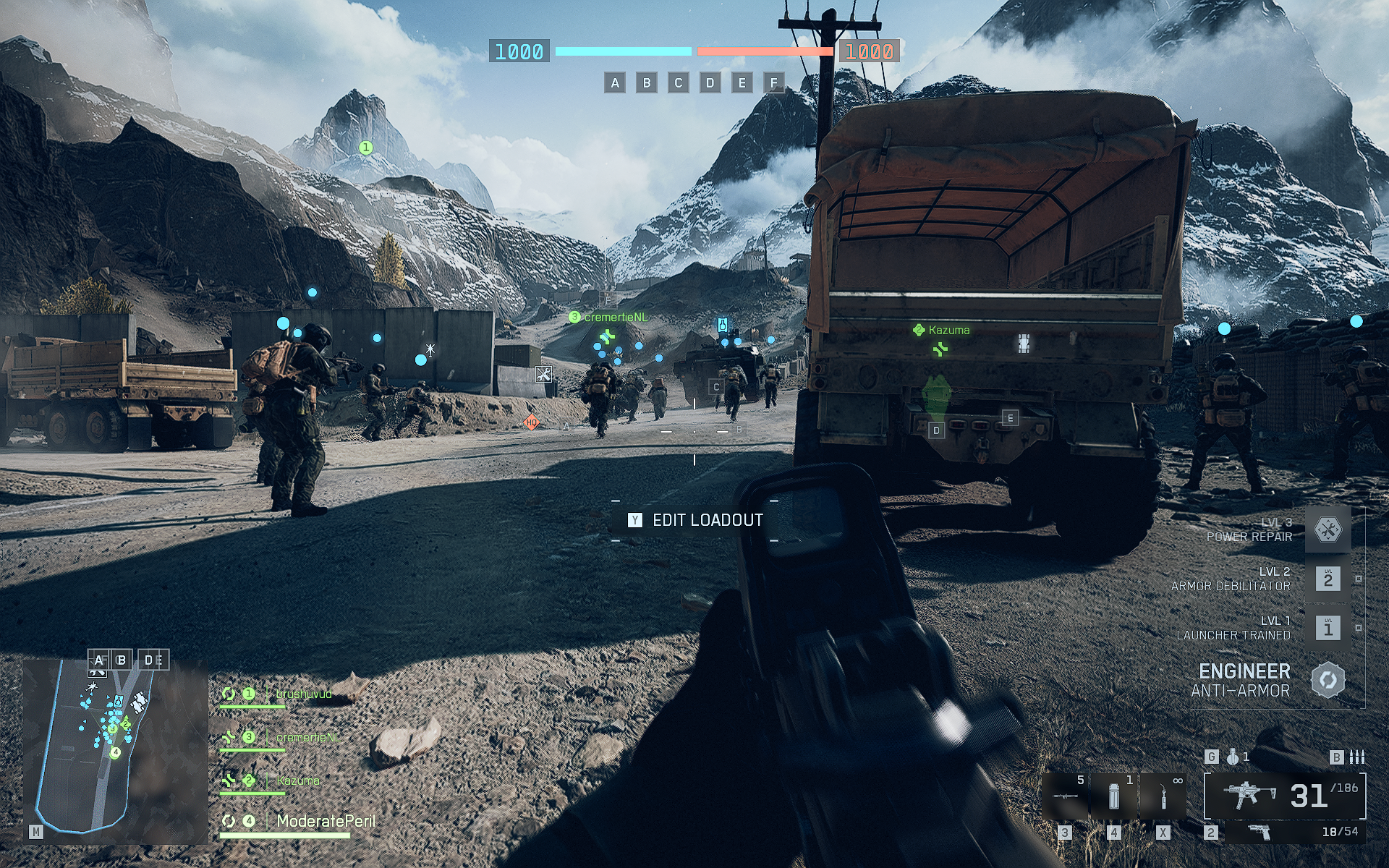
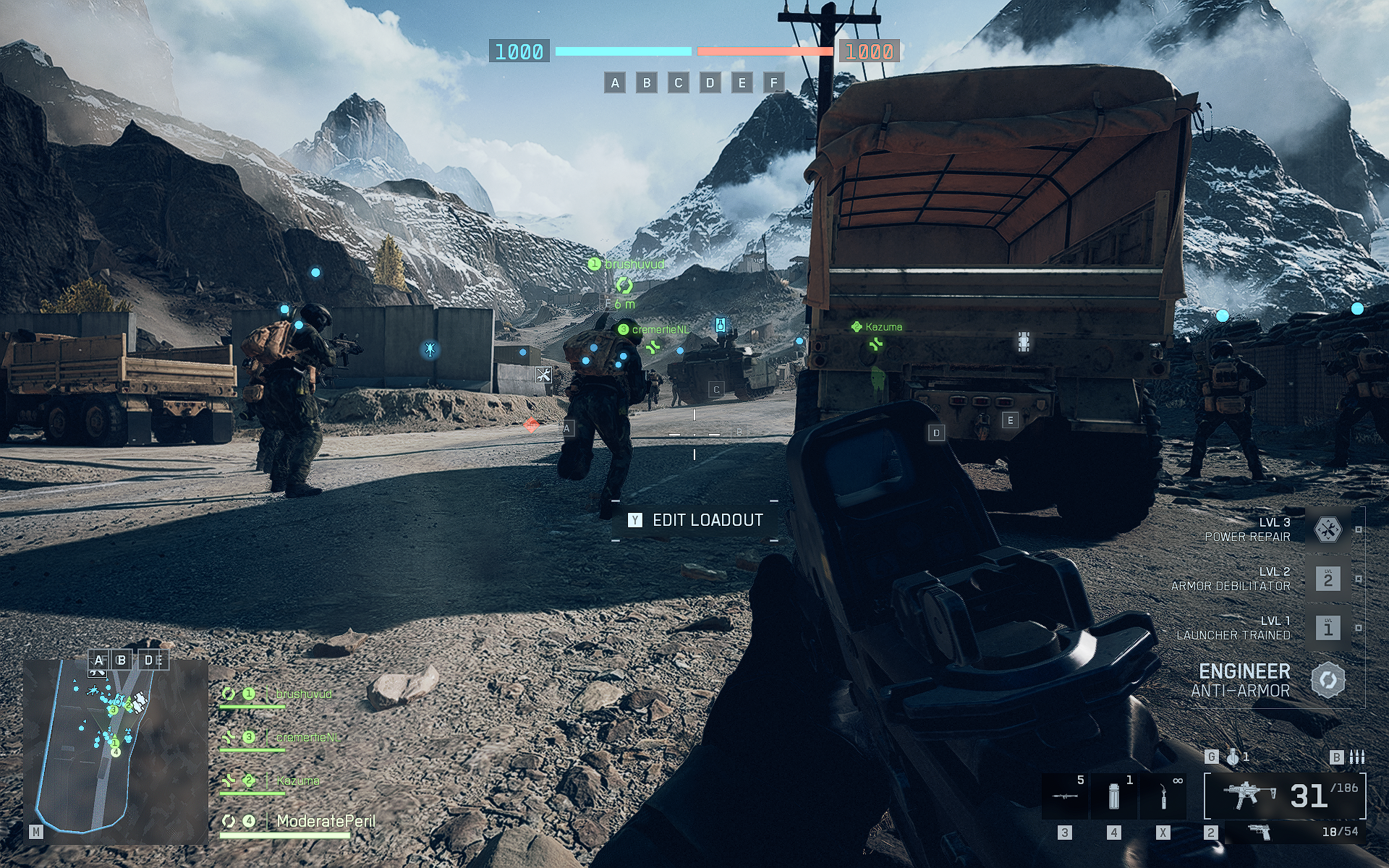
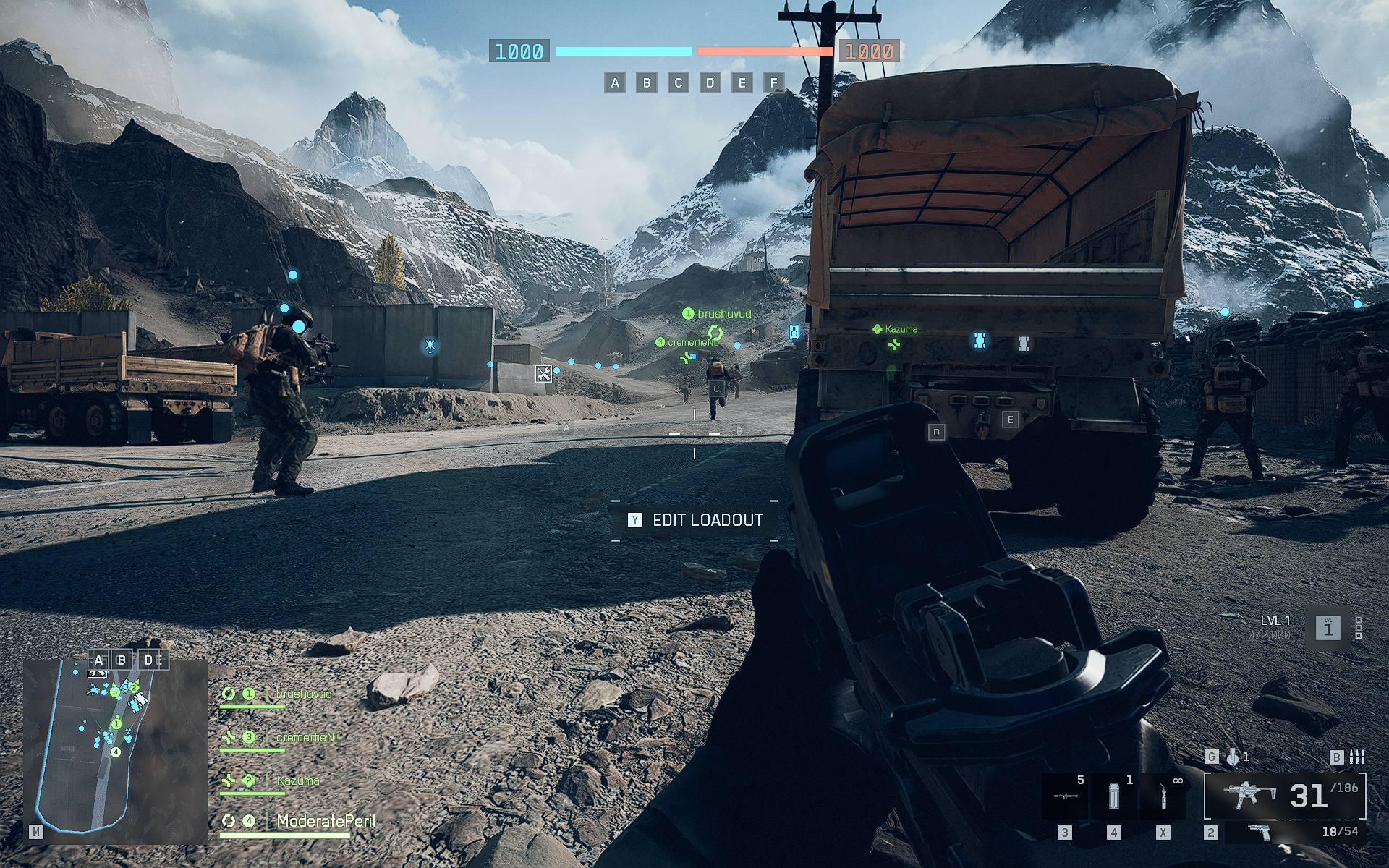
The first multiplayer game that I joined was in Breakthrough mode. This is a large-scale battle where attackers have to advance and claim territory. The rounds last between 20 and 40 minutes. Set in a mountainous village in Tajikistan, Liberation Peak is a substantive and craggy map, with terrain that is ideal for vehicles. I spawned into the game and moved forward with my squad, only to get immediately shot by a sniper. It was a very Battlefield moment, to say the least and one that highlights a common issue arising from games with large maps. Although in open beta, players have already established where the optimal sniper points are on specific maps. Hence players spawning into the game with no prior knowledge are easy pickings. However, this is a foible of the larger maps. The next game was set in an urban area of Cairo and the densely packed streets offered greater protection.
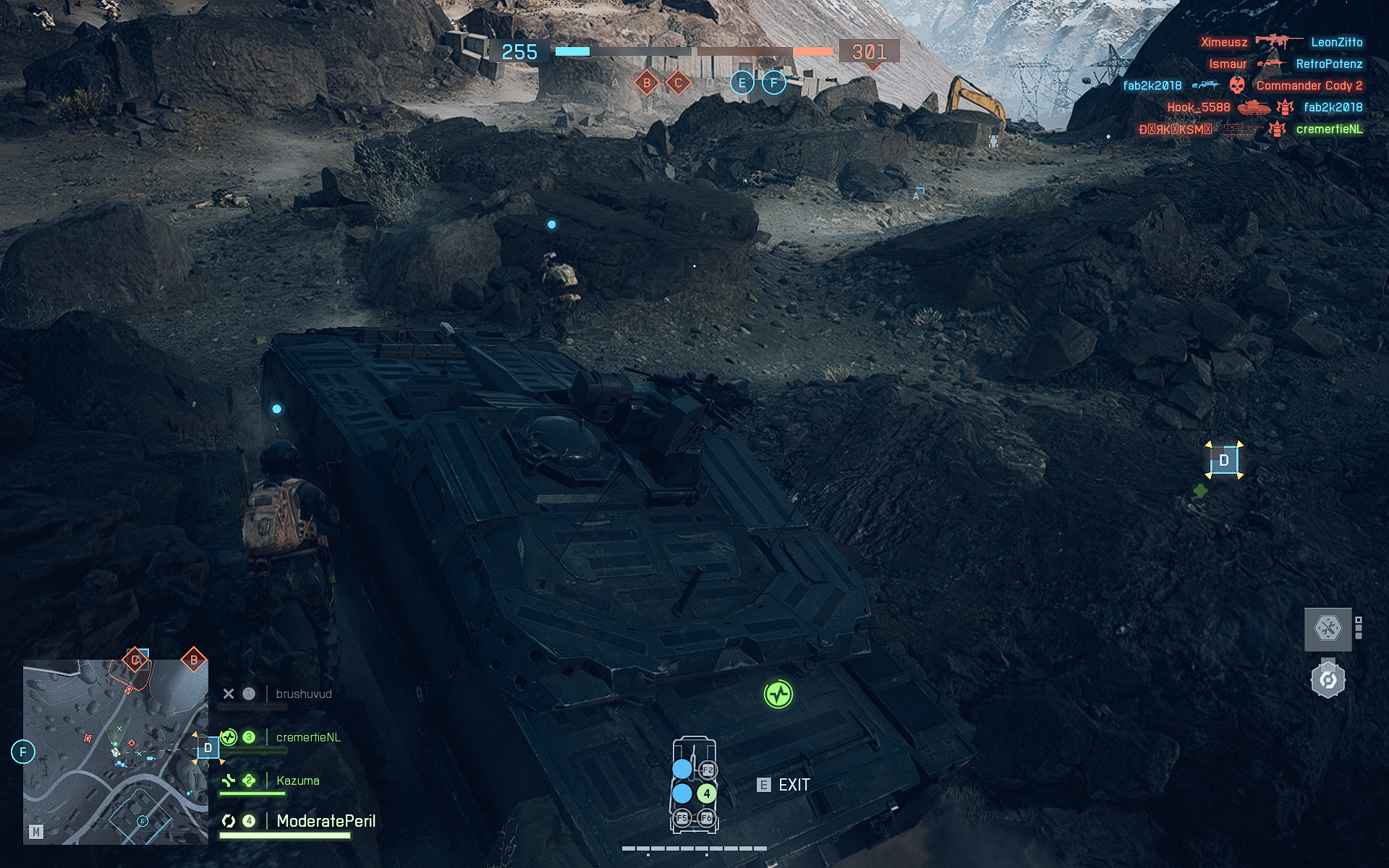
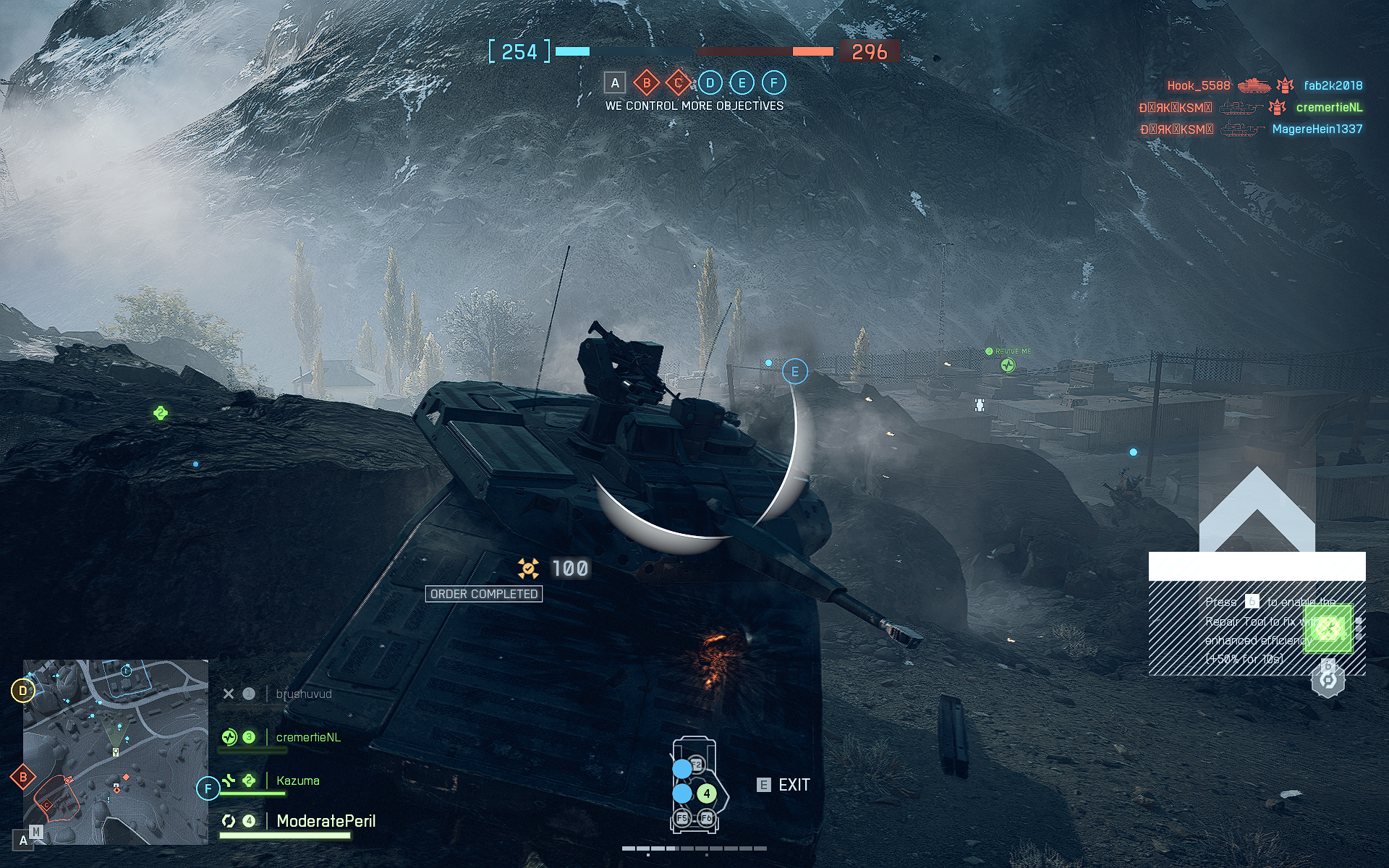
The amount of time I spent in Battlefield 6 today was insufficient for me to make a definitive personal opinion on the game at present. My overriding impression so far, especially in the smaller urban maps, is one of functional chaos. The destructible environment is a major factor in all engagements, as you cannot really dig in and hold a position in the traditional sense. Squads have to continuously move around capture points, laying down suppressing fire, rather than remain static. Vehicles can be used effectively, if adequately supported by infantry. The lone wolf that tries to take a tank deep into enemy territory is extremely vulnerable. The guns feel well balanced with regard to firing and recoil. However, I find that the amount of hits it takes, especially with SMGs, to kill other players is a little high. I appreciate the necessity of “bullet sponge mechanics” but this does at times kill immersion.
Perhaps the most interesting addition to Battlefield 6 is the ability to drag an injured player to cover to revive them. This really does impact upon the ebb and flow of the game, as it reduces the amount of time spent respawning and returning to your last position on the map. However, for this mechanic to work, just like re-arming players or repairing vehicles it requires players to embrace the role of the class that they’ve chosen. Spotting is another ability that is key to effective squad gameplay. Speaking of classes, I prefer maps where weapons are locked to specific classes, although in this iteration of Battlefield, there is support for multiplayer games that allow you to “mix and match”. I like the fact that Battlefield embraces the fact that not all players have the same level of skill or wish to do the same things. Hence the clear class distinctions allow players to find a role that suits them. Altering the loadouts for classes, diminishes that philosophy.
I have tried my best not to read too much about the ongoing beta test, as I want my opinions to be based directly upon my experience. That said, I am aware that there have been concerns raised over the size of the maps available in this latest round of testing as well as the TTK, that I have already discussed. However, this is a beta test and as such, I expect aspects of the game to be adjusted in accordance to player feedback. I certainly hope that Battlefield Studios addresses the veracity of their anticheat software as it is a problem that I can’t record any game footage or take screen captures. So far, I have enjoyed what I have seen and experienced of Battlefield 6 and it certainly does seem like a welcome return to the halcyon days of Battlefield 3 and 4. I look forward to next weekend’s test to see what else the game has to offer.
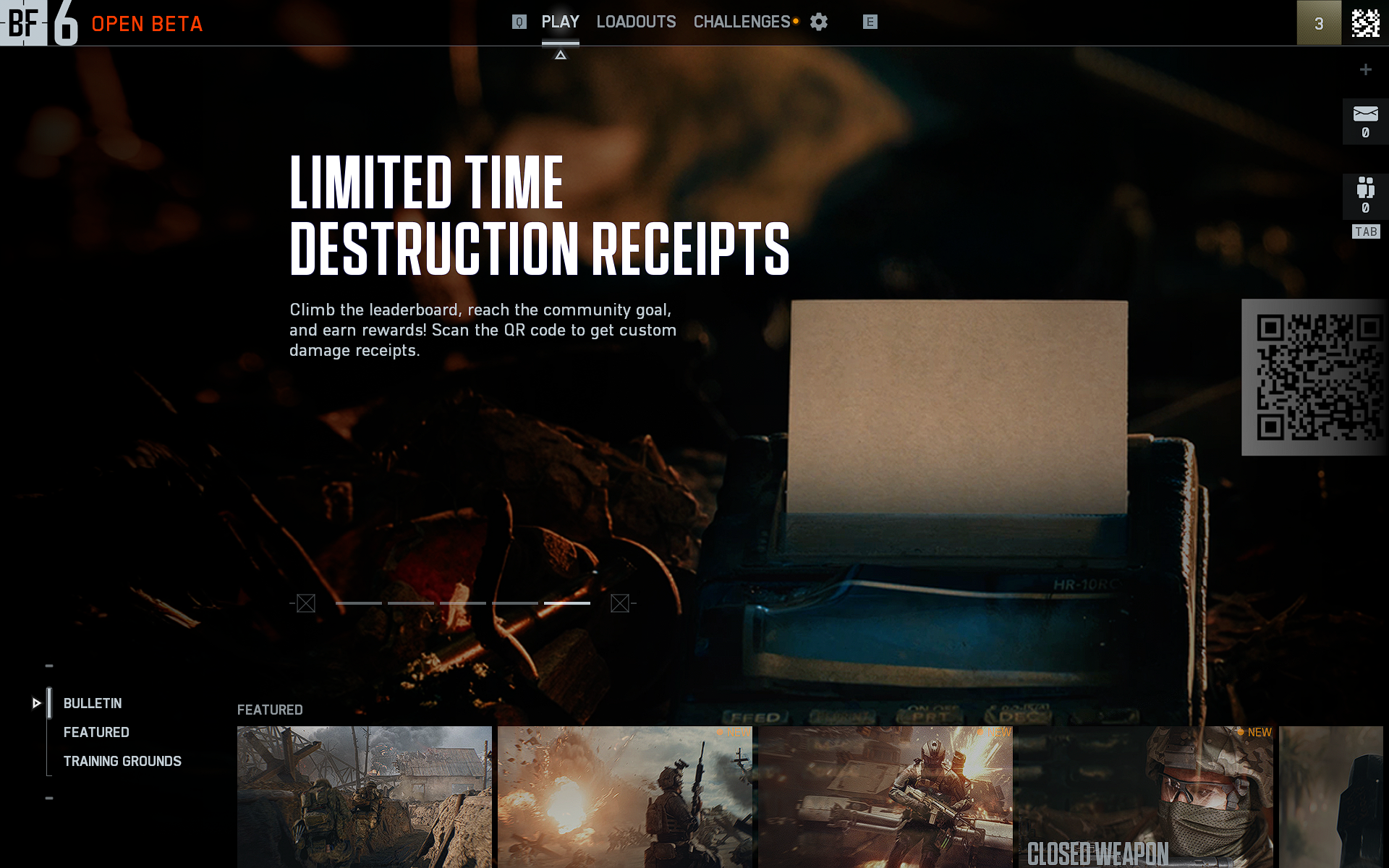
Update: I managed to take some screen captures using AMD Adrenalin software.


Foots Cray Reuse and Recycling Centre
Foots Cray Reuse and Recycling Centre is the fancy name of our local dump. A few decades ago, this was no more than a scrap yard. The rubbish and bric-a-brac left by the public was sorted and scavenged for resaleable scrap. Everything that was left was subsequently sent to landfill or incineration. Much has changed. Today it is the embodiment of the modern recycling ethos. The recycling centre is a well managed, carefully segregated site providing safe disposal of a wide variety of household and garden waste. Wood, metal and hardcore are recycled and there is similar provision for a multitude of electrical goods. Plastics, oils, paint, batteries can be safely disposed of. I have yet to find a home item that they do not have provision to dispose of. The Foots Cray Reuse and Recycling Centre has won awards for the service it provides and is considered one of the best facilities of its kind in the South East of the country.
Foots Cray Reuse and Recycling Centre is the fancy name of our local dump. A few decades ago, this was no more than a scrap yard. The rubbish and bric-a-brac left by the public was sorted and scavenged for resaleable scrap. Everything that was left was subsequently sent to landfill or incineration. Much has changed. Today it is the embodiment of the modern recycling ethos. The recycling centre is a well managed, carefully segregated site providing safe disposal of a wide variety of household and garden waste. Wood, metal and hardcore are recycled and there is similar provision for a multitude of electrical goods. Plastics, oils, paint, batteries can be safely disposed of. I have yet to find a home item that they do not have provision to dispose of. The Foots Cray Reuse and Recycling Centre has won awards for the service it provides and is considered one of the best facilities of its kind in the South East of the country.
I recently went to Foots Cray Reuse and Recycling Centre. We had some old garden furniture to dispose of along with some packaging from various new kitchen items. Upon arrival Mrs P had to show her drivers license as it has our home address on it, thus proving we are residents of the borough. We were duly allowed in, subsequently parked and took our items to the appropriate disposal points. The staff are very helpful and happy to assist us. It was a very efficient process. What I wasn’t quite prepared for was seeing the direct consequences of living in our modern, consumer society so starkly. Sadly, due to the busy nature of the recycling centre, I wasn’t in a position to quickly take photos, so I’ve had to rely on the internet to provide them and illustrate my point.
Most of us will be familiar with those large plastic, vacuum moulded toy vehicles that children ride in. Some are pedal powered, others are designed to be towed by an exhausted parent. These things are usually brightly coloured or based upon a popular franchise such as Paw Patrol or Peppa Pig. I saw a substantial pile of these items which must have been 20 feet high. It was a very striking image not only due to the quantity of these things but that it instantly made you consider “how do you safely dispose of these”, closely followed by “didn’t anyone else want them”? As I walked around the recycling centre, I was further struck by similar stockpiles of microwave ovens, trampolines and mattresses. Another thing that surprised me was how new many of the items were. After speaking to staff it would seem that many items are thrown out just to make room for a replacement and not because they are broken.
Someone had collected all those household decorations and ornaments that have life affirming messages like “family”, “love” and “we live here”. There were also a few corporate motivational posters added to this pile. The fact that these had all been disposed of by their owners just made their central conceit even more spurious. This and many other stockpiles of commonplace domestic bric-a-brac suddenly hammered home the reality of consumerism and the unsustainable nature of the way in which we live our lives. The Foots Cray Reuse and Recycling Centre can safely dispose, reuse or repurpose much of what is left by residents of the borough but there is a lot of stuff that cannot be so easily addressed. There are of course many other recycling centres up and down the UK that do not do such a good job and still defer to incineration and landfill.
Cities are highly complex systems and much of their functionality goes unseen by the general public. Water, gas, electricity and waste disposal are all services that we use but we seldom have any direct experience of how they are delivered. We often become oblivious to them and take them for granted only to be reminded of their importance when they fail. My short visit to my local recycling centre has given me a timely reminder about the way we live or lives and its inherent unsustainability. There’s not much that I or Mrs P can immediately do to remedy this situation but we will certainly give greater consideration to trying to find a new home for unwanted items. We already make great use of local charity shops when disposing of old clothes. Our local railway station has a book exchange facility. All of which helps to a degree but I worry about the long term future of waste management and recycling in the UK.

What Is Your Favourite Bassline In A Song?
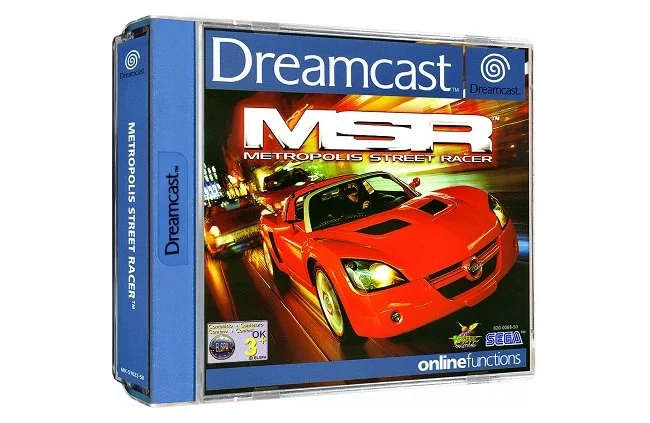
I recently came up with a random writing prompt for the annual Blaugust: Festival of Blogging event. Namely, “what is your favourite bassline in a song”? For clarity, Wikipedia defines a bassline as follows: Bassline is the term used in many styles of music, such as blues, jazz, funk, dub and electronic, traditional, and classical music, for the low-pitched instrumental part or line played by a rhythm section instrument such as the electric bass, double bass, cello, tuba or keyboard. As I thought of this prompt, it only seems fair that I tackle it myself. Hence, here are five songs that I feel have notable basslines, or that have bassplayers that play in a unique style. I am not especially musically talented myself and therefore not au fait with all the correct musical terminology. However, I will strive to quantify why I think each song is a good example.
I recently came up with a random writing prompt for the annual Blaugust: Festival of Blogging event. Namely, “what is your favourite bassline in a song”? For clarity, Wikipedia defines a bassline as follows: Bassline is the term used in many styles of music, such as blues, jazz, funk, dub and electronic, traditional, and classical music, for the low-pitched instrumental part or line played by a rhythm section instrument such as the electric bass, double bass, cello, tuba or keyboard. As I thought of this prompt, it only seems fair that I tackle it myself. Hence, here are five songs that I feel have notable basslines, or that have bassplayers that play in a unique style. I am not especially musically talented myself and therefore not au fait with all the correct musical terminology. However, I will strive to quantify why I think each song is a good example.
My Country - New Model Army. New Model Army are an English rock band from West Yorkshire. They were founded by lead vocalist, guitarist, and primary songwriter Justin Sullivan, along with bassist Stuart Morrow and drummer Phil Tompkins in 1980. Their musical style incorporates punk, folk, soul, metal, and classical genres. Their lyrics encompass themes ranging from overtly political to the spiritual. Bassist Stuart Morrow who played with the band for their first three albums has a notable bass style which is clear in My Country. The complex basslines has a distinct sound, allegedly due to Morrow using a 50 pence coin as a plectrum (although this may be apochryphal).
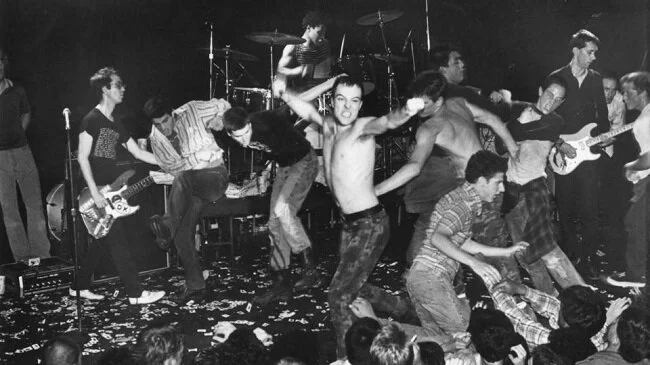
Winnebago Warrior - Dead Kennedys. Formed in San Francisco in 1978, Dead Kennedys greatly benefited from theatrical vocals of lead singer Jello Biafra and the robust bassplaying of Klaus Flouride (Geoffrey Lyall). Klaus Flouride played a Lake Placid Blue Fender Jazz Bass from 1966 that he purchased for $200 and this was his main bass guitar during his years with the band. His rapid basslines underpin many of the band’s best songs, such as Winnebago Warrior. A song about contemporary Americans trying to connect to their frontier roots through the medium of conspicuous consumption.
Hit Me With Your Rhythm Stick - Ian Dury and the Blockheads. Explaining the subtleties of Ian Dury and the Blockheads is a blog post in itself. One for another day. Hit Me With Your Rhythm Stick is one of the band’s greatest hits and was a number one hit in the UK in late 1978. Bass player Norman Watt-Roy famously created an exquisitely complicated, and fast-paced bassline consisting of sixteenth notes. At the time, many artists were amazed that he had devised such an intricate bassline for a song with such a simple overall structure. Many YouTube channels teaching or analysing bassplaying frequently cite this song as a benchmark and will wax lyrical about its musicality.
Mann gegen Mann - Rammstein. Oliver Riedel has been the bass player with Rammstein since the band’s formation in 1994. The line up has never changed. Rammstein’s songs are a blend of simplicity and variation, often featuring a main riff, verse-chorus structure, and strategic use of bridges. But this invokes the wider philosophy of less being more. Riedel’s basslines are catchy and drive the songs forward along with the percussion. Industrial metal as a genre, at first glance may not appear to require complexity in its rhythm section, just strength but Riedel is competent and can be varied in style. Mann gegen Mann features a strong bassline that reflects the emotional turmoil of the song’s themes.
Nice ‘n’ Sleazy - The Stranglers. One of the UK’s most underrated bands, The Stranglers have always been more than the sum of their parts. Emerging from the pub rock scene in the mid seventies, their aggressive play style had them pigeon holed by the media as a punk band. But their idiosyncratic style meant that they were never a slave to a specific genre, preferring to take influences from many. The Stranglers music is often driven by the bass and keyboards, provided respectively in their halcyon days by Jean-Jacques Burnel's melodic but brutal approach and Dave Greenfield’s sophisticated arpeggios. Nice ‘n’ Sleazy is the epitome of this formula. J. J. Burnel’s bassline announces itself immediately and remains a constant throughout the song.




My First PC
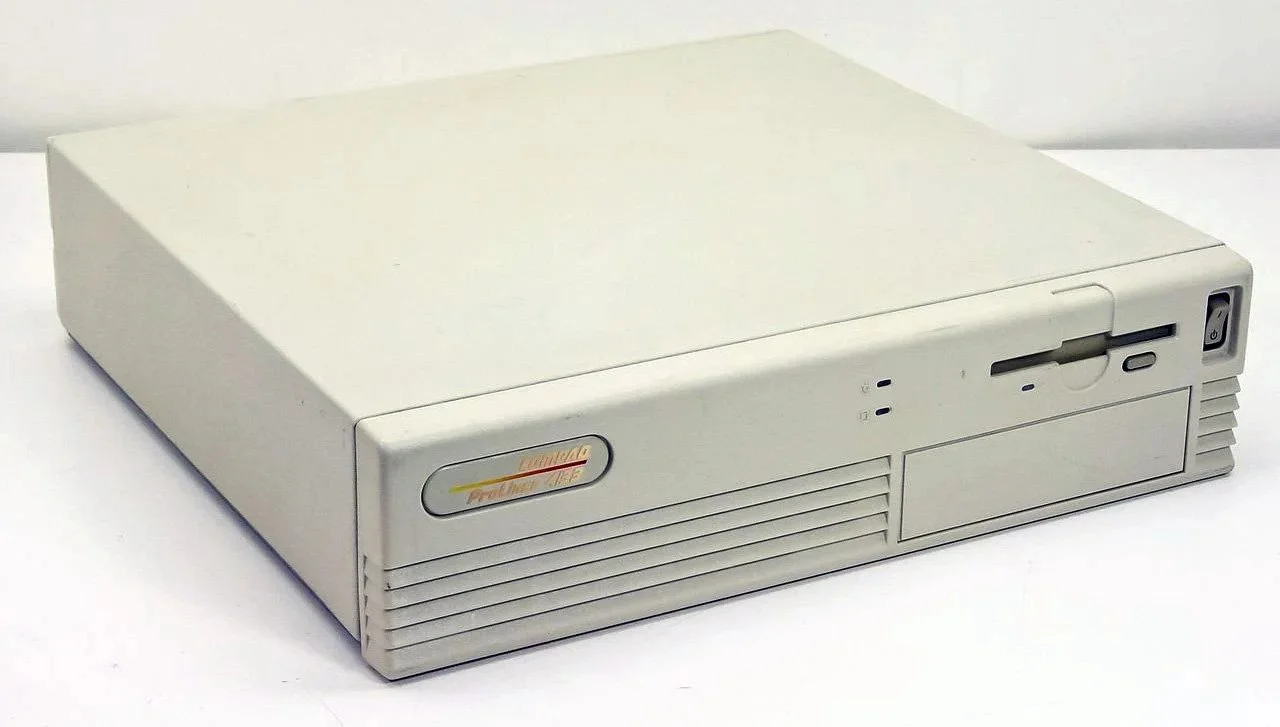
30 years ago, in early 1995, I bought my first PC, a second hand Compaq Prolinea 4/33. It had an Intel 486 DX processor, 340MB HDD, 4MB RAM, 3½-inch floppy disk drive and a 14-inch monitor with a screen resolution of 1024 x 768. It ran Windows 3.11 installed via MS-DOS 6.22. It didn’t come with a soundcard or a CD-ROM drive. I believe I paid around £750 or so at the time, which was approximately half its original retail price. This model was 2 or 3 years old when I bought it. However, at this time, PC specifications did not change as quickly as they do these days. Hence, this was a good starting point for someone new to computing. I subsequently upgraded the processor to a 486 DX2, increased the RAM to 16MB and installed a Creative Labs Sound Blaster AWE32 soundcard and CD-ROM drive.
30 years ago, in early 1995, I bought my first PC, a second hand Compaq Prolinea 4/33. It had an Intel 486 DX processor, 340MB HDD, 4MB RAM, 3½-inch floppy disk drive and a 14-inch monitor with a screen resolution of 1024 x 768. It ran Windows 3.11 installed via MS-DOS 6.22. It didn’t come with a soundcard or a CD-ROM drive. I believe I paid around £750 or so at the time, which was approximately half its original retail price. This model was 2 or 3 years old when I bought it. However, at this time, PC specifications did not change as quickly as they do these days. Hence, this was a good starting point for someone new to computing. I subsequently upgraded the processor to a 486 DX2, increased the RAM to 16MB and installed a Creative Labs Sound Blaster AWE32 soundcard and CD-ROM drive.
Windows 95 launched on 14th July 1995 and I became an early adopter. At the time home PCs were still not that common and I was fortunate to have two work colleagues that were similarly learning on the fly, like myself. We would often swap information or share news of a successful project or a failed experiment. This coupled with the wealth of PC related magazines that were available at the time, made me feel part of a very modern and dynamic community. Another invaluable source of information and place to hang out was the local PC repair shop. Whenever I visited, the owner would be holding court behind the counter with various acolytes hovering in the aisles asking questions about new products and each other’s latest upgrades. It was a great way to learn, free from the formal restrictions of the classroom.
I quickly began using my PC for both business and leisure. Formal letters and business correspondence were all now typed and saved as files. Finances were tracked via spreadsheets. As internet access was still rare, I had a copy of Microsoft Encarta Encyclopedia for reference. I used to enjoy playing Mindmaze, which came with it. I also bought my first game, Doom, which I played excessively. Overall, my initial purchase and upgrade was a major success. My PC did everything that I required and I was content. Until Quake was released the following year and I realised that my PC could not run it. Furthermore, the Compaq Deskpro M could not be upgraded any further. If I wanted to play Quake, it would require the purchase of a completely new PC based around a Pentium processor and a 3D graphics card. So began a decade-long struggle to try and stay up to date.
Today, my relationship with my PC has somewhat altered. It is still an invaluable tool that I use every day but it has lost its novelty and mystique. I have also elected to get off the neverending upgrade treadmill. I now buy what I can afford, as opposed to what I may like. The internet has gone from being a new frontier filled with promise, to just another commercial outlet and a source of irritation. Games are no longer things of wonder but disposable entertainment. The fact that they give them away after a short commercial lifecycle further enforces their sense of being ephemeral. It’s all a far cry from those early days of home computing. Memories of my first PC evoke a sense of nostalgia. Even the Windows 95 startup sound still resonates with me, as it always seemed to be the prelude to an adventure. Mainly because owning a home PC was still novel back then, as were all activities associated with it.
















Battlefield 6 Open Beta
I was reading through my RSS feed this morning and found a post by Heartless Gamer, regarding how Battlefield 6 requires Secure Boot enabled on your PC. If it is not, then the game will not launch and you’ll get an error message. Naturally, this raised several questions. First off, what is Secure Boot and do I have it on my PC? Well apparently it is a security feature that protects a computer from malware during the startup process, by verifying the digital signatures of bootloaders and other software components before they are allowed to run. By using the msinfo32 command in the Run Window, I determined that I do indeed have it and went directly to the BIOS and enabled it. The next question to address was, why have I not been invited to the open beta for Battlefield 6? I subsequently checked the EA Game Launcher and discovered that I had. So I installed the game.
I was reading through my RSS feed this morning and found a post by Heartless Gamer, regarding how Battlefield 6 requires Secure Boot enabled on your PC. If it is not, then the game will not launch and you’ll get an error message. Naturally, this raised several questions. First off, what is Secure Boot and do I have it on my PC? Well apparently it is a security feature that protects a computer from malware during the startup process, by verifying the digital signatures of bootloaders and other software components before they are allowed to run. By using the msinfo32 command in the Run Window, I determined that I do indeed have it and went directly to the BIOS and enabled it. The next question to address was, why have I not been invited to the open beta for Battlefield 6? I subsequently checked the EA Game Launcher and discovered that I had. So I installed the game.
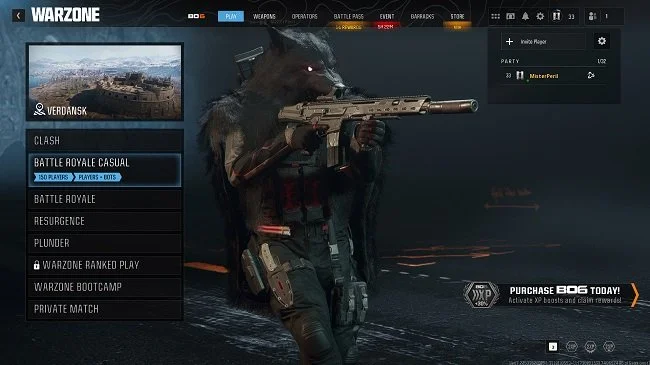
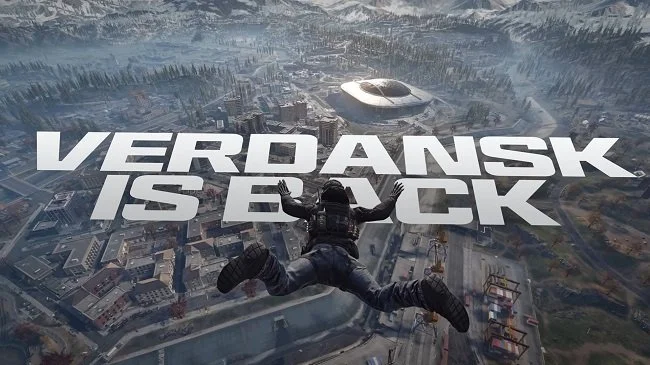
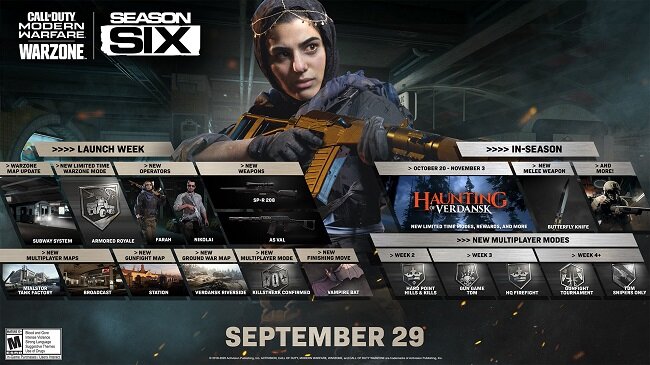
I like the Battlefield franchise and have played them all to varying degrees. I found Battlefield 3 to be the most enjoyable but a lot of that was due to the time and the place. Call of Duty: Warzone claimed my attention during the pandemic but that franchise has continuously shot itself in the foot over the intervening 5 years, with an innate ability to always make the wrong decision in development terms. Hence Battlefield 6 has appeared at the perfect time and the developers and publishers have made it abundantly clear that they’re aiming to take CoD’s crown. From what I’ve seen so far via the various reveal trailers, the game has embraced all its old school features and tempered them with the contemporary ones that work. So the game will have big maps, vehicles, environmental destruction, as well as a viable form of omnimovement, a variety of game modes and an aesthetic that stays broadly with “milsim” parameters.
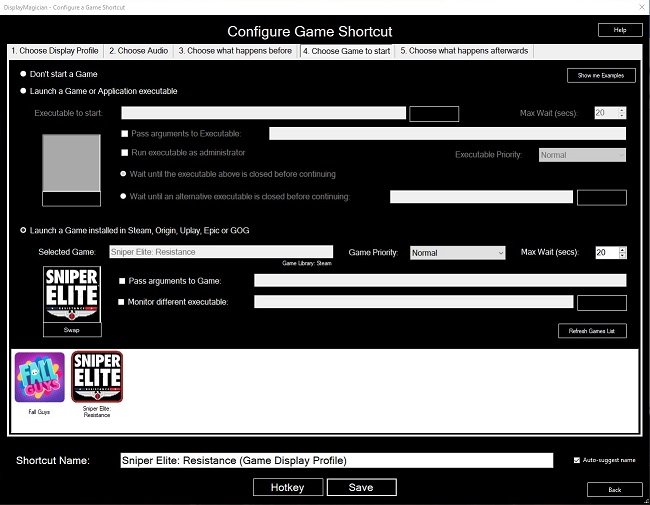
The first major open beta test for Battlefield 6 multiplayer is on the 9th-10th August. I have checked my PCs specifications and they are close enough to the recommended settings, which are as follows: Processor: AMD Ryzen 7 3700X or Intel Core i7-10700. Memory: 16GB. Graphics Card: AMD Radeon RX 6700-XT or Nvidia RTX 3060Ti. Direct X: DX12. Hard Drive Space: SSD - 80GiB. I have started the game client to see if I need to optimise any settings but the game by default seems to have gotten the measure of my PC and set everything accordingly. The only minor issue I’ve encountered so far is that I cannot get the game to switch to using my second monitor. My go to app, DisplayMagician, that usually resolves this problem has not managed to do so at present. However, I can simply change the default monitor within Windows if need be.
Although optimistic about Battlefield 6, I am aware that YouTube footage curated by influencers gives a somewhat skewed perspective. Edited highlights show all the fun aspects of a gaming session that could have lasted hours. In between those highlights there’s a lot of arbitrary gameplay, more so during a beta. Players are busy learning the maps and trying to get around efficiently. Hence you don’t see the endless runs from the spawn point to the battlezone, only to get immediately shot by a well positioned sniper. It also takes a while to learn how to effectively use vehicles in any Battlefield game, so many of us won’t be pulling off any fancy moves immediately. Yet despite these reasonable caveats, I am hoping that this latest iteration of the franchise maintains its past equanimity. Offering useful roles to players of all skill, thus providing an entertaining experience.

Upgrading My Blog: Part 1 The Plan
Last year, prior to Blaugust 2024, I looked at the viability of upgrading or replacing my current blog template. The mobile version of Contains Moderate Peril holds up quite well but the site looks somewhat tired on a desktop PC. I spoke to several design companies that dealt with Squarespace based websites and they all said the same thing. The existing template is a decade old and cannot support a lot of the current functionality available. Hence it needs to be replaced. However, such a change could potentially break the existing formatting of nearly 2,000 posts. This would create a great deal of work. Hence, I decided at the time to postpone such a decision and I simply tinkered with the branding of my website and left the matter be. A year later and the issue has resurfaced. The same problems exist and the hosting costs for Squarespace have increased. I now pay £16 a month.
Last year, prior to Blaugust 2024, I looked at the viability of upgrading or replacing my current blog template. The mobile version of Contains Moderate Peril holds up quite well but the site looks somewhat tired on a desktop PC. I spoke to several design companies that dealt with Squarespace based websites and they all said the same thing. The existing template is a decade old and cannot support a lot of the current functionality available. Hence it needs to be replaced. However, such a change could potentially break the existing formatting of nearly 2,000 posts. This would create a great deal of work. Hence, I decided at the time to postpone such a decision and I simply tinkered with the branding of my website and left the matter be. A year later and the issue has resurfaced. The same problems exist and the hosting costs for Squarespace have increased. I now pay £16 a month.
Theoretically, a change of template would require every post to be updated. Hence, it may be time to consider a change of host and migrating the site, as it would potentially entail just as much work. There is also the chance that I can reduce the operating costs of running a blog. However, I find the prospect of such an undertaking singularly unappealing. Mainly because a project of this nature requires research. The internet is extremely useful for some types of research and certain information can be ascertained quickly and efficiently. However, when it comes to the subjective nature of product comparisons, research quickly becomes bogged down in tedious partisan reviews and blinkered brand loyalty. And then of course there is my favourite “Bête noire”, people who are incapable of understanding the concept of a budget. “If you spend another £100 you can…”. Nope, not having that.
Now I could outsource all of this work to a third party contractor. It may well cost £3,000 plus but that’s the going rate and the nature of the beast at present. As I get older I like the notion of someone else doing all the heavy lifting, while I sit at home, drink gin and underwrite the project. However, finding a good contractor requires that I first determine whether or not to move to another platform. Once that decision has been made, I then need to research an established and reliable web development company. So it looks like whatever I do, I am going to have to start trawling the internet and reading reviews and recommendations. Deep joy etc. Mind you, there are a lot of knowledgeable folk on the Blaugust Discord server. Perhaps seeking advice there may be a good starting point.
Finally, a plan becomes apparent. I shall determine if there is a suitable alternative platform to host Contains Moderate Peril. I’m not looking for a minimalist site. I want to be able to post scalable images, especially for film reviews etc. I also want the template to have a contemporary feel to it. I tend to favour magazine formats. Once I’ve identified such a service, I can then decide whether to migrate my existing site or whether to stay with Squarespace and revamp my site there. Finally, once there is a clear plan, I can determine the cost and offset that against my overall budget for this project. I shall continue to document this ongoing process as a series of blog posts. Mainly for therapy, as this is likely to be a stressful and annoying project. I may tangentially write another post titled “why do hobbies cost so much damn money”?
Fluke (1995)
Fluke is a curious film about a man who is reincarnated as a dog and his subsequent realisation that he may have been murdered. It takes an adult novel by British author James Herbert, which is filled with philosophical musing and strives to adapt it in a far more family friendly fashion. The result is a somewhat bipolar production which thematically alternates between existential introspection and Buddhism. It then strives to deliver its message in a Disneyesque idiom. Children will potentially be confused and upset by what they see and adults will be wrongfooted by the continual shift in tone. Fluke was not a critical or commercial success upon release and the flaws that were identified by critics at the time still ring true today. That being said, Fluke is still an interesting and entertaining film, despite its faults.
Fluke is a curious film about a man who is reincarnated as a dog and his subsequent realisation that he may have been murdered. It takes an adult novel by British author James Herbert, which is filled with philosophical musing and strives to adapt it in a far more family friendly fashion. The result is a somewhat bipolar production which thematically alternates between existential introspection and Buddhism. It then strives to deliver its message in a Disneyesque idiom. Children will potentially be confused and upset by what they see and adults will be wrongfooted by the continual shift in tone. Fluke was not a critical or commercial success upon release and the flaws that were identified by critics at the time still ring true today. That being said, Fluke is still an interesting and entertaining film, despite its faults.
A mongrel street dog puppy is adopted by a elderly homeless lady called Bella (Collin Wilcox Paxton). She names him Fluke (Matthew Modine). After Bella dies, Fluke is befriended by a street-wise dog called Rumbo (Samuel L. Jackson) who teaches him to live in the moment. Fluke and Rumbo spend time with Bert (Bill Cobbs) who runs a burger stand. They also visit a scrapyard, run by Boss (Jon Polito). Fluke has recurring dreams about a man and a car crash. He eventually recalls a past life in which he was a successful businessman who had a wife and son. He feels compelled to seek them out and leaves Rumbo on bad terms. After tracking down his former wife, Carol (Nancy Travis) and son, Brian (Max Pomeranc), he eventually becomes their family dog. When his ex-business partner Jeff (Eric Stoltz) arrives Fluke suspects he may have been murdered by him in his former life and seeks to protect his family.
Director Carlo Carlei gained the attention of MGM studios, when they acquired the US distribution rights for his previous Italian film, Flight of the Innocent. He was given a one picture deal and subsequently wrote an adaptation of the James Herbert novel. Being an international filmmaker, Carlei takes a far more matter of fact approach to some of the story’s more adult themes. People die and the world moves on. Animals are treated cruelly. At one point Fluke is stolen and used for experiments by a cosmetic company. Later during a car crash, he is thrown through the windscreen. Although not particularly graphic, these scenes are shown candidly, lacking the emotional soft pedalling common to US filmmaking. However, many other scenes involving Fluke and Rumbo’s adventures are shot in the style and manner you’d expect from this genre.
Despite the rather unbalanced style and approach to the subject matter, Fluke has a respectable cast and production values. Performances are solid and the cinematography by Raffaele Mertes is colourful and quite dynamic. There is also a suitably poignant score by Italian composer Carlo Silotto, who doesn’t usually write for many mainstream US productions, as he doesn’t view them favourably. What CGI there is is mainly confined to brief glimpses of the afterlife. Overall Fluke gets its story across in an efficient 96 minutes. If it had been made by an independent studio and leaned more into the darker themes of the plot, it could have been a superior film. As to how contemporary audiences receive it, that remains a lottery. If you watch Fluke with the understanding that it’s not Homeward Bound: The Incredible Journey and the ending is not especially happy, then you’re better prepared.
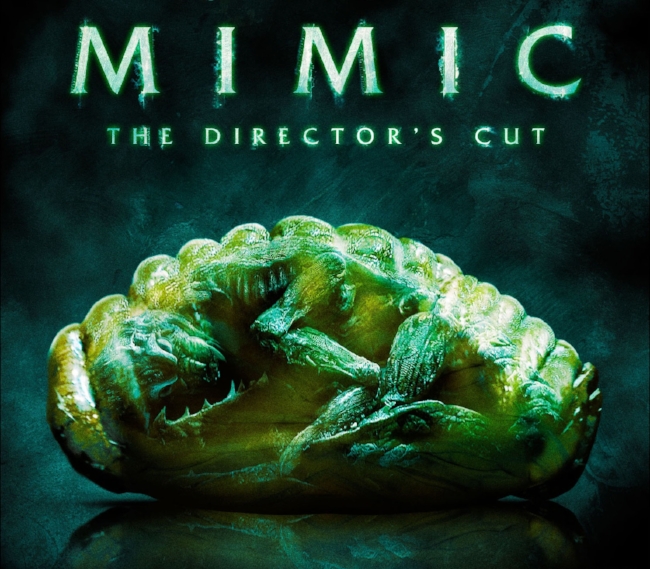

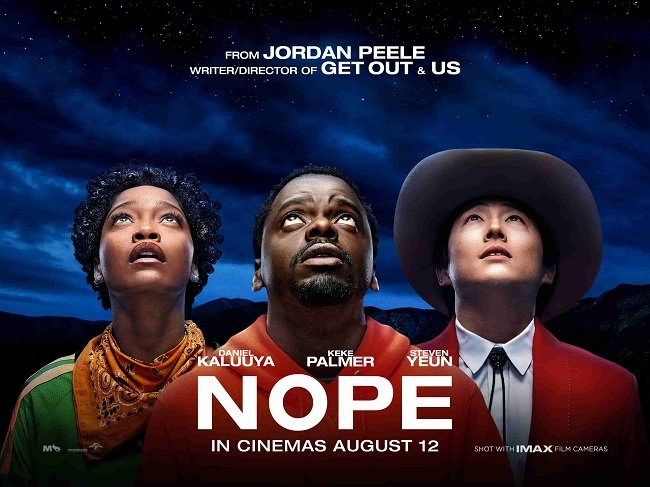




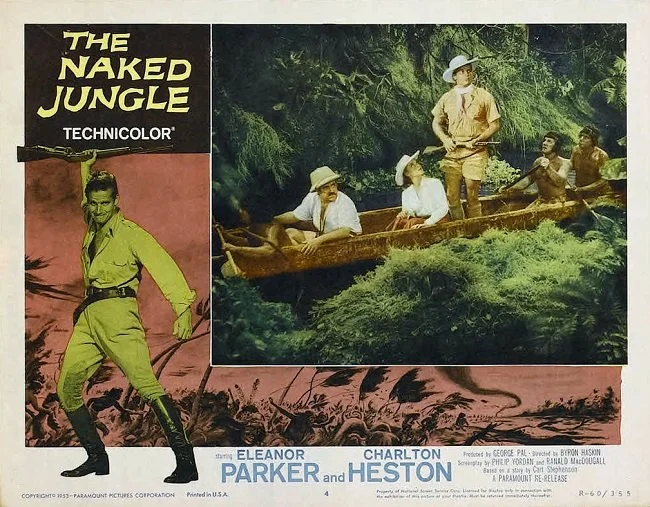
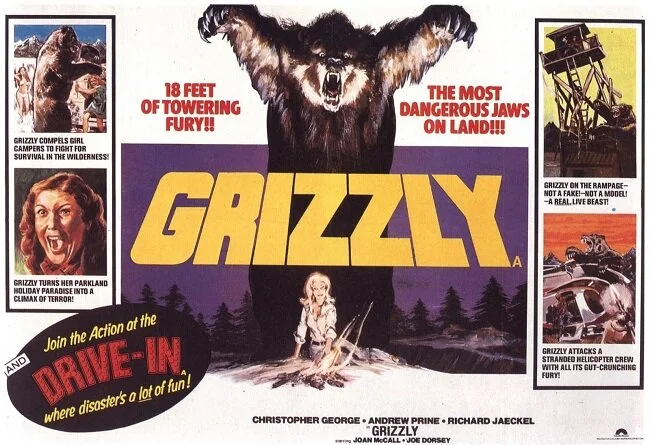
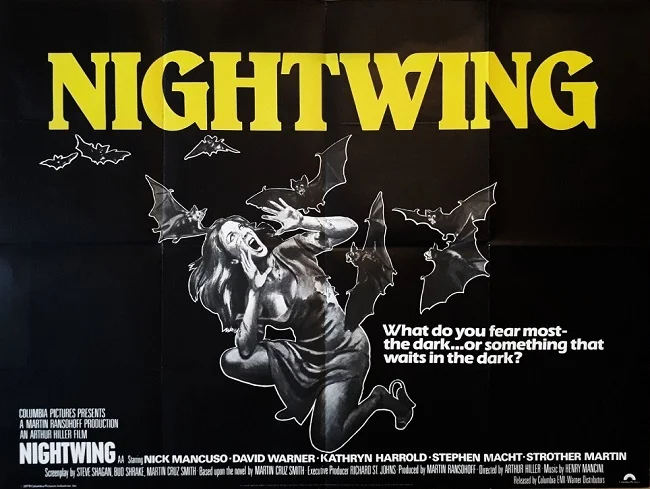


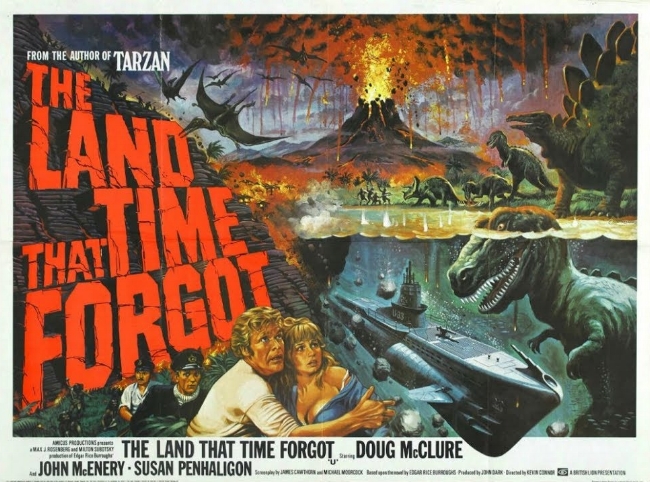
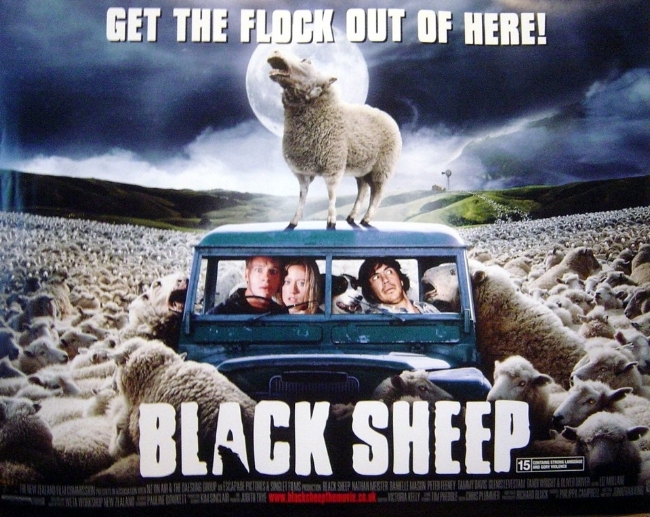
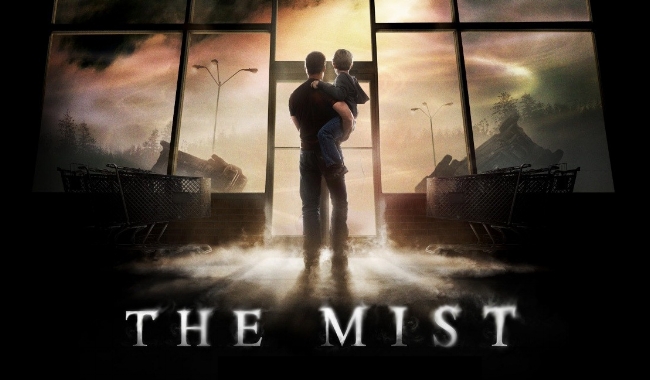










The Art of Packing Your Groceries
One of the things I enjoy most about having my own blog is the fact I can write about the mundane and the trivial. Mainly because so much of life falls into this category. Life defining events are all fine and dandy and certainly lend themselves to philosophical musings that make fine blog posts. However, you can get just as much mileage out of those everyday things in life with less gravitas, that we all do. Such as buying new clothes, taking out the recycling and going to buy groceries. I have written about all of these in the past. However, today I wish to broach a subject that both fascinates me but also raises my blood pressure. I believe it to be a social marker and a clear indication of an individual’s personal psychology. Yes, I’m talking about packing your groceries at the supermarket and the various rituals and social etiquette associated with it.
One of the things I enjoy most about having my own blog is the fact I can write about the mundane and the trivial. Mainly because so much of life falls into this category. Life defining events are all fine and dandy and certainly lend themselves to philosophical musings that make fine blog posts. However, you can get just as much mileage out of those everyday things in life with less gravitas, that we all do. Such as buying new clothes, taking out the recycling and going to buy groceries. I have written about all of these in the past. However, today I wish to broach a subject that both fascinates me but also raises my blood pressure. I believe it to be a social marker and a clear indication of an individual’s personal psychology. Yes, I’m talking about packing your groceries at the supermarket and the various rituals and social etiquette associated with it.
Now before we begin, it has come to my attention that in some countries, such as the US, there is a culture of having a grocery clerk undertake this task for you. However, research indicates that this practice is declining due to the increased use of reusable bags and the desire for faster checkout lines. Self-checkouts are also a factor (something else I have strong views on but that, alas, is another blog post). So this disparity may not be such a major distinction, as it previously was. Moving on, let me set the scene for that which I wish to discuss. Imagine if you will, that you’ve gone to the grocery store/supermarket of your choice at a fairly busy time of day. You’ve finished your shopping and are now in the checkout queue. The customer in front is currently having their items scanned and there is now space on the conveyor belt for you to place your groceries.
Firstly, how do you organise your shopping on the conveyor belt? I favour a process of segregation according to size, weight and whether an item has come from a cooler/refrigerator/freezer. Cold items cause condensation to form so you don’t want them coming into contact with specific things such as a magazine or birthday cards. Next when packing begins the following protocols are followed. Weighty items are evenly spread between bags with lighter objects placed on top. An item’s category and where it goes once home also affects which bag it is packed in. We keep a stock of household cleaning products in our garden shed, along with a supply of toilet paper. Bags packed with such products can then be conveniently taken directly to their respective destinations. Finally, fragile items, such as eggs and crisps, are packed last of all and cushioned with bread etc. When required we will use bespoke bags for bottles or hot food.
Next, after this efficient undertaking is complete, there is the matter of paying the checkout operator/cashier. Fumbling, dithering and any other form of being unprepared is verboten and a cardinal sin that will invoke much tutting and “hard stares” from other customers waiting in the queue. Hence cash or cards must be provided post haste. There is usually a LED display facing the customer indicating the price as goods are scanned. Use this visual cue so you can be prepared. While you pack your bags, it is socially acceptable and indeed, civil, to make “small talk” with the checkout operator/cashier. However, once you have paid, do not linger relating anecdotes pertaining to your last enema or the birds on Mrs. Coltarts roof, as you will unnecessarily delay the next customer. This again will invoke tutting and further social admonishment.
The process I’ve described is best carried out by two people and is a skill that Mrs P and I are well versed in. We have experimented with aspects of this procedure over the years, segregating items according to atomic weight and taking into account the Beaufort scale as well as sun spot activity. We have found the current method the most efficient and self righteous. Of course, there are other methods for packing your bags. Many people prefer a more “free style” approach, wreaking havoc in their wake. Make note of such individuals and act accordingly, come the revolution. Mrs P thinks I take these matters too seriously and there are worse crimes to commit. Indeed there are, like that blasphemous act of eating an item in store, before you’ve paid for it and presenting the cashier with an empty wrapper and barcode. I believe there’s a new eighth circle of hell reserved for such barbarians.

Blogging: 10 Things Not To Do
Oh look, another blogging advice post. What a surprise. I suppose the internet is awash with such information. Furthermore, a lot of that advice comes from a commercial perspective and the assumption that the writer intends to monetise their blog right from the start. The notion of writing for pleasure or fandom sometimes seems to get drowned out in all the online white noise. Anyhow, I’m going to offer up for your consideration, 10 tips of things not to do when you start a blog. I’m sure I’ve mentioned some before or even written a similar post that is now buried somewhere in Contains Moderate Peril. But good advice bears repeating and it is the first day of Blaugust: Festival of Blogging 2025 I think it prudent to make such a post. Please note these are not technical points such as using SEO or alt text etc. This is more about your approach to blogging as well as some practical logistical considerations.
Oh look, another blogging advice post. What a surprise. I suppose the internet is awash with such information. Furthermore, a lot of that advice comes from a commercial perspective and the assumption that the writer intends to monetise their blog right from the start. The notion of writing for pleasure or fandom sometimes seems to get drowned out in all the online white noise. Anyhow, I’m going to offer up for your consideration, 10 tips of things not to do when you start a blog. I’m sure I’ve mentioned some before or even written a similar post that is now buried somewhere in Contains Moderate Peril. But good advice bears repeating and it is the first day of Blaugust: Festival of Blogging 2025 I think it prudent to make such a post. Please note these are not technical points such as using SEO or alt text etc. This is more about your approach to blogging as well as some practical logistical considerations.
Don’t spend a penny until you know you like blogging: You have all the tools you need to start a blog at your disposal already. A computer, internet access and a wealth of free online resources. There are numerous blogging platforms that offer a basic free tier of access, so there is no need to buy a subscription or any additional software to begin with. Write in plaintext and edit any pictures using free online apps. First and foremost, find out if you like writing and whether you can sustain it as a hobby. If you do and you can, then you can think about buying a domain and buying any additional services.
Don't write just for yourself: Writing primarily for yourself remains prudent advice, as opposed to chasing what is deemed “popular”. However, it is wise to consider your audience and to follow up on content that has been well received. Write about a spectrum of subjects and see what gains traction. Establish shared interests and then explore them. Also add your voice to topical debates if you feel strongly about them or have something useful to contribute. If you receive any requests from readers to write about a specific subject do give it serious consideration.
Don't be inconsistent: Establish a regular posting schedule and stick to it to keep your audience engaged. Yes, I know this is hard and real life will often scupper your plans but it is an established fact that if you write regularly, your readers stick around. That being said, your schedule doesn’t have to be daily. Once a month is perfectly fine. Ultimately it is the consistency that readers like.
Don’t be afraid to express an opinion: Social media and other online communities can be a bear pit at times. No one especially wants or enjoys internet pile-ons and unpleasant comments. Hence some people won’t touch certain subjects with a bargepole and consider religion and politics verboten. This is a mistake. Treat your blog like your home. “My house, my rules”. You’re not obliged to justify yourself and do not have to tolerate abuse. Offensive comments can be deleted, without the need for a rebuttal. Everytime anyone is shouted down online or the threat of such behaviour actually stops you from expressing an opinion, it is only the bad guys who win. Tread boldly, write freely.
Don’t pander to the lowest common denominator to get clicks: With regard to the previous point, there is a wealth of difference between espousing genuinely held opinions and indulging in “hot takes” and “shitposting” just to get website traffic. The former is a democratic freedom that comes with some degree of personal responsibility. The latter just makes the internet shittier and is the prerogative of gits.
Don't ignore the benefits of networking: Connect with other bloggers in your niche and build relationships. Promote other blogger’s content and vice versa. Make friends with like minded individuals and riff off each other’s work. Be vocal in your praise. This is how communities are built.
Don't ignore analytics: Use tools like Google Analytics to track your blog’s performance and identify how your writing performs. Such information can provide useful feedback. However, do not become a slave to this data and do not allow yourself to obsess over it. Data is just that and nothing more. Do not take it personally if a post you feel is your best work doesn’t gain any traction.
Don't be afraid to experiment: Try different content formats, writing styles and subject matters. Blogging is a skill that grows over time. Therefore, throw a variety of material at your readers and see what works and what doesn’t. Apply this philosophy not only to your writing but to your blog template as well. There is nothing more frustrating to a blogger than being constrained by the boundaries that you have imposed upon yourself.
Don’t worry about the calibre of your posts: Not every post has to be comparable to the Gettysburg Address or Meditations by Marcus Aurellius. A simple post about your cat or collection of pogs can find an audience just as well as a weighty dissertation on early Etruscan pottery. The internet connects roughly two thirds of the world’s population. That’s 5.56 billion people. If you want to create a fansite about The Littlest Hobo, then you can potentially find an audience.
Don't be discouraged by slow progress: Building a successful blog takes time and effort. In fact the criteria for success is very subjective to begin with and an entire blog post in itself. However, whatever you are seeking from writing online, be it fame or just the pleasure of regularly sharing your thoughts with others, it takes dedication and a lot of writing before you reach the point where you feel that you have “everything at your fingertips”. Instant results are just as much a fantasy in blogging as they are in most other creative endeavours. Therefore, be patient, be consistent and don't give up. Or if you’re a Galaxy Quest fan, “Never give up. Never surrender”.
Enjoy Blaugust.
The Key to Writing
What is the key to writing? It is a question that most new bloggers ponder. It’s also something that older, established bloggers consider on a regular basis. The subject has been dissected, analysed and written about at great length over the years and there is plenty of advice available online. You’ll find millions of websites telling you to consider picking the right niche or subjects, how to find your voice and writing style, as well as establishing a regular publishing schedule. Not all the advice out there is good and not all of it is bad. There certainly isn’t any “one size fits all” solution. There are multiple factors to consider when you start writing and you have to find answers that suit you. All forms of writing are a personal form of self expression and unique to their author. Therefore, one’s approach to writing should be similarly personal and unique.
What is the key to writing? It is a question that most new bloggers ponder. It’s also something that older, established bloggers consider on a regular basis. The subject has been dissected, analysed and written about at great length over the years and there is plenty of advice available online. You’ll find millions of websites telling you to consider picking the right niche or subjects, how to find your voice and writing style, as well as establishing a regular publishing schedule. Not all the advice out there is good and not all of it is bad. There certainly isn’t any “one size fits all” solution. There are multiple factors to consider when you start writing and you have to find answers that suit you. All forms of writing are a personal form of self expression and unique to their author. Therefore, one’s approach to writing should be similarly personal and unique.
However, I think there is one piece of universal advice that can be given and it’s pretty simple. Be yourself. Write what you think, feel and believe. Write with conviction. I don’t care for the phrase “authentic” as I feel that it has been diminished in contemporary parlance. It currently sounds like a buzzword associated with a grift. So I will use the word “sincere” instead. Being sincere and writing what you genuinely feel gives your posts emotional mass. If you simply knock out a few paragraphs about something you’re not invested in or do not truly believe, it comes across in your prose. Genuine passion bleeds through into your words and gives them resonance. Regular people like sincerity and honesty. As for bullshit, we get enough of that already in our lives from politicians and big business. We don’t need any more.
Now you may worry that such advice is a bit fancy and “highfalutin” and not applicable to your blog about your Rubber Ducky collection. I beg to differ. If you pour love and passion into your blog posts, you’ll find that they become a lot easier to write. One of the things I enjoy immensely about Blaugust: Festival of Blogging is the broad spectrum of subjects that people write about. Often the bloggers themselves are just as fascinating as their niche, specific writings. So to recap, the single most important piece of advice I can share about blogging is to just write like you mean it. Think about the things that you like and as you smile, start writing. Congratulations, you’ve just written a blog post and started a conversation. That’s how communities are built.