Upgrading My Blog: Part 1 The Plan
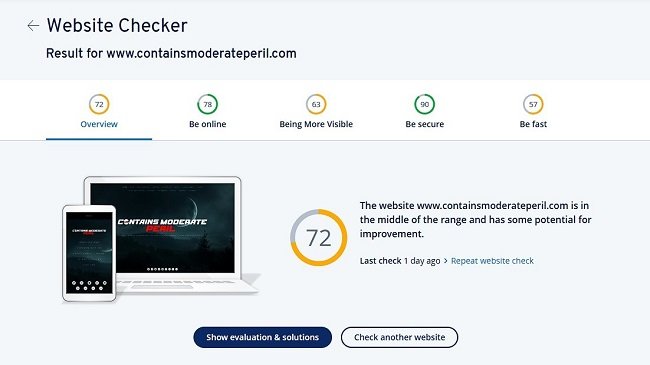
Last year, prior to Blaugust 2024, I looked at the viability of upgrading or replacing my current blog template. The mobile version of Contains Moderate Peril holds up quite well but the site looks somewhat tired on a desktop PC. I spoke to several design companies that dealt with Squarespace based websites and they all said the same thing. The existing template is a decade old and cannot support a lot of the current functionality available. Hence it needs to be replaced. However, such a change could potentially break the existing formatting of nearly 2,000 posts. This would create a great deal of work. Hence, I decided at the time to postpone such a decision and I simply tinkered with the branding of my website and left the matter be. A year later and the issue has resurfaced. The same problems exist and the hosting costs for Squarespace have increased. I now pay £16 a month.
Last year, prior to Blaugust 2024, I looked at the viability of upgrading or replacing my current blog template. The mobile version of Contains Moderate Peril holds up quite well but the site looks somewhat tired on a desktop PC. I spoke to several design companies that dealt with Squarespace based websites and they all said the same thing. The existing template is a decade old and cannot support a lot of the current functionality available. Hence it needs to be replaced. However, such a change could potentially break the existing formatting of nearly 2,000 posts. This would create a great deal of work. Hence, I decided at the time to postpone such a decision and I simply tinkered with the branding of my website and left the matter be. A year later and the issue has resurfaced. The same problems exist and the hosting costs for Squarespace have increased. I now pay £16 a month.
Theoretically, a change of template would require every post to be updated. Hence, it may be time to consider a change of host and migrating the site, as it would potentially entail just as much work. There is also the chance that I can reduce the operating costs of running a blog. However, I find the prospect of such an undertaking singularly unappealing. Mainly because a project of this nature requires research. The internet is extremely useful for some types of research and certain information can be ascertained quickly and efficiently. However, when it comes to the subjective nature of product comparisons, research quickly becomes bogged down in tedious partisan reviews and blinkered brand loyalty. And then of course there is my favourite “Bête noire”, people who are incapable of understanding the concept of a budget. “If you spend another £100 you can…”. Nope, not having that.
Now I could outsource all of this work to a third party contractor. It may well cost £3,000 plus but that’s the going rate and the nature of the beast at present. As I get older I like the notion of someone else doing all the heavy lifting, while I sit at home, drink gin and underwrite the project. However, finding a good contractor requires that I first determine whether or not to move to another platform. Once that decision has been made, I then need to research an established and reliable web development company. So it looks like whatever I do, I am going to have to start trawling the internet and reading reviews and recommendations. Deep joy etc. Mind you, there are a lot of knowledgeable folk on the Blaugust Discord server. Perhaps seeking advice there may be a good starting point.
Finally, a plan becomes apparent. I shall determine if there is a suitable alternative platform to host Contains Moderate Peril. I’m not looking for a minimalist site. I want to be able to post scalable images, especially for film reviews etc. I also want the template to have a contemporary feel to it. I tend to favour magazine formats. Once I’ve identified such a service, I can then decide whether to migrate my existing site or whether to stay with Squarespace and revamp my site there. Finally, once there is a clear plan, I can determine the cost and offset that against my overall budget for this project. I shall continue to document this ongoing process as a series of blog posts. Mainly for therapy, as this is likely to be a stressful and annoying project. I may tangentially write another post titled “why do hobbies cost so much damn money”?


















LOTRO: 64-Bit Server Migration Part 1
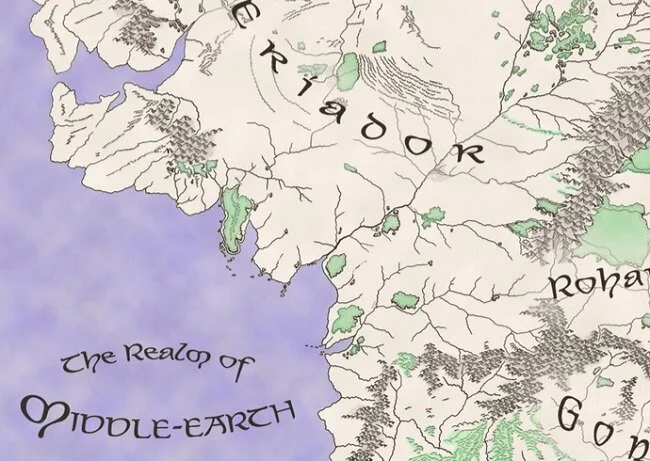
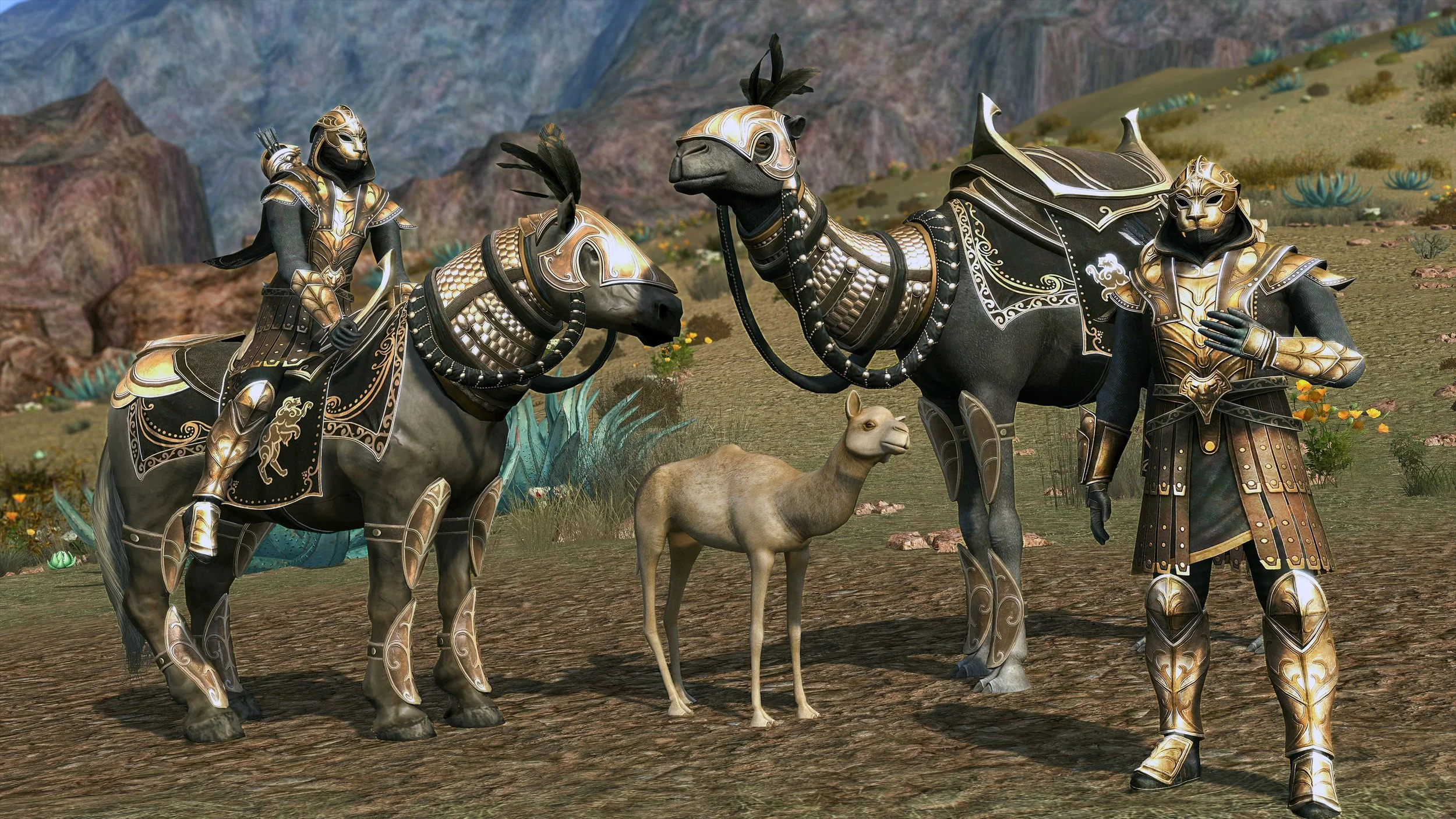
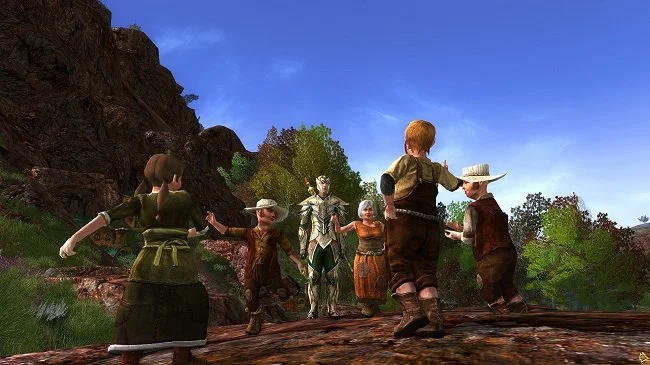
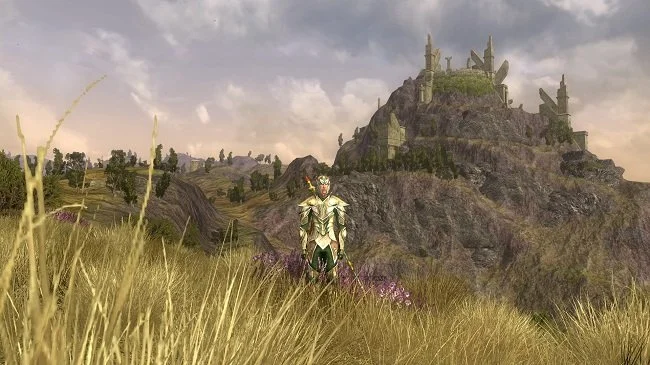
What Massively Overpowered calls LOTRO’s “Great Server Migration” began today. The MMORPG The Lord of the Rings Online has opened 4 new 64-bit servers in conjunction with the 2 existing 64-bit legendary servers and the long term plan is to migrate all current players over to them. Eventually, the 32-bit legacy servers will be shut down, however that is a long way off at present. As of today, VIP players can select a new server, log into it and create new characters with their desired names. These placeholder characters cannot be played at present but can be used to reserve names. Tomorrow, if all goes well, the new servers formally open and free transfers begin. Players can then delete placeholder characters and rename alts that they have migrated, thus restoring desired names. It should be noted that none of this is mandatory and players can remain on the old servers for the present.
What Massively Overpowered calls LOTRO’s “Great Server Migration” began today. The MMORPG The Lord of the Rings Online has opened 4 new 64-bit servers in conjunction with the 2 existing 64-bit legendary servers and the long term plan is to migrate all current players over to them. Eventually, the 32-bit legacy servers will be shut down, however that is a long way off at present. As of today, VIP players can select a new server, log into it and create new characters with their desired names. These placeholder characters cannot be played at present but can be used to reserve names. Tomorrow, if all goes well, the new servers formally open and free transfers begin. Players can then delete placeholder characters and rename alts that they have migrated, thus restoring desired names. It should be noted that none of this is mandatory and players can remain on the old servers for the present.
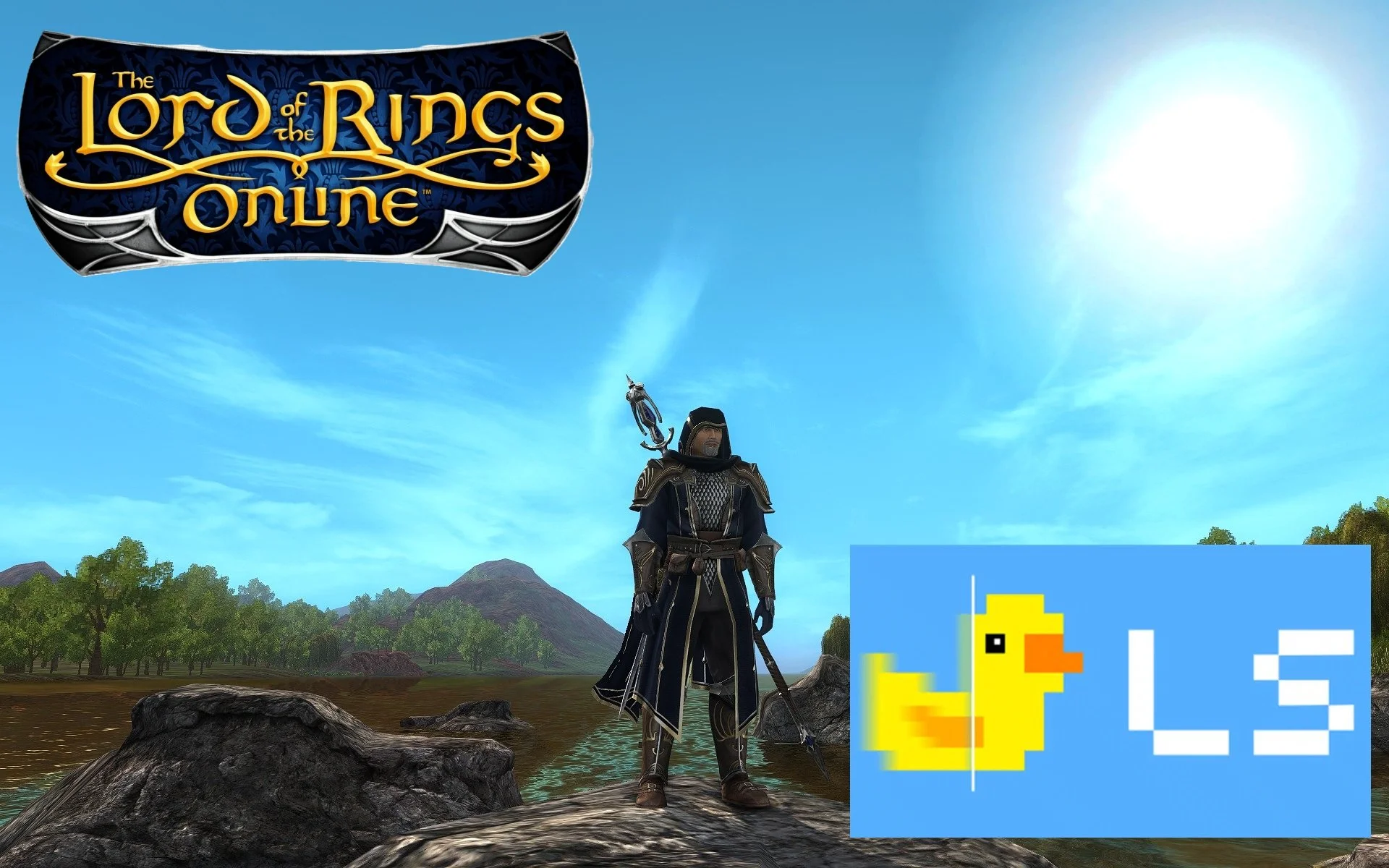
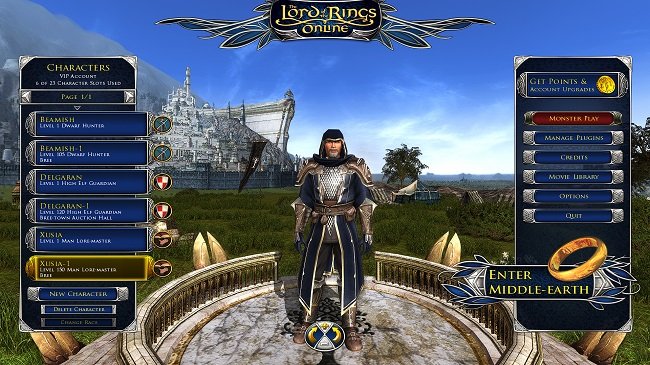
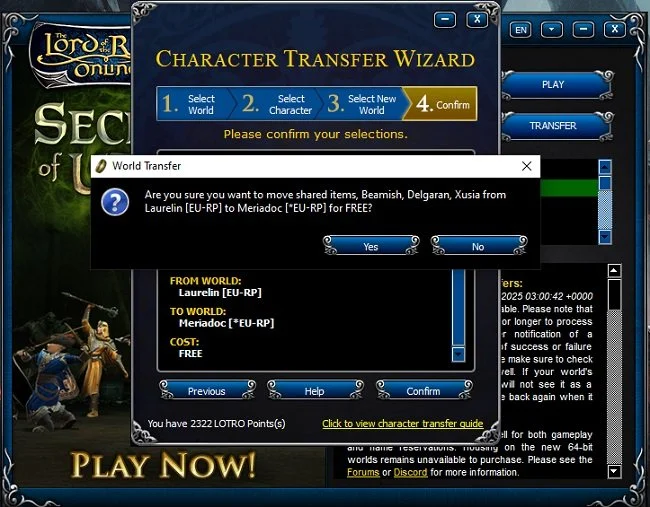
LOTRO developers Standing Stone Games offer comprehensive guidance with regard to migrating characters, moving player houses and transferring kinships to the new servers. So I decided to create a placeholder character and reserve the name of my primary alt. At present all my characters reside on Laurelin which is an EU RP server, therefore I have decided to move to Meriadoc which is the new 64-bit equivalent server. Hence, at 5:00 PM GMT I attempted to log into LOTRO and begin the process. Let it suffice to say that the number of players attempting to do the same had an impact upon response times but after a while I could log in to the game and select Meriadoc from the server list. I successfully created a placeholder alt for my primary character. Having secured the name of my beloved Lore-master that I have exclusively played since late 2008, I logged out of the game.
I have chosen not to secure the names of my remaining two alts, mainly because I seldom play them and have precious little attachment to them. I have also decided to sell my existing Premium House on my current server and not to repurchase it when I transfer to the new one. The house as it stands is just a virtual warehouse, mainly for unused housing items. As I don’t craft and seldom visit it, I just don’t see the point of having it anymore. Plus the prospect of having to redecorate a new home is singularly unappealing. Hence, for the meantime, I will just concentrate on moving my Lore-master. Upon arrival I suspect I shall be throwing away a lot of unwanted items and generally decluttering. At present, my kinship doesn’t have a plan to move, so I’m monitoring the situation. It may be time to move on and find a new one. Let us see what tomorrow brings.








Watching TV Part 1
I recently visited my local branch of the British Heart Foundation. This is a chain of UK charity shops that sell previously owned furniture and electrical goods, all of which are certified to be in good working order. It’s one of the few places where you’ll still find old school CRT televisions. These mainly come from house clearances. On this occasion, a particularly bulky model from the early 2000s was on display and despite its age, it still had a good, clear picture. I spoke to a member of staff and apparently these TVs are still popular with gamers who buy them for use with retro video games consoles. I felt especially nostalgic for this particular ageing Sony TV, because Mrs P and I had once owned a similar model. We bought it from a local department store (which no longer exists) and I remember it took two robust gentlemen to deliver it and install it.
A Widescreen Panasonic CRT TV
I recently visited my local branch of the British Heart Foundation. This is a chain of UK charity shops that sell previously owned furniture and electrical goods, all of which are certified to be in good working order. It’s one of the few places where you’ll still find old school CRT televisions. These mainly come from house clearances. On this occasion, a particularly bulky model from the early 2000s was on display and despite its age, it still had a good, clear picture. I spoke to a member of staff and apparently these TVs are still popular with gamers who buy them for use with retro video games consoles. I felt especially nostalgic for this particular ageing Sony TV, because Mrs P and I had once owned a similar model. We bought it from a local department store (which no longer exists) and I remember it took two robust gentlemen to deliver it and install it.
For much of my life, televisions have been expensive, bulky devices that no matter where you put them, always became the focal point of the room. During the seventies TVs were the primary source of household entertainment and most families did not have any additional devices connected to them. It was not until the eighties that VCRs and games consoles grew in popularity and became more commonplace peripheral devices. Today in contrast, a TV is usually part of a wider home entertainment system, potentially consisting of some sort of DVR, a games console, a DVD/Blu-ray player and a surround sound system. The TV and some of these other devices will all be connected to the internet and provide access to streaming services. It is no longer even considered essential to have access to a cable, satellite or digital terrestrial source. Some households are happy to rely purely on the internet.
Anyone remember Tivo?
Returning to the title of this post, I think we are all fully aware that we watch TV in a much different manner to how we did thirty years ago. So this is not the central point of this article, although I may come back to it. On this occasion I am curious not so much about peoples specific viewing habits but rather the medium they use to watch. For example, I remember working with someone who due to their constant travelling, watched primarily via their tablet. My granddaughters used to do the same, until they got TVs in their bedrooms. For them, family viewing is a rarity. Furthermore, they tend to watch specific shows via streaming or YouTube Kids. If memory serves, I don’t think their home has a roof aerial, satellite dish or cable service. Conversely, my neighbours have gone all in on digital satellite services, mainly due to the sports coverage on offer. They also watch as a family on large TV in their lounge. You may do the same or something completely different. The fact is there is no standard way of watching TV anymore.
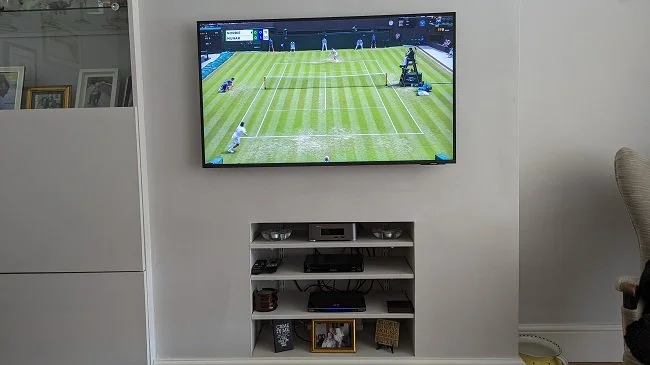
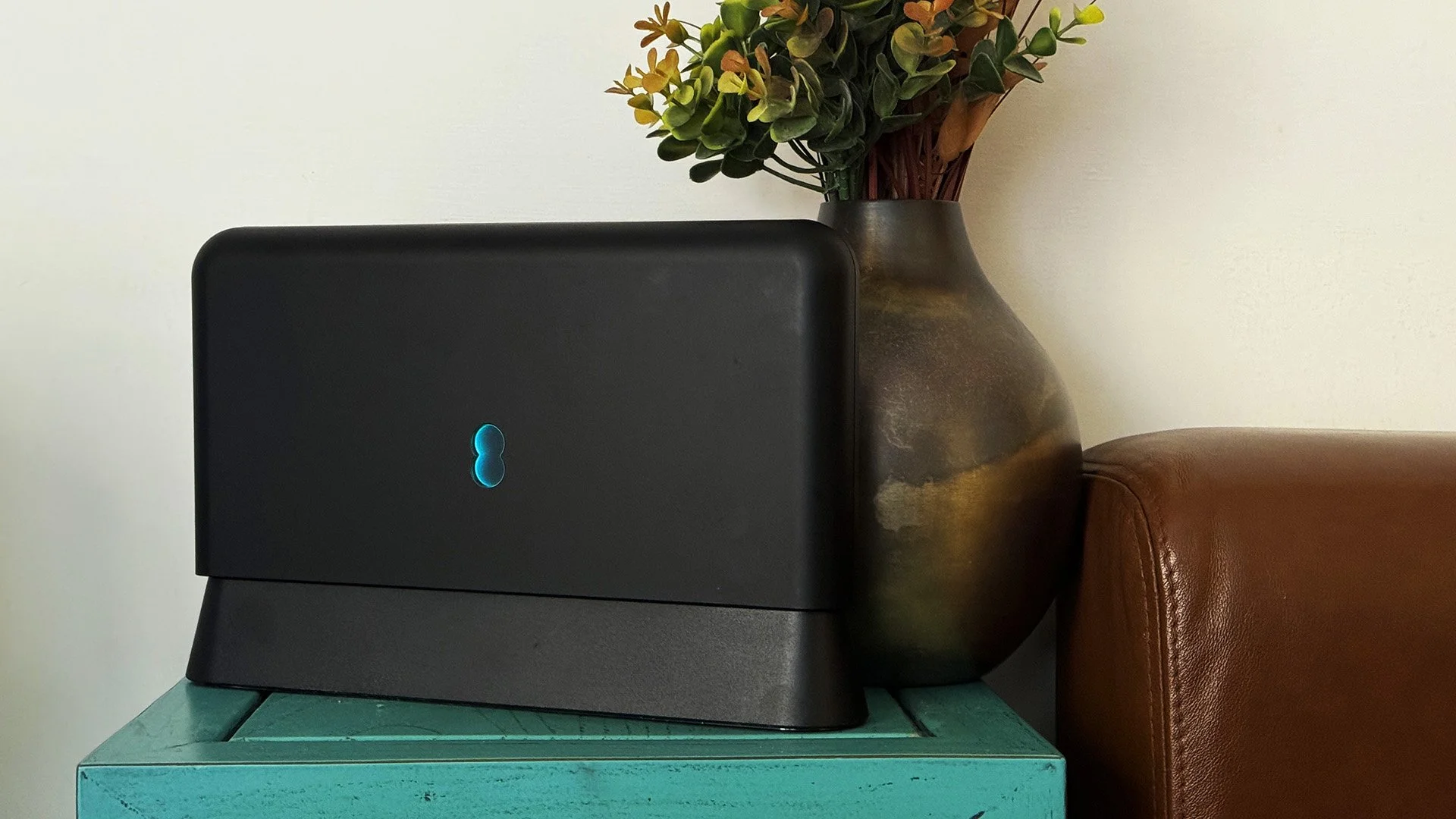
In our home, we have a wall mounted 4K TV in our lounge. Despite it being equipped with various apps for streaming as well as a terrestrial digital tuner, it ultimately serves as nothing more than a high end monitor. There are various other devices attached including a new DVR (a BT TV Box Pro) supplied by our ISP. This provides digital terrestrial channels as well as subscription based IPTV services. It can record three different channels while watching a fourth and can output streaming content in 4K HDR and Dolby Atmos. It currently has eight on demand and “catch up” services that we are actively logged into. Despite all its functionality, Mrs P uses it mainly for recording from a handful of mainstream UK TV channels. If there is ever a viewing conflict between Mrs P and I, then I will watch streaming services via my PC. It also has a TV tuner installed in case there’s an issue with internet services.
BT TV Box Pro
One of the benefits of TV today is that there’s no shortage of choice as to what to watch. Mrs P and I will frequently watch TV shows together as we broadly have similar tastes. If we want to watch a specific show, we determine what platform it is available on and whether we have existing access to it. We continuously make use of free trials to various streaming services. We seldom buy physical media anymore, although I will buy a Blu-ray copy of a film if it is difficult to source anywhere else. Overall we can usually access what we wish to watch. Some shows we’re happy to watch weekly but others we prefer to binge watch. By default we always have the subtitles on, which is no reflection upon our hearing but is mainly due to the way sound mixing is conducted these days. As I have stated before, I prefer to watch in either HD or UHD, without adverts as well as on screen graphics and logos.
Despite the technological changes that have happened over the years, not everything associated with watching televisions is an improvement. For example, I recently installed a new DVR. The process required me to choose the power management settings, connect the box to the internet, tune the various TV stations and hide any I didn’t want. I then had to set a PIN for content control, log into multiple streaming services using multiple log on credentials and set the remote control to operate our existing TV as well. Furthermore the new remote doesn’t have appropriate buttons to shut down the TV, only the DVR. Fortunately, the remote for the old DVR is still compatible, so we’re using that one instead. And speaking of remote controls, it would appear I now have six lying around the lounge to operate four devices? How is this easier?












LOTRO: Abandoned Game Mechanics and Systems Part 1
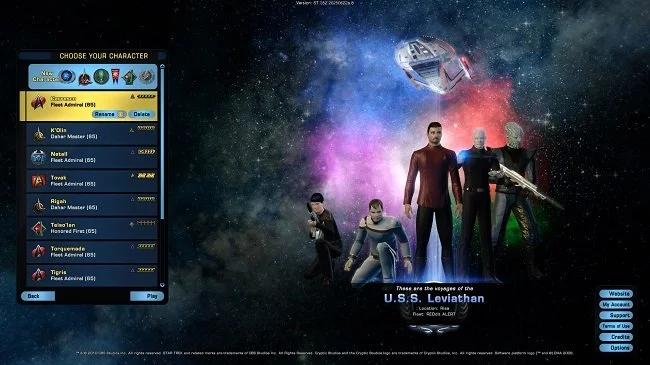
According to Merlin, played by the great Nicol Williamson in the 1981 film Excalibur, “It is the doom of men that they forget”. A criticism that could be levelled both at me and Turbine/Standing Stone Games. The MMORPG The Lord of the Rings Online is littered with systems, game mechanics and features that have been introduced to the game, proven unsuccessful, unpopular or too complex to maintain and subsequently abandoned. I can’t help but think that the last reason is possibly the most common factor in determining the fate of a new game system. Cryptic removed The Foundry system of player created content from Star Trek Online because the sole member of staff that curated it left the company, proving this problem isn’t unique to LOTRO. However, as it’s been my main MMO of choice for 14 years, I shall be using it as a point of reference. Here are a few examples.
According to Merlin, played by the great Nicol Williamson in the 1981 film Excalibur, “It is the doom of men that they forget”. A criticism that could be levelled both at me and Turbine/Standing Stone Games. The MMORPG The Lord of the Rings Online is littered with systems, game mechanics and features that have been introduced to the game, proven unsuccessful, unpopular or too complex to maintain and subsequently abandoned. I can’t help but think that the last reason is possibly the most common factor in determining the fate of a new game system. Cryptic removed The Foundry system of player created content from Star Trek Online because the sole member of staff that curated it left the company, proving this problem isn’t unique to LOTRO. However, as it’s been my main MMO of choice for 14 years, I shall be using it as a point of reference. Here are a few examples.
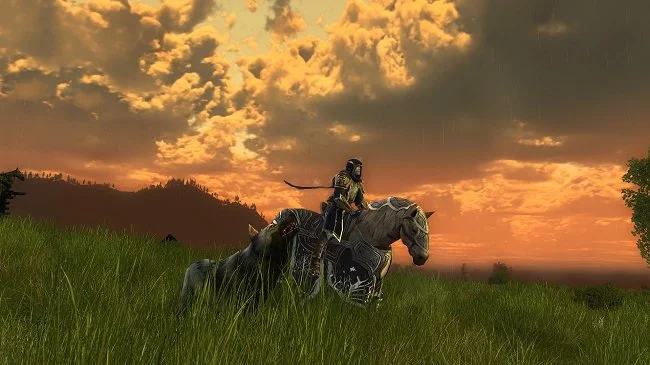
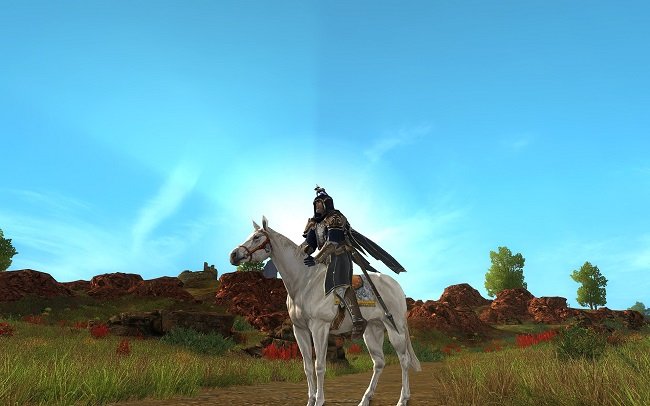
Mounted combat. This remains the most obvious “experiment” which was introduced to LOTRO in 2012 and persisted only while the story progressed through Rohan. Although there are still plenty of areas in which you can still ride your mount and kill mobs, it is no longer a requirement that is written into the story. Mounted combat remains a clumsy game mechanic, with unwieldy mounts and a huge disparity in its effectiveness depending upon your chosen class. It has proven so unpopular with players that the developers had to integrate additional story missions as an alternative to the mandatory mounted combat quests.
The War Wolf. Effectively this combat pet functions similarly to a skirmish soldier and is equally erratic. However it does have some useful attributes and can be used as an aggro magnet, affording a speedy getaway for the Lore-master that pulls too many mobs. If used wisely (IE by a more competent player than me) it can be quite effective. The War Wolf is unlocked by spending skill points on the yellow talent tree and accessing the "riding companion" ability. Turbine should have done more with this and tried to extend it to all classes. It made mounted combat a little more interesting.
Epic Battles. This is a system that was introduced in the Helm’s Deep expansion in 2013. Although far from popular, the developer’s persisted for another two years adding further epic battles in Gondor. It’s a great idea on paper, just like mounted combat but the reality is quite different. Epic battles only start to get interesting once you have amassed sufficient points to upgrade your Role Traits (Officer, Engineer and Vanguard). You then have skills that can make a difference during the 30 minute long battles. Many players never get that far. When you first start playing the enemy mobs pretty much ignore you and head straight for the ally NPCs. You’re left begging for someone to fight you like Connor MacLeod in the Highlander.
Skirmishes. Skirmishes which were added to LOTRO in 2010. They remain an excellent form of scaling instance with multiple achievements and goals. They can accommodate 1 or upto 6 players. They provide a great alternative means of levelling and the skirmish vendors also had a very robust range of intermediate gear upto level 105. Plus it is fun to have an AI companion. However, skirmishes stopped being added to the game after the Siege of Mirkwood, apart from some simple seasonal variations that accompany festivals. I suspect that Turbine was focused on other content at the time and later found that the staff with the requisite skills had left the company. Missions are now a watered down, poor relation to skirmishes which are far less exciting, only allow 2 players and offer war less of any worth.
Fellowship Manoeuvres. Players who are new to LOTRO may well forget that upon its release in 2007, the game was heavily based around group content. This MMO was meant to be played in balanced teams and much of the content could not be played solo. Also known as conjunctions, fellowship manoeuvres occur randomly, or are triggered by Burglars or Guardians. They require that the target be stunned or knocked down, in any group encounter with a signature or higher enemy. If the conditions are met a menu appears on screen and each player can contribute by selecting one of four skills. Specific combinations offer advantages such as a morale or power buff to the players, an increase in outgoing damage or they can debuff the enemy. They can contribute an invaluable supplement to group healing. However, as LOTRO became more focused upon solo PVE content over the years, this game system ceased to be relevant or even known about anymore.
To be continued.
Old Bexley and Sidcup By-election Part 1
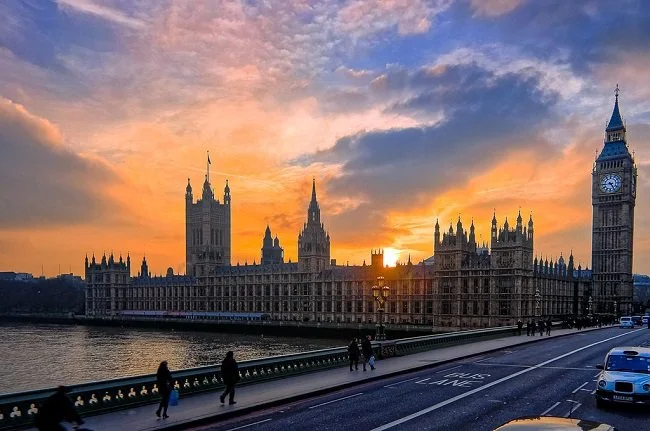
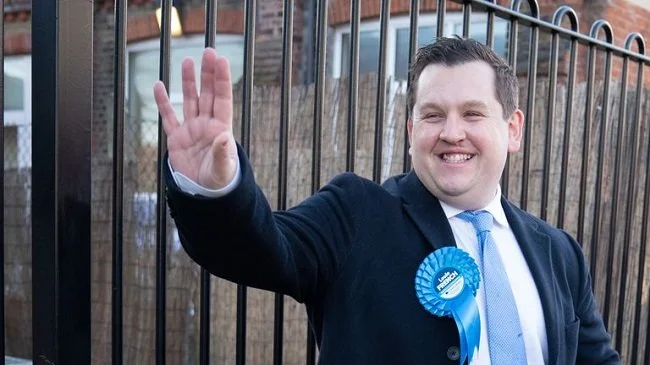
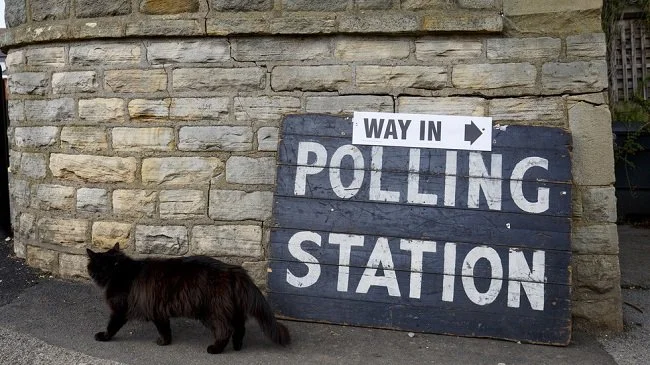
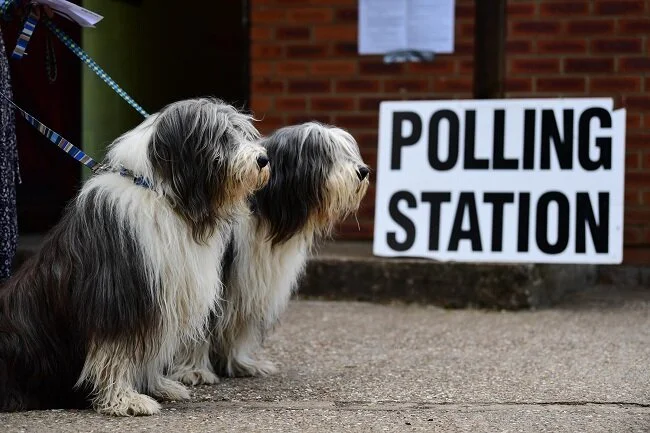
Last week James Brokenshire, MP for the constituency of Old Bexley and Sidcup, died of lung cancer at the age of 53. He had held this parliamentary seat since 2010 and maintained a strong majority throughout the 2015, 2017 and 2019 general elections. Hence the constituency of Old Bexley and Sidcup is considered a “safe seat” for the Conservative Party. In fact it has only ever returned MPs from that party since its creation in 1983. As a result of Mr Brokenshire’s death, there will now be a by-election held in the constituency of Old Bexley and Sidcup to return a new MP to parliament. What makes this local election a little more interesting than usual, is that it will not be taking place against a wider ongoing national election. Therefore, there is scope that local issues may well play a greater part in the electioneering of all participating parties.
Last week James Brokenshire, MP for the constituency of Old Bexley and Sidcup, died of lung cancer at the age of 53. He had held this parliamentary seat since 2010 and maintained a strong majority throughout the 2015, 2017 and 2019 general elections. Hence the constituency of Old Bexley and Sidcup is considered a “safe seat” for the Conservative Party. In fact it has only ever returned MPs from that party since its creation in 1983. As a result of Mr Brokenshire’s death, there will now be a by-election held in the constituency of Old Bexley and Sidcup to return a new MP to parliament. What makes this local election a little more interesting than usual, is that it will not be taking place against a wider ongoing national election. Therefore, there is scope that local issues may well play a greater part in the electioneering of all participating parties.
The parliamentary procedure for holding a by-election are as follows. The Chief Whip of the political party whose MP held the vacant seat starts the process by “moving the Writ”. This is a motion requesting “that the Speaker do issue his Warrant to the Clerk of the Crown to make out a new Writ for the electing of a Member to serve in this present Parliament for the constituency of .... in the room of…”. The Speaker puts the question to MPs to decide whether to agree to the motion. If MPs agree it becomes an Order for the Speaker. The Speaker then issues a Warrant to the Clerk of the Crown who then sends the writ to the Returning Officer, who is responsible for the administration of the by-election. A new Writ is usually issued within three months of the vacancy. The by-election timetable is between 21 and 27 working days from the issuing of the writ.

As the current UK government enjoys a majority of over 80 seats, there is no pressing political need to hold this by-election as soon as possible. Therefore it seems logical that it will more than likely happen in early 2022. However, nothing is in tablets of stone so there is a possibility it could take place prior to Christmas, as did the last General election in 2019. A more important factor than the prospective date, is the issue of the candidates fielded by each respective party. As mentioned previously, Old Bexley and Sidcup is a safe seat for the Conservative Party. Hence, it is broadly expected that whoever becomes the Conservative candidate will subsequently win the by-election, due to the established voting patterns of the constituents. Old Bexley and Sidcup is a predominantly white, middle-class suburb of South-East London and as such is seen as a Tory “heartland”.
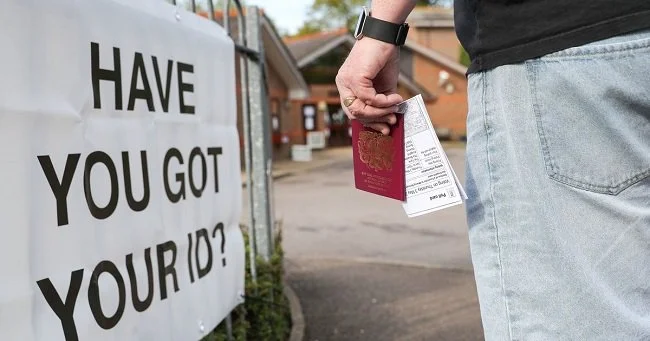
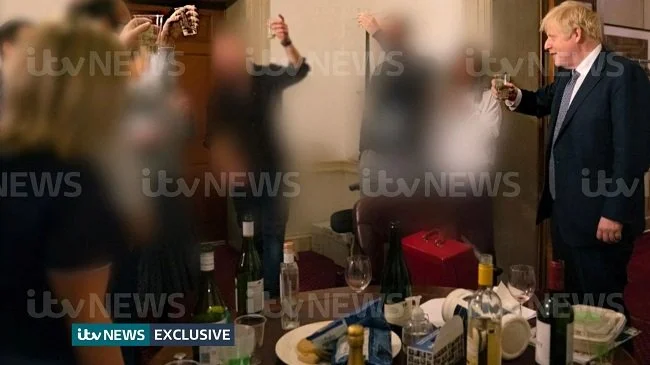
Like any political party, the Conservatives have their own unique set of rules with regard to candidate selection. In the past, Conservative party selection was largely in the control of the local Constituency Associations, however there was an approved list held at party HQ to be considered. In recent years the approved list has been replaced and a more equitable assessment board convened ensuring greater ethnic diversity and more female representation. However, local Constituency Associations still have a major say in candidate selection. Therefore under normal circumstances, there shouldn’t be any controversy surrounding the new Conservative candidate. However, the current Prime Minister Boris Johnson isn’t known for being a “stickler for the rules”. There is a degree of concern among the constituents of Old Bexley and Sidcup, as to whether a candidate could be “imposed” and parachuted into a convenient safe seat.
Time will tell as to what happens next. There is scope for the entire by-election to be a straightforward and uncontroversial process. Equally, things may go the opposite way. UK politics have become very unsettled in the last six years, Traditional voting patterns, party loyalties and general public opinions have shifted and not necessarily along traditional party lines. Furthermore, the Conservative party has radically changed since 2019. Many moderate MPs did not stand for re-election in the last general election. Although Old Bexley and Sidcup may still be a Tory safe seat, that doesn’t mean that the constituency is by default, well disposed toward Boris Johnson and his particular brand of politics. It will be interesting to see if such sentiments are reflected in the by-election.









Revisiting Doctor Who: Part 1
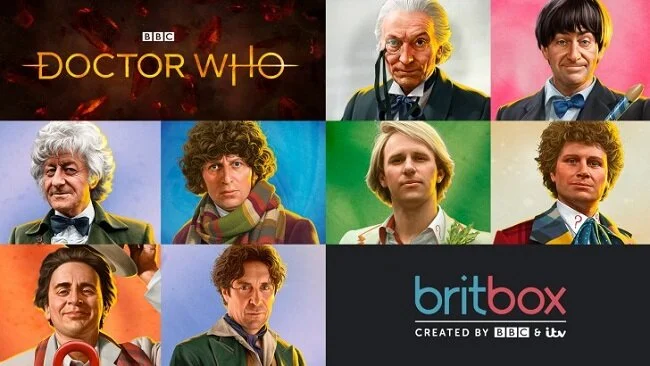
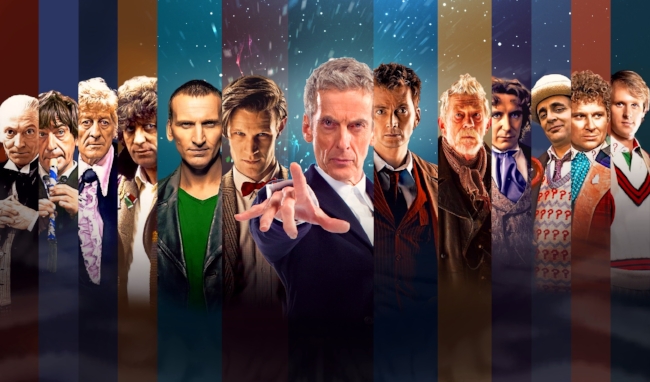
Last month, I tried a 30 day free trial of the streaming service BritBox. One of the main selling points was that the platform has an extensive back catalogue of Classic Doctor Who. Although I initially tried to keep up with the reboot of the franchise in 2005 my interest waned after several seasons. I am not opposed to any of the changes made and I am very pleased that the show has found a new audience. However, it doesn’t resonate with me so much anymore and I find that there is too much human drama for my liking. So I decided to revisit my youth and watch some classic Doctor Who; episodes that I haven’t seen in over forty years (yes, I’m that old). Now I’m fully aware of the potential issues that can come from returning to things that you enjoyed in one’s youth, so I believe I did my best in managing my expectations. However, the results of my nostalgia trip were interesting. The things I thought would be a problem nowadays weren’t so and the things I expected to hold up well despite the passage of time, didn’t always succeed. It’s been a curious experience.
Last month, I tried a 30 day free trial of the streaming service BritBox. One of the main selling points was that the platform has an extensive back catalogue of Classic Doctor Who. Although I initially tried to keep up with the reboot of the franchise in 2005 my interest waned after several seasons. I am not opposed to any of the changes made and I am very pleased that the show has found a new audience. However, it doesn’t resonate with me so much anymore and I find that there is too much human drama for my liking. So I decided to revisit my youth and watch some classic Doctor Who; episodes that I haven’t seen in over forty years (yes, I’m that old). Now I’m fully aware of the potential issues that can come from returning to things that you enjoyed in one’s youth, so I believe I did my best in managing my expectations. However, the results of my nostalgia trip were interesting. The things I thought would be a problem nowadays weren’t so and the things I expected to hold up well despite the passage of time, didn’t always succeed. It’s been a curious experience.
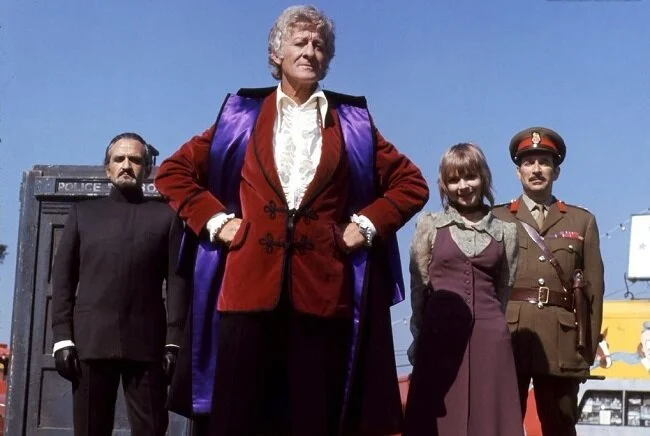
I chose to resume watching Doctor Who at the beginning of the John Pertwee era. I have vague memories of some of the later episodes so I thought it an appropriate place to begin. I decided to temporarily bypass the first and second incarnations of the Doctor, due to the number of missing episodes and my unfamiliarity with these actor’s portrayal of the iconic Timelord. Hence I began watching Spearhead from Space which provided some continuity for me as I was familiar with the UNIT storyline. Due to industrial action within the BBC at the time, this story was entirely shot on film which gives the four episodes a very unique aesthetic. It was customary at the time to film exterior scenes on 16mm stock and record on videotape all studio scenes. However, this exclusive use of film was deemed too costly and so was not maintained. It’s a shame as the look and feel of these episodes really adds something to the show and lends it a little more gravitas.
As for Pertwee himself, although a skilled actor with definite onscreen presence, I’m not sure if the new attributes he brought to the show improve the character overall. He is more suave and dynamic than his predecessors. But often the action sequences and hand to hand fight scenes feel a little incongruous. It seems like the production team were trying to straddle too many genres and this move into Bond territory feels a little forced. Another contrivance that ends up becoming counter productive is the plot line that sees the Doctor being stranded on earth as a form of punishment by the Timelords. Hence for the first few seasons the stories centre around his role at UNIT and it all gets a little too familiar. However, the appearance of Roger Delgado as the Master is a real asset. Delgado brings a great deal of charisma to the role and effortlessly switches from charming to sinister. He was an excellent foil for Pertwee and sadly his premature death robbed the show of a suitable climax to their ongoing story arc.
Despite attempts by the production team to broaden the scope and appeal of Doctor Who during Pertwee’s tenure, there are some fundamental issues to consider. Oddly enough I found the low budget production values quite endearing and the use of chroma key video compositing quite innovative. Pertwee often had fun during such cheap and cheerful VFX sequences and his gurning is now quite noticeable. For me the more important issue is the writing and the thematic shift which happened between 1970 and 1974. Clever and nuanced stories have always been the mainstay of Doctor Who. They’re still present in this era and they don’t shy away from difficult themes. The genocidal ending to The Silurians is a good example. However, there is a strong “Nigel Kneale-esque” tone to many of the stories and at times I felt that Bernard Quatermass would have been equally at home investigating them. Again I return to my point about the more action packed Doctor and trying to embrace too many genre tropes. The BBC just didn’t have the resources to do such things justice.
Sadly as an adult, I now see that even a BBC production such as Doctor Who did not escape the prevailing societal biases of its time. I appreciate that fans are immensely fond of many of the companions that have accompanied the Doctor in his travels over the years but Jo Grant (Katy Manning) is a terribly written character, enduring all the sexist stereotypes of the time. Her final appearance in The Green Death where she falls in love with a scientist and environmental activist (who is an equally contrived creation) is somewhat embarrassing as no cliche is left unturned. Another problem that I felt quite jarring is that a lot of the stories from this era are stretched out too long. What could be effectively handled in four installments is often expanded to six or seven episodes. Sometimes events and plot twists are not evenly spaced out throughout the story, resulting in occasional dull episodes and then a narrative rush at the denouement.
I did not watch all four seasons featuring John Pertwee’s Doctor. I chose to view selected stories recommended by several fansites. However, I feel I watched sufficient to make an informed decision about his tenure. I think that this was a period of experimentation where the show tried to encompass other elements from popular entertainment of the time. Not all of it worked but I admire those involved for thinking outside the box. Certainly, when the writing hit the mark it was very good indeed. My personal favourite stories being The Daemons and The Terror of the Autons. The latter is especially creepy. However, my revisiting of Doctor Who did not end with John Pertwee. I decided to push on and jump straight into the adventures of the Fourth Doctor. I make no bones about the fact that the Tom Baker era is the one I am most familiar with. I was seven by the time he took on this iconic role and at an age where his unique persona and style left a marked impression upon me. I shall cover my thoughts on the Baker episodes that I’ve recently watched on BritBox in future blog post.



Cutting Your Own Hair Part 1
I usually go to my local Barber’s every four weeks or so. It’s about fifteen minutes walk from my home and I’ve been going there since 1970. I like to keep my hair short and I enjoy the therapeutic benefits of relaxing and have someone cut my hair. The staff are great and there is a curious sense of continuity that comes from going to the same establishment for 50 years. The original Barber has retired and his son now runs the premises. In my youth I used to favour certain styles and was especially fond of a well cut flattop (Kurt Russel sported an absolute beauty in the 1994 movie Stargate). Sadly such a style is very labour intensive and time consuming. Hence many stylists don’t care to undertake such a cut and it’s a bitch to manitain. Hence in more recent years, I’ve favoured a straightforward clipper cut. This consists of Number 1 (one-eighth of an inch/3mm) around the back and side and Number 2 (one-quarter of an inch/6mm) on top. However, the Barber shop is currently closed and I’ve not had a hair cut for nearly 5 weeks.
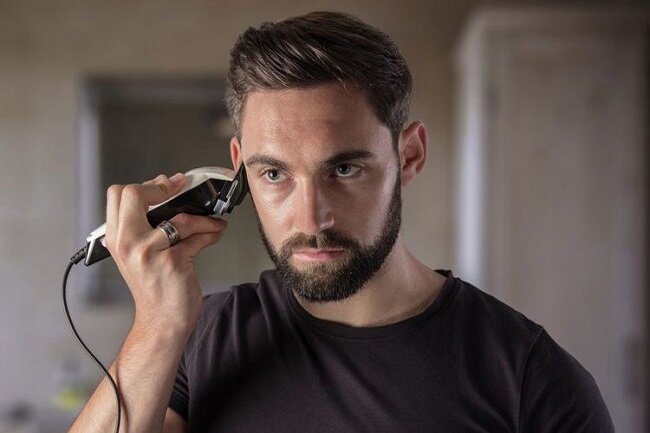
Fuck this guy with his good looks and his “this is a piece of piss” attitude
I usually go to my local Barber’s every four weeks or so. It’s about fifteen minutes walk from my home and I’ve been going there since 1970. I like to keep my hair short and I enjoy the therapeutic benefits of relaxing and have someone cut my hair. The staff are great and there is a curious sense of continuity that comes from going to the same establishment for 50 years. The original Barber has retired and his son now runs the premises. In my youth I used to favour certain styles and was especially fond of a well cut flattop (Kurt Russel sported an absolute beauty in the 1994 movie Stargate). Sadly such a style is very labour intensive and time consuming. Hence many stylists don’t care to undertake such a cut and it’s a bitch to manitain. Hence in more recent years, I’ve favoured a straightforward clipper cut. This consists of Number 1 (one-eighth of an inch/3mm) around the back and side and Number 2 (one-quarter of an inch/6mm) on top. However, the Barber shop is currently closed and I’ve not had a hair cut for nearly 5 weeks.
Now although by other people’s standards my hair is still relatively short, it currently looks a mess (well I think so anyway). If I gel it up, it has reached the point of looking like a dilapidated paintbrush. And if I leave it naturally after washing, all the white shows at the sides (it seems to grow at a different pace to other hair) and I end up looking like a Badger. Neither of these are good looks. Hence I have concluded that it is time to grasp the nettle and attempt to cut my own hair. Oh what times we live in. Will I be removing my own appendix next? Now in theory, this shouldn’t be too difficult. Firstly, all I need to undertake this task is a decent cordless hair/beard trimmer. There are plenty to choose from on Amazon. Secondly, rather than try and cut my hair to two separate lengths and “fade” them in, it would be far more practical to cut my hair to one overall length. However, reality often proves to be a radically different experience. I suspect that lighting, space and copious use of mirrors are going to play a major part in this “project”.
So I’ve spent some time researching what make and model of clippers would be appropriate for the task in hand, along with watching copious amounts of YouTube videos as to how to cut your own hair. Some of the advice available is practical, whereas other videos seem to vastly oversimplify the practicalities of contemporary hair styling. I’ve managed to get a good deal on a Panasonic wet and dry hair and beard trimmer which can cut to 20 different lengths (allegedly). This model usually retails at £65 but I’ve bought it for £32. I already have a small beard trimmer but I don’t think it’s up to the job of cutting my entire head of hair, so I thought it best to buy the right tool for the job. If I fully recover from my current bout of COVID-19, I am hoping to attempt to cut my hair next Thursday or Friday. I have a suspicion that I may have to involve Mrs P, although she is far from enamoured by the prospect. Look out for a follow up post next week, where I discuss the results, be they good or bad.













COVID-19 Pandemic 2020 Part 1
The COVD-19 Pandemic is an unprecedented global event and the way day to day life has changed so rapidly over the last few weeks is deeply unsettling. Hence I’m writing this recurring post as a coping mechanism; a means to process what is happening and observe how society is reacting to the ongoing crisis. And first off, let me state that I’ve already spoken to two people today, who do not see a Global Pandemic as being a crisis. Yes because we live in a post truth world where some people labour under the delusion that all opinions are of commensurate value, there are still people who “feel” that this is all an overwrought brouhaha. I suspect “crazy people watch” may become a major part of my writing. So where to begin exactly? Well I guess the best thing to do is to explain what my personal situation is.
The COVD-19 Pandemic is an unprecedented global event and the way day to day life has changed so rapidly over the last few weeks is deeply unsettling. Hence I’m writing this recurring post as a coping mechanism; a means to process what is happening and observe how society is reacting to the ongoing crisis. And first off, let me state that I’ve already spoken to two people today, who do not see a Global Pandemic as being a crisis. Yes because we live in a post truth world where some people labour under the delusion that all opinions are of commensurate value, there are still people who “feel” that this is all an overwrought brouhaha. I suspect “crazy people watch” may become a major part of my writing. So where to begin exactly? Well I guess the best thing to do is to explain what my personal situation is.
I live in South East London. Bexley Borough is your archetypal middle-class suburb. It grew over the first three decades of the twentieth century offering family homes, good schools and plenty of parks and recreational land. And it has continued doing this. It is a wealthy Borough with an ageing population. 17% of the 280,000 residents are over 65. Politically this is a Conservative Party safe seat and as you may expect, the electorate were predominantly in favour of Brexit. I have lived here for most of my life and am therefore very familiar with its facilities, resources and denizens. As of the time of writing (early morning on Saturday March 21st) there are 31 confirmed cases of Coronavirus in the Borough. It was 5 this time last week.
I live with Mrs P in a Bungalow. It is an ideal size for the pair of us and the lack of stairs suits her health needs. Mrs P currently has two fused vertebrae in her neck and has been in continuous pain for the last 3 months. She also has a heart condition and underwent triple bypass surgery in 2017. She had further heart issues this January and is still under the care of the cardiovascular clinic. Hence she is in a high risk group for COVID-19. My parents are similarly in a high risk group. They live one road away along with my Sister. She is currently working from home, so for the present I have reduced the time I spend tending to my 90 year old disabled Father. Despite the ongoing crisis he is still receiving two visits a day from the District Nurse and carers. Without their assistance he would get ill very quickly. I only recently discovered he is on the “critical medication” list with the Central Access Team. My disabled Mother is currently in Respite Care for two weeks at a local Nursing Home.
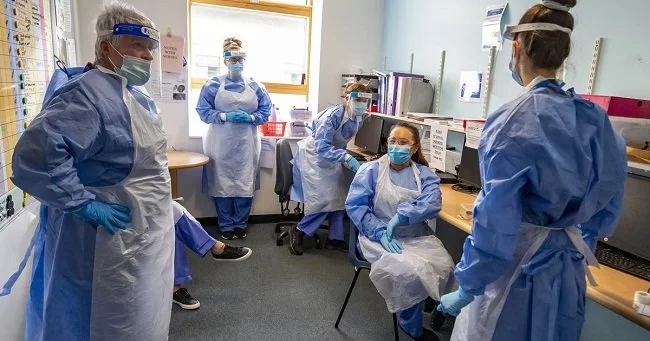
For the present, I am restricting my journeys out to checking with my Father and Sister, essential shopping visits and collecting prescriptions from the Pharmacist. Mrs P may move in with my Son next week and provide childcare for our two Granddaughters, now that the schools are closing. This will be for no more than two weeks and then my Son, who is a “key worker” for TFL, should go on leave. However, for the last two weeks, shopping has proven increasingly difficult due to panic buying from certain quarters of the community. What started out as a run of toilet paper a week ago has now spread to a wider range of products. As of today my local Co-op supermarket looks like it has been robbed. However, as I tend to go shopping every day, I’ve managed to ensure that both households have adequate stocks of essentials. I’ve also ensured that all necessary repeat prescriptions have been filled or are pending at the Doctor’s Surgery.
And this is one of two issues that concerns me at present. I have no problem with the idea of eating less and rationing my food intake. If anything it will do me good as my weight has gone up of late. It is access to medical services and medication that plays on my mind. In the last week the Pharmacist no longer allows customers direct access to the entire shop. A reception area has been created and only 4 customers are allowed in at a time. They either drop off or collect their prescription. If they want anything else the staff have to get if for them as access to the shelves is now prohibited. This is a necessary precaution but it greatly slows down the flow of customers. Due to increased pressure on staff, the turnaround time on repeat prescriptions has gone from 3 to 5 working days. Furthermore, the local Doctor’s Surgery has suspended the booking of all appointments and the walk in clinic. Calls are screened to focus on priority patients and telephone triage is used for intermediate conditions.
Finally, my second concern at present is my Mother. As I mentioned she is currently in a local Nursing Home for two weeks respite care. Since she was discharged from hospital at the start of February it has been intensive work caring for her. Her lack of mobility means she needs continuous care throughout the day. Hence my Sister and I were most grateful to have a reduction in our caring duties with her being away. At present she is scheduled to return home on the 30th of March. This presents some problems. I shall have to break my scaled self isolation to visit her on a daily basis. My Sister is working from home and due to the nature of her job, will be genuinely working 9 to 5. So it will fall to me to do as much as I can. My Mother’s return will also mean the reinstatement of 4 daily carer visits. Effectively the increase in people coming to the home will put all concerned at greater risk. There’s a possibility that if events get worse, the Nursing Home may go into lockdown with all who are currently there, staying put. This would keep my Mother safe in a secure environment indefinitely but I cannot count on this.
This is an initial summary of how the current crisis is impacting upon my extended family. As ever, it quickly becomes apparent while watching the news that others have it far worse. I intend to continue to write about all aspects of this situation as it unfolds. For the present, I’m monitoring what happens in France, Germany and Italy as they are broadly comparable nations to the UK. Please feel free to comment and share your thoughts on how this situation is affecting your day to day life. In the meantime stay safe and use the internet to check on those who may need help. We may well all be incarcerated to a degree but we can use our social networks to direct potential help to those who need it. And just staying in touch with online friends is good for everyone’s collective moral.
Strictly Come Dancing 2019: Part 1
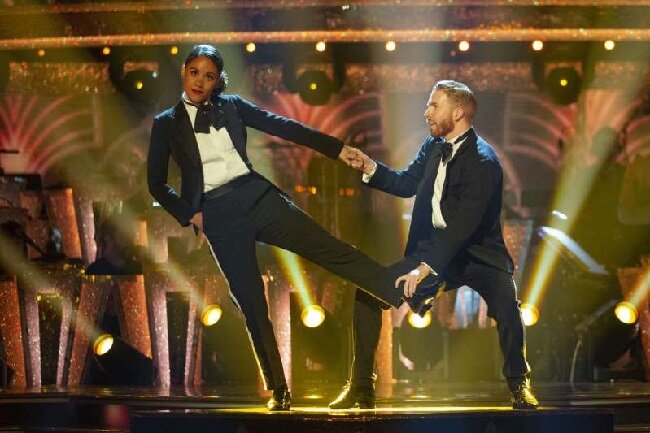
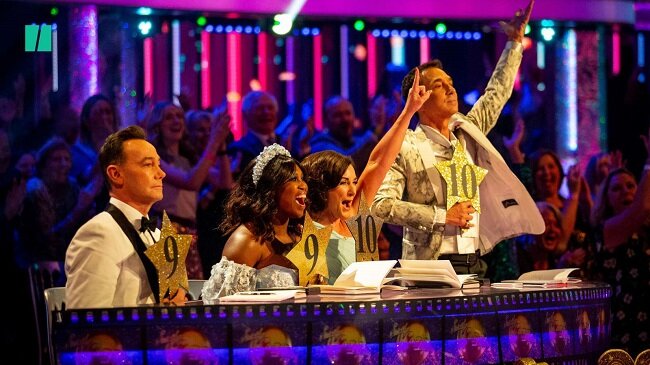
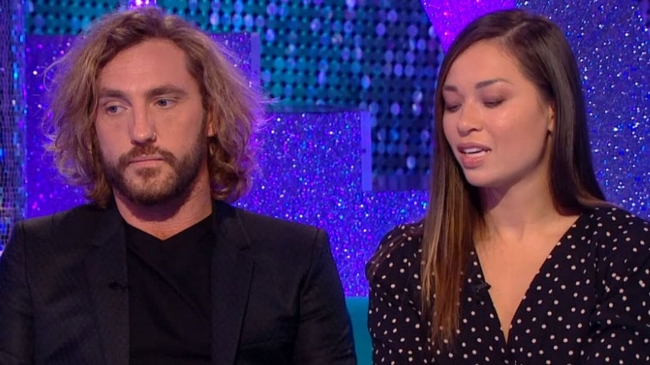
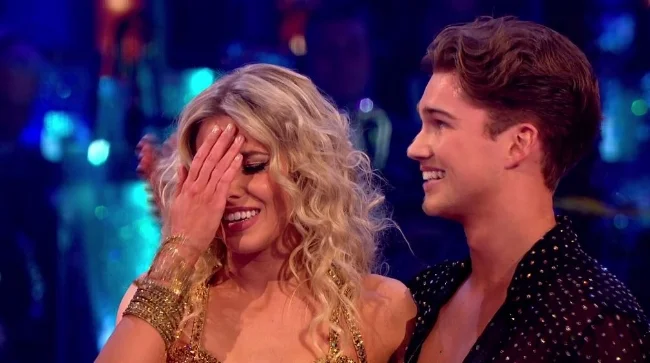
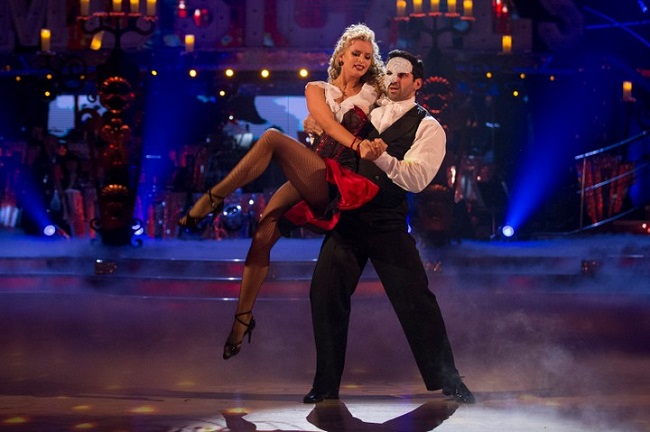
There is obviously some sort of psychological comfort in being spoon fed the same content, again and again and again. Because that is what Strictly Come Dancing, the BBC’s flagship Autumn entertainment show, definitely does. And I don’t mean that in a derogatory way, because once again, I am one of the 8 million viewers avidly watching this seasonal ritual. But is must be said, that the show is incredibly formulaic and that the production team are expert at playing upon all the foibles of the format. Hence every September we get a wide spectrum of “celebrities” eager to learn how to dance. All of whom fall neatly into the various categories that have been established over the last 15 years. There are those who display an innate ability right from the start. Then there are the determined improvers. We also have wild cards whose content wildly changes in quality. Another favourite are the rhythmically challenged whose embarrassing failures are deemed “entertaining”. And let us not forget those who are just hopelessly out of their depth and you know are going to fall at the very first hurdle.
There is obviously some sort of psychological comfort in being spoon fed the same content, again and again and again. Because that is what Strictly Come Dancing, the BBC’s flagship Autumn entertainment show, definitely does. And I don’t mean that in a derogatory way, because once again, I am one of the 8 million viewers avidly watching this seasonal ritual. But is must be said, that the show is incredibly formulaic and that the production team are expert at playing upon all the foibles of the format. Hence every September we get a wide spectrum of “celebrities” eager to learn how to dance. All of whom fall neatly into the various categories that have been established over the last 15 years. There are those who display an innate ability right from the start. Then there are the determined improvers. We also have wild cards whose content wildly changes in quality. Another favourite are the rhythmically challenged whose embarrassing failures are deemed “entertaining”. And let us not forget those who are just hopelessly out of their depth and you know are going to fall at the very first hurdle.
Which leads me very neatly onto this evening result show. After two episodes a clear hierarchy has been established and at present, everyone respective position on the leaderboard is justifiable. The top five have all shown a degree of talent and have worked diligently to do so well after just a few weeks. Those at the bottom may well have put in the hours but do not seem to have a comparable amount of talent. And therefore it was absolutely no surprise to find the bottom two celebrity contenders, David James and James Cracknell in the dance off. Furthermore, James was a dead cert to go out and has now done so. Now I admire anyone who has the courage to stand in front of a live TV audience and attempt to do something as deeply personal as dancing. It is a complex skill that is both physically and mentally demanding. It also requires a degree of bravado. So fare play to James for trying his best, especially in light of his recent recovery from a brain injury. But you have to question the wisdom of embarking upon such an enterprise, when you patently cannot clap in time or have any semblance of musicality. James was both physically and emotionally awkward and it was clear from the get-go that dancing in public simply wasn’t for him.
Another interesting facet of this year’s Strictly pantomime is the perceived “rewarding and punishing” of the various celebrity dancers. Kevin Clifton has always been a firm favourite with the core audience for a while but his personal life seems to have prejudice this perception. Since his popular win with celebrity Stacey Dooley last year, the UK tabloids have been filled with salacious gossip about their relationship and the collateral damage it has caused to others. Hence Kevin has been partnered with Anneka Rice, who although is a popular figure with the public, is not likely to progress too far into the competition. Conversely, Anton Du Beke, a pro dancer who has far too often been saddled with the most hopeless partners, has been blessed this year with actress Emma Barton. Emma has already demonstrated a degree of ability and now needs to find her dancing mojo. She’s definitely one to file under “wild card” and I expect her to have a textbook “Strictly journey”.
Finally, the BBC has decided to go all in with Strictly in its annual ratings battle with commercial broadcaster ITV. Apart from the weekly show on Saturday evening there’s Strictly Come Dancing: It Takes Two, an analytical companion show that runs from Monday to Friday. Hosted by Zoe Ball and now Rylan Clark-Neal, this behind the scenes and gossip program has been expanded from 30 minutes to 45 and has also been moved from BBC Two to BBC One. The Beeb have also ramped up the online components of the show. All dances can be revisited on YouTube and there is a Strictly presence on all social media platforms. This is also the second year where some of the celebrity dancers have been drawn from social media personalities and influencers. This is a direct attempt to widen the demographic appeal of the show and reach a younger audience. Last year it was Joe Sugg, this time round it’s Saffron Barker. Both have sizeable online followings. It should be noted that Saffron Barker has shown some talent and is currently one of the bookies favourites. However, things don’t always go to plan with Strictly. There’s always scope for upsets. As the expression goes, watch this space.














The Problem with MMO Economies Part 1
I have a very mixed relationship with MMO economies. In The Lord of the Rings Online I have adequate supplies of in-game gold but most of the items I seek to buy on Auction House are insanely overpriced. In Star Trek Online, earning energy credits is so problematic, the developers have had to add them as part of the daily personal endeavour rewards. Again, there is runaway inflation and the most desirable items such as Tier 6 ships are ridiculously priced. And in The Elder Scrolls Online, the gold slowly builds up over time but the lack of a server wide auction system means that finding and purchasing quality gear at credible prices is an arcane undertaking. There was a point a few years ago when I use to play the LOTRO economy and as a result, I had sufficient means to buy what I wanted. But maintaining that level of wealth and financial leverage is time consuming and requires adhering to a strategy. As I do not play the game, or indeed any other MMO, to that level anymore, my personal wealth in all of them has declined accordingly.
I have a very mixed relationship with MMO economies. In The Lord of the Rings Online I have adequate supplies of in-game gold but most of the items I seek to buy on Auction House are insanely overpriced. In Star Trek Online, earning energy credits is so problematic, the developers have had to add them as part of the daily personal endeavour rewards. Again, there is runaway inflation and the most desirable items such as Tier 6 ships are ridiculously priced. And in The Elder Scrolls Online, the gold slowly builds up over time but the lack of a server wide auction system means that finding and purchasing quality gear at credible prices is an arcane undertaking. There was a point a few years ago when I use to play the LOTRO economy and as a result, I had sufficient means to buy what I wanted. But maintaining that level of wealth and financial leverage is time consuming and requires adhering to a strategy. As I do not play the game, or indeed any other MMO, to that level anymore, my personal wealth in all of them has declined accordingly.
Over the years there have been many articles written about the iniquities of MMO economies and whether anything can be done to run them in a more equitable fashion. For example, last Wednesday, there was an interesting post by Ben Griggs over at Massively Overpowered about the short comings of the Guild Trade system in ESO. Then today, there was a further article about how to acquire in-game wealth in Guild Wars 2, by Bree Royce. Both highlight the recurring problems and complaints that MMO economies regularly generate. A cursory look at the comments on both posts show that there isn’t a prevailing consensus among gamers, as to which is the best way to run an MMO economy. Furthermore, game developers seem to all too often throw in the towel when a games economy starts to get out of control and hyperinflation sets in. It’s as if it is just assumed that this is an inevitable course of events and simply something endemic to the MMORPG genre. And I’m beginning to think that perhaps they are right.
Video games are commercial products. Yes, they can be art as well but MMORPGs are not developed by altruistic, Franciscan monks out of a sense of social obligation. All the resources required to create a game come with a cost. In many ways video games are the ultimate expression of consumerism in western, capitalist countries. The controversies surrounding the monetisation of a leisure activity such as video games, is the epitome of a “first world problem”. However, when you consider the economic factors that determine the creation and sales of video games, it is hardly surprising to find the same dogma perpetuated within the virtual worlds they offer. Therefore, there is little or no will to create a game with a radically different economy to that of the real world to begin with. The mantra that “time is money” has always been the under-pinning ideology of game economies. Those with any advantage in this respect will always find themselves succeeding more than those who have a time deficit. And any MMO that has existed for several years or more, will have a core player base that owns superior resources to that of any newcomers.
Over time MMO developers have often tried a variety of methods to try and mollify these problems. Tinkering with drop rates of valuable items or reducing how often resource nodes spawn. Then there’s binding items to account or to characters. Some games have even put a specific cap on how much in-game gold a player can own. But players always seem to be one step ahead and all too often such restrictions are circumnavigated. Hence, we see bots and scripts implemented by players to farm resources. I’ve even subcontracted out my own resource gathering in LOTRO in the past. You can also find third party websites where rare items are traded for real money. Player in ESO will use the gifting mechanic to achieve sales that can’t be facilitated by traditional means. And if the developers are too vociferous with the bind to character mechanic, then people will just sell accounts. It’s a blunt tool but it works. All of these issues persist because neoliberalism that exists in real life economies, bleeds into the MMO games design.





Thoughts on Work Part 1
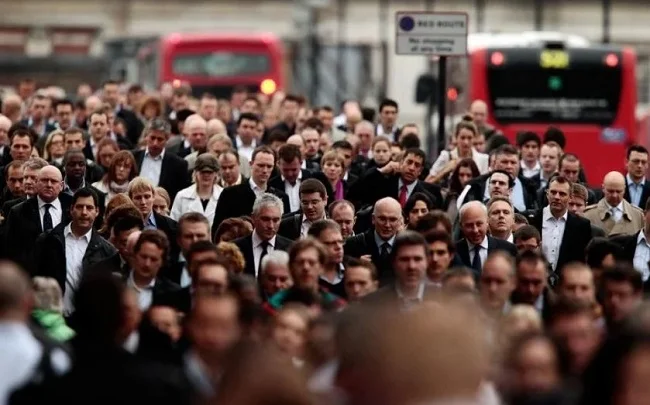
During the course of my career (1986 – 2016) I have worked in numerous complex social environments. I worked for the UK civil Service and saw the final days of very traditional, formal employment hierarchy. There were people with academic titles such as Doctor or Professor and there were also those with honorary monikers such as Sir. I even met an ex-army officer who clung to the old school etiquette of still being referred to by his former military rank (which was Captain). I was later employed at the London corporate headquarters of a global Indian company. It was fascinating to see the cultural differences along with the class structure and prevailing social dynamics. Over 30 years, I’ve worked for numerous high-profile organisations such as HP, Fujitsu Siemens and Symbian as well as other smaller businesses. All provided gainful employment, acceptable financial remuneration and an opportunity to learn more. However, all of them suffered from two of the most common faults found in contemporary employment; namely office politics and problematic members of staff.
During the course of my career (1986 – 2016) I have worked in numerous complex social environments. I worked for the UK civil Service and saw the final days of very traditional, formal employment hierarchy. There were people with academic titles such as Doctor or Professor and there were also those with honorary monikers such as Sir. I even met an ex-army officer who clung to the old school etiquette of still being referred to by his former military rank (which was Captain). I was later employed at the London corporate headquarters of a global Indian company. It was fascinating to see the cultural differences along with the class structure and prevailing social dynamics. Over 30 years, I’ve worked for numerous high-profile organisations such as HP, Fujitsu Siemens and Symbian as well as other smaller businesses. All provided gainful employment, acceptable financial remuneration and an opportunity to learn more. However, all of them suffered from two of the most common faults found in contemporary employment; namely office politics and problematic members of staff.
When I first started working, I embraced the reality of being the most junior member of staff. That’s not to say I liked it, because I didn’t. But you don’t just turn up to a job at the age of 18 and expect to know everything and go straight to the top of the pay scale. So, I listened, learnt and did what I was contracted to do. But it quickly became apparent that like everything else in life, the work environment was not a level playing field and did not function on logic or even merit. Being competent and reliable was not enough. If you wanted to get ahead it often came down to who you knew, favours owed or cashed in and whether your face fitted. I won’t go on but I’m sure that anyone who has the merest inkling as to what I’m like as a person will know that none of this sat well with me. The old boy network, office politics, dealing with the management bully is all bullshit as far as I’m concerned. I went to work to do my job and do it to the best of my ability. I’d also be civil and diplomatic, not always through choice, but because it made the process more efficient. But this not the way work is by default. All jobs end up employing a percentage of those who cannot or will not do what their contracted to do. And certain types of jobs and position attract the emotionally and socially dysfunctional.
Over the course of my working life, for every three pleasant and agreeable work colleagues, I’d always find another who was either a bully, institutionally racist (or some other kind of irrational prejudice), incompetent or basically just a shit who wanted to make those that they could, utterly miserable. As I’m not a big fan of monolithic hierarchies and chains of command, I looked to see if I could find a means by which I could insulate myself from the iniquities of the modern work place. I ultimately resolved these issues by changing disciplines, electing to move from admin and management, to working in IT. Furthermore, I did this at a time when there was a rapid growth in technology in the workplace. Because I enjoyed this line of work and thrived in it, I progressed from old school, hands on, first line support to IT management and all that came with it. Procurement, change management, network planning, security and recruiting staff for the IT department. The latter was a key element to job satisfaction. I’ve always been happy to be a team player. But it’s much better when you get to pick the team yourself and ensure that those you work with are reliable and sound.
For a while I held several fulltime positions, ran modest sized departments and had the pleasure of focusing on my work, enjoying the intellectual challenge that it offered and kept myself out of the fray that is office politics. In the late nineties there was still an element of uncertainty regarding technology and where it fitted in the hierarchy of the office structure. Were those in IT just jumped up “oily rags” or were we skilled professionals? Most of the companies I worked for erred on the side of caution and favoured the latter. Essentially, as long as the network was running and the technology worked, I found that I was left to my own devices and senior management contented itself with sniping at sales, who would then blame marketing or some such similar permutation. But after the Y2K debacle, the pendulum shifted, and people started wondering if we were not only “oily rags” but con artists as well.
In 2006 I decided to move into contract work as I’d had enough of corporate culture. Pursuing short term, targeted work was not only financially more lucrative it negated a lot of the social and competency issues among work colleagues, or so I thought. Turns out that even on short term contracts you’d find an engineer who seemed to have slipped through the screening process and was useless or problematic in some way. However, what I did find in this work environment was that if a problem was identified, it was dealt with quickly. If someone wasn’t pulling their weight and it got noticed, then a phone call to the agency that supplied them usually remedied the situation. Overall, I enjoyed working in this fashion. If a contract wasn’t especially engaging, I had the piece of mind to know that it wasn’t forever. Broadly most of the work I undertook was enjoyable. I worked on several major system upgrades and new software rollouts for various government departments. However I found working in hospitals the most satisfactory. Helping out the staff in A&E was especially rewarding.
In early 2011, I decided to draw upon my network of colleagues that I’d built up over the years and set up my own consultancy business. The idea was to provide a one stop solutions service to the myriad of small and start-up businesses in The City. I would handle the work that fell within my purview and I had associates who would cover more bespoke requirements. Broadly, it worked. It didn’t make me rich but it was a living and from a work perspective, it was on terms that I felt were equitable. And I believe that’s the most that many of us can expect from our “careers”. Some folk do get to do their dream job and thrive in it. But for many of us, work is a necessary evil and one we try to accommodate as well as we can. It often feels like battle of wills between our own needs and that of the employers. Occasionally you may find yourself in a situation were both parties are in accord but that seldom is the default state. Having now left formal employment to be a carer, I’m often asked if I miss traditional work. I sometime hanker after the intellectual challenge and the satisfaction of problem solving. Also the human element from time to time. But I don’t miss the politics or the “drama” that goes hand in hand with the contemporary work place. That is something I’m pleased to be rid off.


Learning How to Live Stream Part 1
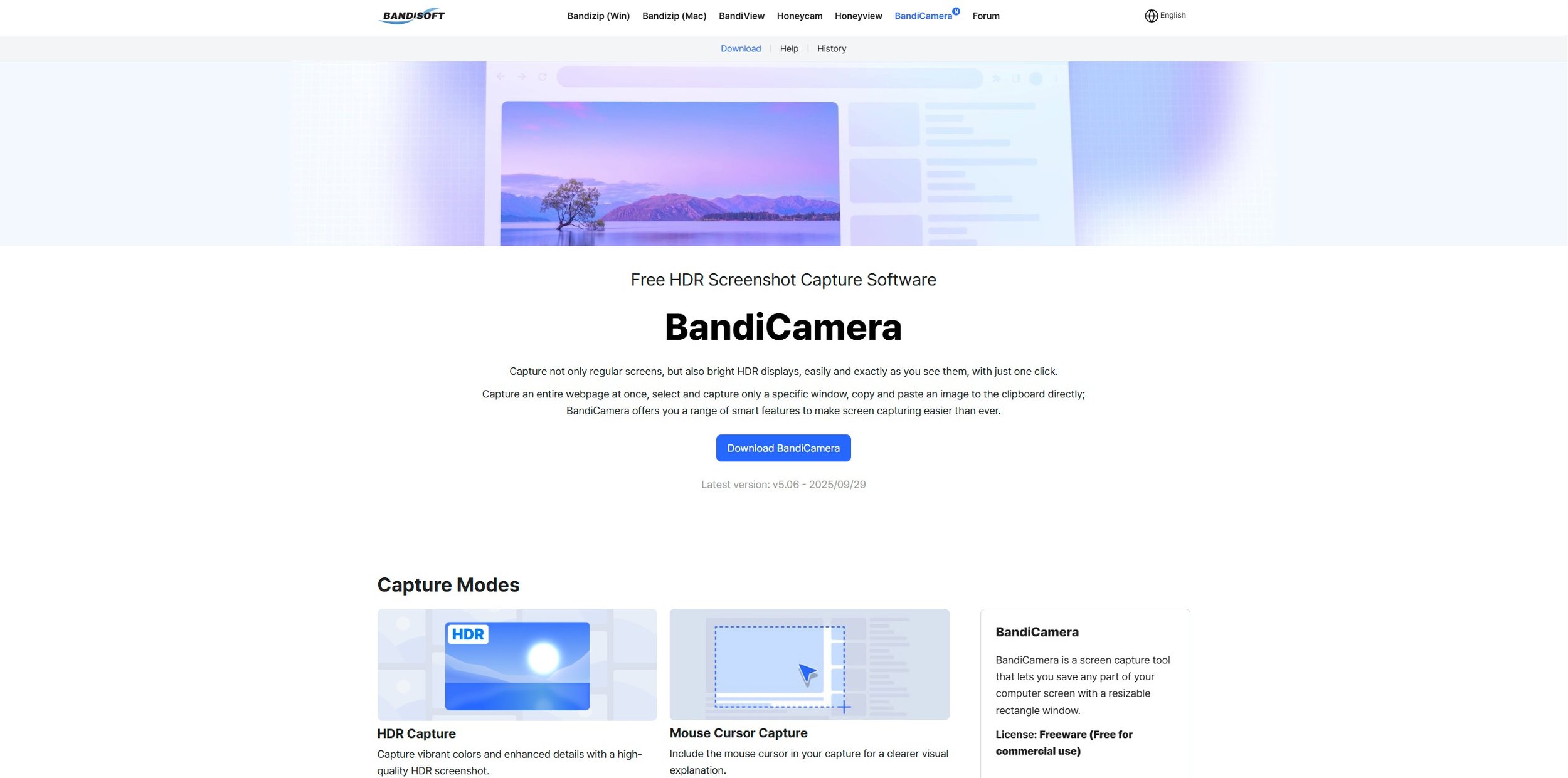
Sometimes, it’s good to try something different and to learn new skills. I’ve been mentally restless of late and miss applying myself to technical problems and expanding my skills. It’s one of the few aspects of traditional “work” that I miss. So after some deliberation, I’ve decided to try live streaming. Whether I’m successful at it and maintain a regular streaming schedule is another matter altogether. But I’m going to give it a go and have already determined how I intend to approach it and what “my angle” is going to be. However, first things first. Matters such as style, tone and presentation are concerns for later. I spent today getting to grips with Streamlabs OBS and learning the basics. I thought I’d share my experiences because it hasn’t been as straight forward a process as I’d imagined.
Sometimes, it’s good to try something different and to learn new skills. I’ve been mentally restless of late and miss applying myself to technical problems and expanding my skills. It’s one of the few aspects of traditional “work” that I miss. So after some deliberation, I’ve decided to try live streaming. Whether I’m successful at it and maintain a regular streaming schedule is another matter altogether. But I’m going to give it a go and have already determined how I intend to approach it and what “my angle” is going to be. However, first things first. Matters such as style, tone and presentation are concerns for later. I spent today getting to grips with Streamlabs OBS and learning the basics. I thought I’d share my experiences because it hasn’t been as straight forward a process as I’d imagined.
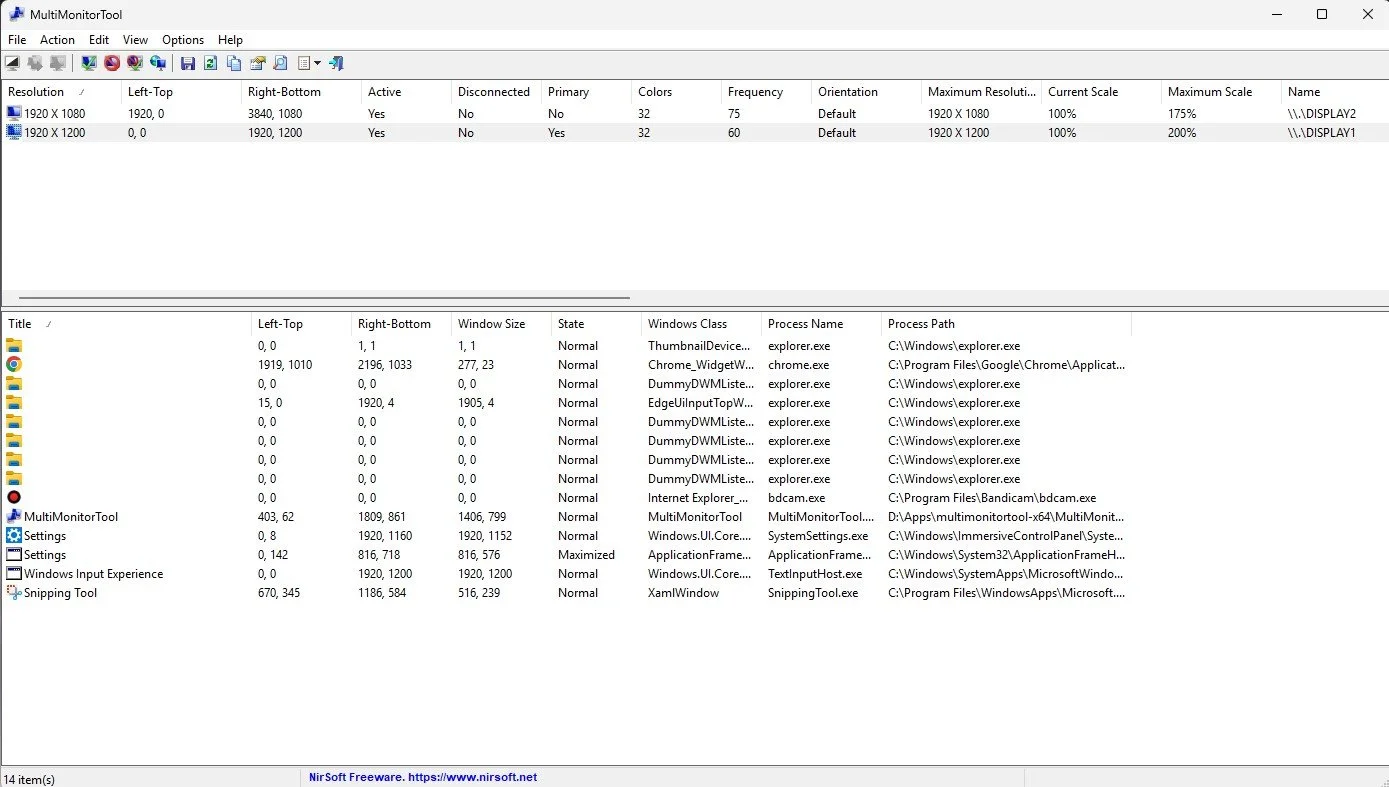
First off, this post is not intended as a guide, it is more of a commentary on SLOBS and the wealth of information that is available online. Like most “free software” there is a minimal amount of information contained within the program itself. There are some video links for a standard installation and an overview of the software’s functionality. New users are encouraged to use the SLOBS Discord channel but getting help in such an environment is a mixed bag. You’re at the mercy of who’s online, how helpful they are and whether they’re a good communicator. The latter is a criticism that plagues most of the You Tube content on this matter. I sat through dozens of videos today, that were intended to help and share information. Sadly most were rambling, vague and poorly expressed. Fortunately, I have access to an existing streaming community who managed to answer most of my enquiries. Therefore I’d say lesson number one is to speak to other streamers if you can and try to replicate their settings.
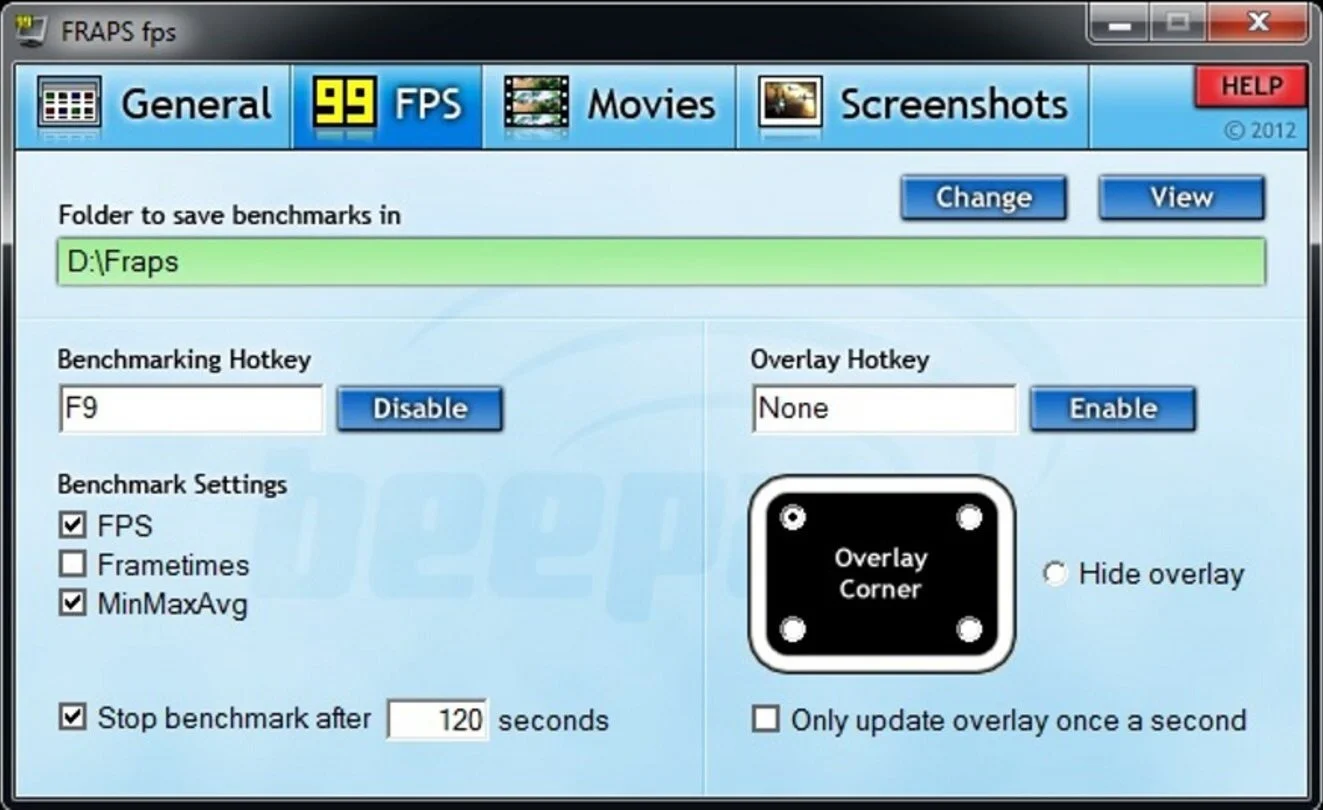
Having configured SLOBS, I attempted a test. Rather than “Go Live” on my Twitch account, I opted to record the results. This proved very useful. New streamers will save themselves hours of grief if they ensure from the beginning to run SLOBS as an administrator. Otherwise it will not find the game that you’re streaming. Another foible of the software happens when tabbing between the game you’re playing and SLOBS itself, which mutes the sound of your live stream. This is an “active window” issue and the only immediate solution is to not do this while you’re “live”. Fortunately, there is a SLOBS Remote app for phones and tablets, so you can manage your scene transitions and management without the need to tab to SLOBS itself. However, this brings me to lesson number two. It is not essential, but it will certainly make matters easier if you have a second monitor.
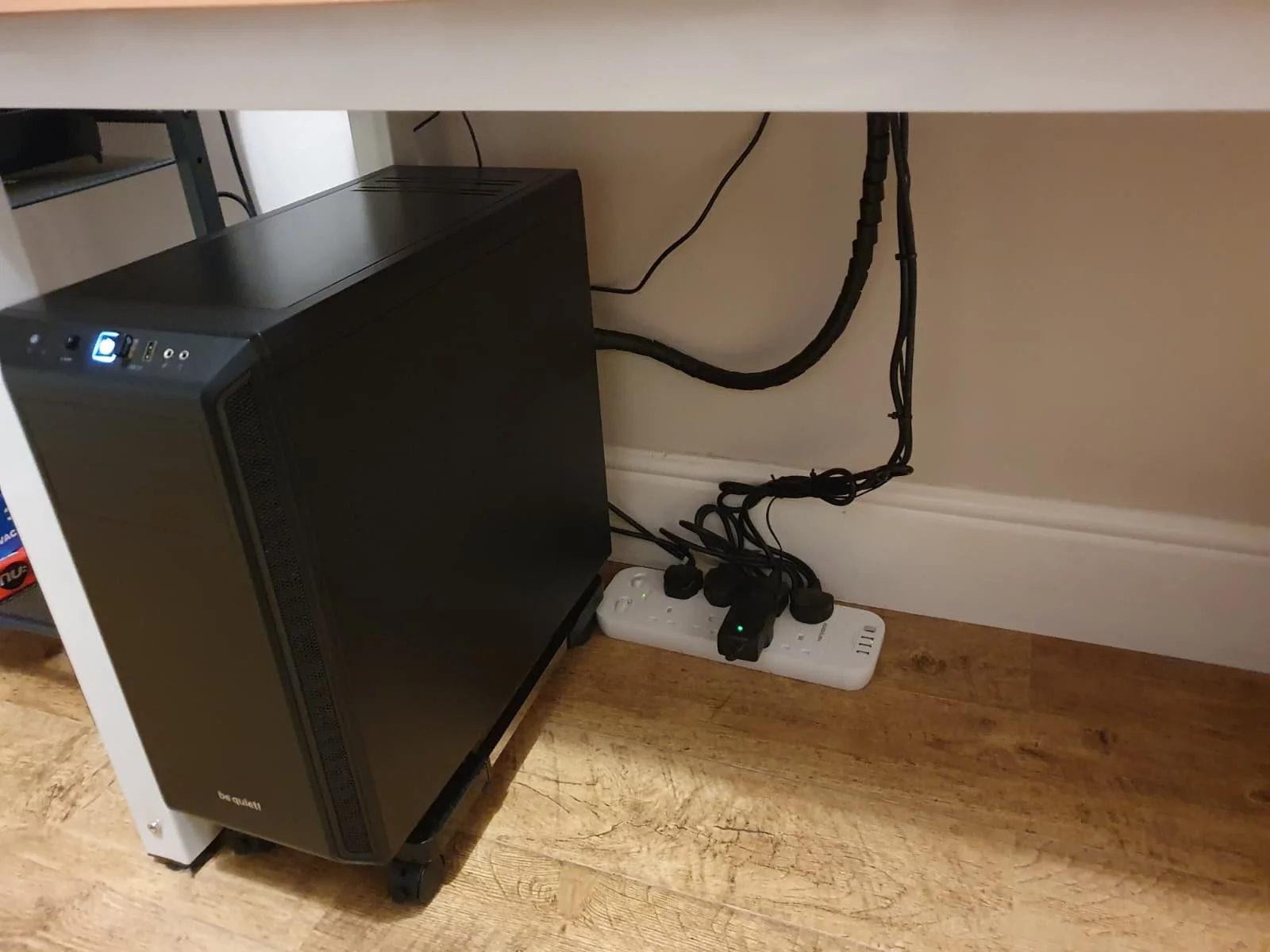
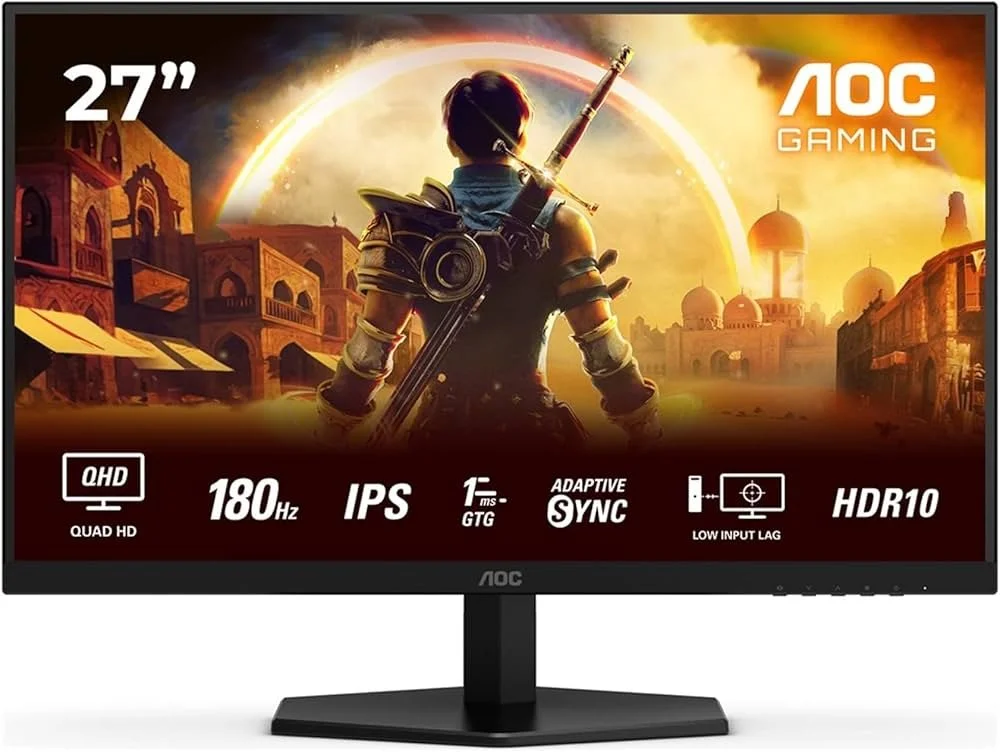
And therein lies the rub. It is casually implied by Streamlabs and many of the internet guides that you can just install the software and “go”. However, the reality is not quite as simple. SLOBS has multiple functionality and there’s a wealth of widgets you can add to manage subscriptions and social interactions. It even integrates the chat from your Twitch channel into the UI when you “Go Live”. Therefore having a second monitor, a mobile device for SLOBS Remote and establishing a lot of additional key binds for extra functions are all desirable. All of which have to be implemented in a way that is accessible, while you’re playing a game. I’m sure a lot of good streamers get by in their own unique fashion, but for optimal performance, you need a large desk with lots of space, a multiple monitor set up and possibly a tablet or bespoke device such as Stream Deck.
I don’t really have the room for a second monitor on my desk nor want at this stage in the proceedings to invest in any further hardware. So I’ve settled for having SLOBS Remote on my phone for scene management and having chat from my Twitch channel displayed on my tablet. At this point I am not going to complicate matters by having a webcam and integrating myself into my live streams. Coming form a podcast background I prefer things to be about what is being discussed rather than my sartorial elegance and rugged good looks. Today’s test streams worked although they were minimalist in nature. Now comes the task of templates and scene design, although I want to keep this as basic and functional as possible. I shall cover the next stage of my “adventures” in my next post on live streaming. In the meantime, I have adjusted my opinion on all who try this medium as it isn’t as straightforward as it first seems.
















The Proust Questionnaire Part 1
The Proust Questionnaire was popularized by Marcel Proust, the French essayist and novelist, who believed that, in answering the questions, an individual provides an insight into his or her true nature. Whether that is true is debatable, but I do find the internets fondness for Q&A sessions, curiously fascinating. And as this very questionnaire has been recently resurrected by Vanity Fair magazine and has also been utilised on the Ricky Gervais is Deadly Sirius podcast, I though I’d jump on the same bandwagon, as I’m behind in my writing and this is an easy post. As there are thirty-five questions, I thought I’d tackle them over two days. So, without further ado, here are my considered and measured thought on the first seventeen.
The Proust Questionnaire was popularized by Marcel Proust, the French essayist and novelist, who believed that, in answering the questions, an individual provides an insight into his or her true nature. Whether that is true is debatable, but I do find the internets fondness for Q&A sessions, curiously fascinating. And as this very questionnaire has been recently resurrected by Vanity Fair magazine and has also been utilised on the Ricky Gervais is Deadly Sirius podcast, I though I’d jump on the same bandwagon, as I’m behind in my writing and this is an easy post. As there are thirty-five questions, I thought I’d tackle them over two days. So, without further ado, here are my considered and measured thought on the first seventeen.
1). What is your idea of perfect happiness? I find that I am at my happiest when I am in a tranquil environment. Noise, crowds and any place or activity that has the potential to generate anger of bellicose behaviour are the bane of modern-day life. Give me a quiet, calming location, that is warm and pleasant, and I quickly feel relaxed and thereby better disposed to others. Populate such a place with those who I care about and whose company I enjoy, and it becomes even better. Adding Gin, Pimm’s or a quality red wine doesn’t do any harm either.
2). What is your greatest fear? Putting aside pain which I think is a red herring when tackling this question, for me my greatest fear is losing the capacity to think, reason and martial my thoughts. Senility, Alzheimer's disease and generally any form of mental decay terrify me. These are cruel conditions both for those who suffer from them and their families. To be afflicted in such a way and to slip into a mental decline, only to have occasional moment of lucidity, sends my blood cold.
3). What is the trait you most deplore in yourself? If I make someone a promise, then I’ll keep it. If I take onboard a project that involves others, I will do my part because I have an obligation that I need to honour. Yet, I don’t always maintain this standard if the only person involved is myself. I’ll let things slide if I’m the only one affected.
4). What is the trait you most deplore in others? I’m tempted to say existing in the first place, but that is a little misanthropic. So, on reflection I’ll go with wilful ignorance. There’s nothing wrong with not knowing something. I am poor at languages and there are lots of gaps in my academic knowledge. But if something comes to my attention that I don’t know about, I’ll research it. We live in an age where it has never been so easy to look something up. Yet so many people choose not to. And others even appear to revel in their ignorance. Thinking means having to read, analyse, consider and then make a decision. All things that many do not want to do at present. Every day is a chance at self-improvement, why choose to do the opposite?
5). Which living person do you most admire? This is a tough question. It’s hard to single out just one man or woman, because there are many who worthy of praise. So here are a few just off the top of my head in no order of preference. Ennio Morricone, because his music profoundly moves me, and he bring beauty into a dark world. Human rights campaigner Peter Tatchell, not so much because of his politics, but mainly because of his dedication. He fights for what is just possibly at the expense of his own happiness. I couldn’t do that. The world needs people like this. I may even go so far as also citing Queen Elizabeth II. I’m not a major royalist but I think she is a unique individual. One that really has spent her life serving the nation. The wealth is a merely a trapping. She is about duty to the country. And man, she has had to put up with some appalling visiting heads of state over the years, on top of a never-ending succession of utterly shite Prime Ministers.
6). What is your greatest extravagance? A signed picture of Peter Cushing. Cost a fortune. But it’s the Cushmeister. Say no more.
7). What is your current state of mind? Relaxed. I have arranged to take a brief 36-hour respite from my caring duties. I have tinkered with my PC today, eaten far too many Pork Loins and am now on the Guinness. The world is nicely on the other side of the front door and I’m listening to Anthony Newley. A cold caller phoned earlier by I told them to fuck right off. Take pleasure in the simple things, I say.
8). What do you consider the most overrated virtue? I believe this refers to the twelve virtues attributed to Aristotle, rather than those found in the MMO The Lord of the Rings Online. All of those classical virtues were fairly sound, so I don’t feel the need to pick on one. Using a more contemporary yardstick, being humble is considered a virtuous thing to be. Sadly, it often manifests itself in the form of the humble brag, which is quite the opposite. Plus, virtues are a poison chalice these days. Make a principled stand and you’ll be accused of virtue signalling, which is a pejoratives term.
9). On what occasion do you lie? I like any other human being living in western civilisation, skirt around the truth, make factually incorrect statements and lie by omission on a daily basis. You cannot have a society that runs smoothly if everyone was 100% truthful all the time. Emotions and the truth are a bit like oil and water. So, lying has become a fundamental part of human interaction, although it is governed by a lot of rules. For example, it is okay to lie to children. “There is a Santa Claus”. “Oh, that’s a lovely picture”. And my personal favourite, “you can be anything you want to be”. As an adult we also lie as a social nicety. “No, of course you don’t look like a sack of shit tied up in the middle with a dead tape worm” etc. But there are lines in the societal sand. Lying in grown-up situations around issues of relationships, arson, murder and cannibalism are definite non-starters.
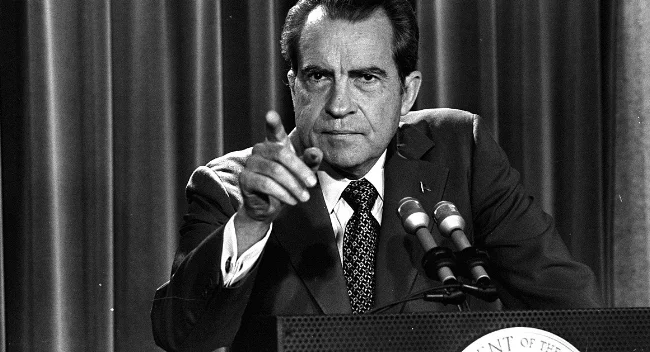
10). What do you most dislike about your appearance? At the age of nearly fifty-one I am beginning to lose that bloom of youth and my saturnine good looks are slowly fading. Plus, I’m not too keen on my eyes. It’s not the colour that concerns me but that old adage about the eyes being the windows of the soul. The realities of the modern world and the fact that life is mostly a bleak and futile experience, akin to picking at a scab, is reflected in my brown eyes. This frequently causes people to recoil and pets to defecate in flowerbeds. It’s not a good look for family photos either.
11). Which living person do you most despise? I don’t think it is healthy or wise to be consumed with abject hate for a person or thing. You can righteously disdain an individual or a course of action, but it helps if you maintain a sense of proportion. That said, there is no shortage of odious lickspittles and shit chiselling fuck monkeys in our world today. They are usually self obsessed, thin skinned, ignorant and devoid of empathy. It’s hard not to want to stove in their skull with a tent mallet. If you asked me this question when I was nine, I would have said Colin Robertson, without missing a beat, as he broke my eagle eye Action Man on purpose. The git.
12). What is the quality you most like in a man? A well developed and nuanced sense of humour. I like raconteurs and people who view the absurdities of the world through the prism of wit. I find that humour helps me no end, especially in my duties as a carer to two elderly people. If I didn’t laugh at what I encounter every day, I weep uncontrollably. I also like people who don’t try and dodge buying a round of drinks when it’s their turn.
13). What is the quality you most like in a woman? Why should this be any different to the quality I most like in men? Unless we’re going down the road of sexual qualities, to which I say keep your nose out of my peccadilloes (not to be confused with hands of my Armadillo). I guess this is just a legacy question from an age when the cultural divide between the sexes was more pronounced and entrenched.
14). Which words or phrases do you most overuse? “Nebulous”, on “mature reflection” and “go piss up a rope, fuck stick”. I am also obsessed with obscure pop culture references, usually taken from my most formative years. Therefore, I’ll frequently drivel on about stuff from seventies and eighties TV, music and movies. For example, I often plagiarise a line from a classic Derek and Clive sketch, regarding “a bird on Mrs Coltart’s roof”.
15). What or who is the greatest love of your life? Mrs P, obviously. If we’re talking about “love” in so far as a passion for an activity, then it is writing and maybe podcasting. There was a about a three-year period when Contains Moderate Peril got a little traction and writing every day was a joy and recording the weekly podcast with Brian and guests was an absolute hoot. Good times.
16). When and where were you happiest? This question implies that I have some how peaked in the happiness stakes and that it’s now just a slow and painful decline into misery and despair, while listening to Lacrimosa by Zbigniew Preisner really loudly. Fuck this question. I live in the moment and there has been happiness throughout my life, as there will be in the years to come. That said, my granddaughters really make me happy as they are so young, loving and unspoilt by life.
17). Which talent would you most like to have? I’d like to be able to play the Baliset like Gurney Halleck.
To be continued.
Strictly Come Dancing 2018: Part 1
With each successive season of Strictly Come Dancing there appears to be more and more celebrity participants who seem to be “good”, right from the get-go. For many years now there have been ongoing debates about whether those from certain backgrounds, IE music, acting and possibly even sport, have an advantage over the usual chefs, astrologers and ageing minor celebrities. Although I can see the initial sense of such arguments, I don’t think they hold up to close scrutiny. Having performed a few arbitrary dance moves whilst touring or having done a stilted routine for a TV drama or play is not the same as the rigour and scrutiny that comes with Strictly Come Dancing. However, setting aside this perennial question, despite only being three weeks into series sixteen, we saw some extremely strong movie themed performances last night and the potential emergence of several dark horses. Subsequently tonight’s results were interesting.
With each successive season of Strictly Come Dancing there appears to be more and more celebrity participants who seem to be “good”, right from the get-go. For many years now there have been ongoing debates about whether those from certain backgrounds, IE music, acting and possibly even sport, have an advantage over the usual chefs, astrologers and ageing minor celebrities. Although I can see the initial sense of such arguments, I don’t think they hold up to close scrutiny. Having performed a few arbitrary dance moves whilst touring or having done a stilted routine for a TV drama or play is not the same as the rigour and scrutiny that comes with Strictly Come Dancing. However, setting aside this perennial question, despite only being three weeks into series sixteen, we saw some extremely strong movie themed performances last night and the potential emergence of several dark horses. Subsequently tonight’s results were interesting.
As many expected, the top of the leaderboard was occupied by Faye and Giovanni, along with Ashley and Pasha. Both couples delivered, innovative, polished and spirited performances with their respective Quick Step and Salsa. However, Vick Hope struggled with aspects of her Salsa and similarly Joe Sugg did not deliver a strong American smooth. Although commendable performances, the technical deficiencies were reflected in their scores, which was surprising considering both have been already identified as potential finalists. Conversely, several other couples who as of last week appeared to still be in the early stages of their Strictly Come Dancing journey, came out fighting with robust performances. Graeme and Oti’s Spider-man themed Charleston was both entertaining and delivered with style. Stacey and Kevin’s jive was also a major crowd pleaser. And just as pundits and online commentators were beginning to write off comedian Seann Walsh, he came back with an intense Paso Doble, cunningly choreographed by Katya Jones.
The net result of this was that a lot of couples that the public expected to do well were pushed further down the leaderboard and found themselves in danger of getting their marching orders. I was surprised to see both Lauren and Dr. Ranj so near the bottom. And as ever with Strictly Come Dancing, there is the public vote to consider which varies from being at times utterly predictable and at others a real wild card. Hence, I was not expecting to find Charles Venn in the dance off this evening. Despite his penchant to referring to himself in the third person I think he so far shown potential as a dancer and certainly has the performance as well as charisma parts covered. As for Lee Ryan, he’s had two problematic dances in a row. Yes, there has certainly been some technical issues, but he cannot be accused of not trying. But again, it comes down to the whether or not he has a fan base or not and it would appear that he has not. I am not aware of any major transgression he may have made in his personal life that may have upset the public but then again, I’m not of an age or mindset to be interested in the murky world of tabloid celebrity tittle-tattle.
So, as Mr Ryan leaves the show, I’m left thinking that we may have further upsets in the weeks to come. I suspect that Katie Piper may out stay her welcome by being championed by the public as this year’s underdog. She’s a lovely lady but I think her lack of confidence is here to stay. I also think Dr Ranj may also plateau quite quickly. Enthusiasm can only carry you so far if the ability doesn’t improve. Then there is the issue of specific professional dancers who sometimes make poor choices when it comes to creating routines. Too much content, trying too hard, and breaking rules with regards to lifts are common pitfalls. Such mistakes always antagonise me as they are not the celebrity partners fault, but they suffer. I suspect that AJ Pritchard will once again go down this road, instead of letting his partner find her confidence. But all of these aspects and considerations are part of the excitement and joy of the annual Strictly Come Dancing journey. Although the show has a formula, it’s nice to have these unpredictable elements from time to time. Roll on next Saturday.
Thoughts on Blogging Part 1
There wasn’t a Newbie Blogger Initiative this year and I was saddened by that. I’ll make no bones about the fact that I liked this yearly event and the way for a few months after it, you’d see a lot of interesting new blogs spring up, filled with optimism and passion. But, what’s done is done, and life goes on. It’s up to others to pick up that particular torch and run with it, if they wish to see the event to return. I also miss a lot of my colleagues and peers’ blogs and the comradery that stemmed from the associated community. Again, this is a natural and inevitable attrition process, caused by that thing known as “life”. So, to combat my current melancholic malaise, I thought I’d collate a few of my thoughts about writing online and set them down in a semi-regular post, the same way as I do about podcasting.
There wasn’t a Newbie Blogger Initiative this year and I was saddened by that. I’ll make no bones about the fact that I liked this yearly event and the way for a few months after it, you’d see a lot of interesting new blogs spring up, filled with optimism and passion. But, what’s done is done, and life goes on. It’s up to others to pick up that particular torch and run with it, if they wish to see the event to return. I also miss a lot of my colleagues and peers’ blogs and the comradery that stemmed from the associated community. Again, this is a natural and inevitable attrition process, caused by that thing known as “life”. So, to combat my current melancholic malaise, I thought I’d collate a few of my thoughts about writing online and set them down in a semi-regular post, the same way as I do about podcasting.
So, to begin with, Sarah (AKA AlternativeChat) made a throwaway comment a while ago on Twitter about “getting something noticed”. I took this to be a reference to her prodigious written output. I tweeted back that “I've written several pieces that I'm proud of. However, they never got the traffic I hoped for. That's the nature of the beast, I guess”. I then pointed out the post that has garnered the most traffic during my seven years of blogging was a review of Top Cat: The Movie. That was posted on an older version of this website and ironically isn’t even available anymore. Then fellow blogger Wilhelm Arcturus added that “There is an inverse relationship between investment/effort and popularity. My most popular posts are ones I knocked out on a whim”. A sentiment that I concur with. Fellow blogger Gevlon expressed similar sentiments
All of this got me thinking about statistics and traffic. I’ve written in the past how it is important for the budding blogger not to become obsessed with these things. However, they can also be a very useful tool. Wilhelm himself, regular breaks down the traffic to his site and writes about it. Not in a self-aggrandising way but just as a means to gauge what topics are popular and to track how his writing patterns have changed over time. I used to blog regularly about the MMO LOTRO, as it was for several years the focal point of my gaming. It is not now and thus it doesn’t occur as often as a point of discussion. It is not unusual for the long-term blogger (or Tom Jones) to broaden their writing horizons over time, to accommodate the ebb and flow of their interests and passions. I have done it several times.
Writing a blog is a personal choice and peoples motivation varies. Most like myself, often site an enjoyment of writing as a primary factor. It could therefore be argued that for a purist blogger, who is not in any way driven by matters of ego, shouldn’t care if their blog remains unread. However, many of us write as a means to communicate our passion for something. Therefore, an audience, comments and feedback are important. Our writing is an invitation to friendly interaction and an exchange of ideas, although such concepts are becoming increasingly alien in the current binary climate. This last point paradoxically offers another reason to write. I use my blog as a means to marshal my thoughts and to try and understand what is happening in the world. Articulating your concerns can have a therapeutic value. Also, meeting those who are equally perplexed by the status quo can be rewarding.
A fellow blogger who wrote a very popular MMO fansite, once told me that they considered their writing as a public service in a way. I do not think the remark was born out of vanity. It simply reflected their enjoyment of participating in a wider community. However, they also remarked that once you embark down such a road, especially if you are receiving a high level of traffic, it can turn your passion in to a chore. They also told of how when they finally reached a point when they wanted to end their writing commitment, that they received from some quarters a lot of criticism and even aggression. It’s curious how some fans go from enjoying free content, to expecting it and treating it as if it were a product that they paid for. Mercifully, I’ve not encountered such problems. I would not claim to have such a large audience, nor do I see my writing as a public service. But I do at times struggle to maintain a regular posting schedule. It’s something that’s common to all bloggers, most of whom would like to write more than they do.
Finally, I discovered that blogger Isey has a page called “Writers Resting in Paradise” over at their website IHasPC. It lists many blogs that have ceased regular posting and have gone quiet. I believe the criteria to get on this list is to not post for six months or more. However, it should be noted that you do find from time to time, that hibernating blogs suddenly revive as the author gets bitten by the blogging bug again. Stropp recently started posting again over at Stroppsworld, which is nice to see. Being a fan of the written word, I always prefer to read someone’s thoughts than watch a live stream or a video. Visual mediums have their place and can be fun and compelling. Yet the written word provides scope from greater analysis and expression, due to the subtleties of the English language. Reading others use of words and how they choose to communicate their thoughts is fascinating and an invaluable insight into that person.
Strictly Come Dancing 2017: Part 1
Yes, we’re three weeks into this year’s season of the BBC’s flagship entertainment show, Strictly Come Dancing (that’s the UK version of Dancing with the Stars for the benefit of US readers). The tabloid press has already started obsessing, dissecting and outright lying about the antics of a handful of minor celebrities as they struggle with the rigours of learning to dance. From now until Christmas, prime time Saturday night viewing on the Beeb will be suffused with the superficial glamour of showbiz, a barrage of camp innuendo and a mixture of well-honed muscles and wayward flesh as well as far too much make-up. You also get to choose whether to laugh along with heavily scripted and contrived comments from the professional judges. If we’re particularly fortunate we may even be blessed with a professional dancer meltdown as they balk at a “ill deserved” poor score (yes, we’re looking at you Brendan Cole).
Yes, we’re three weeks into this year’s season of the BBC’s flagship entertainment show, Strictly Come Dancing (that’s the UK version of Dancing with the Stars for the benefit of US readers). The tabloid press has already started obsessing, dissecting and outright lying about the antics of a handful of minor celebrities as they struggle with the rigours of learning to dance. From now until Christmas, prime time Saturday night viewing on the Beeb will be suffused with the superficial glamour of showbiz, a barrage of camp innuendo and a mixture of well-honed muscles and wayward flesh as well as far too much make-up. You also get to choose whether to laugh along with heavily scripted and contrived comments from the professional judges. If we’re particularly fortunate we may even be blessed with a professional dancer meltdown as they balk at a “ill deserved” poor score (yes, we’re looking at you Brendan Cole).
Now I have watched Strictly Come Dancing since 2005. It is ideal family viewing and is better than other reality shows because at its core, it's about people learning a very difficult artistic skill. As long as you accept it for what it is, which is an entertainment show rather than a straight dance contest, there is a great deal of fun to be had. Or that's the theory. I’ve been somewhat burned out on Strictly Come Dancing for the last three years and the prospects of watching another season was not especially appealing earlier on in the year. Because of the nature and more importantly, the popularity of the show, it has become a somewhat slickly oiled machine which follows an established formula. As a result, the last few seasons have left very little impression on me. There have been some outstanding dances but the celebrities have been somewhat bland and there has been a lack of anyone having a distinctive “journey”.
The judges until recently, have all become caricatures of themselves, which is exactly what the audience wants. However, the recent replacement of Len Goodman with Shirley Ballas has somewhat redressed the balance. Shirley seems to be both technically astute, as well as understanding of the human factor. So far, she has shown no penchant for pickling walnuts. However, we have seen in the last three shows, a broad spectrum of scores. And as ever the judges tend to have their favourites and seem to be encouraged to show this. So, if you’re expecting a broadly non-partisan experience from Strictly Come Dancing then you’re barking up the wrong tree. Nothing goes down better with the Great British public than binary choices and believe me, this show can get very tribal when it comes to public support of the dancing couples.
Another facet of the Strictly formula are the celebrity contestants, who also seem to follow a clear pattern. To date, those from a sporting, musical or TV background seem to have the best chances of claiming the trophy. Age and physical fitness is also plays a key part. So, it becomes very easy to guess which specific role each of the celebrities will play. Who will be the front runner (s) exhibiting a natural ability right from the get go. Who is wild card and which non-professional will assume the role of the self-improver. It is these individuals who often have the best “journey”. Then there is the pivotal position of the crowd-pleasing fool with no sense of rhythm. As long as they give it their all they usually remain on the show as far as Blackpool. And of course, let us not forget those who just can't dance and aren't even amusing. Plus, the show offers a great opportunity to judge people for the heinous crime of ageing without due care and attention.
Until this year, I thought that even Schadenfreude has its limits, so I was expecting to end my love affair with Strictly Come Dancing. But we live in proverbial “interesting times” and the world of late has become a very bleak and dark place. Hope is a scarce commodity at present and it is in such circumstances that I see the virtue in populist entertainment. That and the fact I absolutely adore Susan Calman and her entire approach to the Strictly phenomenon. Plus, I have a gut feeling that we’re going to have a controversy of some kind, shortly. I do like a controversy, especially if it’s of the magnitude of Sargent-gate. If a crap performer is kept on the show by the public at the expense of a more talented dancer, then there is scope for a national tabloid meltdown. Questions may well be asked in parliament. Then there’s the whole celebrity tittle-tattle of who’s having a sordid sexual dalliance with whom. It’s worryingly entertaining. So just to re-iterate, I'm not yet done with Strictly Come Dancing despite what I initially thought. I look forward to this year’s wardrobe choice that pushes the boundaries of "public decency" and live in the pious hope that someone will slap the smug grin of A J Pritchard’s face. Long live prime time, Saturday night, light entertainment.
Gaming Heresy: Part 1 My Gaming Epiphany
It’s been a while since I’ve had a rant, frothed at the mouth and vigorously shaken my clenched fist at clouds. If you do this too often when running a blog you can paint yourself into a corner. Ranting then becomes the defining aspect of how your writing is perceived. Another reason why I don’t want to write an endless succession of irate screeds about the failings of the gaming industry and its associated player communities, is because as I get older, I simply do not care as much about these things. The recent debacle about microtransactions in Middle-earth: Shadow of War, garnered nothing more than a raised eyebrow from me. A decade ago I would’ve been marshalling a restless lynch mob, armed with hoes, rakes and flaming torches. Time and old age have a habit of cooling one’s ardour. However, letting off steam can be very cathartic, so I’ve decided to inaugurate this infrequent column in which I shall vent my spleen about the things that displease me and express views that may well fly in the face of the prevailing consensus.
It’s been a while since I’ve had a rant, frothed at the mouth and vigorously shaken my clenched fist at clouds. If you do this too often when running a blog you can paint yourself into a corner. Ranting then becomes the defining aspect of how your writing is perceived. Another reason why I don’t want to write an endless succession of irate screeds about the failings of the gaming industry and its associated player communities, is because as I get older, I simply do not care as much about these things. The recent debacle about microtransactions in Middle-earth: Shadow of War, garnered nothing more than a raised eyebrow from me. A decade ago I would’ve been marshalling a restless lynch mob, armed with hoes, rakes and flaming torches. Time and old age have a habit of cooling one’s ardour. However, letting off steam can be very cathartic, so I’ve decided to inaugurate this infrequent column in which I shall vent my spleen about the things that displease me and express views that may well fly in the face of the prevailing consensus.
So, let us begin. Here’s a thought. Gaming is just another commercial leisure industry that is of no greater merit than TV, Movies and popular music. It’s driven primarily by commercial considerations, with art are ethics being secondary issues. Like other entertainment mediums it can be pitched at various ends of the intellectual spectrum and made to varying degrees of quality and professionalism. Although gaming can highlight specific issues and offer social commentary it has no more significant power to impact upon events than other artforms. Games themselves can on occasions be “art” but by and large, most products are just disposable entertainment. Just like a sitcom, an action movie or a pop song. Games are not special, important or unique, when compared to other leisure activities. The social aspects that so many extol exist because of the players themselves and the games are merely a conduit. Essentially, the expression “it’s just a game” is true. It’s not a denigration but simply a statement of fact.
Richard Nixon has no relevance to this article...
And if gaming per se is simply a commercial exercise in mainstream leisure and thus nothing exceptional, then surely the same must be said for fandom? Therefore, claims of gamers being problem solving savants and alternative, high end achievers are bogus. Gaming and its subset of related fandom is a breeding ground for a myriad of unpleasant opinions and facilitates antisocial behaviour. It is a microcosm of the entire “first world problems” mentality that blights Western popular culture. It contributes to the growing infantilization of public discourse and social interaction as well as playing directly into the hands of the “bread and circuses” policies of the political classes. Why waste your time campaigning, lobbying and fighting for universal healthcare, affordable housing and accountable government? Someone on a game development team has nerfed the Sword of Kagnazax and gimped your build, so why not send them death threats?
I was walking around a very large branch of WHSmith recently. Despite the proliferation of digital media, magazines have not yet vanished from the shelves. In fact the number of fan and enthusiast based publications available is still prodigious. Gardening, fishing, mud wrestling are all represented. It’s a similar story if you go online. There are forums and subreddits for every conceivable leisure activity. If you decide to dip your toe in the respective waters of each community you will find one common factor in them all. Drama. All discuss the minutiae of the object of their affection as if it were the meaning of life itself. It soon becomes very apparent that it is not really fandom that is the issue but people. The bastards. Show me a problem and I’ll show you someone called Colin who’s responsible. All of which is just further evidence that gaming is merely another facet of humanity’s habit of slapping itself on the back, while simultaneously kicking some other poor sod in the nuts. When put in such a context, the reality is clear. Gaming ain’t all that.
This is my gaming epiphany. It’s not something that happened on the road to Damascus or overnight in a Premier Inn outside of Chester. It has come about over a period of time in which the iniquities, trivialities and pomposities of both the gaming industry and its fans have been dripped upon me like Chinese water torture. Don’t get me wrong, irrespective of this rant, I enjoy gaming and do not regret the time I’ve spent pursuing it. I just see it for what it is; an amusing diversion, an enjoyable challenge and one of the many pointless activities we fill our lives with before death cold embrace and the inevitable void. Sadly, it is because my perspective is not a common one, that the gaming industry acts with the impunity that it does and treats its customer base so poorly. I wonder if there will be a major shift in perception among fans, in another twenty years? Only time will tell. In the meantime, a percentage of gamers will continue to shriek “Git Gud” and I’ll continue to shake my head at their misplaced sentiments and watch as democracy is dismantled around them.
The Songs of Middle-earth: Part One
Tolkien's use of song and verse are an integral part of his writings. I am not musically talented myself, nor am I a scholar of song structure but I appreciate how he uses them for plot exposition and character development. In The Lord of the Rings, the medium of song is also used as a means of conveying the enormity of Middle Earth and the wealth of history therein. They give us a sense of the realms lore and heritage, stretching back over millennia. The respective sophistication of each song also reflects the culture that created them. Songs from The Shire are rustic and quaint. The songs of Men are bombastic and bold. Whereas Elven music is often melancholy and complex.
Tolkien's use of song and verse are an integral part of his writings. I am not musically talented myself, nor am I a scholar of song structure but I appreciate how he uses them for plot exposition and character development. In The Lord of the Rings, the medium of song is also used as a means of conveying the enormity of Middle Earth and the wealth of history therein. They give us a sense of the realms lore and heritage, stretching back over millennia. The respective sophistication of each song also reflects the culture that created them. Songs from The Shire are rustic and quaint. The songs of Men are bombastic and bold. Whereas Elven music is often melancholy and complex.
Norse and Anglo-Saxon Mythology were immensely important and influential on Tolkien. Thus, many of his songs are in the idiom of Norse poetry. He often uses literary devices such as the pitch of repeating vowel sounds (assonance) as well as the resonance of repeating consonant sounds (both in alliteration and in consonance). Tolkien himself sanctioned composer Donald Swann (of Flanders and Swann fame) to set some of his work to music and it met with his approval. Yet there are no definitive musical versions. This leaves a great deal of scope for artists from all musical disciplines to interpret his work.
A Google search will provide you with a wealth of artists that have attempted to bring Tolkien’s songs to life. From Rick Wakeman, Daniel McCarthy to Sir Christopher Lee. I have selected a few of examples of these for your consideration. Some are the exact songs as they were written by the Professor himself, with accompanying music. Others have been cleverly adapted or abridged. I have even included some material that was simply inspired by Professor Tolkien's work.
The BBC radio adaptation of The Lord of the Rings in 1981 was a milestone in radio drama. Composer Stephen Oliver made an immeasurable contribution to the production with his intelligent and musically literate expressions of Tolkien's written work. O Elbereth Gilthoniel is a paean in reverence of the star Queen. Oliver cleverly adapts the Sindarin text into a beautiful and expressive song, sung in the style of a madrigal. It is a bold interpretation yet it works superbly, reflecting the artistic dignity of the Elves.
A Elbereth Gilthoniel
silivren penna míriel
o menel aglar elenath!
Na-chaered palan-díriel
o galadhremmin ennorath,
Fanuilos, le linnathon
nef aear, sí nef aearon!
A Elbereth Gilthoniel
o menel palan-diriel,
le nallon sí di'nguruthos!
A tiro nin, Fanuilos!
O Elbereth Starkindler,
white-glittering, slanting down sparkling like a jewel,
the glory of the starry host!
Having gazed far away
from the tree-woven lands of Middle-earth,
to thee, Everwhite, I will sing,
on this side of the Sea, here on this side of the Ocean!
O Elbereth Starkindler,
from heaven gazing afar,
to thee I cry now beneath the shadow of death!
O look towards me, Everwhite!
Now this may be a controversial choice, coming from the 1977 animated version of The Hobbit. It is not a film held in high regard. In the Valley, Ha! Ha! written by Jules Bass and performed by Glenn Yarbrough is based upon the song the Elves sing as the Dwarves, Gandalf and Bilbo ride down into the Valley of Rivendell for the first time. The musical arrangement is very much a product of the seventies and the warbling voice of Mr. Yarbrough is not to everyone's liking. Yet it catches the light-hearted spirit of the source text very well and it is worryingly hummable. I have warmed to it in recent years and consider it a good example of less being more.
O! What are you doing,
And where are you going?
Your ponies need shoeing!
The River is flowing!
O! Tra-la-la-lally
Here down in the valley!
Ha ha!
O! Where are you going,
With beards all a-wagging?
No knowing, no knowing
What brings Mister Baggins,
And Balin and Dwalin
In June in the valley
Ha ha!
O! Will you be staying,
Or will you be flying?
Your ponies are straying!
The daylight is dying!
To fly would be folly,
To stay would be jolly!
O! Tril-lil-lil-lolly
Ha ha!
O! What are you doing,
And where are you going?
Your ponies need shoeing!
The River is flowing!
O! Tra-la-la-lally
Here down in the valley!
Ha ha!
Mithrandir by Leonard Rosenman with lyrics by Mark Fleischer, comes from the 1978 animated version of The Lord of the Rings. The score by veteran composer Rosenman is not considered to be a particularly innovative piece of work but it is both functional and adequate. Director Ralph Bakshi found it clichéd and wanted a soundtrack by led Zeppelin. The song is somewhat traditional in its style, starting with elements of a holiday choir and ending in a Miklos Rozsa style biblical idiom. Yet despite its clumsy implementation the lyrics are a curiously accurate summation of Gandalf's character. The song is sung in Lothlorien as a lament to the Grey Pilgrim and is moving in a rather honest and simple fashion.
Let the night never cease to call you
Let the day nevermore be the same
Though you've gone where we cannot find you
In each heart you have set your name
Mithrandir far you wander
And long may your name be sung
Through kingdoms of starlight
And realms of the sun
Mithrandir though you're hidden
We're still guided by your light
You're walking beside us
A friend in the night
We were lost when the dark descended
And the light gathered into a storm
You appeared like a sunlit morning
At the winds of a world at war
Mithrandir far you wander
And long may your name be sung
Through kingdoms of starlight
And realms of the sun
Mithrandir though you're hidden
We're still guided by your light
You're walking beside us
A friend in the night
Mithrandir rising through the shadow
Like a star shining deep in its home
You will dwell in our hearts forever
Nevermore will we stand alone