Battlefield 6: Farming XP and AFK Bot Servers
One aspect of Battlefield 6 that some players struggle with is unlocking and levelling up new weapons. Players begin the game with a selection of weapons from each class but you then have to actively play with each of them to unlock specific attachments via Mastery XP. Further weapons become available as players gain experience and increase their overall Career Rank. Players who are well versed in playing the FPS genre will naturally progress faster. The downside to this is that new players equipped with a base weapon end up going up against seasoned players with superior firearms. Both Mastery and Career Rank XP are doled out according to team and individual performance in each game you play. It is a slow grind for players to unlock weapon and vehicle resources. Double XP tokens go some way to address this issue but they do not mitigate the progression speed, which exists by design.
One aspect of Battlefield 6 that some players struggle with is unlocking and levelling up new weapons. Players begin the game with a selection of weapons from each class but you then have to actively play with each of them to unlock specific attachments via Mastery XP. Further weapons become available as players gain experience and increase their overall Career Rank. Players who are well versed in playing the FPS genre will naturally progress faster. The downside to this is that new players equipped with a base weapon end up going up against seasoned players with superior firearms. Both Mastery and Career Rank XP are doled out according to team and individual performance in each game you play. It is a slow grind for players to unlock weapon and vehicle resources. Double XP tokens go some way to address this issue but they do not mitigate the progression speed, which exists by design.
However, this problem has been creatively addressed by the player base. Battlefield 6 allows players to create custom servers and populate them with bots. These can be shared with other players or used privately. Hence within hours of the game launching on 10th October, players have been creating bot farms and playing against low threat AI bots to gain both types of XP, frictionlessly. Unfortunately, as of today Battlefield Studios have now nerfed the ability to gain Mastery XP from custom games with bots. You can no longer use such servers for Daily Missions, Assignments or Challenges either. However, farming Match Completion Bonus which counts towards your Career Rank XP, is still possible at the time of writing this post. Players can set up a private AFK bot server with games that last just 4 minutes, which yields 3465 XP each time.
To set up a private AFK bot server, go to Battlefield Portal and sign in with their EA account credentials. Then follow the steps below.
Click Create New and then select Portal Custom (not Verified Modes).
Then choose Default and click on Start Editing.
The first setting that you can configure is the game time. Set this to 4 minutes which is below the game timeout for being AFK.
Leave all other settings to their respective defaults and then click on Publish, on the drop down menu on the left of the screen.
The next screen allows you to name the server. Click on Step 3, again on the drop down menu on the left of the screen, to to go to the Publish Experience page.
Finally click on Create New and then Submit To Publishing, to complete the process. Your custom game will be flagged as Pending but you can still use it.
To run the server, start Battlefield 6 and navigate to Community and My Experience, where you will find your customer server. Host it and let it run. It will not be visible to other players. A multiplayer game will start and finish every 4 minutes, giving you 3465 XP Match Completion Bonus each time. You don’t have to do anything else and can go AFK. This method can be used on both consoles and PCs. It should yield good results for players just starting to level in the game but it should be noted that as you advance your Career Rank, the amount of XP required for the next level always increases. Hence a level 1 player running such a server running for six hours may gain 6 levels, whereas a level 45 player doing the same may only gain half that amount. Use accordingly and remember that this workaround may also be nerfed at a later date by Battlefield Studios.







Battlefield 6: More Tips
Multiplayer gameplay in Battlefield 6 is often fast, chaotic and disorientating. There are numerous controls to learn and game mechanics to familiarise yourself with. It can be a struggle at times to try and navigate your keyboard while under fire. Often you will lose in a gunfight simply because you don’t know about something important that could help you out or save your life. Like many other online games, it all comes down to experience. So here are some further tips regarding gameplay, settings and online etiquette, that will broaden your knowledge of Battlefield 6 and hopefully improve your online experience. As ever these tips are in no particular order. Some may be self-evident, others not. They’re written from the perspective of a PC player but are applicable to all platforms.
Multiplayer gameplay in Battlefield 6 is often fast, chaotic and disorientating. There are numerous controls to learn and game mechanics to familiarise yourself with. It can be a struggle at times to try and navigate your keyboard while under fire. Often you will lose in a gunfight simply because you don’t know about something important that could help you out or save your life. Like many other online games, it all comes down to experience. So here are some further tips regarding gameplay, settings and online etiquette, that will broaden your knowledge of Battlefield 6 and hopefully improve your online experience. As ever these tips are in no particular order. Some may be self-evident, others not. They’re written from the perspective of a PC player but are applicable to all platforms.
Any class can drag and heal another incapacitated player. This is essential to conserving tickets.
Interact with Support players by pressing E, LS to replenish ammo. Alternatively request ammo by using the radial menu.
Take the high ground in combat. It is easier to spot enemies and direct your squad from elevated positions. It is easier to fire down on an enemy for an enemy to fire up.
Within the game’s graphic settings lower the World Brightness from 50 to 40. It improves visual clarity.
Do not take vehicles without allowing other players the option of joining you. A solo player cannot drive as well as fire primary and secondary weapons. Vehicles have both an offensive use, as well as providing team transportation.
Use the combat roll to negate or reduce fall damage. Just press jump while dropping down from a building. For distances under 8 metres and you sustain no damage.
Do not use a sniper rifle outside of the Recon class as it randomly misses shots by design.
Charge your defibrillators by pressing the trigger on your mouse or controller before reviving players, as it brings them back with more health.
Suppressed weapons do not show as a red dot on the minimap at 15 metres distance, when fired. Players firing suppressed weapons in your line of sight do not show a red dot above their heads.
Use the tactical ladder to access windows, climb walls and to reach elevated cover.
Support class ammo bags are proximity-based and will resupply ammo in the AoE radius. The bag also provides a low, passive heal over time. Ammo bags can also be used to boost your initial stock of grenades and RPGs.
Initiation Breakthrough is a tutorial game mode featuring enemy bots, designed for new players to learn the basics of the game. It becomes unavailable between levels 10 to 20, depending on how much you use it.
Turn on Helicopter Control Assist within the game settings, as it allows the helicopter to hover automatically when no player input is applied.
When driving a tank, you can toggle between two different types of ammunition. Choose between anti-personnel or armour piercing, when in combat.
When on fire, extinguish flames by going prone and crawling.
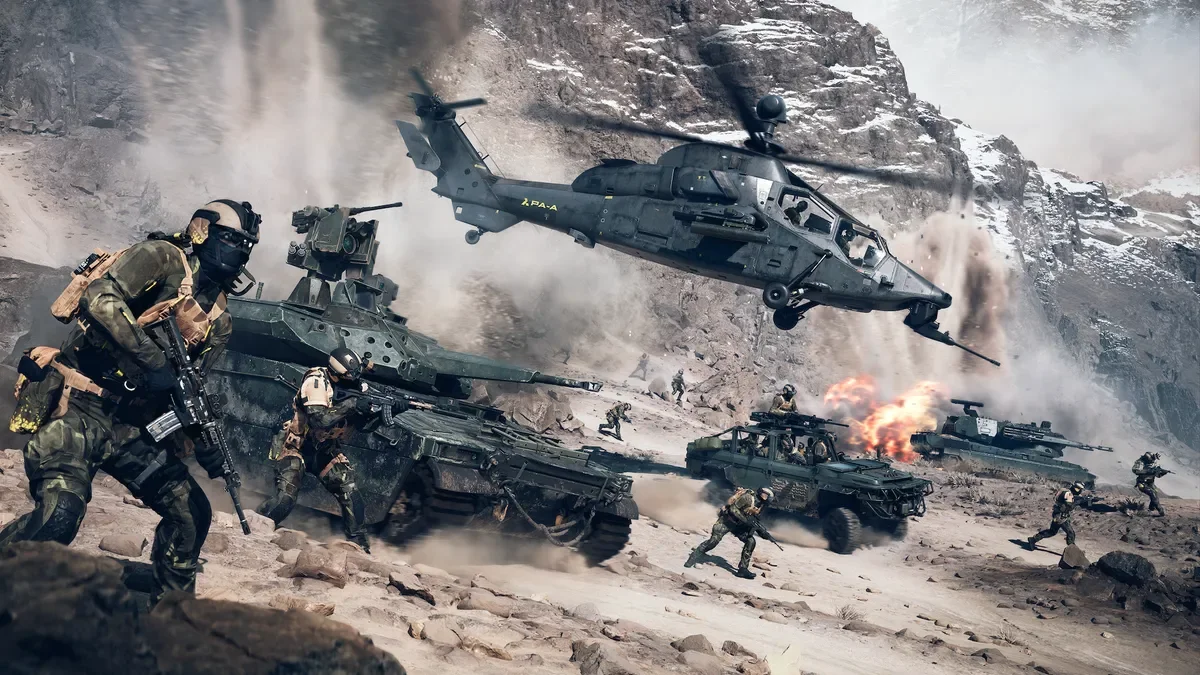
Battlefield 6: Tips
Although Battlefield 6 is a straightforward and self-explanatory multiplayer FPS, there are a great deal of controls, systems and game mechanics to master. Simply learning your controller or keyboard layout takes some time. There is also a lot of information about the game that, if known, can greatly improve your online experience. These can range from simple changes to default settings to understanding how weapons handle in-game and how to control them effectively. Hence, I thought it would be useful to new or returning players, to collate a list of tips for Battlefield 6. Some are quite obvious where others may not be quite so well known. They’re in no particular order. Hopefully you’ll find them useful.
Although Battlefield 6 is a straightforward and self-explanatory multiplayer FPS, there are a great deal of controls, systems and game mechanics to master. Simply learning your controller or keyboard layout takes some time. There is also a lot of information about the game that, if known, can greatly improve your online experience. These can range from simple changes to default settings to understanding how weapons handle in-game and how to control them effectively. Hence, I thought it would be useful to new or returning players, to collate a list of tips for Battlefield 6. Some are quite obvious where others may not be quite so well known. They’re in no particular order. Hopefully you’ll find them useful.
Do not fire your weapon continuously because the longer you fire, the more bullet spread (or bloom ) you will experience. Tap fire to reduce bloom. You can also switch to semi-auto or burst fire (if the weapon supports it) for increased accuracy.
Mount your weapon on both horizontal and vertical surfaces for stability. If your weapon has a bipod equipped, press the melee button while lying prone to mount on the ground.
Weapons are zeroed to 50 metres, apart from sniper rifles. Therefore when ADS firing at close range, aim lower, IE at the groin or abdomen, to hit the central body mass. Otherwise you will fire too high.
Hip firing at close quarters is quicker and potentially more accurate.
When in combat, go prone selectively and tactically as you don’t register on the minimap when shooting and there is less recoil.
Use the game audio to your advantage. The game’s sound design is very good at providing audio cues and indicating location. Using a headset greatly helps pinpoint sounds.
Use the minimap. Increase its size via settings and consult it regularly. It shows enemy locations as well as your squad mates and team. Use it to locate resources such as ammo supplies.
Spot enemies by aiming at them and pressing the Q, L1 or LB. It is easier using a drone on the Recon class as you just have to move the crosshairs over the target to mark them.
Use the mounted heavy weapons such as the machine guns and recoilless guns when targets present themselves. They are accurate and deadly if used effectively. If possible, have a squad mate cover you while using mounted weapons.
Whenever possible attack tanks from the rear, where their armour is weakest. If you’re a Recon class, be creative with the use of C4. IE attach to vehicles and drones etc.
Engineers can use smoke grenades to provide cover when advancing, retreating and reviving players. Remember that smoke can be countered by the use of thermal weapon optics.
When running, stow your weapons and run with your combat knife, defibrillators or engineer tool equipped, to go faster.
Beware sniper scope glint. White glint shows a sniper aiming. A rainbow glint indicates that you’re at the right range for a one shot kill.
The Support class can use deployable cover at strategic locations and chokepoints. Engineers can repair deployable cover.
Any class can change the default melee weapon from knife to a sledgehammer. Use them to get through walls and floors, providing alternate routes to a strategic target.

Thinking Out Loud
To quote Sam Gamgee “It's the job that’s never started as takes longest to finish, as my old gaffer used to say”. I recently had a timely reminder that this aphorism is 100% true. I finally got round to updating my blog, something that I had been putting off because I knew it would result in breaking the site and incurring a great deal of work. Well I did it. The process was relatively straight forward and didn’t result in anywhere near the amount of formatting issues that I had feared. Within 72 hours I had figured out how to fix most of the problems that arose and after a week I had added new pages and revised those that required a makeover. I still have to correct image sizes in many previous posts but the site has finally been dragged into the current blog era. Furthermore, addressing this issue has lifted a weight of my mind and I feel far more disposed towards writing and posting regularly. I wish I had done this sooner.
Thinking Out Loud is a recurring post in which I present a selection of thoughts and ideas that have recently crossed to my mind. While some of these could be developed into lengthy blog posts in their own right, that is not the primary objective of this initiative. Thinking Out Loud serves as a platform to share some ideas for mutual contemplation and reflection. Hopefully, this will stimulate some debate and discussion. As always, I invite you to leave a comment and welcome any insights you might wish to contribute.
Website Upgrade
To quote Sam Gamgee “It's the job that’s never started as takes longest to finish, as my old gaffer used to say”. I recently had a timely reminder that this aphorism is 100% true. I finally got round to updating my blog, something that I had been putting off because I knew it would result in breaking the site and incurring a great deal of work. Well I did it. The process was relatively straight forward and didn’t result in anywhere near the amount of formatting issues that I had feared. Within 72 hours I had figured out how to fix most of the problems that arose and after a week I had added new pages and revised those that required a makeover. I still have to correct image sizes in many previous posts but the site has finally been dragged into the current blog era. Furthermore, addressing this issue has lifted a weight of my mind and I feel far more disposed towards writing and posting regularly. I wish I had done this sooner.
Fan Podcasts
15 years ago the majority of the podcasts that I regularly listened to were fan made productions. Many of these were video game related. I was far more passionate about gaming back then and would happily listen to fellow players relate their in-game experiences and discuss the minutiae of a specific class or instance. These shows were sometimes a little rough around the edges but they were driven by passion and had a sense of honesty about them. Sadly, many of these shows have ceased production and the “wild west” spirit of the internet has slowly been tamed. I find nowadays that the majority of podcasts that I listen to, although independently produced, use professional production companies. There are still people out there recording via Zoom and using dodgy mics but it’s not so commonplace. I wonder if the perceived need to be slick and professional discourages people from having a go themselves?
Green Vegetables
I was channel surfing the other day and watched a few minutes of a shopping channel that was selling kitchen appliances. The “brand ambassador” was extolling the virtues of steaming fresh vegetables. Everything they said about them from a nutritional perspective was factually correct. However, then they went and spoiled it by saying “and they taste great”. I beg to differ. I find that very few vegetables have a pleasant taste. I don’t mind carrots, peppers, sweet potato or butternut squash but tend to find most “green” vegetables to be bitter or sulphurous. I eat vegetables because they’re a nutritional necessity and because I don’t want to get scurvy. Drowning them in gravy or some kind of spicy condiment helps. Beans are a far more interesting substitute.
Cutting Your Fingernails
Old age is marked by the decline of the human body. Your waistline expands, hair turns white and skin loses its elasticity. I am a sad wreck of the man I was thirty years ago. However, that being said, one part of my body remains resolute in being healthy. Namely, my fingernails. They grow at a prodigious rate and I find myself regularly having to cut them as I cannot stand having nails like a velociraptor. Furthermore, having recently purchased some good quality nail clippers and being observed to have well manicured nails, I now find myself regularly pressganged into having to cut other people’s fingernails and toenails. While I’m on the subject, what is the correct way to dispose of nail clippings? They are biodegradable. However, you don’t want them falling into the wrong hands, what with voodoo and such like.
Phone Calls
I found an old mobile phone bill from 2011 recently. Over the course of a month it listed dozens of daily phone calls. I was working in short term IT contracts at that time so a great deal of those itemised calls were work related. I also used voice calls and texting for all my social arrangements. When I stopped working to be my parent’s carer, I continued to use my phone regularly. Although at that point the bulk of all my calls were related to hospital appointments, social services and other healthcare and local government institutions. Nowadays, it is very unusual to get a phone call. I am no longer a carer and have retired from work. The number of contacts on my phone has reduced dramatically. I mainly stay in touch with friends and family via WhatsApp. If the phone rings and the number is not recognised, I let it go to voicemail by default. It’s odd how we’ve become disinclined to talk to each other.










Phone Internet Tethering
Usually I don’t have a problem with internet access when Mrs P and I are travelling. My phone data plan is sufficient for Google Maps and social media usage. Once we reach our hotel, it’s just a question of connecting to the free Wi-Fi or if need be, buying upgraded access. It’s seldom that expensive. When I went on holiday to Croatia this summer, I bought a bespoke data plan before arriving that granted me extra internet access. Our hotel in Makarska also had very robust internet access. Hence, regardless of being out and about or by the pool, I never had any issues getting online. The ubiquity of internet access means we often take it for granted. I seldom go to places in the UK or abroad that don’t have advanced IT infrastructure. Until this week.
Usually I don’t have a problem with internet access when Mrs P and I are travelling. My phone data plan is sufficient for Google Maps and social media usage. Once we reach our hotel, it’s just a question of connecting to the free Wi-Fi or if need be, buying upgraded access. It’s seldom that expensive. When I went on holiday to Croatia this summer, I bought a bespoke data plan before arriving that granted me extra internet access. Our hotel in Makarska also had very robust internet access. Hence, regardless of being out and about or by the pool, I never had any issues getting online. The ubiquity of internet access means we often take it for granted. I seldom go to places in the UK or abroad that don’t have advanced IT infrastructure. Until this week.
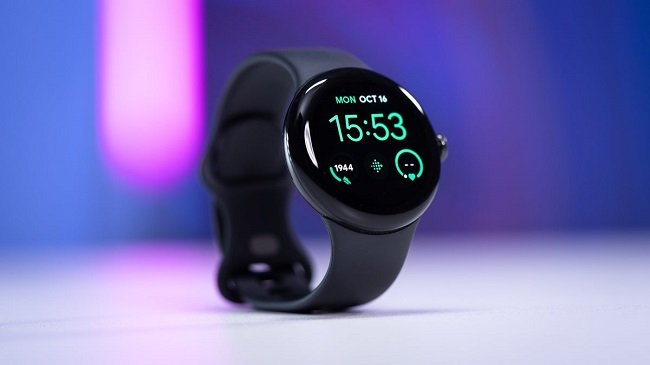
I am currently in St. Leonards-on-Sea in East Sussex on a 5 day break. We’re staying at Combe Haven Holiday Park for “reasons”. The caravan/static home/park home or whatever you want to call it is very well equipped with “all mod cons”. However, there is no internet access in the caravan itself. If you go to either the pub or the restaurant, there is complimentary wireless internet available. Sadly, such environments are not practical for me to sit down for an hour or so and write as they’re busy and somewhat loud. Thankfully, the 4G signal on my phone in this part of the UK is reasonably strong, so I decided to see if I could use this device for internet tethering. I have a Google Pixel 8a.
On my handset, there are specific settings for tethering that are easily accessible. There is a choice of turning the phone into an internet hotspot and connecting devices such as a laptop wirelessly. Alternatively you can attach the phone to a device via a USB cable and tether that way. I found that the wireless hotspot method was a little too unstable and the connection would intermittently drop. However, directly connecting to the phone via a USB cable has proven a far more reliable method. The internet connection is far from fast, about 3.49 Mbps, but it is sufficient for me to access my website and publish this post. Streaming media and gaming are off the table but as I’m technically on holiday, such activities weren’t part of my schedule anyway.
Although I have no immediate need at present, I have already started researching Portable Wi-Fi Routers/Mobile Hotspots. Rechargeable travel routers that can accommodate a SIM card, access the internet and act as a local hotspot for up to 10 devices. They’re ideal when travelling to locations where the only internet access available is 4G/5G via the phone network. If combined with a data only SIM package they can prove invaluable, according to consumer feedback. I read a comparison of common models on TechRadar and the reviews indicated that they can provide stable coverage within modest parameters but to to expect miracles. However, compared to Starlink they’re a far more affordable option. One I may take up in the future.



















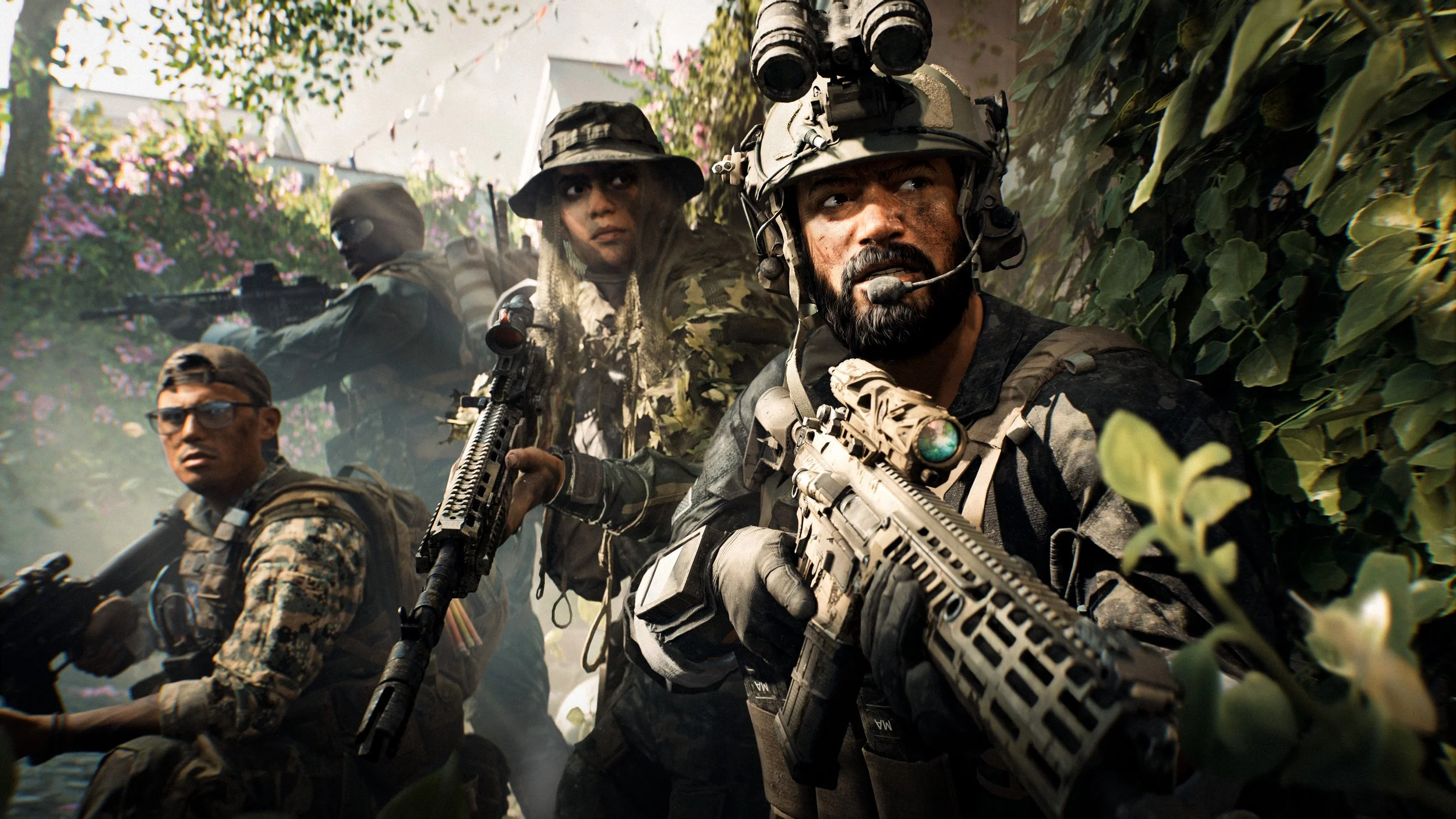
Battlefield 6: Thoughts on the Launch
When Battlefield 2042 launched on 19th November 2021, it was a complete dog’s dinner. There were technical issues, including widespread bugs, poor performance and inconsistent hit registration. The launch was also criticized for the removal of core gameplay features like the class system, a scoreboard, and a server browser, which led to the game being considered unfinished and incomplete at release. Although developers, Battlefield Studios, worked hard to address many of the issues arising from the launch, the net result was that the franchise’s reputation was harmed. However, the beta testing of Battlefield 6 throughout August this year, has done much to restore the franchise’s good standing with a game that has clearly returned to a formula that works.
When Battlefield 2042 launched on 19th November 2021, it was a complete dog’s dinner. There were technical issues, including widespread bugs, poor performance and inconsistent hit registration. The launch was also criticized for the removal of core gameplay features like the class system, a scoreboard, and a server browser, which led to the game being considered unfinished and incomplete at release. Although developers, Battlefield Studios, worked hard to address many of the issues arising from the launch, the net result was that the franchise’s reputation was harmed. However, the beta testing of Battlefield 6 throughout August this year, has done much to restore the franchise’s good standing with a game that has clearly returned to a formula that works.
Hence, yesterday’s launch of Battlefield 6 was of particular significance. Players would finally be able to experience the entirety of the new game and determine if Battlefield really was “back”. It was also a chance for developer’s, Battlefield Studios, to restore the franchise’s reputation. Fortunately, the launch went relatively well, with record player counts being set (740,000 concurrent players on Steam) as soon as the game went live at 16:00 GMT. However, there were some problems such as the game not working at all via the EA app, thus inconveniencing a sizable group of players. There were also some general errors such as “DXGI_ERROR_DEVICE_REMOVED”, which PC players encountered across multiple platforms. And being a game launch, there were server queues, which at one point were over a quarter of a million.
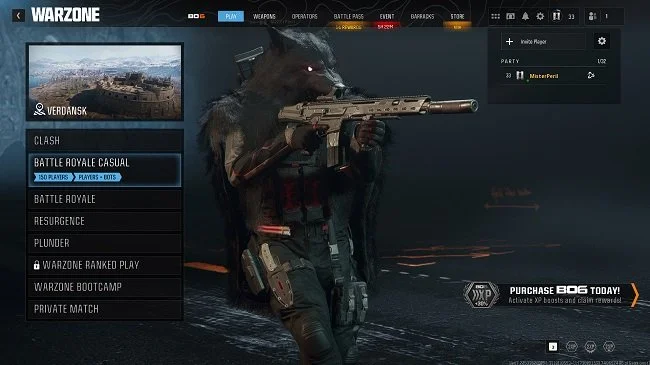
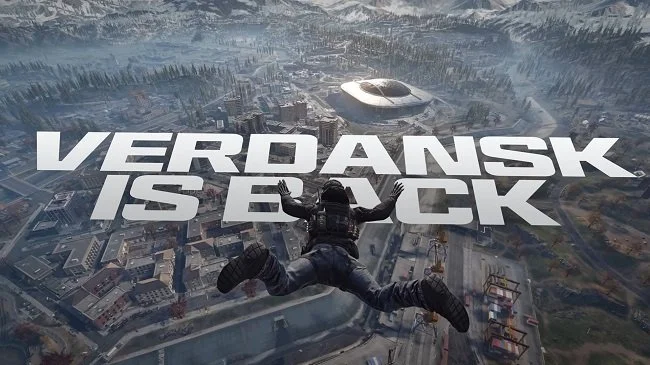
Thankfully, within 24 hours the majority of these issues were resolved. During this period I had to use EA support and I was impressed how quick and efficient the live chat option was. The communication was clear and the troubleshooting comprehensive. I was finally able to launch and play Battlefield 6 at about 13:00 PM today. The game is extremely well optimised and immediately configured the graphics to a level my PC could handle, without any need for me to do any fine tuning. Despite there still being an extremely large number of concurrent players, finding a multiplayer game does not take long and the server performance is robust. All of which is a step up from Call of Duty: Warzone where finding and connecting to a game can sometimes take 3 or 4 minutes. It will be interesting to see what happens when Battlefield 6 releases its Battle Royale game and starts directly competing with Warzone.
It is worth noting that EA were acutely aware that there were problems with the launch of Battlefield 6 yesterday. They were not as bad as those that blighted its predecessor but a lot of people were inconvenienced. While writing this post I received an email from EA addressing the failure of the EA app and apologising for the problem. As compensation they have offered the following. “Anyone on the EA app who was impacted will receive 12 Hardware and 12 Career 60-Minute Boosters, which should be arriving in impacted players’ in-game inbox this weekend. In addition, we will also be granting impacted players full access to a seasonal Battle Pass. Phantom Edition owners will get Season 2’s full Battle Pass”. As someone who uses the EA app and who purchased the Phantom Edition of the game, I appreciated the gesture. I shall share my thoughts on live gameplay in my next post.
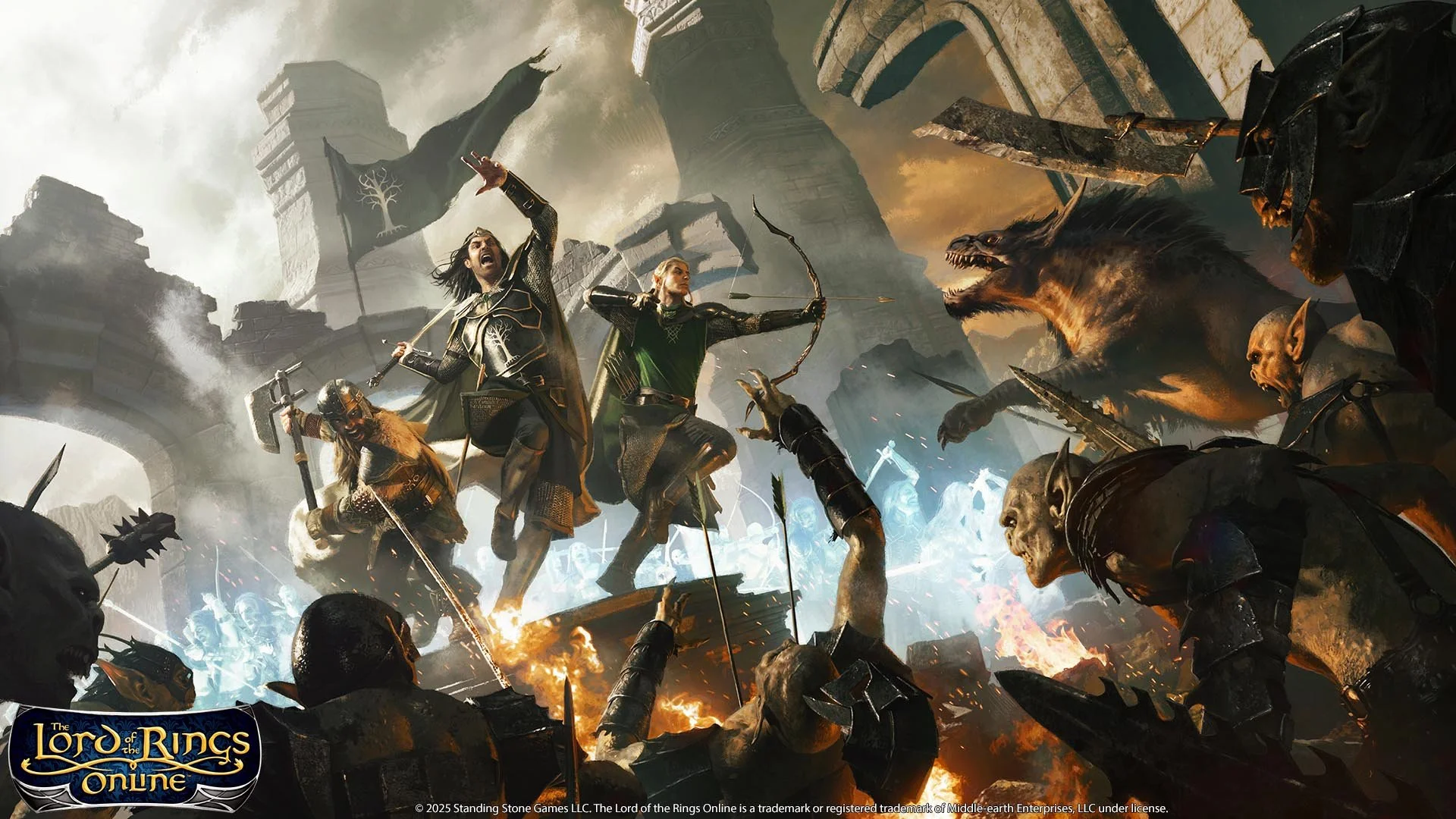
LOTRO: Free Transfers from Former 32-bit Game Worlds
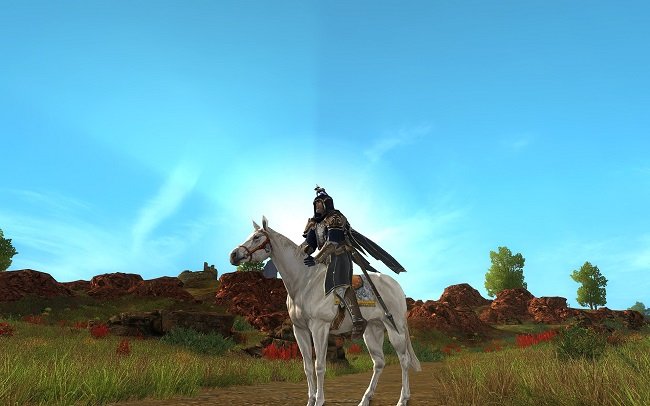
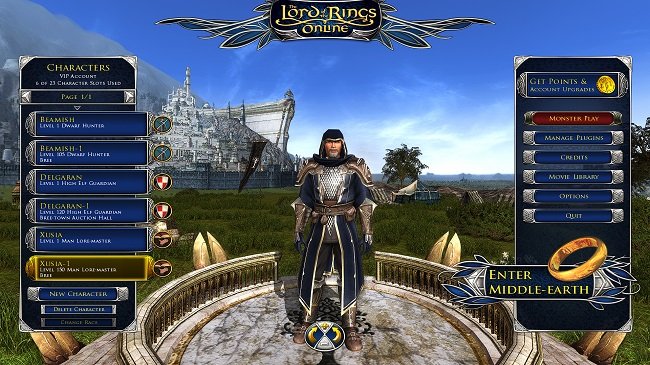
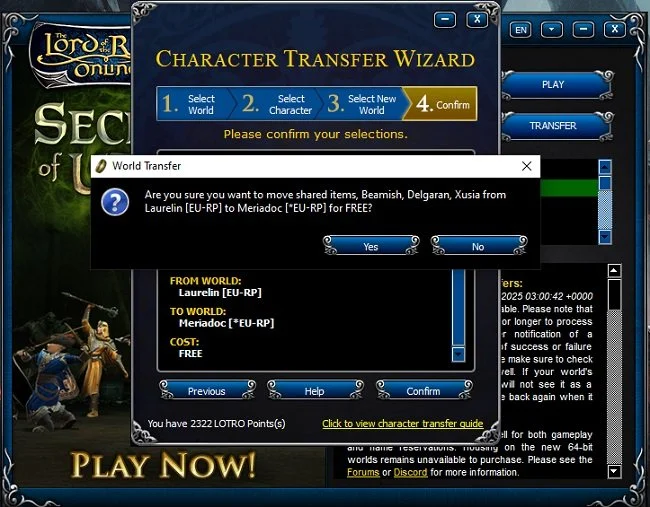
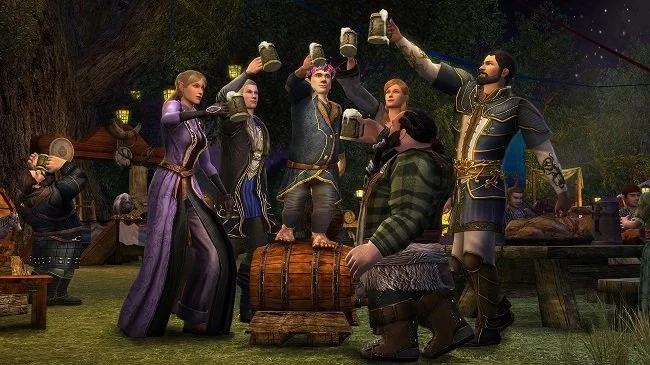
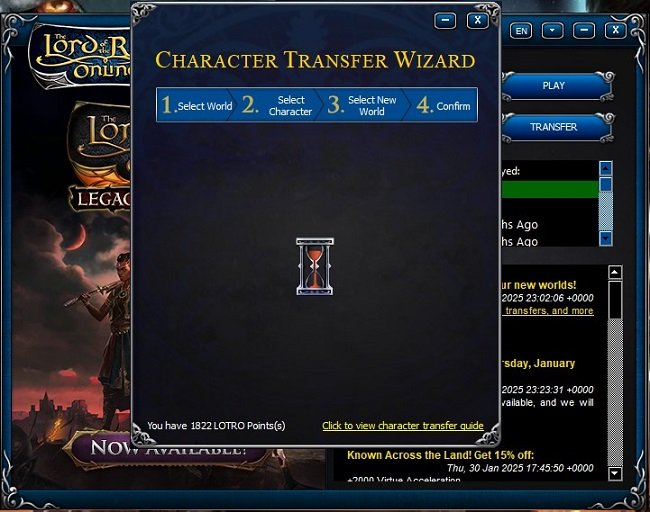
After a six month migration period, Standing Stone Games formally closed all their legacy 32-bit game servers for the MMORPG, The Lord of the Rings Online, on the 31st August 2025. Despite this planned closure being widely discussed via the game’s official forums, professional video game websites and fan blogs, many LOTRO players were unaware of this deadline. Hence many were unable to migrate their respective alts to the new 64-bit servers. Naturally those affected by these closures were upset, especially those with longstanding characters who didn’t relish the prospect of starting from scratch with a new alt. Thankfully, SSG have been true to their word and as of today, have re-opened these “dark worlds” to character transfers. If you have an alt trapped on one of the older game worlds, then now is the time to use the transfer wizard and move them to a new active game world.
After a six month migration period, Standing Stone Games formally closed all their legacy 32-bit game servers for the MMORPG, The Lord of the Rings Online, on the 31st August 2025. Despite this planned closure being widely discussed via the game’s official forums, professional video game websites and fan blogs, many LOTRO players were unaware of this deadline. Hence many were unable to migrate their respective alts to the new 64-bit servers. Naturally those affected by these closures were upset, especially those with longstanding characters who didn’t relish the prospect of starting from scratch with a new alt. Thankfully, SSG have been true to their word and as of today, have re-opened these “dark worlds” to character transfers. If you have an alt trapped on one of the older game worlds, then now is the time to use the transfer wizard and move them to a new active game world.
Standing Stone Games have a comprehensive transfer guide on their website which is well worth reading. I have also made a video of how to use the transfer wizard, here. Due to historical differences between the US and European LOTRO game servers, alts from U 32-bit servers have to be migrated to US 64-bit servers. Similarly, alts from EU 32-bit servers have to be migrated to EU 64-bit servers. The service is free of charge and SSG is offering transfers from the “dark worlds” until 1st October 2027, which is a sizable timeframe. Players should bear in mind that depending on demand, the transfer service can take anything between 24 hours and several days to complete. Also, that the “dark worlds” are only available for character transfer. You cannot log into them. If players experience any issues when transferring alts, they should contact SSG customer support.









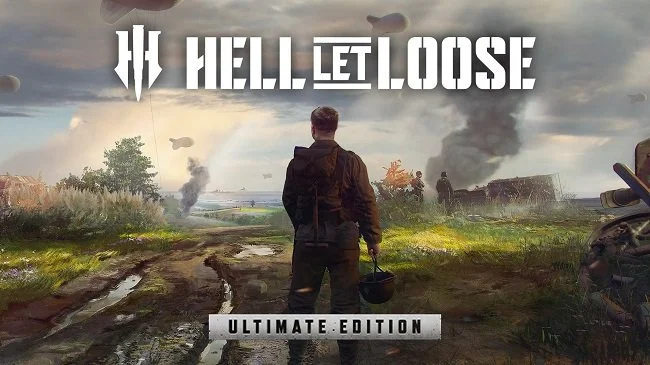
Playing Hell Let Loose: Buying the Game and the Practice Range
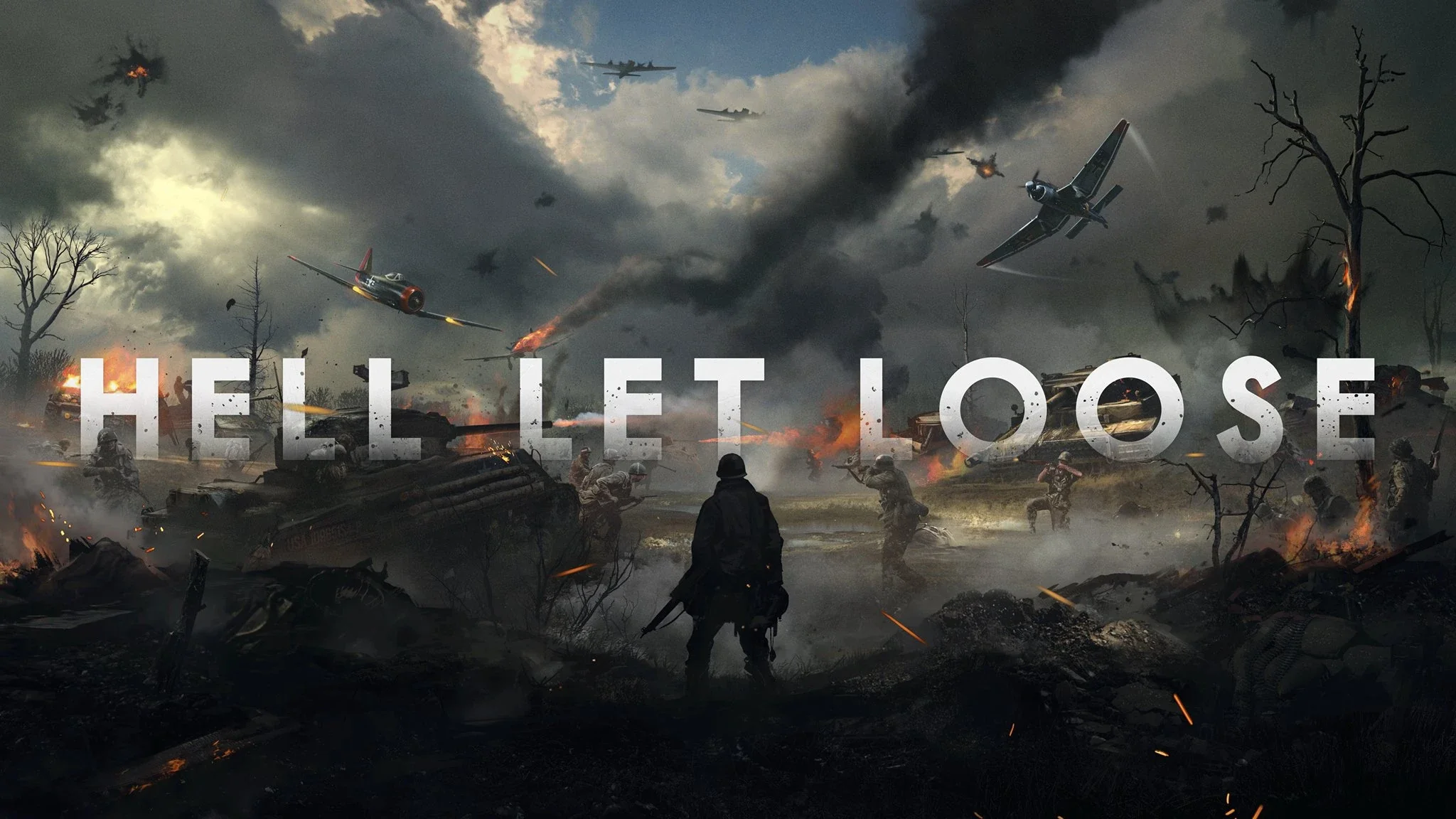
I bought Hell Let Loose last night. A decision I suspect that I shall regret. Despite the fact that I know that the YouTube videos of this game are carefully curated and therefore not truly representative of the reality of its gameplay, I felt compelled to try this World War II multiplayer tactical first-person shooter. From time to time I find a game that really appeals to me as a concept and I want to play it. However, more often than not these are online multiplayer games and as such the human element is distinctly “variable”. Hence the idealised gameplay that I imagine is a far cry from what playing the game is really like. I’m sure I am not alone in this mindset. Sometimes I have to just “get it out of my system” and the only real way to do that is buy the game in question, be disappointed and then move on.
I bought Hell Let Loose last night. A decision I suspect that I shall regret. Despite the fact that I know that the YouTube videos of this game are carefully curated and therefore not truly representative of the reality of its gameplay, I felt compelled to try this World War II multiplayer tactical first-person shooter. From time to time I find a game that really appeals to me as a concept and I want to play it. However, more often than not these are online multiplayer games and as such the human element is distinctly “variable”. Hence the idealised gameplay that I imagine is a far cry from what playing the game is really like. I’m sure I am not alone in this mindset. Sometimes I have to just “get it out of my system” and the only real way to do that is buy the game in question, be disappointed and then move on.
I wrote a post a while back where I speculated that Hell Let Loose is one of those games that it’s best to watch, rather than play and I now get to prove or disprove that theory. At least such an experiment is good for a few blog posts. The first step was naturally to buy a copy of the game and so I looked at several price comparison websites yesterday to see whether this was going to be a costly endeavour. I noticed there were about 3 permutations of Hell Let Loose (Standard, Deluxe and Ultimate) and a lot of DLC. I quickly discovered that the DLC is mainly cosmetic outfits and weapon skins. Not game maps. So I bought the cheapest version I could from a reputable vendor, spending £16 from Fanatical. There was a sale on at the time and I had just 10 minutes to spare before the discount expired and the price returned to £42 which is not such a bargain.
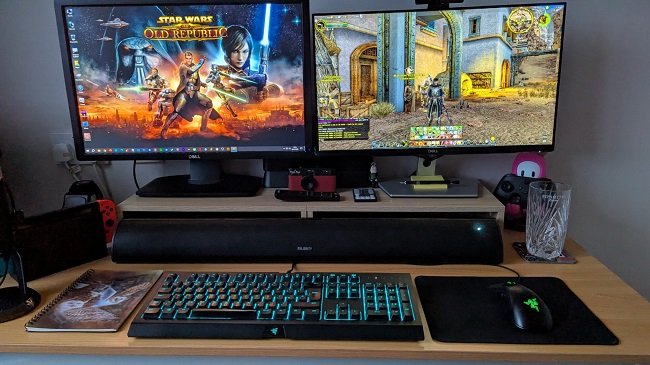
The game is approximately a 54GB install. Not that’s a problem as I have a 4 Terabyte NVMe M.2 SSD. One of my better purchases. On launching Hell Let Loose for the first time I didn’t encounter any issues of note, apart from my usual problem of trying to get the game to display on my second monitor. I could drag a windowed version over to my screen of choice and it stayed there once I did so. However, when I quit and relaunched Hell Let Loose, it defaulted back to the primary display. So I used MultiMonitorTool and the problem was resolved. The graphic settings were turned up to Epic by default and as my graphics card didn’t object I left them as such. Hell Let Loose is a handsome looking game that uses Unreal Engine 4. After looking at the graphic settings I spent some time pursuing the keybindings, of which there are many.
Next, I started looking through the various classes and factions in the Barracks. It was then that I noticed that all were unlocked and that I had downloaded and installed the game client for the test server. A mistake but a useful one, as it allowed me to see a much wider variety of builds other than the base ones. I then moved on to the Practice Range and experimented with various weapons. I found the bolt action rifles to be very accurate and was also surprised by the low recoil on the fully automatic weapons such as SMGs and LMGs. Grenades can be thrown over arm or under arm but there is no visual assist to help you gauge the distance. You effectively have to learn manually and assess the distance by how high you raise your arm. I also tried driving a few vehicles which are quite complex, as there are manual gears to master.
What I didn’t do after all this was to jump headlong into a live game. I have decided that due to the complexity of Hell Let Loose, which is a much different beast to Warzone or even Battlefield, I shall watch a few YouTube videos and try and orient myself first. Having a keymap on my other monitor may be useful and learning some basic tips may well improve my first gameplay experience. I also have to set up my headset as communication with other players is key in this game. This is likely to be the one aspect of the game that I’ll like least, as open microphones do seem to be a magnet for the worst sorts of gamers. I did however, install the live game client and delete the test server version. All I have to do now is find an evening when I have a few hours spare and then log into a live game and see how it goes. I’ll share my thoughts in the next post.

Underwater (2020)
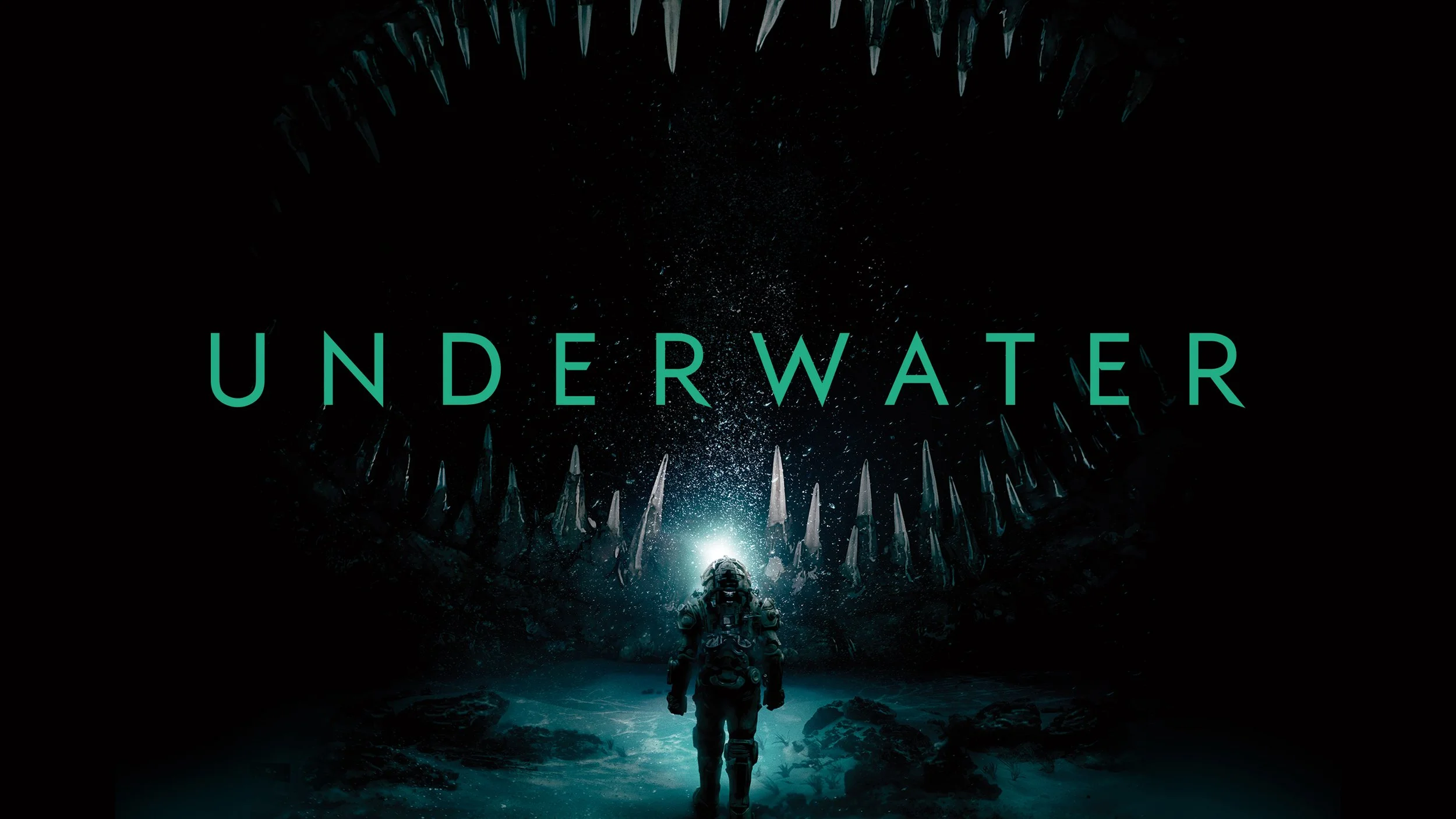
In the near future, Kepler 822, a research and drilling facility located at the bottom of the Mariana Trench, suffers a sudden and catastrophic structural failure. There are only six survivors. Mechanical engineer Norah Price (Kristen Stewart), Captain Lucien (Vincent Cassel), biologist Emily Haversham (Jessica Henwick), engineer Liam Smith (John Gallagher Jr.) and crew members Rodrigo (Mamoudou Athie) and Paul (T.J. Miller). As all the functional escape pods have been used and they are unable to contact the surface, the Captain suggests using pressurized suits to walk one mile across the ocean floor to the Roebuck 641 drill installation. There they will find more escape pods. However, it soon becomes apparent that the disaster was not caused by an undersea earthquake and that they are not alone as they make their journey.
In the near future, Kepler 822, a research and drilling facility located at the bottom of the Mariana Trench, suffers a sudden and catastrophic structural failure. There are only six survivors. Mechanical engineer Norah Price (Kristen Stewart), Captain Lucien (Vincent Cassel), biologist Emily Haversham (Jessica Henwick), engineer Liam Smith (John Gallagher Jr.) and crew members Rodrigo (Mamoudou Athie) and Paul (T.J. Miller). As all the functional escape pods have been used and they are unable to contact the surface, the Captain suggests using pressurized suits to walk one mile across the ocean floor to the Roebuck 641 drill installation. There they will find more escape pods. However, it soon becomes apparent that the disaster was not caused by an undersea earthquake and that they are not alone as they make their journey.
Underwater starts with all the hallmarks of a film that is very derivative of Alien. The technology and immediate environment all have an industrial aesthetic that is worn and feels used. The crew is made up of “working men” rather than clean cut academics and the corporation that owns and runs the facility is simply referenced by branding on bulkheads or on monitor lockscreens. The screenplay by Brian Duffield (No One Will Save You) and Adam Cozad is lean and moves quickly but there’s sufficient dialogue to get the measure of each character. The threat comes quickly during the film’s concise 95 minute running time and it is here that Underwater diverges from similar films. DeepStar Six featured a prehistoric Eurypterid and Leviathan had monsters caused by mutagens containing piscine DNA. Underwater has a distinctly Lovecraftian nemesis.
Director William Eubank maintains a tense and claustrophobic atmosphere. Due to the seven mile depth, there is no sunlight and the ocean floor is illuminated by the lights on the crew’s environment suits and from LEDs on equipment. Hence, for the first two acts the aquatic menace is seen only fleetingly and the shocks come mainly from jump scares. The death scenes are hectically edited and you certainly get the impression that something unpleasant has happened but you cannot see the detail. Although initially frustrating this becomes the film’s greatest strength as it becomes clear this is not just a case of an apex predator. The crew do a little theorising about what is happening around them but it is left vague and there are no convenient answers. The climax and final reveal work better as a result of this approach.
Underwater is an effective genre outing. It isn’t a masterpiece and certainly isn’t original. It takes some standard tropes from “creature features” and horror films and it tries its best to do something a little different with them. The $60 million budget covers a lot of ground, with the sets, production design and VFXs looking polished and plausible. The cast is competent and the characters likeable. Marco Beltrami’s score at times has shades of vintage John Carpenter and Alan Howarth. But it is the film’s final act that is responsible for making Underwater better than average. Casual viewers may not necessarily get the inference but those who are aware of the concept of cosmic horror should enjoy the eldritch payoff. Underwater is a well crafted rollercoaster ride, that doesn’t out stay its welcome and should be judged as such.








Strictly Come Dancing 2025: The Thomas Skinner Controversy
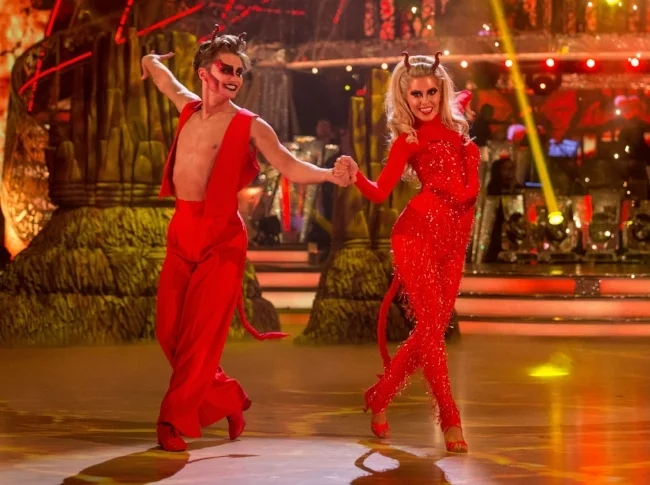
Strictly Come Dancing remains the BBC’s flagship light entertainment show for Autumn. Despite controversy and scandal, the show bounced back last year and firmly re-established itself as the “feel good, family show” it has always claimed to be. Blind comedian Chris McCausland becoming the 2024 champion certainly validated the show’s commitment to diversity and inclusion and helped place Strictly (as it is known to its fans) back on its cultural pedestal. I’m sure those involved in the production of the show breathed a sigh of relief when the season ended on such a positive note, eclipsing the negative press that had been ever present last summer. Second chances and opportunities for a “course correction” are few and far between these days. Especially when you have elements of the UK press waiting with bated breath and hoping that you’ll fail.
Strictly Come Dancing remains the BBC’s flagship light entertainment show for Autumn. Despite controversy and scandal, the show bounced back last year and firmly re-established itself as the “feel good, family show” it has always claimed to be. Blind comedian Chris McCausland becoming the 2024 champion certainly validated the show’s commitment to diversity and inclusion and helped place Strictly (as it is known to its fans) back on its cultural pedestal. I’m sure those involved in the production of the show breathed a sigh of relief when the season ended on such a positive note, eclipsing the negative press that had been ever present last summer. Second chances and opportunities for a “course correction” are few and far between these days. Especially when you have elements of the UK press waiting with bated breath and hoping that you’ll fail.
For those who live outside of the UK or who do not watch Strictly, it is worth taking a few moments to consider the significance of the show, its importance to the BBC and its place in UK pop culture. Strictly has grown from its humble origins in 2004 as a celebrity dance talent show, to a national institution and a text book example of “feel-good TV”. It champions dancing, fitness, inclusivity and celebrity re-invention. It regularly has an audience of over 7 million viewers and has been licensed to over 60 other countries under the title Dancing With the Stars. The show has a broadly wholesome reputation and as such has proven accessible to a wide audience. It appeals to wide eyed fans, families, casual viewers and even cynical old curmudgeons like myself, as learning to dance is a prodigious undertaking requiring dedication and fortitude. Strictly is also a great way for actors, artists and media personalities to revitalise their careers.
Bearing this all in mind, the fact that Strictly is a big deal in entertainment terms and that it has bounced back after a problematic year, let us address the elephant in the room that manifested itself in late summer when this year’s contestants were announced. Why did the BBC decide to include Thomas Skinner in this year’s line up? For those who are unfamiliar with Mr Skinner, he is a UK businessman and TV personality who is best known for appearing on The Apprentice. At first glance, this is hardly controversial. However, if you look further Thomas Skinner has clear political affiliations with the likes of J.D. Vance and Robert Jenrick, has spoken out publicly on several issues such as crime in London and the performance of Mayor Sadiq Khan and is potentially seeking a political career with either the Conservative Party or Reform UK. He has been offered support by Dominic Cummings.
Strictly has always been a bastion of inclusivity. Straight, gay, able bodied, disabled, all are welcome on the show. The show has even included former politicians, such as Anne Widdecombe and Ed Balls. However, these were individuals who were no longer directly involved in frontline politics at the time of their appearance. It can be argued that this is not the case with Thomas Skinner. Furthermore, Mr Skinner is linked to a type of popular politics that has specific views regarding diversity and inclusion. Things they perceive as being “woke” or the province of the left. A percentage of the UK electorate and thus Strictly viewers, see the sort of politics and ideology that Mr Skinner is affiliated to as populist, nationalist and even racist. Hence his inclusion in this year’s show was not well received by all. Others see it as a politically useful Trojan Horse.
If you peruse the in-depth musings on Strictly by its hard core fans on such platforms as Reddit, Instagram and TikTok, you’ll find several recurring complaints regarding Thomas Skinner. Firstly, that he potentially contradicts the show’s inclusivity philosophy with his personal views and political outlook. Secondly, his very presence diminishes the feel good factor inherent in Strictly by dragging real world politics into the show. Something that fans wish to escape. Thirdly, the inclusion of a person with clear right wing leanings will further exacerbate the tabloid press frenzy regarding the show, as much of the UK print media is owned and edited by figures of a similar political disposition. Hence, a show designed to bring audiences together may potentially become a vehicle for bi-partisan politics and a further bridgehead in the ongoing culture war.
The BBC has long been a target for the political right, being seen as institutionally biased against them and a platform for all the political and cultural ideas that they are mainly against. The BBC in its naivete continues to seek balance in all things and thus ultimately giving a platform and possibly an excess of air time to those who would happily see it brought to heel or closed. It can be argued that in principle, Thomas Skinner should be able to participate in a show such as Strictly Come Dancing and be treated the same as anyone else. He is competing in a dance based reality show and no more. However, the reality of the situation is quite the opposite. Television of this kind is about more than just entertainment. It is a platform for messaging and promoting a media persona. Look at what appearing on a few episodes of the comedy panel show Have I Got News For You did for Boris Johnson’s career.
It was inevitable that the inclusion of a person such as Thomas Skinner on a high profile TV show such as Strictly, would result in a political bunfight. The BBC cannot claim surprise at this? Perhaps they chose to do so as a way of declaring to their opponents, “look we aren’t biased. Here’s one of your people”. An act of appeasement or the extending of an olive branch, perhaps? However, such a move never works. As any child will tell you, you can’t befriend your bully. Which means that for however long Thomas Skinner remains on the show, the wider coverage will be about his politics and him personally, as opposed to his dancing prowess. More cynical viewers believe that he has been partnered with Amy Dowden, a much loved professional dancer who has been battling multiple illnesses, as a means to negate the negative optics. If that is the case I doubt it will work.
This Saturday’s second episode of this year’s Strictly will see the first couple voted off the show. Someone has to go and it usually is the celebrity with the least skill. However, the participation of Mr Skinner and the media circus that follows means that whatever happens, the situation will be portrayed negatively for the show and what it represents, in the tabloid press. No doubt there will be plenty of political capital to be gained. If Thomas is eliminated, it will be because the liberal elite establishment conspired against him and if he endures, then it will be a triumph of British traditionalism over the woke cultural Marxism. The right wing media headlines effectively write themselves, the BBC scores a massive own goal and the viewing public are left with an unpleasant aftertaste as their favourite pop culture safe place is dragged through the sewer of contemporary politics.
Keep dancing.





















Standardise and Monetise: The Decline of Online Content
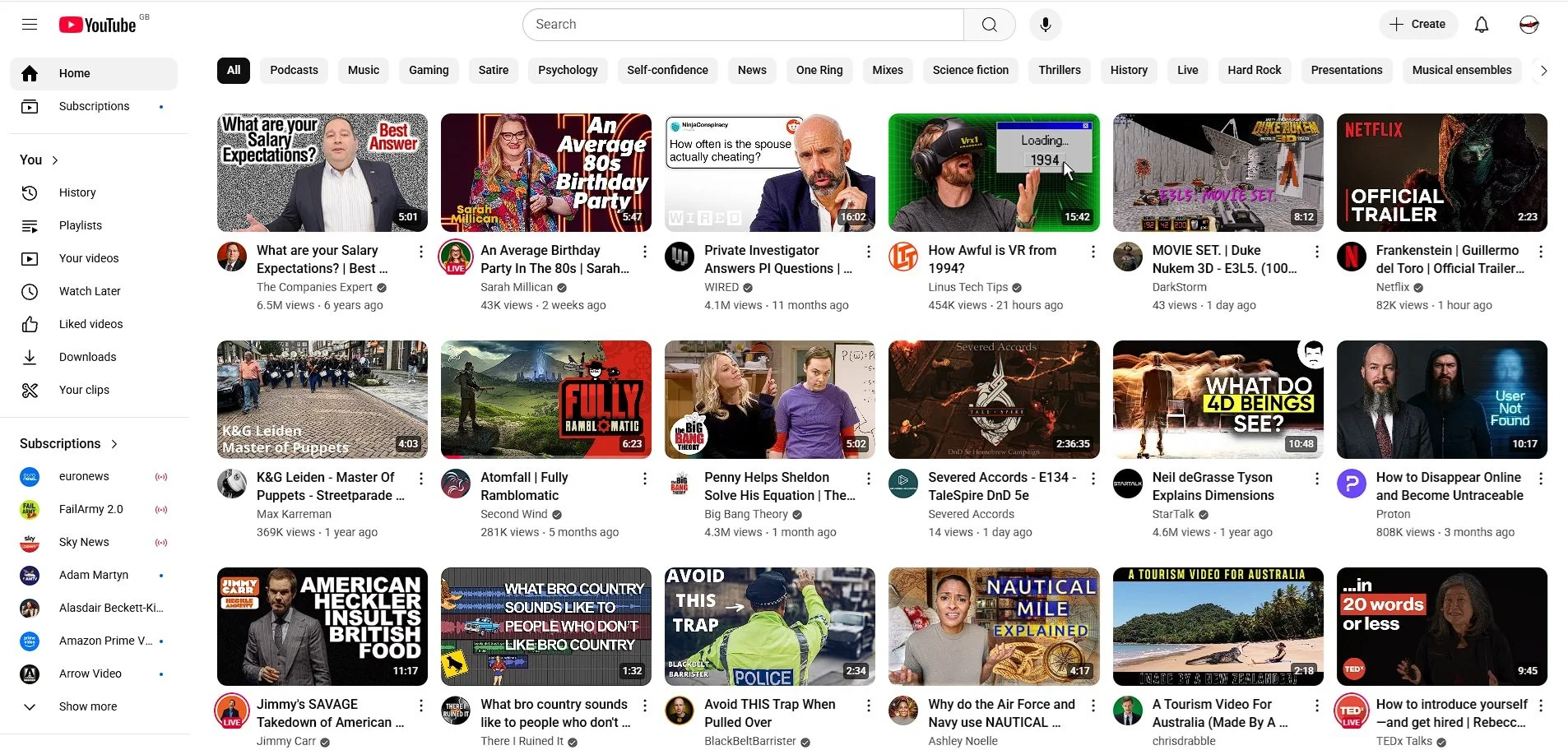
I use a browser extension called Control Panel for YouTube, which allows me to determine who many videos are displayed on my YouTube homepage and to filter the content that is shown. At present it is configured to display rows of six. Something that I have noticed of late, is the amount of videos with hyperbolic titles and thumbnail images created by AI. Both of which are design choices made to increase engagement. Clickbait titles are contrived to meet current SEO optimisation criteria and as such feature more and more in search results. The fact that they frequently have no relation to the subject I am researching, seems to be neither here nor there. The same issues arise with regard to AI generated images, which again frequently have no bearing on the matter. The fact that more and more content creators do this, infers that it works and is now an essential part of the process you must follow to be seen and featured in search results.
I use a browser extension called Control Panel for YouTube, which allows me to determine who many videos are displayed on my YouTube homepage and to filter the content that is shown. At present it is configured to display rows of six. Something that I have noticed of late, is the amount of videos with hyperbolic titles and thumbnail images created by AI. Both of which are design choices made to increase engagement. Clickbait titles are contrived to meet current SEO optimisation criteria and as such feature more and more in search results. The fact that they frequently have no relation to the subject I am researching, seems to be neither here nor there. The same issues arise with regard to AI generated images, which again frequently have no bearing on the matter. The fact that more and more content creators do this, infers that it works and is now an essential part of the process you must follow to be seen and featured in search results.
What worries me is not so much the inherent hyperbole, both written and with regard to images, but the fact that YouTube content is driven by a standardised process. A prevailing meta is often creatively stifling, generic and tedious. We have seen this time and time again online. TED Talks being a prime example. When these lectures first began to gain an audience in 2006/7, the talks had a degree of individuality about them. Over time people began to notice what worked and what didn’t work within the format and so began establishing a process. Eventually this evolved into a sort of unofficial formula that became commonly adopted. This resulted in a noticeably generic style that eventually became an impediment to the way a presentation was received by audiences.
Today, the prevailing philosophy that shapes how people approach, make and present their online content seems to be “standardise and monetise”. That is not to say that there isn’t any good quality content online as there certainly is. What it means is when you search for a video, podcast or blog post related to a specific subject, it is harder to discern what meets your criteria. The algorithms return results that have met SEO standards but not necessarily the users intellectual, or presentation requirements. To put it candidly, you may type a very nuanced search request in a search engine pertaining to something niche and specific, such as Etruscan pottery. The search engine then returns a list of links allegedly relevant to that inquiry. However upon inspection you may find that links to relevant sites, such as Museums in Etruria and other historical resources, are surrounded by irrelevant results, such as local pottery suppliers and tourism in Italy.
I believe this problem goes beyond the iniquities of SEO. You only have to look at the everchanging terms and conditions for YouTube. The company seeks to monetise content but only in a manner that meets the sociopolitical foibles of its advertisers, financiers and political associates. Any material that does not meet this ever shifting set of rules or offends in some manner is effectively disenfranchised by the algorithmic gods. It won’t be seen or returned in search results. Anyone trying to produce video content within such an ecosystem has a stark choice to make. Produce videos in accordance with their own personal principles and risk being demonetised and buried. Or attempt to self-censor one’s content to satisfy YouTube’s standards. The latter results in risible bogus phrases such as “unalived” and “graped”. The notion of trying to sanitise a global platform as YouTube so that the only content that prevails is “marketable”, is ludicrous and possibly immoral.
Upon reflection, YouTube’s policy should not come as a surprise. Similar market forces have been at work in the film and music industries over the last 35 years. There was a time when a film could be made on the merits of its story alone and its subsequent rating was a secondary consideration. Nowadays, mainstream films are frequently made to achieve a specific rating and thus be accessible to a broad audience. Filmmakers of note with a history of success at the box office struggle to find financing for their new projects, if they are deemed to lack mainstream appeal or reference subjects that are at odds with the politics of the prevailing establishment. It is for the same reason that politics and expressing views on social matters have all but vanished from mainstream, popular music. Both industries are now driven by proven formulas and market requirements. This is to their artistic detriment.
Finally it is pertinent to mention blogs with respect to this conversation. Despite rumours to the contrary, they still exist and constitute a major part of online content. Blogs are still a medium for fandom but I do not think that it is considered the first choice of platform. Long form writing takes time, effort and thought. As does reading such content. Videos are immediate and potentially require less application from the viewer. Video content can also be tailor made in a specific idiom and then targeted at particular audiences. Hot takes, controversies, militant fandom, gatekeeping, nostalgia and numerous other “perspectives” can quickly find an audience and gain their creator notoriety. Blogging seems at times quaint compared to such a bellicose alternative. It is also often pilloried for not monetising by default, as if fandom for fandom’s sake is a naive or a fiscally crass decision.
Despite all this, there is still good material to be found online. There are engaging and intelligent blogs, podcasts and YouTube channels. Good quality cinema still exists as does innovative music. The problem is that it is much harder to find among all the bland, homogeneous and spurious material, due to a fundamentally dishonest search methodology. The market may well have won according to some but in doing so it has led to a universal race to the bottom. It is not just a question of inferior content being spoon-fed to the credulous. The internet is partly responsible for creating an audience that cannot consume any other form of material. This is the price we pay for clickbait, dumbed down content, diminished concentration spans, educational decline and an inability to think critically. This is the reality of “standardise and monetise”.






















Atomfall: The Red Strain DLC
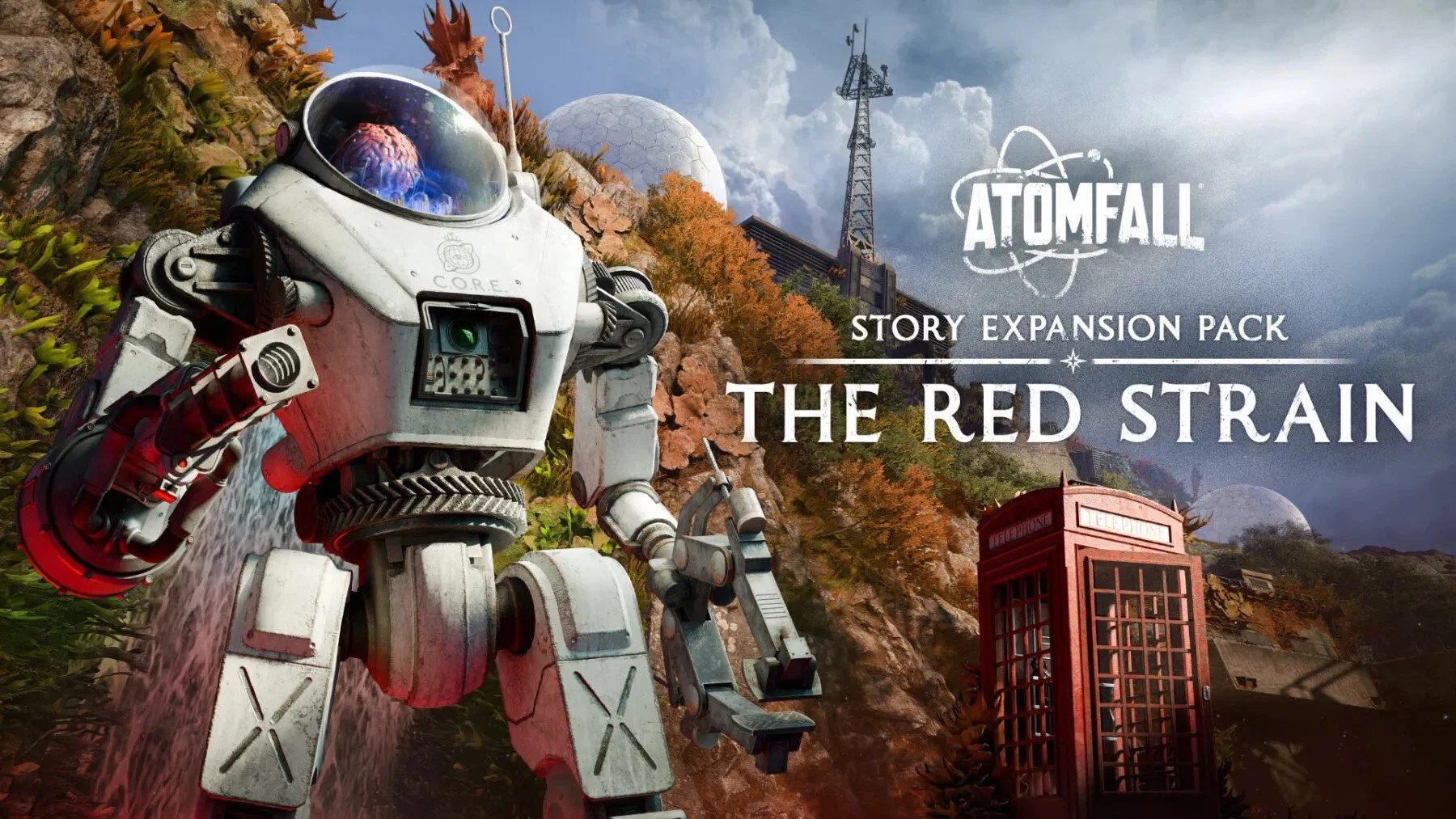
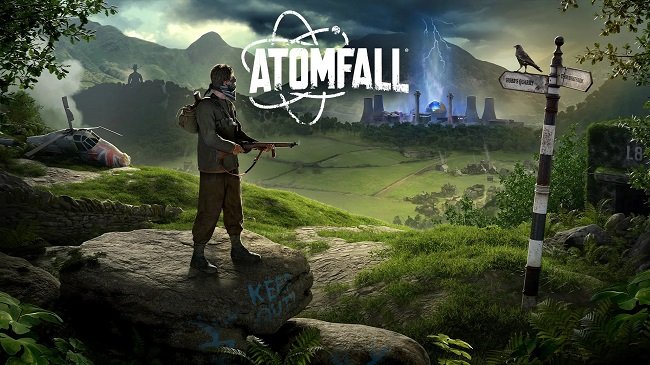
The Red Strain is the second DLC for the RPG Atomfall. It provides another interesting side story that is adjacent to that of the main game. Set in the new region of Stafell Crag, the player finds a secret installation called Test Site Moriah, run by C.O.R.E. (Co-ordinated Orbital Research Establishment). C.O.R.E. have seniority over B.A.R.D. (British Atomic Research Department) and have taken much of their research and used it for their own experiments. This includes the Red Strain, a genetically modified version of the Blue Infection. However, this has escaped containment and spread throughout the entire site. Once again the player must explore the zone, looking for leads and collecting resources, while trying to piece together what has happened. As in the previous DLC and main game, not every NPC that you meet in The Red Strain can be trusted.
The Red Strain is the second DLC for the RPG Atomfall. It provides another interesting side story that is adjacent to that of the main game. Set in the new region of Stafell Crag, the player finds a secret installation called Test Site Moriah, run by C.O.R.E. (Co-ordinated Orbital Research Establishment). C.O.R.E. have seniority over B.A.R.D. (British Atomic Research Department) and have taken much of their research and used it for their own experiments. This includes the Red Strain, a genetically modified version of the Blue Infection. However, this has escaped containment and spread throughout the entire site. Once again the player must explore the zone, looking for leads and collecting resources, while trying to piece together what has happened. As in the previous DLC and main game, not every NPC that you meet in The Red Strain can be trusted.
The DLC offers new weapons, including a silenced pistol and SMG, as well as several new skills. The player can now scavenge weapons from the C.O.R.E. Robots that patrol the region, although their high destructive power is offset with slow rate of fire. There is also an upgraded version of the Signal Redirector (MK II), which now allows the player to control turrets, swarms and robots, as well as switch power to locked or deactivated areas. Stafell Crag, a former rocket research site, is a far more vertical zone and as such adds a further degree of interest while travelling the area. The infected guards are all armed with SMGs and the C.O.R.E. Robots patrolling the various buildings have organic brains. Hence they are more aggressive when challenged and persistent if you retreat. As ever, stealth is the safest approach when exploring.
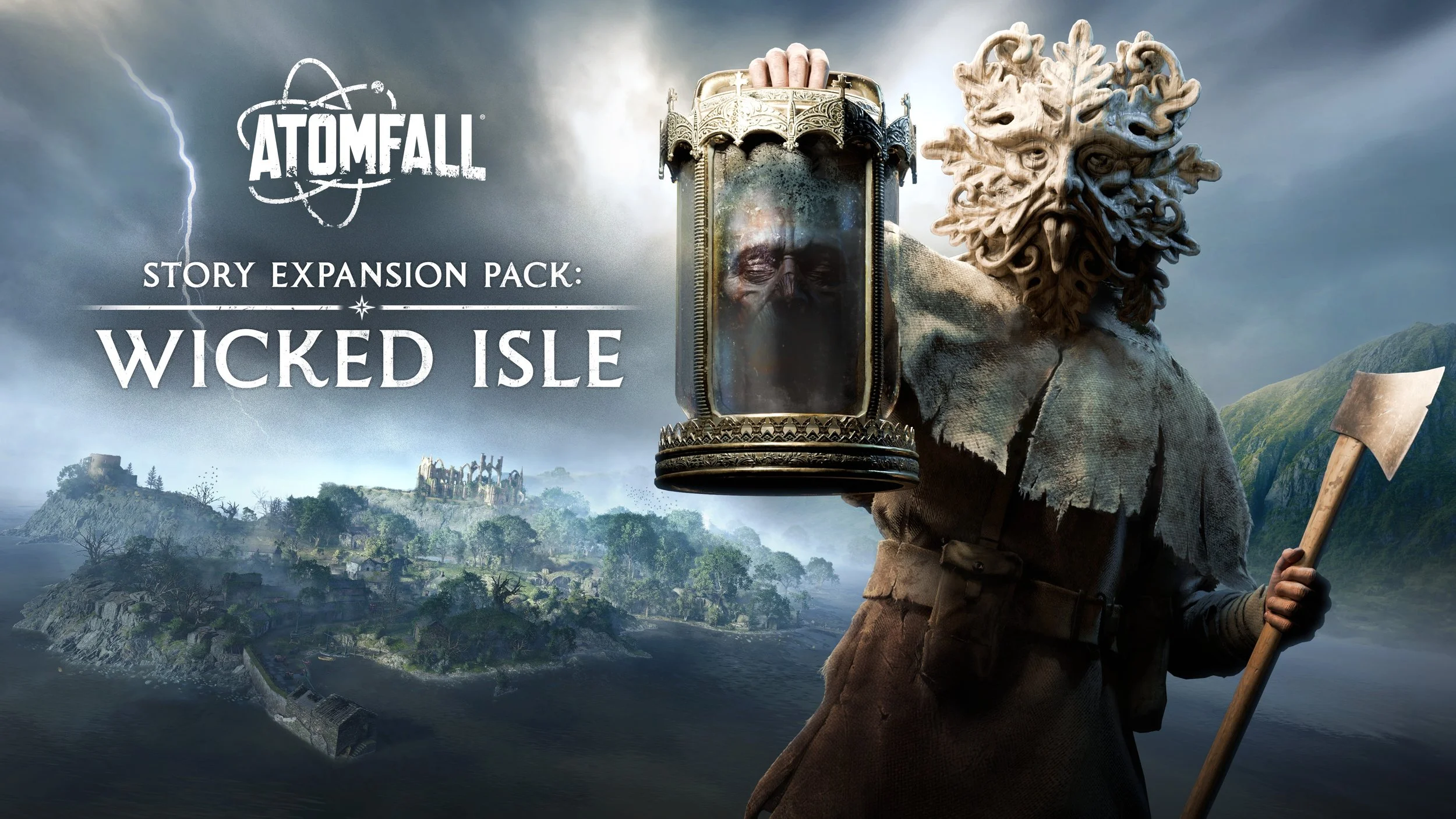
Stafell Crag is pleasingly different in its aesthetic, compared to the Midsummer Isle and the main regions of the base game. The railway station is atmospheric but also tactically useful, as the bridge and signal box offer elevated positions. Test Site Moriah is dominated by the rocket testing facilities and radar domes. I have referenced previously how aspects of the game draw upon the writings of Nigel Kneale. This area is very reminiscent of the military facility that features in Quatermass II. The story in The Red Strain DLC is far more science fiction driven and an interesting contrast to the folk horror themes found in Wicked Isle. The main characters are unusual, being disembodied brains in life support jars. The voice acting for these curious individuals is very good and the banter between them reflect the sociopolitical and class idioms of the time.
The Red Strain offers two new endings to the main game and they are quite different to those from the base game and the Wicked Isle DLC. Although well conceived, they may not satisfy all players, especially those who have not completed the game before. New players may be better served by playing through the Atomfall base game first and choosing one of the original six endings. Another notable difference in The Red Strain DLC, is that the Voice on the Phone does not offer as much guidance this time. He frequently calls and makes comments on developments but he doesn’t appear to have a preferred course of action. This is possibly because the story in the DLC does seem to be tangential to that of Atomfall, whereas the Wicked Isle was more closely linked. The entire Oberon issue doesn’t really materialise in The Red Strain until there is a plot requirement at the end to bypass the Interference Field.
Atomfall developer, Rebellion, have managed to craft three very engaging narrative arcs. The base game blends a mixture of science fiction and horror elements in a uniquely British idiom. The investigative approach, rather than simply undertaking clearly defined missions, is one of the game’s greatest strengths. The Wicked Isle DLC has a specific narrative tone referencing folk horror and the gameplay is stealth focused. The Red Strain has a far more science fiction driven story with a more aggressive approach to combat. However, the endings for the latest DLC do seem more specific and definitive than those available in the base game. Also, The Red Strain does not add any further details to the existing lore. We learn nothing further about Oberon or the Voice of the Phone. Hence I wonder if this marks the end of the development cycle for Atomfall or whether there will be any further DLC?











Primitive War (2025)
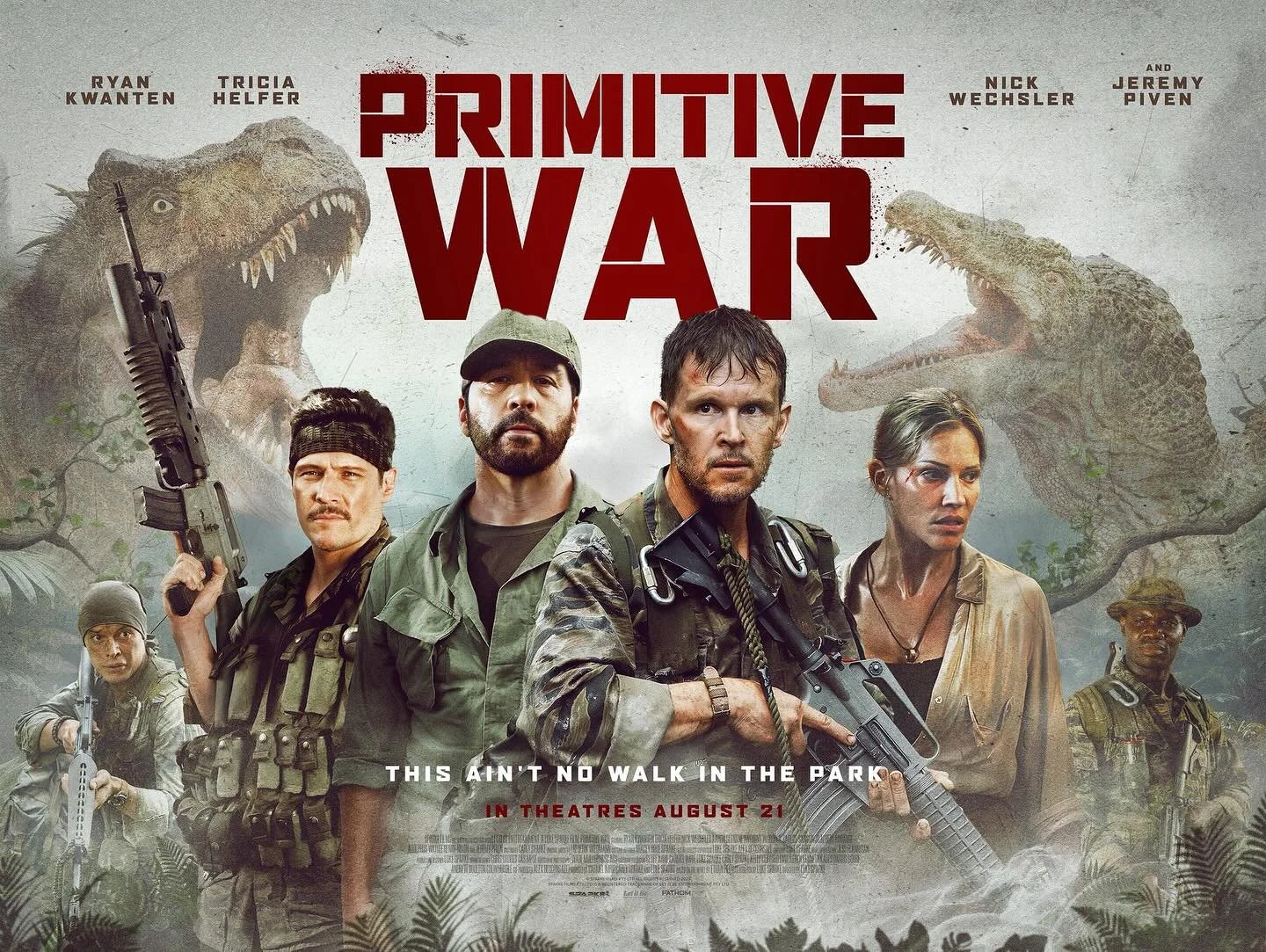
One of the most common objections raised regarding the Jurassic Park/Jurassic World franchise is that the films are specifically made to obtain a PG-13 rating from the Motion Picture Association, for purely commercial reasons. Hence, in all films, there is little on screen violence and the dinosaurs are mainly portrayed as a threat and a means of providing jump scares. When a character is killed by a dinosaur it usually happens off screen, is obscured by something else in frame, or is shown in long shot with very little detail. The realities of being eaten alive by a predator are conspicuously absent. Hence, audiences looking for films featuring more graphic dinosaur attacks, have not been well catered for apart from some minor direct-to-video titles. Primitive War finally fills this gap in the market with a frenetic genre mashup that strives to punch above is budgetary weight.
One of the most common objections raised regarding the Jurassic Park/Jurassic World franchise is that the films are specifically made to obtain a PG-13 rating from the Motion Picture Association, for purely commercial reasons. Hence, in all films, there is little on screen violence and the dinosaurs are mainly portrayed as a threat and a means of providing jump scares. When a character is killed by a dinosaur it usually happens off screen, is obscured by something else in frame, or is shown in long shot with very little detail. The realities of being eaten alive by a predator are conspicuously absent. Hence, audiences looking for films featuring more graphic dinosaur attacks, have not been well catered for apart from some minor direct-to-video titles. Primitive War finally fills this gap in the market with a frenetic genre mashup that strives to punch above is budgetary weight.
In 1968 during the Vietnam War, Colonel Jericho (Jeremy Piven) orders Vulture Squad, a reconnaissance unit, to track down a Green Beret platoon that has gone missing on a classified mission. Sergeant First Class Ryan Baker (Ryan Kwanten) is concerned about the secrecy surrounding the mission and well being of his squad. After being dropped by helicopter in a remote region of the jungle the squad finds evidence of a firefight along with a large bird-like foot print. Upon searching a tunnel complex they are attacked by a pack of Deinonychus and are split up. Baker along with new squad member Verne (Carlos Sanson) are rescued from a Tyrannosaurus attack by a Soviet paleontologist, Sofia Wagner (Tricia Helfer), who shelters them in a nearby bunker. He learns that a Russian General has been experimenting with a particle collider, resulting in wormholes and the dinosaurs’ presence.
Primitive War takes the standard genre tropes found in Vietnam War movies, along with those common to “creature features” and mixes them together with B movie aplomb and the candid honesty inherent in Australian exploitation cinema. The result is fast paced, violent and thoroughly entertaining. The computer generated dinosaurs and animatronics are broadly good and when it does start to get a bit sketchy, it’s not a deal breaker because it is clear that the production is really trying hard to do it best with what its budget. Furthermore, rather than just resting on its high concept, exploitation laurels, Primitive War even takes a stab at focusing on characters and getting audiences emotionally invested in the protagonists. You could argue that it tries a little too hard but the film is ambitious and that is a praiseworthy quality these days because so many film productions do exactly the opposite.
Based on books by Ethan Pettus, who co-wrote the screenplay with director Luke Sparke, Primitive War strikes the right tone with its hard boiled, military dialogue and hyperbolic kiss-off lines. I especially enjoyed “Come get some, you Foghorn Leghorn motherfuckers”. The cast, who are mainly from television, acquit themselves well and the screenplay endeavours to give this dirty half-dozen some back story, touching upon such themes as PTSD and survivors guilt. The set pieces are violent and the dinosaur attacks show the reality of being devoured alive. Considering the $8 million dollar budget, the visual effects hold up well. There are some sequences that don’t work as well such as an aerial attack by a flock of Quetzalcoatlus but the film strives to style it out with its pacing. The dinosaurs reflect contemporary scientific thinking, hence many are brightly coloured and feathered.
Primitive War is a superior example of exploitation filmmaking. It makes its pitch quickly and efficiently to the audience and doesn’t waste time delivering upon viewer expectations. What stands out about this production is that it doesn’t allow its financial constraints to impact upon its creative ambitions. Director Luke Sparke and the cast clearly took the film seriously and strived to do their best. The result is a film that is ambitious, entertaining and exactly what was promised in the trailer. There are some rough edges along the way but that is to be expected. This isn’t a big studio production. Perhaps it could have been a slightly tighter 110 minutes instead of 133 but there are far more bloated, self indulgent films out there. Like most of the Jurassic Park/Jurassic World franchise. Unlike a lot of mainstream films these days, Primitive War is an honest film. If you want dinosaurs versus soldiers during the Vietnam War, that is what you get.
Emperor Of The North (1973)
During the seventies, cinema was not only a source of mass, commercial entertainment but was still perceived as a medium for intellectual and philosophical discourse. Television was a poor relation in terms of art and cultural significance. Film was where the so called auteur director could muse and ruminate upon the nature of the human condition and audiences could subsequently gush sycophantically about their work at dinner parties. Or something like that. Let it suffice to say that some film makers were still indulged by studios and financiers, who were still keen to cash in on the cultural sea change that came to Hollywood in the late sixties. It’s difficult to see how a film such as Emperor of the North (AKA Emperor of the North Pole) could have been made otherwise. A film set in the Great Depression about a hobo illegally travelling on freight trains and his feud with a ruthless conductor.
During the seventies, cinema was not only a source of mass, commercial entertainment but was still perceived as a medium for intellectual and philosophical discourse. Television was a poor relation in terms of art and cultural significance. Film was where the so called auteur director could muse and ruminate upon the nature of the human condition and audiences could subsequently gush sycophantically about their work at dinner parties. Or something like that. Let it suffice to say that some film makers were still indulged by studios and financiers, who were still keen to cash in on the cultural sea change that came to Hollywood in the late sixties. It’s difficult to see how a film such as Emperor of the North (AKA Emperor of the North Pole) could have been made otherwise. A film set in the Great Depression about a hobo illegally travelling on freight trains and his feud with a ruthless conductor.
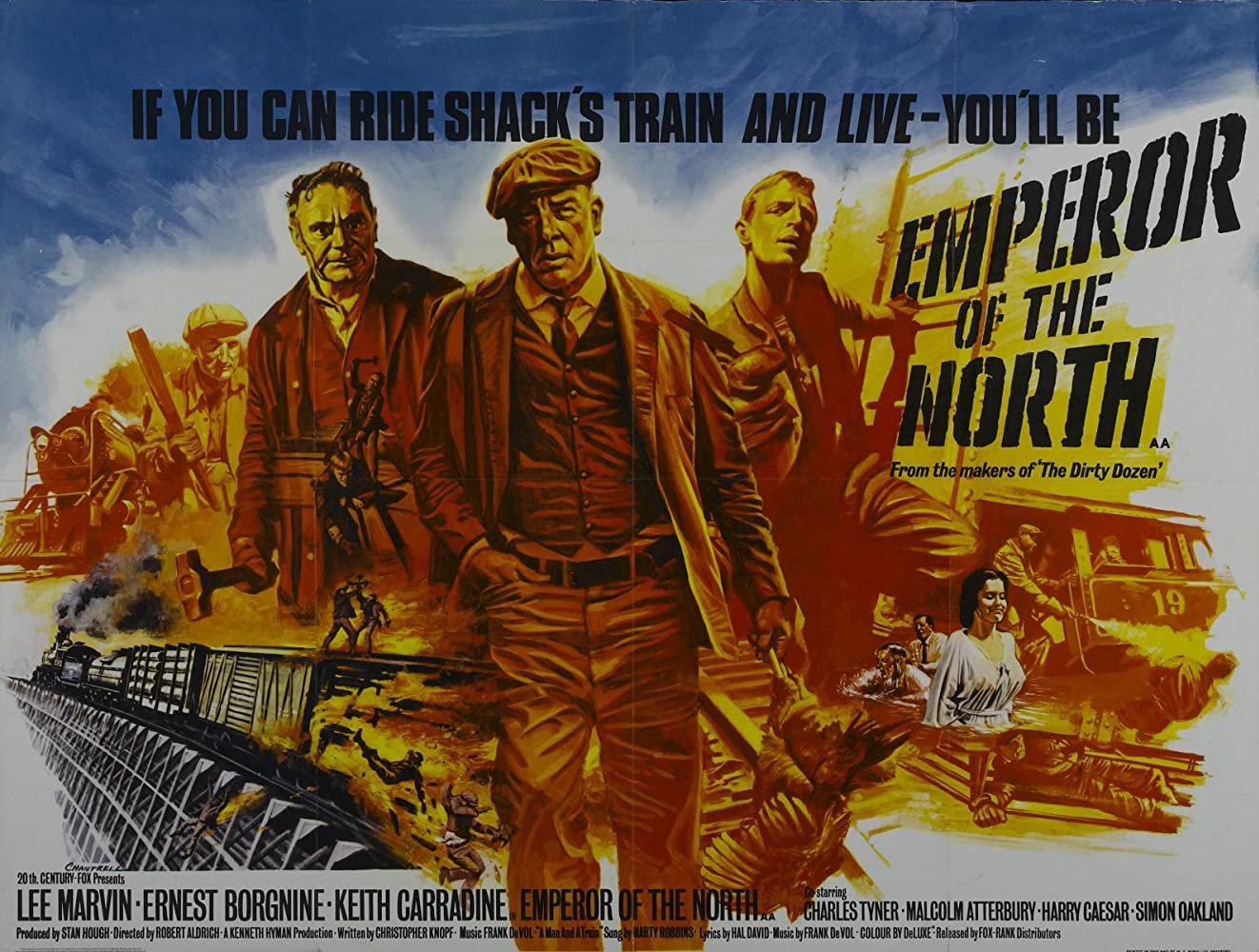
During the Great Depression, Shack (Ernest Borgnine), the conductor of the No.19 freight train on the Oregon, Pacific and Eastern Railroad, makes sure that no one rides for free on his train. When A-№1 (Lee Marvin), a legendary hobo among his peers, manages to climb aboard the train, a younger and less-experienced hobo called Cigaret (Keith Carradine) follows hims. However, he is seen by Shack, who locks them both inside the boxcar that they're hiding in. A-№1 casually sets fire to the hay onboard, forcing Shack to stop the train at a nearby rail yard. A-№1 escapes to a hobo shanty town, whereas Cigaret is caught by labourers at the rail yard. He brags to them that he is the only hobo to have ridden on Shack’s train. Shack is not liked by the labourers due to his psychotic temperament and they start taking bets that no hobo can ride Shack’s train all the way to Portland. When A-№1 hears of Cigaret’s bragging he decides to take up the challenge, thus claiming the hobo title Emperor of the North Pole.
Robert Aldrich is certainly an interesting director and I particularly like The Dirty Dozen and Flight of the Phoenix as they both examine power struggles in social hierarchies and anti-heroes battling the establishment. I also have a soft spot for Twilight’s Last Gleaming as it strives (but fails) to make a point that is still pertinent today about the nature of war. However, Emperor of the North is far too much of a niche metaphor and simply lacks sufficient narrative and character development to sustain a feature film. It frequently gets bogged down in hobo philosophy which is espoused didactically, rather than depicted directly. Furthermore, as the central characters are archetypes, we learn little of their back stories or motivations. Who was A-№1 before the financial collapse? Why is Shack so zealous in his work? No details are furnished. Director Aldrich was confident that the audience would quickly grasp his symbolism. Sadly, they didn’t or perhaps they did and just weren’t that impressed.
Emperor of the North is far from a terrible film. It is just a somewhat superficial one. It takes nearly two hours to make a minor sociopolitical point that hardly comes as a revelation. Despite having some solid set pieces, it isn’t a pure action film because of the frequent musing on hoboism and its inherent message doesn’t need to be cryptically deciphered because it is as subtle as a Rhinoceros horn up the fundament. It is essentially saved by the presence of its two lead actors who bring far more to their respective roles than what is present in the script. Lee Marvin effortlessly exudes guile and charisma as A-№1 and Ernest Borgnine is every inch the psychopath as he alternates between malevolent scowls and his signature Cheshire Cat grin. Whatever the film’s other failings, the climatic battle on a flatcar with the two stars fighting with chains and an axe, isn’t one of them.
The film’s original full title was Emperor of the North Pole, alluding to a self-deprecating hobo moniker that is grand but ultimately empty, as the North Pole at the time was considered a barren kingdom. However, outside of the US and later on home media the film title was shortened to Emperor of the North, apparently to avoid confusion that it was some sort of Christmas story. Casual viewers are probably best served not watching this one and opting for a better known example of the director’s work. Those with broader tastes may well enjoy the cast of notable character actors from the era, along with the raw brutality that is ever present in Aldrich’s work. Beware the excruciating song that plays out at the beginning of the film over a montage of steam train footage as it traverses the landscape. Tune it out if possible and reflect upon how there was once a time when a mainstream studio would greenlight a motion picture about a hobo riding trains.









LOTRO: Kingdoms of Harad Expansion Announced
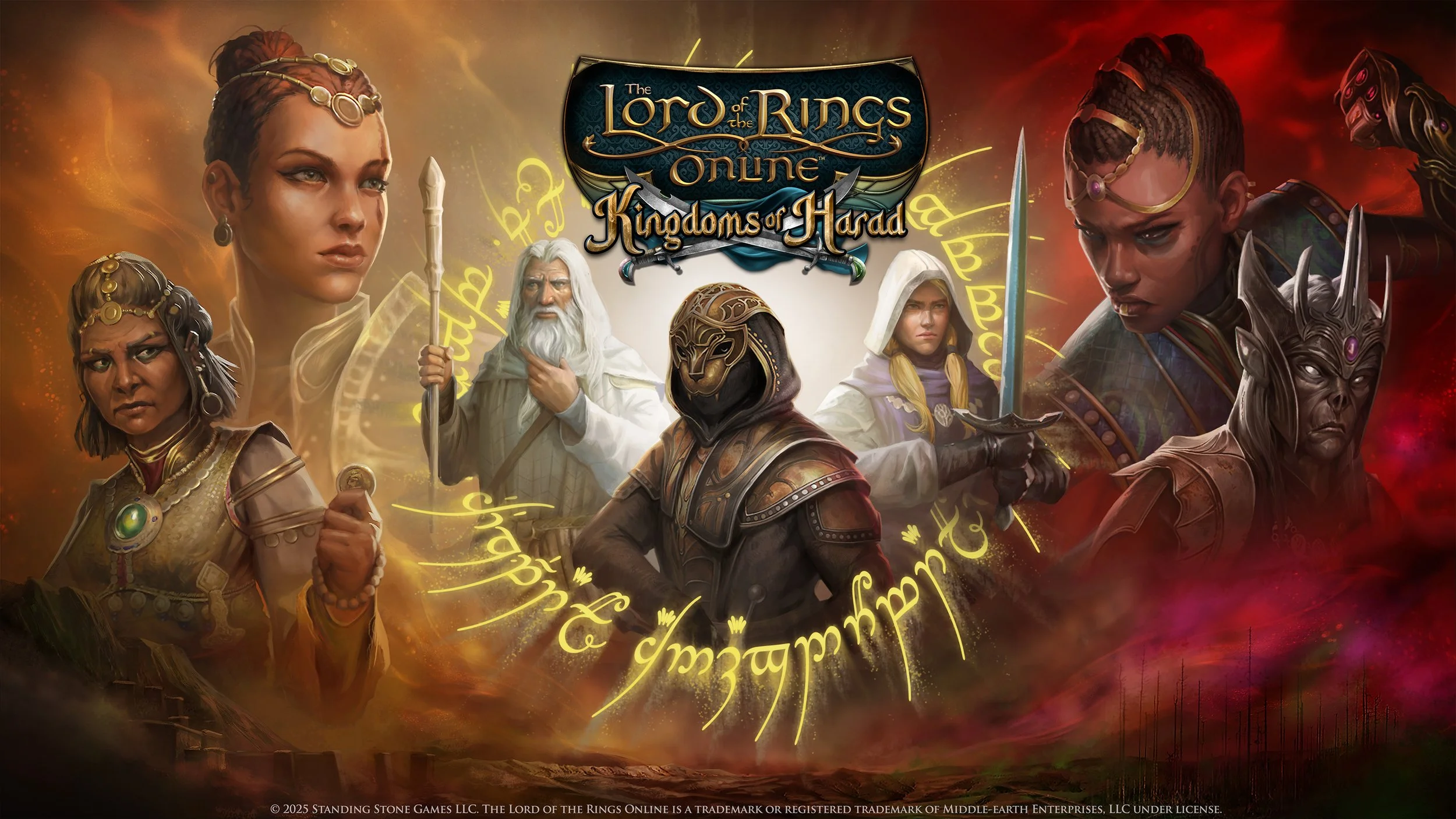
MMORPG announced earlier today and it was subsequently confirmed by Standing Stone games, that the new expansion for The Lord of the Rings Online will be Kingdoms of Harad and that it will launch later in the year. The expansion will see the conclusion of the epic Song of Waves and Wind storyline and the level cap raised from 150 to 160. There will be a new region to explore, Mûr Ghala, comprising four zones. Adagîm, Idagâl, An Shêru and Kighân. The latter contains the main trading hub of Zajâna. Players will travel into the region with Gandalf the White, along with allies of the Kindred of Coins and Mizadi as they seek to counter the regional power struggle brought about by the fall of Sauron. Canonically, this takes place three months after the destruction of the ring, hence King Elessar and Eomer are busy with domestic affairs in their respective kingdoms.
MMORPG announced earlier today and it was subsequently confirmed by Standing Stone games, that the new expansion for The Lord of the Rings Online will be Kingdoms of Harad and that it will launch later in the year. The expansion will see the conclusion of the epic Song of Waves and Wind storyline and the level cap raised from 150 to 160. There will be a new region to explore, Mûr Ghala, comprising four zones. Adagîm, Idagâl, An Shêru and Kighân. The latter contains the main trading hub of Zajâna. Players will travel into the region with Gandalf the White, along with allies of the Kindred of Coins and Mizadi as they seek to counter the regional power struggle brought about by the fall of Sauron. Canonically, this takes place three months after the destruction of the ring, hence King Elessar and Eomer are busy with domestic affairs in their respective kingdoms.
Kingdoms of Harad is the thirteenth expansion for LOTRO, the first five of which, along with the later Before the Shadow are now bundled as part of the free-to-play base game. As of today the new expansion is available for pre-purchase from Standing Stone Games and is available in the usual three different, digital permutations. The Standard Edition, Collector’s Edition and the Ultimate Fan Bundle. All packages come with the new story content as well as the instance and raid cluster. There is also a single, one per count, “150 level up package” that can be used to instantly take a character of your choice to level 150, so you can immediately explore the new region. The provisional release date for the new Kingdoms of Harad expansion is 3rd December, with the usual caveat of a delay if there are technical issues.
Standing Stone Games can be accused of many things but not dragging their heels with regard to releasing new content. Kingdoms of Harad will be the seventh yearly expansion since 2019, which shows a degree of commitment to the MMOs future. Not bad for a game that is over 18 years old. Furthermore, there should be a new “Development Update” letter at the end of the month, which hopefully will show some progress with some of the longstanding technical issues that continue to impact upon the game. Such as the improved GUI with 4K support and the persistent problem of game lag that still seems to intermittently blight the new 64-bit servers. Although it is good to get new story content, it is important to address the essential nuts and bolts of this ageing game. In the meantime, Kingdoms of Harad will more than likely be available on the Bullroarer test server in the next few weeks.
Terrified (2017)
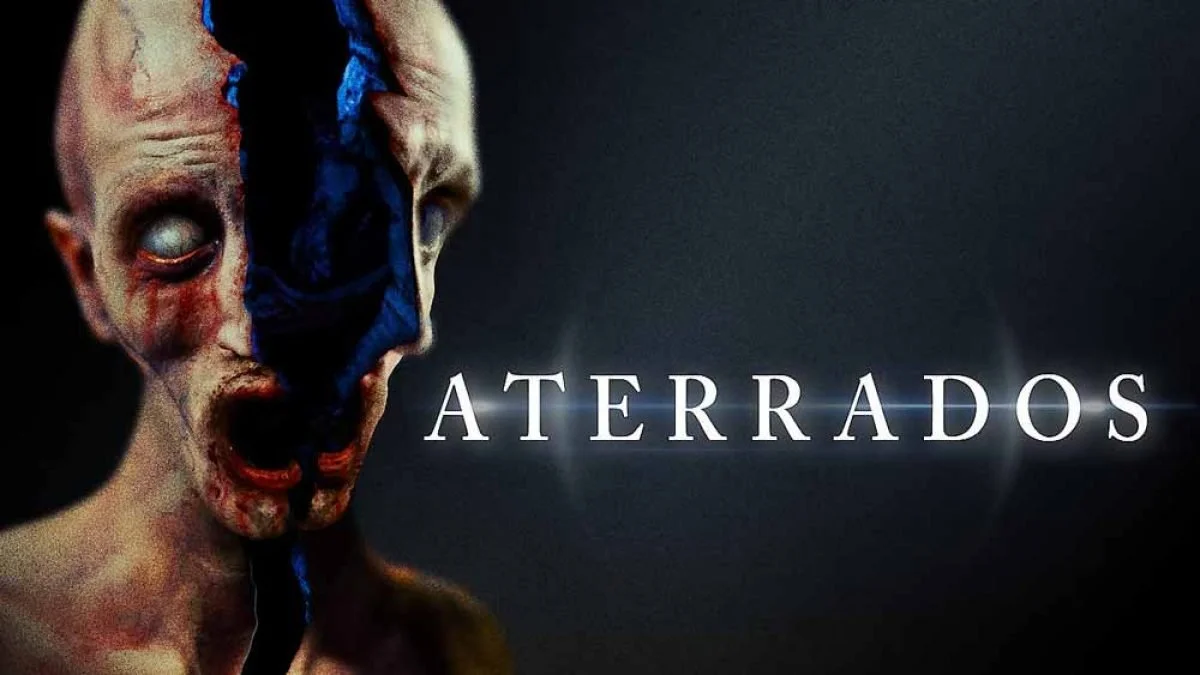
In Buenos Aires, Clara (Natalia Señorales) hears voices emanating from the plughole in her kitchen sink. The voices seem to be plotting against her. Her husband Juan (Agustín Rittano) says the sounds are coming from next door. That night, Juan finds Clara’s dead body levitating in their bathroom, slamming against the wall by an invisible force. Meanwhile their neighbour, Walter (Demián Salomón), is experiencing supernatural occurrences while he tries to sleep. An invisible force repeatedly shakes his bed. After using a video camera to film these events, he sees a tall, cadaverous figure emerging from under the bed, standing over him as he sleeps. Across the road, Alicia (Julieta Vallina) is grieving for her recently deceased son, who was run over outside Walter’s house. Alicia's ex-boyfriend, police commissioner Funes (Maximiliano Ghione) calls Jano (Norberto Gonzalo), a paranormal investigator and the pair soon discover more supernatural occurrences in the area.
In Buenos Aires, Clara (Natalia Señorales) hears voices emanating from the plughole in her kitchen sink. The voices seem to be plotting against her. Her husband Juan (Agustín Rittano) says the sounds are coming from next door. That night, Juan finds Clara’s dead body levitating in their bathroom, slamming against the wall by an invisible force. Meanwhile their neighbour, Walter (Demián Salomón), is experiencing supernatural occurrences while he tries to sleep. An invisible force repeatedly shakes his bed. After using a video camera to film these events, he sees a tall, cadaverous figure emerging from under the bed, standing over him as he sleeps. Across the road, Alicia (Julieta Vallina) is grieving for her recently deceased son, who was run over outside Walter’s house. Alicia's ex-boyfriend, police commissioner Funes (Maximiliano Ghione) calls Jano (Norberto Gonzalo), a paranormal investigator and the pair soon discover more supernatural occurrences in the area.
There are times when it benefits a film to clearly define the parameters of its story and then get on with the job of telling it efficiently. Conversely, there are other times when the best thing a film can do is simply drop the audience into the middle of some unusual event or situation and just let them experience what is happening without an excess of exposition or lore. This is what Terrified (AKA Aterrados) does. The film begins with two separate supernatural events which are quite different in nature. The story then moves on to a third vignette and it becomes apparent that these activities are happening in the same neighbourhood. Although the story subsequently follows three paranormal investigators and a local police commissioner’s attempts to determine exactly what is happening, there is no overall explanation for these events or what can be done about them.
Through the use of “hyperlink cinema”, we see several aspects of something potentially much larger unfolding. This adds much to the film’s atmosphere. Director Demián Rugna, eschews the standard approach of modern US horror of building to an event and instead dives immediately into multiple fatal, supernatural events. He further wrong foots audiences by having these activities taking place in modern suburbia, making a contemporary kitchen and bedroom the centre of these phenomena. However, he still taps into deeply ingrained, traditional fears such as something lurking under the bed. The jump scares are well conceived, as are some of the more graphic set pieces, blending CGI and practical effects cleverly. He also does not squander the film’s running time, starting at a pace and maintaining it through the lean and efficient 87 minute duration.
Another factor that makes Terrified interesting is its setting. Buenos Aires, in Argentina, is like any other modern city but it has a subtropical climate and flora. The actors also speak a specific Spanish dialect. All of which offers viewers both a degree of familiarity and a sense of difference. The ubiquitous nature of US film making along with its standard tropes can at times be a source of cinematic fatigue. Terrified side steps these, offering a well constructed and intriguing tale, with a palpable sense of tension and fear. The film excels at scaring the audience by presenting paranormal encounters in a setting one doesn’t expect by default. Furthermore, the subsequent investigations are conducted with the modern tools, which still fail to yield any viable answers. Rather than giving us an explanation, the audience is instead given an intense experience, that they then have to process themselves.
If you like to be spoon-fed highly predictable jump scares, via a story working within an established narrative framework, you may not necessarily enjoy Terrified. It doesn’t play but such cinematic rules. If you are seeking an innovative horror vehicle whose primary goal is to scare and discombobulate you, then turn off the lights, crank up the sound and revel in Demián Rugna sensory assault. Horror is an extremely flexible genre that can accommodate a broad spectrum of themes, ideas and stylistic presentations. All too often film makers simply follow an established formula, providing no more than minimal variations on a theme. Terrified does more than that, offering a window into startling and disturbing supernatural happenings. It is a film that focuses on the journey, rather than the destination and it is an exceptionally well conceived and shocking journey.






Black Sabbath (1963)
Black Sabbath (AKA I tre volti della paura) is a 1963 horror anthology film directed by Mario Bava. Although an Italian production, the film was co-financed by American International Pictures and as such was conceived to appeal to US audiences. Hence, the English dialogue edit of the film which was released in America differs significantly to the original Italian version. Despite the presence of the legendary Boris Karloff and the popularity of both anthology and gothic horror at the time,the film was only a modest success at the US box office and did not do well in Italy. However, in more recent years there has been a critical reappraisal of Black Sabbath, especially the Italian dialogue version. Many aspects of the film which are standard genre tropes today, were in fact novel at the time. Also despite the production mainly being studio bound, the film oozes style and has a striking visual aesthetic.
Black Sabbath (AKA I tre volti della paura) is a 1963 horror anthology film directed by Mario Bava. Although an Italian production, the film was co-financed by American International Pictures and as such was conceived to appeal to US audiences. Hence, the English dialogue edit of the film which was released in America differs significantly to the original Italian version. Despite the presence of the legendary Boris Karloff and the popularity of both anthology and gothic horror at the time,the film was only a modest success at the US box office and did not do well in Italy. However, in more recent years there has been a critical reappraisal of Black Sabbath, especially the Italian dialogue version. Many aspects of the film which are standard genre tropes today, were in fact novel at the time. Also despite the production mainly being studio bound, the film oozes style and has a striking visual aesthetic.
The Italian version starts with “The Telephone”, in which upmarket call-girl Rosy (Michèle Mercier) returns to her basement apartment at night and starts to receive a series of menacing phone calls, allegedly from her former pimp Frank who she testified against and had jailed. She calls an ex-lover, Mary (Lidia Alfonsi), and asks for her help but things are not as they appear to be. The second story, “The Wurdulak”, features a 19th century Serbian nobleman Vladimir D'Urfe (Mark Damon) who takes shelter for the night with a peasant family in their farmhouse. They await the return of their father Gorca (Boris Karloff) who has gone to kill a Turkish bandit who has been terrorising the area. When Gorca returns his family fear that he has become a Wurdulak; a living corpse that feeds on blood. The final story “The Drop of Water”, is set in 1910 London, features her nurse Helen Chester (Jacqueline Pierreux) who steals a sapphire ring from an elderly deceased medium she is preparing for burial. On returning home she is plagued by the sound of dripping water and a ghostly apparition.
The most immediate difference between the US and Italian versions of Black Sabbath is the colour timings. The Italian print which was processed by Technicolor Roma and supervised by Mario Bava, has a vibrant, more flamboyantly nightmarish colour palette. The cinematography by Ubaldo Terzano and Mario Bava is fluid and often uses movement to create atmosphere. The use of vivid, saturated hues and dramatic lighting, particularly the contrast between light and shadow, creates a foreboding and menacing atmosphere, making the visuals themselves participants in the horror. Karloff’s entrance as Gorca is a masterfully composed sequence. He steps into frame with his back to the camera and the limps ominously towards the farmhouse. His imposing demeanour is enhanced by makeup that contrasts with being lit from below. These details are more pronounced in this version.
The Italian edit also has the stories in a different order to the US release. The film begins with “The Telephone” and in this version the sexual subtext is far more apparent. Rosy is clearly a prostitute. Mary is possibly a former client who subsequently fell in love with Rosy. Themes that were excised from the US prints. This story plays out in many respects as a giallo, bearing many narrative hallmarks. Next is “The Wurdulak”, the most gothic of the three vignettes. The Italian version has a little more violence, when Gorca reveals the head of the dead bandit. Finally “The Drop of Water” is identical in both versions of the film, as its shock lies in jump scares, rather than violence. The US release has a different introduction by Boris Karloff and he links each new story. The Italian version has him appear at the start and end of the film only. The original score by Roberto Nicolosi is present in the Italian release but was replaced in the US version by a new soundtrack by AIP stalwart Les Baxter.
Overall the Italian release of Black Sabbath, is the superior version. It delivers three supernatural tales, featuring adult themes with style and atmosphere. The US version is tamer in tone, mainly because horror films at the time were aimed at the teenage market. The visual impact of the Italian version is greater due to the more vivid use of colour and the original score is less intrusive and melodramatic than the new American soundtrack. If Mario Bava’s version has one failing it is the dubbing of Boris Karloff into Italian. Although a necessity for the film’s release in its home market, it does have an impact upon Karloff’s performance. Modern audiences may consider some of the ideas, especially those in “The Telephone”, to be a little tired and overused However, the notion of a stalker in this instance predates most US films by a decade.
The artistry and structure in Black Sabbath, particularly its blend of suspense and supernatural horror, directly influenced the Italian giallo genre and the wider global horror aesthetic. Beyond the supernatural, the film masterfully explores themes of guilt and the encroaching forces of evil, making the terror deeply relatable and psychologically disturbing. Mario Bava continued to have a significant impact upon cinema throughout the sixties and seventies. He pre-empted the US slasher genre with the gory giallo A Bay of Blood (1971) and clearly had an influence upon Ridley Scott’s Alien (1979) with his atmospheric science fiction film, Planet of the Vampires (1965). Black Sabbath is a fine example of the stylish European approach to gothic horror and is therefore “must see” viewing for horror aficionados. Seek out the Italian version if possible.
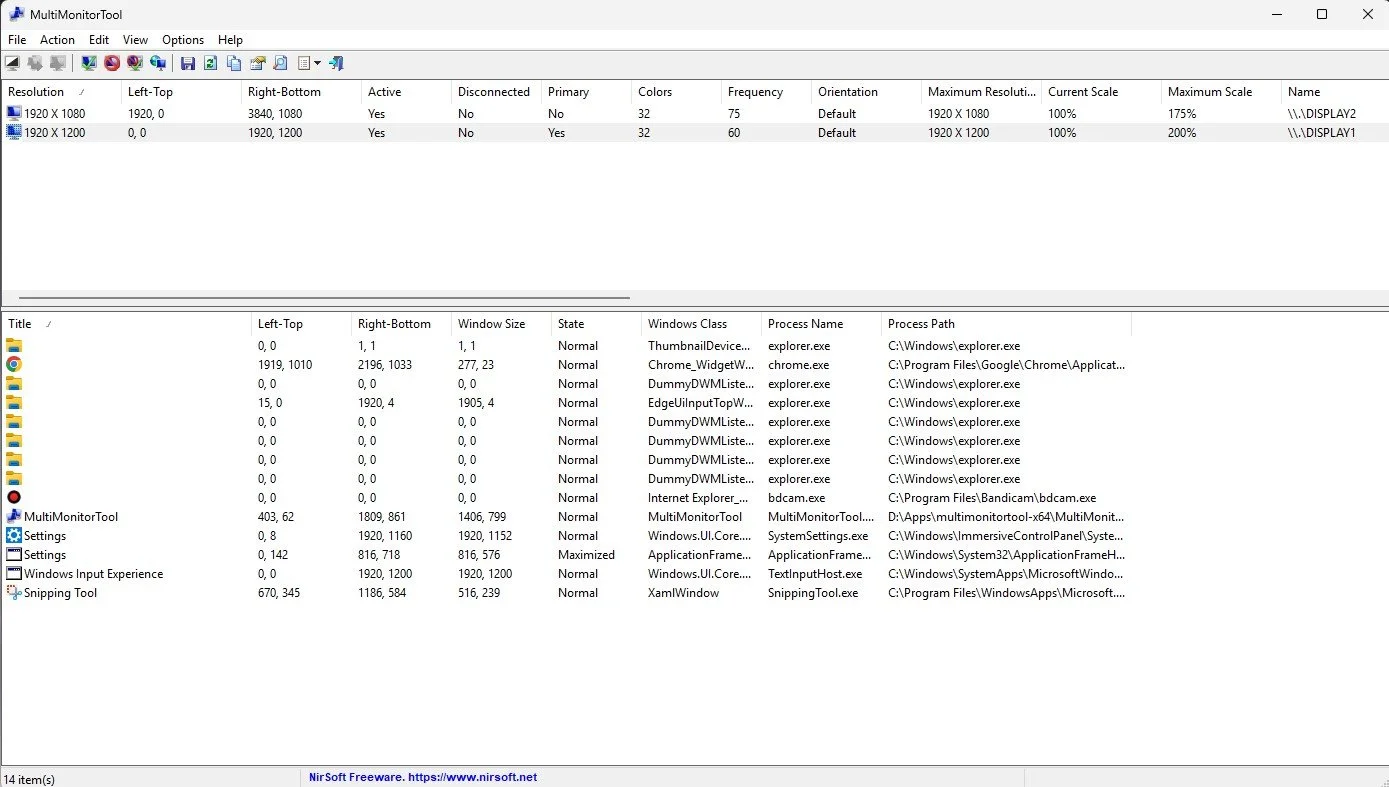
MultiMonitorTool
Back in January, I was very pleased because I had finally found some open source software, DisplayMagician, which allowed me to quickly and easily alter my display profile and run specific games and applications on my second monitor. Prior to this I would find that some programs just wouldn’t stay put, once they were dragged or otherwise cajoled to display on the monitor of my choice. They would continuously snap back to the primary display, regardless of my actions. DisplayMagician solved this issue and did so with aplomb. Or it did, until last weekend when I upgraded my PC from Windows 10 to 11. Then it stopped working. I therefore did some digging online and it became apparent that this is a known issue that is currently being addressed by its creator, Terry McDonald.
Back in January, I was very pleased because I had finally found some open source software, DisplayMagician, which allowed me to quickly and easily alter my display profile and run specific games and applications on my second monitor. Prior to this I would find that some programs just wouldn’t stay put, once they were dragged or otherwise cajoled to display on the monitor of my choice. They would continuously snap back to the primary display, regardless of my actions. DisplayMagician solved this issue and did so with aplomb. Or it did, until last weekend when I upgraded my PC from Windows 10 to 11. Then it stopped working. I therefore did some digging online and it became apparent that this is a known issue that is currently being addressed by its creator, Terry McDonald.
I hope all goes well with Mr McDonald’s troubleshooting but as there is no timeframe for a fix, I found myself today back where I had started at the beginning of the year, with regard to looking for a suitable tool to change primary monitors on the fly. Which then led me to discover MultiMonitorTool by Nirsoft (Nir Sofer). According to the developer “MultiMonitorTool is a small tool that allows you to do some actions related to working with multiple monitors. With MultiMonitorTool, you can disable/enable monitors, set the primary monitor, save and load the configuration of all monitors, and move windows from one monitor to another. You can do these actions from the user interface or from command-line, without displaying the user interface”. It is also free (although you can make a donation) and is regularly updated.
I am happy to report that MultiMonitorTool works and works well. However, having previously used software for this task that simply required me to click on an icon, I found swapping display profiles from a command line, or clicking on the MultiMonitorTool application window somewhat fiddly. Like so many PC users, I like my desktop and icons laid out just so and I’m fussy about how I do things. Therefore, I decided to write a batch file that could toggle between making monitor 1 and monitor 2 the primary display. It took me a while to remember how to do this but I got there eventually. I then created a shortcut but pinning it to my taskbar proved problematic. Once I got around this, I then encountered an error when running the batch file via the shortcut. Possibly due to permissions and the fact that the MultiMonitorTool was outside of the system32 directory. My simple task was getting steadily more complex.
I next decided to create a script to run the batch file for me and then pin a shortcut to the script to my taskbar. However, my memory of .vbs files is worse than my memory of .bat files. So this time I turned to Google Gemini for assistance which produced a simple script according to my needs. All that was required after this, was a custom icon for the .vbs file shortcut. I possibly spent more time perusing icon files than I did actually resolving the problem. Needless to say, I now have a convenient icon on my taskbar that I can use to change my primary display designation, prior to launching certain games and applications. It works quickly and with minimal hassle. Furthermore, I saved myself $40 by not buying the Steam version of DisplayFusion which does the same thing as MultiMonitorTool.
Robert Redford (1936 - 2025)
It’s been five years since I last wrote about the passing of someone whose work I admired. Not because there’s been a shortage of such people dying. Sadly, it happens all too often. I stopped because I was experiencing my own grief over the loss of my parents in 2020 and 2022. So I wrote about other things instead and got out of the habit of “RIP” posts. Yet the recent death of Robert Redford has compelled me to write something, because he was so many things. An old school star from an important era of US filmmaking. He was also a much better actor than some think, as well as a talented director who didn’t just use his fame to make vanity projects. His passing was somewhat of a shock because I had seen him recently make a cameo in the TV show Dark Winds, of which he was an executive producer. It was his last onscreen appearance.
It’s been five years since I last wrote about the passing of someone whose work I admired. Not because there’s been a shortage of such people dying. Sadly, it happens all too often. I stopped because I was experiencing my own grief over the loss of my parents in 2020 and 2022. So I wrote about other things instead and got out of the habit of “RIP” posts. Yet the recent death of Robert Redford has compelled me to write something, because he was so many things. An old school star from an important era of US filmmaking. He was also a much better actor than some think, as well as a talented director who didn’t just use his fame to make vanity projects. His passing was somewhat of a shock because I had seen him recently make a cameo in the TV show Dark Winds, of which he was an executive producer. It was his last onscreen appearance.
Robert Redford came to my attention, during the seventies when I was growing up. It was a time of newspaper adverts for the latest film releases, something that I frequently perused having gained a liking for film and the promise of seventies film poster art. I remember seeing promotional material for Three Days of the Condor (1975) and being enthralled by it. I also recollect radio adverts, which were big at the time and hearing snatches of dialogue and suppressed gunfire. I finally saw the film eight years later and it lived up to my expectations. Redford’s character was resourceful and far from indestructible, in this well crafted thriller. His charm and charisma were self-evident but he had other qualities that helped him rise above his matinee idol persona that he was trying to break free from at the time.
Slowly, I caught up with many of his most iconic roles such as Butch Cassidy and the Sundance Kid (1969), The Sting (1973), and All the President’s Men (1976). It was clear that Robert Redford was growing as an actor and his choice of roles became increasingly more complex and nuanced throughout the eighties and nineties. He also tried his hand behind the camera, with his directorial debut Ordinary People (1980). The story of the implosion of a wealthy family from Illinois, following the accidental death of one of their two sons and the attempted suicide of the other, was deftly handled with Redford garnering praise for his emotional intelligence. About this time, he also established a yearly independent film festival which was eventually renamed the Sundance Film Festival. Success outside of acting led to him establishing two production companies, Wildwood Enterprises, Inc. and Sundance Films and financing such titles as A River Runs Through It (1992) and The Motor Cycle Diaries (2004).
Another surprising aspect of Robert Redford was his activism with regard to environmental issues and Native American rights. At a time when much of Hollywood was awash with stars revelling in their own iniquities, seeing someone of that ilk with a modicum of principle and concern for things outside of themselves was refreshing. Furthermore, as filmmaking and its associated culture evolved over time (and seldom for the better), it was reassuring to see someone from a prior golden age, still acting, making films and being relevant. Which is why so many of us just assumed he’d go on forever. As previously mentioned, his latest endeavour was bringing a new adaptation of the Leaphorn & Chee novel series by Tony Hillerman to television, with the gritty and authentic drama Dark Winds. And then he was gone.
A few years ago, I worked my way through all the episodes of The Twilight Zone television series. I was pleasantly surprised to see Robert Redford in an early role, in a story titled Nothing in the Dark,. He was young, handsome and certainly had a cinematic quality about him. He got far on his sex appeal at the start of his career yet was fortunate to have other talents at his disposal as he matured. When age changed him, as it does to us all, he still had that easy going charm, tempered with worldly experience. It’s what made his final cinematic role in The Old Man & the Gun (2014) so enjoyable. It is often considered cliched to state that the passing of someone of this nature is the end of an era but in Robert Redford’s case, it really is. There are no modern equivalents.
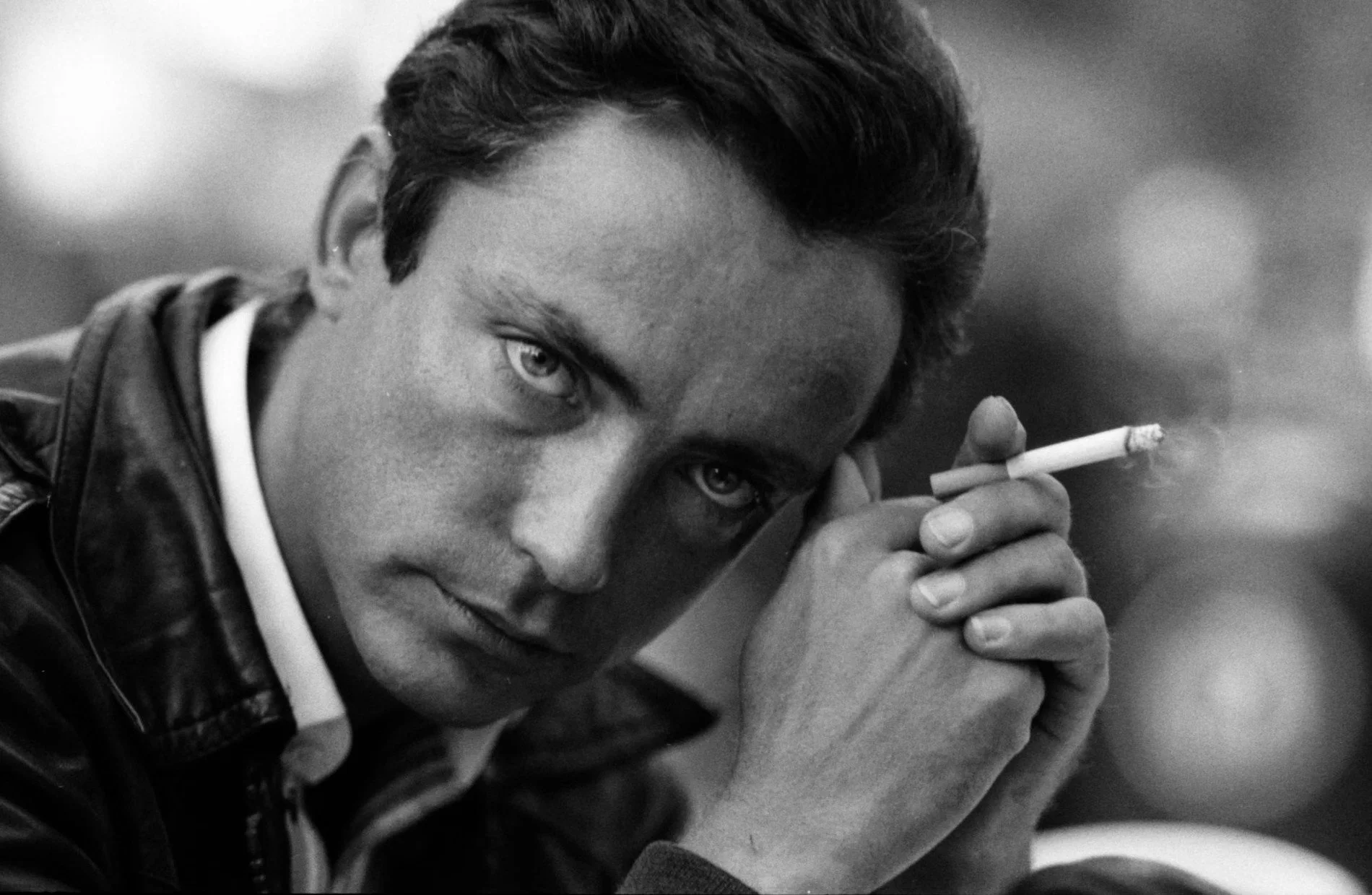
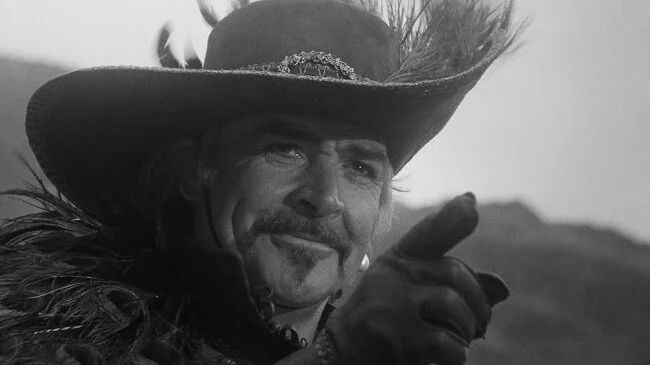


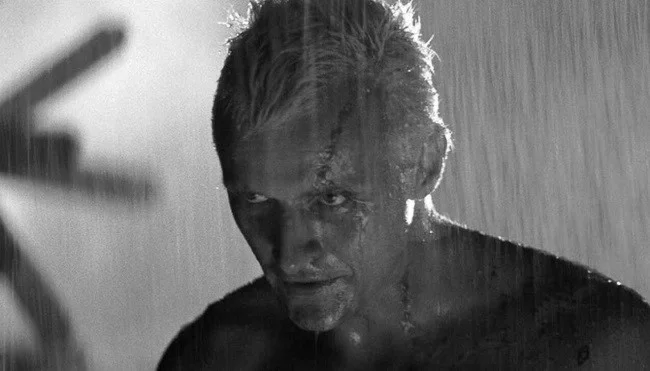

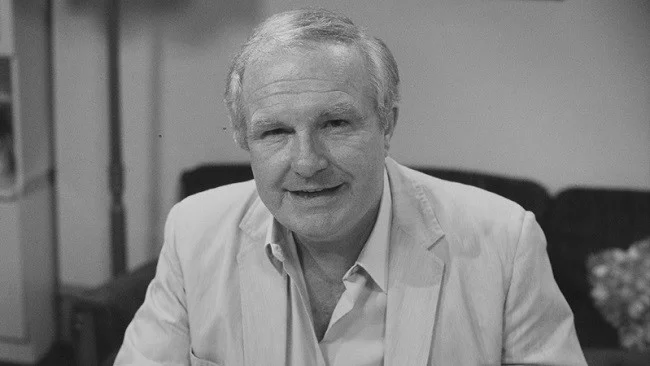


World War Z: The Complete Edition by Max Brooks (2013)
The zombie genre is a narrative seam that has been heavily mined in recent years. There seems to have been a never-ending supply of films, television shows and video games involving the undead over the last two decades. Which is why the notion of society being destroyed by its own citizens has somewhat lost its intellectual and horrific lustre. Hence I can understand people rolling their eyes at the mention of the novel World War Z by Max Brooks. The 2013 film adaptation starring Brad Pitt, which jettisoned most of the source text's innovations, isn’t the best advertisement for the book’s virtues. However, if you take the time to look beyond the hyperbolic title, you’ll find World War Z a work of singular intelligence which uses the zombie genre as a means to explore multiple socio-economic and political themes.
The zombie genre is a narrative seam that has been heavily mined in recent years. There seems to have been a never-ending supply of films, television shows and video games involving the undead over the last two decades. Which is why the notion of society being destroyed by its own citizens has somewhat lost its intellectual and horrific lustre. Hence I can understand people rolling their eyes at the mention of the novel World War Z by Max Brooks. The 2013 film adaptation starring Brad Pitt, which jettisoned most of the source text's innovations, isn’t the best advertisement for the book’s virtues. However, if you take the time to look beyond the hyperbolic title, you’ll find World War Z a work of singular intelligence which uses the zombie genre as a means to explore multiple socio-economic and political themes.
Instead of a traditional novel with several central characters and a linear story arc, World War Z is a collection of fictional interviews that take place between survivors of the zombie apocalypse from around the world and a fictional version of the author Max Brooks. Each personal vignette provides a first hand account of a specific event within the history of the zombie apocalypse and its subsequent consequences upon the narrator or the wider world. These personal anecdotes often obliquely reference wider happenings such as a specific government policy, military engagement or a mass migration. They frequently allude to things that the reader doesn’t directly know about. However, there is always sufficient information to deduce what is being inferred, be it wide scale cannibalism, emergency legislation to deal with civil unrest, or the collapse of specific public institutions.
Hence we hear from Fernando Oliveira, a Brazilian former surgeon, who recollects how the zombie virus was initially spread via the illegal organ trade that he was part of. Then there is Jurgen Warmbrunn, a Mossad agent, who co-write the first formal document recommending countermeasures against the undead. He reflects on how it was distributed to all major governments around the world, who subsequently dismissed it. There are also interviews with everyday people, such as Jesika Hendricks, an American-Canadian woman. She recounts how she survived the first winter after the Great Panic when she and her parents fled north, hoping the cold would freeze the zombies. These interviews personalise the global disaster, while simultaneously exploring the failings of government and how capitalism is ill equipped to deal with catastrophic events.
There is a lot of interesting analysis of both contemporary society and politics within World War Z. Both the public and the incumbent US government, initially refuse to countenance what is exactly going on, leading to a period of history referred to as the Great Denial. The pharmaceutical industry quickly exploits the situation by producing a placebo drug, which the government happily greenlights to buy time. When the modern US military finally faces a massed attack of undead outside Yonkers, their tactics and weapons fail. The shock and awe they depend on to psychologically crush their opponents, is absent in an enemy that is oblivious to their technological superiority. Perhaps the most fascinating aspect of the story is the US government's attempts to repurpose the surviving workforce, with 65% having no viable skills, apart from manual labour, in a post apocalyptic world.
The audiobook version of World War Z has a somewhat complicated history. Random House published an abridged version running 5 hours and 59 minutes in 2007. The book is read by Brooks (who previously had a career in voice acting) and includes Carl Reiner, Mark Hamill and Henry Rollins portraying some of the characters interviewed. Later in 2013, Random House released a revised 12 hours and 9 minutes audiobook titled World War Z: The Complete Edition (Movie Tie-in Edition): An Oral History of the Zombie War. It contains the entirety of the original, abridged audiobook, as well as new recordings of the previous absent material by such actors as Simon Pegg, Jeri Ryan and Parminder Nagra. There is also an alternative version available on Audible UK, with a completely different voice cast.
For the purpose of this review I listened to the rather ponderously named World War Z: The Complete Edition (Movie Tie-in Edition): An Oral History of the Zombie War. Although a lengthy production, the interview format easily allowed me to listen in stages over the course of the week. Sometimes an all star cast can be an impediment to an audiobook adaptation, with individual voice actors becoming the focus of attention instead of the prose. However, in this instance the robust cast imbues the interviews with a sense of credibility, making the various recollections very personal and human. There are no accompanying audio effects and the adaptation lacks a musical score. A simple ominous sting separates each personal recollection. This minimalist approach works very well, as it would have been a mistake to over embellish the production.
Nineteen years on from its publication, World War Z remains relevant, thought provoking and even a little portentous. The COVID-19 pandemic, although far from a zombie apocalypse, certainly shared some parallels with the themes of the book. There was government denial, flagrant business profiteering and a public that was unprepared for such a radical change to their daily existence. The current decline in democratic processes and politics in western civilisation has created an atmosphere of impending societal collapse. Is the broken world that is so vividly depicted within the pages of World War Z an indication of our own future? Max Brooks wrote metaphorically of zombies undoing our civilisation. We currently seem to be doing something similar but without the metaphor.