LOTRO: The Problem With Skirmish Soldiers
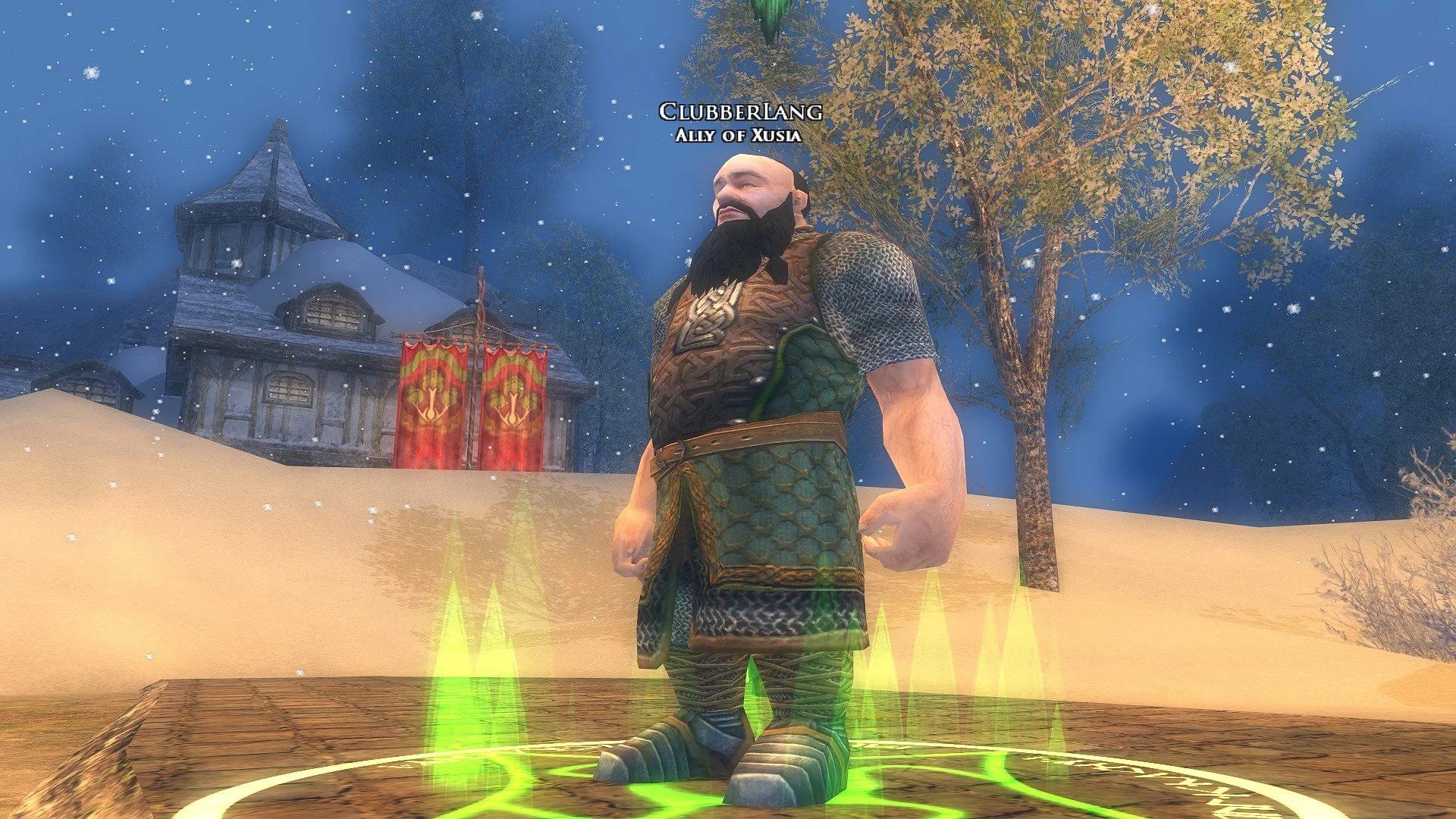
Skirmishes were added to the MMORPG The Lord of the Rings Online, in 2009 with the release of the Siege of Mirkwood expansion. Skirmishes are a repeatable and scalable combat system that allows players to access various instances for solo or group play from anywhere in the in-game world. Players can choose a Skirmish Soldier from a variety of classes to accompany them and provide healing, tank or additional DPS. On paper it’s a great system which is why many other MMOs offer something similar. I recently decided to tinker with my Skirmish Soldier build on my main character to see if I could optimise their performance. As my primary alt is a Lore-master, for the last few years I have had a Warrior as their Skirmish Soldier, to take some of the aggro from attacking mobs. I used the excellent guide by FibroJedi and swapped over a few Training and Personal Traits.
Skirmishes were added to the MMORPG The Lord of the Rings Online, in 2009 with the release of the Siege of Mirkwood expansion. Skirmishes are a repeatable and scalable combat system that allows players to access various instances for solo or group play from anywhere in the in-game world. Players can choose a Skirmish Soldier from a variety of classes to accompany them and provide healing, tank or additional DPS. On paper it’s a great system which is why many other MMOs offer something similar. I recently decided to tinker with my Skirmish Soldier build on my main character to see if I could optimise their performance. As my primary alt is a Lore-master, for the last few years I have had a Warrior as their Skirmish Soldier, to take some of the aggro from attacking mobs. I used the excellent guide by FibroJedi and swapped over a few Training and Personal Traits.
I do not find playing Skirmishes at the default difficulty setting with my level cap Lore-master to be particularly challenging. Mainly because my primary character is well specified with good gear and an optimised Legendary Weapon. On occasions, I will send my Warrior to attack a specific target, if for example, one of my main attack skills is on cooldown. Most of the time, they simply follow in my wake, providing what support they can. Or so I assumed. Recently, I decided to look at my combat log after playing through Thievery and Mischief Skirmish. Let it suffice to say, there were few entries regarding their contribution and what was there showed minimal damage. The Skirmish Soldier in question had all their skills and abilities maxed out. I subsequently ran several other Skirmishes with other alts, all of which had Skirmish Soldiers of a commensurate rank to the level of the alt. The results were similar.
Hence I did some research via the official LOTRO forums and the subreddit and it would appear that Skirmish Soldiers are generally considered ineffective and often a liability in high-level content due to poor scaling and unintelligent AI. At lower levels, soldiers can be overpowered but still have a tendency to pull aggro and break crowd control. This beneficial over powered state only lasts for a ten levels or so. The main problem after their AI, is that their damage and utility do not scale well at higher levels, making them less useful compared to player-controlled companions like Captain's Heralds or Lore-master pets. A Herbalist Skirmish Soldier is the most recommended and reliable choice because its primary function is healing. A role that tends to keep them adjacent or behind the player. They help keep you alive during difficult fights, which is more important than the negligible damage output from other roles.
Over the years, the level cap increases have further exacerbated this problem. Hence, my fully maxed out Warrior doesn’t contribute that much to any fight. I mainly use them as a decoy. Similarly, when deployed during general PVE questing the Skirmish Soldier (or Landscape Soldier in this circumstances) suffers the same problems with skill scaling and damage output. Therefore, their primary role at present, is one of psychological prop. Making the player feel supported and thus, boosting their confidence. Making Skirmish Soldiers the equivalent of Andrew Ridgeley from Wham. LOTRO developers, Standing Stone Games need to fine tune and rebalance this game mechanic, so that Skirmish/Landscape Soldiers become a more reliable and universal companion within the game. I’d also like more cosmetics options for them. However, knowing SSG, I won’t hold my breath.














Software Updates
As part of our increasing dependency upon software, we have also grown accustomed to its associated foibles, especially the negative ones. Today, I upgraded my blog from Squarespace 7.0 to 7.1 and my PC operating system from Windows 10 to 11. I started early in the morning and ensured that all my personal data was backed up. My default expectation was that both processes would go wrong in some way, shape or form. Let’s take a moment to consider this mindset, which is born out of experience. It is now taken as read that whatever you upgrade, be it an app on your phone or a program on your PC, that it’s going to be problematic. It won’t be a seamless transition and you’ll end up having to do some sort of troubleshooting. Despite our lives becoming more dependent on such software, the quality of these products seems to be deteriorating. What a sorry state of affairs.
As part of our increasing dependency upon software, we have also grown accustomed to its associated foibles, especially the negative ones. Today, I upgraded my blog from Squarespace 7.0 to 7.1 and my PC operating system from Windows 10 to 11. I started early in the morning and ensured that all my personal data was backed up. My default expectation was that both processes would go wrong in some way, shape or form. Let’s take a moment to consider this mindset, which is born out of experience. It is now taken as read that whatever you upgrade, be it an app on your phone or a program on your PC, that it’s going to be problematic. It won’t be a seamless transition and you’ll end up having to do some sort of troubleshooting. Despite our lives becoming more dependent on such software, the quality of these products seems to be deteriorating. What a sorry state of affairs.
Setting aside the failures of the tech industry, I was pleasantly surprised by the fact that both upgrades went well, with no major fallout. With regard to Contains Moderate Peril, I am quite happy how individual posts are displayed. I just need to determine whether from now on, I can include images that scale to the width of the page (but display at full size when clicked on), rather than having to set them to a standard resolution. I also have to fix the main blog page, as it is currently showing each post in full, rather than just the first paragraph along with the option to “read more”. However, these are not deal breakers. The site is still functional for both PCs and mobile devices. Similarly, the Windows upgrade went well. I was interested to see that some of the formatting aspects of Windows 10 were carried over and as a result, I have not had to excessively tinker with the visuals of Windows 11.
Oddly, because things appear to have gone relatively smoothly, I cannot help but feel somewhat disconcerted. Mainly because, as mentioned earlier, we are so used to things just not going to plan these days with regard to the software we use. Hence for the next few days, I will remain prepared for some unforeseen technical issues to manifest themselves. If they materialise, so be it. If they do not, then it’s an added bonus. Hopefully, there’s nothing else on my PC that requires a major update, for the immediate future. That being said, I rebooted my phone earlier today and it has obviously installed an Android update. I only spotted this when I received a phone call and was furiously trying to swipe upwards to answer it. Turns out I now have to swipe to the right. Oh the pleasure of software upgrades! The tech companies obviously think that daily life just isn’t interesting enough.
























LOTRO: Standing Stone Games and Support Tickets
On 2nd August 2025, I was playing the MMORPG The Lord of the Rings Online, on my primary character, a level cap Lore-master. I decided to continue with one of the Allegiance Quest lines, specifically Durin’s Folk. I played through several quests and earned the appropriate tokens that advance the Allegiance system. I then handed these in to the NPC in the Hall Under the Mountain, expecting the next quest in the series “Chapter 3: Gimli’s Request” to be unlocked. An item appeared in my inventory that I then clicked on, which should have bestowed the quest. Unfortunately, nothing happened. Furthermore, the item vanished from my bag and therefore I could not attempt to click it again. I checked the LOTRO Wiki and then looked around the Hall Under the Mountain to see if any NPC had a ring icon above their head. As they did not, I surmised that this was a software glitch and logged a support ticket with Standing Stone Games.
On 2nd August 2025, I was playing the MMORPG The Lord of the Rings Online, on my primary character, a level cap Lore-master. I decided to continue with one of the Allegiance Quest lines, specifically Durin’s Folk. I played through several quests and earned the appropriate tokens that advance the Allegiance system. I then handed these in to the NPC in the Hall Under the Mountain, expecting the next quest in the series “Chapter 3: Gimli’s Request” to be unlocked. An item appeared in my inventory that I then clicked on, which should have bestowed the quest. Unfortunately, nothing happened. Furthermore, the item vanished from my bag and therefore I could not attempt to click it again. I checked the LOTRO Wiki and then looked around the Hall Under the Mountain to see if any NPC had a ring icon above their head. As they did not, I surmised that this was a software glitch and logged a support ticket with Standing Stone Games.
Tonight, 40 days later, I received an email response from SSG and opened the message expecting to read that they had manually advanced the quest for me and I could continue with this story arc. However, that was not the case. I have attached a screen capture of my original support request along with the response from SSG, for readers edification. I believe I made myself quite clear in my initial communication. Hence I am somewhat confused by SSG’s response. There are several points to consider.
I have removed the name of the Customer Support member of staff out of courtesy
Firstly, are SSG claiming that they cannot advance a quest for a player when they state “Our ability to provide gameplay help or walkthroughs is limited from here in in-game CS”? If that is their assertion, I do not believe it. In the past, both I and friends have had quest lines advanced by Turbine/Standing Stone Games staff, when a bug has occurred.
Secondly, why write “I would suggest consulting with the community either in-game or on our official forums to gain a better understanding of gameplay content”? I gave a very clear breakdown of the fault I encountered and the problems most certainly can’t be remedied by reading the LOTRO forums. The comment implies that SSG has not read what I have written, for whatever reasons, which is hardly good customer relations.
Thirdly, I am further puzzled by the statement “If you believe there is an error with the in-game content, please provide a screenshot containing your character and the occurring issue to assist in further investigation, thank you”. My initial support request clearly indicates that I do indeed believe that an error occurred. It is why I raised a “ticket” in the first place. A quest bestowal failed, which is the very definition of a game error. As for supplying a screen capture, how exactly can I do this after the event? Again, this gives me the impression that my support request has not been read. I will not jump to any conclusion as to why this is but the most obvious answers that come to mind are far from edifying for SSG.
Finally, by what criteria is this support request “solved”?
Details of the Allegiance quest in question
There is always a temptation to consider a minor customer service matter such as this, too trivial to pursue any further. However, such a course of action ultimately makes matters worse for all players and paying customers. As a European, I am used to robust and good quality customer services. This example is the opposite of that. I waited 40 days, only to receive a generic response which neither addressed my in-game problem or even had the courtesy to offer the most basic of apologies for the inconvenience. This will not do.
If on the off chance that anyone from SSG reads this post, do you think this reflects well on your company? Not so much the fault, as bugs will occur in video games. I’m more concerned about the casual dismissal this official response infers and the fact that no one seems to have bothered to read what I wrote. Beyond this, can my game related problem be resolved? If you cannot advance a simple quest line for me after an obvious error, then please say so. A polite “sorry” would be well received.
In the meantime, I would be very interested to hear from fellow LOTRO players as to their experiences when seeking technical support from SSG. Did you wait long for a response? Do you feel that your request was read and understood? Was your game related problem resolved?
Upgrading My Blog: Part 2 Break Stuff
In the last post in this series, I specified the need for a plan with regard to upgrading my blog. Well a plan has emerged, been refined and has now been formally adopted. Rather than migrate Contains Moderate Peril to a new platform and effectively have to rebuild all the content, I am going to upgrade my existing presence on Squarespace. This decision was made for two reasons. Time and money. Migrating to a new platform will take a lot of time and incur additional costs. Upgrading the existing website will take less time and has no cost implications. That is not to say that it will be easy. It has become abundantly clear that the upgrade process will break stuff and that all published posts will have to be manually repaired. Hence my choice boils down to the lesser of two evils.
In the last post in this series, I specified the need for a plan with regard to upgrading my blog. Well a plan has emerged, been refined and has now been formally adopted. Rather than migrate Contains Moderate Peril to a new platform and effectively have to rebuild all the content, I am going to upgrade my existing presence on Squarespace. This decision was made for two reasons. Time and money. Migrating to a new platform will take a lot of time and incur additional costs. Upgrading the existing website will take less time and has no cost implications. That is not to say that it will be easy. It has become abundantly clear that the upgrade process will break stuff and that all published posts will have to be manually repaired. Hence my choice boils down to the lesser of two evils.
At present Contains Moderate Peril runs on Squarespace 7.0 and uses a template called Trombone Shorty. The template is obsolete and Squarespace 7.1 is now available with improved functionality. If I simply upgrade to the latest version, my site will break. If I replace the obsolete template with a compliant one, then upgrade, my site will break less. It’s all a bit of a Hobson’s Choice and somewhat annoying. However, this coming Saturday 13th September, I shall be upgrading one way or another and so expect the website to have anomalies. I shall then go through the back catalogue of posts and fix the formatting and replace the various pictures with ones that can be scaled accordingly.
I have decided that as part of this revamp and relaunch of Contains Moderate Peril, I am going to streamline its content. Film, television and video game related posts, such as reviews and long form criticism will now be the primary focus of the revised website. All other content will be relocated elsewhere. Where exactly, I’m not sure at present. But such content could find a suitable home on a platform such as Blot or Bear. I like to write about a wide variety of subjects and will continue to do so. However I think that it is wise to keep them separated. There was a time about a decade ago when Contains Moderate Peril had a clear identity. I think that has been diluted over time by trying to do too much in one place. I think re-establishing a clear remit will be beneficial.





















Treasure Island in Outer Space (1987)
Treasure Island In Outer Space is a curious Italian television production from 1987 starring Anthony Quinn and Ernest Borgnine. It also features numerous international actors better known for their work in cult and exploitation films, such as Bobby Rhodes, David Warbeck and John Morghan. Directed by Antonio Margheriti (AKA Anthony Dawson), famous for such films as Killer Fish (a cash in on Piranha) and The Last Hunter (a Vietnam exploitation epic), Treasure Island In Outer Space is a faithful adaptation of Robert Louis Stevenson’s classic novel. The screenplay by Renato Castellani and Lucio De Caro draws heavily from the source text, maintaining character names and original dialogue. However in updating the material to a futuristic setting, the script is littered with the worst kind of eighties sci-fi clichés. We are subjected to sonic trains, anti-gravity rays and the usual buzzword driven faux science.
Treasure Island In Outer Space is a curious Italian television production from 1987 starring Anthony Quinn and Ernest Borgnine. It also features numerous international actors better known for their work in cult and exploitation films, such as Bobby Rhodes, David Warbeck and John Morghan. Directed by Antonio Margheriti (AKA Anthony Dawson), famous for such films as Killer Fish (a cash in on Piranha) and The Last Hunter (a Vietnam exploitation epic), Treasure Island In Outer Space is a faithful adaptation of Robert Louis Stevenson’s classic novel. The screenplay by Renato Castellani and Lucio De Caro draws heavily from the source text, maintaining character names and original dialogue. However in updating the material to a futuristic setting, the script is littered with the worst kind of eighties sci-fi clichés. We are subjected to sonic trains, anti-gravity rays and the usual buzzword driven faux science.
As in most of Antonio Margheriti’s films, there are a lot of traditional visual effects. The miniatures are efficiently realised, given the budgetary restrictions, by the late Emilio Ruiz del Rio (Pan’s Labyrinth, Dune, Conan The Barbarian). There are also some solid matte paintings, in-camera visual effects and simple composite shots. However, not all the visual effects are up to the standards of the time. The most obvious explanations for this are possibly the budget running out of the strictures of the shooting schedule. The quality of the set designs are also variable. Some are again somewhat obvious, leaning into standard tropes of the decade. Hence we see random arrays of flashing lights and banks of switches and dials that serve no particular purpose. Others, such as the bone graveyard at the film’s climax, are quite striking visually and have clearly been given some thought.
The lead performances from both Quinn and Borgnine are acceptable, delivering measured interpretations of their characters. Both avoid the standard cliched tropes associated with the depiction of pirates on film. Quinn attempts a more paternalistic approach to the character of Long John Silver. Itaco Nardulli is a somewhat generic Jim Hawkins. Like most Italian productions, the actors speak their lines in their native language while filming and are dubbed accordingly in post production. The main cast have subsequently re-recorded their own dialogue but some of the Italian cast have been dubbed in a somewhat incongruous fashion. Treasure Island In Outer Space features a traditional musical score by composer Gianfranco Plenizio, avoiding the usual synthesizer based approach to the science fiction genre, which was common at the time.
What makes Treasure Island In Outer Space a somewhat frustrating experience to watch is the ways that some aspects of the production have been given attention and others have been handled poorly. The cinematography by Sandro Messina is quite creative by television standards, with some scenes being shot from low angles or behind objects. Sadly the action scenes and fight choreography is somewhat theatrical and lacks any sense of momentum or kinetic energy. At seven episodes, each with a running time of 50 minutes, the English language version of Treasure Island In Outer Space is a somewhat lengthy adaptation. Perhaps a little too long. These deficiencies highlight the fact that this show is very much a product of its time and as such should be judged accordingly. There are better adaptations of Treasure Island and there are worse. For those who are curious, Treasure Island in Outer Space can be found on YouTube.
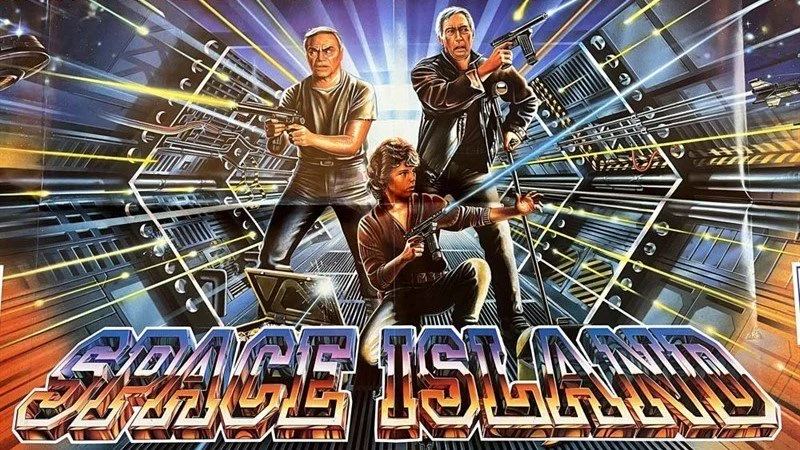
NB. Treasure Island in Outer Space was shown in 5 episodes, each running 75 minutes on Italian television in 1987. There are no major differences between this and the English language version which ran for 7 episodes of 50 minutes. However, there was also a theatrical version of the show, which was common practice at the time. This has a running time of 150 minutes and was released under the title Space Island.





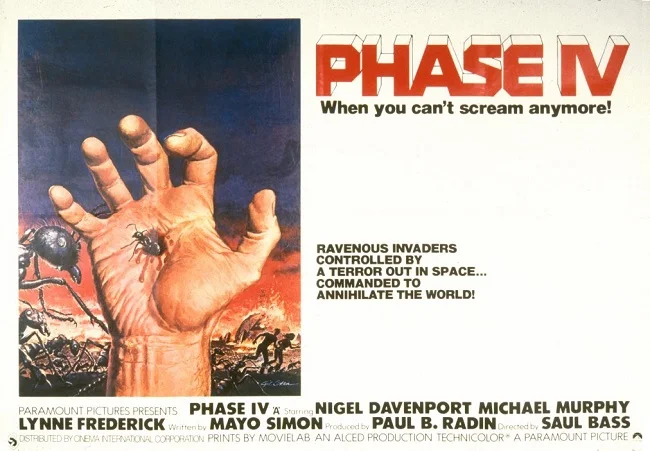


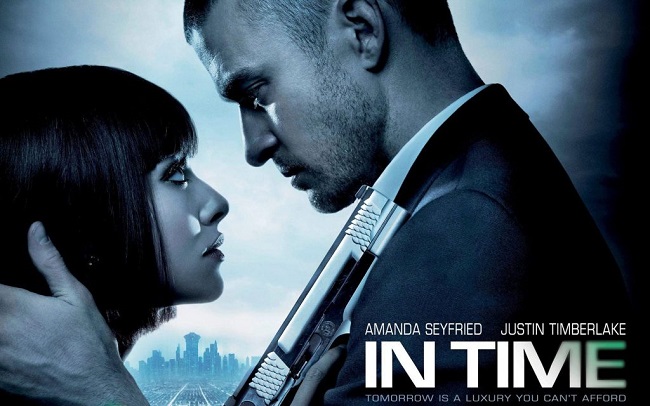
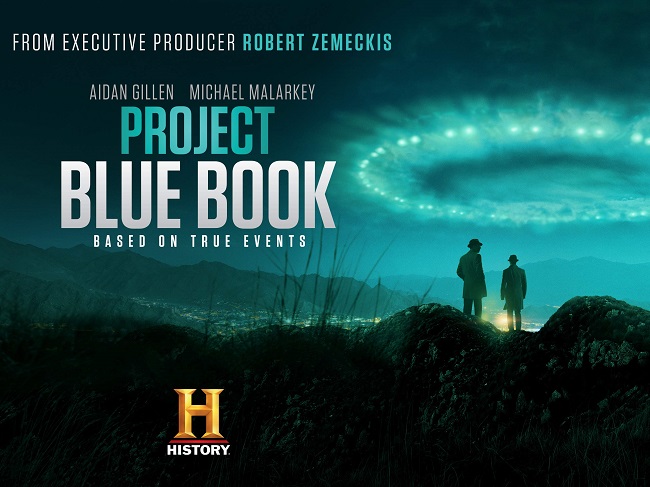
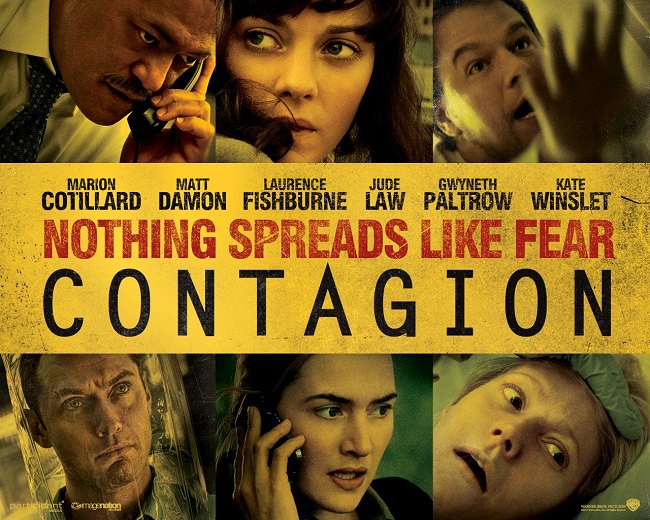


Star Trek Online Needs an Expansion
If you check the Star Trek Online Wiki, you’ll find that there has been a steady stream of new content added to the MMORPG over the last 15 years. However, it doesn’t quite feel that way, mainly because more recent material seems weaker and less memorable. The last two major story arcs in STO have been somewhat lacklustre and demonstrably inferior to those that went before. Both Terran Gambit and Kings & Queens suffer from uninspired, repetitive ideas as well as an infrequent release schedule. Effectively weak stories have been dragged out over too much time. No doubt changes among the STO writing team have had an impact on content but it also seems that some of the newer stories have been tailored around whatever former Star Trek cast members that are available. As a result there has been a somewhat “square pegs in a round holes” aspect to both story arcs, where the pieces just don’t seem to fit together well.
If you check the Star Trek Online Wiki, you’ll find that there has been a steady stream of new content added to the MMORPG over the last 15 years. However, it doesn’t quite feel that way, mainly because more recent material seems weaker and less memorable. The last two major story arcs in STO have been somewhat lacklustre and demonstrably inferior to those that went before. Both Terran Gambit and Kings & Queens suffer from uninspired, repetitive ideas as well as an infrequent release schedule. Effectively weak stories have been dragged out over too much time. No doubt changes among the STO writing team have had an impact on content but it also seems that some of the newer stories have been tailored around whatever former Star Trek cast members that are available. As a result there has been a somewhat “square pegs in a round holes” aspect to both story arcs, where the pieces just don’t seem to fit together well.
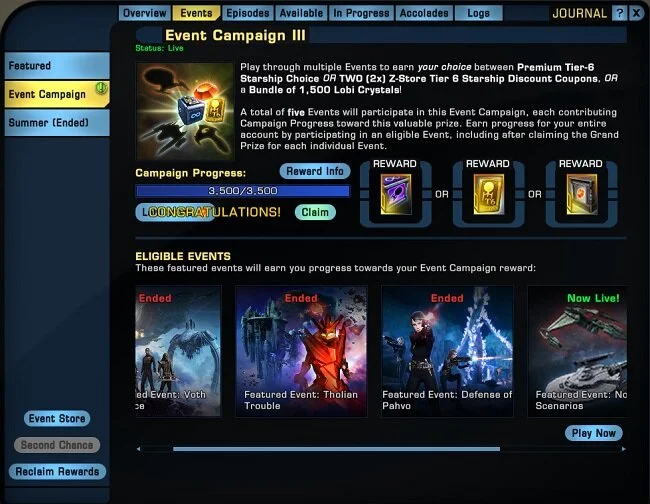
Another factor that is leading to a sense of fatigue in STO is the never ending treadmill of events. If you want something quick and easy to get into, then STO always has some sort of event or activity going on. Events are devised that if you complete a specific number of Taskforce Operations or episodes from a story arc, you are rewarded with something “useful”. An armour set, or a ship’s console or even a Tier 6 ship. These can be beneficial but they are not essential to all players. A console that enhances plasma damage is of no use to you if you use disruptors on your ship’s build. And talking of ships, there comes a point when you simply don’t need anymore. I have several dozen and have been using an Inquiry Battlecruiser for the last three years. As the saying goes “if it ain’t broke, don’t fix it”.
Which is why I think that STO would benefit greatly from the release of a new expansion for the game. This could include an increase in level cap, possibly a new tier of ship or some sort of tangential system. An additional reputation faction could be added as well. But the most fundamental requirement would be a well written, immersive and engaging story arc. Furthermore, rather than the standard, “the galaxy in peril” storyline, it would be preferable to have something based upon exploration and diplomacy with a new alien culture. A sociopolitical themed story that required thinking and making informed choices, rather than the usual “pew pew” Starfleet just kicked your ass, sort of stuff. A plot that is grounded more in the sort of intrigue we saw in Star Trek: The Next Generation.
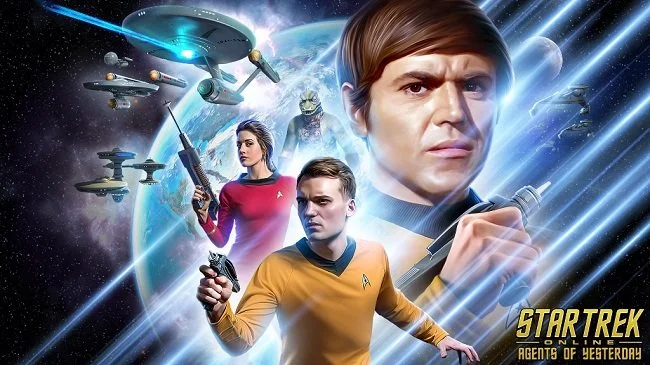
Sadly, I do not think this is going to happen. DECA Games have been responsible for the ongoing development of STO for over a year now and so far there have been no indication of any ambition beyond events, new ships and scaled down story arcs. No sign of an expansion of the calibre of Legacy of Romulus. There is a degree of similarity between STO and LOTRO (The Lord of the Rings Online) as both MMORPGs have loyal playerbases that effectively have nowhere else to go. Both communities are very accommodating and supportive of their respective games, often finding their own entertainment within the games. Unfortunately, the LOTRO community enjoys a more regular content schedule and a better calibre of writing. I suspect that it is only a matter of time before the STO community gets fed up with the status quo.

Biggles (1986)
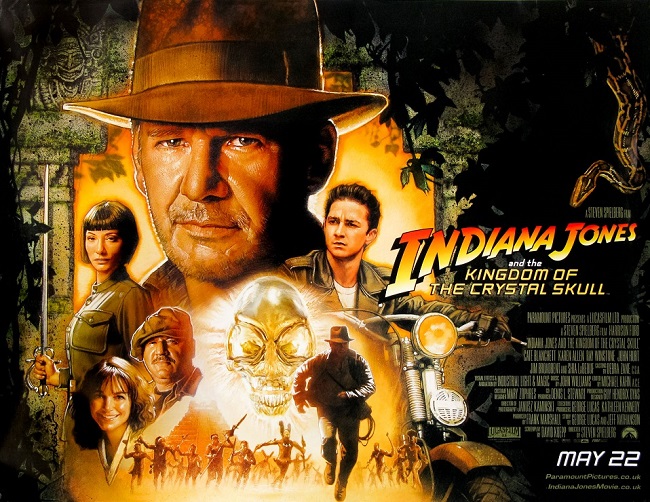
After the success of Raiders of the Lost Ark in 1981, filmmakers scrambled to find existing intellectual properties that they could use for similar films. Hence archaic heroes such as Alan Quatermain were hastily given a modern makeover and thrust into generic movies, in a vague attempt to replicate Steven Spielberg’s successful formula. Which brings us neatly on to James Charles Bigglesworth AKA “Biggles”, a fictional pilot and adventurer from a series of books written by W. E. Johns between 1932 and 1968. Several attempts had been made in the past to bring this character to the silver screen, including one by Disney but they all failed. However, the commercial and critical success of Indiana Jones provided sufficient impetus to greenlight a new film. However, due to some curious production choices, when Biggles was finally released it was far from just a period set, action movie.
After the success of Raiders of the Lost Ark in 1981, filmmakers scrambled to find existing intellectual properties that they could use for similar films. Hence archaic heroes such as Alan Quatermain were hastily given a modern makeover and thrust into generic movies, in a vague attempt to replicate Steven Spielberg’s successful formula. Which brings us neatly on to James Charles Bigglesworth AKA “Biggles”, a fictional pilot and adventurer from a series of books written by W. E. Johns between 1932 and 1968. Several attempts had been made in the past to bring this character to the silver screen, including one by Disney but they all failed. However, the commercial and critical success of Indiana Jones provided sufficient impetus to greenlight a new film. However, due to some curious production choices, when Biggles was finally released it was far from just a period set, action movie.
Catering salesman Jim Ferguson (Alex Hyde-White), is unexpectedly transported from New York City to 1917 France, where he saves the life of Royal Flying Corps pilot James "Biggles" Bigglesworth (Neil Dickson) after he is shot down on a reconnaissance mission. Immediately afterwards, Jim is transported back to 1986, where his fiance Debbie (Fiona Hutchinson) struggles to believe his explanation as to what happened to him. However, Jim is subsequently visited by Biggles’ former commanding officer, Air Commodore William Raymond. Raymond tells him about his theory that Ferguson and Biggles are "time twins", spontaneously transported through time when the other is in mortal danger. Shortly after Jim is reunited with Biggles, along with Debbie who held onto Jim when he was transported across time. They discover that the Germans are working on a sonic weapon that could change the outcome of The Great War.
Yellowbill Productions acquired the rights to the Biggles books in 1981 and the initial aspirations of producer Kent Walwin were high. The plan was to produce a series of period set films, in the James Bond idiom, featuring action and drama. Both Jeremy Irons and Oliver Reed were originally associated with the production. Initial drafts of the screenplay were set in WWI and were faithful to W. E. Johns’ original novels. However, the producers subsequently decided to add a science fiction spin to the main story, possibly due to the imminent release of Back to the Future. Whatever the reason, the film morphed into a curious hybrid which didn’t really do justice to either the science fiction or period action genres. Furthermore, the production schedule was expedited so it could take advantage of UK tax breaks that were due to expire. As a result the screenplay was still being rewritten when director John Hough began filming.
As a result, Biggles (retitled Biggles: Adventures in Time in the US) is somewhat narratively and tonally inconsistent. Neil Dickson is well cast as James Charles Bigglesworth but has to compete for screen time with Jim Ferguson, his somewhat uninteresting time twin. The film briefly improves when Peter Cushing appears, in what was to be this iconic actor’s last role. But overall Biggles just doesn’t know what it wants to be. It feels like the writers have added multiple cinematic tropes to the screenplay out of desperation. Sadly, the romance and occasional slapstick humour fall flat. The action scenes, although well conceived, betray their low budget, featuring old tricks such as a plane flying behind a hill before exploding. Plus there’s a somewhat gory scene involving a soldier who is killed by the sonic weapon, which seems out of place.
Biggles failed at the UK box office and was equally unsuccessful when released later in the US. However, all things considered, a flawed film can still be an entertaining one. Biggles is all over the place but it does raise a wry smile from time to time. There’s plenty of the old “British stiff upper lip” with our hero telling his nemesis, Hauptmann Erich von Stalhein (Marcus Gilbert) “I'll not put a bullet in your head, old boy, because that’s not how we do business”. The flying scenes have a sense of momentum and are well shot by second unit director Terry Coles, who had done similar work on Battle of Britain. The soundtrack is also peppered with several very eighties songs from Mötley Crüe, Queen and Jon Anderson from Yes. Hence, if you’re looking for some undemanding entertainment or have an interest in the various films that tried to cash in on Indiana Jones, then you may wish to give Biggles a go.








Education in the UK
Formal education in the UK is a structured process, starting at early years learning and continuing through to higher education at university. Some aspects of the educational system are mandatory, whereas others are optional. At present, children in the UK must start full-time education from the age of 5 and remain until the age of 16. After this age, they are no longer required to attend school per se but must remain in some other form of education or training, such as a vocational college or an apprenticeship. Many students remain at school until 18, as there are specific exams to be obtained that are required for a subsequent university placement. Here is a breakdown of the current process as it exists in the UK.
Formal education in the UK is a structured process, starting at early years learning and continuing through to higher education at university. Some aspects of the educational system are mandatory, whereas others are optional. At present, children in the UK must start full-time education from the age of 5 and remain until the age of 16. After this age, they are no longer required to attend school per se but must remain in some other form of education or training, such as a vocational college or an apprenticeship. Many students remain at school until 18, as there are specific exams to be obtained that are required for a subsequent university placement. Here is a breakdown of the current process as it exists in the UK.
Early years education:
This stage is non-compulsory and caters to children aged from birth to 5 years old. In England, 3 and 4-year-olds are entitled to 15 hours of free nursery education per week for 38 weeks of the year. Early years education takes place in various settings, including state nursery schools, nursery classes, reception classes within primary schools, and private nurseries or childminders.
Primary education:
Primary education is compulsory for children from age 5 to 11. It is divided into Key Stage 1 (ages 5-7) and Key Stage 2 (ages 7-11). Children learn basic literacy and numeracy skills, as well as foundational knowledge in science, mathematics, and other subjects. Children in England and Northern Ireland are assessed at the end of Key Stage 1 and 2.
Colfe’s School, South East London
Secondary education:
Secondary education is compulsory for children aged 11-16. It is divided into Key Stage 3 (ages 11-14) and Key Stage 4 (ages 14-16). Students pursue a broader curriculum including core subjects (English, maths, science) and optional subjects (humanities, languages, arts, vocational courses). At the end of Year 11, students typically take General Certificate of Secondary Education (GCSE) exams.
Further education:
This optional stage encompasses post-16 education, including A-levels exams, vocational qualifications, and apprenticeships. Further education is offered at schools as well as in colleges and adult education institutes. A-levels exams are the primary qualification required for a university placement.
Higher education:
This refers to study beyond further education, primarily in universities and Higher Education Institutes. The UK higher education system is recognised internationally. It includes undergraduate and postgraduate courses. Entry typically requires A-levels exams or equivalent qualifications, and applications are made through The Universities and Colleges Admissions Service.
Balliol College, Oxford
As an addendum to the above summary, here is a breakdown of the different types of school available in the UK. State education in the UK refers to government-funded schools that provide free education to children and are paid for by taxes. Every child is entitled to a place. These schools must generally follow the national curriculum, set by the Department of Education and are overseen by local authorities or directly by the government. There are several types of state-funded schools, including community schools, foundation and voluntary schools, academies, and free schools, each with varying degrees of independence from local authorities.
Types of schools:
State Schools: Government-funded, following the national curriculum.
Academies: Publicly funded but independent from local authorities.
Free Schools: Newly established, publicly funded schools.
Grammar Schools: Selective schools based on academic ability and an entrance exam. Publicly funded.
Independent Schools (Private Schools): Funded by fees and not required to follow the national curriculum.
Home education. Schooling at home is an option in the UK. Parents are responsible for the costs of education, including materials, trips, and examinations. They don't have to follow the National Curriculum.
Next let us consider what is exactly taught at school. The National Curriculum is a set of learning standards for England's local-authority-maintained schools. It outlines subjects and attainment targets across four key stages, ensuring children learn similar content and skills by age 16. It mandates core subjects like English, Maths, and Science at all key stages, while also including other foundation subjects such as Computing, Art, and Languages. While academies and independent schools don't have to follow it, the government is reviewing the framework to increase its relevance and ensure all state-funded schools teach the curriculum.
Department of Education, Westminster
Finally, here is a brief summary of the exams and tests that occur during a child’s formal education. The first significant test in the UK is a phonics screening check in Year 1. The UK school system's key public exams include SATs (Standard Assessment Tests) for primary school pupils at ages 7 and 11. GCSEs (General Certificates of Secondary Education) are taken at age 16 in Year 11. Students in Years 10 and 11 (Key Stage 4) typically study for 8-10 GCSEs, with English Language, English Literature, Maths, and Science (either combined or separate) being compulsory subjects in most schools. While students can choose additional subjects, these core subjects are required. A-Levels (Advance Level), at age 18 in Year 12, are not mandatory and can be replaced with alternative vocational qualifications like BTECs and T-Levels. A-Levels are predominantly taken by students pursuing university higher education.
In the follow up blog post to this one, I recount my own experience of the UK education during the seventies and eighties. I shall try and highlight the differences between what were considered the educational norms in my day, compared to the current system. I will also explore a lot of the social and cultural changes that have happened over the forty years that have elapsed since I last attended any form of school. The most noticeable one being the notion that learning per se is a laudable undertaking, as opposed to specifically learning to meet the needs of the job market.














Blaugust 2025: Lessons Learned
This year’s Blaugust: Festival of Blogging has reached an end and it would appear that this event has been well received by those who have participated in it. I believe that there were 168 bloggers taking part this year, many of whom have not participated before. Some were new to blogging, where others simply wished to see if they could increase their writing output. As ever there was a wide variety of blog styles and subject matters and it has been most interesting to read new posts every day. I have attempted to leave comments and positive feedback where I can and I hope that some of these new blogs that I’ve discovered continue to write. Well done to everyone who took part. I hope it has been an enjoyable and informative process and that you have learned from it. I know that at least one blogger has determined that writing online is not for them, which is a valuable lesson.
This year’s Blaugust: Festival of Blogging has reached an end and it would appear that this event has been well received by those who have participated in it. I believe that there were 168 bloggers taking part this year, many of whom have not participated before. Some were new to blogging, where others simply wished to see if they could increase their writing output. As ever there was a wide variety of blog styles and subject matters and it has been most interesting to read new posts every day. I have attempted to leave comments and positive feedback where I can and I hope that some of these new blogs that I’ve discovered continue to write. Well done to everyone who took part. I hope it has been an enjoyable and informative process and that you have learned from it. I know that at least one blogger has determined that writing online is not for them, which is a valuable lesson.
As for myself, this year’s Blaugust has been broadly enjoyable from a writing perspective. I have posted every day and so met the goal that I set for myself at the beginning of the event. A slap up meal and a bottle of the good stuff awaits as a reward. I shall try to continue posting regularly in September but don’t feel disposed to make any commitments beyond that. The biggest impediment to writing I have at present is a neck injury that I recently “acquired”. I find sitting in my gaming chair at my desk can become painful after an hour or so. But like any problem, there are always ways to manage or work around it. Here are a few additional thoughts and lessons that I’ve learned from this year’s Blaugust. They’re in no particular order and I’ve simply written them down as they’ve occurred to me.
Squarespace as a blogging platform, lacks several key features such as a word count and a means of counting published posts.
The word count of a post on Contains Moderate Peril can range from 700 to 1,200 words.
I can write short posts if I wish to but prefer to express myself in a more detailed and expressive fashion. I speak the same way, so it’s not my default position to be brief.
I celebrated 18 years of blogging during Blaugust, so I cannot claim to be a newbie. However, like life itself there is always scope to learn new things and this year’s Blaugust participants have given me much food for thought.
Lot’s of bloggers don’t worry about adding images to their text but I guess that very much depends upon what you write about.
I think there is a finite number of blogs that you can effectively follow. I am presently tracking over two hundred blogs via Feedly and it is proving difficult to do this, due to the time it takes. I may have to do some “pruning”.
It is reassuring to see people still expressing opinions on politics, current affairs and social issues. I understand how social media culture can be somewhat intimidating or unpleasant, so making any sort of public statement requires a personal “risk assessment”.
Every blog post you read presents an opportunity to learn of a new pop culture reference.
Blogs can directly or indirectly tell you about the author’s life. Some folk are going through a lot. Bear that in mind. Be kind or at least don’t be a fool.
If you post pictures of your pets on your blog, then people will read it.
Reading new blogs via Blaugust: Festival of Blogging has been fun, as has getting to know their authors. It also highlights how the blogging scene is in constant motion and that people come and go over time. It brings absent friends to mind. Blaugust, as well as my 18 years of writing online, has brought back fond memories of numerous bloggers who have hung up their proverbial spurs and headed off into the sunset. However, that is the way of things. Nothing remains the same forever apart from those two hardy perennials, death and taxes. So it just remains for me to say goodbye to Blaugust 2025. With regard to those who have participated, let us remember the wise words of Young Mister Grace from the BBC sitcom Are You Being Served, “You’ve all done very well”.





The Songs of Middle-earth: Part Two
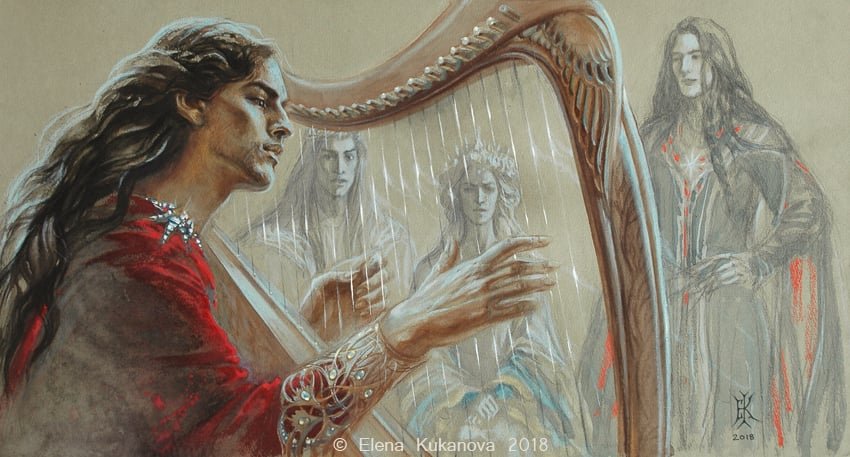
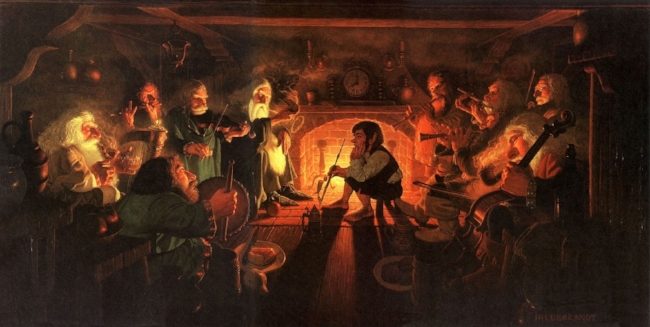
Song is a fundamental aspect of Tolkien's writing, serving the same role as it does in our own cultures. It is a means of documenting history, expressing cultural heritage and maintaining traditions for the people of Middle-earth. The Ents sing lists of lore. The Rohirrim sing of battle and heroic deeds and the Shire folk, of ale and frivolity. Let us not forget that Tolkien’s fictitious world, Arda, was effectively sung into existence via the Ainulindalë, the divine music of creation sung by the Ainur. The cultural significance of song is also a key element of Tolkien’s world building. The songs within the narrative bolster the authenticity of the various cultures of Middle-earth, embedding their history and heritage into the story. Music, rhymes and songs also help define characters. The lighter ones sung by hobbits, provide lighthearted moments, contrasting with the dark and dangerous tones of the larger narrative. It also reinforced their rustic heritage.
Song is a fundamental aspect of Tolkien's writing, serving the same role as it does in our own cultures. It is a means of documenting history, expressing cultural heritage and maintaining traditions for the people of Middle-earth. The Ents sing lists of lore. The Rohirrim sing of battle and heroic deeds and the Shire folk, of ale and frivolity. Let us not forget that Tolkien’s fictitious world, Arda, was effectively sung into existence via the Ainulindalë, the divine music of creation sung by the Ainur. The cultural significance of song is also a key element of Tolkien’s world building. The songs within the narrative bolster the authenticity of the various cultures of Middle-earth, embedding their history and heritage into the story. Music, rhymes and songs also help define characters. The lighter ones sung by hobbits, provide lighthearted moments, contrasting with the dark and dangerous tones of the larger narrative. It also reinforced their rustic heritage.
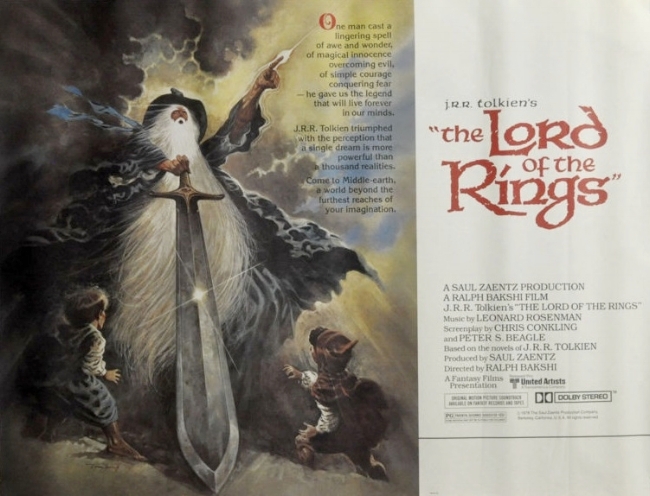
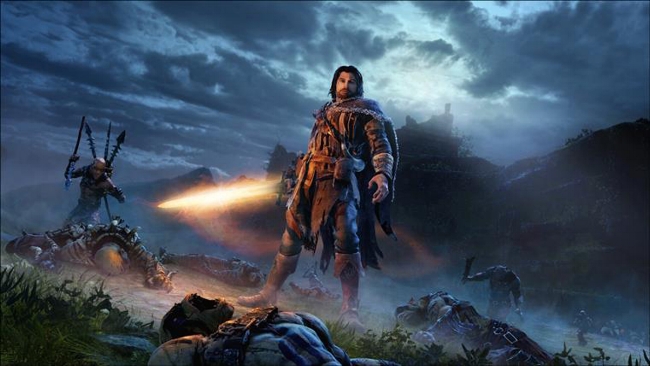
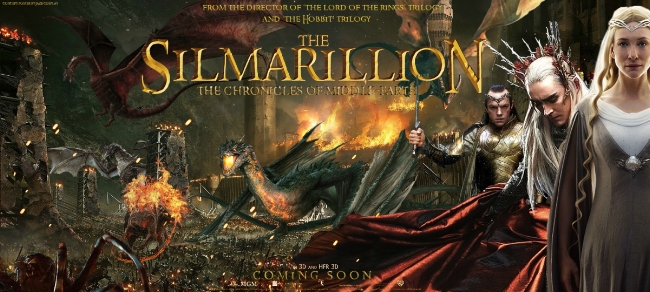
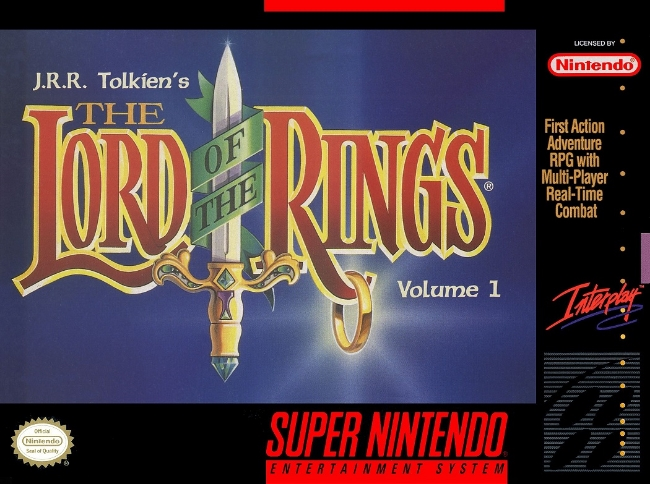
Eight years ago I collated three songs that were either inspired by Tolkien’s writings or were indeed specific songs from the source text that had been set to music. These can be found here; The Songs of Middle-earth: Part One. The post was originally intended to be part of a series, so I therefore thought it was high time that I wrote about another three, as there is still so much material to choose from. Once again I have chosen two which are clear adaptations of songs in The Hobbit and The Lord of the Rings and have been set to music. Then there is one which is an original piece, though clearly inspired by Tolkien’s Legendarium and sung in Quenya. I have also added the lyrics and where necessary an English translation.
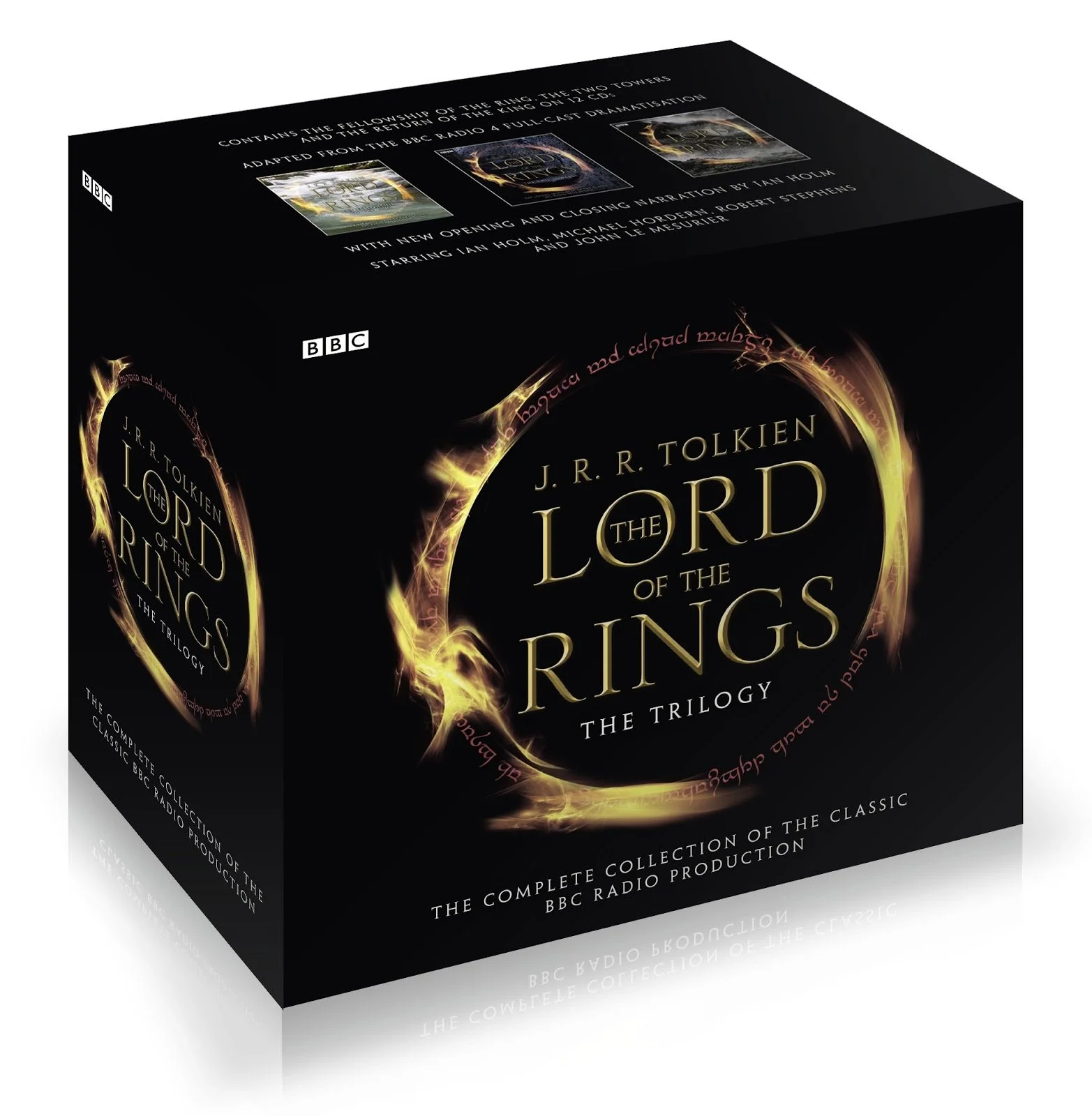
Gil-galad was an Elven king is a poem consisting of three stanzas, spoken aloud by Sam Gamgee in The Fellowship of the Ring. It is a brief account of Gil-galad, the last High King of the Noldor and his death during the siege of Barad-dûr at the hands of Sauron. Sam states that he learned the verse from Bilbo Baggins but Strider then asserts that it is part of a larger, older piece, written in an ancient tongue (probably Quenya) and that Bilbo no doubt translated it into the common speech. The song version presented here is from the BBC radio adaptation of The Lord of the Rings. The music is by Stephen Oliver and composed in the English pastoral tradition, The vocalist is actor and singer Oz Clarke who adopts a baritone style.
Gil-galad was an Elven king
Of him the harpers sadly sing
The last whose realm was fair and free
Between the mountains and the sea
His sword was long, his lance was keen
His shining helm afar was seen
And all the stars of heaven's field
Were mirrored in his silver shield
But long ago he rode away
And where he dwelleth none can say
For into darkness fell his star
In Mordor where the shadows are
Misty Mountains features in Peter Jackson’s The Hobbit: An Unexpected Journey. The music is written by Howard Shore and the words are an abbreviated version of the original song written by J.R.R. Tolkien in the book The Hobbit. Sung by the character Thorin Oakenshield, played by actor Richard Armitage, the rest of the cast provide additional vocals. The song itself is an oral history of how the kingdom of Erebor was attacked by the Dragon Smaug and how the dwarves were driven from their home. It is sung “a cappella” and has an almost “Gregorian chant” religious quality to it. The song was subsequently used as a leitmotif throughout the remainder of the film.
Far over the Misty Mountains cold
To dungeons deep and caverns old
We must away, ere break of day
To find our long forgotten gold
The pines were roaring on the height
The winds were moaning in the night
The fire was red, it flaming spread
The trees like torches blazed with light
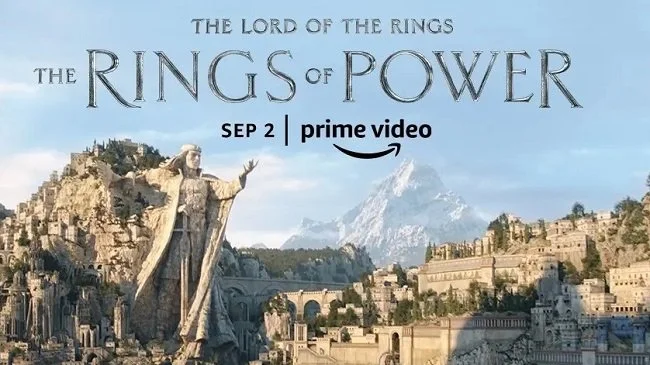
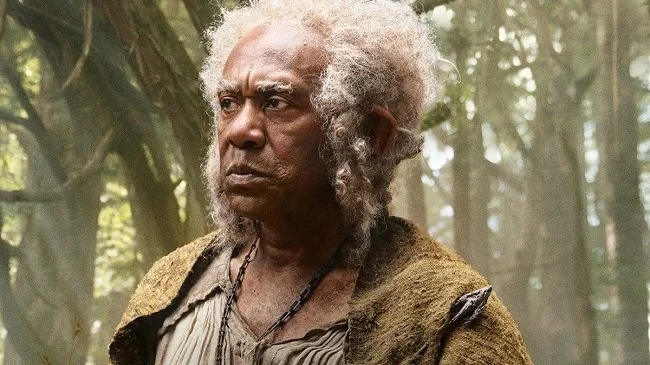
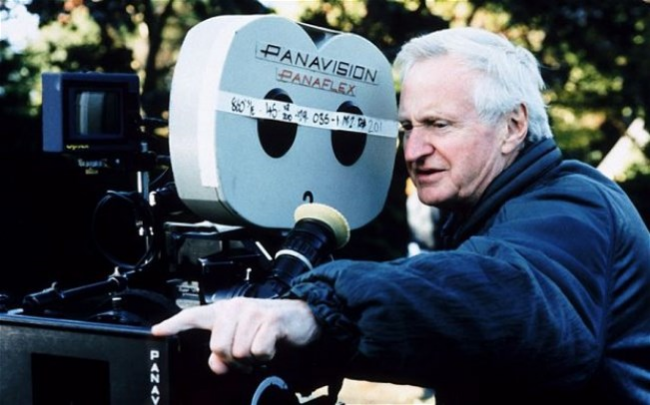
Golden Leaves is an original song composed by Bear McCreary for the first episode of the second season of the Amazon Prime series The Lord of the Rings: The Rings of Power. It features lyrics sung in Quenya by actor Benjamin Walker, who plays Gil-galad, the last High King of the Noldor. The song is a lament for the fading of the Elves in Middle-earth and how it is time to return to Valinor. According to Bear McCreary, the lyrics were created by John D. Payne and were inspired in part by the lyrics Tolkien wrote for Galadriel’s Song in The Fellowship of the Ring. Dialect coach Leith McPherson guided Benjamin Walker’s pronunciation of the Quenya text. Characters expressing themselves in song is a core tenet of Tolkien’s writing and Golden Leaves reflects that admirably.
Sís laurië lassi taiter,
yénin linwavandië.
Anpalla Vai Ahtalëa,
sí lantar Eldaniër.
Eldalié! Eldalié!
Hrívë túla helda ré úlassëa.
Eldalié! Eldalié!
I lassi lantar celumenna.
(Children’s choir:) Cormar nelde aranin Eldaron
Eldalié and’ amárielvë
ambena solor.
Sí néca riëmancan,
viliën an Valinor
Eldalié! Eldalié!
Hrívë túla helda ré úlassëa.
Eldalié! Eldalié!
I lassi lantar celumenna.
Here long the golden leaves grew,
on years branching.
For beyond the Sundering Seas,
now fall Elven-tears.
O’ Elven-kind! O’ Elven-kind!
Winter is coming, bare leafless day.
O’ Elven-kind! O’ Elven-kind!
The leaves are falling in the stream.
(Children's choir:) Three rings for the Elven kings
Elven-kind long have we dwelt
upon this hither shore.
Now fading crown I trade,
to sail to Valinor.
O’ Elven-kind! O’ Elven-kind!
Winter is coming, bare leafless day.
O’ Elven-kind! O’ Elven-kind!
The leaves are falling in the stream.






My Oldest Draft Post
There is currently a group writing prompt available as part of this year’s Blaugust: Festival of Blogging which has piqued my interest. It asks the question “what is the oldest draft post you have” and suggests that it is revived in some manner. I have dozens of draft posts in a folder in my Google Drive. Many are film reviews or film related. The oldest of which dates back to summer 2010. Rather than write a straight forward review of Blake Edwards 1968 comedy The Party, I rather foolishly thought at the time that I’d tackle the issue of whether the film is sufficiently racist to make it beyond the pale. Let it suffice to say that I quickly found myself bogged down in the complexities of the subject and thus never completed the blog post.
There is currently a group writing prompt available as part of this year’s Blaugust: Festival of Blogging which has piqued my interest. It asks the question “what is the oldest draft post you have” and suggests that it is revived in some manner. I have dozens of draft posts in a folder in my Google Drive. Many are film reviews or film related. The oldest of which dates back to summer 2010. Rather than write a straight forward review of Blake Edwards 1968 comedy The Party, I rather foolishly thought at the time that I’d tackle the issue of whether the film is sufficiently racist to make it beyond the pale. Let it suffice to say that I quickly found myself bogged down in the complexities of the subject and thus never completed the blog post.
For those who are unfamiliar with the film, it is about an Indian actor who is making his first big budget American film. He is fired due to his incompetence, yet due to a clerical error is instead invited to a fancy party held by one of the film’s producers. The plot focuses on his naivete and the difficulty it causes him in navigating the social complexities of late sixties Hollywood. However, his inherent good nature and fundamental decency is a stark contrast to the iniquities of the film industry. Blake Edwards was an established film maker at the time and had already made several successful comedies, including Breakfast at Tiffany’s (1961). The main issue with The Party is the casting of comedian and actor Peter Sellers as Hrundi V. Bakshi. An Englishman playing an Indian.
Below is the complete draft post as abandoned in 2010.
Is The Party Racist?
Racism can be defined in many ways. One definition is that racism is a belief that all racial groups are distinguishable by intrinsic characteristics or abilities. Hence, some such groups are therefore naturally superior to others. Racism then manifests itself as a set of practices that discriminate against members of particular racial groups. However, some would argue that such a definition is too simple and others may think it too broad. It can therefore be argued that if defining racism itself is potentially complex, determining if something is racist, can at times be similarly difficult.
I am reminded of something that African American comedian Reginald D. Hunter said many years ago in one of his routines. He humorously pointed out that he was often asked to arbitrate as to whether something is or isn’t racist by his white friends. One anecdote recounts how a white man stood on someone’s foot in a cinema. He immediately says “sorry I didn’t see you” and then realises that the guy who’s foot he stood on is black. Reginald D. Hunter was amused by this moral dilemma and jokingly said “was there hate in your heart when you said it”. I think this is a point worth considering when trying to determine if something is or is not racist.
Bearing this in mind, does this make the 1968 Blake Edwards comedy The Party, starring Peter Sellers as Hrundi V. Bakshi, an Indian man, racist? As there are so many subjective variables pertaining to racism, perhaps a better question to ask is do you think that The Party is racist? Let us consider a few points that may be of relevance and then try and determine whether they prove one way or the other:
Use of Brownface: Peter Sellers, a white British actor, plays an Indian character, which involves him using makeup to darken his skin—a practice known as “brownface.” This is widely recognized today as a form of racial caricature that perpetuates harmful stereotypes. The use of brownface has been criticised for reinforcing the idea that people of colour can be reduced to exaggerated portrayals by white actors, rather than being represented by actors of the same ethnicity.
Stereotypical Depiction: The character of Hrundi V. Bakshi is portrayed in a way that plays into several stereotypes of Indians, particularly in Western media. His exaggerated accent, clumsiness, and naivety can be seen as contributing to a caricatured and one-dimensional portrayal of an Indian man, rather than presenting him as a fully developed character.
Cultural Sensitivity: The film was made in the late 1960s, a time when awareness of racial and cultural sensitivity in Hollywood was far less than it is today. While some argue that the film is a satire or a critique of Hollywood's treatment of minorities, this defence does not fully account for the offense that people of colour felt.
Contemporary Reactions: At the time of its release, the film was generally well-received as a comedy and many viewers may not have questioned its racial implications. However, in more recent years, critics and audiences have reassessed the film in light of changing social norms.
In summary, while The Party may have been considered humorous and harmless at the time of its release, by today's standards, the film's portrayal of race is widely regarded as problematic and potentially racist due to its use of brownface and stereotypical depictions, irrespective of any emergent humour.
Further notes.
The film draws much inspiration from the works of Jacques Tati. Particularly; Monsieur Hulot's Holiday and Mon Oncle.
Shane Danielson in The Guardian described The Party as "A comic masterpiece - yet hardly the most enlightened depiction of our subcontinental brothers. Still, propelled by Seller's insane brio, this late display of blackface provided some guilty chuckles, and at least one enduring catchphrase (the immortal 'Birdie num-num')."
Blake Edwards has run into similar later criticism for the casting of Mickey Rooney as a Japanese character in Breakfast at Tiffany's.
The Party was hugely popular in India. The late Indian Prime Minister Indira Gandhi was a fan and was very fond of repeating one of the film’s most memorable lines. When an irate producer shouts at Hrundi V. Bakshi “Who do you think you are?” Bakshi forcefully replies “In India we don't think who we are, we know who we are!".
In some ways, I’m rather grateful for this Blaugust writing prompt because it is a timely reminder that not all ideas translate into good blog posts. The entire post is poorly framed. It’s not a question of whether The Party is racist or not, because it essentially is. However, to apply Reginald D. Hunter’s test, I don’t think it had hate in its heart. The prevailing culture of the US film industry at the time just wasn’t sufficiently racially and culturally sensitive enough to do justice to the film’s plot and thematic aspirations. With regard to incomplete draft posts, I have numerous others that aspire to long form criticism and analysis. Re-reading them now, I remember why many of them remained as drafts. They are mainly ideas that don’t work or have not been thought through. However, rather than considering them failures, I prefer to think of them as examples of slowly gaining experience.
NB. I referenced this draft post five years ago in previous “Blapril” writing prompt.

Conservatives and Tolkien
I don’t know if you have noticed that there are quite a lot of companies that have names taken from Tolkien’s Legendarium. At first glance, this seems innocuous enough. Tolkien’s writings grew in popularity over the seventies and eighties but since the release of the film trilogy at the start of the twenty-first century, his work has become more well known and been assimilated into our wider pop culture. Hence, it seems quite logical that a startup tech company, for example, would choose a name from his writings. No doubt the founders grew up reading The Lord of the Rings and are fans. That all seems plausible. However if you take a further look, it gets somewhat more complex. Here are four companies that have Tolkien based names.
I don’t know if you have noticed that there are quite a lot of companies that have names taken from Tolkien’s Legendarium. At first glance, this seems innocuous enough. Tolkien’s writings grew in popularity over the seventies and eighties but since the release of the film trilogy at the start of the twenty-first century, his work has become more well known and been assimilated into our wider pop culture. Hence, it seems quite logical that a startup tech company, for example, would choose a name from his writings. No doubt the founders grew up reading The Lord of the Rings and are fans. That all seems plausible. However if you take a further look, it gets somewhat more complex. Here are four companies that have Tolkien based names.
Palantir Technologies is a private American software and services company, specializing in data analysis. Named after the “seeing stones” from Tolkien's legendarium, Palantir's original clients were federal agencies of the United States Intelligence Community like CIA and NSA.
Lembas Capital is a San Francisco-based investment firm named after the Elven waybread that appears in The Lord of the Rings and The Silmarillion. The company invests in both public equity and private equity.
Valar Ventures, named after the Valar, is a US-based venture capital fund founded by Andrew McCormack.
Anduril Industries, named after Aragorn' sword, is an American defence technology company that specializes in autonomous systems.
I don’t consider banks, armaments suppliers and intelligence gatherers to be benign. Yes there are other companies with Tolkieneque names that are doing benevolent things but there are enough doing the opposite for me to consider that there’s something else going on. In this case, the common thread is that political conservatism embraces and feels an affinity to the writings of Professor Tolkien. In fact conservatives from both the US and Europe often cite The Lord of the Rings as a source of inspiration.
Why is this you may ask? Mainly because right-wing politicians are drawn to Tolkien's themes of the heroic struggle against corrupt systems, the return of a legitimate ruler to restore social order and a conservatively hierarchical worldview that reflects medieval Catholic ideas. There is also a suspicion of social modernity. The appeal lies in the narrative of a righteous hero or group challenging a “moribund establishment” to build a “brave new world that reflects a former past glory”. Such ideas resonate with right-wing figures who see themselves as fighting for traditional values against societal collapse. Politicians such as US Vice President J.D. Vance, former Member of theEuropean Parliament Lord Hannan and the Italian Prime Minister Giorgia Meloni.
Here are some of the key themes and interpretations that appeal to conservatives.
Heroic Mission and World-Making: Politicians see a parallel between their own political aspirations and Tolkien's heroes, who feel a "duty to save the world" and build a better future.
"Return of the King" and Feudal Order: The core narrative of both The Hobbit and The Lord of the Rings involves the re-establishment of a rightful monarch and the restoration of a pre-existing feudal social structure after a period of chaos. This narrative strongly appeals to conservative viewpoints.
Conservative Values and Hierarchy: Tolkien's work is seen by some as aligning with conservative principles due to its depiction of a divinely ordained natural hierarchy, echoing medieval Catholic notions of the "Great Chain of Being" and a worldview that favors traditional social orders over modernity.
Critique of Modernity: Influenced by his experiences and his devout, pre-Vatican II Catholic faith, Tolkien harbored a deep suspicion of modernity, a sentiment that resonates with many on the right who view modern trends as destructive.
Anti-Totalitarianism: While some interpretations of Tolkien focus on conservative themes, others emphasise his opposition to totalitarian systems. This could also appeal to those who view themselves as fighting against oppressive governments or ideologies.
Like many things political, there is an inherent contradiction to much of the above. The drive to build a better world usually means a better world for that specific political class. The restoration of a prior status quo seldom means it is an equitable one. Critiques of modernity are usually against changes in social attitudes, though not technology as that is a useful tool. As for opposing totalitarianism, this usually means circumnavigating legitimate opposing views or institutions that don’t allow conservatives a free hand. But such is the nature of politics and its use of semantics. As for the question of whether these specific interpretations of Tolkien’s work are actually there in the source text, that is highly subjective.
It helps us understand things much better if we can actually determine what were Tolkien’s own personal politics? Well he most certainly was a conservative both politically and socially but within the context of the times he grew up in. Hence despite the sharing of the term, I don’t really think there is a great similarity between Tolkien’s form of Catholic conservatism and his post WWI social sensibilities and a modern American neocon. Tolkien by his own admission disliked political organisations and institutions, claiming an affinity to non-violent anarchism. He was also anti-fascist and sceptical of industrial capitalism, albeit from a romantic perspective. He was also an ardent environmentalist.
Perhaps Tolkien’s biggest appeal to conservatives is his passion for mythology. Myths are a lens through which we explore the mysteries of the world around us and then use to codify and quantify it. Change the myth and you can change the world, as JRR Tolkien well knew. Which is why he spent his life creating new myths to help us better understand the modern world. An understanding tempered by his own world views. It is this that attracts many politicians on the right, who see mythology as means to frame their populist ideas. Political narrative and mythology have many similarities and are rife with archetypes and heroes.
I’m sure we’re now at the point where some readers may argue “so what if the right finds inspiration in Tolkien’s work” as well as “many fans will interpret things in that which they hold dear, irrespective of whether it is truly there or not”. All of which is true. We all see things through the prism or our own passions, or bias if you prefer. However we live in a world where nuance is in decline. The claiming of aspects of pop culture by specific groups can sometimes have negative consequences, mainly for that which is being claimed. Already because conservatives have stated an affinity for Tolkien’s work, some on the left are already seeking to find content connecting it to the right. Hence there have been claims, unsubstantiated in my view, that The Lord of the Rings is inherently racist and therefore by extension, so was the author and those who read it. There is a risk that the failings of the right may inadvertently blight the cultural standing of Tolkien work, simply by an act of non consensual association.
Which is why I feel the need to push back against the risk of such a thing. I do not believe that Tolkien’s work should just be surrendered to the politically and socially conservative. I’d also prefer not to see certain types of companies usurping Tolkien’s work for their own agendas and chronically misinterpreting his work. Or worse still, doing so just to be associated with something that is “cool”. Perhaps Robert T. Tally Jr. professor of English at Texas State University, said it best “In 2024, a number of prominent right-wingers embrace Tolkien’s work as the inspiration for their own ultraconservative worldview. While some Marxists may look upon this scene with bemusement, fantasy as a mode and a genre is far too important to allow the right-wingers to take for themselves, and that includes the works of Tolkien”.
Screen Capture Software
The ability to take a screen capture of a video game that you’re playing, or an open application or browser tab, is just something we take for granted. Windows 10/11 have a built-in tool called Snip & Sketch that is simple to use. Most of the games that I play have a specific hotkey for taking screenshots and a default directory to store them. Similarly, the latest builds of Windows also include the Xbox Game Bar software, which allows you to capture video from any application that you’re running on your PC. You can then edit via Clipchamp which is the successor to the old Windows Movie Maker. I believe the macOS comes with comparable default software. The absence of such apps today would be noticeable. However, there was a time when such things were not considered standard features.
The ability to take a screen capture of a video game that you’re playing, or an open application or browser tab, is just something we take for granted. Windows 10/11 have a built-in tool called Snip & Sketch that is simple to use. Most of the games that I play have a specific hotkey for taking screenshots and a default directory to store them. Similarly, the latest builds of Windows also include the Xbox Game Bar software, which allows you to capture video from any application that you’re running on your PC. You can then edit via Clipchamp which is the successor to the old Windows Movie Maker. I believe the macOS comes with comparable default software. The absence of such apps today would be noticeable. However, there was a time when such things were not considered standard features.
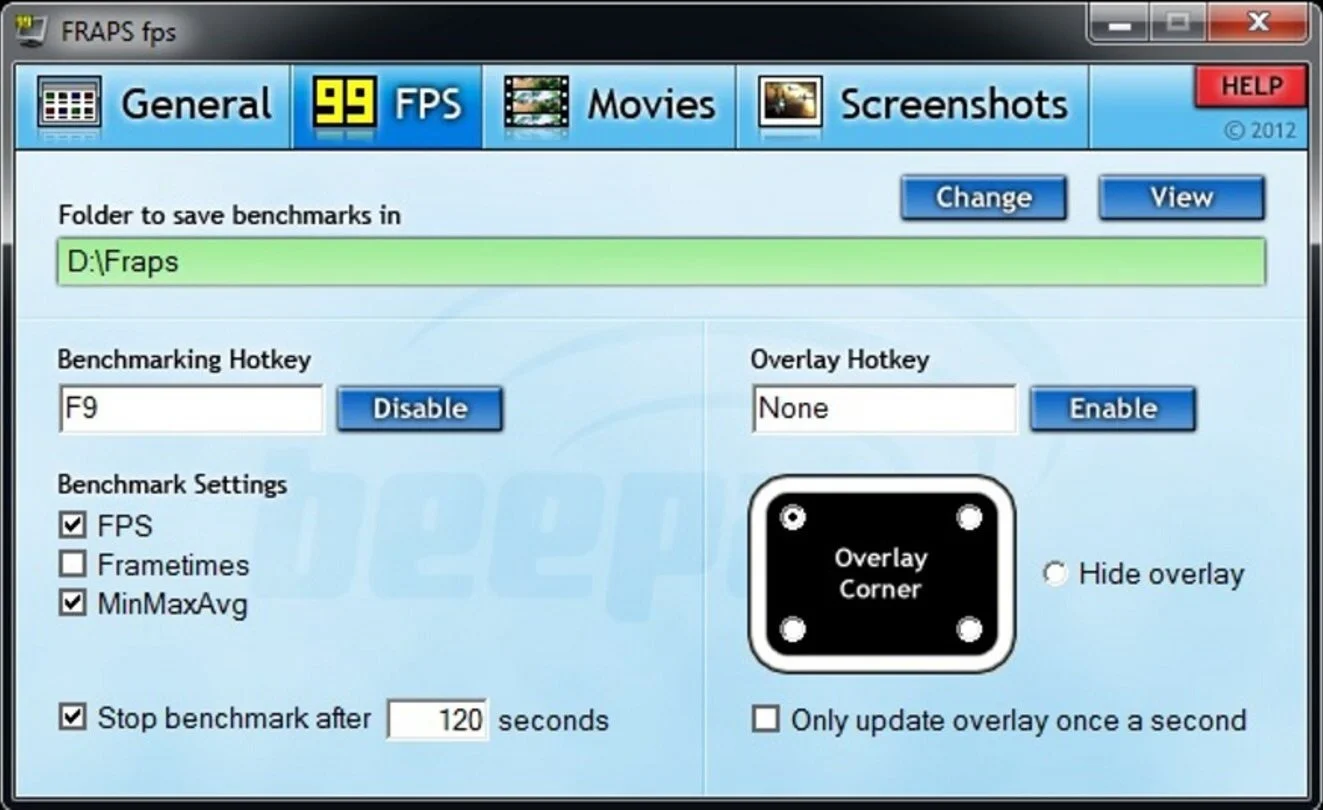
It was around the early 2000s’ while I was creating fan websites based on particular video games, that I became aware of a need for specific screen capture software. The single player games in question had no native screen shot option. So I was using the Print Screen button on my keyboard and then pasting the content into Microsoft Paint. As a process, it broadly worked and indeed still does to a degree but was not exactly convenient. It was about this time I discovered Fraps. Software that could capture both screenshots and as well as providing a benchmarking service. For $40 you could purchase a lifetime subscription, which I duly did. It proved to be a very useful app and was continuously supported and revised up until 2013. I continued using Fraps until 2019 and only stopped because some contemporary games were not compatible, resulting in screenshots of a black screen.
In 2019, after researching a suitable replacement, I decided upon buying Bandicam. I used the free demo version for a while and found that the app was easy to use, especially with regard to switching between two monitors. It also had a more robust video capture facility, taking advantage of more contemporary codecs such as HEVC, affording smaller output files. As recording video footage was both watermarked and restricted to 10 minutes in the demo version, I bought a full license and have been using Bandicam ever since. I use it prodigiously from taking screenshots in-game to taking captures of open web pages and apps. I do the latter for things like bookings or timetables. Information that I can quickly post into a WhatsApp group discussion. The video capture facility is adequate for taking short clips for subreddits etc. It also comes with Bandicut bundles with it, which provides simple editing services.
However, due to many games now shipping with anti-cheat software, even Bandicam can be blocked on occasions from taking screenshots or video capture. This happened to me recently during the first Battlefield 6 Beta test. It was at this point, I started experimenting with the AMD Adrenalin software that accompanies my graphics card. It does so much more than just manage driver updates. It can fine tune game graphics, such as sharpening images and upscaling. It can also take screen and video captures and being integral GPU software, can often bypass anti-cheat related problems. Furthermore, it can screen capture in a variety of image formats and be configured to take a series of pictures, with minimal impact to the running of the game. My only complaint is that the default hotkey combination for a screen capture requires three keys to be pressed.
Recently, I’ve dabbled with posting video game footage to YouTube. This introduced me to such software as OBS and Xsplit Broadcaster. Recording a video game or other activities from your Windows desktop provides me with the option to take screencaptures directly from the video file. This is useful as it affords me a lot more time to be able to select the content that I wish to screencapture. This can be something simple like choosing an appropriate picture for a YouTube thumbnail or taking a series of screenshots to document a specific task or process. It is interesting that in the space of just two decades, the idea of being able to take pictures or video of as you work or play on your PC, has gone from being a specialist requirement, to just an everyday tool. But such is the pace of change in the twenty-first century.

Trapezius Myalgia
Last Wednesday, I woke up with what I thought to be a crick in my neck on the left hand side. I assumed this was simply due to sleeping awkwardly and so I self medicated with some non-prescription pain relief and judicious use of a heat pad. Unfortunately, the problem has persisted and in the last 24 hours it has become much worse. I awoke this morning at about 5:00 AM and as I sat up in bed, an intense pain ran up the left side of my neck and behind my ear. It took several attempts for me to get out of bed because if I turned my head in either direction or inclined my chin, the pain would again run up the side of my neck. Sitting down, getting up and raising my arms caused similar results. While dressing, I attempted to pull a t-shirt over my head. The pain in my neck on this occasion was so severe that I yelled out loud and nearly blacked out.
Last Wednesday, I woke up with what I thought to be a crick in my neck on the left hand side. I assumed this was simply due to sleeping awkwardly and so I self medicated with some non-prescription pain relief and judicious use of a heat pad. Unfortunately, the problem has persisted and in the last 24 hours it has become much worse. I awoke this morning at about 5:00 AM and as I sat up in bed, an intense pain ran up the left side of my neck and behind my ear. It took several attempts for me to get out of bed because if I turned my head in either direction or inclined my chin, the pain would again run up the side of my neck. Sitting down, getting up and raising my arms caused similar results. While dressing, I attempted to pull a t-shirt over my head. The pain in my neck on this occasion was so severe that I yelled out loud and nearly blacked out.
Mrs P subsequently took me to Princess Royal University Hospital in Farnborough, Kent. It is not my local hospital but we decided to go there because it has both an Urgent Treatment Centre and a comprehensive Emergency Department that are both available 24/7. Furthermore, being a training hospital there are a lot more staff available. Due to traffic and the fact it took a while for me to get in and out of the car, I arrived at the UTC at 7:40 AM. Fortunately, there were only about 10 or so people in the waiting room. After checking in at reception, I was quickly seen by a triage nurse who took note of my symptoms, current medication and wider medical history. Fortunately, as this wasn’t battlefield triage, I was not shot in the head. Instead, I waited for about 90 minutes and was then seen by a doctor who was very thorough in reaching a diagnosis.
As I didn’t have a fever or persistent vomiting he ruled out meningitis, which was fine by me, as I had even considered that. Because I was in pain when raising my arms and that the pain was specific to my neck, I was concerned that it may be heart related. I suffer from heart disease and take medication for it. Thankfully, I wasn’t having a stroke. Hence the doctor concluded that I have injured my left trapezius muscle, which runs along my neck, connects to the shoulder blade and down to the top of the rib cage. This is known as Trapezius Myalgia and it is not a medical disorder or disease per se but rather a symptom of an existing underlying condition. Hence I shall be having a scan within the next three days to determine what is causing the problem with this specific muscle. IE is it a sprain, tear or something else.
I spent about two hours at the Urgent Treatment Centre and was impressed by its efficiency. I suspect that I arrived at possibly the optimal time of day. Upon returning home, I checked the National Health Service app on my phone and found that the doctor who saw me had already updated my medical history. This had details regarding my Trapezius Myalgia and a list of follow up actions. Due to lines of demarcation and ongoing changes to “business delivery”, he could not make a direct referral to the physiotherapy department at my local hospital. There is now a self referral system in place which has to be done via a specific app. Needless to say, I have now installed this app and completed the requisite questionnaire. I now await a response from the musculoskeletal (MSK) clinic at my local Hospital, Queen Mary’s in Sidcup.
The NHS in the UK tends to be very good at dealing with urgent problems and emergencies. It doesn’t always do so well with follow up clinics and long term health issue management. For example, Mrs P’s records were not migrated when a specific cardiology department database was updated a few years ago, resulting in her effectively falling off everyone’s radar for 66 weeks. I am not especially happy or confident that the ongoing move to make all major medical departments accessible apps, is going to be as successful as the Minister of Health thinks. However, for the present my immediate health concerns have been addressed. My ailment has been diagnosed and I have a supply of opiates to address the immediate pain. The next step is to determine why it happened and what can be done to effectively remedy it. No doubt that will be another blog post.









Atomfall: Wicked Isle DLC
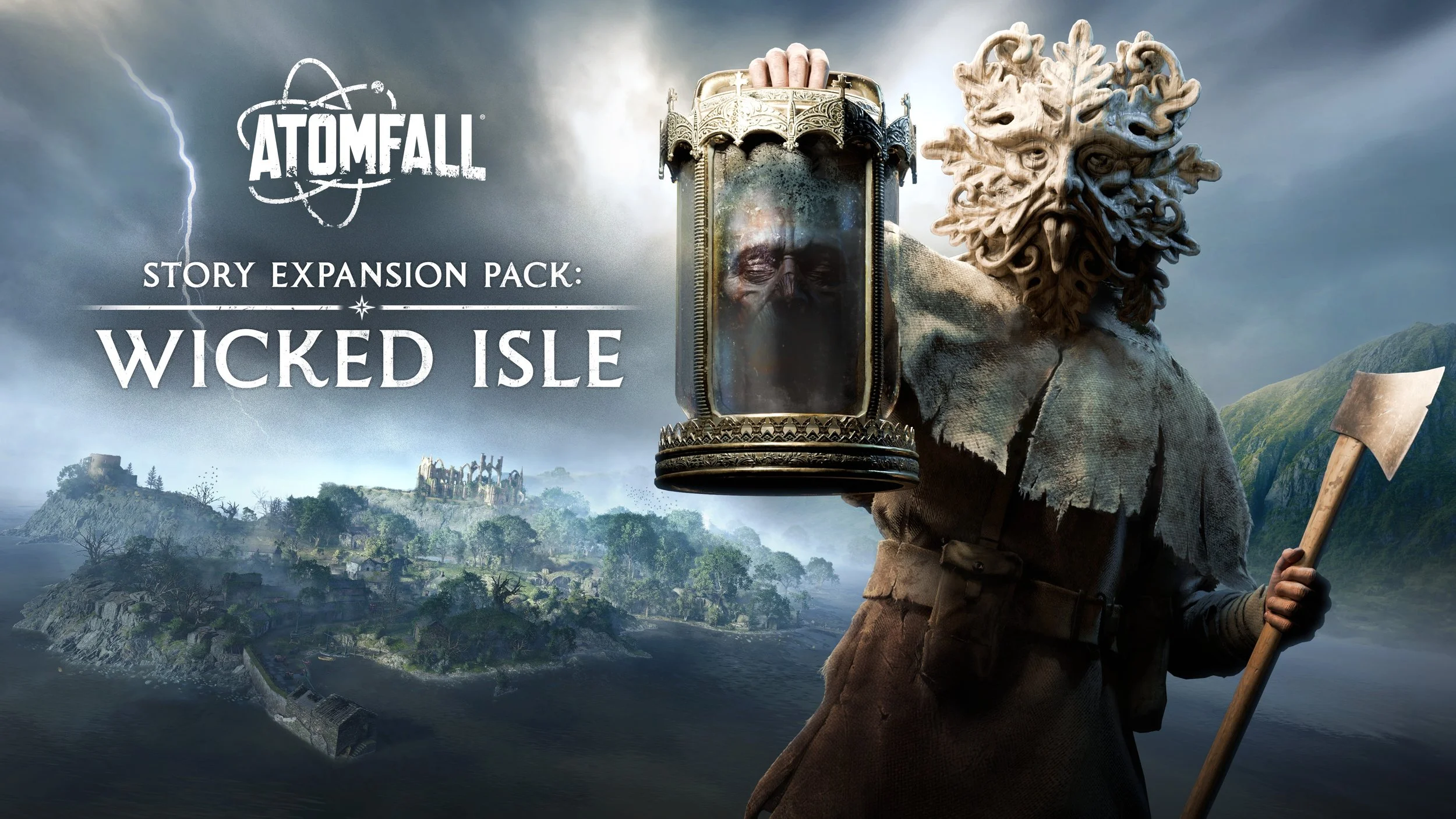
Wicked Isle DLC for the RPG Atomfall was released on 3rd June, two months after the base game launched. As with its predecessor there are no specific missions, the DLC requires the player to explore the environment to pick up leads. These ultimately provide a coherent story but the clues may not necessarily be obtained in the correct order. Hence, again there is a requirement for players to look, listen and think. Referring to the in-game notebook is beneficial for narrative clarification. As well as a new story, Wicked Isle DLC also has new weapons, items and skills. This includes a Blunderbuss shotgun which inflicts huge damage but has a limited range, as well as a cutlass and some ritualistic weapons. There is also an upgraded metal detector along with the Decomposition skill, which causes enemies to rapidly dissolve into fungal spores after a takedown. This means that dead NPCs cannot be discovered.
Wicked Isle DLC for the RPG Atomfall was released on 3rd June, two months after the base game launched. As with its predecessor there are no specific missions, the DLC requires the player to explore the environment to pick up leads. These ultimately provide a coherent story but the clues may not necessarily be obtained in the correct order. Hence, again there is a requirement for players to look, listen and think. Referring to the in-game notebook is beneficial for narrative clarification. As well as a new story, Wicked Isle DLC also has new weapons, items and skills. This includes a Blunderbuss shotgun which inflicts huge damage but has a limited range, as well as a cutlass and some ritualistic weapons. There is also an upgraded metal detector along with the Decomposition skill, which causes enemies to rapidly dissolve into fungal spores after a takedown. This means that dead NPCs cannot be discovered.
One of the most interesting aspects of Wicked Isle DLC, is that rather than being a sequel to the events of Atomfall, it is a tangential story that links into the main narrative. It also provides two additional endings to the main game and sheds further light on the existing lore. Taking place on Midsummer Isle which is adjacent to the Windscale site, the player can access the DLC by going to the docks in Wyndham Village and talking to boatman Bill Anderson. It should be noted that if a player has progressed too far into the main story of Atomfall, they will not be able to access the DLC and the game will notify them accordingly. However, this can be remedied by loading a prior save game, or by starting the main game again and proceeding straight to Wyndham Village.
The Wicked Isle DLC story is very much in the same idiom Atomfall. Midsummer Isle is home to yet more druids and bandits, suffering from the same fungal blight. However, the main story centres on the remnants of an Abbey and its mysterious demise in the seventeenth century. The player is afforded glimpses of the past, through the use of a strange mead brewed from the fungal spores. It is via these flashbacks that we learn how the Abbey discovered an “angel” which bears an alarming similarity to Oberon. The blending of the supernatural with science again is very reminiscent of the works of Nigel Kneale and this DLC has a definite Quatermass vibe to it. Again there are significant choices to be made while playing, which can alter the story outcome of both the DLC and the base game.
Again there are some excellent easter eggs in the Wicked Isle DLC, making more British pop culture references. Something akin to the Lochness Monster can be seen briefly swimming off the shore and there is a creepy nod to Captain Scarlet and the Mysterons. However, despite a strong story and new elements to the game, the lack of a fast travel system continues to be a nuisance. On occasions a lead may send a player from Midsummer Isle back to Wyndham and then across another two zones to expedite the plot. This all has to be done on foot and can be ponderous. As with Atomfall, relying on stealth or simply running away is often the best option, rather than direct combat. The new Aquatic Ferals are especially dangerous at close range and are often in pairs. Unless a player has obtained a decent ranged weapon, combat options can be at times limited.
I enjoyed Wicked Isle DLC and in some respects preferred it to some of the storylines in Atomfall. It is singularly creepy and the ending I chose actually clarified the overall story a lot more. Overall I still like the fact that developer’s Rebellion has chosen not to make the protagonist over powered. The world is hostile and needs to be navigated with caution. You can choose to play as quickly as you see fit but the game does reward a steady and measured approach. If you immerse yourself in the lore, read all information that comes your way and make use of the notebook, the story is both atmospheric and rewarding. The ambience and tone of Wicked Isle DLC along with its uniquely British setting, is for me its biggest selling point. It is not an afterthought as some DLC can be, instead being a solid addition to the game.
Update:
While writing this post, Rebellion have just announced a further “story expansion”, The Red Strain, coming to Atomfall on 16th September. At this point it is not clear if this content is included in the Deluxe Edition of the game or whether it will be chargeable.
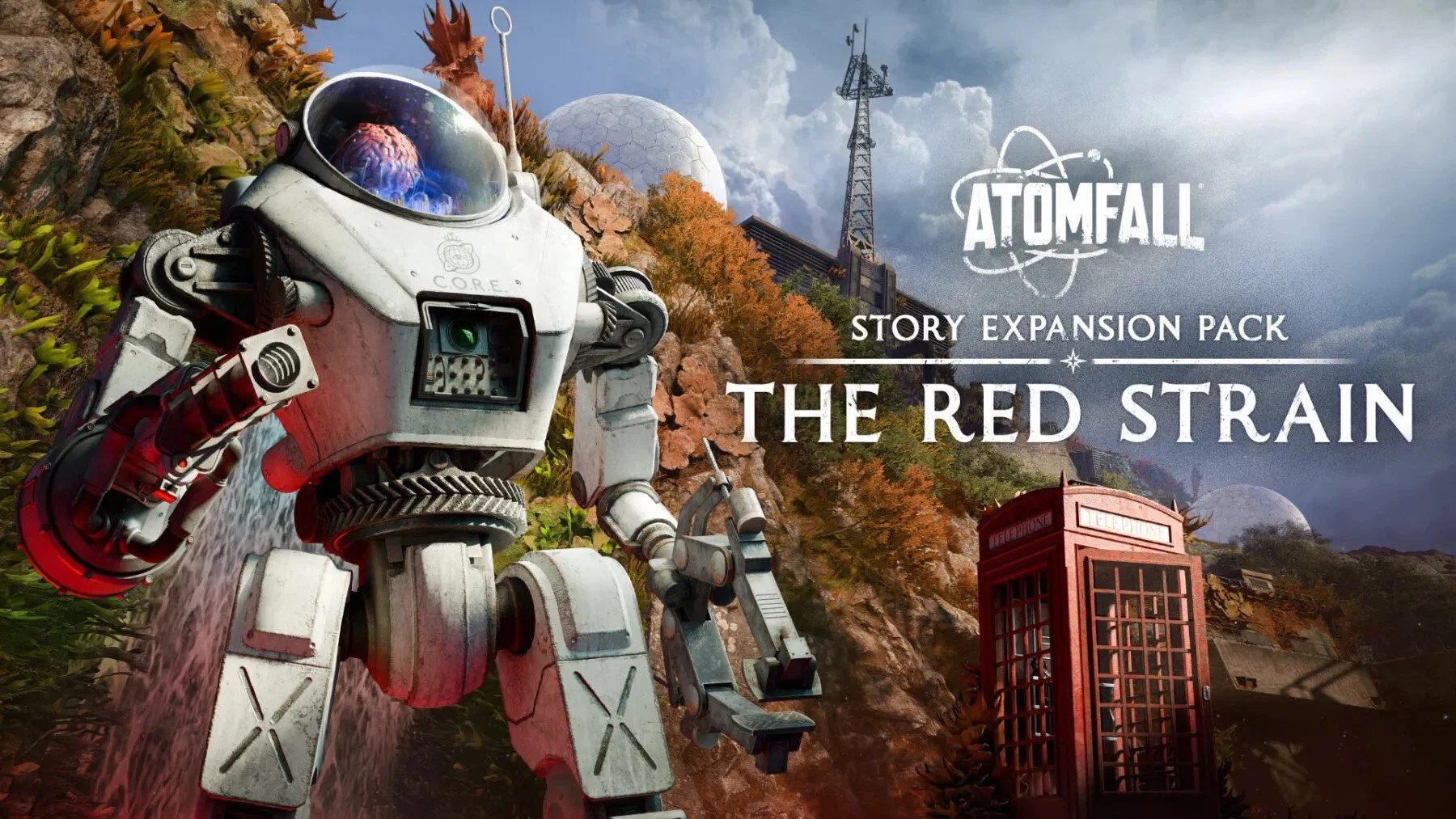

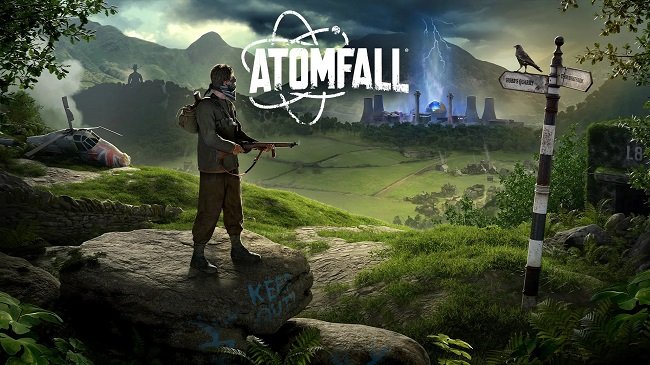

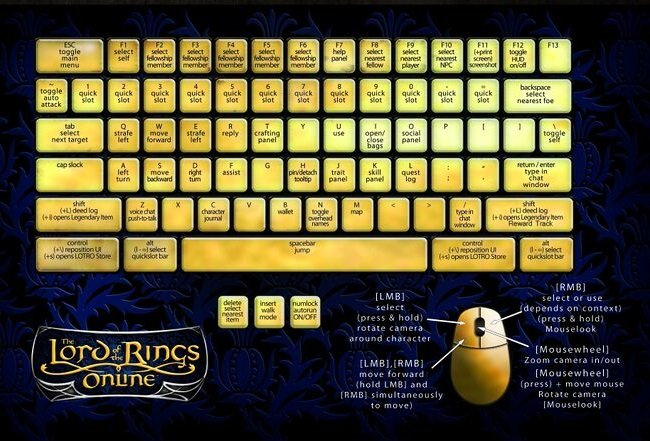




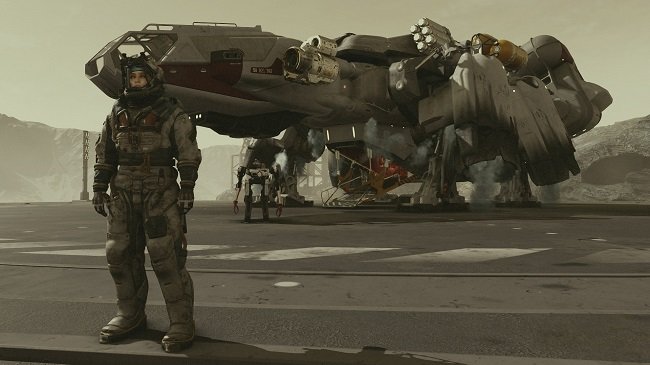

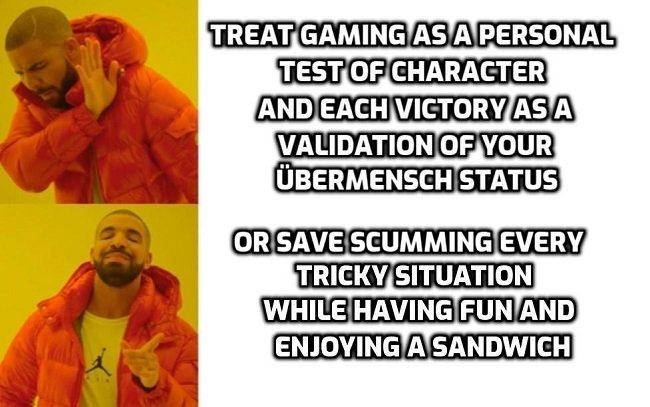




The Battersea Poltergeist
I was unaware of the The Battersea Poltergeist podcast and accompanying online interest during its initial release. Created by Bafflegab Productions and presented by Danny Robins, who is well known in this field with similar shows such as Haunted and Uncanny, it was broadcast on BBC Sounds and BBC Radio 4 between February and March 2021 during lockdown. The Battersea Poltergeist is a documentary of a true story with dramatized re-enactments. The show alternates between interviews, discussions and research into the case with short vignettes from a cast of actors recreating events for dramatic effect. It was released episodically and gained a lot of online and press interest at the time. Hence there were additional episodes interspersed throughout the initial run which provided “case updates” and listener feedback and questions.
I was unaware of the The Battersea Poltergeist podcast and accompanying online interest during its initial release. Created by Bafflegab Productions and presented by Danny Robins, who is well known in this field with similar shows such as Haunted and Uncanny, it was broadcast on BBC Sounds and BBC Radio 4 between February and March 2021 during lockdown. The Battersea Poltergeist is a documentary of a true story with dramatized re-enactments. The show alternates between interviews, discussions and research into the case with short vignettes from a cast of actors recreating events for dramatic effect. It was released episodically and gained a lot of online and press interest at the time. Hence there were additional episodes interspersed throughout the initial run which provided “case updates” and listener feedback and questions.
The case of The Battersea Poltergeist began in March 1956, when Wally and Kitty Hitchens reported “disturbances” in their rented terraced house on Wycliffe Road in south-west London. Crockery was thrown across the room, bedsheets pulled from the bed and banging sounds emanated from the walls and the floor. At times these were so loud, they could be heard by neighbours. Later, several fires began in the house and words were written on the walls. The police investigated, as did several reporters though none appeared to take the matter seriously. There was also a questionable séance which appeared to worsen the situation .The case came to the attention of paranormal investigator Harold Chibbett, who spent months with the family and made comprehensive notes. At the centre of these activities was 15 year old Shirley Hitchens, who named the unruly ghost Donald.
Medium Harry Hank, centre, conducts an séance with Shirley Hitchens and her father Wally (on the right)
Presenter Danny Robins begins the podcast by telling us: “I don’t believe in ghosts.” He then proceeds to go through Chibbett’s original case file, collate newspaper reports and other public records. Several people connected to the case are interviewed including Shirley Hitchens, who is now 80. The investigations are overseen by several experts including parapsychologist Evelyn Hollow and psychology professor Ciarán O’Keeffe. Bridging the investigative sections are dramatised segments, starring Toby Jones as Harold Chibbett and Dafne Keen as the young Shirley Hitchens. Although somewhat contrived they do add to the show’s atmosphere, capturing the frustration and terror experienced by the Hitchens family. They also highlight the UK class divide of the times and the way the family were perceived by the press and other institutions.
I recently binged all 9 episodes of The Battersea Poltergeist as well as the “case updates” and found the show thoroughly entertaining and interesting. Robins and producer/director Simon Barnard have gone to great lengths to make this podcast engaging and informative. I especially enjoyed the dramatic recreations mainly due to the calibre of the cast. There is also a very atmospheric soundtrack and theme song by Nadine Shah and Ben Hillier. However, I did find some of the dialogue a little too contemporary, often using phrases and idioms that were anachronistic. That aside, the show made a broad attempt to provide balance to both sides of the argument, although this does result in a degree of cakeism.
The Hitchens Family circa 1956
As I expected, the overall results of the investigation are logically inconclusive, affording both sides of the debate to be able to claim victory. The predictably ambivalent and non-commital nature of the series’ conclusion is convenient and beneficial to the production team who ultimately are providing entertainment as well as an investigation. It is an inherent failing of this particular genre, or perhaps a deliberate choice, that the audience is always presented with a binary choice. I personally would prefer a more nuanced approach and possibly a third option, namely that there is insufficient data to draw any definitive conclusion. However, such a stance lacks the passion and potential entertainment that arises from a more adversarial approach. If you listen to The Battersea Poltergeist expecting a clear conclusion then you’ll be disappointed. It’s more about the journey and because of the inherent ambivalence of this case, that journey has the ability to keep going.

Red Dawn (2012)
Setting aside the hubris of remaking a film such as Red Dawn, the 2012 reboot had a troubled production. Shot over the course of late 2009, on location in Michigan, MGM intended to release the film in September 2010. However, the studio’s financial problems became unsustainable over the course of that year and the film was shelved, while a financial solution was sought. Furthermore, while Red Dawn was in post production, there was a major economic shift within Hollywood due to the increasing importance of the Chinese market. This was a significant problem for MGM because the new version of Red Dawn had the Chinese invading the USA instead of Russia. Hence there were reshoots and the need for additional visual effects, so that the Chinese could be replaced with North Koreans. MGM eventually went bankrupt and the distribution rights to Red Dawn were sold off. The film was eventually released in 2012.
Setting aside the hubris of remaking a film such as Red Dawn, the 2012 reboot had a troubled production. Shot over the course of late 2009, on location in Michigan, MGM intended to release the film in September 2010. However, the studio’s financial problems became unsustainable over the course of that year and the film was shelved, while a financial solution was sought. Furthermore, while Red Dawn was in post production, there was a major economic shift within Hollywood due to the increasing importance of the Chinese market. This was a significant problem for MGM because the new version of Red Dawn had the Chinese invading the USA instead of Russia. Hence there were reshoots and the need for additional visual effects, so that the Chinese could be replaced with North Koreans. MGM eventually went bankrupt and the distribution rights to Red Dawn were sold off. The film was eventually released in 2012.
Directed by stunt coordinator and second unit director Dan Bradley, Red Dawn offers nothing more than a formulaic narrative and a simplistic plot, supplemented by some distinctly PG-13 rated action scenes. Unlike the original film, written and directed by legendary filmmaker John Milius, there is little character development, a conspicuous lack of political commentary and nothing of note to say on the nature of war. Furthermore there is no credible attempt to explain how the US was invaded by North Korea. It is casually brushed aside after a vague opening montage and then conspicuously ignored for the remainder of the story. It is possible that such material may well have existed in the original cut of the film, when the enemy was China and there was no time or resources to replace it. Or it could just be poor writing.
Upon its release in 1984, the original version of Red Dawn was denounced as Reaganite propaganda by some critics. However, irrespective of director John Milius’ politics, the film had quite a powerful anti-war commentary. It also had characters you cared about with a credible story arc. You got to watch them grow up and make hard decisions. There was some depth to the proceedings, as well as things going “boom”. Dan Bradley’s remake has nothing other than things going “boom” and even that is not especially well done. The teenage cast lack a credible journey, simply morphing from green kids to crack troops, courtesy of a training montage. The main antagonist, Captain Cho (Will Yun Lee) lacks any backstory and is simply flagged as “bad” when he executes a lead character’s father. Calling Red Dawn perfunctory is generous.
Even the presence of Chris Hemsworth fails to improve the situation. Furthermore, this time round his character has prior military experience which mitigates the main theme of the story that wars are often fought by the young, who have to learn on their feet. The much revised script by Carl Ellsworth and Jeremy Passmore makes a few vague attempts to try and say something meaningful but these fail. Hence one character espouses “I miss Call of Duty” only for his colleague to admonish him with the philosophical retort “Dude, we're living Call of Duty... It sucks”. Viewers can’t even take solace in a gritty action scene, as the film is meticulously edited to meet the criteria of its chosen rating. The fire-fights are bloodless and there’s a single and rather obvious use of the word “Fuck” in a contrived kiss off line. Even the film’s title no longer makes any sense due to the plot changes.

Blaugust 2025: Staying Motivated
I’ve participated in every previous Blaugust: Festival of Blogging event. Prior to that I was involved in the Newbie Blogger Initiative or NBI as it was affectionately known. I have therefore written quite a lot of blogging advice and suggestions over the years. If anyone feels disposed to do so, you can access them all by clicking on the “blogging” option on the top menu of this blog. However, it is important to remember that a lot of the ideas I have advocated and written about over the years are purely subjective. Not all advice or guidance works for everyone. People have different ideas about blogging, different approaches to it and different aspirations. This year has highlighted some quite distinct differences among bloggers which has been most illuminating.
I’ve participated in every previous Blaugust: Festival of Blogging event. Prior to that I was involved in the Newbie Blogger Initiative or NBI as it was affectionately known. I have therefore written quite a lot of blogging advice and suggestions over the years. If anyone feels disposed to do so, you can access them all by clicking on the “blogging” option on the top menu of this blog. However, it is important to remember that a lot of the ideas I have advocated and written about over the years are purely subjective. Not all advice or guidance works for everyone. People have different ideas about blogging, different approaches to it and different aspirations. This year has highlighted some quite distinct differences among bloggers which has been most illuminating.
It is currently “staying motivated” week in this year’s event. As ever, there are some optional questions which can be used as writing prompts. Usually, I just offer advice and such like but this time round, I’ll actually answer the questions.
Q: What tricks do you use to keep yourself motivated when something feels impossible?
A: I gamify the process. I set specific criteria and if they are met, then I reward myself.
Q: What are your blogging goals? Do you think participating in Blaugust is getting you closer to where you want to be?
A: First to blog consistently for a month. Secondly, I want to increase my readership. The former is achievable. The latter requires a well defined promotional and marketing policy. That is not within my skillset, so it requires the involvement of a third party and capital expenditure. At present I am still considering whether to do this or invest in a new and separate project.
Q: What do you think you’ll get out of completing your Blaugust goals?
A: The same personal satisfaction I got from writing consistently for a month that I did last year.
Q: What drives you to blog?
A: Robert E. Howard used to burn the midnight oil and write prodigiously because he believed that if he stopped, the spirit of Conan would behead him. I write mainly for pleasure.
Q: Are you happy with your Blaugust so far? If so, why? If not, why not?
A: Yes. I’ve not struggled for ideas and I don’t find writing a chore.
Q: How important is goal setting & reaching your goals to you overall?
A: Quite important. If I reach my writing goal then I’m having a fancy meal at the best Indian restaurant in the borough and also buying a litre of good quality gin.
Q: Did you read any posts during Blaugust (or before) that you found particularly inspirational? Share them!
A: There have been some very good posts from Blaugust 2025 participants. Especially those that have struggled and written about it. I admire their honesty. Perhaps a quote from Stephen King may help those looking for motivation. “The scariest moment is always just before you start.”
Electra Glide in Blue (1973)
American music producer James William Guercio is primarily known for his work in the music industry. He was the producer of the band Chicago’s first eleven studio albums. In the mid-seventies he also managed the Beach Boys and was a member of their backing band. He was during this time, well known in his field and respected. In 1973, Guercio directed, produced and wrote the score for his first and only feature film, Electra Glide in Blue. He was 28 years old at the time. Upon release the film received mixed reviews from many traditional US newspapers, who were dismissive of its revisionist themes and poetical style. However, in Europe the film was received more favourably and was entered into the 1973 Cannes Film Festival. Fifty two years on and Electra Glide in Blue is now considered an overlooked cult classic and is analysed in a more measured fashion.
American music producer James William Guercio is primarily known for his work in the music industry. He was the producer of the band Chicago’s first eleven studio albums. In the mid-seventies he also managed the Beach Boys and was a member of their backing band. He was during this time, well known in his field and respected. In 1973, Guercio directed, produced and wrote the score for his first and only feature film, Electra Glide in Blue. He was 28 years old at the time. Upon release the film received mixed reviews from many traditional US newspapers, who were dismissive of its revisionist themes and poetical style. However, in Europe the film was received more favourably and was entered into the 1973 Cannes Film Festival. Fifty two years on and Electra Glide in Blue is now considered an overlooked cult classic and is analysed in a more measured fashion.
John Wintergreen (Robert Blake) is a short motorcycle cop who patrols the rural Arizona highways with his partner Zipper (Billy "Green" Bush). Wintergreen is involved in a passionate affair with local bar owner Jolene (Jeannine Riley) and aspires to transfer to the Homicide unit. When he is informed by Crazy Willie (Elisha Cooke Jnr) of an apparent suicide-by-shotgun, Wintergreen believes the case is actually a murder. Detective Harve Poole (Mitchell Ryan) confirms the case as a homicide, after a .22 bullet during the autopsy, as well as learning about a possible missing $5,000 from the victim's home. Wintergreen is subsequently transferred to homicide to assist Poole. He soon finds himself at odds with both the detective’s methods and the local hippie community. Matters are further complicated when he learns that Jolene has an existing relationship with Poole.
Apparently Guercio watched the films of John Ford numerous times as a child. Hence when facing the prospect of filming in Monument Valley, Arizona, Guercio sought out a suitably talented Director of Photography who could capture the visual impact of the environment. He allegedly took a director’s fee of one dollar, so that the production had sufficient budget to hire Conrad Hall (Cool Hand Luke, Hell in the Pacific and Butch Cassidy and the Sundance Kid) as cinematographer. Hence, Electra Glide in Blue certainly has the look of a western. Yet tonally it takes elements from multiple film genres such as road movies, circular tales and black comedies. The film transcends its police procedural trappings but doesn’t quite adopt the revisionist approach to the cop genre, as seen in films such as The New Centurions. Instead it has a leisurely and poetic structure, choosing to take time with off beat character studies and aspects of the ongoing counterculture, over moving the plot forward.
Robert Blake is perfectly cast as “Big” John Wintergreen, an idealistic, easygoing and fundamentally decent motorcycle cop. An ex-marine and Vietnam veteran, he aspires to be a detective and “get paid for thinking, instead of sitting on my ass getting calluses”. Yet the enormity of the Arizona landscape and its remote nature, has created a community that is indolent, disillusioned and corrupt. The local hippy commune and culture is in many ways a protest against the status quo and both groups are contemptuous of the other. John is a tragic hero who is doomed because he is an authority figure, irrespective of his amiable personality and liberal leanings. He is also a fish out of water with his police colleagues due to his ambitions and his unwillingness to abuse his power. Hence, there is a feeling of impending doom throughout the film, though not as overt as say Lonely Are the Brave.
Electra Glide in Blue languidly sets up its central narrative, briefly touching on police procedure but overall preferring to showcase various vignettes to paint a picture of the lead characters and their motivations. Wintergreen’s height is frequently explored via some witty dialogue and his friendship with Zipper is shown to be one of polar opposites. Zipper has no ambition and seems to harbour a grudge which manifests itself in the way he bullies the local hippies. When an action scenes and chase sequence are required by the plot they are dutifully supplied. A high speed motorcycle chase between the two cops and a gang of bikers is simply conceived, well executed and practically presented. It stands out in contrast as to what has gone before in the film. The film’s soundtrack and selection of “needle drops” are also well chosen and work very well. Hardly a surprise given the director’s credentials. There is also some concert footage integrated into the plot which again highlights the cultural divide that is central to the plot.
It is not unusual for people from one creative industry to experiment with another. There is a long history of musicians crossing over to acting or film productions. Look no further than Frank Sinatra, David Bowie, Mick Jagger and George Harrison. Hence James William Guercio foray into filmmaking shouldn’t not be considered a surprise. However, the way that so many elements come together so well on his first and only film, certainly is. As to why he chose not to continue directing, is ultimately only known to Mr Guercio. After making Electra Glide in Blue, he transitioned over the next decade from music to the cattle, oil industries and other business ventures. This one time dalliance into filmmaking adds a further mystique to Electra Glide in Blue. A film very much of its time with its loose structure, tangential dialogue and bleak ending. Yet it is those very qualities and others that make it so interesting.

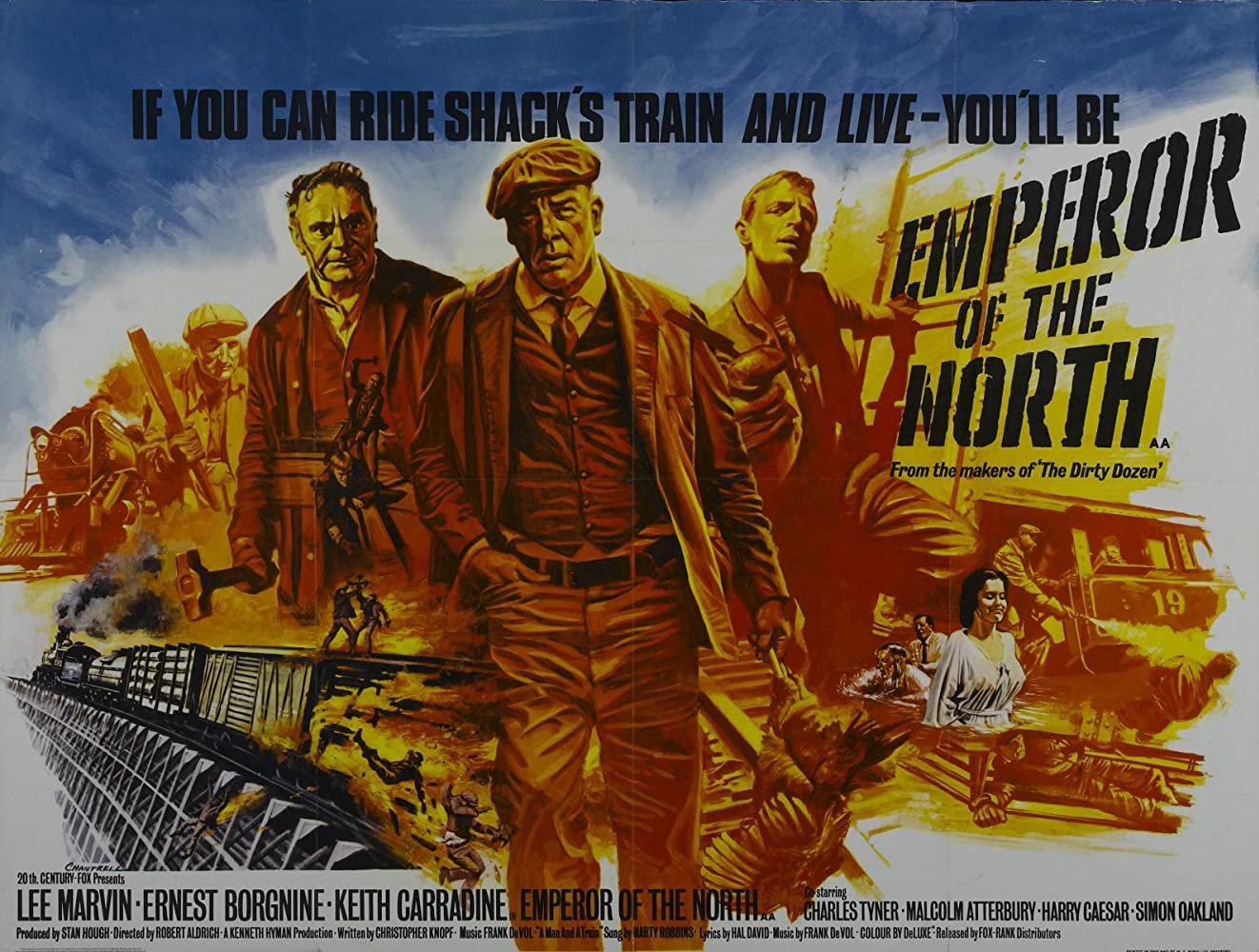


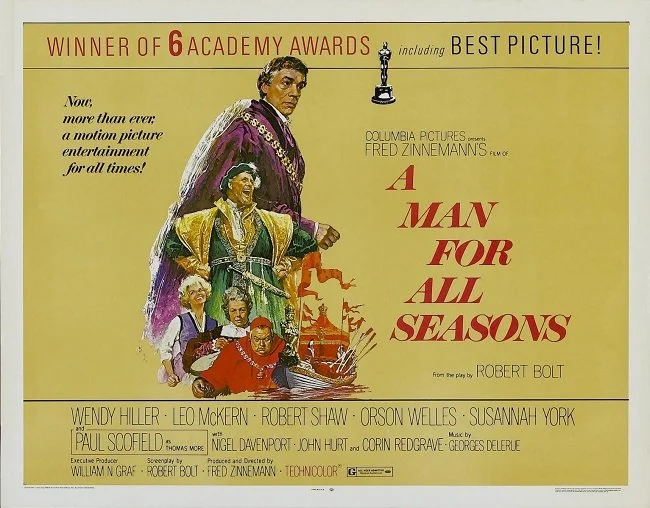

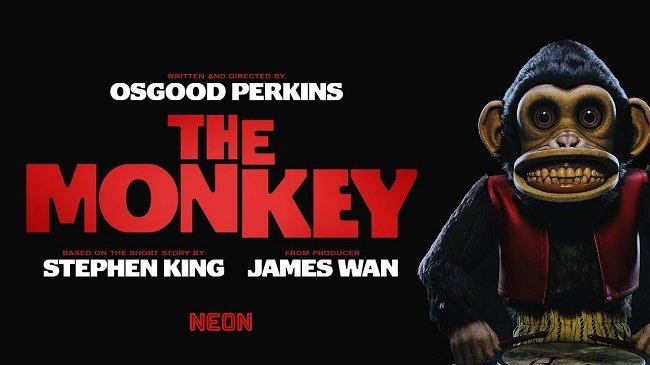

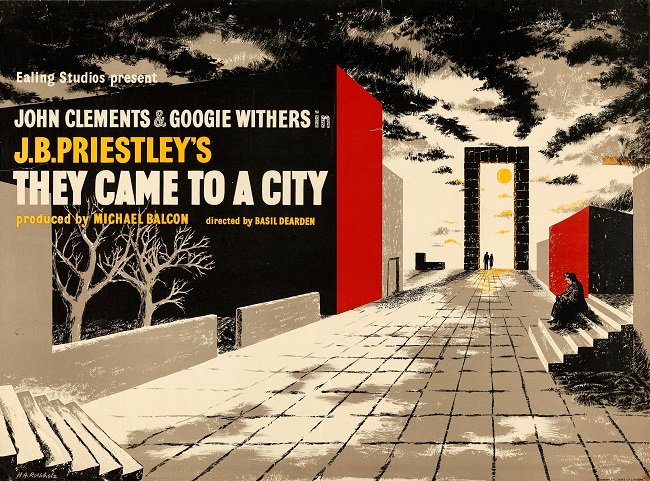
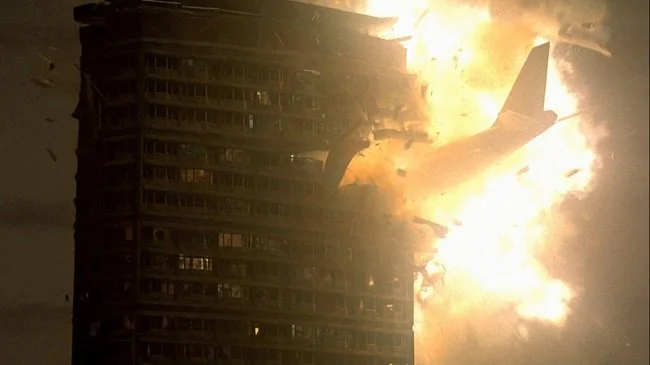





Capel Battery
The artillery battery at Capel-le-Ferne was built between 1941 and 1942, following the fall of France, on the orders of Winston Churchill. Located between Dover and Folkestone, the battery consisted of three 8-inch high-performance guns, provided by the Royal Navy. The battery was intended to provide anti-shipping defence in the English Channel. The site was manned by men of the 520 Coast Regiment Royal Artillery. Over the course of World War II, the battery expanded in size, eventually encompassing multiple Nissen huts, several roads and 19 military buildings. Anti aircraft defence was provided by two 40mm Bofors guns. Over the course of the war, the Capel Battery engaged enemy shipping on four separate occasions and also took part in fifteen practice shoots. In 1944, due to the decreased threat, the battery was placed in “care and maintenance”. The guns were removed in 1952 and the building demolished in the early 1980s
The artillery battery at Capel-le-Ferne was built between 1941 and 1942, following the fall of France, on the orders of Winston Churchill. Located between Dover and Folkestone, the battery consisted of three 8-inch high-performance guns, provided by the Royal Navy. The battery was intended to provide anti-shipping defence in the English Channel. The site was manned by men of the 520 Coast Regiment Royal Artillery. Over the course of World War II, the battery expanded in size, eventually encompassing multiple Nissen huts, several roads and 19 military buildings. Anti aircraft defence was provided by two 40mm Bofors guns. Over the course of the war, the Capel Battery engaged enemy shipping on four separate occasions and also took part in fifteen practice shoots. In 1944, due to the decreased threat, the battery was placed in “care and maintenance”. The guns were removed in 1952 and the building demolished in the early 1980s
Today, two thirds of the old Capel-le-Ferne battery site is now buried under the Battle of Britain Memorial, which was built in 1992. However, the remaining part of the battery (specifically No1 Gun) is now a museum, run by father and son team, John and Martin Button. Opened in 2023, the Capel Battery is dedicated to preserving and displaying the remains of the site and restoring previously existing facilities where it can. To date, the crew shelter, gun store and compressor house, along with the underground plotting room have been fully excavated. Two replica Nissen huts have also been built on their original locations. The site is also home to a 50mm Anti-Aircraft Bofors gun, an AFV434 REME armoured repair vehicle and other military equipment .
BL 8-inch MkVIII Naval Gun
On Saturday 16th August, I was fortunate to have a tour of the Capel Battery. Myself and my colleagues were given leave to look around the site by Martin Button, who also made himself available to answer questions both about the battery’s history and his ongoing plans for development. The former placement for No1 Gun has been fully excavated exposing where the base ring traversing mechanism would have been located. Likewise the bunker behind has also been cleared of undergrowth. Restoration has begun on all the concrete infrastructure, although it is a slow and costly undertaking. However, despite being an ongoing project, the concrete infrastructure that remains is more than sufficient to convey the scale of the naval gun that was installed. The site is about 400 yards from the cliff edge and looks out over the Straits of Dover.
The foundations of many of the prior outbuildings have also been discovered including officers’ mess, guard room canteen, storage and sleeping quarters. Several underground facilities have also been located such as the Operations Room, the Medical Dressing Station along with the Battery Plotting Room. Not all of these are accessible due to underground collapse, or for practical health and safety reasons. Of all of these, the Battery Plotting Room remains the most intact, located 50 feet or more underground. It can be accessed via two vertical ladders and contains much of the trunking and ducting from the original period. It is a substantial structure designed for half a dozen men. It is from here that data was analysed to compute precise gun-laying instructions.
No 1 Gun placement excavation and restoration
Another interesting aspect of the Capel Battery is the owner’s prodigious collection of World War II memorabilia. There is an original Willys MB Jeep and a Land Rover 101 Forward Control, along with radio equipment, an Observer Instrument and much more. All of which contribute to making this former military site an important historical resource. Unfortunately, Folkestone & Hythe District Council are currently in dispute with the Capel Battery’s owners over technicalities regarding the site’s museum status. Hence there is currently a concerted effort by both the owners and supporters of the site to raise the profile of the Capel Battery, thus increase the number of visitors and to raise further funding for excavation, preservation and restoration. I feel that the museum as it stands has a lot to offer and would like to see it reach its full potential. I therefore hope the owners are successful in their endeavours.